Tribal Health is one of the key focus areas under PM JANMAN

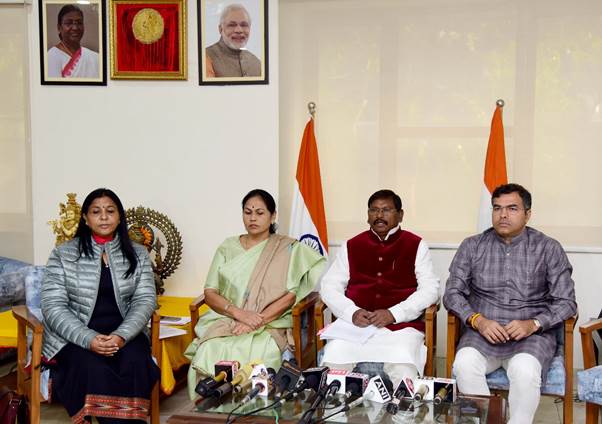
 Union Minister of Tribal Affairs and Agriculture & Farmers Welfare, Shri Arjun Munda interacted with the media today in New Delhi regarding Prime Minister Narendra Modi’s vision of ‘Universal Health Coverage – Leaving No One Behind’. Focus of the interaction was Government of India’s initiatives to provide health security for the poorest of the poor. The briefing was held in the presence of Union Minister of State (Agriculture and Farmers Welfare), Smt. Shobha Karandlaje; MP (Lok Sabha), Shri Parvesh Sahib Singh Verma; and MP (Rajya Sabha), Smt. Indu Bala Goswami.
Shri Munda informed that the Ayushman Bharat – Pradhan Mantri Jan Arogya Yojana was launched in Ranchi, Jharkhand, on September 23, 2018 and is providing health security to the poorest of the poor in the country. This is the world’s largest government funded healthcare program targeting more than 55 crore beneficiaries, aiming to provide insurance cover of Rs. 5 lakh per annum.

The Minister expressed his heartfelt gratitude to Prime Minister Shri Narendra Modi, for the launch of National Sickle Cell Anaemia (SCA) Elimination Programme on 1st July 2023. It aims at addressing the significant health challenges posed by sickle cell disease, particularly among tribal population of the country. Shri Munda informed that the mission aims to screen over 8 crore tribals for SCA, out of which over data for 90 lakh people has already been collected.

Shri Munda further informed about a mammoth initiative by the Government, Pradhan Mantri Janjati Adivasi Nyaya Maha Abhiyan (PM JANMAN), to bring about a 360-degree development in tribal areas. The PM JANMAN Mission targets the development of 75 Particularly Vulnerable Tribal Groups (PVTGs) who have been left out by the schemes of various Ministries/Departments. This Mission has a financial outlay of around Rs. 24,000 crores, and focuses on 11 critical interventions related to 9 key Ministries. Tribal Health is one of the key focus areas under PM JANMAN, the Minister explained. The Union Ministry of Tribal Affairs will be nodal and coordinating Ministry, whereas each of other 8 sectoral ministries and departments will implement the interventions related to them, he added. The Minister also said that now through Viksit Bharat Sankalp Yatra, it is aimed to ensure 100% saturation of government programmes which benefit people directly including tribals living in remotest areas.
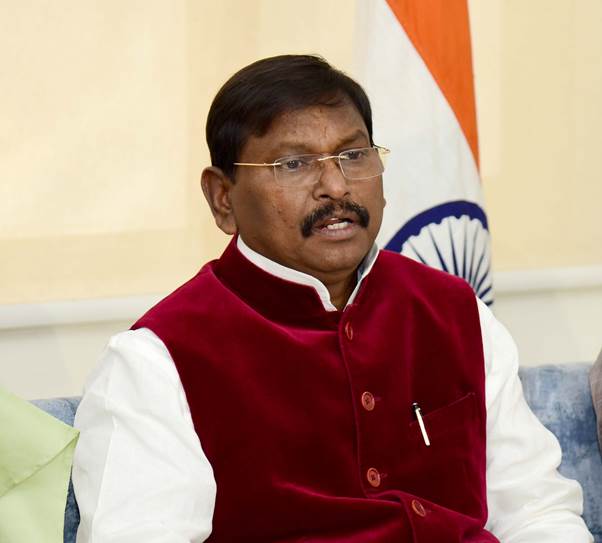
The Minister noted that the healthcare sector in the country had achieved more in the last 9 years than what was done in the preceding 70 years and holistic healthcare has been placed among the top priorities of this government. The Ayushman Bharat scheme under health infrastructure mission is creating modern health facilities at the district level. There were only 8 AIIMS in the country but that number has gone up to 23 now, of which 20 are fully functional. He further revealed that testing facilities have been created and more than 1.6 lakh Ayushman Arogya Mandirs are being established. A healthy individual, a healthy family and a healthy society are the essentials to make a fit India, Shri Munda added.

Giving more details, Shri Arjun Munda said that under the vision of the Prime Minister Shri Narendra Modi, the country has seen an unprecedented revolution in the field of health. Today, for the first time in the country, health is being linked with development. In fact, a widespread sentiment of “Healthy Nation, Wealthy Nation” has now been created in the country.

In the last few years in the country –

  1. 1,63,000 Ayushman Arogya Mandirs were opened for primary health, which is one center available for every less than 10,000 population.
  2. With the aim of having one medical college in every district, their number has been increased from 350 to more than 700 in the last 9 years.
  3. In the last 9 years, the number of MBBS seats has been increased from 52,000 to more than 1,80,000.
  4.  Also, the number of PG seats has been increased from 31,185 (in 2014) to 70,674 at present.
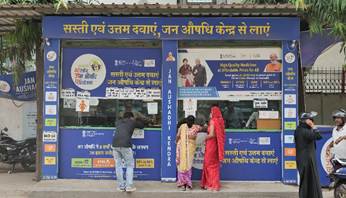
  5. In the last 9 years, more than 10,000 Jan Aushadhi stores were opened in the country and now their number is being increased from 10,000 to more than 25,000. Affordable medicines are being provided which were once beyond the reach of poor people. Through Jan Aushadhi Yojana, the poor of the country have so far saved more than Rs 25,000 crore.
  6. The price of Heart Stent has been reduced from Rs 1.25 lakh (2017) to Rs 38,000 and the price of Knee implants has also been reduced drastically.
  7. Before 2014, there were only 8 AIIMS in the country, today their number has increased to 23.
  8. A grid has been created by connecting 5,000 blood banks in the country together on the National Portal, so that people can know in a transparent manner which blood group is available in which blood bank.
  9. Today, 55 crore people in the country have got the guarantee of free health cover up to Rs 5 lakh under Ayushman Bharat – PMJAY scheme.

An important component of Ayushman Bharat programme is to establish Ayushman Bharat Health and Wellness Centers (AB-HWCs) in the country, now known as Ayushman Arogya Mandir. Ayushman Arogya Mandir integrates promotive, preventive, curative, palliative and rehabilitative aspects of universal health coverage with the goal of providing comprehensive primary health care (CPHC) close to people’s homes.

As of 18th December 2023, the cumulative achievement reported in these Ayushman Arogya Mandirs is as follows:

o          Footfall – 227.41 crore

o          Wellness session – 2.81 crore

o          Hypertension screening – 55.72 crore

o          Diabetes screening – 48.49 crore

o          Oral cancer screening – 32.83 crore

o          Breast cancer screening – 14.92 crore

o          Cervical cancer screening – 10.05 crore


*****
Gender justice and promoting women’s empowerment

 By Shashikant Nishant Sharma

Gender justice is an important commitment of the Government as enshrined in the Constitution of India. In order to promote a gender just society and increased representation of women in various domains, several steps have been taken by the Government over the years. These include enactment of criminal laws and special laws like ‘the Protection of Women from Domestic Violence Act, 2005’, ‘the Dowry Prohibition Act, 1961’, ‘the Prohibition of Child Marriage Act, 2006’; ‘the Indecent Representation of Women (Prohibition) Act, 1986’; ‘the Sexual Harassment of Women (Prevention, Prohibition and Redressal) Act, 2013’, ‘the Immoral Traffic (Prevention) Act, 1956’, ‘the Commission of Sati Prevention Act, 1987’, ‘the Protection of Children from Sexual Offenses Act, 2012’, ‘the Juvenile Justice (Care and Protection of Children) Act, 2015, minimum 1/3rd reservations for women in Panchayati Raj Institutions (PRIs), reservation for women in central/ state police forces, enabling provisions for induction of women in National Defence Academy (NDA) and Sainik Schools, Commando Forces etc.

In the past few years, India is witnessing a rapid transition from women’s-development to women-led development with the vision of a new India. To this end, the Government has adopted a multi-pronged approach to address issues of women on a life-cycle continuum basis encompassing educational, social, economic and political empowerment, so that they become equal partners in fast paced and sustainable national development.

India is presently one of the only 15 countries in the world with a woman Head of State. Globally, India has the largest absolute number of elected women representatives in local governments. India has 10% more women pilots than the global average. Globally, according to the International Society of Women Airline Pilots, around 5 percent of pilots are women. In India, the share of women pilots is significantly higher – over 15 per cent.

Directorate General of Civil Aviation (DGCA) has issued an advisory to all scheduled airlines and major airport operators of India to participate in the International Air Transport Association (IATA) 25 by 2025 initiative which is an industry-wide diversity and inclusion project that aims to increase the number of women in senior positions by either 25% against currently reported metrics or to a minimum representation of 25% by 2025. Airports Authority of India (AAI) has enabled female participation in sensitive domains fundamental to the functioning of the organization such as Air Traffic Control, Fire Services, Airport Operations. Further waiver in fee is granted to female candidates in Direct Recruitment exercise conducted by AAI.

The Gross Enrolment Ratio (GER) of girls in Primary and Secondary Education is almost at par with that of boys.  The presence of girls/ women in Science, Technology, Engineering and Mathematics (STEM) is 43%, which is one of highest in the world. Multiple initiatives for increasing participation of women in Science, Technology, Engineering and Mathematics (STEM) have been undertaken. VigyanJyoti was launched in 2020 to balance low representation of girls in different streams of Science and Technology from 9th to 12th standards. The Overseas Fellowship Scheme started in 2017-18, provides opportunities to Indian Women Scientist and Technologists to undertake international collaborative research in STEM. Several women scientists have played significant roles in India’s maiden Mars Orbiter Mission (MOM), or Mangalyaan, including building and testing the scientific instruments at the Space Application Centre.

Further, Government of India has taken various schematic and legislative interventions and made enabling provisions to ensure women’s participation in various professions. In order to enhance the employability of female workers, under Skill India Mission, the Government is providing training to them through a network of Women Industrial Training Institutes, National Vocational Training Institutes and Regional Vocational Training Institutes.

In order to encourage employment of women, a number of enabling provisions have been incorporated in the recently enacted Labour Codes viz. the Code on Wages, 2019, the Industrial Relations Code, 2020, the Occupational Safety, Health and Working Conditions Code, 2020 and the Code on Social Security, 2020 for creating congenial work environment for women workers.

National Agriculture Market or eNAM is an online trading platform for agricultural commodities, scheme “Kisan Call Centres” answering farmers’ queries on a telephone call in their own dialect, mobile applications like KisanSuvidha, Agri Market, National Crop Insurance Portal, UMANG (Unified Mobile Application for New-Age Governance). These digital innovations are helping women overcome or compensate for the barriers they face in accessing markets.

The Government of India implements “Mission Shakti ” which has two components, Sambal and Samarthya. Under “Sambal”, components such as BetiBachaoBetiPadao, One Stop Centre, Women Help Line and Nari Adalat are in operation. The “Samarthya”, sub-scheme, the components are Pradhan MantriMatruVandanaYojana, Shakti Sadan, Hub for Empowerment of Women, Sakhi Niwas i.e. Working Women Hostel, Palna, Anganwadi cum Creches.

Farmers’ welfare schemes like Pradhan MantriKisanSamman Nidhi, Pradhan Mantri Kisan Maan Dhan Yojana, Pradhan Mantri Krishi Sinchayee Yojana, Paramparagat Krishi Vikas Yojana, Pradhan Mantri Fasal Bima Yojana, etc. continue to nurture an enabling environment for women farmers. Through the initiatives Government is improving farm women’s access to productive resources including agricultural extension services thereby bringing overall improvement in the lives of rural women.

National Cooperative Development Corporation is playing a significant role to uplift women cooperatives as large number of women are engaged and involved in cooperatives dealing with activities related to food grain processing, plantation crops, oilseeds processing, fisheries, dairy & livestock, spinning mills, handloom and power loom weaving, Integrated Cooperative Development Projects, etc.

Under the Government’s flagship scheme Deendayal Antyodaya Yojana – National Rural Livelihood Mission (DAY-NRLM), about 90 lakh women Self Help Groups (SHGs) having nearly 10 crores female members are transforming the rural landscape with regard to women’s economic empowerment.

Most of the nearly 40 million houses sanctioned under the Pradhan Mantri Awas Yojana or the Prime Minister’s Housing Scheme are in the name of women. All this has increased the participation of women in financial decision making. ‘Vocal for Local’ has a lot to do with women’s empowerment, as the power of most local products is in the hands of women.

The Government has made enabling provisions for increasing the representation of women in Armed forces such as granting permanent commission to women including in combat roles such as fighter pilots, allowing entry of women in National Defence Academy (NDA), admission of girls in Sainik schools, etc. In the Indian Air Force (IAF), Women officers are inducted in all the branches and streams. IAF for the first time has inducted women in other ranks as Agniveervayu under Agnipath Scheme. At present, 154 Women candidates are undergoing training.

The Government has also taken various women centric initiatives which may encourage participation of more women in Government service. These, inter-alia, include availing Child Care Leave (CCL), leaving headquarters and proceeding on foreign travel during CCL, Special Allowance @Rs. 3000 per month to women employees with disability for child care, special dispensation for women officers of All India Service of North East cadres, leave upto 90 days to the female Government Servants who have been allegedly sexually harassed, exemption of fee from competitive examination for women, posting of husband and wife at the same station, etc. The States/ UTs have also been advised to increase the number of women bus drivers, conductors and tourist guides.  Further, the Government has also issued advisories to all the State Governments and Union Territories to increase the representation of women to 33 per cent of the total strength of the police personnel in the States/ UTs.  

There is an increased presence of women in public life. In the 2019 Lok Sabha election for the first time in the country since independence, 81 women were elected as Members of Lok Sabha. There are over 1.45 million or 46% women elected representatives in Panchayati Raj Institutions (against mandatory representation of 33%). The 73rd and 74th Amendments (1992) to the Constitution of India had made reservation of 1/3 seats in the Panchayats and Municipalities for women.

The greatest leap forward for women empowerment and representation of women in the highest political offices in the country has been the notification by Government of the Nari Shakti Vandan Adhiniyam, 2023 (Constitution One Hundred and Sixth Amendment) Act, 2023 on 28 September, 2023, for reservation of one-third of seats for women in the House of People (Lok Sabha) and in the State Legislative Assemblies including Legislative Assembly of NCT of Delhi.

******

Steady improvement in indicators for malnutrition

The indicators for malnutrition like underweight, stunting and wasting have shown a steady improvement in the National Health Family Survey (NHFS) conducted by the Ministry of Health & Family Welfare. As per the recent report of NFHS-5 (2019-21), the nutrition indicators for children under 5 years have improved as compared with NFHS-4 (2015-16). Stunting has reduced from 38.4% to 35.5%, while Wasting has reduced from 21.0% to 19.3% and Underweight prevalence has reduced from 35.8% to 32.1%.

As per the data of Poshan Tracker for the month of November 2023, around 7.44 crore children under 6 years were measured, out of whom 37.51% were found to be stunted, 17.43% were found to be underweight and 6% children under 5 years were found to be wasted. The levels of underweight and wasting are much less than that projected by NFHS 5.

The Government has accorded high priority to the issue of malnutrition and is implementing several schemes/programmes of different Ministries/Departments through States/UTs to address various aspects related to nutrition. In the 15th FC, components of nutritional support for children below the age of 6 years, pregnant women and lactating mother, Adolescent Girls (14 – 18 years); Early Childhood Care and Education [3-6 years]; Anganwadi infrastructure including modern, upgraded Saksham Anganwadi, POSHAN Abhiyan and Scheme for Adolescent Girls have been reorganised under Mission Saksham Anganwadi and Poshan 2.0 (Mission Poshan 2.0). Mission Poshan 2.0 focuses on Maternal Nutrition, Infant and Young Child Feeding Norms, Treatment of MAM/SAM and Wellness through Ayush practices to reduce wasting and under-weight prevalence besides stunting and anemia.

Under Mission Poshan 2.0, Supplementary nutrition is provided to beneficiaries 300 days in a year through the network of 13.97 lakh AWC located across the country for bridging the gap in the intake as compared to the recommended dietary intake. Only fortified rice is being supplied to AWCs to meet the requirement of micronutrient and control anemia among women and children. Greater emphasis is being given on the use of millets for preparation of Hot Cooked Meal and Take Home rations (THR-not raw ration) at Anganwadi centres for Children below 6 years of age, Pregnant Women, Lactating Mothers.

The objectives of Poshan 2.0 are as follows:

  • To contribute to human capital development of the country
  • Address challenges of malnutrition
  • Promote nutrition awareness and good eating habits for sustainable health and well-being; and
  • Address nutrition related deficiencies through key strategies.

Steps have been taken to improve nutritional quality and testing in accredited labs, strengthen delivery and leverage technology under Poshan Tracker to improve governance. States/UTs have been advised to promote use of AYUSH systems for prevention of malnutrition and related diseases. A programme to support development of Poshan Vatikas at Anganwadi Centres to meet dietary diversity gap leveraging traditional knowledge in nutritional practices has also been taken up.

Government issued Streamlining Guidelines on 13th January, 2021 to ensure greater transparency and accountability and quality in nutrition service delivery under the ‘Poshan Tracker’, a robust ICT enabled platform to improve governance with regard to real time monitoring of provisioning of supplementary nutrition for prompt supervision and management of services.

Under Poshan 2.0, one of the major activities undertaken is Community Mobilization and Awareness Advocacy leading to Jan Andolan to educate the people on nutritional aspects. IEC material in the form of videos, pamphlets, flyers etc., in regional languages have also been developed around critical themes. Social & Behavioural Changes have been inculcated through conducting Community Based Events, Poshan Maah and Poshan Pakhwada in convergence with various Ministries/ Departments and other stakeholders. So far, more than 90 crore sensitisation activities have been reported by States/ UTs under community engagements programmes through 11 Poshan Maahs and Poshan Pakhwadas celebrated in the months of September and March-April respectively. Community Based Events (CBEs) have served as a significant strategy in changing nutrition practices. CBEs help to celebrate critical milestones in the life of pregnant women and children below two years of age and to disseminate critical information on, inter alia, right time to ensure appropriate complementary feeding with diet diversity. Close to 3.70 crore Community Based Events have been held so far.

A Green and Sustainable Growth Agenda for the Global Economy

Shri Bhupender Yadav, Hon’ble Minister, Ministry of Environment, Forest & Climate Change and Ministry of Labour & Employment launched a G20 report, ‘A Green and Sustainable Growth Agenda for the Global Economy’ today in New Delhi in the presence of Shri Amitabh Kant, Sherpa, G20 India, Shri Suman Bery, Vice Chairman, NITI Aayog, Shri B.V.R. Subrahmanyam, CEO, NITI Aayog, Shri Ajay Seth, Secretary, Department of Economic Affairs and Shri Kapil Kapoor, Regional Director for Asia, International Development Research Centre. His Excellency Kenneth Félix Haczynski da Nóbrega, Ambassador of Brazil to India participated in the panel discussion after the launch. The event also witnessed the presence of Prof. Ramesh Chand, Member, NITI Aayog, and Dr. V. K. Paul, Member, NITI Aayog who made important interventions related to agriculture and One Health, respectively.

In a significant collaborative effort, NITI Aayog, in partnership with the International Development Research Centre (IDRC) and the Global Development Network (GDN), published a report, ‘A Green and Sustainable Growth Agenda for the Global Economy’ based on the proceedings of the G20 international conference held in New Delhi on 28-29 July 2023, featuring 40 leading experts from 14 countries across the world.

Addressing the gathering, Bhupender Yadav, Hon’ble Minister, Environment, Forest & Climate Change and Labour & Employment, extended his congratulations to NITI Aayog for putting together the publication and releasing it at a crucial time when Brazil has just taken over the G20 presidency from India. He further stated, “India has put forth the resolve to make climate action a collaborative process based on common but differentiated responsibilities. A swift, just and equitable transition to renewable energy sources must be underpinned by deep emission cuts and scaled-up finance. India has maintained that climate finance and technology are essential for enabling the Global South to achieve the twin objectives of sustainable and green growth. The countries of the Global South have had little to no contribution to the climate crisis. It is therefore imperative for the developed countries to help them combat climate change. The G20 New Delhi Leaders’ Declaration stated that implementing the climate agenda requires several trillion dollars by 2030. At COP28, Hon’ble PM emphasized that the developed world must ensure a steady flow of climate finance that is accessible and affordable.”

Addressing the gathering at the event, Amitabh Kant, India’s G20 Sherpa, stated, “Let me complement NITI Aayog for organizing the international G20 conference in July and now releasing its this publication. Since I actively participated in the July conference, several inputs shared by the experts were incorporated into the New Delhi Leaders’ Declaration. The Declaration highlighted the urgency and importance of accelerating the pace of global growth, for which free trade is critical as it has lifted vast segments of the population above the poverty line. The World Trade Organisation needs to be revitalized for this purpose.”

Commenting on the significance of the launch of the G20 report, Suman Bery, Vice Chairman, NITI Aayog, said, “I would say that today was both a closure, but also a fresh start with respect to what this means for NITI Aayog and India. This report is being released to enable the transfer of knowledge that came out of the G20 international conference organized by NITI in July to Brazil so that they can benefit from the ideas in the volume.”

The report launch was followed by a video message from Global Development Network, a brief introduction to the report, and an interactive panel discussion with experts on the issues covered in the volume, moderated by Suman Bery, Hon’ble Vice Chairman, NITI Aayog.

The discussions at the event underscored the theme of a just transition as a critical pathway to mitigating climate change, emphasizing its potential positive economic impact for developed and emerging economies. The event was a testament to the commitment of the participating stakeholders to collectively shaping a more sustainable and equitable world.

***

First Mile Connectivity Projects for Seamless Movement of Coal

First Mile Projects facilitate seamless movement of coal from the mine to the despatch point along with computerized loading into railway rakes with minimum manual intervention, obliterate traffic congestion and road accidents, and thus mitigate the adverse impact on environment and health around the coal mining projects.

There is no FMC Project implemented /being implemented in Rajasthan.

The all India target of Production of coal for 2023-24 has been fixed 1012.14 Million Tonnes.

The following steps have been taken by the Government to enhance the production to fulfill the domestic coal demand:

  1. Opening of new coal mine projects and expansion of existing projects
  2. Regular reviews by Ministry of Coal to expedite the development of coal blocks.
  3. Enactment of Mines and Minerals (Development and Regulation) Amendment Act, 2021 for enabling captive mines owners (other than atomic minerals) to sell up to 50% of their annual mineral (including coal) production in the open market after meeting the requirement of the end use plant linked with the mine in such manner as may be prescribed by the Central Government on payment of such additional amount.
  4. Single Window Clearance portal for the coal sector to speed up the operationalization of coal mines.
  5. Project Monitoring Unit for hand-holding of coal block allottees for obtaining various approvals / clearances for early operationalization of coal mines.
  6. Auction of coal blocks for commercial mining on revenue sharing mechanism was launched on 18.06.2020. Terms and conditions of commercial coal mining are very liberal with no restriction on utilization of coal, allowing new companies to participate in the bidding process, reduced upfront amount, adjustment of upfront amount against monthly payment, liberal efficiency parameters to encourage flexibility to operationalize the coal mines, transparent bidding process, 100% Foreign Direct Investment (FDI) through automatic route and revenue sharing model based on the National Coal Index.
  7. Under commercial mining scheme, rebate of 50 % on final offer would be allowed for the quantity of coal produced earlier than scheduled date of production. Also, incentives on coal gasification or liquefaction are granted (rebate of 50 % on final offer) to commence early production.

In addition to above, coal companies have also taken following steps to increase the domestic coal production:

  1. Coal India Limited (CIL) has identified and initiated actions for fulfilling all the resources required like Environment Clearance / Forest Clearance, land acquisition, evacuation infrastructures such as mechanised loading through Coal Handling Plant (CHP) / SILO, Rail Projects etc. for enabling projects to contribute to its target as per 1 BT production plan.
  2. Singareni Collieries Company Limited (SCCL) has planned to produce 70 MT by 2023-24 from the present level of 67 MT. Regular liaison is being undertaken for grounding of new projects and operation of existing projects. SCCL has initiated action for developing infrastructure for evacuation of coal like CHPs, Crushers, Mobile Crushers, Pre-weigh-bins etc.

This information was given by Union Minister of Coal, Mines and Parliamentary Affairs Shri Pralhad Joshi in a written reply in Lok Sabha today.

****

Pradhan Mantri Bhartiya Janaushadhi Pariyojana

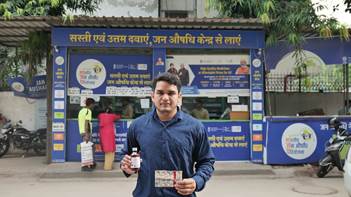
 Pradhan Mantri Bhartiya Janaushadhi Pariyojana (PMBJP) has created another landmark in the history of generic medicines in the country by selling medicines worth Rs. 1000 Crore this year. This achievement was made possible only by the people of the country, who have saved approximately 5000 crores by purchasing medicines from Jan Aushadhi Kendras which is present in more than 785 districts of the country. This substantial growth is a testament to PMBI’s commitment to serving more communities and reaching a broader audience.

In last 9 years, there has been more than 100 times growth in number of Kendras which were only 80 in 2014 and have now grown to almost 10000 Kendras covering almost all the districts of the country. Hon’ble Prime Minister in his Independence Day speech, 2023 has announced for opening of 25,000 Pradhan Mantri Bhartiya Janaushadhi Kendras (PMBJKs) across the country.

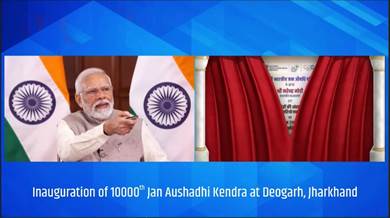
The Prime Minister virtually launched the 10,000th Janaushadhi Kendra at AIIMS, Deoghar, Jharkhand on 30th November, 2023 and further paved the way for expanding the number of Kendras to 25,000 for wider outreach and easy accessibility of medicines to the people of the country.

Accordingly, the Government has set a target to open 25,000 Janaushadhi Kendras across the country by March, 2026. Keeping up the promise, online applications have been called for opening of new Janaushadhi Kendras across all districts of the nation through the official website of PMBI, i.e.; – www.janaushadhi.gov.in and for any further communication, anyone may contact through the national toll-free number i.e.; 1800 180 8080.

Under this scheme, there are more than 10,000 functional Janaushadhi Kendras across the country. The product basket of PMBJP comprises 1963 medicines and 293 surgical devices covering all major therapeutic groups such as Cardiovascular, Anti-cancers, Anit-diabetics, Anti-infectives, Anti-allergic, Gastro-intestinal medicines, Nutraceuticals, etc.   There are five warehouses at Gurugram, Bengaluru, Chennai, Guwahati and Surat. These are backed by SAP based inventory management system. Further, 36 distributors are functional across the country to support the supply of medicines to remote and rural areas. PMBJP has further addedd number of Ayurvedic products in its product basket for immunity boosting and it is easily available at affordable prices for people.

***

Investment in Indian Space Start-Ups increased to $ 124.7 Million in 2023

 The Government has initiated steps to increase the nuclear power capacity from 7480 MW to 22480 MW by 2031-32, Union Minister Dr Jitendra Singh said today.

The annual electricity generation from nuclear power plants has increased from 35334 Million Units (including infirm) in 2013-14 to 46982 Million Units (including infirm) in 2022-23. The installed nuclear power capacity in 2013-14 has also increased from 4780 MW to 7480 MW at present, he said.

The Union Minister of State (Independent Charge) Science & Technology; MoS PMO, Personnel, Public Grievances, Pensions, Atomic Energy and Space, gave this information in separate written replies in the Lok Sabha.

Dr Jitendra Singh said, the electricity generation from nuclear power plants in the current year 2023-24 (up to November 2023) is about 32017 Million Units against the aspirational MoU target of 52340 Million Units for the year.

At present 23 nuclear power reactors are installed, he said. The total electricity generated from nuclear power plants during the last ten years (2013-14 to 2022-23) was about 411 BUs averting release of about 353 Million Tons of CO2 equivalent to the environment.

Dr Jitendra Singh said, construction and commission of ten reactors totalling 8000 MW is underway in the states of Gujarat, Rajasthan, Tamil Nadu, Haryana, Karnataka and Madhya Pradesh. In addition, pre-project activities in respect of ten reactors accorded sanction by the Government has been initiated. These are scheduled for progressive completion by 2031-32. The Government has accorded in-principle approval to set up 6 x 1208 MW nuclear power plant in cooperation with the USA at Kovvada in Srikakulam district in the state of Andhra Pradesh, he said.

Dr Jitendra Singh said, nuclear power generation in the country continued to demonstrate excellent safety in the last 10 years. Performance landmarks like completion of 50 years of operation of TAPS 1&2 (presently oldest reactors in the world), setting of world record in continuous operation by KGS-1 of 962 days were achieved in the last 10 years.

Dr Jitendra Singh said, Nuclear Power Corporation of India Limited (NPCIL) has taken steps to ensure completion of plant shutdown of operating reactors as per schedule and early start of generation from new units and also avoiding of any unplanned shutdown to meet the target. PFBR is undergoing integrated commissioning. Bharatiya Nabhikiya Vidyut Nigam Limited (BHAVINI) has set milestones against set timeline to reach the target.

Dr Jitendra Singh said, close coordination is maintained with the State Governments during all phases of the construction and subsequent operations of the Nuclear Power Plants.

Dr Jitendra Singh said, Nuclear Power is a clean and environment friendly base load source of electricity generation, which is available 24X7. It has huge potential and can provide the country long term energy security in a sustainable manner. Expansion of nuclear power capacity will help in the country’s energy transition for meeting the goal of a net zero economy by 2070.  

   ****

India launched 396 foreign and 70 domestic satellites during the period 2014-23

The number of foreign and domestic satellites launched by India during period 2014-23 were 396 and 70 respectively, Union Minister Dr Jitendra Singh said today, while the number of foreign and domestic satellites launched by India during period 2003-13 were 33 and 31 respectively.

In a written reply in the Lok Sabha today, the Union Minister of State (Independent Charge) Science & Technology; MoS PMO, Personnel, Public Grievances, Pensions, Atomic Energy and Space, said the revenue generated from satellite launches during decade 2014-23 is USD157 Million and 260 Million Euros. The corresponding figure during decade 2003-13 were USD15 Million and 32 Million Euros, he said.

Dr Jitendra Singh said, annual Budget allocated to Department of Space has grown from Rs. 6,792 Crores for FY 2013-14 to Rs. 12,544 Crores for FY 2023-24.

As per various global estimates and news outlets, the sector is projected to grow at 6-8% in coming years, he said.

 ****

Space Start-Ups have gone up, from just 1 in 2014 to 189 in 2023 as per DPIIT

 The number of Space Start-Ups have gone up, from just 1 in 2014 to 189 in 2023 as per DPIIT Start-Up India Portal, Union Minister Dr Jitendra Singh said today. The investment in Indian Space Start-Ups has increased to $ 124.7 Million in 2023, he added.

The Union Minister of State (Independent Charge) Science & Technology; MoS PMO, Personnel, Public Grievances, Pensions, Atomic Energy and Space, said this in a written reply in the Lok Sabha today.

Dr Jitendra Singh said, the current size of the Indian Space Economy is estimated around $8.4 billion (around 2-3% of global space economy) and it is expected that with the implementation of the Indian Space Policy 2023, $44 billion Indian space economy can be achieved by the year 2033. The role of the private sector will be prime to achieve the expected economy figure. It is expected that private sector will take up independently end to end solution in satellite manufacturing, launch vehicle manufacturing, provide satellite services, and manufacture ground systems.

In a separate reply, Dr Jitendra Singh said, presently, FDI in space sector is allowed under Government route for satellite establishment and operations. In order to promote Foreign Direct Investment (FDI) in Space Sector, the Department of Space in consultation with DPIIT is in the process of reviewing the FDI policy guidelines of space sector, he said.

Dr Jitendra Singh said, some Non-Government Entities (NGEs) launched their own satellites. Many other Space Industries and Start-Ups are also building their own Satellites & constellations. These satellites shall contribute to applications in agriculture, disaster management, environmental monitoring, etc.

Dr Jitendra Singh said, while one NGE launched their sub-orbital launch vehicle, a private launchpad and mission control centre has been established within the ISRO campus for the first time by an NGE. Sub-orbital launch by that NGE is scheduled shortly. The government has announced the Indian Space Policy 2023, which enables end-to-end participation of NGEs in all domain of space activities.

Dr Jitendra Singh enumerated the following other developments and impact in the space sector:

  • Private companies are exploring satellite-based communication solutions.  Private players are increasingly participating in space-based applications and services.
  • Satellite integration and testing facilities are coming up in private sector.
  • The local manufacturing of the satellite subsystems and Ground systems are being taken up by private sector.
  • Indian private space companies are increasingly entering into collaborations and partnerships with international space organizations and companies.

Dr Jitendra Singh said, efforts that are being taken in reaching out to the academic community as well as young startups through handholding, ecosystem support and funding in the country’s backward areas are as follows:

  1. A national committee for adoption of space technology education in India is formed by IN-SPACe, with an aim to facilitate and promote the integration of space technology education across academic institutions in India, fostering awareness, skill development and research.
  2. List of retired ISRO subject experts is published on IN-SPACe Digital Platform (IDP). NGEs can approach these mentors directly for expert advice etc.
  3. Periodically invite willingness from the technocrats having experience in space sector as mentors and connect them to NGEs.
  4. To encourage Students/Academic Institutions to carry out space activities, a committee has been constituted which will evaluate their proposal and provide necessary guidance.
  5. In order to develop quality manpower in the space sector, IN-SPACe is periodically organising skill development short term courses in association with ISRO along with Seed Fund Scheme.

Dr Jitendra Singh said, various schemes to encourage and hand hold private sector also announced and implemented by IN-SPACe, i.e., Seed Fund Scheme, Pricing Support Policy, Mentorship support, Design Lab for NGEs, Skill Development in Space Sector, ISRO facility utilization support, Technology Transfer to NGEs.

IN-SPACe has signed around 45 MoUs with NGEs to provide necessary support for realization of space systems and applications envisaged by such NGEs, which is expected to increase the industry participation in manufacturing of launch vehicles and satellites, he said.

Dr Jitendra Singh said, there are several industry associations in the country related to space sector, the Indian Space Association (ISpA) being one among them. The activities being carried out by such industry associations does not come under the purview of government, he said.  

  ****

MNR Educational Trust at Hyderabad

 The President of India, Smt Droupadi Murmu graced the golden jubilee celebrations of MNR Educational Trust at Hyderabad today (December 20, 2023). 

Speaking on the occasion, the President said that good education opens the doors of progress and good health keeps a person active in life. She stated that the fact that an institution has been active and growing continuously for 50 years underlines the fact that it was started with clear vision and that meaningful and well-conceived efforts have been continued to fulfil that vision.

The President said that today India holds an important place in the world’s knowledge economy. The IT companies located in Telangana, especially in Hyderabad, and the talented IT professionals of this state have a huge contribution in the reputation of India. Our IT professionals are praised all over the world. Students pursuing their education in Hyderabad have made their mark in all professions, including engineering. Educational institutions have a remarkable contribution in this success.

The President said that institutions active in the field of education and health should move forward with the spirit of cooperation in overall nation-building. For this, they will have to pay special attention to rural education and medical facilities for the people of rural areas.

The President said that making education and health services accessible to all is essential for the overall development of Telangana and the entire country. She urged the MNR Educational Trust to make continuous efforts for the educational development and health welfare of people from deprived sections. She said that it should contribute more towards women empowerment by paying special attention to their education and health.


Please click here to see the President’s Speech – 

Top 10 Books to Read About Africa

 Africa is a diverse continent with a rich history and a wealth of cultures. Reading books that explore various aspects of Africa can provide valuable insights. Here are ten books that cover different facets of African history, society, and literature:

  1. “Things Fall Apart” by Chinua Achebe:

    • A classic novel that explores the impact of British colonialism on Igbo society in Nigeria. It’s a powerful narrative that delves into cultural clashes and the consequences of change.
  2. “Half of a Yellow Sun” by Chimamanda Ngozi Adichie:

    • Set during the Nigerian Civil War, this novel vividly portrays the lives of three characters whose paths become intertwined. It offers a glimpse into the complexities of the war and its aftermath.
  3. “Long Walk to Freedom” by Nelson Mandela:

    • An autobiography of Nelson Mandela, the iconic South African leader and anti-apartheid revolutionary. The book provides a firsthand account of his life, struggles, and the fight against apartheid.
  4. “Cutting for Stone” by Abraham Verghese:

    • Set in Ethiopia, this novel follows the lives of twin brothers born in a mission hospital. It weaves together themes of family, medicine, and political upheaval in a beautifully written narrative.
  5. “Things: A Story of the Sixties” by Georges Perec:

    • This novel, originally written in French, offers a unique perspective on urban life in post-colonial Dakar, Senegal. It’s a linguistic experiment that captures the rhythm and diversity of the city.
  6. “The Cairo Trilogy” by Naguib Mahfouz:

    • Comprising “Palace Walk,” “Palace of Desire,” and “Sugar Street,” this trilogy by Nobel laureate Naguib Mahfouz explores the lives of a Cairo family over three generations. It provides a nuanced portrayal of Egyptian society.
  7. “We Need New Names” by NoViolet Bulawayo:

    • A novel that follows the life of a young girl named Darling who grows up in a Zimbabwean shantytown and later experiences the challenges of immigration in the United States.
  8. “A Grain of Wheat” by Ngũgĩ wa Thiong’o:

    • Set in Kenya during the Mau Mau rebellion, this novel examines the impact of colonialism and the struggle for independence. It offers a complex narrative with multiple perspectives.
  9. “The Shadow of the Sun” by Ryszard Kapuściński:

    • A collection of journalistic essays by Polish journalist Ryszard Kapuściński, who spent many years covering events across Africa. The book provides a unique outsider’s perspective on the continent.
  10. “Purple Hibiscus” by Chimamanda Ngozi Adichie:

    • Another work by Adichie, this novel is set in Nigeria and tells the story of a young girl’s coming-of-age in a family ruled by a strict and abusive father. It explores themes of religion, politics, and personal freedom.

These books offer a diverse range of perspectives on Africa, encompassing history, literature, and personal narratives. Reading them can provide a deeper understanding of the continent’s complexities and contribute to a more nuanced appreciation of its people and cultures.

Book Marketing Strategies

 Effective book marketing is essential for reaching your target audience and maximizing the success of your book. Here are some strategies you can consider:

  1. Build an Author Platform:

    • Establish a strong online presence through a website and social media profiles. Connect with readers, fellow authors, and influencers in your genre.
  2. Optimize Your Book Cover and Description:

    • Invest in a professional book cover design that attracts your target audience. Craft a compelling book description that clearly conveys the value of your book.
  3. Utilize Social Media:

    • Engage with readers on platforms like Facebook, Twitter, Instagram, and Goodreads. Share content related to your book, such as behind-the-scenes glimpses, quotes, and updates.
  4. Create a Book Trailer:

    • Produce a visually appealing book trailer and share it on social media and your website. Video content can be a powerful marketing tool.
  5. Leverage Book Reviews:

    • Encourage readers to leave reviews on platforms like Amazon and Goodreads. Positive reviews can enhance your book’s credibility and visibility.
  6. Run Promotions:

    • Offer limited-time discounts or promotions to boost sales and attract new readers. Platforms like BookBub can help you promote your book to a wider audience.
  7. Participate in Author Events:

    • Attend book fairs, literary events, and conventions. These events provide opportunities to network with other authors and connect with potential readers.
  8. Engage with Book Bloggers and Reviewers:

    • Reach out to book bloggers and reviewers in your genre. Provide them with review copies and seek coverage on their blogs or social media channels.
  9. Build an Email List:

    • Create a mailing list to keep your readers informed about new releases, promotions, and exclusive content. Offer incentives, such as freebies or exclusive previews, to encourage sign-ups.
  10. Collaborate with Other Authors:

    • Partner with other authors for cross-promotions or joint events. Collaborative efforts can help you reach a broader audience.
  11. Optimize Your Amazon Author Page:

    • Take advantage of the features on your Amazon Author Central page. Add a compelling author bio, link your blog, and showcase your other books.
  12. Explore Book Advertising:

    • Consider using paid advertising platforms such as Amazon Ads, BookBub Ads, or Facebook Ads to target specific audiences.
  13. Utilize Book Launch Services:

    • Services like BookBaby or Reedsy can assist with book launches, including promotional strategies, marketing materials, and more.
  14. Engage with Book Communities:

    • Participate in forums, online communities, and groups related to your book’s genre. Engage in conversations, but avoid direct promotion—focus on building relationships.

Remember that effective book marketing is an ongoing process. Consistency and engagement with your audience are key to building a loyal readership. Experiment with different strategies and track the results to refine your approach over time.

Book Editing and Proofreading Services


  1. Freelance Editors:

    • Hire a freelance editor with experience in your book’s genre. Platforms like Upwork, Reedsy, or Freelancer allow you to find and hire freelance editors. Check their portfolios and reviews to ensure they have the skills and experience you need.
  2. Editing Services Companies:

    • Many companies specialize in editing and proofreading services. Reedsy, Scribendi, and Editage are examples of such services. They often have a team of experienced editors with expertise in different genres.
  3. Hybrid Publishing Services:

    • Some hybrid publishing companies offer editing and proofreading services as part of their publishing packages. They can provide a range of editorial services, from developmental editing to final proofreading.
  4. Ask for Recommendations:

    • Reach out to other authors or writing communities for recommendations. Personal referrals can be valuable in finding reliable and skilled editors.
  5. Professional Editorial Associations:

    • Check with professional editorial associations like the Editorial Freelancers Association (EFA) or the Chartered Institute of Editing and Proofreading (CIEP) for lists of qualified editors.
  6. Sample Edit:

    • Before committing to a full edit, consider requesting a sample edit from potential editors. This allows you to assess their editing style and see if it aligns with your vision for the book.
  7. Budget Considerations:

    • Keep in mind that editing services vary in cost. The level of editing you need (developmental editing, copy editing, proofreading) and the length of your manuscript can influence the overall cost. Make sure to discuss pricing and payment terms with potential editors.

When choosing an editor, it’s important to communicate clearly about your expectations, deadlines, and any specific requirements you have for your manuscript. A well-edited and proofread book is crucial for its overall professionalism and readability, so investing in quality editing services is often a worthwhile endeavor.

Book Cover Design Services


  1. Professional Designers:

    • Hire a professional book cover designer or a design agency. You can find freelance designers on platforms like Upwork, Fiverr, or 99designs. Look for designers with experience in book cover design and check their portfolios.
  2. Online Design Tools:

    • Use online design tools like Canva or Adobe Spark. These platforms offer templates and easy-to-use tools for creating your own book covers. They are user-friendly and don’t require advanced design skills.
  3. Book Cover Design Software:

    • Invest in design software like Adobe Creative Cloud (Photoshop, Illustrator) if you want to have more control over the design process. This option may have a steeper learning curve, but it provides extensive customization options.
  4. Pre-Made Book Covers:

    • Purchase pre-made book covers from websites like The Book Cover Designer, Premade Ebook Covers, or SelfPubBookCovers. These platforms offer a variety of professionally designed covers that you can customize with your book title and author name.
  5. Book Cover Design Contests:

    • Run a design contest on platforms like 99designs or DesignCrowd. You provide a brief, and multiple designers submit their concepts. You choose the one you like the most.
  6. Hybrid Publishing Services:

    • Some hybrid publishing companies offer book cover design as part of their services. Companies like Reedsy or Archangel Ink provide a range of publishing services, including cover design.

When selecting a book cover design option, consider your budget, the level of customization you desire, and the overall aesthetic you want for your book. It’s crucial that your book cover effectively communicates the genre and content of your book to attract the right audience.

Top Ten Books on Environmental Sustainability

A curated list of ten fantastic books that delve into various aspects of environmental sustainability:

  1. “Silent Spring” by Rachel Carson: This groundbreaking book raised awareness about the detrimental effects of pesticides on the environment and is credited with sparking the modern environmental movement.

  2. “Doughnut Economics: Seven Ways to Think Like a 21st-Century Economist” by Kate Raworth: Raworth presents a compelling framework for a sustainable economy that meets the needs of all within the means of the planet.

  3. “The Sixth Extinction: An Unnatural History” by Elizabeth Kolbert: Kolbert explores the ongoing mass extinction event caused by human activities, offering a sobering perspective on the impact of humanity on Earth’s biodiversity.

  4. “Cradle to Cradle: Remaking the Way We Make Things” by William McDonough and Michael Braungart: This book proposes a new industrial paradigm that promotes sustainable design, advocating for products that can be reused or recycled endlessly.

  5. “Braiding Sweetgrass: Indigenous Wisdom, Scientific Knowledge, and the Teachings of Plants” by Robin Wall Kimmerer: Kimmerer beautifully weaves together indigenous wisdom and scientific understanding, emphasizing the importance of respecting and learning from nature.

  6. “This Changes Everything: Capitalism vs. The Climate” by Naomi Klein: Klein explores the relationship between capitalism and climate change, arguing that addressing environmental issues requires fundamental societal changes.

  7. “Drawdown: The Most Comprehensive Plan Ever Proposed to Reverse Global Warming” edited by Paul Hawken: This book presents a collection of solutions to combat climate change, showcasing practical and scalable strategies.

  8. “The Nature Fix: Why Nature Makes Us Happier, Healthier, and More Creative” by Florence Williams: Williams explores the science behind our connection with nature and its profound impact on our well-being.

  9. “The Uninhabitable Earth: Life After Warming” by David Wallace-Wells: Wallace-Wells provides a stark portrayal of the potential consequences of unchecked climate change, urging urgent action to mitigate its impacts.

  10. “The Water Will Come: Rising Seas, Sinking Cities, and the Remaking of the Civilized World” by Jeff Goodell: Goodell investigates the impending threats of rising sea levels and the consequences for coastal cities due to climate change.

Each of these books offers a unique perspective on environmental sustainability, providing insights, solutions, and thought-provoking ideas that contribute to a deeper understanding of our relationship with the environment and the urgent need for sustainable practices.