
Internship for SEO

By: SN Sharma

Read this Article and please share it:

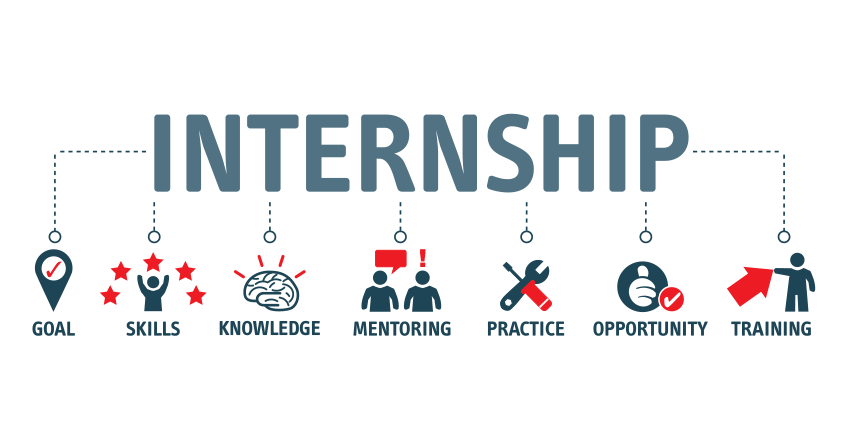
Search Engine Optimization (SEO) stands as a cornerstone in the digital marketing landscape, influencing the visibility and success of online businesses. Given the constantly evolving nature of search engine algorithms and digital marketing strategies, internships in SEO are pivotal in preparing individuals for the intricacies of this dynamic field. Internships provide a unique opportunity for aspiring digital marketers to gain hands-on experience, apply theoretical knowledge, and cultivate the skills necessary for success in the competitive realm of SEO.
  1. Practical Application of Theoretical Concepts:

SEO involves a multifaceted approach that requires a blend of technical knowledge, analytical skills, and creative thinking. While academic programs provide a theoretical foundation, internships offer a platform to apply this knowledge in real-world scenarios. Interns get the chance to implement SEO strategies, analyze data, and witness the impact of their efforts, thereby solidifying their understanding of SEO principles.

  1. Adaptation to Evolving Industry Trends:

The digital landscape is marked by rapid changes, with search engines continually updating algorithms and introducing new features. Internships expose individuals to the latest trends and technologies in SEO, allowing them to stay abreast of industry changes. This adaptability is crucial in a field where strategies that were effective yesterday may become obsolete tomorrow, making internships a vital component of continuous learning in SEO.

  1. Development of Analytical and Technical Skills:

SEO requires a keen analytical mindset and proficiency in various tools and technologies. Internships provide a hands-on environment for interns to enhance their analytical skills by interpreting data, identifying trends, and making informed decisions. Additionally, interns often gain practical experience with SEO tools such as Google Analytics, keyword research tools, and SEO audit platforms, strengthening their technical prowess in the process.

  1. Exposure to Content Creation and Optimization:

Content is a fundamental aspect of SEO, and internships provide an avenue for individuals to understand the nuances of content creation and optimization. Interns may be involved in crafting SEO-friendly content, optimizing existing content for search engines, and learning how content strategy aligns with SEO goals. This exposure ensures that interns develop a holistic understanding of the symbiotic relationship between content and SEO.

  1. Networking Opportunities and Industry Insights:

Internships in SEO open doors to valuable networking opportunities within the digital marketing realm. Interns may interact with seasoned professionals, attend industry events, and gain insights into the broader landscape of digital marketing. Networking during internships can lead to mentorship possibilities, job opportunities, and a deeper understanding of the diverse career paths within the SEO and digital marketing field.

Conclusion:

Internships in SEO serve as a launchpad for individuals aspiring to thrive in the ever-evolving digital marketing landscape. By providing a platform for practical application of theoretical knowledge, exposure to industry trends, development of analytical and technical skills, and opportunities for networking and mentorship, SEO internships play a crucial role in shaping well-rounded and competent digital marketers. Aspiring SEO professionals should actively seek out internships to harness the practical experiences and insights that will set them apart in this dynamic and competitive field.

Importance of Internship for Graphic Design Students

By: Dr. Kavita Dehalwar

Read this Article and please share it:

Internships play a crucial role in shaping the careers of individuals, especially in creative fields like design and graphics. The dynamic nature of these industries demands a blend of theoretical knowledge and practical skills. Internships serve as a bridge between academic learning and real-world application, providing invaluable experiences that contribute significantly to professional development. In the realm of design and graphics, internships are particularly vital as they offer hands-on opportunities to apply theoretical concepts, foster creativity, and cultivate essential skills.

  1. Bridging the Gap between Theory and Practice:

Design and graphics are disciplines where practical skills are as important as theoretical knowledge. While academic programs provide a foundation of principles and concepts, internships allow individuals to translate this knowledge into tangible projects. Working in a real-world environment exposes interns to challenges they might not encounter in the classroom, helping them bridge the gap between theory and practice.

  1. Building a Professional Portfolio:

One of the key benefits of internships in design and graphics is the chance to build a robust professional portfolio. In a competitive job market, a portfolio is often the first thing employers review when considering potential candidates. Internships provide the opportunity to work on actual projects, allowing interns to showcase their skills and creativity through tangible examples. A well-rounded portfolio becomes a powerful tool for landing a job or securing freelance opportunities.

  1. Gaining Practical Experience with Design Tools:

Design and graphics involve the use of various software tools and technologies. Internships provide hands-on experience with industry-standard software, enhancing proficiency and familiarity with tools such as Adobe Creative Suite, Sketch, or 3D modeling software. Mastering these tools is essential for success in the field, and internships offer a practical learning environment to become adept at their use.

  1. Understanding Industry Dynamics:

Every industry has its unique dynamics, and design and graphics are no exception. Internships expose individuals to the intricacies of the professional world, helping them understand client expectations, project timelines, and collaborative workflows. This exposure is invaluable in preparing interns for the realities of the workplace, fostering adaptability and enhancing their ability to navigate complex professional scenarios.

  1. Networking and Mentorship Opportunities:

Internships provide a chance to establish meaningful connections within the industry. Networking with professionals, peers, and mentors opens doors to future collaboration, job opportunities, and a deeper understanding of the industry landscape. Establishing mentor-mentee relationships during internships can offer guidance, advice, and a support system as individuals embark on their professional journeys.

Conclusion:

In the ever-evolving fields of design and graphics, internships serve as a cornerstone for professional growth. By bridging the gap between theory and practice, building portfolios, honing practical skills, understanding industry dynamics, and fostering valuable connections, internships play a pivotal role in shaping successful careers in design and graphics. Aspiring designers and graphic artists should actively seek out internships to gain the hands-on experience and insights necessary to thrive in this dynamic and competitive field.