
Creating a Blogger theme based on another platform's theme, like Colinear for WordPress

 Creating a Blogger theme based on another platform’s theme, like Colinear for WordPress, involves understanding the structure and design elements of the original theme and then adapting them to fit Blogger’s template system. While I can’t provide you with a fully functional Blogger theme here, I can guide you on how to get started.

Here are the general steps you can follow:

1. Understand Colinear Theme:

Visit the Colinear WordPress theme’s official page or documentation to understand its structure, features, and design elements. Note down key components like header, footer, sidebar, and main content area.

2. Set Up a New Blogger Blog:

If you don’t have a Blogger blog, create one. Go to Blogger and sign in with your Google account. Click on “Create a blog” to set up a new blog.

3. Access Blogger Theme Editor:

Once your blog is set up, go to the Blogger dashboard, and navigate to the “Theme” section.

4. Back Up Existing Theme:

Before making any changes, it’s a good practice to back up your existing Blogger theme. Click on the “Backup/Restore” button and download the current template.

5. Analyze Blogger Template Structure:

Familiarize yourself with the structure of the default Blogger template. Understand how it uses XML and widgets to define the layout.

6. Create HTML Structure:

Take the HTML structure from Colinear’s theme and modify it to fit Blogger’s XML format. Pay attention to the placement of widgets, headers, footers, and other key elements.

7. Add CSS Styles:

Blogger uses CSS for styling. Copy the CSS styles from Colinear’s theme and adapt them for Blogger. Ensure that the styling matches the HTML structure you created.

8. Customize Widgets:

Blogger uses widgets for various elements like the sidebar, header, and footer. Add and customize widgets based on the ones used in the Colinear theme.

9. Test Responsiveness:

Ensure that your Blogger theme is responsive. Test it on different devices and screen sizes to make sure it looks good everywhere.

10. Test Functionality:

Test all the functionality of your Blogger theme, including navigation, links, and any custom features.

11. Optimize for SEO:

Make sure your theme is optimized for search engines. Add relevant meta tags and descriptions.

12. Publish Your Theme:

Once you’re satisfied with your Blogger theme, click the “Apply to Blog” button to publish it.

Remember that creating a Blogger theme based on another platform’s theme requires careful consideration of the differences between the two platforms. Additionally, respect copyright and licensing terms if you’re using someone else’s design as a base.

Elevate Your Conference Experience: Unlock the Power of Publication Support with Pen2Print

body {
font-family: Arial, sans-serif;
line-height: 1.6;
margin: 20px;
}

    h1 {
        color: #333;
    }

    img {
        max-width: 100%;
        height: auto;
        margin-bottom: 15px;
    }

    .rating {
        display: inline-block;
        unicode-bidi: bidi-override;
        color: #888;
        font-size: 24px;
        height: 1em;
        position: relative;
    }

    .rating span {
        display: inline-block;
        position: absolute;
        overflow: hidden;
        color: #FFD700;
    }

    .rating input {
        display: none;
    }

    .rating label {
        cursor: pointer;
        width: 1em;
        font-size: 24px;
        text-align: center;
        line-height: 1.6;
    }

    .rating label:before {
        content: '★';
    }

    .rating input:checked ~ label,
    .rating input:checked ~ label ~ label {
        color: #FFD700;
    }


<h1>Dear Conference Organizers, Esteemed Researchers, and Academic Enthusiasts,

Are you gearing up to host an exceptional conference that deserves widespread recognition and global impact? Look no further! Pen2Print is here to elevate your conference experience with our comprehensive publication support services, ensuring that your research reaches the pinnacle of success.

Unleashing the Power of Publication Support:

  1. Conference Proceedings ISBN Allotment:
    Give your conference proceedings the recognition they deserve with our ISBN allotment services. A unique ISBN not only adds credibility to your proceedings but also facilitates their cataloging and accessibility.

  2. Publication as a Special Issue in International Journal of Research (IJR):
    Take your research to new heights by featuring it in a special issue of the esteemed International Journal of Research (IJR). Benefit from the wide readership and high impact factor that IJR offers, amplifying the visibility of your work.

  3. Allotment of DOI (Digital Object Identifier):
    Ensure the permanence and traceability of your research with the allotment of a DOI. A DOI guarantees that your work remains easily accessible and citable, enhancing its impact in the academic community.

  4. Indexing of Articles:
    Secure a place for your articles in renowned indexing services, increasing their discoverability and readership. Pen2Print ensures that your research receives the recognition it deserves by indexing it in reputable databases.

Maximize Exposure and Impact:

  • Promotion of Your Conference:
    We don’t stop at just publication support! Pen2Print goes the extra mile by actively promoting your conference. Leverage our extensive network and marketing strategies to ensure maximum participation and engagement.

  • Send Your Inquiry Today!
    Ready to take your conference to the next level? Send an email to editor@pen2print.org to inquire about our publication support services. Our dedicated team is committed to assisting you every step of the way.

Why Pen2Print?

  • Expertise:
    Benefit from the expertise of our seasoned professionals who understand the nuances of academic publishing.

  • Global Reach:
    Ensure your research reaches a global audience through our wide network and collaborations.

  • Tailored Solutions:
    We offer customized solutions to meet the unique needs of your conference and research.

Don’t let your hard work remain confined—let Pen2Print be your partner in unlocking the full potential of your research. Elevate your conference experience and make a lasting impact in the academic world!

Get SPECIAL ISSUE in IJR

Get ISBN for Conference Proceedings

Best Regards,

editor
Pen2Print Team

editor@pen2print.org

https://www.pen2print.org

Epic Explorer -Abd Al Razzaq

 By Yoshika Sharma

India has experienced many foreign footsteps on its land , some were explorers , some came from the invading purpose. Ancient and mediveal India experienced a lot of such explorers , one of them was Abd Al Razzaq ( 1413 AD ) . Razzaq was from Persia ad was a scholar in the court of king of Persia , Mirza Shah rukh of Timrud Dynasty between 1405 AD – 1482 AD . Mirza wanted to send a messenger to India and so he appointed Razzaq , nbut Razzaq refused to go as he was afraid of travelling , but after many requests by Mirza , Razzaq agreed to comme to India . 

Razzaq by road travelled from Herat to Hormuz and from Port of Hormuz he landed on the land of kozhikode , where he wanted to learn about the government and functioning of the area , but Razzaq was not allowed to meet the king for atleast 3 months and thus he thought of his mission as messenger was a failure. Just then the king of Vijaynagar empire Dev Raya II invited Razzaq to visit vijaynagar , Razzaq  was welcomed at Hampi ( the capital of vijaynagar) and was surprised to see the architectural glory of the buildings of the city . The city had 7 concentric circular walls and at the centre was the huge miraculous palace of the king . The walls were made such that there were houses and farms between the first and second walls , market and coin making factories between the third and fourth walls . Razzaq was greatky welcomed by the king Dev Raya II . As Dev raya wanted to learn more about their government and functioning . As time passed Razzaq was one of the most favourite courtiers of Dev Raya , Dev Raya also gifted Razzaq mansion to live , soon this favouritism towards Razzaq was not excepted by other courtiers and resulting in spread of fake rumours claiming that Razzaq is a spy and not a messenger from Persia . These news spread like wildfire  and finllay reached through the ears of king in which the king said that ” It had been asserted that you were not really sent here by Shah Rukh or else we would have shown you greater attention , if you come back on a future occasion into my territoies you shall meet with a worthy reception” ; by Dev Raya II ( from the book of Abd Al Razzaq . After which Razzaq was forced to flee vijaynagar and was sent back to Persia in 1445 . Razzaq the told all these happenings to Mirza  Shah rukh and then he himself sent an official letter to Dev Raya II regarding the visit of Razzaq . 

Razzaq ‘s experience as a traveller was great this experience made Razzaq a travel enthusiast from a reluctant traveller .

References

Hill, E. (1987). al-Sanhuri and Islamic law: the place and significance of Islamic law in the life and work of’Abd al-Razzaq Ahmad al-Sanhuri, Egyptian jurist and scholar 1895-1971.


Duckworth-Lewis Method (D/L Method)in Cricket

The Duckworth-Lewis Method (D/L Method) is a mathematical formula used to adjust target scores in limited-overs cricket matches that are affected by weather interruptions. The primary goal of the method is to provide a fair and equitable way of revising target scores when the playing conditions are altered due to rain or other disruptions. The D/L Method is commonly used in One Day Internationals (ODIs) and Twenty20 (T20) matches.

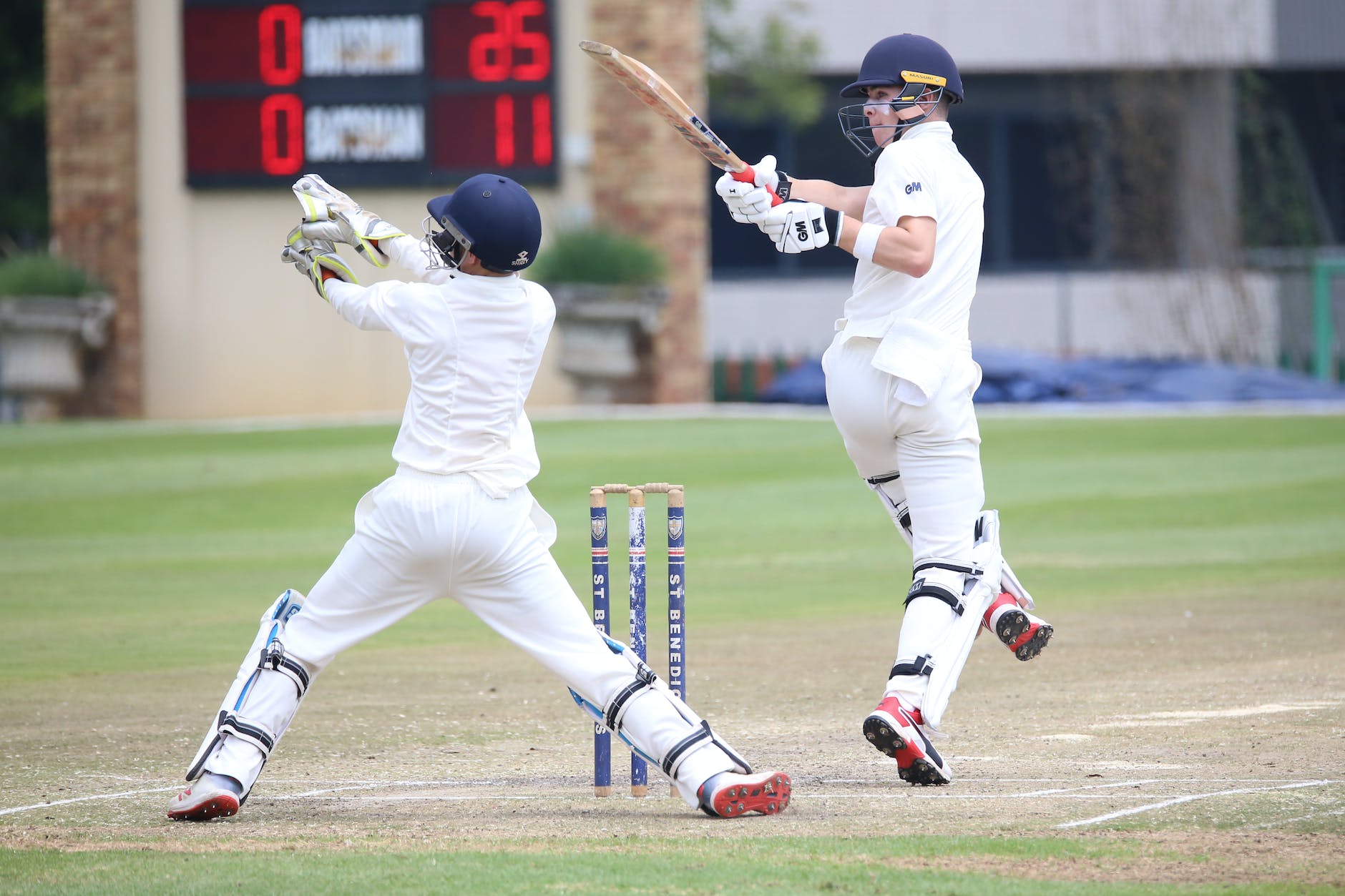
Photo by Patrick Case on Pexels.com

Here’s a detailed explanation of how the Duckworth-Lewis Method works:

  1. Baseline Data:
    • The total number of overs originally allocated for the match is considered as the baseline.
    • The total number of runs that were scored by the team batting first (prior to any stoppage) is also noted.
  2. Calculation of Resources Used:
    • The method takes into account the number of overs bowled and the number of wickets lost by the team batting first at the time of the interruption.
  3. Calculation of Percentage Resources Remaining:
    • The total number of overs initially allocated is scaled down based on the overs bowled and wickets lost.
    • The percentage of resources remaining is calculated using a complex formula that considers the number of overs and wickets used.
  4. Calculation of Revised Target Score:
    • The revised target score is then calculated based on the percentage of resources remaining.
    • It is essentially a proportionate reduction from the original target, taking into account the lost overs and wickets.
  5. Consideration of Team Chasing:
    • If the team batting second has also faced interruptions, the target is further adjusted based on the resources they have used.
  6. Implementation during an Interruption:
    • If there is an interruption during the match, the method may be used to recalculate the target score for the team batting second.
  7. Minimum Overs Required:
    • The method ensures that a minimum number of overs are available for the team batting second to constitute a valid match result. This is to prevent scenarios where a team could win with just a couple of big hits in a reduced-overs match.
  8. D/L Par Score:
    • The D/L Par Score is a reference point for the team batting second. If their score is equal to or above the D/L Par Score, they are considered to be ahead in the match.

It’s important to note that the Duckworth-Lewis Method aims to provide a fair result in weather-affected matches, but it has faced criticism for its complexity and occasional unpredictability. The method has undergone revisions over the years to address some of these concerns. Additionally, in some cases, the use of the D/L Method has been replaced by the more modern DLS (Duckworth-Lewis-Stern) Method, which incorporates additional factors for a more accurate calculation of revised target scores.