Time Magician: Unlocking the Secrets of Mastering Your Day

In the chaotic rhythm of contemporary living, gaining control over our time presents a formidable challenge. The constant balancing act between work, family, and personal pursuits can leave us feeling inundated. Fear not, for within your reach lies a realm of possibilities – the realm of a Time Maestro. In this piece, we uncover the secrets to mastering your day, revealing potent techniques to regain control and maximize each invaluable moment.

Mastering the Craft of Time Influence

Before embarking on the journey to becoming a Time Maestro, grasping the art of time manipulation is crucial. Time stands as a finite resource, and our dominion over it starts with recognizing its worth. Embrace mindfulness, enabling you to be wholly present in every moment. This fundamental comprehension acts as the foundation upon which you’ll cultivate your Time Maestro abilities.

Setting Intentions: The Premier Incantation

Every magician requires a wand, and for the Time Maestro, intention serves as the wand shaping reality. Commence your day by setting distinct intentions. Outline your objectives and prioritize tasks based on their significance. This simple act transforms your day from a tumultuous rush to a deliberate expedition.

Incantations of Productivity

Time Maestros excel in casting spells of productivity. To join their ranks, integrate the following incantations into your daily routine:

Pomodoro Technique: The Focus Incantation

Divide your day into focused intervals, typically 25 minutes, followed by a brief respite. This technique heightens concentration and dispels the distractions that threaten to derail your magical pursuits.

Eisenhower Matrix: The Sorting Hat Incantation

Tap into your inner wizard with the Eisenhower Matrix. Classify tasks into urgent, important, non-urgent, and non-important. This incantation ensures you invest your time in tasks that genuinely matter.

Batching: The Time Warp Incantation

Cluster similar tasks and tackle them during designated time blocks. Batching optimizes your workflow, enabling you to navigate through tasks seamlessly.

Rituals of Time Maestros

Beyond individual incantations, Time Maestros adhere to rituals that amplify their magic. Here are some rituals to incorporate into your daily practice:

Morning Gratitude: The Positivity Elixir

Initiate each day by expressing gratitude. This elixir saturates your day with positivity, establishing the backdrop for a magical experience.

Digital Detox: Shielding Against Time Thieves

Safeguard your time from the incessant assault of digital distractions. Allocate specific periods for emails and social media to prevent these time thieves from robbing you of precious moments.

Concluding the Enchanting Symphony

As we wrap up our journey into the realm of a Time Maestro, bear in mind that the magic resides within you. Embrace the art of time manipulation, set potent intentions, cast spells of productivity, and weave rituals into the tapestry of your day. With these techniques, you’ll unlock the secrets of mastering your day, transforming it into a symphony of magic and accomplishment. Now, go forth and embrace your role as the Time Maestro of your own destiny.

Navigating Life's Insights: Transforming Errors into Progress Milestones 💪 #SagacityTriumphs

Life unfolds with intricate twists and dynamic fluctuations. Amidst this journey, we encounter an array of challenges and inevitably make errors. Yet, it’s not the errors that define us; rather, it’s our capacity to glean wisdom from them and convert them into stepping stones for personal evolution and triumph. In the forthcoming discourse, we will delve into the artistry of mastering life’s insights, unraveling the intricacies of turning setbacks into avenues of opportunity. So, prepare for an enlightening expedition as we unravel the ways in which sagacity truly prevails.

Embrace the Potency of Introspection 🌟

A pivotal facet of mastering life’s insights involves embracing the potency of introspection. Dedicate a moment to retrospectively examine your experiences, pinpointing the junctures where errors were made. Engaging in introspection allows you to glean profound insights into your cognitive processes and decision-making paradigms.

Acquire Wisdom from Each Stumble 📚

Every error serves as a prospect for acquisition and advancement. Rather than fixating on the unfavorable aspects, concentrate on distilling wisdom from each stumble. Whether it be a professional misjudgment or a personal drawback, extract the sagacity embedded within the encounter. The ability to learn from errors stands as the cornerstone of personal enrichment.

Cultivate an Expansive Mentality 🌱

To authentically master life’s insights, cultivate an expansive mentality. Embrace challenges as gateways to expansion rather than impediments. An expansive mentality fosters resilience and instills the belief that capabilities can be honed through unwavering commitment and diligent effort. Apply this mentality to navigate through life’s tribulations and metamorphose errors into stepping stones.

Exploit the Potency of Adaptability 🚀

Life is a kaleidoscope of transformations, and adaptability is paramount in the pursuit of mastering life’s insights. When errors occur, exhibit flexibility in your approach. Comprehend that plans may necessitate adjustment, and remain receptive to novel perspectives. Adaptability serves as a potent instrument in transmuting setbacks into opportunities for ingenuity and advancement.

The Significance of Constructive Self-Dialogue 🗣️

In the aftermath of errors, sustaining constructive self-dialogue is paramount. Instead of indulging in self-reproach, engage in constructive conversations with yourself. Acknowledge the error, assimilate the lesson, and fortify your capability to surmount challenges. Constructive self-dialogue constructs resilience and nurtures a mentality of perpetual enhancement.

Cultivate Resilience Amidst Adversity 💪

Resilience stands as the backbone in the journey of mastering life’s insights. When confronted with setbacks, rebound with greater fortitude. Recognize that resilience is not the absence of adversities but the aptitude to conquer them. Cultivate resilience as a skill and let it act as the impetus that propels you forward when errors attempt to impede your progress.

Envelop Yourself in a Supportive Collective 🤝

No one traverses life’s odyssey in isolation. Establishing a supportive collective can wield a profound influence on mastering life’s insights. Surround yourself with individuals who motivate, uplift, and provoke intellectual growth. A robust support system acts as a safety net during trying times, offering diverse perspectives on overcoming errors.

Foster Wholesome Coping Strategies 🧘

Life’s expedition is fraught with stress and tribulations. Developing wholesome coping strategies is imperative in the pursuit of mastering life’s insights. Whether through meditation, physical activity, or creative pursuits, discover means to channel stress positively. Wholesome coping strategies empower you to confront errors with a lucid mind and an unwavering spirit.

Perpetually Evolve and Pioneer 🌐

To stay at the vanguard in the symphony of life, perpetually evolve and pioneer. Apply the insights garnered from errors to refine your strategies and approaches. Welcome change as an avenue for enhancement. The capacity to adapt and pioneer ensures that you not only master life’s insights but also carve the path for future triumphs.

Commend Incremental Triumphs Along the Path 🎉

As you traverse the expanse of life, commending incremental triumphs holds paramount significance. Acknowledge and celebrate the strides you make, no matter how modest. Commending incremental triumphs bolsters confidence, reinforces positive conduct, and motivates you to persist through challenges. Every forward step attests to your capability to transform errors into stepping stones.

Conclusion: Sagacity Triumphs Ultimately 🏆

In the grand tapestry of life, errors are mere strands that contribute to the intricate texture of your journey. By embracing introspection, learning, adaptability, constructive self-dialogue, resilience, communal bonds, wholesome coping strategies, perpetual evolution, and celebrating victories, you craft a masterpiece from life’s trials. Remember, ultimately, it’s not about avoiding errors but mastering the finesse of transforming them into stepping stones. Guided by sagacity, you can navigate the labyrinthine path of life, conquer adversity, and emerge triumphant. Indeed, in life’s odyssey, #SagacityTriumphs.


Top 10 Scholars of the World

Daily writing prompt
If you could be someone else for a day, who would you be, and why?

here’s a list of ten influential scholars from various fields, although “top” is subjective and may vary depending on criteria like impact, citations, awards, and contributions to their respective fields:

Photo by Davis Su00e1nchez on Pexels.com
  1. Noam Chomsky (Linguistics, Philosophy, Cognitive Science): Known for his groundbreaking work in linguistics, Chomsky is also a prominent figure in political activism and philosophy. His theories on generative grammar have revolutionized the study of language.
  2. Stephen Hawking (Theoretical Physics, Cosmology): Renowned for his work on black holes, Hawking made significant contributions to our understanding of the universe despite battling amyotrophic lateral sclerosis (ALS). His book “A Brief History of Time” brought complex scientific concepts to a wider audience.
  3. Angela Davis (Social Activism, Critical Theory): A scholar-activist, Davis is known for her work in feminism, Marxism, and prison abolitionism. Her writings on race, class, and gender have had a profound impact on social justice movements globally.
  4. Michio Kaku (Theoretical Physics, Futurism): Kaku is a leading theoretical physicist known for his work on string theory and his popular science books exploring the future of technology and humanity. He’s a frequent commentator on science and technology in the media.
  5. Judith Butler (Gender Studies, Philosophy): Butler’s contributions to gender theory and queer studies have reshaped how we understand identity and performativity. Her book “Gender Trouble” is considered a seminal work in feminist philosophy.
  6. Edward Said (Literary Theory, Postcolonialism): Said’s work on Orientalism and colonial discourse has had a profound impact on literary studies, cultural studies, and postcolonial theory. His critiques of Western representations of the Middle East continue to influence academic discourse.
  7. Cornel West (Philosophy, African American Studies): A public intellectual and political activist, West is known for his work on race, class, and democracy. His blend of philosophy, theology, and social criticism has made him a prominent figure in contemporary American thought.
  8. Mary Beard (Classics, Ancient History): A distinguished classicist, Beard’s work on ancient Rome and Greece has brought new insights into the study of antiquity. Her engaging writing style and public engagement have made her a leading figure in popularizing the classics.
  9. Amartya Sen (Economics, Social Choice Theory): Sen’s contributions to welfare economics and social choice theory have earned him the Nobel Prize in Economics. His work on poverty, development, and capabilities has had a significant impact on global policy.
  10. bell hooks (Feminist Theory, Cultural Criticism): An influential feminist theorist and cultural critic, hooks’ work on intersectionality, love, and the politics of representation has been pivotal in feminist thought. Her accessible writing style has made her ideas accessible to a wide audience.

This list represents just a fraction of the many scholars making significant contributions to their respective fields.

Echoes in the Blockchain: Bitcoin-Influenced Cryptos Explored

In the world of cryptocurrencies, Bitcoin reigns supreme as the pioneer and the most recognized digital asset. Its journey, from an obscure whitepaper by the pseudonymous Satoshi Nakamoto to a global financial phenomenon, has left an indelible mark on the world of blockchain technology. Navigating this dynamic market becomes more approachable with bitcoinavage.org, an invaluable resource for investment education. However, Bitcoin’s influence extends far beyond its status as a digital gold standard. This article explores the ripple effects of Bitcoin on the cryptocurrency landscape, as it birthed a new wave of cryptocurrencies, aptly termed “Bitcoin-influenced cryptos.”

Photo by Leeloo The First on Pexels.com

The Genesis: Understanding Bitcoin’s Influence

To understand Bitcoin’s influence, we must first appreciate the groundbreaking concepts that it introduced. Bitcoin operates on a decentralized ledger known as blockchain, which records all transactions in a transparent and immutable manner. It leverages cryptographic techniques to ensure security and enable peer-to-peer transactions without the need for intermediaries. These foundational principles have become the bedrock of the cryptocurrency space.

Altcoins and Forks: Varieties of Bitcoin-Influenced Cryptos

Altcoins, a term coined to refer to any cryptocurrency other than Bitcoin, come in various flavors. Some, like Litecoin and Bitcoin Cash, are direct forks of the Bitcoin codebase with minor modifications. These altcoins seek to address issues such as transaction speed and scalability while retaining the core principles of Bitcoin.

Others, like Ripple (XRP) and Stellar (XLM), focus on different use cases altogether, emphasizing cross-border payments and the facilitation of financial institutions. These cryptocurrencies draw inspiration from Bitcoin’s decentralized nature but bring their unique offerings to the table.

Ethereum: The Smart Contract Revolution

Among the most notable Bitcoin-influenced cryptocurrencies is Ethereum. While Bitcoin primarily serves as digital cash, Ethereum introduced a revolutionary concept – smart contracts. Smart contracts are self-executing contracts with the terms of the agreement directly written into code. They enable automated and trustless transactions, opening up a world of decentralized applications (DApps) and DeFi (Decentralized Finance) protocols.

Ethereum’s innovation showcases how Bitcoin’s influence extends beyond mere transactional capabilities to encompass a broader spectrum of use cases, pushing the boundaries of what blockchain technology can achieve.

Privacy Coins: Anonymity and Security

Bitcoin’s ledger is transparent, which means that anyone can trace transactions from one address to another. Recognizing this limitation, privacy-focused cryptocurrencies like Monero, Zcash, and Dash emerged. These cryptocurrencies prioritize user anonymity and transaction privacy by implementing advanced cryptographic techniques.

Monero, for instance, employs ring signatures and stealth addresses to obscure transaction details. Zcash uses zero-knowledge proofs to allow for private transactions while still maintaining a public blockchain. These developments address the need for enhanced privacy in the cryptocurrency space, a niche carved out by Bitcoin’s openness.

Proof of Stake vs. Proof of Work: A Shift in Consensus Mechanisms

Bitcoin relies on Proof of Work (PoW), a consensus mechanism that requires miners to solve complex mathematical puzzles to validate transactions and secure the network. However, Bitcoin’s energy-intensive PoW has led to the emergence of alternative consensus mechanisms, with Proof of Stake (PoS) gaining prominence.

Cryptocurrencies like Cardano, Polkadot, and Ethereum 2.0 have adopted PoS, which eliminates the need for resource-intensive mining. Instead, validators are chosen to create new blocks based on the number of coins they hold and are willing to “stake” as collateral. This shift is a response to concerns about the environmental impact of PoW and showcases how Bitcoin’s approach to consensus has influenced innovation.

Beyond Transactions: Utility Tokens and Blockchain Platforms

Bitcoin’s scripting language is intentionally limited to ensure security and prevent potential vulnerabilities. While this design choice enhances Bitcoin’s robustness, it also limits its programmability. Enter blockchain platforms and utility tokens.

Ethereum, once again, stands out as a pioneer. Its ERC-20 standard paved the way for the creation of thousands of utility tokens, each serving a unique purpose within the Ethereum ecosystem. These tokens fuel decentralized applications, govern governance systems, and represent digital assets, further expanding the scope of blockchain technology.

Challenges and Future Prospects

As Bitcoin-influenced cryptocurrencies continue to evolve, they face numerous challenges. Scalability remains a persistent concern, as network congestion and high transaction fees can hinder mass adoption. Regulatory scrutiny also looms large, with governments worldwide grappling with how to classify and tax these digital assets.

However, the future is promising. Innovations such as Layer 2 solutions like the Lightning Network for Bitcoin and rollups for Ethereum are poised to enhance scalability. Interchain communication protocols aim to create interoperability between various blockchain networks, potentially unlocking a new era of decentralized applications and services.

Conclusion

In conclusion, the influence of Bitcoin on the cryptocurrency ecosystem cannot be overstated. From its pioneering technology to the birth of altcoins, smart contracts, privacy coins, and alternative consensus mechanisms, Bitcoin’s impact is profound. As the crypto space continues to evolve, Bitcoin’s echoes will persist, shaping the future of blockchain technology and digital finance in unforeseen ways.

What Is CFD in Crypto?

Imagine you’re a trader who wants to capitalize on the volatile crypto market but can’t afford to invest large sums of money in Bitcoin or Ethereum.

You’ve probably heard of Contracts for Difference (CFD) and might be wondering how they can apply to cryptocurrencies.

As a financial derivative, CFDs allow you to speculate on price movements without owning the underlying asset – in this case, digital currencies.

But what does this really mean, and how can you leverage this to your advantage when you start a forex brokerage?

Let’s explore further to uncover the potential and risks of CFDs in the crypto market.

Understanding CFD Terminology

Before diving into the world of CFDs in crypto, it’s essential that you familiarize yourself with the key terms and jargon used in this sphere. You’ll encounter phrases like ‘CFD Trading Strategies’ and ‘Understanding Leverage’ – both of which are critical to your success in this market.

CFD Trading Strategies are plans of action designed to help you profit from price movements in the cryptocurrency market. These strategies could be as simple as buying low and selling high, or as complex as using advanced technical analysis techniques. It’s crucial that you understand these strategies to navigate the volatile crypto market effectively.

‘Understanding Leverage’ is another essential aspect of CFDs in crypto. Leverage allows you to control larger positions than your initial investment would ordinarily permit. For instance, if you’re trading with a leverage of 10:1, you can control $10,000 worth of a cryptocurrency with just $1,000. However, remember that while leverage can magnify your profits, it can also amplify your losses.

How CFDs Work in Crypto

Now that you’re familiar with the terminology and concepts, let’s explore how CFDs operate within the cryptocurrency market.

CFDs, or Contracts for Difference, are a type of derivative trading where you speculate on the price movements of crypto assets without actually owning them. It’s an agreement to exchange the difference in the value of a crypto asset from the time the contract is opened until it’s closed.

Crypto volatility plays a crucial role in CFDs. The sharp price swings in the crypto market offer an opportunity for significant profits if you can accurately predict the market direction. However, it also carries considerable risk due to the same volatility.

Developing effective CFD strategies is paramount to mitigate these risks. A common approach is to utilize stop-loss orders, which automatically close a position if the market moves against you to a certain extent. Another strategy is to diversify your portfolio across various crypto assets to spread the risk.

Benefits of Crypto CFD Trading

Despite the risks, engaging in crypto CFD trading can offer numerous benefits, especially if you’re keen on leveraging price volatility without owning the actual asset. This method allows you to gain exposure to the lucrative, yet highly volatile crypto market without needing to manage the complexities of owning, storing, and securing the digital coins.

One major advantage is the leverage opportunities it provides. By depositing a fraction of the total trade value, you can control a large position in the market. For instance, with a leverage of 1:10, you can control assets worth 10 times your initial investment. This can magnify your potential profits, but be aware it can also amplify your losses.

Crypto CFD trading also plays a vital role in your diversification strategy. With CFDs, you’re not limited to trading just one type of cryptocurrency. You can trade a wide range of digital coins, allowing you to spread your risk across different assets. This versatility can potentially boost your overall trading performance.

Therefore, despite its inherent risks, crypto CFD trading offers a unique way to navigate the exciting world of cryptocurrency trading.

Risks Involved in CFD Trading

While crypto CFD trading can offer significant rewards, it’s crucial to understand the inherent risks involved. One of these risks is leverage pitfalls. You see, leverage is a double-edged sword. While it can magnify your profits, it can also amplify your losses. If the market moves against your position, you could lose more than your initial investment, plunging you into debt.

The second risk tied to CFD trading is margin call dynamics. In CFD trading, you’re required to maintain a certain level of funds in your account, known as the margin. If your open positions start to incur significant losses, and your account’s balance falls below the required margin, you’ll receive a margin call. This means you’ll have to deposit more funds into your account to keep your positions open. If you can’t meet this demand, your positions could be closed, and you could lose your investment.

Essential Tips for CFD Traders

Given the inherent risks outlined earlier, it’s crucial for you to arm yourself with effective trading strategies when embarking on your crypto CFD trading journey. Among these, the Leverage Strategy and Market Analysis are key to maximizing your potential profits and minimizing possible losses.

The Leverage Strategy allows you to open a position that’s larger than the capital you have invested. This can amplify your profits, but also your losses. Therefore, it’s important to use leverage wisely. Start with low leverage, learn how to manage it, and only then consider increasing it.

Market Analysis, on the other hand, involves examining the factors that influence the price of cryptocurrencies. Two main types of market analysis are technical and fundamental.

Technical analysis involves studying price charts and using statistical figures to predict future price movements.

Fundamental analysis focuses on the intrinsic value of a cryptocurrency, considering factors like technological innovations, market demand, and regulatory news.

Frequently Asked Questions

What Are the Legalities Around CFD Trading in Cryptocurrency?

Legalities of CFD trading in cryptocurrency vary greatly due to regulatory differences. You’re responsible for understanding local laws and managing risks. It’s recommended you consult an expert if you’re unsure about the rules.

Can I Use CFD Trading for Other Types of Investments Other Than Crypto?

Absolutely, you can use CFD trading for other investments apart from crypto. However, bear in mind CFD risks and the volatile nature of leveraged trading, especially when dealing with different asset classes.

How Can I Choose the Best Platform for CFD Trading in Crypto?

To choose the best platform for CFD trading in crypto, you’ll need to consider platform security and user experience. Look for platforms that have strong security measures and easy-to-navigate interfaces.

What Is the Minimum Investment Required for CFD Trading in Crypto?

The minimum investment for crypto CFD trading varies with different platforms. But remember, CFD risks are high. It’s crucial you balance leveraging strategies with your investment to manage potential losses.

Are There Any Specific Tax Implications for Profits Made From CFD Trading in Crypto?

Yes, there’re specific tax implications. Your profits from CFD crypto trading impact your capital gains tax. Remember, tax deductions in CFD crypto trading can be complex, so consult a tax professional for accurate info.

Conclusion

So, you’ve now got the lowdown on CFD in crypto. It’s a high-risk, high-reward game, offering you the chance to benefit from crypto price movements without owning the actual coins.

But remember, with potential rewards come risks. Stay informed, use smart strategies, and always trade responsibly.

It’s your move now, are you ready to step into the world of crypto CFD trading?

Urban Transect Study

 Transect analysis is a valuable tool for understanding the diverse facets of a city. Let’s delve into this concept:

Urban Transect:

The urban transect is a community analysis framework that helps us comprehend the form, patterns, and character of different areas within a city.

It was originally conceptualized by Alexander Von Humboldt to analyze natural ecologies, focusing on zones like wetlands, shorelines, and uplands.

Andrés Duany, a New Urbanist, adapted this concept for human settlements, leading to the development of the urban transect.

Six Zones of the Urban Transect:

The urban transect divides the city into six zones, each characterized by varying levels of built environment intensity and social context:

Natural Zone (T-1): This area experiences minimal human impact and approximates a wilderness condition. It includes lands unsuitable for development due to factors like hydrology, topography, or special status (e.g., parks, wildlife preserves).

Rural Zone (T-2): Sparsely settled lands, often considered working lands (woodlands, agriculture, grasslands), with farmhouses, cabins, and isolated housing.

Sub-Urban Zone (T-3): Low-density residential areas with natural setbacks, home occupations, and outbuildings. Adjacent to higher transect zones, it accommodates irregular roads.

General Urban Zone (T-4): Mixed-use, primarily residential fabric. Variable setbacks, diverse housing types, curbed streets, and medium-sized blocks.

Urban Center Zone (T-5): Higher density mixed-use areas with retail, offices, rowhouses, and apartments. Minimal setbacks, close-to-sidewalk buildings, and a tight street network.

Urban Core Zone (T-6): The most intense urban area, often found in traditional downtowns. High-density mixed-use, minimal setbacks, and a vibrant street life.

Application:

Transect analysis helps planners, architects, and policymakers make informed decisions about zoning, land use, and urban design.

By understanding the social, cultural, and historical context of each zone, we can create more harmonious and context-sensitive urban environments.

Remember, the urban transect emphasizes that certain forms and elements belong in specific environments, contributing to a more balanced and vibrant cityscape. 

What is Gentrification

Gentrification refers to a process in which a previously economically disadvantaged area, such as a neighborhood within a city, experiences an influx of middle-class or wealthy individuals. These newcomers often renovate and rebuild homes and businesses, leading to an increase in property values. Unfortunately, this transformation can also result in the displacement of earlier, usually poorer residents who may no longer afford to live there. 


In simpler terms, gentrification involves the transformation of a neighborhood due to the arrival of more affluent residents and investments. It can lead to changes in the neighborhood’s demographics, including shifts in racial and income composition. While it can bring positive improvements, it can also cause tensions and challenges for existing communities. 


For instance, imagine a once-run-down area where neglected buildings are revitalized, trendy cafes open, and property values soar. While this can enhance the overall neighborhood, it may also displace long-standing residents who can no longer afford the rising costs of living there.


Remember, the impact of gentrification is complex and multifaceted, affecting both the physical landscape and the social fabric of a community.

Top 20 Research Institutes in Africa

 Africa is home to a diverse array of cultures, languages, and landscapes, and within its borders, there are numerous research institutes dedicated to advancing knowledge and contributing to global scientific progress. These institutions play a crucial role in fostering innovation, conducting groundbreaking research, and addressing challenges unique to the continent. In this article, we will delve into the top 20 research institutes in Africa, showcasing their contributions to various fields of study.

  1. South African Medical Research Council (SAMRC):

    • Location: South Africa
    • Focus: Health and medical research
  2. African Institute for Mathematical Sciences (AIMS):

    • Location: Multiple centers across Africa
    • Focus: Mathematical sciences and research
  3. International Livestock Research Institute (ILRI):

    • Location: Kenya and Ethiopia
    • Focus: Livestock and agriculture research
  4. Council for Scientific and Industrial Research (CSIR):

    • Location: South Africa
    • Focus: Multidisciplinary scientific research
  5. National Institute for Communicable Diseases (NICD):

    • Location: South Africa
    • Focus: Infectious diseases research
  6. Kenya Medical Research Institute (KEMRI):

    • Location: Kenya
    • Focus: Health and medical research
  7. Institut Pasteur de Tunis (IPT):

    • Location: Tunisia
    • Focus: Biomedical research and public health
  8. Institute of Infectious Disease and Molecular Medicine (IDM):

    • Location: South Africa
    • Focus: Infectious diseases and molecular medicine
  9. Agricultural Research Council (ARC):

    • Location: South Africa
    • Focus: Agricultural research and development
  10. National Institute for Medical Research (NIMR):

    • Location: Tanzania
    • Focus: Medical and health research
  11. Nuclear Energy Corporation of South Africa (NECSA):

    • Location: South Africa
    • Focus: Nuclear science and technology research
  12. Stellenbosch Institute for Advanced Study (STIAS):

    • Location: South Africa
    • Focus: Interdisciplinary research and advanced study
  13. Wits Institute for Social and Economic Research (WiSER):

    • Location: South Africa
    • Focus: Social and economic research
  14. African Centre for DNA Barcoding (ACDB):

    • Location: South Africa
    • Focus: Biodiversity and DNA barcoding research
  15. Center for Basic Space Science (CBSS):

    • Location: Nigeria
    • Focus: Space science and astronomy research
  16. Institute of Economic Affairs (IEA):

    • Location: Ghana
    • Focus: Economic policy research
  17. National Research Center (NRC):

    • Location: Egypt
    • Focus: Multidisciplinary scientific research
  18. Council for Scientific and Industrial Research (CSIR):

    • Location: Ghana
    • Focus: Scientific and industrial research
  19. Institute of Peace, Security, and Governance (IPSG):

    • Location: Ethiopia
    • Focus: Peace, security, and governance research
  20. African Population and Health Research Center (APHRC):

    • Location: Kenya
    • Focus: Population and health research

Conclusion:

These top 20 research institutes in Africa showcase the continent’s commitment to advancing knowledge across various disciplines. From health and agriculture to space science and economics, these institutions contribute significantly to global research efforts. As Africa continues to rise in prominence on the world stage, these research centers will undoubtedly play a pivotal role in shaping the future of scientific innovation and discovery on the continent.

Call to Action:

For researchers and scholars looking to publish their work, consider Educational Book Publication Services. Affordable and dedicated to promoting academic excellence, send your manuscript for review to editor@edupub.org or editor@pen2print.org. Let your research contribute to the wealth of knowledge emanating from the vibrant continent of Africa.

A Brief Note on India

 India is a vast and diverse country in South Asia, with a history that spans more than five millennia. It is the world’s largest democracy and the second most populous country, with over 1.4 billion people. India is also home to many religions, languages, cultures, and traditions, making it a rich and vibrant mosaic of human civilization. Some of the facts about India are:

India has the longest written constitution in the world, with 448 articles, 12 schedules, and 103 amendments.

India is the only country where the tectonic plate on which it lies is named after it. The Indian Plate is moving northward at a rate of about 5 cm per year, and is responsible for the formation of the Himalayas, the highest mountain range in the world.

India has a space program that has launched several satellites, probes, and missions, including the Chandrayaan-1, which was the first lunar orbiter from Asia, and the Mars Orbiter Mission, which was the first interplanetary mission from Asia.

India has a diverse and rich flora and fauna, with about 8% of the world’s biodiversity. It is one of the 17 megadiverse countries, and hosts four biodiversity hotspots. It is also home to the Bengal tiger, the Asiatic lion, the Indian elephant, the one-horned rhinoceros, and many other endangered species.

India has a vibrant and influential culture, with contributions in various fields such as literature, art, music, dance, architecture, mathematics, astronomy, medicine, and philosophy. It is the birthplace of four major religions: Hinduism, Buddhism, Jainism, and Sikhism, and has a large and diverse population of followers of other faiths, such as Islam, Christianity, Sikhism, and Zoroastrianism.

India has a strong and growing economy, with the fifth largest nominal GDP and the third largest PPP GDP in the world. It is also one of the fastest growing major economies, with an average annual growth rate of about 7% in the last decade. It is a leading producer and exporter of various goods and services, such as textiles, software, pharmaceuticals, engineering, agriculture, and tourism.

If you want to learn more about India, you can visit the National Portal of India, which is a single-window access to information and services from all government departments, institutions, and organizations. You can also read the Wikipedia article on India, which provides a comprehensive overview of the country’s history, geography, politics, culture, and society. You can also browse the Britannica article on India, which gives a concise and factual summary of the country’s features and facts.

Using Technology in Business: From Account Planning Software to Avaya Voice Solutions

In a world driven by digital transformation, businesses across the spectrum are turning to technology to streamline their operations and gain a competitive edge. From leveraging sophisticated sales account plan software to implementing state-of-the-art communication systems, the integration of tech tools has become indispensable. Increasingly, organizations recognize that the smart use of technology can result in remarkable efficiency gains and enhanced customer experiences. Below, we explore how these advancements influence various facets of business performance.

Sales Account Planning Software: Streamlining Financial Strategy

Alt text: Two business partners high-fiving after optimizing financial strategies with sales account planning software

Sales account planning is a critical function for businesses seeking to optimize their financial strategies and align sales processes with company goals. Innovative software solutions in this domain automate exhaustive tasks that involve tracking opportunities, managing client portfolios, and forecasting revenue. This transformative tool allows companies to plan with precision and allocate resources effectively, which is integral to financial stability and growth.

With sales account planning software, businesses can better understand client needs and preferences, allowing for the personalization of services and products. This targeted approach not only fosters customer loyalty but also serves to differentiate a brand in competitive markets. An enhanced account planning process thus directly contributes to tailored marketing and improved sales outcomes.

Integrating Voice Solutions for Enhanced Communication

In the heartbeat of every successful business lies effective communication, a realm that has been transformed by Avaya voice solutions. These systems revolutionize how businesses conduct internal and external communications, providing crystal-clear audio, scalable options, and an array of advanced features. By optimizing how organizations communicate, Avaya is shaping the future of business interactions.

Implementing such voice solutions transforms call centers into sophisticated customer engagement hubs. Beyond the traditional functions, these systems incorporate interactive voice responses and integrate with digital channels, allowing for a more responsive and personalized customer service experience. Avaya’s technology can thus become the cornerstone of excellent customer engagement strategies.

The Impact of Tech Advancements on Customer Relationship Management

Customer expectations are at an all-time high, fueled by the digital age’s demand for immediacy and personalization. Technological advancements have enabled businesses to meet these elevated expectations by revolutionizing Customer Relationship Management (CRM). Through sophisticated CRM solutions, companies can manage interactions with their customers like never before, fostering strong relationships and driving sales growth.

CRM technology provides businesses with a 360-degree view of customers, collecting and integrating data across multiple touchpoints. This holistic approach to customer data empowers businesses to deliver personalized experiences, leading to deepened customer loyalty and retention. With such data-driven insights, personalized marketing campaigns can be more effectively tailored to individual customer profiles.

Measuring the ROI of Technology Investments in Business Operations

The investment in technology is often sizeable, and businesses must evaluate the return on these investments to truly understand their value. It is important to measure how technological tools contribute to increased productivity, cost reductions, and revenue growth. By closely monitoring key performance indicators (KPIs) associated with tech implementations, companies can quantify their impact on business operations.

A primary benefit that most businesses observe with the integration of technology is time savings. For example, process automation removes the need for manual input in repetitive tasks, freeing up employee time for strategic endeavors. This not only leads to a more motivated workforce but also allows businesses to redeploy their efforts into areas that drive innovation and competitive advantage.

Customer satisfaction is another metric that often sees improvement with the use of technology. Whether through enhanced CRM tools, responsive communication systems, or customized offerings, technology can transform the customer experience. Satisfied customers are likely to be repeat buyers and can turn into vocal proponents for a brand, contributing to both direct and indirect revenue streams.

The Role of Technology in Modern Business Efficiency

img

Alt text: Business manager using sales account planning software at a desk

Technology has revolutionized the way companies operate by automating routine tasks, thereby allowing employees to focus on higher-level strategic work. Advanced software can now handle everything from financial transactions to payroll with minimal human intervention, reducing the potential for error and streamlining bureaucratic processes. This shift not only speeds up operations but also translates into cost savings and improved accuracy across departments.

Beyond automation, collaborative platforms have redefined team interactions, facilitating seamless communication regardless of geographical barriers. Teams can collaborate in real time, share resources, and maintain continuous communication channels, enabling a level of flexibility that was once unimaginable.

Overall, the intersection of technology and business operations lies at the core of modern corporate strategy. The effective use of technological tools, from sales account planning software to advanced communication solutions, has become a catalyst for efficiency, customer satisfaction, and financial success. As technological innovations continue to evolve, so too will the capabilities and achievements of forward-thinking enterprises.

Sandeshkhali of West Bengal Brought Shame: Women and Scheduled Caste People Also Suffered

Recent news about Sandeshkhali has greatly shocked me as I am a senior citizen and have travelled widely across India and many countries for academic activities. On many occasions, for official purposes and personal reasons, I visited West Bengal. Yes, in many respects, culturally, people are advanced in West Bengal, but for me, it looks like every step there is politics.  Since I am not from that State, I am not acquainted with politics at every step. I wish to mention a few lines about Sandeshkhali. It is a village in the Sandeshkhali II CD block in the Basirhat subdivision of the North 24 Parganas district of West Bengal. A large section of the area is a part of the Sundarbans settlements. Around 13 percent of the population lives in urban areas, and 87 percent lives in rural areas.

Anyway, from electronic, social, and print media, it is evident that the villagers of Sandeshkhali are very upset with the administration and have lost faith in the police and administration. So, the villagers, including ladies, have been protesting by coming out of their homes. Many have complained that powerful local political goons have forcefully taken away their agricultural lands. The most shocking news is that at midnight, girls and some ladies were called in the name of the meeting, and one can understand what had happened to them. In this regard, I am quoting from the website bengali.abplive.com/district/north-24-paraganas, dt. February 12, 2024. “Representatives of the State Women’s Commission went to Sandeshkhali. Leena Gangopadhyay, Chairperson of the State Women’s Commission, said, “They have come to speak because of allegations of oppression against women.” On this day, local women spoke to the representatives of the Women’s Commission. The meeting was called at twelve o’clock at night. If the women did not go, the members of the house were beaten on the forehead. The women of Sandeshkhali are making terrible allegations of unspeakable atrocities against Trinamool leader Shibu Hazra and suspended Trinamool leader Uttam Sardar.”

Another point in addition to harassing women, Scheduled Caste (SC) people were also harassed.  Regarding the harassing of SC people, I wish to quote economictimes.indiatimes.com/ dt. February 15, 2024, “National Commission for Scheduled Castes (NCSC) Chairman Arun Halder said that people of Sandeshkhali shared their ‘harrowing experience’ with members of the panel who visited the place in West Bengal’s North 24 Parganas district on Thursday (15/2/24). Sandeshkhali has been witnessing protests over alleged atrocities on locals by ruling TMC leaders.”

 If such horrible incidents continue, then shame on such government administration. The most deplorable case is that the ED official was beaten, and the main culprit is a powerful man who is still ‘absconding.’ My question is, how can goons get the courage to beat any government official? 

Anyway, Indians should be careful because what has been happening in West Bengal should not happen in other parts of the country, so the present ruling party should not be an important factor in forming the Union Ministry in the future; otherwise, Indians will probably awfully suffer. In addition, there are issues in the State, like Corruption in the jobs and fair price shops, cow smuggling, coal and sand scandals, unprecedented violence during panchayat elections, etc., which are the testimony of a ‘failed administration.’ I have observed on TV channels that the local party leaders’ spokespersons (the party in power in the State)  refer to corruption, anomalies, etc, in BIMARU states and Manipur. My hunt is that one should rectify his or her fault, so it should not be compared with others’ fault.

According to me, the best Chief Minister of West Bengal, Dr. B.C. Roy took huge initiatives for the industrial development of the State. As a sequel, many industries were set up, and many youths got employment, per capita income was high. After that, we learned about industrial development and other developments in the state. In simple language and layman’s point of view, all have been scaling down. It is pertinent to mention that the only son of the communist CM is now a great businessman abroad.

Now, with the low level of economic and industrial development and the high migration of labourers from the State to other States, even for education purposes, many migrate from the State to other States. These are some glaring examples of the present status of the State. Once upon a time, Bengal produced top leaders in the freedom movement, politics, religious fields, education, science, arts and crafts, culture, games and sports, etc.; now the State is the news for corruption and other negative incidents.

Praying to Almighty God /Mata to save the State from the clutches of the awful elements so that the State regains its glory in the future. 

Prof Shankar Chatterjee  

Top Research Institutes of Africa

 Africa is home to several renowned research institutes across various fields. Here are some of the top research institutes in Africa:

  1. Council for Scientific and Industrial Research (CSIR), South Africa: CSIR is one of the leading scientific and technology research, development, and implementation organizations in Africa. It conducts multidisciplinary research in areas such as health, natural resources, environment, defense, and more.

  2. African Institute for Mathematical Sciences (AIMS), South Africa and Senegal: AIMS is a pan-African network of centers of excellence in mathematical sciences. It focuses on advancing education and research in mathematics and its applications to contribute to Africa’s development.

  3. International Livestock Research Institute (ILRI), Kenya: ILRI conducts research on livestock-related issues, including animal health, genetics, nutrition, and sustainable livestock systems. It aims to improve food security, reduce poverty, and promote environmental sustainability.

  4. Kenya Medical Research Institute (KEMRI), Kenya: KEMRI is a leading research institution in Africa, primarily focusing on medical and health research. It conducts research on infectious diseases, non-communicable diseases, and health systems strengthening.

  5. Institut Pasteur de Dakar, Senegal: Institut Pasteur de Dakar is a renowned biomedical research institute that conducts research on infectious diseases, including tropical diseases such as malaria, yellow fever, and Zika virus.

  6. National Institute for Communicable Diseases (NICD), South Africa: NICD is a public health institute that conducts research on communicable diseases, including surveillance, outbreak investigations, and laboratory diagnostics.

  7. South African Medical Research Council (SAMRC), South Africa: SAMRC is one of Africa’s leading health research organizations, focusing on various health challenges facing the continent, including HIV/AIDS, tuberculosis, maternal and child health, and non-communicable diseases.

  8. African Centre for Technology Studies (ACTS), Kenya: ACTS is a policy research and training organization focusing on sustainable development in Africa. It conducts research on climate change, energy, agriculture, and technology innovation for sustainable development.

  9. National Institute for Medical Research (NIMR), Tanzania: NIMR is a leading research institution in Tanzania, focusing on biomedical and health research. It conducts research on malaria, tuberculosis, HIV/AIDS, and other infectious diseases.

  10. Centre for Scientific and Industrial Research (CSIR), Ghana: CSIR Ghana conducts research in various fields, including agriculture, industry, environment, and health. It aims to promote sustainable development and industrialization in Ghana and beyond.

These are just a few examples of the many research institutes contributing to scientific advancement and development across Africa.

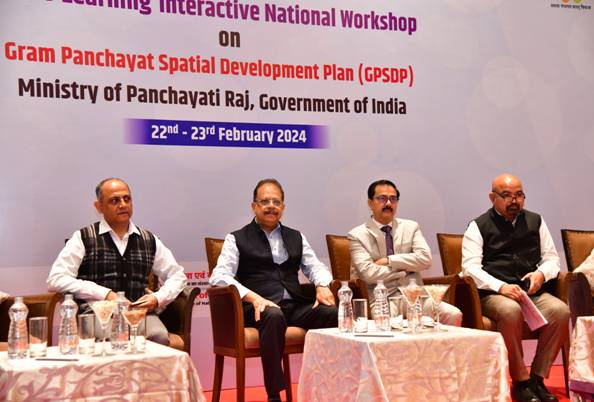
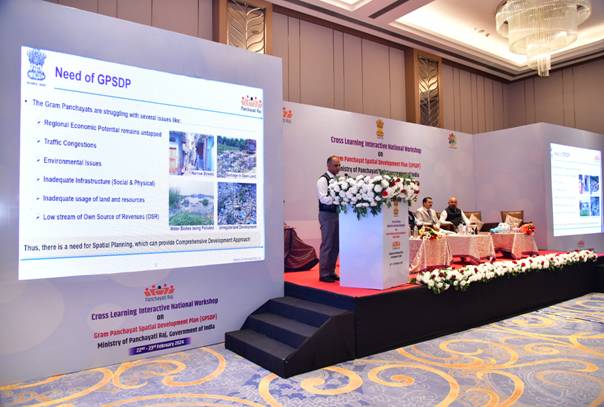
Cross Learning Interactive National Workshop on Gram Panchayat Spatial Development Plan at Bhopal, Madhya Pradesh

 Secretary, Ministry of Panchayati Raj Shri Vivek Bharadwaj inaugurated the Cross Learning Interactive National Workshop on Gram Panchayat Spatial Development Plan (GPSDP) at Bhopal, Madhya Pradesh today. Shri Malay Shrivastava, Additional Chief Secretary, Department of Panchayat & Rural Development, Government of Madhya Pradesh, Shri Alok Prem Nagar, Joint Secretary, Ministry of Panchayati Raj, and Prof. (Dr.) Kailasa Rao M, Director, School of Planning and Architecture, Bhopal were also present on the occasion.


In his address, Secretary emphasized the pivotal role of Gram Panchayats, partner institutions and key stakeholders in developing selected Gram Panchayats as Model Gram Panchayats, setting an example for others to follow. He stressed the importance of expediting efforts for reconstructing Panchayats with a spatial approach, contributing to the development of India. Shri Bharadwaj underlined the need for a well-thought-out and well-planned spatial development plan, coupled with strong determination and dedication for its implementation.

Shri Vivek Bharadwaj highlighted the importance of leveraging available resources and mobilizing the necessary support to translate vision and initiative of Gram Panchayat Spatial Development Plan into action effectively. By promoting systematic and synergistic interventions, any gaps in resource mobilization can be addressed, further facilitating the successful implementation of spatial planning initiatives in Gram Panchayats, added Shri Bharadwaj. Shri Bharadwaj emphasized upon spatial approach and importance of coordinated actions and collaborative efforts among various stakeholders to effectively execute spatial plan and ensure sustainable development at the grassroots level. Highlighting the significance of the Gram Panchayat Spatial Development Plan, Shri Vivek Bharadwaj urged participants to earnestly commit to its implementation within a defined timeframe, fostering sustainable rural development. Secretary called upon Gram Panchayats, partner agencies and stakeholders to seize opportunity of Amrit Kaal for advancing concerted action towards implementing spatial planning at grassroots level and ensuring its regular monitoring.

Shri Vivek Bharadwaj expressed hope that the two-day National Workshop will serve as a forum to provide a clear framework and direction towards advancing this crucial initiative, ensuring the empowerment and development of Gram Panchayats across the nation.

Shri Malay Shrivastava, Additional Chief Secretary, Department of Panchayat & Rural Development, Government of Madhya Pradesh called for the convergence of resources and a symphony of efforts to implement the Spatial Development Plan in Gram Panchayats.

Addressing the National Workshop on Gram Panchayat Spatial Development Plan Shri Alok Prem Nagar, Joint Secretary, Ministry of Panchayati Raj made a comprehensive presentation on Spatial Planning for Rural Areas and the Way Forward, and provided valuable insights into the workshop’s objectives and initiatives. Shri Alok Prem Nagar highlighted the need for spatial planning interventions and initiatives taken by Ministry of Panchayati Raj.


Prof. (Dr.) Kailasa Rao M, Director, School of Planning and Architecture, Bhopal, extended a warm welcome to all the participants and delegates, and shared an overview of the current status and roadmap of the spatial planning process.

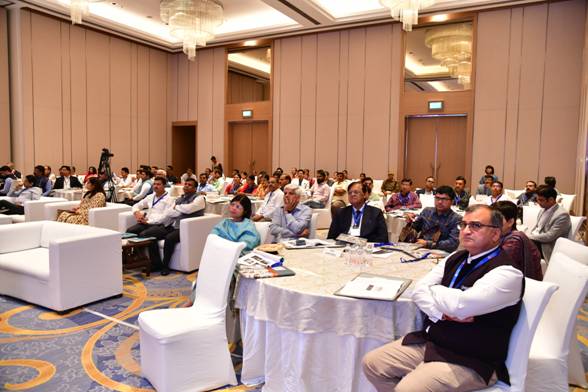
The National Workshop, organized by the Ministry of Panchayati Raj in collaboration with the School of Planning and Architecture, Bhopal, witnessed the participation of distinguished delegates from various State Departments of Panchayati Raj, planning and architecture institutes, industry experts, Smart City Mission leaders, financial institutions, and government agencies.

Presentations were made about the spatial development plans created in the States of Madhya Pradesh, Karnataka, Odisha, Uttar Pradesh, Chhattisgarh, Maharashtra and West Bengal. The officers from the Town and Country Planning Departments also explored the best options for inserting planning in rural areas. Discussions also delved into the utilization of GIS-based technology in Smart Cities and the implementation of Rural Area Development Plan Formulation and Implementation (RADPFI) guidelines. The workshop aims to conclude with significant takeaways and learnings for Gram Panchayats and State-level institutes, fostering long-term planning solutions for India’s villages.


****

Transformative Portals for a Modernized Media Landscape

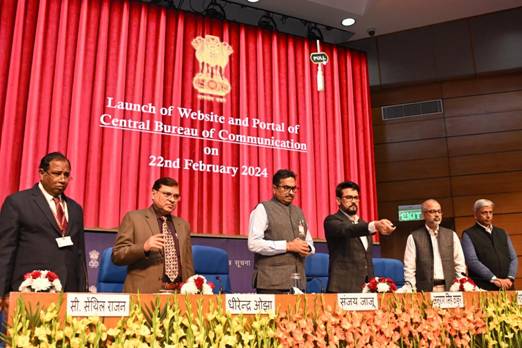
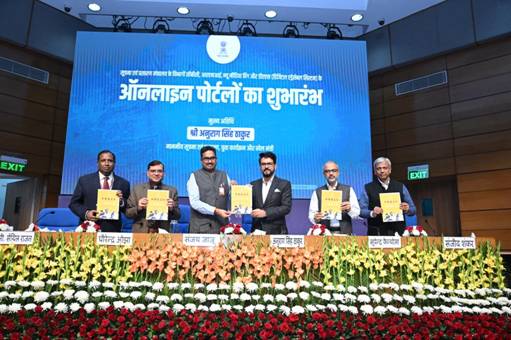
 The Minister of Information and Broadcasting Shri Anurag Singh Thakur, today launched four transformatory portals that promise to revolutionize the media landscape in India. These initiative is aimed at ensuring ease of doing business by fostering a more conducive business environment for Newspaper publishers and TV channels, enhance transparency and efficiency in government communication, provide easy  access to authentic Government videos and create a comprehensive database of Local Cable Operators (LCOs) enabling the Government to streamline regulatory processes in the cable television sector in future.

Addressing the audience present on the occasion, the Minister remarked that Today, India is viewed as an attractive destination for investment, with global companies eager to establish businesses there. He recalled Prime Minister Narendra Modi’s emphasis on transformative governance and economic reforms has greatly improved the ease of doing business in India and added that This has led to increased investment from both existing businesses and new entrepreneurs. The startup ecosystem, in particular, has flourished, with a significant increase in the number of startups and unicorns, he stated.

Elaborating on recognition of Government’s achievements towards improving ease of doing business, Shri Thakur said that these have been recognized globally, as evidenced by its improved rankings in international indices like the World Bank’s Ease of Doing Business Index and the Logistic Performance Index.

He further said that the success of platforms like the Government e-Marketplace (GeM) reflect the government’s efforts to create a level playing field for MSMEs and small businesses. He added that Prime Minister Modi’s leadership has not only focused on economic reforms but also on fostering a mindset transformation, recognizing entrepreneurs as partners in national development. This approach has led to increased wealth creation, job opportunities, and higher incomes, benefiting the country’s overall welfare and development.

Earlier, Secretary, Ministry of I&B. Shri Sanjay Jaju during his remarks said that these initiatives will help us streamline and increase our engagement with the media. These will foster not just transparency and innovation and help improve the functioning of the departments.

Press Sewa Portal: Streamlining Newspaper Registration The Press Sewa Portal, developed under the Press and Registration of Periodicals Act, 2023 (PRP Act, 2023) by the Press Registrar General of India (PRGI – erstwhile RNI), is a monumental step towards complete automation of the process for newspaper registration and other related processes. This portal, designed under the PRP Act 2023, aims to simplify the cumbersome registration procedures that were prevalent under the colonial PRB Act, 1867.

Key features of the Press Sewa Portal include:

  • Online Application: Publishers can file applications for title registration online, using Aadhar-based e-signatures.
  • Probability Meter: Indicates the likelihood of title availability.
  • Real-time Tracking of applications status: Accessible through an intuitively designed dashboard.
  • Dedicated DM Module: Enables District Magistrates to manage applications received from publishers in a centralized dashboard.

New Website: Along with the portal, the website offers easy access to relevant information, featuring an AI-based chatbot for user-friendly interactions.

Benefits of Automation: Online services for Title Registration, paperless processes with e-sign facilities, integration of a Direct Payment Gateway, QR code-based digital certificates, module for Press Keepers/owner enabling online intimation about Printing press, efficient tracking of newspaper registration, and quick grievance resolution through a chatbot-based interactive Grievance Resolution Software.

Transparent Empanelment Media Planning and eBilling System: Revolutionizing Media Planning In addition to the Press Sewa Portal, the Ministry is introducing the Transparent Empanelment, Media Planning and eBilling System for Central Bureau of Communication. CBC provides comprehensive 360 degree media and communication solutions to Ministries, Departments, PSUs, and autonomous bodies.  The new system of CBC is designed to enhance transparency and efficiency in media planning processes, and provide an end-to-end ERP solution for the media industry for doing business in a paperless and faceless environment. Key features include:

  • Streamlined Empanelment Process: An online system for empanelment of newspaper, periodicals, TV, Radio and digital media to ensure transparency and efficiency.
  • Automated Media Planning: Enhanced tools and features for online generation of media plans with minimal manual intervention, resulting in drastic reduction in time in preparing the media plan.
  • Automated Billing: Integration of an eBilling processing system for seamless and transparent bill submission, verification and payment.
  • Mobile App: A comprehensive mobile app for partners with tamper proof timestamp and geo tagging functionality for organised monitoring.
  • Reliable and Intelligent Solution: The portal is integrated with latest technology to assist in making real-time analytical reports and enable organisation to take data-driven decisions.
  • Promoting Ease of Doing Business: The online transparent system ensures faster empanelment, hassle-free business environment, automated compliance and swifter payment thereby significantly increasing the ease of doing business.
  • Dedicated IVR Helpdesk for Quick Issue Resolution: CBC has established a dedicated IVR support team stationed at CBC with dedicated helpline numbers to provide quick query and issue resolution services for clients and partners.


NaViGate Bharat Portal: National Video Gateway of Bharat

The ‘NaViGate Bharat’ portal i.e., the National Video Gateway of Bharat, developed by the New Media Wing of the Ministry, is a unified bilingual platform which hosts videos on the entire gamut of Government’s development-related and citizen welfare-oriented measures.

‘NaViGate Bharat’ empowers citizens by providing a single platform with an interactive user interface to search, stream, share, and download videos related to various Government schemes, initiatives, and campaigns, with filter-based advanced search option.

The portal eliminates the hassle of searching for official and reliable information from multiple sources, providing a one-stop platform for media and the general public.

‘NaViGate Bharat’ connects the last person standing in the queue with the Government’s welfare schemes and measures, ensuring that no one is left behind in understanding the initiatives shaping our nation’s future as it moves ahead on the path of becoming a Viksit Bharat.

 Key Features of ‘NaViGate Bharat’ Portal:

– Dedicated Pages for Ministries, Sectors, Schemes, Campaigns

NaviGate Bharat offers dedicated pages for Ministries, Sectors, Schemes, and Campaigns. With detailed descriptions for all videos, these pages provide a holistic view of Government initiatives.

– Easy Navigation & Search

Easy access for users to find the videos they are looking for

– Categorization & Tagging

Categories or tags that will allow users to search for videos by topic/keyword

– Seamless Video Playback & Streaming

Video player and Streaming capabilities for seamless viewing experience

– Download & Sharing Options

Users will be allowed to download and share videos with others through social media platforms

– Advanced Search Functionality

Filter-based Advanced Search functionality on the Home page and on each section of the portal

National Register for LCOs: Strengthening Cable Sector National Register for Local Cable Operators (LCOs) is the first step to bring registration of LCOs currently with Post Offices spread across the country under a Centralised Registration System. A web form has been designed to collect information from local cable operators for the purpose of National Register. The National Register for LCOs has also been published online and is being updated regularly. This promises a more organized cable sector with a National Registration Number for an LCO, making it easier to formulate new policies for responsible service and convenience for cable operators. A Centralised portal for online registration is in the process of development. The LCO National Register facility opens new possibilities for the cable sector, aligning with the vision of a developed India.

These initiatives collectively mark a significant leap towards a digitized and modernized media landscape in India. The Ministry of Information and Broadcasting reaffirms its commitment to fostering innovation, transparency, and progress in the media sector.

Background

The Press and Registration of Periodicals Act, 2023

The Press and Registration of Periodicals Act, 2023 (PRP Act, 2023) revolutionizes the registration process for periodicals, introducing a seamless online system for title allotment and registration without the need for physical submissions. This efficient approach, particularly advantageous for small and medium publishers, eliminates the requirement to file multiple declarations with District Magistrates. Instead, publishers will now submit a single online application through the Press Sewa Portal, streamlining the entire process that previously involved eight steps. Notably, the 2023 act also marks a significant shift towards decriminalization as compared to the stringent provisions of the Press and Registration of Books Act, 1867. These changes collectively aim to modernize and simplify the registration landscape, fostering an environment conducive to the swift and efficient initiation and running of publications.

The PRP Act has received the Presidential assent in December 2023 and is likely to be notified in near future. The Act will replace the existing PRB Act 1867. Under the act Rregistrar of Newspapers for India office will be replaced by the office of Press Registrar General of India.

Central Bureau of Communication (CBC) is a vital unit within the Ministry of Information and Broadcasting, established on December 8, 2017, through the amalgamation of the erstwhile Directorate of Advertising and Visual Publicity (DAVP), Directorate of Field Publicity (DFP), and Song & Drama Division (S&DD).

Headquartered in New Delhi, with its 23 Regional Offices (ROs) and 148 Field Offices (FOs), CBC provides comprehensive communication solutions to Ministries, Departments, PSUs, and autonomous bodies of Government of India, through various media verticals including Print, TV, Radio, Outdoor, Websites, Social Media and Emerging Digital Platforms.

Central Bureau of Communication partners with around 1100 client Ministries/Departments/PSUs/Institutions funded by Central Governments for their 360 degree solutions to their media and communication needs.

 More than 7000 publishers (newspapers/periodicals), nearly 551 Television Channels,  388 Private FM channels and around 360 Community Radio Stations are currently empanelled with CBC and do regular business with the Government body.
***

Empowering Nature, Nurturing Growth: Coal Sector Transforming Landscapes Through Sustainable Greening Initiatives for the Benefit of Coal Communities

 Coal/Lignite PSUs under the guidance and supervision of Ministry of Coal not only increased their production levels over time to meet the growing energy demands of the nation but have also demonstrated their commitment to the local environment by implementing a range of mitigation and sustainable measures. As part of sustainable greening initiative, extensive plantation programs with native species are undertaken by Coal/Lignite PSUs across various sites, including overburden (OB) dumps, haul roads, mine peripheries, residential colonies, and available land outside the lease area. Collaborations with scientific institutions ensure that plantation efforts are backed by expertise, facilitating the development of eco-restoration sites and the implementation of multi-tiered plantation schemes.

The plantation program adopts a diverse approach, encompassing shade-giving trees, species for forestry purposes, medicinal and herbal plants, fruit-bearing trees, timber value trees, and ornamental/avenue plants. Fruit-bearing species, along with medicinal plants, not only contribute to biodiversity conservation but also provide additional socio-economic benefits to local communities. Fruit bearing species such as Jamun, Imli, Ganga Imli, Bel, Mango, Sitaphal etc., Medicinal/Herbal Plants such as Neem, Karanj, Aonla (Amla), Arjun, etc., Timber Value Trees such as Sal, Teak, Shivan, Ghamar, Sissoo, Kala Sirus, Safed Sirus, Bamboo, Peltoforam, Babool, etc., Ornamental / Avenue Plants such as Gulmohar, Kachnar, Amaltas, Peepal, Jharul, etc. Moreover, close collaboration with state forest departments and corporations ensures that the best-suited species are selected for plantation, ensuring the success and sustainability of reclamation efforts.

Plantation at NK Area, CCL

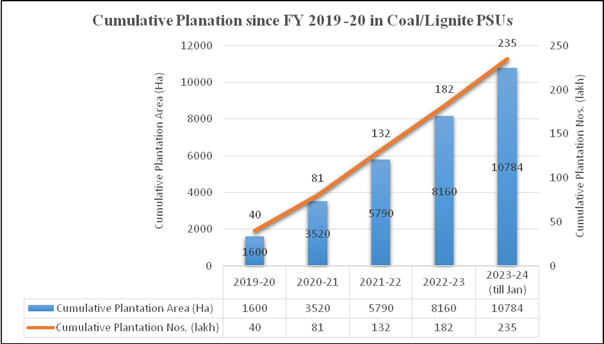
Over the past five years (FY 2019-20 to FY 2023-24 till January), Coal/Lignite PSUs have planted more than 235 lakh saplings over an area exceeding 10,784 Ha, thus enhancing the carbon sink significantly. To monitor reclamation performance, Coal/Lignite PSUs employs satellite surveillance.

Plantation by Coal/Lignite PSUs since FY 2019-20

Recently, Coal/Lignite PSUs have adopted the Miyawaki plantation method in its suitable command areas. The Miyawaki technique is a distinctive approach to afforestation and ecological restoration, pioneered by Japanese botanist Dr. Akira Miyawaki. Its primary goal is to enhance green cover within a limited area. This innovative method aims to establish a dense forest in just 10 years, a process that typically requires a century. It involves cultivating multi-layered forests that exhibit rapid growth and replicate the natural biodiversity found in native forests. Implementation of the Miyawaki technique entails planting two to four varieties of indigenous trees per square meter. Notably, the selected plant species are largely self-sustaining, eliminating the need for regular maintenance such as fertilization and watering. Within this method, trees achieve self-sustainability, reaching their height within a remarkable three-year timeframe. The interdependence among plants supports growth each other, promoting overall health and vitality. As a result, trees exhibit a growth rate much faster than conventional methods and contribute for creating a heightened carbon sink.

MCL adopted Miyawaki method in Kulda OCP of MCL at Subalaya village at Sundergarh range. DFO, Sundergarh is undertaking Miyawaki technique of plantation in 2 patches at 10 Ha at a density of 8000 saplings per Ha. Species planted in miyawaki forest in Kulda OCP is such as Arjun, Asan, Phasi, Sal, Bija, Karanj, Dhauda, Gamhar, Mahogany, Ashok, Patali, Chhatian, Dhuranj, Harra, Bahera, Amla, Guava, Mango, Jackfruit, etc. Further, Coal/Lignite PSUs have taken up about 15 Ha of Miyawaki plantation in and around coal mines in the current fiscal year.


Miyawaki Plantation in MCL

The plantation initiatives not only mitigate the ecological impact of mining activities but also contribute to the restoration of biodiversity, enhancement of ecosystem services, creating carbon sinks, providing livelihood opportunities for local communities and promotion of sustainable development. By leveraging scientific expertise, community engagement, and innovative methods like Miyawaki plantation, Coal/Lignite PSUs are creating a legacy of green, resilient landscapes for future generations.

****