Unlocking Potential: The Importance of Internships in Career Development

 By Shashikant Nishant Sharma 

In the competitive landscape of today’s job market, gaining practical experience has become more crucial than ever. Internships stand as invaluable opportunities for individuals to bridge the gap between theoretical knowledge and real-world application. Beyond merely padding a resume, internships serve as transformative experiences that shape careers and futures. Let’s delve into why internships are so vital in the journey of professional growth.

1. Hands-On Learning:

Internships offer hands-on experience that classrooms often can’t replicate. Whether in a corporate setting, research lab, or non-profit organization, interns have the chance to apply their theoretical knowledge to actual projects, tasks, and challenges. This practical exposure not only enhances their understanding but also equips them with skills that are highly valued by employers.

2. Skill Development:

Internships provide a platform for skill development across various domains. From communication and teamwork to problem-solving and adaptability, interns are immersed in an environment that demands multifaceted skills. Moreover, they often have the opportunity to learn industry-specific tools, technologies, and best practices, giving them a competitive edge in their chosen field.

3. Networking Opportunities:

The connections made during an internship can be invaluable. Interns interact with professionals in their field, building relationships that could potentially lead to mentorship, job opportunities, or valuable recommendations in the future. Networking within the industry not only enhances career prospects but also fosters a sense of community and support.

4. Clarifying Career Goals:

Internships serve as a testing ground for career aspirations. Many students enter internships with a general idea of their desired career path but may find their interests evolving as they gain practical experience. Internships offer a low-risk environment to explore different roles, industries, and work cultures, helping individuals clarify their career goals and make informed decisions about their future.

5. Resume Enhancement:

A solid internship experience can significantly bolster a resume. Employers often seek candidates with relevant work experience, and internships provide exactly that. Even if the internship is not directly related to the desired job, the transferable skills and demonstrated initiative are highly valued by recruiters. Internship experiences can set candidates apart in a competitive job market, increasing their chances of landing desirable positions.

6. Confidence Building:

Internships are not just about acquiring technical skills; they also contribute to personal growth. Successfully navigating the challenges of an internship instills confidence in interns, validating their abilities and preparing them for future professional endeavors. Overcoming obstacles, receiving constructive feedback, and achieving tangible results during an internship can significantly boost self-assurance and resilience.

7. Pathway to Employment:

For many, internships serve as a pathway to full-time employment. Employers often use internships as a recruitment tool, preferring to hire candidates who have already demonstrated their capabilities and fit within the organizational culture. Interns who perform well and exhibit a strong work ethic are more likely to be offered permanent positions, making internships a strategic investment in one’s future career.

In conclusion, internships play a pivotal role in shaping the next generation of professionals. They offer a dynamic learning environment where individuals can develop skills, clarify career goals, build networks, and gain the confidence needed to thrive in today’s workforce. Embracing the opportunities presented by internships is not only advantageous for individual career growth but also contributes to a more skilled and adaptable workforce overall. Therefore, students and aspiring professionals alike should actively seek out and make the most of internship opportunities available to them.

References

Binder, J. F., Baguley, T., Crook, C., & Miller, F. (2015). The academic value of internships: Benefits across disciplines and student backgrounds. Contemporary Educational Psychology41, 73-82.

Bukaliya, R. (2012). The potential benefits and challenges of internship programmes in an ODL institution: A case for the Zimbabwe Open University. International journal on new trends in education and their implications3(1), 118-133.

Davis, J., Steen, T., & Rubin, S. (1987). A study of the internship experience. Journal of Experiential Education10(2), 22-24.

Metzger, S. V. (2002). Employers’ perceptions of the benefits of college internship programs. University of Idaho.

Narayanan, V. K., Olk, P. M., & Fukami, C. V. (2010). Determinants of internship effectiveness: An exploratory model. Academy of Management Learning & Education9(1), 61-80.

Sharma, S. N. Enhancing Safety Analysis with Surrogate Methods: A Focus on Uncontrolled Traffic Intersections.

Sharma, S. N. The Complex Reality of Delhi’s Slums: A Closer Look at Urban Informality.

Wolinsky-Nahmias, Y., & Auerbach, A. H. (2022). Evaluating the design and benefits of internship programs. Journal of Political Science Education18(4), 584-604.

Breaking Boundaries in Education: The Latest from Eduindex News

 In an era defined by rapid technological advancements and evolving educational paradigms, staying updated with the latest news and trends in the field of education is imperative. Enter Eduindex News, your go-to portal for insightful analysis, groundbreaking research, and thought-provoking articles covering all aspects of the educational landscape.

Eduindex News is not just another news platform; it’s a dynamic hub that bridges the gap between educators, students, policymakers, and stakeholders worldwide. With a commitment to fostering dialogue and innovation, Eduindex News provides a platform for voices from diverse backgrounds to share their expertise and perspectives on the most pressing issues facing education today.

From cutting-edge research breakthroughs to innovative teaching methodologies, Eduindex News covers a wide array of topics designed to inform, inspire, and empower its readers. Whether you’re interested in the latest trends in online learning, the impact of artificial intelligence on education, or strategies for promoting inclusivity in the classroom, you’ll find it all on Eduindex News.

One of the hallmarks of Eduindex News is its dedication to promoting global collaboration and knowledge exchange. Through partnerships with leading educational institutions, think tanks, and organizations, Eduindex News facilitates the dissemination of best practices and emerging trends across borders. By fostering an interconnected community of educators and learners, Eduindex News seeks to drive positive change and innovation in education on a global scale.

But Eduindex News isn’t just about reporting the news; it’s about sparking meaningful conversations and driving action. Through its opinion pieces, interviews, and editorials, Eduindex News challenges conventional wisdom, encourages critical thinking, and advocates for policies that promote equity, accessibility, and excellence in education. Whether it’s advocating for increased investment in STEM education or calling for reforms to address systemic inequalities, Eduindex News isn’t afraid to tackle the tough issues head-on.

In addition to its regular news coverage, Eduindex News also offers a range of resources and tools for educators, students, and lifelong learners. From curated reading lists to educational webinars and workshops, Eduindex News is committed to supporting the professional development and growth of all those involved in the field of education.

As we navigate an ever-changing educational landscape, staying informed and engaged is more important than ever. Whether you’re a seasoned educator, a curious student, or simply passionate about the future of education, Eduindex News has something for you. Join us as we explore the latest developments, share best practices, and work together to shape the future of learning. Together, we can break boundaries and create a brighter future for education, one headline at a time.

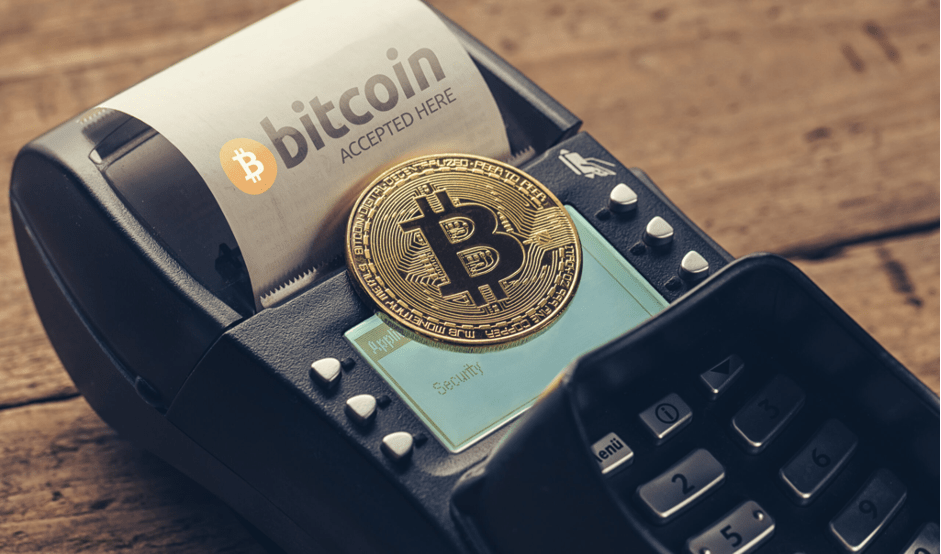
What is The Best Way to Accept Crypto Payments?

 Cryptocurrencies, such as Bitcoin, are changing the way we think about money. These digital currencies use advanced technology and offer a new, decentralized way of handling transactions. This means that payments can be made directly between people, without the need for banks or other middlemen.

As cryptocurrencies become more popular, many businesses are looking to accept them as a form of payment. This can bring several benefits, including lower transaction fees and access to a wider range of customers globally. For businesses looking to stay ahead, it’s important to understand the best methods for accepting crypto payments.

This article will focus on the most effective ways for businesses to integrate cryptocurrency payments. We will explore the tools and strategies needed to make this process smooth and secure, ensuring that businesses can benefit from the unique advantages that crypto payments offer.

What Are Crypto Payments?

Crypto payments refer to transactions made using cryptocurrencies, which are digital or virtual forms of currency. Unlike traditional currencies, cryptocurrencies operate on a blockchain, a decentralized ledger that records all transactions across a network of computers. This technology ensures the security, transparency, and immutability of transactions. Popular cryptocurrencies like Bitcoin, Ethereum, and Litecoin are often used for these types of payments.

Crypto payments offer a modern, efficient alternative to conventional banking and financial systems. They are particularly appealing for their lower transaction fees, faster processing times, and reduced need for intermediaries compared to traditional models, where factors like forex white label cost come into play. This makes them an attractive option for both online and offline businesses, allowing them to tap into a global customer base that prefers using digital currencies for their transactions.

How do Crypto Payments work?

Crypto payments work by transferring cryptocurrency from one digital wallet to another through blockchain technology. When a customer decides to make a payment using cryptocurrency, they send the digital currency to the recipient’s wallet address. This transaction is then verified and recorded on the blockchain, a public ledger that is maintained by a network of computers (nodes). Each transaction is encrypted and added as a new block to the blockchain, ensuring its security and permanence.

The process is decentralized, meaning it does not rely on any central authority like a bank to verify or process the transaction. Instead, the verification comes from the consensus of multiple nodes in the network. Once the transaction is confirmed, it cannot be reversed or altered, which adds a layer of fraud protection.

Benefits of Accepting Crypto Payments for Businesses

Global Market Reach 

By accepting cryptocurrencies, businesses can tap into a global market without the limitations of traditional currency exchange rates and international banking fees. Cryptocurrencies are borderless, enabling transactions with customers from any part of the world where they are used. This opens up new opportunities for businesses to expand their customer base and enter markets that were previously inaccessible due to financial barriers or currency restrictions.

Enhanced Payment Security

Crypto payments offer enhanced security features compared to traditional payment methods. Transactions on the blockchain are encrypted and immutable, meaning once they are recorded, they cannot be altered or tampered with.This significantly reduces the risk of fraud and chargebacks, offering peace of mind to both businesses and their customers. Additionally, since cryptocurrencies operate on decentralized networks, they are less susceptible to systemic failures compared to centralized financial systems.

Cost-Effective Transactions

Cryptocurrencies typically have lower transaction fees compared to conventional payment methods like credit cards and bank transfers. This cost-effectiveness is mainly due to the absence of intermediaries in the blockchain network. For businesses, this means more savings on transaction fees, especially for international transactions, which traditionally incur higher costs.

Quick and Efficient Crypto Settlements

Transactions with cryptocurrencies are known for their speed and efficiency. Unlike traditional banking transactions, which can take days to process, especially for international transfers, crypto transactions are settled almost instantly. This quick settlement time improves cash flow for businesses, allowing them to access their funds faster and use them for further investments or operational needs. This efficiency is particularly beneficial for businesses with high transaction volumes or those requiring quick turnaround times.

The Best Way to Accept Crypto Payments 

Choosing a Crypto Gateway

A crypto payment gateway is a service that enables merchants to accept transactions in cryptocurrencies. It’s important to choose a gateway that supports multiple cryptocurrencies, provides robust security features, and is user-friendly. Additionally, the gateway should offer seamless integration with your existing payment systems and ensure compliance with relevant regulations.

Creating a Digital Wallet

To receive cryptocurrency payments, a business must have a digital wallet. A digital wallet is like an online bank account for cryptocurrencies, allowing you to store, send, and receive digital currencies. It’s important to choose a wallet that is secure, easy to use, and compatible with the cryptocurrencies you plan to accept. Consider wallets that provide additional features like backup options and multi-factor authentication for enhanced security.

Adding Payment Plugins

For online businesses, integrating crypto payments into your website can be achieved through payment plugins. These plugins can be easily installed on various e-commerce platforms and enable customers to choose cryptocurrencies as a payment option at checkout. Ensure that the plugin you choose is compatible with your e-commerce platform and crypto gateway for a seamless transaction experience.

Using QR Codes

QR codes offer a convenient way for customers to make crypto payments, especially in physical stores or for in-person services. When a customer scans the QR code with their smartphone, it automatically populates the payment amount and the merchant’s wallet address. This method simplifies the payment process, reducing the chance of errors while enhancing transaction speed.

Implementing Multi-Signature Security

For added security, businesses should consider implementing multi-signature (multi-sig) wallets. A multi-sig wallet requires multiple keys to authorize a transaction, which can prevent unauthorized access and enhance the security of the funds. This is particularly important for businesses that handle large volumes of transactions or store significant amounts of cryptocurrencies. Implementing multi-sig security can provide peace of mind for both the business and its customers, knowing that transactions are protected against potential threats.

In conclusion, the best way to accept crypto payments is to carefully choose a payment system that supports different types of digital currencies and works well with your business setup. It’s important to have a secure online wallet for your business and to use tools that make it easy for customers to pay you online. Additionally, having extra security, like needing more than one approval for big transactions, keeps your business safe. This approach helps businesses stay up-to-date with digital payments, attract more customers, and make transactions faster and cheaper. Adopting these steps can really help your business grow in today’s digital world.

Risk Parity Strategy – An Investor’s Safe Choice

 In the diverse world of investment strategies, the Risk Parity Strategy stands out for its unique approach to balancing risk, offering investors a path to potentially more stable and consistent returns. As an experienced Forex trader and investor, I understand the intricacies of market volatility and the importance of a well-thought-out investment strategy. This detailed guide dives deep into the Risk Parity Strategy, explaining its workings, benefits, and why it is considered a safe choice for investors.

Introduction to Risk Parity Strategy

Risk Parity is a sophisticated investment philosophy that aims to achieve a balanced risk distribution across all components of a portfolio. Unlike traditional investment strategies that allocate funds based on market capitalization or expected returns, Risk Parity focuses on equalizing the risk contributed by each asset class – be it equities, bonds, commodities, or currencies.

Historical Background

Developed in the 1950s by Ray Dalio, the founder of Bridgewater Associates, the strategy was a response to the shortcomings of traditional portfolio management techniques that often led to an imbalance, heavily favoring high-risk assets.

Core Principle

At its core, Risk Parity seeks to equalize the risk contribution of each asset, avoiding overexposure to any single source of risk. This approach is based on the understanding that risk and return are not always proportionally related.

Implementing the Risk Parity Strategy

Risk Assessment

The first step is assessing the risk (often measured as volatility) associated with each asset class. This involves complex calculations and an understanding of market dynamics.

Capital Allocation

Based on risk assessment, capital is allocated in a way that each asset class contributes equally to the overall portfolio risk. This might result in a higher allocation to traditionally lower-risk assets like bonds.

Use of Leverage

Risk Parity often involves the use of leverage to enhance returns from low-risk assets. While leverage can increase gains, it also raises the overall risk profile and must be used judiciously.

Regular Rebalancing

Market conditions change, and so do asset risks. Regular rebalancing of the portfolio is essential to maintain the desired risk balance.

Advantages of Risk Parity

Diversification

Risk Parity provides a more balanced and effective diversification compared to traditional investment strategies, as it considers the risk profile of each asset.

Reduced Volatility

By balancing high- and low-risk assets, the strategy typically reduces overall portfolio volatility, especially in turbulent market conditions.

Stable Long-Term Returns

The strategy aims for stable and consistent returns over the long term, a key consideration for risk-averse investors.

Challenges and Considerations

Complexity

Risk Parity is more complex than traditional investment strategies, requiring sophisticated risk assessment and continuous portfolio management.

Interest Rate Fluctuations

The strategy’s reliance on bonds makes it susceptible to interest rate changes, which can impact bond prices and portfolio performance.

Expertise Requirement

Effective implementation often requires expertise in financial modeling and market analysis. Investors may benefit from professional advice or engaging in prop trading to manage a Risk Parity strategy effectively.

Risk Parity in Forex Trading

Applying Risk Parity in Forex trading involves balancing the risk across various currency pairs. This requires an understanding of currency volatility, correlations, and global economic factors.

The Evolving Landscape of Risk Parity

As financial markets evolve, so do investment strategies. Risk Parity continues to be refined with advancements in financial analytics and modeling. Its focus on risk management aligns with the growing emphasis on stability and sustainable growth in investment portfolios.

Conclusion

Risk Parity Strategy offers an innovative and balanced approach to investment, particularly appealing in uncertain and volatile market environments. Its focus on equalizing risk contributions across a diverse range of assets positions it as a safer choice for investors looking for stability and long-term growth. However, its complexity and the need for ongoing management and expertise, such as leveraging resources like prop trading, should not be underestimated. In the end, Risk Parity aligns with the cautious investor’s goal: achieving a harmonious balance between risk and reward in the quest for sustainable financial returns.

What Is CFD in Crypto?

 Imagine you’re a trader who wants to capitalize on the volatile crypto market but can’t afford to invest large sums of money in Bitcoin or Ethereum.

You’ve probably heard of Contracts for Difference (CFD) and might be wondering how they can apply to cryptocurrencies.

As a financial derivative, CFDs allow you to speculate on price movements without owning the underlying asset – in this case, digital currencies.

But what does this really mean, and how can you leverage this to your advantage when you start a forex brokerage?

Let’s explore further to uncover the potential and risks of CFDs in the crypto market.

Understanding CFD Terminology

Before diving into the world of CFDs in crypto, it’s essential that you familiarize yourself with the key terms and jargon used in this sphere. You’ll encounter phrases like ‘CFD Trading Strategies’ and ‘Understanding Leverage’ – both of which are critical to your success in this market.

CFD Trading Strategies are plans of action designed to help you profit from price movements in the cryptocurrency market. These strategies could be as simple as buying low and selling high, or as complex as using advanced technical analysis techniques. It’s crucial that you understand these strategies to navigate the volatile crypto market effectively.

‘Understanding Leverage’ is another essential aspect of CFDs in crypto. Leverage allows you to control larger positions than your initial investment would ordinarily permit. For instance, if you’re trading with a leverage of 10:1, you can control $10,000 worth of a cryptocurrency with just $1,000. However, remember that while leverage can magnify your profits, it can also amplify your losses.

How CFDs Work in Crypto

Now that you’re familiar with the terminology and concepts, let’s explore how CFDs operate within the cryptocurrency market.

CFDs, or Contracts for Difference, are a type of derivative trading where you speculate on the price movements of crypto assets without actually owning them. It’s an agreement to exchange the difference in the value of a crypto asset from the time the contract is opened until it’s closed.

Crypto volatility plays a crucial role in CFDs. The sharp price swings in the crypto market offer an opportunity for significant profits if you can accurately predict the market direction. However, it also carries considerable risk due to the same volatility.

Developing effective CFD strategies is paramount to mitigate these risks. A common approach is to utilize stop-loss orders, which automatically close a position if the market moves against you to a certain extent. Another strategy is to diversify your portfolio across various crypto assets to spread the risk.

Benefits of Crypto CFD Trading

Despite the risks, engaging in crypto CFD trading can offer numerous benefits, especially if you’re keen on leveraging price volatility without owning the actual asset. This method allows you to gain exposure to the lucrative, yet highly volatile crypto market without needing to manage the complexities of owning, storing, and securing the digital coins.

One major advantage is the leverage opportunities it provides. By depositing a fraction of the total trade value, you can control a large position in the market. For instance, with a leverage of 1:10, you can control assets worth 10 times your initial investment. This can magnify your potential profits, but be aware it can also amplify your losses.

Crypto CFD trading also plays a vital role in your diversification strategy. With CFDs, you’re not limited to trading just one type of cryptocurrency. You can trade a wide range of digital coins, allowing you to spread your risk across different assets. This versatility can potentially boost your overall trading performance.

Therefore, despite its inherent risks, crypto CFD trading offers a unique way to navigate the exciting world of cryptocurrency trading.

Risks Involved in CFD Trading

While crypto CFD trading can offer significant rewards, it’s crucial to understand the inherent risks involved. One of these risks is leverage pitfalls. You see, leverage is a double-edged sword. While it can magnify your profits, it can also amplify your losses. If the market moves against your position, you could lose more than your initial investment, plunging you into debt.

The second risk tied to CFD trading is margin call dynamics. In CFD trading, you’re required to maintain a certain level of funds in your account, known as the margin. If your open positions start to incur significant losses, and your account’s balance falls below the required margin, you’ll receive a margin call. This means you’ll have to deposit more funds into your account to keep your positions open. If you can’t meet this demand, your positions could be closed, and you could lose your investment.

Essential Tips for CFD Traders

Given the inherent risks outlined earlier, it’s crucial for you to arm yourself with effective trading strategies when embarking on your crypto CFD trading journey. Among these, the Leverage Strategy and Market Analysis are key to maximizing your potential profits and minimizing possible losses.

The Leverage Strategy allows you to open a position that’s larger than the capital you have invested. This can amplify your profits, but also your losses. Therefore, it’s important to use leverage wisely. Start with low leverage, learn how to manage it, and only then consider increasing it.

Market Analysis, on the other hand, involves examining the factors that influence the price of cryptocurrencies. Two main types of market analysis are technical and fundamental.

Technical analysis involves studying price charts and using statistical figures to predict future price movements.

Fundamental analysis focuses on the intrinsic value of a cryptocurrency, considering factors like technological innovations, market demand, and regulatory news.

Frequently Asked Questions

What Are the Legalities Around CFD Trading in Cryptocurrency?

Legalities of CFD trading in cryptocurrency vary greatly due to regulatory differences. You’re responsible for understanding local laws and managing risks. It’s recommended you consult an expert if you’re unsure about the rules.

Can I Use CFD Trading for Other Types of Investments Other Than Crypto?

Absolutely, you can use CFD trading for other investments apart from crypto. However, bear in mind CFD risks and the volatile nature of leveraged trading, especially when dealing with different asset classes.

How Can I Choose the Best Platform for CFD Trading in Crypto?

To choose the best platform for CFD trading in crypto, you’ll need to consider platform security and user experience. Look for platforms that have strong security measures and easy-to-navigate interfaces.

What Is the Minimum Investment Required for CFD Trading in Crypto?

The minimum investment for crypto CFD trading varies with different platforms. But remember, CFD risks are high. It’s crucial you balance leveraging strategies with your investment to manage potential losses.

Are There Any Specific Tax Implications for Profits Made From CFD Trading in Crypto?

Yes, there’re specific tax implications. Your profits from CFD crypto trading impact your capital gains tax. Remember, tax deductions in CFD crypto trading can be complex, so consult a tax professional for accurate info.

Conclusion

So, you’ve now got the lowdown on CFD in crypto. It’s a high-risk, high-reward game, offering you the chance to benefit from crypto price movements without owning the actual coins.

But remember, with potential rewards come risks. Stay informed, use smart strategies, and always trade responsibly.

It’s your move now, are you ready to step into the world of crypto CFD trading?