
Printing Services: A Comprehensive Overview

Printing services play a crucial role in the dissemination of information, marketing materials, and creative content across various industries. From small-scale personal projects to large-scale commercial productions, printing services offer a range of solutions to meet diverse needs. This detailed overview will explore the different types of printing services available, the technology behind them, and how they cater to specific requirements.
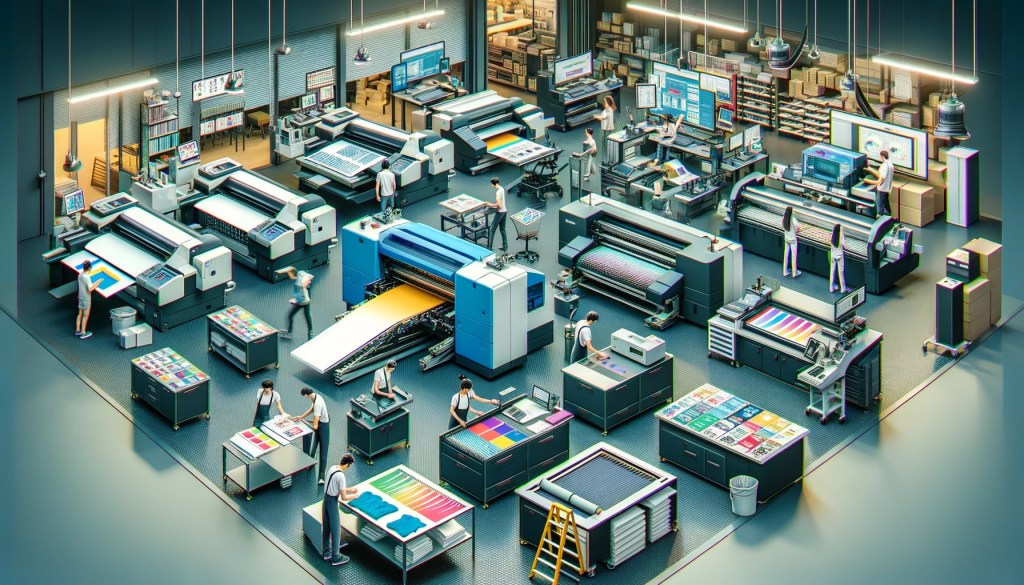
1. Types of Printing Services

  • Digital Printing: Best suited for smaller quantities and rush jobs, digital printing uses toner (like in laser printers) or larger printers that use liquid ink. It offers high-quality prints with fast turnaround and is cost-effective for low-volume production.
  • Offset Printing: Ideal for high-volume printing, such as newspapers, magazines, and books. Offset printing involves transferring ink from a plate to a rubber blanket and then to the printing surface. It is renowned for producing consistent high-quality images and allows cost savings with larger quantities.
  • Screen Printing: Commonly used for designs on fabric, such as t-shirts, and on unique products like mugs and bottles. Screen printing involves creating a stencil (or “screen”), and then using it to apply layers of ink on the printing surface.
  • Flexography: Mainly used for packaging and labels. Flexography uses a flexible relief plate to print on a variety of materials like plastic, metallic films, and paper.
  • Gravure Printing: Used for high-quality photographic prints, gravure printing involves engraving the image onto a cylinder. It is especially suitable for large-scale production runs of magazines, mail order catalogues, packaging, and other products.
  • 3D Printing: A growing sector in printing services, 3D printing builds objects layer by layer using materials such as polymer resins and metals. It is used for prototypes, manufacturing, medical models, and more.

2. Choosing the Right Printing Technique

The choice of printing technique depends on several factors:

  • Quantity: High-volume orders are more cost-effective with offset printing, whereas digital printing is better for small to medium volumes.
  • Quality: For high-quality, detailed images, gravure and offset printing are excellent options.
  • Material: Screen printing and flexography are preferred for non-traditional materials.
  • Turnaround Time: Digital printing offers the quickest turnaround.
  • Budget: Digital printing is cost-effective for small runs, but offset printing can reduce costs per unit for large orders.

3. Pre-press Process

Before printing, several pre-press steps are necessary:

  • Design and Artwork Creation: Using graphic design software to create or finalize designs.
  • Proofreading and Editing: Ensuring the text and graphics are error-free.
  • Mock-ups and Proofs: Creating preliminary versions of the final product for review and approval.
  • Plate Making (for offset and flexography): Producing the plates used to transfer the ink onto the material.

4. Post-press and Finishing Services

After printing, additional processes may enhance the product:

  • Cutting and Trimming: Removing excess paper or material.
  • Folding: For brochures, pamphlets, and other folded items.
  • Binding: Options include spiral, comb, wire, and perfect binding for assembling pages into books or booklets.
  • Laminating and Coating: Adding a protective layer or special finishes like gloss or matte.

5. Emerging Trends in Printing Services

  • Sustainable Printing: Increased demand for eco-friendly materials and processes.
  • Personalization: Using data to create customized marketing materials.
  • Integration with Digital Media: QR codes, augmented reality, and other technologies enhancing printed materials.

6. Applications of Printing Services

  • Marketing: Brochures, flyers, posters, and business cards.
  • Publishing: Books, magazines, and newspapers.
  • Packaging: Labels, boxes, and wrappers.
  • Specialty Products: Custom apparel, gift items, and decorative pieces.

Conclusion

Printing services encompass a broad spectrum of techniques and applications, each suited to specific project requirements. Whether it’s for advertising, publishing, or custom merchandise, understanding the different types of printing methods and their advantages is key to selecting the right service for your needs. As technology advances, the printing industry continues to evolve, offering more sophisticated solutions to meet the demands of modern consumers and businesses.

Railway Network Safety in India: A Comprehensive Analysis of Policy and Technological Interventions

The railway network in India is the nation’s lifeline, enabling seamless transportation of goods and passengers across the country’s expansive and diverse landscapes. Indian Railways, the fourth largest railway network in the world, serves as a driver of economic growth, connecting people across regions【source†1】. However, train accidents, such as derailments and collisions, remain a significant concern. Tackling these challenges requires a comprehensive approach, combining policy frameworks and technological advancements.

1. Current State of Railway Safety:
Despite significant improvements in recent years, challenges persist:

  • Derailments: The majority of train accidents are caused by derailments, which result from track defects, mechanical failures, and natural disasters【source†2】.
  • Collisions: Accidents at unmanned level crossings, train-to-train collisions, and livestock collisions are a persistent risk【source†3】.
  • Human Errors: Inadequate training, fatigue, and stress among the workforce are notable contributing factors to operational errors.
  • Aging Infrastructure: Outdated tracks, bridges, and signaling systems exacerbate mechanical failures【source†4】.

2. Policy Frameworks:
Efforts to strengthen the regulatory framework include:

  • National Rail Safety Policy: Outlines objectives and standards to improve railway safety【source†5】.
  • Institutional Reforms: The creation of the Railway Safety Regulatory Authority to oversee compliance.
  • Safety Funds: Establishment of the Rashtriya Rail Sanraksha Kosh to finance critical safety projects【source†6】.
  • Training and Awareness: Enhancing personnel skills through regular training and campaigns.

3. Technological Interventions:
Technological innovations offer significant opportunities to mitigate accident risks:

  • Anti-Collision Devices: GPS-based devices that automatically brake trains to prevent collisions.
  • Track Inspection Drones: Drones that inspect track conditions, bridges, and other infrastructure【source†7】.
  • Track Monitoring Systems: Deployment of sensors to identify weak points in tracks and other structural issues.
  • Train Protection and Warning System (TPWS): An automatic system that alerts drivers about speed limits and signal status【source†8】.
  • Automated Level Crossings: Sensors and barriers prevent accidents at unmanned crossings.

4. Synergy Between Policy and Technology:
Aligning policy and technological advancements involves:

  • Comprehensive Planning: Integrating technological requirements into national and regional safety policies ensures resources are appropriately allocated.
  • Stakeholder Collaboration: Coordination between government agencies, railway authorities, private technology partners, and the workforce is crucial.
  • Continuous Evaluation: Monitoring the efficacy of policies and technological tools helps refine strategies.

The Indian Railways network, which covers over 65,000 km and is divided into 17 zones, plays a crucial role in connecting the nation and facilitating the transportation of goods and passengers. As the fourth-largest rail network globally, it carries over 8 billion passengers annually. Its revenue, primarily driven by freight (accounting for over 75% of earnings), reached approximately USD 32.18 billion in the 2023-24 fiscal year​ (Railway Technology)​​ (India Brand Equity Foundation)​.

However, maintaining safety in such an extensive system is challenging due to derailments, collisions, and other accidents. Recent initiatives aim to modernize and secure operations:

  1. Infrastructure Upgrades: Indian Railways is implementing critical infrastructure projects to double speeds on certain routes and build dedicated freight corridors. Supercritical and critical projects worth USD 15.44 billion will enhance network efficiency​ (India Brand Equity Foundation)​.

  2. Electrification and Decarbonization: Electrification projects aim to convert the entire broad-gauge network to electric by 2024. This effort aligns with India’s commitment to achieving net-zero carbon emissions by 2030, supported by international collaborations​ (India Brand Equity Foundation)​.

  3. Technological Enhancements: Implementing dedicated high-speed corridors, upgrading ticketing systems, and modernizing passenger services enhance safety and efficiency.

These efforts underscore how a cohesive policy framework, combined with technological advances, will fortify India’s rail system against future challenges, ultimately enhancing safety and efficiency for passengers and cargo alike.

To learn more about the Indian Railways network, you can explore comprehensive information on the Indian Brand Equity Foundation’s website at IBEF.

Conclusion:
India’s railway network safety challenges demand a cohesive strategy that blends policy and technology. Leveraging innovative technologies within rigorous policy frameworks can enhance railway safety significantly. A proactive approach ensures a safer, more efficient network that benefits passengers and drives economic growth across the nation.

References:

References:

  1. Indian Railways Network Size
  2. Derailment Stats
  3. Unmanned Crossings Collisions
  4. Aging Railway Infrastructure
  5. National Rail Safety Policy
  6. Rashtriya Rail Sanraksha Kosh
  7. Drones in Railway Inspections
  8. Train Protection and Warning System