Importance of Elections in India

Elections are a cornerstone of democracy, playing a vital role in ensuring the very fabric of a democratic society. The importance of elections in democracy can be seen in the following aspects:
1. *Accountability*: Elections hold elected representatives accountable to the people, ensuring they are answerable for their actions and policies.
2. *Representation*: Elections provide citizens with a voice, allowing them to choose representatives who reflect their values, beliefs, and interests.
3. *Power Transfer*: Elections facilitate the peaceful transfer of power, preventing violent coups and ensuring stability in government.
4. *Citizen Participation*: Elections encourage citizen engagement, fostering a sense of ownership and responsibility in the democratic process.

5. *Protection of Rights*: Elections help safeguard individual rights and freedoms, as elected officials are tasked with upholding the constitution and protecting citizens’ liberties.
6. *Promoting Political Pluralism*: Elections allow for the coexistence of diverse political parties and ideologies, promoting healthy competition and debate.
7. *Encouraging Political Engagement*: Elections inspire citizens to stay informed, engage in political discussions, and participate in the democratic process.
8. *Preventing Authoritarianism*: Elections prevent the concentration of power, ensuring that no single individual or group dominates the political landscape.
9. *Fostering Transparency*: Elections promote transparency in government, as elected officials are required to be open and accountable in their decision-making processes.
10. *Strengthening Democracy*: Elections reinforce democratic values, reinforcing the principles of equality, justice, and freedom that underpin democratic societies.
In summary, elections are the lifeblood of democracy, ensuring that power remains with the people and that government remains accountable, representative, and responsive to their needs.

SSC CGL Exam

The SSC CGL (Staff Selection Commission Combined Graduate Level) exam is a national-level competitive examination conducted by the Staff Selection Commission (SSC) to recruit personnel for various Group B and Group C posts in the Indian government ministries, departments, and offices.

*Exam Pattern:*
The SSC CGL exam consists of four tiers:
1. *Tier 1:* Preliminary exam (Objective type, 100 questions, 200 marks)
2. *Tier 2:* Main exam (Objective type, 200 questions, 400 marks)
3. *Tier 3:* Descriptive exam (Essay, Letter, Application, 100 marks)
4. *Tier 4:* Computer Proficiency Test/Skill Test (where applicable)
*Posts and Vacancies:*
The SSC CGL exam fills various posts, including:
1. Assistant Audit Officer
2. Assistant Accounts Officer
3. Assistant Section Officer
4. Inspector of Income Tax
5. Inspector of Central Excise
6. Assistant Enforcement Officer
7. Sub Inspector in CBI
8. Divisional Accountant
9. Junior Statistical Officer
10. Auditor
*Eligibility Criteria:*
1. Age: 18-32 years (varies for different posts)
2. Education: Bachelor’s degree from a recognized university
3. Citizenship: Indian citizen or subject of Nepal/Bhutan/Tibet
*Exam Dates:*
The SSC CGL exam is usually conducted annually, with the notification released in March and the exam held in June/July.
*Preparation Tips:*
1. Understand the exam pattern and syllabus
2. Prepare a study plan and stick to it
3. Focus on quantitative aptitude, reasoning, and English language
4. Practice with mock tests and previous year’s papers
5. Stay updated with current affairs and general knowledge
*Importance:*
The SSC CGL exam offers a chance to join the Indian government’s prestigious organizations and departments, providing a secure and challenging career with opportunities for growth and development.

Press Information Bureau (PIB)

*Press Information Bureau (PIB)*

*Introduction*
Press Information Bureau (PIB) is the nodal agency of the Government of India responsible for disseminating information to the print and electronic media on government policies, programs, initiatives, and achievements. It functions as an interface between the government and media and also serves to provide feedback to the government on people’s reaction as reflected in the media ¹.
*Objectives*
The main objectives of PIB are:
– *Dissemination of Information*: To disseminate information to the media on government policies, programs, initiatives, and achievements.
– *Interface between Government and Media*: To function as an interface between the government and media.
– *Feedback Mechanism*: To provide feedback to the government on people’s reaction as reflected in the media.
*Functions*
The PIB performs the following functions:
– *Press Releases*: Issues press releases on behalf of the government on various policies, programs, and initiatives.
– *Press Conferences*: Organizes press conferences for ministers and other government officials to brief the media on various issues.
– *Media Facilitation*: Facilitates media coverage of government events and programs.
– *Feedback Mechanism*: Provides feedback to the government on people’s reaction as reflected in the media.
*Importance*
PIB plays a crucial role in maximizing governance through effective government communication. It helps to:
– *Disseminate Information*: Disseminate information to the media and the public on government policies, programs, initiatives, and achievements.
– *Promote Transparency*: Promote transparency and accountability in government functioning.
– *Facilitate Media Coverage*: Facilitate media coverage of government events and programs.
– *Provide Feedback*: Provide feedback to the government on people’s reaction as reflected in the media.
*Conclusion*
In conclusion, Press Information Bureau (PIB) is an important agency of the Government of India responsible for disseminating information to the media on government policies, programs, initiatives, and achievements. It plays a crucial role in maximizing governance through effective government communication and promoting transparency and accountability in government functioning.

What is Research Question

A research question is a specific, focused, and concise query that guides the investigation and helps to identify the problem or issue to be addressed. It should be:
1. _Clear_: Easy to understand and interpret.
2. _Specific_: Well-defined and focused.
3. _Measurable_: Can be answered through data collection and analysis.
4. _Relevant_: Aligns with the research objectives and hypothesis.
5. _Feasible_: Can be answered within the scope of the study.
Research questions can be:
1. _Descriptive_: Seeking to describe a phenomenon or situation.
Example: “What are the demographic characteristics of patients with diabetes?”
2. _Comparative_: Comparing two or more groups or conditions.
Example: “Is there a difference in blood pressure between patients with and without hypertension?”
3. _Causal_: Examining the relationship between variables.
Example: “Does regular exercise reduce the risk of heart disease?”
4. _Exploratory_: Exploring a new area or phenomenon.
Example: “What are the experiences of patients with chronic pain?”
Example of a research question:
“What is the effectiveness of a new medication in reducing symptoms of depression in adults?”
A well-crafted research question serves as a guide for the entire research process, helping to ensure that the study stays focused and on track.

Salute to Rani Chennamma of Princely State Kittur: Presently Part of Karnataka State

 For the independence of the country from the British rulers, from time to time, many people fought and sacrificed their lives. Unfortunately, in the school history books, a few family’s names are highlighted as if, for them, India got her independence. In this article, I am presenting the case of Rani Chennamma, who bravely fought against British rule, but her great sacrifice was not highlighted in our history books across the country. 

Indians will not forget the valour of Queen/Rani Chennamma.  She was born on October 23, 1778, in Kakati village in the present Belagavi district of Karnataka in the Lingayat community and received training in horse riding, sword fighting, and archery from a young age. At the age of 15, her marriage was performed with King/Raja Mallasarja of the Desai family, who ruled the princely state until 1816.  Chennamma’s husband died in 1816, leaving her with a son and a state full of volatility. Later on, in 1824, her son died. Rani Chennamma was left with the State of Kittur and the great task of maintaining its independence from the British. Following the death of her husband and son, Rani Chennamma adopted Shivalingappa in 1824 and made him heir to the throne. This irked the East India Company, who ordered Shivalingappa’s expulsion. The State of Kittur came under the administration of the Dharwad collectorate in charge of St John Thackeray, of which Mr. Chaplain was the Commissioner; both of them did not recognise the new ruler and notified Kittur to accept British control. Because Lord Dalhousie the Governor General of India, introduced a policy called ‘The Doctrine of Lapse’   to annex the independent Indian States from 1848 in case the ruler of an independent princely state died childless. In 1823, Rani Chennamma sent a letter to Mountstuart Elphinstone, Lieutenant-Governor of the Bombay province, pleading her case, but the request was turned down, and war broke out. Rani Chennamma retaliated and killed a British official to protect and safeguard her homeland. She was trained in martial arts and military tactics and was a formidable leader. She led her army into battle, using guerrilla warfare tactics to surprise the British forces. The war lasted several days, but ultimately, the British could succeed due to their superior firepower. In the first war, during October 1824, British forces lost heavily, and St John Thackeray, collector and political agent, was killed in the war.  Two British officers, Sir Walter Elliot and Mr Stevenson, were also taken as hostages. Rani Chennamma released them with an understanding with the Chaplain that the war would be terminated, but the Commissioner Chaplain continued the war with more forces. During the second war, the sub-collector of Solapur, Munro, nephew of Thomas Munro, was killed. Rani Chennamma fought fiercely with the aid of her deputy, Sangolli Rayanna, but was ultimately captured and imprisoned at Bailhongal Fort, where she died on February 21, 1829, due to her health condition. Despite her capture and imprisonment in Bailhongal Fort (Belagavi, Karnataka), Rani Chennamma’s spirit remained unbroken.

 She became a symbol of courage and defiance. In 2007, the Indian Government honoured her by issuing a postage stamp. It is pertinent to mention that many Kannada folk songs  (Lavanis)  are recited that fondly remember Rani Chennamma as a protector and guardian. 

Regarding ‘Lavani’, it may be mentioned that it is a vibrant and expressive folk song with its roots in the cultural heritage of Maharashtra but has also found a place in certain parts of Karnataka. The word ‘Lavani’ is derived from the Marathi term “Lavanya,” which means beauty.

My salute to such a great Rani. She was a genius Rani endowed with much prowess, and her bravery is a source of inspiration irrespective of gender.

Prof Shankar Chatterjee, Hyderabad

Future scope and job opportunities after Diploma in Imaging and Radio Technology (DRIT) course

Diploma in Imaging and Radio Technology (DRIT) course
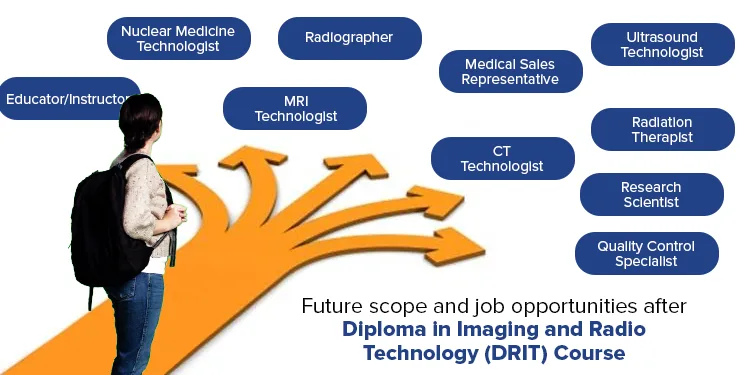
Choosing a fascinating  career in Imaging and Radio Technology can open up so many opportunities in various fields of the healthcare sector. After this course you can also join as well as in research, academic, and various corporate industries.There are various Best paramedical colleges which provide best placement opportunities after the Diploma in Imaging and Radio Technology (DRIT) course.

After this diploma there are also job opportunities in the government sector too. You can join AIIMS, PGI, and other government hospitals and healthcare centres. You can also serve in various community centres and other district hospitals on attractive salary packages.

1.Radiographer: Radiographer famously known as radio technologists. After the DRIT course you can also become a Radiographer and it is one of the most demanding paramedical jobs in the medical sector. They are experts in handling various instruments in Radiology centres. They take out clear images of the patient’s body. They also control and ensure safety of patients while taking out images with dangerous rays coming out from machines which are very dangerous to the human body. They minimise the exposure of dangerous rays and patient body contact.

2. MRI Technologist: MRI technologists are the experts of operating magnetic resonance imaging (MRI) scanners. They create clear images of patients’ different body parts so the abnormalities inside the patient’s body could be identified and diagnosed with the proper medical treatment. MRI Technicians produce detailed images of mainly every internal structure in the human body like the organs, bones, muscles and blood vessels. With the help of these images Medical consultants identify the abnormality in the patient body to provide treatment. MRI technicians play a very important role in diagnosing various medical conditions of the patients.

3. CT Technologist: A CT technologist is mindful of helping patients and working hardware to perform radiologic exams. They plan and calibrate the CT filtering hardware. The technologist clarifies the preparation to the understanding, positions them for the check and makes a difference so they stay calm amid the method. After the strategy, the technologist assesses the picture closely to make beyond any doubt it’s clear.

In expansion to CT and CAT filters, a technologist may moreover perform ultrasounds, X-rays or mammograms, and they can run extra symptomatic tests.

4. Ultrasound Technologist: 

Ultrasound professionals are trained in creating images mainly called ultrasounds or sonograms. Sonography is done with the help of  high-frequency sound waves to create pictures of the human body’s organs and tissues. A sonographer is responsible for checking parts of your body with various equipment and  tries to create a clear image. In this process high sound waves are sent in the body and on behalf of their echoes the image formation is done by the Sonographer experts. The echoes shape a picture of the interior of your body on the sonographer’s computer screen.

5. Nuclear Medicine Technologist: A nuclear medicine technologist conducts nuclear imaging tests.He also assists doctors with making medical diagnoses of the patient. Under the supervision of physicians, they provide radioactive drugs, known as radiopharmaceuticals, to the patients. They also use imaging equipment to identify how radioactive elements respond and react with a patient’s organs and tissues. Physicians use the results of those tests to diagnose the disease and treat disease such as cancer.

6. Radiation Therapist: Radiation therapists provide radiation treatment to patients who are facing life-threatening conditions like cancer and other serious diseases. Providing medical knowledge with deep understanding of the equipment that are used to provide balanced radiation treatment, radiation therapists play a very important role in the treatment and supporting patients. They also provide mental support to the patient’s as they face a diagnosis that will likely be one of the most important events of their lives.

7. Research Scientist: DRIT graduates can pursue careers in medical research. Research scientists are one of the most responsible  and reputed job designations in the medical field. Research scientists are responsible for the investigation of various projects and identify the errors or other issues. They research, formulate, and at last execute the research that they have done. They are responsible and they conduct in-house research and presentations. Research scientists also perform laboratory-based experiments and trials and work in many fields of medical science. They plan and conduct various different experiments that become topics of research papers and reports. They collect samples and work out other types of field research and monitor their experiments by recording and analysing the data. 

8. Educator/Instructor: After completing you can study further and also become a teacher. By becoming a teacher you have a good opportunity to share your knowledge and experience with other aspiring candidates who are new in this field. Your experience and knowledge can embark on their future.

9. Medical Sales Representative: After the DRIT course you can work as a medical representative at any pharma company or medical instrument manufacturing company and promote the products.

10. Quality Control Specialist: Quality control specialists are the ones who work with various government and private imaging centres.  Quality control specialists confirm that imaging objects meet regulatory standards and perform well. Quality control specialists work for healthcare facilities, equipment manufacturers, diagnostic and imaging centres etc.

Responsibilities of Radiographers.

  • Has Clinical, Ethical, and legal responsibility, Performs Procedure in event of accident, radiographer and Patient.

  • Performs General Preliminaries to examination , patient on stretcher , Anaesthetizes Patient

  • Maintains Hygiene in X-Ray department 

  • Maintains Drugs in X-Ray department, Preparation of Patient Purgatives, Prevention of Intestine gas.

  • Checks Diabetic Patient, Infant, Mobile X-Ray set , Precaution in Patient.

This course provides you better knowledge and skills to work in all of the fields given above. There are various job opportunities in the government and private sector. These courses are available in various best paramedical colleges in delhi.  You can join this course and embark your career and secure your future.

Publication of papers in conference proceedings

The publication of academic papers in conference proceedings is a critical aspect of scholarly communication, allowing researchers to share their findings, engage with the academic community, and contribute to the ongoing dialogue in their fields. This article provides a detailed overview of the process, benefits, and key considerations for publishing papers in conference proceedings.

1. Understanding Conference Proceedings

Conference proceedings are collections of academic papers presented at professional conferences. These papers typically undergo a peer review process and are published as a record of the conference. Proceedings are often available in digital libraries, academic databases, or as printed volumes, serving as valuable resources for researchers and practitioners.

2. The Submission Process

The process of publishing in conference proceedings begins with the submission of an abstract or full paper, depending on the conference’s requirements. Here’s what typically happens:

  • Call for Papers: Organizers issue a call for papers, outlining topics of interest, submission guidelines, and deadlines.
  • Abstract Submission: Researchers submit abstracts that provide a concise summary of their work.
  • Peer Review: Submitted papers undergo a peer review process where they are evaluated by experts for originality, relevance, and rigor.
  • Acceptance: Upon successful review, the paper is accepted for presentation at the conference and inclusion in the proceedings.

3. Preparing for Submission

To increase the likelihood of acceptance, authors should consider the following:

  • Adherence to Guidelines: Follow the formatting and submission guidelines precisely.
  • Quality of Content: Ensure the paper is well-researched, logically organized, and clearly presented.
  • Originality and Significance: Highlight the novelty and significance of the research.
  • Clear Objectives and Results: Clearly state the research objectives, methodology, findings, and conclusions.

4. Peer Review Process

The peer review process for conference proceedings can be single-blind, double-blind, or open. Reviewers assess the paper based on its:

  • Scientific Merit: Accuracy, methodology, and contribution to the field.
  • Relevance: Suitability for the conference theme.
  • Presentation: Clarity of communication, structure, and adherence to academic standards.

5. Presentation at the Conference

Presenting the paper at the conference is often a prerequisite for publication in the proceedings. Presentations can be in various formats, including:

  • Oral Presentations: Delivered in front of an audience with time for questions and discussion.
  • Poster Presentations: Displayed as posters in common areas, facilitating informal discussions.
  • Virtual Presentations: For online or hybrid conferences, presentations might be delivered via video conferencing tools.

6. Publication and Accessibility

Once the conference concludes, the proceedings are compiled and published. The accessibility of these proceedings varies:

  • Open Access: Some conferences provide open access to the proceedings, allowing free and unlimited access to the papers.
  • Subscription or Purchase: Others may require a subscription or purchase to access the proceedings.
  • Indexing: High-quality conference proceedings are indexed in major academic databases, enhancing the visibility and citation potential of the papers.

7. Benefits of Publishing in Conference Proceedings

Publishing in conference proceedings offers several advantages:

  • Academic Recognition: Provides recognition and validation of the research.
  • Networking Opportunities: Facilitates networking with peers and experts.
  • Feedback: Offers an opportunity to receive feedback and refine ideas.
  • Career Advancement: Enhances one’s academic portfolio and can influence career opportunities.

8. Challenges and Considerations

  • Quality and Impact: The impact factor of conference proceedings can vary, and some may not be as highly regarded as peer-reviewed journals.
  • Selective Indexing: Not all proceedings are indexed in prominent databases, which can affect the visibility and impact of the research.

Conclusion

Publication in conference proceedings is a notable milestone for many researchers. It requires careful preparation, adherence to guidelines, and a clear presentation of significant research findings. By understanding the nuances of this process, researchers can effectively contribute to their fields and advance their academic careers.

Seminars & Conferences Services: A Detailed Overview

Seminars and conferences are pivotal in academic, professional, and business settings, offering platforms for education, networking, and collaboration. Organizing such events requires meticulous planning and coordination. Seminar and conference services play a crucial role in ensuring these events are successful by managing various logistical and administrative tasks. This detailed exploration will cover the scope of these services, key aspects of planning, and how they contribute to the effective execution of seminars and conferences.

Here’s the illustration depicting a bustling conference hall with various activities, including a main stage presentation, breakout discussions, and a networking area. The scene captures the dynamic and professional atmosphere of a well-organized seminar or conference.

1. Purpose of Seminar and Conference Services

These services facilitate the organization and management of events that range from small, topic-specific seminars to large international conferences. The primary goals are to:

  • Provide logistical support.
  • Manage registrations and attendee communications.
  • Coordinate venues, catering, and equipment.
  • Handle financial aspects, including budgeting and sponsorships.
  • Ensure a smooth execution of the event schedule.

2. Components of Seminar and Conference Services

The breadth of services provided is comprehensive and includes:

  • Venue Sourcing and Management: Identifying and securing appropriate venues that meet the specific needs of the event, such as capacity, technological requirements, and accessibility.
  • Event Planning and Coordination: Detailed planning of the event itinerary, including sessions, breaks, and networking opportunities. This also involves coordinating with speakers, vendors, and other stakeholders.
  • Registration and Attendee Management: Setting up registration processes, handling attendee inquiries, and managing attendance records.
  • Marketing and Promotion: Creating and implementing marketing strategies to promote the event, attract attendees, and engage sponsors.
  • Technology Support: Providing necessary technical support for presentations, virtual participation (for hybrid or online events), and audio-visual equipment.
  • Catering and Hospitality: Organizing food and beverages, accommodation for attendees, and special events like dinners or tours.
  • Financial Management: Budgeting, managing cash flows, handling transactions, and ensuring financial transparency.
  • Post-Event Services: Gathering feedback, providing certificates of attendance or completion, and conducting post-event reporting.

3. Types of Seminars and Conferences

These services cater to a variety of events, such as:

  • Academic Conferences: Focus on scholarly presentations and discussions.
  • Industry Seminars: Centered on specific industry trends, skills, and networking.
  • Corporate Conferences: Aimed at business development, strategy discussions, or corporate training.
  • Workshops and Training Sessions: More interactive events focusing on skill development.

4. Challenges in Seminar and Conference Planning

Organizing seminars and conferences involves navigating several challenges:

  • Scalability: Adjusting plans based on changing participant numbers and requirements.
  • Technology Integration: Especially pertinent for hybrid and online events, where technological reliability is essential.
  • Budget Constraints: Balancing high-quality services with budget limitations.
  • Participant Engagement: Ensuring the event is engaging and meets the expectations of attendees.
  • Environmental and Social Responsibility: Implementing sustainable practices and considering the social impact of the event.

5. Selecting a Seminar and Conference Service Provider

When choosing a service provider, consider:

  • Experience: Track record in handling events similar to yours.
  • References and Reviews: Feedback from previous clients.
  • Customization Abilities: Flexibility in accommodating specific needs and preferences.
  • Technological Capability: Adequacy in managing digital aspects, especially for virtual or hybrid formats.
  • Cost: Transparency and competitiveness of pricing.

6. Impact of Effective Seminar and Conference Services

Well-executed seminar and conference services can have a profound impact:

  • Knowledge Sharing: Facilitates the dissemination and exchange of information.
  • Networking Opportunities: Creates valuable connections among participants.
  • Brand Visibility: Enhances the visibility and reputation of the organizing body.
  • Continuing Education: Often provides professional development opportunities through workshops and certifications.

Conclusion

Seminar and conference services are essential for the seamless organization and delivery of professional events. They not only handle the logistical aspects but also enhance the overall experience for organizers and attendees alike. By choosing a skilled service provider, organizers can ensure their event not only meets but exceeds expectations, fostering an environment of learning, networking, and growth.

Research Methods for Using AI Applications in Public Transport

 Researching the implementation of AI applications in public transport involves a multidisciplinary approach, combining data science, engineering, urban planning, and social sciences. Below are some key research methods to explore the potential and impact of AI in public transportation systems:

1. Data Collection and Analysis

a. Sources of Data:

  • Sensors and IoT Devices: Install sensors on vehicles and infrastructure to collect data on traffic patterns, vehicle health, and passenger flow.
  • GPS and Tracking Systems: Use GPS data to monitor vehicle locations and movements.
  • Ticketing Systems: Analyze data from smart ticketing systems to understand passenger usage and behavior.
  • Surveys and Interviews: Conduct surveys and interviews with passengers and transport operators to gather qualitative data.

b. Data Processing and Cleaning:

  • Use data cleaning techniques to handle missing values, outliers, and inconsistencies.
  • Apply data integration methods to combine data from multiple sources.

c. Data Analysis Techniques:

  • Descriptive Analytics: Summarize the main characteristics of the data.
  • Predictive Analytics: Use machine learning algorithms to predict future trends and potential issues.
  • Prescriptive Analytics: Develop optimization models to suggest actions based on predictive analytics.

2. Machine Learning and AI Modeling

a. Algorithm Selection:

  • Supervised Learning: For tasks like predictive maintenance and demand forecasting.
  • Unsupervised Learning: For clustering passenger data and identifying patterns.
  • Reinforcement Learning: For optimizing traffic management and route planning.

b. Model Training and Validation:

  • Split the data into training and testing sets.
  • Use cross-validation techniques to ensure model robustness.
  • Evaluate model performance using metrics like accuracy, precision, recall, and F1 score.

c. Model Deployment:

  • Develop scalable architectures for real-time data processing.
  • Implement continuous learning systems that update models based on new data.

3. Simulation and Modeling

a. Traffic Simulation:

  • Use traffic simulation software (e.g., SUMO, MATSim) to model the impact of AI-driven traffic management systems.
  • Simulate different scenarios to evaluate the effectiveness of AI interventions.

b. Autonomous Vehicle Testing:

  • Conduct controlled field tests of autonomous buses and trains.
  • Use virtual environments to test AI algorithms in a variety of conditions before real-world deployment.

c. Scenario Analysis:

  • Develop scenarios to understand the impact of AI on different aspects of public transport, such as safety, efficiency, and passenger satisfaction.

4. Human Factors and Usability Studies

a. User Experience (UX) Research:

  • Conduct usability testing of AI-powered ticketing and information systems.
  • Gather feedback from passengers to improve user interfaces and interaction designs.

b. Acceptance and Adoption Studies:

  • Use surveys and focus groups to understand public perception and acceptance of AI technologies in public transport.
  • Analyze the factors that influence the adoption of AI applications among different demographic groups.

c. Accessibility Evaluation:

  • Assess the accessibility of AI applications for passengers with disabilities.
  • Ensure that AI systems are inclusive and cater to the needs of all users.

5. Impact Assessment and Evaluation

a. Economic Analysis:

  • Conduct cost-benefit analysis to evaluate the financial viability of AI applications.
  • Analyze the impact of AI on operational costs, revenue, and economic growth.

b. Environmental Impact:

  • Measure the impact of AI applications on energy consumption and emissions.
  • Evaluate the potential of AI to contribute to sustainable transport solutions.

c. Social Impact:

  • Assess the impact of AI on job roles and employment in the public transport sector.
  • Study the broader social implications, including equity and accessibility issues.

6. Policy and Regulatory Studies

a. Regulatory Framework Analysis:

  • Study existing regulations related to AI and public transport.
  • Propose policy recommendations to facilitate the safe and effective deployment of AI technologies.

b. Ethical Considerations:

  • Investigate the ethical implications of AI applications, such as privacy concerns and data security.
  • Develop guidelines for ethical AI use in public transport.

c. Stakeholder Analysis:

  • Identify and analyze the roles of various stakeholders, including government agencies, transport operators, and passengers.
  • Develop strategies for stakeholder engagement and collaboration.

By employing these research methods, researchers can gain a comprehensive understanding of how AI can be effectively integrated into public transport systems, addressing technical, social, economic, and ethical challenges.

The Role of Natural Language Processing in Assessing Demand for New Infrastructure

 In the dynamic landscape of urban development and planning, the assessment of demand for new infrastructure is pivotal. As cities grow and evolve, the efficient planning of infrastructure—from roads and bridges to public transport and utilities—is crucial for sustainability and quality of life. Enter Natural Language Processing (NLP), a branch of artificial intelligence that has the potential to significantly enhance the methodologies used in infrastructure demand assessment.

Understanding NLP and Its Capabilities

Natural Language Processing involves the interaction between computers and humans through natural language. The goal of NLP is to read, decipher, understand, and make sense of human languages in a manner that is valuable. This technology processes large amounts of natural language data to extract insights and patterns that are not readily apparent to humans.

NLP in Infrastructure Demand Assessment

1. Data Collection and Analysis

  • Social Media and Online Forums: NLP can analyze discussions and sentiments expressed on social media platforms and online forums regarding infrastructure needs. By examining tweets, posts, and comments, NLP tools can gauge public opinion on existing infrastructure and potential demand for new projects.
  • Survey Data: Traditional surveys generate vast amounts of textual data, often in the form of open-ended responses. NLP can automate the analysis of these responses, providing quick and detailed insights into public sentiment and demand.

2. Predictive Analytics

  • Trend Analysis: NLP can identify trends in public opinion and emerging needs by analyzing changes in language and topics over time. This helps in predicting future demands and potential infrastructure challenges.
  • Sentiment Analysis: By assessing the sentiment behind the textual data gathered from various sources, NLP helps in understanding the public’s feelings towards proposed or existing infrastructure projects.

3. Enhancing Public Engagement

  • Feedback Mechanisms: NLP can be used to develop smarter feedback mechanisms where public input on infrastructure projects is gathered and analyzed in real-time. This can significantly improve the responsiveness of planning authorities to public needs.
  • Chatbots and Virtual Assistants: These tools can be deployed to interact with the public, gather data, and provide information on infrastructure projects, enhancing engagement and participation.

Case Studies and Applications

  • Singapore’s Smart Nation Initiative: Utilizing NLP to analyze communications and feedback on urban planning efforts, helping to guide decisions on where to focus infrastructural developments.
  • Transport for London (TfL): Using sentiment analysis to assess public reactions to changes in transport services and infrastructure, aiding in better decision-making and service adjustments.

Challenges and Considerations

While NLP offers substantial benefits, there are challenges in its implementation:

  • Data Privacy and Security: Handling large volumes of personal data requires robust security measures and adherence to privacy laws.
  • Accuracy and Context: NLP algorithms must be finely tuned to accurately interpret the nuances and context of language, which varies widely across different cultures and communities.

The Future of NLP in Urban Planning

As NLP technology advances, its integration into urban planning and infrastructure development is expected to deepen. Future applications could involve more advanced predictive models and real-time public sentiment analysis, leading to more responsive and effective urban infrastructure planning.

NLP presents a transformative potential for urban planning, offering a more nuanced understanding of public needs and expectations. By harnessing this technology, planners and policymakers can improve the efficiency and efficacy of infrastructure development, ultimately leading to smarter, more sustainable cities.

Thesis Writing Services: A Comprehensive Overview

Thesis writing services are specialized offerings that assist students in crafting their theses, which are comprehensive documents that present the results of extensive research and are required for completing a master’s or doctoral degree. This detailed overview will explore what thesis writing services include, their ethical considerations, and how they can be used effectively.

1. Purpose of Thesis Writing Services

The main purpose of thesis writing services is to provide support to students who are in the process of completing their graduate or postgraduate degrees. These services can help in various aspects of thesis creation, from research and data analysis to writing and editing. The aim is to ensure that the thesis is of high quality, well-researched, clearly written, and compliant with all academic standards.

2. Components of Thesis Writing Services

Thesis writing services can include a range of supports:

  • Research Assistance: Helping students define their research questions, develop hypotheses, and design research methodologies.
  • Writing Guidance: Assisting in the drafting of chapters, ensuring that the argument is coherent and logically structured.
  • Statistical Support: Providing help with the statistical analysis of data, using software tools like SPSS, MATLAB, or R.
  • Editing and Proofreading: Refining the language, correcting grammar, and ensuring the thesis meets the required formatting and style guidelines.
  • Plagiarism Check: Ensuring that the thesis is original and free from plagiarism.
  • Consultation: Offering expert advice on specific subject areas or chapters.

3. How Thesis Writing Services Work

Thesis writing services operate through a structured process that typically involves the following steps:

  • Initial Consultation: Understanding the student’s needs, thesis topic, university guidelines, and specific challenges.
  • Service Agreement: Outlining the scope of work, timelines, and costs.
  • Iterative Support: Working with the student through various stages of the thesis, from proposal to final submission.
  • Delivery of Drafts: Providing drafts for student review and feedback.
  • Final Review and Editing: Ensuring the completed thesis is ready for submission.

4. Ethical Considerations

The use of thesis writing services raises significant ethical questions, particularly regarding the originality and authenticity of the work submitted under a student’s name. Here are key ethical guidelines:

  • Transparency: Students should use these services for assistance only and disclose any external help received.
  • Integrity: Services should focus on support rather than writing entire theses for students.
  • Compliance: All work should comply with the academic standards and guidelines of the respective educational institution.

5. Choosing a Thesis Writing Service

When selecting a thesis writing service, consider the following factors:

  • Reputation: Look for services with positive reviews and testimonials from past clients.
  • Expertise: Choose services that specialize in your field of study and have proven experience.
  • Ethical Practices: Ensure that the service adheres to strict ethical standards.
  • Support: Select services that offer comprehensive support, including revisions and consultations.

6. Benefits of Thesis Writing Services

  • Expert Guidance: Access to experts who can provide insights and specialized knowledge.
  • Time Management: Helps manage the extensive time commitments associated with thesis writing.
  • Stress Reduction: Reduces the stress of the thesis writing process.
  • Quality Improvement: Enhances the overall quality of the thesis.

Conclusion

Thesis writing services can be a valuable resource for students seeking assistance with their theses. However, it’s crucial to use these services ethically and responsibly, ensuring that the final thesis remains an original and authentic piece of work. By carefully choosing a reputable service and engaging actively with the process, students can significantly enhance the quality of their thesis while still upholding academic integrity.

Data Required for Regression Analysis

Regression analysis requires the following data:
1. *Dependent variable* (Outcome or Response variable): The variable being predicted or explained.
2. *Independent variables* (Predictor or Explanatory variables): The variables used to predict the dependent variable.
3. *Sample size*: A sufficient number of observations (data points) to ensure reliable estimates.
4. *Data type*: Quantitative data (numerical or categorical) for both dependent and independent variables.
5. *No missing values*: Complete data for all variables, or appropriately handled missing values.
6. *Normality*: Dependent variable should be normally distributed (or transformed to normality).
7. *Linearity*: Relationship between dependent and independent variables should be linear.
8. *Homoscedasticity*: Constant variance of residuals across all levels of independent variables.
9. *No multicollinearity*: Independent variables should not be highly correlated with each other.
10. *Random sampling*: Data should be collected through random sampling to ensure representativeness.
Note: The specific data requirements may vary depending on the type of regression analysis (e.g., linear, logistic, multiple) and the research question being addressed.

Printing Services: A Comprehensive Overview

Printing services play a crucial role in the dissemination of information, marketing materials, and creative content across various industries. From small-scale personal projects to large-scale commercial productions, printing services offer a range of solutions to meet diverse needs. This detailed overview will explore the different types of printing services available, the technology behind them, and how they cater to specific requirements.

1. Types of Printing Services

  • Digital Printing: Best suited for smaller quantities and rush jobs, digital printing uses toner (like in laser printers) or larger printers that use liquid ink. It offers high-quality prints with fast turnaround and is cost-effective for low-volume production.
  • Offset Printing: Ideal for high-volume printing, such as newspapers, magazines, and books. Offset printing involves transferring ink from a plate to a rubber blanket and then to the printing surface. It is renowned for producing consistent high-quality images and allows cost savings with larger quantities.
  • Screen Printing: Commonly used for designs on fabric, such as t-shirts, and on unique products like mugs and bottles. Screen printing involves creating a stencil (or “screen”), and then using it to apply layers of ink on the printing surface.
  • Flexography: Mainly used for packaging and labels. Flexography uses a flexible relief plate to print on a variety of materials like plastic, metallic films, and paper.
  • Gravure Printing: Used for high-quality photographic prints, gravure printing involves engraving the image onto a cylinder. It is especially suitable for large-scale production runs of magazines, mail order catalogues, packaging, and other products.
  • 3D Printing: A growing sector in printing services, 3D printing builds objects layer by layer using materials such as polymer resins and metals. It is used for prototypes, manufacturing, medical models, and more.

2. Choosing the Right Printing Technique

The choice of printing technique depends on several factors:

  • Quantity: High-volume orders are more cost-effective with offset printing, whereas digital printing is better for small to medium volumes.
  • Quality: For high-quality, detailed images, gravure and offset printing are excellent options.
  • Material: Screen printing and flexography are preferred for non-traditional materials.
  • Turnaround Time: Digital printing offers the quickest turnaround.
  • Budget: Digital printing is cost-effective for small runs, but offset printing can reduce costs per unit for large orders.

3. Pre-press Process

Before printing, several pre-press steps are necessary:

  • Design and Artwork Creation: Using graphic design software to create or finalize designs.
  • Proofreading and Editing: Ensuring the text and graphics are error-free.
  • Mock-ups and Proofs: Creating preliminary versions of the final product for review and approval.
  • Plate Making (for offset and flexography): Producing the plates used to transfer the ink onto the material.

4. Post-press and Finishing Services

After printing, additional processes may enhance the product:

  • Cutting and Trimming: Removing excess paper or material.
  • Folding: For brochures, pamphlets, and other folded items.
  • Binding: Options include spiral, comb, wire, and perfect binding for assembling pages into books or booklets.
  • Laminating and Coating: Adding a protective layer or special finishes like gloss or matte.

5. Emerging Trends in Printing Services

  • Sustainable Printing: Increased demand for eco-friendly materials and processes.
  • Personalization: Using data to create customized marketing materials.
  • Integration with Digital Media: QR codes, augmented reality, and other technologies enhancing printed materials.

6. Applications of Printing Services

  • Marketing: Brochures, flyers, posters, and business cards.
  • Publishing: Books, magazines, and newspapers.
  • Packaging: Labels, boxes, and wrappers.
  • Specialty Products: Custom apparel, gift items, and decorative pieces.

Conclusion

Printing services encompass a broad spectrum of techniques and applications, each suited to specific project requirements. Whether it’s for advertising, publishing, or custom merchandise, understanding the different types of printing methods and their advantages is key to selecting the right service for your needs. As technology advances, the printing industry continues to evolve, offering more sophisticated solutions to meet the demands of modern consumers and businesses.

Railway Network Safety in India: A Comprehensive Analysis of Policy and Technological Interventions

The railway network in India is the nation’s lifeline, enabling seamless transportation of goods and passengers across the country’s expansive and diverse landscapes. Indian Railways, the fourth largest railway network in the world, serves as a driver of economic growth, connecting people across regions【source†1】. However, train accidents, such as derailments and collisions, remain a significant concern. Tackling these challenges requires a comprehensive approach, combining policy frameworks and technological advancements.

1. Current State of Railway Safety:
Despite significant improvements in recent years, challenges persist:

  • Derailments: The majority of train accidents are caused by derailments, which result from track defects, mechanical failures, and natural disasters【source†2】.
  • Collisions: Accidents at unmanned level crossings, train-to-train collisions, and livestock collisions are a persistent risk【source†3】.
  • Human Errors: Inadequate training, fatigue, and stress among the workforce are notable contributing factors to operational errors.
  • Aging Infrastructure: Outdated tracks, bridges, and signaling systems exacerbate mechanical failures【source†4】.

2. Policy Frameworks:
Efforts to strengthen the regulatory framework include:

  • National Rail Safety Policy: Outlines objectives and standards to improve railway safety【source†5】.
  • Institutional Reforms: The creation of the Railway Safety Regulatory Authority to oversee compliance.
  • Safety Funds: Establishment of the Rashtriya Rail Sanraksha Kosh to finance critical safety projects【source†6】.
  • Training and Awareness: Enhancing personnel skills through regular training and campaigns.

3. Technological Interventions:
Technological innovations offer significant opportunities to mitigate accident risks:

  • Anti-Collision Devices: GPS-based devices that automatically brake trains to prevent collisions.
  • Track Inspection Drones: Drones that inspect track conditions, bridges, and other infrastructure【source†7】.
  • Track Monitoring Systems: Deployment of sensors to identify weak points in tracks and other structural issues.
  • Train Protection and Warning System (TPWS): An automatic system that alerts drivers about speed limits and signal status【source†8】.
  • Automated Level Crossings: Sensors and barriers prevent accidents at unmanned crossings.

4. Synergy Between Policy and Technology:
Aligning policy and technological advancements involves:

  • Comprehensive Planning: Integrating technological requirements into national and regional safety policies ensures resources are appropriately allocated.
  • Stakeholder Collaboration: Coordination between government agencies, railway authorities, private technology partners, and the workforce is crucial.
  • Continuous Evaluation: Monitoring the efficacy of policies and technological tools helps refine strategies.

The Indian Railways network, which covers over 65,000 km and is divided into 17 zones, plays a crucial role in connecting the nation and facilitating the transportation of goods and passengers. As the fourth-largest rail network globally, it carries over 8 billion passengers annually. Its revenue, primarily driven by freight (accounting for over 75% of earnings), reached approximately USD 32.18 billion in the 2023-24 fiscal year​ (Railway Technology)​​ (India Brand Equity Foundation)​.

However, maintaining safety in such an extensive system is challenging due to derailments, collisions, and other accidents. Recent initiatives aim to modernize and secure operations:

  1. Infrastructure Upgrades: Indian Railways is implementing critical infrastructure projects to double speeds on certain routes and build dedicated freight corridors. Supercritical and critical projects worth USD 15.44 billion will enhance network efficiency​ (India Brand Equity Foundation)​.

  2. Electrification and Decarbonization: Electrification projects aim to convert the entire broad-gauge network to electric by 2024. This effort aligns with India’s commitment to achieving net-zero carbon emissions by 2030, supported by international collaborations​ (India Brand Equity Foundation)​.

  3. Technological Enhancements: Implementing dedicated high-speed corridors, upgrading ticketing systems, and modernizing passenger services enhance safety and efficiency.

These efforts underscore how a cohesive policy framework, combined with technological advances, will fortify India’s rail system against future challenges, ultimately enhancing safety and efficiency for passengers and cargo alike.

To learn more about the Indian Railways network, you can explore comprehensive information on the Indian Brand Equity Foundation’s website at IBEF.

Conclusion:
India’s railway network safety challenges demand a cohesive strategy that blends policy and technology. Leveraging innovative technologies within rigorous policy frameworks can enhance railway safety significantly. A proactive approach ensures a safer, more efficient network that benefits passengers and drives economic growth across the nation.

References:

References:

  1. Indian Railways Network Size
  2. Derailment Stats
  3. Unmanned Crossings Collisions
  4. Aging Railway Infrastructure
  5. National Rail Safety Policy
  6. Rashtriya Rail Sanraksha Kosh
  7. Drones in Railway Inspections
  8. Train Protection and Warning System

Proofreading Services: An In-Depth Exploration

Proofreading is the final stage of the editing process, focusing on correcting surface errors in writing such as grammatical, spelling, punctuation, and other language mistakes. It’s a critical step before a document is published or submitted, ensuring that the text is polished and professional. Here, we delve into the details of proofreading services, their importance, what they entail, and how to effectively use them.

1. Purpose of Proofreading

The primary goal of proofreading is to ensure that a text is free of any errors that could detract from its readability and professionalism. It involves:

  • Correcting spelling, grammar, and punctuation mistakes.
  • Checking for typographical errors.
  • Ensuring consistency in formatting and layout.
  • Verifying correct usage of technical terminology and data.
  • Adjusting improper line and page breaks.

2. Types of Documents That Require Proofreading

Virtually any written content can benefit from proofreading, including:

  • Academic papers, theses, and dissertations.
  • Business documents like reports, proposals, and presentations.
  • Books, novels, and other literary works.
  • Marketing materials such as brochures, websites, and emails.
  • Legal documents and contracts.

3. Proofreading vs. Copy Editing

While both services are part of the editing process, they differ significantly:

  • Copy Editing: Focuses on improving style, formatting, accuracy, and consistency in the text. It may involve substantial changes to the content.
  • Proofreading: Comes after all other editing stages and focuses solely on correcting surface errors. It does not involve substantial content revision.

4. How Proofreading Services Work

Proofreading services can be provided by freelancers, specialized proofreading companies, or in-house editors at publishing firms. The process typically follows these steps:

  • Submission: The client submits a document with specific instructions or expectations.
  • Review: The proofreader reads the document, correcting any errors using markup tools or software like Microsoft Word’s Track Changes.
  • Feedback: Some proofreaders provide feedback or suggestions, especially if they notice repetitive errors or unclear passages.
  • Revisions: The client reviews the corrections and makes the final changes.
  • Final Check: Often, a second proofreading by another professional is recommended to ensure complete accuracy.

5. Tools Used in Proofreading

Professional proofreaders often utilize various tools to enhance their accuracy and efficiency:

  • Grammar and Spell Checkers: Software like Grammarly or the Hemingway Editor helps identify common errors.
  • PDF Annotators: Tools such as Adobe Acrobat allow proofreaders to mark errors directly on PDF documents.
  • Style Guides: Proofreaders reference style guides like the Chicago Manual of Style or APA guide to ensure consistency.
  • Dictionaries and Thesauruses: Essential for verifying the proper use of words and their meanings.

6. Choosing a Proofreading Service

When selecting a proofreading service, consider the following:

  • Expertise: Look for proofreaders with experience and qualifications relevant to the document’s subject or industry.
  • Reputation: Check reviews or testimonials from previous clients.
  • Price: Costs can vary widely, so compare rates from different services. Remember, extremely low prices might compromise quality.
  • Turnaround Time: Ensure the service can meet your deadlines.

7. The Importance of Professional Proofreading

Investing in professional proofreading can significantly impact the success of a document. It enhances readability, ensures error-free writing, and maintains the credibility of the content. Especially in professional, academic, or literary fields, proofreading is indispensable as it guarantees that the final product is of the highest possible quality.

Conclusion

Proofreading is an essential, albeit often underestimated, component of the writing and publishing process. Whether it’s a book, business document, or academic paper, thorough proofreading ensures that the text communicates its message in the clearest, most effective manner possible. Utilizing professional proofreading services can be a wise investment in ensuring the success of your written communications.