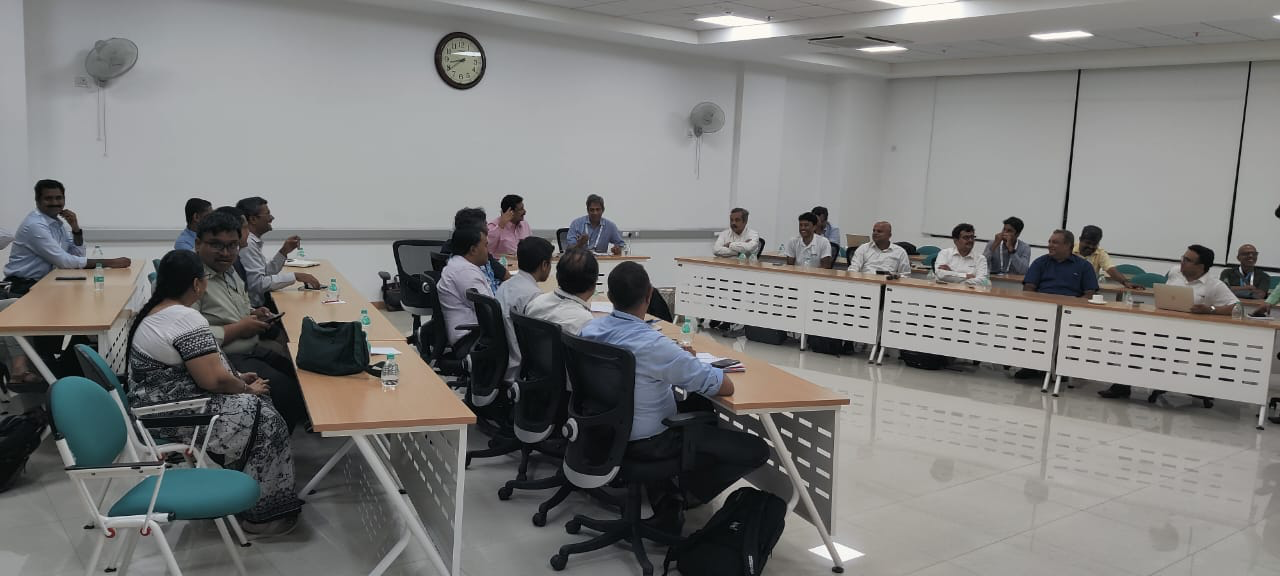
One-Day Workshop on State Mining Index in collaboration with IIT-ISM, Dhanbad

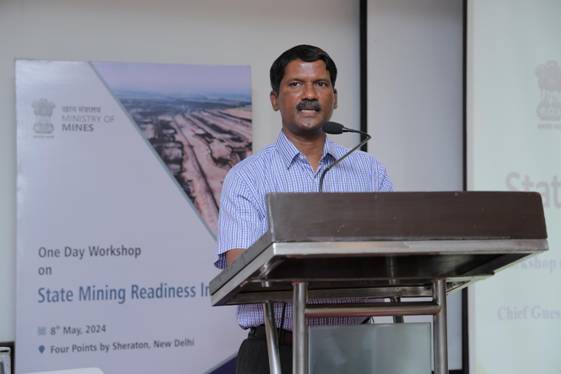
 Ministry of Mines, in collaboration with the Indian Institute of Technology – Indian School of Mines (IIT-ISM), Dhanbad will organize a one-day workshop tomorrow i.e., on 8th May, 2024 in Delhi to discuss the draft framework of the State Mining Index, envisaged to capture mining sector performance of States. The Secretary, Ministry of Mines, Shri V. L. Kantha Rao, will  chair the workshop, to be participated by the senior officials from States.

The mining sector is at the forefront of numerous value chains, supplying raw materials to key industrial domains such as steel, non-ferrous metals, cement, fertilizers, chemicals, and electronics. The States have a crucial role to play in the development of the country’s mining sector. For a mining sector vision that prioritizes resource use efficiency with equity, sustainability and responsibility, focussed attention is required on the exploration of India’s geography; taking actions for facilitating future mineral production and working for the interest and benefit of persons and areas affected by mining related operations. In such a national effort, a State’s relative contribution is important and needs to be reflected. As such, a State Mining Index has been envisaged to capture the mining sector performance as well as States’ future readiness in mining activity. The ambit of the index will be non-fuel major minerals and minor minerals. Ministry of Mines has commissioned IIT-ISM, Dhanbad to conduct a study for designing the framework, collecting data and formulating the index.

In order to make the process transparent and objective, States are being consulted at every stage of index development. The One-Day Workshop in Delhi is a part of this endeavour. Feedback from States at the workshop will help in finalizing the framework.

****

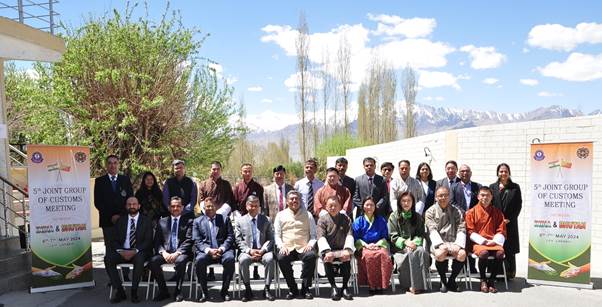
5th Joint Group of Customs (JGC) meeting between India and Bhutan

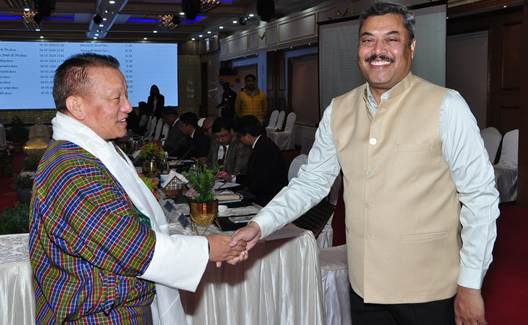
 The 5th Joint Group of Customs (JGC) meeting between India and Bhutan was held on 6th-7th May, 2024 in Leh, Ladakh. The meeting was co-chaired by Mr. Surjit Bhujabal, Special Secretary and Member (Customs), Central Board of Indirect Taxes and Customs, Government of India, and Mr. Sonam Jamtsho, Director General, Department of Revenue and Customs, Ministry of Finance, Royal Government of Bhutan.

The 5th JGC meeting discussed a host of bilateral issues such as opening of new Land Customs Stations and notifying new trade routes, development of infrastructure, automation and digitisation of transit processes, prevention of smuggling, coordinated cross-border management, pre-arrival exchange of Customs data, bilateral agreement on Customs cooperation and movement of transit cargo under electronic cargo system among others.

Bhutan thanked the Government of India and particularly the Central Board of Indirect Taxes and Customs for the continued support in providing capacity building, training and skill development through workshops, seminars and various training programmes, including the IRS programme to the Bhutan customs administration. Also, Bhutan expressed sincere appreciation to the Indian Government for initiating and promoting the cross-border trade and economic activities with Bhutan through the various bilateral agreements.


The India-Bhutan Joint Group of Customs meetings are held annually to discuss issues relating to re-defining and re-engineering of Customs procedures, promote Customs cooperation and cross-border trade facilitation with alignment to global best practices. These meetings play a vital role in enhancing connectivity and developing trade infrastructure for smooth customs clearance at land borders. There are 10 Land Customs Stations along the India-Bhuan Border in the States of West Bengal (6) and Assam (4).

India is Bhutan’s top trade partner both as an import source and as an export destination. Since 2014, India’s trade with Bhutan has more than tripled from $484 million in 2014-15 to $1,615 million in 2022-23, accounting for about 80% of Bhutan’s overall trade. Trade with Bhutan through the land Customs Stations is significant as Bhutan is a land-locked country.  Enhancing connectivity with Bhutan is pivotal to India’s ‘Neighbourhood First’ and the ‘Act East’ Policy.

The meeting concluded on an optimistic note. Both the countries agreed on discovering new strands of complementarities between India and Bhutan that can be maximised for mutual benefit, respond to the expectations and aspirations of the youth and adapt to the rapid changes related to new technologies and social innovations. Both sides also agreed to consider new developments for facilitating customs and trade cooperation for mutual prosperity. 

****

Two-Week Capacity Building Programme on Project and Risk Management for Public Works for officials of Tanzania at Mussoorie

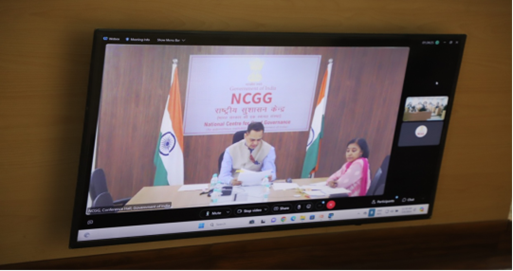
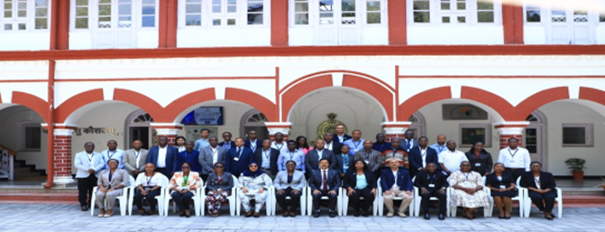
 The two weeks program on Capacity Building Programme on Project and Risk Management for Public Works for the officers from Republic of Tanzania commenced today at the National Centre for Good Governance (NCGG), Mussoorie. The program is being organized from 6th May, 2024 to 17th May, 2024 in partnership with the Ministry of External Affairs (MEA) Government of India. A total of 39 officers representing various organisations and ministries in Tanzania such as National Roads Agency, Ministry of Energy, Planning Commission, Tanzania Building Agency, Tanzania Railway Corporation, Housing investments, Rapid Transit Agency, E-government authority, Energy and Water Regulatory Authority, President’s Office Public Service Management and Good Governance, Regional Administration and Local Government, Livestock and Fisheries among others are attending the programme.

The NCGG, an autonomous institution under the Department of Administrative Reforms and Public Grievances, Ministry of Personnel, Public Grievances and Pensions, Government of India, is committed to action research, studies, and capacity building at both the national and international levels. NCGG’s efforts align with the Indian philosophy of ‘Vasudhaiva Kutumbakam’ i.e. “The world is one Family” and emphasizes strengthening bilateral ties and fostering cooperation with other countries. The capacity building program focuses on providing a rich cross country experience and a platform for policy dialogue, while sharing best practices focusing on project and risk management in various sectors. This will result in the officers gaining valuable insights into the manner in which projects are planned and executed and institutions are being transformed and people are getting closer to the government.

Shri V. Srinivas, Director General, National Centre for Good Governance (NCGG) and Secretary, Department of Administration Reform and Public Grievances (DARPG) in his inaugural address extended a warm welcome to the participating officers. During his address, he talked about the relations between the two nations and the outline of future collaborations in the area of capacity building programmes. He focused on the evolving landscape of governance and gave an elaborate presentation on the New Paradigms of Governance and emphasized on the transformative role of technology in maximizing governance efficiency and development thereby bringing citizens closer to government. He elaborated on National E- Service Delivery Assessment, India’s vision for 2047 and showcased exemplary governance models such as Aadhaar Card, Advancements in Fintech, Public Grievance Redressal Mechanisms like CPGRAMS, and the integration of Artificial Intelligence in administration.

Shri V. Srinivas, Director General, National Centre for Good Governance (NCGG) and Secretary, Department of Administration Reform and Public Grievances (DARPG)

Speaking on the occasion Mr. George Nsavike Ndatta, Head of the Delegation expressed gratitude to the Indian Government for extending such a warm hospitality and providing this immensely useful opportunity to facilitate knowledge exchange. He was of view that this will ultimately empower officers to implement and design effective projects thereby aiding development in the country.


Dr. B.S Bisht, Associate Professor and Course Coordinator gave a comprehensive presentation on the background and ongoing initiatives of the National Centre for Good Governance. He also highlighted the core objectives of the two-week training program, which is meticulously structured to equip officers with essential skills in Project and Risk Management for Public Works, while showcasing several projects and works in several important sectors relevant to the participants. He elaborated how the programme is designed for officers who are at decision making level and is aimed at equipping them with the cutting-edge knowledge, skills and tools to deliver and design effective public works projects, which will lead to achievement of good governance and ultimately sustainable development apart from providing a rich cross-country experience so that there is no need to reinvent the wheel.

He discussed how the programme covers a diverse range of topics such as Project Selection and Formulation, Project Management Framework and Processes, Project Risk Management, PPP in Infrastructure Projects, Smart and Resilient Cities, Innovation in Awarding Public Projects, and Managing Rural and Urban Housing Projects. Additionally, the program incorporates immersive field visits, with officers slated to visit key project sites such as Dakpathar Hydropower and Irrigation Dam, NHAI in Uttarakhand, Dwarka Expressway in New Delhi, Indira Paryavaran Bhawan, World Trade Centre NBCC in New Delhi, and the Delhi Metro Rail Corporation, culminating with a visit to the iconic Taj Mahal.  He also informed that in partnership with MEA, NCGG has imparted training to civil servants of 17 countries.

The entire capacity building programme will be supervised by Dr. B.S Bisht, Associate Professor and Course Coordinator, Dr. Sanjeev Sharma, Associate Course Coordinator and Shri Brijesh Bisht, Training Assistant, NCGG.

***

7th CONVOCATION OF CENTRAL UNIVERSITY OF HIMACHAL PRADESH

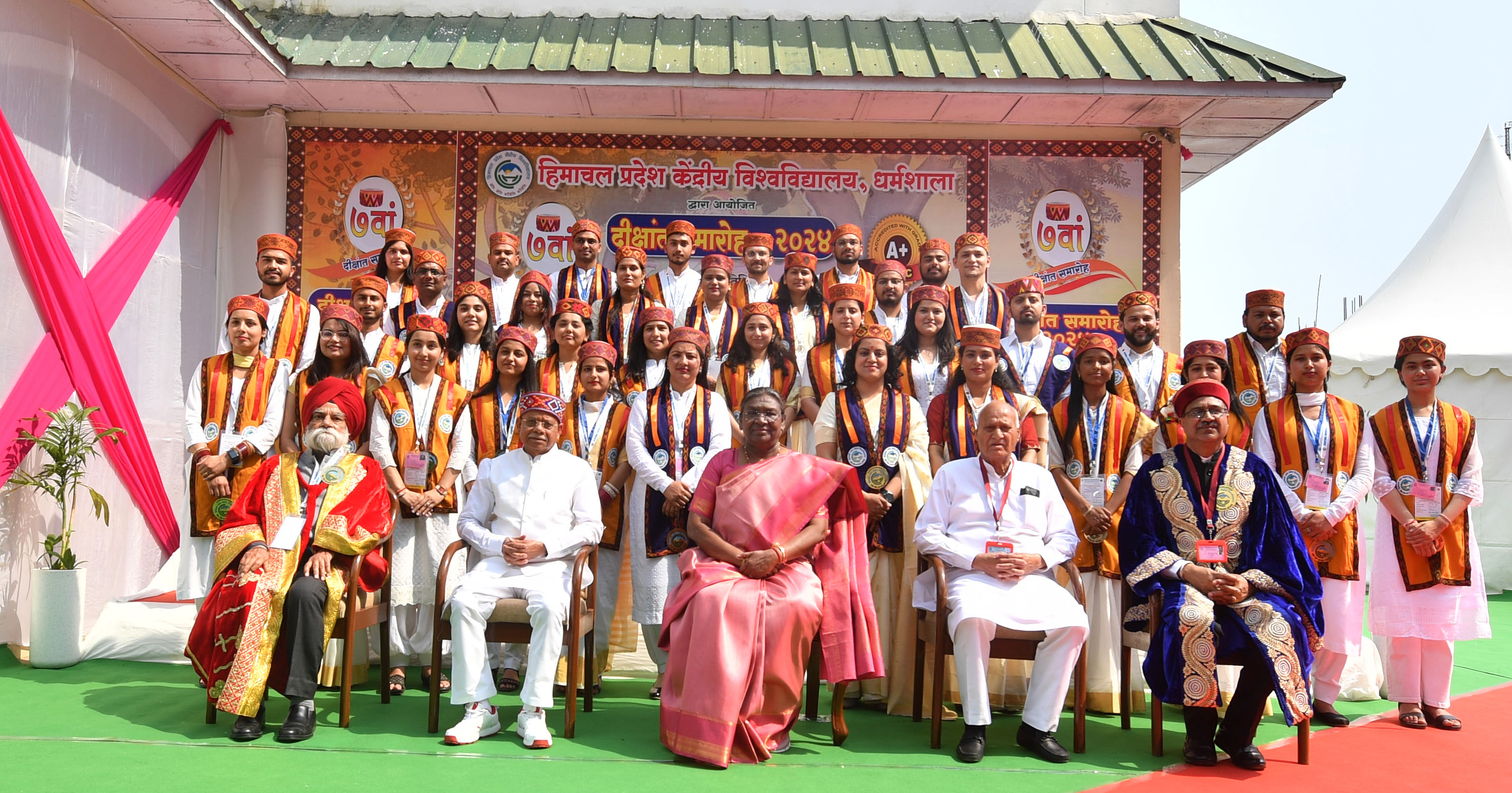
 The President of India, Smt Droupadi Murmu graced and addressed the 7th convocation of Central University of Himachal Pradesh at Dharamshala today (May 6, 2024). 

Speaking on the occasion, the President said that change is the law of nature. But, the pace of change was not so rapid in the past. Today we are in the era of the 4th Industrial Revolution. New areas like Artificial Intelligence, Machine Learning are emerging rapidly. Both the speed and magnitude of change are very high, due to which technology and required skills are changing very quickly. At the beginning of the 21st century no one knew what kind of skills people would need in the next 20 or 25 years. Similarly, many current skills will no longer be useful in the future. Therefore, we have to continuously adopt new skills. Our focus should be on developing flexible minds so that the young generation can keep pace with the rapid changes taking place. We have to strengthen the curiosity and the desire to learn in the students to prepare them for facing the challenges of the 21st century.

Addressing the teachers, the President said that education should be such that along with educating the students, it makes them self-reliant and builds their character and personality. The aim of education is also to bring awareness among the students about their culture, tradition and civilization. She stressed that the role of teachers is very important in this regard. Their scope of work is not limited to teaching only, and they have the huge responsibility of building the future of the nation.

The President said that our focus should be on ‘what to learn’ as well as ‘how to learn’. She underlined that when students learn independently, without any stress, their creativity and imagination take flight. In that case they do not consider education as just a synonym for livelihood. Rather, they innovate, find solutions to problems, and learn with curiosity.

Addressing the students, the President said that every person has the potential for both good and evil. She advised them to keep in mind that no matter how difficult the situation they are in, they should never let evil dominate them. They should always take the side of good. She urged them to make human values ​​like compassion, conscientiousness and sensitivity their ideals. She said that based on these values, they can live a successful and meaningful life.

The President said that the youth have immense potential for growth. They are the most important link to fulfil the resolve of a developed India. Therefore, they should dedicate themselves to the nation. This is not only their human, social and moral duty but also their duty as citizens.


Please click here to see the President’s Speech – 


***

Vice-President highlights India's historical eminence as the epicentre of knowledge and education

 The Vice-President, Shri Jagdeep Dhankhar today underscored India’s historical eminence as the epicentre of knowledge and education, and asserted that the country is firmly on its way to regain its past glory. Mentioning the illustrious legacy of institutions like Nalanda and Takshashila, Vice-President highlighted the paradigm shift & resurgence in India’s educational landscape in contemporary times.

Addressing the gathering at the 62nd Foundation Day Celebration of the School of Open Learning (SOL), University of Delhi, Vice-President applauded SOL for providing a transformative platform for diverse range of learners, from varied walks of life including working professionals, homemakers and students.

He further emphasized that SOL has opened doors for those previously handicapped by circumstances, enabling them to pursue education without disrupting their routine.  Shri Dhankhar commended SOL for offering a second chance to those who missed formal education earlier, empowering marginalized communities through knowledge and skills, thereby fostering an environment of true inclusivity. Shri Dhankhar further emphasized the pivotal role of faculty over infrastructure in shaping the essence and quality of educational institutions.

Highlighting Education as the most impactful transformational mechanism for change, Shri Dhankhar asserted that education is not merely a means to acquire knowledge; rather, it is the cornerstone of progress, empowerment, and social transformation. It is the key that unlocks the door to progress, prosperity, and empowerment. “Education is the greatest right and donation. There can be no fundamental right greater than education and no donation can be greater than education”, he added.

Drawing inspiration from the Chandrayaan journey where after initial setback it made a smooth landing on the south pole of the moon, Shri Dhankhar urged students to consider failure as a key to success. He underscored the need for a resilient mindset in navigating the complexities of the modern world.

Highlighting the pivotal role of The New Education Policy (NEP) in Indian Educational Landscape, Shri Dhankhar Stated that NEP heralds a transformative change, charting a roadmap for holistic learner development and creating a knowledgeable society equipped for the 21st century challenges. He underscored the emphasis of NEP on flexible learning pathways, technology integration, recognizing diverse needs and aspirations

He further expressed confidence that institutions like the School of Open Learning will play a pivotal role in expanding access to quality education and bridging long-standing gaps, as envisioned by NEP.

Prof. Yogesh Singh, Vice Chancellor, University of Delhi, Prof. Payal Mago, Director, Campus of Open learning, University of Delhi, faculty members, students and other dignitaries were present on the occasion.

*****

4th Session of India-Ghana Joint Trade Committee held in Accra

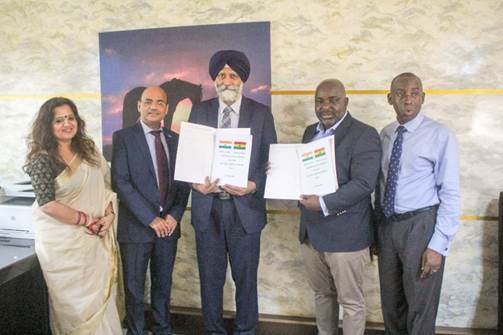
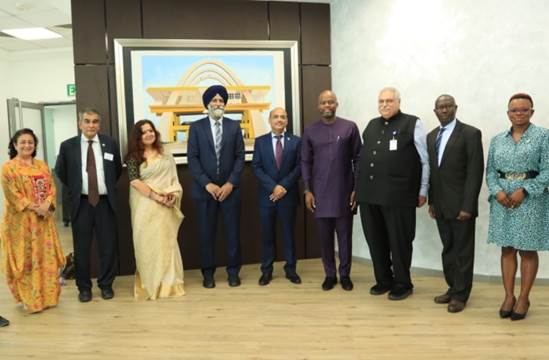
 A seven-member delegation from India led by Additional Secretary, Department of Commerce, Ministry of Commerce and Industry, Government of India, Shri Amardeep Singh Bhatia accompanied by High Commissioner of India to Republic of Ghana, Shri Manish Gupta and Economic Adviser, Department of Commerce, Ms. Priya P. Nair held a Joint Trade Committee (JTC) meeting with their Ghanaian counterparts in Accra from 2nd to 3rd May, 2024. The JTC was co-chaired by Deputy Minister for Trade and Industry, Republic of Ghana, Hon. Michael Okyere-Baafi; and Additional Secretary, Department of Commerce, Shri Amardeep Singh Bhatia.


In a comprehensive dialogue, both sides undertook a detailed review of recent developments in bilateral trade and investment ties and acknowledged the vast untapped potential for further expansion. Both sides agreed to work expeditiously towards the operationalization of Unified Payment Interface (UPI) of National Payments Corporation of (NPCI) on Ghana’s Ghana Interbank Payment and Settlement Systems (GHIPSS) within a period of 6 months. Both sides delved into discussions regarding the possibilities of a Memorandum of Understanding (MoU) on Digital transformation Solutions; Local Currency Settlement System and also deliberated on the opportunities offered by African Continental Free Trade Agreement (AfCFTA).

Both sides identified several areas of focus for enhancing both bilateral trade as well as mutually beneficial investments. These include cooperation in pharmaceuticals, healthcare, information and communication technology, agriculture and food processing, renewable energy, power sector, digital economy and digital infrastructure, critical minerals, textiles and garments, etc.

Official delegation from India consisted of officials from Geological Survey of India, EXIM Bank and the Indian Pharmacopoeia Commission. The officials of both India and Ghana actively engaged in the proceedings of the JTC.


A business delegation led by Confederation of Indian Industry (CII) also accompanied the official delegation with representatives from the varied sectors including power, fintech, Telecommunications, electrical machinery, pharmaceuticals sectors. The delegation including representatives of business also met Secretary General, AfCFTA and his team of officials wherein areas of cooperation including signing of an MoU, setting of standards, investments, participation in trade events in India, and increasing the depth of engagement between India and AfCFTA was discussed. Names of nodal officers to take the discussions forward were also exchanged.

Ghana is an important trading partner of India in Africa region. Bilateral trade between India and Ghana stood at USD 2.87 billion in 2022-23. India stands as a leading investor in Ghana and emerged as the third-largest investor. These investments traverse diverse sectors, encompassing pharmaceuticals, construction, manufacturing, trade services, agriculture, tourism, and more.

The deliberations of the 4th Session of India-Ghana JTC were cordial and forward-looking, indicative of the amicable and special relations between the two countries. There was enthusiastic response towards greater cooperation in addressing pending issues, boosting trade and investment and enhancing people to people contacts.

*****

Sanjaya Kumar Mishra as the first President of GST Appellate Tribunal in New Delhi

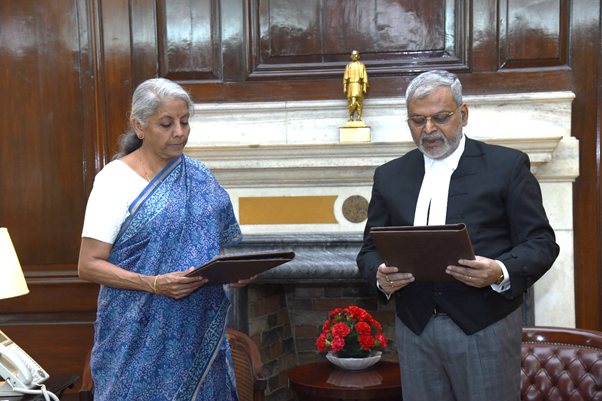
 Union Minister for Finance and Corporate Affairs Smt. Nirmala Sitharaman administered the oath of integrity and secrecy to Justice (Retd.) Sanjaya Kumar Mishra as the President of the GST Appellate Tribunal (GSTAT), in New Delhi, today. Justice (Retd.)  Mishra’s appointment marks the beginning of the operationalisation of the GSTAT, a crucial body for resolving GST-related disputes.


The GSTAT is the Appellate Authority established under the Central Goods and Services Tax Act, 2017, to hear various appeals under the said Act and the respective State/Union Territories GST Acts against the orders of the first appellate authority. It consists of a Principal Bench and various State Benches. As per the approval of the GST Council, the Government has notified the Principal Bench, to be located at New Delhi, and 31 State Benches at various locations across the country. Process for appointment of Judicial Members and Technical Members is already in progress.

The Tribunal will ensure swift, fair, judicious and effective resolution to GST disputes, besides significantly reducing the burden on higher courts. The establishment of the GSTAT would further enhance the effectiveness of the GST system in India and foster a more transparent and efficient tax environment in the country.

GSTAT’s first President, Justice (Retd.) Mishra was a former Chief Justice of the Jharkhand High Court and was selected by a Search-cum-Selection Committee headed by the Hon’ble Chief Justice of India.


****

Ministry of Tourism participates in Arabian Travel Mart 2024 in Dubai

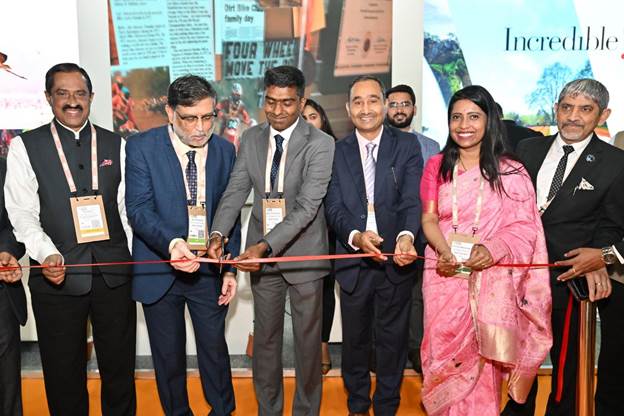
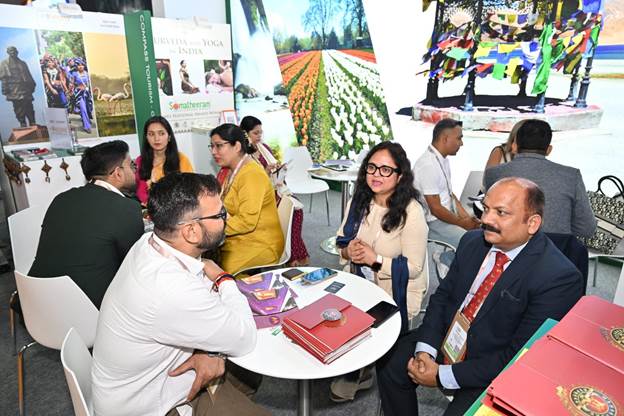
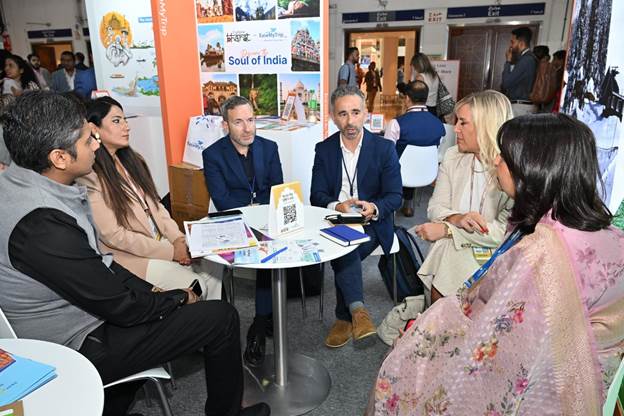
 Ministry of Tourism, Government of India is participating in Arabian Travel Mart 2024, being held in Dubai from May 6th to 9th May, 2024. The event marks a significant step in strengthening India’s presence in the Middle East tourism market.

Incredible India pavilion was Inaugurated today by Mr. Satish Kumar Sivan, Counsul General of India to Dubai.  The pavilion has made a resounding entry, aiming to capture the entirety of the UAE market. Leading a delegation comprising tour operators, luxury hotels, wellness resorts, and the Indian Railway Catering and Tourism Corporation, India is poised to showcase itself as a 365-day destination.

Highlighting lesser-known yet refreshing destinations, the Ministry of Tourism has launched the ‘Cool Summers of India’ campaign at Arabian Travel Mart. This digital campaign challenges the notion of India being too hot for summer travel, emphasizing its offerings in hill resorts, including the Himalayas. The campaign seeks to promote India as a holistic destination throughout the year.

India’s participation in the Arabian Travel Mart 2024 holds immense potential for the tourism industry and the economy at large. The event provides a platform for Indian tourism players to exhibit their offerings, forge alliances within the industry, and attract visitors from the MENA region. This, in turn, is expected to bolster revenue generation and foster job creation within the tourism sector.

***

Department of Scientific and Industrial Research (DSIR) commemorates Swacchta Pakhwada

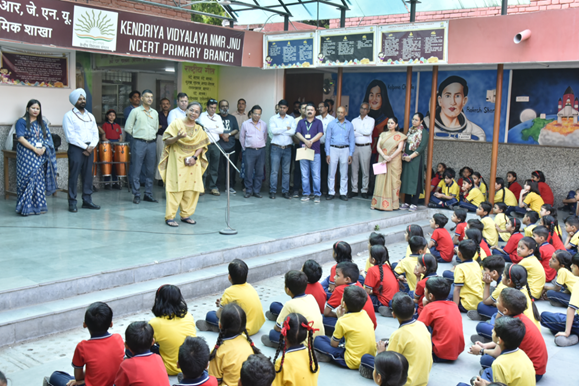
 Under the auspices of the Ministry of Science & Technology, Government of India, the Department of Scientific and Industrial Research (DSIR) commemorates Swacchta Pakhwada from May 1 to May 15, 2024, in an effort to raise awareness of cleanliness and hygiene. The first Swachhta drive was organized today at PM SHRI Kendriya Vidyalaya, Jawaharlal Nehru University (JNU), NCERT Campus, New Delhi.

Dr. N. Kalaiselvi, Secretary, DSIR and DG CSIR addressing the campaign


The Swachhta drive began with an address of Dr. N. Kalaiselvi, Secretary, DSIR and DG CSIR where she motivated the children to become the future leaders in different walks of life. She also emphasized the significance of cleanliness in fostering a healthy and vibrant society. Shri Surinder Pal Singh, Joint Secretary, DSIR also encouraged the children to maintain for personal hygiene and cleanliness of their surroundings. Thereafter the DSIR team conducted cleanliness drive and motivated the children for keeping their surroundings clean.

Swachhta Pledge taken by entire DSIR family focused on individual’s commitment towards cleanliness, devoting hundred hours per year for cleanliness and propagating the message of Swachh Bharat Mission. Pledge encourages every individual to promote 100 other persons to take this pledge and make them devote their 100 hours for cleanliness. The Swacchta Pakhwada initiative aims to instill a sense of responsibility towards cleanliness and hygiene among individuals, particularly the younger generation.


****

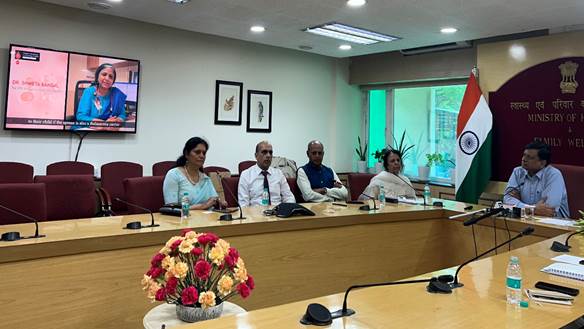
26 States Participate in the Workshop on State Mining Index Organized by Mines Ministry to Discuss and Finalize the Indicators of Performance

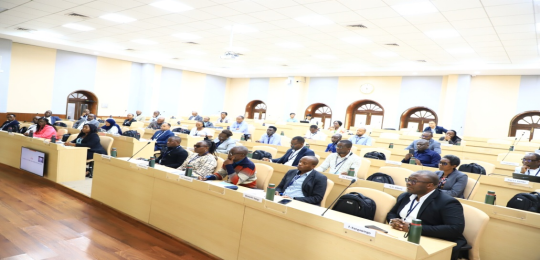
 Ministry of Mines, in collaboration with the Indian Institute of Technology-Indian School of Mines (IIT-ISM), Dhanbad successfully organized a one-day workshop on State Mining Index, here today. The Index would serve as a tool for stakeholders of the mining sector to understand various aspects related to the Ease of Doing Mining Business within a State.

The workshop was chaired by Secretary, Ministry of Mines, Shri V. L. Kantha Rao. In his keynote address, Shri Rao emphasized the importance of States’ efforts in the development of mining sector getting properly reflected in the policy narrative. He emphasized the importance of having a State Mining Index, which will promote cooperative federalism as well as competition among States. Emphasizing the active participation of States being important in making the exercise successful, he requested the States to help in data collection efforts by properly submitting the statistical returns in time.

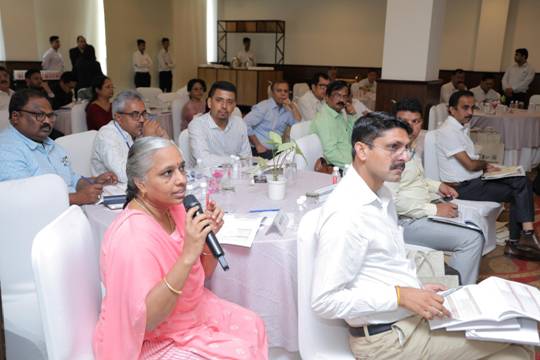
The workshop brought together policymakers, administrators and practitioners from the Central and State governments. Principal Secretaries, Directors and other officials from 26 States actively participated in the workshop to discuss and finalize the indicators and sub-indicators of performance which form part of the Index framework and methodology. Post consultations and feedback from the States, the Framework of the State Mining Index will be finalized and released in July 2024 for actual ranking to take place in April 2025.

****

International Thalassemia Day

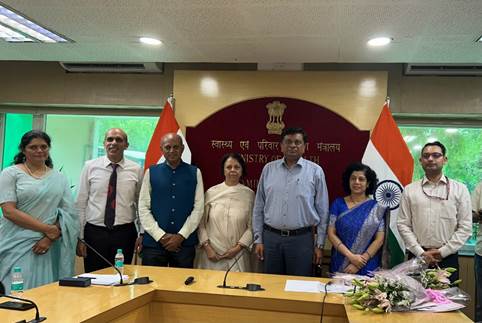
 Shri Apurva Chandra, Secretary, Ministry of Health and Family Welfare stressed on the importance of timely detection and prevention of Thalassemia to tackle the disease. He stated that only by preventing it at the right time, can the burden of this disease be curtailed. The Union Health Secretary was speaking at an event to mark the International Thalassemia Day, here today.

Speaking on the occasion, the Union Health Secretary stated, “Timely detection and prevention are the most effective strategies to tackle Thalassemia.” He added that there are almost 1 lakh Thalassemia patients in the country, with approximately 10,000 new cases reported each year. He emphasized on the urgency for proactive intervention aided by timely detection through screening.

Shri Apurva Chandra also highlighted the critical need for wide awareness around the subject. He stated that “Still many people are unaware of this disease and how this can be prevented. It is imperative that all stakeholders in this arena collaborate for a nationwide campaign to enhance awareness on Thalaseemia”. As a significant step in this direction, he launched a video made in collaboration with the Indian Association of Pediatrics and Thalassemics India to promote effective prevention methods and optimal treatment for Thalassemia
(https://youtu.be/H__bidXcanE?si=-_87PEPxAdsPNaw1).

Union Health Secretary also advocated for inclusion of compulsory Thalassemia testing in the existing reproductive and child health (RCH) programs under NHM as a means to curtail the prevalence of the disease. He added that some states have included this in their public health programs and activities; other states will be urged to include and expand screening and testing for Thalassemia.


Thalassemia is an inherited blood disorder that causes a body to have less hemoglobin than normal. Celebrated every year, International Thalassemia Day serves as a crucial platform to emphasize the importance of disease prevention, raise awareness, sensitize stakeholders, promote early detection, and ensure quality care for those affected by thalassemia. This year’s theme, “Empowering Lives, Embracing Progress: Equitable and Accessible Thalassemia Treatment for All,” encapsulates the collective mission toward universal access to comprehensive Thalassemia care.

Ms. Aradhana Patnaik, AS&MD (NHM); Dr. G. V. Basavaraja, President, Indian Academy of Pediatrics; Ms. Shobha Tuli, Secretary, Thalassemics India; Dr. Manas Kalra, Honorary Secretary, PHO Chapter of IAP and other senior officials from Union Health Ministry were present on the occasion.

*****

AWPO SUMMIT 2024 – CONVERGING REQUIREMENTS OF BUSINESSES & INDUSTRY WITH VETERANS

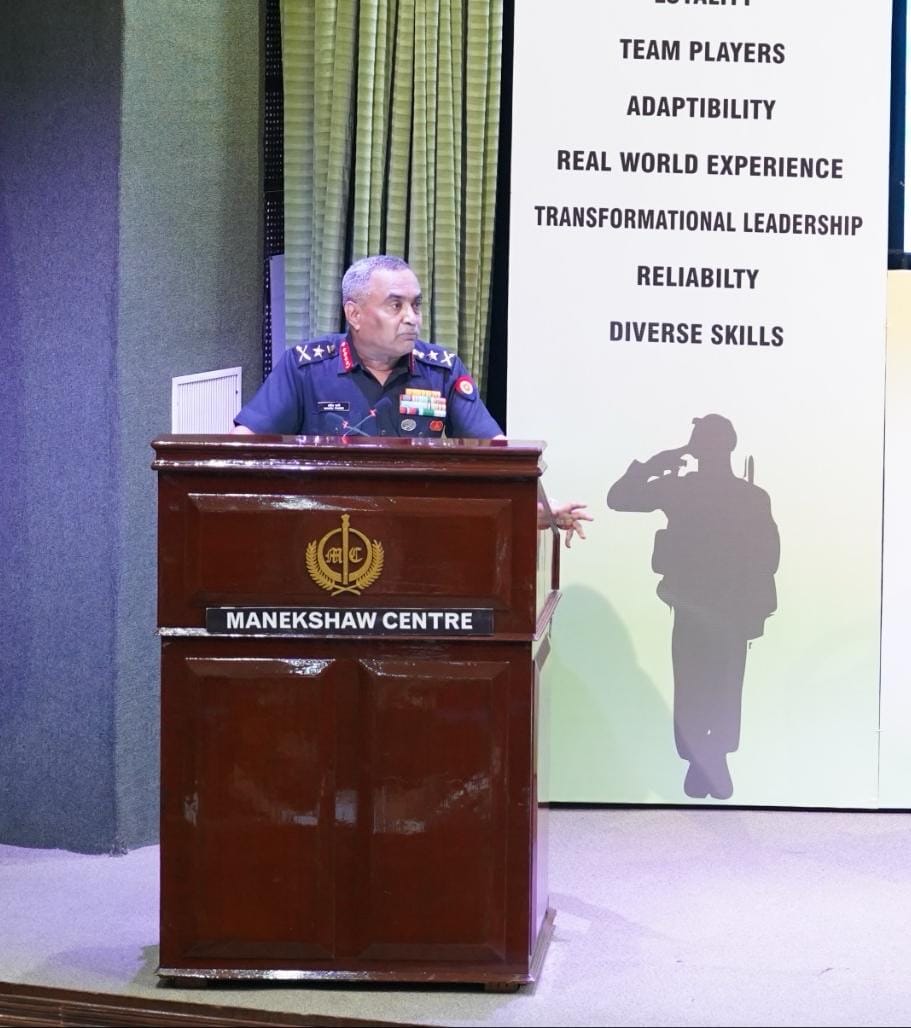
 The Army Welfare Placement Organisation (AWPO) today, organised the AWPO Summit 2024 in Manekshaw Centre, New Delhi. The Summit witnessed convergence of notable personalities from various sectors to include veteran entrepreneurs, veterans leading in the field of businesses and industry, corporate entities, representatives from government and social sector. 

The aim of the Summit was to bring together different stakeholders on a common platform, to bridge the gap between requirements of enterprise and core competencies possessed by the veterans. While the demand for a skilled and experienced workforce exists at the industry end, a disciplined human resource pool of veterans with adequate experience and unique skill sets exit from active service each year. Such a resource pool provides an opportunity to the industry to absorb this workforce. The Summit was an endeavour to synergise the two converging requirements. The AWPO Summit assisted in strengthening the linkages of the veteran community with the industry, PSUs and Quasi Government organisations. The presence of Corporate Heads, representatives of Industry, Start Ups, Ministry and Government Officials in the Summit, underscored this facet.

General Manoj Pande, Chief of the Army Staff (COAS), in his remarks, emphasised the invaluable contributions of veterans to the nation’s prosperity and reiterated the commitment of the Indian Army to facilitate their integration into various sectors. He said that veterans bring with them, a unique set of qualities and experiences that can be harnessed by the industry. He acknowledged the opportunities provided by several corporate houses and enterprises to veterans and added that veterans bring with them a unique set of qualities and experiences. The COAS mentioned that services to the nation by the veterans do not end when they bid farewell to military life, instead it transitions into a new chapter or second innings of dedication and commitment to the society and nation building. He urged all to recognize the potential of the words – ‘भूतपूर्व सैनिक, अभूतपूर्व योगदान’.

The COAS underscored that Indian Army has undertaken the process of holistic skill certification, as per the core competency of each individual, in collaborative efforts with the Ministry of Education and Ministry of Skill Development and Entrepreneurship. He also mentioned that initiatives such as Project KAUSHALVEER help serving personnel in acquiring certification for skill sets as per established industry standards thereby meeting the requirements of both stakeholders. He mentioned that the veterans, with diverse knowledge, experience, managerial acumen and adaptability can contribute in fields such as entrepreneurship, HR consultancy, mentorship, education, crisis management, infrastructure development, healthcare etc.

The COAS further highlighted that Veer Naris also bring with them unparalleled determination and resilience and urged the entrepreneurs to integrate them as part of their initiatives on human capital intake, from the ‘uniformed community’. He emphasised that the Veer Naris also possess vocational skills, entrepreneurship acumen and aptitudes in many professional domains.

This Summit was an endeavour in Indian Army’s pursuit to evolve an institutionalised support eco-system for the veterans. Insightful perspectives were put forth by panelists from different fields on the entire landscape of avenues, potential, challenges and initiatives with respect to absorption of veterans into new roles. Veterans who have established themselves into a successful second career, also shared their experiences and success stories. The subjects were discussed across three main themes, aimed at fostering synergy between veterans and various sectors with an important role in nation building.

Theme 1: Harnessing Veterans’ Potential & Experience.  The panel for Theme 1 included distinguished Veteran Entrepreneurs such as Major V P Sharma (Retired) from Gratitude Farms, Colonel Subhash Deswal (Retired), the Carrot King of India, Naik Shivaji Dole (Retired), who took initiative to revive Venkateshwara Co-operative which practices agro farming, organic farming and water conservation, and Naik Daljinder Singh (Retired), an entrepreneur and established businessman. The discussion was moderated by Major General Ajay Singh Chauhan, Managing Director, AWPO and Brigadier Vikas Bhardwaj from the Directorate of Indian Army Veterans. The session focussed on veterans’ potential as entrepreneurs, success stories of achievers and the way ahead. The panelists delved into their inspiring journeys, challenges faced, and the roadmap ahead. Key points discussed were the unexplored potential of veterans in innovative sectors and strategic entrepreneurship that align with national growth imperatives.

Theme 2: Skills Required to Meet Public and Private Sector Needs.   Addressing the need for skilled workforce integration, the session highlighted the significance of the Skilling & Training Ecosystem. The panel for the theme included Colonel Sunil Prem (Retired) from Brisk Olive, Lieutenant Colonel Iqbal Singh (Retired) from Google India and Major Md Ali Shah (Retired). The discussion was moderated by Major General Deepak Sapra (Retired). The session focussed on skills needed in corporate/ industry and strengthening capabilities for veterans in the emerging industrial landscape. The panelists explored avenues, challenges, and strategies to effectively harness the unique skills and experiences veterans bring to the table. They underscored the essential role veterans play in bridging the skills gap in both public and private sectors and deliberated on the road map to explore the veterans’ potential.

Theme 3: Unveiling Opportunities for Veterans in India’s Growth Story.  This session explored the diverse skill sets of veterans, widows, and dependents, showcasing their potential in emerging sectors of both the public and private sectors. The panel for the theme included Major General Rajesh Jha (Retired), Director NEEPCO, Colonel RS Bhatia (Retired), Chairman & MD Bharat Forge Ltd, Mr Gurdeep Singh, CMD of NTPC and Ms Anuradha Prasad, Founder & CEO of India Leaders for Social Sector (ILSS). The session was moderated by Major General Ajay Singh Chauhan (Retired), MD, AWPO. The discussions centred around strategies to enhance veterans’ potential and opportunities in the social sector. This comprehensive dialogue addressed the multifaceted contributions and tremendous capacities of veterans in furthering India’s social and economic frameworks.

The Summit has been a catalyst for dialogue, collaboration and inspiration, spotlighting vital role of veterans in India’s progress. It is crucial for all industries to recognise and utilise unique strengths and skill sets of the veterans by having matching policies for their smooth transition into civilian roles. The nation’s growth hinges on nurturing the veterans, whose ongoing contributions are essential for sustained progress and collective wellbeing. Assimilation of skilled and disciplined resource pool of veterans into industry and services sectors will be a win- win situation for both and a game changing venture.

***

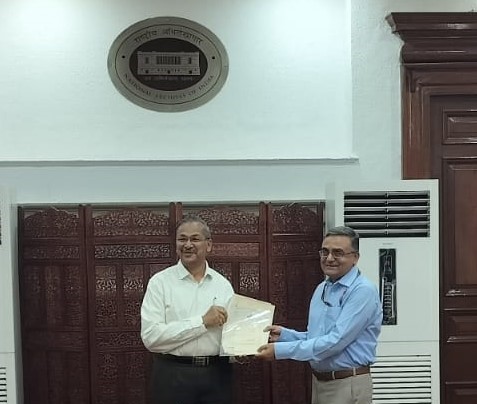
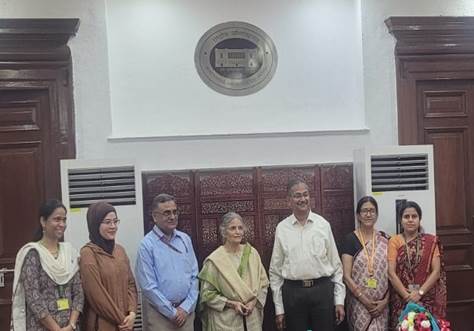
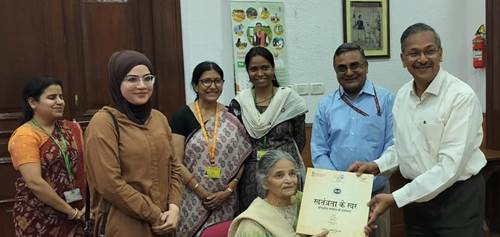
National Archives of India Acquires the private paper collection of Late Shri Rafi Ahmad Kidwai

 National Archives of India (NAI) has acquired the private paper collection of Late Shri Rafi Ahmad Kidwai, comprising original correspondences of Shri Kidwai with other eminent leaders like Pt. Nehru, Sardar Patel, Shyama Prasad Mukherjee, P.D. Tandon etc. These papers were handed over to D.G. NAI by Shri Faiz Ahmad Kidwai (IAS), Additional Secretary, Ministry of Agriculture and Farmers Welfare, in the presence of Smt. Tazeen Kidwai, daughter of Late Shri Hussain Kamil Kidwai, youngest brother Shri Rafi Ahmad Kidwai and Ms. Sarah Manaal Kidwai.

National Archives of India is the custodian of the non-current records of the Government of India and holds them in trust for the use of administrators and researchers as per the provision of Public Record Act 1993. As a premier archival Institution, National Archives of India plays a key role in guiding and shaping archival consciousness. Apart from the vast collection of public records, NAI has a rich and ever-growing collection of private papers of eminent Indians from all walks of life, who have made significant contributions to our nation.

Shri Rafi Ahmad Kidwai was a man of vivacity, brilliance and charm who is known for his ceaseless efforts towards Independence of our country and for refuting communalism and superstitions of every type. Born on February 18, 1894, in Masauli, Uttar Pradesh, he hailed from a middle-class zamindar family. His political journey began in 1920 with his involvement in the Khilafat Movement and the Non-Cooperation Movement, leading to imprisonment. Kidwai served as the Private Secretary to Motilal Nehru and later held significant positions in the Congress Legislative Assembly and the United Provinces Congress Committee. His political acumen led him to become a Minister in Pandit Govind Ballabh Pant’s cabinet, where he managed Revenue and Jail portfolios. Post-independence, he served as India’s first Minister for Communications in Jawaharlal Nehru’s cabinet, launching initiatives like the “own your telephone” service and night air mail. In 1952, he took charge of the Food and Agriculture portfolio, successfully tackling food rationing challenges with his administrative skills.

Kidwai’s dedication to liberating India and strengthening the nation remained unwavering throughout his political career. His contributions were recognized with the creation of the Rafi Ahmed Kidwai Award by the Indian Council of Agricultural Research in 1956. Kidwai’s tenure as Communication Minister earned him a reputation for innovation and effectiveness, while his leadership in the Food Ministry was hailed as a triumph over adversity, earning him the moniker of a magician and a miracle man. Rafi Ahmed Kidwai indeed embodied action and dedication in his pursuit of Indian independence and later in his administrative roles. His ability to swiftly address crises and implement innovative solutions highlights his remarkable leadership qualities. His contributions to various sectors, from communications to agriculture, left a lasting impact on the nation’s development. His legacy as a committed freedom fighter and a skilled administrator continues to inspire generations.

***

DoT in first-of-its-kind initiative brings together 15 startups, academia on "Telecom Design Collaboration Sprint"

 In a novel initiative, the Department of Telecommunications (DoT) brought together start-ups/MSMEs, academia and research institutions under the “Telecom Design Collaboration Sprint”. This Sprint was organised by DoT at IIIT, Bangalore. Fifteen leading startups/MSME in the Radio Access Network (RAN), Core ecosystems, esteemed institutions such as IIT Madras, C-DOT, IIT Delhi and other network entities participated.

This collaboration engaged in deep-Tech rapid ideation and innovative solution towards developing a comprehensive and future-ready telecom stack encompassing comprehensive 5G solution and setting the stage for future advancements to 6G. The Sprint was driven by three primary objectives:


  1. Leveraging Collective Strengths: The Sprint enabled startups to combine expertise in critical 5G infrastructure areas, fostering innovation and speeding up a common telecom stack development.
  2. Fostering Holistic Solutions: Through collaboration, startups aim to create comprehensive 5G solutions, addressing industry needs and preparing for future advancements.
  3. Creating Market Opportunities: By aligning efforts, it seeks to unlock market potential, empowering startups to compete and grow in the telecom landscape.


After in-depth and extensive discussions during the sprint event, outcome-based focused groups were formed to address gaps in the Indian telecom ecosystem and get ready for 6G and other upcoming technologies. These groups will concentrate on areas like core infrastructure, distribution units (DUs), radio units (RUs), central units (CUs) and others elements with an objective to bridge current gaps and provide solutions that are suited to meet future needs. Two working groups were also formed.

The participants expressed appreciation for this pioneering initiative, marking it as a first-of-its-kind endeavour in the industry. They also expressed interest in close collaboration and urged the DoT to continue with such initiatives.

The Sprint underscores DoT’s commitment to nurturing innovation and fostering industry collaboration to propel India’s telecommunications sector towards global leadership in the 5G era and beyond. Bringing together unique strengths and competence of start-ups and MSMEs, together with academia and industry, the DoT aims at creating a robust and forward-looking mobile telecom stack with an emphasis on advancing towards 6G technology.

*****

Two-day conference on jointness & integration of Armed Forces on 9-10 May

 In light of the imminent Theaterization, the Indian Armed Forces are intent on giving momentum to the ongoing Jointness and Integration initiatives amongst the three services.

“Parivartan Chintan”, a pioneering conference for the heads of all Tri-services Institutes, aimed at generating novel reformative ideas & initiatives, was conducted on 08 Apr 2024. Parivartan Chintan – Il, chaired by Chief of Defence Staff General Anil Chauhan, is planned over a period of two days on 09-10 May 2024 in New Delhi.

Members from all the sub-committees of the apex Chiefs of Staff Committee; the CDS as its permanent Chairman and the three Service Chiefs, shall review the progress made in multiple domains, and ideate on the necessary reforms to achieve the desired end state towards transformation through jointness and integration.

****