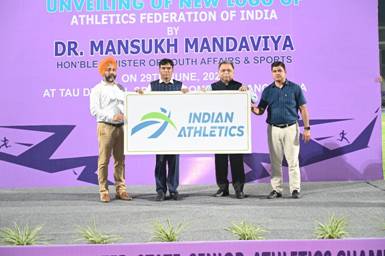
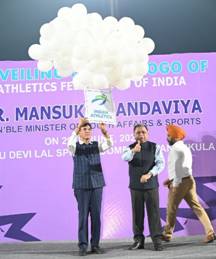
Union Minister of Youth Affairs & Sports unveils new AFI logo and meets Olympics-bound athletes in Panchkula

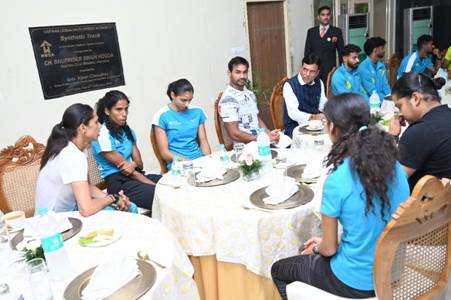
 Hon’ble Minister for Youth Affairs and Sports and Labour & Employment Dr.Mansukh Mandaviya unveiled the Athletics Federation of India’s new logo and interacted with Paris 2024 Olympic Games-bound track and field athletes competing in the National Inter-State Athletics Championships at the Tau Devi Lal Stadium here on Saturday.


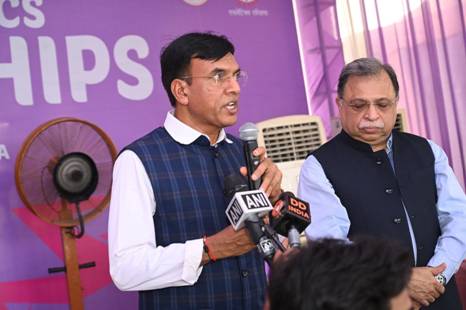
Addressing the athletes heading to the Olympic Games and encouraging them, he said that all necessary help have been provided to all athletes for Paris Olympics.

“Under Prime Minister Shri Narendra Modi ji’s leadership, Government is working to strengthen the sports infrastructure. The progress made in the field of sports in the last 10 years has been very encouraging,” he said. “I am confident that our athletes will perform their best in the Paris Olympic Games,” he said.

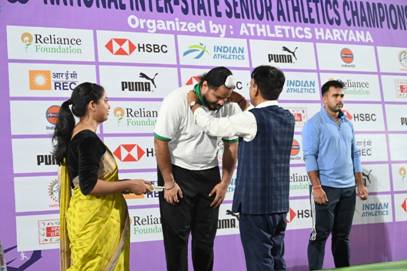
The Union Sports Minister also presented medals to the winners of the National Interstate Athletics Championships.


Earlier in the day, Dr. Mandaviya visited the Netaji Subhash National Institute of Sports in Patiala and interacted with weightlifter MirabaiChanu, Javelin Thrower Annu Rani and Shot Putter AbhaKhatua as well as a number of other athletes and coaches in the National Centre of Excellence.


****

Pragya Paliwal Gaur/ Himanshu Pathak

"Times Now" Doctor Awards to eminent medical professionals in different specialties from across the country

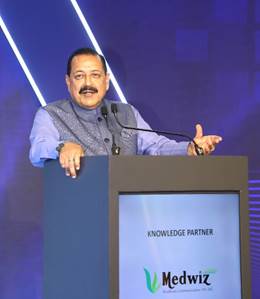
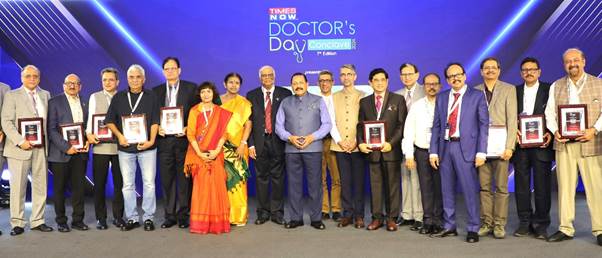
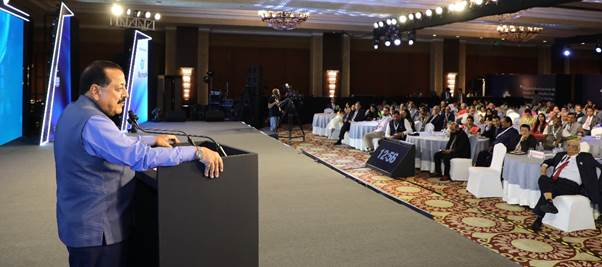
 Union Minister of State (Independent Charge) for Science and Technology, Minister of State (Independent Charge) for Earth Sciences, MoS PMO, Department of Atomic Energy, Department of Space, Personnel, Public Grievances and Pensions, Dr. Jitendra Singh, as chief guest, today presented “Times Now” Doctor Awards to eminent medical professionals in different specialties from across the country. The programme was organized by “Times Now” media group on the eve of Doctor’s Day.

Speaking on the occasion and later in an exclusive media interaction with “Times Now”, Dr. Jitendra Singh emphasized preventive healthcare in young. He said, increasing prevalence of morbidities of later age happening in younger age like, Type 2 Diabetes Mellitus, young Heart attacks, malignancies etc are not only a health challenge but also threaten to drain away the vital youth energy and youth potential which would otherwise be contributing to the task of nation building and realizing the vision of India 2047.

Dr. Jitendra Singh lauded “Times Now” for having started the practice of honoring the medical professionals and offering them a media slot which is otherwise not commonly available to doctors.

“Doctors are prime movers of Prime Minister Narendra Modi’ vision of Universal Healthcare for all,” said Union Minister Dr. Jitendra Singh.The Minister expressed his happiness and fortune to be a part of the medical fraternity on doctors’ day. Dr. Jitendra Singh said “It’s a rare occasion to have some of the best brains in medicine coming together under one roof.”


Dr. Jitendra Singh, who is himself a professor of medicine & endocrinology, expressed gratitude on meeting his teacher B.C. Roy award winner Prof Dr V. Seshiah, founder-head of India’s first-ever Department of Diabetology that was started at Madras Medical College, Chennai. who was felicitated at the event. He also appreciated the organizers for bringing three generations of doctors together under the same room. The Union minister also felicitated the doctors in ‘Legends of Medicine’ Category.

The Science and Technology Minister said “India acknowledges the sacrifices made by doctors, especially during challenging times such as the COVID-19 pandemic” and Doctors’ Day is a special occasion to honor the tireless dedication and invaluable contributions of our doctors and medical professionals, he added. He also highlighted the critical role that doctors play in ensuring the health and well-being of our society.

Highlighting India’s progress in the last decade in the health sector, Dr. Jitendra Singh said “India became a global leader not just in curative healthcare but also in preventive healthcare.” He categorically mentioned the role of digital healthcare and its impact on reaching the remotest location by telemedicine. He also shared that India played a pivotal role in ensuring availability of vaccines and other healthcare services to our neighboring countries.


Emphasizing the cooperation and collaboration of both the Government and Private sector to provide best services to citizens and promote ease of healthy living . He also highlighted the government’s initiatives and policies aimed at supporting and improving the healthcare system.

Speaking on development of medical infrastructure the minister recalled the number of AIIMS before 2014 compared to the number in 2024.He shared that health care should not limit itself to allopathic medicine but it should be seen holistically with integration of AYUSH and other systems. He also mentioned that the government is committed to providing better working conditions, continuous education and research opportunities for medical professionals.

****

18th “Statistics Day” celebrated today with the theme "Use of Data for Decision-Making"

 In recognition of the notable contributions made by Professor (late) Prasanta Chandra Mahalanobis in the fields of statistics and economic planning, Government of India has designated June 29 every year, coinciding with his birth anniversary, as “Statistics Day” in the category of Special Days to be celebrated at the national level. The main objective of celebrating Statistics Day is creation of public awareness, especially among the younger generation, on the role and importance of statistics in socio-economic planning and policy formulation for development of the country.

Since 2007, Statistics Day is celebrated every year with a theme of contemporary national importance. The theme for Statistics Day, 2024 is “Use of data for decision-making”. The concept of data driven decision making is important for making informed decisions in any field, and it is one of the pre-requisites for better understanding of statistical information, emanating from official statistics and for facilitating evidence-based decision making.

The main event of Statistics Day, 2024 was organized at Manekshaw Centre, Delhi Cantt., New Delhi. The Chief Guest, Dr. Arvind Panagariya, Chairman, 16th Finance Commission addressed the gathering. He narrated the role played by Prof. P.C.Mahalanobis in shaping the Indian Statistical System. He also urged that India should continue its data driven policy making in order to move along its development trajectory.  

Prof. Rajeeva Laxman Karandikar, Chairman, National Statistical Commission and Dr. Saurabh Garg, Secretary, MoSPI also addressed the participants on this occasion. Chairman, NSC, emphasized the need to make the data more accessible and usable, and suggested that Ministry’s efforts on leveraging Information Technology for producing data needs to continue. He also stressed upon the need of the interoperability and linking of databases generated by various agencies through coordination among stakeholders. Secretary, MoSPI while addressing the audience highlighted the recent initiatives of the Ministry for reducing time-lag in survey data like Computer-Aided Personal Interview (CAPI), new surveys, user engagement exercise and the newly launched eSankhyiki portal. He hoped the spirit of Statistics Day will continue to inspire the statistical personnel and planners for data driven decision making.

Senior officers of Central Ministries/Departments, State/UT Governments, representatives of international organizations viz. UN agencies, World Bank, etc. and other stakeholders also participated in the event. The event was also web-cast/live streamed through the social media handles of the Ministry. On this occasion, the winners of ‘On the Spot Essay Writing Competition, 2024’ for Post- Graduate Students were also felicitated.

During the technical session, Dr. Ajay Kumar, ex-Secretary, Ministry of Defence, Government of India, addressed the gathering on the importance of data in governance. He highlighted the importance of data in the dynamically changing digital age and the increasing role and scope of MoSPI. This was followed by a presentation on global experience of using data for decision making by Mr. Luis Felipe Lopez-Calva, Global Director for the World Bank Group’s poverty and equity global practice.  He emphasized that data is an essential infrastructure for effective policy making, while sharing prevalent global practices.

Based on the updated Sustainable Development Goals – National Indicator Framework (SDGs- NIF), every year MoSPI releases the Progress Report on SDGs with time series data on Statistics Day (i.e., on 29th June) along with two handbooks which are derived from the progress report. Accordingly, following three reports were released during the event:

  1. Sustainable Development Goals – National Indicator Framework Progress Report, 2024’
  2. ‘Data Snapshot on Sustainable Development Goals- National Indicator Framework, 2024’
  3. ‘Sustainable Development Goals- National Indicator Framework, 2024’

These reports can be accessed at the MoSPI’s website (www.mospi.gov.in). The time series data on the SDG indicators are downloadable in MS excel format from the report.

The Ministry launched an eSankhyiki portal (https://esankhyiki.mospi.gov.in) with the objective to establish a comprehensive data management and sharing system for ease of dissemination of official statistics in the country. The portal can also be accessed through the website of MoSPI (https://mospi.gov.in/). It is to provide timely inputs for planners, policy-makers, researchers and the public at large. The eSankhyiki Portal has two sections facilitating easy access and re-use of data, namely:

  1. Data Catalogue: The catalogue lists the major data assets of the Ministry such as National Accounts Statistics, Consumer Price Index, Index of Industrial Production, Annual Survey of Industries, Periodic Labour Force Survey and Household Consumption Expenditure Survey at one place.
  2. Macro Indicators: It offers time series data of key macro indicators with features for filtering and visualization. It also allows users to download custom datasets, visualizations and accessing them through APIs, thereby increasing the re-usability of data. At present, this section includes four major products of MoSPI: National Accounts Statistics, Consumer Price Index, Index of Industrial Production, and Annual Survey of Industries, encompassing the data of last ten years.


***

Delhi Dehradun Expressway

 Union Minister of State of Corporate Affairs; Road, Transport and Highways Shri Harsh Malhotra made a site visit to review the progress of the Delhi Dehradun Expressway with Member of Parliament, Shri Manoj Tiwari, Member of Legislative Assembly, Shri Mohan Singh Bisht & Area Councilors of Municipal Corporation of Delhi and National Highways Authority of India officials on 29.06.2024. He also inspected National Highway 709B to address the water logging issue and other issues related to stretches on this National Highway.

The site visit started from Geeta Colony near shamshan ghat(chainage km 5+100) of the NH-709B and continued to Sonia vihar (chainage km 14+ 350) and Sabhapur village(chainage km 15+300).

The Minister expressed satisfaction with the progress of the Delhi Dehradun Expressway and stated that the expressway would be instrumental in decongesting East Delhi’s Gandhi Nagar area and would also reduce the load on Delhi Meerut Expressway. He directed for timely completion of the Expressway so that it would be opened for the general public as per the schedule.

Regarding water logging on National Highway-9, NHAI officials informed that there is a parallel master drain of MCD/PWD alongwith the NH which is stagnated and over flooded for many years. Further, surface drain of NH is also connected to the parallel master drain for disposal of surface water of highway portion. Since the parallel master drain of MCD/PWD is stagnated, the surface water of NH instead of going into master drain (which is already flooded because of stagnation and limited capacity) hits back and floods the service road of NHAI. The Minister directed the NHAI officials to take up this issue with MCD/PWD for taking necessary action by them.

The Minister took cognizance of the issues raised by the residents at the spot and directed the NHAI officials to ensure speedy progress of  the developments while ensuring  that the works do not cause any sort of problems to the local residents. He directed to provide two additional U turn to provided necessary access on both sides to LMVs in the proximity of two U turns which have already been proposed near shamshan ghat Geeta colony, Delhi (one near elevated flyover and one  near existing flyover). The Minister also assured the public that green belt area would be developed underneath the flyover which would in turn be a boon for environment.

In response to the request of Sonia Vihar residents for shifting of toll plaza, the Minister assured that the toll plaza will be shifted 300 meters towards Uttar Pradesh to ensure that local residents of Sonia Vihar, Delhi do not pay any toll tax. The Minister also assured that the drain from Uttar Pradesh side would be rechanelised.

In Sabhapur village, the Minister directed the NHAI officials for quick resolution of the water logging issues and to ensure that the work starts from today itself. Directions were also given to the officials for reviewing the pipelines there and resolve the issues as soon as possible. He further assured that the service road would be constructed so that the local residents do not face any hardship in commuting to nearby villages.

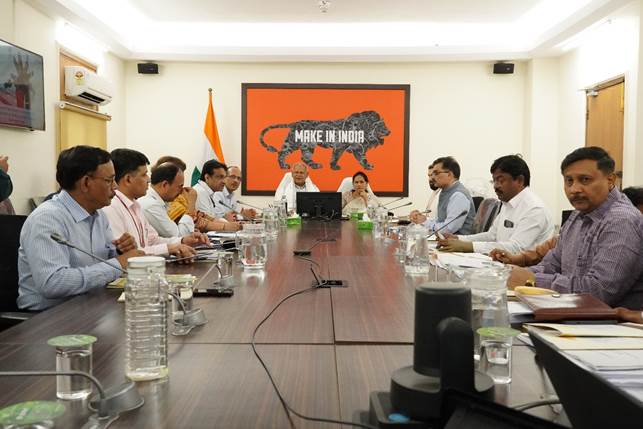
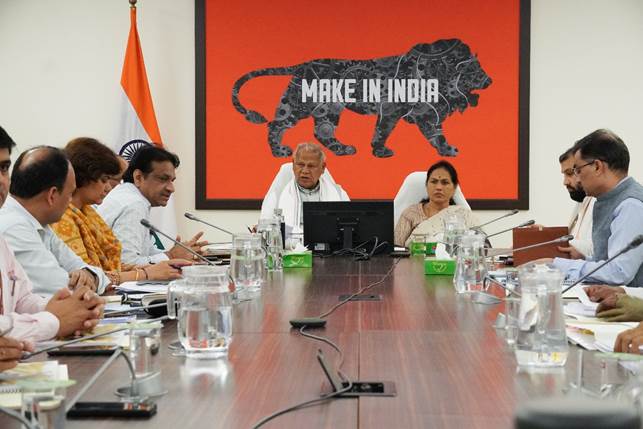
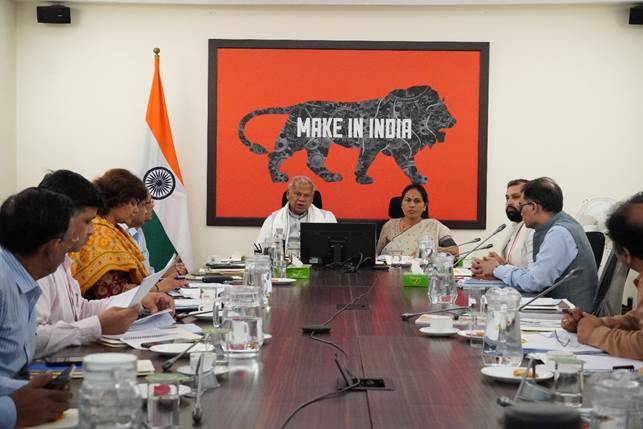
Shri Jitan Ram Manjhi reviews performance of the schemes/programmes run by Khadi and Village Industries Commission(KVIC)

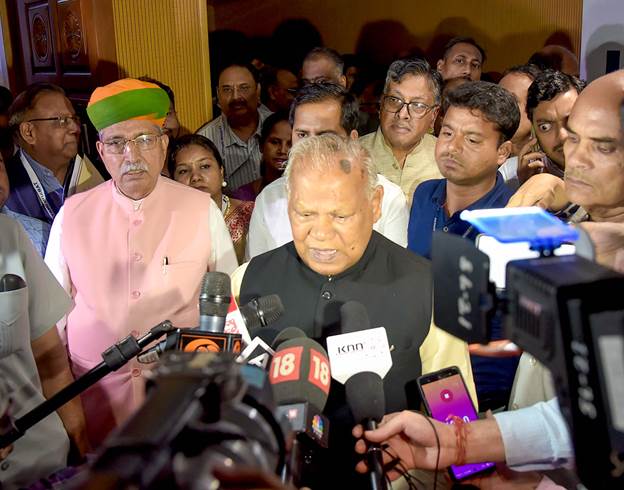
 Union Minister for MSME, Shri Jitan Ram Manjhi and Minister of State for MSME Ms. Shobha Karandlaje reviewed the performance of the Schemes/programmes run by Khadi and Village Industries Commission(KVIC) for the development of Khadi and Village Industries(KVI) Sector in the Country with Shri Manoj Kumar, Chairman, KVIC. Senior Officials of the Ministry of MSME and KVIC were also present.


Union Minister emphasized the need to deepen and broaden the efforts through focused approach on implementation of schemes for promotion of KVI Sector and supporting Khadi artisans.

CPGRAMS along with notable success stories

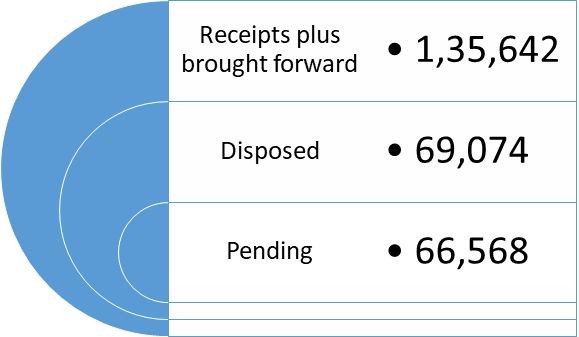
 The Department of Administrative Reforms and Public Grievances (DARPG) released a list of grievances redressed for the first 15 days of June 2024. According to the same 69,166 were redressed in the said period. The Top 5 Ministries/Departments in GOI for Grievance Redressal for the period from 1-15 June, 2024 are as follows:


Sno

Name of Organisation

Disposal

1

Department of Rural Development

21614

2

Ministry of Labour and Employment

7324

3

Department of Financial Services (Banking Division)

6206

4

Central Board of Direct Taxes (Income Tax)

2890

5

Ministry of Railways ( Railway Board)

2296


5 success stories of citizens using the CPGRAMS portal were also outlined by DARPG. These success stories are to be released weekly by DARPG to encourage citizen usage of CPGRAMS portal. The success stories range from issues like Pensions, disability cards, income tax refunds etc.

Success Stories List:

1. Grievance of Shri Rakesh Garg – Rectification of interest and the release of refund amount

Shri Rakesh Garg lodged a grievance on the CPGRAMS Portal with the Central Board of Direct Taxes regarding the incorrect computation of interest under Section 234C. The issue was resolved, resulting in a refund of Rs. 3,65,365, confirmed and verified by the taxpayer.

2. Grievance of Shri Vidyadhar Singh – Non-receipt of 4 installments under One Rank One Pension-II

Nike Vidyadhar Singh hadn’t received the 4 installments he was entitled to under OROP II until 4th April, 2024. He filed a grievance on the CPGRAMS Portal, and within 49 days, arrears amounting to Rs. 30,806/- were credited to his bank account.

3. Grievance of Shri SPR Shoav Ahmed – Non-payment of arrear amount of Rs. 1,03,412/-

Shri SPR Shoav Ahmed, a retired army soldier, lodged a grievance regarding the non-payment of his arrears amounting to Rs. 1,03,412/-. His arrears were processed and credited to his account within 8 days of filing the complaint on CPGRAMS.

4. Grievance of Shri Lovejit Singh – Incorrect Recovery from disability pension

Shri Lovejit Singh filed a grievance on CPGRAMS regarding incorrect deductions from his SPARSH pension account. The deductions were stopped, and a refund of Rs. 27,411/-, which was deducted for a period of 3 months, was provided.

5. Grievance of Shri Om Prakash Sharma – Refund against demand

Shri Om Prakash Sharma filed a grievance concerning his refund being adjusted against a demand. CPGRAMS Portal helped him secure a refund amount of Rs. 31,710/- for AY 2023-24 and Rs. 40,779 for AY 2012-13.


CPGRAMS STATUS 1.6.2024 TO 15.6.2024


These examples illustrate the utility of the CPGRAMS portal for the general public for everyday issues. Citizens can register and file a grievance on CPGRAMS by logging onto the portal www.pgportal.gov.in

****

16,000 NDRF personnel will get risk and hardship allowance at the rate of 40 per cent

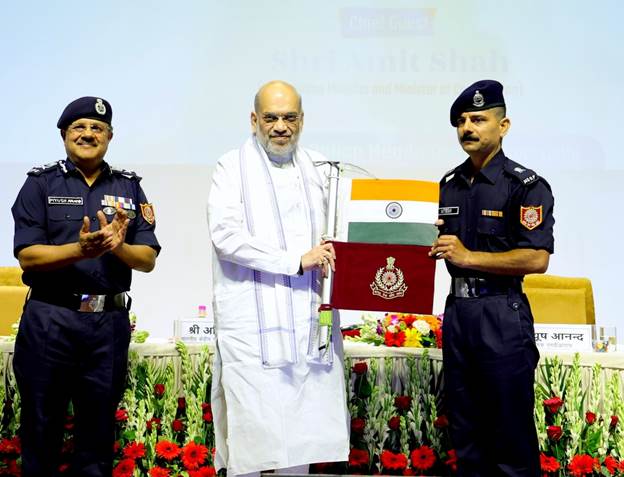
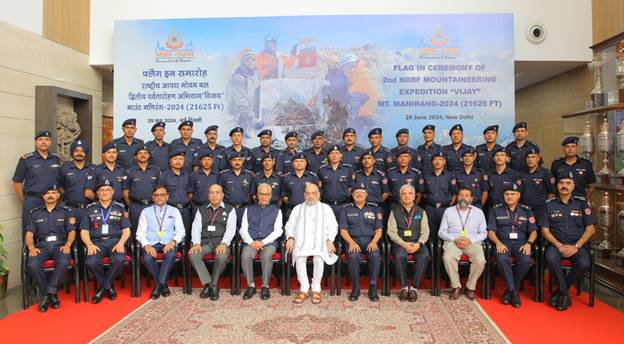
 The Union Home Minister and Minister of Cooperation, Shri Amit Shah, today welcomed the second mountaineering expedition of the National Disaster Response Force (NDRF), ‘Vijay’, in New Delhi, on its return from a successful climb to 21,625 feet high Mount Manirang.


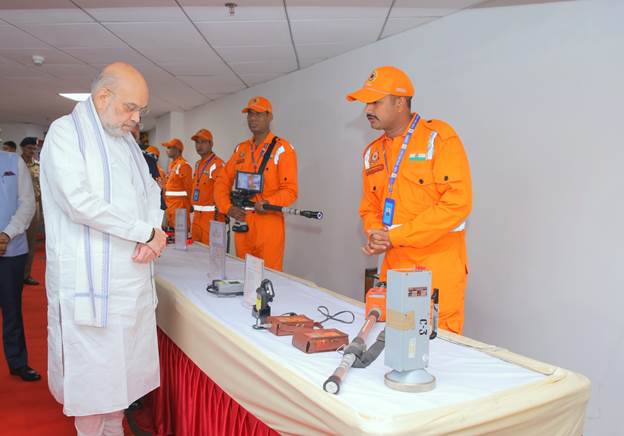
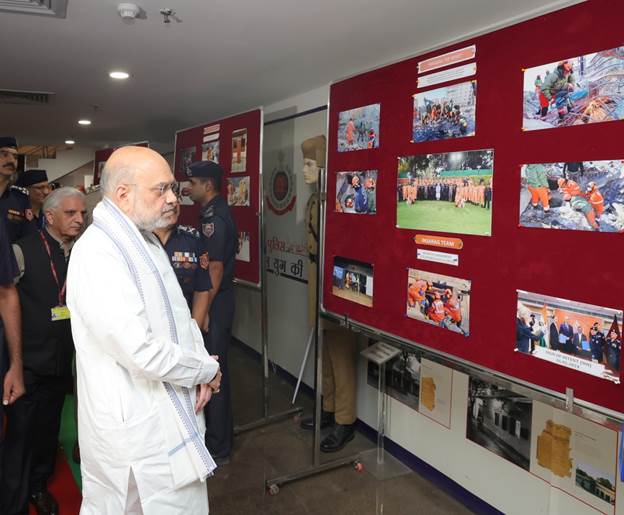
Home Minister also witnessed Photo and Disaster Management Equipment Gallery. The exhibition showcased the state-of-the-art equipment and technologies used by NDRF rescuers during operation. A briefing was also given by the team leaders who were involved in various disaster response incidents in India and Turkey. Union Home Minister took keen interest in various operations conducted by NDRF in flood water rescue, landslides, collapsed structure search and rescue, chemical biological radiological nuclear response mechanism (CBRN), mountain rescue, borewell rescue, cyclone response etc. He was also shown various initiative taken in improvising equipment by the NDRF for better utilisation. Several dignitaries, including the Union Home Secretary and Director General, NDRF, were present on the occasion.


Shri Amit Shah hailed NDRF jawans for their successful expedition to 21,625 high Mount Manirang. He said that such strenuous operations by our jawans, who have decided to show indomitable courage to go to such heights, increase the efficiency of both the individual and the force. Home Minister said that such arduous campaigns inculcate the habit of accomplishing goals, conquering and overcoming unimaginable difficulties to reach the goal. Shri Shah said that it is the habit of victory that makes a person and force great and it is the biggest source of walking on the right path in a person’s life, becoming victorious and increasing confidence.

The Union Home Minister said that some jawans have achieved success in this operation today, but in the true sense, this success belongs to the entire NDRF. He said that these jawans have not only conquered the heights of Mount Manirang but have worked to boost the morale of the entire force. He said that mountaineering is not just a skill but an art of living and mastering this art forms an education for the whole life. The Union Home Minister congratulated the 35 personnel who achieved success in Operation Vijay and the Director General, NDRF for the achievement as a symbol of the force. Shri Shah said that the unfurling of the Tricolour at a height of more than 21,600 feet by these jawans has been a matter of great achievement for the entire force. He said that if we have to reach the pinnacle of success, then we have to pursue a consistent goal throughout life, only then success is achieved.


Shri Amit Shah said that at one time, our approach to disaster in India was only relief-centric, but under the leadership of Prime Minister Shri Narendra Modi, now a zero casualty approach is being adopted for disaster management, not a relief-centric approach.

He said that this has been our great journey in terms of disaster management approach. Shri Shah added that in the last 10 years of Prime Minister Modi’s tenure, the best practices from around the world have been put in place in India to deal with disasters. He said that in these 10 years of the Modi government, the work of creating a winning alliance of NDRF and NDMA through training, raising the morale of the force, forming the force, providing adequate numbers of the force, ensuring the availability of the force’s personnel everywhere in such a large country and advance information for disaster assessment has been done. He said that today, if any disaster strikes anywhere in the country or the world, everyone looks up to the NDRF. Shri Shah also said that seeing the NDRF personnel increases the morale of the people trapped in the disaster manifold. He said that just as our 35 jawans have aligned themselves with the goal with moment-to-moment awareness to achieve success in this mountaineering expedition, our force must align itself with the goal of Zero Casualty. He said that achievement should never become a reason for satisfaction, but it should become a reason to set more difficult goals. Shri Shah said that whether it is Turkey or Syria, Biporjoy or Michaung, the ropeway incident or the rescue of climbers, the tunnel incident or the triple disaster in Japan or the earthquake in Nepal, wherever NDRF personnel have gone, they have returned with a good start and it is a matter of great pride for the entire country.

The Union Home Minister and Minister of Cooperation said that in the future, due to climate change, dangers like avalanches, landslides, floods and storms are going to increase everywhere and keeping this in mind, we should move firmly towards the goal of Zero Casualty by resorting to science. He said that we still have to increase our efficiency in many areas and also bring results, such as forest fires. He said that saving human lives is not our only objective during forest fires, but we have to bring experiments happening all over the world on how to save forests and what we can do so that there is no fire on the ground. Shri Shah said that we need to prepare ourselves more for the floods caused by cloudbursts.

Shri Amit Shah said that the Modi government has left no stone unturned and never looked at the budget for the development of the NDRF, training and providing modern resources to the force. He said that we should create a force in India that is first in the field of disaster management in the entire country. Shri Shah said that Prime Minister Shri Narendra Modi himself is very concerned and aware about disaster management and the success achieved by India in this field is the result of this. He said that in 10 years between 2004 and 2014, a total budget of Rs 66,000 crore was allocated to SDRF and NDRF for disaster relief, which increased to Rs 2 lakh crore in 10 years from 2014 to 2024. This, he said, shows how prepared the Indian government is for a disaster. Shri Shah said that the Modi government is providing scientific support to the NDRF in every way, be it Dial 112, Mausam, Damini, Meghdoot, such mobile applications or early warning systems.

The Union Home Minister said that there was a demand for Risk and Hardship Allowance for NDRF personnel for a long time and the Government of India under the leadership of Prime Minister Shri Narendra Modi has accepted this demand yesterday. He said that now 16,000 personnel of NDRF will get Risk and Hardship Allowance at the rate of 40%. Shri Shah said that the Modi government has also decided that now a team of Central Armed Police Forces (CAPFs) will participate in all outdoor and indoor games in national and international level sports competitions. He said that the entire roadmap for this has been prepared and soon the Government of India will come up with a model for its implementation. He said that the government wants to introduce and stabilize sports as a culture in CAPFs.


*****

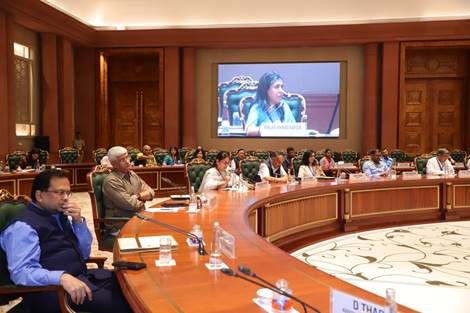
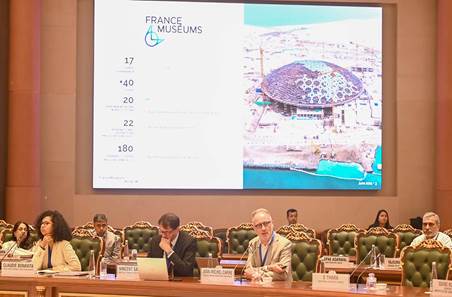
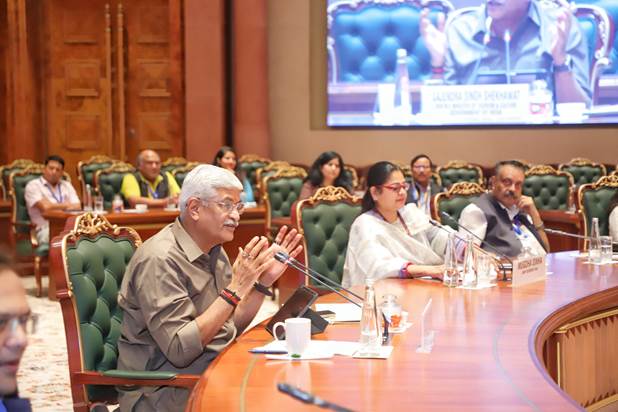
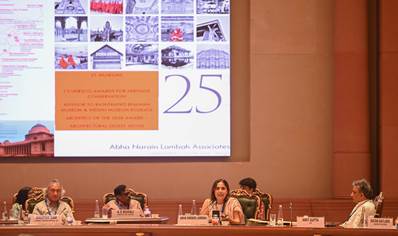
“Yuga Yugeen Bharat Museum will stand as a testament to India’s rich heritage and it’s legacy as the mother of Democracy”

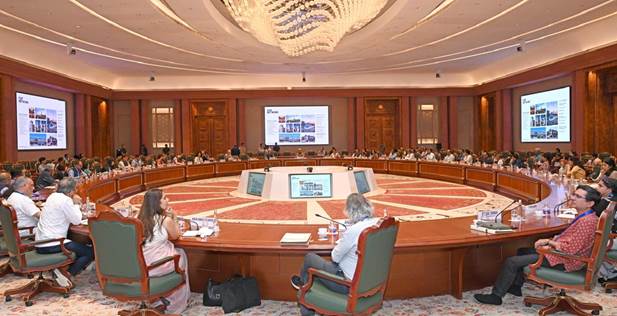
 Ministry of Culture organised a four-day inter-ministerial stakeholder consultation and capacity building workshop for upcoming Yuga Yugeen Bharat Museum, slated to be built in the North and South Block as part of the Central Vista Redevelopment Project. The workshop was held from 26th to 29th June 2024 at Bharat Mandapam in New Delhi. The final day of the deliberation was attended by the Union Minister for Culture and Tourism, Shri Gajendra Singh Shekhawat and senior Ministry officials such as the Secretary, Shri Govind Mohan as well as Dr. Thierry Mathou, French Ambassador to India.

The consultation engaged individuals from the museum ecosystem, both private and government to discuss the upcoming Yuga Yugeen Bharat (The timeless and eternal India) Museum. The Capacity Building was spearheaded by a team of experts from France Muséums, an international museum consultancy.

Image

IMG_5899.jpeg


Union Minister for Culture and Tourism, Shri Gajendra Singh Shekhawat, on the concluding day of the four-day Capacity Building Workshop said This museum will stand as a testament to India’s rich heritage and its unwavering spirit of progress, as it draws inspiration from its past as a blueprint. The Yuga Yugeen Bharat Museum will transcend the traditional museum experience, embodying the spirit of inclusivity. It will be a museum of the people, centring community narratives – a testament to India’s legacy as the mother of Democracy.

Image


The new National Museum of India is set to come up at North and South Block as part of the Central Vista Redevelopment project that seeks to revamp India’s central administrative area located near Raisina Hill, New Delhi. The museum will be spread over 1,54,000 sqm, making it the largest museum in the world. The video walk through for the museum was first unveiled by the Prime Minister Shri Narendra Modi at the inauguration of the first International Museum Expo organized by the GLAM (Galleries, Libraries, Archives and Museums) Division of the Ministry of Culture on 18.05.2023 and was reiterated during the inauguration of the Bharat Mandapam in July 2023.

IMG_5901.jpeg

The Museum will be developed through Adaptive Reuse, in collaboration with France owing to their expertise in similar projects such as the Louvre, which too housed the French Ministry of Finance. The French are partners for this project owing to the long-standing friendship between the two countries, which had contributed to a Letter of Intent being signed between both governments in 2020 that emphasised Museum & Heritage Co-operation.

Pursuant to this, the GLAM Division spearheaded a series of capacity building workshops that aimed to foster critical objectives: alignment amongst stakeholders and generation of synergy for a unified vision. The first of these was a brainstorming session held on the 14th of June, bringing together other ministries and departments of the Government of India. This not only fosters interdepartmental coordination but also ensures the project resonates with various facets of Indian society.

Following this, an intensive four-day brainstorming session was held at Bharat Mandapam from 26th to 29th June, amongst stakeholders of the museum ecosystem such as high-level management from government museums, private experts such as conservation architects, scenographers, exhibition designers, publishers, conservationists, educators and many others.

The intensive brainstorming session and workshops held over the past few days have provided invaluable insights into the core operational elements of a world-class museum. These sessions focused on critical areas such as collection management, curatorial practices, administrative best practices, and the strategic integration of technology. The knowledge gleaned will be instrumental in shaping the development of the Yuga Yugeen Bharat Museum.


Seven CSIR labs inaugurated One Week One Theme Campaign on Energy and Energy Devices theme

 After the inaugural of One Week One Theme (OWOT) Campaign and its logo by Hon’ble Union Minister of State for S&T Dr. Jitendra Singh in the presence of DG CSIR Dr. N. Kalaiselvi at India habitat Centre, Delhi, all CSIR labs are organizing programs on OWOT (Energy and Energy Devices) at their respective institutes. On 27 June 2024, 7 CSIR labs has organized theme based activities. The OWOT campaign is based on 8 themes of CSIR in which all 37 CSIR labs will organize programs of particular themes.


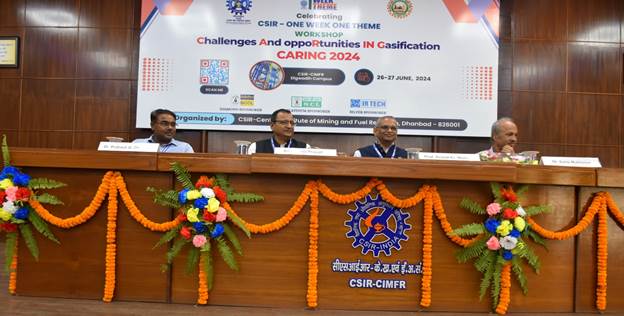
CSIR-Central Institute of Mining and Fuel Research (CSIR-CIMFR), Dhanbad has organized Two-Day Workshop on Challenges and Opportunities in Gasification CARING-2024 as a part of CSIR One Week One Theme programme-Energy and Energy Devices theme. It focused on the challenges and opportunities in gasification. This event, held on June 26-27, 2024, at the CSIR-CIMFR Digwadih Campus, brings together industry leaders, researchers, policymakers, and stakeholders to explore the complexities and potential of gasification technology. With over 75 participants from various organizations such as Coal India Limited (CIL), Steel Authority of India Limited (SAIL), Jindal Steel and Power Limited (JSPL) Angul, Hindalco Industries, Thermax, and others from across India, the workshop is set to be a significant event in the field of gasification.

CSIR-National Geophysical Research Institute (CSIR-NGRI), Hyderabad has organized an Interaction Meet on Geothermal Energy as a part of the One Week One Theme (OWOT) celebrations of CSIR under the theme Energy and Energy Devices (EED). The program is being organized in collaboration with Chhattisgarh State Renewable Energy Development Agency (CREDA), Pandit Ravishankar Shukla University (PRSU), and National Institute of Technology (NIT) Raipur. Experts from various organizations involved in geothermal exploration and development will be presenting a series of lectures. These presentations will cover the current status and future roadmap for harnessing geothermal resources in India, with a particular focus on the potential of the Tattapani Geothermal Province, Chhattisgarh.

CSIR- Central Salt and Marine Chemicals Research Institute, (CSIR-CSMCRI) Bhavnagar, hosted a showcase on the latest advancements in hydrogen, batteries, alternate fuels, and solar energy as part of the CSIR One Week One Theme programme focusing on Energy and Energy Devices. This event highlighted cutting-edge research and innovations driving sustainable energy solutions. Participants had the opportunity to explore technological developments and applications in these critical areas, fostering collaboration and knowledge exchange among scientists, industry experts, and stakeholders.

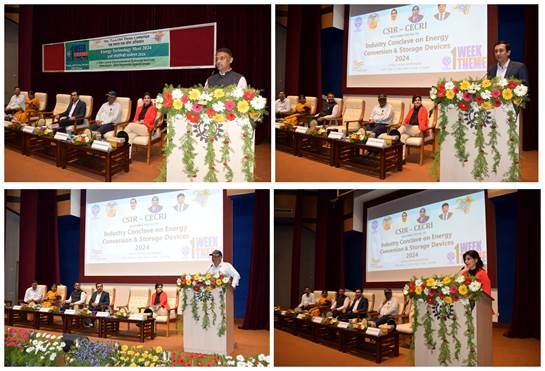
CSIR-Central Electrochemical Research Institute, (CSIR-CECRI) Karaikudi, has organized a display on hydrogen and batteries under the Energy and Energy Devices theme of the CSIR One Week One Theme programme. This event showcased innovative research and developments in hydrogen energy and battery technologies. Attendees gained insights into the latest trends and future directions in these fields, promoting discussions on sustainable energy solutions and the potential for large-scale implementation of these technologies.

CSIR -Central Mechanical Engineering Research Institute, (CSIR-CMERI) Durgapur, focused on hydrogen technology as part of the Energy and Energy Devices theme for the CSIR One Week One Theme programme. The event featured detailed presentations on hydrogen production, storage, and utilization technologies. Industry leaders, researchers, and policymakers came together to discuss the challenges and opportunities in the hydrogen sector, exploring its role in achieving a sustainable energy future.

CSIR-Central Glass & Ceramic Research Institute, (CSIR-CGCRI) Kolkata, showcased advancements in hydrogen – SOFC-SOEC, photo catalysis, and solid-state batteries under the Energy and Energy Devices theme of the CSIR One Week One Theme programme. This event highlighted the latest research and technological innovations in these areas, offering a platform for experts to share insights and explore collaborative opportunities. The focus was on the potential applications and impact of these technologies on sustainable energy solutions.

CSIR-National Chemical Laboratory, (CSIR-NCL) Pune, hosted a symposium on “Catalysis and Renewable Energy towards meeting Sustainable Development Goals (SDG)” under the Energy and Energy Devices theme of the CSIR One Week One Theme programme. This event concentrated on alternative fuels, featuring presentations and discussions on the latest advancements in catalysis and renewable energy technologies. The symposium promoted the exchange of knowledge and fostered collaborations to address global energy challenges and support sustainable development.

Next theme of CSIR’s OWOT campaign on ‘Chemicals and Petrochemicals’ will be organized from 15th to 20th July 2024.


****

“Electrical Safety handbook for Students” launched

 The Central Electricity Authority (CEA), Ministry of Power in association with National Federation of Engineers for Electrical Safety (NFEES) and supported by Bureau of Indian Standards (BIS) organized an All-India Electrical Safety awareness programme, especially designed for school students on 26th June, 2024, which is observed as “Electrical Safety Day”.

The subsequent week is observed as National Electrical Safety Week (NESW). The theme for this year Electrical Safety Awareness Programme was “Safety Starts from School”.

Over 150 representatives from Power CPSUs, District Administration, NPTI, Oil Manufacturing Companies, TPDDL, CPWD and other Stakeholders along with over 50 Students from different Schools of Delhi participated in the event. The All-India Electrical Safety Awareness Programme is significant in promoting a culture of safety and awareness among the masses. Also, for making our young generation aware about electrical fire safety.

Delivering a keynote address, Chairperson, Central Electricity Authority, Shri Ghanshyam Prasad said that the event was long awaited and important to raise awareness among general Public, especially students on Electrical Safety. By instilling a strong foundation of electrical safety knowledge and practices in schools, we empower our youth to make informed decisions and contribute to safer environments at home, school, and beyond.

Senior officers namely Sh. A Balan, Member (Planning), CEA, Sh A.K. Rajput, Member (Power System), Sh. Mahipal Singh, Principal Chief Engineer, CEA, Dr. Tripta Thakur, Director General, NPTI, Ms Rishika Sharan, CEI, CEA, Sh A K Maharana, Head, ETD, BIS and Sh Anil Jauhri, Adviser-NFE & Former CEO, NABCB also addressed the participants on importance of Electrical Safety.

The handbook titled “Electrical Safety handbook for Students” was launched in the event by the Chief Guest, Sh. Ghanshyam Prasad, Chairperson, CEA which is prepared by National Federation of Engineers for Electrical Safety (NFEES) that can serve as a valuable resource for students, educators, and parents alike. From understanding basic electrical principles to recognizing potential hazards and adopting best practices for prevention, this handbook covers a wide range of essential topics in an accessible and engaging manner.

****

5th Capacity Building program on Public Policy and Governance for Civil Servants of the Kingdom of Cambodia commences at National Centre for Good Governance, Mussoorie

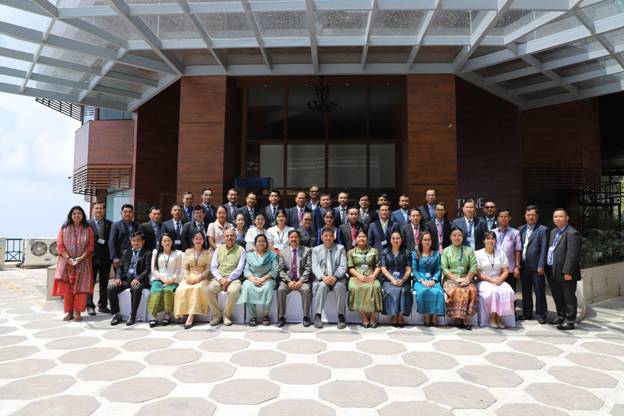
 The National Centre for Good Governance (NCGG) in Mussoorie commenced 5th Capacity Building Program on Public Policy and Governance for Cambodian Civil Servants today. The 2-week program is being organized from June 24 to July 5, 2024 in collaboration with the Ministry of External Affairs (MEA). The program is being attended by 40 civil servants from Kingdom of Cambodia, such as Joint Secretary, Director, Deputy Secretary and Under Secretary from the Ministry of Civil Services and Ministry of Senate. The program offers a platform for policy dialogue and sharing best practices, helping participants gain valuable insights into institutional transformation and citizen engagement.


The inaugural session was chaired by Shri V. Srinivas, Director General (DG) National Centre for Good Governance (NCGG) & Secretary Department of Administrative Reform and Public Grievances (DARPG), Government of India who highlighted the role of technology in bringing citizens closer to government, while optimizing transparency and accountability. India’s policy maxim of “Minimum Government and Maximum Governance” seeks to bring citizens and government closer using technology, and creating digitally empowered citizens and digitally transformed institutions. The example of CPGRAMS, the AI-driven public grievance redressal portal of India, was presented.

Mr. Mam Phoeuk, Deputy Director General, Ministry of Civil Services and head of delegation from Cambodia expressed gratitude to the Indian Government for this opportunity. He emphasized that the training programme would not only enhance capacity building but also foster bilateral dialogue and lead to  strengthening of ties between India and Cambodia.

Dr. BS Bisht, Associate Professor, NCGG and Course Coordinator of the programme gave detailed information about National Centre for Good Governance and the milestones achieved by the NCGG over the years. In the elaborate presentation he discussed about objectives, activities, achievements, and future plans of NCGG and how it has evolved as a Centre for excellence. In the first week, the training will focus on a variety of topics, including Public Policy and Management, GeM: Bringing Transparency in Government Procurement, the Indian Constitutional Scheme, India-Cambodia Relations, Public-Private Partnerships in Infrastructure, Aadhaar as a Tool for Good Governance, Health Governance, the impact of Parliamentary Devices on governance, Best Practices from various development schemes, approaches to achieving SDG by 2023, Viksit Bharat: Policies and Developments in Industry and Infrastructure, Financial Inclusion, the Changing Paradigm of Governance, Leadership and Communication, Urban Governance and Sustainable Cities, Civil Services in India, Doorstep Delivery of Services, E-Governance and Digital Public Service Delivery, Gender Development, and Ethics in Administration, among others. The second phase of the program will include field visits to Smart City project and ITDA in Dehradun, District Administration in Gautam Buddha Nagar, Uttar Pradesh, the Union Public Service Commission and Indian Parliament. The programme also gives exposure to history and culture of the country during visits to the PM Sangrahalaya, Buddha Temple and the Taj Mahal.

It is noteworthy that NCGG has imparted training to civil servants of 17 countries viz. Bangladesh, Kenya, Tanzania, Tunisia, Seychelles, Gambia, Maldives, Sri Lanka, Afghanistan, Laos, Vietnam, Nepal, Bhutan, Myanmar, Ethiopia, Eretria and Cambodia.

Dr. Himanshi Rastogi, Associate Professor at NCGG, delivered the vote of thanks. The programme will be supervised and coordinated by Dr. B. S. Bisht, course coordinator, along with Dr. Sanjeev Sharma, co-course coordinator, Shri. Brijesh Bisht, Training Assistant, Ms. Monisha Bahuguna, Young Professional and the capacity building team of the NCGG.

****

Assistant Secretaries (Officer Trainees of IAS 2022 batch

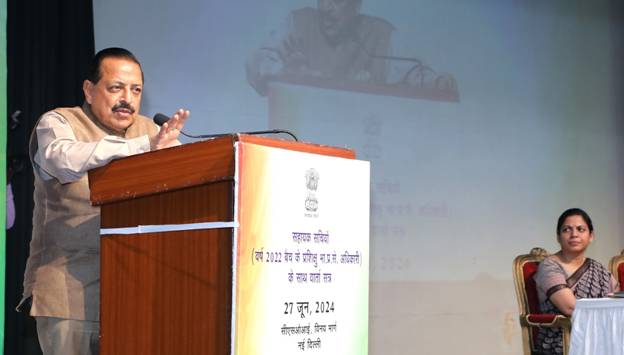
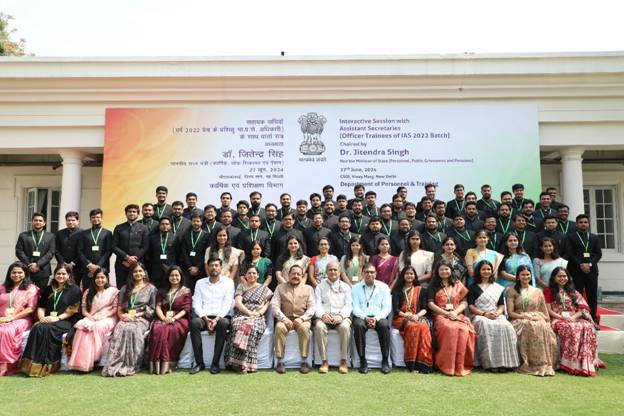
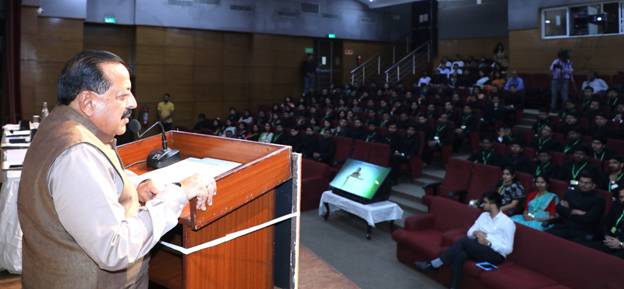
 Union Minister Dr. Jitendra Singh interacted with Assistant Secretaries (Officer Trainees of IAS 2022 batch) at the culmination of their attachment at union Ministries here today in New Delhi.

Speaking on the occasion Union Minister of State (Independent Charge) for Science and Technology, Minister of State (Independent Charge) for Earth Sciences, MoS PMO, Department of Atomic Energy, Department of Space, Personnel, Public Grievances and Pensions, Dr Jitendra Singh traced the beginning of this initiative in 2015 after Modi Government took the reins, to attach the new Officer trainees as Assistant Secretaries in various union Ministries post their district training to give an overall experience of functioning of ministries.

Dr. Jitendra Singh said “This initiative also allows them to interact and learn from people at the apex levels of policy making by identifying mentors who will guide them for the coming 30 years of service.”

Highlighting the benefits of this module, Dr. Jitendra Singh shared that during Covid Pandemic how the officers who had been Asst. Secretaries and were now DM in a district could communicate and offer day to day feedback to the Centre with confidence.

During the interactive session the union Minister of State for Personnel, Public grievances and Pensions heard the young bright officers and motivated them to suggest the changes they want to see in their training modules. He also gave a positive response on trying to inculcate as much as possible.

Dr. Jitendra Singh said, it is Prime Minister Narendra Modi’s Vision to make IAS officers future ready when India will attain its century year of Independence, you all will holding important public offices and it’s our responsibility to uphold integrity, accountability, empathy and compassion towards the people of India and have Citizen Centricity and good governance at the core of administration.

Expressing his confidence and happiness over the young talent pool, Dr. Jitendra Singh shared that a positive change is being witnessed with around 28 percent of female officers joining the Civil services, which was less than 10% in the earlier times. Even people from almost all states of India are part of the civil services increasing diversity which is a healthy sign, he added. Motivating and guiding the young officers

Dr. Jitendra Singh gave them a brief regarding mission Karmayogi and the intent of the government behind this mission. He said we want you to upgrade your skills, be future ready, be in sync with the changing technologies and karmayogi mission through I-Got Platform will provide the best avenue to do so.

Dr. Jitendra Singh said as the nature of duties is changing and getting more complex, we need experts and specialists to implement the flagship schemes of the government in terms of health, education, social sector, as well as in science and energy domains also. Thus, having a pool of such a diversified talent which is technology driven will be a boon for the country. He shared that we have tried to make certain values of accountability, transparency, communication skills and public dealing skills a part of your training through inhouse as well as specialized modules.

Towards the conclusion of his speech Dr. Jitendra Singh emphasized that for civil servants, integrity is the foremost quality and there can be no compromise with it. Going further he said that we need to develop indices for the future and keep working to attain them. He said “Prepare yourself for the vision 2047 and promote nation building.

The IAS officer trainees of 2022 batch expressed gratitude and felt motivated after the gracious interaction with the union Minister Dr. Jitendra Singh.

Shri. Sriram Taranikanti, Director LBSNAA, Ms. Nila Mohanan, Joint Secretary (Training) DoPT and Shri. S. D. Sharma Joint Secretary (ADMIN), DoPT were also present during the interaction.

*****

MSMEs will be a key force in the movement towards Atmanirbhar and Viksit Bharat

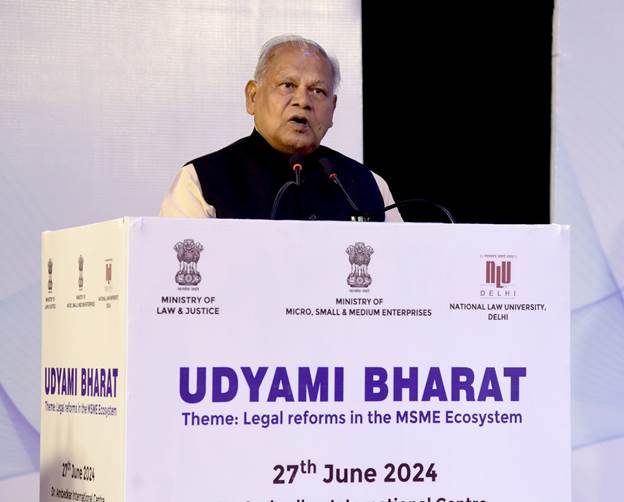
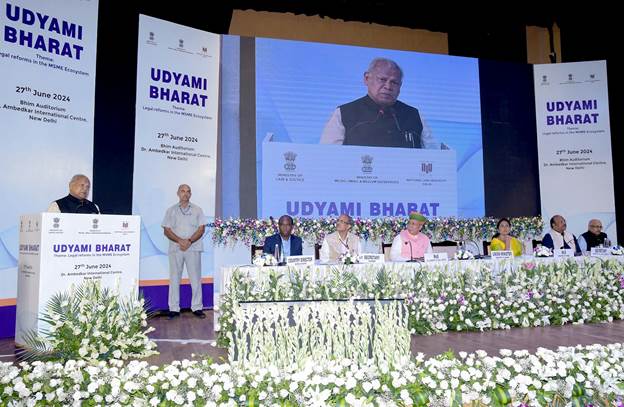
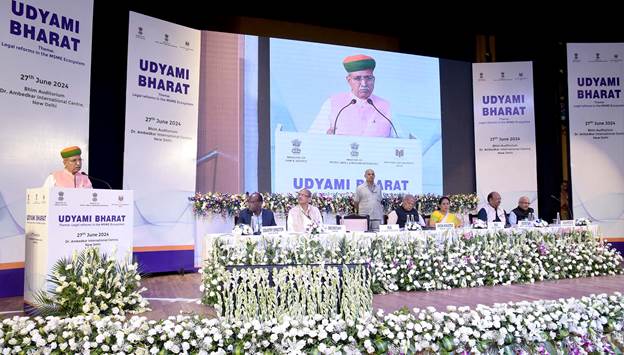
 Union Minister for MSME, Shri Jitan Ram Manjhi said that the MSMEs will be a key force in the movement towards Atmanirbhar and Viksit Bharat. Addressing the day long event of International MSME Day, ‘Udyami Bharat’  he emphasized the need to deepen and broaden the effort through an inclusive and focused approach, especially in the rural areas and hinterland as per vision of the Prime Minister Shri Narendra Modi. Shri Manjhi said in a fast-changing industrial landscape, the MSMEs need to align themselves to adopting digital and technological solutions. He said as part of the ongoing reforms of the government, legal reforms in the MSME sector will work as a force multiplier.

Shri Manjhi said  six pillars have been identified on which our endeavours would be built – (i) formalization and access to credit (ii) increased access to market  and e-commerce adoption (iii) increased productivity through modern technology (iv) enhanced skill levels and digitalization in the service sector (v) support to Khadi, Village, and Coir industry to globalize them (vi) empowerment of women, artisans, through enterprise creation. He said the work before us is clear-cut.  There is a great need to build upon these six pillars in a meticulous and yet smart way, he added.  


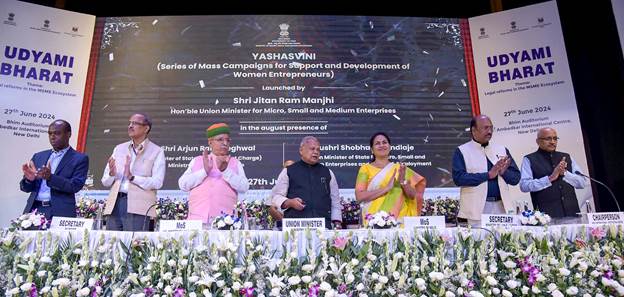
The Union Minister dedicated the MSME TEAM Initiative and Yashasvini Campaign to the MSMEs. The MSME TEAM Initiative aims at facilitating five lakh micro and small enterprises for onboarding on to the Open Network for Digital Commerce (ONDC) by providing financial assistance for onboarding, cataloguing, account management, logistics, packaging material and design. The half of these beneficiary MSEs will be women owned enterprises.

The Yashasvini campaign is a series of mass awareness campaigns for formalizing women owned informal micro enterprises and providing capacity building, training, handholding and mentorship to the women owned enterprises.  A series of campaigns will be organized by the Ministry of MSME in collaboration with other Central Ministries/ Departments/ State Governments and Women Industry Associations during the FY 24-25 in various parts, focusing Tier 2 and 3 cities in the country.

The Union Minister of State (Independent Charge) for Law and Justice, Shri Arjun Ram Meghwal spoke about the areas of reforms that would make the MSMEs globally competitive. Shri Meghwal said the Modi Government is ensuring ‘ease of doing business’ and ‘ease of living’ through legal reforms and technological innovations towards strengthening the micro, small and medium enterprises.

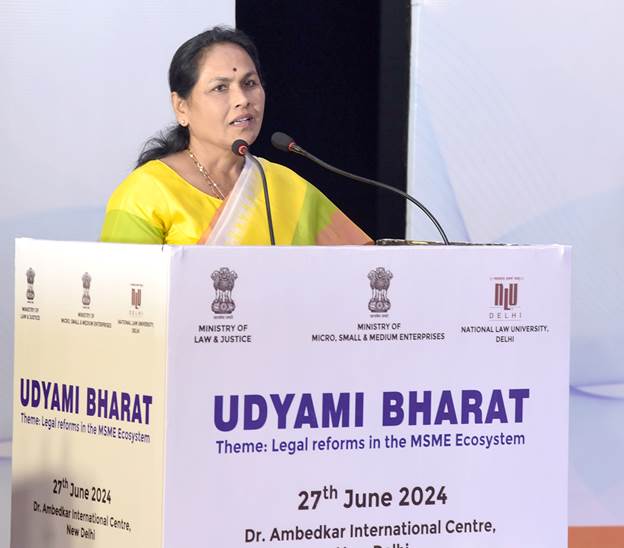
The Union Minister of State for MSME, Sushri Shobha Karandlaje outlined the contribution of the MSMEs to the country’s employment, manufacturing output, and exports and emphasised the need for MSMEs to focus on innovation, creativity, and sustainable development to remain competitive.


The event was also addressed by Mr. Auguste Tano Kouame, Country Director, The World Bank, Justice (Retd.) Hemant Gupta, Chairperson – India International Arbitration Centre, Delhi, Shri Rajiv Mani, Secretary – Ministry of Law and Justice and Shri S.C.L. Das, Secretary, Ministry of Micro, Small and Medium Enterprises.

The event saw the participation from Central and State Governments, legal fraternity, academia, the World Bank and other Multilateral agencies, and Industrial Associations.

****

CLGF Annual Board in Colombo, Sri Lanka

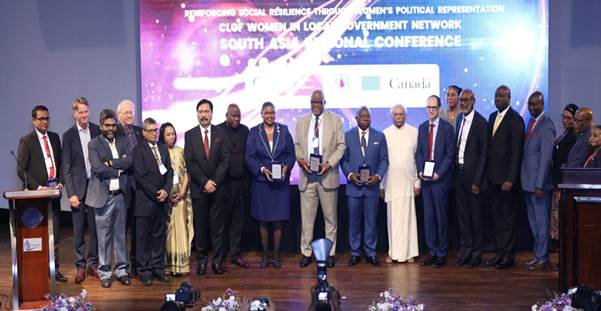
 Additional Secretary, Ministry of Panchayati Raj, Dr. Chandra Shekhar Kumar represented India at the three – day meeting of CLGF Annual Board in Colombo, Sri Lanka during 25th – 27th June 2024. The conference facilitated regional exchange and priority setting for ongoing initiatives in Commonwealth Asia. It also guided the future work of CLGF’s Commonwealth Women in Local Government Network. On 25th June 2024, Prime Minister of Sri Lanka, Shri Dinesh Gunawardena inaugurated CLGF’s Commonwealth Women in Local Government Network South Asia Regional Meeting on “Reinforcing Social Resilience through Women’s Political Representation”.
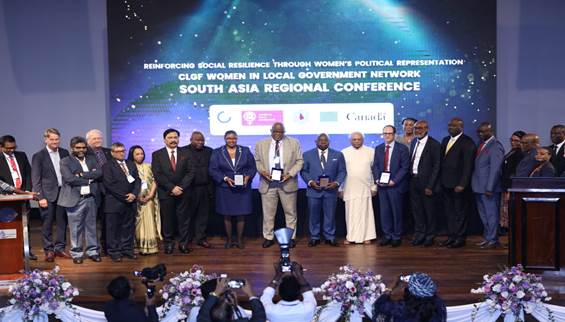
 

Addressing the CLGF conference, Dr. Chandra Shekhar Kumar requested to host the next CLGF meeting in India, the largest member country of the Commonwealth. This initiative aims to promote and strengthen democratic local governments across the Commonwealth and foster the exchange of best practices.

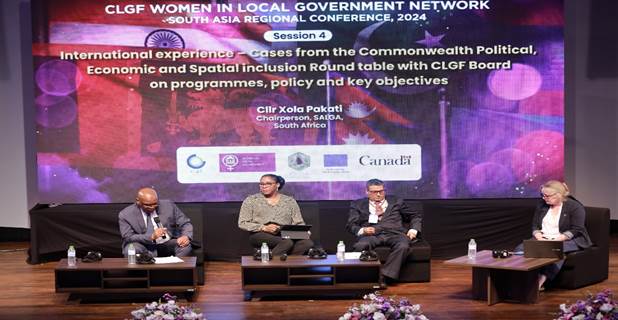
Dr. Chandra Shekhar Kumar shared insights and views during the session on “International Experience: Cases from the Commonwealth – Economic and Spatial Inclusion.” He highlighted the key role of India’s approximately 2.6 lakh Panchayati Raj Institutions (PRIs) in covering 60% of the population and contributing significantly to the GDP during the CLGF Conference on “Reinforcing Social Resilience through Women’s Political representation” in Colombo, Sri Lanka.

Emphasizing women’s crucial roles in development, Dr. Chandra Shekhar Kumar noted that women constitute 48% of the rural population with a labour force participation rate of 41.5% in 2022–23. The 73rd Constitutional Amendment mandates the devolution of powers to Panchayats, including “Women and Child Development,” to enhance local governance.

Additional Secretary, Dr. Chandra Shekhar Kumar emphasized that India takes pride in being a global leader in gender representation at the grassroots level, with 46% of local body positions held by women in Panchayati Raj Institutions/ Rural Local Bodies, compared to the global average of 36%. He highlighted that significant representation of women in decision-making processes and women-led development is crucial for achieving the United Nations 2030 Agenda for Sustainable Development. The Government of India supports women’s empowerment through various schemes, contributing a substantial amount towards education, health, economic empowerment, digital literacy, leadership skills, and security. As well, the Ministry’s e-Governance initiatives have made Panchayat representatives digitally proficient, with 90% of Gram Panchayats uploading online development plans and financial transactions.
 

Dr. Kumar also underlined the efforts of Ministry of Panchayati Raj in providing international exposure to Elected Women Representatives (EWRs) and adopting the Localization of SDGs (LSDGs) approach, including the “Women Friendly Panchayat” theme. He highlighted that the Ministry has provided opportunities and exposure for elected women leaders at international forums and events, such as “Localizing the SDGs: Women in Local Governance in India Lead the Way” on 3rd May, 2024, at the United Nations Headquarters in New York, and “Women Leaders as Change-makers: Gender Equality for Good Governance” in October 2019 at the United Nations.

Additional Secretary, Dr. Kumar mentioned that States and UTs, guided by the Ministry of Panchayati Raj, have implemented measures such as reservation for women, participation programs, and training initiatives to enhance women’s roles in local governance. Under the Ministry’s guidance, 23 States and UTs have adopted 50% reservation for women, exceeding the Constitutional provision of 33% reservation in PRIs/ RLBs.

India has emerged as a global leader in gender representation at grassroots levels, with 46% representation in local bodies, surpassing the global average of 36%. Key factors for increased women’s participation in PRIs include constitutional provisions, socio-economic improvements, and government support through various women-oriented schemes. Dr. Kumar also highlighted the Ministry’s initiatives in digital empowerment and international exposure for women leaders, alongside the adoption of Localization of SDGs for women’s empowerment in local governance.
 

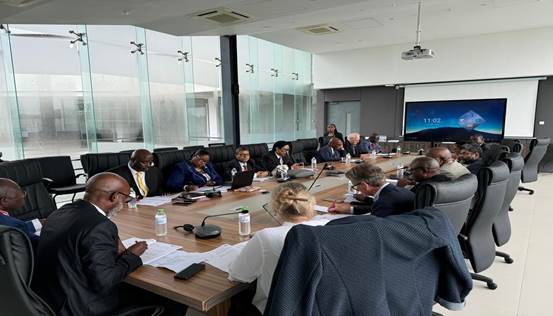
Dr. Chandra Shekhar Kumar discussed with colleagues from Commonwealth Local Government organizations from around the world at CLGF Annual Board Meeting in Colombo, exchanging insights and discussing strategies for enhancing local governance and community resilience. He reiterated India’s commitment to empower women and strengthen rural communities. The CLGF Forum brought together a diverse group of local government participants, including Ministries of Local Government, elected local mayors and leaders, permanent secretaries, officials from all spheres of government, academics and development partners.

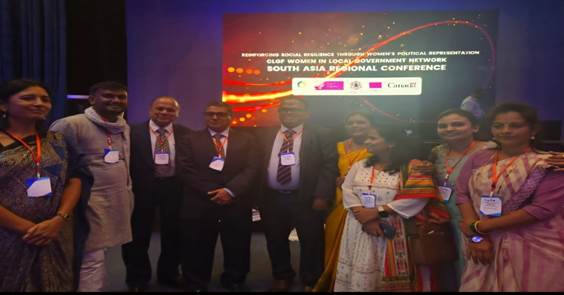
Three women Sarpanch from Maharashtra – Smt. Archana Pawar (Kumbhari Gram Panchayat, Yavatmal District), Smt. Sharda Gaydhane (Bela Gram Panchayat, Bhandara District), and Smt. Kavita Ware (Kisal Gram Panchayat, Thane District) – along with Smt. Chandrika Rangani from Gujarat (Kanakpar Gram Panchayat, Kachchh District), also participated in the CLGF Conference in Colombo, Sri Lanka during 25 – 27 June, 2024, which aimed to review and ratify a Charter for Gender Equality for Local Government in South Asia.

The four Sarpanch presented their case studies, best practices and success stories. Training in digital and social media was conducted for Local Self-Government delegates during the ComWLG- Commonwealth Women in Local Government Network South Asia Meeting. This forum provided women with an opportunity to share their experiences as grassroots leaders, discuss challenges faced by women in local government, agree on actionable points to strengthen elected women and women’s rights, and build capacity in specific focus areas for local leaders.
 

Background of CLGF:

Since its establishment in 1995, the Commonwealth Local Government Forum (CLGF) has actively worked in Asia to support decentralization and reforms that empower local governments, improving governance and service delivery. CLGF is unique as a membership organization that unites Local Government, Ministries of Local Government, national associations of local government, and individual councils from the 56 Commonwealth countries. It also includes research, training, and professional organizations as members.

CLGF’s work focuses on promoting local democracy, sharing experiences and good practices, and capacity building to enhance policymaking, strengthen local government institutions, and improve service delivery and democratic processes at the local level. CLGF is dedicated to supporting women’s full and active participation in public life, especially in achieving equal representation in local governance, aligning with SDG 5: Achieve gender equality and empower all women and girls.


***

New Criminal laws are for providing ‘justice’ in contrast to colonial legislations where focus was on ‘punishment’

 Ministry of Micro, Small & Medium Enterprises organised a day-long programme here today on the theme of ‘Legal Reforms in the MSME Ecosystem’ of Udyami Bharat – MSME Day event. Speaking on the occasion Union Minister of State (Independent Charge) for Law & Justice, Shri Arjun Ram Meghwal structured his deliberation on three vital points. He emphasises the new Criminal laws are for providing ‘justice’ in contrast to colonial legislations where focus was on ‘punishment’. He observed that amendments in laws have been done with complete consultation with stakeholders. He said, firstly, it is important to understand that India has entered the era of Industry 4.0, tracing the history of evolution from Industry 1.0 to its present stage, he reiterated that the present era’s latest technologies such as Artificial Intelligence, machine learning, 3D printing, Robotics and its effect on the legal parlance has to be understood while working on legal reforms in the Micro, Small & Medium Enterprises sector. Secondly, he underlined the growing importance of Alternate Dispute Resolution (ADR) and mediation in solving disputes. He asserted that having an amicable solution is the best solution for any legal issues and the Public Sector Enterprises could also benefit from such ADR mechanism of dispute resolution between parties. Thirdly, reinforcing on Prime Minister Shri Narendra Modi’s vision, he said that 21st century is going to be India’s one and, in this context, India has the requisite potential to be the hub of Arbitration.

Delving into the theme of the conference Dr Rajiv Mani, Secretary, Department of Legal Affairs, Ministry of law and Justice said that Institutional arbitration comes with the advantage of better streamlined faster disposal of issues and effective way to resolve legal issues. He asserted that the MSME sector is the backbone of the economy and then the lengthy dispute resolution in traditional legal system could be avoided if the parties wish to resolve their issues via Alternate Dispute resolution and mediation.

Union Minister for Micro, Small and Medium Enterprises, Shri Jitan Ram Manjhi presided over ‘Udyami Bharat – MSME Day event. The Minister of State for MSME, Sushri Shobha Karandlaje along with other dignitaries highlighted the growing role of micro, small and medium enterprises in the growth of the economy.


The senior officials of Ministry of Micro, Small and Medium Enterprises and Ministry of Law and Justice were also present on the occasion.

***
PK/SB