Quantum Security Research Lab on 23rd Foundation Day of Society for Electronic Transactions and Security in Chennai

 Professor Ajay Kumar Sood, Principal Scientific Adviser to the Government of India and Dr. Parvinder Maini, Scientific Secretary, today (June 25, 2024) attended the 23rd Foundation Day of the Society for Electronic Transactions and Security (SETS) in Chennai. Prof. Sood also inaugurated the Quantum Security Research Lab on the occasion.

Conceived by Dr. A.P.J. Abdul Kalam in 2002SETS, an initiative of the Office of Principal Scientific Adviser to the Government of India, is a cybersecurity R&D organization pursuing research in the core areas of cyber security, cryptology, hardware security, quantum security, and network security.
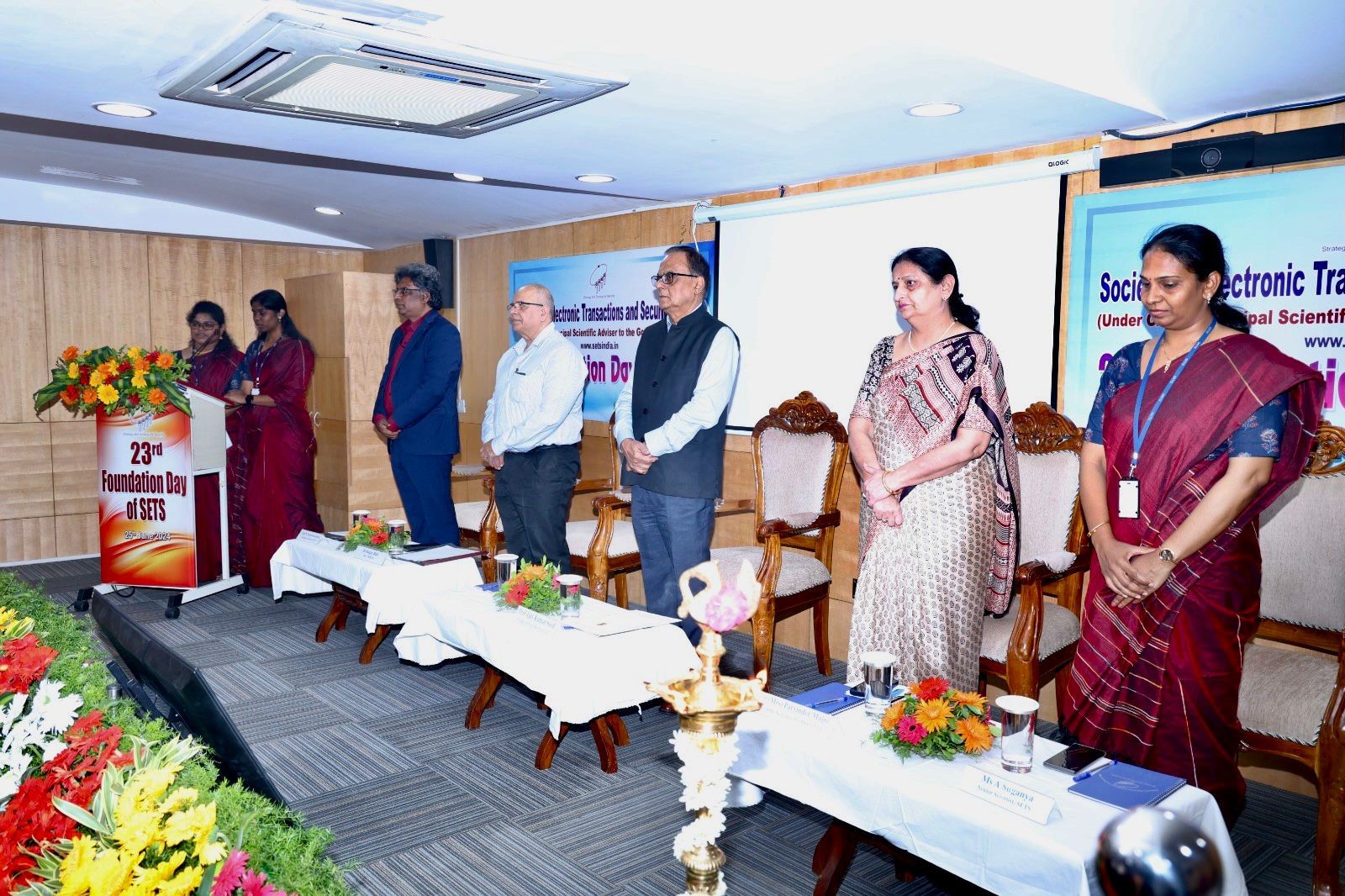
 

(23rd Foundation Day Celebration at SETS underway)

The celebration kicked off with Dr. N Subramanian, Executive Director, SETS extending a warm welcome and delivering a brief on SETS’ research and development activities. He mentioned that SETS has developed futuristic solutions like Post Quantum VPN, Quantum Random Number Generator (QRNG), Key Distillation Engine (KDE) for Quantum Key Distribution, PKI solution, Ransomware Early Detection Solution, Security for Blockchain, etc. SETS is working with various academic institutions including IITs and IISc Bangalore, government agencies, national R&D organizations, and user agencies such Department of Atomic Energy (DAE), Department of Defense Research and Development Organisation (DRDO), and state governments for collaborative research and innovation.

Delivering the presidential address, Prof. Sood congratulated SETS for their efforts in developing and deploying indigenous cybersecurity solutions in areas such as cryptography, secure quantum communication, hardware security, and network security. He also lauded SETS’ success in translating lab research into field applications, including the deployment of VPNs for the strategic sector and the Quantum Random Number Generation (QRNG) solution for industry and strategic agencies.
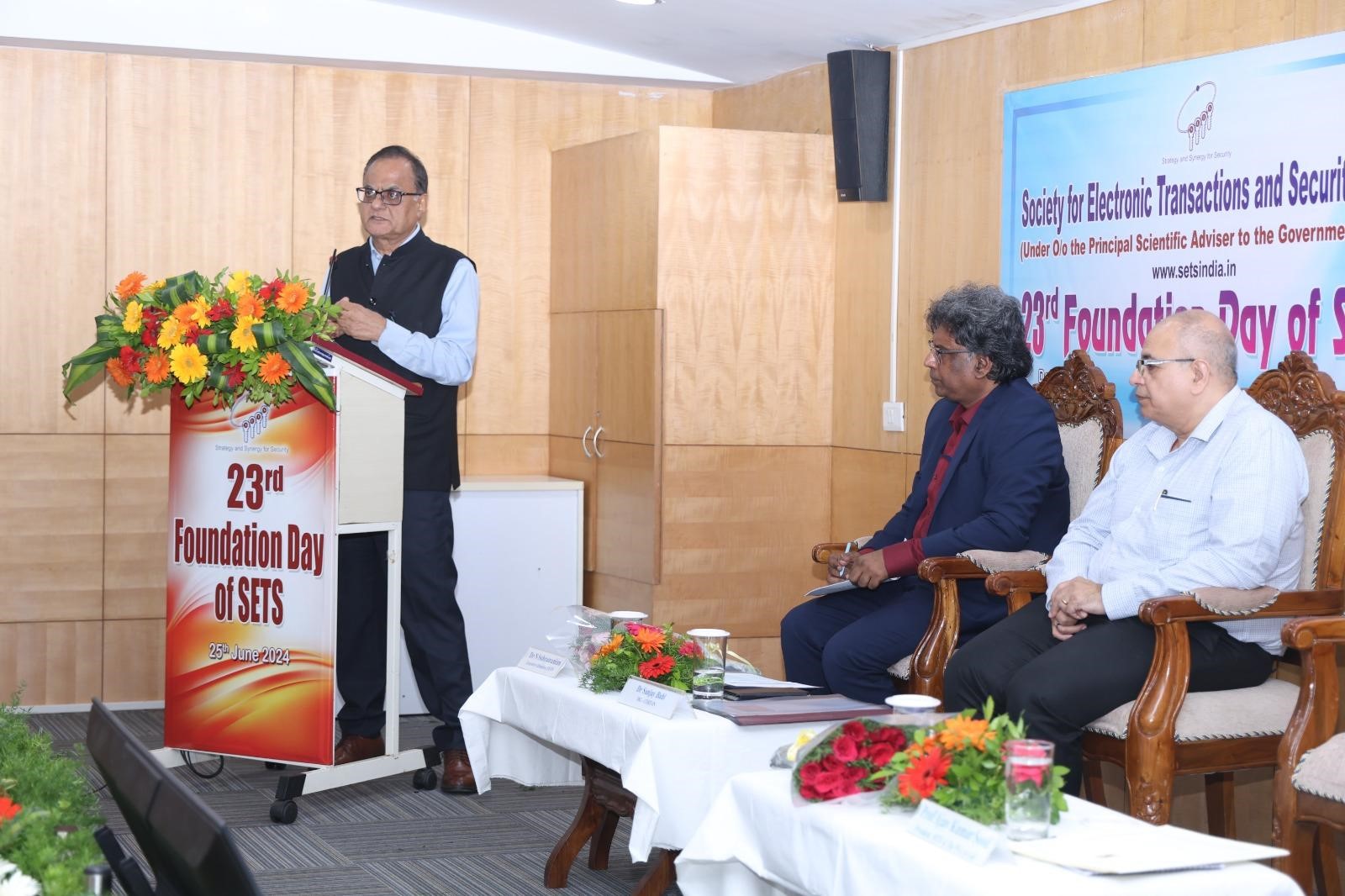
 

(PSA Prof. Sood delivering presidential address)

Prof. Sood encouraged SETS to leverage its expertise to lead national efforts in Post Quantum Cryptography and to deepen the collaboration with industry, R&D labs, and academia to ensure the nation’s computing and communication infrastructure is quantum-safe. He emphasized on scaling up successful projects like hardware security testing and post-quantum cryptography.
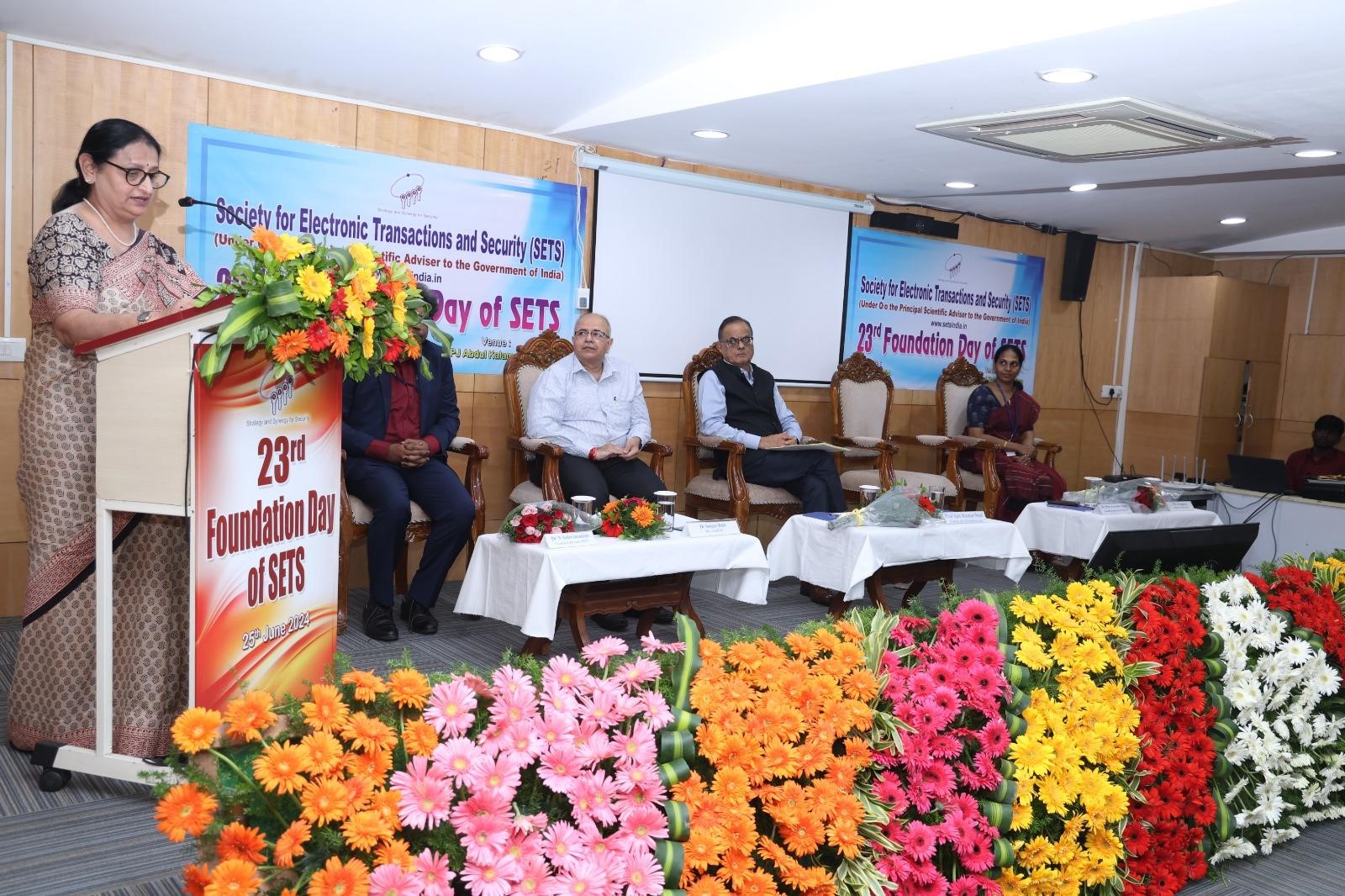
 

(Dr. Maini, Scientific Secretary, delivering special address)

In her special address, Scientific Secretary Dr. Maini commended the scientists and staff of SETS for their impactful contributions. She stressed the importance of continuously upgrading cybersecurity measures to address new vulnerabilities and dynamic threat landscapes, citing recent cyber threat incidents. Dr. Maini recognized recent enhancements in SETS’ infrastructure for undertaking the upcoming challenges as these advancements are crucial for SETS to effectively tackle cybersecurity challenges and develop robust solutions.

Dr. Maini also noted SETS’s involvement in cutting-edge projects, including AI for cybersecurity under the National Supercomputing Mission. She asserted the importance of standard-based development for international collaborations in areas like quantum communication and 6G. She also highlighted the need for SETS to collaborate with industry to advance its technologies from research to field deployment.

Dr. Sanjay Bahl, Director General, Indian Computer Emergency Response Team, Ministry of Electronics and Information Technology (MeitY), in his address, mentioned the evolving concerns of cybersecurity in the context of AI, the proliferation of the Internet of Things (IoT), and drones. He urged that SETS should evolve a roadmap to address these challenges and develop innovative solutions.

This was followed by Prof. Sood inaugurating the Quantum Security Research Lab of SETS. He appreciated the demonstrations carried out by the SETS team on QRNG, post-quantum implementation in Arm-Cortex, True Random Number Generator (TRNG), and KDE. The team also demonstrated the Metro Area Quantum Access Network (MAQAN), jointly being implemented by SETS, IIT Madras, and the Centre for Development of Advanced Computing (C-DAC).
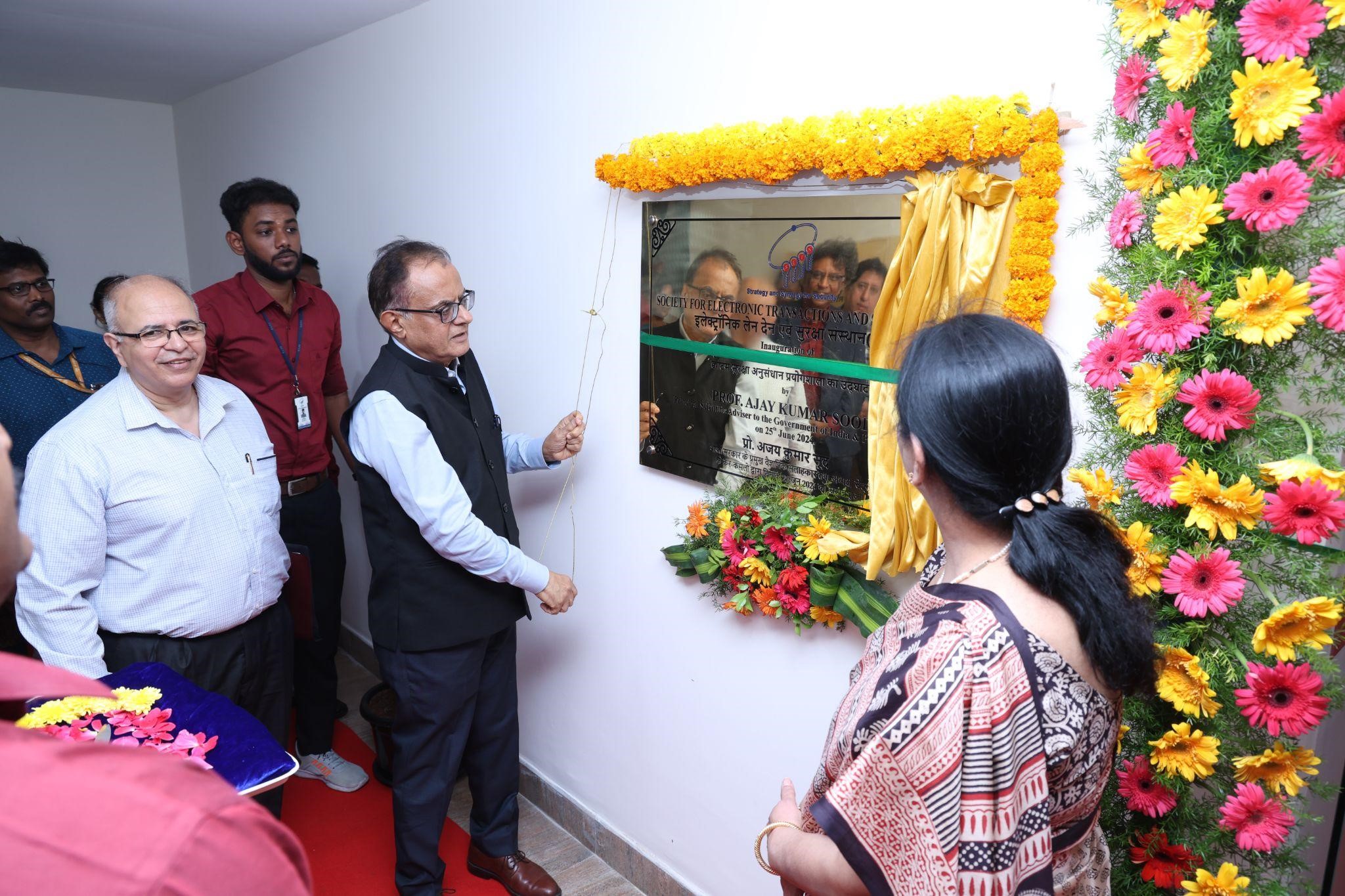
 

(PSA Prof. Sood inaugurating Quantum Security Research Lab )

The Foundation Day celebration also witnessed Technology Sessions hosted by SETS’ scientists and provided a technical deep dive into topics including post-quantum cryptography, side-channel analysis & hardware security, quantum communication security, security for blockchain, and network & IoT Security areas.
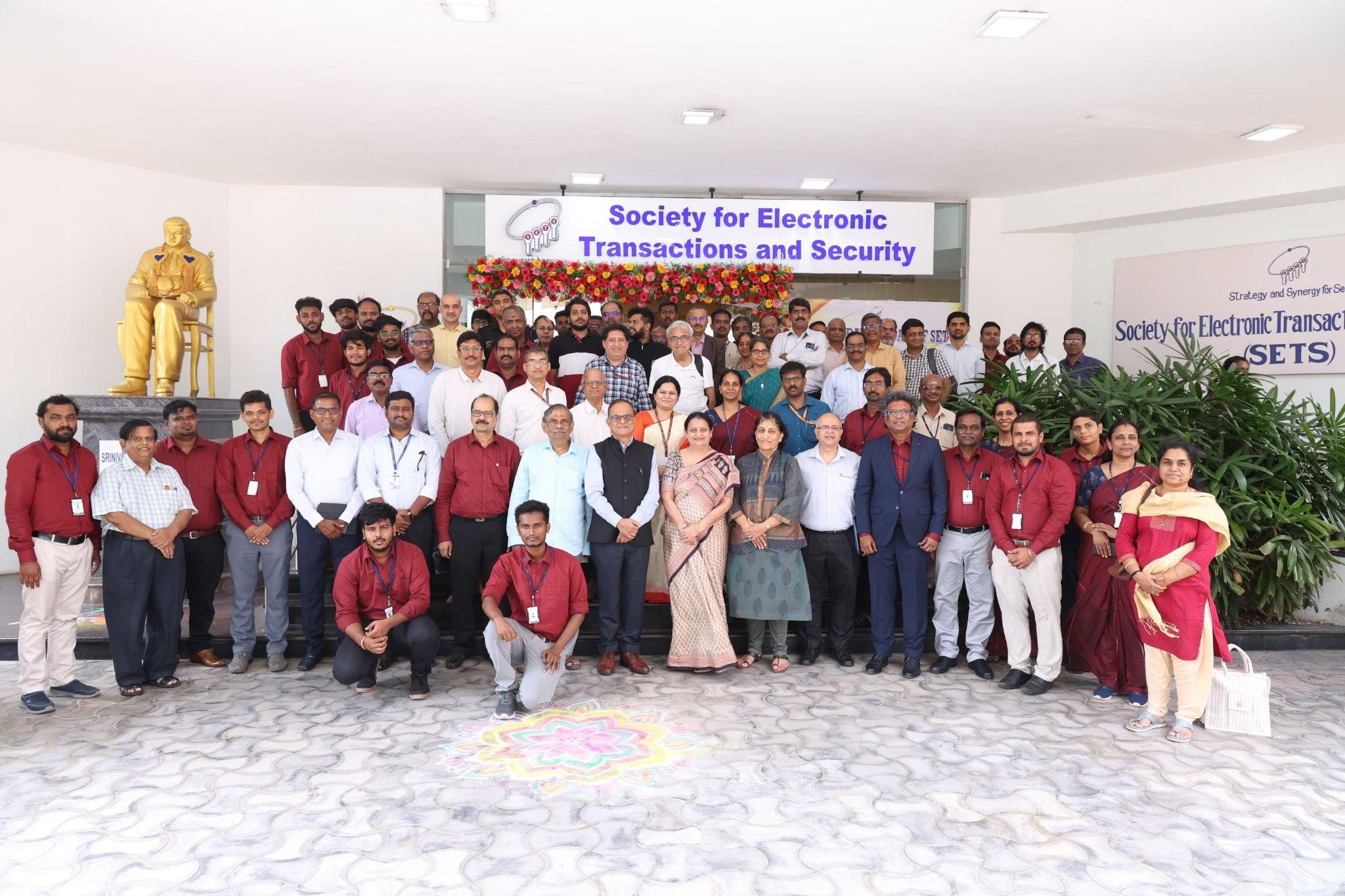
(Group Photo commemorating 23rd Foundation Day Celebration at SETS)

The event was attended by various agencies like National Informatics Centre, Standardisation Testing and Quality Certification (STQC) Directorate, DRDO, Military College of Telecommunication Engineering (MCTE), Ministry of Home Affairs (MHA), Department of Telecommunications (DoT), Tamil Nadu e-Governance Agency (TNeGA), Unique Identification Authority of India (UIDAI), Controller of Certifying Authorities (CCA), Institute of Mathematical Sciences (IMSc), Chennai Mathematical Institute (CMI), IIT Madras, IISc Bangalore, C-DAC along with representatives from industries and startups. 


***
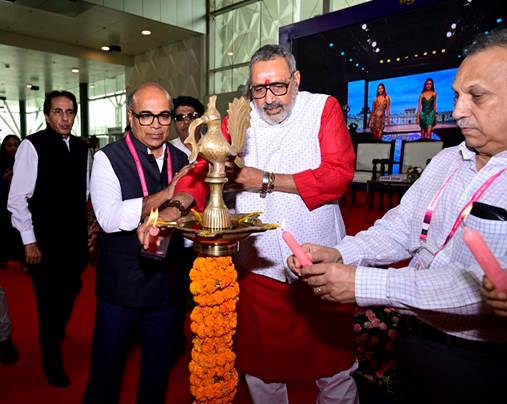
Developing world class manufacturing facilities is a must for realizing the Prime Minister’s vision of “Make in India “with “Zero Effect; Zero Defect”

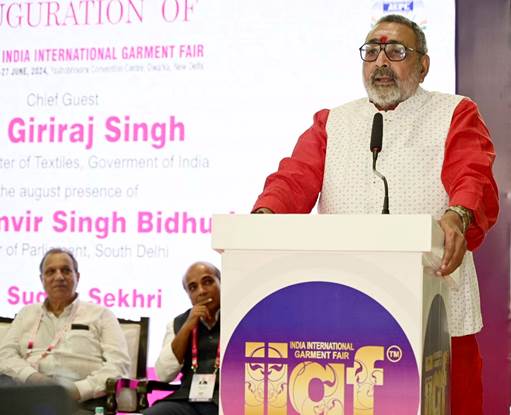
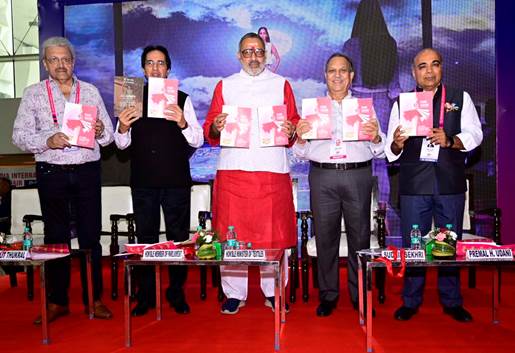
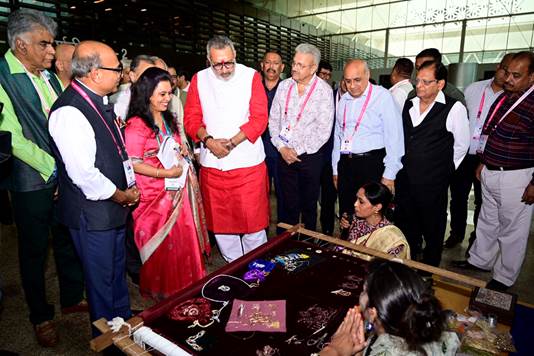
 Union Minister for Textiles, Shri Giriraj Singh inaugurated the 71st edition of the India International Garment Fair (IIGF) at Yashobhoomi Convention Centre today. Delivering his inaugural address, the Union Minister emphasized that the India International Garment Fair (IIGF) offers a unique marketing platform for micro, small, and medium exporters, showcasing India’s latest trends and diverse offerings to the rest of the world. Shri Giriraj Singh further said that developing world class manufacturing facilities is a must for realising the Prime Minister’s vision of “Make in India “with “Zero Effect; Zero Defect” at each level of the value chain.

Shri Singh also called for the adoption of the ‘hub and spoke’ model to enhance domestic manufacturing, encouraged industry collaboration and underscored the importance of establishing Indian brands. The ministry is also poised to revive the Scheme for Integrated Textile Parks (SITP) to create internationally standardized parks.

Shri Giriraj Singh stated that, “Today, India is one of the fastest growing economies in the world with a GDP growth rate of 7.2% and is expected to be 3rd largest economy by 2027-28.” The convergence of a positive domestic outlook with a growth-oriented political establishment has provided a conducive ecosystem for business in India. Several measures have been taken by the Government of India to enhance the infrastructure sector and ease of doing business, he added.

Further, the Minister stated that, the Indian Apparel and textiles market is of the size of 165 billion USD which has to touch 350 USD billion; a target, which has been fixed after industry consent. I request you to take it to 50 billion USD by 2030. Prime Minister made a roadmap to promote technical fiber and Geo textile, which is providing huge options for growth.


“I have said that my challenge is not Bangladesh. I would like to take ahead of China in time to come. Bangladesh water and raw material charges are going high. Further Shri Singh suggested that we will make small clusters for smaller players in India to boost RMG exports”.

Textiles Minister Giriraj Singh announces the expansion of the Rs 10,000 crore PLI scheme to the garment sector to boost domestic manufacturing and exports. Addressing the India International Garment Fair, Singh emphasizes revamping textile parks, and promoting green textiles will be our focus.

Shri Sudhir Sekhri, Chairman AEPC during his address underlined, “the global headwinds negatively affected Indian apparel exports. But despite these adverse scenarios, the Indian apparel export industry was able to hold its own and contain the damage to quite an extent.

Shri Mithileshwar Thakur, Secretary General said that there is a greater chance for Indian apparel exporters to expand its footprint across developed countries in coming years. The Indian apparel industry must in-cash this opportunity and start dreaming big.

Knowledge sessions are also being organised on the sidelines on the 25th and 26th June’2024 covering various topics like Navigating Global Trade: Challenges and Opportunities for the Industry, The Efficiency Advantage: Driving Manufacturing – Excellence in Apparel and Sustainable Fashion: From Concept to Reality.

This fair being organised by the Apparel Export Promotion Council (AEPC) through the International Garment Fair Association (IGFA), in association with three major garment Associations of India namely, Clothing Manufacturers Association of India (CMAI), Garment Exporters & Manufactures Association (GEMA) & Garment Exporters Association of Rajasthan (GEAR), is a testimony of the collective spirit, team-work and synergies built by these associations to achieve greater goal. More than 600 buyers from 50 countries participated in the event. 71st Edition will also host two fashion shows each day, from 25th to 27th June’2024, showcasing the best of the collections exhibited during the show.

***

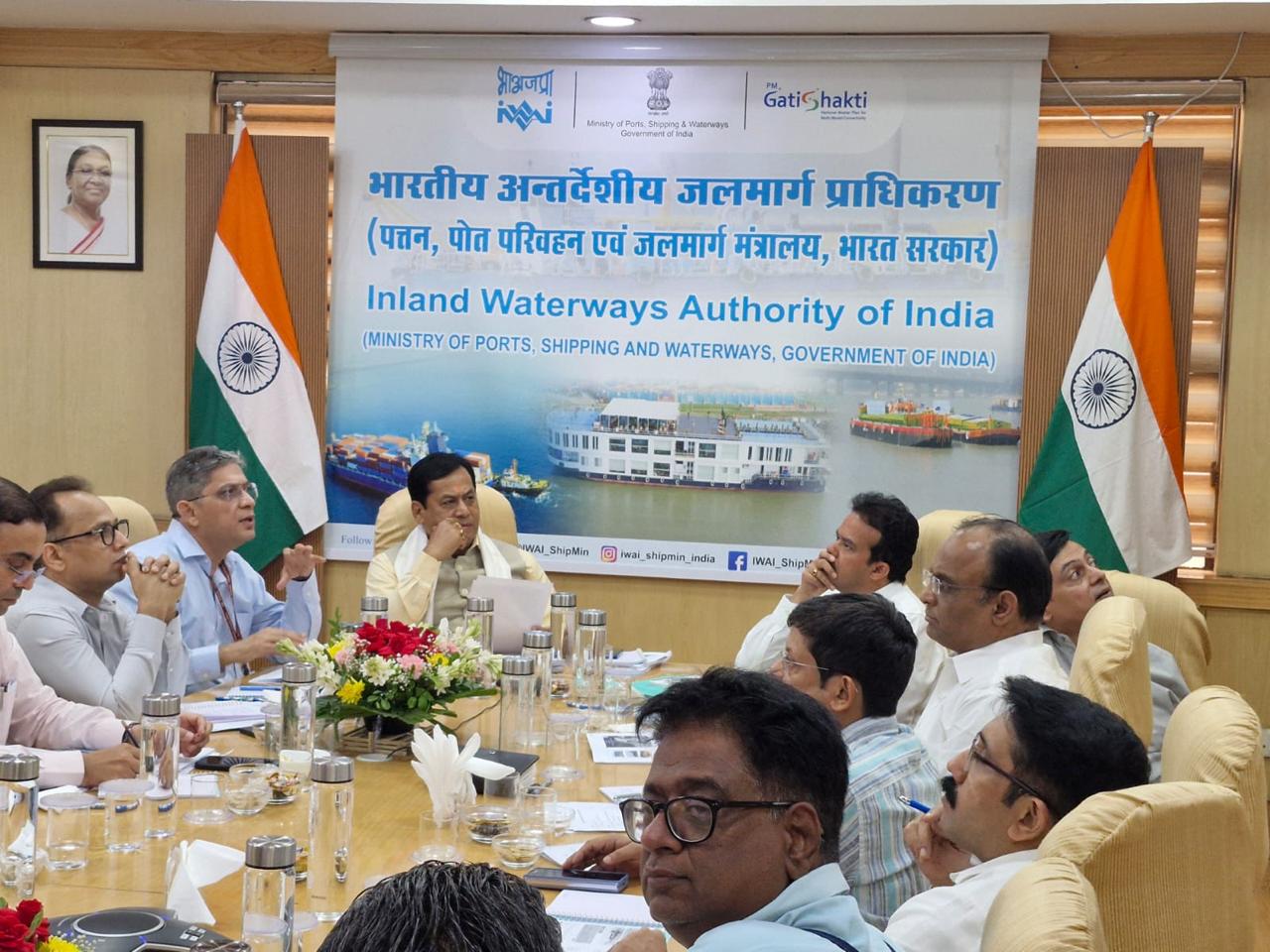
Shri Sarbananda Sonowal Reviews Inland Water Transport Projects at IWAI Headquarters

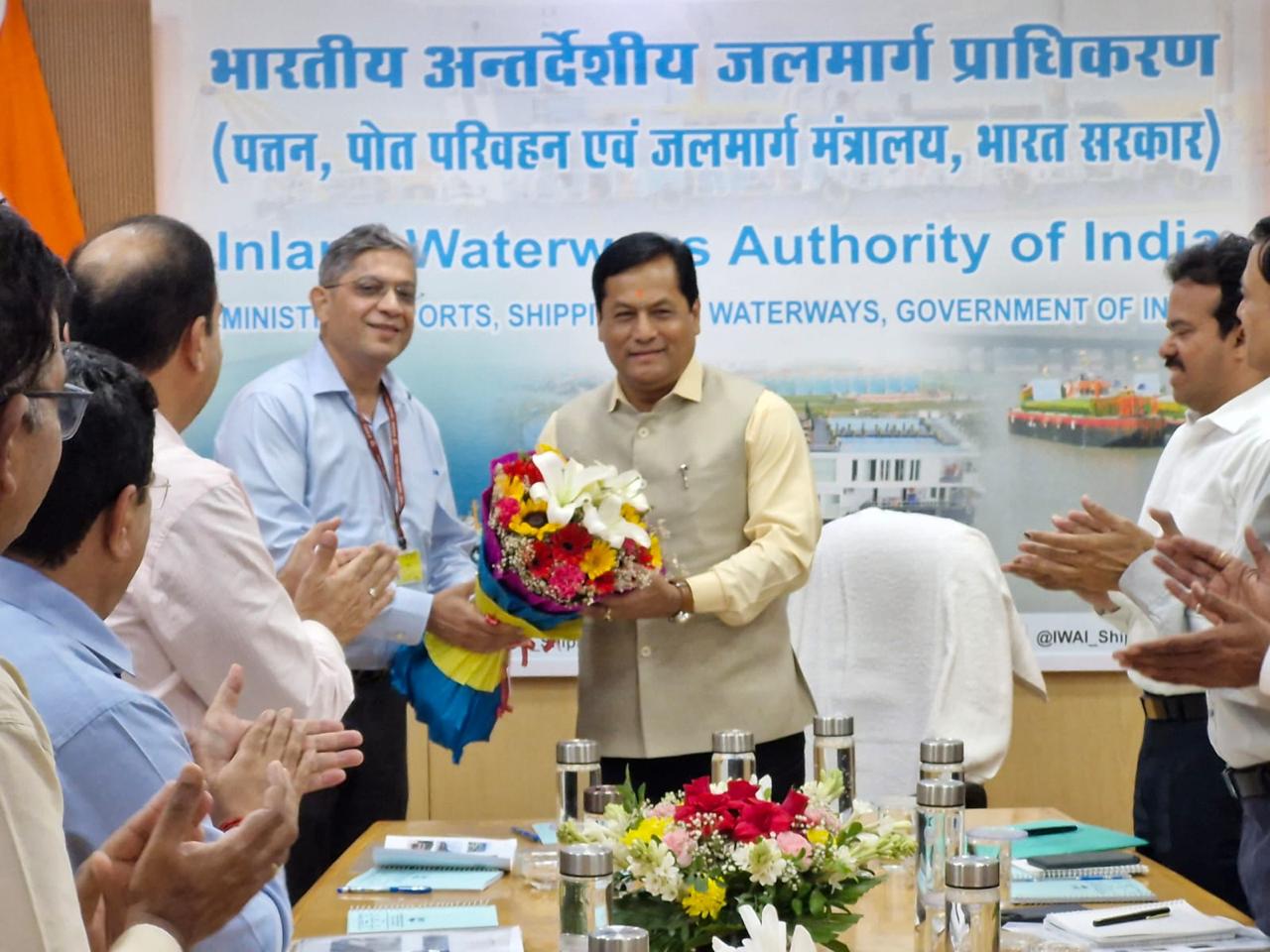
 Today, the Hon’ble Union Minister of Ports, Shipping, and Waterways, Shri Sarbananda Sonowal, visited the Noida Head Office of the Inland Waterways Authority of India (IWAI). During his visit, Shri Sonowal was briefed about the status of the 111 National Waterways in the country and how inland waterways are emerging as a sustainable mode of transportation to complement roadways and railways.

While interacting with senior officials of IWAI, the Hon’ble Minister emphasized the need to develop national waterways across the country and to significantly increase passenger and freight movement on waterways. He praised the efforts made to promote river cruise tourism in the country and recent initiatives such as the introduction of Hybrid Electric Catamaran vessels and the country’s first Hydrogen Vessel.

Additionally, Shri Sonowal reviewed the progress of the World Bank-funded Jal Marg Vikas Project (JMVP) on National Waterway (NW) 1 – River Ganga. The Authority is enhancing waterways infrastructure by constructing Multi-Modal Terminals at Varanasi, Sahibganj, and Haldia, and an Inter-Modal Terminal at Kalughat to facilitate freight movement and improve connectivity. IWAI is also installing community jetties to benefit communities residing along the banks of the river Ganga.

“MoPSW is committed towards developing a robust inland water transport system. By enhancing India’s national waterways, MoPSW and IWAI together aims to boost economic growth and ensure efficient, sustainable transportation options for the nation, in line with Prime Minister Narendra Modi’s vision of a ‘New India’ with world-class infrastructure,” said Shri Sarbananda Sonowal.

During the interaction at IWAI, the minister unveiled a five-year action plan for developing new national waterways, emphasizing river cruises through targeted campaigns and events to boost tourism. Collaboration with Northeastern Region (NER) states was highlighted, with a robust mechanism in place to ensure effective CSS project implementation. Addressing human resource issues, the minister discussed overcoming challenges in the Indo-Bangladesh Protocol (IBP) route and proposed innovative solutions for expediting Inland Water Transport (IWT) work in Goa, Maharashtra, and Gujarat, leveraging technology and inter-state cooperation to enhance national infrastructure.

Shri Sonowal also assessed the interventions being made by the Authority to promote IWT activities in North Eastern Region especially NW 2, 16 and 31 i.e. Brahmaputra, Barak and Dhansiri rivers in Assam. Initiatives to improve regional connectivity with neighbouring countries like Bangladesh, Bhutan, Nepal and Myanmar were also evaluated.  New technological advancements by IWAI made to improve navigation were also showcased to the Union Minister. This included initiatives like PANI – Portal for Assets and Navigational Information, RIS – River Information System, CAR-D for collection and compilation, analyses and dissemination of cargo and cruise movement data and also future projects like Central Database and National River Traffic and Navigation System among others.

As a symbol of growth and prosperity, Shri Sonowal also planted a sapling in the premises of IWAI in the presence of Shri Vijay Kumar, Chairman, IWAI, Sh.R. Lakshmanan, Joint Secretary (IWT) MoPSW, Sh Sunil Kumar SINGH, Vice Chairman, IWAI and other senior officials of the Authority.

Notably the cargo movement on national waterways has increased to over 133 million tons recording a CAGR growth of 22.1% over a period of ten years from FY 2014 to FY 2024. IWAI aims to increase the modal share of freight movement through IWT from 2% to 5% and traffic volume to more than 200 MMT in line with the Maritime India Vision 2030 and more than 500 MMT by 2047 as per the Maritime Amrit Kaal Vision 2047. The two vision documents formulated by the Ministry of Ports, Shipping & Waterways aim to promote inland water transport in a big way ensuring a sustainable complimentary mode of transportation in the country.

To enable inland waterways as conduits of economic growth and commerce in the country, an investment ₹45,000 crore for development of river cruise tourism in the country has been planned. Of this ambitious sum, an estimated ₹35,000 crore has been earmarked for cruise vessels and another ₹10,000 crore for development of cruise terminal infrastructure at the end of Amrit Kaal, i.e. by 2047. To amp up inland waterways for cargo trade, an investment of ₹15,200 crore has been arrived at the Global Maritime India Summit (GMIS) held in Mumbai in October, 2023. This is likely to register a growth rate of more than 400%, increasing the volume upto 500 Million Tonnes Per Annum (MTPA) by 2047. With the Harit Nauka Guidelines, the MoPSW has put forth a strong commitment towards furthering passenger transport through waterways in an environment friendly and sustainable manner by promoting the adoption of low-emission fuel (CNG/LNG/electric/hydrogen/methanol) as propulsion fuel for inland vessel operations (Green Vessels).

***

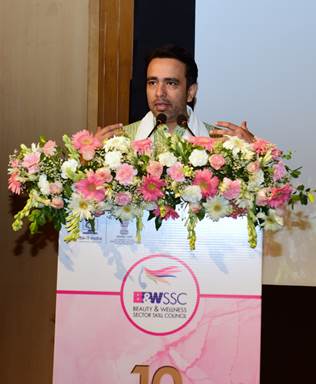
270 candidates certified by the Beauty & Wellness SSC at their Annual Convocation Ceremony

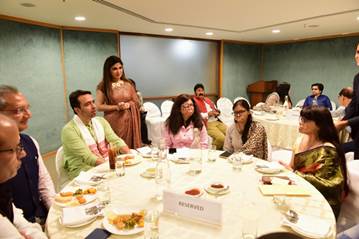
 Shri Jayant Chaudhary, Minister of State (Independent Charge), Ministry of Skill Development and Entrepreneurship (MSDE), today met and congratulated all the 270 candidates who have been certified under PMKVY 4.0 and various CSR projects under Skill India. This was the 3rd convocation ceremony organized by the Beauty and Wellness Sector Skill Council (B&WSSC) which has till now trained more than 13 lakh candidates under the mission. The event took place at the Indian Habitat Centre, New Delhi, and was attended by Shri Atul Kumal Tiwari, Secretary, MSDE; Shri Ved Mani Tiwari, officiating CEO, NSDC and MD, NSDC International; Dr. Blossom Kochhar, Chairperson, B&WSSC; Ms. Monica Bahl, CEO, B&WSSC and other prominent dignitaries.


Speaking at the occasion, Shri Jayant Chaudhary said that the global beauty and wellness sector is a promising sunrise industry and India has notably outpaced the global growth in this sector. Over the past nine years, B&WSSC has achieved remarkable milestones, creating 106 job roles with a strong focus on women empowerment and entrepreneurship, he added. He congratulated the graduates for exemplifying immense resilience and determination, transforming themselves into leaders within the vibrant industry. Among them are inspiring acid attack survivors who have become champions of their own stories, Shri Chaudhary commented.

The Minister also said that the sector’s exponential growth is a testament to India’s demographic dividend, set to provide opportunities for close to 3 crore people by 2030 and contribute to a Rs. 5 lakh-crore industry with significant prospects across the Asia-Pacific region. As the country moves towards the vision of a Viksit Bharat by 2047, the energy and vigour of its skilled workforce will be the driving force behind this sector’s success, he added.


The ceremony witnessed the certification of people from the LGBTQIA+ community and acid attack victims, highlighting the importance of establishing an inclusive, diverse and holistic skill ecosystem. The Minister interacted with the candidates and encouraged them while lauding them for their resilience and commitment to pursuing successful careers in the beauty and wellness industry. He also launched the B&WSSC’s Coffee Table Book – “Lakshaya-Transformative Tales of Empowerment”.

Aligned with the Prime Minister, Shri Narendra Modi’s vision of making India the Skill Capital of the World, B&WSSC offers various NSQF-aligned skill courses under the Skill India Mission, providing livelihood opportunities and enabling entrepreneurship. The SSC also collaborates with the state governments to extend skilling initiatives to the underprivileged from diverse and marginalized backgrounds including widows, prison inmates, school dropouts, acid attack survivors, and transgenders.

Under the Pradhan Mantri Kaushal Vikas Yojana (PMKVY), a flagship scheme of Skill India, B&WSSC has trained 4.89 lakh individuals, with 1.34 lakh certified under Recognition of Prior Learning (RPL) and 2.54 lakh certified under Short-Term Training (STT) and Special Projects (SPL), achieving a 49% placement rate. The top job roles under RPL include Yoga Instructor, Yoga Trainer, and Assistant Beauty Therapist, while under STT and SPL, the top roles are Assistant Beauty Therapist, Pedicurist & Manicurist, and Beauty Therapist.

One of the most inspiring aspects of this industry is its inclusivity and empowerment, with women constituting about 66% of the workforce—a figure expected to rise to 70% by 2030. The sector is becoming more gender-neutral, providing equal opportunities for all, supported by government and private sector initiatives promoting skill development across the country.


******

GNSS technology enhances navigation and positioning, playing a crucial role in modernizing toll collection systems, ensuring seamless travel, and reducing congestion on our roads

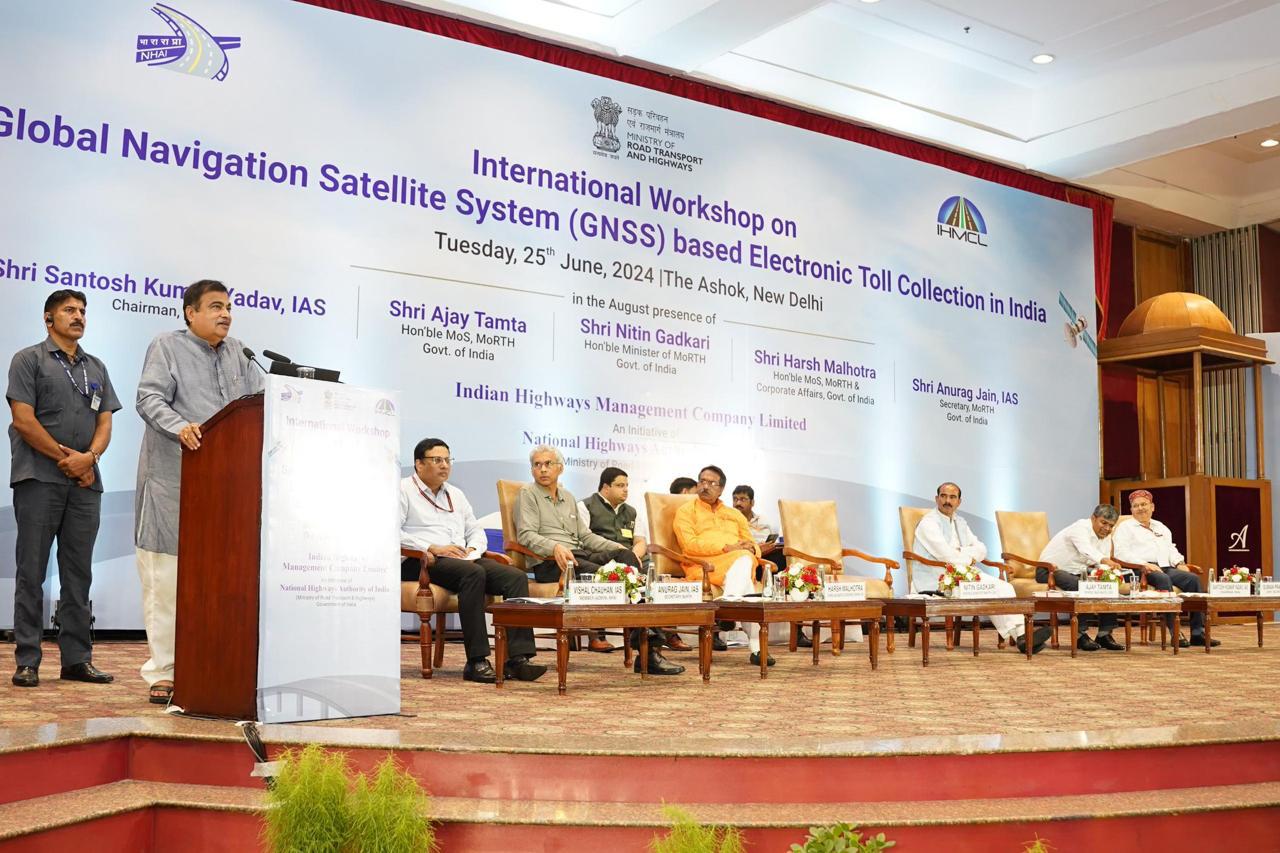
 To provide seamless and barrier-free tolling experience on National Highways, Indian Highways Management Company Limited (IHMCL), a company promoted by NHAI organised a day-long international workshop in New Delhi on ‘Global Navigation Satellite System (GNSS) based Electronic Toll Collection in India’. The international workshop provided a unique platform to both industry and global experts to deliberate various aspects related to smooth implementation of the free-flow tolling system based on GNSS technology in India.

 
Union Minister for Road Transport and Highways Shri Nitin Gadkari was the Chief Guest on the occasion. Shri Ajay Tamta, Union Minister of State, MoRTH; Shri Harsh Malhotra,Union Minister of State, MoRTH & Corporate Affairs; Shri Anurag Jain, Secretary, MoRTH; Shri Santosh Kumar Yadav, Chairman NHAI; Shri Vishal Chauhan, Member (Administration) NHAI & CMD IHMCL; Shri S.P. Singh, Joint Secretary (Logistics) MoRTH and senior officials from Ministry of Road Transport & Highways, NHAI, IHMCL along with international industry experts from the US and Europe and representatives from IITs, NIC, NPCI, C-DAC, HOA(I), NHBF, IRF, SIAM, Financial institutions and leading global technology companies were present on the occasion.

Multiple panel discussions were held at the daylong workshop, where varied industrial and technical professionals along with global GNSS experts deliberated upon different aspects that included On-Board Units (OBU), Commercial vehicles and NH fee rules, Toll Charger Software, Role of issuer entity and Essentials of road infrastructure for successful implementation of multi-lane free flow Global Navigation Satellite System (GNSS) based Electronic Toll Collection in India.

Speaking on the occasion, Union Minister for Road Transport and Highways, Shri Nitin Gadkari said, “GNSS technology enhances navigation and positioning, playing a crucial role in modernizing toll collection systems, ensuring seamless travel, and reducing congestion on our roads. We are continuously working towards easing citizens’ lives, making governance more transparent, and providing faster services.“

Shri Anurag Jain, Secretary, MoRTH said, “Participation from many global experts on GNSS in today’s workshop which is a testimony of the belief that the world has in India’s growth story. We are working to realize the vison of a developed India by 2047 and implementation of GNSS will be one of the important steps towards that goal.”
 
Shri Santosh Kumar Yadav, Chairman NHAI “Over the past decade, road network has expanded manifolds and National Highways carries over 70% of country’s freight along with the passenger traffic. Implementing GNSS will immensely contribute not only towards growth of our economy but will also make barrierless tolling a reality for our citizens.”
 
Shri Vishal Chauhan, Member (Admin), NHAI & CMD, IMHCL summarized the key takeaways and outlined the way forward from the panel discussions held during the daylong International Workshop on GNSS-based Electronic Toll Collection in India.
 
Global Navigation Satellite System (GNSS) based Tolling is a barrier free method of Electronic Toll Collection wherein the road users are charged on the distance they have travelled on the tolled Highway stretch.
 
NHAI plans to implement the GNSS-based Electronic Toll Collection (ETC) system within the existing FASTag ecosystem, initially using a hybrid model where both RFID-based ETC and GNSS-based ETC will operate simultaneously. Dedicated GNSS lanes will be available at toll plazas, allowing vehicles using the GNSS-based ETC to pass through freely. As GNSS based ETC becomes more widespread, all lanes will eventually be converted to GNSS lanes
 
Implementation of GNSS based Electronic Toll Collection in India will facilitate smooth movement of vehicles along the National Highways and is envisaged to provide many benefits to highway users such as barrier less free-flow tolling leading to hassle-free riding experience and distance-based tolling. The GNSS based Electronic Toll Collection will also help to plug leakages and check toll evaders resulting in more efficient toll collection system across the country.

MoHUA celebrates Transformative Milestones in Urban Development on the 9th Anniversary of AMRUT, Smart Cities Mission, and PMAY-U

 The Ministry of Housing and Urban Affairs commemorated today the 9th anniversary of three landmark initiatives: the Atal Mission for Rejuvenation and Urban Transformation (AMRUT), the Smart Cities Mission, and the Pradhan Mantri Awas Yojana – Urban (PMAY-U). These initiatives, launched on June 25, 2015, by Prime Minister Shri Narendra Modi, have collectively transformed urban infrastructure and improved the quality of life for millions of residents across India.

Senior Officials of Ministry of Housing & Urban Affairs briefing media on progress of AMRUT, PMAY-U and Smart Cities Mission


While briefing the media on the occasion, Additional Secretary, AMRUT, Smt D Thara, and Joint Secretary, PMAY- Urban Shri Kuldeep Narayan, outlined the progress of the respective missions since their inception. Smt Thara emphasised on capacity building and involvement of women and youth in the implementation of AMRUT projects at the grassroots.

AMRUT: Pioneering Sustainable Urban Infrastructure

Since its inception, AMRUT has aimed to create infrastructure that directly improves service provision to citizens. AMRUT 2.0, an extension of the original mission, has made significant strides in water supply, sewerage management, and water body rejuvenation.

Key Achievements under AMRUT 2.0:

1. Extensive Project Implementation:

  • Total Projects: 8200
  • Total Project Cost: ₹182,583.07 Crores

2. Sector-wise Breakdown:

  • Water Supply: 3530 projects, ₹112,530.1 Crores
  • Sewerage and Septage Management: 562 projects, ₹63,790.57 Crores
  • Water Body Rejuvenation: 2709 projects, ₹5420.5 Crores
  • Parks Development: 1399 projects, ₹841.91 Crores

3. Initiatives and Programs:

  • AMRUT Mitra: Engagement of over 350 Women SHGs in water sector activities.
  • Shallow Aquifer Management Project: Enhanced green cover and urban flooding mitigation.
  • Youth Connect Programme: Significant student and faculty participation in studying water bodies.


PMAY-U: Realizing the Vision of ‘Housing for All

Pradhan Mantri Awas Yojana – Urban (PMAY-U) was launched by Hon’ble Prime Minister Shri Narendra Modi on 25th June 2015 with a vision of ‘Housing for All’. Under PMAY-U, all-weather pucca houses with all basic amenities are provided to eligible beneficiaries of urban India. In the nine years of its journey, PMAY-U has transformed the lives of millions of families for whom a pucca house was no less than a distant dream.

Key highlights of PMAY-U:

  1. As on date, 114 Lakh have been grounded for construction while more than 84 Lakh houses have already been completed and delivered to beneficiaries. As on date out of committed Central Assistance of ₹2 lakh crore, ₹1.64 lakh core has been released.  
  2. To empower young professionals and Middle- Income Group (MIG) to own a house, MIG was also added in a government housing scheme for the first time ever through the Credit Linked Subsidy Scheme (CLSS) vertical from 2017-2021. Under CLSS for EWS/LIG/MIG, an Interest subsidy of ₹ 58,868 crore has been approved for 25.04 lakh beneficiaries.  
  3. The Mission adopts an inclusive approach, providing equal opportunity to all, irrespective of gender, caste, creed or religion and women empowerment forms the core of  PMAY-U. PMAY-U promotes women empowerment by providing the ownership of houses in the name of female member or in joint name. Over 94 lakh houses have been provided under the name of women, thus giving them an identity of their own.   
  4. Under PMAY-U, new construction technologies are being promoted at large scale. Light House Projects (LHPs) at six locations of the country, are the perfect example of promotion of affordable housing projects constructed using innovative technologies in less time and that can be further replicated in Indian context. The LHPs located in Chennai, Rajkot, Indore, Lucknow and Ranchi have already been inaugurated by Hon’ble Prime Minister while in Agartala, the construction is in advanced stage. 
  5. Apart from LHPs, Demonstration Housing Projects (DHPs) are also being promoted under the Mission. DHPs are model housing project built with new/alternate technologies and to promote use of such technologies, on-site orientation to practitioners in housing sector is also being provided.
  6. Aligning with the Prime Minister’s vision of AatmaNirbhar Bharat, the sub-scheme of Affordable Rental Housing Complexes (ARHCs) was launched in July 2020 under PMAY-U. Under two different models, ARHCs provide ease of living through access to dignified affordable rental housing for urban migrants/poor close to their workplace. 
  7. The magnitude of investment in the Mission has propelled cascading effect on the economy due to its backward and forward linkages. It is estimated that investment under PMAY-U would has created more than 323 Lakh jobs in total, where 100 Lakh are direct and 223 Lakh are indirect. It is estimated that so far, construction activity under the Mission would have consumed approximately 55.7 million MT of cement and 12.6 million MT of Steel, providing a much-needed impetus for the economy. 
  8. Further, on 10.06.2024 Government has resolved to provide assistance to 3 crore additional rural and urban households for the construction of houses, to meet the housing requirements arising out of the increase in the number of eligible families. Accordingly, PMAY-Urban is being revamped to provide Assistance to 1 crore eligible urban families. 

Smart Cities Mission: Advancing Urban Innovation and Technology

The Smart Cities Mission has been a beacon of urban transformation, enhancing the quality of life in 100 cities through over 8,000 innovative projects worth approximately ₹1.6 lakh crore.

The mission has attempted innovative ideas, since its inception, which include competition for selection amongst cities, use of city Special Purpose Vehicles as implementation agencies, sector-neutral, inclusive, stakeholder driven & bottom-up approach to project development/selection, large-scale use of technology/ digital solutions, tremendous community involvement etc. Each of the 100 cities have developed a diverse set of projects, many of which are very unique and being implemented for the first time, thus improving the city’s capabilities and experience and achieving larger transformation goals at the city level.

As on 25 June 2024, 7,160 projects worth ₹ 1,43,778 Crore had been completed and another 854 projects worth ₹ 20,392 crore are in advanced stages of completion. GOI has released ₹46,387 crore to 100 cities. 93% of released GOI funds have been utilized.

Key Achievements under Smart Cities Mission:

  1. Integrated Command and Control Centres (ICCC):
    • All 100 smart cities have operationalized ICCC, leveraging AI, IoT, and data analytics to enhance city operations such as transport management, water supply, and solid waste management.
  2. Public Safety and Security:
    • Over 76,000 CCTV surveillance cameras have been installed across 100 cities, bolstering city-wide crime monitoring efforts.
    • Installation of 1,884 emergency call boxes, 3,000 public address systems, and traffic enforcement systems have significantly improved public safety.
  3. Water Supply:
    • More than 6,800 kms of water supply system being monitored through SCADA, reducing the non-revenue water and leakages.
  4. Solid Waste Management:
    • Around 4,800 vehicles across 50+ smart cities have been RFID enabled for Automatic Vehicle Location (AVL) to improve solid waste management in addition to innovative technologies deployed to improve Route Management, Collection and Daily Management, etc.
  5. Streetlights:
    • More than 50 Lakhs Solar/LED Streetlights have been installed and over 89,000 kms of underground electricity cabling constructed.
  6. Mobility Solutions:
    • Development of 12,300 kms of smart roads and 2500+ kms of cycle tracks, alongside the Intelligent Transport Management System (ITMS), has streamlined traffic operations and journey times.
  7. Affordable Housing and Community Development:
    • 44,054 Dwelling Units constructed, and 6,312 number of rooms built in community housing projects like Rain Basera, Hostel (non-educational), night shelters etc.
  8. Vibrant Public Spaces:
  • More than 1,300 parks, green spaces and lakefront/riverfront promenade developed/ being developed.
  1. Smart Solutions:
  • 9,754 number of WiFi hotspot locations created, and more than 76,000 CCTV cameras installed.
  1. Education:
  • 6,855 numbers of smart classrooms have been developed and 40 numbers of Digital Library developed.
  1. Health:
  • 308 e-health centers and clinics have been developed (without dedicated beds) and 255 numbers of health ATMs installed.
  1. Economic Hubs:
  • 37 incubation centers/skill development centers developed and over 50 market redevelopment projects completed.
  1. PPP:
  • 51 cities have successfully developed 200 projects with Public Private Partnership (PPP) worth around ₹ 10,000 crores. 
  1. Climate Resilience:
  • 153 numbers of environmental sensors installed, and more than 5,300 personnel and volunteers trained for disaster response.

******

Comprehensive workshop to strategize and empower the States and Union Territories for preparation of 21st Livestock Census


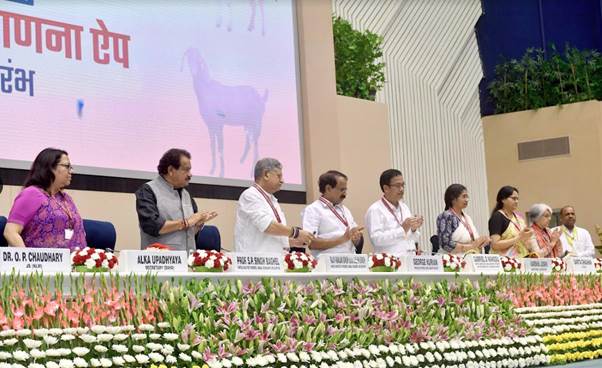
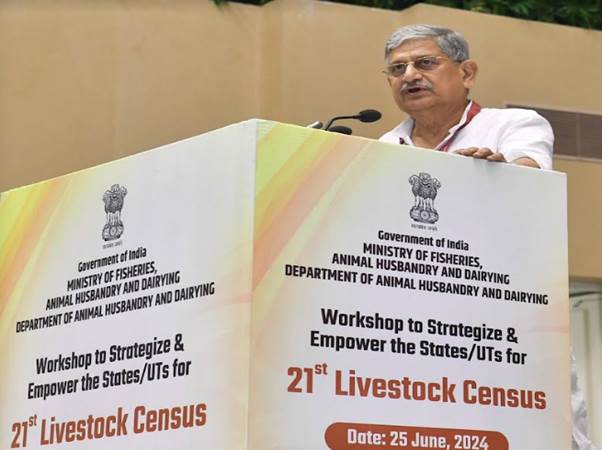
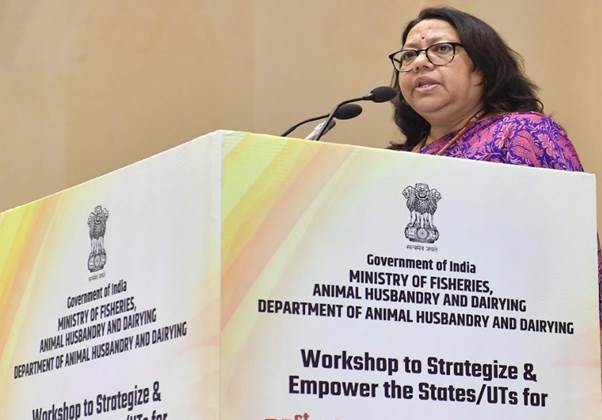
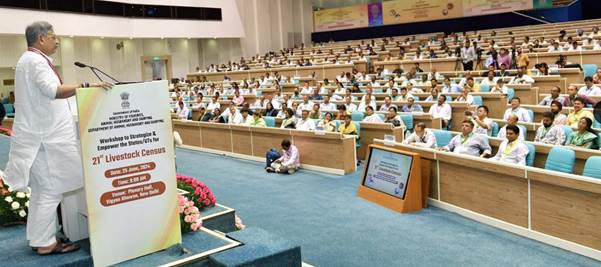
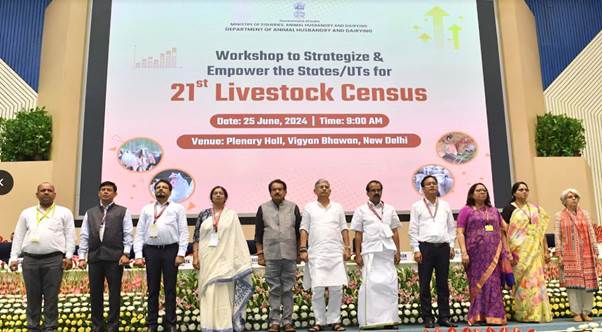
Union Minister of Fisheries, Animal Husbandry and Dairying, Shri Rajiv Ranjan Singh alias Lalan Singh inaugurated workshop today to strategize and empower the States and Union Territories (UTs) for preparation of 21st Livestock Census at Vigyan Bhawan, New Delhi. Ministers of State for Fisheries, Animal Husbandry and Dairying, Prof. S. P. Singh Baghel and Shri George Kurian were also present. The mobile application developed for 21st Livestock Data collection also launched by the Union Minister in the workshop.

Union Minister Shri Rajiv Ranjan Singh underscored the importance of the livestock sector to India’s economy and food security. He called for meticulous planning and execution of the census, stressing that the data gathered would play a crucial role in shaping future initiatives and addressing challenges in the sector. Union Minister informed that the workshop aimed at ensuring a coordinated and efficient approach to the upcoming census scheduled during September-December 2024.


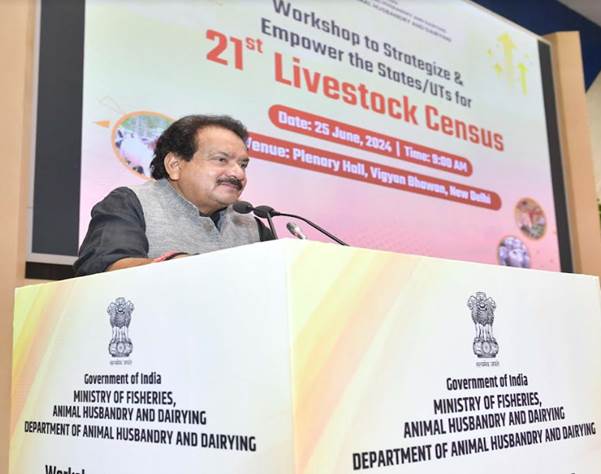
Prof. S.P. Singh Baghel addressed the workshop and highlighted the need for comprehensive training and capacity building at the grassroots level. He acknowledged the efforts of the department in organizing such a strategic workshop and encouraged the participants to actively engage in the training sessions to enhance their understanding and capabilities.


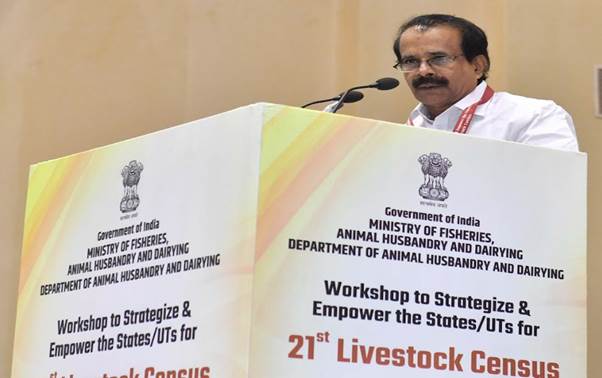
Shri George Kurian emphasized the integration of sustainable practices within the livestock sector. He pointed out that the census data would contribute to the National Indicator Framework of Sustainable Development Goals, thereby aligning with broader national and global sustainability targets.

Ms. Alka Upadhyaya, Secretary, Department of Animal Husbandry & Dairying highlighted the importance of this workshop in her address, underscoring the department’s commitment to leveraging technology for accurate and efficient data collection. She emphasized the collective responsibility of all stakeholders to ensure the success of the 21st Livestock Census, which will play a critical role in shaping the future policies and programs of the Animal Husbandry sector and urged them to leverage the latest technologies to ensure the success of the census.

The workshop included detailed sessions on the methodologies and guidelines for the 21st Livestock Census, training on the mobile application and dashboard software, and an open house discussion for addressing queries and concerns.

The Department of Animal Husbandry & Dairying, Ministry of Fisheries, Animal Husbandry & Dairying conducted a comprehensive workshop to strategize and empower the States and Union Territories (UTs) for preparation of 21st Livestock Census. The workshop featured a series of sessions beginning with a brief description of the 21st Livestock Census by the Animal Husbandry Statistics Division, followed by a detailed presentation from ICAR-National Bureau of Animal Genetic Resources (NBAGR) on the breed details of species to be covered in the census. The importance of accurate breed identification was emphasized, which is crucial for producing precise statistics used in various livestock sector programs and for the National Indicator Framework (NIF) of Sustainable Development Goals (SDG).

*****

C-DAC and AICTE sign MoA to create an ecosystem for human resource development in High Performance Computing and allied areas

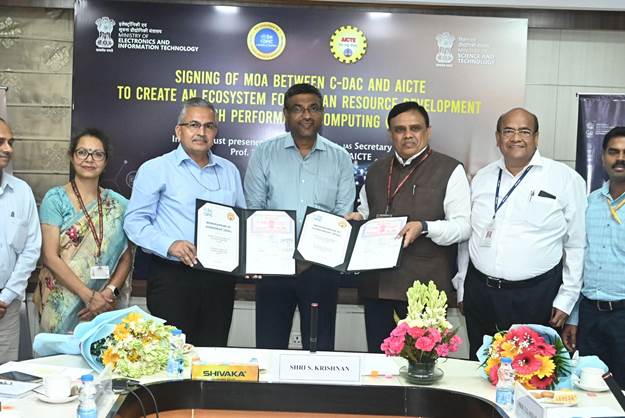
 Centre for Development of Advanced Computing (C-DAC) today entered into Memorandum of Agreement (MoA) with All India Council for Technical Education (AICTE) to create an ecosystem for human resource development in High Performance Computing (HPC) and allied areas.

The MoA was signed by Prof. T. G. Sitharam, Chairman AICTE and Col. Asheet Nath (Retd.), Executive Director, C-DAC Pune and Corporate Strategy, in presence of Shri S. Krishnan, Secretary, Ministry of Electronics and Information Technology (MeitY), and other officials of MeitY & Department of Science and Technology (DST).

Some of the key activities to be taken up under this Memorandum of Association (MoA) are:

  • Master Trainer Programs: These training and refresher programs will be conducted to train the Master Trainers in order to enhance their teaching skills in HPC and allied technologies. The master trainers will in turn train faculty members with the necessary knowledge to teach students in their colleges.
  • Quality Improvement Programs: These training programs will be conducted to enhance the subject expertise in HPC and allied technologies of faculties from streams other than Computer Science.
  • Courses on SWAYAM: Courses in HPC will be offered on the Ministry of Education’s SWAYAM platform which offers free online courses in various disciplines to the learners. This will help in reaching out to students across the country
  • Formulation of Course Aligned with Industry Needs: HPC related courses will be designed in such a way so as to ensure that they are aligned with the current and emerging requirements of the HPC industry.
  • Offering C-DAC developed HPC learning platforms: C-DAC will offer the HPC learning platforms like PARAM Shavak, PARAM Vidya and other upcoming ones through AICTE to nominated institutes

As is evident from these objectives, the MoA between C-DAC and AICTE aims to drive sustainable human resource development in HPC and allied technologies, foster innovation, and meet the evolving needs of the industry and academia.

On this occasion, Shri S. Krishnan, Secretary, MeitY mentioned that the HPC-aware manpower development activity under NSM will now reach a wider audience in engineering colleges across the country. “This, in turn, will help in building HPC-related capability in the technical workforce, making them ready for the industry”, he added.

Prof. T. G. Sitharam, Chairman AICTE said “With the signing of this MoA between AICTE and C-DAC, we are taking a significant step towards creating a robust ecosystem for High Performance Computing (HPC) education in India.”. He also mentioned that this initiative aligns perfectly with the goals of the National Supercomputing Mission and the vision of NEP 2020, ensuring that our technical education system remains at the forefront of global advancements.

Advancing HPC through National Supercomputing Mission

Development of HPC aware manpower is one of the key deliverables of National Supercomputing Mission (NSM).  The NSM is a flagship program of the Government of India to build capacity and capability in HPC in the country, being executed by MeitY and DST. AICTE is mandated with planning and coordinated development of the technical education system across India and promotion of qualitative improvements of such education. Thus, to meet the goals of NSM, C-DAC is partnering with AICTE for the proliferation of HPC education in AICTE affiliated colleges across the country.

It is expected that 2500 faculty members from about 1000 engineering colleges across India will be trained through 50 Faculty Development Programs (FDP). These resources will then be able to teach HPC related topics to about 50,000 students as a part of their curriculum. To generate interest among aspirants from engineering colleges in the area of HPC, awareness programs introducing the nuances of HPC will be conducted in 1,000 colleges, eventually reaching out to 100,000 students. It is also proposed to install 50 numbers of PARAM Shavak – ‘Supercomputing Solution in a Box’ by C-DAC in AICTE affiliated institutions, helping students gain hands-on experience using supercomputers.

*****

Landmark 350th iDEX contract inked; MoD to collaborate with SpacePixxel Technologies Pvt Ltd for design & development of miniaturised satellite capable of carrying multiple payloads up to 150 kgs for Indian Air Force

 Innovations for Defence Excellence (iDEX), the flagship initiative of the Ministry of Defence, signed the landmark 350th contract in New Delhi on June 25, 2024. The contract was inked with SpacePixxel Technologies Pvt Ltd for the design and development of a ‘Miniaturised satellite capable of carrying Electro-Optical, Infrared, Synthetic Aperture Radar, and Hyperspectral payloads up to 150 kgs’. This challenge is being led by the Indian Air Force. The 150th iDEX contract was signed in December 2022, and within a span of 18 months, the 350th contract has been signed.

The contract was exchanged between Additional Secretary (Defence Production) & CEO, Defence Innovation Organisation (DIO) Shri Anurag Bajpai and Founder & CEO of SpacePixxel Technologies Pvt Ltd Shri Awais Ahmed Nadeem Alduri in the presence of Defence Secretary Shri Giridhar Aramane and other senior civil & military officials of the Ministry of Defence. SpacePixxel has been actively working to build and launch high-resolution hyperspectral imaging satellites to provide detailed earth observation data.

This 350th iDEX contract enables innovation in space electronics, wherein many payloads earlier deployed on dedicated large satellites are now being miniaturised. The modular small satellite will integrate multiple miniaturised payloads as per requirement, providing advantages like faster and economical deployment, ease of manufacturing, scalability, adaptability, and less environmental impact.

In his address, the Defence Secretary appreciated the unwavering commitment of new defence innovators for pushing the boundaries of technology and safeguarding the nation. Emphasising the importance of combining indigenisation with innovation, he stated that domestic capabilities provide a foundation for fostering innovation by offering a platform for experimentation and development. Innovation fuels indigenisation by driving the creation of new technologies and solutions that can be produced domestically, he said, assuring all possible support to the innovators at every step.

About iDEX

iDEX, the recipient of the esteemed Prime Minister Award for Public Policy in Innovation Category in 2021, has emerged as a game-changer in the defence ecosystem. Established by the DIO under Department of Defence Production, iDEX has launched 11 editions of the Defence India Start-up Challenge (DISC), and recently unveiled the Acing Development of Innovative Technologies with iDEX (ADITI) scheme to promote innovations in critical and strategic defence technologies.

In a brief period, iDEX has successfully gained momentum, fostering a burgeoning community of start-ups within the defence sector. It is currently engaged with over 400 start-ups and MSMEs. Till now, procurement of 35 items, worth over Rs 2,000 crore, has been cleared. iDEX has facilitated the creation of numerous job opportunities and played a pivotal role in the development of the defence ecosystem.

*****

Ladakh Achieves Full Functional Literacy

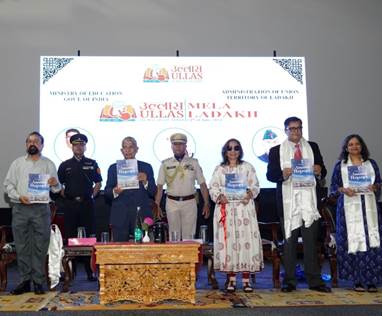
 Lieutenant Governor of Ladakh, Dr. B.D. Mishra, on 24 June 2024 declared Ladakh as the administrative unit to achieve Full Functional Literacy under the ULLAS – Nav Bharat Saaksharta Karyakram, after having achieved more than 97% literacy. This milestone reflects Ladakh’s commitment to empowering its citizens through Foundational Literacy and Numeracy, and Critical Life Skills for all. Dr. Mishra informed this in a celebration at Sindhu Sanskritik Kendra (SSK), Leh.


The declaration was made in the presence of Shri Sanjay Kumar, Secretary, Department of School Education and Literacy, Ministry of Education, Government of India; Smt. Archana Sharma Awasthi, Joint Secretary; Dr. Mohd. Jaffer Akhoon, Chairman, LAHDC, Kargil; Shri Sanjeev Khirwar, Principal Secretary, School Education, Ladakh; and more than 500 new literates and volunteers.

The ceremony included the felicitation of neo-literates and volunteer teachers and the launch of the Annual Achievement Report 2023 of the school department. dignitaries visited the ULLAS Mela.

While addressing the event Dr. Mishra motivated the new learners and volunteers to continue on the path of learning throughout their life. He said it is the parent’s responsibility to send their children to school. He also exhorted the students to not only look for jobs but also think of creating jobs. Praising Prime Minister Shri Narendra Modi for introducing the NEP 2020, he said that the policy paves the way for the future growth of the country.

While addressing the audience, Shri Sanjay Kumar congratulated the people of Ladakh on this momentous achievement and assured that the Ministry of Education will extend all possible support to improve the school education system of Ladakh. He reiterated that education has the power to change the world. As the name ULLAS suggests, it can bring immense joy to new learners, he said. He also highlighted that the entire ULLAS model is based on volunteerism in which volunteers register through the ULLAS Mobile App without any expectation of reward and simply teach the non-literates, which is the true beauty of this program. He also mentioned the inspiring stories of perseverance, such as taking exams in snowy conditions, underscore Ladakh’s passion for literacy. This achievement sets the stage for lasting positive change and endless opportunities in Ladakh, Shri Sanjay Kumar added.

ULLAS – Nav Bharat Saaksharta Karyakram or New India Literacy Programme (NILP) is a centrally sponsored scheme implemented from 2022-2027. The scheme aligns with the recommendations of the National Education Policy (NEP) 2020 and aims to empower those adults aged 15 years and above from all backgrounds who could not get due schooling and mainstream them with society to be able to contribute more to the growth story of the country. The scheme consists of five components – Foundational Literacy and Numeracy, Critical Life Skills, Basic Education, Vocational Skills, and Continuing Education. The vision of the ULLAS Scheme is to make Bharat – Jan Jan Saakshar and is based on the spirit of Kartvya Bodh and is being implemented on volunteerism. The scheme has benefitted more than 77 Lakhs people till now across the country. The ULLAS Mobile App has more than 1.29 Crore learners and 35 lakh volunteer teachers.

******

IAF CONCLUDES 3RD 'WARFARE & AEROSPACE STRATEGY PROGRAM' (WASP) WITH A CAPSTONE SEMINAR

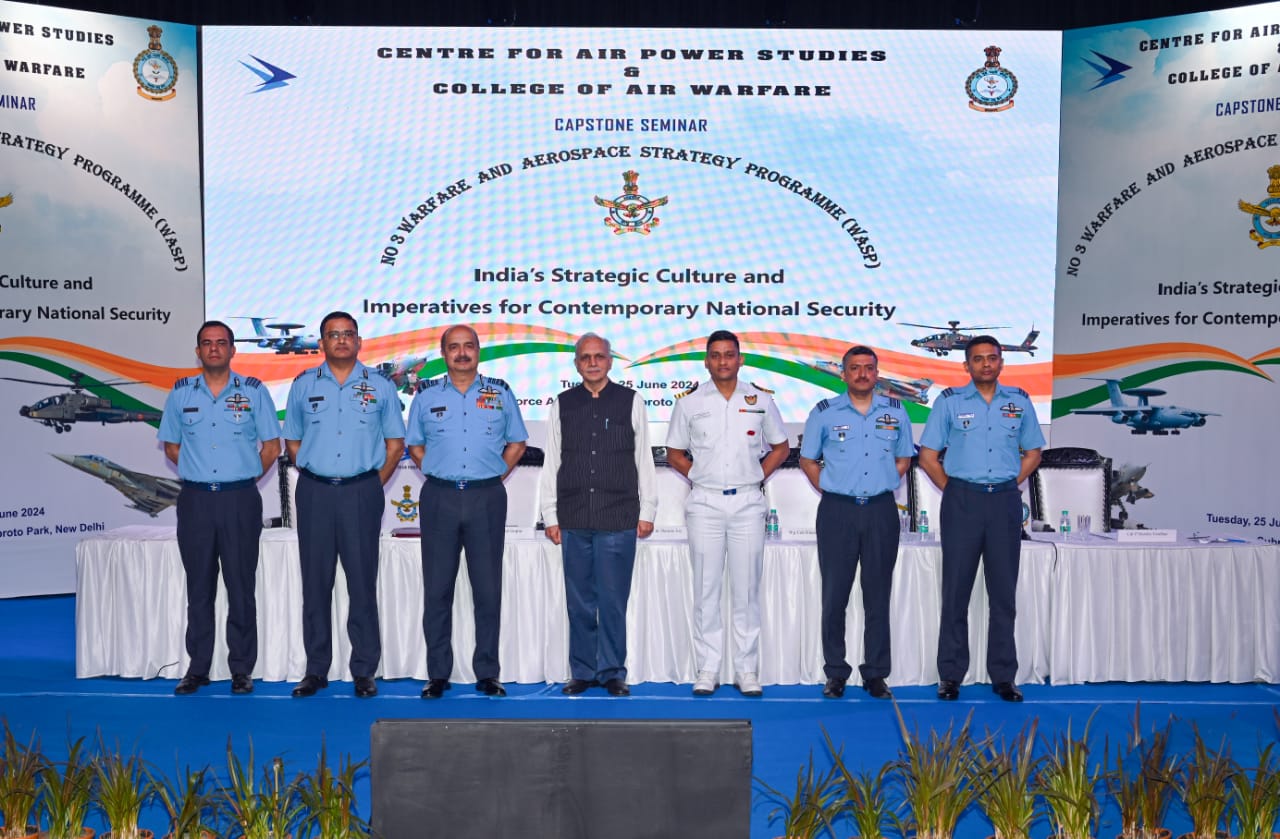
 Indian Air Force today conducted a capstone seminar marking the culmination of the No. 3 Warfare & Aerospace Strategy Program (WASP) at the Air Force Auditorium, New Delhi. The seminar with the theme “India’s Strategic Culture and Imperative for Contemporary National Security’ was conducted under the aegis of the College of Air Warfare and Centre for Air Power Studies.

 WASP is a strategic education programme of 15 weeks duration which was started in 2022 to provide the participants with a deep understanding of geo-politics, grand strategy and Comprehensive National Power. The broader aim is to nurture critical thinkers who can blend cross-domain knowledge to generate policy-driving ideas at the strategic level.

This edition of WASP saw tri-services participation for the first time. The participants comprised fourteen officers from Indian Air Force, two officers from the Indian Navy, one officer from the Indian Army and a research scholar. The participants underwent intensive training in the fields of Strategy, Military History, Civil-Military relations, Higher Defence Organisation, Aerospace Power, Information Warfare, Technology and Hybrid Warfare. The program was guided by an external faculty consisting of accomplished practitioner-scholars with extensive teaching and research experience. The graduates of the program were awarded a PG diploma in Strategic Studies by Rashtriya Raksha University.

Air Chief Marshal VR Chaudhari, Chief of the Air Staff (CAS), delivered the keynote address of the seminar which was attended by Gen Anil Chauhan, Chief of the Defence Staff, Gen Manoj Pande, Chief of the Army Staff, senior officers from all three services, aerospace power scholars, academia and established defence correspondents. He highlighted that the dynamic environment of modern warfare demanded that military leaders not only be adept at combat, but also possess strategic thinking ability and grasp of the evolving geo-political landscape. The CAS congratulated the course participants for successfully completing the rigorous program. While concluding, the CAS complimented the mentors who guided the participants through the programme and urged them to continue with the same zeal in the forthcoming editions of the WASP.

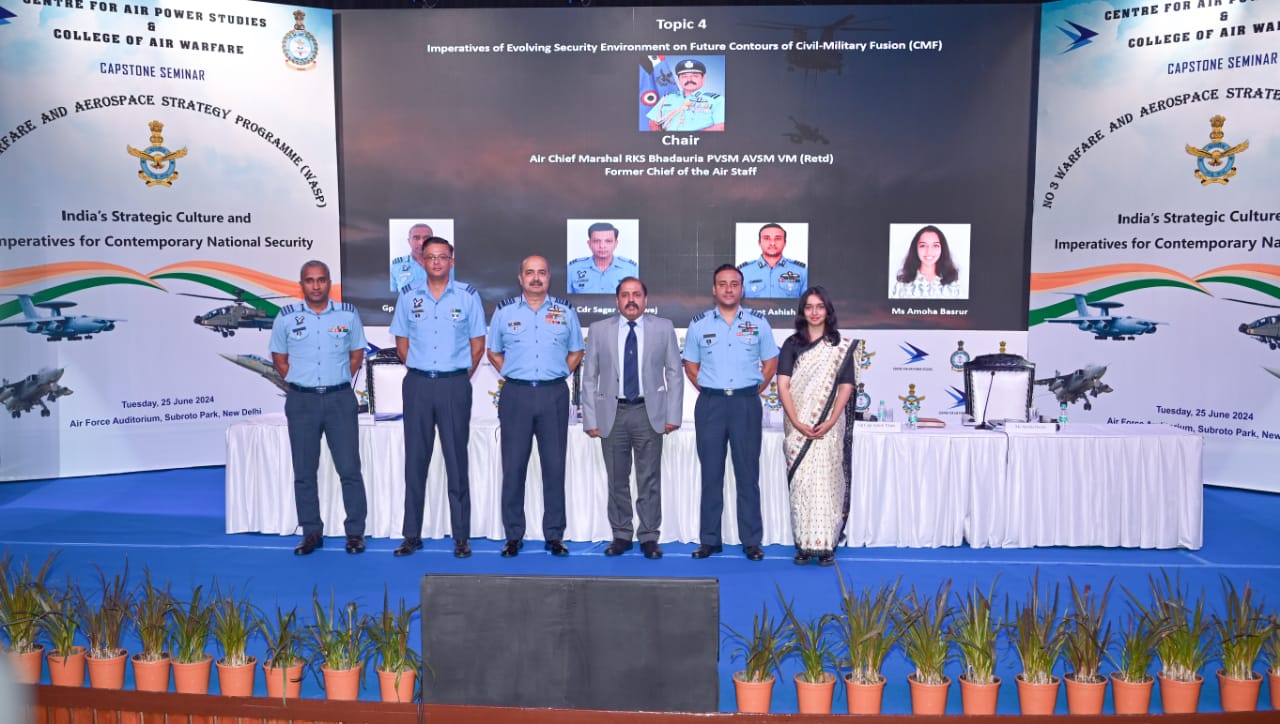
In the first session of the Seminar, the participants presented their papers on the topics of ‘Examining International Relations through India’s Strategic Culture’ and ‘Military Outlook through Strategic Partnerships’. This was followed by the second session, which saw them discussing ‘Evolution of Civil-Military Relations in India’ and ‘Imperatives of Evolving Security Environment on Future Contours of Civil-Military Fusion (CMF).

***

CCRAS Hosts National Consultative Meet on Traditional Medicine

 Fostering a pioneering effort in aligning traditional medicine research with global standards and priorities the Central Council for Research in Ayurvedic Sciences (CCRAS), an apex autonomous organization under the Ministry of Ayush, has signed two MoU’s with Shri Krishna Ayush University, Kurukshetra & Dabur, a leading Ayurvedic company in India.  CCRAS also launched its new and updated website.

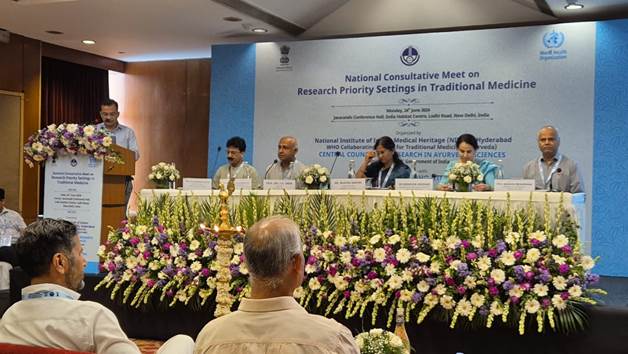
The first of its kind consultative meet brought together representatives from diverse domains of Traditional Medicine (TM) in India, including policymakers, academic institutions, researchers, patients, and industry stakeholders. The aim is to identify and prioritize key research areas across various traditional medicine systems such as Ayurveda, Siddha, Unani, and Homeopathy.

These announcements were made during the one-day National Consultative Meet on “Research Priority Settings in Traditional Medicine” on June 24, 2024, at the India Habitat Center, New Delhi, held in collaboration with the WHO-SEARO (World Health Organisation – South East Asia Region office) office and WHO-GTMC (World Health Organisation – Global Traditional Medicine Centre)

On this occasion,Vaidya, Secretary, Ministry of Ayush Rajesh Kotecha  said “The objective is to ensure effective utilization of funds and address critical areas of need within traditional medicine, including medicinal plant research, quality, safety, and efficacy studies, pre-clinical validations, rational use of traditional medicines, clinical trial monitoring, medical anthropology, and the digitalization of ancient medical literature and thereby supporting its global acceptance and integration”.

Director General, CCRAS, Prof. (Vaidya) Rabinarayan Acharya, said “We wanted to chart a research roadmap for the next decade and lay the groundwork for a decade-long research strategy in traditional medicine and align efforts with WHO guidelines. These two Mou’s with 

Dabur & Sri Krishna AYUSH University is a heathy start in this direction.

Vice Chancellor of Sri Krishna Ayush University, Kurukshetra, Haryana, Prof.  Kartar Singh Dhiman, emphasized the importance of MoU and under its ambit both parties will look at fostering the path for academic and research collaborations that provides opportunity to researchers and scientists for exchange of ideas through workshops, seminars. PhD Studies of CCRAS scientists.

Setting research priorities is a critical endeavor that guides the allocation of resources, shapes scientific agendas, and influences the direction of innovation and discovery. Setting research priorities in traditional medicine is need of the hour as increase in demand and the global accessibility and acceptability of systems fosters the need for same. The identified areas will shape the roadmap of policies for traditional medicine at regional or global level.

Around 150 stakeholders representing Ministry of Ayush, NITI Aayog, Heads of Research Councils from different streams of traditional medicine and homeopathy in India, Vice-chancellors of various reputed universities, Directors of National Institutes under ministry of Ayush, ICMR- NITM, CSIR, RIS-FITM, JNU New Delhi, WHO-SEARO, WHO-GTMC, policy makers, pharmacy representatives and media persons. The Round table discussions among Expert working groups shaped the prioritization exercise followed by a plenary session including the way forward. Dr. G P Prasad, Assistant Director (In-charge) of National Institute of Indian Medical heritage (NIIMH), a recently designated WHO Collaborating Center for Traditional Medicine in India and a co-organizer of this event points out that prioritization fosters the preservation and documentation of traditional knowledge, protecting cultural heritage and biodiversity associated with medicinal plants and indigenous healing practices.

****

India’s Nuclear Power generation capacity to increase by around 70 percent in the next 5 years

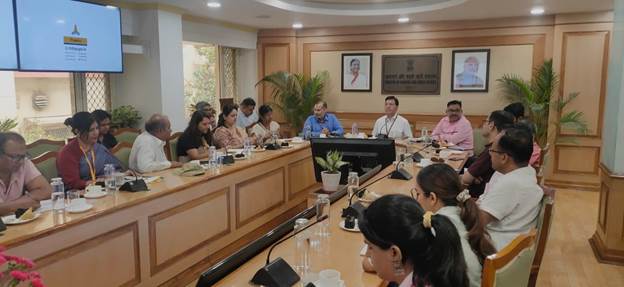
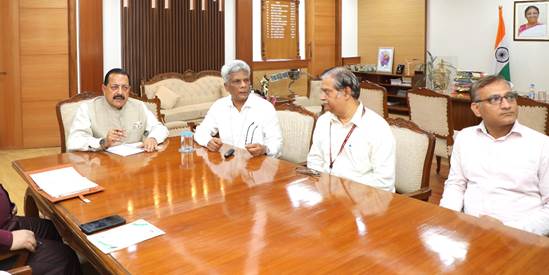
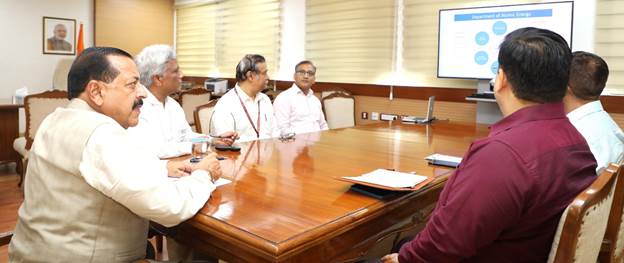
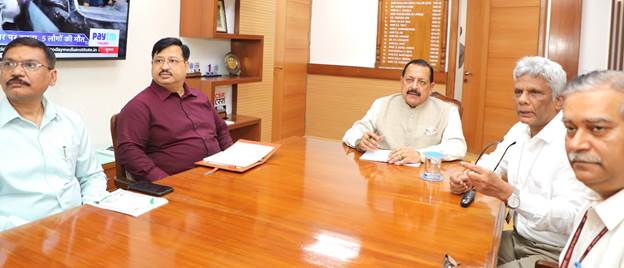
 India’s Nuclear Power generation capacity is to increase by around 70 percent in the next 5 years”, says Union Minister Dr. Jitendra Singh while convening a high-level meeting to review the 100 days Action Plan of the Department of Atomic Energy here today.

This is the first Atomic Energy related meeting convened by Union Minister of State (Independent Charge) for Science and Technology, Minister of State (Independent Charge) for Earth Sciences, MoS PMO, Department of Atomic Energy, Department of Space, Personnel, Public Grievances and Pensions, Dr Jitendra Singh after he reassumed charge as Minister in the Modi Govt 3.0.

Highlighting India’s progress in nuclear energy and renewable energy in the energy landscape, Dr Jitendra Singh said “Installed capacity of 7.48 GWe will become 13.08 GWe by 2029, which is over 70 percent increase with addition of 7 new reactors. He also took stock of the already operational projects and gave directions for upcoming plans.

Dr. Jitendra Singh directed the department to integrate and collaborate to harness full potential, by capacity building and sharing of knowledge, resources and expertise. The Minister emphasized on indigenous development of technology. He said, “Indigenous technology development and promoting energy security should be our priority.” He recalled that this government has allowed Joint Ventures with public sector units, increasing budget through collaboration, use of next generation technologies, and increasing cooperation. Speaking on the ease of doing research and scaling up activities he said we are giving single point approval to promote ease of science and promote ease of living for citizens by application of nuclear technology.

Dr. Jitendra Singh informed that the department is suitably designing the 220MW Pressurized Heavy Water Reactor (PHWR) to use a Bharat Small Reactor (BSR) for captive nuclear power generation. He also informed that DAE is also working on Bharat Small Modular Reactor (BSMR) 220 MW to use light water-based reactors by replacing Calandria by pressure vessel.

According to Dr, Jitendra Singh, BHAVINI, a public sector undertaking is in progress to complete initial fuel loading of Prototype Fast Breeder reactor and its 1st approach to criticality is expected in the coming months. This is the 1st fast breeder reactor to produce more fuel than it consumes.

The minister emphasized that along with energy security, health and food security, Radiopharmaceuticals & nuclear medicine, agriculture, and food preservation should also be focused. Adding further he said, development in radiation technology will lead to economic and societal benefit of common citizens and promote ease of living and promote research in basic, applied and translational sciences using subatomic particles.

Dr. Ajit Kumar Mohanty, Chairman, Atomic Energy Commission and Secretary, Department of Atomic Energy along with senior officials of the department were present for the review meeting.


****

 PK/PSM