DPIIT to conduct knowledge sharing workshop with Flipkart and Indian Toy Industry on June 12

 The Prime Minister Shri Narendra Modi during his “Mann ki Baat” address in August 2020, expressed his desire to establish India as a global toy manufacturing hub. In order to fulfill the vision, the Government has undertaken a series of initiatives including formulation of a comprehensive National Action Plan for Toys (NAPT) to promote designing of toys, using toys as a learning resource, monitoring quality of toys, promoting indigenous toy clusters etc.

This has resulted in remarkable growth of Indian toy industry in FY 2022-23 in comparison to FY 2014-15, with the decline in imports by 52%, rise in exports by 239% and development of overall quality of the toys available in the domestic market.

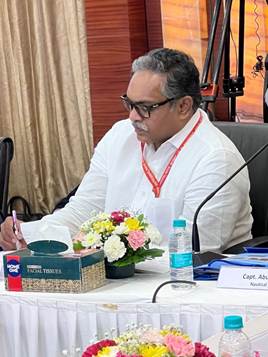
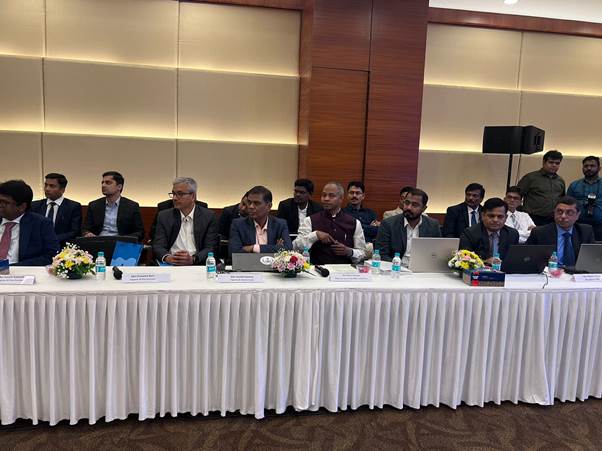
In order to enable further growth, increased market access and development of new-age marketing skills, DPIIT is conducting a workshop with Flipkart and Indian Toy Industry on 12th June 2024.  In the workshop, participation from Flipkart, Walmart and Toy Association of India is expected with around 100 participants.

The workshop aims to enhance India’s position and capabilities in the global toy supply chain. It will help the toy manufacturers understand the nuances of online selling which shall in turn help in the growth of sales and market access.

The Government has already undertaken a series of initiatives for development of Indian toy industry including:

  1. Basic Customs Duty (BCD) on toys (HS code 9503) was increased from 20% to 60% in February 2020, and subsequently to 70% in March 2023.
  2. Directorate General of Foreign Trade (DGFT) has mandated sample testing of each import consignment to curb the import of sub-standards toys
  3. A Quality Control Order (QCO) for Toys was issued in 2020, with effect from 01.01.2021.
  4. Special provisions were notified by BIS on 17.12.2020 to grant licences to micro sale units manufacturing toys without testing facility for one year and without establishing in-house testing facility, which was further extended by three years.
  5. BIS has granted more than 1400 licences to domestic manufacturers and more than 30 licences to foreign manufacturers for manufacture of toys with BIS standard Marks
  6. Cluster-based approach adopted to support domestic toy industry. The Ministry of MSME is supporting 19 toy clusters under the Scheme of Funds for the Regeneration of Traditional Industries (SFURTI), and the Ministry of Textiles is providing designing and tooling support to 26 toy clusters.
  7. Several promotional initiatives have also been undertaken to promote indigenous toys and encourage innovation, including The Indian Toy Fair 2021, Toycathon, etc.

With the workshop, DPIIT aims to synergize the industry with online marketplaces, thereby enabling opportunities for growth.

**
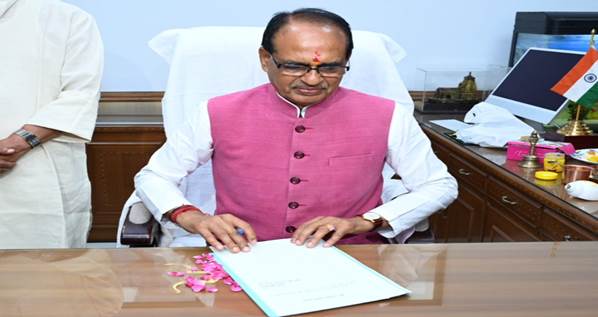
Union Minister Shri Shivraj Singh Chouhan officially takes charge of Ministry of Agriculture and Farmers welfare

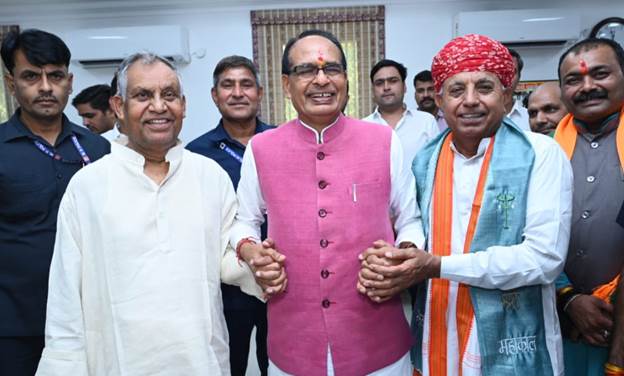
 Union Minister Shri Shivraj Singh Chouhan today took charge of the Ministry of Agriculture and Farmers Welfare. Speaking with media on the occasion, Shri Chauhan said he is happy to say that the first decision taken by the Prime Minister yesterday was in the interest of the farmers. He said the Prime Minister has resolved to double the income of farmers and the government will take every possible step for the welfare of farmers. The Minister also added that the NDA government has been committed for farmers’ welfare for past ten years and his Ministry will continue to work for achieving the goals.

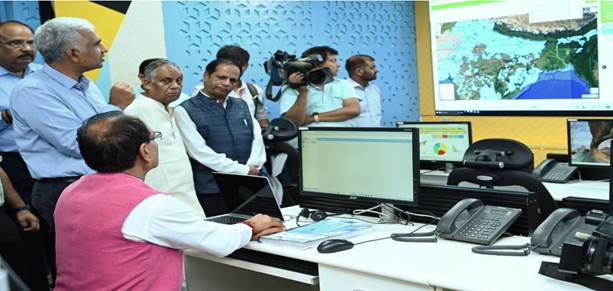
After taking over charge, the Minister visited various offices in the Ministry and interacted with staff at various levels including cleanliness workers. He exhorted them to work as a team for achieving the government vision for welfare of farmers and work in cooperation with each other. He also visited Krishi integrated command and control center in the Ministry and saw facilities to review the agriculture scenario within the country including crop production and drought preparedness.

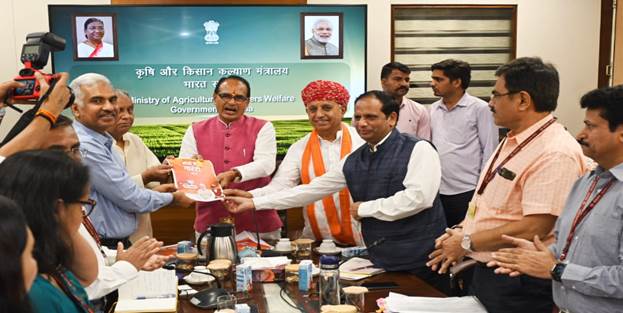
Later, he held a meeting of senior officials of the Ministry and underscored the need for transparency in Ministry functioning. He also handed government manifesto for welfare of farmers and rural development and called upon everyone to work towards its fulfilment. Shri Chauhan asserted that PM Narendra Modi is a visionary leader and called upon the officials to work on a roadmap for achieving goals set up in the manifesto. He said improving upon the lives of Annadata should be the mission of Ministry.

Shri Ramnath Thakur and Shri Bhagirath Choudhary also took charge as Ministers of State in the Ministry of Agriculture and Farmers Welfare. The hon’ble Ministers were welcomed by Secretary, Department of Agriculture & Farmers’ welfare Shri Manoj Ahuja, Secretary, DARE Shri Himanshu Pathak and other senior officials of the Ministry.

***

How to Get Book Indexed in Book

Daily writing prompt
What is your favorite season of year? Why?

Getting a book indexed in Google Scholar can significantly increase its visibility and accessibility to researchers and academics. While Google Scholar primarily indexes scholarly articles, it also includes books, conference papers, theses, and other scholarly documents. Here’s a comprehensive guide on how to get your book indexed in Google Scholar:

Photo by Zeynep Sena Au00e7ar on Pexels.com

Steps to Get Your Book Indexed in Google Scholar

  1. Ensure the Book is Scholarly
    • Google Scholar indexes content that is scholarly in nature, including research monographs, textbooks, and edited volumes. Your book should have citations, references, and contribute to academic knowledge.
  2. Publish with an Academic Publisher
    • Books published by recognized academic publishers are more likely to be indexed. These publishers often have partnerships with Google Scholar, facilitating automatic indexing of their books.
  3. Make Your Book Available Online
    • Google Scholar indexes content that is accessible online. Ensure your book is available on a website that Google Scholar can crawl, such as a university repository, an academic publisher’s website, or your personal website.
  4. Ensure the Book is in an Indexable Format
    • Use common formats like PDF or HTML. Google Scholar prefers PDFs, which are easier for the search engine to crawl and index.
  5. Include Metadata
    • Make sure your book includes clear metadata (title, author(s), publication date, abstract, etc.). This metadata should be embedded in the document and also available on the webpage hosting the book.
  6. Upload to Institutional Repository
    • Many universities and research institutions have digital repositories that are indexed by Google Scholar. Upload your book to such a repository to increase its chances of being indexed.
  7. Submit to Academic Databases
    • Submitting your book to academic databases like JSTOR, SSRN, or arXiv can also help, as Google Scholar often indexes content from these sources.
  8. Link Citations
    • Ensure that your book cites other scholarly works and is itself cited by other scholars. This interlinking helps Google Scholar identify your book as part of the academic ecosystem.
  9. Check for Publisher Inclusion
    • If you published your book through an academic publisher, check if the publisher’s site is indexed by Google Scholar. You can do this by searching for other works from the same publisher on Google Scholar.
  10. Add to Google Books
    • Submit your book to Google Books, which is indexed by Google Scholar. Google Books allows for free submission and can increase the visibility of your book.

Detailed Steps

  1. Prepare the Book
    • Ensure that your book is in a digital format such as PDF and contains all necessary academic content, such as citations and references.
  2. Upload to an Institutional Repository
    • If you have an affiliation with a university, upload your book to its institutional repository. These repositories are regularly crawled by Google Scholar.
  3. Publish through Recognized Channels
    • Submit your book to academic databases or publishers that are recognized by Google Scholar. This can include platforms like SSRN for working papers or arXiv for preprints.
  4. Check and Enhance Metadata
    • Ensure that your book’s metadata is complete and accurate. This includes the title, authors, abstract, keywords, and bibliographic references. Use schema.org markup if possible to enhance metadata for Google.
  5. Create a Personal Website or Profile
    • Create a personal website or profile that lists your book and other scholarly works. Use platforms like Google Scholar Profiles to link to your book.
  6. Monitor and Update
    • Regularly check if your book has been indexed. You can do this by searching for your book on Google Scholar. If it isn’t indexed, review and update your submission or metadata.
  7. Engage with the Scholarly Community
    • Engage in academic networks, conferences, and workshops to increase the visibility of your book. Citations from other scholars can improve the indexing and ranking of your book in Google Scholar.

Additional Tips

  • Link Your Work: Ensure that your book is linked from multiple academic and research-related websites to increase its visibility to search engines.
  • Use DOI: If possible, obtain a Digital Object Identifier (DOI) for your book. DOIs are favored by academic search engines like Google Scholar.
  • Promote Citations: Encourage colleagues to cite your book. Higher citation counts can improve the book’s discoverability and indexing status.

By following these steps, you can enhance the likelihood of your book being indexed in Google Scholar, making it accessible to a broader academic audience.

18th Mumbai International Film Festival to be held from 15th to 21st June, 2024

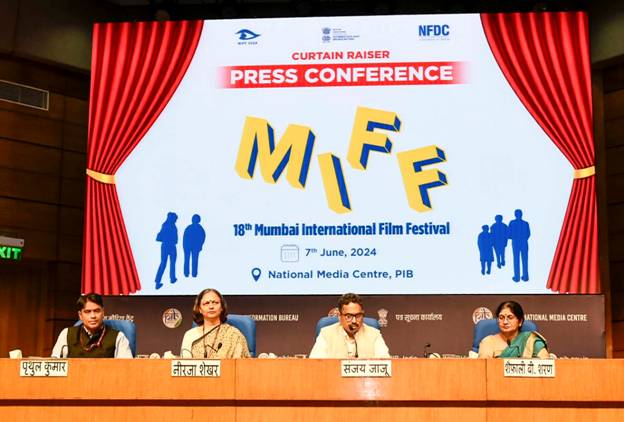
 Secretary, Ministry of Information and Broadcasting Shri Sanjay Jaju today announced that the 18th edition of the Mumbai International Film Festival will be held from 15th June to 21st June, 2024 in Mumbai. He said that while venue for the festival will be the FD-NFDC Complex, Mumbai, MIFF screenings will also be held in Delhi (Sirifort Auditorium), Chennai (Tagore Film Centre), Pune (NFAI auditorium) and Kolkata (SRFTI Auditorium).

Also present on the occasion were Additional Secretary, Ms. Neerja Sekhar, PDG, PIB, Ms.  Sheyphali B. Sharan and MD, NFDC, Sh. Prithul Kumar.

MIFF Film Programming

  1. Record Film Submission of 1018 films this year for the competition sections from 38 Countries across 65 Languages
  2. 118 films selected by the 3 Selection Committees of eminent film experts for the International (25) and National (77) competition sections. The Selection Committee also unanimously remarked that very high quality of film submissions has been received this year which made the selections tough.
  3. Total 314 films in the MIFF Programming this year
  4. There will be 8 world premieres, 6 international premieres, 17 Asia premieres and 15 India Premieres.
  5. Special packages have been curated in this edition, including:
    1. Award winning films package of Oscars and Berlinale (12 short films each)
    2. ‘Special Country Focus Packages’ from collaborating with 7 countries – Russia, Japan, Belarus, Italy, Iran, Vietnam and Mali
    3. Animation package curated from 4 countries – France, Slovenia, Argentina & Greece
    4. Student films from reputed institutes from across the country (45 films)
    5. Restored classics package from the NFDC-National Film Archives of India
    6. Competition films on the special theme of India at Amrit kaal showcasing the country’s growth, development, and prosperity
    7. Films for Divyangjan package for the visually challenged with audio description and sign language descriptions and for the hearing impaired with closed captions.
    8. Selected packages of films also on –
      1. Wildlife
      2. Mission Life
      3. Films by Asian Women Filmmakers

Opening & Closing Film of MIFF

  1. Opening Film of 18th MIFF will be “Billy & Molly, an Otter Love Story”, will initiate the festival with screenings in Mumbai, Delhi, Kolkata, Pune, and Chennai on 15th Jun, 2024.
  2. The Closing Film of festival is the film that wins the Golden Conch and will be showcased on 21st Jun, 2024.

Jury & Awards

  1. International jury includes eminent film personalities from across the world – Keiko Bang, Barthélemy Fougea, Audrius Stonys, Bharat Bala, and Manas Choudhary, who will award the Golden Conch for the best documentary film, the Silver Conch for the best international short fiction film and best animation film, and the Pramod Pati Award for the most innovative/experimental film.
  2. National jury for 18th MIFF comprises of notable names such as Adele Seelmann-Eggebert, Dr Bobby Sarma Baruah, Apoorva Bakshi, Munjal Shroff and Anna Henckel-Don nersmarck who will confer the Best Indian Documentary, Short Film, Animation, Best Debut Film Award (sponsored by Govt. of Maharashtra) and Best Student Film Award (sponsored by IDPA), in addition to a host of technical awards and a special Award for Best Short Film on “India in Amrit Kaal”.
  3. Further, 3 Technical Awards for 1) Cinematography, 2) Editing and 3) Sound Design, will be given common from National & International Competition.
  4. A FIPRESCI Jury 3 eminent film critics will also confer the award for a national competition documentary
  5. Total Awards of Rs 42 lacs.

Accessible Festival

  1. Films for the visually challenged with audio description and sign language descriptions and for the hearing impaired with closed captions.
  2. Besides the special films for the specially abled, NFDC has partnered with Svayam, a not-for-profit organisation to make the MIFF festival venue at NFDC-FD premises fully accessible for people who are differently-abled and also those who have special needs. The accessibility partnership will also ensure that volunteers at the event are sensitized to facilitate delegates with accessibility issues so as to make the experience of visiting delegates seamless.

Gala Opening /Closing Ceremony & Red Carpets

  1. Grand Opening & Closing ceremonies will be held at NCPA, Nariman Point, Mumbai. The events will see an artistic melange of cultural acts which will include an act depicting the journey of Indian animation, a cultural performance from Sri-Lanka in opening and from Argentina in closing ceremony and showcasing the FTII student short Film “Sunflowers were the first ones to know”, which won the La Cinef Award at the 77th Cannes Film Festival this year.
  2. Gala Red carpet screening will be held in NFDC-FD complex in Mumbai every day starting from the opening film on 15th June. The other red carpets being planned with the eminent film celebrities are Poacher, Inside Out-2, The Commandments Shadow, My Mercury, Srikant, Brand Bollywood, etc.
  3. Exclusive Red carpets will also be held at Delhi (17th Jun), Chennai (18th Jun), Kolkata (19th Jun) & Pune (20th Jun) with participation from eminent personalities from the film industry.

Masterclass & Panel Discussions:

  1. The 18th MIFF will host engaging 20 masterclasses, in-conversations and panel discussions with industry luminaries such as filmmakers Santosh Sivan, Audrius Stonys, Ketan Mehta, Richie Mehta, T.S Nagabharana, Georges Schwizgebel & many more.
  2. Open Forum discussions will be held in collaboration with Indian Documentary Producers Association (IDPA) every day at the vibrant Amphitheatre venue with eminent personalities of the film industry.
  3. A crash course on Animation and VFX pipeline has been organized for registered participants.

Doc Film Bazaar:

  1. DOC Film Bazaar is being organized for the first time, to help boost the film production by providing a platform to filmmakers to find buyers, sponsors and collaborators for their projects.
  2. Close to 200 projects have been received from 10 countries in 27 languages.
  3. 3 curated verticals will be organized in the Doc Film Bazaar – ‘Co-production Market’ (16 projects), ‘Work-in-progress (WIP) Lab’ (6 projects) and ‘Viewing Room’ (106 projects).
  4. Besides these opportunities for selected projects, there will also be an ‘Open Buyer-Seller Meet’ which will help filmmakers collaborate with buyers and corporates in the realm of production, syndication, acquisition, distribution and sales.
  5. A dedicated session to explore the symbiotic relationship between documentary filmmaking and corporate branding. With industry leaders from various industry verticals, like FICCI, will explore the CSR funding of documentaries as powerful tools for brand enhancement and as a catalyst for positive societal impact.

Dedicated Portal & Mobile App for MIFF

  1. An interactive website of MIFF has been developed providing engaging details about the films, events and activities planned at the festival www.miff.in
  2. A dedicated mobile app has been developed for facilitating participation of delegates in various activities such as prior booking of film screenings, attending masterclasses, open forums, etc. It will also help the festival obtain valuable feedback from the delegates.

Delegate Registrations

  1. The Delegate Registrations are simple but mandatory for attending the festival through the website or the QR code provided in promotional material of MIFF.
  2. The Delegate Registration are also being provided through Book My Show.
  3. There are no extra charges for attending any number of film screenings or masterclasses or Doc film Bazaar.
  4. Delegate registration Fees-
    1. Mumbai – Rs 500 for attending the entire festival
    2. Delhi, Chennai, Kolkata & Pune – Free
    3. Student & Press – Free
    4. All Delegate registrations are ‘FREE’ fort the next 3 days.

Partnerships

  1. This year for the very first time, MIFF has received corporate collaborations from more than 20 brands in the festival. The brands have collaborated with the festival at various levels – from sponsoring various aspects of the festival to bringing in expertise to strengthen the festival.

Background

MIFF is the oldest and largest film festival for non-feature films (Documentary, Short Fiction & Animation) in South Asia and a premier international event of the documentary film world, since it started in 1990. It is a biennial event organized once in 2 years.

MIFF provides a platform for documentary filmmakers from all over world to meet, exchange ideas, explore the possibilities of co-productions and marketing of documentary, short and animation films and also broaden the vision of filmmakers’ vis-a-vis world cinema. The festival will provide a platform for more conversations and discussions on the documentary, animation and short films front; aimed at fostering artistic expression and proving to be a creative catalyst to the filmmakers and attendees alike.

****

CSC signs MoU to convert 10,000 FPOs into CSCs

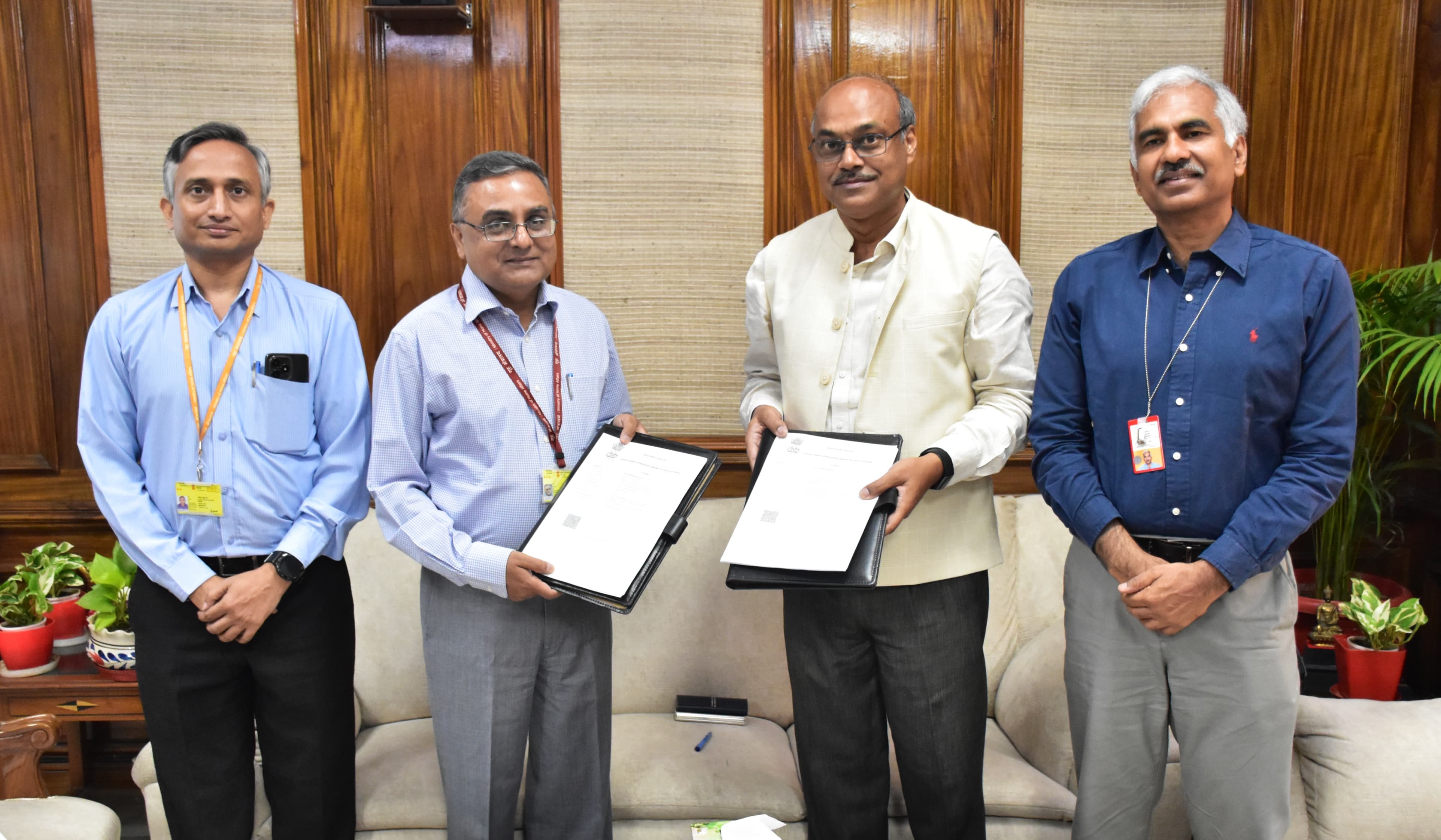
 An MoU between CSC SPV and Ministry of Agriculture & Farmer’s Welfare was signed here today to convert FPOs registered under ‘Formation & Promotion of 10,000 FPOs scheme’ into CSCs and help them to deliver citizen-centric services.

As per MoU, 10,000 FPOs will be converted into CSCs. CSC SPV will enable them to provide the services that are available on the Digital Seva Portal. Training and Capacity Building of FPOs will be done by CSCs.

The MoU was signed by Shri Sanjay Rakesh, MD & CEO, CSC SPV and Shri  Faiz Ahmed Kidwai, Additional Secretary, Ministry of Agriculture in the august presence of Shri Manoj Ahuja, Secretary, Ministry of Agriculture and Farmers Welfare. 

The Government of India launched the Central Sector Scheme for “Formation and Promotion of 10,000 Farmer Producer Organizations (FPOs)” in the year 2020 that is enabling farmers to enhance their bargaining power, leverage economies of scale, reduction in cost of production and enhancing farmers’ incomes through aggregation of their agricultural produce, thus playing a major role towards sustainable incomes. After today’s initiative, delivery of CSC services through FPOs will increase employment opportunities in rural areas.

The CSC has always strived to improve the lives of citizens in rural areas through various initiatives. Farmers and agriculture are an integral part of our initiative. Thanks to the vast network of CSCs present in remote areas of the country, they are already providing various services to the farmers through tele-consultation, crop insurance, e-veterinary, Kisan Credit Card and PM Kisan schemes.

During the programme, Shri Sanjay Rakesh, MD-CEO, CSC SPV, said, “It is a matter of immense pleasure that 10,000 FPOs will now function as Common Services Centres. With this initiative, more farmers who are associated with FPOs, will be able to avail the benefits of CSC services. This will enable FPOs to provide citizens with all the services that are available on CSC Scheme’s Digital Seva Portal.”

This initiative will give a new dimension to the movement of rural development and digital empowerment of the country. There will be an immense increase in agriculture related services of CSC. It will also help FPOs to become a nodal center for providing various services like Direct Benefit Transfer (DBT), Interest Subsidy Scheme (ISS), Crop Insurance Scheme (PMFBY) and fertilizer and seed inputs.

During the program, Shri Kapil Ashok Bendre, Director (Mktg.), Ministry of Agriculture, Shri Subodh Mishra, Vice President-CSC SPV and Shri Devinder Rustagi, Consultant-CSC SPV were also present.

*****

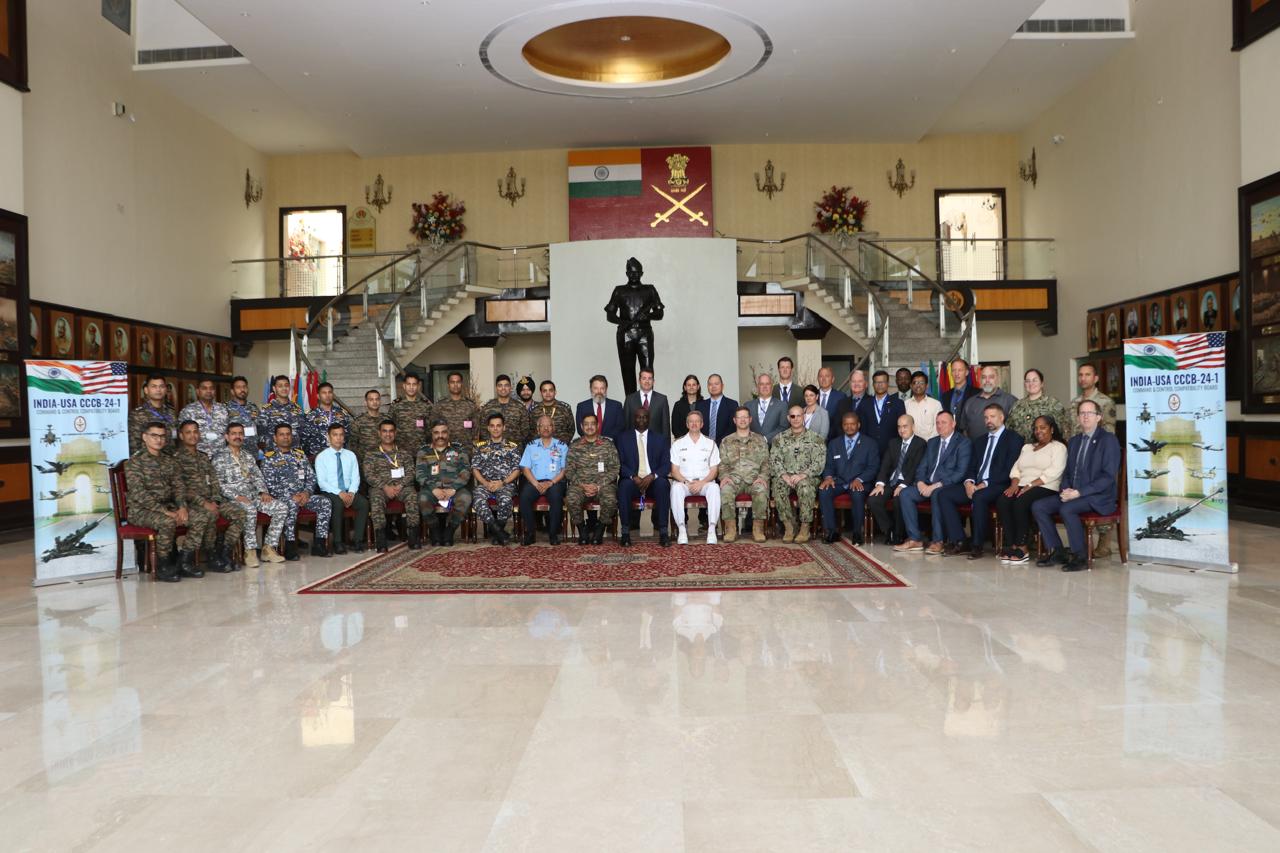
First Command and Control Compatibility Board meeting for 2024 between Indian & U.S. held in New Delhi

 The first Command and Control Compatibility Board (CCCB) meeting for 2024 between Indian and the U.S. was held at Manekshaw Centre, New Delhi from 04-07 June 2024.  The meeting had participation of a 29 member United States delegation led by Mr Paul Nicholson,  Executive Director, US INDOPACOM and a 38 member Indian delegation led by Brigadier Rahul Anand of Headquarters Integrated Defence Staff. 

The CCCB is the Technical Expert Group formed under Article XI of the Communication Compatibility and Security Agreement (COMCASA) between India and USA, and is held twice a year.  After signing of the historic agreement in September 2018, this is the seventh such  meeting between both nations to calibrate, reinforce and achieve steady progress in the bilateral Defence partnership.

During this four day interaction, the Subject Matter Experts from both sides had several rounds of extensive discussions to understand interoperability scenarios and operational communications needs. Focused discussions with the US delegation were helpful in working out mutually agreed solutions for the current communications interoperability needs of the Indian Tri-Services.  The successful outcome of this meeting is a true reflection of the strengthening relationship between the militaries of India and US.  

ABB/Anand


The India Opportunity Showcased at the IPEF Clean Economy Investor Forum

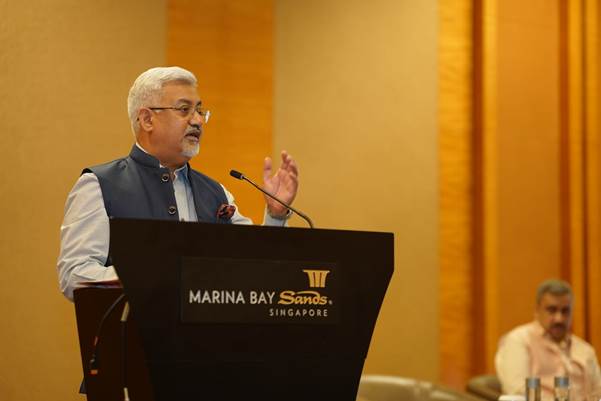
 On the sidelines of the inaugural Indo-Pacific Economic Framework for Prosperity (IPEF) Clean Economy Investor Forum, the Department of Commerce and Invest India organised a meeting to showcase various investment opportunities in India.


In his inaugural address Secretary, Department of Commerce, Shri Sunil Barthwal, stressed on how India’s growth rate is nearly double that of other emerging market economies. He remarked on how this strong growth is also leading to a trend of ‘reverse flipping’, where Indian start-ups that once moved abroad for capital access and tax benefits are now returning home. He emphasised how the digital economy along with emerging technologies like AI and rise of data centres were key to future Indian growth.

The meeting held at Marina Bay Sands, Singapore, attracted over 60 participants, including global investors from the US, Singapore, Japan, Australia, Korea, and other countries, as well as India’s private sector and government officials. The event brought together investors and financial institutions from IPEF Member countries like that of Temasek, Global Infrastructure Partners, GuarantCo, Private Infrastructure Development Group (PIDG), Goldman Sachs, I Squared Capital, Mizuho Bank Ltd, Advantage Partners, Nomura, DBS Bank and Citi Bank. The   Indian infrastructure and climate tech companies showcased their solutions and engaged with international investors to tap into global markets.

Indian High Commissioner to Singapore, H.E. Dr. Shilpak Ambule, focused on the fundamentals that are driving Indian growth. He said that the investment in physical and digital infrastructure will have multiplier effects on the Indian economy, and that the legislative and regulatory changes have created a pro-market field, providing conducive and predictable policy environment. He stressed on how shifting global supply chains and Indian efforts modernization of infrastructure will enable India to participate in them.

This was followed by an India opportunity presentation in which Invest India showcased the India’s through various government flagship initiatives like a flourishing startup ecosystem, a sizable pool of skilled and talented professionals across diverse industries, a push for investments in infrastructure projects, policy reforms aimed at streamlining regulations, enhancing transparency, and improving Ease of Doing Business.

MD and CEO of Invest India, Ms Nivruti Rai highlighted that India is keen on collaborating with investors, clean economy firms, and innovative startups to drive sustainable infrastructure, climate technology, and renewable energy projects to meet Net Zero targets.

Speaking during the fireside chat titled the Charting India Opportunity, Ms Radhika Rao, Senior Economist and Executive Director, mentioned that India strength is in 4C’s – Consistency & Continuity in Policy and reforms; Increasing Capex through government, household spending and private sector; Composition of trade shifting towards manufacturing sectors; Increasing consumption over the next 5 years.

Ms Sonal Varma, Managing Director, Nomura spoke in detail about the Nomura India report. The report shows that highest number of companies are looking at India than any other geography during their “Bottom’s up” study, a survey of around 130 companies mapping their investments in sectors and country.  India is attracting investments in broad based sectors ranging from semiconductor assembly to testing, automobiles to capital goods.

Mr Kunal Agarwal, Managing Director, I Squared highlighted that India is going through Infrastructure Supercycle, which is an enabler for digital revolution and India is viewed as a secular investment opportunity.

During the event, members of the industry expressed highlighted that the inaugural forum was a significant step forward in promoting economic cooperation in the Indo-Pacific region. They emphasized the importance of industries working together to address the challenges they faced and create new opportunities for growth. The forum also underscored the crucial nature of a clean economy and supply chain resilience.

About IPEF and Clean Economy Investor Forum

The Indo-Pacific Economic Framework for Prosperity (IPEF) was launched in May 2022 and currently includes 14 partners – Australia, Brunei Darussalam, Fiji, India, Indonesia, Japan, the Republic of Korea, Malaysia, New Zealand, Philippines, Singapore, Thailand, United States and Vietnam. The IPEF, comprising four pillars of cooperation, namely Trade, Supply Chain, Clean Economy and Fair Economy, provides a platform for countries in the region to collaborate on advancing resilient, sustainable, and inclusive economic growth and aims to contribute to cooperation, stability and prosperity in the region.

The IPEF Clean Economy Investor Forum, one of the initiatives under the IPEF, brought together the region’s top investors, philanthropies, financial institutions, innovative companies, start-ups and entrepreneurs to mobilise investments into sustainable infrastructure, climate technology and renewable energy projects.

***

Prime Minister reiterates his commitment for qualitative changes in the education sector

 The Prime Minister, Shri Narendra Modi has reiterated his commitment for qualitative changes in the education sector. He has also expressed his happiness over improvement in performance of Indian universities in QS World University Rankings.

Responding to the CEO and Managing Director of QS Quacquarelli Symonds Ltd, Mr. Nunzio Quacquarelli about continued improvement in performance of Indian universities in QS World University Rankings, the Prime Minister posted on X;

“Over the last decade, we have focused on qualitative changes in the education sector. This is reflected in the QS World University Rankings. Compliments to the students, faculty and institutions for their hard work and dedication. In this term, we want to do even more to boost research and innovation.”


***

DS/ST


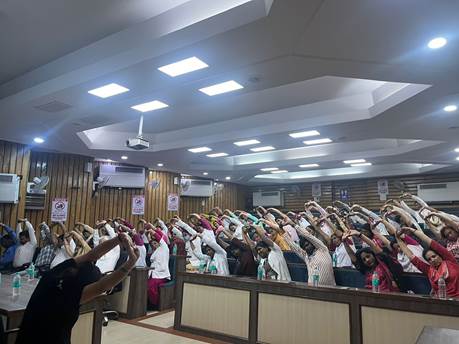
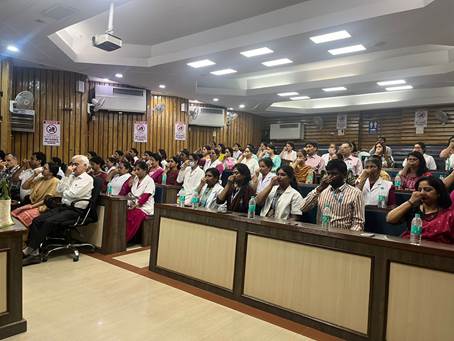
Safdarjung Hospital hosts Seminar on Integrating Yoga into Medical Practice

 The Yoga and Naturopathy OPD & Lifestyle Intervention Centre at Safdarjung Hospital, under the Central Council for Research in Yoga and Naturopathy (CCRYN), Ministry of AYUSH, Government of India, successfully organized a seminar titled “Integrating Yoga into Medical Practice to Enhance Well-Being of Patients and Healthcare Providers.”

The seminar brought together distinguished experts from the fields of yoga, healthcare, and research to explore the multifaceted benefits of incorporating yoga into medical practices. The event was attended by around 85 medical professionals from Safdarjung Hospital, including Dr Jayanthi Mani Additional Medical Superintendent , Dr R P Arora ams, Dr Gaurav Arora AMS , allopathy doctors, residents, nursing staff, healthcare administrators, and doctors from the AYUSH department, stated Dr Sujatha George Yoga & Naturopathy Senior Consultant Physician.


Key highlights of the seminar included:

•  Evidence-based insights into the physiological and psychological benefits of yoga, presented by esteemed speakers such as Dr. Ragavendra Rao, Director of CCRYN.

•  Discussions on collaborative research opportunities between researchers and practitioners to further validate and expand the use of yoga in medical settings.

•  A practical session on “Healthy Lifestyle Practices & Yoga for Healthcare Professionals,” highlighting the importance of yoga for reducing burnout and improving mental health among healthcare providers was taken by Dr Athiray K.R.

•  Introduction of the “Y-Break” initiative, a short, guided yoga session designed for the workplace by the Ministry of AYUSH, to promote mental and physical health among employees.

******

For the first time in last six decades, a Prime Minister has got the third term

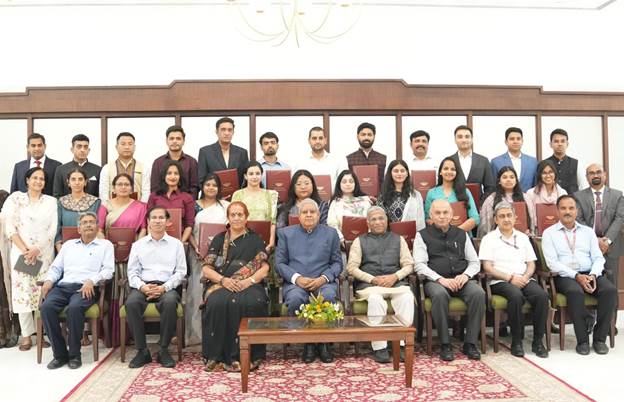
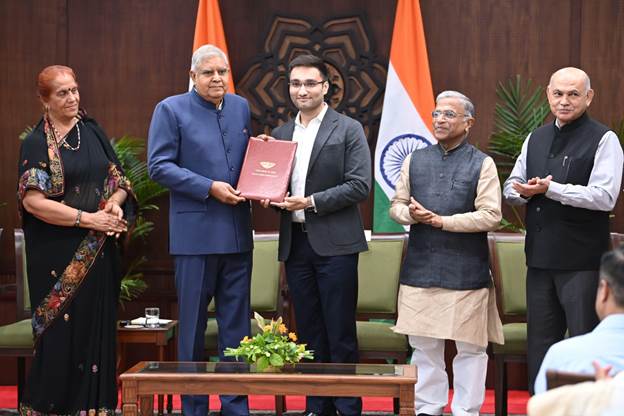
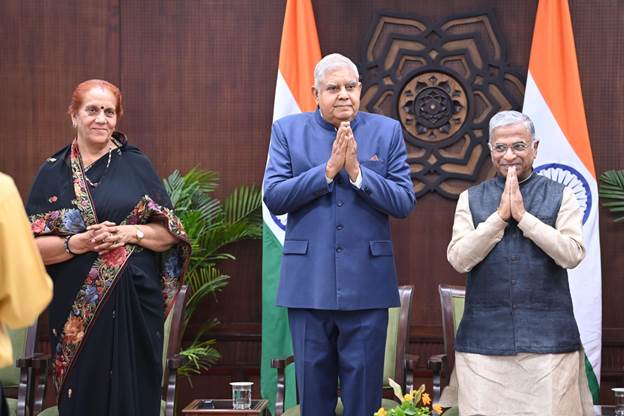
 The Vice-President, Shri Jagdeep Dhankhar today acknowledged the historical significance of the Government’s third term, unprecedented in last six decades. Emphasising the rarity of such an accomplishment, he stated “It is for the first time since 1962 that a Prime Minister has got a third term”.

Addressing the participants of the Rajya Sabha Internship Programme at Vice President’s enclave, Shri Dhankhar urged the interns to harness the power of social media to express their views and remain vigilant against pernicious tendencies in democracy. Emphasizing the role of constructive debate, dialogue and discussion in the Parliament for positive growth, Shri Dhankhar urged the interns to mobilize public opinion if they see any deviation from these principles.

He further exhorted that Bharat is not a sleeping giant, instead we are a country on move that is rising every day and every moment. Emphasizing the significance of consulting the Indian Constitution for clarity, Shri Dhankhar advised the interns to text of Indian Constitution whenever in doubt about.

Describing the internship programme as a “Parliamentary Startup” that would provide a new direction and urge to engage with the country’s democratic processes, Shri Dhankhar highlighted how citizens can indirectly participate and raise public issues through petitions, without being a member of Parliament.

Dr Sudesh Dhankhar, Deputy Chairman, Rajya Sabha Shri Harivansh, Secretary General, Rajya Sabha Shri P.C. Mody, Secretary to the Vice President, Shri Sunil Kumar Gupta, Secretary Rajya Sabha, Shri Rajit Punhani and other senior officials were present.


******

Shri Narendra Modi has been elected as Leader of the BJP Parliamentary Party

 A delegation of the National Democratic Alliance (NDA) led by Shri J. P. Nadda, President, Bharatiya Janata Party (BJP) called on the President at Rashtrapati Bhavan today at 2.30 PM and handed over a letter stating that Shri Narendra Modi has been elected as Leader of the BJP Parliamentary Party. Letters of support from NDA constituent parties were also handed over to the President. The other members of the delegation were Shri Rajnath Singh, Shri Amit Shah, Shri Ashwini Vaishnaw and Dr. C.N. Manjunath from BJP; Shri N. Chandrababu Naidu from Telugu Desam Party; Shri Nitish Kumar, Shri Rajiv Ranjan Singh (Lalan Singh) and Shri Sanjay Jha from Janata Dal (United); Shri Eknath Shinde from Shiv Sena; Shri H.D. Kumaraswamy from Janata Dal (Secular);  Shri Chirag Paswan from Lok Janshakti Party (Ram Vilas); Shri Jitan Ram Manjhi from Hindustani Awam Morcha (Secular); Shri Pawan Kalyan from Janasena; Shri Ajit Pawar from Nationalist Congress Party; Smt. Anupriya Patel from Apna Dal (Soneylal); Shri Jayant Chaudhary from Rashtriya Lok Dal; Shri Joyanta Basumatary from United People’s Party Liberal; Shri Atul Bora from Asom Gana Parishad; Shri Indra Hang Subba from Sikkim Krantikari Morcha; Shri Sudesh Mahto and Shri Chandra Prakash Choudhary from All Jharkhand Students Union; and Shri Ramdas Athawale from Republican Party of India (A).

The President, having satisfied herself on the basis of the various letters of support received, that the BJP-led NDA alliance, which is also the largest pre-election alliance, is in a position to command majority support of the newly constituted 18th Lok Sabha and to form a stable government, appointed Shri Narendra Modi as the Prime Minister of India exercising powers vested in her under Article 75(1) of the Constitution of India.

The President requested Shri Narendra Modi to indicate the date and time of the swearing-in-ceremony to be held at Rashtrapati Bhavan and also advise her about the names of other persons to be appointed as members of the Union Council of Ministers.

********

Content Writing Internship Opportunity at Track2Training NGO

 Are you passionate about making a positive impact through your words? Do you have a knack for crafting compelling content that resonates with audiences? If so, Track2Training NGO has an exciting opportunity for you!

About Track2Training NGO:
Track2Training is a non-profit organization dedicated to empowering individuals through education and skill development. Our mission is to provide accessible learning opportunities to underprivileged communities, enabling them to realize their full potential and contribute meaningfully to society.

Internship Overview:
We are seeking enthusiastic and creative individuals to join our team as Content Writing Interns. This internship offers a unique opportunity to gain hands-on experience in crafting impactful content for various platforms, including social media, blogs, newsletters, and more.

Responsibilities:

  • Researching relevant topics and trends in education, skill development, and social impact.
  • Writing engaging and informative content for our website, social media channels, and other communication channels.
  • Collaborating with team members to develop content strategies and campaigns.
  • Proofreading and editing content to ensure clarity, accuracy, and consistency.
  • Assisting with content distribution and promotion efforts to reach our target audience effectively.

Qualifications:

  • Strong writing skills with impeccable grammar and attention to detail.
  • Passion for social impact and a desire to make a difference in the community.
  • Ability to conduct research and distill complex information into clear, concise content.
  • Creativity and a willingness to think outside the box.
  • Proficiency in MS Office suite and familiarity with content management systems (CMS) is a plus.
  • Previous experience in content writing, blogging, or digital marketing is preferred but not required.

Benefits:

  • Gain practical experience in content creation and digital marketing.
  • Work closely with a supportive team dedicated to making a positive impact.
  • Flexible hours and the opportunity to work remotely.
  • Certificate of completion and letter of recommendation upon successful internship.

How to Apply:
Interested candidates should submit their resume and a writing sample showcasing their ability to craft engaging content to [contact email]. Please include “Content Writing Internship Application” in the subject line.

Don’t miss this chance to use your writing skills for a meaningful cause! Join us in our mission to empower individuals and transform communities through education and skill development. Apply now and be a part of the Track2Training team!

The Economic Benefits of Investing in a Home Sauna

The Economic Benefits of Investing in a Home Sauna

Introduction to Home Saunas

Home saunas have become a popular addition for those looking to enhance their wellness routines and improve their living spaces. These installations not only provide numerous health benefits but also offer significant economic advantages. From saving on healthcare costs to boosting property value, investing in a home sauna can be a smart financial decision. If you’re considering this investment, buy barrel sauna;to experience the perfect blend of luxury and health benefits.

R9lgNLc6muhtYD10qnYv604WCNg6M0eDX_OCpSiVqdO6xLL-3hyOynBXL0MkDcV0adyVigwGC6JwhW4A5qtsfZkNn2NmotaEQpmPS965bNb4LKyswAkxz7yp-p0USmYpVL-oPnQW36X99R_ATd0LbrA

Cost Savings on Health and Wellness

One of the primary economic benefits of owning a home sauna is the potential reduction in medical expenses. Regular sauna use has been shown to improve cardiovascular health, aid in detoxification, and alleviate symptoms of chronic conditions such as arthritis and respiratory issues. By enhancing your physical health, you may find yourself visiting the doctor less often and spending less on medications.

Additionally, the mental health benefits of sauna therapy are substantial. Regular sessions can reduce stress, anxiety, and depression, which can, in turn, lower the costs associated with mental health care. By investing in a home sauna, you’re investing in your overall well-being, which can lead to fewer healthcare expenses over time.

Increased Property Value

A home sauna can significantly increase the value of your property. Potential buyers often view a sauna as a luxurious and desirable feature, making your home more appealing on the market. Compared to other home improvement projects, such as kitchen remodels or swimming pool installations, a sauna can offer a higher return on investment.

Real estate trends show that wellness amenities are becoming increasingly popular among homebuyers. By adding a home sauna, you’re not only enhancing your current living experience but also making a smart investment for the future.

Energy Efficiency and Cost-Effectiveness

Modern sauna technology has come a long way, with many models designed to be energy-efficient and cost-effective. Infrared saunas, in particular, are known for their lower energy consumption compared to traditional saunas. These saunas heat the body directly rather than heating the air, resulting in significant energy savings.

Over time, the reduced utility bills can add up, making your sauna a cost-effective addition to your home. By choosing an energy-efficient model, you’re not only saving money but also contributing to a more sustainable lifestyle.

Productivity and Performance Benefits

For business leaders and entrepreneurs, a home sauna can be a game-changer. The stress relief and mental clarity gained from regular sauna sessions can enhance productivity and performance. When working from home, having a personal wellness space can help maintain a balance between work and relaxation, leading to better overall job performance.

The benefits of a home sauna extend beyond physical health — they also contribute to mental well-being and cognitive function. By incorporating sauna sessions into your routine, you can experience a noticeable improvement in your professional life.

Tax Incentives and Financial Benefits

w2pRPURx2FbcY3OQ0vNDhwBnMSFRG4zkryCBvajpGlLY2hLgct7j4uM9B-bwosYMRMdwLEkB8Vim0FtXBCIMwYtuDOdoLgsm4po22z32md_y2rCeWF4YHljGigzB5jB5wmCyps-JJfNGMNaFW5gUz1w

Homeowners may be eligible for tax incentives when investing in a home sauna. Certain home improvements that contribute to energy efficiency or health and wellness can qualify for tax deductions. It’s worth consulting with a tax professional to explore the potential financial benefits specific to your situation.

Financing options are also available for those looking to install a home sauna. Many manufacturers and retailers offer financing plans that make it easier to manage the upfront costs. When considering the long-term savings on healthcare and utility bills, the return on investment for a home sauna can be quite attractive.

Case Studies and Testimonials

Hearing from other homeowners who have invested in a home sauna can provide valuable insights into the economic benefits. For example, John from New York shared how his sauna has helped reduce his medical expenses and increased the value of his home by $15,000. Similarly, Lisa from California noted a significant decrease in her stress levels, leading to better productivity at work.

These real-life examples highlight the practical benefits of owning a home sauna. Testimonials from satisfied customers can offer reassurance and confidence in making this investment.

Top Sauna Brands for Home Investment

When considering a home sauna, it’s essential to choose a reputable brand known for quality and durability. We Are Sauna offers a selection of top sauna brands, including ALEKO, Dundalk Leisurecraft, Finnleo, Finnmark, Harvia, Homecraft, HUUM, SaunaLife, Scandia, and Therasage. Each brand has its unique features and benefits, ensuring that there’s a perfect option for every homeowner.

Conclusion

Investing in a home sauna offers numerous economic benefits, from cost savings on healthcare and energy bills to increasing your property value. By enhancing both physical and mental well-being, a home sauna can improve your quality of life and provide a substantial return on investment. Whether you’re looking to boost productivity, enhance your home’s value, or simply enjoy the luxurious experience of a sauna, this investment is one that pays off in many ways.

Importance of Publishing Research Reports with ISBN before Sharing

Daily writing prompt
Describe one simple thing you do that brings joy to your life.

Publishing a research report with an ISBN (International Standard Book Number) and then uploading it to academic networking sites such as ResearchGate, Academia.edu, or Eduindex can significantly enhance the visibility, credibility, and impact of your work. Here are the key reasons for the importance of this practice:

Importance of Publishing with an ISBN

  1. Credibility and Professional Recognition:
    • Standardization: An ISBN provides a unique identifier that distinguishes your publication from others, making it easily recognizable and credible.
    • Cataloging: Libraries, bookstores, and online platforms use ISBNs for cataloging, ensuring your work is systematically recorded and accessible.
  2. Accessibility and Distribution:
    • Global Reach: ISBNs facilitate the inclusion of your work in international bibliographic databases, increasing its accessibility to a global audience.
    • Availability: With an ISBN, your research report can be distributed through various channels, including bookstores and online retailers.
  3. Protection of Intellectual Property:
    • Ownership: Having an ISBN helps in establishing and protecting your intellectual property rights, clearly identifying you as the author.
    • Tracking: ISBNs allow for efficient tracking and management of your publication’s sales and distribution.
  4. Academic Recognition:
    • Institutional Acknowledgment: Many academic institutions and funding bodies require ISBNs for publications to be considered in evaluations and reports.
    • Citation and Referencing: ISBNs make it easier for others to cite and reference your work accurately.

Importance of Uploading on ResearchGate, Academia.edu, or Eduindex

  1. Enhanced Visibility and Reach:
    • Broad Audience: These platforms have large user bases, including academics, researchers, and professionals, providing a wide audience for your work.
    • Discoverability: Uploading your research to these platforms increases the chances of your work being discovered by others in your field.
  2. Networking and Collaboration:
    • Community Engagement: These platforms enable you to connect with peers, engage in discussions, and collaborate on future research projects.
    • Feedback and Interaction: You can receive feedback on your work, engage in scholarly discussions, and build a network of collaborators and followers.
  3. Metrics and Impact:
    • Analytics: These platforms provide analytics on how many times your work has been viewed, downloaded, and cited, giving you insights into its impact.
    • Altmetrics: Alternative metrics can show how your work is being discussed and shared on social media and other platforms, contributing to your academic reputation.
  4. Open Access and Dissemination:
    • Free Access: By uploading your work to these platforms, you ensure it is freely accessible to anyone with an internet connection, promoting open access to knowledge.
    • Dissemination: The ease of sharing and disseminating your work on these platforms helps in spreading your research findings more widely and quickly.

Combining Both Practices

  1. Maximized Reach and Credibility:
    • By publishing your research report with an ISBN and then uploading it to academic networking sites, you combine the formal recognition and accessibility of traditional publishing with the broad reach and interactive potential of digital platforms.
  2. Comprehensive Impact:
    • This approach ensures your work is available in libraries and bookstores while also being discoverable and shareable online, maximizing its potential impact and readership.
  3. Professional and Academic Benefits:
    • Enhancing both the visibility and credibility of your work can lead to more citations, collaborations, and opportunities within your academic and professional community.

Practical Steps

  1. Obtain an ISBN:
    • Contact an ISBN agency in your country to obtain a unique ISBN for your research report.
  2. Publish and Distribute:
    • Publish your research report through an academic publisher or self-publishing platform that assigns ISBNs, ensuring it is available in print and digital formats.
  3. Upload to Academic Platforms:
    • Create accounts on ResearchGate, Academia.edu, and Eduindex, and upload your research report. Include the ISBN in the metadata and description to enhance discoverability.
  4. Promote Your Work:
    • Share links to your work on social media, academic forums, and professional networks to increase its visibility and impact.

By following these steps, you ensure that your research receives the recognition, accessibility, and impact it deserves, benefiting both your academic career and the wider scholarly community.