DG India Index 2023-24


  • Significant progress in goals on eliminating poverty, providing decent work, economic growth, climate action and life on land.
  • Targeted interventions by the Government such as Pradhan Mantri Awas Yojana, Ujjwala, Swachh Bharat, Jan Dhan, Ayushman Bharat-PMJAY, Ayushman Arogya  Mandir, PM-Mudra Yojana, Saubhgaya, Start-up India etc. had impact and led to rapid improvement.
  • All States have shown an improvement in overall score
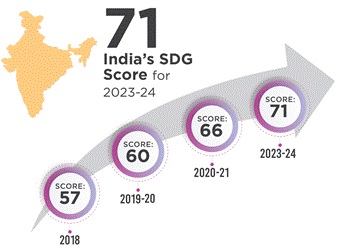
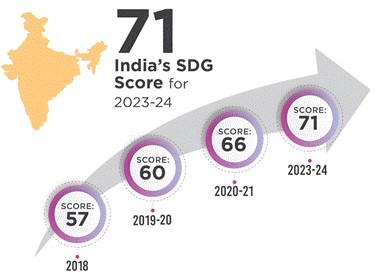
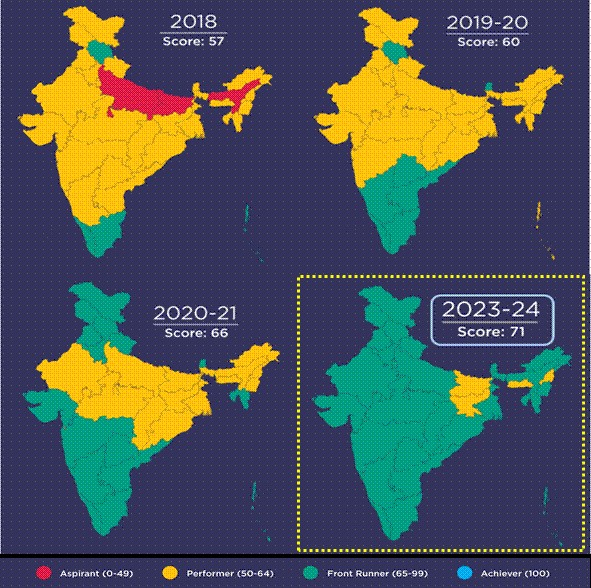
  • Overall SDG score for the country is 71 for 2023-24, significant improvement from 66 in 2020-21 and 57 in 2018 (Baseline report).
  • Scores for States range from 57 to 79 in 2023-24, marking a substantial improvement from  the  year  2018  range  of  42  to  69.
  • Significant  progress  in Goals 1 (No Poverty), 8 (Decent Work and Economic Growth), 13 (Climate  Action) and 15 (Life  on  Land)
  • Goal 13 (Climate Action) records highest increase in score from 54 in 2020-21 to 67 in 2023-24 followed by Goal 1 (No Poverty) from 60 to 72
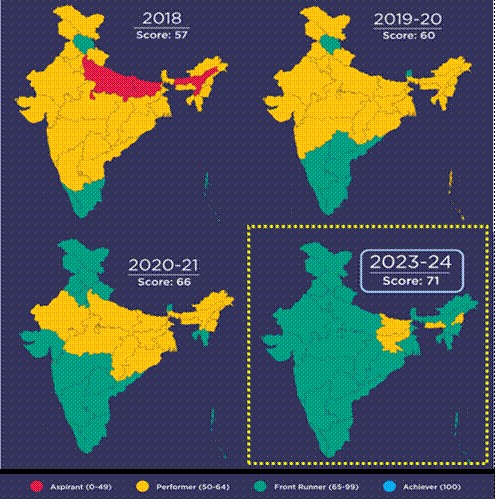
  • A graph showing the number of the country's scoreDescription automatically generated32 States and UTs in the front-runner category with 10 new entrants -Arunachal Pradesh, Assam, Chhattisgarh, Madhya Pradesh, Manipur, Odisha, Rajasthan, Uttar Pradesh, West Bengal, and Dadra and Nagar Haveli and Daman and Diu


  • Between 2018 and 2023-24, fastest moving States are Uttar Pradesh (increase in score by 25), followed by J&K (21), Uttarakhand (19), Sikkim (18), Haryana (17), Assam, Tripura and Punjab (16 each), Madhya Pradesh and Odisha (15 each)


SDG India Index 2023-24, the fourth edition of the country’s principal tool for measuring national and subnational progress on the Sustainable Development Goals (SDG) was released today by NITI Aayog. The Index was launched by Shri Suman Bery, Vice Chairperson, NITI Aayog in the presence of Shri B. V. R. Subrahmanyam, CEO, NITI Aayog; Shri Shombi Sharp, UN Resident Coordinator in India; Dr. Yogesh Suri, Senior Advisr, NITI Aayog and Ms. Isabelle Tschan Harada, Deputy Resident Representative, UNDP.


SDG India Index 2023-24 measures and tracks national progress of all States and UTs on 113 indicators aligned to the Ministry of Statistics and Programme Implementation’s (MoSPI) National Indicator Framework (NIF). The SDG India Index computes goal-wise scores on the 16 SDGs for each State and UT. Overall State and UT scores or Composite Scores are generated from goal-wise scores to measure the aggregate performance of the sub-national unit based on its performance across the 16 SDGs. These scores range between 0–100, and if a State/UT achieves a score of 100, it signifies it has achieved the targets. The higher the score of a State/UT, the greater the distance covered to the target.

India’s commitment to the SDGs since adopting the 2030 Agenda on Sustainable Development is reflected in concerted efforts on SDG localisation spearheaded by NITI Aayog, which works closely with States and UTs. NITI Aayog has the twin mandate to oversee the adoption and monitoring of the SDGs in the country and promote competitive and cooperative federalism among States and UTs. Together with States and UTs, NITI Aayog has focused on the institutionalisation of the SDGs – not only to look at sustainable development as a standalone or parallel framework, but also to make them an integral part of national and subnational thinking about development through institutional ownership, collaborative competition, capacity development, and following a whole-of- society approach.

The launch of the SDG India Index in 2018 provided the impetus for the localisation push, reaffirming States and UTs as key stakeholders in this transformative journey. The SDG India Index has been consistently improved over the years to provide a comprehensive and comparative analysis of progress on the goals. By fostering collaborative competition, the Index not only highlights achievements, but also encourages States and UTs to learn from each other to close outcome-based gaps. Grounded in the globally accepted SDSN methodology, the development of the Index followed extensive consultations with the States and UTs (the primary stakeholders); MoSPI; Union Ministries; and UN agencies. The Index represents the articulation of the comprehensive nature of the Global Goals under the 2030 Agenda while being attuned to the national priorities.


Key highlights and results from the fourth edition of the SDG India Index:

  • The composite score for India improved from 57 in 2018 to 66 in 2020-21 to further to 71 in 2023-24


  • India has taken significant strides in accelerating progress on the SDGs between the 2020-21 and 2023-24 editions of the Index. Noteworthy advancements have been A graph showing the number of the country's scoreDescription automatically generatedobserved in Goals 1 (No Poverty), 8 (Decent Work and Economic Growth), 13 (Climate Action). These are now in the ‘Front Runner’ category (a score between 65–99).
 

  • Among these, Goal 13 (Climate Action) has shown the most substantial improvement, with its score increasing from 54 to 67. Goal 1 (No Poverty) follows closely, with its score rising significantly from 60 to 72. The progress underscores the effects of the focused programmatic interventions and schemes of the Union and State Governments in improving the lives of citizens.
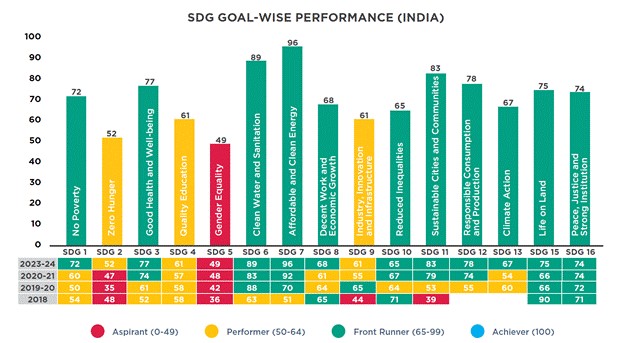
 

  • Since 2018, India has witnessed substantial progress in several key SDGs. Significant progress has been made in Goals 1 (No Poverty), 3 (Good Health and Well-being), 6 (Clean Water and Sanitation), 7 (Affordable and Clean Energy), 9 (Industry, Innovation and Infrastructure) and 11 (Sustainable Cities and Communities).


  • Government’s focus on ensuring food & nutrition security, health, education, electrification, housing for all, sanitation, clean cooking fuel & energy has significantly contributed to the improvements. 


  • Key interventions facilitating SDG achievements include:
    • Over 4 crore houses under the PM Awas Yojana (PMAY),
    • 11 crore Toilets & 2.23 lakh Community Sanitary Complexes in rural areas
    • 10 crore LPG connections under PM Ujjwala Yojana,
    • Tap water connections in over 14.9 crore households under  Jal Jeevan Mission
    • Over 30 crore beneficiaries under Ayushman Bharat -Pradhan Mantri Jan Arogya Yojana
    • Coverage of over 80 crore people under the National Food Security Act (NFSA)
    • Access to 150,000 Ayushman Arogya Mandir which offer primary medical care and provide affordable generic medicines
    • Direct Benefit Transfer (DBT) of ₹34 lakh crore made through PM-Jan Dhan accounts.
    • The Skill India Mission has led to over 1.4 crore youth being trained and upskilled and has reskilled 54 lakh youth
    • PM Mudra Yojana sanctioned 43 crore loans aggregating to ₹22.5 lakh crore for entrepreneurial aspirations of the youth besides Funds of Funds
    • Start Up India and Start Up Guarantee schemes assisting the youth
    • The Saubhagya scheme for access to electricity
    • Emphasis on renewable energy resulted in an increase in solar power capacity from 2.82 GW to 73.32 GW in the past decade.
    • Between 2017 and 2023, India has added around 100 GW of installed electric capacity, of which around 80% is attributed to non-fossil fuel-based resource.
    • Improvement in digital infrastructure with reduced internet data costs by 97% which has in turn positively affected and fostered financial inclusion

State and UT results

  • The SDG India Index 2023-24 reports a positive trend in the performance of States and UTs in their SDG journey. The scores for States now range from 57 to 79, while UTs score between 65 and 77. This represents an improvement over the 2020-21 scores, where the range was 52 to 75 for States and 62 to 79 for UTs.


 The performance of State and UTs in terms of their overall score is given below:


  • The Index records a significant increase in the number of States and UTs achieving Front Runner status. This year, 32 States/UTs have scored between 65 and 99, up from 22 in the 2020-21 edition. Notably, there are 10 new States and UTs in the Front Runner category. These include Arunachal Pradesh, Assam, Chhattisgarh, Madhya Pradesh, Manipur, Odisha, Rajasthan, Uttar Pradesh, West Bengal, and Dadra and Nagar Haveli and Daman and Diu.
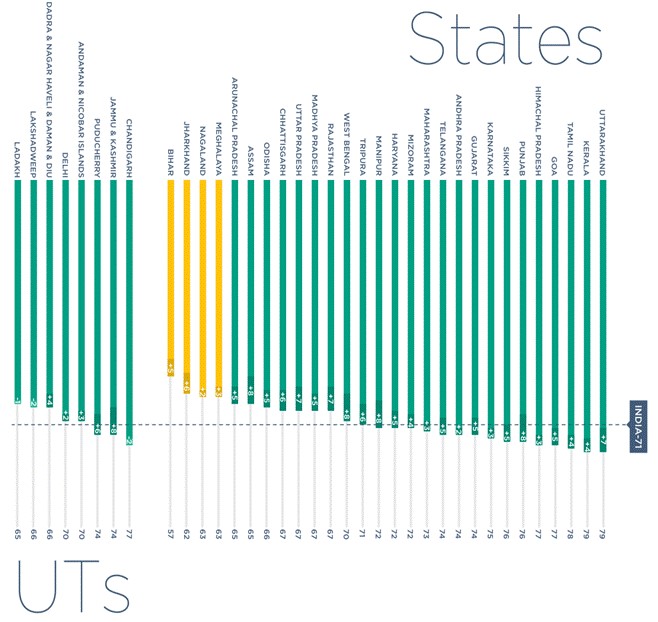
 

  • The SDG India Index 2023-24 demonstrates the increase in composite scores across all States, with improvements ranging from 1 to 8 points. Leading the way in terms of score improvement are Assam, Manipur, Punjab, West Bengal, and Jammu and Kashmir, each achieving a positive change of 8 points since the 2020-21 edition.


  • Progress on the SDGs over the last four editions of the Index:


  • Index methodology:
    • The methodology of the Index involves a series of steps. The first step consists of compiling raw data for the selected indicators and identifying data gaps (if any). Subsequently, target values for 2030 are established for each indicator, providing clear benchmarks for evaluating progress. The raw data is then normalised, transforming it into a score ranging from 0 to 100. The Goal score for each SDG is computed by taking the arithmetic mean of the normalized scores of its relevant indicators. The composite SDG India Index score is derived as an average of all Goal scores. The index and indicators are updated incorporating the latest developments in data availability.
    • Goal 14 has not been included in the calculation of the Composite Score for the Index as it solely pertains to the nine coastal States.


  • The SDG India Index 2023–24 is also live on an online dashboard. The dashboard provides user friendly visualizations to identify crucial development outcome based gaps at the national and subnational levels.


  • NITI Aayog has the mandate for coordinating the adoption and monitoring of SDGs at the national and sub-national levels.           


  • The results demonstrated in the Index are not only significant at the national and subnational levels, but have the potential to inform other countries in their pursuit of accelerating progress on the SDGs. This is due to the sheer scale of transformation brought forth through focused interventions and schemes in India which provide valuable lessons for the rest of the world.


  • NITI Aayog is committed to supporting all the States and UTs in the localisation and acceleration of SDGs, an important barometer to measure progress towards Viksit Bharat @ 2047. The SDG India Index stands as a key milestone for measuring our progress and will help steer discussions, deliberations, and decisions in the journey ahead.


  • The Goal wise progress of states since the baseline is given in the Annexure.


Annexure

GOAL-WISE RESULTS

Goal 1 – No Poverty
 

A map of different countries/regions with different colored areasDescription automatically generated


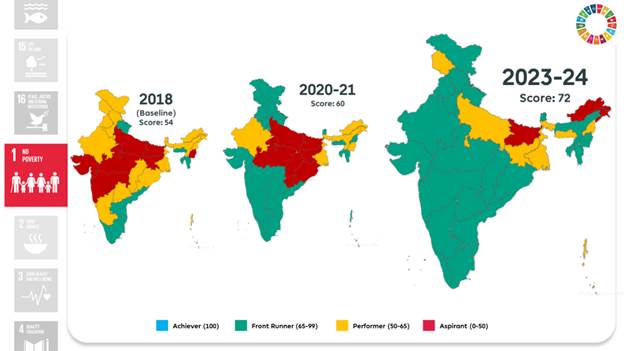
Goal-1 (No Poverty) improved by 12 points from 2020-21 (Index 3) to 2023-24 (Index 4), advancing from Performer to Front Runner category.

  • Multidimensional poverty nearly halved from 24.8% to 14.96% between 2015-16 and 2019-21.
  • Multidimensional poverty for 2022-23 further likely dropped to 11.28%, with 24.8 crore people moving out of multidimensional poverty between 2013-14 and 2022-23.
  • 99.7% were offered employment of the persons demanding employment under MGNREGA in 2023–2024.
  • 95.4% households live in pucca/ semi-pucca houses as per NFHS-5 (2019-21).
  • 41% of households have at least one member covered under health insurance or health scheme as per NFHS-5 (2019-21), an improvement from 28.7% in NFHS -4 (2015-16).


Goal 2 – Zero Hunger
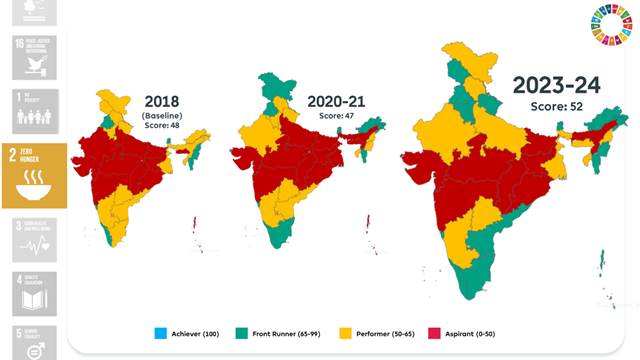


Improvement in overall composite score of Goal 2 moving from Aspirant category in SDG India Index 3 (2020-21) to Performer category in the SDG India Index 4 (2023-24)

  • 99.01% of beneficiaries covered under National Food Security Act (NFSA), 2013
  • Improvement in productivity of rice and wheat from 2995.21 kg/ha in 2018-19 to 3052.25 kg/ha in TE 2021-22
  • Increase in Gross Value Added (GVA) (constant prices) in agriculture per worker from ₹ 0.71 lakhs in 2018-19 to ₹ 0.86 lakhs in 2022-23


Goal 3- Good Health and Well-being


  • Overall score improved substantially from 52 in 2018 to 77 in 2023-24
  • Maternal Mortality Rate per 1,00,000 live births stand at 97
  • Reduced under 5 mortality rate (per 1,000 live births) from 36 in 2016-18 to 32 in 2018-20. 
  • 93.23% children aged 9-11 months are fully immunized
  • 87.13% tuberculosis cases notified against target
  • 97.18% of total deliveries reported in health institutions

SDG 4 – Quality Education
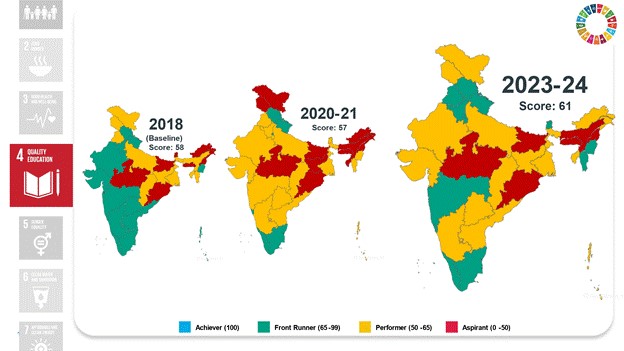
 

  • Adjusted Net Enrolment Rate (ANER) for elementary education is 96.5% for 2021-22, up from 87.26% in 2018-19, with 14 States and UTs achieving 100%.
  • Pupil Teacher Ratio is 18 for 2021-22, thus achieving the target of 30. 
  • 88.65% of schools have access to both electricity and drinking water.
  • 100% parity between females and males in Higher Education (18-23 years)


Goal 5 – Gender Equality
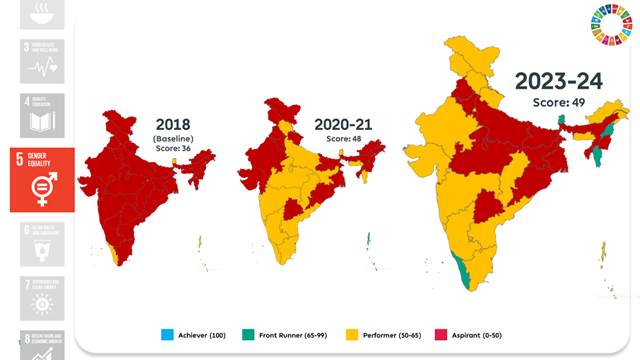


  • Overall score improved significantly from 36 in 2018 to 49 in 203-24.
  • Sex ratio at birth (females per 1,000 males) stands at 929
  • Improved ratio of female to male earnings (regular waged salaried employees) from 0.74 in 2018-19 to 0.76 in 2022-23
  • Improved ratio of female to male Labour Force Participation Rate (LFPR) (15-59 years) from 0.33 in 2018-19 to 0.48 in 2022-23
  • 74.1% of married women have their demand for family planning met by any modern method as per NHFS -5.
  • 53.90% of women own a mobile phone that they themselves use (aged 15-59 years) as per NHFS -5.
  • 88.70% of married women participate in three household decisions as per NHFS -5.


SDG 6 -Clean Water and Sanitation
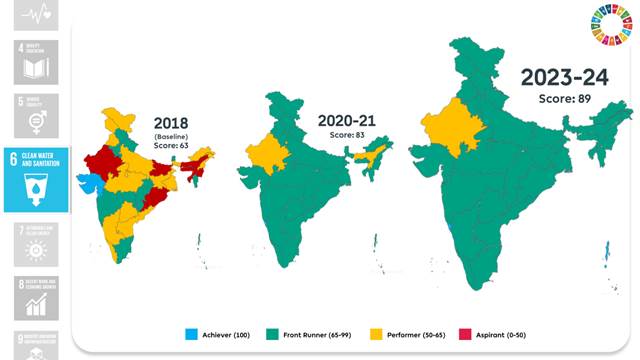
 

  • Significant improvement in score from 63 in 2018 to 89 in 2023-24
  • All individual household toilets have been constructed against target and all districts have verified to be ODF under SBM(G).
  • 99.29% of rural households have improved their source of drinking water. 
  • 94.7% of schools have functional toilets for girls.
  • Overexploitation in blocks/mandals/taluks has reduced from 17.24% in 2017 to 11.23% in 2022.


Goal 7 – Affordable and Clean Energy 
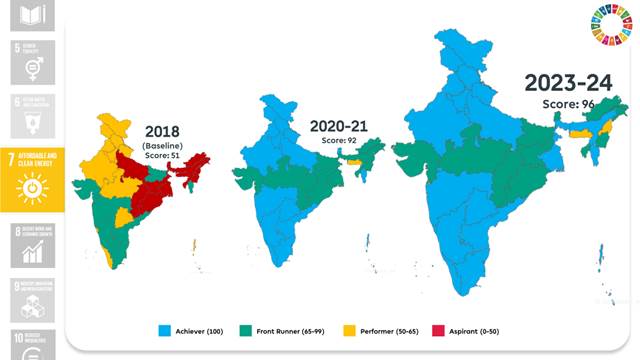
 

  • Highest score amongst all SDGs also significant improvement from 51 in 2018 to 96 in 2023-24
  • 100% households have access to electricity under Saubhagya Scheme.
  • Significant improvement in households have clean cooking fuel (LPG + PNG) connections from 92.02% (2020) to 96.35% (2024)


Goal 8 – Decent Work and Economic Growth


  • 5.88% of annual growth rate of India’s GDP per capita at constant prices in 2022–2023
  • Reduction in unemployment rate (15-59 years) from 6.2% in 2018-19 to 3.40% in 2022-23
  • Increased Labour Force Participation Rate (LFPR) (%) (15-59 years) from 53.6% in 2018-19 to 61.60% in 2022-23
  • 95.70% of households have one member with a bank or post office account
  • 55.63% of accounts in Pradhan Mantri Jan Dhan Yojana (PMJDY) are held by women


SDG 9  – Industry, Innovation and Infrastructure


  • Improvement in score from 41 in 2018 to 61 in 2023-24
  • 99.70% of all targeted habitations are now connected with all-weather roads under Pradhan Mantri Gram Sadak Yojana, an improvement from 47.38% in 2017-18.
  • 93.3% of households own atleast one mobile phone.
  • 95.08% of villages have 3G/4G mobile internet coverage.


Goal 10 – Reduced Inequalities
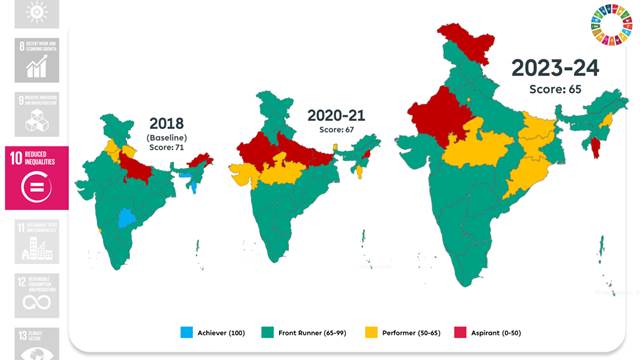


  • 45.61% seats of Panchayati Raj Institutions held by women.
  • 28.57% representation of SC/ST persons in state legislative assemblies.


SDG 11 – Sustainable Cities and Communities
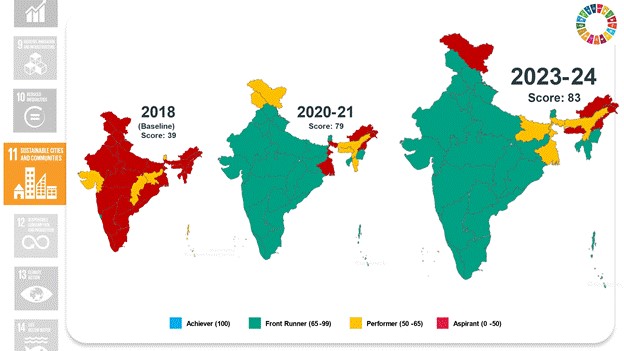
 

  • Significant improvement in score from 39 in 2018 to 83 in 2023-24
  • Installed sewage treatment capacity as a percentage of sewage generated in urban areas has increased from 38.86% in 2018 to 51% in 2020-21. 
  • The percentage of municipal solid waste processed has increased from 68% in 2020 to 78.46% in 2024.
  • 97% of wards have 100% door to door waste collection.
  • 90% of wards have 100% source segregation under SBM (U).


Goal 12 – Responsible Consumption and Production
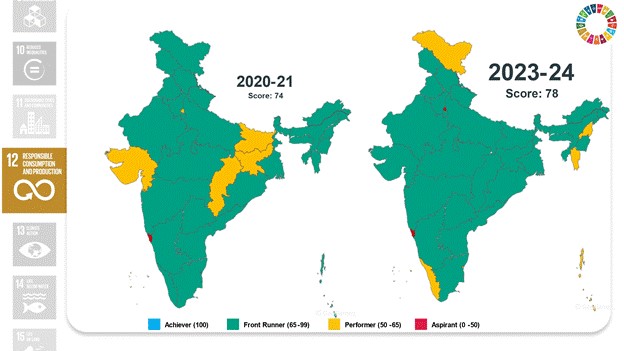
  • 91.5% of biomedical waste generated is treated in 2022.
  • 54.99% hazardous waste recycled/utilized of total hazardous waste generated in 2022-23– an increase compared to 44.89% in 2018-19.


Goal 13 – Climate Action
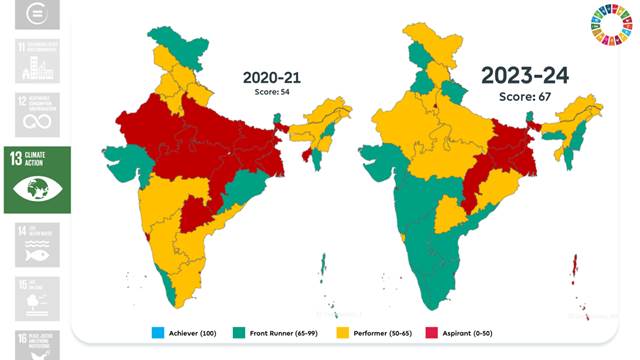


  • Drastic improvement of 13 points in overall composite score of Goal 13 from 54 (Performer category) in SDG India Index 3 (2020-21) to 67 (Front Runner category) in the SDG India Index 4 (2023-24)
  • Disaster preparedness score as per Disaster Resilience Index stands at 19.20
  • Improvement in electricity generation from renewable energy from 36.37% in 2020 to 43.28% in 2024
  • 94.86% of industries comply with environmental standards


Goal 15 – Life on Land
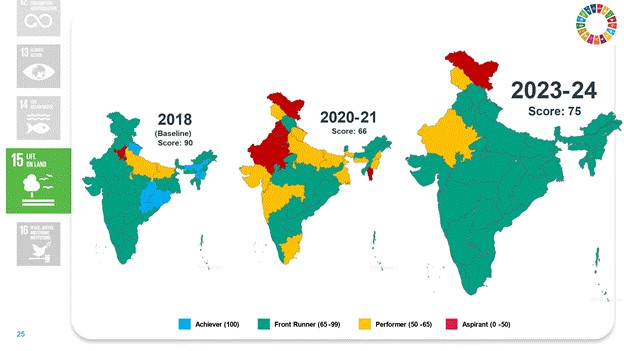


The score increased from 66 in Index 3 (2020-21) to 75 in Index 4 (2023-24). The number of States/UTs in Front Runner category increased from 17 in 2020-21 to 32 in 2023-24.

  • Nearly 25% geographical area under forests and tree cover – as per India State of Forest Report 2021.
  • 1.11% increase in carbon stock in forest cover – as per India State of Forest Report 2021.


Goal 16 – Peace, Justice and Strong Institutions
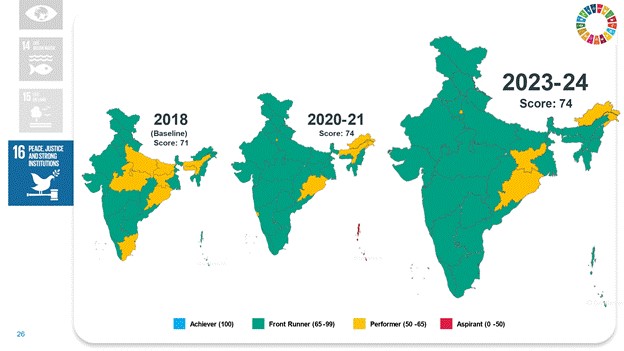
 

  • 95.5% of the population is under Aadhaar coverage as of March 2024.
  • 89% of births registered of children under five years as per NFHS-5 (2019-21)
  • 71.3% charge sheeting rate of IPC crimes as per NCRB 2022.

Report is available online (https://www.niti.gov.in/sites/default/files/2024-07/SDA_INDIA.pdf)

*****
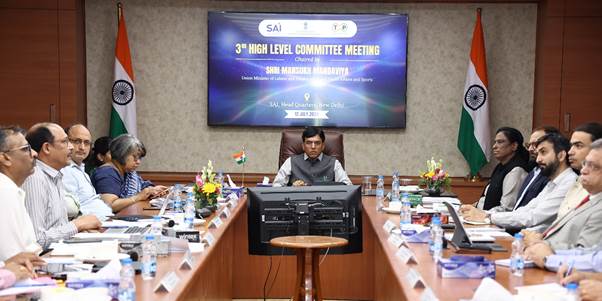
Review India’s Preparation for Paris Olympics 2024

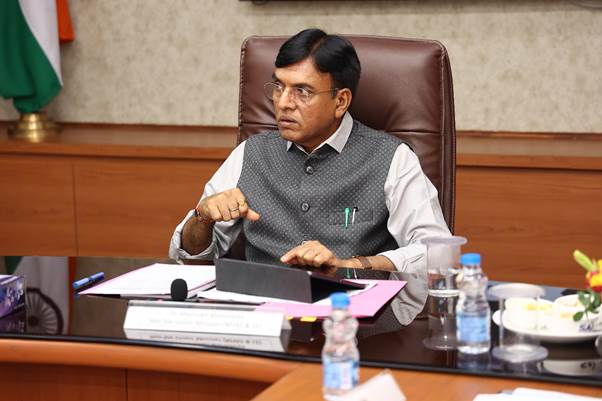
 Union Minister for Youth Affairs & Sports and Labour & Employment, Dr. Mansukh Mandaviya chaired the high-level meeting to review India’s preparations for Paris 2024 Olympic Games today.

A total of 118 athletes, including 48 women athletes, across 16 sports disciplines will participate in the Paris Olympics. Out of the total 118 Paris-bound athletes, 26 are Khelo India athletes and 72 athletes have qualified for Olympic games for the first time.

Dr. Mandaviya also established a coordination group to ensure holistic support for athletes and to address any issues that arise during the lead-up to and throughout the competition.

Dr. Mandaviya emphasized the importance of all stakeholders working together to provide athletes with the support they need. “As our athletes enter this critical phase of preparation and competition, it’s essential that we ensure they are in the best physical and mental condition to excel,” he said, echoing Prime Minister Narendra Modi’s message to the athletes.


During the meeting, Dr. Mandaviya expressed satisfaction that over 80 per cent of the qualified athletes were already training at various locations in Europe, ensuring they would not encounter acclimatisation issues.

The Government is committed to providing comprehensive support to Indian athletes through the Target Olympic Podium Scheme (TOPS), ensuring they have the best possible preparation for the Paris 2024 Olympics. This includes the engagement of world-class coaches and experts to enhance training programs, organising competitive exposures to give athletes vital experience, and taking initiatives focused on rehabilitation and injury management.

For the first time, a recovery centre with sports science equipment will be available for Indian athletes at the Games Village. Additionally, India House has been set up at the Park of Nations in Paris, joining 14 other countries, including France, with similar houses. Importantly, all decisions are made with a focus on the athletes’ needs and perspectives.

These efforts underscore the dedication to optimizing athletes’ performance and well-being, demonstrating a strong commitment to their success and achievement.

*****
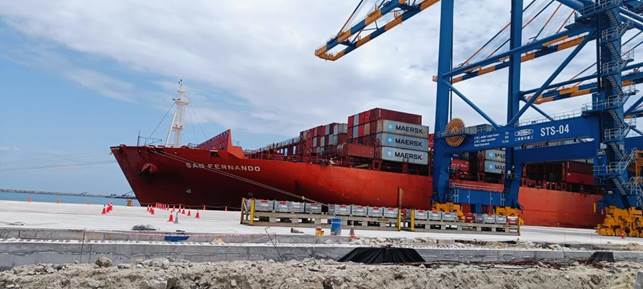
First Mother Ship at Vizhinjam- India’s first deep water Container Transhipment Port

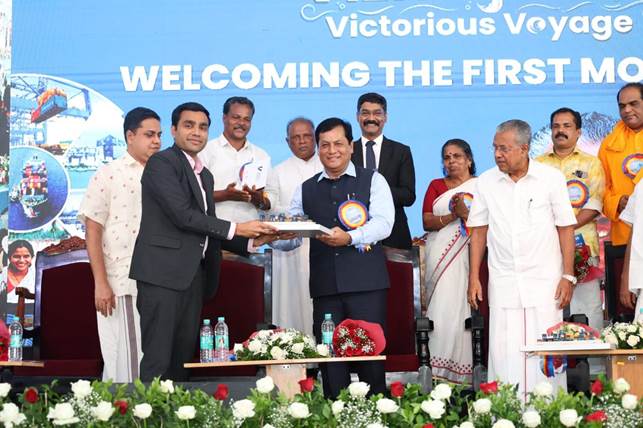
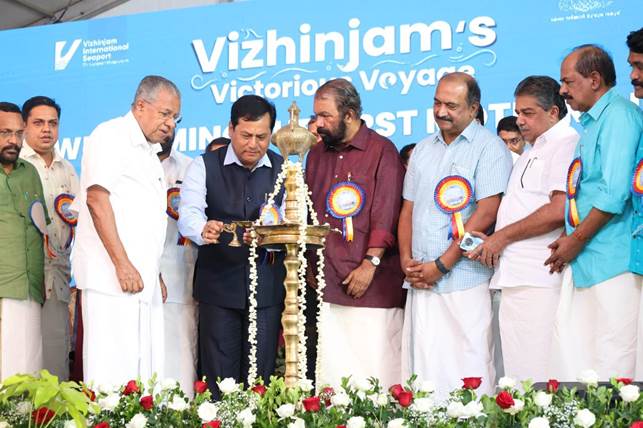
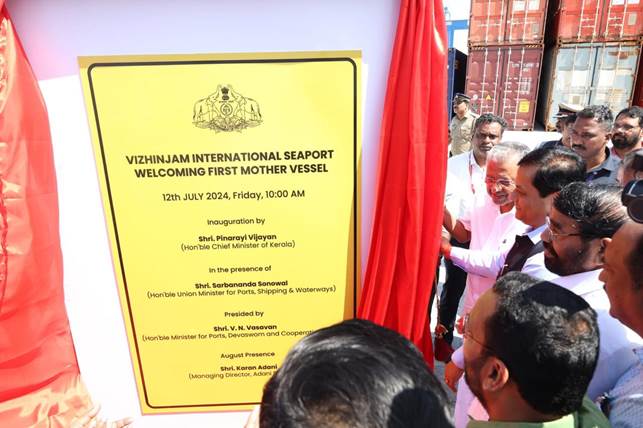
 The Union Minister of Ports, Shipping & Waterways, Shri Sarbananda Sonowal received the first Mother Ship  ‘MV San Fernando’ marking the beginning of operation at India’s First deep water container transhipment port in Vizhinjam, Kerala today. The ship, with a capacity upto 9000 TEUs, docks at India’s first automated port which is equipped with state of the art that offers large scale automation for quick turnaround of vessels including capacity to handle megamax containerships. The Chief Minister of Kerala, Shri Pinari Vijayan was also present on the occasion.


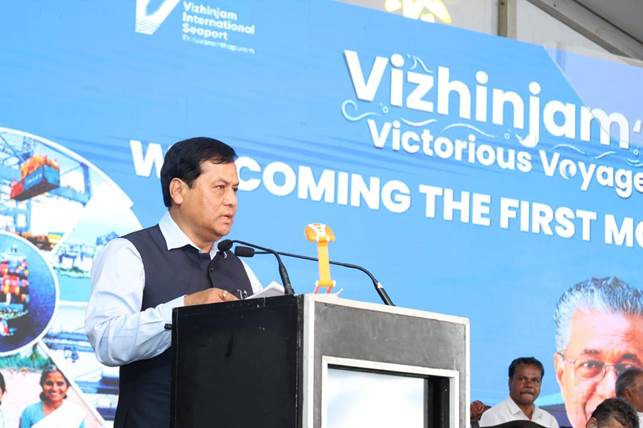
Speaking on the occasion, Shri Sonowal said, “Today is a historic day for the maritime sector of India as the maiden mothership docks at Vizhinjam, India’s first truly deep water International Container Transhipment terminal. This is the testament of the vision of ‘Make in India’ where a PPP collaboration among Govt. of Kerala, Govt. of India as well as the Adani Port SEZ has created a wonderful asset for growth of India’s maritime sector. Under the visionary leadership of Prime Minister Shri Narendra Modi ji, India is equipping and enabling entrepreneurial ventures and collaborating as and when required to build capacity for the cause of nation building. This wonderful achievement marks the beginning of a new era in the ports sector of the country. This is a big step towards realisation of the vision of PM Narendra Modi ji of creating world class port infrastructure in the country. In the same spirit of nation building, our ministry, under the visionary guidance of PM Narendra Modi ji, is working towards execution of Mega Port Projects including All Weather Deep Draft Port at Vadhavan in Maharashtra and International Container Transhipment Terminal (ICTT) at Galathea Bay in a mission mode.”


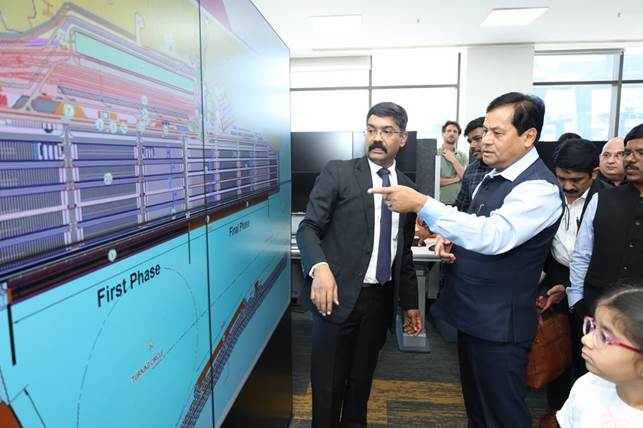
Vizhinjam Port is a strategic maritime project near Thiruvananthapuram in Kerala. This is the first Greenfield port project in India, initiated by a state Government with an investment exceeding ₹18,000 crores. Developed under the Public Private Partnership (PPP) mode, it stands as one of the largest initiatives in the country’s port sector. Vizhinjam’s strategic location near international shipping routes significantly reduces transit times for vessels, making it a pivotal point for maritime trade. As one of India’s few natural deep-water ports, it can efficiently accommodate large cargo and container ships. The development of the Vizhinjam International Seaport is poised to boost Kerala’s economic growth by creating jobs, enhancing trade, and attracting investments. Ongoing infrastructure projects aim to equip the port with state-of-the-art facilities, including modern container terminals, warehouses, and logistics parks. Vizhinjam is set to become a key player in regional trade, potentially serving as a gateway for commerce between Southeast Asia, the Middle East, and Africa.


Speaking further, Shri Sonowal added, “Under the dynamic leadership of Prime Minister Shri Narendra Modiji, India has fast tracked development of ports sector in the country, as we aim to become top maritime global power in the years to come. Today, with the operationalisation of Vizhinjam port, India is poised to reap opportunity it creates in the region, and bringing healthy competition with Colombo and Singapore transhipment hubs. The government remains committed to enable and equip India’s maritime sector as projects worth more than ₹24,000 crores are being implemented in Kerala under the Sagarmala project – the flagship programme of the Ministry of Ports, Shipping & Waterways. With dynamic global scenario impacting the maritime sector, this port offers a viable alternative and an option to major shipping lines to mitigate the disruptions in the global supply chain.”

******
Eco-friendly solvents offer solutions for sustainable and diverse silk industry

 Researchers have found an eco-friendly approach that can eliminate the use of toxic chemicals in silk processing. 

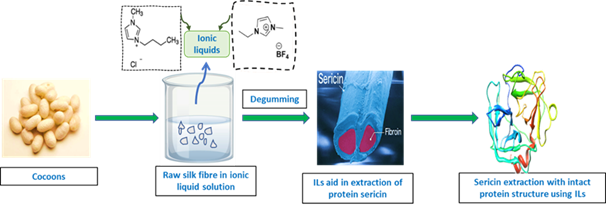
Traditionally, toxic chemicals like sodium carbonate, sodium hydroxide, sulfuric acid, and lithium bromide have been used to extract silk proteins, fibroin and sericin from various types of raw silk fibers, an important step in the process of making silk from cocoons.

A team at Institute of Advanced Study in Science and Technology (IASST) Guwahati, an autonomous institute of Department of Science & Technology, has identified Ionic Liquids (ILs) which can be promising sustainable alternatives to the toxic chemicals currently in use for the silk protein extraction process.

The team led by Dr. Kamatchi Sankaranarayan has identified 4 different ILs that can be effective in extracting silk proteins from raw fibres.

This new research, published in Chemistry Select by Wiley Publishers, has potential for use in sericin extraction from both mulberry (Bombyx mori) and non-mulberry silks, such as Muga (Antheraea assamensis) and Eri (Philosamia ricini), indigenous to Northeast India.


The researchers explored six different ILs and found some of them were particularly effective in removing sericin without damaging the silk protein structure. The ones showing greatest promise included 1-Butyl-3-methylimidazolium chloride (BMIM.Cl), 1-ethyl-3-methylimidazolium tetrafluoroborate (EMIM.BF4), and Tetraethylammonium bromide (TEAB). TEAB appeared to be highly effective due to its ability to destabilize sericin proteins.

The research holds great significance for the silk industry. Not only does it offer a more environmentally friendly alternative to traditional chemical methods, but it also paves the way for efficient sericin extraction from non-mulberry silks, potentially leading to new applications for these unique fibers.

This is the first instance of using ILs for sericin extraction from non-mulberry silks, highlighting the potential of this new approach for a more sustainable and diverse silk industry.

****
Journalists offering their inputs on various policy matters and current affairs

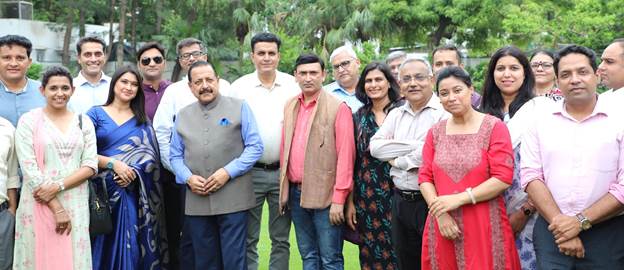
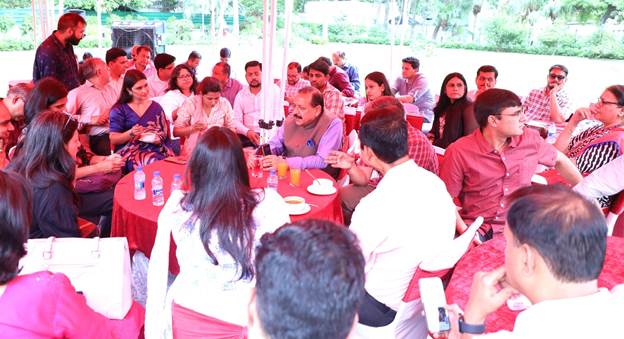
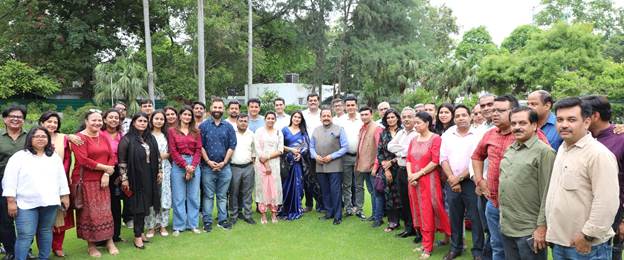
 Union Minister Dr. Jitendra Singh hosted at his residence an informal Media lunch for print and electronic journalists from various known publications and channels. The event provided an opportunity for exchange of views on a wide range of varied subjects and sharing of ideas on several current topics.

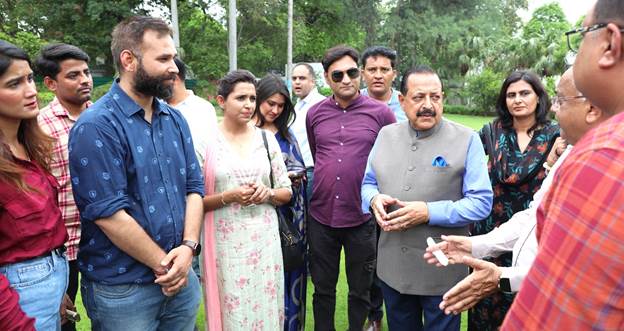
The luncheon meeting saw a vibrant exchange of views, with journalists offering their inputs on various policy matters and current affairs. The Minister sought feedback on areas where collaborative efforts could enhance governance and public service delivery.

The gathering was marked by an atmosphere of constructive dialogue, where the Minister engaged directly with journalists on a range of topics concerning his Ministries. The interactive session allowed for insightful conversations that delved into the government’s initiatives, upcoming legislative priorities, J&K and the broader vision for the nation’s development.

Welcoming the guests, Union Minister of State (Independent Charge) for Science and Technology, Minister of State (Independent Charge) for Earth Sciences, MoS PMO, Department of Atomic Energy and Department of Space, MoS Personnel, Public Grievances and Pensions Dr. Jitendra Singh said “I am delighted to have this opportunity to engage with all of you today. Your role as journalists is vital in a democracy and informal conversations like these are essential to understand each other better and work towards our common national goals.”

Dr. Jitendra Singh appreciated the crucial role played by the media in informing the public and shaping public opinion. When asked about the new reforms of Modi Govt. 3.0, Dr. Jitendra Singh highlighted The Public Examinations (Prevention of Unfair Means) act 2024 enacted to tackle unfair practices in central recruitment and educational institution entrance exams and assured the zero tolerance by the government in such cases and its aspiration for Meritocracy. The DoPT Minister also emphasized on the rule to role shift in governance by upgrading the skills and capacity building of Civil Servants. He also underscored the government’s commitment to transparency and accountability, highlighting the importance of constructive criticism in the democratic process.

Beat journalists covering Science and Technology, Space and Earth Sciences wanted to know about India’s Space Missions, Deep Sea Mission and next generation Technologies. The Minister Made them aware of the current developments and highlighted that progress happened in S&T will continue even at a faster rate as Anusandhan NRF has been Brought in p-lace to collaborate and converge the efforts of both Public and Private sector. He recalled the success in the Space Sector after private participation was encouraged. He said in just two years 200 Space startups have started many with global capacity. The India’s bio-economy has grown 13-fold in the last 10 years from $10 billion in 2014 to over $130 billion in 2024.

In terms of energy security Dr. Jitendra Singh said “India’s Nuclear Power generation capacity to increase by around 70 percent in the next 5 years”.

On the Pensions and pensioners welfare, Dr. Jitendra Singh Said that Prime Minister Modi is quite sensitive to the concerns of the senior citizens and following his visions we have started Pension Adalats and empowered women. The unmarried and divorced daughters and widows are sought to be empowered through pensions. He also underlined the need for a humane approach in governance and shared the human feedback model adopted by the ministry after redressal of grievances.


***
Central Public Works Department (CPWD) commemorates 170 years of dedicated service to the Nation

 Central Public Works Department (CPWD) organized its 170th Annual Day today at Vigyan Bhawan, New Delhi to commemorate 170 years of dedicated service to the Nation.’

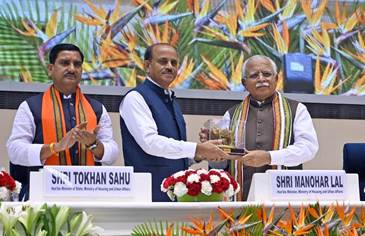
The occasion was graced by Shri Manohar Lal, Minister of Housing and Urban Affairs (MoHUA) as the Chief Guest. Shri Tokhan Sahu, Minister of State, MoHUA as the ‘Guest of Honour’ in the august presence of Shri Anurag Jain, Secretary, MoHUA. Shri Rajesh Kumar Kaushal, Director General, CPWD and Shri S.P. Chaudhary, Special Director General (HQ), CPWD along with other dignitaries, officers and staff of CPWD from across the country.


Shri Manohar Lal, Minister for Housing and Urban Affairs, in his address at the function congratulated the entire CPWD fraternity on their 170th Annual Day and complimented DG, CPWD for steering CPWD in the direction of swift progress and growth aimed at leading India towards the status of fully develop nation. He lauded the remarkable journey of the nation’s premier construction agency from its inception to the present day. Adding to his words, he said how effortlessly the department has evolved and adapted to the changes & needs of time to maintain its continued relevance in present times in the form of large projects all over the country.

Shri Tokhan Sahu, Minister of State for Housing and Urban Affairs congratulated entire CPWD fraternity on 170th Annual Day and complimented the department for its glorious history spanning 170 years. He stated that the transformation by the CPWD in last decade is remarkable. Highlighting its success & achievements, he gave the example of the New Parliament constructed by CPWD.

Shri Anurag Jain, Secretary, MoHUA congratulated CPWD on 170th Annual Day. He desired CPWD to participate actively and contribute in building a New India to fulfil the vision of the Prime Minister. CPWD as a technical department must focus on areas where innovation and modernization in the infrastructure sector are required for accelerated economic development. He also stated that we must study the successful models of development all over the world and tropicalized for our use.

Shri Rajesh Kumar Kaushal, Director General, CPWD in his address affirmed the rock- solid support and guidance of MoHUA. He said that the department has proactively moved on the path of transformation, innovation, delivery and image building in the last decade. He stated that achievements and activities of CPWD have been significant in terms of human resource management, speedier and quality construction, adoption of new technologies, completion of projects on time with quality and economy, adding new clients, signing new MoUs, implementing new policy initiatives for the growth of Department.

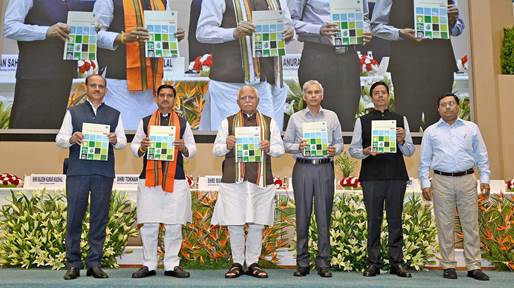
A short film depicting the glorious history and achievements of CPWD over a span of 170 years was shown during the function. Eight technical publications of CPWD namely Reducing Carbon Footprint in Buildings, Introducing BIM in CPWD, Nirman Bharati, CPWD Works Manual 2024, SOPs for CPWD Works Manual 2024, General Condition of Contracts 2024 for EPC Projects, Enlistment Rules 2024 and HVAC Specification 2024, three e-NIRMIT ERP Modules namely ‘Contractor Workman Management’, ‘Online collection Refund and forfeiture of Earnest Money Deposit for e-Tendering Pan India’, ‘Online Verification of Ban Guarantee in e-Tendering’ were also launched by the dignitaries. As part of the Annual Day function CPWD Director General Medals, Commendation Certificate and Certificate of Merit were conferred by the ‘Chief Guest’ and ‘Guest of Honour’ to the awardees for performers and best works.


On the eve of CPWD Day, a Technical Session was also held at Vigyan Bhawan, New Delhi on July 11, 2024. Prof. V. K. Paul, Director, School of Planning and Architecture, New Delhi graced the function as the Chief Guest in the august presence of Shri Deepak Agarwal, Joint Secretary (Works), MoHUA. During the Technical Session various Technical Presentations were made by CPWD officers as well as experts from the Construction Industry.

A Cultural programme ‘Jhankar’ was organized by the CPWD Officers Wives Association as a part of CPWD Annual Day celebration was organized at Manekshaw Auditorium, Delhi Cantonment on 11.07.2024. Ms. Bansuri Swaraj, Member of Parliament (LS) graced the function as the ‘Chief Guest’.

***
Ayushman Bharat PMJAY and Ayushman Bharat Digital Mission (ABDM)

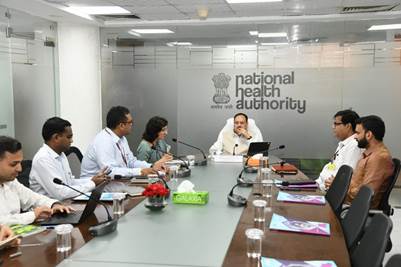
 Union Minister of Health and Family Welfare Shri Jagat Prakash Nadda reviewed the Ayushman Bharat Pradhan Mantri Jan Arogya Yojana (PMJAY) and Ayushman Bharat Digital Mission (ABDM) with senior officials of National Health Authority (NHA), here today.

A detailed presentation was made to the Union Health & Family Welfare minister on their salient features, the present status of the schemes and different aspects of their operationalisation by Ms. Deepti Gaur Mukherjee, CEO, NHA. Scheme has achieved significant milestones in terms of 34.7 crore Ayushman Cards, 7.35 crore hospital admissions amounting to more than ₹1 lakh crore. NHA presented the plan to strengthen the network of empanelled hospitals and effectively engage with them.

Underlining the vision of Hon. Prime Minister of universal health coverage and benefiting the most needy and vulnerable sections of the society through AB PM-JAY, the Union Health Minister directed the officials to ensure that benefits of these visionary schemes reach the most needy and vulnerable sections of the society. He stated that We need to ensure that challenges and any issues that are hampering the effective implementation of PM-JAY are resolved early in coordination with States”. He has directed NHA to engage and coordinate with the States on a regular basis to understand in-depth the issues at hand and resolve them in unison.

Shri Nadda stated that to strengthen and expand Ayushman card creation of eligible beneficiaries, especially in the urban areas and metropolitan cities, a bottom-up approach needs to be adopted, where we create pathways and mechanisms whereby, they can be easily verified for creation of Ayushman card. “Let us keep our systems flexible and agile to ensure the enrolment process”, he advised.   

Noting that it is important to learn from the experiences of the beneficiaries, Shri Nadda stated that smart technology tools can be employed to connect directly with the beneficiaries and collect their hospitalisation and treatment experiences.  This will help us to improve delivery of our healthcare services, he highlighted.

The union Health minister was also briefed about the fraud detection and prevention measures being taken by NHA, which has helped to enhance the efficiency of the scheme.

Shri. J P Nadda also reviewed the National Health Claims Exchange (NHCX). NHXC has been developed by NHA in collaboration with Insurance Regulatory Development Authority of India (IRDAI). NHCX will enable paperless settlement of claims submitted by hospitals to insurance company. This will also enable IRDAI to have a dashboard view of claims settlement status in real time. 33 insurance companies covering 99% insurance market have been integrated on NHCX platform. Citizens will also be able to see the status of their insurance claim through the mobile.

Department of Fisheries organizes the Fisheries Summer Meet 2024 at Madurai, Tamil Nadu

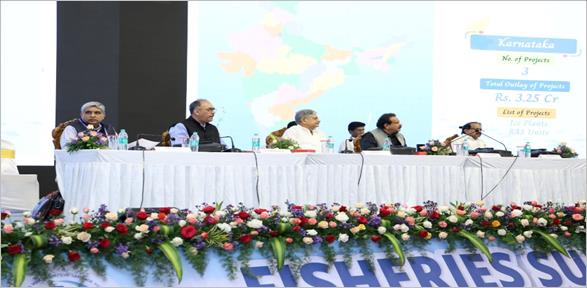
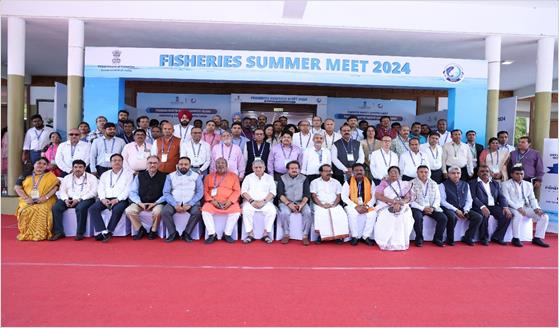
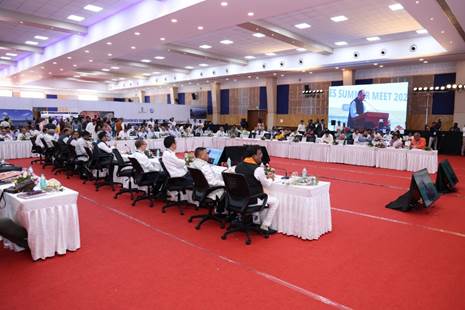
 With an aim to hold strategic discussions with States/UTs to deliberate on the progress and way forward for the development of the fisheries sector,  Department of Fisheries, Government of India  organized the ‘Fisheries Summer Meet 2024’ at Madurai, Tamil Nadu today. A total of 321 impactful projects under Pradhan Mantri Matsya Sampada Yojana (PMMSY) with an outlay of Rs.114 Crore, covering 19 State/UTs were virtually inaugurated by Union Minister for Fisheries, Animal Husbandry & Dairying and Panchayati Raj Shri Rajeev Ranjan Singh alias Lalan Singh. Ministers of state for Fisheries, Animal Husbandry & Dairying, Prof. S. P. Singh Baghel and Shri George Kurian were also present on the occasion. During the program, live virtual interactions with fishermen and fisherwomen were held from the inaugural sites.

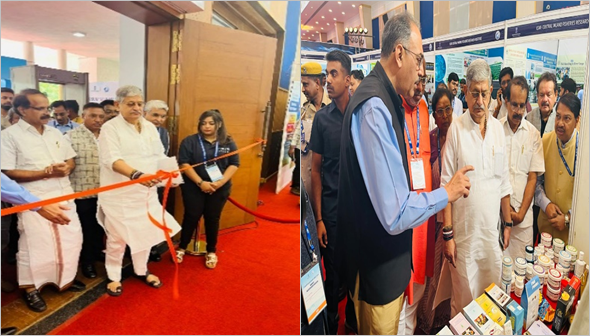
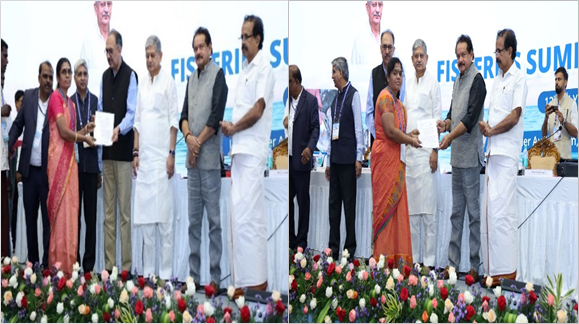
The Union minister inaugurated an exhibition that showcased various aquaculture technologies such as RAS, BioFloc, technologies used for ornamental fisheries, pearl cultivation etc. Shri Rajiv Ranjan Singh also distributed KCC, presented PMMSY achievement award letters to beneficiaries and felicitated FFPOs onboarded on Open Network Digital Commerce (ONDC). He also interacted with the entrepreneurs and scientists during the walkthrough of the exhibition.

Department of Fisheries (GoI) has provided financial assistance for formation of 2195

FFPOs under PMMSY and around 95 FFPOs have been onboarded on the ONDC network. This collaboration with ONDC has served numerous benefits for the FFPOs like reduced transaction costs, increased market reach, improved transparency, increased competition & competitiveness, innovation,  employment generation etc. Six participants onboarded onto the ONDC network, namely, Gorakhpur Kissan Producer Company Limited, District Gorakhpur, Uttar Pradesh, Kapsi Fishery Farmer Producer Company Ltd., District Kanker, Chhattisgarh, Banmankhi Fish Farmer Company Limited, District, Purnia, Bihar, Bastarpearl Fish Farmer Producer Company Limited, Bastar, Chhattisgarh, Lari Fish Producer Company Ltd., District Deoria, Uttar Pradesh and Kondapaka Fisheries Producer Company Limited, District Siddipet, Telangana were felicitated for their contribution in the growth of the Fisheries sector during the event.

Union Minister Shri Rajiv Ranjan Singh also distributed KCC certificates and PMMSY sanction orders to the beneficiaries. The recipient beneficiaries for ornamental fisheries units included Ms Yogeshwari W/o. Shri Kathiresh Kumar, Ms Suguna W/o. Shri Muthu Pandi, Ms Sindhu W/o. Shri Sudhakar, Ms Kalaiyarasi W/o. Shri Sakthivel and Ms Pachaiyammal W/o. Shri Mathialagan.

Department of Fisheries, Government of India and Ministry of Fisheries, Animal

Department of Fisheries along with Ministry of Fisheries, Animal Husbandry &

Dairying (GoI) marked five years of its creation in 2024. Since its genesis, Department of Fisheries (DoF) has undertaken various strategic initiatives for the growth and development of the Indian Fisheries sector. In order to harness the potential of fisheries resources in a sustainable manner and bringing in holistic development in the Fisheries sector, DoF (GoI) has launched various schemes, namely Blue Revolution (BR), Fisheries Infrastructure Development Fund (FIDF), Pradhan Mantri Matsya Sampada Yojana (PMMSY), Kisan Credit Crad (KCC) and the upcoming sub-scheme under PMMSY. It envisages a cumulative investment of Rs 38,572 crore through these schemes to address sectoral gaps and bring in structural changes.

The event also witnessed the presence of Dr. Sanjay Kumar Nishad, Minister of Fisheries, Uttar Pradesh, Smt. Renu Devi, Minister of Animal Husbandry & Fisheries, Bihar, Shri Keshab Mahanta, Fisheries Minister, Assam, Shri Alexander Laloo Hek, Minister of Animal Husbandry, Veterinary and Fisheries Department, Meghalaya, Shri Gabriel D. Wangsu, Minister of Agriculture, Animal Husbandry, Fisheries, Food & Civil Supply, Arunachal Pradesh and Shri Gokulananda Mallik, Minister of State (Incharge), Odisha.


*****
Department of Animal Husbandry & Dairying Conducts Regional Training of 21st Livestock Census on Software and Breeds to State and District Nodal Officers of Nagaland, Mizoram, Manipur and Tripura

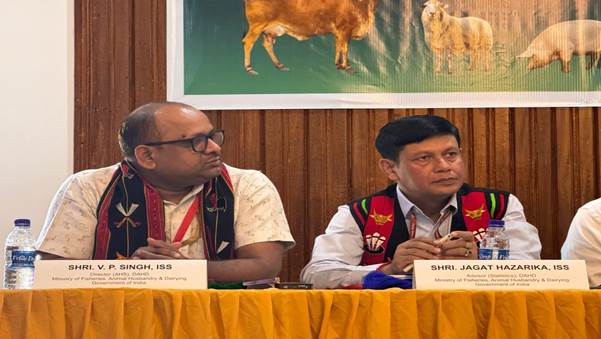
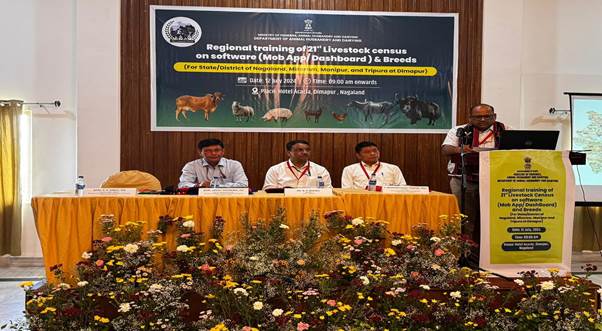
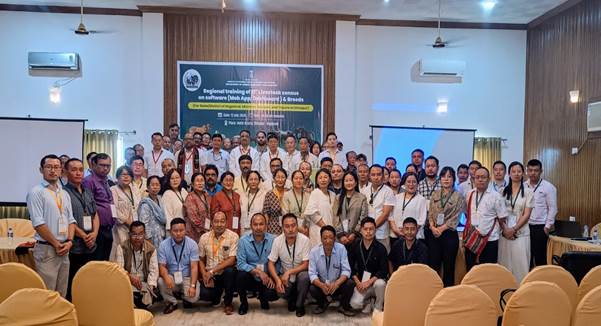
 The Department of Animal Husbandry & Dairying (DAHD), Ministry of Fisheries, Animal Husbandry & Dairying, Government of India, in coordination with Animal Husbandry and Veterinary Services Department, Government of Nagaland with Nagaland as the host State conducted a “Regional Training of 21st Livestock Census on Software (Mobile Application/ Dashboard and Breeds) for State and District Nodal Officers (DNO/SNO) of Nagaland, Mizoram, Manipur and Tripura”. The workshop was held today at Dimapur, Nagaland to train the DNO/SNO of these four states for understanding of newly launch applications for conducting 21st Livestock census which is scheduled during September-December 2024. The training programme was inaugurated by Chief Guest Shri Kazheto Kinimi – Advisor for Animal Husbandry Government of Nagaland  with the presence Shri Vikeyie Kenya IAS Commissioner Secretary Department of AH and VS  in  Govt of Nagaland and Shri Jagat Hazarika Advisor ( Statistics) Department of Animal Husbandry and Dairying , Government of India.

WhatsApp Image 2024-07-12 at 11.57.49 AM (1).jpeg

The workshop featured a series of sessions beginning with a brief description of the 21st Livestock Census by the Animal Husbandry Statistics Division, followed by a detailed presentation from ICAR-National Bureau of Animal Genetic Resources (NBAGR) on the breed details of species to be covered in the census. The importance of accurate breed identification was emphasized, which is crucial for producing precise statistics used in various livestock sector programs and for the National Indicator Framework (NIF) of Sustainable Development Goals (SDG).

IMG-20240712-WA0003.jpg

The workshop included detailed sessions on the methodologies and live application of software of 21st Livestock Census by Software team of Department of Animal Husbandry and Dairying. The Government of India trained on the mobile application and dashboard software for State and District Nodal Officers. These Nodal officers shall conduct training for enumerators at their respective District Head Quarters.

group.jpeg

Shri V.P Singh Director (Statistics) Division), Department of Animal Husbandry and Dairying and Sh, B.P. Mishra Director ( NBAGR).

*****

Department of Fisheries organizes the ‘Fisheries Summer Meet 2024' today at Madurai, Tamil Nadu

 Department of Fisheries, Ministry of Fisheries, Animal Husbandry & Dairying, Government of India, organized the ‘Fisheries Summer Meet 2024’ Today at Madurai, Tamil Nadu. The ‘Fisheries Summer Meet 2024’ aimed at recognizing the contributions made by fish farmers, aquapreneurs, and fishermen for the development of the fisheries sector, showcase the achievements of DoF (GoI) and raise awareness about the sector.

 312 Fisheries Projects covering 19 States/UTs across the country with an investment of Rs. 114 crore, supported under the DoF (GoI) flagship scheme Pradhan Mantri Matsya Sampada Yojana (PMMSY), were inaugurated by Union Minister Shri Rajeev Ranjan Singh alias Lalan Singh in the presence of Prof. S P Singh Baghel MoS, MoFAH&D and Ministry of Panchayati Raj and Shri George Kurian, MoS, MoFAH&D and Ministry of Minority Affairs.

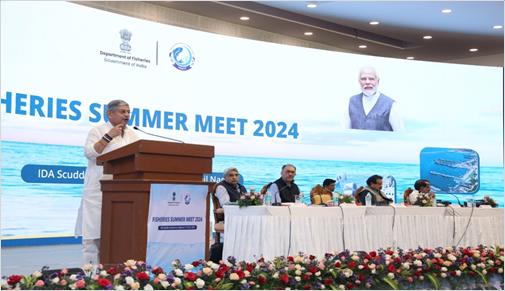
 Union Minister Shri Rajeev Ranjan Singh alias Lalan Singh discussed the role of various stakeholders in the fisheries sector and implementation of the PMMSY scheme, that aims to enhance fish production and productivity through modern fishing and aquaculture methods. Shri Singh emphasized on the importance of high-quality seeds, brood banks, RAS, Biofloc, deep-sea vessels, and technology infusion for increasing production. He encouraged States/UTs to raise awareness about KCC, insurance etc. Additionally, he acknowledged the challenges posed by the sector’s unorganized nature but expressed confidence that collaborative efforts amongst stakeholders shall address these issues.


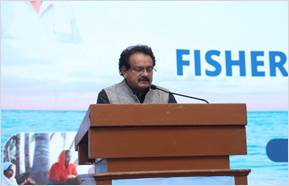
A person standing at a podiumDescription automatically generatedA person standing at a podiumDescription automatically generated


Prof. S.P. Singh Baghel, Minister of State for Fisheries, Animal Husbandry & Dairying and Panchayati Raj, commended the exchange of knowledge and perspectives amongst beneficiaries and senior officials from various states. He underscored the significance of the fisheries sector in bolstering the Indian economy and acknowledged the vital role of fishers and fish farmers in meeting rising demands of food and nutrition. He also highlighted the importance of sustainable fishing practices that enhances productivity while minimizing environmental impact. Additionally, he encouraged approval of KCC to the beneficiaries from Animal Husbandry and Fisheries sectors.

Shri George Kurian, MoS of MoFAH&D and the Ministry of Minority Affairs, highlighted the achievements of the Indian fisheries sector, noting the unique contribution of inland fisheries. Emphasis was laid on the substantial investments in schemes and GoI’s vision for holistic growth, prioritizing socio-economic prosperity for fishers and farmers.

State Fisheries Ministers present during the event shared the growth and development in the fisheries sector in their respective states. Ministers highlighted state-specific gaps and areas of focus to ensure the sustainable growth of the fisheries sector in their states. While they emphasized on taking up technical training, capacity building, handholding, technology infusion, and research as major focus areas, they proposed to prioritize support for the families and welfare of traditional fishers and fish farmers.

The august gathering of senior leadership was welcomed by Dr. Abhilaksh Likhi, Secretary, DoF, GoI, that was followed by an impactful video on the achievements of DoF (GoI).

Shri Sagar Mehra, Joint Secretary (IF), presented the overall progress of sector and effort made by DoF (GoI) covering various focus areas. This included production and aquaculture, various GoI schemes and initiatives, the progress and impact of ongoing schemes, and a discussion on focus areas for the States/UTs. Additionally, he shared information on Pradhan Mantri Matsya Kisan Samridhi Sah Yojana (PM-MKSSY), a new sub-scheme under PMMSY, outlining its goals and components and conveyed the expectations from the State/UTs for their active participation.

A group of people sitting at tables in a conference roomDescription automatically generated

Beneficiaries from different States/UTs namely Shri Harendra Rabha, Assam, Shri Prem shankar, Bihar, Smt. Purnima Sahu, Chhattisgarh, Shri Clement Fernandes, Goa, Shri Vinod Kumar, Himachal Pradesh, Smt. Shifa Jahur Hakim, Maharashtra, Smt. Geeta Saxena, Uttar Pradesh, Shri Hajerommabi M., Lakshadweep, Shri Nithish Kumar, Karnataka and Shri Nishant Kumar, Jharkhand interacted with the Union Minister Shri Rajiv Ranjan Singh. The beneficiaries discussed their experiences, highlighted their issues and appreciated the efforts of DoF (GoI). They also highlighted that support recieved in form of Kisan Credit Card (KCC) and financial assistance under PMMSY helped and supported them in making their initiatives and businesses successful.

Dr. J K Jena, DDG (Fisheries) from ICAR gave a presentation on the research and development initiatives undertaken in fisheries and aquaculture. This was followed by a deliberation in which representatives from the different states presented their viewpoints. The senior officials present were Shri Rajeev Ranjan, Principal Secretary,  Haryana, Shri Thiru. Shunchonngam Jatak Chiru, Commissioner of Fisheries, Tamil Nadu, Shri Aboobaker  Siddiqui  P, Secretary,  Fisheries, Jharkhand, Smt. Nandini  Paliwal, Commissioner-Cum-Secretary Andaman  Nicobar  Island, Shri E.Vallavan, Secretary, Goa. Focus areas and priorities that came up during the discussion included strengthening of infrastructure, maintaining a comprehensive fisheries’ database, ease of availing KCC by fishers and fish farmers, availability of quality seed, improved coordination with state governments, boosting tourism etc.

Hence, the observations received during the Fisheries Summer Meet 2024 are expected to play a crucial role in defining priorities at Center and States/UTs for successful implementation of projects and identify sectoral needs and priorities for sustainable, equitable and inclusive development of the Indian fisheries sector.

****

India and Bhutan on Air quality, Climate change, Forests, Natural resources, renewable energy sources and wildlife

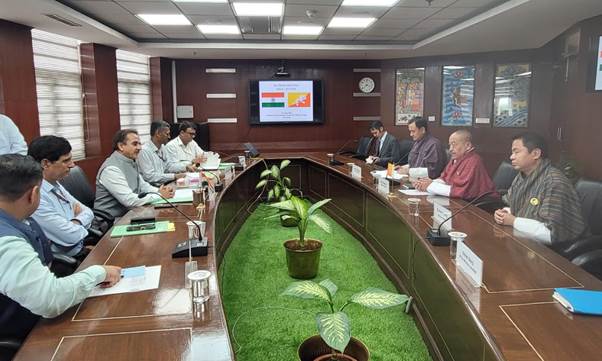
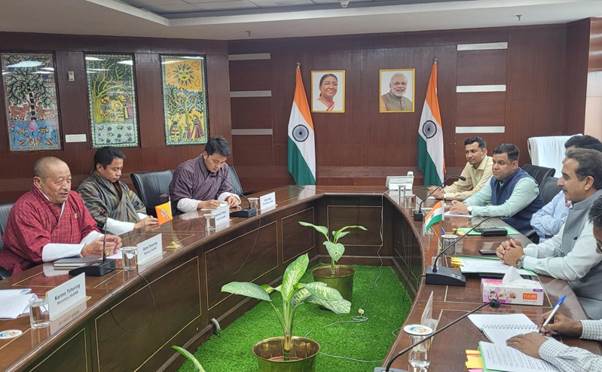
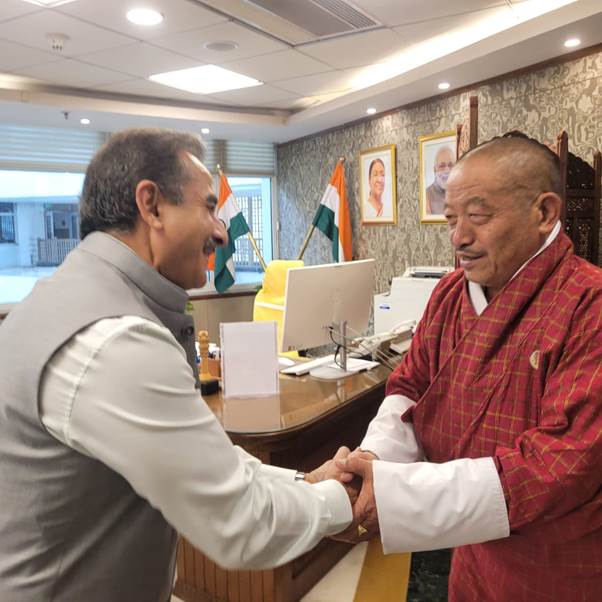
 A delegation from the Royal Government of Bhutan, headed by Mr Gem Tshering, Minister of Energy and Natural Resources, Government of Bhutan met Shri Kirti Vardhan Singh, Union Minister of State for Environment, Forest and Climate Change and discussed issues related to air quality, climate change, forests, natural resources, wildlife and renewable energy.

Shri Kirti Vardhan Singh thanked the Bhutanese Minister on joining the International Big Cat Alliance, a global initiative of India. He stated that both countries share same geography, ecosystem, as well as common values of democracy. He further stated that climate change is a common concern for both the countries.

Mr. Tshering informed about successfully hosting the Sustainable Finance for Tiger Landscape Conference in April 2024 in Paro. He stated that Bhutan is already a carbon negative country and obtains its major share of energy from hydropower.

Both sides agreed to work together in the areas of climate change, air quality, forest, wildlife management, and capacity building in the field of environment and climate change. India suggested to hold the Joint Working Group Meeting.

****

DoT successfully concludes networking events under Sangam-Digital Twin Initiative

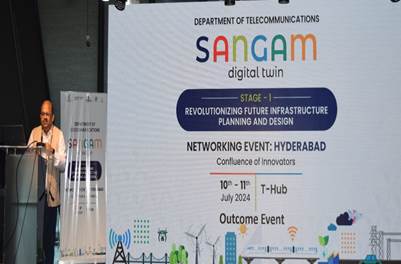
 The series of networking events under the Sangam-Digital Twin initiative by the Department of Telecommunications (DoT) has successfully concluded. The final event, held at T-Hub, Hyderabad on July 10-11, 2024, marked the culmination of a series of engaging and productive sessions aimed at revolutionizing infrastructure planning through advanced digital solutions.

The Sangam Networking Events, hosted across four prestigious institutions—IIT Delhi, IIT Bombay, PES University Bangalore, and T-Hub Hyderabad—brought together over 400 participants from leading companies, academia, and government sectors. The events focused on developing comprehensive blueprints for Digital Twin-enabled solutions that address various challenges by leveraging diverse data sources.


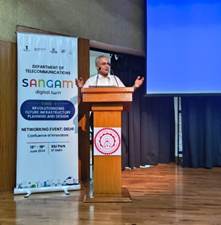
Each event featured insightful keynote addresses by esteemed speakers, who highlighted the significance of harnessing data to solve real-world problems.

Addressing the participants at first networking event at Delhi, Dr Neeraj Mittal, Secretary, Telecommunications, said “Our goal is to develop viable projects, secure funding, and present them to the government to demonstrate the feasibility of creating a infrastructure planning tool for national-level.”

Shri Jayesh Ranjan Special Chief SecretaryITE&C, Telangana Govt, in his address at the final event at Hyderabad, emphasized the importance of industry collaboration to build digital twins.

Shri Niraj Verma, Additional Secretary, Telecom, stated, “These initiatives have set in motion significant collaboration among participants, fostering new ideas, knowledge, and capabilities. Our goal is to develop viable projects, secure funding, and demonstrate the feasibility of creating a national-level infrastructure planning tool.”

Breakout Sessions

Breakout sessions covered key verticals such as Intelligent Traffic Management, Multimodal Public Transport Optimization, Comprehensive Mobility Planning, Traffic Emission Management, Water Distribution Networks, Disaster Management, and Aspirational Blocks focusing on Health and Nutrition, and Education.

Cross-Sectoral Collaboration: Participants engaged in collaborative discussions to integrate data from diverse sources while ensuring privacy preservation through advanced technologies. Horizontal topics such as Privacy Enhancing Technologies (PETs), Data Provider and AI Governance Framework, Virtual World Creation and Interaction Capabilities, and Mathematical Modelling and Physics-Based Simulations were also explored.

Innovative Solutions and Future Roadmaps: The events produced viable project blueprints and strategic roadmaps for implementation. These outputs will guide the design and architecture of future solutions, define roles for various stakeholders, identify potential customers, and establish funding and governance mechanisms.

Special emphasis was  laid on Aspirational Blocks in all the events. The focus was on finding solutions and build models for enhancing Key Performance Indicators (KPIs) across Health and Nutrition, Education, and other themes for the aspirational blocks.

Other Key Outcomes and Focus Areas

1.         Transportation: Solutions to reduce traffic congestion in cities through Digital Twins focusing on Intelligent Traffic Management, Multi Modal Public Transport Optimization, and Comprehensive Mobility Planning.

2.         Assessment of Environment Quality and Its Impact: Initiatives for Traffic Emission Management and optimizing Water Distribution networks.

3.         Healthcare: Development of the Sangam Health Twin platform for orchestrating various Health Digital Twins, including:

  – Discrete Health Digital Twins for modelling specific organs.

  – Training Twins for healthcare providers.

  – Medical Equipment Twins for infrastructure and predictive maintenance.

  – Community Twins for managing communicable diseases.

4.         Disaster Management: Comprehensive rescue planning through advanced digital simulations and data integration.

At the final event at Hyderabad, Shri Niraj Verma launched the Outcome Document. This document, developed by diverse participants across all four networking events, focuses on the way forward for the Stage 2 of the initiative. It is open for comments from relevant stakeholders.

Way Forward:

The Sangam initiative will continue to build on the momentum generated by these networking events. Moving forward, the focus will be on implementing the developed blueprints and roadmaps, securing necessary funding, and establishing governance mechanisms to ensure successful project execution. Collaborative efforts will be intensified to integrate cutting-edge technologies and data-driven insights into national infrastructure planning, ultimately aiming to create sustainable and efficient solutions that address economic, social, and environmental challenges.

The DoT extends its gratitude to all participants and companies for their active engagement and contributions, which have set the stage for transformative advancements in digital solutions.

For further information, please visit https://sangam.sancharsaathi.gov.in/


About Sangam:

The Sangam initiative aims to revolutionize infrastructure planning and design through the utilization of cutting-edge technologies and collective intelligence. It represents a collaborative effort to harness the power of technology for sustainable and efficient infrastructure solutions.

Indo-Norway collaboration on Blue-Economy

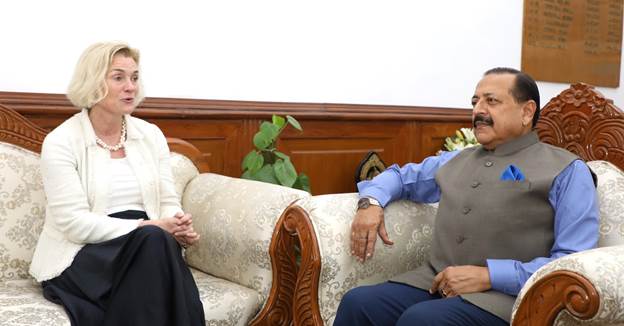
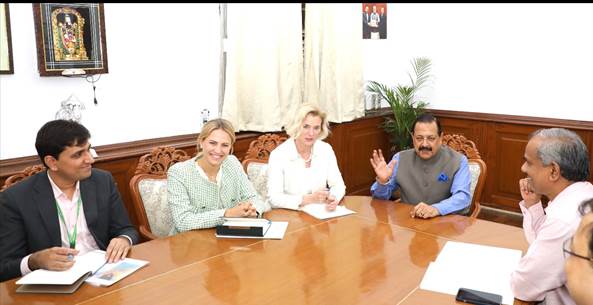
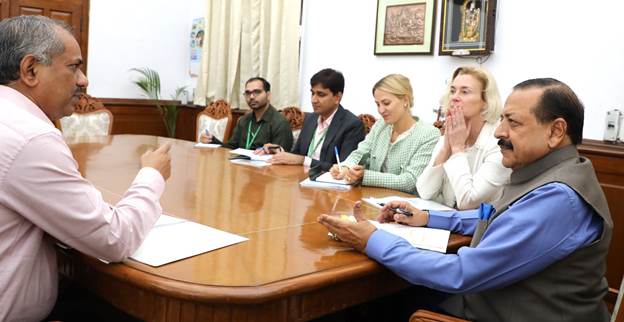
 Union Minister Dr. Jitendra Singh holds a meeting to review the Indo-Norway collaboration on Blue-Economy with Norwegian Ambassador to India Ms. May-Elin Stener in the North Block today.

Union Minister of State (Independent Charge) for Science and Technology, Minister of State (Independent Charge) for Earth Sciences, MoS PMO, Department of Atomic Energy and Department of Space, Personnel, Public Grievances and Pensions Dr. Jitendra Singh said, “The Joint Task Force (JTF) on Blue Economy (BE) to be strengthened by reinforcing our cooperation.” The task force is co-chaired by the Secretary, Ministry of Earth Sciences, Government of India.

The Minister also recalled the ‘India-Norway Integrated Ocean Management and Research Initiative’ and stated that we need to further deepen our collaboration. He also shared with the ambassador that India is carrying out a deep-sea mission by sending three Indians to deep sea which will open a horizon of opportunities in mineral exploration and seabed mining.

“Prime Minister Narendra Modi’s leadership enabled India’s Journey to Marine and Ocean exploration” is the reason for the gathering pace in this sector as described by the Earth sciences Minister. He also Said “Blue economy will foster India’s growth story in the coming years.” He highlighted the deployment of IndARC in the Arctic- India’s first sub-surface moored observatory in the polar waters, roughly halfway between Norway and the North Pole as India’s major scientific accomplishments.

Norwegian Ambassador to India Ms. May-Elin Stener said “Norway has Technology and India has Scalability”. She appreciated the efforts of the Minister for his increased co-operation, and able guidance to the projects under the Earth Sciences Ministry.

May-Elin Stener proposed to enhance the ties in fields of Science and technology along with ongoing Marine and Polar studies. The Ambassador recalled their Prime Minister’s Remarks on India and Norway being neighbors in Antarctica as far as the scientific research and establishing research facilities are concerned.

Dr. Jitendra Singh highlighted that his Earth Sciences Ministry has supported the Indo-Norwegian Fellowship Program which enabled three students to work on Arctic and Antarctic Glaciology funded by the Government.

The Earth Sciences Minister mentioned that an MoU was signed between the National Centre for Polar and Ocean Research (NCPOR) and Norwegian Polar Institute (NPI) for close collaboration in various fields of polar sciences at the 46th Antarctic Treaty Consultative Meeting held in Kochi.

Dr. Jitendra Singh recalled the draft framework jointly developed by India and Norway for Marine Spatial Planning (MSP). Going further he categorically stated both India and Norway look forward to the upcoming UN Conference on Oceans (UNOC-3) in Nice, France 2025.

****

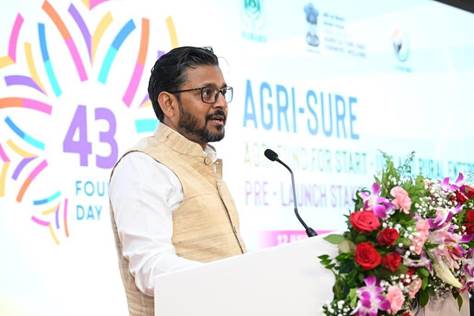
‘Agri Fund for Start-Ups & Rural Enterprises’ (AgriSURE) to provide support to Startup and Agripreneurs

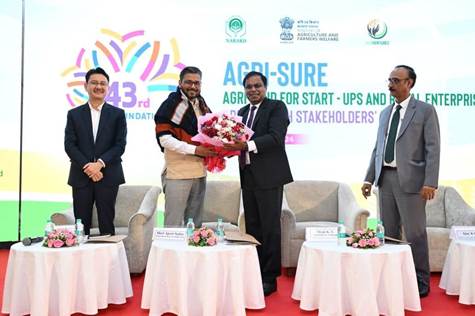
 The Government is poised to launch the ‘Agri Fund for Start-Ups & Rural Enterprises’ (AgriSURE) to support start-ups and agripreneurs through investments in sector-specific, sector-agnostic, and debt Alternative Investment Funds (AIFs), as well as direct equity support to start-ups working in Agriculture and allied sectors This initiative aims to foster innovation and sustainability in India’s agricultural sector through the establishment of a Rs 750 crore Category-II Alternative Investment Fund (AIF). The fund will offer both equity and debt support, specifically targeting high-risk, high- impact activities in the agriculture value chain.

The announcement was made at the Pre-Launch Stakeholder meet held at NABARD Headquarters in Mumbai. The event was attended by key stakeholders, including financial institutions, investors, AIF managers, and agri-startups. Distinguished guests included Shri Ajeet Kumar Sahu, Joint Secretary, DA&FW; Shri Shaji K.V., Chairman, NABARD; Shri Govardhan Singh Rawat, DMD, NABARD; and Dr. Ajay Kumar Sood, DMD, NABARD.


In his address, Shri Ajeet Kumar Sahu highlighted the fund’s potential to create an ecosystem that enhances financing for the agriculture sector through innovative approaches, benefiting small and marginal farmers. Shri Shaji K.V. emphasized the need for public and private sector collaboration to drive the next level of growth in agriculture through technological innovations.

While explaining the features of the fund CEO NABVENTURES briefed that the fund will be set up with an initial corpus of ₹750 Crore with 250 crores each from NABARD and the Ministry of Agriculture, and 250 crores from other institutions. The fund will focus on innovation in agriculture, enhancing the farm produce value chain, creating rural infrastructure, generating employment, and supporting Farmers Producer Organizations (FPOs). The fund will also encourage IT-based solutions and machinery rental services for farmers. NABVENTURES, a wholly-owned subsidiary of NABARD, will be the Fund manager of AgriSURE. The fund is designed to operate for 10 years, extendable by two or more years.

Underscoring its commitment to fostering innovation, NABARD also launched the AgriSURE Greenathon 2024. The hackathon aims to address three key problem statements: “Smart Agriculture on a Budget,” which tackles the high cost of advanced agriculture technologies that hinder small and marginal farmers; “Turning Agri-Waste into Profitable Business Opportunities,” focusing on transforming agricultural waste into profitable ventures; and “Tech Solutions Making Regenerative Agriculture Remunerative,” which aims to overcome economic hurdles in adopting regenerative agriculture practices.

NABARD called upon participation from young innovative minds to contribute in the journey of our country towards ‘Viksit Bharat’ with their innovative solutions to alleviate the flailing issues of the agriculture.

***

Concept of Viksit Bharat is not just a goal but a sacred mission

 The Vice-President, Shri Jagdeep Dhankhar today remarked that concept of Viksit Bharat @2047 is not just a goal but a sacred mission. Asserting that this century belongs to Bharat, he called upon “every citizen, every institution, and every sector of our society” to contribute their utmost.

Addressing the students and faculty of NMIMS in Mumbai today, VP underlined that as a consequence of series of affirmative governance initiatives, there has been a sea change in the business ecosystem and India is now seen as a favourite destination of investments and opportunities.

Shri Dhankhar compared India’s political journey to a rocket’s ascent, emphasizing resilience and progress despite occasional challenges. He noted that just as air pockets do not disturb a flight’s trajectory or destination, India’s political challenges have not hindered its rise. Highlighting the nation’s significant progress, Shri Dhankhar emphasized on the immense effort required a decade ago to launch this journey and remarked “Trust me, the next five years will see India’s rise like that of a rocket breaking beyond gravitational force.”

Highlighting the presence of nefarious forces with pernicious designs attempting to demean and taint the nation’s progress, the Vice-President called on the youth to actively counter negative narratives aimed at tarnishing India’s institutions and growth trajectory.

Talking about the abrogation of Article 370, VP referred to a Parliamentary discussion in 1963 in which the then Prime Minister had stated that Article 370 would wear away over time, emphasizing its temporary nature. Thanking the Parliamentarians for their decisive action in abrogating Article 370 in 2019, Shri Dhankhar mentioned that that the outcomes might have been different had Dr. Ambedkar drafted Article 370 or Sardar Patel been in charge of the integration of Jammu and Kashmir after the independence.

In his address, the Vice-President highlighted the illustrious history of India’s renowned educational institutions like Nalanda, Takshashila, Vikramshila, and Vallabhi. He emphasized that these ancient universities made India a knowledge powerhouse, significantly enhancing its diplomatic soft power and shaping trade directions. He also underlined the critical relevance of higher education in national development and empowerment, drawing from the legacy of these historic centers of learning.

Highlighting the transformative power of education, Shri Dhankhar described it as a driving force that empowers individuals, fosters innovation, and propels economic growth, contributing significantly to societal and national progress.

On this occasion, VP also urged the youth to break free from conventional thinking and embrace the vast opportunities available to today. Expressing the need to move beyond the traditional focus on competitive examinations and explore the new, unconventional prospects emerging in various fields, Shri Dhankhar encouraged everyone to look beyond the horizon and recognize the immense potential in emerging areas such as AI, quantum computing, Green Hydrogen Mission.

Dr. (Smt.) Sudesh Dhankhar, Shri Ramesh Bais, the Governor of Maharashtra, Shri Praful Patel, the Member of Parliament, Rajya Sabha, Shri Amrishbhai Rasiklal Patel, Chancellor of NMIMS, Dr. Ramesh Bhat, Vice-Chancellor, NMIMS, Dr. Sharad Mhaiskar, Pro Vice-Chancellor, NMIMS, faculty members, staff and students were present on the occasion.\

Read full text here : https://pib.gov.in/PressReleasePage.aspx?PRID=2032761

*****