



By Kavita Dehalwar
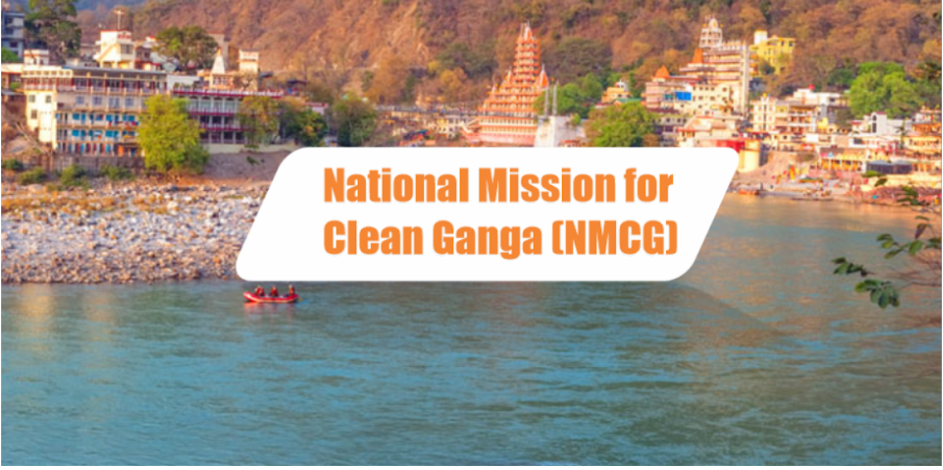
The National Mission for Clean Ganga (NMCG) is an ambitious project initiated by the Government of India with the objective of rejuvenating the Ganga River, one of India’s most important and revered rivers. Launched in 2014 under the Namami Gange Programme, NMCG serves as the implementation arm responsible for coordinating the multi-stakeholder efforts to clean and conserve the Ganga basin.
Background and Need for NMCG
The Ganga River holds immense cultural, spiritual, and economic significance in India, with millions of people depending on it for water, agriculture, and livelihoods. Despite its importance, the river has suffered from years of pollution due to rapid industrialization, urbanization, and population growth. Untreated sewage, industrial effluents, agricultural runoff, and religious activities have all contributed to the degradation of the Ganga, impacting its ecosystem and water quality.
To address this alarming situation, the Government of India has initiated several programs over the decades. However, these efforts were either fragmented or insufficient. The NMCG was formed as part of the Namami Gange Programme to provide a comprehensive and sustained approach to cleaning the river and ensuring its long-term sustainability.
Objectives of NMCG
The core mission of the NMCG is to restore and conserve the Ganga River by reducing pollution and maintaining ecological flow (Aviral Dhara). Its main objectives include:
- Pollution Abatement: Reducing pollution levels in the river by treating sewage, industrial effluents, and other pollutants that enter the Ganga.
- Riverfront Development: Developing and beautifying the ghats (riverbanks) to promote tourism, sanitation, and the cleanliness of the riverbanks.
- Biodiversity Conservation: Restoring and conserving the river’s biodiversity, which includes aquatic life like the endangered Gangetic dolphin and various fish species.
- Sustainable Agriculture: Promoting eco-friendly farming practices in the Ganga basin to reduce chemical runoff into the river.
- Public Participation: Encouraging active community involvement in Ganga rejuvenation through public awareness campaigns and local participation in river conservation efforts.
- Afforestation: Undertaking plantation and conservation activities along the riverbanks to improve the health of the river ecosystem and prevent soil erosion.
- Ecological Flow: Ensuring that a sufficient amount of water remains in the river at all times to support its ecological functions, even as demands for irrigation, drinking water, and industrial use grow.
Key Components of NMCG
The National Mission for Clean Ganga operates under a multi-pronged strategy that encompasses the following key components:
- Sewerage Infrastructure Development: One of the major contributors to Ganga pollution is untreated sewage. NMCG has focused on building and upgrading sewage treatment plants (STPs) across cities and towns situated along the river. These plants are designed to treat wastewater before it enters the river, reducing the harmful impact of domestic and industrial waste.
- River Surface Cleaning: Cleaning the surface of the river is another priority under NMCG. Special equipment like trash skimmers has been deployed to remove floating debris, garbage, and pollutants from the river’s surface.
- Industrial Pollution Control: The NMCG has initiated stringent measures to regulate industrial discharge into the Ganga. Industrial units located along the river are required to install effluent treatment plants (ETPs) and adhere to environmental guidelines to minimize pollution.
- Rural Sanitation: The mission aligns with the Swachh Bharat Mission (Clean India Campaign) to improve rural sanitation in villages along the Ganga. By promoting the construction of toilets and waste management systems, NMCG aims to prevent open defecation and other practices that contribute to water pollution.
- Riverfront Development: Riverfronts are being developed in several cities along the Ganga to create clean, accessible spaces that can be used by residents and tourists. This includes renovating old ghats, constructing new ghats, and providing better facilities for bathing, religious activities, and public use.
- Biodiversity and Wetland Conservation: NMCG has also focused on conserving and restoring wetlands and aquatic ecosystems around the Ganga. This effort includes projects to protect the endangered Gangetic dolphin, restore natural habitats, and conserve fish species. These biodiversity efforts aim to improve the ecological health of the river and its surroundings.
- Public Awareness and Participation: NMCG places a strong emphasis on public awareness, education, and community participation. Numerous awareness campaigns have been launched to educate the public about the importance of keeping the Ganga clean. Efforts include outreach programs in schools, universities, and communities, as well as engaging religious leaders to promote responsible practices.
- Monitoring and Real-Time Data: The NMCG has set up a real-time water quality monitoring system to assess the pollution levels in the Ganga and its tributaries. This system helps authorities monitor the effectiveness of pollution control measures and make necessary interventions.
Governance and Structure of NMCG
NMCG operates under the Ministry of Jal Shakti and functions as a registered society under the Societies Registration Act, 1860. It is part of the National Ganga Council, which is headed by the Prime Minister of India. The council oversees the planning and execution of Ganga rejuvenation projects and is supported by the State Ganga Committees in the five major states through which the river flows—Uttarakhand, Uttar Pradesh, Bihar, Jharkhand, and West Bengal.
NMCG also coordinates with various central and state government agencies, local bodies, non-governmental organizations (NGOs), and other stakeholders to ensure effective implementation of the mission’s objectives.
Achievements of NMCG
The National Mission for Clean Ganga has made significant progress since its inception. Some of its key achievements include:
- Sewage Treatment Capacity: As of recent reports, several sewage treatment plants have been constructed and made operational, significantly improving the capacity for treating wastewater in cities along the Ganga.
- Reduction in Pollution Levels: Various reports indicate a reduction in pollution levels in stretches of the Ganga, particularly around cities where new sewage treatment plants and industrial pollution control measures have been implemented.
- Public Engagement: Millions of people have been engaged in NMCG’s awareness programs and activities, resulting in a greater sense of ownership and responsibility towards the Ganga’s conservation.
- Improved Biodiversity: Efforts to protect the Gangetic dolphin and other species have shown positive results, with sightings of the dolphin increasing in several stretches of the river.
- Successful Riverfront Projects: Several riverfront development projects have been completed, providing cleaner, well-maintained public spaces for people to interact with the river while ensuring better waste management along the ghats.
Challenges Faced by NMCG
Despite its achievements, NMCG faces several challenges, including:
- Coordination Among Stakeholders: The Ganga runs through multiple states, each with its own governance structures, making coordination between different government agencies and local bodies complex.
- Sustaining Public Engagement: Keeping the public engaged in the long-term requires continuous awareness programs and education, as the behavior of communities directly affects the health of the river.
- Industrial Compliance: Ensuring consistent compliance with pollution norms by industries is an ongoing challenge, especially in regions where industries are a significant source of employment and revenue.
- Urbanization and Population Growth: Rapid urbanization and population growth along the Ganga basin contribute to increased pollution, which requires ongoing efforts to expand sewage treatment and waste management infrastructure.
Conclusion
The National Mission for Clean Ganga (NMCG) is one of the largest and most comprehensive river rejuvenation projects in the world. While it has made significant progress in addressing pollution, restoring ecosystems, and engaging the public, there is still a long way to go to achieve the mission’s goals of a clean, sustainable, and healthy Ganga. With continued political will, public participation, and a focus on holistic development, NMCG has the potential to make the Ganga a symbol of ecological restoration and sustainable development in India.
References
Alley, K. D., Barr, J., & Mehta, T. (2018). Infrastructure disarray in the clean Ganga and clean India campaigns. Wiley Interdisciplinary Reviews: Water, 5(6), e1310.
Chatterjee, T. (2018). Independent environmental regulation in India: Less an authority and more a process from below. Indian Journal of Public Administration, 64(4), 614-626.
Kedzior, S. B. (2024). Clean Water and Universal Sanitation in an Era of Sustainable Development: Understanding the Challenges and Prospects for SDG 6 in the Ganga River Basin. Sustainability: Science, Policy, and Practice in India: Challenges and Opportunities, 85-103.
Nagar, S. (2020). Report–Ganga Aamantran Abhiyan: The National Mission for Clean Ganga.
Vyas, J. N., Nath, S., Deogade, R. B., & Chandra, P. (2023). Rejuvenation of Rivers in India: A Case Study on Efforts for Rejuvenation of River Ganga. In Ecosystem Restoration: Towards Sustainability and Resilient Development (pp. 137-147). Singapore: Springer Nature Singapore.
 Eduindex
You must be logged in to post a comment.