
What is HPC

High-Performance Computing (HPC): Unlocking Computational Power
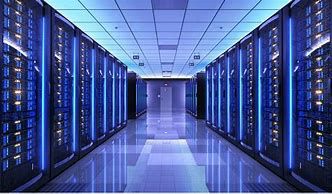
High-Performance Computing (HPC) refers to the use of advanced computing systems, architectures, and software to solve complex computational problems in various fields, including science, engineering, finance, and more.

Characteristics of HPC

  1. Scalability: Ability to process large amounts of data and scale up to meet increasing computational demands.
  2. Performance: Fast processing speeds, typically measured in floating-point operations per second (FLOPS).
  3. Parallel Processing: Ability to execute multiple tasks simultaneously, leveraging multiple processors or cores.
  4. Distributed Computing: Breaking down complex problems into smaller tasks, executed across multiple systems or nodes.

HPC Applications

  1. Scientific Research: Climate modeling, molecular dynamics, and genomics.
  2. Engineering: Finite element analysis, computational fluid dynamics, and structural analysis.
  3. Finance: Risk analysis, portfolio optimization, and high-frequency trading.
  4. Artificial Intelligence: Machine learning, deep learning, and natural language processing.
  5. Weather Forecasting: Numerical weather prediction and climate modeling.
  6. Cybersecurity: Cryptanalysis and intrusion detection.

HPC Architectures

  1. Clusters: Groups of interconnected nodes, often using commodity hardware.
  2. Grids: Distributed computing environments, leveraging geographically dispersed resources.
  3. Clouds: On-demand, scalable computing resources, provided by cloud service providers.
  4. Supercomputers: Custom-built, high-performance systems, often used for large-scale simulations.
  5. GPUs: Graphics Processing Units, optimized for parallel processing.

HPC Technologies

  1. MPI (Message Passing Interface): Standard for parallel programming.
  2. OpenMP: API for multi-threaded programming.
  3. CUDA: NVIDIA’s parallel computing platform.
  4. OpenACC: Directive-based programming model.
  5. InfiniBand: High-speed interconnect technology.

Benefits of HPC

  1. Increased Productivity: Faster simulation and analysis times.
  2. Improved Accuracy: Enhanced modeling and simulation capabilities.
  3. Competitive Advantage: Faster time-to-market and better decision-making.
  4. Innovation: Enables research and development in new fields.
  5. Cost Savings: Reduced energy consumption and infrastructure costs.

Challenges in HPC

  1. Scalability: Managing complexity and ensuring scalability.
  2. Power Consumption: Reducing energy consumption and heat generation.
  3. Cooling: Efficient cooling systems to prevent overheating.
  4. Security: Protecting sensitive data and ensuring secure access.
  5. Skill Gap: Addressing the shortage of skilled HPC professionals.

Real-World Examples

  1. NASA’s Pleiades Supercomputer: Simulates complex aerospace phenomena.
  2. IBM’s Watson: AI-powered system for healthcare and finance.
  3. Google’s DeepMind: AI research and development.
  4. Climate Prediction Center: Weather forecasting and climate modeling.
  5. CERN’s Large Hadron Collider: Simulates particle collisions.

Future of HPC

  1. Exascale Computing: Next-generation supercomputing, targeting 1 exaflop performance.
  2. Quantum Computing: Leveraging quantum mechanics for computational advantage.
  3. Artificial Intelligence: Integration of AI and HPC for accelerated insights.
  4. Edge Computing: Distributed computing for real-time analytics.
  5. Cloud-Native HPC: Scalable, on-demand HPC resources.

Conclusion

High-Performance Computing (HPC) plays a vital role in driving innovation and advancements across various industries. As computational demands continue to grow, HPC will remain essential for solving complex problems, accelerating discovery, and transforming industries.

What is VPN

Virtual Private Network (VPN): Enhancing Online Security and Privacy

A Virtual Private Network (VPN) is a technology that creates a secure and encrypted connection between your device and a VPN server, protecting your online activities from unauthorized access, surveillance, and censorship.

How VPN Works

  1. Your device establishes a connection with a VPN server.
  2. The VPN software encrypts your internet traffic.
  3. The encrypted data is transmitted through the internet.
  4. The VPN server decrypts the data and forwards it to its final destination.

Benefits of Using a VPN

  1. Enhanced Security: Protects against hacking, eavesdropping, and data breaches.
  2. Improved Privacy: Conceals your IP address, location, and online activities.
  3. Access to Restricted Content: Bypasses geo-restrictions and censorship.
  4. Secure Public Wi-Fi: Safeguards against public Wi-Fi vulnerabilities.
  5. Anonymity: Masks your online identity.
  6. Faster Internet: Optimizes internet speed by avoiding ISP throttling.

Types of VPNs

  1. Consumer VPNs: For individual use.
  2. Business VPNs: For organizations and enterprises.
  3. Free VPNs: Limited features, often with ads.
  4. Paid VPNs: Offers advanced features and better performance.

VPN Protocols

  1. OpenVPN: Highly secure and customizable.
  2. PPTP: Fast, but less secure.
  3. L2TP/IPSec: Balanced security and speed.
  4. SSTP: Secure, but limited compatibility.
  5. WireGuard: Modern, fast, and secure.

Key Features to Consider

  1. Encryption: Look for strong encryption methods (AES-256).
  2. Server Locations: Multiple servers worldwide.
  3. Speed: Fast connection speeds.
  4. Logging Policy: No-logs policy.
  5. Customer Support: Reliable support.
  6. Compatibility: Supports various devices and platforms.

Top VPN Providers

  1. ExpressVPN
  2. NordVPN
  3. ProtonVPN
  4. Surfshark
  5. TunnelBear

Common VPN Uses

  1. Streaming: Access geo-restricted content.
  2. Gaming: Reduce lag and improve online gaming.
  3. Remote Work: Securely access company networks.
  4. Travel: Stay secure on public Wi-Fi.
  5. Privacy: Protect online activities from surveillance.

Potential Drawbacks

  1. Slow Speeds: Depending on server distance and protocol.
  2. Cost: Paid VPNs require subscription.
  3. Complexity: Setup and configuration.
  4. Blocking: Some websites block VPN traffic.

Conclusion

A VPN is an essential tool for anyone concerned about online security, privacy, and freedom. By choosing the right VPN provider and understanding its features, you can safeguard your online activities and enjoy a secure and private internet experience.

Important Terms

  1. IP Address: Unique identifier for your device.
  2. Encryption: Scrambling data to protect it.
  3. Tunneling: Creating a secure connection.
  4. Server: Computer hosting VPN software.
  5. Protocol: Set of rules for VPN communication.

Durga Puja 2024

Durga Puja: A Vibrant Celebration of Goddess Durga

Durga Puja, also known as Durgotsav, is a significant Hindu festival celebrated across India, particularly in West Bengal, Assam, and other eastern states. It honors Goddess Durga, the embodiment of feminine power and strength, and her triumph over evil.

Mythological Significance

The festival is rooted in Hindu mythology, specifically the legend of Goddess Durga’s battle against the buffalo-demon Mahishasura. According to the myth, Mahishasura, a powerful demon, threatened the gods and the universe. Goddess Durga, born from the collective energy of the gods, defeated Mahishasura and his army, restoring balance and peace.

Celebrations and Rituals

Durga Puja is a five-day festival, typically celebrated in September or October, corresponding to the Bengali calendar’s Ashvin month.

Day 1: Mahalaya

  • Marks the beginning of Durga Puja
  • Radio broadcasts of Mahalaya recitations, narrating Goddess Durga’s story
  • Devotees visit temples and offer prayers

Day 2-3: Shashthi and Saptami

  • Idol installation and unveiling
  • Rituals, prayers, and offerings to Goddess Durga
  • Cultural programs, music, and dance performances

Day 4: Ashtami

  • Main puja day, with elaborate rituals and offerings
  • Devotees visit pandals (temporary shrines) and offer pushpanjali (flower offerings)

Day 5: Navami and Vijaya Dashami

  • Final rituals and farewell ceremonies
  • Idol immersion in water bodies, symbolizing Goddess Durga’s return to heaven

Pandals and Idol Making

  • Temporary shrines (pandals) are erected, showcasing elaborate decorations and themes
  • Skilled artisans create intricate clay idols of Goddess Durga and her companions

Cultural Significance

Durga Puja is a celebration of:

  1. Feminine power and strength
  2. Victory of good over evil
  3. Community bonding and socializing
  4. Cultural heritage and traditions
  5. Artistic expression and creativity

Traditional Delicacies

  • Bhog: Offerings to Goddess Durga, including sweets, fruits, and savory dishes
  • Bengali cuisine: Special dishes like khichuri, labra, and mishti doi

Regional Variations

Durga Puja is celebrated differently across regions:

  1. West Bengal: Known for its grand pandals and cultural events
  2. Assam: Focuses on traditional rituals and folk performances
  3. Odisha: Emphasizes temple worship and traditional dances
  4. Delhi: Celebrated with processions and cultural events

Conclusion

Durga Puja is a vibrant and meaningful festival that celebrates the triumph of good over evil, feminine power, and community bonding. Its rich cultural heritage, traditional rituals, and artistic expressions make it a unique and unforgettable experience.

Important Dates

  • Mahalaya: Typically in September or October
  • Durga Puja: Five-day celebration, usually in September or October
  • Vijaya Dashami: Tenth day, marking the end of Durga Puja

Key Locations

  • West Bengal (Kolkata, Howrah, etc.)
  • Assam (Guwahati, etc.)
  • Odisha (Bhubaneswar, etc.)
  • Delhi
  • Other eastern Indian states and cities