

The Aam Aadmi Party (AAP) lost the 2025 Delhi Assembly elections due to a combination of political, legal, and governance-related factors. Here are the key reasons:
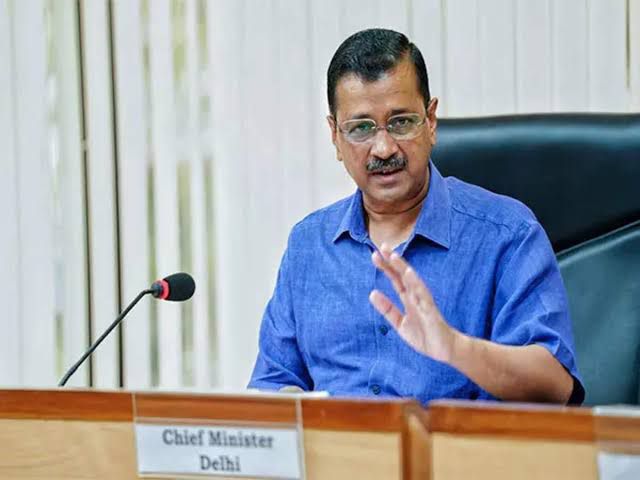
1. Legal Troubles & Corruption Allegations
- AAP leaders, including Chief Minister Arvind Kejriwal and Manish Sisodia, faced serious legal challenges in cases related to the Delhi liquor policy scam.
- Kejriwal’s arrest by the Enforcement Directorate (ED) just before the elections significantly weakened the party’s campaign.
- Allegations of corruption eroded public trust, making BJP’s anti-corruption narrative stronger.
2. BJP’s Strong Strategy & Modi Factor
- BJP effectively capitalized on AAP’s weaknesses and positioned itself as a clean and stable alternative.
- Prime Minister Narendra Modi’s popularity played a major role in BJP’s success.
- BJP aggressively targeted AAP on governance failures, corruption, and law-and-order issues.
3. Declining Public Trust in AAP
- AAP’s focus shifted from governance to legal battles, leading to public discontent.
- Voters who supported AAP in 2015 and 2020, particularly from the middle class, began questioning the party’s credibility.
4. I.N.D.I.A Alliance & Congress Factor
- The I.N.D.I.A bloc (Opposition alliance), which included AAP and Congress, failed to effectively coordinate their campaign.
- Congress did not fully support AAP, leading to a split in anti-BJP votes.
5. Lack of New Governance Initiatives
- AAP had built its success on free electricity, water, and education reforms, but by 2025, these policies lost their novelty.
- Issues like deteriorating air quality, water shortages, and unfulfilled promises hurt AAP’s credibility.
6. BJP’s Booth-Level Mobilization
- BJP worked extensively at the grassroots level, mobilizing voters effectively.
- The party also gained support from migrants, traders, and youth, who were disappointed with AAP’s governance.
Final Takeaway
While AAP started as an anti-corruption movement, its governance and leadership were overshadowed by legal troubles and controversies. BJP seized this opportunity and presented itself as a stable, corruption-free alternative, leading to its historic win after 27 years in Delhi.
Would you like a deeper analysis of any specific aspect?

 Eduindex News
You must be logged in to post a comment.