



Efficient material handling is the lifeline of any manufacturing or industrial process. It directly impacts productivity, operational costs, and overall workflow consistency. Whether you’re operating a small facility or a large-scale manufacturing plant, streamlining your material handling system can lead to significant financial and operational benefits.
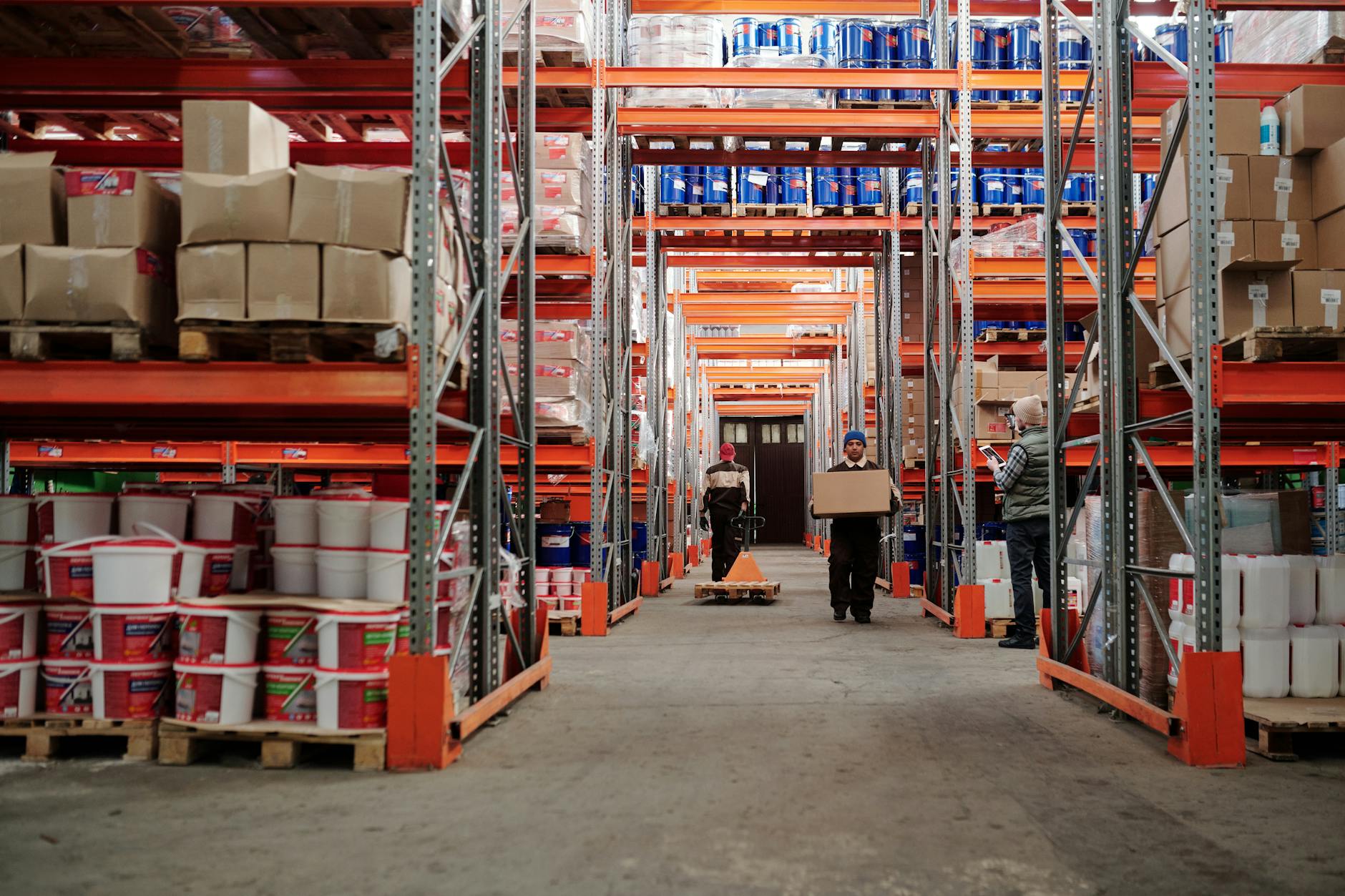
Here are 7 actionable steps to maximize efficiency in material handling and keep your operations running smoothly.
1. Analyze and Optimize Your Workflow
Efficiency begins with understanding your current processes. Take a step back, evaluate your workflow, and identify any bottlenecks or redundancies. This could include time wasted in transporting materials, unnecessary movements, or resource-heavy repetitive tasks.
For instance, implementing lean methodologies such as flow mapping can help uncover inefficiencies and streamline your processes. This systematic approach ensures the movement of materials happens effortlessly, saving time and energy.
2. Invest in the Right Material Handling Equipment
Choosing the right equipment for your operations can make or break your production efficiency. Depending on your needs, this could include conveyor systems, forklifts, sorting systems, or automated tools.
One innovative tool that has gained popularity is the use of vibratory feeder controllers. These controllers enable precise movement of parts, minimizing material waste and enhancing synchronization along production lines. When paired with an effective sorting system, they can significantly reduce downtime and improve overall throughput.
3. Leverage Automation Technologies
Advances in automation technology hold immense potential for optimizing material handling. Tools such as automated guided vehicles (AGVs) and robotic arms can eliminate repetitive manual tasks and reduce the risk of human error.
For example, automated conveyors equipped with sensors automatically adjust speed and direction for seamless movement. Sensors and IoT-enabled systems also allow remote tracking, helping you stay updated on material flow in real time.
Adopting automation isn’t just about speeding up production lines—it’s about creating a predictable and scalable process that adapts to changing demands.
4. Prioritize Preventative Equipment Maintenance
Unplanned downtime due to equipment failure can be disastrous for production efficiency. Regular maintenance schedules ensure that all material handling tools, from forklifts to vibratory feeder controllers, operate at peak performance.
Maintaining a log of inspections and repairs helps you spot issues early, extending the lifespan of your equipment and preventing abrupt breakdowns. Companies that conduct routine maintenance often witness shorter downtime and sustainable production rates, translating to increased profits.
5. Train Your Workforce for Efficiency
It’s not all about the machines; the people operating them play a crucial role in maintaining production flow. Regularly train your workforce to handle equipment effectively and implement safety practices.
Skilled employees can operate equipment like vibratory systems efficiently, troubleshoot minor issues, and even suggest process improvements. Additionally, proper training also reduces accidents, which are common culprits of operational delays.
6. Optimize Facility Layout
A well-planned facility layout minimizes unnecessary movement of materials and enhances workflow efficiency. Group equipment and workstations based on the sequence of operations to avoid confusion and delays.
For example, placing storage areas near production zones reduces time spent transporting raw materials. Similarly, ensure proper spacing between equipment to eliminate congestion within the workspace. Even small tweaks to your facility layout can produce noticeable efficiency gains over time.
7. Monitor and Measure Key Metrics
Maximizing efficiency is an ongoing process, so tracking the right performance metrics is critical. Key indicators to monitor include cycle time, throughput, inventory turnover, and downtime.
Modern manufacturers use software solutions like warehouse management systems (WMS) to gain real-time insights into operations. Data analytics provides clarity on which specific tasks consume the most time or resources, enabling you to implement targeted improvements.
Final Thoughts
By following these strategic steps, your material handling process can become a well-oiled machine that reduces waste, saves money, and empowers your team. Efficiency isn’t just about doing things faster; it’s about doing things smarter and more sustainably.
Whether through automation or equipment upgrades like vibratory feeder controllers, each adjustment compounds your ability to sustain long-term operational success. Start optimizing your operations today!
 Eduindex
You must be logged in to post a comment.