



The coal mining industry has driven global economic growth, powering industries and meeting energy needs worldwide. While the rewards for entrepreneurs can be significant, so are the risks. Starting a coal mining business requires planning, regulatory compliance, and a focus on sustainability. This guide outlines key strategies to help your venture succeed.
Market Research and Feasibility Study
Before breaking ground, it’s critical to conduct thorough market research and a feasibility study. These initial steps provide a foundation for making informed decisions about your venture.
Understand Market Demand
Analyze the global and regional demand for coal. Key applications of coal range from energy production to industrial uses in steelmaking. Research which markets are growing and where coal prices are trending. A detailed understanding of the supply and demand dynamics within your target region is crucial.
Assess Feasibility
A feasibility study determines whether the project is viable in terms of economics, regulations, and social impact. Key factors to evaluate include:
- Estimated costs of mining operations
- Transportation logistics
- Competition within the industry
- Long-term profitability
Failing to understand your market or skipping the feasibility analysis can lead to missteps that are both costly and time-consuming.
Regulatory Compliance and Permitting
Coal mining is a heavily regulated industry due to its environmental and social impact. Business success hinges on adhering to these regulatory requirements and obtaining the necessary permits.
Identify Required Permits
Permits are mandatory for every stage of your mining operation. Collectivity, these may include:
- Licenses for exploration and land use
- Environmental permits
- Occupational safety certifications
Each jurisdiction has unique regulations, so consult local authorities early and engage legal advisors to streamline the process. Non-compliance could lead to fines, shutdowns, or legal action.
Ensure Regulatory Awareness
Stay up to date with industry regulations, which can frequently change. Policies regarding emissions, labor safety, and waste disposal are especially critical components to monitor in the coal industry.
Site Selection and Geological Assessment
The success of your mining enterprise hinges on selecting a profitable site and conducting a thorough geological assessment.
Choose the Right Location
Start with an overall assessment of potential mining locations. Key considerations include:
- Proximity to infrastructure such as roads, railways, and ports.
- Land ownership disputes or community resistance.
- Accessibility for equipment and workforce.
Conduct Geological Surveys
Engage geologists to validate the site’s coal reserves. Techniques such as core drilling and seismic surveys can assess the quantity, quality, and depth of coal deposits.
Estimate Resources and Costs
Once you’ve identified a site, estimate how many tons of coal can feasibly be extracted and calculate the associated operational costs. Balancing profitable yields with manageable expenses will set the stage for long-term success.
Mining Methods and Technology
The efficiency and profitability of a coal mining enterprise depend significantly on the mining methods and technology employed.
Choose a Mining Method
There are two primary coal mining methods:
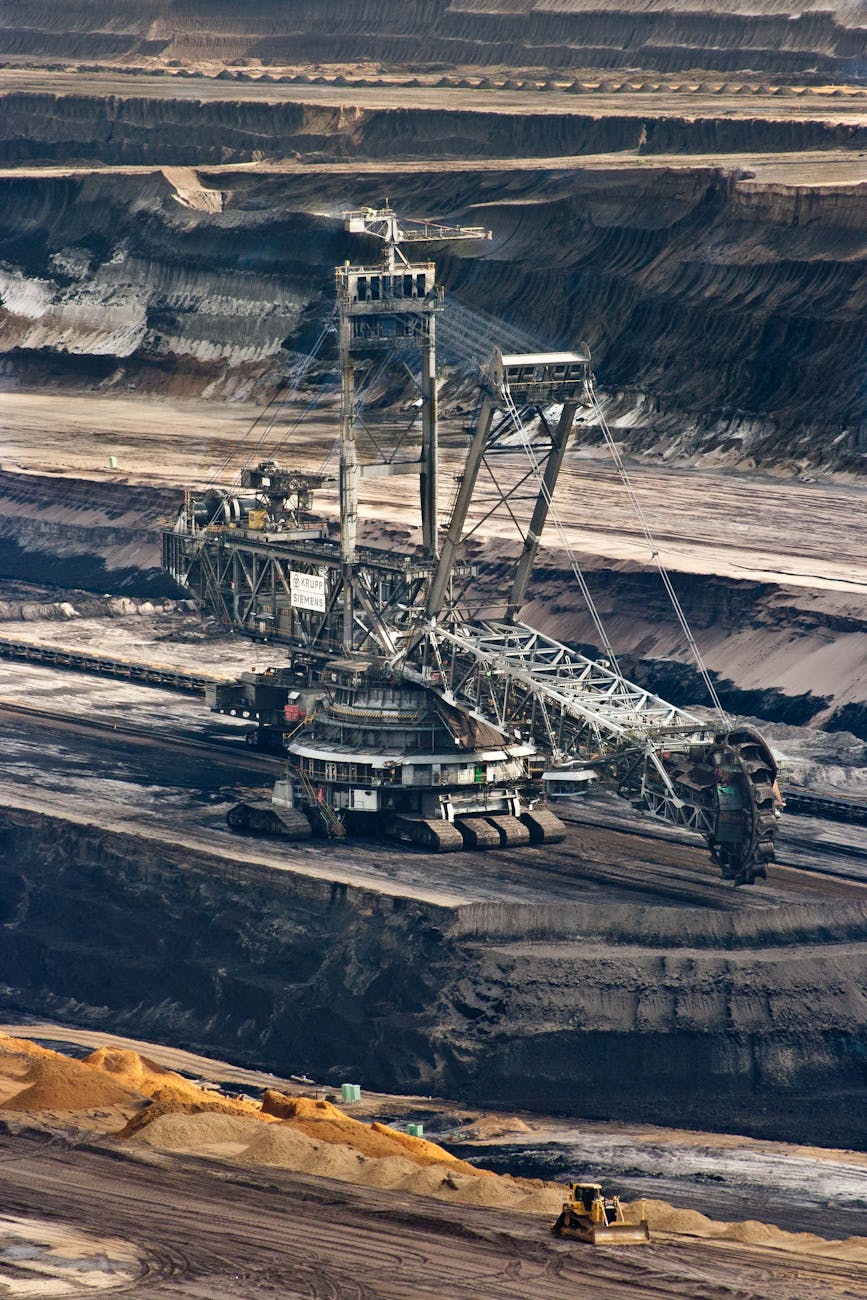
- Surface Mining (also known as open-pit mining): Used when coal deposits are located near the surface. It is often less expensive but has significant environmental impacts.
- Underground Mining (also known as deep mining): Ideal for extracting coal from deeper deposits. While more resource-intensive, it has fewer visible environmental effects.
Your choice of method should align with the site’s geological conditions and cost structure.
Invest in the Right Technology
Technology is a game-changer in coal mining, enhancing safety, efficiency, and productivity. Examples include automated drilling systems, remote monitoring, and the use of advanced coal haulers to streamline transport operations. Innovation not only optimizes costs but also minimizes human exposure to hazards, making operations safer.
Environmental Considerations and Sustainability
Operating a coal mining enterprise demands a strong focus on environmental stewardship. Public opinion and regulations increasingly favor businesses that implement sustainable mining practices.
Manage Environmental Impact
Minimize your impact by addressing:
- Land Reclamation: Restore mined land to its natural or economically usable state after operations cease.
- Water Management: Prevent contamination of groundwater by carefully managing runoff and wastewater.
- Emission Controls: Use technologies to reduce greenhouse gas emissions during coal extraction and processing.
Build a Sustainable Reputation
Sustainability isn’t just about compliance; it’s also a competitive advantage in today’s eco-conscious marketplace. Engage with local communities, participate in conservation projects, and underscore your commitment to responsible mining practices.
Financial Planning and Investment
Funds are the lifeblood of any coal mining venture. Without a robust financial plan, even promising operations can falter.
Estimate Costs
The primary costs to consider include:
- Equipment purchase or leasing
- Labor costs
- Regulatory fees and permits
- Infrastructure, such as roads and storage facilities
Diversify Funding Sources
Explore multiple funding options:
- Bank Loans: Ideal for startups with adequate collateral.
- Equity Financing: Attract investors in exchange for ownership stakes.
- Government Grants or Subsidies: Some regions incentivize resource extraction through subsidization.
A flexible financial structure will help insulate your operations from volatile coal prices and global uncertainties.
Operational Management and Workforce Development
Effective operational management and a well-trained workforce are essential for sustaining productivity and profitability.
Build Your Team
Recruit skilled workers with specialized expertise in mining, geology, and machinery operations. Provide ongoing training in safety protocols and efficiency best practices, ensuring your workforce is prepared to handle day-to-day challenges.
Develop a Robust Supply Chain
Efficient supply chain management includes streamlined procurement of mining equipment, smooth coal transportation to buyers, and maintaining relationships with suppliers to avoid delays.
Prioritize Safety
Mining is a high-risk industry. Prioritize safety by implementing rigorous protocols, investing in protective equipment, and consistently reinforcing a culture of safety-first awareness.
Risk Management and Mitigation
Every business has risks, but coal mining presents unique challenges that require careful mitigation strategies.
Common Risks
- Environmental lawsuits
- Volatile coal prices
- Equipment downtime
- Potential accidents and worker injuries
Risk Mitigation Strategies
- Insurance: Protect your enterprise against financial losses by investing in comprehensive insurance policies.
- Diversification: Diversify your markets and client base to reduce dependency on any single revenue stream.
- Contingency Plans: Develop detailed contingency strategies for possible emergencies, covering everything from supply chain disruptions to safety incidents.
Conclusion
Establishing a coal mining enterprise is undeniably complex but equally rewarding for those equipped with the right preparation, knowledge, and resources. By conducting detailed market research, adhering to strict regulations, leveraging modern technology, and prioritizing sustainability, your venture can succeed and adapt to an evolving industry.

 Eduindex
You must be logged in to post a comment.