
How to Choose the Right Trailer for Your Construction Equipment

Daily writing prompt
What personal belongings do you hold most dear?

Selecting the right trailer for transporting construction equipment is a critical decision for ensuring safe and efficient operations. A poorly chosen trailer can lead to costly delays, equipment damage, or even safety hazards. Here’s a guide to help you make the best choice, taking into account your equipment needs, budget, and transportation requirements.
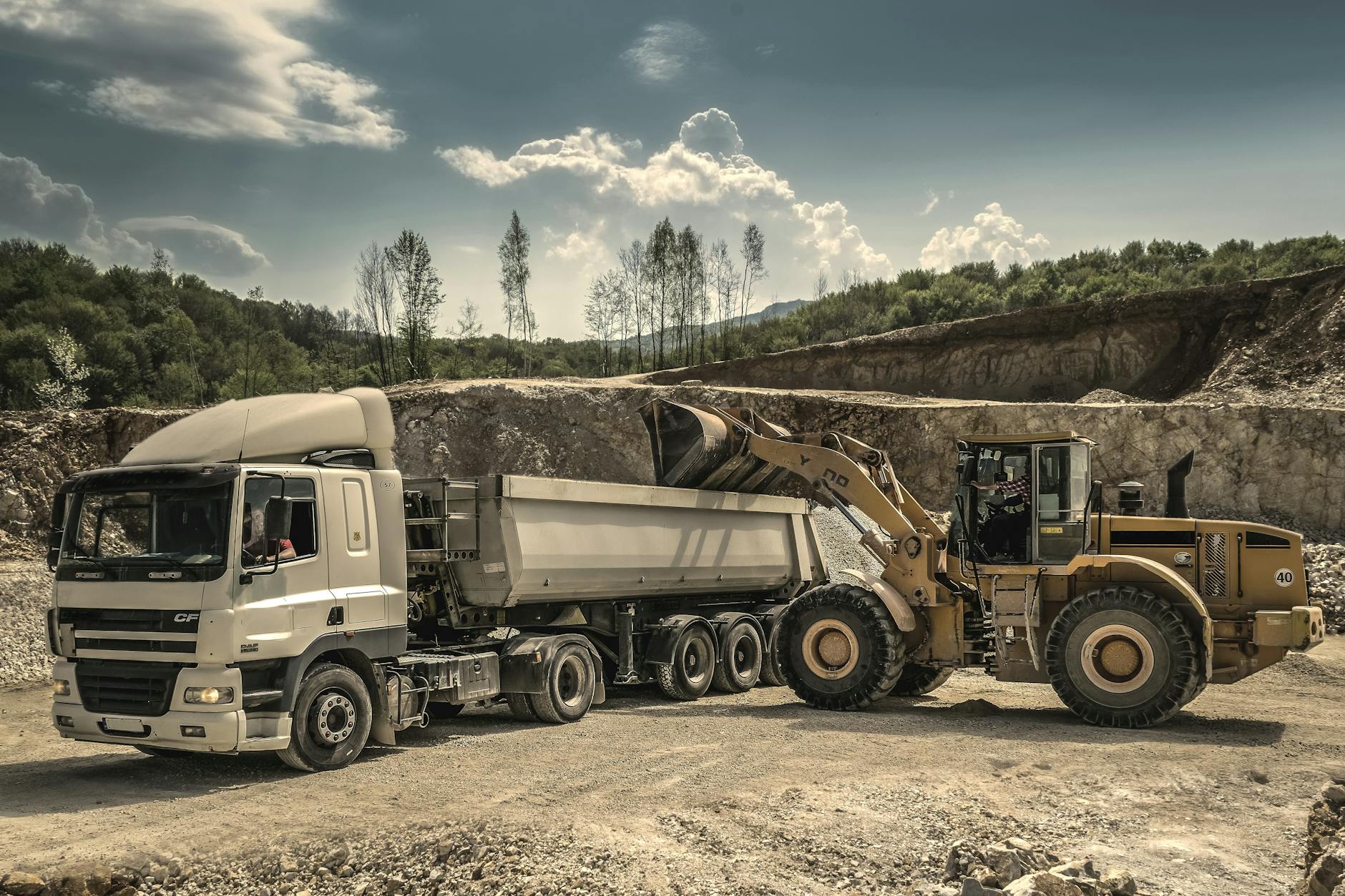
Photo by Ivan on Pexels.com

Understand Your Equipment’s Specifications

Start by analyzing the dimensions and specifications of the construction equipment you need to transport. The weight, size, and shape of your machinery will impact the type of trailer best suited for the job.

Weight Considerations

One of the most important factors is weight. Trailers have specific load capacities, and exceeding the limit can cause structural damage or accidents. Calculate the total weight of your equipment, including any attachments, and ensure the trailer’s gross vehicle weight rating (GVWR) can handle it.

Dimensions and Clearance

Check your equipment’s height, width, and length to confirm it will fit securely on the trailer without overlapping or obstructing. Some machinery may require extended decks or specialized designs to accommodate unusual shapes.

Trailer Types and Their Uses

Different trailer designs offer varying advantages based on the construction equipment you’re moving. Below are some popular options to consider.

Flatbed Trailers

Flatbeds are versatile and work well for hauling large equipment like excavators, bulldozers, and skid steers. They provide an open platform that simplifies loading and unloading. However, securing the load properly is vital to prevent shifts during transport.

Gooseneck Trailers

Gooseneck trailers are ideal for heavier equipment due to their excellent weight distribution and stability. They’re often used for hauling compact loaders and other mid-sized machinery. Their higher weight capacity makes them a popular choice for many contractors.

Step Deck (Drop Deck) Trailers

For tall construction equipment like cranes, step deck trailers are a great option. These trailers offer lower deck heights, which accommodate taller loads while adhering to height clearance regulations.

Lowboy Trailers

When maximum stability and the ability to haul oversized equipment are a must, lowboy trailers fit the bill. They are designed specifically for extremely heavy or tall machinery, often with detachable lower decks for easy loading.

Tilt Trailers

Tilt trailers make the loading and unloading process simple by allowing the deck to tilt downward. These trailers are perfect for compact equipment that can be driven on and off, such as mini-excavators.

Assess Your Transportation Needs

Apart from finding the right trailer, you’ll need to consider factors related to transportation logistics.

Distance and Frequency

For long-distance hauling or frequent trips, durability and build quality are essential. Heavy-duty trailers with features like reinforced frames and superior suspension systems are better suited for regular use.

Towing Vehicle Compatibility

Ensure the trailer you select is compatible with your towing vehicle. The towing capacity, hitch type, and axle configuration of your truck must match the specifications of the trailer for safe transport.

Road and Terrain

The type of roads and terrain on your transportation route is another factor to evaluate. For off-road or rough terrain, choose trailers with heavy-duty tires and enhanced suspension systems to handle the bumps and ensure smooth transport.

Safety and Compliance

Transporting construction equipment isn’t just about moving machines; it also involves adhering to safety protocols and transport laws.

Load Securement

Properly securing loads is crucial. Use chains, straps, and tie-down points to ensure the equipment stays in place. An unstable load could fall or cause damage, creating serious safety hazards.

Regulations and Permits

Some trailers and loads require special permits based on dimensions or weight limits. Be familiar with local and state regulations and obtain the necessary permissions before hitting the road.

Trailer Maintenance

Regular maintenance is vital for keeping your trailer in operational condition. Inspect brakes, tires, and structural components to ensure they meet safety standards.

Budgeting and Cost Considerations

While it’s tempting to opt for the cheapest trailer available, remember that cost-saving today can lead to higher expenses later. Invest in a high-quality trailer that aligns with your needs. Consider long-term benefits such as reliability, durability, and resale value.

For businesses requiring frequent transportation, partnering with reliable services, such as trucking companies in Utah, can help streamline logistics and avoid unnecessary expenses.

Making the Final Decision

Choosing the right trailer for your construction equipment might take some time, but the effort is well worth it. By carefully evaluating your equipment’s specifications, transportation needs, and safety requirements, you can find a solution that ensures smooth delivery and protects your machinery. Don’t compromise on quality or compliance, as these decisions play a major role in your project’s success.


The Future of Lightweight Engineering in Aviation

Daily writing prompt
What personal belongings do you hold most dear?

The aviation industry is in constant pursuit of greater efficiency, reduced emissions, and enhanced performance. Lightweight engineering, a field focused on reducing the weight of aircraft without compromising safety or performance, is at the forefront of these advances. By using innovative materials and cutting-edge design principles, lightweight engineering has become pivotal in modern aviation. This article explores the key trends shaping the future of lightweight engineering in aviation, including advanced materials, digital tools, and more efficient manufacturing processes.

Photo by Pixabay on Pexels.com

1. Advanced Materials Revolutionizing Aircraft Design 

The adoption of advanced materials plays a critical role in making lighter and stronger aircraft components. Composite materials and specialized metals, such asaerospace aluminium alloys, have become essential in reducing the overall weight of aircraft while maintaining structural integrity. 

Why It Matters: 

Advanced materials, like carbon fiber-reinforced polymers and state-of-the-art alloys, offer superior strength-to-weight ratios, which contribute to fuel efficiency and lower operating costs. Research suggests that a 20% reduction in aircraft weight can lead to fuel savings of up to 15%, significantly lowering emissions and costs for airlines. 

By adopting these materials, manufacturers such as Airbus and Boeing have created lighter airframes with improved aerodynamics, proving how foundational materials innovation is to the field.

2. Digital Twin Technology Enhancing Prototyping 

One of the most exciting advancements in lightweight engineering is the rise of digital twin technology. This tool allows engineers to create highly accurate virtual simulations of aircraft or specific components in order to test theoretical changes without physically building prototypes.

Why It Matters: 

By using digital twin technology, engineers can experiment with new lightweight designs in a fraction of the time it would take through traditional prototyping. For instance, GE Aviation uses digital twins to predict the performance of lightweight jet engines under varying conditions, enabling cost-effective and precise adjustments during development. 

These simulations lead to leaner designs, reduced material waste, and faster production cycles, improving both sustainability and profitability for manufacturers.

3. Additive Manufacturing Transforming Production 

Additive manufacturing, also known as 3D printing, is revolutionizing the production of lightweight aircraft components. This process enables the creation of complex, lightweight parts that would be difficult or impossible to manufacture using traditional methods.

Why It Matters: 

With 3D printing, engineers can design highly efficient parts that use less material without sacrificing their strength or functionality. According to a study by McKinsey, additive manufacturing can reduce material consumption by up to 90% for certain components. 

An excellent example is GE’s 3D-printed fuel nozzle, used in jet engines, which is 25% lighter than its traditionally manufactured counterpart. Additive manufacturing not only lightens aircraft components but also reduces lead times and manufacturing costs, creating opportunities for greater efficiency within supply chains.

4. Aerodynamic Optimization Through Computational Design 

Aerodynamic optimization is another critical aspect of lightweight engineering. Advances in computational design tools make it possible to model and analyze airflow more precisely, allowing designers to create aircraft that are lighter and more fuel-efficient.

Why It Matters: 

Through computational fluid dynamics (CFD), engineers can evaluate the interaction between airflow and aircraft surfaces to identify areas where weight can be reduced or where materials can be redistributed for optimal performance. For example, NASA’s efforts in designing blended-wing body aircraft demonstrate how reshaping airframes can lead to a 20-30% improvement in fuel efficiency. 

By utilizing these tools, manufacturers can further integrate aerodynamic improvements with weight-saving strategies, ensuring the next generation of aircraft are as efficient as possible.

5. Sustainable Lightweight Solutions Driving Innovation 

Sustainability is increasingly influencing the future of lightweight engineering. Manufacturers are not only focusing on reducing aircraft weight but also prioritizing environmentally friendly materials and production methods. 

Why It Matters: 

Bio-composites made from renewable resources, such as natural fibers and resins, are emerging as viable alternatives to traditional lightweight materials. These eco-friendly materials lower energy consumption during production and reduce the overall carbon footprint of aviation. 

Companies like Airbus are leading the charge by integrating innovative, sustainable materials into their aircraft designs. For example, the Airbus A320neo incorporates lighter materials that contribute to a 20% reduction in CO2 emissions compared to earlier models.

The Road Ahead for Lightweight Engineering in Aviation 

Lightweight engineering is paving the way for a more efficient, cost-effective, and sustainable future in aviation. By leveraging advanced materials, emerging technologies like digital twins, and innovative processes like additive manufacturing, the industry is poised to meet the increasing demand for greener, more efficient air travel.

Although challenges such as high material costs and complex supply chains remain, the benefits of lightweight engineering far outweigh its hurdles. With continued investment in research and development, we can expect aviation to become even more innovative and sustainable in the coming decades.