How to Support Aging Parents with the Right Senior Living Plan

Taking care of aging parents can be a challenging but essential task. As our loved ones grow older, their needs change, and so do our responsibilities. Choosing the right living plan for aging parents is crucial to ensuring they live comfortably and safely.

It’s not only about finding a place for them to live; it’s also about making sure they have the support they need daily. Many families find it difficult to navigate the complex world of senior living options, but understanding what’s available can lead to the best decisions.

Understanding the Different Types of Senior Living Plans

There are several types of senior living plans available today. Each offers unique benefits and is suited for different needs. Here are some common options:

  • Independent Living
  • Assisted Living
  • Nursing Homes
  • Memory Care

Each of these options caters to different levels of care, so being aware of your parents’ specific needs is essential in choosing the right one.

The Benefits of a Senior Living Plan

A well-chosen senior living plan provides numerous benefits. First and foremost, it offers peace of mind knowing your parent is in a safe and supportive environment. Most senior living communities offer various services that can greatly enhance the quality of life for your loved one.

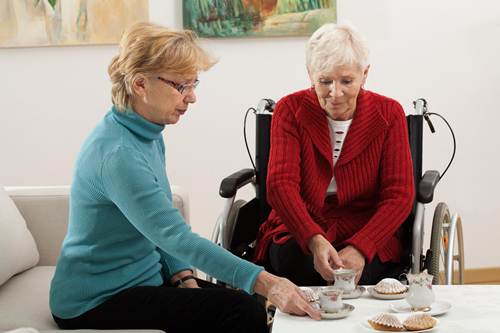
For instance, many facilities provide personalized daily assistance for seniors, ensuring they receive medication on time and support for daily tasks. Programs designed to enhance physical health, such as exercise classes and wellness workshops, also contribute to a better quality of life.

Visiting Potential Living Locations

After narrowing down the options, it’s vital to visit the potential living locations. This step allows you to see the facilities in person, meet the staff, and observe the community dynamics. Pay attention to how staff members interact with residents; kind and attentive staff can make all the difference in your parents’ experience.

Taking the time to visit each location will help you make an informed decision and ensure your parent will be happy and cared for.

Planning the Transition

Once you decide on a living plan, the next step is planning the transition. Moving into a new home can be overwhelming for seniors, so it’s crucial to approach this process with care.

Give your parent plenty of time to adjust and prepare for this new chapter in their life. Involve them in packing and decorating their new space. Familiar items from their current home can make the transition easier and more comforting.

Staying Involved

Once your parent moves into their new living arrangement, staying involved remains important. Regular visits, phone calls, and involvement in community events can help maintain a strong relationship. Encourage them to participate in activities offered at their new home to help foster friendships and engagement.

Your Role as a Caregiver

As a caregiver, your support plays a vital role in your parent’s happiness and health. Being proactive, understanding their needs, and advocating for them in their new environment can make all the difference. Knowledge about their living plan, active participation in their life, and an open line of communication can ensure your parent enjoys their golden years.

Embracing the Journey Together

Supporting aging parents with the right senior living plan is a journey full of emotion and consideration. Remember that it’s a collaborative effort, strengthening your bond while giving your parent the care and attention they deserve. Empower your loved ones by choosing the best living plan that suits them, allowing them to thrive in their later years.

For more helpful tips, check out the rest of our site today.
The Role of Fitness Certification in Enhancing Senior Health Care

Did you know that nearly 95% of older adults have at least one chronic health condition? This statistic highlights the urgency of prioritizing the health and well-being of the senior population.

One of the most effective ways to improve the care and health outcomes for seniors is through specialized fitness certification. As health care professionals and fitness trainers, it is vital to understand how obtaining such certifications can not only enhance our skills but also significantly benefit the seniors we work with. Keep on reading to learn more.

The Importance of Fitness Certification in Senior Care

The role of fitness certification is increasingly recognized in the field of senior health care. These certifications equip health care professionals and trainers with the knowledge and skills necessary to design safe and effective exercise programs tailored specifically for seniors. Here’s why this matters:

Understanding Medical Conditions

Trainers learn about health problems like weak bones and heart issues. They know how to keep these in mind during workouts. This helps older adults stay safe while moving.

Safety Protocols

Fitness training teaches how to keep people safe while they exercise. Trainers learn rules to stop accidents. This makes workouts better for seniors.

Customized Programs

Each person gets a plan made just for them. Trainers change the plan to fit the person’s needs. This helps make the workout work well.

Client Motivation

Trainers learn how to keep people going. They say the right things to help seniors stick with it. This keeps people moving and feeling good.

By holding a fitness certification, trainers and health care professionals can develop a positive rapport with the seniors they assist. Understanding their needs, limitations, and preferences allows for a tailored approach to fitness that encourages participation and promotes physical activity.

Improved Outcomes with Certified Professionals

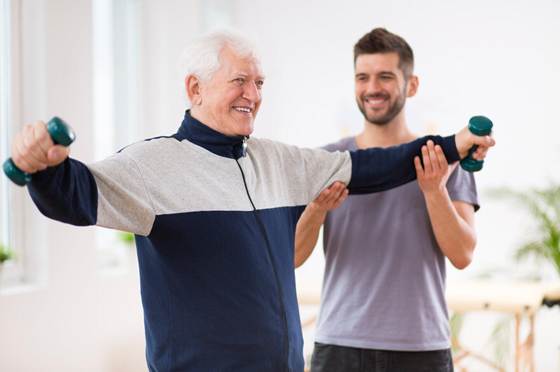
The expertise and training received through fitness certification programs directly correlate with improved outcomes in senior health. Many studies have shown that seniors who participate in supervised exercise programs have enhanced physical function and a lower risk of falls. Moreover, exercise has been linked to better mental health, reducing symptoms of anxiety and depression among older adults.

Here are some additional benefits of certified fitness trainers in senior health care:

  • Enhanced strength and balance
  • Improved flexibility and mobility
  • Stronger cardiovascular health
  • Better overall quality of life

Finding the Right Fit

Choosing a certified fitness professional is essential for elderly clients. Look for trainers who have specialized certification in senior fitness, such as those offered by the American Council on Exercise or the National Academy of Sports Medicine. These certifications signify that trainers understand the unique challenges seniors face and how to address them effectively.

Moreover, locality matters. Finding certified trainers within community centers or senior living facilities can help seniors develop a routine that best suits their lifestyle. Localized support creates a familiar environment for seniors, making it easier for them to engage in physical activity. Check out sites like https://www.americansportandfitness.com/products/senior-fitness-certification to learn more about fitness certification.

Transforming Senior Health Care with Fitness Certification

Using fitness certification in senior health care can change how we help older people stay healthy. Special training teaches us how to support seniors better and help them feel happier and stronger.

No matter what you do trainer, nurse, or helper getting fitness certification can make a big difference. Working together, we can help seniors live healthier and better lives.

For more related topics, check out the rest of our blog!

CPR and First Aid Certification Courses for All Levels

Are you ready to make a difference? CPR and first aid certification courses teach vital skills. You can feel proud knowing you are prepared for emergencies.

Everyone can learn how to help others in need. Whether you want to volunteer, work, or help at home, these courses are for you.

Continue reading this article to learn more about CPR and first aid certification courses for all levels.

CPR and First Aid Certification for Beginners

Beginner CPR and first aid courses teach simple steps to help in emergencies. Students learn how to check for danger, call for help, and give care. The training is easy to follow and is made for those with no experience.

These courses show how to help someone who is hurt or not breathing. With practice and support, anyone can learn to respond with confidence. Learning these skills early can save lives.

Advanced Life Support Training for Healthcare Providers

Healthcare providers have special responsibilities. Advanced life support training prepares them for high-stakes situations. They learn complex skills to support patients during critical health events.

With these courses, healthcare professionals enhance their abilities. They ensure they are ready to respond swiftly. This training can make all the difference in saving lives.

Workplace CPR and First Aid Courses for Employees

Employers value safety. CPR and first aid courses for employees promote a healthy work environment. Staff learn practical skills to respond to emergencies at work.

These courses reduce risks and ensure preparedness. Employees gain confidence and knowledge. A well-trained team can handle emergencies efficiently and effectively.

Pediatric CPR and First Aid Certification for Childcare Providers

Childcare providers face unique challenges. Pediatric CPR and first aid certification prepares them for emergencies involving children. They learn special techniques tailored for younger patients.

Every caregiver should feel capable and confident. This training helps them respond when children need help. Safeguarding our children is a priority, and training is the best first step.

CPR and First Aid Refresher Courses for Recertification

Skills can fade over time, so refresher courses offer updates. Recertification keeps responders informed about the latest techniques. It’s essential to stay current with first aid practices.

These courses are quick and effective. They ensure that knowledge remains sharp and ready. Keeping skills fresh helps responders act with assurance when needed most.

Online and In-Person CPR Certification Options for All Skill Levels

Many training options are available today. Both online and in-person CPR certification options cater to various learning styles. Participants can choose what works best for them.

Online courses are convenient and flexible. For those who prefer hands-on training, in-person classes are available. Explore options like CPR/first aid & BBP online certification to find the right fit.

Why CPR and First Aid Certification Courses Matter

CPR and first aid certification courses give you the power to act fast and help others. These skills can make the difference between life and death. The training is clear, useful, and made for people at any level.

Now is the time to get prepared and stay ready. You can learn these skills at your own pace. Start your training today and be ready to respond when it counts.

Did you find this article helpful? Visit more of our blogs!

The Intersection of Senior Living and Educational Engagement

Many people think learning ends after school or retirement. But the truth is, education can be a lifelong journey.

Today, more seniors are choosing to stay active by joining educational programs. From history lectures to computer classes, senior living communities are offering new ways for residents to stay curious and sharp.

This blend of senior living and education is helping older adults enjoy fuller, more meaningful lives.

What Is Educational Engagement for Seniors?

Educational engagement means taking part in learning activities. These can include classes, lectures, book clubs, and even hands-on workshops. Seniors may learn a new language, study history, or explore digital technology.

These opportunities are often offered in senior living communities, libraries, colleges, or local community centers. With the right support, seniors can enjoy learning in a relaxed and friendly environment.

Why Learning Matters at Any Age

Learning helps keep the brain sharp. Research shows that staying mentally active can slow memory loss and lower the risk of dementia. It also helps reduce stress, improve mood, and increase confidence.

For seniors, learning can also be a way to meet people and form friendships. Many older adults report feeling more connected and less lonely when they join classes or discussion groups.

How Senior Living Communities Support Learning

Many senior living communities now offer regular learning programs. Some even partner with nearby schools or colleges. They may bring in guest speakers or provide access to online courses.

Some programs are formal, with schedules and course materials. Others are casual, like discussion groups or movie nights followed by talks. The key is to give seniors a chance to grow and explore new ideas.

In places like independent living in Houston, residents enjoy access to a variety of educational and social activities. These programs make learning fun and accessible, without stress or pressure.

Benefits Beyond the Classroom

Educational engagement brings more than just knowledge. It helps seniors feel more confident and in control of their lives. It also boosts communication skills and keeps them up-to-date with the world.

For example, a class on using smartphones can help seniors stay in touch with family and friends. A writing workshop may help them record their life stories for younger generations. These moments of connection are powerful.

Technology as a Tool for Learning

Technology has made learning easier for seniors. Online classes, video lectures, and educational apps are now common. Seniors can join virtual book clubs, attend webinars, or watch documentaries from home.

Senior living centers often help residents use tablets and computers. Staff or volunteers may assist with logging in or using devices. With a little support, many seniors feel comfortable exploring online learning options.

Community Involvement and Intergenerational Learning

Some programs bring young and older people together. Seniors may mentor students, help with reading programs, or share their life stories. In return, young people may teach seniors how to use the internet or apps.

This kind of learning benefits both sides. It builds respect between generations and helps everyone learn something new. It also makes the community stronger and more connected.

Learning for a Fulfilling Life

Education doesn’t have an age limit. For seniors, learning brings purpose, joy, and better health. The connection between senior living and educational engagement is growing stronger every year.

Whether it’s through a class, a book club, or a new hobby, seniors can keep growing and thriving. Choosing a community that supports learning can make a big difference in your or your loved one’s life.

Curious about what’s next? Explore our site for more!