

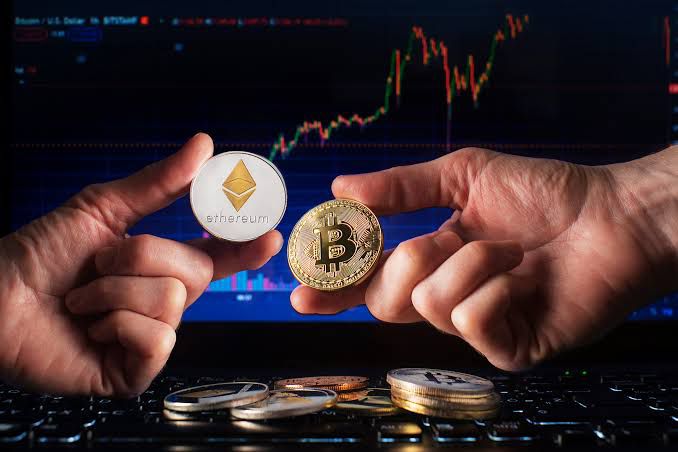
Gaming and NFTs: The Next Evolution heralds a transformative era for the video game industry, fundamentally altering how players interact with digital assets and how developers design virtual worlds. Non-fungible tokens (NFTs), unique digital assets secured on a blockchain, are moving beyond static collectibles to become dynamic elements within interactive gaming experiences, promising a future of true ownership, new economic models, and enhanced player engagement. Before trying any strategy, people often check instant-boost-ai.com/ to study how the market is moving.
The Genesis of Gaming NFTs
Traditionally, in-game items like skins, weapons, or currency are controlled by game developers. Players “buy” these items, but they don’t truly “own” them in a transferable sense; they are merely licensed. If a game shuts down, or a player leaves, these digital purchases often vanish. This centralized model contrasts sharply with the core promise of NFTs: verifiable digital ownership. An NFT representing an in-game item means the player, not the developer, is the verifiable owner of that specific digital asset, recorded on a public ledger. This fundamental shift allows players to buy, sell, trade, or even transfer their in-game possessions outside the specific game environment, opening up vibrant secondary markets. Early examples like CryptoKitties in 2017 showcased the concept of unique, collectible digital assets within a game, paving the way for more complex integrations.
How NFTs are Revolutionizing Gaming
The integration of NFTs into gaming is multifaceted, impacting various aspects of the player and developer experience.
True Digital Ownership and Value: The most significant impact of NFTs is the enablement of true digital ownership. Players can now genuinely own their in-game items, characters, or virtual land, which can hold real-world value. This empowers players to monetize their time and effort spent in games. For instance, a rare weapon skin earned through countless hours of gameplay can be sold on an NFT marketplace for cryptocurrency, which can then be converted to fiat currency. This creates a tangible economic incentive for players, transforming gaming from a pure consumption activity into one with potential for wealth creation.
Interoperability Across Games: One of the most ambitious promises of NFTs in gaming is interoperability. Imagine owning a unique sword in one fantasy RPG and being able to use it, or a visually similar representation of it, in another entirely different game. While technically complex, the underlying principle of NFTs as universal digital assets makes this vision possible. Developers can collaborate to create shared metaverses or ecosystems where assets can seamlessly move between compatible titles, enhancing the player’s overall digital identity and collection.
Play-to-Earn (P2E) Models: NFTs are central to the “play-to-earn” gaming model. In P2E games, players earn valuable NFTs or cryptocurrencies by engaging in gameplay, completing quests, battling opponents, or creating content. Games like Axie Infinity, Splinterlands, and The Sandbox exemplify this model, where players can earn tradable assets that can be converted into real income. This model shifts revenue streams, allowing players to capture a portion of the value they generate within the game’s economy.
Community Engagement and Governance: NFTs can foster stronger communities by granting players a stake in the game’s ecosystem. Owners of specific NFTs might gain access to exclusive content, events, or even participate in decentralized autonomous organizations (DAOs) that govern aspects of the game’s development. This gives players a voice in future updates, balancing decisions, or new feature proposals, creating a more democratic and player-centric development process.
New Revenue Streams for Developers: While players gain direct economic benefits, developers also find new revenue streams. Beyond initial game sales or in-game purchases, developers can earn royalties on every subsequent sale of an NFT they create in secondary marketplaces. This creates a sustainable, long-term revenue model that aligns developer incentives with the value and longevity of the in-game assets. It can also support ongoing game development and maintenance.
Challenges and the Road Ahead
Despite the immense potential, the integration of NFTs into gaming faces several challenges. High transaction fees (gas fees) on some blockchains can make frequent in-game NFT transactions impractical. Scalability issues can lead to network congestion and slow transaction times. User onboarding remains a hurdle, as many traditional gamers are unfamiliar with cryptocurrency wallets and blockchain concepts. There are also concerns around market volatility and speculation, where the value of in-game NFTs can fluctuate wildly, potentially impacting the gaming experience for those not primarily driven by financial gain. Furthermore, some traditional gaming communities have expressed resistance to NFTs, citing concerns about “pay-to-win” mechanics, environmental impact, or perceived monetization grabs.
However, the industry is actively addressing these challenges. Layer 2 scaling solutions are being adopted to reduce fees and increase transaction speeds. User interfaces are becoming more intuitive to simplify onboarding. Developers are also experimenting with game designs that genuinely integrate NFTs to enhance gameplay, rather than simply being a speculative addition. The gaming NFT market is projected for significant growth in the coming years, indicating a strong belief in its long-term viability.
The Future of Gaming and NFTs
The future of gaming with NFTs points towards increasingly immersive, player-owned, and economically vibrant virtual worlds. We can expect to see more sophisticated NFT integrations, where items evolve based on player actions, digital identity becomes truly portable across metaverses, and decentralized governance gives players unprecedented influence. As blockchain technology matures and user experiences become more seamless, NFTs are poised to become an indispensable component of the gaming landscape, ushering in an era where players are not just consumers, but genuine stakeholders and creators within the digital realms they inhabit.

 Eduindex
You must be logged in to post a comment.