Top 9 Ways to Use a Slideshow Maker to Showcase Your Skills Clearly

A well-designed slideshow gets attention fast. It makes information easy to follow. Whether you’re a job seeker or a freelancer, showing your skills clearly matters. A slideshow helps you organize your highlights in one clean visual.

Photo by Christina Morillo on Pexels.com

You can use it in interviews, meetings, pitches, and more. It can even help clients understand what you offer without needing long talks. If you want to improve your personal brand or professional image, start with a good slideshow maker to help you stand out.

Check out these tips below to learn how to use a slideshow maker to present your skills with clarity.

1. Create a Visual Portfolio

Show your best work in images. Use a slideshow to build a visual portfolio that others can flip through. Instead of bulky documents, keep things clean and quick. Highlight samples, screenshots, or finished projects.

Add short captions to explain each item. Group them by category or skill type. Include before-and-after shots if possible. It helps others see your process and results.

A visual portfolio works well in any creative field. Even non-visual skills can be presented through charts or step-by-step images. Use a slideshow maker to better represent your skills and let your visuals speak for you.

2. Highlight Career Milestones

A slideshow can walk people through your work history. Start with your first major role and go from there. Include job titles, responsibilities, and achievements. Focus on measurable outcomes like sales growth or improved performance.

Add simple graphs or charts when needed. Keep the layout consistent to avoid clutter. Use one slide per role or combine similar roles. Add your years of experience in each slide’s caption.

Keep your tone confident but not exaggerated. Review everything before sharing to make sure it’s accurate. This builds trust and shows a strong track record.

3. Break Down Complex Skills

Some skills are hard to explain with just words. A slideshow lets you break them down into parts. Use slides to show the process step by step. Add diagrams or timelines when possible.

Keep each step short and clear. Use visuals to explain methods, systems, or tools. You can also include short video clips if available. For tech-related skills, show your workflows or user interfaces.

For soft skills, use real-life examples. This gives people a better view of what you do. It’s more effective than long explanations.

4. Feature Testimonials and Feedback

Positive reviews build credibility fast. Collect testimonials from past clients, colleagues, or managers. Add each one to a separate slide. Use a simple layout with the quote and the person’s name or role. If allowed, include their photo.

Pick feedback that supports your top skills. You can group them by project or skill area. Keep the text short so it’s easy to read.

Make sure the design stays professional. Visual proof of trust boosts your image. Slides like this can also be added to your online portfolio.

5. Use Case Studies to Show Results

Case studies prove your value. Pick 2 to 3 past projects and turn them into short slideshows. Start with the challenge or problem. Then explain your solution and results.

Use visuals like graphs, screenshots, or mock-ups. Add metrics like time saved, revenue gained, or engagement boosted. Keep each case study short and clear.

Use bullet points or numbered lists. This makes the story easier to follow. Close with a short summary slide. People remember stories, especially when backed by numbers.

6. Present Your Learning Journey

Learning never stops, and showing that can impress. Use a slideshow to share your learning path. Add slides for each course, certification, or workshop. Include short descriptions or key takeaways.

Add icons or images to break the text. Show growth over time, not just the final result. If you’ve switched careers or upgraded your skills, include that. This tells people you adapt and improve.

Learning also shows dedication. Even self-taught skills can be added if shown clearly. Keep it honest and focused.

7. Explain Your Process

Processes show how you work. Whether you design, write, code, or consult, a clear process matters. Break it down into phases using your slideshow. Use one slide per step.

Add tools used, time frames, and key outputs. Use arrows or flowcharts for smooth transitions. Avoid technical jargon unless needed.

Keep it visual and clean. This helps clients or employers see how you think. A clear process builds trust fast. It also shows that you’re organized and reliable.

8. Build a Skill Map

A skill map gives an overview of your abilities. Make a grid or chart layout to list them. Group skills by category like technical, creative, or leadership. Use icons or colors to show your level.

Include how long you’ve practiced each one. Add small notes or examples. This kind of visual guide works well in presentations. Keep it simple and not too dense.

Make sure each skill listed supports your main goals. A good skill map saves time during interviews. It also gives your audience a strong impression.

9. Turn Resumes into Slides

Traditional resumes are often too dense. Convert yours into a clean slideshow. Use one slide each for your summary, work history, skills, and education. Add visuals like icons, timelines, or charts.

Keep the text short and to the point. Use a consistent layout style. Avoid long paragraphs. Make it easy to scroll through in seconds. This format works great for online sharing. It also leaves a stronger impact than plain text.

You can also tailor each slideshow for specific roles or industries. This makes your resume feel more personal and targeted.

Discover Ways to Use a Slideshow Maker to Showcase Your Skills Clearly

A slideshow is more than a visual tool. It can be your pitch, resume, or portfolio. It lets you present your skills with clarity and style. Every slide should speak with purpose. The goal is to be remembered and understood.

No matter your field, this format works. Make it clean, simple, and aligned with your strengths. Use it for personal branding or client work. A few slides done right can do more than a long resume. So start building your own slideshow today.

If you liked this, the blog might be your next stop. We have more topics!
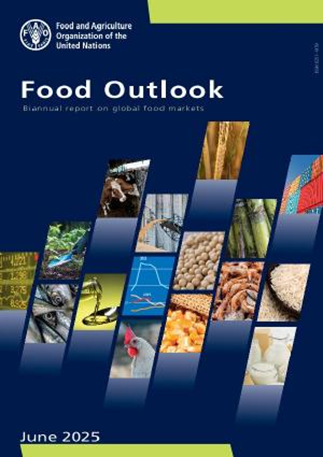
FAO’s Publication on Food Outlook – Biannual Report on Global Food Markets: A Few Important Points

Prof Shankar Chatterjee, Hyderabad
Food is essential for the survival of all human beings. After the birth of a baby, the mother offers her milk. Food aids the body in building bones, maintaining muscle function and growth, facilitating breathing, producing energy, synthesizing hormones, and processing information in the brain. Everyone needs food, oxygen, and water for life. A few information from the “Food Outlook – Biannual report on global food markets published by the Food and Agriculture Organization (FAO), 2025”, are presented here so that academicians, research scholars, policy makers, and other stakeholders can use for academic activities.
The Food Outlook is a biannual publication (issued in June and November) that focuses on developments affecting global food commodity markets. FAO’s latest assessments indicate a relatively optimistic outlook for food commodity markets, with production and trade of all commodities, except sugar, anticipated to increase. However, this growth will have different impacts on stock recovery, influenced by the delicate balance between supply and demand. Global food commodity production remains vulnerable to weather conditions. Additionally, ongoing geopolitical tensions, uncertainties in policy developments, and potential retaliatory actions could negatively affect the trade outlook. In addition to market assessment, each edition contains a set of special features and market indicators.
A) Cereals: Forecast at 2,911 million tonnes, world cereal production (including rice in milled equivalent) is expected to reach a record level in 2025, surpassing the 2024 output by 2.1 percent. Production of all major cereals is anticipated to rise, with the most significant year-on-year increase (in percentage terms) forecast for maize and the smallest for wheat. Maize, rice, and sorghum outputs are all predicted to reach new record highs. World cereal utilization is forecast to increase by 0.8 percent in 2025/26, reaching 2,898 million tonnes. Global food consumption of cereals is predicted to grow by 0.9 percent from 2024/25, while feed use is forecast to expand by 0.5 percent, with increases expected for all major cereals. Other uses of cereals are projected to rise by 1.0 percent, primarily driven by increased demand for wheat and rice. With world cereal production expected to exceed utilization in 2025/26, world cereal stocks are predicted to expand by 1.0 percent (8.4 million tonnes) above their opening levels to 873.6 million tonnes.
B) Meat and meat products: World meat production is forecast to expand in 2025, albeit at a slower pace than in recent years, increasing by 0.6 percent year on year to reach 380 million tonnes (carcass weight equivalent). This growth will be primarily driven by an expected expansion in poultry meat output, while production of pig and ovine meats is expected to register only marginal increases. Global pig meat output is forecast to rise slightly, reflecting modest herd expansions. The global meat trade is forecast to grow by 1.3 percent in 2025, reaching 43 million tonnes —a significant slowdown compared to the estimated 4.7 percent growth in 2024.
C) Fish and other aquatic products: Output from fisheries and aquaculture is projected to rise by 2.9 million tonnes, or 1.5 percent, to 196.6 million tonnes in 2025, year-on-year. Aquaculture is forecast to expand by 2.6 percent to 104 million tonnes, mainly driven by recent harvests of warm-water shrimp and carp. The volume of capture fisheries is expected to edge up by only 0.3 percent to 92.6 million tonnes. Although the fishmeal supply has stabilized after strong catches of Peruvian anchoveta, fish oil supplies remain tight. The value of world trade in aquatic animal products is forecast to rise by 1.7 percent to USD 183.8 billion in 2025, while trade volumes are expected to increase by only 0.5 percent.
D) Milk and milk products
World milk production is forecast to reach 992.7 million tonnes in 2025, representing a 1.0 percent year-over-year increase and marking a second consecutive year of modest growth. Increases in Asia are expected to drive the global growth, driven by continued herd expansion and gradual productivity gains in Bangladesh, India, and Pakistan.
Since the article is based on the FAO’s report, the data can be used in research papers as a credible source.

Creating a Solid Financial Foundation After Tax Debts

Embarking on a journey to establish a strong financial foundation can become challenging when you’re starting from a place of debt. Tax debts, in particular, can impact your overall financial health. This article explores the essential strategies for clearing tax debts, improving your credit score, and building a reliable financial plan for the future. After employing smart budgeting, savings, and planning techniques, you can move toward a secure financial standing. Continue reading to gain insight into creating a steadfast financial future.

Photo by Photo By: Kaboompics.com on Pexels.com

Understanding Tax Debits: The Starting Point for Financial Recovery

Tax debts can accumulate due to various reasons, including unpaid income taxes, penalties, or interest. These debts typically carry the burden of additional fines, which can exacerbate financial strain. To effectively address the issue, one must first fully comprehend the nature and scope of their tax liabilities.

Facing tax debts requires obtaining a clear and detailed account of what’s owed. This involves reviewing past federal tax returns, contacting the Internal Revenue Service (IRS), or seeking assistance from experts who specialize in tax counseling and tax relief in Texas. Understanding your debt provides the foundation for negotiating payment plans or exploring debt forgiveness options, if available.

Negotiating with the IRS can be a daunting task, but there are programs such as Offers in Compromise (OIC) or installment agreements that can provide relief to taxpayers. These programs help reduce the total debt amount or break down the debt into manageable monthly payments. Program eligibility will depend on your financial situation and tax history.

Long-Term Financial Planning With Tax Efficiency in Mind

Long-term financial planning is another key to solidifying your financial well-being for the years to come. This process involves setting financial goals, such as retirement savings, education funds, or investing in property, and crafting a plan to achieve them. It’s imperative to approach these goals with tax efficiency in mind, as strategic planning can minimize tax liabilities and maximize returns on investments.

Consider consulting with the best financial advisors in Lehi UT, who can provide expert guidance on tax-efficient strategies. Their knowledge extends to retirement accounts, investment portfolios, and other financial products that benefit from favorable tax treatment. Leveraging this type of expertise, you can craft a financial plan that meets your retirement goals and also optimizes your tax situation for the future.

Strategies To Clear Tax Debts and Improve Credit Score

Did you know that unresolved tax debts can lead to liens, which negatively affect your credit history? One potential strategy to clear tax debts is through lump-sum payments, which can eliminate the debt and stop the accrual of interest and penalties. If this isn’t possible for you, installment agreements allow for smaller, manageable monthly payments. During this period, it’s essential to maintain consistency in payments to demonstrate financial responsibility and rebuild your creditworthiness.

Another important aspect is regularly monitoring your credit report for inaccuracies or outdated information related to tax debts. Errors on credit reports are common, and you must take proactive steps to correct them to improve your credit score. Monitoring should become a routine part of your financial maintenance. Once your tax debts are resolved, stay vigilant with future tax obligations to prevent falling back into debt.

Smart Budgeting Techniques After Settling Tax Debts

After addressing tax debts, smart budgeting practices become vital to prevent falling into debt again. Creating a realistic and comprehensive budget is the first step. This budget should account for all income sources, fixed expenses such as rent or mortgage payments, variable expenses including utilities and groceries, as well as savings initiatives like your emergency fund.

Use budgeting techniques such as the 50/30/20 rule. Allocate 50% of income to needs, 30% to wants, and 20% to savings and debt repayment. This provides a structured approach to managing finances. You can also tailor these percentages to your specific circumstances. For some, increasing the percentage allotted to savings or debt repayment might be necessary for building stronger financial stability.

Regularly reviewing and adjusting your budget is crucial, as financial situations can change. Unexpected promotions, additional expenses, or shifts in financial goals may require a rebalancing of your budget to reflect your current situation. Being flexible and responsive to these changes ensures that your budget remains an effective tool for financial management.

Overall, the principles of financial recovery and stability are universal, even when starting from the challenging position of clearing tax debts. With a strategic approach to understanding and resolving debt, coupled with sensible budgeting and vigilant long-term planning, anyone can create a solid foundation for their financial future.

Call for Papers – International Journal of Research (IJR)

:

📢 Call for Papers – International Journal of Research (IJR)
“Your Ideas Deserve to Be Read”
🌐 Website: www.ijrjournal.com
📩 Email: ijr@ijrjournal.com


🧠 Why Wait? Share What You Know.

The International Journal of Research (IJR) invites researchers, scholars, educators, and professionals to submit their original, unpublished work for publication in our upcoming monthly issues. At IJR, we believe research is not just about writing papers — it’s about sharing knowledge that can shape opinions, drive change, and build a better world.


🌍 Who Should Submit?

Are you a PhD student with a groundbreaking thesis idea?
A professor expanding on your latest research project?
An industry expert solving real-world problems?
A social scientist exploring human behavior?
An engineer building the future?

Then IJR is for you.

We accept papers across all disciplines, including:

  • Social Sciences & Humanities
  • Science & Technology
  • Engineering & Architecture
  • Business, Management & Economics
  • Health, Life & Environmental Sciences
  • Education, Law & Policy
  • Interdisciplinary and Emerging Fields

🛠 What We Offer

At IJR, we’re not just publishers — we’re your research partners. Here’s what you get when you publish with us:

✅ Double-blind peer review to maintain credibility
✅ DOI assigned to each article for easy citation
✅ Wide indexing for global reach
✅ Author e-Certificates and print options
✅ Transparent publication fees with discounts available
✅ Fast-track review system (decisions in 5–10 days)
✅ Monthly publication – your paper won’t be delayed


📅 Deadlines and Process

  • Submission Deadline: 25th of every month
  • Decision Notification: Within 7 days of submission
  • Online Publication: End of the same month

✉️ How to Send Your Paper

Just email your manuscript in .doc or .docx format to:
📩 ijr@ijrjournal.com

Or go to our website and submit it through the online portal:
🌐 www.ijrjournal.com

We recommend reviewing the author guidelines before submission.


💡 What Makes IJR Different?

IJR isn’t run by algorithms or corporate agendas — it’s led by a dedicated editorial team passionate about open access, intellectual freedom, and research equality. Whether you’re a student, early-career researcher, or senior faculty, your work gets the attention it deserves.


🎓 Publish to Be Remembered

Research doesn’t belong in a drawer or on a forgotten hard drive. It belongs in the world — being read, cited, and appreciated. Publish with IJR, and take your ideas beyond the page.


📩 Have Questions? We’re Here to Help.
Email: ijr@ijrjournal.com
Visit: www.ijrjournal.com


International Journal of Research (IJR)
“Because research deserves to be seen.”

The Importance of Postdoctoral Research: Shaping the Future of Scholarship and Innovation

In the journey of academic and scientific research, the postdoctoral phase—commonly referred to as “postdoc”—plays a crucial yet often underappreciated role. Nestled between the completion of a PhD and the pursuit of a permanent academic or research position, a postdoc offers a unique opportunity for scholars to deepen their expertise, build independence, and significantly contribute to the advancement of knowledge.

In this blog post, we explore the importance of postdoctoral research and why it remains a critical step in shaping not only individual careers but also the larger ecosystem of science, technology, and society.


What is a Postdoc?

A postdoctoral researcher is someone who has completed their doctoral studies (PhD or equivalent) and is engaged in further academic or professional research, often under the guidance of a senior mentor or principal investigator (PI). Postdocs are usually employed on temporary contracts, ranging from one to several years, in universities, research institutions, think tanks, or industrial R&D labs.

While the specific expectations of a postdoc can vary by field and institution, the general aim remains the same: to refine one’s research skills, build a robust publication record, gain teaching or mentoring experience, and prepare for a long-term academic or research career.


Why is Postdoctoral Research Important?

1. Bridging the Gap Between Student and Independent Scholar

The transition from being a PhD student to becoming a fully independent researcher is not instantaneous. A postdoc provides that critical bridge, allowing scholars to continue their research in a more autonomous environment while still having access to mentorship and institutional support. It’s during this time that researchers often define their niche, take on leadership roles in projects, and develop the maturity needed to lead their own labs or academic departments.

2. Enhancing Research Depth and Breadth

Postdoctoral research is an opportunity to explore new methodologies, tools, or even entire disciplines beyond what was possible during a PhD. For example, a biology PhD graduate might undertake a postdoc in bioinformatics to add computational expertise to their experimental training. This interdisciplinary approach not only enhances individual competence but also drives innovation by integrating diverse perspectives.

Postdocs often contribute to high-impact, cutting-edge research, pushing the boundaries of knowledge and developing solutions to complex societal challenges.

3. Building a Competitive Academic Portfolio

In today’s competitive academic job market, having a strong postdoc experience can make all the difference. Universities and research institutions look for candidates with a solid track record of publications, grants, and conference presentations—achievements that are commonly built during the postdoctoral phase.

Moreover, many funding agencies and academic hiring committees now expect applicants to demonstrate not just research ability but also teaching experience, collaborative work, and leadership potential—all of which a well-structured postdoc can provide.

4. Networking and Collaboration Opportunities

A postdoc allows early-career researchers to expand their professional networks. Whether through co-authored publications, international conferences, or collaborative grants, postdocs get to work with scholars and practitioners from different institutions, countries, and disciplines.

These relationships can lead to long-term collaborations, career opportunities, and increased visibility in the academic community. In many cases, the contacts and partnerships formed during a postdoc become the foundation for future research projects and funding applications.

5. Contribution to Institutional Research Goals

Postdocs play a vital role in advancing the research agendas of universities and laboratories. Their expertise, commitment, and hands-on involvement significantly boost the productivity and innovation of research groups. In many fields, postdoctoral researchers drive large-scale projects, mentor graduate and undergraduate students, and help secure funding through proposals and published results.

Their presence not only enhances the research output of institutions but also enriches the intellectual environment by bringing fresh ideas, energy, and perspectives.


Challenges Faced by Postdocs

Despite their importance, postdocs often face several challenges, including:

  • Job insecurity: Many postdoc positions are short-term and lack clear pathways to permanent employment.
  • Low pay and benefits: Compared to their qualifications and workload, postdocs are often underpaid.
  • Limited recognition: In some settings, the work of postdocs goes uncredited or overshadowed by senior researchers.

These challenges underscore the need for institutional reforms and policy changes to better support postdocs, including clearer career development plans, mentorship programs, fair compensation, and opportunities for skill diversification.


Postdoc Beyond Academia

While traditionally seen as a pathway to a tenure-track academic position, a postdoc can also be a springboard into industry, government, non-profits, and entrepreneurship. In sectors such as pharmaceuticals, data science, energy, and AI, postdoctoral researchers are highly valued for their deep technical expertise, problem-solving skills, and ability to manage complex projects.

Postdocs with interdisciplinary backgrounds are especially well-equipped to tackle real-world problems and lead innovations that have societal and commercial impact.


Tips for Making the Most of Your Postdoc

  1. Choose the right mentor and research group – Work with someone whose values, expectations, and research interests align with yours.
  2. Set clear goals – Know what you want to achieve during your postdoc: publications, grant applications, teaching experience, etc.
  3. Publish regularly – Aim to disseminate your research in reputable journals and conferences.
  4. Build a professional network – Attend academic events, collaborate with others, and engage with online research communities.
  5. Seek balance and well-being – Avoid burnout by maintaining a healthy work-life balance and seeking support when needed.
  6. Think ahead – Treat your postdoc as a launchpad. Begin exploring job markets, updating your CV, and preparing for interviews well before your contract ends.

Conclusion: Investing in the Future of Research

Postdoctoral research is a vital phase in the life of a scholar. It is a time of growth, exploration, and contribution—not just to personal careers, but to the broader pursuit of knowledge and innovation. While often challenging, a successful postdoc can be the most transformative period in an academic’s journey, laying the groundwork for impactful research, lasting collaborations, and lifelong learning.

As we look toward the future of education, science, and technology, supporting and valuing postdocs is essential. They are not just trainees—they are tomorrow’s professors, innovators, and thought leaders.

Whether you’re planning your postdoctoral journey or shaping policies for higher education, remember: investing in postdocs is investing in the future of ideas.

How to Overcome Fear and Pursue Your Dreams Confidently

Fear is a natural response that protects us from potential harm, but it can also hold us back from chasing our dreams. Whether it’s starting a new venture, pursuing a challenging career, or simply stepping out of your comfort zone, fear often stands as the biggest obstacle. Overcoming fear requires intentional effort and a mindset shift, but it can lead to incredible personal growth and achievement. This article outlines actionable strategies to help you move past fear and confidently pursue your aspirations.

Photo by Dmitriy Ganin on Pexels.com

Understanding the Root of Fear

Before tackling fear, it’s essential to understand its origins. Fear often stems from three main sources:

  • The Unknown: A lack of familiarity with a situation can create anxiety, making the unknown seem overwhelming.
  • Fear of Failure: Worrying about mistakes or setbacks could discourage you from even trying.
  • Self-Doubt: Believing you’re not capable or qualified can stop you from taking the first step.

By identifying your specific fears, you can begin to address and overcome the barriers holding you back.

Strategies for Overcoming Fear

1. Reframe Your Thoughts

Fear often magnifies worst-case scenarios, making challenges seem larger than they are. To combat this, reframe your perspective:

  • Replace “What if I fail?” with “What if I succeed?”
  • Focus on potential growth and opportunities instead of dwelling on risks.
  • Visualize positive outcomes and imagine yourself succeeding.

This shift in mindset helps you approach fear as an opportunity for growth rather than a roadblock.

2. Break Goals into Smaller Steps

Big dreams can feel intimidating, especially if they require significant time or resources. Breaking your goals into smaller, manageable tasks can reduce overwhelm and build confidence. For example:

  • If you dream of attending a pilot school in Dallas, start by researching programs, then set a timeline for completing application requirements. Committing to one small action at a time makes large goals less daunting.

3. Build Your Skillset and Knowledge

Fear often arises from insecurity, particularly when we feel unprepared. To counteract this, invest in yourself:

Preparation reduces the fear of the unknown, making challenges feel more attainable.

4. Manage Risk Through Planning

Every dream involves some level of risk, but careful planning can minimize it. Start by:

  • Evaluating potential risks and identifying ways to address them.
  • Creating backup plans in case things don’t go as expected.
  • Setting realistic milestones to track your progress.

By managing risks upfront, you’ll feel more secure about moving forward.

Building Confidence to Pursue Your Dreams

Confidence doesn’t come overnight—it’s built through consistent effort. Implement these strategies to cultivate a strong foundation:

1. Celebrate Small Wins

Every step forward is progress, no matter how small it may seem. By celebrating your achievements along the way, you reinforce your belief in yourself. Whether it’s completing a challenging task or gaining new expertise, acknowledge your efforts and take pride in your growth.

2. Surround Yourself with Positivity

The people you surround yourself with have a significant impact on your mindset. Seek out individuals who encourage and inspire you. Avoid those who focus on negativity or doubt, and instead, build a supportive network that fuels your confidence.

3. Practice Resilience

Failure is a natural part of the process when striving for big dreams. Rather than fearing or avoiding failure, view it as a learning opportunity:

  • Reflect on what went wrong and identify areas for improvement.
  • See setbacks as temporary, not permanent.
  • Remind yourself that every successful person has faced obstacles.

Resilience helps you bounce back stronger and more determined.

Overcoming Fear in the Long Term

Conquering fear is not a one-time event; it’s an ongoing process that requires patience and persistence. Here are a few tips for maintaining progress:

  • Develop a Growth Mindset: Shift your attitude to see challenges as chances to learn rather than threats.
  • Face Fears Gradually: Start with smaller challenges to build your courage before tackling larger ones.
  • Stay Consistent: Commit to regular efforts to build momentum and keep moving toward your goals.

Conclusion

Overcoming fear and pursuing your dreams confidently is one of the most rewarding journeys you can undertake. Remember, every great accomplishment starts with a single step. Whether you dream of launching a business, mastering a new skill, or enrolling in a pilot school in Dallas, it’s within your reach. By applying the practical strategies outlined here, you can confront fear head-on, unlock your full potential, and transform your goals into reality.

Take that first step today. The future you’ve been dreaming of is waiting—don’t let fear stand in your way.

Building Meaningful Professional Relationships

Building strong professional relationships is key to career success, opening doors to opportunities, collaboration, and support. This blog shares actionable strategies to create and maintain meaningful connections that go beyond surface-level interactions..


Photo by RDNE Stock project on Pexels.com

Why Professional Relationships Matter

Broken down to its core, business is about people. From colleagues and mentors to business partners and clients, the quality of your professional relationships has a direct impact on your career advancement and overall job satisfaction.

Here’s why prioritizing these connections matters:

  • Opportunities: Many career opportunities arise not through job boards, but through personal connections. Meaningful relationships can serve as a doorway to new roles, recommendations, or collaborations.
  • Support and Guidance: Professional relationships are great for advice, mentorship, and encouragement. They provide valuable insights to help you navigate challenges in your career.
  • Trust and Collaboration: The foundation of any successful project or business venture lies in trust. Building strong relationships fosters collaboration and ensures greater success.
  • Personal Growth: Engaging with others exposes you to different perspectives, ideas, and approaches. This diversity can inspire growth in both your career and personal development.

By investing time and effort into your professional network, you’re not just cultivating opportunities to grow; you’re also contributing to the success and growth of others.


How to Build Meaningful Professional Relationships

Building meaningful professional relationships takes more than exchanging business cards at networking events or adding connections on LinkedIn. Below are actionable steps to ensure these relationships are genuine and mutually beneficial.


1. Approach Relationships with Authenticity

No one likes being treated as a stepping stone to career advancement. Authenticity should be the foundation of all professional connections. Approach every interaction with genuine curiosity and a desire to build a mutually beneficial partnership.

How to stay authentic:

  • Focus on listening, not just talking. Show that you are interested in the other person’s perspective or story.
  • Avoid networking purely for personal gain. Instead, look for ways to offer value to the other person first.
  • Don’t pretend to be someone you’re not. Authenticity fosters trust, which is the basis of any solid relationship.

By prioritizing authenticity, you build trust and demonstrate that your intentions, whether through meaningful actions or thoughtful corporate gifts, come from a sincere place of collaboration.


2. Prioritize Quality Over Quantity

Having thousands of connections won’t matter if they’re shallow and lack depth. It’s far better to have a smaller, high-quality network of individuals who are genuinely aligned with your goals and values.

Tips for quality professional relationships:

  • Seek out individuals with shared professional interests or passions.
  • Strengthen bonds with a few key people in your network through regular follow-ups and meaningful exchanges.
  • Avoid the “transactional” mindset. Instead, focus on creating long-term partnerships.

This approach ensures your relationships hold value for years to come.


3. Leverage Networking Opportunities

Networking events, conferences, trade shows, and even social media platforms are great places to meet like-minded professionals. But networking well goes beyond just showing up.

Effective networking strategies:

  • Prepare a concise and compelling introduction about yourself.
  • Ask open-ended questions to spark deeper and more meaningful conversations.
  • Follow up after events. Use tools to reach out and remind the person of your conversation.

Networking is about planting seeds. Not every connection will bear fruit immediately, but consistent effort helps build the foundation for meaningful relationships.


4. Offer Value

Strong relationships are a two-way street. They require give and take, so it’s crucial to offer value where you can. This could mean sharing your expertise, extending resources, or making introductions to others in your network.

Examples of offering value:

  • Share insightful articles or tools relevant to the person’s industry.
  • Provide thoughtful feedback or advice if they ask for your input.
  • Help them connect with someone who can provide further support or solutions.

By showing you’re invested in the success of others, you create a relationship built on trust and mutual respect.


5. Consistency is Key

Building a strong relationship requires continuous effort. It’s not just about making a connection and walking away. Instead, staying top of mind and showing genuine interest in the other person over time are what make relationships meaningful.

Ways to maintain consistency:

  • Send a short “check-in” email or message every few months.
  • Celebrate their milestones and achievements, such as work anniversaries or promotions.
  • Schedule regular catch-up calls, chats, or coffee meetings.

Creating consistent touchpoints helps nurture your professional relationships, even when life gets busy.


6. Be Open to Giving and Receiving Mentorship

Whether you’re just starting out or several years into your career, mentorship is always a valuable asset. Seek mentorship from experienced professionals, but don’t shy away from providing guidance to those who are newer in the field.

How to cultivate mentorship opportunities:

  • If you admire someone’s work, reach out respectfully and ask to learn from them.
  • Share your own expertise generously when others seek your advice.
  • Build trust and rapport over time, showing that you’re just as invested in their success as they are in yours.

Mentorship is beneficial in many ways, and being open to it (in either role) shows you’re committed to ongoing professional growth.


Building through Digital Platforms

Today, much of our professional relationship-building happens online. Platforms can help you connect and engage with professionals globally.

How to maximize digital platforms:

  • Maintain a professional and approachable online presence.
  • Engage regularly by commenting on others’ updates and sharing thoughtful content.
  • Don’t hesitate to initiate conversations online, whether through DMs or contributing to group discussions.

Digital tools allow you to build lasting relationships regardless of geographic limitations.


Conclusion

Building strong professional relationships is about authenticity, offering value, and collaboration. Focus on quality over quantity, stay consistent in your interactions, and prioritize genuine connections to unlock new opportunities for growth.

Understanding the Dynamics of Caste and Creed: A Societal Examination

By Dileep Verma

Caste and creed are two intricately intertwined concepts that have deeply influenced societies across the globe for centuries. Both terms carry significant weight in shaping social structures, cultural identities, and individual experiences. While often discussed separately, understanding their interplay is crucial for comprehending the complexities of societal dynamics.

Photo by Life Matters on Pexels.com

Caste: An Ancient Social Hierarchy

Caste refers to a hereditary social class system prevalent in many societies, notably in South Asia. Originating from ancient Hindu scriptures, caste delineates societal stratification based on birth, occupation, and social status. Traditionally, society was divided into four main castes, namely Brahmins (priests and scholars), Kshatriyas (warriors and rulers), Vaishyas (merchants and traders), and Shudras (laborers and artisans), with Dalits (formerly known as “untouchables”) marginalized outside this system.

Caste dictates various aspects of life, including occupation, marriage, and social interactions, often determining an individual’s opportunities and privileges. Despite legal abolishment and efforts towards social reform, caste-based discrimination and prejudice persist, perpetuating inequalities and hindering social mobility.

Creed: The Essence of Belief

Creed encompasses a set of beliefs or principles that guide an individual’s religious, spiritual, or philosophical convictions. It transcends mere religious affiliation, encompassing ideologies, values, and worldviews that shape one’s identity and interactions with the world. Creed influences moral conduct, societal norms, and cultural practices, providing a framework for individual and collective behavior.

Religious creed, in particular, holds immense significance in shaping communities and societies worldwide. It fosters solidarity among adherents, serving as a source of comfort, guidance, and communal identity. However, creed can also be a source of division, leading to sectarianism, intolerance, and conflict when differences are perceived as threats to established norms or power structures.

Interplay of Caste and Creed

The intersection of caste and creed profoundly influences social dynamics, particularly in regions where both concepts are deeply ingrained in the fabric of society. Religious communities often align with specific caste groups, intertwining religious identity with social status and cultural practices. This intersectionality manifests in various ways:

  1. Caste-Based Exclusivity within Religious Communities: In some societies, caste serves as a determinant of access and participation within religious institutions and rituals. Certain castes may be marginalized or excluded from full participation in religious activities, reinforcing social hierarchies within religious frameworks.
  2. Inter-Caste Marriage and Social Stigma: Inter-caste marriages challenge traditional social norms and face resistance from families and communities adhering to strict caste boundaries. Religious creed may exacerbate these tensions, as marriage is not only a union of individuals but also a merging of social identities and cultural practices.
  3. Political Mobilization and Identity Politics: Caste and religious identities often intersect in the political arena, with leaders mobilizing support based on shared caste or religious affiliations. This exploitation of identity politics can deepen divisions and perpetuate social inequalities, hindering efforts towards inclusive governance and social cohesion.
  4. Resistance and Reform Movements: Despite the entrenched nature of caste-based discrimination, religious creed has also been a catalyst for social reform movements advocating for equality and justice. Leaders from marginalized caste groups have drawn inspiration from religious teachings to challenge oppressive systems and promote social change.

Challenges and Pathways Forward

Addressing the complexities of caste and creed requires a multifaceted approach that acknowledges historical injustices, respects cultural diversity, and promotes inclusive social policies. Key considerations include:

  1. Legal Protections and Enforcement: Robust legal frameworks are essential for combating caste-based discrimination and ensuring the rights of marginalized communities. Efforts to enforce anti-discrimination laws must be accompanied by awareness campaigns and capacity-building initiatives to foster social inclusion.
  2. Education and Awareness: Education plays a vital role in challenging entrenched beliefs and fostering empathy and understanding across caste and religious divides. Incorporating diverse perspectives into curricula and promoting interfaith dialogue can contribute to building more tolerant and cohesive societies.
  3. Community Empowerment and Dialogue: Grassroots initiatives that empower marginalized communities and facilitate dialogue between different caste and religious groups are crucial for fostering social cohesion. By promoting mutual understanding and cooperation, communities can work towards dismantling barriers and building inclusive societies.
  4. Promotion of Intersectional Approaches: Recognizing the intersectionality of caste, creed, gender, and other forms of identity is essential for developing holistic solutions to social inequalities. Policies and programs should address multiple dimensions of discrimination to ensure that no individual or community is left behind.

In conclusion, the interplay of caste and creed shapes the social, cultural, and political landscapes of many societies, presenting both challenges and opportunities for social cohesion and justice. By addressing entrenched prejudices, promoting inclusive policies, and fostering dialogue and solidarity, societies can strive towards a more equitable and harmonious future.

References

Ambedkar, B. R. (2022). Castes in India: Their mechanism, genesis, and development. DigiCat.

Agarwal, U. C. (1995). Politics of crime, corruption and waste, caste and creed. Indian Journal of Public Administration41(3), 462-471.

Dehalwar, K., & Sharma, S. N. (2024). Politics in the Name of Women’s Reservation. Contemporary Voice of Dalit, 2455328X241262562.

Fatima, I., Zafar, M., & Thangal, M. R. (2024). Social Psychological Explorations of Caste. CASTE: A Global Journal on Social Exclusion5(2), 186-201.

Karnik, S. J., & Suri, K. B. (1995). The law of karma and social work considerations. International Social Work38(4), 365-377.

Pieris, R. (1952). Caste, ethos, and social equilibrium. Social Forces, 409-415.