

In the digital era, human relationships are being increasingly shaped by technology. From online dating platforms to AI-powered matchmaking, love has taken a virtual form in many aspects. But beyond dating apps and social media interactions lies a newer frontier: blockchain-based love contracts. These smart contracts enable couples to record their romantic commitments on an immutable ledger, ushering in a future where relationships might be encoded with as much permanence as legal and financial transactions. You can get a better understanding of market basics when you Visit immediate-mspark.com and take your time.
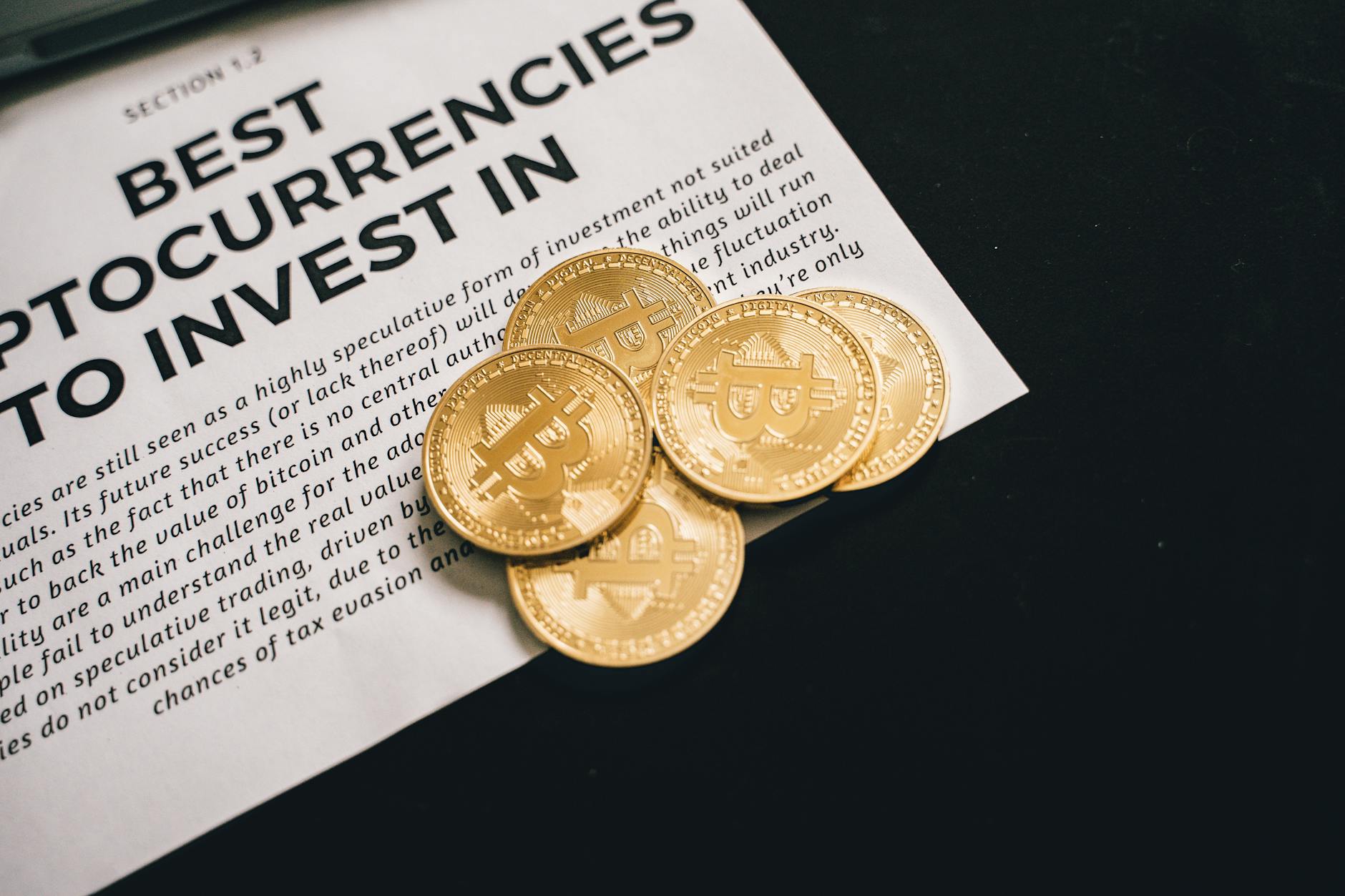
Encoding Commitments in a Decentralized World
At its core, a love contract on the blockchain is a smart contract that symbolizes or formalizes a romantic agreement between two individuals. While traditional love contracts have been private agreements or playful affirmations, blockchain allows these contracts to become publicly verifiable digital records.
These smart contracts can include conditions such as time-based milestones, shared digital assets, or symbolic gestures like jointly minted NFTs. Some couples use them to store anniversaries or tokens of shared experiences, while others tie them to joint goals or mutual promises. The decentralized nature of the blockchain ensures these records are tamper-proof, creating a new type of romantic permanence.
Symbolism vs. Functionality
There’s a distinction between symbolic love contracts and functional ones. Symbolic contracts might be nothing more than public declarations of affection encoded on-chain, akin to digital tattoos. Functional contracts, on the other hand, might have enforceable conditions. For example, a couple could set up a contract where shared crypto assets become accessible only after a certain period or upon meeting specific criteria, mimicking a digital prenuptial agreement.
This fusion of emotion and technology opens debates about how far we want to entangle love with code. Are we reducing the human element, or merely finding new ways to honor it in an age of digitization?
The Role of NFTs in Digital Love
Non-fungible tokens (NFTs) have played a significant role in love contracts. Couples have begun minting NFTs that represent their union, complete with unique metadata such as shared memories, location of the first date, or digital artwork representing their bond. These NFTs serve both as symbolic markers and as digital heirlooms.
Beyond aesthetics, NFTs can also hold smart contract logic. A relationship NFT might change appearance over time, reflect anniversaries, or contain unlockable content for the couple. Some platforms offer customizable NFT experiences specifically designed for romantic partnerships, and this market is steadily expanding.
Privacy and Consent Concerns
With love contracts on a public blockchain, privacy becomes a critical issue. Recording intimate moments or personal agreements on an immutable, transparent ledger may seem romantic but can have unintended consequences. Not all blockchains are privacy-focused, meaning personal information could be exposed to anyone who knows how to search for it.
Consent must be explicit and mutual. As with any digital transaction, both parties should understand what they’re agreeing to, including the permanence of blockchain records. Privacy-preserving blockchains or zero-knowledge technologies may offer solutions, allowing couples to share their bond without full public disclosure.
Relationship Gamification and Milestone Tracking
Some blockchain-based platforms gamify relationships. Partners can earn rewards for reaching shared goals, from saving a certain amount of money together to completing joint fitness challenges. These smart contracts can track progress, assign virtual badges, and even unlock joint benefits.
While this might add fun and structure to relationships, it also raises concerns about turning intimacy into a transactional experience. Relationships naturally evolve, and codifying love through blockchain milestones may unintentionally add pressure or rigidity.
Legal Implications and Ethical Questions
Though love contracts may appear informal, they enter a gray legal area if they include binding financial elements or joint ownership of digital assets. In some jurisdictions, such agreements could be considered enforceable, potentially leading to complex legal entanglements if the relationship dissolves.
Moreover, critics question the ethics of intertwining emotional intimacy with automated enforcement. What happens if one party wishes to revoke or amend a contract? While code can automate processes, it often lacks the nuance needed to handle human relationships. The idea of encoding love and its terms in code brings forth philosophical considerations about autonomy, trust, and the imperfection of human bonds.
Blockchain as a Record of Shared History
Beyond formal contracts, some couples use blockchain to record meaningful events—wedding vows, travel logs, or messages of affection—on-chain. These digital mementos serve as a timestamped history of their relationship. The permanence of blockchain ensures these memories are preserved without fear of deletion or data loss.
This use-case shifts blockchain from a tool of finance to a medium for storytelling. Just as people once carved initials into trees or wore lockets, today’s couples may use the blockchain as a new kind of emotional archive.
Conclusion
Love contracts on the blockchain represent a noel intersection of emotion and code. They offer new ways for couples to express, document, and sometimes even structure their relationships through decentralized technologies. While full of creative and symbolic possibilities, they also introduce serious questions around privacy, ethics, and the appropriateness of turning relationships into digital agreements. As the technology matures, society will continue to explore where the line should be drawn between romantic expression and programmable logic.

 Eduindex
You must be logged in to post a comment.