

Non-fungible tokens (NFTs) have rapidly evolved beyond mere digital assets into powerful vessels of cultural expression. These unique tokens, representing ownership of digital or physical items on a blockchain, encapsulate more than just art or collectibles—they reflect identities, histories, communities, and social movements. The cultural value embedded in NFT collections reshapes how culture is created, preserved, and shared in the digital age. Examining this phenomenon reveals the transformative role NFTs play in connecting creators and audiences, fostering new forms of cultural heritage, and challenging traditional notions of value. Many people start at graminator.io to learn about timing and basic market behavior.
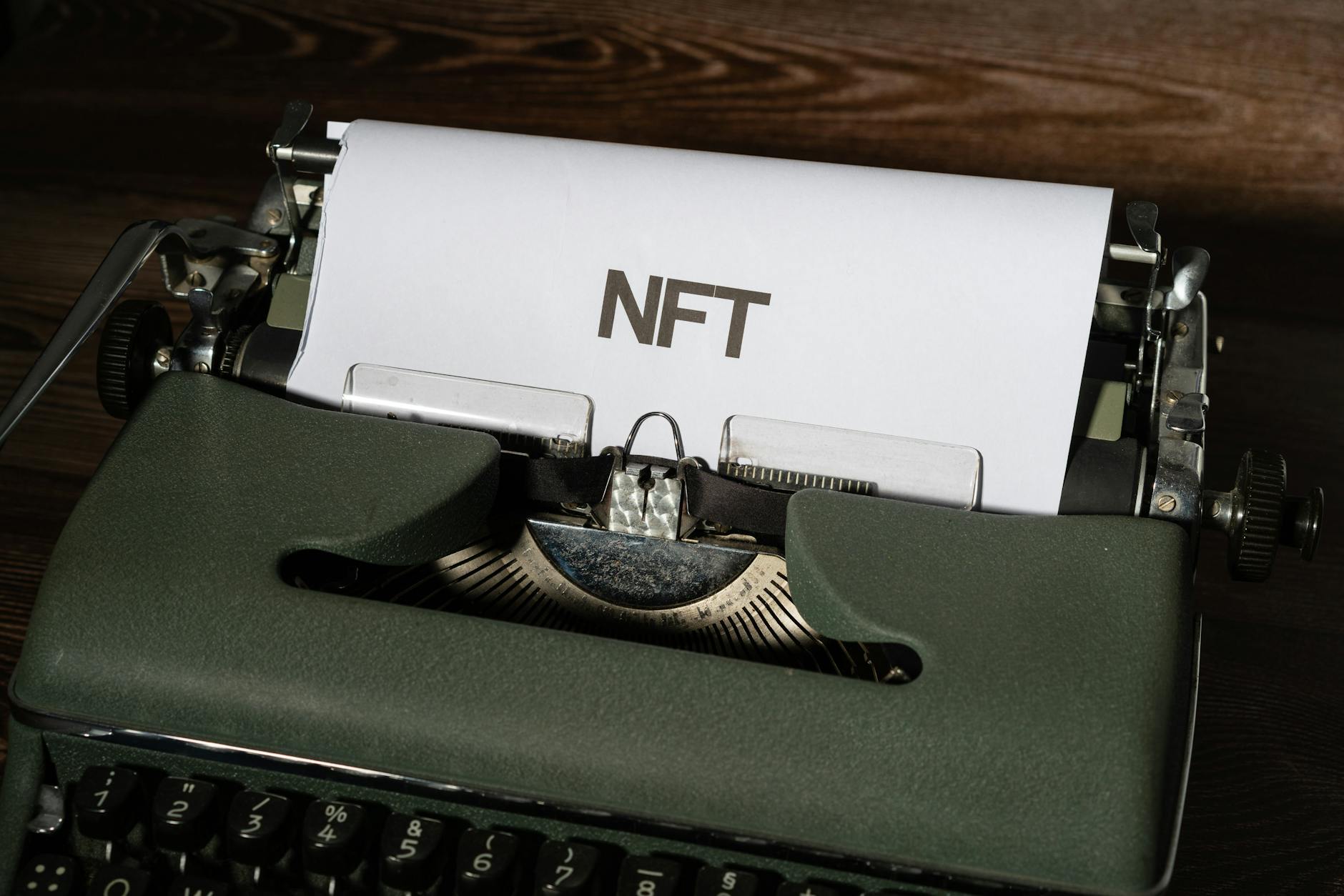
NFTs as Modern Cultural Artifacts
NFTs function as modern artifacts that document and preserve moments, ideas, and creative works in an immutable digital form. Unlike traditional art or collectibles, NFTs carry metadata and provenance on-chain, guaranteeing authenticity and ownership in perpetuity.
This permanence allows digital culture—memes, digital art, music, virtual fashion—to be archived with verifiable history, elevating ephemeral content into lasting cultural artifacts.
Creators embed narratives, symbolism, and identity into their tokens, reflecting broader cultural contexts. As a result, NFT collections become repositories of cultural memory, capturing zeitgeists and social commentary.
Community and Identity in NFT Spaces
Many NFT collections foster vibrant communities that coalesce around shared values, aesthetics, or purposes. Ownership of certain NFTs often confers membership in exclusive groups, creating social bonds and collective identities.
These communities organize events, collaborations, and charitable initiatives, extending cultural impact beyond the digital realm.
NFTs enable individuals to express affiliation with cultural movements, subcultures, or social causes, democratizing cultural participation.
This social dimension adds depth to NFT value, rooted in belonging and shared narratives.
Representation and Diversity Through NFTs
NFT platforms have opened avenues for underrepresented artists and communities to showcase their culture on global stages. By bypassing traditional gatekeepers, marginalized voices gain visibility and economic opportunity.
Collections highlighting indigenous art, LGBTQ+ themes, or activism illustrate NFTs’ role in amplifying diverse cultural expressions.
This inclusivity enriches the cultural landscape, promoting cross-cultural dialogue and understanding.
The cultural value of NFTs is thus intertwined with social empowerment and equity.
Economic Implications of Cultural NFTs
The monetization of cultural expressions through NFTs transforms creative economies. Artists can directly monetize digital creations, retaining royalties via smart contracts, ensuring ongoing income.
Collectors invest in culturally significant NFTs, sometimes valuing them for historical importance or community status rather than pure speculation.
NFT marketplaces facilitate exchange and discovery, fostering vibrant economic ecosystems around culture.
This shift challenges traditional models of art commerce and intellectual property management.
Challenges in Assessing Cultural Value
Determining the cultural value of NFTs is complex, involving subjective judgments and evolving criteria. Unlike physical artifacts, digital tokens lack tactile presence, complicating appraisal.
Market hype and speculative bubbles can obscure genuine cultural significance.
Moreover, rapid creation and turnover of NFTs risk diluting meaningful cultural contributions.
Critical discourse and scholarly engagement are necessary to contextualize and evaluate NFTs within broader cultural frameworks.
Preservation and Legacy Considerations
While blockchains provide permanence, the sustainability of cultural NFTs depends on platform longevity, technological standards, and user engagement.
Efforts to archive associated digital content and ensure accessibility are vital for enduring cultural impact.
Collaborations between technologists, cultural institutions, and creators can establish best practices for preservation.
Legacy planning for NFTs may redefine how cultural heritage is managed in the digital era.
Intersection with Traditional Culture and Institutions
NFT collections increasingly intersect with museums, galleries, and cultural festivals, bridging digital and physical worlds.
Exhibitions of NFT art challenge curatorial norms and invite new audiences.
Partnerships with established institutions legitimize NFTs as cultural artifacts and open dialogues on authenticity, value, and ownership.
These interactions foster hybrid cultural ecosystems blending tradition and innovation.
Future Directions for Cultural NFTs
The cultural value of NFTs is poised to deepen with advances in immersive technologies, such as virtual and augmented reality, enabling richer experiences.
Cross-chain interoperability will expand cultural exchange across platforms.
Emerging narratives around digital identity, provenance, and social impact will shape future collections.
As NFTs mature, their role in cultural production, preservation, and consumption will become increasingly central.
Conclusion
NFT collections encapsulate multifaceted cultural value that transcends digital ownership. They serve as contemporary artifacts, community catalysts, platforms for representation, and engines of creative economies.
Navigating challenges around valuation, preservation, and integration with traditional culture is essential to harness their full potential.
By embedding culture into blockchain tokens, NFTs redefine how society creates, shares, and sustains cultural heritage in the digital age, marking a transformative chapter in human expression.

 Eduindex
You must be logged in to post a comment.