

The rise of the metaverse, a collective virtual shared space created by the convergence of virtually enhanced physical and digital realities, is reshaping how people interact, work, and entertain themselves online. Central to this emerging digital ecosystem are metaverse tokens, cryptocurrencies that facilitate transactions, governance, and access within virtual worlds. Understanding what makes a metaverse token valuable is essential for investors, developers, and users seeking to navigate and capitalize on this evolving landscape. When you’re learning about entries and exits, Shift Flarex Fin gives a clear view.
The Role of Metaverse Tokens
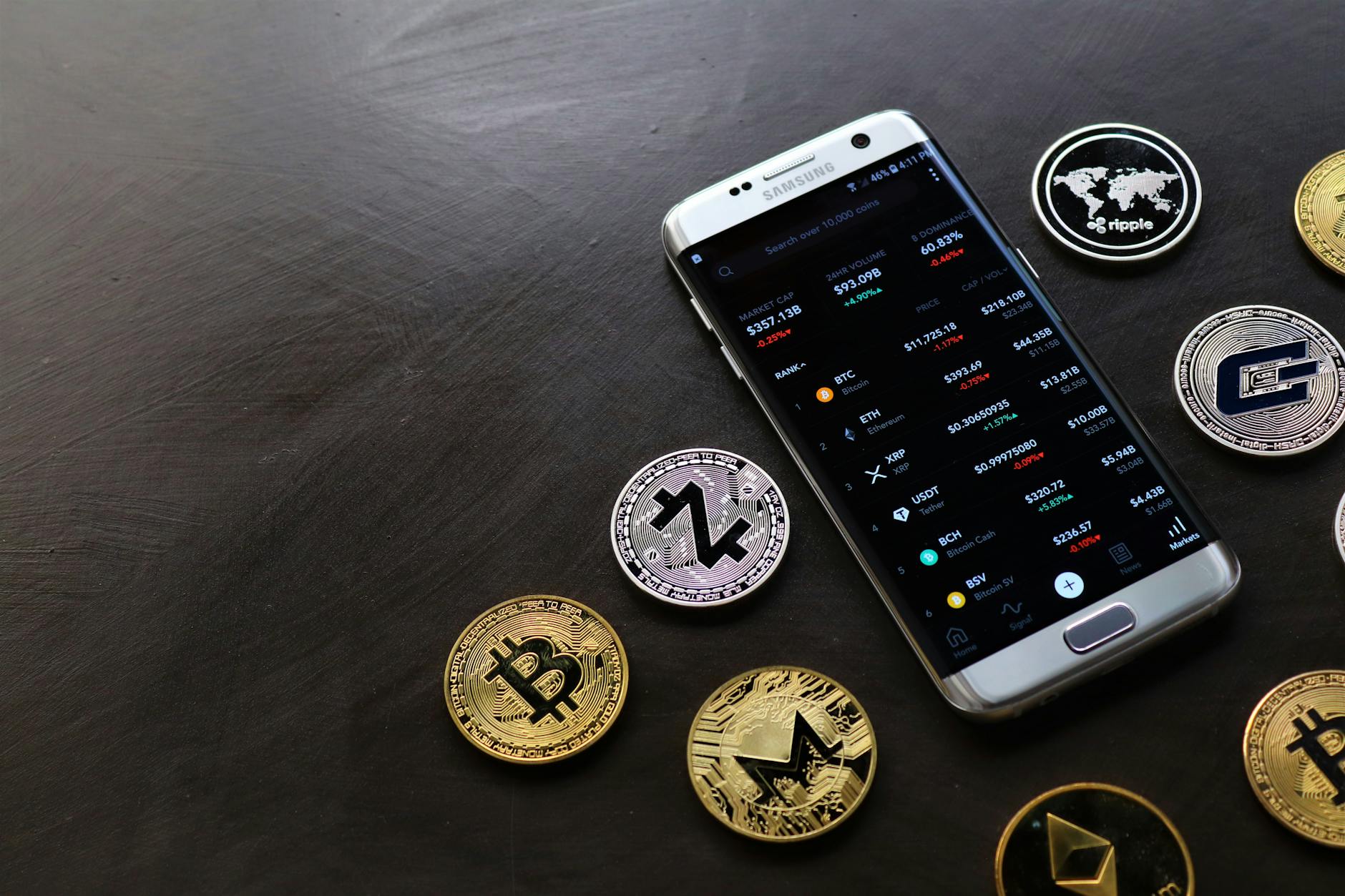
Metaverse tokens serve as the native currency within virtual environments, enabling users to buy, sell, trade, and own digital assets such as land, avatars, collectibles, and services. These tokens often underpin the economic systems of metaverse projects, providing liquidity and incentivizing participation.
Beyond currency, metaverse tokens frequently grant holders governance rights, allowing them to influence platform development, policy decisions, and community initiatives through decentralized autonomous organizations (DAOs). This dual function as both currency and governance tool strengthens the tokens’ utility and, by extension, their value.
Factors Influencing Metaverse Token Value
Several key factors determine the value of metaverse tokens, each contributing to their market dynamics and long-term viability.
Utility and Functionality
A metaverse token’s value largely depends on its utility within the virtual ecosystem. Tokens that facilitate essential functions such as purchasing virtual land, accessing exclusive experiences, or participating in events tend to have higher demand. The broader and more integrated the token’s use cases, the greater its potential value.
For instance, tokens used to pay for virtual goods, services, or fees within the metaverse foster consistent transactional activity, supporting price stability and growth.
Scarcity and Supply Mechanisms
Like traditional cryptocurrencies, the scarcity of metaverse tokens plays a crucial role. Limited total supply or controlled inflation through tokenomics can create scarcity, driving demand among users and investors. Some projects implement burning mechanisms, reducing supply by destroying tokens in exchange for services or transactions.
Careful design of token supply prevents oversaturation, which could dilute value, while ensuring enough liquidity to facilitate smooth transactions.
User Base and Community Engagement
The size and activity level of a metaverse’s user base significantly influence token value. A growing, engaged community translates to higher transaction volumes and broader adoption, boosting demand for the native token.
Community participation in governance, content creation, and marketing further strengthens the ecosystem, making the token more attractive to both users and investors.
Technological Infrastructure and Interoperability
Robust technological infrastructure underpins a successful metaverse and its token. Fast transaction speeds, low fees, and secure protocols encourage usage and trust.
Interoperability—the ability for tokens and assets to move seamlessly between different metaverse platforms or blockchain networks—enhances token utility and attractiveness. Tokens that are compatible with multiple environments or standards tend to gain wider acceptance.
Partnerships and Ecosystem Development
Strategic partnerships with other blockchain projects, gaming companies, or content creators can drive adoption and increase token value. Collaborations that expand the metaverse’s features, content offerings, or user base contribute to a vibrant, sustainable ecosystem.
A strong developer community also accelerates innovation, enabling new applications and integrations that enhance token functionality.
Speculation and Market Sentiment
Like other cryptocurrencies, metaverse tokens are subject to market speculation and sentiment. Hype around upcoming platform developments, celebrity endorsements, or trending virtual events can cause rapid price fluctuations.
While speculation can attract investment and liquidity, it also introduces volatility and risks. Sustainable value typically relies on genuine utility and long-term ecosystem growth rather than short-term market excitement.
Challenges Affecting Token Value
Despite their potential, metaverse tokens face challenges that can impact their value negatively.
Technical limitations, such as network congestion or security vulnerabilities, can reduce user confidence and hinder adoption. Regulatory uncertainty around virtual assets and digital economies poses risks that may affect investor perception.
Additionally, the fragmentation of metaverse projects and competition among platforms could dilute user attention and token demand if ecosystems fail to interconnect or provide compelling experiences.
Future Outlook
The value of metaverse tokens is expected to evolve as virtual worlds expand and mature. Increasing integration of augmented reality (AR), virtual reality (VR), and artificial intelligence (AI) will create richer, more immersive experiences that drive token demand.
Innovations in decentralized finance (DeFi) within metaverses may introduce novel financial products and services, further enhancing token utility.
As interoperability improves and ecosystems grow more interconnected, tokens that facilitate cross-platform interactions will gain strategic importance.
Conclusion
The value of a metaverse token hinges on a combination of utility, scarcity, community engagement, technological strength, partnerships, and market dynamics. Tokens that offer meaningful use cases, foster active user participation, and operate within robust, interoperable ecosystems stand the best chance of sustaining and growing their value.
Understanding these factors is crucial for stakeholders looking to participate in or invest in the metaverse economy. As virtual worlds continue to evolve, metaverse tokens will play an increasingly central role in shaping the future of digital interaction and commerce.

 Eduindex
You must be logged in to post a comment.