Earning extra money no longer requires special skills, upfront investment, or long working hours. For many people, one of the easiest ways to add a little extra income is by participating in online surveys. While surveys won’t make you rich, they can help cover everyday expenses, build savings slowly, or fund small personal goals—if approached the right way.
The key is understanding how survey platforms operate and how to use them efficiently without wasting time.
Why Companies Pay for Opinions
Businesses spend billions each year trying to understand consumer behavior. Before launching a product, changing pricing, or redesigning a service, they want real feedback from real people. Online survey platforms exist to make this process easier by sourcing opinions from everyday consumers.
As a participant, you’re essentially trading your perspective and time for compensation. The work is simple, requires no technical background, and can be done from almost anywhere.
What Online Surveys Are Really Good For
Online surveys work best for:
Filling idle time productively
Earning small but consistent side income
Low-effort work alongside a primary job or studies
They are not suitable if you’re looking for fast money or full-time income. Understanding this upfront prevents frustration and unrealistic expectations.
How Much Can You Expect to Earn?
Most surveys pay modestly. Short surveys may pay under a dollar, while longer or niche-based surveys may pay a few dollars more. Occasionally, you’ll find higher-paying opportunities such as research panels or testing studies, but those are less frequent.
Your earnings depend on:
How often you check for surveys
Your location, age, profession, and interests
How many platforms you’re registered on
Some user profiles are in higher demand, which increases invitations—but this is something you can’t control.
Picking Legitimate Survey Sites
Choosing the right platforms makes a huge difference. Reliable survey websites share a few common traits:
Clear payout rules
Transparent payment methods
No upfront fees
Positive user feedback
Avoid sites that promise unrealistic daily income or ask for sensitive personal data unrelated to payments.
One platform that is often mentioned positively by experienced users is pinecone research, mainly due to consistent payouts and fewer disqualifications. That said, relying on just one platform limits your earning potential—diversification is essential.
How to Increase Your Chances of Qualifying
Many surveys start with screening questions. If your answers don’t match what the company is looking for, you’ll be disqualified. While this is normal, you can reduce wasted time by:
Keeping your profile updated
Answering demographic questions honestly
Avoiding contradictory responses across platforms
Accuracy improves matching and leads to fewer disqualifications over time.
Developing a Smarter Survey Routine
Instead of randomly checking sites, treat surveys like a system:
Dedicate short, specific time blocks
Use one email address exclusively for survey invites
Prioritize surveys with better pay-to-time ratios
This approach keeps surveys from feeling intrusive or overwhelming.
Payments: What You Should Know
Survey earnings are usually paid via PayPal, digital wallets, or gift cards. Some platforms process payments instantly once you reach a minimum amount, while others operate on fixed payout cycles.
Gift cards may sometimes offer slightly higher value, but cash payouts provide more flexibility. Understanding each platform’s payout policy helps avoid unnecessary delays or confusion.
Mistakes That Reduce Earnings
Many people unknowingly sabotage their accounts. Common mistakes include:
Speeding through surveys
Creating multiple accounts on one platform
Providing inconsistent profile details
Survey companies monitor response quality closely. Poor-quality responses can result in permanent bans, even if you’ve already accumulated earnings.
Higher-Paying Alternatives Within Survey Platforms
Once you gain experience, you may unlock better opportunities such as:
Focus groups
Product testing
Mobile app usability studies
Long-term research diaries
These pay significantly more than standard surveys and often require fewer participants.
Tracking What’s Worth Your Time
Not all survey platforms are equal. Tracking your time and earnings helps you:
Identify high-performing sites
Drop low-paying or unreliable platforms
Improve your effective hourly rate
This data-driven approach ensures you spend time where it actually pays.
Taiwo, N. B., Bert-Okonkwor, C. B. N., Mbadugha, L. C., & Fadumo, O. D. (2026). An Examination of the strategies for Effective Material Management in Building Construction Sites in Auchi, Estako Local Government, Edo State. International Journal of Research, 13(2), 22–38. https://doi.org/10.26643/ijr/2026/31
Nkechi Benedicta Taiwo1, Chiagozie Bertrand Nonso Bert-Okonkwor1, Lynda Chinwendu Mbadugha2 and Oluwatayomi Daniel Fadumo1
Affliation
1.Department of Building, Faculty of Environmental Sciences, Nnamdi Azikiwe University, Awka-Anambra State.
2.Department of Architecture , Faculty of Environmental Sciences, Nnamdi Azikiwe University, Awka- Anambra State.
A lot of problems have been known to confront material management in building construction sites in Auchi, Estako local government, Edo state; one of the key issues is adoption of improper material management practices that don’t take care of material requirements, vendor evaluation, purchasing, handling, storage and site distribution. This study therefore examines strategies for effective material management in the study area with a view to enhancing successful project delivery. This study adopted a mixed survey design approach (quantitative survey) in accordance with the research objectives. The sampling techniques adopted for the study were multi-stage sampling for non-probabilistic samples, whereas purposive sampling was used to select the area (Auchi). Overall, the findings indicate moderate adoption of project-decided material management practices, with greater emphasis on conventional methods rather than modern-technology-driven approaches; Stock and Waste Control (3.91), Just-in-Time Method (JIT) (3.80), Warehousing Management (3.54) etc.are some of the existing practices. The study identifies the need for a formal material management system (3.39) as the most effective measure for improving material management on construction sites. This underscores the importance of structured and possibly digital systems for tracking, monitoring, and controlling materials. Other highly ranked measures include material scheduling for contractors (3.36), training of management and staff (3.34), and effective site supervision and administration (3.30). Overall, the study concludes that the right selection of appropriate material management practice is a fundamental aspect of successful building construction project execution. Poor management of materials leads to cost overruns, time delays, and reduced quality, while proper choice of management practices ensures smooth project flow, reduced wastage, and improved profitability. Based on these findings , the study recommends that the selection of a material management practice should be based on the merits of the selection, not just on familiarity. The findings emphasize systemic, managerial, and capacity-building solutions over isolated site-level controls.
Keywords: Material management, building construction sites, material management strategies, construction professionals, construction industry
1.0 Introduction
Building is a form of shelter, and its construction is an ancient human activity which evolved as the need for shelter became an important means of survival. (Ashiwini, 2023). Constructed shelters were the means by which human beings were able to adopt themselves to a wide variety of climates and other global species. However, Akadiri(2015), emphasizes that building construction is costly and requires huge resources to erect them. This factor has made building construction a Herculean task which has attracted the interest of professionals (e.g. builders, architects, civil engineers etc.) as the most effective means of managing building construction. Consequently, Tunji-Olayemi, Emetere and Afolabi (2017) state that to successfully erect a project, a number of issues arise as regards the material usage. The study further emphasizes the critical role that efficient material management plays in enhancing project performance and sustainability. Material management is a process that coordinates planning, assessing the requirements, sourcing, purchasing, transportation, storing and controlling materials, minimizing the wastage and optimizing the profitability by reducing the cost of materials (Chetna, 2011). The result of improper handling and managing material on site during a construction process will influence the total project cost, time and quality (Ashwini, 2013). The problem of material management is one of the key issues facing construction sites in developing countries, as discovered by many researchers. Okolie, Ngwu, and Ezeokonkwo (2015) explain that the activities identified in the supply channel (the sourcing and transmission of purchase orders to control of material wastage) are considered key to material management because they primarily affect the economy, effectiveness of material movement, productivity, optimization of profit and reduction of material cost. Presently, building materials are poorly managed in the study area, thereby resulting in a lot of abandoned building projects. The use of the traditional material management practice often takes care of material requirements, vendor evaluation and purchasing, while details of handling, storage and site distribution are left to be decided on site. There are other forms of material management systems that enable that material to be planned, ordered, delivered and handled while recognizing the cost associated with late ordering, wastage and poor handling facilities on construction sites in Auchi. Building professionals losses in productivity from the wrong choice of material management practice, which will eventually affect profit margins.
A lot of problems have been identified confronting effective material management; Okolie, Ngwu, and Ezeokonkwo (2015) explain that certain activities in the supply channel (the sourcing and transmission of purchase orders up to control of material wastage) often affect material management in terms of economy, material movement, productivity, profit and material cost. The study therefore recommends proper execution and control of standard materials delivered within time, budget and doesn’t compromise quality. The increasing cost of erecting a building as a result of poor material management practices during the construction process is worrisome. There is concern among building construction practitioners and professionals that the inherent dangers of poor management of materials in building construction affect the quality of building. (Kadiri, 2025). Most of the time, the contractor finds himself not meeting up with the budget because of lack of materials. The human cost is usually associated with a poorly delivered building and the cost of reconstruction and managing it is usually un_quantifiable. The challenges both have implications in building delivery and building management practices, which has prompted continuous research into their causes. Also, Akadiri (2015) study on understanding the barriers affecting the selection of sustainable materials in building projects only emphasized barriers that affect the selection of sustainable materials in building projects without highlighting the consequences of the use of such materials in both the project delivery and the safety of the project. This study therefore examines strategies to minimize these challenges and enhance effective material management practices on construction sites in Auchi. The research work is of immense benefit to future researchers and professionals in the field of building construction as a reference material for material management, and provides a cost-effective solution that ensures timely completion of projects and eliminates project abandonment.
2.0 LITERATURE REVIEW
2 1 Discussing Existing Material Management Practices in Building Construction
Effective management of materials contributes significantly to the success of the project. There are major issues which affect materials management activities, such as constraints on storage areas, site logistics with regard to materials handling and distribution, and also ordering and delivery of materials to the construction site. According to Canter (2009), material management practices are categorized into five processes, which are planning, procurement, logistics, handling and stock and waste control. Ocheoha (2013), also identify practices such as the just-in-time (JIT) method, Economies Order Quantity (EOQ), warehousing management, and recovery and recycling method as part of materials management practices that should be taken seriously, and these practices are detailed below:
1. Planning practices: The process of planning construction methods has been defined as “understanding what has to be built, then establishing the right method, in the most economical way to meet the client’s requirements” (Barrie and Paulson,2010). This is a detailed scheme for achieving an objective for certain work tasks. In the case of materials, there is a need for appropriate planning, which must be done concurrently with engineering, construction, and other project plans. He also mentions that material planning will provide guides for all the subsequent activities and could have a great impact on the project plan. The materials planning process covers setting up and maintaining the records of each part used in each plant to determine target inventory levels, and delivery frequency. As a result, excellent management of the materials record will help the flow of materials at the site in order to avoid several problems such as materials out of stock and materials that have not been delivered. Material planning would provide subsequent activities and could have a great impact on the project plan. The materials planning process covers setting up and maintaining the records of each part used in each plant to determine target inventory levels, and delivery frequency. As a result, excellent management of the materials record will help the flow of materials at the site in order to avoid several problems such as materials out of stock and materials that have not been delivered. Material planning would provide guides for all the subsequent activities and this could have a great impact on the project plan. The materials planning process covers the set-up and maintenance of records and determines the target inventory levels, and delivery frequency. Planning of access and routing of materials within a construction site has an important implication for the development of an effective materials management strategy (Waziri,2016), particularly in terms of increasing productivity and profit and facilitating the timely completion of construction projects. Planning and programming of work should include strategies, tactics, and tools for managing the design and construction delivery processes and for controlling key factors to ensure the client receives a facility that matches their expectations and function as it is intended to function. The requirement for efficient materials planning is to increase the productivity and profit of the company, and facilitate the completion of construction projects. Thus, better planning of raw materials on site can help to eliminate project delays and reduce activities.
2.Procurement processes: The term procurement encompasses a wide range of activities that includes purchasing of equipment, materials, labour and services required for construction and implementation of a project (Barrie and Paulson,2007). The objective of procurement in materials management is to provide quality materials at the right time and place, and at an agreed budget. Akbar Rasouli Kamran Behdinan and Salmon Farsi, (2016) state that procurement is about organizing the purchasing of materials and issuing delivery schedules to suppliers and following-up, to make sure that suppliers deliver on time. Canter (2009) states that failure in the purchasing process or in organizing buying functions results in:(a) over-ordering of materials (wastage problems);(b)Over-payments for materials (inadequate administration procedure);(c)Loss of benefits (lack of skilled negotiating procedures); and (d)Lack of knowledge (when and where the best service/source might be available at any particular time).
Purchasing in building construction involves obtaining all materials, equipment, and services needed to execute a project efficiently, on time, and within budget. It ensures that the right materials are delivered at the right quantity, quality, time, and cost, aligning with project specifications and construction schedules. The process involves (i)Identification of Material Needs from a work schedule or bill of quantities (BOQ) using a material requisition form. (ii)Approval of Material Requisition (iii) Supplier or Vendor Selection (iv)Request for Quotation (RFQ) (v)Quotation Evaluation and Negotiations(vi.) Issuance of Purchase Order (PO) (vii.) Delivery and Inspection of Materials (viii)Storage and Record Keeping(ix) Invoice Verification and Payment(x)Supplier Performance Evaluation
┌────────────────────────┐
│ Material Need │
│ Identified by Site │
│ Engineer │
└──────────┬──────────────┘
┌──────────▼──────────────┐
│ Requisition Approval │
│ by Project Manager │
└──────────┬──────────────┘
┌──────────▼──────────────┐
│ Supplier Selection & │
│ Request for Quotation │
└──────────┬──────────────┘
┌──────────▼──────────────┐
│ Evaluate & Negotiate │
│ Quotations │
└──────────┬──────────────┘
┌──────────▼──────────────┐
│ Issue Purchase Order │
│ (PO) to Supplier │
└──────────┬──────────────┘
┌──────────▼──────────────┐
│ Material Delivery & │
│ Inspection at Site │
└──────────┬──────────────┘
┌──────────▼──────────────┐
│ Storage & Record │
│ Keeping │
└──────────┬──────────────┘
┌──────────▼──────────────┐
│ Invoice Verification │
│ Payment Processing │
└──────────┬──────────────┘
┌──────────▼──────────────┐
│ Supplier Evaluation │
│ for Future Projects │
└─────────────────────────┘
Figure 2.1: Typical Purchasing Procedure in Building Construction
Source: Hohns (2017)
3. Logistics: Logistics is a concept that emphasizes movement, and it encompasses planning, implementing, and controlling the flow and storage of all goods from raw materials to the finished product to meet customer requirements. Raw materials for construction are usually varied, bulky and heavy and require proper handling in the supply process. Consequently, the construction industry requires active movement of materials from the suppliers to the production area in both the factory and the work site. Experienced traffic personnel can have a positive impact on the execution of the project while minimizing transportation costs (Ahuja and Dozzi 2021). The primary focus of the logistics concept in construction projects is to improve coordination and communication between project participations during the design and construction phases, particularly in the materials flow control process (Agapiou etal., 2021). He also mentions that problems arise in the materials flow control process, which includes delays in material supply, due to some materials purchased just before they are required and waste of materials during storage, handling and transporting when procured in large quantities without complying with the production needs on site. Previous research suggested that the routing of materials is one of the main causes which affect cost and time during construction projects. Hence, the factors that should be taken into consideration during the logistics process for effective materials’ management include: optimum forecasting of materials movement (Mahdjoubi and Yang, 2001).
4. Handling: Materials handling provides movement to ensure that materials are located and that a systematic approach is required in designing the system. Handling of materials is the flow component that provides for their movement and placement. The importance of appropriate handling of materials is highlighted by the fact that they are expensive and engage critical decisions. Due to the frequency of handling materials, there are quality considerations when designing a material handling system. The selection of the material handling equipment is an important function as it can enhance the production process, provide effective utilization of the workforce, increase production and improve system flexibility (Chan, 2002). The importance of appropriate handling of materials is highlighted by the fact that they are expensive and involve critical decisions. The material handling equipment selection is an important function in the design of a material handling system in order to enhance the production process, provide effective utilization of human power, increase production, and improve system flexibility. In addition, materials scheduling is also an essential part of handling materials on site, which has several benefits (Ezeh and Etodike, 2017), such as: showing the quantities involved in each particular operation; providing a key to the distribution of materials on site; and demonstrating useful way of checking quantities required by subcontractors, etc. Materials must be delivered to site undamaged and without any wastage. The most common problem associated with materials supply is inadequate unloading and handling facilities, which relates to a high proportion of wastage (Canter,2009). Therefore, handling with safety during movement of materials on site, which reduces the percentage of material wastage and finally fosters significant improvement, can often increase the total system productivity.
5. Stock and Waste Control: Delivery of the bulk of the construction materials requires proper management of the stock control. Stock control is a technique to ensure all items such as raw materials, processed materials, components for assembly, consumable stores, general stores, maintenance materials and spares, work in progress and finished products are available when required. Construction activity can generate an enormous amount of waste (Teo and Loosemore, 2001) and materials waste has been recognized as a major problem in the construction industry. They also mentioned that construction materials waste, in the USA contributes approximately 29%In the UK it contributes more than 50% and in Australia it contributes 20–30%. This is evidence to control construction materials in a good way during the construction process. The cause of waste in construction projects indicates that waste can arise at any stage of the construction process from inception, right through the design, construction and operation of the built facility. Therefore, waste can be reduced through the careful consideration of the need for minimization and better reuse of materials in both the design and construction phases (Dainty and Brooke, 2004). Material storage on site requires close attention in order to avoid waste, loss and any damage to materials which would affect the operations on the construction project. Problems often arise during materials supply because of improper storage and protection facilities. Previous studies have identified that building materials often require a large storage capacity which is rarely available on site (Agapiou et al., 2021). There are a few considerations to be taken into account in the planning of the storage space, such as timing of the initial buy, and historical information and experience. Materials management on site should seek to reduce loss of profit due to theft, damage and wastage, as well as running out of stock. Therefore, the requirements for storage space should be taken into consideration from the initial stage of the construction process.
6. Just-In-Time Method (JIT): The acronym JIT has been highly visible since late 1980, as manufacturing attempted to meet competitive challenges by adopting newly emerging management theories and techniques, referred to as Lean production. Again, Just in Time (JIT) manufacturing is described as a system that helps in making an appropriate order of materials available to each operating unit at the right time in the right quantity. JIT is a systematic concept consisting of JIT purchasing, JIT transportation and JIT production. These three elements combine to create a material handling system that avoids waste and minimizes inventory investment. The technique has changed employees’ beliefs, attitudes, work habits and awareness of quality assurance. It is an operating management philosophy of continuous improvement in which non-value-adding activities (or waste) are identified and removed for the purposes of reducing cost. The objectives of JIT are to reduce processing time, eliminate waste, have respect for people and cost minimization and these can be achieved if this hold zero inventory; a system known as keen supply chain. The summary of the objectives of the supply chain-oriented organizations is to improve productivity by minimizing the cost of shady products. The following factors can be considered for the required improvements from Procom and product design, thing slate-of -the-art equipment and technology, holding zero inventories, reducing lead-time of supply of material, reducing batch size, using a pull production system, simplifying factory layout.
7. Economic Order Quantity (EOQ): This determines the amount of order that minimizes total variable costs required to order and hold inventory. The economic order quantity (BOQ) refers to the order size that will result in the lowest total of ordering and carrying costs for an item of inventory. If a firm places unnecessary orders, it will incur unneeded order costs. If a firm places too few orders, it must maintain large stocks of goods and will have excessive carrying costs. It is recommended that the assumptions of economic order quantity are to: deal with only one material whose demand is assumed to be completely predetermined and demand remains constant over a period of time; holding and ordering rented costs per unit remain constant during the period of one year, irrespective of the order quantity. No stock out is allowed and ordered materials arrive instantaneously and the lead time, which is the time between ordering and receiving goods, is instantaneous and is equal to 0, and all materials ordered are delivered.
8. Recovering and Recycling: Recycling is the process of collecting materials that are often considered trash and remanufactured tin for new products that can be resold or used again. Recovering simply refers to the process of retrieving the disposed or about to be disposed of and making it ready for recycling. That is, removal of materials from the solid waste stream for sale, use, or reuse as raw materials (Monczka, 2002).
9. Warehousing Management: Chee-Chen, 2009 opines that warehousing can be defined as a storage facility used for storing construction material and supplies. He continued by saying that it serves as a central location for receiving, storing and distributing materials needed for construction projects. All organizations have a minimum level of inventory they keep for future operation. Whether they operate JIT or a traditional delivery system where inventory is kept, it is typically referred to as a warehouse. Although, in many logistical arrangements, the role of a warehouse is more properly viewed as a switching facility as contrasted to a storage facility, i.e. effective distribution systems should be designed not to hold inventory for an excessive length of time, there are times when inventory storage is economical. In the same vein, warehouse management means effective and efficient storage and provision of required materials to ensure smooth operations. Decentralized warehousing permits materials to be stored in the right places to facilitate production operations and provide quality customer service. Decentralization of warehouses is a common practice of large organizations that have different plants and product lines scattered over the country. The importance of warehousing include: a reduction in transportation costs; warehousing and the associated inventory are added expenses, but they may be traded off at a lower cost realized if JIT transportation is adopted; achieving smooth production—warehousing to some levels of inventories make materials available at all time for production process, hence, it helps to avoid stock-out of materials; coordination of supply and demand-firms that experience highly seasonal production and sales most times have problem in coordinating supply with demand of materials, warehouse helps them to even out supply and demand of materials over a given period; enjoy quantity purchase discounts- availability of warehouse encourages bulk purchases at discounted prices and maintaining a reliable source of supply-companies that have where to store materials always purchase materials and have regular supplier(s).
2.2 Strategies for Effective Material Management in Building Construction Sites
Material management has been an issue of concern in the construction industry.40% of the time lost on site can be attributed to bad management, lack of materials when needed, poor identification of materials and inadequate storage. The need for an ineffective material planning system has become mandatory. Some companies have increased the efficiency of their activities in order to remain competitive and secure future work. Many other firms have reduced overheads and undertaken productivity improvement strategies. According to Okorocha (2013), Effective Material Management should focus on the system adopted for pricing materials issues which largely depend upon the nature of the material, the undertaking concerned and the circumstances which require to be taken into consideration. These areas might be taken care of: the Materials Schedule for the Contract on Hand, the Bill of Materials, Purchase Requisition, Purchasing of Materials, Issuing of Materials for Use, and Use of Material on Site. In order to achieve good materials’ management on building projects, Calistus (2013) opines that the following areas have to be taken very seriously, i.e. Training of management and other staff, inventory control of materials on site, ensuring proper planning, monitoring, control. Management, supervision and administration of sites, provision of adequate storage of materials, proper usage of materials, materials schedule for the contract on hand, provision and accessibility of site layout and attention to weather conditions. To achieve good materials’ management on a building project, Calistus (2013) opines that the following areas have to be taken very seriously: i.e. Training of management and other staff, inventory control of materials on site, ensuring proper planning, monitoring and control. Alwi, Hampson, and Mohammed (2009), recommend the following effective materials’ management of building projects, which includes: management, supervision and administration of sites, provision of adequate storage of materials, proper usage of materials, material schedule for the contract on hand, materials delivery, provision and accessible site layout, Attention to weather conditions.
1. Training of Both Management and Other Staff: It is necessary to provide education and training to encourage and promote the benefit of reuse, recycling and reducing material consumption. However, cost savings for reuse to reduce material consumption are difficult to measure, in which the material can be used and reduce consumption several times. It is more effective to provide training and education among staff, and involve employees’ participation in implementing waste management. They pointed out that employees’ participation could only be effective with genuine support from management.
2. Inventory Control of Materials on Site: It involves taking note of the use and inventory of materials on site and recordings, i.e. the loading and off-loading, transit and handling of materials. It is recommended that arrangements be made for materials to arrive on time. When a construction material is delivered to a site, it should be checked for damage, quantity, quality and specification. It involves physical control of materials, preservation of stores, minimization of obsolescence and damage through timely disposal and efficient handling, maintenance of store records, proper location and stocking. Stores are also responsible for the physical verification of stocks and reconciling them with book figures. The inventory control covers aspects such as setting inventory levels, ABC analysis, fixing economical ordering quantities, setting safety stock levels, lead time analysis and reporting.
3. Ensuring Proper Planning, Monitoring and Control: Construction site management practice is the process of determining, analyzing, devising and organizing all resources necessary to undertake a construction project. It also includes monitoring and controlling the planned actions towards successful project delivery. Some of the specific activities include the production of a Gantt chart, network analysis, method statements, resource leveling, progress reports and exception reports. The core element of planning is the establishment of a program which reflects the planning process in relation to real-time. Construction planning is the total process of determining the method, sequence, labor, plant, and equipment required to undertake a building project. All but the simplest tasks require planning in order to be accomplished with the best utilization of time and resources.
4. Management, Supervision and Administration of Sites: Supervision is the direction of people at work and management is the planning and control of the work process on a construction site. Supervisory, management and administration of site are gradually spread throughout the earth because it is a more efficient way of accomplishing work. All work requires the coordination of effort; this is accomplished by giving workers assigned tasks and assigned time in which they are to accomplish these tasks, but instruction is not enough. A clear, specific instruction on what is to be done, monitor the worker in the course of their efforts, Jimoh, (2012). This is the arrangement on construction sites that lends to effective information dissemination and exchange. Information such as correspondence, minutes, labor allocations, payroll, progress reporting, notices or claims, instructions, drawing register and technical information flows among stakeholders, for processing and further actions during and after project construction.
5. Provision of Adequate Storage of Materials: Kasim (2005), opines that material storage on site requires close attention in order to avoid waste, loss and any damage to materials which would affect the operation of the construction project. There must be a proper storage facility provided for materials on site. Some materials are usually not stored in sheds or locked-up buildings, and double handling of materials because of improper or indecision about the proper storage facility constitutes waste. Old stock must be available for use after fresh delivery is made, and these materials must be placed in such a way that damage will not be done to them by human activities or traffic on site. Bagged materials such as cement should be stored in a place that is free from moisture.
6 Proper Usage of Materials: The use of materials is the flow component that provides for their movement and placement. Material usage can be defined as the provision of proper handling techniques either manually or mechanically for the components held on site during the construction process. Adequate care must be taken to prevent wastage when working with materials on a construction project. The assembly or the installation process involves the practical incorporated into the project of materials, depending on the skills of the workers involved. Materials on the job site at times may have had a little defect due to poor storage or poor quality on the part of the manufacturer.
7 Materials Schedule for the Contractor Hand: It has been established that the preparation of a good materials schedule helps a long way in solving the problem of material handling on site. This is prepared at the contract stage of the building contract by an estimator and also by the contactor in order to know accurately how much material to mobilize the site. This entails accurately detailing the type, the size of materials and all other possible information regarding the required materials and the quantities and date on which they should be delivered. Materials schedules are valuable to the buyer for ordering and also to the site supervisor to ensure that materials, when delivered, are allocated or unloaded at or for the projects or building elements for which they are specified for ordered productivity. Project schedules should establish guidelines as to when and how the project should be executed, schedule requirements need to be communicated and properly managed throughout the entire project. The purpose of scheduling is to organize and allocate the resources, equipment and labour with the construction projects tasks over a set period of time.
8 Provision and Accessibility Site Layout: Construction site layout involves identifying, sizing, and placing temporary facilities within the boundaries of the construction site (Heap, 2007). These temporary facilities range from simple lay down areas to warehouses, fabrication shops, maintenance shops, batch plants, and residence facilities. Required temporary facilities and their areas are dependent on many factors including the project type, scale, design, location, and organization of construction work. A detailed planning of the site layout and location of temporary facilities can enable the management to make considerable improvement by minimizing travel time, waiting time, and increasing worker morale by showing a better and safer work environment.
9 Attention to Weather Conditions: According to Muhwezl (2012), severe weather conditions were ranked in the first positions at asthmas. Significant was teat tribute on projects in the respective categories, exposing materials to inclement weather such as steel bars which rust and may get damaged. Using research results conducted by (Wahab and Lawal, 2011). Adverse weather is considered one of the main factors causing delays and cost overruns on construction projects (Osama and Khaled,2002).
Literature Gap: There are still gaps in literature on existing material management practices specific to the study area and measures to manage the observed effects of poor material management practices in the study area and this is what this study filled.
3.0 Methodology
This work adopts a mixed survey design approach (quantitative and qualitative survey) in accordance with the research question and hypotheses. A combination of qualitative and quantitative survey was used to collect data related to the objectives of this research. These are data which were generated through questionnaire and direct observation. The population of this study is 401, which constitutes all site-based professionals like Quantity Surveyors, Builders and Architects in the study area, duly registered in Edo state with the relevant professional bodies.
Table 3:1 Total Population of the Study
No of Practicing Builders in Auchi
148
Source: NIOB Auchi Branch
No of Practicing Quantity surveyors In Auchi
128
Source: NIQS Auchi Branch
No of Practicing Architects in Auchi
125
Source NIA Auchi Branch
TOTAL
401
Source: NIOB, NIQS, NIA Auchi Branch(2024)
The sample size of the study was 200 respondents using the Taro yamane formula was adopted out of the entire population of 401 practicing builders, practicing quantity surveyors, and practicing Architects all in Auchi (Table 3.1). The sampling techniques for the study were multi-stage sampling for non-probabilistic sample whereby purposive sampling was used to select the area (Auchi).
4.0 FINDINGS
4.1 Response Rate
The sample size of the study was 200 respondents out of the entire population of 401 made up of practicing builders, practicing quantity surveyors, and practicing Architects all in Auchi (Table 3.1). The sampling techniques for the study were multi-stage sampling for a non-probabilistic sample whereby purposive sampling was used to select the area (Auchi). A total of 401 questionnaires were administered, 250 (62%) were retrieved while 200 (80%) were validly and returned. The high response rate recorded by the researcher could be attributed to the data collection procedures. For instance, the researcher pre-notified the potential participants for the survey, the researcher administered the questionnaire with the help of research assistants and follow-up calls were also made to clarify queries as well as to prompt the respondents to fill in the questionnaires.
4.2 Testing/Ranks of Variables
Question 1: What are the existing material management practices adopted by building construction companies in the study area?
Table: 4:1 Existing material management practices adopted by building construction companies in the study area
A. Planning (Rank 1, Mean Score: 3.98, Std Dev: 1.07): Planning emerged as the most highly ranked practice among the respondents. With a mean score of 3.98, it indicates that most construction companies prioritize careful preparation and scheduling of materials before and during project execution. The relatively low standard deviation (1.07) suggests that respondents had a fairly consistent view regarding the importance of planning. Effective planning ensures that materials are available when needed, reducing delays and inefficiencies on construction sites.
B. Stock and Waste Control (Rank 2, Mean Score: 3.91, Std Dev: 1.41): The second-highest ranked practice is stock and waste control, highlighting that construction companies are conscious of minimizing wastage and maintaining optimal inventory levels. A mean score of 3.91 demonstrates that the companies recognize the financial and operational benefits of controlling stock and reducing material losses. The standard deviation of 1.41 indicates some variability in perception, possibly due to differences in company sizes or management systems.
C. Just-in-Time Method (JIT) (Rank 3, Mean Score: 3.80, Std Dev: 1.12): The Just-in-Time method, ranked third, reflects the adoption of modern material management techniques. By receiving materials only as they are needed, companies can reduce storage costs and the risk of overstocking. The mean score of 3.80 is high, suggesting moderate to strong implementation, while the relatively low standard deviation (1.12) indicates general agreement among respondents about its effectiveness.
D. Warehousing Management (Rank 4, Mean Score: 3.54, Std Dev: 1.16): Warehousing management ranks fourth, emphasizing the importance of organized storage systems for materials. Companies with proper warehousing practices ensure materials are safe, accessible, and well-documented. A mean of 3.54 indicates that while important, it is not as prioritized as planning or stock control. The standard deviation of 1.16 shows relatively consistent opinions across the sample.
E. Procurement (Rank 5, Mean Score: 3.44, Std Dev: 1.29): Procurement ranks sixth, showing that while acquiring materials is essential, it is slightly less emphasized compared to other practices. A mean score of 3.44 demonstrates that respondents acknowledge its importance but may face challenges such as supplier reliability or cost issues. The standard deviation (1.29) suggests a reasonable spread of opinions among respondents.
F. Economic Order Quantity (EOQ) (Rank 6, Mean Score: 3.39, Std Dev: 1.38): Economic Order Quantity, a quantitative approach to determine the optimal order size, is ranked fifth. This reflects moderate adoption among building companies. With a mean score of 3.39, EOQ is recognized as a useful tool for reducing costs and avoiding excess stock, but it may not be widely implemented due to technical or operational constraints. The standard deviation of 1.38 indicates moderate variability in understanding or application.
G. Logistics (Rank 7, Mean Score: 3.35, Std Dev: 1.60): Logistics is ranked seventh, which points to moderate implementation in material transportation and handling. The mean score of 3.35 indicates that construction companies recognize its role in timely delivery of materials, but the high standard deviation (1.60) suggests significant variation among companies, possibly reflecting differing levels of expertise or resource availability.
H Recovering and Recycling (Rank 8, Mean Score: 3.21, Std Dev: 1.43): Recovering and recycling practices are less emphasized, ranking eighth. A mean score of 3.21 shows that although some companies adopt sustainable practices, it is not yet mainstream. The standard deviation of 1.43 indicates a moderate level of disagreement among respondents, perhaps due to differing priorities or awareness levels about sustainability.
I. Handling (Rank 9, Mean Score: 3.11, Std Dev: 1.44): Handling of materials is ranked tenth, indicating that it is given relatively lower priority. While proper handling is crucial for preventing damage and loss, it appears that companies may rely on other practices like planning and stock control to indirectly manage handling. The higher standard deviation (1.44) suggests differing views on its significance.
Research Question 2: Suggest and recommend effective measures for managing materials in building construction sites in the study area
Table: 4.2: Effective measures for managing materials in building construction sites in the study area
S/N
Statements
5
4
3
2
1
SUM
MEANSCORE
STD
RANK
1
Training of both management and staff
44
49
54
38
15
699
3.34
15.18
3rd
2
Inventory control of material on site
58
34
31
43
34
639
3.19
11.02
5th
3
Ensuring proper planning, monitoring and control
42
23
24
70
41
555
2.77
19.04
7th
4
Management, supervision and administration of sites
44
46
54
38
18
660
3.30
13.56
4th
5
Provision of adequate storage of materials
38
56
17
85
4
639
3.19
32.06
5th
6
Proper usage of materials
29
17
56
39
59
518
2.59
17.8
11th
7
Material schedule for the contractor hand
63
45
35
15
42
672
3.36
17.38
2nd
8
Provision and accessibility site layout
42
20
24
70
44
546
2.73
19.85
8th
9
Attention to weather conditions
23
60
39
67
11
617
3.08
23.78
6th
10
Importance of material for a project
33
20
65
50
32
522
2.61
17.59
9th
11
Need for a material management system
66
45
32
15
42
678
3.39
18.67
1st
Source: Field Survey, (2025)
Need for a Material Management System (Rank 1st, Mean = 3.39, STD = 18.67): This measure received the highest rank, indicating that respondents perceive having a formal material management system as the most critical strategy for effective material management. A structured system ensures tracking of materials, reduces wastage, improves procurement efficiency, and helps in accountability. The relatively high standard deviation suggests some variability in responses, indicating that while most agree, there may be differences in how effectively such systems are implemented on site. Construction companies should adopt digital inventory and tracking systems to standardize material management.
B. Material Schedule for the Contractor Hand (Rank 2nd, Mean = 3.36, STD = 17.38): This measure scored highly, making it the second most important factor in effective material management. A material schedule ensures that contractors know precisely what materials are needed, when, and in what quantity, reducing wastage and delays. Its high mean score indicates strong consensus among respondents, while a moderate standard deviation shows some variability in opinions but overall agreement on its importance. Prioritizing proper material scheduling improves site efficiency and cost management.
C. D. Training of Both Management and Staff (Rank 3rd, Mean = 3.34, STD = 15.18): Training staff and management is critical for improving material handling, reducing errors, and enhancing project efficiency. The relatively high rank and mean score suggest that respondents see capacity building as a vital tool for effective material management. A lower STD reflects moderate agreement on its importance. Continuous training programs should be instituted to improve knowledge and skills related to materials handling.
D. Management, Supervision, and Administration of Sites (Rank 4th, Mean = 3.30, STD = 13.56): Effective supervision and administrative control on construction sites play a crucial role in ensuring that materials are used efficiently and according to plan. It ranked fourth, indicating its substantial but slightly lower perceived importance compared to scheduling and training. Adequate supervision ensures adherence to project schedules and material usage protocols, minimizing losses.
E. Inventory Control of Material on Site & Provision of Adequate Storage of Materials (Rank 5th, Mean = 3.19, STD = 11.02 & 32.06 respectively): Inventory control involves tracking materials from delivery to consumption, while storage provision ensures that materials are protected from damage and theft. Both measures scored equally in mean score but differed in standard deviation; storage showed high variability (STD = 32.06), indicating differing perceptions about its effectiveness. Maintaining proper inventory systems and storage facilities is important but may require site-specific adaptation.
F. Attention to Weather Conditions (Rank 6th, Mean = 3.08, STD = 23.78): Weather can significantly affect materials on-site, causing deterioration or damage if not managed properly. It was ranked moderately high, reflecting recognition of its role in protecting materials. The high STD indicates some disagreement among respondents, possibly due to variations in site locations or climate considerations. Construction sites should implement protective measures against adverse weather for sensitive materials.
F. Ensuring Proper Planning, Monitoring, and Control (Rank 7th, Mean = 2.77, STD = 19.04): Although planning, monitoring, and control are fundamental management practices, respondents ranked this relatively lower. This may suggest that while these practices are essential, their effectiveness in directly managing materials might be perceived as secondary to specific interventions like training or material scheduling. Strengthening site planning and control mechanisms will still benefit overall material management, but more tangible measures may take precedence.
G. Provision and Accessibility of Site Layout (Rank 8th, Mean = 2.73, STD = 19.85): An organized site layout facilitates smooth material flow and reduces handling losses. Its lower rank indicates that respondents may view layout accessibility as less critical compared to scheduling or training. Site layout optimization should complement other key material management strategies.
5.0 CONCLUSION
The descriptive statistics reveal that building construction companies in the study area predominantly rely on traditional material management practices, with planning emerging as the most widely adopted practice, contractors place strong emphasis on advanced preparation and scheduling of materials, as well as growing awareness of waste reduction and efficient inventory management. However, there is limited adoption of sustainable practices and weak institutional mechanisms for continuous improvement. Since poor management of materials leads to cost overruns, time delays, and reduced quality, there is a need for efficient management that ensures smooth project flow, reduced wastage, and improved profitability through “Waste Reduction and Recycling” as well as “Monitoring and Control Systems” recorded the lowest mean value
6.0 RECOMMENDATIONS
Based on the findings and conclusions of this research, the following recommendations are made:
1. Adopt Digital Material Management Systems: Construction firms should integrate modern digital tools and software such as ERP systems, bar-coding, and inventory tracking technologies to improve accuracy, transparency, and accountability in material handling.
2. Strengthen Planning and Scheduling: Proper planning and scheduling of material procurement and usage should be implemented before project commencement to prevent shortages, waste, and delays.
7.0 CONTRIBUTION TO KNOWLEDGE
This research has contributed to the body of knowledge by providing empirical evidence on the state of material management practices in Auchi, Etsako West Local Government Area, a region with limited prior academic documentation on this topic. It bridges the knowledge gap between theoretical material management frameworks and their practical application in rural and semi-urban Nigerian construction environments.
i) Acknowledgments
Special acknowledgment to everyone who made this study a success and to the Departments of Building, Nnamdi Azikiwe University, Awka Anambra State, for the support of data collection.
(II)Disclosure of Conflict of Interest
Authors declare that there is no conflict of interest regarding the publication of this manuscript.
(iii) Statement of Ethical Approval
All relevant ethical approval for this study has been obtained and maintained.
(iv) Statement of informed Consent
All necessary informed consent were obtained.
(v)Funding
This research received no external funding.
(Vi)Data Availability Statement
The original contributions presented in the study are included in the article, further inquiries can be directed to the corresponding author/s.
REFERENCES
Agapiou, A., et al. (2021). Materials flow control in construction: recent perspectives.
[Publisher/journal unknown].
Ahuja, H., & Dozzi, S. (2021). Traffic personnel and transportation management in
construction projects. International Journal of Production Economics, 56(2),
N121–133.
Akadiri, P. O. (2015). Understanding the barriers affecting the selection of
sustainable materials in building projects. Journal of Building Research and
Information, 43(1), 1–15.
Akbar Rasouli, A., Behdinan, K., & Farsi, S. (2016). Procurement organisation and
delivery schedules in construction projects. Journal of Building Technology 7(3)
567-671
Alwi, H., Hampson, K., & Mohammed, S. (1999). Effective materials management in
building projects.
Ashwini,K. (2023). Construction project materials and cost management.
International Journal of Construction Management, 8(2), 22–30
Barrie, D. S., & Paulson, B. L. (2007). Professional construction management (edition).
Nigerian Journal of Construction Technology and Management, 10(1), 14–23.
Calistus, C. (2013). Measures for good materials management on building projects. [.
International Journal of Project Management, 29(4), 403–408.
Canter, D. (2009). Materials management in construction: planning, procurement,
logistics, handling, stock and waste control. Journal of Construction
Engineering and Management, 135(7), 708–718.
Chan, E. (2002). Selection of material handling equipment and system design
considerations. International Journal of Construction Engineering and
Management, 1(1), 40–46
Chee Chen, C. (2009). Warehouse management and distribution in construction
logistics. [. International Journal of Built Environment and Sustainability, 1(1),
45–53.
Chetna, M. (2011). Material management in construction. International Journal of
Engineering and Advanced Technology, 1(2), 25–32.
Dainty, A. R. J., & Brooke, R. (2004). Waste minimisation in construction: design and
operational approaches. International Journal of Project Management, 14(1),
37–45
Ezeh, S., & Etodike, F. (2017). Materials scheduling and distribution on construction
sites. International Journal of Construction Research, 4(2), 71–84
Ghosh, A., & Jintanapakanont, J. (2024). Impact of materials management on.
construction productivity and cost control. International Journal of
Environmental Management, 17(3), 141–150.
Heap, [Initials]. (2007). Construction site layout and temporary facilities. [African
Journal of Environmental Science and Technology, 5(3), 246–254.
Hohns, H. M. (2017). Typical purchasing procedure in building construction [Figure].
[Source/publisher unknown].
Husnain-Arshad, M., & Jamaluddin, Z. (2017). Functions and practices of material
management in the construction industry. International Journal of Civil
..Engineering and Technology, 8(9), 560–572.
Jimoh, A. (2012). Site administration and information flow on construction projects.
Management science and management 6(4) 78-57
Kadiri, O. (2025). Impact of material shortage on building construction performance
in Nigeria. Journal of Construction Management Studies, 10(2), 99–112.
Kasim, A., Anumba, C., & Dainty, A. (2005). Improper materials management and
project performance. [Publisher/journal unknown].
Mahdjoubi, L., & Yang, Q. (2001). Forecasting material movement for construction
logistics.
Monczka, R. (2002). Purchasing and supply chain management: recovering and
…recycling materials.
Muhwezl, M. (2012). Weather impact on construction waste and schedule.
Ocheoha, T. (2013). Objectives and application of JIT in construction projects.
[Publisher/journal unknown].
Okorocha, O. (2013). Materials pricing and issues control in construction.
Okolie, K. C., Ngwu, C., & Ezeokonkwo, J. (2015). Material management practices in
the Nigerian construction industry: Challenges and prospects. Journal of
Construction Engineering and Project Management, 5(3), 23–34.
Osama, S., & Khaled, T. (2002). Impact of weather on construction schedules. JOURNAL OF
Tunji-Olayemi, P., Emetere, M., & Afolabi, A. (2017). Effective material management
for building construction projects. Journal of Sustainable Development in
Africa, 19(4), 35–49.
Waziri, B. S. (2016). The role of material management in construction project delivery.
Journal of Environmental Design and Construction, 12(3), 55–64.
Jesus never recruited spectators. He called people out of boats, tax booths, and back alleys and put dust on their feet. Discipleship in the Bible begins with proximity: walking close enough to hear breath and see scars. Growth was not measured by information retained but by obedience practiced. Nets were dropped. Tables abandoned. Lives re-ordered around a voice that refused to stay theoretical. This was not a classroom. It was pavement and friction.
Formation Happens Under Pressure
Jesus shaped leaders by placing them where weakness surfaced. Hunger in the wilderness. Fear of open water. Failure in public. Scripture shows spiritual growth emerging under strain, not comfort. The call to follow carried cost, and that cost exposed what ruled the heart. Disciples learned prayer by watching Jesus withdraw exhausted. They learned courage by watching Him advance toward Jerusalem anyway. Leadership was formed where trust was tested. Growth hurt. That was the point.
A Different Kind of Authority
Jesus redefined leadership by emptying it of ego. Authority flowed downward through service, not upward through control. Feet were washed. Children were welcomed. The overlooked were centered. In this framework, the concept of discipleship refuses celebrity and embraces stewardship. Leaders were not trained to build platforms but to carry burdens. Influence came from faithfulness in small places. Power bent low. Strength looked like a sacrifice.
From Belief to Obedience
Biblical discipleship never stopped at confession. It moved toward action that cost something real. Teachings were meant to be practiced before they were explained. The understanding of what a disciple iscannot be separated from daily choices, how money is handled, words are spoken, anger restrained, and forgiveness extended. Faith showed up in kitchens, workplaces, and strained relationships. Truth lived there. Right in the mess.
The Work Continues
The Mentoring Project exists for this exact terrain. It’s free Life Skills guides address more than 100 everyday struggles: conflict, fear, leadership fatigue, decision-making, stewardship, and endurance. These guides are built for lived faith, not shelf display. They are written to be read, listened to, and carried into ordinary pressure-filled moments. Discipleship still walks. Visit The Mentoring Project website to read or listen to the free Life Skills guides and take the next faithful step forward.
Akorede, S. N., & Obenda, M. I. (2026). Factors Influencing Insufficient Facility and Management of Public Stadiums in Nigeria: An Overview. International Journal of Research, 13(2), 1–10. https://doi.org/10.26643/ijr/2026/29
Seun N. Akorede, Moses I. Obenda
Department of Human Kinetics & Health Education, Faculty of Education, Ahmadu Bello University Zaria, Nigeria
Stadiums serve as venues capable of uniting thousands of individuals, and fostering a remarkable architectural experience. Sadly, many of Nigeria’s public infrastructures including stadiums have significantly declined, highlighting the extent of neglect they have faced over time. The slow or irreversible decline of nearly all public facilities illustrates the degree of neglect they have experienced throughout the years. This research provides a review of the factors affecting inadequate management and maintenance of public stadiums in Nigeria. The secondary data utilized in this study comes from various published sources. The relevant material includes research articles sourced from credible electronic platforms. In addition to research articles, grey literatures were similarly referenced. The findings pinpoint political, economic, social, and technical issues that lead to substandard facilities and inadequate management in Nigeria’s public stadiums. Consequently, the review advocates for a thorough strategy that entails professionalizing management, reinforcing policy and accountability, diversifying funding sources and operations, along with implementing an organized, proactive maintenance plan (both preventive and scheduled).
Public sports facilities primarily provide open areas for regular fitness activities. They highlight distinct public welfare traits [1] and currently serve as the foundation for healthy living in our nation. They also play critical role in government initiatives aimed at constructing a “sports superpower” [2]. Specifically, stadiums occupy a unique position within the cultural, economic, and social frameworks of nations, thus holding substantial significance [3]. Beyond hosting sporting events, stadiums function as places for shared experiences, economic catalysts, and identity centers. These sites not only accommodate football matches but also host major events like concerts, religious gatherings, and political rallies.
Investing in sports infrastructure involves substantial financial commitments and represents valuable national resources that convey an investment narrative. Nigeria’s increasing prominence in global football has largely been fueled by investments in football infrastructure alongside the achievements of its athletes in major European leagues. The country has heavily invested in the construction of stadiums [4]. Such expenditures aimed at showcasing modernization and attracting elite competitions have, at times, been influenced by political factors. Unfortunately, the rate of construction has outstripped effective management practices. Consequently, this situation calls for heightened managerial focus, which is vital for ensuring development. Investors, whether public or private, generally anticipate significant returns on their sports-related investments. So, effective management serves as a crucial element for maximizing returns on investment in sports infrastructure, highlighting the increasing importance of stadium management in many nations [5]. One of the key goals in facility management is to lower maintenance expenses while sustaining the quality of the services offered [6]. Management in the realm of sports infrastructure pertains to overseeing sports facilities.
Throughout various periods, Nigeria has hosted some of Africa’s premier sports stadiums. Currently, however, the nation lacks adequate operational stadium facility, a situation exacerbated by a severe absence of maintenance culture resulting from governmental negligence. Public infrastructure in Nigeria frequently suffers from inadequate upkeep [7], leading to their deterioration and resulting flaws at different levels. Although the upkeep of stadium amenities can be both expensive and complex, it is essential if any investment is to be justified. The decline of stadium infrastructure in Nigeria reflects deeper systemic issues that need to be identified and addressed. Among the country’s more than 40 stadiums, only around a dozen are deemed suitable for rehabilitation for international events. These include the National Stadium in Lagos, MKO Abiola Stadium in Abuja, Nnamdi Azikiwe Stadium in Enugu, U.J. Esuene Stadium in Calabar, Ahmadu Bello Stadium in Kaduna, and Liberation Stadium in Port Harcourt. Additionally, Abubakar Tafawa Balewa Stadium in Bauchi, Sam Ogbemudia Stadium in Benin, Liberty Stadium in Ibadan, Adamasingba Stadium in Ibadan, Teslim Balogun Stadium in Lagos, and Adokie Aimiesiamaka Stadium in Port Harcourt complete the list. Once a stunning venue when inaugurated in 1972, the Lagos National Stadium now represents a national embarrassment. The Godswill Akpabio Stadium in Uyo is regarded by Africa’s football governing body, CAF, and the world football governing body FIFA, as Nigeria’s sole international-standard facility, despite the existence of multiple multi-billion-naira venues built for international events. This underscores the country’s inadequate commitment to sports development. As a result, all the recent international football match involving Nigeria takes place at the stadium in Uyo. Thus, despite the numerous facilities distributed across the nation, Nigeria operates effectively as a one-stadium country, facing the risk of being prohibited from hosting international events if the Godswill Akpabio Stadium developed any issue.
It is noteworthy that modern tools have significant influence on facility management. For instance, the adoption of advanced technologies such as Geographic Information Systems (GIS) [8] is essential for resource management. GIS is commonly used for the collection, storage, alteration, analysis, visualization, and presentation of georeferenced data [9,10]. It enables the handling of spatially referenced data through manipulation, analysis, statistical applications, and modeling of spatial information [11, 12]. Recently, advancements in GIS, bolstered by big data technology, have found extensive application in geographic information mapping, as well as in the collection and analysis of spatial data. These technologies offer strong support for both theoretical and practical research concerning public sports facilities [13]. By leveraging the importance of GIS, integrating multi-source geographic data, and utilizing data integration techniques [14], it has become feasible to achieve an accurate spatial understanding of the supply and demand dynamics for public sports facilities through the development of an accessibility model that articulates the correlation between spatial supply and public sports facilities demand.
Materials and Methods
This paper presents an overview of factors influencing insufficient facility and management of public stadiums in Nigeria. The secondary data derived from various published document were used. Relevant materials used consisted of research articles availed from reputable electronic databases including Web of Science and Scopus. Apart from research articles, grey literatures were equally cited.
Results and Discussion
Political and Policy Influence on Public Stadiums in Nigeria
Public sports facilities are essential for ensuring that citizens can participate in sports [15]. They serve as a vital element of the public service framework aimed at promoting national fitness, acting as a crucial assurance for developing a robust sporting nation, and providing a fundamental platform and impetus for encouraging extensive fitness initiatives. In Nigeria, the construction of stadiums is often driven more by political motives, such as enhancing political reputation or the ambition to host significant mega-events, rather than by sustainable community needs or market demands [16]. This focus leads to a lack of consistency in management policies for these facilities and results in project neglect due to frequent governmental transitions.
By and large, effective execution of policies typically yields favorable outcomes. However, the implementation of such policies in Nigeria is notably poor. This adversely affects both the facilities and the management of public stadiums. Furthermore, policies may restrict potential income sources by forbidding commercial ventures (like restaurants or diverse retail options) on stadium grounds to focus exclusively on sports. Unfortunately, government involvement often introduces non-commercial objectives that compromise the long-term sustainability of these facilities. Another factor impairing the management and infrastructure of public stadiums in Nigeria is the prevalence of corruption. There is economic implications of corruption in construction [17] of stadium, often resulting in increased costs, inferior quality infrastructure, and enduring economic challenges. Moreover, the inventory management system in Nigeria is notably inadequate, which typically contributes to insufficient facility management of public stadiums. It is worthy of note that effective inventory management practices are crucial for maintaining lean inventories, creating robust policies for governance, and ensuring organizational efficiency [18]. However, ineffective inventory management can detrimentally affect an institution’s credibility and financial health. Lastly, there is a notable deficiency in a maintenance culture, which contributes to the inadequate management and upkeep of public stadiums in Nigeria. The lack of a proper maintenance culture and substandard facilities poses a serious challenge to football management. A maintenance culture implies the consistent and regular upkeep of buildings, machinery, facilities, and infrastructure to ensure they remain functional and in good condition.
Financial and Economic Factors on Public Stadiums in Nigeria.
The role of sports infrastructure is crucial to the economy, especially in industrialized nations where sports have evolved into a significant economic sector, contributing roughly two percent to the gross domestic product (GDP) [19]. Funding greatly influences the strategies employed in the design and construction of stadiums. According to some experts, financial constraints have resulted in new sports grounds resembling industrial structures on the outskirts rather than grand football arenas. Furthermore, insufficient funding is a significant hurdle [20] for sports advancement in Nigeria. It’s essential that football venues are tailored to meet the needs of the sport, ensuring that vital elements such as the playing field, spectator stands, press areas, scoreboards, restrooms, ticket booths, dressing rooms, and accessibility are appropriately addressed.
In Nigeria, public infrastructure initiatives often falter due to insufficient funding [21] from government agencies or contractors. The policy requiring government Ministries, Departments, and Agencies (MDA) to return any unused allocated funds to the national treasury at the end of each fiscal year compounds this issue [22]. The Federal Government continually stresses that MDAs must remit any unspent amounts at the close of the financial year. As a result, MDAs tend to rush to return residual funds, striving to appear accountable, which inadvertently leads to project failures and stoppages. Furthermore, facility management receives low priority in Nigeria, with most resources allocated to initial construction rather than ongoing maintenance [23]. This is exacerbated by many public entities relying heavily on volatile government funding. Additionally, numerous investigations have indicated that corruption is a significant factor contributing to the dismal state of facilities, as maintenance budgets are often mismanaged or redirected [24]. Also, inflation impacts maintenance costs. Such macroeconomic fluctuations create serious obstacles for capital upkeep among businesses operating in the nation [25]. The influence of inflation on capital maintenance has grown increasingly important for financial reporting, investment choices, and regulatory supervision. [26]
Management and Human Resource Deficiencies on Public Stadiums in Nigeria.
Facility management entails the strategic planning, administration, coordination, and assessment of daily operations within a facility. It focuses on harmonizing processes inside an organization to sustain and enhance services that back its core functions. Responsibilities within this scope are diverse, covering aspects such as marketing the facility, advertising events, overseeing maintenance, and managing staffing decisions. Typically, a personal manager or personnel director, along with other staff members, oversees the operation of most sports facilities. Often, a significant portion of the management team lacks formal training in facility management or any specialized technical skills. Of course, appointments are sometimes made based on personal connections rather than qualifications, leading to ineffective management practices [27]. Inadequate training often results in improper handling and neglect of equipment, leading to rapid deterioration [28]. Many employees do not have the requisite knowledge to perform basic maintenance tasks or to identify issues at an early stage [29]. Furthermore, Oyewole et al. [30] stress the necessity of continuous professional development for staff to remain updated on the latest maintenance techniques and technological advances. Research conducted by Ojo et al. [31] indicates that the lack of consistent maintenance strategies not only affects the operational efficiency of institutions but also leads to equipment issues. Promoting a more proactive approach to maintenance can be achieved by setting clear maintenance standards that enhance employee awareness and accountability.
Design and Construction on Public Stadiums in Nigeria
Inadequate initial planning often neglects projected usage, anticipated population growth, and the total costs associated with maintenance over the lifespan of facilities. Many public stadiums in Nigeria exhibit flaws in design and construction. The gap between infrastructure delivery and its management is increasingly being highlighted in academic and policy conversations in Nigeria [32]. Furthermore, the use of substandard materials or design, coupled with non-durable construction materials and shortcuts taken due to insufficient supervision, can lead to degradation and a necessity for frequent repairs. Additionally, maintenance strategies are seldom integrated into the original design, as there exists a disconnect between the construction phase and facility management.
Conclusion and Future Scope
This paper examines the elements that contribute to the inadequate facilities and management of public stadiums in Nigeria. The research revealed that the primary factors behind the poor conditions and governance of public stadiums in Nigeria stem from a multifaceted mix of systemic political interference, financial constraints, insufficient professional management skills, initial construction flaws, among other factors. A cycle of decline emerges when immediate political gains are prioritized over sustainable long-term operations (maintenance), ultimately imposing a burden on the public and hindering effective infrastructure utilization.
A holistic approach is essential to tackle Nigeria’s challenges regarding stadium management and facilities. It is crucial to implement strong policies and systems of accountability, which necessitates the introduction of rigorous assessment and oversight processes along with clear, standardized maintenance guidelines. Moreover, diversifying operational strategies by integrating professional management expertise and exploring varied funding options is vital. Encouraging private investment through public-private partnerships serves as another significant tactic. Additionally, a shift from a reactive approach—limited to “corrective repairs only”—to a well-organized, proactive maintenance strategy (encompassing preventive and planned measures) is imperative. Importantly, recruiting skilled and trained individuals, along with providing continuous training in facilities management departments, is paramount. Hiring should be based on expertise rather than favoritism.
References
Z. MeiY, & W. ZhengL, “Research on National Economic Evaluation of Large Public Sports Facility- Conceptual Framework and Evaluation Method,” J. Sports Res., Vol.5, p.6, 2008.
T. XueL, & Z. XiuH, “Investigation and Study of Residents’ Spatial Satisfaction of Public Sports Facilities in Urban Communities: Case Study of Guangzhou City (in Chinese),” J. Guangzhou Sport Univ., Vol.38, Issue 4, p.5 2018.
Della Spina, L. (2025). “Urban regeneration: Economic and social impacts of a multifunctional sports park in Reggio Calabria,” Buildings, Vol.15, Issue 3, p.466, 2025. https://doi.org/10.3390/buildings15030466
Ezeani, C. (2021). “Infrastructure Delivery and Facility Management Gaps in Nigerian Sports Facilities,” International Review for Policy and Development, Vol.6, Issue 2, pp.119–134
M. Megheirkouni, “Leadership Styles and Organizational Learning in UK For-Profit and Non-Profit Sports Organizations.” International Journal of Organizational Analysis, Vol.25 Issue 4, pp.596–612, 2017. doi: https://doi.org/10.1108/IJOA-07-2016-1042
A. Opoku, & J.Y. Lee, “The Future of Facilities Management: Managing Facilities for Sustainable Development.” Sustainability, 14, 1706, 2022.
S.S. Abdullah, A.H. Mohammad, & S. Misnah, “Analysis of the Determinant Factors, Development of Maintenance Culture in Malaysian Local Authorities,” MATEC Web of Conference. EDP Sciences, 1–8, 2014.
F.I. Okeke, & T.U. Omali, “Spatio-temporal Evaluation of Forest Reserves in the Eastern Region of Kogi State using Geospatial Technology,” Tropical Environment, Vol.13, Issue 1, pp.75–88, 2016.
T.U. Omali, “Review of Geospatial Information Technology for the Implementation of Financial Inclusion to Farmers. World Academics Journal of Management, Vol.9, Issue 4, pp.44–50, 2021.
T.U. Omali, “Correlation of Geographic Information System with the Evolutionary Theory of Spatial Analysis,” International Journal of Scientific Research in Computer Science and Engineering, Vol.10, Issue 4, pp.18–22, 2022.
T.U. Omali, “Time-series Analysis of Vegetation Cover in the Southwest Nigeria using Remote Sensing and GIS,” International Journal of Scientific Research in Multidisciplinary Studies, Vol.8, Issue 7, pp.36–42, 2023.
T.U. Omali, & K. Umoru, “A Survey of Remote Sensing and GIS Integration Method,” International Journal of Latest Technology in Engineering, Management & Applied Science, VII,pp.27–35, 2019.
S. Li, S. Dragicevic, F.A. Castro, M. Sester, S. Winter, A. Coltekin, et al. “Geospatial Big Data Handling Theory and Methods: A Review and Research Challenges,” ISPRS J. Photogramm Remote Sens., Vol.115, pp.119–133, 2016. https://doi.org/10.1016/j.isprsjprs.2015.10.012
X. Chen, W. Chen, B. Wu, H. Wu, & J. Xian, “Ship Visual Trajectory Exploitation via an Ensemble Instance Segmentation Framework,” Ocean Eng., Vol.313, 119368, 2024. https://doi.org/10.1016/j.oceaneng.2024.119368
W. Gao, W. Feng, Q. Xu, S. Lu, & K. Cao, “Barriers Associated with the Public use of Sports Facilities in China: A Qualitative Study,” BMC Public Health, Vol. 22. 2022. 10.1186/s12889-022-14441-w.
P.J. Inipami, & A.A. Nwala, “Facilities Management of Football Stadiums: It’s Implications and Customer Satisfaction,” International Journal of Business & Law Research, Vol.13, Issue 3, pp.266–274, 2025.
V.T. Nguyen, Q.T. Nguyen, T.T.D. Pham, & T.H.Q. To, “The Socio-Economic Impacts of Construction Corruption in Emerging Economies: A Case Study of Vietnam”. Proceedings of the Institution of Civil Engineers – Management, Procurement and Law, Vol. ahead-of-print No. ahead-of-print. 2025. https://doi.org/10.1680/jmapl.25.00021
I.O. Mbugi, & D. Lutego, “Effects of Inventory Control Management Systems on Organization Performance in Tanzania Manufacturing Industry—A Case Study of Food and Beverage Manufacturing Company in Mwanza City,” International Journal of Engineering, Business and Management, Vol.6, Issue 2), pp.56–69., 2022.
S.A. Tijani, A.O. Adeyemi, & O.J. Omotehinshe, “Lack of Maintenance Culture in Nigeria: The Bane of National Development,” Civil and Environmental Research, Vol.8, Issue 8, pp.23–30, 2016.
F. Kermani, & S.T.A. Reandi, “Exploring the Funding Challenges Faced by Small NGOs: Perspectives from an Organization with Practical Experience of Working in Rural Malawi,” Res Rep Trop Med., Vol.1, Issue 14, pp.99–110, 2023. doi: 10.2147/RRTM.S424075. PMID: 37674662; PMCID: PMC10479561.
G.O. Nwankwo, & R.O. Ekechukwu, “Inadequate Funding and Substandard Facilities as Determinants of Risks Associated with Football Leagues in South-South Geo-Political Zone of Nigeria: Implications for Sports Counselling,” European Journal of Research and Reflection in Educational Sciences, Vol.5, Issue 1, 2017.
N. Nweze, “Failure of Public Infrastructure Projects in Nigeria: Causes, Effects and Solutions,” Texila International Journal of Management, Vol.2, Issue 2, 2016. DOI: 10.21522/TIJMG.2015.02.02.Art004
F.I. Emoh, C.C. Okechukwu, & E.I. Oladejo, “Facilities Management Impact on Public Organisations in Portharcourt, Rivers State, Nigeria,” British Journal of Environmental Sciences, Vol.9, Issue 6, pp.19–36, 2021.
Y. Manjo, “Maintenance Culture and the Challenges of Infrastructural Development in Nigeria: Implications for the Welfare of the Citizenry in the Fourth Republic,” Vol.1, Issue 2, pp.304–317, 2024.
O.S, Odutor, & V. Ehiedu, “Effect of Inflation on Capital Maintenance,” International Journal of Academic Information Systems Research Vol.9, Issue 6, pp.200–209, 2025.
C. Şeker, & D. Karadayi, “The Relationship Between Nepotism and Employee Performance,” Vol.9, pp.107–115, 2024. 10.5281/zenodo.14552806.
H. Musa, A. Umar, & I. Abdullahi, “Factors Affecting Maintenance of Office Equipment in Nigerian Universities,” International Journal of Engineering Research and Technology, Vol.14, Issue 8, pp.1123–1130, 2021.
A. Abubakar, S. Mohammed, & S. Gana, “Factors Influencing Maintenance Practices in Nigerian Universities,” Journal of Facilities Management, Vol.21, Issue 1, pp.34–46, 2023.
H.S. Oyewole, S.W. Kim, & J.K. Rhee, “An empirical study on Information Security Management,” Information Management & Computer Security, Vol.17, Issue 1, pp.15–28, 2020.
O. Ojo, A.I. Adeniran, & O. Adeyemi, “Strategies for Improving Maintenance Culture in Higher Education Institutions,” Higher Education Studies, Vol.12, Issue 2, pp.1–10, 2022.
A. Olotuah, & A. Taiwo, “Infrastructure Sustainability in Nigeria: The Missing Link Between Delivery and Management,” Journal of Sustainable Development in Africa, Vol.20, Issue 4, pp.112–126, 2018.
Heating, ventilation, and air conditioning systems play a crucial role in maintaining comfort, health, and energy efficiency in residential, commercial, and industrial buildings. Hvac Installation is not simply about placing equipment and turning it on; it is a carefully planned process that directly affects indoor air quality, temperature control, energy consumption, and long-term operating costs. When installed correctly, an HVAC system provides consistent comfort throughout the year, regardless of external weather conditions.
One of the most important aspects of HVAC installation is system design. Every building is different, and factors such as size, layout, insulation levels, occupancy, and usage patterns must be considered before selecting equipment. Oversized systems may cool or heat spaces too quickly, leading to frequent cycling, uneven temperatures, and higher energy bills. Undersized systems, on the other hand, struggle to meet demand, resulting in discomfort and excessive wear. A professional assessment ensures the system is properly sized and suited to the specific needs of the property.
Energy efficiency is another key reason why proper HVAC installation matters. Modern HVAC systems are designed with advanced technology to reduce energy consumption while maximizing performance. However, even the most efficient unit can underperform if installed incorrectly. Poor duct connections, improper refrigerant levels, or incorrect airflow balancing can all reduce efficiency and increase operating costs. A well-executed installation ensures that the system runs at optimal efficiency, helping homeowners and businesses save on utility expenses over time.
Indoor air quality is closely tied to HVAC performance. During installation, attention must be given to ventilation, filtration, and humidity control. A properly installed HVAC system helps remove pollutants, allergens, and excess moisture from indoor air, creating a healthier living and working environment. This is particularly important for individuals with allergies, asthma, or other respiratory conditions. Good ventilation also helps prevent issues such as mold growth and stale air, which can negatively impact comfort and health.
The installation process itself involves several critical steps, including equipment placement, ductwork configuration, electrical connections, and system calibration. Ductwork must be sealed and insulated correctly to prevent air leaks that waste energy and reduce system effectiveness. Electrical components must meet safety standards, and controls such as thermostats need to be accurately programmed. After installation, thorough testing is essential to confirm that the system operates smoothly, delivers even airflow, and maintains desired temperatures.
Another important consideration is long-term reliability. Proper HVAC installation reduces the likelihood of frequent breakdowns and costly repairs. When components are installed according to manufacturer specifications, they experience less strain and wear, which extends the lifespan of the system. This not only protects the initial investment but also ensures consistent comfort for years to come. Routine maintenance becomes more effective when the system is installed correctly from the start.
HVAC installation is also closely linked to sustainability goals. Energy-efficient systems help reduce carbon emissions and support environmentally responsible building practices. Many modern installations incorporate smart controls, zoning systems, and high-efficiency heat pumps or air conditioners that adapt to usage patterns. These features allow users to fine-tune comfort levels while minimizing energy waste, making HVAC systems both eco-friendly and cost-effective.
For those seeking detailed guidance and professional insight into Hvac Installation, reliable resources can help explain the process, benefits, and best practices involved. Understanding installation standards and system options empowers property owners to make informed decisions and work effectively with professionals to achieve the best results.
Whether installing HVAC systems in new construction or replacing outdated equipment, professional installation is essential. It ensures compliance with regulations, optimizes performance, and enhances overall comfort. Attempting shortcuts or relying on improper installation can lead to inefficiencies, safety concerns, and unnecessary expenses.
In conclusion, HVAC installation is a foundational step in creating comfortable, healthy, and energy-efficient indoor environments. From system design and efficiency to air quality and long-term reliability, every aspect of installation matters. By prioritizing proper planning and expert execution, property owners can enjoy consistent comfort, lower energy costs, and peace of mind knowing their HVAC system is built to perform efficiently in all seasons.
Hospitals and medical facilities are saturated with information, and yet the patient leaves the appointment unbelievably confused. The chart contains too much technical jargon; the pamphlet resembles an ancient text; and the artwork never matches the explanation the physician offers in the examination room.
This explains why medical professionals are increasingly turning to AI generators like Dreamina to generate posters to illustrate medical information in a way that the patient can truly see and understand.
Medical information stays noticeable as posters
With AI-based design, even very detailed information like treatment procedures, medication timetables, and/or healing periods can be turned into nice, readable graphics. Rather than flooding them with words, you are providing them with something that only takes one quick look at, recall, and reference later. Dreamina simplifies the entire task of creating such graphics even for non-designers.
If patient education is visually appealing and easy to comprehend, patient trust will develop. And the result of patient trust is a willingness to comply, inquire, and self-manage.
Why medical visuals now mean so much
Patients are accustomed to being shown information in visual ways. They scroll, click, and zone in on things on a daily basis, so to step into an office where they are presented with a mass of words feels almost foreign to them. These posters blend icons, graphics, and simple design to meet the already existing needs of the patients.
Good visuals can also work as a means to combat anxiety. A poster that describes what happens during a procedure can calm nerves much better than a verbal explanation that goes on for a long time. Knowing what is going to happen can be less frightening than not knowing what’s going to happen.
Thus, many health care facilities have begun to move beyond general stock art to customized graphics made by artificial intelligence that serve their needs.
Benefit one: Clearer understanding in seconds
Good patient education poster communication occurs in a split second. Instead of reading three paragraphs about a disease, patients see it.
For example, one graphic might depict:
Where an organ is located
What part is affected
How the treatment works
In creating such a layout using Dreamina, you are, in fact, installing clarity within the layout. A person lacking health literacy can still go away with a newfound understanding of their condition from just this layout alone.
Benefit two: Content that matches real care
Stock photos tend to be too generic. They rarely correspond exactly to the procedure, device, or part of the body your patient has. Also, you can represent your practice in images that reflect your work on Dreamina.
This is where its AI image editor would prove to be very useful to you. Imagine you want a particular situation, and you can create an image of it, and then work on improving it until it suits your needs. This would ensure that there are no gaps between the language your doctors know and the pictures you hang on the wall.
Benefit three: Quicker updates regarding changing information
Medical standards evolve, treatment continues to advance, and clinics introduce new services. By the time posters are mass-produced, an upgraded version would be costly to produce.
“AI design reverses this process. When a protocol changes, you just have to alter the prompt and re-render the picture, and then you’re ready with a new poster to be distributed or printed,” he added. This ensures updated patient education without the need for frequent redesign.
Benefit four: Visually welcoming, not clinical
There is still a great deal of biomedical design that feels cold and frightening. Warm colors, pleasant characters, and clean design can make a big difference in how information is received.
Additionally, many of these come equipped with a design featuring a photo enhancer to brighten, sharpen, and soften the photo’s details, producing a warm, friendly poster rather than a cold one.
Benefit five: Easier sharing across spaces
The poster created by Dreamina does not necessarily have to be posted at one place only. The same image can be used on:
Waiting room screens
Clinic websites
Patient portals
Social media posts
This ensures consistency, making it easier to reinforce messages and bringing patient education as part of the total care experience rather than something dispensed at the reception desk.
Dreamina’s health lab: Main medical facts made friendlier with visuals
Dreamina helps to integrate all of the above by allowing health professionals to easily create graphics online. There’s no need to have a design team when you can create professional-looking posters in no time. All you need are instructions and a few minutes of creativity spent with Dreamina.
Step 1: Create the text message
Open Dreamina and log in, and go to the central creative area and concentrate on creating your patient education poster prompt. Consider writing about the subject matter and the design aesthetics.
A good example of what the prompt can be is: A straightforward patient education poster depicting the human heart and pointing out the blocked arteries and how the stent helps increase blood flow.
This kind of specificity enables Dreamina to generate an accurate and soothing visual presentation.
Step 2: Adjust parameters & generate
Select the model with good, precise, and clear illustrations, then set the aspect ratio based on where you intend to display the poster, whether it’s to be printed, displayed on a screen, or online. Select either 1k, which you can use for fast drafts, or 2k, which you can use for high-resolution printing. After everything is set, click on the icon of Dreamina to create your medical graphic.
Step 3: Customize and save
In Dreamina, you can use the inpaint tool to work on areas of the poster and make them clearer. Other features include expand, to give the design more space, remove, to get rid of elements that are unnecessary, and retouch, to give it a smooth look. Once you are satisfied with your poster and think it looks clear and professional, you can click on the Download icon to save and share with your patients.
Making patient education more human
When medical information is communicated visually, it turns from intimidating to empowering. Patients can point to a poster, ask questions about what they see, and remember the explanation later at home. It is that connection between image and understanding that will make AI-powered design so valuable in healthcare.
Dreamina empowers clinics and educators with a means to transform raw data into information that people can understand. It is not meant to replace medical expertise but rather supplement it by making one’s communication much clearer and even kinder.
Conclusion by feeling healthy with Dreamina
Turning medical data into patient-friendly posters isn’t just design; it’s care. When people understand their health, they make better choices and feel more confident about treatment options. In Dreamina, with just a few touches, you can create visuals that educate, reassure, and guide someone without needing a full creative team.
As healthcare continues to move toward clearer communication and patient-centered experiences, tools like Dreamina make bringing knowledge to life easier. You can help patients see their health in a whole new way with one thoughtful poster at a time.
Abdulrahman, M., Owusu, M. O., Anointed, D., Josiah, D. D., Mani, M., Muoghalu, F. E. F., & Peter, I. ode . ode . (2026). Prevalence and Determinants of Hepatitis B and C Infections among Adults in Rural Northern Nigeria: Evidence from Fufore Local Government Area Adamawa state. International Journal of Research, 13(1), 560–571. https://doi.org/10.26643/ijr/2026/27
Prevalence and Determinants of Hepatitis B and C Infections among Adults in Rural Northern Nigeria: Evidence from Fufore Local Government Area Adamawa state
Muhammad Abdulrahman1, Michael Oluyemi Owusu2, David Anointed1, Dennis Dibal Josiah3, Magaji Mani4, Fakunle Ebere Favour Muoghalu 5, Itua ode ode Peter 5
1 Faculty of Public Health Texila American University, Lot 2442, Plantation Providence, East Bank Demerara (EBD), Guyana, South America,
2Clinical Research Nurse, National Health Service (NHS), Queen Elizabeth Hospital, Mindelsohn way, Edgbaston Birmingham United Kingdom B15 2GW
3Principal Medical Officer Cottage Hospital Fufore
4Department of Nursing Science Specialist Hospital Yola, Adamawa State Nigeria.
5World Health Organization FCT Field Office, Plot 617/618 Diplomatic Drive, Central Area District, P.M.B. 2851, Garki, Abuja, Nigeria.
ABSTRACT
Background: Hepatitis B virus (HBV) and hepatitis C virus (HCV) infections remain major public health challenges in Nigeria, particularly in rural communities with limited access to prevention and screening services. This study determined the prevalence and determinants of HBV and HCV infections among adults in Fufore Local Government Area (LGA), Adamawa State, Nigeria.
Methods: A community-based cross-sectional study was conducted among 384 adults selected using a multistage sampling technique. Data were collected using an interviewer-administered structured questionnaire, and blood samples were tested for hepatitis B surface antigen (HBsAg) and hepatitis C antibody (anti-HCV) using rapid diagnostic test kits. Descriptive statistics were used to estimate prevalence. Chi-square tests assessed associations between independent variables and hepatitis infection. Multivariable logistic regression identified independent determinants of hepatitis infection, defined as positivity to either HBsAg or anti-HCV. Statistical significance was set at p < 0.05. Determinants were analyzed using a combined hepatitis infection outcome due to overlapping transmission risk factors.
Results: The mean age of participants was 34.8 ± 10.6 years. The prevalence of hepatitis B and hepatitis C infections was 17.2% and 11.7%, respectively, while 4.7% of participants had HBV–HCV co-infection. Overall, 33.6% of respondents tested positive for at least one hepatitis infection. Independent determinants of hepatitis infection included unprotected sexual intercourse (AOR = 2.41; 95% CI: 1.31–4.45), traditional unsafe invasive procedures (AOR = 2.13; 95% CI: 1.09–4.17), sharing of sharp objects (AOR = 2.56; 95% CI: 1.30–4.70), age 35–44 years (AOR = 1.89; 95% CI: 1.02–3.49), low educational level (AOR = 2.21; 95% CI: 1.08–4.53), and marital status (AOR = 1.73; 95% CI: 1.01–3.02).
Conclusion: The prevalence of hepatitis B and C infections among adults in Fufore LGA is high, indicating sustained transmission in this rural community. Behavioral and sociodemographic factors were significant determinants, underscoring the need for targeted screening, vaccination, and community-based risk-reduction interventions.
Keywords: Hepatitis B; Hepatitis C; prevalence; determinants; rural community; Nigeria.
INTRODUCTION
Background of the Study
Hepatitis B virus (HBV) and hepatitis C virus (HCV) infections remain major public health challenges globally, contributing substantially to liver-related morbidity and mortality. The World Health Organization (WHO) estimates that approximately 296 million people are living with chronic hepatitis B and 58 million with chronic hepatitis C worldwide, resulting in over 1.1 million deaths annually from complications such as cirrhosis and hepatocellular carcinoma (World Health Organization, 2023).
Sub-Saharan Africa bears a disproportionate share of the global hepatitis burden due to limited access to preventive services, suboptimal vaccination coverage, inadequate screening, and persistent high-risk behaviors (Olayinka et al., 2016). Nigeria is classified as a high-burden country for viral hepatitis, with a national hepatitis B prevalence estimated at approximately 8.1% and hepatitis C prevalence of about 2.2% in the general population (Tomas et al., 2021; Musa et al., 2022). However, evidence suggests that prevalence rates are often higher in rural and underserved communities, where healthcare access is limited and traditional practices involving non-sterile instruments remain common (Ndako et al., 2019).
Rural populations in northern Nigeria are particularly vulnerable to hepatitis transmission due to widespread engagement in unsafe traditional invasive procedures, sharing of sharp objects, and low awareness of transmission routes and preventive measures (Okonko et al., 2019). Anecdotal reports from local health facilities in Adamawa State indicate frequent detection of hepatitis B and C infections among adults seeking care, suggesting a potentially substantial but under-documented burden in rural communities.
Fufore Local Government Area (LGA) of Adamawa State is a predominantly rural setting characterized by farming and informal trading, with limited access to secondary and tertiary healthcare services. Despite the known risk profile of similar rural communities in northern Nigeria, there is a paucity of community-based epidemiological data on the prevalence and determinants of hepatitis B and C infections in Fufore LGA. Existing studies from Adamawa State and neighboring regions are largely facility-based or focused on specific subpopulations, limiting their generalizability to the wider adult population.
Addressing this gap is critical for informing targeted public health interventions, including hepatitis B vaccination scale-up, community-based screening, and culturally appropriate risk-reduction strategies. This study therefore assessed the prevalence and determinants of hepatitis B and C infections among adults in Fufore Local Government Area, Adamawa State, Nigeria.
Statement of the Problem
Despite global advancements in prevention and treatment, hepatitis B and C infections remain underdiagnosed, especially in rural communities in Nigeria (Musa et al., 2022). WHO identifies Nigeria as a high-burden country for HBV, with rural populations experiencing disproportionate risks due to widespread traditional invasive practices using non-sterile tools and inadequate access to healthcare services (WHO, 2023; Okwori et al., 2020).
In Fufore LGA, informal reports and field observations indicate potentially increasing prevalence of hepatitis infections among adults. High engagement in unsafe traditional invasive procedures, low awareness levels, and risky behaviors such as unprotected sex and unsafe sharing of sharp objects remain key contributors to transmission. However, there is limited local epidemiological data to guide evidence-based intervention strategies. This study therefore, determined the prevalence and determinants of hepatitis B and C infections among adults in Fufore LGA to facilitate informed public health actions for prevention and control.
Significance of the Study
This study will provide community-based evidence on the burden and determinants of hepatitis B and C infections in Fufore LGA. The findings are expected to inform public health strategies, support planning and implementation of targeted screening and vaccination programs, and guide community-based educational interventions to reduce transmission (WHO, 2023). Policymakers, healthcare providers, and stakeholders will benefit from the results in designing context-specific interventions.
Scope of the Study
The study focuses on adults aged 18 years and above residing in selected wards (Beti, Gurin, Ribadu, and Fufore) of Fufore LGA. It assesses the prevalence of hepatitis B and C infections and examines sociodemographic and behavioral determinants associated with their transmission.
Objectives of the Study
General Objective
To determine the prevalence and determinants of hepatitis B and C infections among adults in Fufore Local Government Area, Adamawa State, Nigeria.
Specific Objectives
To determine the prevalence of hepatitis B and hepatitis C infections among adults in Fufore Local Government Area.
To identify behavioral risk factors associated with hepatitis B and C infections among adults in Fufore Local Government Area.
To assess the association between selected sociodemographic characteristics and hepatitis B and C infections among adults in Fufore Local Government Area.
Research Questions
What is the prevalence of hepatitis B and hepatitis C infections among adults in Fufore Local Government Area?
Which behavioral risk factors are associated with hepatitis B and C infections among adults in Fufore Local Government Area?
What sociodemographic factors are associated with hepatitis B and C infections among adults in Fufore Local Government Area?
Research Hypotheses
Null Hypotheses (H₀)
H₀₁: There is no significant association between behavioral risk factors (unprotected sexual intercourse, sharing of sharp objects, and traditional unsafe invasive procedures) and hepatitis B and C infections among adults in Fufore Local Government Area.
H₀₂: There is no significant association between sociodemographic characteristics (age, sex, marital status, and educational level) and hepatitis B and C infections among adults in Fufore Local Government Area.
Alternative Hypotheses (H₁)
H₁₁: Behavioral risk factors (unprotected sexual intercourse, sharing of sharp objects, and traditional unsafe invasive procedures) are significantly associated with hepatitis B and C infections among adults in Fufore Local Government Area.
H₁₂: Sociodemographic characteristics (age, sex, marital status, and educational level) are significantly associated with hepatitis B and C infections among adults in Fufore Local Government Area.
Operational Definition of Terms
Burden: The prevalence of hepatitis B and C infections within the study population.
Determinants: Sociodemographic and behavioral factors contributing to hepatitis transmission.
Risk Factors: Actions or practices, such as unprotected sex, sharing sharp objects, or undergoing unsafe traditional invasive procedures, that increase the likelihood of acquiring infection.
MATERIALS & METHODS
Study design and setting
A community-based cross-sectional study was conducted in Fufore Local Government Area (LGA), Adamawa State, Nigeria. Four wards (Beti, Gurin, Fufore and Ribadu) were included. The area is predominantly rural; most residents are farmers, traders and artisans and access to secondary and tertiary health services is limited.
Study population
The study population comprised adults aged 18 years and above who had lived in the selected wards for at least six months at the time of data collection. Individuals who were critically ill or who declined to participate were excluded.
Sample size determination
The minimum sample size for prevalence studies was calculated using Cochran’s formula for proportions:
n =
Where Z = 1.96 (for 95% confidence), p = estimated prevalence, and d = desired precision (0.05).
Using the locally estimated prevalence for hepatitis B from preliminary field data (p = 0.172), the initial sample size was:
n = ≈ 218
Because a multistage cluster sampling approach was used, the sample size was adjusted for cluster design using a design effect (DEFF). A conservative design effect of 1.6was applied to account for intra-cluster correlation and the multistage procedure:
n1 = n × DEFF = 218 ×1.6 ≈349
To allow for non-response and incomplete data, a 10% contingency was added:
n = n1× (1+0.10) = 349 × 1.10 ≈384
Thus, the final sample size for the study was set at 384 participants.
Sampling procedure
A multistage sampling technique was implemented:
Ward selection (stage 1): Four wards (Beti, Gurin, Fufore and Ribadu) were purposively selected based on accessibility and local representation of the LGA.
Community selection (stage 2): Two communities were randomly selected from each of the four wards, yielding eight communities in total.
Household selection (stage 3): In each selected community, a household listing or estimate was used to calculate a systematic sampling interval. The target within-community sample was 48 participants per community (384 ÷ 8). A random start between 1 and k was chosen and every kth household was visited until 48 eligible participants were recruited.
Respondent selection (stage 4): In households with more than one eligible adult (≥18 years), one respondent was chosen by simple random selection (ballot method).
The final allocation was therefore 48 participants from each of the eight selected communities (48 × 8 = 384).
Data collection instruments and procedures
A structured interviewer-administered questionnaire was used to collect data on sociodemographic characteristics, knowledge and awareness of hepatitis, and exposure to potential risk factors (including unprotected sex, sharing of sharp instruments, and traditional invasive procedures). The questionnaire was developed in English, translated into the local languages (Hausa/Fulfulde) and back-translated to ensure accuracy.
Trained data collectors read the information sheet and consent script to prospective participants and obtained verbal informed consent prior to interview and testing. After the interview, each consenting participant underwent on-site rapid diagnostic testing for hepatitis B surface antigen (HBsAg) and hepatitis C antibody (anti-HCV) using WHO-recommended rapid test kits. Tests were performed by trained personnel following the manufacturers’ instructions and standard infection-prevention procedures (gloves, single-use lancets, safe disposal of sharps, surface disinfection). Rapid diagnostic test kits with manufacturer-reported sensitivity and specificity >99% were used.
Participants who tested positive on rapid test were counselled and provided with referral information for clinical follow-up and confirmatory testing at health facilities. All test results and responses to the questionnaire were recorded on coded study forms to protect confidentiality.
Rapid diagnostic testing results for HBsAg and anti-HCV were later recoded to generate a binary outcome variable (hepatitis infection: yes/no) for regression analysis.
Data management and analysis
Completed questionnaires and test result forms were checked daily for completeness and consistency. Data were entered into a statistical package (SPSS v26) and cleaned prior to analysis.
Descriptive analysis: Frequencies, proportions and means (± SD) were used to summarize sociodemographic variables and prevalence estimates. Prevalence of hepatitis B and hepatitis C were reported as proportions with 95% confidence intervals.
Bivariate analysis: Associations between categorical exposures (risk factors) and hepatitis serostatus were assessed using chi-square tests. Continuous variables were compared using t-tests.
Multivariable analysis: For regression analysis, hepatitis infection was defined as positivity to either hepatitis B surface antigen (HBsAg) or hepatitis C antibody (anti-HCV). Participants who tested positive for both HBsAg and anti-HCV were classified as having HBV–HCV co-infection and were included as positive cases in the combined hepatitis infection outcome. Variables with p < 0.20 in bivariate analyses were included in multivariable logistic regression models to identify independent determinants of hepatitis infection. Adjusted odds ratios (AOR) and 95% confidence intervals (CI) were reported. Statistical significance was set at p < 0.05.
Quality assurance
Data collectors underwent a two-day training covering the study objectives, questionnaire administration, informed consent procedures, rapid test performance, and infection prevention. A pilot test was carried out in a neighbouring community (not included in the main study) to refine the questionnaire and procedures. Supervisors performed daily checks on completed forms and observed testing procedures to ensure protocol adherence.
RESULT
Socio-demographic Characteristics of Respondents
A total of 384 adults participated in the study. The mean age was 34.8 ± 10.6 years (range: 18–65). Most respondents were aged 25–44 years (56.5%), female (54.4%), and married (61.2%). About48.7% had primary education, while 16.1% had no formal education.
Table 1: Socio-demographic Characteristics of Adult Respondents in Fufore Local Government Area, Adamawa State, Nigeria (n = 384)
Variable
Frequency (n)
Percentage (%)
Age (years)
18–24
77
20.1
25–34
110
28.6
35–44
107
27.9
≥45
90
23.4
Mean age ± SD
—
34.8 ± 10.6
Sex
Male
175
45.6
Female
209
54.4
Marital status
Single
78
20.3
Married
235
61.2
Divorced/Widowed
71
18.5
Education
No formal education
62
16.1
Primary
187
48.7
Secondary
89
23.2
Tertiary
46
12.0
Most respondents were within the active reproductive and economically productive age group (25–44 years), which aligns with previous studies reporting higher risk of viral hepatitis among adults due to increased exposure to behavioral risk factors (e.g., sexual activity and occupational hazards). A higher proportion of females may reflect improved healthcare-seeking behavior, similar to findings from hepatitis studies in Northern Nigeria. Lower educational attainment among nearly half of respondents may influence awareness and prevention practices relating to hepatitis. These sociodemographic patterns are consistent with findings from Gyamfi et al. (2020), who reported higher hepatitis vulnerability among adults aged 25–45 years, especially among married individuals and those with lower educational levels. Similarly, Musa et al. (2022) noted that lower education limits awareness of hepatitis prevention and contributes to increased infection risk.
Prevalence of Hepatitis B and C Infections
Of the 384 participants, 66 (17.2%) were positive for hepatitis B, 45 (11.7%) for hepatitis C, and 18 (4.7%)had co-infection.
Table 2: Prevalence of Hepatitis B, Hepatitis C, and HBV–HCV Co-infection among Adults in Fufore Local Government Area (n = 384)
Infection Status
Frequency (n)
Percentage (%)
Hepatitis B positive
66
17.2
Hepatitis C positive
45
11.7
Co-infection (HBV + HCV)
18
4.7
Negative
255
66.4
The observed HBV prevalence of 17.2% is higher than the national Nigerian average (~12%), suggesting a significant burden in this rural setting. The HCV prevalence (11.7%) is also elevated compared to sub-national reports (~7–9%), suggesting a high burden of infection in this rural community. The 4.7% co-infection rate highlights shared modes of transmission. Similar rural studies in Northeast Nigeria reported HBV prevalence between 14–18%, supporting these findings. The hepatitis B prevalence in this study (17.2%) aligns with findings by Agwale et al. (2018), who reported 16.8% among rural dwellers in Northern Nigeria. Similarly, the HCV prevalence (11.7%) is comparable to Musa et al. (2015), who found 10.5% in a related rural population. However, these figures are higher than the national estimate of HBV (8.1%) and HCV (2.2%) reported by Tomas et al. (2021), indicating a higher burden in underserved rural communities.
Distribution of Behavioral Risk Factors
Unprotected sex was the most common risk factor (59.6%), followed by unsafe traditional invasive procedures (56.5%) and sharp object sharing (50.5%).
Table 3: Distribution of Behavioral Risk Factors for Hepatitis Infection among Adults in Fufore Local Government Area (n = 384)
Risk Factor
Yes n (%)
No n (%)
Unprotected sexual intercourse
229 (59.6)
155 (40.4)
Traditional unsafe invasive procedures
217 (56.5)
167 (43.5)
Sharing sharp objects (blades/needles)
194 (50.5)
190 (49.5)
Previous blood transfusion
72 (18.8)
312 (81.2)
History of STIs
59 (15.4)
325 (84.6)
High engagement in unprotected sexual intercourse and unsafe invasive procedures contributes significantly to viral hepatitis transmission. Traditional practices involving scarification and tribal markings remain prevalent in rural communities, corroborating findings from Northern Nigeria. Sharp object sharing is common due to low access to sterile instruments. These findings are comparable to those of Okonko et al. (2019), who identified unprotected sex and sharing of sharp objects as the primary transmission routes in rural Nigerian populations. Orji et al. (2013) also emphasized the role of cultural invasive practices such as scarification in driving hepatitis transmission among communities with limited access to modern healthcare.
Association between Selected Factors and Hepatitis Infection
Bivariate analysis using the chi-square test showed statistically significant associations between hepatitis infection and marital status (χ² = 6.15, p = 0.046), unprotected sexual intercourse (χ² = 6.80, p = 0.009), exposure to traditional unsafe invasive procedures (χ² = 5.12, p = 0.024), and sharing of sharp objects (χ² = 7.05, p = 0.008). Sociodemographic variables with incomplete cross-tabulated data were not included in the chi-square analysis but were assessed in the multivariable logistic regression model.
Table 4: Bivariate Association between Selected Behavioral Factors and Hepatitis Infection among Adults in Fufore Local Government Area (n = 384)
Variable
Hepatitis Positive n (%)
Hepatitis Negative n (%)
χ²
p-value
Marital status
6.15
0.046
Married
48 (20.4)
187 (79.6)
Others (single/divorced/widowed)
18 (12.9)
131 (87.1)
Unprotected sexual intercourse
6.80
0.009
Yes
46 (20.1)
183 (79.9)
No
20 (12.9)
135 (87.1)
Traditional unsafe invasive procedures
5.12
0.024
Yes
41 (18.9)
176 (81.1)
No
25 (15.0)
142 (85.0)
Sharing sharp objects
7.05
0.008
Yes
39 (20.1)
155 (79.9)
No
27 (14.2)
163 (85.8)
Footnote: Hepatitis infection was defined as positivity to either hepatitis B surface antigen (HBsAg) or hepatitis C antibody (anti-HCV). Percentages are row percentages. Chi-square test was used to assess associations. Statistical significance was set at p < 0.05.
Multivariable Logistic Regression Analysis of Determinants of Hepatitis Infection
Because the study aimed to identify shared community-level determinants, HBV and HCV outcomes were combined into a single ‘hepatitis infection’ variable for regression analysiscdo
Table 5: Multivariable Logistic Regression Analysis of Determinants of Hepatitis Infection among Adults in Fufore Local Government Area, Adamawa State, Nigeria (n = 384)
Determinant
AOR
95% CI
p-value
Interpretation
Unprotected sex
2.41
1.31–4.45
0.005
Significant
Traditional unsafe procedures
2.13
1.09–4.17
0.028
Significant
Sharing sharp objects
2.56
1.30–4.70
0.006
Significant
Age (35–44 years)
1.89
1.02–3.49
0.041
Significant
Low education (none/primary)
2.21
1.08–4.53
0.030
Significant
Marital status (married)
1.73
1.01–3.02
0.048
Significant
Sex
1.12
0.67–1.87
0.542
Non-significant
Footnote: Hepatitis infection was defined as positivity to either hepatitis B surface antigen (HBsAg) or hepatitis C antibody (anti-HCV). Participants who tested positive for both HBsAg and anti-HCV were classified as having HBV–HCV co-infection and were included as positive cases in the regression model. AOR = Adjusted Odds Ratio; CI= Confidence Interval.
Behavioral factors (unprotected sex, sharp instrument sharing, and unsafe traditional procedures) were independently associated with a two – to three-fold higher odds of hepatitis infection. Sociodemographic determinants such as middle-age, low education, and marriage also showed independent associations. These findings mirror similar studies across Sub-Saharan Africa that emphasize both cultural and behavioral drivers of transmission. These determinants are in line with observations by Ndako et al. (2019), who identified unsafe traditional procedures and low education as independent predictors of hepatitis infection. The increased risk among married adults supports findings from Abdou et al. (2020), which linked marital sexual exposure to higher viral hepatopathy rates due to low condom usage.
DISCUSSION
This study examined the prevalence and determinants of hepatitis B and C infections among adults in Fufore Local Government Area, Adamawa State, Nigeria. The findings demonstrate a substantial burden of hepatitis infection in this rural population, reinforcing concerns that viral hepatitis remains an under-recognized public health problem in underserved communities with limited access to preventive and screening services.
Bivariate Associations
Bivariate analysis using the chi-square test revealed significant associations between hepatitis infection and selected behavioral factors, including marital status, unprotected sexual intercourse, exposure to traditional unsafe invasive procedures, and sharing of sharp objects. These associations highlight the importance of behavioral and cultural practices in shaping hepatitis transmission dynamics in rural settings. Similar findings have been reported in previous Nigerian and sub-Saharan African studies, where unsafe sexual practices and informal invasive procedures contribute significantly to hepatitis transmission.
The observed association with marital status may reflect differences in sexual behavior patterns and cumulative exposure risks; however, this finding should be interpreted cautiously, as marital status may serve as a proxy for other unmeasured behavioral or social factors. Overall, the bivariate findings suggest sustained community transmission driven largely by preventable behavioral exposures.
Multivariable Analysis
Multivariable logistic regression identified independent predictors of hepatitis infection after adjusting for potential confounders. The persistence of behavioral risk factors as significant predictors in the adjusted model underscores their central role in ongoing hepatitis transmission within the study population. Unlike bivariate analysis, the regression model allowed for simultaneous assessment of sociodemographic and behavioral variables, providing a more robust understanding of factors independently associated with hepatitis infection.
Sociodemographic variables, including age and education level, were assessed in the regression model despite not being included in the chi-square analysis due to incomplete cross-tabulated data. Their inclusion in the multivariable analysis strengthens the validity of the findings by accounting for confounding influences that may not be evident in unadjusted comparisons.
Hepatitis B Virus (HBV)
The burden of hepatitis B infection observed in this study has important public health implications, particularly given the availability of an effective vaccine. The findings suggest gaps in hepatitis B vaccination coverage among adults in rural communities, where routine screening and catch-up vaccination programs are often limited. Continued exposure to unsafe sexual practices and invasive cultural procedures further increases the risk of HBV transmission. Strengthening hepatitis B vaccination strategies, including adult catch-up vaccination and improved access to screening services, is critical to reducing HBV-related morbidity in rural populations.
Hepatitis C Virus (HCV)
Hepatitis C infection, which lacks a preventive vaccine, was also prevalent among study participants and was closely linked to blood-borne risk behaviors such as sharing sharp objects and exposure to unsafe traditional procedures. These findings are consistent with the known transmission pathways of HCV and emphasize the need for enhanced screening and early detection strategies. Integrating routine HCV screening into primary healthcare services, particularly in rural and high-risk communities, is essential for timely diagnosis and linkage to care.
Public Health Implications
Overall, the findings suggest sustained community transmission of viral hepatitis in Fufore LGA, driven largely by modifiable behavioral and cultural practices. Targeted community-based health education, regulation of traditional invasive practices, expansion of hepatitis B vaccination coverage, and improved access to hepatitis C screening are critical interventions for reducing the burden of viral hepatitis in rural Nigerian communities.
CONCLUSION
This study demonstrates a high burden of hepatitis B and C infections among adults in rural Fufore Local Government Area, with infection strongly associated with behavioral and cultural risk practices. The findings highlight persistent gaps in hepatitis prevention services, particularly hepatitis B vaccination coverage and access to hepatitis C screening. Addressing unsafe traditional practices, strengthening behavioral risk reduction interventions, and scaling up hepatitis prevention and screening programs are urgently needed to reduce the burden of viral hepatitis in rural Nigeria.
Authors’ Contributions
Muhammad Abdulrahman conceived and designed the study, analyzed the data, and drafted the manuscript. Michael Oluyemi Owusu contributed to study design and critically reviewed the manuscript. David Anointed and Dennis Dibal Josiah supported data collection and field supervision. Magaji Mani provided technical public health input. Muoghalu Ebere Favour and Itua Ode Ode Peter contributed to data interpretation and manuscript revision. All authors reviewed and approved the final manuscript and accept responsibility for its content.
Conflict of Interest:The authors declare that they have no competing interests.
Source of Funding: None
REFERENCES
Abdou, R., Hassane, M., Moussa, A., & Oumarou, H. (2020). Sexual behaviour, marital status and risk of viral hepatitis infection among adults in Sub-Saharan Africa. African Journal of Reproductive Health, 24(3), 102–111.
Agwale, S. M., Tanimoto, L., Womack, C., & Watanabe, K. (2018). Prevalence of hepatitis B virus infection among rural populations in Northern Nigeria. Journal of Viral Hepatitis, 25(7), 785–792.
Gyamfi, C., Agyeman, A. A., & Frempong, M. T. (2020). Sociodemographic determinants of viral hepatitis infection among adults in rural West Africa. BMC Public Health, 20(1), 1458–1466.
Musa, B. M., Bussell, S., Borodo, M. M., Samaila, A. A., & Femi, O. L. (2015). Prevalence of hepatitis C virus infection in Nigeria, 2000–2013: A systematic review and meta-analysis. Nigerian Journal of Clinical Practice, 18(2), 163–172.
Musa, B. M., Zubair, S. A., Samaila, A. A., & Borodo, M. M. (2022). Epidemiology of viral hepatitis in Nigeria: Burden, transmission dynamics and public health implications. Annals of African Medicine, 21(1), 1–9.
Ndako, J. A., Onwuliri, E. A., & Agabi, Y. A. (2019). Risk factors associated with hepatitis B and C infections in rural Nigerian communities. Journal of Community Health, 44(4), 785–793.
Okonko, I. O., Okerentugba, P. O., & Akinpelu, A. O. (2019). Transmission dynamics of hepatitis B and C viruses in rural Nigerian settings. African Health Sciences, 19(1), 1839–1848.
Okwori, A. E. J., Sadiq, M. N., & Ngwai, Y. B. (2020). Traditional practices and the risk of blood-borne viral infections in rural Nigeria. Nigerian Medical Journal, 61(2), 67–74.
Olayinka, A. T., Oyemakinde, A., Balogun, M. S., Ajudua, A., Nguku, P., Aderinola, M., & Nasidi, A. (2016). Seroprevalence of hepatitis B infection in Nigeria: A national survey. The American Journal of Tropical Medicine and Hygiene, 95(4), 902–907.
Orji, M. O., Mba, N. C., & Ogbu, O. (2013). Cultural practices and risk of viral hepatitis transmission in rural African populations. Journal of Infection in Developing Countries, 7(6), 455–461.
Tomas, J., Adekanle, O., & Adebayo, S. (2021). National prevalence of hepatitis B and C infections in Nigeria: A systematic review. Pan African Medical Journal, 38, 132–141.
World Health Organization. (2023). Global hepatitis report 2023. World Health Organization.







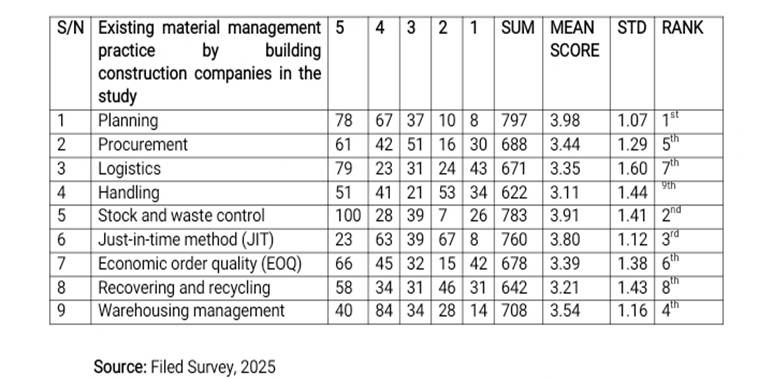









 ≈ 218
≈ 218 Eduindex
You must be logged in to post a comment.