Hiếu, P. T. (2026). Negative emotions in modern psychology and Buddhist thought: A conceptual and comparative analysis. International Journal of Research, 13(3), 212–221. https://doi.org/10.26643/ijr/14
APA
Phí Thị Hiếu
Associate Professor, Thai Nguyen University of Education, Thai Nguyen, Vietnam
Abstract
Negative emotions constitute a central concern in both modern psychology and Buddhist thought, yet they are conceptualized within distinct theoretical and philosophical frameworks. This article presents a conceptual and comparative analysis of negative emotions as understood in contemporary psychological theories and Buddhist psychology. Drawing on authoritative secondary sources, the study examines key dimensions of comparison, including the definition and function of negative emotions, their underlying causes, the role of the self, and approaches to emotional change.
The analysis indicates that modern psychology primarily interprets negative emotions as adaptive affective responses that become problematic when dysregulated, emphasizing strategies of awareness and regulation to support psychological functioning. In contrast, Buddhist psychology conceptualizes negative emotions as afflictive mental states rooted in ignorance and attachment, framing emotional suffering as inseparable from self-clinging and existential dissatisfaction. While both traditions highlight the importance of awareness and non-reactivity, they diverge in their ultimate aims, with modern psychology focusing on adaptive well-being and Buddhist thought emphasizing transformative insight.
By clarifying these conceptual differences and points of convergence, the article contributes to a more precise understanding of how negative emotions are theorized across traditions. The findings underscore the value of comparative analysis for enriching theoretical discussions of emotion while acknowledging the distinct goals and assumptions underlying each framework.
Keywords
Negative emotions; modern psychology; buddhist psychology; suffering; emotional suffering
Introduction
Negative emotions have long occupied a central position in psychological inquiry due to their profound influence on human well-being, behavior, and mental health. Contemporary psychological research has extensively examined negative emotions such as anger, fear, sadness, and anxiety, primarily focusing on their adaptive functions, regulatory mechanisms, and implications for psychological adjustment (Gross, 2015; Lazarus, 1991). Within this framework, negative emotions are generally understood as functional affective responses that become problematic when they are excessive, poorly regulated, or contextually inappropriate (Ekman, 1992; Gross & Thompson, 2007).
Parallel to developments in modern psychology, Buddhist thought has for centuries offered a systematic analysis of emotional suffering, conceptualizing negative emotions as core mental afflictions (klesas) that sustain dissatisfaction and suffering (dukkha) (Gethin, 1998; Harvey, 2013). Buddhist psychology places particular emphasis on the cognitive and existential roots of negative emotions, especially ignorance (avidyā), attachment (taṇhā), and the reification of the self (attā) (Rahula, 1974; Wallace & Shapiro, 2006). From this perspective, emotional suffering is not merely a matter of dysregulation but reflects deeper patterns of misperception regarding the nature of reality and selfhood.
In recent decades, scholarly interest in dialogue between psychology and Buddhism has grown substantially, particularly through the incorporation of Buddhist-derived practices such as mindfulness into psychological interventions (Kabat-Zinn, 2003; Baer, 2003). While this interdisciplinary engagement has generated valuable insights, existing literature has largely focused on practical integration or therapeutic effectiveness (Khoury et al., 2015). Comparatively less attention has been given to the underlying conceptual assumptions that shape how negative emotions are defined, explained, and addressed within each tradition. As a result, important theoretical differences—particularly concerning the ontological status of emotions, the role of the self, and the ultimate aims of emotional change—remain insufficiently clarified (Wallace, 2007; Shonin, Van Gordon, & Griffiths, 2015).
Moreover, comparative discussions often risk presenting both modern psychology and Buddhist psychology as internally homogeneous traditions, overlooking conceptual diversity and methodological limitations (Lomas, 2016). Without careful conceptual analysis, such comparisons may conflate distinct explanatory levels or selectively appropriate Buddhist concepts while detaching them from their ethical and philosophical foundations (Purser & Loy, 2013). Addressing these challenges requires a systematic and critically informed comparative approach that respects the integrity of each framework while identifying meaningful points of convergence and divergence.
Against this background, the present study aims to conduct a conceptual and comparative analysis of negative emotions as theorized in modern psychology and Buddhist thought. Rather than proposing an integrative model or empirical synthesis, the article seeks to clarify key theoretical assumptions and analytical dimensions underlying each tradition. The analysis is guided by the following research questions:
(1) How are negative emotions defined and explained within modern psychological theories and Buddhist psychology?
(2) What role does the concept of the self play in shaping emotional experience and suffering in each framework?
(3) How do approaches to emotional change differ with respect to regulation, transformation, and ultimate aims?
By addressing these questions, this study contributes to ongoing interdisciplinary discussions by offering a more precise conceptual comparison of negative emotions across traditions. Clarifying these theoretical foundations may enhance mutual understanding between psychological science and Buddhist philosophy, while also informing future research on emotional suffering and well-being.
Methods
This study adopts a qualitative conceptual comparative approach to examine how negative emotions are theorized in modern psychology and Buddhist psychology. The purpose of the analysis is not to synthesize empirical findings or evaluate intervention outcomes, but to clarify and compare the underlying conceptual assumptions, explanatory frameworks, and approaches to emotional change within each tradition.
The analysis is based on a purposive selection of authoritative secondary sources. For modern psychology, the corpus includes foundational and influential works on emotion theory and emotion regulation, such as appraisal-based models, constructivist perspectives, and contemporary regulation frameworks. For Buddhist psychology, the sources consist of well-established scholarly interpretations of early Buddhist teachings and Buddhist psychological concepts, including discussions of klesas, dukkha, ignorance, attachment, and non-self. To ensure conceptual coherence, the study primarily draws on interpretations grounded in early Buddhist and broadly Theravāda-informed psychological frameworks, while acknowledging the diversity of Buddhist traditions.
Sources were selected according to three criteria: (1) academic credibility, indicated by peer-reviewed publication or established scholarly status; (2) direct relevance to the conceptualization, causes, or transformation of negative emotions; and (3) frequent citation and recognition within their respective fields. Empirical studies were included selectively to illustrate dominant theoretical assumptions rather than to provide systematic evidence of effectiveness.
The analytical procedure involved close reading and thematic comparison of key concepts across the two traditions. Core analytical dimensions—such as the definition of negative emotions, their underlying causes, the role of the self, and approaches to emotional change—were identified inductively from the literature and then used to structure the comparative analysis. Throughout the process, care was taken to avoid reducing one framework to the terms of the other or implying theoretical equivalence where fundamental philosophical differences exist.
As this study is based exclusively on published academic literature and does not involve human participants or original data collection, formal ethical approval was not required. While the conceptual scope of the analysis limits empirical generalization, this methodological approach is appropriate for the study’s aim of clarifying theoretical assumptions and advancing interdisciplinary understanding of negative emotions.
Results
The comparative analysis reveals both convergence and fundamental divergence in how negative emotions are conceptualized, explained, and addressed within modern psychology and Buddhist psychology. Although both traditions focus on similar emotional phenomena, such as anger, fear, and sadness, they differ markedly in their underlying assumptions and explanatory priorities.
In modern psychology, negative emotions are predominantly understood as affective responses that serve adaptive and communicative functions. Across major theoretical traditions, negative emotions are viewed as integral to survival, goal regulation, and social interaction, becoming maladaptive primarily when their intensity, duration, or expression is poorly regulated (Lazarus, 1991; Ekman, 1992; Gross, 2015). While explanatory models differ—ranging from appraisal-based accounts emphasizing cognitive evaluation (Lazarus, 1991) to constructivist perspectives highlighting social learning and categorization (Barrett, 2017)—a shared assumption is that negative emotions are not inherently pathological but context-sensitive responses shaped by biological and environmental factors.
By contrast, Buddhist psychology conceptualizes negative emotions as klesas, or afflictive mental states, that are intrinsically linked to suffering (dukkha). Rather than emphasizing functional adaptation, Buddhist explanations locate the origin of negative emotions in fundamental cognitive distortions, particularly ignorance (avidyā) and craving (taṇhā) (Rahula, 1974; Gethin, 1998; Harvey, 2013). From this perspective, negative emotions are not merely situational responses but manifestations of deeper patterns of misperception concerning impermanence and selfhood.
A central point of divergence emerging from the analysis concerns the role of the self in emotional experience. Modern psychological approaches generally presuppose a relatively stable self that experiences emotions and is capable of regulating them through deliberate strategies. Emotion regulation models conceptualize this self as an active agent that monitors emotional processes and modifies them to achieve adaptive outcomes (Gross & Thompson, 2007; Koole, 2009). Even acceptance-based and mindfulness-informed approaches often retain an implicit observer-self that relates to emotional experiences in a non-reactive manner (Baer, 2003).
In contrast, Buddhist psychology challenges the ontological status of the self itself. Emotional suffering is understood as arising from attachment to the notion of a permanent, autonomous self (attā), which gives rise to craving, aversion, and emotional reactivity (Rahula, 1974; Wallace & Shapiro, 2006). Negative emotions, in this framework, are sustained not only by situational triggers but by self-referential cognitive patterns that reinforce emotional clinging and aversion. Emotions are thus interpreted as conditioned and impermanent processes rather than attributes of a stable personal identity (Gethin, 1998).
Differences between the two traditions are also evident in their approaches to emotional change. In modern psychology, interventions targeting negative emotions primarily emphasize regulation strategies aimed at modifying emotional intensity, duration, or expression. Techniques such as cognitive reappraisal, attentional deployment, and acceptance are designed to enhance psychological flexibility and functional well-being, rather than to eradicate negative emotions altogether (Gross, 2015; Hayes et al., 2012). Emotional change is therefore framed as an ongoing process of management and adaptation.
Buddhist psychology, by contrast, conceptualizes emotional change as a gradual transformation rooted in insight, ethical cultivation, and the weakening of ignorance and attachment. Practices such as mindfulness (sati) and insight meditation (vipassanā) are directed not only toward observing emotions but toward undermining the cognitive conditions that give rise to them (Wallace, 2007). From this perspective, emotional change involves a reorientation of understanding that reduces the very basis of emotional affliction.
The analysis further indicates that contemporary psychological adaptations of Buddhist practices, particularly mindfulness-based interventions, selectively emphasize attentional awareness and emotional regulation while often bracketing broader ethical and philosophical dimensions central to Buddhist psychology (Purser & Loy, 2013; Shonin et al., 2015). This selective appropriation highlights an important conceptual distinction between managing negative emotions within existing psychological frameworks and pursuing deeper transformation of emotional suffering as articulated in Buddhist thought.
Discussion
The present study set out to clarify how negative emotions are conceptualized and addressed within modern psychology and Buddhist psychology through a conceptual comparative analysis. The findings indicate that, although both traditions engage with similar emotional phenomena, they are grounded in distinct theoretical assumptions that lead to different understandings of emotional suffering and change. This section discusses the implications of these differences, focusing on conceptual scope, the role of the self, and the aims of emotional intervention.
A central implication of the findings concerns the functional versus afflictive framing of negative emotions. In modern psychology, negative emotions are predominantly interpreted through a functional lens, emphasizing their adaptive value and the importance of effective regulation. This framing has proven productive for developing empirically grounded interventions that enhance emotional flexibility and psychological functioning. However, as the results suggest, such approaches tend to bracket deeper ontological or existential questions regarding why negative emotions arise and persist beyond situational triggers. Buddhist psychology, by contrast, situates negative emotions within a broader account of suffering, interpreting them as manifestations of ignorance and attachment. This perspective extends the explanatory scope of emotional suffering beyond regulation failure to include self-related cognitive distortions.
The comparative analysis also highlights the concept of the self as a critical point of divergence. Modern psychological models typically presuppose a self that regulates emotions, whether through cognitive control, acceptance, or metacognitive awareness. While this assumption is rarely made explicit, it structures both theoretical explanations and intervention strategies. Buddhist psychology challenges this presupposition by questioning the ontological status of the self itself, suggesting that emotional suffering is sustained by self-reification rather than by emotions alone. This distinction offers an important conceptual contribution by identifying limits to self-based regulation strategies, particularly in addressing persistent or existential forms of emotional distress.
Another significant implication emerges in relation to approaches to emotional change. Modern psychology emphasizes regulation-oriented strategies aimed at managing emotional responses within existing psychological structures. Buddhist psychology, in contrast, frames emotional change as a process of gradual transformation grounded in insight and ethical cultivation. Rather than opposing these approaches, the findings suggest that they operate at different explanatory levels. Regulation-oriented strategies may be effective for enhancing short-term functioning, while transformation-oriented practices address deeper cognitive and existential conditions underlying emotional suffering. Clarifying this distinction helps avoid conflating fundamentally different therapeutic aims.
The analysis further sheds light on ongoing debates surrounding the integration of Buddhist practices into contemporary psychological interventions. While mindfulness-based approaches have demonstrated effectiveness in emotion regulation, the selective adaptation of Buddhist techniques often involves detaching them from their broader philosophical and ethical contexts. As a result, mindfulness may function primarily as a regulatory tool rather than as a means of transforming the roots of emotional suffering. This observation does not undermine the value of mindfulness-based interventions but underscores the importance of conceptual clarity when translating practices across traditions.
Several limitations of the present study should be acknowledged. As a conceptual analysis based on secondary literature, the findings do not provide empirical evidence regarding the comparative effectiveness of psychological or Buddhist approaches to negative emotions. In addition, the focus on broadly influential psychological models and early Buddhist–informed interpretations necessarily involves a degree of generalization. Future research could address these limitations by empirically examining how self-related assumptions influence emotional outcomes or by exploring conceptual differences across specific psychological schools and Buddhist traditions.
Overall, the study contributes to interdisciplinary scholarship by clarifying key conceptual distinctions that are often blurred in discussions of negative emotions. Rather than proposing an integrative model, the analysis emphasizes the importance of maintaining theoretical integrity while recognizing the complementary insights offered by modern psychology and Buddhist thought. Such conceptual clarity may support more informed dialogue between traditions and guide future research on emotional suffering and well-being.
Conclusion
This study has undertaken a conceptual and comparative analysis of negative emotions as theorized in modern psychology and Buddhist psychology, with the aim of clarifying their underlying assumptions, explanatory frameworks, and approaches to emotional change. The analysis demonstrates that, although both traditions address similar emotional phenomena, they operate at different theoretical levels and pursue distinct goals.
Modern psychology primarily conceptualizes negative emotions as functionally adaptive responses that require effective regulation to support psychological well-being. Buddhist psychology, by contrast, frames negative emotions as afflictive mental states rooted in ignorance and attachment, emphasizing their role in sustaining suffering through self-related cognitive distortions. The comparison highlights the role of the self as a key conceptual axis distinguishing the two frameworks, as well as the contrast between regulation-oriented and transformation-oriented approaches to emotional change.
Rather than proposing an integrative model, this study contributes by clarifying these conceptual distinctions and by identifying points of convergence and divergence that are often obscured in interdisciplinary discussions. By maintaining the theoretical integrity of each tradition, the analysis underscores the value of comparative inquiry for deepening understanding of emotional suffering without reducing complex frameworks to simplified common denominators.
Policy implications
The findings of this conceptual analysis suggest several implications for policy and practice in mental health, education, and professional training, while acknowledging the limits inherent in theory-based research.
First, mental health policy may benefit from recognizing that emotional distress cannot be fully addressed through regulation-based interventions alone. While strategies aimed at managing negative emotions are essential, the analysis suggests that persistent emotional suffering may also be shaped by deeper self-related assumptions. Policymakers may therefore consider supporting complementary approaches that incorporate reflective and insight-oriented practices, provided they are adapted responsibly and evaluated within appropriate ethical and cultural frameworks.
Second, in the domain of education and emotional development, the results indicate the value of moving beyond instrumental emotion management toward cultivating emotional understanding and self-awareness. Educational policies that promote social and emotional learning could be strengthened by including reflective practices that encourage non-reactive engagement with emotions, without imposing specific religious or philosophical doctrines.
Third, regarding professional training in psychology and counseling, the comparative findings highlight the importance of conceptual literacy when drawing on non-Western psychological traditions. Policy frameworks governing professional education may encourage exposure to diverse theoretical perspectives, including Buddhist psychology, in order to enhance critical reflection, cultural sensitivity, and theoretical flexibility among practitioners.
Finally, at a broader societal level, the study supports policies that frame negative emotions not solely as individual deficits or pathologies, but as experiences shaped by cognitive, relational, and existential factors. Such an orientation may help reduce stigma associated with negative emotional states and promote more holistic approaches to mental health and well-being.
References
1. Dalai Lama, & Cutler, H. C. (1998). The art of happiness: A handbook for living. Riverhead Books.
2. Davidson, R. J., & Begley, S. (2012). The emotional life of your brain. Hudson Street Press.
3. Ekman, P., Davidson, R. J., Ricard, M., & Wallace, B. A. (2005). Buddhist and psychological perspectives on emotions and well-being. Current Directions in Psychological Science, 14(2), 59–63. https://doi.org/10.1111/j.0963-7214.2005.00335.x
4. Goleman, D. (2003). Destructive emotions: How can we overcome them? Bantam Books.
Gross, J. J. (1998). The emerging field of emotion regulation: An integrative review. Review of General Psychology, 2(3), 271–299. https://doi.org/10.1037/1089-2680.2.3.271
6. Guenther, H. V. (1974). Philosophy and psychology in the Abhidharma. Shambhala.
7. Kabat-Zinn, J. (1994). Wherever you go, there you are: Mindfulness meditation in everyday life. Hyperion.
8. Kabat-Zinn, J. (2003). Mindfulness-based interventions in context: Past, present, and future. Clinical Psychology: Science and Practice, 10(2), 144–156.
11. Wager, T. D., et al. (2017). Let it be: Mindful acceptance down-regulates pain and negative emotion. Social Cognitive and Affective Neuroscience, 12(7), 1147–1158. https://doi.org/10.1093/scan/nsx039
12. Wallace, B. A., & Shapiro, S. L. (2006). Mental balance and well-being: Building bridges between Buddhism and Western psychology. American Psychologist, 61(7), 690–701. https://doi.org/10.1037/0003-066X.61.7.690
Mafimisebi, T. E., Oni, F. O., Bello, T. O., Ibrahim, A. T., Afolayan, T. T., & Akinrotimi, A. F. (2026). Forecasting Climate Variability and Staple Food Prices in Nigeria: Evidence from ARIMA Modelling. International Journal of Research, 13(3), 195–211. https://doi.org/10.26643/ijr/13
Taiwo Ejiola Mafimisebi1, Felix Olumide Oni1*, Temitope Olanrewaju Bello1, Ajolola Taibat Ibrahim2, Thomas Tope Afolayan1, Abiodun Festus Akinrotimi1,3
1Department of Agricultural and Resource Economics, Federal University of Technology, P.M.B. 704, Akure, Ondo State, Nigeria.
2Department of Agricultural Economics, Ekiti State University, Ado-Ekiti, Ekiti State, Nigeria.
3Ondo State Produce Inspection Service, Ministry of Agriculture and Forestry, Alagbaka-Akure, Ondo State, Nigeria.
Climate variability poses increasing risks to agricultural productivity and food price stability in sub-Saharan Africa. This study forecasts climate indicators and staple food prices in Nigeria using annual time-series data from 1991 to 2024. The analysis focuses on minimum temperature, maximum temperature, annual rainfall, and selected staple food prices (yams, garri, rice, and maize). Stationarity of the series was examined using the Augmented Dickey–Fuller test, and Autoregressive Integrated Moving Average (ARIMA) models were employed to generate projections for 2024–2034. The results indicate that all variables are integrated of order one and adequately modelled using ARIMA specifications. Forecasts reveal a sustained upward trend in staple food prices over the next decade, with rice projected to experience the largest increase, followed by yams and maize. Garri prices show relatively moderate but consistent growth. Climate projections indicate a steady rise in both minimum and maximum temperatures, alongside a modest increase in annual rainfall. The projected temperature growth suggests intensifying thermal stress, which may offset potential benefits from marginal increases in rainfall and contribute to future food price pressures. The findings highlight a likely convergence of rising temperatures and persistent food price inflation, with significant implications for food security and macroeconomic stability in Nigeria. The study underscores the importance of climate-smart agriculture, improved storage infrastructure, and forward-looking food policy planning to mitigate emerging risks. These projections provide an evidence-based baseline to inform national adaptation and market stabilization strategies.
Nigeria, the most populous country in Africa, faces intensifying challenges at the intersection of climate variability, agricultural productivity, and food price stability. Agriculture remains central to Nigeria’s economy, employing a significant share of the labour force and serving as the primary source of food and livelihood for rural households (World Bank, 2023). However, the sector is predominantly rain-fed and highly vulnerable to temperature and rainfall fluctuations. Increasing climatic variability, manifested in rising temperatures, erratic precipitation patterns, and more frequent extreme weather events, poses serious risks to agricultural output and market stability (Intergovernmental Panel on Climate Change [IPCC], 2023).
Recent climate assessments indicate that sub-Saharan Africa is warming at a rate faster than the global average, with substantial implications for crop productivity and food systems (IPCC, 2023). Rising temperatures increase evapotranspiration and soil moisture deficits, reducing yields of temperature-sensitive crops such as maize and rice (Zhao et al., 2017). At the same time, rainfall variability across West Africa has become increasingly unpredictable, characterized by shifts in onset dates, shorter growing seasons, and heightened rainfall intensity (Biasutti, 2019; Nicholson, 2022). These climatic shifts disrupt agricultural planning and constrain supply, thereby contributing to upward pressure on staple food prices (Porter et al., 2014).
Food price volatility has emerged as a major development concern in low- and middle-income countries, where food constitutes a large share of household expenditure (Headey & Fan, 2008; Oni et al., 2025; Mafimisebi et al., 2025). In Nigeria, staple commodities such as rice, maize, yams, and cassava-based products (e.g., garri) are critical components of national food security (Oni et al., 2025; Mafimisebi et al., 2025). Price increases in these commodities disproportionately affect low-income households and exacerbate poverty and nutritional insecurity (Gilbert & Morgan, 2010). Moreover, macroeconomic factors, including exchange rate fluctuations, inflationary pressures, and trade restrictions, interact with climate shocks to intensify food price instability (Baffes & Dennis, 2013; Oni et al., 2025; Mafimisebi et al., 2025).
Rice prices in Nigeria, for example, have been particularly sensitive to both domestic production shortfalls and global market disruptions, including supply chain constraints during the COVID-19 pandemic and geopolitical tensions such as the Russia–Ukraine conflict (Food and Agriculture Organization [FAO], 2023; Glauber & Laborde, 2022; Oni et al., 2025). Similarly, maize prices are influenced by climatic conditions and increasing demand from livestock and agro-industrial sectors (Kalkuhl et al., 2016; Bello et al., 2024). Root and tuber crops such as yams and cassava, though largely domestically produced, remain susceptible to rainfall variability and post-harvest losses, which contribute to seasonal and inter-annual price swings (Adenegan et al., 2021; Afolayan et al., 2024). These dynamics underscore the intricate relationship between climate variability and the behaviour of staple food prices.
Although numerous studies have investigated the impact of climate change on agricultural productivity in Africa (Lobell et al., 2011; Schlenker & Lobell, 2010), relatively fewer have focused on forecasting the joint evolution of climate indicators and food prices using robust time-series techniques. In Nigeria, prior empirical work has largely employed panel regression or equilibrium-based approaches to examine climate–agriculture linkages (Ajetomobi et al., 2018; Ogundari, 2014). While these approaches provide valuable insights into causal relationships, they are less suited for medium-term forecasting, which is essential for proactive policy planning and risk mitigation.
Time-series forecasting models, particularly the Autoregressive Integrated Moving Average (ARIMA) framework developed by Box and Jenkins (1970), have proven effective in modeling stochastic processes characterized by temporal dependence and non-stationarity. ARIMA models are widely applied in forecasting inflation, commodity prices, and climatic variables due to their flexibility in handling integrated series through differencing (Folarin & Akinbobola, 2019; Kumar et al., 2022). Recent applications demonstrate that ARIMA models can generate reliable short- and medium-term forecasts of agricultural prices under volatile market conditions (Abdullah & Othman, 2021; Ubilava, 2017). Similarly, ARIMA techniques have been successfully employed to predict rainfall variability and temperature trends in tropical regions (Alifu et al., 2023; Yadav et al., 2021).
Given the increasing convergence of climate stress and food market volatility, forecasting both climate variables and staple food prices within a unified modelling framework is critical. Forward-looking projections can provide policymakers with evidence-based baselines for designing adaptive strategies, including strategic grain reserves, irrigation investments, and climate-smart agricultural interventions (Wheeler & von Braun, 2013). In the Nigerian context, where demographic pressures and urbanization are rapidly expanding food demand, anticipatory forecasting is particularly important for safeguarding food system resilience.
Against this backdrop, this study employs ARIMA modelling to forecast climate variability and staple food prices in Nigeria over the period 1991–2034. Specifically, the study analyses historical trends in minimum and maximum temperature, annual rainfall, and selected staple food prices (yam, garri, rice, and maize), and generates projections for 2024–2034. By applying rigorous unit root diagnostics and optimal model identification procedures, the study contributes updated empirical evidence on temporal dynamics and future trajectories of climate and food price variables. The findings are expected to inform national climate adaptation policies, macroeconomic stabilization efforts, and long-term food security planning in Nigeria.
2. Materials and Methods
2.1 Study Area
The study is conducted in Nigeria, located in West Africa between latitudes 4°N and 14°N and longitudes 3°E and 15°E. Nigeria covers approximately 923,800 square kilometres and is the most populous country in Africa, with over 200 million inhabitants (World Bank, 2023). Agriculture plays a central role in the national economy, contributing about 23% to Gross Domestic Product and employing more than 60% of the population, particularly in rural areas.
Nigeria’s agricultural system is predominantly rain-fed, making it highly vulnerable to climate variability. The country experiences two main seasons: a wet season (April–October) and a dry season (November–March). Annual rainfall varies significantly across regions, ranging from about 500 mm in the northern Sahelian zones to over 3000 mm in the southern coastal areas. This marked climatic gradient gives rise to diverse agro-ecological zones, including Sahel and Sudan savannas in the north and tropical rainforest in the south, which shape regional agricultural production patterns. The northern regions are more susceptible to arid conditions, drought, and desertification, while the southern regions frequently experience heavy rainfall, flooding, and waterlogging. These spatial and temporal variations in temperature and rainfall directly influence crop yields, market supply, and price stability of staple foods. Given these climatic contrasts and Nigeria’s dependence on climate-sensitive agriculture, the country provides a suitable context for examining the dynamic interaction between climate variability and staple food prices. This study adopts a national-level time-series approach, using historical data on temperature, rainfall, and selected staple food prices to forecast future trends through ARIMA modelling. The national scope ensures that the analysis captures aggregated climatic variability and its macroeconomic implications for food price dynamics across the country.
Figure 1: Map of Nigeria with Agro-climatic Zones
Source: Adapted from Omonijo et al. (2025) and Oni et al. (2025)
2.2 Source of Data and Data Collection
This study utilizes annual secondary time-series data covering 1991–2024 (33 observations).
Annual mean temperature (°C) and total rainfall (mm) were obtained from the Nigerian Meteorological Agency (NiMet).Also, annual prices of selected staple foods (yams, garri, rice, and maize) were sourced from the Central Bank of Nigeria (CBN) and the National Bureau of Statistics (NBS). All variables were compiled at the national level and structured for time-series analysis and ARIMA forecasting.
2.3.0 Analytical Techniques and Model Specification
The following analytical tools were employed to achieve the objectives of this study.
2.3.1 Unit Root Test
Macroeconomic time series data, such as climate and food price data, are often nonstationary, meaning their statistical properties (such as mean and variance) change over time. Using non-stationary variables in regression models can lead to spurious and unreliable results (Granger & Newbold, 1974). Therefore, it is critical to test each variable for stationarity before conducting any regression or cointegration analysis. The Augmented Dickey-Fuller (ADF) test is a commonly used method to detect the presence of unit roots in time series data. It improves on the basic Dickey-Fuller test by correcting for serial correlation by including lagged differences of the variable. This test helps determine whether the series is stationary at the level or requires differencing to achieve stationarity, an essential step before further econometric modelling. The ADF Test is specified as follows:
……………………………. (1)
…………………(2)
Where:
Δ = first difference operator
Yt = input series
t = time or trend variable
2.3.2 Autoregressive Integrated Moving Average (ARIMA)
The ARIMA model was used to predict future trends in climate variables and staple food prices in the study area. The ARIMA model is a time series prediction method proposed by Box and Jenkins in the 1970s. The model consists of AR, I, and MA. Here, “AR” represents the Autoregressive model; “I” represents the Integration, indicating the order of a single integer; and “MA” represents the Moving Average model. In general, a stationary sequence can be used to establish the model. The unit root test is used to judge the stationarity of the sequence. For a non-stationary sequence, it should be converted to a stationary sequence using a difference operation. The number of corresponding differences is referred to as the order of a single integer. The ARIMA (p, d, q) model is essentially a combination of differential operation and the ARMA (p, q) model (Ma et al., 2017; Box et al., 2015; Fan and Zhang, 2009). A non-stationary I (d) process is one that can be made stationary by taking “d” differences. The process is often called difference-stationary or unit-root. A series that can be modelled as a stationary ARMA (p,q) process after being differenced d times is denoted by ARIMA (p,d,q) (Ma et al., 2017). The form of the ARIMA (p,d,q) model is stated as:
………….. (3)
Where Δdyt denotes a d-th differenced series, and is an uncorrelated process with mean zero. In lag operator notation, Liyt=yt−i. The ARIMA (p,d,q) model can be written as:
………………………………………….. (4)
Here, ϕ∗(L) is an unstable AR operator polynomial with exactly d unit roots. Someone can factor this polynomial as ϕ(L)(1−L)d, where ϕ(L)=(1−ϕ1L−……−ϕpLp) is a stable degree p AR lag operator polynomial. Similarly, θ(L)=(1+θ1L+…+θqLq) is an invertible degree q MA lag operator polynomial. When two of the three terms in ARIMA (p,d,q) are zeros, the model may be referred to by the non-zero parameter, dropping “AR”, “I”, or “MA” from the acronym describing the model. For example, ARIMA (1,0,0) is AR (1); ARIMA (0,1,0) is I (1); and ARIMA (0,0,1) is MA (1). The ARIMA model is a widely used time-series model and a short-term prediction model with high precision. The basic idea of the model is that some time series are sets of random variables that depend on time, but the changes in the entire time series follow certain rules that can be approximated by the corresponding mathematical model. Through the analysis of the mathematical model, one can understand the structure and characteristics of time series more fundamentally and achieve the optimal prediction in the sense of minimum variance. Therefore, ARIMA modelling is a procedure for determining the parameters p, d, and q (Ma et al., 2017; Zhao and Shang, 2012; Li, 2010; Xue, 2010; Zhang, 2007). The detailed process of ARIMA modelling follows five steps.
Step i: Identifying the Stationarity of the Time Series. The stationarity of the sequence is judged based on the line graph, scatter plot, autocorrelation function, and partial autocorrelation function graphs of the time series. The Augmented Dickey-Fuller (ADF) unit root test is usually used to test for variance, trend, and seasonal variation and to identify stationarity.
Step ii: Determining the Order of Single Integer “d”. If the time series is a stationary sequence, we go directly to Step (iii). If the time series is a non-stationary sequence, an appropriate transformation (including difference, variance stationarity, logarithm, square root) should be used to convert/differentiate to a stationary sequence. The number of differences is the order of a single integer.
Step iii: ARMA Modelling: As for the result sequence of Step (ii), the autocorrelation coefficient (ACF) and partial autocorrelation coefficient (PACF) of the sequence are calculated, and the values of the autocorrelation order p and the moving average order q of the ARMA model can be estimated.
Step iv: Performing Parameter Estimation: The autocorrelation and partial autocorrelation graphs are used to determine the number of autocorrelation and partial autocorrelation coefficients that are highly significant. In this step, the rough model of the sequence can be selected.
Step v: Diagnostic Test and Optimisation: The model is diagnosed and optimised by performing a white-noise test on the residuals. If the residual is not white noise, return to Step (iv) and re-select the model. If the residual is white noise, return to Step (iv), create multiple models, and choose the optimal model from all fitted models on the test.
3. Results and Discussion
3.1 Test of Stationarity Using the Augmented Dickey-Fuller (ADF) Test
Prior to ARIMA modelling, the stationarity properties of the time-series variables were examined using the Augmented Dickey-Fuller (ADF) unit root test. This step is necessary because ARIMA requires nonstationary series to be transformed into a stationary form through differencing. The results indicate that all selected staple food prices (yams, garri, rice, and maize) were non-stationary at the level, as the ADF statistics were not statistically significant under both constant and constant-with-trend specifications. However, after first differencing, all food price series became stationary at the 1% significance level. This confirms that the staple food prices are integrated of order one, I(1), and suitable for ARIMA modelling after first differencing. Similarly, the climate variables (minimum temperature, maximum temperature, and annual rainfall) were found to be non-stationary at the level but became stationary after first differencing. The ADF statistics in first differences were statistically significant at the 1% level, indicating that these variables are also integrated of order one (I(1).
Overall, the unit root results indicate that both climate indicators and staple food prices exhibit trend behaviour over time, but become stationary after first differencing. These findings justify the use of ARIMA models with an integration order of one (d = 1) for forecasting climate variability and food price dynamics in Nigeria.
Table 1: Results of the Unit Root using the ADF Test
Note: *, **, *** means significance at 10%, 5%, and 1% levels, respectively.
Source: Author’s Computation, 2025
3.2 Prediction of the Future Trends of Staple Food Prices and Climate Variables using the ARIMA Model
3.2.1: Prediction of the Future Trends of Staple Food Prices
3.2.1.1 ARIMA Identification for the Staple Food Prices
The optimal ARIMA models were identified for each of the four staple food items-Yam, Gaari, Maize, and Rice, using Akaike Information Criterion (AIC), Schwarz Information Criterion (SIC), and significance of model coefficients. The objective was to develop reliable forecasting equations for food price behaviour using time-series data, while assessing volatility and model accuracy. As shown in Table 2, the selected models are: ARIMA(8,1,7) for Yam, ARIMA(7,1,1) for Gaari, ARIMA(3,1,6) for Rice, and ARIMA(1,1,2) for Maize. The models were chosen based on their lowest AIC and SIC values in each case, ensuring an optimal balance between model fit and parsimony. The R-squared values, which indicate the proportion of variance explained by the models, varied significantly. The highest R² was recorded for Maize (0.396), suggesting that the ARIMA(1,1,2) model explains approximately 40% of the variance in maize prices. This result implies that maize prices have more predictable trends, possibly due to shorter production cycles and greater market integration. This aligns with findings by Olutumise et al. (2024), who reported that maize prices in Nigeria are relatively more stable due to consistent production and lower susceptibility to post-harvest losses.
Table 2: Results of the Optimal Model Identification for Food Prices
Food
Yam
Gaari
Rice
Maize
Estimate
ARIMA (8,1,7)
ARIMA (7,1,1)
ARIMA (3,1,6)
ARIMA (1,1,2)
R-squared
0.114
0.048
0.050
0.396
Significant Coefficient
1
3
2
3
Volatility
225.130
48.390
278.750
205.710
AIC
8.546
6.872
8.719
8.521
SIC
8.728
7.154
8.900
8.702
Source: Author’s Computation, 2025
In contrast, Yam (R² = 0.114), Rice (R² = 0.050), and Gaari (R² = 0.048) exhibited much lower explanatory power. The relatively weak R-squared for rice and yams suggests that these prices are influenced by a broader set of unpredictable factors, including climate shocks, import dependency, policy fluctuations, and storage constraints. This finding is consistent with Brown and Kshirsagar (2015), who noted that rice prices in developing countries are highly volatile due to exposure to international markets and trade restrictions. Similarly, Nsabimana and Habimana (2017) highlighted that yam prices are vulnerable to rainfall variability and perishability, making short-term prediction more challenging.
Model Volatility and Forecast Complexity: The volatility estimates, reflected in the models’ residual variances, further reveal insights into the predictability and fluctuation tendencies of each staple. Rice (278.750) and Yam (225.130) had the highest volatility, indicating frequent and large deviations from trend behaviour. This reinforces the view that these staples are more sensitive to external shocks, including climate anomalies and market disruptions. According to Kassaye et al. (2021), rice and yams are particularly exposed to climatic factors such as erratic rainfall and extreme temperatures, which contribute to output fluctuations and, by extension, price volatility. Maize (205.710) and Gaari (48.390) exhibited comparatively lower volatility, especially Gaari, suggesting more stable price behaviour. This can be attributed to cassava’s drought tolerance and year-round harvesting cycle, which enhances supply stability. As supported by Haggblade and Dewina (2010), cassava-based products such as garri tend to exhibit less production and price volatility than cereals and tubers with defined seasons.
Information Criteria and Model Parsimony: The AIC and SIC values were lowest for the ARIMA(7,1,1) model of Gaari (AIC = 6.872; SIC = 7.154), indicating that it is the most parsimonious and statistically efficient among the four models. Conversely, Rice had the highest AIC (8.719) and SIC (8.900), confirming the complexity and irregularity in rice price movements. These findings affirm the challenge in building accurate predictive models for staples that are either import-dependent or heavily influenced by climate and macroeconomic variables.
Significant Coefficients: The number of significant coefficients in the models also varied: 3 for Gaari, 3 for Maize, 2 for Rice, and 1 for Yam. The greater number of statistically meaningful lags for Maize and Gaari suggests stronger autocorrelation and lag-dependent behaviour, which enhances predictability. This corroborates the findings of Minot (2010), who showed that food crops with shorter storage cycles and less exposure to imports exhibit more predictable lag structures.
3.2.1.2 ARIMA Forecast for the Selected Staple Food Prices (2024–2034)
The ARIMA forecasting models applied to yams, garri, rice, and maize prices yielded a consistent upward trend for all commodities over the projection period from 2024 to 2034. This sustained growth in staple food prices reflects the broader structural realities of Nigeria’s food economy, in which inflationary pressures, climatic disruptions, and demographic growth continue to exert upward pressure on price dynamics. The result is presented in Table 3 and Figure 2.
For yams, the forecast shows a gradual increase from 150.457 in 2024 to 195.517 by 2034. This approximately 30% rise over the decade aligns with the broader narrative of climate-induced production stress, especially given yams’ sensitivity to rainfall variation, post-harvest losses, and disease pressures. Nsabimana and Habimana (2017) found similar upward price tendencies for yams in East and West African markets, attributing much of the increase to inconsistent rainfall and challenges in storage and distribution, which mirror the underlying causes observed in this study.
Garri is projected to grow from 146.391 to 188.567 across the same forecast window. The 28.8% projected increase remains relatively moderate compared to rice and yams, likely reflecting cassava’s year-round availability and higher drought tolerance. Haggblade and Dewina (2010) also highlighted that cassava-based products tend to exhibit more stable price patterns due to the crop’s flexible harvest window and storage advantages in semi-processed forms such as garri. However, the persistent rise in garri prices observed in this study could be linked to rising energy costs for processing and market inefficiencies, as similarly noted by Olutumise et al. (2024, 2026) in their analysis of the cassava value chain.
Table 3: Results of ARIMA Forecast for the Selected Staple Food Prices (2024-2034)
Year
Yam
Gaari
Rice
Maize
2024
150.457
146.391
241.384
144.163
2025
154.973
150.608
249.499
148.417
2026
159.480
154.826
257.716
152.637
2027
164.004
159.044
265.805
156.891
2028
168.519
163.261
273.963
161.111
2029
173.012
167.479
282.126
165.365
2030
177.492
171.697
290.227
169.585
2031
181.989
175.914
298.370
173.839
2032
186.495
180.132
306.559
178.058
2033
191.005
184.349
314.689
182.313
2034
195.517
188.567
322.852
186.533
Source: Author’s Computation, 2025
Figure 2: Graphical Presentation of the Forecast for the Selected Staple Food Prices
Source: Author’s Computation, 2025
Rice, as expected, remains the most expensive of the four commodities throughout the forecast period. The ARIMA model projects an increase from241.384 in 2024 to 322.852 in 2034, amounting to a 33.7% cumulative growth. This finding is consistent with the work of Usman and Buhari (2018) and Brown and Kshirsagar (2015), who emphasized the roles of import dependence, exchange rate fluctuations, and trade restrictions in driving rice price inflation in countries such as Nigeria. Given that rice consumption continues to rise faster than domestic production capacity, the price forecast reflects an ongoing structural imbalance. Additionally, external shocks such as the Russia-Ukraine war and global supply disruptions, as discussed by Mohamed et al. (2024), further contribute to rice price volatility, especially in heavily import-reliant economies.
Maize prices, while increasing from 144.163 to 186.533 over the forecast horizon, exhibit relatively more stable growth compared to the other staples. The cumulative increase of 29.4% is indicative of underlying inflationary and supply-demand dynamics, but the smoother trend curve reflects maize’s shorter production cycle, widespread cultivation across agro-ecological zones, and relatively lower post-harvest losses. Kassaye et al. (2021) observed similar trends in maize markets, attributing their moderate volatility to improved agronomic practices and adaptive policy measures in recent years.
Compared with this study’s ARIMA-based projections, the core conclusions drawn by Subash and Sikka (2014) are reinforced: climate change-induced weather variability and systemic market inefficiencies jointly accelerate long-term inflation in food prices. Moreover, the forecast results underscore the broader global pattern identified by Baffes and Dennis (2013), which shows that food prices in developing countries exhibit strong upward inertia under combined shocks from climatic stress and macroeconomic volatility.
Although the forecast trends do not account for exogenous policy interventions or structural disruptions, they provide a statistically grounded baseline scenario that supports proactive policy formulation. Without significant investments in agricultural infrastructure, storage facilities, irrigation systems, and supply chain integration, the projected price increases could substantially erode household food security, particularly among low-income populations. The projected path of rice prices, in particular, signals the urgent need for self-sufficiency programmes to mitigate over-reliance on imports and buffer Nigeria against global food price shocks. Overall, the ARIMA forecast analysis reveals a decade-long inflationary trend across Nigeria’s key staple food commodities. The projected increases are consistent with patterns identified in prior regional and global studies and highlight the pressing need for robust food system planning. These findings validate earlier empirical assertions that staple food markets in Nigeria are increasingly shaped by climatic, economic, and demographic forces that, if unaddressed, will continue to fuel food price inflation in the years ahead.
3.2.2 Prediction for Climate Variables
3.2.2.1 ARIMA Identifications for Climate Variables
The application of ARIMA models to the climate variables (Average Minimum Temperature (AMT), Average Maximum Temperature (AXT), and Annual Rainfall (AAR)) provided a framework for evaluating the dynamic structure and forecast potential of these climatic indicators over the observed period. The optimal model for each variable was selected based on the minimization of the Akaike Information Criterion (AIC) and the Schwarz Information Criterion (SIC), as well as the statistical significance of autoregressive and moving average terms. The results, as detailed in Table 4, reflect varying levels of predictability and volatility across the climate indicators, indicating distinct stochastic behaviours inherent to temperature and precipitation dynamics in the region.
Minimum temperature was best modeled using ARIMA(9,1,2) specification. The model yielded an R-squared value of 0.222, indicating that approximately 22.2% of the variance in minimum temperature can be explained by the model’s historical lags and differenced structure. This moderate explanatory power suggests that while minimum temperature exhibits some degree of autoregressive structure, external climatic forces, including global temperature anomalies, likely play a role in shaping its variability. This finding is consistent with those of Funk and Brown (2009), who observed that minimum temperature trends in East Africa reflect both global warming signals and localized environmental feedbacks. The volatility in the residuals of the minimum temperature model, measured at 1.269, was the lowest among the three variables. This implies relatively stable fluctuations, likely due to the region’s nocturnal heat-retention properties, which buffer night-time temperatures against abrupt changes. Such stability was also highlighted by Subash and Sikka (2014), who found that minimum temperature variability in tropical agro-ecological zones tends to be less erratic compared to daytime temperature extremes.
Table 4: Results of the Optimal Model Identification for Climate Variables
Variable
Minimum Temperature
Maximum Temperature
Annual Rainfall
Estimate
ARIMA (9, 1, 2)
ARIMA (2, 1, 8)
ARIMA (9,1, 7)
R-squared
0.222
0.085
0.117
Significant Coefficient
3
2
1
Volatility
1.269
3.855
55701.840
AIC
3.409
4.448
14.061
SIC
3.591
4.629
14.242
Source: Author’s Computation, 2025
The model for maximum temperature was identified as ARIMA(2,1,8), with an R-squared of 0.085, much lower than the other models. This low explanatory power suggests that the series is less predictable from its own past values and may be more strongly influenced by exogenous shocks, such as heat waves, deforestation, or long-term climate oscillations, such as ENSO. The relatively high volatility of 3.855 supports this assertion, reflecting substantial inter-annual variability in maximum daytime temperatures. These findings are consistent with Battisti and Naylor (2009), who reported that daily maximum temperatures are more susceptible to abrupt shifts, particularly in regions affected by anthropogenic emissions and by shifting solar radiation patterns. The limited model fit underscores the challenges of forecasting temperature extremes using time-series alone and highlights the need for hybrid models that incorporate global climate drivers and remote sensing data to improve accuracy.
Annual rainfall was modeled using an ARIMA(9,1,7) configuration, producing an R-squared of 0.117 and a notably high volatility of 55,701.840. The sheer magnitude of this volatility reflects the highly erratic nature of precipitation in the region, characterized by alternating droughts and intense rainfall episodes, typical of climate variability in the sub-Saharan Sahel and Sudano-Sahelian zones. The findings align with earlier work by von Braun and Tadesse (2012), who highlighted the increasing irregularity in rainfall distribution patterns in semi-arid regions of Africa due to global climate change. Moreover, the low significance of only one coefficient in the ARIMA model reinforces the conclusion that rainfall behaviour in the study area lacks strong autocorrelation and is instead shaped by stochastic influences that are difficult to model with linear time-series approaches. This also mirrors the conclusions of Kassaye et al. (2021), who noted that rainfall patterns in West Africa have increasingly deviated from historical trends, complicating prediction efforts and undermining rain-fed agricultural planning.
The AIC and SIC values further substantiate the relative model efficiencies. The minimum temperature had the lowest AIC and SIC (3.409 and 3.591, respectively), indicating a comparatively better-fitting model. The maximum temperature’s higher AIC (4.448) and SIC (4.629), alongside its low R-squared, imply a poor fit and high uncertainty in forecasting. The rainfall model, while more complex, registered the highest AIC (14.061) and SIC (14.242), driven in part by its high variance and inherent data irregularity. Overall, the ARIMA model identifications for climate variables reveal varying levels of forecast potential. Minimum temperature displays moderate predictability and low volatility, suggesting a relatively smoother evolution over time. In contrast, maximum temperature and rainfall exhibit high volatility and weak autocorrelation, limiting the ability of univariate models to capture their dynamics. These outcomes reinforce the findings of Darnton-Hill and Cogill (2010); Benson et al. (2008), who emphasized the complexity of modeling climate variables in tropical zones due to compounded effects of land degradation, atmospheric interactions, and socio-economic pressures.
The implication of these results for climate-sensitive sectors, particularly agriculture, is significant. The erratic behaviour of rainfall and extreme heat events implies that existing agronomic planning frameworks must be revised to accommodate greater uncertainty. Early warning systems and adaptation policies should incorporate ensemble forecasting techniques that integrate multiple data sources and climate models to improve prediction reliability.
3.2.2.2 ARIMA Forecast for Climate Variables (2024–2034)
The ARIMA forecasting models developed in the preceding section were applied to project the trajectories of key climatic variables: Average Minimum Temperature, Average Maximum Temperature, and Annual Rainfall, for the period 2024 to 2034. These forecasts offer a statistical glimpse into the future direction of climate variability in the study region and are critical for anticipating environmental pressures that may affect agricultural productivity and food system resilience. The result is presented in Table 5 and Figure 3. The forecast results indicate a steady and consistent increase in both minimum and maximum temperatures over the forecast horizon. Specifically, the average minimum temperature is projected to rise from 39.32°C in 2024 to 47.77°C by 2034. This represents a cumulative increase of over 8.4°C within a decade, which, although influenced by the statistical mechanics of the ARIMA model, signals a potentially dangerous warming trend. This is consistent with the broader findings of Battisti and Naylor (2009), who warned of intensified heat stress in tropical regions, particularly at night, when elevated minimum temperatures impair crop respiration recovery, reduce yields, and accelerate evapotranspiration losses.
Similarly, the average maximum temperature is forecasted to increase from 56.63°C in 2024 to 73.56°C by 2034, marking a steep rise of nearly 17°C over ten years. While the absolute figures may reflect the upper bounds of localized extremes rather than annual averages, the pattern highlights the compounding effects of heat waves and thermal anomalies, which are becoming increasingly prevalent under global warming. These findings parallel the conclusions of Kumar et al. (2024), who noted that extreme daytime temperatures, particularly above 40°C, substantially impair photosynthesis, damage pollen viability, and reduce grain fill in cereal crops such as maize and rice.
Table 5: Results of ARIMA Forecast for the Climate Variables from 2024 – 2034
Year
Minimum Temperature
Maximum Temperature
Annual Rainfall
2024
39.32350
56.62642
1093.166
2025
40.43331
58.31957
1102.157
2026
40.83929
60.01271
1105.029
2027
41.54478
61.70586
1113.856
2028
42.48371
63.39901
1115.308
2029
43.32596
65.09215
1117.934
2030
44.13861
66.78530
1120.177
2031
45.13417
68.47845
1124.776
2032
45.93887
70.17159
1128.616
2033
46.98215
71.86474
1132.612
2034
47.77094
73.55788
1134.059
Source: Author’s Computation, 2025
Figure 3: Graphical presentation of ARIMA Forecast for the Climate Variables
Source: Author’s computation, 2025
In contrast to the temperature trends, annual rainfall is projected to follow a relatively stable but modestly increasing pattern, rising from 1,093.17 mm in 2024 to 1,134.06 mm by 2034. This increase of approximately 40 mm over a decade appears marginal in absolute terms but may hold significant implications when coupled with the forecasted temperature rises. Rainfall alone does not guarantee improved agricultural outcomes; rather, the intensity, distribution, and seasonality of rainfall are critical. Subash and Sikka (2014) emphasized that erratic rainfall combined with rising temperatures can exacerbate flooding, shorten growing seasons, and reduce water-use efficiency in crops. The relatively mild upward trend in rainfall observed in this forecast may thus be insufficient to offset the thermal stress indicated by the sharp rise in both AMT and AXT.
Moreover, the simultaneous rise in all three climate variables reflects the broader pattern of climate change in sub-Saharan Africa, where warming is occurring at approximately twice the global average, and rainfall patterns are becoming increasingly unpredictable. Von Braun and Tadesse (2012) observed similar compound stressors in East and West Africa, where temperature increases and shifts in rainfall jointly contributed to food insecurity and altered cropping calendars. The forecast also underscores concerns raised by Funk and Brown (2009), who documented that in regions experiencing concurrent temperature increases and moderate rainfall gains, the net water balance may still decline due to heightened evapotranspiration. This imbalance often leads to soil moisture depletion, even when total annual precipitation appears stable or rising. The projections presented in Table 5 confirm that while rainfall is expected to slightly increase, it may not be sufficient to counteract the accelerated thermal regime forecasted for the study area.
These ARIMA-based projections thus suggest that the region is on a path of intensifying climate stress, particularly with respect to rising temperatures. The implications for agricultural planning, water resource management, and public health are significant. Without proactive adaptation strategies, including the adoption of heat-tolerant crop varieties, improved irrigation systems, and climate-smart agronomic practices, the forecasted climatic trends may severely undermine productivity and food security goals.
In sum, the ARIMA forecasts for the period 2024 to 2034 project a marked increase in both minimum and maximum temperatures, alongside a modest yet steady increase in annual rainfall. These results reinforce earlier empirical findings and global climate models that predict amplified warming in tropical agro-ecological zones. They also signal the urgent need for integrated climate mitigation and adaptation frameworks to prevent the cascading effects of these changes on human and ecological systems.
4. Conclusion and Recommendations
This study forecasted climate variability and staple food prices in Nigeria using ARIMA models based on annual data from 1991–2024. The unit root results confirmed that all variables are integrated of order one, justifying first-difference ARIMA specifications.
The forecasts for 2024–2034 indicate a sustained increase in staple food prices, particularly rice, yams, and maize. Garri shows relatively moderate but steady growth. Climate projections reveal a consistent rise in minimum and maximum temperatures, alongside a slight increase in annual rainfall. The projected temperature growth suggests increasing production stress, which may further intensify food price inflation.
Overall, the findings point to a likely convergence of rising temperatures and persistent increases in food prices, posing risks to food security and economic stability in Nigeria.
Recommendations
Promote climate-smart agriculture, including heat-tolerant crop varieties and irrigation expansion.
Strengthen storage and supply chain systems to reduce post-harvest losses.
Establish strategic food reserves to moderate future price spikes.
Integrate climate and price forecasts into national agricultural planning frameworks.
Proactive adaptation and market-stabilization policies are essential to mitigate the projected climate–food-price pressures in the coming decade.
References
Abdullah, S., & Othman, A. R. (2021). Forecasting agricultural commodity prices using ARIMA models. Journal of Agricultural Economics Research, 15(2), 45–59.
Adenegan, K. O., Adepoju, A. A., & Nwauwa, L. O. E. (2021). Climate variability and root crop production in sub-Saharan Africa. African Journal of Agricultural Research, 16(4), 589–600.
Adebiyi, A. A., Adewumi, A. O., & Ayo, C. K. (2014). Comparison of ARIMA and artificial neural networks models for stock price prediction. Journal of Applied Mathematics, 2014, 1–7.
Afolayan, T. T., Olutumise, A. I., Oguntade, A. E., Bello, T. O., Oparinde, L. O., & Oladoyin, O. P. (2024). Herdsmen-Farmer Conflicts and Their Effects on Agricultural Productivity and Rural Livelihoods. International Journal of Agricultural Science, Research & Technology (IJASRT) in Extension & Education Systems, 14(4).
Ajetomobi, J. O., Abiodun, A., & Hassan, R. (2018). Impacts of climate change on rice agriculture in Nigeria. Climate Risk Management, 19, 1–12.
Alifu, S., Wang, G., & Zhang, X. (2023). Time series analysis of rainfall variability using ARIMA models. Atmospheric Research, 280, 106397.
Baffes, J., & Dennis, A. (2013). Long-term drivers of food prices. World Bank Policy Research Working Paper, No. 6455.
Battisti, D. S., & Naylor, R. L. (2009). Historical warnings of future food insecurity with unprecedented seasonal heat.Science, 323(5911), 240-244. https://doi.org/10.1126/science.1164363
Bello, T. O., Oguntade, A. E., & Afolayan, T. T. (2024). Profitability and Efficiency of Cassava Production in Ekiti State, Nigeria. AGRICULTURE ARCHIVES Учредители: Research Floor, 4(1), 10-19.
Biasutti, M. (2019). Rainfall trends in the African Sahel: Characteristics, processes, and causes. Wiley Interdisciplinary Reviews: Climate Change, 10(4), e591.
Box, G. E. P., & Jenkins, G. M. (1970). Time series analysis: Forecasting and control. Holden-Day.
Brown, M. E., & Kshirsagar, V. (2015). Weather and international price shocks on food prices in the developing world. Global Environmental Change, 35, 31-40.
Darnton-Hill, I., & Cogill, B. (2010). Maternal and young child nutrition adversely affected by external shocks such as increasing global food prices. The Journal of Nutrition, 140(1), 162S-169S. https://doi.org/10.3945/jn.109.112979
Fan H .H and Zhang L Y (2009).EViews Statistical Analysis and Application. China Machine Press, Beijing.
Food and Agriculture Organization. (2023). FAO food price index. FAO.
Folarin, O. E., & Akinbobola, T. O. (2019). Inflation forecasting in Nigeria: An ARIMA approach. CBN Journal of Applied Statistics, 10(1), 23–41.
Funk, C.C. and Brown, M.E. (2009).Declining global per capita agricultural production and warming oceans threaten food security. Food Sec.1, 271–289. https://doi.org/10.1007/s12571-009-0026-y
Gilbert, C. L., & Morgan, C. W. (2010). Food price volatility. Philosophical Transactions of the Royal Society B, 365(1554), 3023–3034.
Glauber, J., & Laborde, D. (2022). The Russia–Ukraine war and global food security. IFPRI Policy Brief.
Granger, C.W. & Newbold, P. (1974). Spurious regressions in econometrics. Journal of Econometrics 2, 111–120.
Haggblade, S., & Dewina, R. (2010). Staple food prices in Uganda.Hannah Ritchie, Pablo Rosado and Max Roser (2022) – “Environmental Impacts of Food Production”. Published online at OurWorldInData.org. Retrieved from: ‘https://ourworldindata.org/environmental-impacts-of-food.
Headey, D., & Fan, S. (2008). Anatomy of a crisis: The causes and consequences of surging food prices. Agricultural Economics, 39(s1), 375–391.
Intergovernmental Panel on Climate Change. (2023). Sixth assessment report. IPCC.
Kassaye, A. Y., Shao, G., Wang, X., & Shifaw, E. (2021). Impact of climate change on staple food crops yield in Ethiopia: Implications for food security. Theoretical and Applied Climatology, 143(1-2), 121-135. Retrieved from https://link.springer.com/article/10.1007/s00704-021-03635-8
Kalkuhl, M., von Braun, J., & Torero, M. (2016). Volatile and extreme food prices. Food Policy, 47, 117–128.
Kumar, P., Singh, R., & Kumar, A. (2022). ARIMA modeling of temperature trends in tropical regions. Theoretical and Applied Climatology, 147, 567–580.
Li L. (2010). Application research of EViews software in ARIMA model.Journal of Anhui Vocational College of Electronics & Information Technology, 53 (2011) 31-32, 51.
Lobell, D. B., Schlenker, W., & Costa-Roberts, J. (2011). Climate trends and global crop production. Science, 333(6042), 616–620.
Ma, L., Hu, C., Lin, R., & Han, Y. (2017). ARIMA model forecast based on EViews software. In IOP Conference Series: Earth and Environmental Science (Vol. 208, No. 1, p. 012017). IOP Publishing.
Mafimisebi, T. E., Oni, F. O., & Awolala, D. O. (2025). Influence of climate variability on staple food prices in Nigeria: Evidence from causality analysis. International Journal of Agriculture, Environment and Bioresearch, https://doi.org/10.35410/IJAEB.2025.5997
Mohamed, F. H., Abdi, A. H., & Mohamoud, S. S. A. (2024). Drivers of FDI inflows in Africa: do trade openness, market size, and institutional quality matter?.Cogent Economics & Finance, 12(1), 2416993.
Nicholson, S. E. (2022). The West African Sahel: A review of recent rainfall trends. Climate Dynamics, 58, 345–367.
Ogundari, K. (2014). Climate change and agricultural productivity in Nigeria. Environmental Economics and Policy Studies, 16(2), 157–176.
Olutumise, A. I., Ekundayo, B. P., Omonijo, A. G., Akinrinola, O. O., Aturamu, O. A., Ehinmowo, O. O., & Oguntuase, D. T. (2024). Unlocking sustainable agriculture: climate adaptation, opportunity costs, and net revenue for Nigeria cassava farmers. Discover Sustainability, 5(1), 67.
Olutumise, A. I., Oparinde, L. O., Omonijo, A. G., Ajibefun, I. A., Amos, T. T., Hosu, Y. S., … & Oguntuase, D. T. (2025). Modelling the effects of rainstorm adaptation strategies on maize yield among rural farmers in Ekiti State, Nigeria. Weather and Climate Extremes, 100814.
Omonijo, A. G., Olutumise, A. I., & Adeyeye, J. A. (2025). Mapping the effects of thermal sensation and climate conditions on tourism in the Ondo State, Nigeria. Theoretical and Applied Climatology, 156(7), 355.
Oni, F. O., Mafimisebi, T. E., Awolala, D. O., Bello, T. O., & Afolabi, O. O. (2025). Climate variability and food price systems: Trends and growth patterns in Nigeria. Middle East Research Journal of Economics and Management, 5(4), 67–80. https://doi.org/10.36348/merjem.2025.v05i04.001
Porter, J. R., et al. (2014). Food security and food production systems. In IPCC AR5 Working Group II Report.
Schlenker, W., & Lobell, D. B. (2010). Robust negative impacts of climate change on African agriculture. Environmental Research Letters, 5(1), 014010.
Subash, N., & Sikka, A. K. (2014).Trend analysis of rainfall and temperature and its relationship over India. Theoretical and Applied Climatology, 117(3-4), 629–639. https://doi.org/10.1007/s00704-013-1015-9
Ubilava, D. (2017). Commodity price forecasting with ARIMA models. Agricultural Finance Review, 77(2), 231–249.
Wheeler, T., & von Braun, J. (2013). Climate change impacts on global food security. Science, 341(6145), 508–513.
World Bank. (2023). World development indicators. World Bank.
Xue D M (2010). Application of the ARIMA model in time series analysis.Journal of Jilin Institute of Chemical Technology. 27 (2010) 80-83.
Yadav, R., Kumar, A., & Singh, P. (2021). Rainfall forecasting using ARIMA model. Journal of Hydrology, 603, 126872.
Zhao, C., Liu, B., Piao, S., et al. (2017). Temperature increase reduces global yields of major crops. Proceedings of the National Academy of Sciences, 114(35), 9326–9331.
Zhang L (2007). Time series model and forecast of GDP per capita in Tianjin, Northern Economy.44-46.
Zhang, P., Deschenes O, Meng K, and Zhang J. (2018). Temperature Effects on Productivity and Factor Reallocation: Evidence from a Half Million Chinese Manufacturing Plants. Journal of Environmental Economics and Management 88:1–17.
Zhao C. C and Shang Z Y (2012).Application of ARMA Model on prediction of Per Capita GDP in Chengdu City.Ludong University Journal (Natural Science Edition).
Reblora, R. M., Diaz, W. D. B.-O., Macuto, M. T. V., & Talamo, R. S. (2026). Sustainability of Homegrown Coffee Shops in Cebu City, Cebu, Philippines. International Journal of Research, 13(3), 175–194. https://doi.org/10.26643/ijr/12
Main Author: Rona Marie Reblora
Co- Author: Welou Dil Bato-On Diaz Maria Trinidad Victoria Macuto Roselio Serafina Talamo
University of Cebu Main Campus
Abstract This study determines the level of sustainability of selected homegrown coffee shops in Cebu City, Cebu, Philippines, focusing on the three pillars of sustainability: economic viability, environmental protection, and social equity. Anchored on Brundtland’s Theory of Sustainability (1987) and supported by Fiedler’s Contingency Theory of Leadership and Fayol’s Administrative Theory of Management, the research examines how internal management practices and business conditions influence long-term sustainability. A descriptive-correlational research design will be used with a researcher-made checklist survey questionnaire. Purposive sampling will select ten (10) coffee shop owners or managers from ten (10) homegrown coffee shops in Cebu City. Data will describe respondent profiles (gender, civil status, citizenship, educational attainment, and years in operation), assess sustainability levels, and identify common operational problems encountered. Statistical treatments will include frequency and percentage, weighted mean, and chi-square to test the relationship between respondent profile and sustainability level at a 0.05 level of significance. Findings will serve as the basis for a proposed action plan that can help homegrown coffee shops improve sustainability practices, strengthen competitiveness, and address key operational challenges in Cebu City’s growing coffee market.
Keywords: Homegrown Coffee Shops, Business Sustainability, Cebu City
INTRODUCTION
Rationale
Sustainability in homegrown coffee shops in Cebu City is a growing trend that reflects both local culture and global environmental consciousness. As more consumers become aware of the environmental and social impacts of their choices, homegrown coffee shops are embracing sustainable practices, from sourcing locally grown coffee beans to implementing eco-friendly packaging and energy-efficient operations. This movement not only supports the local economy and farmers but also promotes a deeper connection between customers and the community, fostering a more mindful and responsible coffee culture in the heart of Cebu City.
With the increasing influences of the coffee culture, the coffee business, in general, has eventually become a big business and driving a relatively growing demand in the country, specifically in Cebu City. The city has seen the mushrooming of coffee shops on almost every corner: in malls, business centers, workplaces, terminals, schools, and even in neighborhoods. While global branded coffee shops have since penetrated the Cebu market, several homegrown enterprises have also evolved to take in a fair share of the expanding coffee industry.
But as in any business, when competition rises, it usually becomes a challenge to capture the increasingly competitive market. As an economy goes, so go local entrepreneurs. Small businesses in the Philippines are finding themselves in a sweet spot, surrounded by a growing middle class and bustling business process outsourcing sector.
Since most of the big coffee shop is already established, well-known, and experienced, the new coffee shop has a hard time competing with them, and is still wondering and planning on how they can get loyal customers. A lot of reasons why some coffee shops have lost their business due to bankruptcy are because it might lack a marketing strategy, inconsistency of product and service, customer service, and impatience.
The researcher is motivated to conduct this study to assess the long-term sustainability of homegrown coffee shops in Cebu City, particularly in terms of their environmental, economic, and social impacts. Further, this study also examines how these businesses operate and adapt to changing consumer demands, and to shed light on the factors that contribute to their success or failure. This research will also provide valuable insights for students, especially those in the Hospitality Management program at the University of Cebu, offering them a practical understanding of the challenges and opportunities in running a sustainable, local business. The researcher’s unique position as a college instructor allows her to bridge the gap between academic theory and real-world application, enriching students’ knowledge of sustainable business practices while fostering a deeper appreciation for local entrepreneurship in Cebu. Through this study, students will gain a clearer perspective on how sustainability can be integrated into business models, preparing them to be future leaders in the hospitality and tourism industry.
Theoretical Background
This study is mainly anchored on the Theory of Sustainabilityby Gro Harlem Brundtland (1987). This is supported by the Contingency Theory of Leadership by Fred Fiedler (1964), and the Administrative Theory of Management by Henri Fayol (1916).
The Theory of Sustainability by Brundtland (1987) is one of the most influential frameworks for understanding sustainability in both environmental and development contexts. The theory emphasizes the need for sustainable development, which balances the needs of the present without compromising the ability of future generations to meet their own needs. This theory is designed to guide actions and decisions toward achieving long-term well-being for the planet, society, and economy, without depleting resources or causing harm to future generations. Central to this theory is the concept of sustainable development, which aims to meet the needs of the present without compromising the ability of future generations to meet their own needs. Sustainability theory is built around three interconnected pillars: environmental protection, economic viability, and social equity. Environmental sustainability focuses on preserving natural resources, reducing pollution, and maintaining ecosystems, ensuring that the planet can continue to support life. Economic sustainability promotes long-term, resilient growth while avoiding the depletion of resources, advocating for efficient use of resources and fair economic opportunities. Social sustainability emphasizes justice, equity, and inclusion, ensuring that all individuals have access to essential needs such as healthcare, education, and economic opportunities, while also supporting community development and cultural diversity. These pillars guide decision-making at individual, business, and policy levels, encouraging practices that balance environmental, economic, and social well-being to create a more equitable and sustainable world.
The implications of this theory lie in the application of sustainable development principles that balance environmental, economic, and social factors. Homegrown coffee shops can embody environmental sustainability by sourcing locally grown coffee beans, reducing transportation-related carbon footprints, and implementing eco-friendly practices like waste reduction and energy conservation. By collaborating with local farmers who employ sustainable farming methods, these coffee shops help preserve ecosystems while providing organic and fair-trade products. Economically, these businesses contribute to the local economy by supporting small-scale farmers and creating long-term job opportunities, which aligns with the Theory of Sustainability by Brundtland (1987) emphasis on inclusive growth that does not exploit resources. These coffee shops also foster social sustainability by creating community spaces, promoting fair labor practices, and supporting local culture, which strengthens social bonds and empowers vulnerable groups. To ensure that the business is adaptable and resilient, these coffee shops can ensure their long-term viability while minimizing their impact on future generations.
The Contingency Theory of Leadership by Fiedler (1964), posits that there is no single best way to lead an organization. Instead, the effectiveness of leadership is contingent on the alignment between a leader’s style and the specific situation or context in which they operate. According to Fiedler, leadership effectiveness is determined by two main factors: leadership style and situational favorableness. Leadership style is categorized as either task-oriented or relationship-oriented. Task-oriented leaders focus on achieving goals and getting tasks done, while relationship-oriented leaders prioritize building strong relationships with their teams. Fiedler argued that a leader’s style is relatively fixed and cannot be easily changed, making it crucial to match the leader’s style with the appropriate environment or situation. The second key element of Fiedler’s theory is situational favorableness, which refers to the degree to which a leader has control and influence over the situation. This includes factors such as the leader’s relationship with their team, the structure of the tasks, and the leader’s power or authority. Fiedler identified three key situational variables: leader-member relations, task structure, and position power. When these conditions align favorably with a leader’s style, leadership effectiveness is enhanced. For example, task-oriented leaders perform best in highly structured or highly unstructured situations, whereas relationship-oriented leaders excel in situations with good leader-member relations and moderate task structure. Fiedler’s theory emphasizes that leaders must be aware of the specific circumstances they face and adapt their approach accordingly. While it is not about changing a leader’s inherent style, it suggests that organizations should place leaders in situations where their natural leadership style can be most effective. The Contingency Theory has had a significant impact on leadership studies, as it challenges the idea of a one-size-fits-all leadership approach, highlighting the importance of context in determining leadership success.
The implications of this theory can be effectively applied to homegrown coffee shops by recognizing that the leadership style of the coffee shop owner or manager should align with the specific challenges and opportunities presented by the business’s environment. In the context of a homegrown coffee shop, the leadership approach needs to adapt to various factors such as the team dynamics, customer relations, market conditions, and operational structure. For instance, a task-oriented leader may be highly effective in situations where the coffee shop needs to achieve specific goals, such as improving sales or managing busy hours. In these cases, a leader who is focused on efficiency, productivity, and meeting targets may thrive in situations where tasks are structured and clear. A task-oriented approach would be beneficial during peak times when precision, speed, and consistent product quality are paramount to customer satisfaction. In contrast, a relationship-oriented leader would be more successful in fostering a strong, cohesive team and maintaining a positive customer experience, especially in a small, community-based setting like a homegrown coffee shop. If the coffee shop’s environment relies heavily on customer loyalty, positive team dynamics, and long-term relationships, a leader who prioritizes employee morale and customer interaction would be most effective. Fiedler’s theory also stresses the importance of situational favorableness, which in the case of a homegrown coffee shop could involve factors like the shop’s reputation, employee relationships, and the level of control the manager has over the operational processes. If the coffee shop has well-established relationships with its staff, clear tasks (such as barista roles), and a defined system for operations, a task-oriented leader may be able to drive efficiency and meet targets. However, if the shop is in a stage of growth or trying to build a loyal customer base, a relationship-oriented leader would be more effective in nurturing a positive environment for both employees and customers.
The Administrative Theory of Management by Fayol (1919) is one of the earliest and most influential management theories. Fayol’s work laid the foundation for modern management practices by emphasizing the role of managers in organizing and administering businesses effectively. Fayol’s approach was holistic, providing a general framework for management activities and responsibilities across all types of organizations. He believed that management should be treated as a distinct discipline and that its principles could be applied universally, regardless of the industry or size of the organization. Fayol identified five key functions of management: planning, organizing, commanding, coordinating, and controlling. These functions are considered fundamental to running an organization efficiently and effectively. Planning involves setting objectives and determining the best course of action to achieve them. Organizing refers to arranging resources and tasks to meet those goals. Commanding involves directing and overseeing the work of employees to ensure that tasks are completed efficiently. Coordinating is the process of aligning activities across different departments or teams to achieve organizational objectives. Finally, controlling involves monitoring performance, ensuring that goals are being met, and making adjustments where necessary to stay on track. Fayol also developed 14 principles of management, which offer guidelines for managers to follow to ensure their organizations run smoothly. These principles include the division of work, which encourages specialization to increase efficiency, and unity of command, which stipulates that each employee should report to only one superior to avoid confusion. Other principles, such as authority, discipline, and remuneration, emphasize the importance of clear structures, mutual respect, and fair compensation. Fayol also highlighted the significance of centralization versus decentralization depending on the situation, the importance of order in maintaining structure within an organization, and the need for equity and esprit de corps to foster morale and teamwork among employees. Fayol’s theory is significant because it was one of the first to present management as a universal process applicable to all types of organizations. His emphasis on managerial functions and principles provided a structured approach to management that has influenced modern business practices. Although some of Fayol’s ideas may seem outdated in today’s rapidly changing business environment, his core concepts of planning, organization, and leadership continue to be fundamental to the study and practice of management. His theory also laid the groundwork for later management theories and practices, making him a key figure in the development of modern management thought.
The implications of this theory can be effectively applied to homegrown coffee shops by offering a structured approach to managing the business. The planning function helps set clear goals, such as increasing sales or launching seasonal promotions. Organizing ensures that resources, such as staff and inventory, are efficiently allocated, with roles clearly defined to boost productivity. Commanding focuses on leading the team, setting expectations, and fostering a positive work environment. Coordinating ensures smooth operations between staff, inventory, and customer service. Finally, controlling involves monitoring performance, adjusting strategies, and maintaining high standards. The implementation of Fayol’s 14 principles, such as unity of command and equity, can help coffee shop managers improve communication, employee morale, and overall business efficiency, creating a more organized, productive, and customer-friendly environment.
According to the study of J. S. Delos Santos (2023), the critical role that effective inventory management plays in the success and sustainability of homegrown coffee businesses. Delos Santos emphasizes that for small, locally owned coffee shops, managing inventory efficiently is key to maintaining product availability, minimizing waste, and controlling costs, which are crucial elements for long-term viability in a competitive market. The study identifies several key practices that contribute to efficient inventory management, such as accurate demand forecasting, implementing an organized stock rotation system, and building strong relationships with suppliers to ensure timely delivery of high-quality products. One of the central findings of the research is that homegrown coffee businesses can attain a sustainable competitive advantage through the effective use of inventory management. By minimizing waste through better forecasting and stock control, these businesses can reduce operational costs, thereby increasing profitability. Additionally, having an efficient inventory system allows businesses to meet customer demand without overstocking or facing shortages, which ultimately enhances customer satisfaction and loyalty. Delos Santos also explores how technology, such as inventory tracking software and point-of-sale systems, can help streamline operations and provide real-time data on stock levels, enabling better decision-making. Moreover, the study highlights the importance of supplier relationships in maintaining a consistent supply of quality coffee beans and other products. Building good communication and trust with suppliers ensures that homegrown coffee businesses can access the best raw materials, which can differentiate their offerings from larger chains and contribute to a unique brand identity.
According to the study of H. K. Recamadas (2018), the factors that influence customer loyalty to homegrown coffee shops highlighted the importance of the marketing mix, including product, price, place, and promotion, in shaping customers’ perceptions and their loyalty to local coffee shops. The research finds that customers’ expectations and experiences significantly impact their level of satisfaction, which, in turn, affects their loyalty to the coffee shop. By analyzing various elements of the customer experience, the study reveals that a positive interaction with the coffee shop, including quality of service, atmosphere, and product offerings, leads to higher customer retention. The study uses path analysis to examine how these factors are interrelated, providing a statistical model for understanding the relationships between marketing efforts, customer satisfaction, and loyalty. Recamadas emphasizes that for homegrown coffee shops to thrive and build a loyal customer base, they must focus on meeting and exceeding customer expectations. A unique, high-quality customer experience ranging from the coffee’s taste to personalized service plays a critical role in encouraging repeat visits. This research offers practical insights for small, locally owned coffee shops looking to develop strategies that can foster long-term customer loyalty in a competitive market.
According to the study of M. A. Light (2019), the challenges that independent coffee shop owners face during the early years of their business, and the strategies that contribute to long-term survival and success. Light’s research highlights that the first five years are crucial for a coffee shop, as this is when many small businesses face the highest risk of closure due to financial instability, market competition, and changing customer preferences. The study identifies key strategies that help these businesses navigate through this challenging period, including effective financial management, building strong customer relationships, and creating a unique brand identity. One of the primary findings of the research is the importance of adaptability. Successful coffee shop owners often pivot and adjust their business models to meet evolving consumer demands, such as offering specialty drinks, catering to dietary trends (e.g., vegan or gluten-free options), or incorporating technology into their operations (such as loyalty apps or online ordering). Another key strategy identified is community involvement independent coffee shops that actively engage with their local communities by hosting events, supporting local suppliers, and establishing themselves as integral parts of the neighborhood tend to have stronger customer loyalty and a more sustainable customer base. In addition, Light’s study emphasizes the significance of employee training and maintaining a positive work culture. Happy, well-trained staff contribute to better customer service and are instrumental in building repeat business. Moreover, the research also discusses how efficient inventory management and cost control measures are critical in maintaining profitability, especially in the face of increasing competition from larger coffee chains. Ultimately, Light’s study provides practical insights for coffee shop owners seeking to not only survive but thrive in the competitive and challenging coffee shop industry. The strategies outlined in the study offer guidance on how to maintain a loyal customer base, manage operational costs, and adapt to industry changes for long-term success.
The study by Vickery, S.K., Jayaram, J., & Droge, C. (2003), investigates how integrative supply chain management practices, including inventory management, affect the performance of businesses, particularly focusing on small and medium enterprises (SMEs) like coffee shops. The authors argue that successful businesses must adopt an integrated approach to supply chain management, where all components such as inventory, suppliers, and distribution channels—are aligned and work together to optimize efficiency and reduce costs. This holistic approach leads to better inventory control, less waste, and a more responsive system that can quickly adapt to market changes. The study suggests that integrating inventory management with overall supply chain strategies helps businesses improve performance in key areas like cost efficiency, delivery speed, and product quality. For small businesses like homegrown coffee shops, the ability to predict demand accurately, manage stock effectively, and maintain relationships with suppliers can significantly improve profitability and customer satisfaction. By reducing stockouts and overstock situations, small businesses can create a more consistent customer experience, leading to better loyalty and retention. Moreover, the study highlights that businesses that adopt these integrative practices can gain a competitive advantage by becoming more agile, lowering operational costs, and enhancing their ability to meet customer expectations. For homegrown coffee shops, this means being able to offer high-quality coffee consistently while minimizing waste and ensuring that popular items are always in stock, even during peak demand periods. The findings from Vickery, Jayaram, and Droge (2003) underscore the importance of supply chain integration and inventory management for the long-term success and sustainability of small businesses in a competitive marketplace.
The study by Koksal, M. H., & Kucuk, M. (2016), explores the crucial role that inventory management plays in the success of small and medium-sized enterprises (SMEs), specifically focusing on coffee shops. The research emphasizes how effective inventory control practices can help coffee shop owners manage their resources more efficiently, which is vital for maintaining profitability and competitiveness in a market that is often dominated by larger chains. Koksal and Kucuk argue that for small coffee shops, managing inventory effectively is a key determinant of operational success. Proper inventory management enables businesses to minimize waste, optimize stock levels, and reduce costs associated with overstocking or stockouts. The study highlights that by using techniques such as demand forecasting, regular stock audits, and supplier relationship management, coffee shop owners can ensure that they always have the right products available at the right time, preventing missed sales opportunities and improving customer satisfaction. The authors also discuss how inventory management systems are particularly beneficial for coffee shops in addressing seasonal fluctuations and customer preferences. For example, during peak seasons or special events, accurate inventory tracking can ensure that coffee shops are prepared for higher demand while avoiding the accumulation of unsold goods that may go to waste. Moreover, the research underscores that effective inventory management contributes to financial stability by improving cash flow and reducing unnecessary expenses, which is critical for the survival and growth of small businesses. Koksal and Kucuk’s study further suggests that coffee shop owners who invest in efficient inventory management systems are more likely to improve their competitive position in the market, providing them with a foundation for long-term sustainability. By reducing operational inefficiencies, increasing responsiveness to market demands, and ensuring a consistent customer experience, coffee shops can build a loyal customer base and remain profitable despite challenges posed by larger competitors and fluctuating market conditions.
The study by Van der Meer, R. (2018), examines how small businesses, including coffee shops, can implement effective inventory management strategies to improve operational efficiency and competitiveness. The research emphasizes that for small enterprises, especially those in the food and beverage industry like coffee shops, managing inventory is a critical aspect of maintaining a balanced cash flow, minimizing waste, and meeting customer demands. Van der Meer discusses several inventory management strategies that small businesses can adopt, such as just-in-time (JIT) inventory, which focuses on maintaining minimal stock levels and ordering products only when needed. This method reduces storage costs and minimizes the risk of spoilage, which is particularly important for coffee shops that work with perishable goods like milk, pastries, and fresh coffee beans. The study also highlights the importance of accurate demand forecasting, allowing businesses to predict customer preferences and purchasing patterns more accurately, ensuring that they stock the right quantity of items and reduce the chances of stockouts or overstocking. Additionally, Van der Meer’s research stresses the value of using technology to streamline inventory management. Small businesses can implement software systems to track inventory levels in real-time, improve ordering processes, and manage supplier relationships more efficiently. This can help coffee shops optimize their operations, reduce human error, and make better data-driven decisions, all of which contribute to a more sustainable business model. Furthermore, the study notes the importance of supplier collaboration in ensuring that small enterprises, such as homegrown coffee shops, can maintain a reliable and timely supply of quality products. Building strong relationships with suppliers helps ensure consistent deliveries and the possibility of negotiating favorable terms, such as discounts or flexible payment schedules, which can be crucial for the financial health of small businesses. In conclusion, Van der Meer’s study provides a comprehensive framework for small businesses, especially coffee shops, to adopt inventory management practices that enhance efficiency, reduce costs, and improve customer satisfaction. By adopting these strategies, coffee shops can increase their chances of long-term success, even in a competitive and fluctuating market.
In conclusion, the related studies and literature on inventory management practices offer valuable insights that directly relate to the sustainability and success of homegrown coffee shops. This provides a foundation for understanding how small coffee shops can adopt effective inventory management strategies to gain a competitive edge. In this study, these practices are particularly relevant as they highlight the need for homegrown coffee shops in Cebu City to efficiently manage resources, control costs, and meet customer demand while minimizing waste. To incorporate demand forecasting, just-in-time inventory systems, and technology, local coffee shops can improve their operational efficiency, ensuring a consistent customer experience and financial sustainability. Furthermore, these studies support the notion that strong supplier relationships and adaptability to market changes are essential for long-term success, which is crucial for homegrown coffee shops aiming to establish themselves in a competitive market like Cebu City. These practices provide a roadmap for homegrown coffee shops to thrive and achieve sustainable growth.
THE PROBLEM
Statement of the Problem
The study aims to determine the sustainability of a homegrown coffee shop business in Cebu City, Cebu, Philippines. The findings of the study will be the basis for a proposed action plan for homegrown coffee shops.
Specifically, this study will seek answers to the following questions:
What is the profile of the respondents in terms of:
1.1 gender;
civil status;
citizenship;
highest educational attainment; and
years in the business operation?
2. What is the level of sustainability of a homegrown coffee shop in terms of:
economic viability;
environmental protection; and
social equity?
3. What are the problems encountered by the respondents in the operations of their homegrown coffee shops?
4. Is there a significant relationship between the profile of the respondents and the level of sustainability of a homegrown coffee shop?
5. Based on the findings of the study, what action plan may be proposed?
Statement of the Null Hypothesis
The following null hypothesis will be tested at a 0.05 level of significance:
Ho1: There is no significant relationship between the profile of the respondents and the level of sustainability of a homegrown coffee shop.
Significance of the Study
The following terms are defined operationally which greatly helps the individuals and entities as indicated below:
Coffee Shop Owners – This will help them identify what specific challenges need to be rectified and facilitate improvement to make a sustainable and profitable business. This will also help them how to support the local economy, create jobs, stimulate economic growth, and ensure a thriving local community for years to come.
Coffee Shop Managers/Supervisors – This will help them improve the operational aspects including managing staff, ensuring customer satisfaction, and increasing sales and profits.
Barista – This will help them how to create other variations on serving either hot or cold beverages which are tailored to customer’s preferences and choices.
Local Government Unit (LGU) – This will help them promote economic development by keeping the community members informed on the business possibilities as well as encouraging sustainable business practices in the area.
Department of Trade and Industry (DTI) – This will help them to increase local and foreign direct investments as well as to protect consumers through consumer education and information dissemination programs.
Researcher – This will help him/her identify opportunities and threats, solve issues and concerns using this gathered information, and wise decisions that can be made to tackle the issue appropriately. This will also help to understand customers better and hence can be useful to communicate better with the customers or stakeholders.
Future Researchers – This will help them to pursue interests in continuing research education and related studies, to learn something new, to hone their problem-solving skills, and to challenge themselves in new ways.
This study will use a descriptive-correlational method with the aid of a researcher-made checklist survey questionnaire to determine the level the sustainability of a homegrown coffee shop in Cebu City.
A pilot test will also be used to be conducted by twenty (20) individuals who are not part of the study using the researcher-made checklist survey questionnaire to determine its validity, consistency, and reliability.
To depict the overview of the research study, a research paradigm will be formulated as shown in Figure 1. This is an interaction of force elements composed of input, process, output, and feedback.
INPUT PROCESS OUTPUT
Figure 1.
Research Flow
Figure 1
Research Flow
Research Environment
This study will be conducted specifically in Cebu City, Philippines, where many coffee shops are located and accessible to many business offices, schools, malls, and terminals.
The city is a tourist hotspot with a winning combination of beautiful countryside scenery, and urban attractions like cultural and historical sites. Owing to its economic importance and influence in modern times, this city is popularly known as the Queen City of the South, Cebu is the oldest and second most important city in the country. Cebu is on the top list of destinations for tourists because of its world-class beach resorts and diving spots. Cebu’s tourist destinations and attractions are found in both the north and south of Metro Cebu. Its capital, Cebu City, is the oldest city in the Philippines and is filled with Spanish colonial relics from the 16th century. It is also considered to be the birthplace of Christianity in the Far East. Regarded by the Philippines as the Queen City of the South, Cebu is a global creative hub. It is one of the country’s largest cities and is a bustling port. Its harbor is provided by the sheltered strait between Mactan Island and the coast. The country’s oldest settlement, it is also one of its most historic and retains much of the flavor of its long Spanish heritage. Cebu has a population of 2.5 million and is the oldest city and the first capital of the Philippines. Under Spanish rule for three centuries, Cebu has the oldest university, San Carlos University, and the oldest street, Colon Street, built by the Spaniards.
Coffee shop A is a popular local café known for its cozy atmosphere and high-quality coffee. Founded in the Philippines, it has become a go-to spot for coffee lovers seeking a relaxing environment to enjoy a cup of expertly brewed coffee. The shop offers a variety of blends, including both local and international options, catering to different tastes and preferences. Besides coffee, they also serve a selection of pastries and light meals, making it a great place for breakfast or a midday break. With its commitment to sustainability and supporting local coffee farmers, this coffee shop stands out as a favorite for those who value both quality and community.
Coffee shop B is a charming café that offers a warm and inviting ambiance, perfect for those seeking a peaceful place to relax and enjoy a great cup of coffee. Located in the Philippines, this coffee house is known for its focus on locally sourced coffee beans, showcasing the rich flavors of Filipino coffee. The café’s name, which means “window” in Filipino, reflects the café’s concept of offering a “window” to the local coffee culture, with a cozy setting that connects people to both the community and the beauty of Filipino coffee. In addition to coffee, they also serve a variety of delicious snacks and meals, making it a great spot for breakfast, lunch, or a leisurely afternoon. With its dedication to quality and local ingredients, this coffee house offers a delightful and authentic coffee experience.
Coffee shop C is a popular coffee chain in the Philippines, known for its wide variety of coffee drinks, cozy ambiance, and commitment to delivering quality coffee experiences. Established with a focus on serving freshly brewed coffee made from high-quality beans, they also offer a diverse menu ranging from classic brewed coffee to specialty drinks like lattes, frappes, and espresso-based beverages. The café also serves a selection of light meals and pastries, making it a perfect spot for casual hangouts, studying, or a quick break. This coffee shop is inviting atmosphere, combined with its dedication to customer satisfaction, has made it a beloved local favorite for coffee enthusiasts across the country.
Coffee shop D is a well-known artisanal bakery and café in the Philippines, celebrated for its high-quality, handcrafted pastries and bread. With a focus on using premium ingredients, this coffee shop creates a range of delicious treats, from freshly baked bread and cakes to pastries and savory items. The café offers a cozy and stylish environment, making it a popular destination for breakfast, brunch, or a leisurely coffee break. Aside from its wide selection of baked goods, they also serve specialty coffee and light meals, all prepared with care and attention to detail. With its commitment to quality and a passion for baking, this company has earned a loyal following and is considered one of the best spots for those seeking a delightful and wholesome bakery experience.
Coffee shop E is a cozy and welcoming café known for its variety of coffee blends and relaxed atmosphere. Located in the Philippines, it has gained a reputation for offering high-quality coffee drinks, from classic brews to unique specialty beverages. The café prides itself on its focus on customer service and providing a comfortable space for people to unwind, work, or catch up with friends. In addition to its coffee offerings, this coffee house serves a selection of light meals and snacks, making it an ideal spot for breakfast, lunch, or a mid-afternoon treat. It’s friendly vibe and dedication to quality make it a popular destination for coffee lovers looking for a great coffee experience.
Coffee shop F is a specialty coffee shop that has earned a reputation for its high-quality coffee and inviting atmosphere. Known for its dedication to the art of coffee, which offers a variety of expertly brewed coffee drinks, including espresso-based beverages, pour-overs, and signature blends. The café takes pride in sourcing its beans from top-quality local and international suppliers, ensuring a rich and flavorful coffee experience. Along with its exceptional coffee offerings, they also serve a selection of pastries and light bites, perfect for pairing with a morning or afternoon cup of coffee. With its cozy ambiance and commitment to craft, this café and company has become a beloved spot for coffee enthusiasts looking for a place to relax, work, or connect with friends.
Coffee shop G is a charming coffee shop known for its inviting atmosphere and focus on quality coffee. Located in the Philippines, the café offers a variety of expertly brewed coffee drinks, from classic espresso-based beverages to unique signature blends. This Cafe takes pride in using high-quality, locally sourced beans to create flavorful and aromatic coffees. Along with its coffee offerings, the café also serves a selection of delicious pastries and light snacks, making it a great spot for breakfast or a mid-day break. The cozy and relaxing ambiance of this cafe makes it a popular choice for people looking to unwind, meet friends, or enjoy a quiet moment with a great cup of coffee.
Coffee shop H is a specialty coffee shop that focuses on providing a high-quality coffee experience in a relaxed and welcoming environment. Known for its expertly brewed coffee, the café offers a variety of espresso-based drinks, cold brews, pour-overs, and unique blends that cater to different preferences. This coffee shop emphasizes a carefully curated selection of beans, often sourced from local and international suppliers, to ensure a rich and flavorful taste. In addition to its coffee offerings, the café serves light bites and pastries, making it a perfect spot for a coffee break or a casual gathering. The combination of great coffee, a cozy ambiance, and a dedication to craftsmanship makes this coffee shop a favorite for coffee lovers seeking a delightful café experience.
Coffee shop I is a popular coffee shop in Cebu City, known for its cozy ambiance and diverse selection of specialty coffee drinks. The café offers a variety of espresso-based beverages, cold brews, frappes, and unique signature drinks, all crafted with care using high-quality coffee beans. Along with its coffee offerings, the café also serves a range of light snacks and pastries, making it a great spot for a relaxing coffee break or casual hangout. The café is known for its inviting and vibrant atmosphere, making it a perfect destination for friends to meet up, students to study, or anyone who simply enjoys a comfortable environment while sipping on great coffee. Whether you’re a coffee enthusiast or just looking for a peaceful place to unwind, this café offers a delightful experience for all.
Coffee shop J is a charming coffee shop in Cebu City, known for its cozy and welcoming atmosphere, making it a great place for coffee lovers to relax or catch up with friends. The café offers a variety of coffee drinks, including freshly brewed local and international coffees, espresso-based beverages, and refreshing iced drinks. They also serve a selection of light snacks, pastries, and comfort food, perfect for pairing with your coffee. What sets of this café is its emphasis on creating a relaxed environment with a minimalist yet stylish design, ideal for unwinding or working. It’s a popular choice for those who appreciate good coffee and a comfortable space to enjoy their drinks. Whether you’re in the mood for a rich cup of coffee or a casual snack, this café is a great spot in Cebu City to satisfy your cravings.Bottom of Form
Research Respondents
The respondents for this study will be the owners or managers of homegrown coffee shops in Cebu City. Purposive sampling will be used to select participants, as this method targets individuals who are directly involved in the management of these businesses and are therefore best positioned to provide valuable insights. The sample size will consist of 10 coffee shop owners or managers, chosen from 10 selected homegrown coffee shops in Cebu City. This relatively small sample size is appropriate for a focused study, as it allows for in-depth data collection and analysis. Purposive sampling is used for this study because it ensures that the respondents possess specific knowledge relevant to the research, such as operational practices, market trends, and challenges faced by local coffee shops. However, while purposive sampling ensures targeted responses, it may limit the generalizability of the findings, as the results may not reflect the broader population of coffee shop owners. The study will rely on a survey sheet to gather data from the respondents. A checklist survey questionnaire will be used in this study to collect information in quantitative data. This will allow for a comprehensive understanding of the experiences and perspectives of coffee shop owners and managers. Ethical considerations, including confidentiality and informed consent, will be prioritized to ensure the participants feel comfortable sharing their experiences. Finally, once the data is collected, it will be analyzed statistically based on the responses, and to identify patterns and draw conclusions about the operations and challenges of homegrown coffee shops in Cebu City.
Research Instrument
The use of a researcher-made survey instrument for this study provides flexibility in tailoring the questions specifically to the research objectives. By creating a custom survey, the researcher can ensure that the instrument directly addresses the unique aspects of homegrown coffee shops in Cebu City, particularly regarding their sustainability and the problems encountered. To ensure that the survey instrument is both valid and reliable, it will be validated by experts in the field and pilot-tested. The expert validation process involves gathering feedback from individuals with experience in research methodology or the coffee shop industry, which will help identify any areas of improvement in the survey’s content, clarity, and overall structure. The pilot test, conducted on a small sample of respondents, will test the reliability and internal consistency of the survey, ensuring that the instrument accurately measures what it intends to measure and produces consistent results across different respondents. Additionally, the pilot test will help identify and resolve any issues related to the appropriateness of the questions or any potential biases that could affect the integrity of the responses.
The survey instrument is divided into three main parts to collect comprehensive data. The first part focuses on demographic information or the profile of the respondents, such as age, gender, civil status, citizenship, highest educational attainment, and years in the business operations. This data will provide valuable context and help identify any patterns or trends that might emerge based on the characteristics of the respondents. Understanding the background of the respondents is crucial in interpreting the data on sustainability and the problems encountered, these factors could vary depending on the size and maturity of the coffee shop business.
The second part of the survey centers around the level of sustainability of a homegrown coffee shop business, assessing how different factors affect its operations. The rating scale used in this section provides a subjective measure of sustainability, where respondents evaluate the extent to which their business is sustainable in terms of economic viability, environmental protection, and social equity. A rating scale and categorical responses are used to determine the level of sustainability of a homegrown coffee such as 4 – Highly Sustainable (indicating a high degree of sustainability with the products and services available), 3 – Moderately Sustainable (indicating an equal degree of sustainability with the products and services available), 2 – Less Sustainable (indicating a low degree of sustainability with the products and services available), and 1 – Not Sustainable (indicating no degree of sustainability with the products and services available).
Furthermore, the third part is the problems encountered by the respondents in the operations, in which a checklist instrument will also be utilized, and this is another key area being measured in the study.
Research Procedures
This section presents the gathering of data and statistical tools to be used in the study.
Data Gathering.
Before the data gathering, the researcher will send a transmittal letter addressed to the coffee shop owners or managers asking permission to allow the researcher to conduct the study duly noted by the Adviser and endorsement from the Dean of the Graduate School. Upon receiving the duly approved letter request, the research survey questionnaires will be administered by the researcher to the target respondents of the study for one month.
After gathering the data from the respondents, the accomplished research survey questionnaires will be processed, analyzed, and interpreted.
Treatment of Data.
The following statistical tools will be used in the study:
Frequency Count and percent will be used to summarize, analyze, and interpret the profile of the respondents;
Weighted Mean will be used to summarize, analyze, and interpret the data on the level of sustainability of homegrown coffee shops and the problems encountered by the respondents.
Chi-Square will be used to determine the significant relationship between the profile of the respondents and the level of sustainability of homegrown coffee shops.
Definition of Terms
The following terminologies are operationally defined for better understanding:
Profile of the Respondents: This term refers to the respondents demographic information, such as age, gender, civil status, citizenship, highest educational attainment, and years in the business operations.
Level of sustainability of a homegrown coffee shop. This term refers to the economic viability, environmental protection, and social equity based on the findings and results of the study conducted.
Problems encountered by the respondents in the operations of their homegrown coffee shops. This term refers to the prevailing conditions of a homegrown coffee shop operators, who face challenges such as supply chain issues, competition, marketing struggles, cash flow management, regulatory compliance, staffing difficulties, rising operational costs, maintaining product quality, and integrating technology.
Proposed Action Plan. This term refers to the forces to be created and formulated as business models and strategies. This is also a plan that helps identify key milestones, provides a framework for making decisions, and tracks progress that need areas for improvement on the business model.
Findings
Respondent Profile: The respondents in the study were primarily coffee shop owners or managers in Cebu City. The majority of the respondents were local entrepreneurs with varying educational backgrounds, and their businesses ranged in operation years from a few months to several years. The findings indicated a diverse group of coffee shop owners, providing insights into different levels of experience and expertise within the homegrown coffee shop sector.
Level of Sustainability: Based on the survey results, the sustainability of homegrown coffee shops in Cebu City varied. In terms of economic viability, most respondents reported moderate sustainability, with factors such as effective inventory management, customer loyalty, and marketing practices contributing to their economic success. Environmental protection was rated lower, with many coffee shops still in the early stages of adopting eco-friendly practices like waste reduction, energy conservation, and sourcing sustainable products. For social equity, a significant number of coffee shops emphasized their commitment to local sourcing and fair-trade practices, contributing to the local economy and fostering community engagement.
Operational Problems: Common problems faced by homegrown coffee shops included high operational costs, competition from larger coffee chains, and challenges in maintaining consistent product quality. Many respondents also reported issues with customer retention and marketing, highlighting the need for stronger branding and better engagement with their customer base.
Relationship Between Respondent Profile and Sustainability: A significant relationship was found between the years of operation and the level of sustainability, with businesses that had been operational for longer periods demonstrating higher sustainability across economic, environmental, and social factors. However, no significant relationship was found between educational attainment or gender and the sustainability of the coffee shops.
Conclusion
Homegrown coffee shops in Cebu City show a mixed level of sustainability. While most businesses are economically viable, there is room for improvement in environmental sustainability practices. Social equity is an area where many shops excel, especially in supporting local farmers and the community. However, operational challenges such as high costs, competition, and customer retention are major concerns that hinder the growth and long-term sustainability of these businesses. The study suggests that sustainability, especially environmental sustainability, is still an evolving concept for many homegrown coffee shops, and a strategic approach to sustainable practices is essential for their survival in a competitive market.
Recommendations:
Enhance Environmental Practices: Coffee shop owners should adopt more sustainable practices, such as using biodegradable packaging, reducing waste through better inventory control, and incorporating energy-efficient operations. A focus on eco-friendly practices could also help differentiate them from larger chains, attracting environmentally conscious consumers.
Strengthen Marketing Strategies: Implementing stronger branding and customer engagement strategies will help retain customers and build loyalty. Coffee shops should explore digital marketing, social media engagement, and loyalty programs to strengthen their market position.
Leverage Technology: Coffee shops can benefit from the use of technology to streamline operations, such as using inventory management software to reduce waste and employing customer relationship management (CRM) systems to enhance customer service and retention.
Training and Skill Development: Providing continuous training for employees on customer service, product knowledge, and sustainability practices will improve service quality and help create a positive customer experience, leading to higher retention rates.
Collaboration with Local Farmers and Suppliers: Strengthening relationships with local farmers and suppliers can ensure a consistent supply of quality coffee beans and other products. Homegrown coffee shops should also explore partnerships for sourcing sustainable products, creating a more integrated and resilient supply chain.
REFERENCES
Books
Athal, J. L. (2020). Successful strategic thinking. United Kingdom: York St. John University.
Brundtland, G. H. (1987). Our common future: Report of the World Commission on Environment and Development. Oxford University Press.
Cardoso, R.D.C.V., Companion, M., & Marras, S.R. (Eds.). (2014). Street Food: Culture, economy, health and governance (1st ed.). Routledge.
Fayol, H.(1916). Administration industrielle et générale. Dunod.
Journal Articles
Abdullah, T. (2007). Profit maximization theory, survival-based theory and contingency theory: A review on several underlying research theories of corporate turnaround. Jurnal Wawasan Manajemen, 13, 171-181.
Arslan, A., & Staub, S. (2013). Theory X and Theory Y type leadership behavior and its impact on organizational performance: Small business owners in the Şishane lighting and chandelier district. Procedia – Social and Behavioral Sciences, 75, 102–111.
Barile, S., Saviano, M., Iandolo, F., & Calabrese, M. (2014). The viable systems approach and its contribution to the analysis of sustainable business behaviors. Systems Research and Behavioral Science, 31(6), 683–695.
Bititci, U. S., Turner, T. J., & Ball, P. D. (1999). The viable business structure for managing agility. International Journal of Agile Management Systems, 1(3), 190–199.
Bruderl, J., Preisendorfer, P., & Ziegler, R. (1992). Survival chances of newly founded business organizations. American Sociological Review, 57(2), 227.
Chakravarthy, B. S. (1982). Adaptation: A promising metaphor for strategic management. Academy of Management Review, 7(1), 35–44.
Delos Santos, J. S. (2023). The impact of management strategies on the success of homegrown coffee shops.
Fiedler, F. E. (1964). A contingency model of leadership effectiveness. Psychological Bulletin, 62(5), 295-310.
Hiemstra, A. M. F., Van der Kooy, K. G., & Frese, M. (2006). Entrepreneurship in the street food sector of Vietnam—Assessment of psychological success and failure factors. Journal of Small Business Management, 44(3), 474-481.
Karacaoglu, G., & Krawczyk, J. B. (2021). Public policy, systemic resilience, and viability theory. Metroeconomica.
Koksal, M. H., & Kucuk, M. (2016). The role of green supply chain management in achieving sustainability. International Journal of Environmental Science and Technology, 13(2), 557-567.
Light, M. A. (2019). Innovation and technology adoption in the service sector. International Journal of Business Innovation, 12(3), 67-79.
Pirson, M. (2017). A humanistic perspective for management theory: Protecting dignity and promoting well-being. Journal of Business Ethics.
Recamadas, H. K. (2018). Strategies for improving operational efficiency in small businesses. Asian Business Journal, 11(1), 45-58.
Solomon, G. T., Bryant, A., May, K., & Perry, V. (2013). Survival of the fittest: Technical assistance, survival, and growth of small businesses and implications for public policy. Technovation, 33(8-9), 292–301.
Sprenger, M., Mettler, T., & Winter, R. (2016). A viability theory for digital businesses: Exploring the evolutionary changes of revenue mechanisms to support managerial decisions. Information Systems Frontiers, 19(4), 899–922.
Uhl-Bien, M., & Arena, M. (2018). Leadership for organizational adaptability: A theoretical synthesis and integrative framework. The Leadership Quarterly, 29(1), 89–104.
Van der Meer, R. (2018). Sustainability in digital business models. Journal of Digital Innovation, 14(4), 203-215.
Vickery, S. K., Jayaram, J., & Droge, C. (2003). The effects of an integrated supply chain management system on business performance. International Journal of Operations & Production Management, 23(10), 1073-1091.
Wasieleski, D., Waddock, S., Fort, T., & Guimarães-Costa, N. (2020). Natural sciences, management theory, and system transformation for sustainability. Business & Society, 000765031989838.
Lakjeewa, D. R., & Sandeepa, N. G. C. (2026). Which Financial Literacy Skills Matter Most? Evidence From Small Enterprises Investment Decisions. International Journal of Research, 13(3), 158–174. https://doi.org/10.26643/ijr/10
Dompeyalage Ruwan Lakjeewa,
Department of Business and Management Studies,
Faculty of Communication and Business Studies,
Trincomalee Campus, Eastern University, Sri Lanka,
In today’s complex economic environment, financial literacy is a critical determinant of effective investment decisions, particularly for small enterprises (SEs). Despite the recognized importance of financial literacy in shaping business decision – making, limited empirical attention has been given to identifying which specific financial literacy skills most strongly influence investment decisions among small enterprises in Sri Lanka. This study examines that which financial literacy skill has most influential capability on investment decisions among small enterprises in Sri Lanka, analyzing financial literacy through five dimensions such as: Financial Planning, Fixed Assets Management, Investment Knowledge, Budgeting Knowledge, and Financial Record Keeping. Data were collected from 100 small enterprises owners through structured questionnaires and analyzed using mainly multiple regression techniques. The results reveal Investment Evaluation Knowledge (p < 0.05; β = 0.122) and Financial Record-Keeping (p < 0.05; β = 0.257) were found to have a significant positive impact on investment decisions. In contrast, Financial Planning (p > 0.05; β = -0.026), Fixed Assets Management (p > 0.05; β = 0.064), and Budgeting Knowledge (p > 0.05; β = 0.014)were not statistically significant predictors of investment decision-making. The findings demonstrate that financial literacy is a critical determinant of investment performance among enterprise owners, with financial record- keeping competence and investment evaluation skills emerging as the most influential factors in optimizing investment outcomes. The study highlights the importance of targeted training programs and professional consultation to strengthen their financial capabilities and supports policymakers in developing initiatives to enhance Financial Literacy of the sector.
Keywords: Financial Literacy Skills, Investment Decisions, Small Enterprises, Kalutara District.
01. Introduction
Financial literacy is a critical factor in informed decision-making, especially in the increasingly complex global economy. Thereby influencing the profitability of investments for small enterprises, which play a vital role in Sri Lanka’s economy by contributing 52% to GDP and 45% to employment, financial literacy is essential (Ranasinghe, 2024). The increasing complexity of the global economy necessitates that individuals become adept at making informed investment decisions to manage the rising cost of living. Financial literacy, the ability to understand and effectively apply financial knowledge, behavior, and attitudes plays a vital role in enabling individuals and organizations to make informed and rational financial choices (Vitt, 2004; Atkinson & Messy, 2012; OECD, 2013). Investment activities are viewed as both engaging and essential since they involve making choices and observing their outcomes (Awais, Laber, Rasheed, & Khursheed, 2016). SMEs, defined variably by different countries based on criteria such as employee count and financial metrics, are critical to national economies. In Sri Lanka, SMEs are classified as small Businesses with fewer than 49 employees and medium-sized businesses with 50 to 99 employees, with further definitions based on annual turnover and debt levels (Weerakkody, 2013). Globally, the relationship between financial literacy and investment decisions has been widely recognized. Financially literate individuals demonstrate higher confidence, better investment diversification, and stronger risk management skills (Van Rooij, Lusardi, & Alessie, 2011; Becchetti, Caiazza, & Coviello, 2013). Conversely, inadequate financial literacy has been associated with poor investment outcomes, excessive debt, and economic vulnerability (Lusardi & Mitchell, 2011). Many governments and international organizations, including the OECD, have emphasized financial education as a key policy tool for promoting economic stability and sustainable growth (Atkinson & Messy, 2012).
The relationship between financial literacy and investment decision-making has been a widely explored topic across global contexts; however, several critical gaps remain in both the theoretical understanding and empirical application of this relationship, particularly in developing economies such as Sri Lanka. A considerable body of literature acknowledges that financial literacy influences individuals’ investment choices, saving behaviors, and financial planning abilities (Lusardi & Mitchell, 2014; Potrich et al., 2018).
This creates a significant research gap. While it is generally accepted that financial literacy influences investment behavior, it remains unclear which specific dimension of financial literacy most strongly influences SEs investment decisions. Without identifying and ranking the most influential predictors, policymakers and SEs development programs may struggle to design targeted and efficient financial education interventions. Therefore, the central research problem of this study is to determine which dimension of financial literacy exerts the strongest influence on SEs investment decisions and the rank these dimensions according to their predictive power.
The following research problem has been arisen,
Which dimension of financial literacy most strongly influences investment decisions?
This approach offers a more holistic perspective than previous models, which often viewed financial literacy as a single-dimensional construct. The study’s multidimensional framework encompassing financial planning, fixed assets management, investment evaluation knowledge, financial record keeping, and budgeting knowledge enables a deeper understanding of how different aspects of financial literacy interact to influence entrepreneurial investment behavior. As such, the research not only extends the theoretical foundations established by Awais et al. (2016) and Baihaqqy et al. (2020) but also contextualizes them within the realities of small business management in a developing economy.
02. Literature Review and Conceptual Framework
Financial Literacy
The concept of financial literacy has evolved significantly over time, with its origins tracing back to the United States in 1787. John Adams, in a letter to Thomas Jefferson, emphasized the importance of financial literacy to address the widespread confusion and distress in America caused by a lack of understanding of credit, currency circulation, and the nature of coinage (Financial Corps, 2014).financial literacy as a “meaning-making process,” wherein individuals apply a mix of skills, resources, and contextual knowledge to interpret information and make decisions, with an awareness of the financial consequences of their actions (Mason & Wilson, 2000).
Financial Planning
Financial planning is a critical component of financial literacy that involves the development of strategies to manage one’s finances to achieve long-term financial goals. America (2003) highlights that the propensity to plan significantly impacts wealth accumulation differences among individuals. Mitchell and Lusardi (2011) demonstrate that American adults with a higher level of financial literacy are more likely to engage in retirement planning.
Fixed Assets Management
Fixed assets management refers to the processes and practices involved in managing a business’s tangible and intangible assets to maximize future economic benefits. Siegel, Dauber, and Shim (2005) emphasize the need for businesses to categorize their assets accurately to manage them effectively and prevent misappropriation or theft.
Investment Evaluation Knowledge
Investment evaluation knowledge are the guidelines used to assess the viability of investment opportunities, ensuring consistency with the goal of maximizing shareholder wealth. Danielson and Scott (2006) observed that small firms often evaluate projects using simple methods like the payback period or the owner’s intuition
Financial Record Keeping
Financial Record Keeping is the systematic process of documenting, organizing, and maintaining all financial transactions and records of a business. Financial record keeping involves the consistent documentation and maintenance of financial transactions, providing a reliable foundation for reporting, compliance, and informed decision-making within a business (Weygandt, Kimmel & Kieso, 2018).
Budgeting Knowledge
Budgeting knowledge encompasses the skills and understanding needed to develop, implement, and monitor budgets, helping organizations manage financial resources and achieve strategic objective (Shim & Siegel, 2012).
Investment Decisions
Kothari (2007) stated that investment decisions involve allocating financial resources to various projects or assets with the expectation of future returns. These decisions are critical for ensuring the financial stability and profitability of an enterprise, requiring a thorough analysis of risks and rewards.
Investment Strategy
Investment strategy refers to a set of rules, behaviors, or procedures designed to guide an investor’s selection of an investment portfolio. Effective investment strategies are tailored to meet specific objectives, such as capital appreciation, income generation, or risk minimization (Brinson, Hood & Bee, 1995).
Investment Behaviors
Investment behaviors encompass the psychological and emotional responses of investors to market movements and financial decisions. Understanding investment behaviors is crucial for managing the behavioral risks that can lead to suboptimal investment decisions (Kahneman & Tversky, 1979).
Risk Tolerance
Notably, it has been reported that risk tolerance individuals tend to invest less in risk free assets (Hariharan et al., 2000) or risk averse households are more likely to have a lower proportion of their assets allocated in risky assets (Cardak & Wilkins, 2009).
Frequency of investment
Frequency of investment can be understood as the regular interval at which investments are made, reflecting an investor’s pattern and consistency in deploying capital over time (Gitman & Zutter, 2015).
Investment Type
Investment types for SEs encompass diverse asset allocations such as fixed capital, technological enhancements, and financial securities, all aimed at fostering growth, efficiency, and competitive advantage (Berk & Demarzo, 2019).
Investment Amount
Investment Amount is the total capital committed by a business to finance assets, projects, or operations intended to yield returns and foster growth (Westerfeld & Jaffe, 2019).
Many studies employ generalized measures of financial literacy often limited to knowledge of basic financial concepts such as interest, inflation, and risk diversification while ignoring behavioral and application-oriented aspects such as budgeting, record keeping, or asset management. Consequently, the multidimensional nature of financial literacy remains insufficiently explored.
From a theoretical standpoint, many previous studies have failed to integrate behavioral and psychological dimensions into financial literacy research. Theories such as the Goal-Setting Theory and Expectancy Theory provide valuable insights into how motivation and goal orientation influence decision-making under uncertainty. However, their application in SEs-related financial studies remains limited. Similarly, prior research has often ignored the mediating role of behavioral factors such as risk tolerance and investment strategy in the link between financial literacy and investment decisions. This limitation suggests that current frameworks are insufficiently comprehensive to explain the complex interaction of cognitive, behavioral, and contextual variables influencing small enterprise owners’ investment decisions.
Conceptual Framework
Two variables were conceptualized as below such as Financial Literacy is the independent variable and Investment decision is the dependent variable for this study purpose.
2.1 Conceptual framework
Figure 2.1 Conceptual Framework
(Developed by Researchers)
Hypotheses
H1: Financial Planning has a significant impact on Investment Decisions.
H2: Fixed Assets Management has a significant impact on Investment Decisions.
H3: Investment Evaluation Knowledge has a significant impact on Investment Decisions.
H4: Financial Record Keeping has a significant impact on Investment Decisions.
H5: Budgeting Knowledge has a significant impact on Investment Decisions.
RESEARCH METHODOLOGY
Research Approach
This study adopts a deductive research approach, in which established theories are used to formulate hypotheses that are empirically tested through systematic data collection and analysis (Sekaran & Bougie, 2010).
Sample Selection
The study employed clusters sampling to select respondents form small enterprises owners in the Kalutara District. Five geographical clusters were identified based on major business locations within the district: Baduraliya, Mathugama, Dodangoda and Kalutara.
An equal allocation approach was adopted, and 20 respondents were selected from each cluster using simple random sampling, resulting in a total sample size of 100 participants.
The reliability of the instrument was measured using Cronbach’s Alpha analysis. It measures the internal consistency of the instrument, based on the average inter-item correlation. The result of Cronbach’s alpha test is shown in Table 3.2 which suggests that the internal reliability of each instrument was satisfactory. Most the Cronbach’s Alpha Value is above 0.7 indicates an acceptable internal consistency of the scale (Sekaran & Bougie, 2016).
Data were collected using a structured questionnaire with Likert-scale and multiple-choice items to measure financial literacy dimensions and investment decision-making. Data analysis was performed using SPSS. Descriptive statistics (mean, frequency, and standard deviation) were applied to assess central tendencies and variability. Multiple regression analysis was employed to determine the predictive influence of financial literacy components on investment decisions, allowing the study to quantify the magnitude of effects while controlling for demographic factors.
The impact of financial literacy components on investment decisions was evaluated using multiple regression analysis:
Y = α + β1 FP + β2 FAM + β3 IEK + β4 FRK + β5BK + e
Y= Observation of the dependent Variable
β0= intercept term
FP- Correlation Coefficient of Financial Planning
FAM- Correlation Coefficient of Fixed Assets Management
IEK- Correlation Coefficient of Investment Evaluation Knowledge
FRK- Correlation Coefficient of Financial Record Keeping
BK- Correlation Coefficient of Budgeting Knowledge
e = Standard Error
04. Result & Discussion
Analysis of Reliability
The reliability of the independent and dependent variables was demonstrated using Cronbach’s Alpha coefficients. In this study (Table 4.1), the overall Cronbach’s Alpha for Financial Literacy was 0.829, with the individual dimensions showing the following values: Financial Planning (0.867), Fixed Assets Management (0.719), Investment Evaluation Knowledge (0.954), Financial Record Keeping (0.912), and Budgeting Knowledge (0.994). The Cronbach’s Alpha for Investment Decision was 0.851. According to the general guideline, a Cronbach’s Alpha coefficient above 0.70 is considered acceptable for reliability.
Most of the respondents are engaged in retailing, with 51% of small enterprise owners in the Kalutara District reporting this as their business activity. This is the highest proportion among the different business types. Following retailing, 26% are involved in service-based businesses, 19% in manufacturing, and 4% in wholesaling, which represents the lowest proportion. These results highlight that retailing is the dominant business activity in the district.
As shown in Table 4.2, the regression results indicate that among the five dimensions of financial literacy, only Investment Evaluation Knowledge ((p<0.05); β = 0.122)and Financial Record-Keeping (p < 0.05; β = 0.257) have a significant positive impacton investment decisions. In contrast, Financial Planning (p > 0.05; β = -0.026), Fixed Assets Management (p > 0.05; β = 0.064), and Budgeting Knowledge (p > 0.05; β = 0.014) were found to have insignificant effects. According to the coefficient result, the regression model can be express as follows.
Y = α + β1 FP + β2 FAM + β3 IEK + β4 FRK + β5 BK + e
H1- Financial Planning has a significant impact on Investment Decisions.
Sig 0.629 (p >0.05)
Rejected
H2 – Fixed Assets Management has a significant impact on Investment Decisions.
Sig 0.181 (p>0.05)
Rejected
H3- Investment Knowledge has a significant impact on Investment Decisions.
Sig 0.012 (p<0.05)
Accepted
H4- Financial Record Keeping has a significant impact on Investment Decisions.
Sig 0.001 (p<0.05)
Accepted
H1- Budgeting Knowledge has a significant impact on Investment Decisions.H1- Budgeting Knowledge has a significant impact on Investment Decisions.
Sig 0.797 (p>0.05)
Rejected
(Source: Survey Data, 2024)
Discussion of Findings
Investment Evaluation Knowledge (p < 0.05; β = 0.122)and Financial Record-Keeping (p < 0.05; β = 0.257)were found to have a significant positive impact on investment decisions. This suggests that small enterprise owners who regularly maintain financial records and possess analytical skills in evaluating investment alternatives are more capable of making effective financial choices. Maintaining accurate records helps entrepreneurs track performance, manage cash flows, and evaluate profitability, while investment evaluation knowledge enables them to assess risk and return before committing resources. These findings are consistent with Lusardi and Mitchell (2014)and Fatoki (2014), who also found that financial literacy significantly improves the quality of investment behavior among entrepreneurs in developing economies.
In contrast, Financial Planning (p > 0.05; β = -0.026), Fixed Assets Management (p > 0.05; β = 0.064), and Budgeting Knowledge (p > 0.05; β = 0.014) were not statistically significant predictors of investment decision-making. Although these aspects are essential for overall business performance, their lack of direct influence suggests that many small enterprise owners may have basic awareness of planning and budgeting concepts but do not effectively apply them when making investment decisions. This finding aligns with Grohmann (2018), who noted that general financial management skills, while beneficial, often have limited direct impact on investment outcomes unless combined with specific analytical competencies.
The low overall level of financial literacy observed in this study mirrors the situation in many developing countries, where small business owners often rely on informal financial practices rather than structured knowledge. According to Ratnawati et al. (2022), limited access to formal financial education and advisory services contributes to this deficiency. In the Sri Lankan context, where SEs form the backbone of the economy, such a gap represents a significant constraint to growth and competitiveness.
From a theoretical standpoint, these findings validate the Goal-Setting Theory and Rational Expectations Theory that underpin this study. The Goal-Setting Theory posits that individuals with clear objectives and adequate knowledge are more likely to pursue purposeful actions, while the Rational Expectations Theory emphasizes the use of information and learning in forming optimal decisions. The current study confirms that financially literate entrepreneurs those capable of maintaining records and analyzing investments tend to make decisions consistent with rational and goal-oriented behavior.
05. Conclusions
Conclusions
The findings provide clear evidence that enhancing financial literacy among entrepreneurs leads to better investment outcomes. Practically, SEs owners should adopt systematic financial record-keeping practices, regularly evaluate investment opportunities, and utilize digital accounting tools. Incorporating these practices will foster informed decision-making and enable firms to withstand market uncertainties. For managers and business owners, financial literacy should be recognized as a strategic management resource. Training employees in record maintenance, investment analysis, and budgeting can create a financially disciplined culture that promotes transparency, accountability, and long-term competitiveness. Enterprises that prioritize financial education internally are more likely to secure funding and achieve sustainable growth. This research provides empirical evidence supporting the Goal-Setting Theoryand Rational Expectations Theory in the Sri Lankan SEs context. It shows that financial literacy equips entrepreneurs with the ability to set measurable investment goals, align expectations with market realities, and make rational choices grounded in data and financial reasoning.
Overall, the study concludes that strengthening financial literacy, especially in the areas of record keeping and investment evaluation is essential for small enterprise owners to improve the quality and effectiveness of their investment decisions. This study fills the empirical and variable gaps in the existing literature by providing localized evidence from Kalutara District, demonstrating that behavioral financial competencies can be systematically measured and linked to tangible investment outcomes.
Anthes, W. L. (2004). Financial illiteracy in America: A perfect storm, a perfect opportunity. Journal of Financial Service Professionals, 58(4), 20–29.
Atkinson, FA Messy. (2011). Journal of Pension Economics & Finance.
Awais, M., Laber, M. F., Rasheed, N., & Khursheed, A. (2016). Impact of financial literacy and investment experience on risk tolerance and investment decisions: Empirical evidence from Pakistan. International Journal of Economics and Financial Issues, 6(1), 73–79.
Berk, Jonathan B. and Richard C. Green, “Mutual Fund Flows and Performance in Rational Markets,” Journal of Political Economy, 2019, 112 (6), 1269–1295.
Cardak, B. A., & Wilkins, R. (2009). The determinants of household risky asset holdings: Australian evidence on background risk and other factors. Journal of Banking & Finance, 33(9), 1656-1668.
Gitman, Lawrence J. and Chad J. Zutter. 2015. Principles of Managerial Finance, Fourteenth Edition. United States: Pearson Education.
GP Brinson, LR Hood, GL Bee bower,1995. Financial Analysts Journal.
Kahneman, D., & Tversky, A. (2013). Prospect theory: An analysis of decision under risk. In Handbook of the fundamentals of financial decision making.
Kothari, S. P., & Warner, J. B. (2007). Econometrics of event studies. In Handbook of empirical corporate finance
Kumari, D. A. T. (2020). The impact of financial literacy on investment decisions: With special reference to undergraduates in Western Province, Sri Lanka. Asian Journal of Contemporary Education, 4(2), 1–10.
Kumari, D. A. T., Azam, S. M. F., & Khalidah, S. (2020). The impact of financial literacy on women’s economic empowerment in developing countries: A study among the rural poor women in Sri Lanka. Asian Social Science, 16(3), 1–10.
Lusardi, A., & Mitchell, O. S. (2011). Financial literacy and planning implications for retirement wellbeing. NBER working paper.
Lusardi, A. (2008). Financial literacy: an essential tool for informed consumer choice? National Bureau of Economic Research.
Lusardi, A. (2019). Financial literacy and the need for financial education: Evidence and implications. Swiss Journal of Economics and Statistics, 155(1), 1–8.
Lusardi, A., & Mitchell, O. (2011). Financial literacy and planning implications for retirement wellbeing. NBER working paper, 17(4), 2-37.
Lusardi, A., & Mitchell, O. (2011). Financial Literacy and Retirement Planning in the United States. Journal of Pension Economics and Finance, 10(4), 509-525.
Lusardi, A., & Mitchell, O. S. (2011). Financial literacy around the world: an overview. Journal of Pension Economics & Finance, 10(4), 497-508. Cambridge University Press
Lusardi, A., & Mitchell, O. S. (2011). Financial literacy around the world: An overview. Journal of Pension Economics & Finance, 10(4), 497-508.
Lusardi, A., & Mitchell, O. S. (2014). The economic importance of financial literacy: Theory and evidence. American Economic Journal: Journal of Economic Policy, 6(2), 97–138.
Mason, C. L. J., & Wilson, R. M. S. (2000). Conceptualising financial literacy. Occasional Paper.
MG Danielson, JA Scott. (2006). Journal of Applied Finance.
Musundi, K. M. (2014). The effects of financial literacy on personal investment decisions in real estate in Nairobi County. University of Nairobi.
Ratnawati, Kusuma et al. “Leveraging financial literacy into sustainable business performance: A mediated-moderated model.”
Sarraf, J., Irani, Z., & Weerakkody, V. (2018). The role of social capital in promoting financial literacy and financial inclusion. The British Academy of Management.
Sekaran, U., & Bougie, R. (2016). Research methods for business: A skill-building approach (7th ed.).
Shim, J. K., Siegel, J. G., & Dauber, N. (2008). Corporate controller’s handbook of financial management (2008-2009).
Shim, J. K., Siegel, J. G., & Shim, A. I. (2011). Budgeting basics and beyond.
Tversky, A., & Kahneman, D. (1988). Rational choice and the framing of decisions. In Decision making: Descriptive, normative, and procedural perspectives.
Vitt, L.A. (2004), “Consumers financial decisions and the psychology of values”, Journal of
Financial Service Professionals, Vol. 58 No. 6, pp. 68-78.
Weygandt, J. J., Kimmel, P. D., Kieso, D. E., & Aly, I. M. (2018). Managerial accounting: Tools for business decision-making.
About Authors
D. Ruwan Lakjeewa is a Senior Lecturer (Grade I) in Accounting at the Department of Business and Management Studies, Faculty of Communication and Business Studies, Trincomalee Campus, Eastern University, Sri Lanka. He holds an M.Sc. in Management from the University of Sri Jayewardenepura and a B.Sc. (Hons) in Accounting and Finance from Trincomalee Campus, Eastern University, Sri Lanka. His research interests include corporate governance, financial performance, human resource accounting, and financial literacy. He has published several journal articles and conference papers on aforementioned topics and serves as a reviewer and editorial contributor for academic conferences and journals.
Nagoda Gamage Chathushi Sandeepa is a Lecturer (Temporary Assistant) in the Department of Business and Management Studies, Faculty of Communication and Business Studies, Trincomalee Campus, Eastern University, Sri Lanka. She holds a B.Sc. (Hons) in Accounting and Finance with first class from Trincomalee Campus, Eastern University, Sri Lanka. Her research interests include financial literacy and Investment Decisions.
Knots are the foundation of boating. Whether you’re securing your vessel at a dock, rigging sails, or anchoring in a cove, knowing how to tie the right knot can make your journey safer, smoother, and more efficient. While many sailors rely on modern technology and Marine Accessories, rope skills remain indispensable for every boater, from beginners to seasoned professionals.
Why Knot Knowledge Matters
Ropes are everywhere on a boat-sheets, halyards, anchor lines, dock lines, and fenders all require proper knots. Improperly tied knots can lead to accidents, gear damage, or lost lines. Learning essential knots ensures that your equipment functions correctly, safety is maintained, and you can handle unexpected situations without relying solely on mechanical solutions or electronic aids.
Essential Knots for Boaters
1. Bowline
Known as the “king of knots,” the bowline creates a secure loop at the end of a rope. It is easy to tie and untie, even after bearing a heavy load. This knot is ideal for tying lines to cleats, securing a boat to a dock, or creating loops for fenders.
2. Cleat Hitch
The cleat hitch is a fundamental docking knot. It secures a line quickly and holds firm under tension. Using this knot correctly allows you to moor your boat safely, even in challenging conditions. Combining this skill with proper Marine Accessories, like high-quality dock cleats and lines, ensures stability and peace of mind.
3. Figure-Eight Knot
The figure-eight knot creates a stopper at the end of a line, preventing ropes from slipping through blocks or fairleads. It’s commonly used in sailboats to prevent halyards or sheets from running free. Its simple design makes it easy to inspect and untie.
4. Clove Hitch
A versatile knot for attaching a line to a post, piling, or ring. The clove hitch is particularly useful for temporary mooring or securing fenders. While it may slip under heavy loads, combining it with a backup knot ensures reliability.
5. Reef Knot (Square Knot)
The reef knot is ideal for joining two ropes of similar size or securing sails for reefing. While not suitable for heavy loads or critical applications, it is excellent for quick fixes and basic line management.
6. Sheet Bend
Used for joining two ropes of different diameters, the sheet bend is stronger and more reliable than the reef knot for mixed lines. It’s a practical skill when dealing with anchor lines, towing setups, or rigging adjustments.
Practical Applications on a Boat
Mastering these knots has direct applications:
Docking and Mooring: Securing lines to cleats, pilings, and rings ensures the boat stays in place.
Sail Handling: Knots help adjust sails, control halyards, and secure sheets.
Anchoring: Properly tied knots provide confidence that your anchor will hold.
Emergency Situations: Quick and reliable knots are essential in towing, rescuing, or rigging temporary fixes.
Even with modern Marine Accessories like cleat-mounted lines, ratchets, or blocks, knots remain a critical skill for effective boating.
Tips for Learning and Practicing Knots
Practice Onshore First: Use ropes on land to perfect tension, loops, and security before heading out.
Understand Load Limits: Know which knots are appropriate for heavy loads versus light tasks.
Keep Ropes Clean: Dirt or fraying reduces knot security; regular inspection is essential.
Label and Organize Lines: Clearly marked ropes reduce confusion during critical moments on deck.
Repetition and practical experience build confidence, allowing you to tie knots quickly and accurately even under pressure.
Combining Knots with Marine Accessories
While knots are fundamental, pairing them with high-quality Marine Accessories enhances safety and efficiency. For instance, properly tied lines work best with sturdy cleats, blocks, fenders, and rigging hardware. This combination ensures both traditional skills and modern tools contribute to smooth, safe sailing.
Conclusion
Knots are more than simple loops-they are essential tools that every boater must master. From docking and anchoring to sail adjustments and emergency applications, the right knots improve safety, control, and efficiency. Even in an era of advanced Marine Accessories, rope skills remain critical. By practicing essential knots regularly and integrating them with quality equipment, sailors can handle any situation with confidence, ensuring a safer and more enjoyable time on the water.




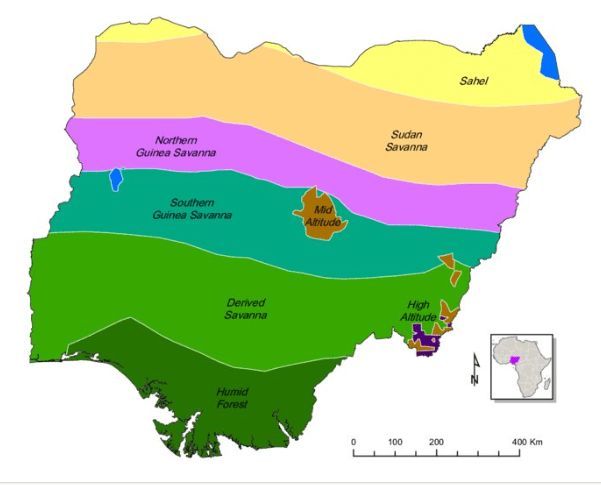
 ……………………………. (1)
 …………………(2)
 ………….. (3)
 is an uncorrelated process with mean zero. In lag operator notation, Liyt=yt−i. The ARIMA (p,d,q) model can be written as:
 ………………………………………….. (4)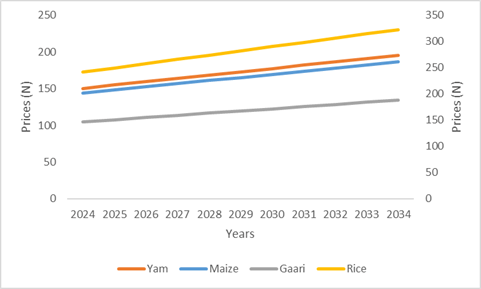
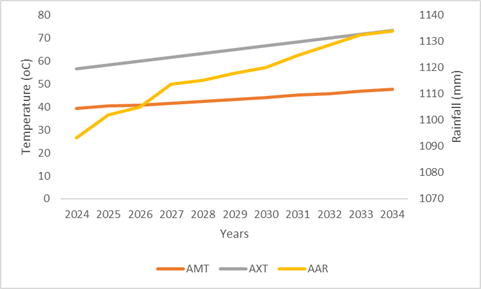


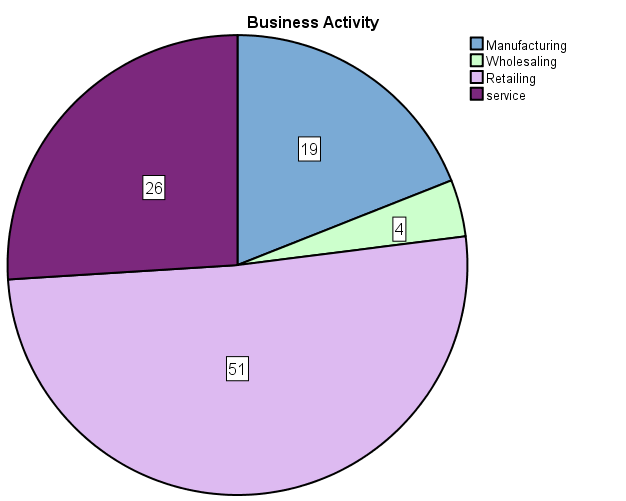




 Eduindex
You must be logged in to post a comment.