Knots are the foundation of boating. Whether you’re securing your vessel at a dock, rigging sails, or anchoring in a cove, knowing how to tie the right knot can make your journey safer, smoother, and more efficient. While many sailors rely on modern technology and Marine Accessories, rope skills remain indispensable for every boater, from beginners to seasoned professionals.
Why Knot Knowledge Matters
Ropes are everywhere on a boat-sheets, halyards, anchor lines, dock lines, and fenders all require proper knots. Improperly tied knots can lead to accidents, gear damage, or lost lines. Learning essential knots ensures that your equipment functions correctly, safety is maintained, and you can handle unexpected situations without relying solely on mechanical solutions or electronic aids.
Essential Knots for Boaters
1. Bowline
Known as the “king of knots,” the bowline creates a secure loop at the end of a rope. It is easy to tie and untie, even after bearing a heavy load. This knot is ideal for tying lines to cleats, securing a boat to a dock, or creating loops for fenders.
2. Cleat Hitch
The cleat hitch is a fundamental docking knot. It secures a line quickly and holds firm under tension. Using this knot correctly allows you to moor your boat safely, even in challenging conditions. Combining this skill with proper Marine Accessories, like high-quality dock cleats and lines, ensures stability and peace of mind.
3. Figure-Eight Knot
The figure-eight knot creates a stopper at the end of a line, preventing ropes from slipping through blocks or fairleads. It’s commonly used in sailboats to prevent halyards or sheets from running free. Its simple design makes it easy to inspect and untie.
4. Clove Hitch
A versatile knot for attaching a line to a post, piling, or ring. The clove hitch is particularly useful for temporary mooring or securing fenders. While it may slip under heavy loads, combining it with a backup knot ensures reliability.
5. Reef Knot (Square Knot)
The reef knot is ideal for joining two ropes of similar size or securing sails for reefing. While not suitable for heavy loads or critical applications, it is excellent for quick fixes and basic line management.
6. Sheet Bend
Used for joining two ropes of different diameters, the sheet bend is stronger and more reliable than the reef knot for mixed lines. It’s a practical skill when dealing with anchor lines, towing setups, or rigging adjustments.
Practical Applications on a Boat
Mastering these knots has direct applications:
Docking and Mooring: Securing lines to cleats, pilings, and rings ensures the boat stays in place.
Sail Handling: Knots help adjust sails, control halyards, and secure sheets.
Anchoring: Properly tied knots provide confidence that your anchor will hold.
Emergency Situations: Quick and reliable knots are essential in towing, rescuing, or rigging temporary fixes.
Even with modern Marine Accessories like cleat-mounted lines, ratchets, or blocks, knots remain a critical skill for effective boating.
Tips for Learning and Practicing Knots
Practice Onshore First: Use ropes on land to perfect tension, loops, and security before heading out.
Understand Load Limits: Know which knots are appropriate for heavy loads versus light tasks.
Keep Ropes Clean: Dirt or fraying reduces knot security; regular inspection is essential.
Label and Organize Lines: Clearly marked ropes reduce confusion during critical moments on deck.
Repetition and practical experience build confidence, allowing you to tie knots quickly and accurately even under pressure.
Combining Knots with Marine Accessories
While knots are fundamental, pairing them with high-quality Marine Accessories enhances safety and efficiency. For instance, properly tied lines work best with sturdy cleats, blocks, fenders, and rigging hardware. This combination ensures both traditional skills and modern tools contribute to smooth, safe sailing.
Conclusion
Knots are more than simple loops-they are essential tools that every boater must master. From docking and anchoring to sail adjustments and emergency applications, the right knots improve safety, control, and efficiency. Even in an era of advanced Marine Accessories, rope skills remain critical. By practicing essential knots regularly and integrating them with quality equipment, sailors can handle any situation with confidence, ensuring a safer and more enjoyable time on the water.
Talamo, R. S., Reblora, R. M., Diaz, W. D. B.-O., & Macuto, M. T. V. (2026). Technology-Driven Food Waste Management at Crown Regency Hotel, Cebu City. International Journal of Research, 13(3), 139–157. https://doi.org/10.26643/ijr/11
Main Author:
Roselio Serafina Talamo Co- Author: Rona Marie Reblora Welou Dil Bato-On Diaz Maria Trinidad Victoria Macuto
University of Cebu Main Campus
Abstract
Crown Regency Hotel in Cebu City, Philippines. The hotel industry faces significant food waste challenges due to overproduction, inefficient inventory management, and lack of real-time data. Traditional practices like portion control and food repurposing have limited success in addressing the problem. This research focuses on the implementation of digital tools such as AI-driven forecasting, IoT-based monitoring, and digital inventory systems to minimize food waste across various stages of the supply chain, including procurement, storage, food preparation, and service.
The study applies the Technology Acceptance Model (TAM), Technological-Organizational-Environmental (TOE) Framework, and Circular Economy (CE) Model to evaluate the adoption of these technologies at Crown Regency Hotel. It also examines legal policies and barriers to adoption, including cost, technical complexity, and organizational resistance. A survey of hotel staff assesses the effectiveness of the technologies in reducing food waste and improving supply chain efficiency.
Results indicate that while technology can enhance operational efficiency and reduce waste, challenges in cost and implementation persist. The study provides recommendations to overcome these barriers and promote the adoption of food waste reduction technologies. It aims to contribute to sustainable practices in the hospitality sector, offering valuable insights for similar establishments and policymakers.
Keywords: Food Waste Management, Technology Adoption, Hospitality Industry
Rationale
In the Philippine hotel industry, especially in Cebu’s tourism-driven economy, food waste is both a financial liability and a sustainability issue. Crown Regency Hotel, with its extensive buffet and event catering services, operates at a scale where inefficiencies can lead to significant food losses.
Despite implementing traditional practices such as portion control and repurposing, food waste persists due to overproduction, poor inventory tracking, and lack of real-time data. Technological solutions such as digital inventory systems, AI-driven forecasting, and IoT-based monitoring are becoming increasingly relevant. However, the extent of their use at Crown Regency Hotel, their effectiveness, and barriers to adoption remain underexplored.
As a former chef, the researcher brings direct industry experience and a grounded understanding of operational realities in hotel kitchens. This case study seeks to bridge the gap between theory and practice, examining how technology can be more effectively leveraged to reduce food waste within the operational context of a high-profile hotel in Cebu.
Theoretical Background
Food waste in the Philippines is a crisis. It threatens food security. It weakens economic stability. It harms environmental sustainability. Technology is the game-changer. Digital solutions are emerging as the key to cutting waste across the food supply chain. This section explores the Technology Acceptance Model (TAM) as the anchor theory. It is reinforced by the Technological-Organizational-Environmental (TOE) Framework and the Circular Economy (CE) Model. Relevant legal policies and research findings are also examined.
Anchor Theory: Technology Acceptance Model (TAM)
Technology adoption isn’t random. It follows a pattern. The Technology Acceptance Model (TAM) (Davis, 1989) explains this. Two factors drive adoption: perceived usefulness and perceived ease of use. If a technology isn’t useful or user-friendly, it won’t be adopted.
In the Philippine food industry, digital tools like AI-driven forecasting, blockchain for food traceability, and IoT-based monitoring systems are potential solutions. But adoption depends on whether farmers, retailers, and supply chain managers see real value. Studies confirm this. Sarmiento & Concepcion (2021) found that agribusinesses embrace tech only when they see increased efficiency and cost savings. However, there are roadblocks. Digital illiteracy. Weak infrastructure. These barriers slow adoption. Identifying them is crucial. Addressing them is even more critical.
Technology adoption doesn’t happen in isolation. It’s influenced by three factors:
Technology – Are AI inventory systems available? Are smart sensors in place? Are digital donation platforms accessible?
Organization – Are food suppliers and logistics companies willing to invest in tech? Are they ready for integration?
Environment – Are government policies supportive? Is market demand pushing adoption? Do environmental concerns force change?
The Philippine government is making moves. The National Food Policy (Republic Act No. 11337) promotes food security and waste reduction. Public-private partnerships are on the rise (Panganiban, 2020). But is it enough? Adoption gaps remain. Solutions need acceleration.
Circular Economy (CE)
Model The Circular Economy (CE) Model (Ellen MacArthur Foundation, 2013) disrupts the wasteful “take-make-dispose” system. It introduces a new mindset: reuse, repurpose, regenerate. In food waste management, CE principles push for:
● Food upcycling – Turning overripe fruits into jams. Converting surplus vegetables into powders.
● Waste-to-energy projects – Transforming food waste into biogas or fertilizers.
● Redistribution strategies – Using mobile apps to redirect surplus food to communities in need.
It’s already happening. Organizations like The Philippine Food Bank Foundation and Good Food Grocer use technology to redistribute excess food, cutting both waste and hunger (Castillo, 2022). The impact is real. But scale is the challenge.
● Technology works. Data proves it. Adoption is the next battle.
The evidence is clear. Technology can reduce food waste in the Philippines. The Technology Acceptance Model (TAM) explains adoption behaviors. The TOE Framework highlights critical adoption factors. The Circular Economy Model stresses sustainability. Supported by legal policies and research, this study aims to drive real change. The goal? Less waste. More efficiency. A sustainable future!
Statement of the Problem
Food waste remains a significant concern in the hospitality industry, impacting food security, environmental sustainability, and operational efficiency. Hotels, especially those with large-scale food and beverage operations, face challenges in managing inventory, forecasting demand, and minimizing spoilage.
At Crown Regency Hotel in Cebu, like many hospitality establishments, food waste may occur across different stages of its supply chain — from sourcing and storage to preparation and service. While technological innovations such as AI-driven forecasting, IoT monitoring, and digital inventory systems offer solutions, implementation can be hindered by cost, technical complexity, and organizational resistance.
This study investigates how technology is being utilized at Crown Regency Hotel to reduce food waste across its supply chain. It aims to uncover the effectiveness of these tools, the challenges faced, and the demographic factors that may influence adoption and implementation.
Specifically, it seeks to answer the following research questions:
1. What is the demographic profile of Crown Regency Hotel staff and management involved in the food supply chain, in terms of:
1.1 age;
1.2 gender;
1.3 industry sector;
1.4 level of technological adoption;
1.5 role in the supply chain?
2. What technological solutions are currently used at Crown Regency Hotel to reduce food waste in procurement, storage, food preparation, and service?
3. How effective are these technologies in minimizing food loss and improving supply chain efficiency in terms of:
3.1 reduction in food spoilage and waste;
3.2 improved inventory and demand forecasting;
3.3 enhanced supply chain coordination and transparency;
3.4 cost savings and operational efficiency?
4. What challenges does Crown Regency Hotel face in adopting and implementing technology-driven food waste solutions?
5. Is there a significant relationship between the respondents’ demographic profile and their adoption of food waste reduction technologies?
6. Is there a significant difference in the perceived effectiveness of technology-driven food waste solutions across different demographic groups?
7. Based on the findings, what strategies can be proposed to enhance the adoption of technology in reducing food waste across the supply chain?
Statement of the Null Hypotheses
At a 0.05 level of significance, the following null hypotheses will be tested:
Ho1: There is no significant relationship between the demographic profile of Crown Regency Hotel staff and their adoption of food waste reduction technologies.
Ho2: There is no significant difference in the effectiveness of technology-driven solutions when grouped according to demographic profiles.
Significance of the Study
● Crown Regency Hotel Management: Findings will inform strategies to reduce food waste, enhance efficiency, and promote sustainability within hotel operations.
● Hospitality Industry: Insights can be applied to similar establishments seeking to optimize food service operations through technology.
● Technology Providers: The study will highlight specific needs and barriers within the hotel setting, helping developers tailor their solutions.
● Policy Makers: Data may support localized policy-making and initiatives for food waste reduction in Cebu’s tourism sector.
● Consumers and Guests: Reducing waste leads to better resource use, potentially improving food quality and reducing costs.
● The Researcher: Offers an opportunity to connect practical experience as a former chef with empirical academic research.
● Future Researchers: Provides a case-based foundation for further studies on sustainable food systems in hotels and resorts.
Research Design
This study will employ a descriptive-correlational research design to examine how technology is used to reduce food waste at Crown Regency Hotel and to determine the relationship between demographic profiles and the adoption and effectiveness of food waste technologies. The descriptive aspect will document current practices, technologies used, and levels of effectiveness, while the correlational aspect will analyze possible relationships between demographic variables and technology adoption or perceived effectiveness.
INPUT-PROCESS-OUTPUT DIAGRAM
Research Environment
The research will be conducted at Crown Regency Hotel in Cebu City, Philippines. The hotel is a well-known hospitality establishment offering various food and beverage services, including buffets, in-room dining, and function catering. Given its large-scale operations, Crown Regency serves as an ideal environment to explore the role of technology in managing and minimizing food waste across different stages of its food supply chain.
Research Respondents/Subjects
The respondents of the study will include kitchen staff, food and beverage supervisors, procurement officers, inventory personnel, and management-level staff involved in food-related decision-making at Crown Regency Hotel. A total of 100 respondents will be purposively selected to ensure that participants have relevant roles in the food supply chain. Respondents will be categorized according to their department, years of service, age, and role in the supply chain to enable comparative and correlational analysis.
Research Instrument
The primary research instrument will be a structured survey questionnaire developed by the researcher and validated by field experts. The questionnaire will be divided into the following sections:
1. Demographic Profile – Includes age, gender, department, role, years of service, and level of technological engagement.
2. Technologies Used – Identifies the technological systems currently in place for food procurement, inventory, preparation, and service.
3. Perceived Effectiveness – Utilizes a Likert scale to measure perceptions of how effective the technologies are in reducing food waste.
4. Challenges and Barriers – Captures common obstacles in the implementation and usage of these technologies.
The instrument will undergo content validation by three experts in hospitality and research methodology before actual distribution.
Research Procedures
Gathering of Data
1. Approval and Permissions – A formal request will be submitted to the management of Crown Regency Hotel to conduct the study and gather data from relevant staff.
2. Validation of Instrument – The questionnaire will be reviewed by experts to ensure relevance, clarity, and reliability.
3. Distribution – Once approved, questionnaires will be distributed either in printed form or via a digital platform, depending on accessibility and the hotel’s preference.
4. Consent and Confidentiality – Informed consent will be obtained from all respondents. Participation will be voluntary, and data will be treated with strict confidentiality.
5. Collection and Screening – Completed surveys will be collected, checked for completeness, and encoded for analysis.
Treatment of Data
Data will be analyzed using the following statistical tools:
● Frequency and Percentage – To describe the demographic profile of the respondents.
● Weighted Mean – To determine the level of effectiveness and perception of food waste reduction technologies.
● Pearson r – To determine the correlation between demographic profiles and the adoption or perceived effectiveness of food waste technologies.
● ANOVA or t-test – To identify significant differences in perceptions and usage when grouped according to demographic variables.
All statistical analyses will be conducted using SPSS or another appropriate statistical software.
DEFINITION OF TERMS
To ensure clarity and precision in this study, the following key terms are defined operationally within the context of this research:
1. Food Waste – The disposal of food that is still fit for human consumption, occurring at various stages of the supply chain, including production, distribution, retail, and consumption, due to inefficiencies, spoilage, or mismanagement.
2. Supply Chain – The entire process of food production, processing, distribution, retail, and consumption, including the stakeholders and logistical systems involved in ensuring food reaches consumers.
3. Technological Solutions – Innovations and digital tools used to mitigate food waste, such as artificial intelligence (AI), blockchain, and the Internet of Things (IoT), which enhance supply chain efficiency and minimize losses.
4. Artificial Intelligence (AI) – Computer-driven systems that analyze data and provide predictive analytics for demand forecasting, inventory management, and food waste reduction.
5. Blockchain Technology – A decentralized digital ledger system used to enhance supply chain transparency by securely recording transactions and food tracking data to reduce inefficiencies and waste.
6. Internet of Things (IoT) – A network of interconnected devices that monitor food storage conditions, track supply chain logistics, and provide real-time data to reduce spoilage and food loss.
7. Predictive Analytics – The use of AI and data analytics to forecast supply and demand patterns, helping businesses optimize inventory management and reduce excess food production. 8. Inventory Management – The systematic control of food stock levels through digital tools and technology to prevent overstocking, spoilage, and unnecessary waste.
9. Supply Chain Transparency – The ability to track food products throughout the supply chain using technologies such as blockchain to ensure accountability and reduce inefficiencies leading to food loss.
10. Operational Efficiency – The extent to which businesses optimize their resources, reduce costs, and streamline processes through technology to minimize food waste and improve supply chain management.
11. Demographic Profile – The characteristics of the study’s respondents, including age, gender, industry sector, level of technological adoption, and role within the supply chain, which influence their interaction with food waste reduction technologies.
12. Adoption of Technology – The extent to which businesses and stakeholders within the food supply chain implement and integrate digital solutions for food waste reduction.
13. Food Spoilage – The deterioration of food due to microbial growth, poor storage conditions, or improper handling, resulting in loss before consumption.
14. Cost Savings – The financial benefits businesses gain by using technology to optimize food supply, reduce waste, and improve operational efficiency.
15. Policy Makers and Regulators – Government agencies and industry authorities responsible for creating and enforcing policies that support the adoption of technology to reduce food waste.
15. Policy Makers and Regulators – Government agencies and industry authorities responsible for creating and enforcing policies that support the adoption of technology to reduce food waste.
References
Sarker, A., Ahmmed, R., Ahsan, S. M., Rana, J., Ghosh, M. K., & Nandi, R. (2024). A comprehensive review of food waste valorization for the sustainable management of global food waste. Sustainable Food Technology.
Lim, M. K., Li, Y., Wang, C., & Tseng, M. L. (2021). A literature review of blockchain technology applications in supply chains: A comprehensive analysis of themes, methodologies and industries. Computers & industrial engineering, 154, 107133.
Kaur, A., Singh, G., Kukreja, V., Sharma, S., Singh, S., & Yoon, B. (2022). Adaptation of IoT with blockchain in Food Supply Chain Management: An analysis-based review in development, benefits and potential applications. Sensors, 22(21), 8174.
Maroušek, J., Strunecký, O., Kolář, L., Vochozka, M., Kopecký, M., Maroušková, A., … & Cera, E. (2024). Advances in nutrient management make it possible to accelerate biogas production and thus improve the economy of food waste processing. Energy Sources, Part A: Recovery, Utilization, and Environmental Effects, 46(1), 9379-9388.
Bhat, S. A., Huang, N. F., Sofi, I. B., & Sultan, M. (2021). Agriculture-food supply chain management based on blockchain and IoT: a narrative on enterprise blockchain interoperability. Agriculture, 12(1), 40.
Soma, T., Li, B., & Maclaren, V. (2021). An evaluation of a consumer food waste awareness campaign using the motivation opportunity ability framework. Resources, Conservation and Recycling, 168, 105313.
Ada, N., Kazancoglu, Y., Sezer, M. D., Ede-Senturk, C., Ozer, I., & Ram, M. (2021). Analyzing barriers of circular food supply chains and proposing industry 4.0 solutions. Sustainability, 13(12), 6812.
Khanfar, A. A., Iranmanesh, M., Ghobakhloo, M., Senali, M. G., & Fathi, M. (2021). Applications of blockchain technology in sustainable manufacturing and supply chain management: A systematic review. Sustainability, 13(14), 7870.
Hao, X., & Demir, E. (2024). Artificial intelligence in supply chain decision-making: an environmental, social, and governance triggering and technological inhibiting protocol. Journal of Modelling in Management, 19(2), 605-629.
Tchonkouang, R. D., Onyeaka, H., & Nkoutchou, H. (2024). Assessing the vulnerability of food supply chains to climate change-induced disruptions. Science of the Total Environment, 171047.
Horoś, I. K., & Ruppenthal, T. (2021). Avoidance of food waste from a grocery retail store owner’s perspective. Sustainability, 13(2), 550.
Jain, A., Sarsaiya, S., Awasthi, M. K., Singh, R., Rajput, R., Mishra, U. C., … & Shi, J. (2022). Bioenergy and bio-products from bio-waste and its associated modern circular economy: Current research trends, challenges, and future outlooks. Fuel, 307, 121859.
Ranjbari, M., Esfandabadi, Z. S., Quatraro, F., Vatanparast, H., Lam, S. S., Aghbashlo, M., & Tabatabaei, M. (2022). Biomass and organic waste potentials towards implementing circular bioeconomy platforms: A systematic bibliometric analysis. Fuel, 318, 123585.
Sun, X., Dou, Z., Shurson, G. C., & Hu, B. (2024). Bioprocessing to upcycle agro- industrial and food wastes into high-nutritional value animal feed for sustainable food and agriculture systems. Resources, Conservation and Recycling, 201, 107325.
Sahoo, S., Kumar, S., Sivarajah, U., Lim, W. M., Westland, J. C., & Kumar, A. (2024). Blockchain for sustainable supply chain management: trends and ways forward. Electronic Commerce Research, 24(3), 1563-1618.
Acosta Llano, E., Hurmelinna-Laukkanen, P., & Haapanen, L. (2025). Blockchain for the circular economy, implications for public governance. International Journal of Public Sector Management, 38(1), 30-52.
Khan, S. A., Mubarik, M. S., Kusi‐Sarpong, S., Gupta, H., Zaman, S. I., & Mubarik, M. (2022). Blockchain technologies as enablers of supply chain mapping for sustainable supply chains. Business strategy and the environment, 31(8), 3742- 3756.
Rejeb, A., Rejeb, K., Simske, S., & Treiblmaier, H. (2021). Blockchain technologies in logistics and supply chain management: a bibliometric review. Logistics, 5(4), 72.
Saurabh, S., & Dey, K. (2021). Blockchain technology adoption, architecture, and sustainable agri-food supply chains. Journal of Cleaner Production, 284, 124731.
Centobelli, P., Cerchione, R., Del Vecchio, P., Oropallo, E., & Secundo, G. (2022). Blockchain technology for bridging trust, traceability and transparency in circular supply chain. Information & Management, 59(7), 103508.
Kamble, S. S., Gunasekaran, A., Subramanian, N., Ghadge, A., Belhadi, A., & Venkatesh, M. (2023). Blockchain technology’s impact on supply chain integration and sustainable supply chain performance: Evidence from the automotive industry. Annals of Operations Research, 327(1), 575-600.
Haji, M., & Himpel, F. (2024). Building Resilience in Food Security: Sustainable Strategies Post-COVID-19. Sustainability, 16(3), 995.
Agrawal, S., Agrawal, R., Kumar, A., Luthra, S., & Garza-Reyes, J. A. (2024). Can industry 5.0 technologies overcome supply chain disruptions? —a perspective study on pandemics, war, and climate change issues. Operations Management Research, 17(2), 453-468.
Sánchez, M., Ferreira-Santos, P., Gomes-Dias, J. S., Laca, A., & Rocha, C. M. (2025). Cascading recovery of added-value cocoa bean shell fractions through autohydrolysis treatments. Food and Bioprocess Technology, 18(1), 965-978.
Rajaeifar, M. A., Ghadimi, P., Raugei, M., Wu, Y., & Heidrich, O. (2022). Challenges and recent developments in supply and value chains of electric vehicle batteries: A sustainability perspective. Resources, Conservation and Recycling, 180, 106144.
Dong, M., Jiang, M., He, L., Zhang, Z., Gustave, W., Vithanage, M., … & He, F. (2025). Challenges in safe environmental applications of biochar: identifying risks and unintended consequence. Biochar, 7(1), 1-20.
Hamam, M., Chinnici, G., Di Vita, G., Pappalardo, G., Pecorino, B., Maesano, G., & D’Amico, M. (2021). Circular economy models in agro-food systems: A review. Sustainability, 13(6), 3453.
Kim, J., Manna, A., Roy, A., & Moon, I. (2025). Clustered vehicle routing problem for waste collection with smart operational management approaches. International Transactions in Operational Research, 32(2), 863-887.
Krishnan, R., Yen, P., Agarwal, R., Arshinder, K., & Bajada, C. (2021). Collaborative innovation and sustainability in the food supply chain-evidence from farmer producer organisations. Resources, Conservation and Recycling, 168, 105253.
Gionfriddo, G., & Piccaluga, A. M. C. (2025). Creating shared value through open innovation: Insights from the case of Enel industrial plants. Business Ethics, the Environment & Responsibility, 34(1), 137-154.
Varriale, V., Cammarano, A., Michelino, F., & Caputo, M. (2025). Critical analysis of the impact of artificial intelligence integration with cutting-edge technologies for production systems. Journal of Intelligent Manufacturing, 36(1), 61-93.
Dora, M., Kumar, A., Mangla, S. K., Pant, A., & Kamal, M. M. (2022). Critical success factors influencing artificial intelligence adoption in food supply chains. International Journal of Production Research, 60(14), 4621-4640.
Cerchione, R. (2025). Design and evaluation of a blockchain‐based system for increasing customer engagement in circular economy. Corporate Social Responsibility and Environmental Management, 32(1), 160-175.
Gholipour, A., Sadegheih, A., Mostafaeipour, A., & Fakhrzad, M. B. (2024). Designing an optimal multi-objective model for a sustainable closed-loop supply chain: a case study of pomegranate in Iran. Environment, Development and Sustainability, 26(2), 3993-4027.
Siddique, A., Herron, C. B., Wu, B., Melendrez, K. S., Sabillon, L. J., Garner, L. J., … & Morey, A. (2025). Development of predictive classification models and extraction of signature wavelengths for the identification of spoilage in chicken breast fillets during storage using near infrared spectroscopy. Food and Bioprocess Technology, 18(1), 933-941.
Hong, Z., & Xiao, K. (2024). Digital economy structuring for sustainable development: the role of blockchain and artificial intelligence in improving supply chain and reducing negative environmental impacts. Scientific Reports, 14(1), 3912.
Akbari, M., & Hopkins, J. L. (2022). Digital technologies as enablers of supply chain sustainability in an emerging economy. Operations Management Research, 15(3), 689-710.
Khan, S. A. R., Piprani, A. Z., & Yu, Z. (2022). Digital technology and circular economy practices:future of supply chains. Operations Management Research, 15(3), 676-688.
Ameh, B. (2024). Digital tools and AI: Using technology to monitor carbon emissions and waste at each stage of the supply chain, enabling real-time adjustments for sustainability improvements. Int J Sci Res Arch, 13(1), 2741-2754.
Rejeb, A., Rejeb, K., Abdollahi, A., Zailani, S., Iranmanesh, M., & Ghobakhloo, M. (2021). Digitalization in food supply chains: A bibliometric review and key-route main path analysis. Sustainability, 14(1), 83.
Annosi, M. C., Brunetta, F., Bimbo, F., & Kostoula, M. (2021). Digitalization within food supply chains to prevent food waste. Drivers, barriers and collaboration practices. Industrial Marketing Management, 93, 208-220.
Nurgazina, J., Pakdeetrakulwong, U., Moser, T., & Reiner, G. (2021). Distributed ledger technology applications in food supply chains: A review of challenges and future research directions. Sustainability, 13(8), 4206.
Wang, Q., Sun, T., & Li, R. (2025). Does Artificial Intelligence (AI) enhance green economy efficiency? The role of green finance, trade openness, and R&D investment. Humanities and Social Sciences Communications, 12(1), 1-22.
Mehmood, A., Ahmed, S., Viza, E., Bogush, A., & Ayyub, R. M. (2021). Drivers and barriers towards circular economy in agri‐food supply chain: a review. Business Strategy & Development, 4(4), 465-481.
Kittichotsatsawat, Y., Jangkrajarng, V., & Tippayawong, K. Y. (2021). Enhancing coffee supply chain towards sustainable growth with big data and modern agricultural technologies. Sustainability, 13(8), 4593.
Knorr, D., & Augustin, M. A. (2025). Expanding our food supply: underutilized resources and resilient processing technologies. Journal of the Science of Food and Agriculture, 105(2), 735-746.
Chiaraluce, G., Bentivoglio, D., Finco, A., Fiore, M., Contò, F., & Galati, A. (2024). Exploring the role of blockchain technology in modern high-value food supply chains: Global trends and future research directions. Agricultural and Food Economics, 12(1), 6.
Hassoun, A., Prieto, M. A., Carpena, M., Bouzembrak, Y., Marvin, H. J., Pallarés, N., … & Bono, G. (2022). Exploring the role of green and Industry 4.0 technologies in achieving sustainable development goals in food sectors. Food Research International, 162, 112068.
Kamal, H., Le, C. F., Salter, A. M., & Ali, A. (2021). Extraction of protein from food waste: An overview of current status and opportunities. Comprehensive Reviews in Food Science and Food Safety, 20(3), 2455-2475.
Michel, J., Rivas-Arrieta, M. J., Borén, E., Simonin, L., Kennedy, M., & Dupont, C. (2025). Fate of biomass inorganic elements during hydrothermal carbonization: an experimental study on agro-food waste. Biomass Conversion and Biorefinery, 15(1), 845-860.
Nicastro, R., & Carillo, P. (2021). Food loss and waste prevention strategies from farm to fork. Sustainability, 13(10), 5443.
Akkerman, R., & Cruijssen, F. (2024). Food loss, food waste, and sustainability in food supply chains. In Sustainable supply chains: a research-based textbook on operations and strategy (pp. 219-239). Springer International Publishing.
Subedi, D., Paudel, M., Poudel, S., & Koirala, N. (2025). Food safety in developing countries: common foodborne and waterborne illnesses, regulations, organizational structure, and challenges of food safety in the context of Nepal. Food Frontiers, 6(1), 86-123.
Kayikci, Y., Subramanian, N., Dora, M., & Bhatia, M. S. (2022). Food supply chain in the era of Industry 4.0: Blockchain technology implementation opportunities and impediments from the perspective of people, process, performance, and technology. Production planning & control, 33(2-3), 301-321.
Tsegaye, B., Jaiswal, S., & Jaiswal, A. K. (2021). Food waste biorefinery: Pathway towards circular bioeconomy. Foods, 10(6), 1174.
Huang, I. Y., Manning, L., James, K. L., Grigoriadis, V., Millington, A., Wood, V., & Ward, S. (2021). Food waste management: A review of retailers’ business practices and their implications for sustainable value. Journal of Cleaner Production, 285, 125484.
Amicarelli, V., & Bux, C. (2021). Food waste measurement toward a fair, healthy and environmental-friendly food system: a critical review. British Food Journal, 123(8), 2907-2935.
Santagata, R., Ripa, M., Genovese, A., & Ulgiati, S. (2021). Food waste recovery pathways: Challenges and opportunities for an emerging bio-based circular economy. A systematic review and an assessment. Journal of Cleaner Production, 286, 125490.
Powell, W., Foth, M., Cao, S., & Natanelov, V. (2022). Garbage in garbage out: The precarious link between IoT and blockchain in food supply chains. Journal of Industrial Information Integration, 25, 100261
.
Kymäläinen, T., Seisto, A., & Malila, R. (2021). Generation Z food waste, diet and consumption habits: A Finnish social design study with future consumers. Sustainability, 13(4), 2124.
Karimova, G. S., Heidbrink, L., Brinkmann, J., & LeMay, S. A. (2025). Global standards and the philosophy of consumption: Toward a consumer‐driven governance of global value chains. Business Ethics, the Environment & Responsibility, 34(1), 280-294.
Rashid, A., Rasheed, R., & Altay, N. (2025). Greening manufacturing: the role of institutional pressure and collaboration in operational performance. Journal of Manufacturing Technology Management, 36(2), 455-478.
Ratnakar, R. R., Gupta, N., Zhang, K., van Doorne, C., Fesmire, J., Dindoruk, B., & Balakotaiah, V. (2021). Hydrogen supply chain and challenges in large-scale LH2 storage and transportation. International Journal of Hydrogen Energy, 46(47), 24149-24168
Huang, Y., Ghadge, A., & Yates, N. (2024). Implementation of digital twins in the food supply chain: a review and conceptual framework. International Journal of Production Research, 1-27.
Ali, I., & Aboelmaged, M. G. S. (2022). Implementation of supply chain 4.0 in the food and beverage industry: perceived drivers and barriers. International Journal of Productivity and Performance Management, 71(4), 1426-1443.
Ciccullo, F., Cagliano, R., Bartezzaghi, G., & Perego, A. (2021). Implementing the circular economy paradigm in the agri-food supply chain: The role of food waste prevention technologies. Resources, Conservation and Recycling, 164, 105114.
Surucu-Balci, E., & Tuna, O. (2021). Investigating logistics-related food loss drivers: A study on fresh fruit and vegetable supply chain. Journal of Cleaner Production, 318, 128561.
Dauvergne, P. (2022). Is artificial intelligence greening global supply chains? Exposing the political economy of environmental costs. Review of International Political Economy, 29(3), 696-718.
Griffiths, M., & Rubaii, K. (2025). Late modern war and the geos: The ecological ‘beforemaths’ of advanced military technologies. Security Dialogue, 56(1), 38-57.
Rossini, M., Powell, D. J., & Kundu, K. (2023). Lean supply chain management and Industry 4.0: a systematic literature review. International Journal of Lean Six Sigma, 14(2), 253-276.
Eyo-Udo, N. (2024). Leveraging artificial intelligence for enhanced supply chain optimization. Open Access Research Journal of Multidisciplinary Studies, 7(2), 001-015.
Hübner, N., Caspers, J., Coroamă, V. C., & Finkbeiner, M. (2024). Machine‐learning‐based demand forecasting against food waste: Life cycle environmental impacts and benefits of a bakery case study. Journal of Industrial Ecology, 28(5), 1117-1131.
Sharma, M., Joshi, S., Luthra, S., & Kumar, A. (2022). Managing disruptions and risks amidst COVID-19 outbreaks: role of blockchain technology in developing resilient food supply chains. Operations Management Research, 15(1), 268-281.
Yadav, S., Luthra, S., & Garg, D. (2021). Modelling Internet of things (IoT)-driven global sustainability in multi-tier agri-food supply chain under natural epidemic outbreaks. Environmental Science and Pollution Research, 28(13), 16633-16654.
Vilas-Boas, A. A., Pintado, M., & Oliveira, A. L. (2021). Natural bioactive compounds from food waste: Toxicity and safety concerns. Foods, 10(7), 1564.
Wani, N. R., Rather, R. A., Farooq, A., Padder, S. A., Baba, T. R., Sharma, S., … & Ara, S. (2024). New insights in food security and environmental sustainability through waste food management. Environmental Science and Pollution Research, 31(12), 17835-17857.
Kumar, I., Rawat, J., Mohd, N., & Husain, S. (2021). Opportunities of artificial intelligence and machine learning in the food industry. Journal of Food Quality, 2021(1), 4535567.
Jagtap, S., Garcia-Garcia, G., & Rahimifard, S. (2021). Optimisation of the resource efficiency of food manufacturing via the Internet of Things. Computers in Industry, 127, 103397.
Verghese, K., Lewis, H., Lockrey, S., & Williams, H. (2015). Packaging’s role in minimizing food loss and waste across the supply chain. Packaging Technology and Science, 28(7), 603-620.
Nair, C. S., Manoharan, R., Nishanth, D., Subramanian, R., Neumann, E., & Jaleel, A. (2025). Recent advancements in aquaponics with special emphasis on its sustainability. Journal of the World Aquaculture Society, e13116.
Marusak, A., Sadeghiamirshahidi, N., Krejci, C. C., Mittal, A., Beckwith, S., Cantu, J., … & Grimm, J. (2021). Resilient regional food supply chains and rethinking the way forward: Key takeaways from the COVID-19 pandemic. Agricultural Systems, 190, 103101.
Sunaryo, D., Adiyanto, Y., Violita, E., Nabila, F., & Killah, K. E. (2025). Risk Management and Its Influence on Corporate Performance: A Systematic Literature Review Approach.
Lerman, L. V., Benitez, G. B., Müller, J. M., de Sousa, P. R., & Frank, A. G. (2022). Smart green supply chain management: A configurational approach to enhance green performance through digital transformation. Supply Chain Management: An International Journal, 27(7), 147-176.
Etemadi, N., Borbon-Galvez, Y., Strozzi, F., & Etemadi, T. (2021). Supply chain disruption risk management with blockchain: A dynamic literature review. Information, 12(2), 70.
Katsaliaki, K., Galetsi, P., & Kumar, S. (2022). Supply chain disruptions and resilience: A major review and future research agenda. Annals of Operations Research, 1-38.
Lokanan, M. E., & Maddhesia, V. (2025). Supply chain fraud prediction with machine learning and artificial intelligence. International Journal of Production Research, 63(1), 286-313.
Farooq, M. U., Hussain, A., Masood, T., & Habib, M. S. (2021). Supply chain operations management in pandemics: A state-of-the-art review inspired by COVID-19. Sustainability, 13(5), 2504.
Martin-Rios, C., Hofmann, A., & Mackenzie, N. (2020). Sustainability-oriented innovations in food waste management technology. Sustainability, 13(1), 210.
Versino, F., Ortega, F., Monroy, Y., Rivero, S., López, O. V., & García, M. A. (2023). Sustainable and bio-based food packaging: A review on past and current design innovations. Foods, 12(5), 1057.
Anjomshoae, A., Banomyong, R., Hossein Azadnia, A., Kunz, N., & Blome, C. (2025). Sustainable humanitarian supply chains: a systematic literature review and research propositions. Production Planning & Control, 36(3), 357-377.
Dutta, S., He, M., Xiong, X., & Tsang, D. C. (2021). Sustainable management and recycling of food waste anaerobic digestate: a review. Bioresource technology, 341, 125915.
Caliskan, A., Abdullah, N., Ishak, N., Ametefe, D. S., & Caliskan, I. T. (2025). Systematic literature review on the utilization of tuber crop skins in the context of circular agriculture. International Journal of Recycling of Organic Waste in Agriculture, 14(1).
Park, A., & Li, H. (2021). The effect of blockchain technology on supply chain sustainability performances. Sustainability, 13(4), 1726.
Soyler, A., Burmaoglu, S., & Kidak, L. B. (2025). The evolutionary path of medical waste management research: Insights from co-citation and co-word analysis. Waste Management & Research, 43(1), 3-15.
Galanakis, C. M. (2024). The future of food. Foods, 13(4), 506.
Adeusi, K. B., Adegbola, A. E., Amajuoyi, P., Adegbola, M. D., & Benjamin, L. B. (2024). The potential of IoT to transform supply chain management through enhanced connectivity and real-time data. World journal of advanced engineering technology and sciences, 12(1), 145-151.
Stein, A. J., & Santini, F. (2022). The sustainability of “local” food: A review for policy-makers. Review of Agricultural, Food and Environmental Studies, 103(1), 77-89.
Daghighi, A., & Shoushtari, F. (2023). Toward Sustainability of Supply Chain by Applying Blockchain Technology. International journal of industrial engineering and operational research, 5(2), 60-72.
Tabassum, Z., Girdhar, M., Anand, A., Kumari, N., Sood, B., Malik, T., … & Mohan, A. (2025). Trash to treasure: advancing resource efficiency using waste-derived fillers as sustainable reinforcing agents in bioplastics. Materials Advances, 6(2), 527-546.
Brunner, P. H., & Morf, L. S. (2025). Waste to energy, indispensable cornerstone for circular economy: A mini-review. Waste Management & Research, 43(1), 26-38.
Daily writing prompt
What is one question you hate to be asked? Explain.
OraekeiDaniel Ikechukwu1*, Okoye Odinachi Anthony2, Mba Ogbonnaya2, Abone Harrison Odera3, ObidiegwuOnyeka Chinwuba4
1Department of Pharmacology and Toxicology, Faculty of Pharmaceutical Sciences, Olivia University, Bujumbura, Burundi.
2Department of Pharmacology and Toxicology, Faculty of Pharmaceutical Sciences, Nnamdi Azikiwe University, PMB 5025 Awka, Anambra State, Nigeria.
3Department of Pharmaceutical Microbiology and Biotechnology, Faculty of Pharmaceutical Sciences, Nnamdi Azikiwe University, Awka, Anambra State, Nigeria.
4Department of Pharmaceutical and Medicinal Chemistry, Faculty of Pharmaceutical Sciences, Nnamdi Azikiwe University, Awka, Anambra State, Nigeria.
Daniel Ikechukwu Oraekei email: oraekeidanielikechukwu@gmail.com
Odinachi Anthony Okoye email: nachi.t.okoye@gmail.com
Ogbonnaya Mba email: mbabte@gmail.com
Harrison Odera Abone email: harrisonabone@gmail.com
1Department of Pharmacology and Toxicology, Faculty of Pharmaceutical Sciences, Olivia University, Bujumbura, Burundi.
Email: oraekeidanielikechukwu@gmail.com
ABSTRACT
Background: It is the function of the liver and kidneys to deal with processes concerning detoxification, metabolism, and the excretion of waste products. Aim: This study tested the liver and kidney protective effects of a combination of Z. officinale and A. sativum in Wister rats treated with doxorubicin. Methods: The qualitative phytochemical analysis and acute toxicity studies were carried out using standard methods. Bacterial lipopolysaccharide from Escherichia coli was used to induce systemic inflammatory and oxidative stress. The animals were pretreated for 14 days with the combined extracts of Z. officinale and A.sativum alone, the extracts with doxorubicin, and doxorubicin alone. LPS at 1 mg/kg intraperitoneally dissolved in normal saline was given daily to the animals along with the treatments for an additional 14 days. On the last day, the animals were anesthetized with ketamine and xylazine, and blood samples were withdrawn from the retro-orbital plexus of the animals into plain tubes. Serum alanine transaminase, Alkaline phosphatase, Serum creatinine, and blood urea nitrogen were estimated using standard methods. Results: among all tested phytochemicals, Z. officinale lacks tannins, steroids, Steroids and terpenoids, while A. sativum lacks saponins and glycosides. No mortality was observed after the acute toxicity study. Group 4 rats, which were treated with Z. officinae, A. sativun, and doxorubicin, showed lower serum levels of alanine aminotransferase, alkaline phosphatase, creatinine, and blood urea nitrogen than the control group. Conclusion: Z. officinale-A. sativum combination showed a favorable safety profile and also exhibited significant protective effects against chemotherapeutic liver and kidney toxicities.
The liver and kidneys of the human body actively deal with processes concerning detoxification, metabolism, and the excretion of waste products. The protective role of natural products derived from plants against drug-induced damage to the organs has received significant attention. Zingiber officinale and Allium sativum are two widely used herbs in culinary and medicinal fields. They are well studied for their chemoprotective, anti-inflammatory, and antioxidant properties. (Oraekei et al., 2024). Z. officinale contains gingerol and shogaol, and A. sativum contains allicin and ajoene, and these are some of the active constituents that have properties to avert oxidative damage and enhance the functions of organs (Mao et al., 2019). Doxorubicin’s molecular composition leads to the production of free radicals and triggers oxidative stress, which is associated with cellular damage (Tacar et al., 2013). Doxorubicin is a chemotherapeutic agent that is effective in treating various cancers; it is known to induce oxidative stress, leading to hepatotoxicity and nephrotoxicity (Kciuk et al., 2023). Doxorubicin, also known as Adriamycin, is a widely used anthracycline antibiotic that’s actually derived from the bacterium Streptomyces peucetius. (Arcamone et al., 1969). Doxorubicin has been noted to have harmful effects on the liver (Abdulrhaman et al., 2025). It also decreases other protective components like cytochrome P-450 and glutathione in the rat’s liver (Timm etal., 2022). Notably, high glutathione levels have been shown to protect liver cells from Doxorubicin’s toxic effects (Deng et al., 2015). Doxorubicin’s long-term use is limited by severe side effects, including a potentially fatal heart condition that worsens with higher doses. (Belger et al., 2023). The combined use of Z. officinale and A. sativum may offer synergistic effects, potentially mitigating the toxic impact of chemotherapeutic agents like doxorubicin. This study aims to test the liver and kidney protective functions of a combination of Z. officinale and A. sativum in rats treated with doxorubicin. Through biochemical assays, the research seeks to determine whether this herbal blend can mitigate doxorubicin-induced toxicity and support liver and kidney health.
Aim of Study
The aim of the study is to test the liver and kidney protective effects of a combination of Z. officinale and A. sativum in Wister rats treated with doxorubicin.
Scope of Study
This study was narrowed to evaluate the biochemical changes in liver and kidney functions due to doxorubicin toxicity, assess key biomarkers like alanine aminotransferase (ALT), alkaline phosphatase (ALP), creatinine and blood urea nitrogen (BUN).
Literature review
Studies have shown doxorubicin to be a highly chemotherapeutic agent used in treating various cancers. Its use is limited due to the toxic effect it causes on various organs, including the liver and kidneys (Alshabanah et al., 2010). Renal and Hepatic functions are assessed by testing biomarkers such as Alanine aminotransferase (ALT), Aspartate aminotransferase (AST), Alkaline phosphatase (ALP), Creatinine levels, and Blood urea nitrogen (BUN) (Lala et al., 2023). Treatment with Z. officinale showed significant improvement in AST, ALT, and superoxide dismutase (SOD) activities (Abdel-Azeem et al., 2013). Z. officinale administered alone at 530 mg/kg body weight had a greater hepato-protective effect than when given in combination with A. sativum (Oraekei et al., 2024); and this study showed that Z. officinale significantly reduced liver and kidney damage, and the combination containing a higher proportion of Z. officinale was most protective than the other tested combinationse. High levels of ALP or BUN may indicate liver disease or a certain bone disorder or kidneys not functioning well (Lowe et al., 2023).
Herbal medicine combination in pharmacotherapy
When herbs are combined, a lot of interactions can occur, but the desirable interactions are those that can result in enhanced therapeutic benefit. The effects of herbal medicine combinations are usually variable. A herb can be used to potentiate the effect of another herb. An example is the combination of ginseng root and aconite daughter root in an anti-shock remedy (Che et al, 2013). In this combination, the aconite daughter root potentiated the effects of ginseng. Herbal drug combinations can also be antagonistic in their actions. An example is the interaction between turnip root and ginseng root, where ginseng is used as a tonic drug, but when used in the presence of turnip root, its effect will be reduced (Che et al, 2013).
Herb-Drug combination
The use of herb-drug combinations can lead to various clinical presentations, such as potentiation, as seen in the potentiation of the effect of oral corticosteroids by liquorice (Kahraman et al., 2021). The impact of herb-drug combinations can also provide effects that may be additive or antagonistic. Herb-drug combinations can lead to alterations in the gastrointestinal functions, which can affect drug absorption (Brantley et al., 2014). It can also cause induction and inhibition of metabolic enzymes and transport proteins (Fasinu et al., 2012). It can also lead to alteration of renal excretion of drugs and their metabolites (Dresser et al., 2002). Long-term use of St. John’s wort can lead to reduced clinical effectiveness of cytochrome P450 subtype CPY3A4 substrate drugs by CPY3A4 induction, which can cause rapid metabolism and a decrease in the dosage of the drugs (Markowitz et al., 2003).
Possible Herb-Drug Interactions
Herb-drug interactions can occur when herbal supplements are taken with prescription drugs and affect how the medications work in the body. There are so many herb-drug interactions like garlic increasing bleeding when taken with an anticoagulant (Hu et al., 2005). Ginseng interacts with anticoagulants and calcium channel blockers reducing their effects (Jiang et al., 2004). St John’s Wort poses high risks with drugs like cyclosporine, oral contraceptives, and indinavir (Roby et al., 2000).
Brief description of Zingiber officinale
Z. officinale is a rhizome that is widely used as a spice and a medicinal herb. It can be used fresh, dried, or in powdered form in the making of teas and cooking. It contains bioactive compounds like gingerol, which have anti-inflammatory or antioxidant properties. It is used in the treatment of nausea and for relief of cold (Mao et al., 2019).
Figure 1: Image of Z. officinale
Brief description of Allium Sativum
A. sativum is a bulbous plant in the onion family. It is widely used as a culinary spice and in traditional medicine. It has a pungent flavor, which comes from sulfur compounds like allicin. It enhances the cardiovascular system, supports the immune system, and has antimicrobial properties. (Ansary et al., 2020).
Figure 2: Image of A. Sativum.
Materials
Animals
Female Wister rats (230 – 240 g) were used for this study. All the animals were obtained from the animal house of the Department of Pharmacology and Toxicology, Enugu State University of Science and Technology, Enugu State, Nigeria. The animals were housed in standard laboratory conditions of 12 hours’ light, room temperature, 40-60% relative humidity, and fed with rodent feed (Guinea Feeds Nigeria Ltd). They were allowed free access to food and water. All animal experiments were conducted in compliance with the NIH guide for care and use of laboratory animals (National Institute of Health (NIH), 2011) Pub No: 85-23), and animal protocol was approved by Animal care and ethics committee of Enugu State University of Science and Technology with approval number ESUT/2025/AEC/0962/AP 845.
Plant materials
Fresh Z. officinale rhizome and A. sativum bulb were purchased from Ogbete main market in Enugu state, Nigeria.
Drug
Doxorubicin was used for this research.
Equipment
Glass column, flasks, beakers, test tubes, surgical blade, measuring cylinder, forceps, scissors, white transparent paper, Analytical Weighing balance(Metler H30, Switzerland), Electric oven, Water bath (Gallenkamp, England) Water bath, disposable pipette tips (Labcompare USA), intubation tubes, stop watch (Avi Scientific India), BUN and creatinine test kits (Teco Diagnostics, USA), precision pipettes (25, 50, 100, and 300 μl, 1,000 µL) (Labcompare USA), AST test kit (Span Diagnostics Ltd., India), UV-VIS spectrophotometer (Model 752, China), distilled or deionized water (SnowPure Water Technologies USA), micropipette (Finnipipette® Labsystems, Finland), disposable hand gloves (Supermax Malaysia), National Blender (Japan), ALP test kit (Span Diagnostics Ltd., India), ALT test kit (Span Diagnostics Ltd., India), plethysmometer (Biodevices, New Delhi, India).
Methods
Phytochemical analysis
The qualitative phytochemical analysis of the extracts was carried out using standard methods described by Odoh et al. (2019).
Test for alkaloids: The plant extracts (0.2 g) were heated in 20 mL of 2% acid solution (HCL) individually in a water bath for about 2 minutes. The resulting solutions were allowed to cool and then filtered, and then 5 mL of the filtrate was used for Hager’s test. The samples (5 mL) were placed in labeled test tubes, and a few drops of Hager’s reagent (saturated picric acid solution) were added. Formation of a yellow precipitate indicated the presence of alkaloids.
Test for glycosides
The samples were extracted with 1% H2SO4 solution in a hot water bath for about 2 minutes. The resulting solution was filtered and made distinctly alkaline by adding 4 drops of 20% KOH (confirmed with litmus paper). One milliliter of Fehling’s solution (equal volume of A and B) was added to the filtrates and heated on a hot water bath for 2 minutes. Brick red precipitate indicated the presence of glycosides.
Test for saponins
The plant extracts (0.2 g) were dissolved in methanol individually, and the resulting solutions were used for Frothing test. The samples (5 mL) were placed in labeled test tubes, and 5 mL of distilled water was added and the mixtures were shaken vigorously. The test tubes were observed for the presence of persistent froth.
Test for tannins
The plant extracts (0.2 g) were dissolved in methanol individually, and the resulting solutions were used for the test. To 3 mL of each of the samples, a few drops of 1% Ferric chloride were added and observed for brownish green or a blue-black coloration.
Test for flavonoids
Using methanol, 0.2 g of the plant extracts and fractions were dissolved individually, and the resulting solutions were used for Ammonium hydroxide test. A quantity of 2 mL of 10% ammonia solution was added to a portion of each of the samples and allowed to stand for 2 minutes. Yellow coloration at the lower ammoniacal layer indicated the presence of a flavonoid.
Test for steroids and terpenoids
Salkowski test: The plant extracts were dissolved in methanol individually, and the resulting solutions were used for the test. A 5 mL of each of the samples was mixed with 2 mL of chloroform, and concentrated H2SO4 was carefully added to form a layer. A reddish-brown coloration at the interface indicated a positive test.
Acute toxicity studies
Acute oral toxicity of the combination of Z. officinale, A. sativum (6:4) and doxorubicin (318, 212, and 5 mg/kg respectively) was performed according to the Organization of Economic Cooperation and Development (OECD, 2021) guideline 425 for testing of chemicals (Up and down method). The single combination dose was administered to the animal based on their body weight. The animals were closely observed for the first 30 minutes, then for 4 hours. Food was provided after 2 hours of dosing. After the survival of the first treated animal, 4 more animals were treated with the same dose at an interval of 48 hours each. The control group of rats (n = 5) was administered with distilled water (vehicle used in preparing the herbal mixture) in the same volume as that of the treated group. All the groups were closely observed for 6 hours and then at regular intervals for 14 days. The animals were weighed and observed for mortality, salivation, diarrhea, asthenia, hypo-activity, hyperactivity, piloerection, hyperventilation, aggressiveness, yellowing or loss of hair fur, drowsiness, convulsion, tremor, dizziness, and other obvious signs of toxicity.
Experimental design
Bacterial lipopolysaccharide (LPS) from Escherichia coli, purchased from Sigma-Aldrich, was used to induce systemic inflammatory and oxidative stress states. The animals were pretreated for 14 days with the combined extracts of Z. officinale and A. sativum alone; the extracts with doxorubicin; and doxorubicin alone. LPS at 1 mg/kg intraperitoneal (I.P) dissolved in normal saline was given daily to the animals along with the treatments for an additional 14 days. Treatment was done 30 minutes before the LPS injection. On the last day, 2 hours after injection of LPS, the animals were anesthetized with ketamine and xylazine, and blood samples were withdrawn from the retro-orbital plexus of the animals into plain tubes.
Animal grouping (5 animals per group)
A total of 25 rats were allocated into five groups of five rats each. Group 1 were uninduced control (Naïve) and were treated with normal saline + 5 ml/kg distilled water via the oral route (p.o.). Group 2 were the negative control and was treated with LPS 1mg/kg i.p + 5 ml/kg distilled water p.o. Group 3 were treated with Z. officinale and A. sativum combination 6:4 (318:212 mg/kg p.o.) + LPS 1mg/kg i.p. Group 4 were treated with Z. officinale: A. sativum: doxorubicin combination (318:212: 5 mg/kg) + LPS 1 mg/kg i.p. While group 5 were treated with doxorubicin 5 mg/kg i. p.
Serum preparation
At the end of the study, blood samples were collected through retro-orbital plexus into a plain covered test tube. The blood samples were allowed to clot by leaving them undisturbed at room temperature for 30 minutes. The clots were removed by centrifuging at 2,000 x g for 10 minutes in a refrigerated centrifuge. The resulting supernatant (serum) was immediately transferred into a clean polypropylene tube using a Pasteur pipette. The samples were maintained at 2–8 °C while handling and apportioned into 0.5 ml aliquots.
Hepatic function tests.
Quantitative determination of alanine aminotransferase (ALT)
Serum alanine transaminase was estimated by the method described by Oraekei et al., (2024) using the ALT test kit (Span Diagnostics Ltd., India). A 0.25 ml of mixture of L-alanine (200 mmol/l), α-oxoglutarate (2.0 mmol/l), and phosphate buffer (100 mmol/l) was added to 0.5 ml of each sample and blank (containing distilled water). They were mixed and incubated at 37 °C for exactly 30 minutes in a water bath. A 0.25 ml of 2,4- dinitrophenylhydrazine was added to the sample and blank test tubes and incubated again at room temperature for 20 minutes. A 2.5 ml of sodium hydroxide (0.4 mol) was then added to all the test tubes, and the absorbance of the sample was read against the blank at 546 nm using a UV-VIS spectrophotometer (Model 752, China). The ALT concentration was extrapolated from a graph of concentration against wavelength absorbance of known ALT concentrations.
Quantitative determination of alkaline phosphatase (ALP)
Alkaline phosphatase was estimated by the method described by Colville (2002) using the ALP test kit (Span Diagnostics Ltd., India). A 0.5 ml of Alkaline Phosphatase substrate was placed in the sample and blank labeled test tubes and equilibrated to 37 °C for 3 minutes. At a timed interval, 0.05 ml each of standard, control (deionized water), and sample was added to its respective test tubes. The mixture was incubated for 10 minutes at 37 °C. A 2.5 ml of alkaline phosphatase color developer (0.1 M Sodium Hydroxide and 0.1 M sodium Carbonate) was added and properly mixed. The absorbance of the samples was read at 590 nm using a UV-VIS spectrophotometer (Model 752, China) and recorded. ALP concentration was calculated using the equation below;
Calculation of ALP concentration
Where Standard Value = 50 IU/L
Renal function tests
Serum creatinine and blood urea nitrogen (BUN) were estimated by the method described by Tietz (1976) and Heinegard and Tiderstrom (1973), respectively, using creatinine and BUN test kits (Teco Diagnostics, USA).
Quantitative determination of creatinine
Creatinine working reagent was prepared by combining equal volumes of 10 mM picric acid and Creatinine buffer reagent (10 mM sodium borate, 240 nM sodium hydroxide). Then 3.0 ml of this reagent was added to labelled tubes (test, blank, and standard) to which 100 µl of serum (test), 5 mg/dl of Creatinine (Standard), and distilled water (blank) were added and mixed in their designated test tubes. The tubes were incubated at 37 °C for 15 minutes, and the absorbance was measured spectrophotometrically at 520 nm against a test blank. The concentration of Creatinine (mg/dl) was calculated thus:
Where Abs = Absorbance, Std = Standard
Quantitative determination of blood urea nitrogen
A 1.5 ml of BUN Enzyme reagent (containing 10,000 µ/l Urease, 6.0 mmol/l sodium salicylate, 3.2 mmol/l sodium nitroprusside) was added to 10 µl of Test (serum), Standard (20 mg/dl), and Blank (distilled water) followed by incubation for 5 minutes at 37 °C. At a timed interval, 1.5 ml of BUN color developer (6 mmol/L of sodium Hypochlorite and 130 mmol/l sodium hydroxide) was added to each of the labelled tubes and were incubated for another 5 minutes at 37 °C. The absorbance of the tests and standards was measured spectrophotometrically at 630 nm against a blank. Urea nitrogen concentration (mg/dl) was calculated thus:
Where Abs = Absorbance, Std = Standard
Results
Table 1: Phytochemical analysis of Z. officinale and A.sativum
Phytocompounds
Zingiber officinale
Allium sativum
Alkaloids
+
+
Saponins
+
–
Tannins
–
+
Flavonoids
+
+
Steroids and terpenoids
–
+
Glycosides
+
–
Yield
44.8 g (11.2%)
62.4 g (15.6%)
Key: + = Present; – = Absent
Acute toxicity study
No mortality was observed throughout the observational period. Reduced physical activities were observed after drug administration, but normalcy was restored 30 minutes later. Other observations were similar to those of the control group that received the vehicle. Delayed signs of toxicity were not recorded within the 14-day observational periods.
Liver and kidney function tests
Figure 1: Serum level of alanine aminotransferase (ALT)
Figure 2: Serum level of alkaline phosphatase (ALP)
Figure 3: Serum level of creatinine
Figure 4: Serum level of blood urea nitrogen (BUN)
Discussion
In the present study, the phytochemical composition and protective effects of a combined extract of Z. officinale and A. sativum against doxorubicin-induced toxicity were investigated, with a particular focus on liver and kidney function biomarkers. The phytochemical analysis revealed that both Z. officinale and A. sativum contain bioactive compounds such as alkaloids and flavonoids, known for their antioxidant, anti-inflammatory, and hepatoprotective properties. Z. officinale showed the presence of saponins and glycosides, which were absent in A. sativum, while A. Sativum uniquely contained tannins and a combination of steroids and terpenoids, which were absent in Z. officinale. These differences suggest that the combination of both plants could offer a wider spectrum of protective phytochemicals than each of the herbs alone. A study conducted by Mao et al., (2019) confirmed the presence of bioactive compounds like flavonoids and gingerols in Z. officinale, which exhibited antioxidant and anti-inflammatory properties.
The acute toxicity assessment showed no mortality or significant adverse effects in the treated animals over a 14-day observation period. Although a temporary reduction in physical activity was observed shortly after extract administration, the animals recovered within 30 minutes. This rapid return to normal behavior, coupled with the absence of delayed toxicity signs, suggests that the herbal combination is safe at the administered dosage. Z. officicinale was shown to be safe when administered in rats at doses up to 2000 mg/kg. (Rong et al., 2009)
Biochemical analyses further supported the extract’s protective effects. Doxorubicin, known for its potent chemotherapeutic activity as well as its hepatotoxic and nephrotoxic side effects, significantly elevated serum markers of liver and kidney injury. Alanine aminotransferase (ALT), a key indicator of liver cell damage, increased significantly following doxorubicin administration. However, animals pre-treated with the Z. officinale–A. sativum combination exhibited a significant reduction of ALT levels compared to the doxorubicin-only group, indicating a strong hepatoprotective effect of the extracts. Similarly, levels of alkaline phosphatase (ALP), another marker of hepatic function, were elevated by doxorubicin treatment but attenuated in animals co-treated with the extracts. The extract alone maintained ALP and ALT levels close to those of the healthy control group, suggesting it has no intrinsic hepatotoxicity and may even support liver health under normal conditions.
Renal functions, assessed via serum creatinine and blood urea nitrogen (BUN), also deteriorated significantly in response to doxorubicin. However, treatment with the Z. officinale-A. sativum combination weakened these effects. Although creatinine and BUN levels remained higher than those of untreated controls, they were significantly lower than in the doxorubicin-only group, indicating nephroprotection. The extract alone maintained creatinine and BUN levels within normal ranges, again reinforcing its safety and potential therapeutic value.
Overall, the results demonstrated that the combined extract of Z. officinale and A. sativum can effectively reduce biochemical signs of liver and kidney toxicity induced by doxorubicin. This protective effect is likely due to the synergistic action of the various phytochemicals present in both plants. Alkaloids, flavonoids, saponins, glycosides, tannins, and terpenoids are all known to contribute to antioxidant defense mechanisms and membrane stabilization, which may account for the observed mitigation of organ damage.
Conclusion
From this study, the Z. officinale-A. sativum combination not only showed a favorable safety profile but also exhibited significant protective effects against chemotherapeutic toxicity. These findings suggest that such a combination could serve as a promising adjunct therapy to reduce organ damage in patients undergoing doxorubicin treatment.
Acknowledgement
I am thankful to God for his unwavering support throughout this study. My appreciation also goes to Dr. Ajaghaku Lotenna Daniel and the laboratory technologists of the Pharmacology and Toxicology department, Enugu State University of Science and Technology, for their expertise that enabled the smooth completion of this study.
Disclosure of conflict of interest
Daniel Ikechukwu Oraekei declared no conflict of interest
Odinachi Anthony Okoye declared no conflict of interest
Ogbonnaya Mba declared no conflict of interest
Harrison Odera Abone declared no conflict of interest
Onyeka Chinwuba Obidiegwu declared no conflict of interest
Statement of ethical approval
Maintenance and care of all animals were carried out in accordance with EU Directive 2010/63/EU for animal experiments. Guide for the care and use of Laboratory Animals, DHHS Publ. # (NIH 86-123) were strictly adhered to. Animal protocol was approved by the Animal Care and Ethics Committee of Enugu State University of Science and Technology with approval number ESUT/2025/AEC/0962/AP 845. There was additional approval by the Nnamdi Azikiwe University’s Ethical Committee for the use of Laboratory Animals for Research Purposes (Approval number is NAU/AREC/2025/0077).
References
[1]. Oraekei DI *, Ihekwereme PC Uzodinma CB, Obidiegwu OC, Nnamani ME and
Adione NM. (2024). Evaluation of the protective effects of co-administered
Zingiber officinale and Allium sativum ethanol extracts on hepatic and renal
functions using female Wister rat models. GSC Biological and Pharmaceutical
Danquah, I. O. (2026). The Concept of Susu and its Impacts on Livelihoods; Real Time Financial Investment and Analysis. International Journal of Research, 13(3). https://doi.org/10.26643/ijr/8
Isaac Odoi Danquah
diok1982@yahoo.com
Water Resources Engineer, Goldrain Mountain Company Limited, Koforidua, Eastern Region – Ghana.
ABSTRACT
Great riches and richness level attainment is procedural and is based on the concept of Susu. That is measuring according to your ability, strength, inflows and outflows of money in real life and moving to the next level thoughtfully. Moving to the next level is when there is stability in terms of resources and money and then measuring according to the same ability, strength, inflows and outflows of money in business or life. It becomes a continuous chain or cycle up to the highest point of self-actualization level in life. And finally becoming a seed or seed capital or startup capitals unto others for greatness or richness life attainment. This is the reason for this paper focusing on Susu concept and impacts on livelihoods towards greatness and rich life attainment in life. From this research, it is established that little drops of money make a pool of money for big future projects over a given period. A daily contribution of Gh₵500 or $500 on daily basis gives GH₵15000 or $15000 which is 96.774% as investment returns over a period of 31days from Susu principles. And the remaining 3.226% which is GH₵500 or $500 as commission per head amounting to wages for the Susu operator. This research and investment scenario is applicable to all currencies worldwide.
Keywords: Susu, money, investment, capital, livelihoods, operator, World, Bank, United, Nations, Financial, analysis, inflows, outflows, ability.
INTRODUCTION
Meeting daily physiological needs is very important in our lives as food, water and shelter can keep mind, body and soul together towards reaching the self-actualization level in life through hard work. This definition and explanation is as indicated by the Maslow’s hierarchy of needs. Everybody on the planet earth who is serious in life and has greatness attainment instinct or have the eagerness attitude to make it in life or meet basic needs gets himself/herself with work on daily basis. With this in mind, everyone is a worker whether consciously aware or unconsciously aware of this fact. Even the illegal gold miner is working. This is justified by the declaration, I am going to work as everyone says to someone as he/she lives the house on daily basis. As for the size of the work; wages level, time spent at the work place; wealth generation level at the end of the year, experience level etc. Everything about it is work and the final justification is the wages amount or gross income or net income quantified in terms of real money terms that lands in the bank account at the end of the month is the final output. One main difference in here is the quantification in terms of government work, private work or private business.
Everybody in life receives salary at the end of the month. Whether young or old. The only exception here is justified for that little baby still breastfeeding but the little boy or girl who can talk is also a worker in one way or the other according to a school of thought. As a little girl in the house who sweeps, prepares dinner, fetches water, goes to the market and comes back with all necessary accoutrements for the kitchen and fills the fridge with all kinds of activities, drinks and vegetables does this on daily basis to the end of the month is working. The various task and activities done by this teenager is comparably same to the task and functionality of an employed maid in the house. The task executing ability and functionality of such a girl throughout the month is the same as the maid whose wages or salary will be quantified in real money terms at the end of the month in her account at the Bank. Is this little or teenage girl also not working? Can one not quantify her monthly wages or earning in terms of school fees paid by the father, mother or person she is living with. Is she not going to be feed throughout the month, can one talk about the shelter, health needs, clothing’s, having or living a luxurious life comparable to a graduate who is living in a single room and starting life on his/her own? Or again comparable to an employed graduate who is starting life and now living in a single room and having access to one student mattress with one bucket for water? And even a possibility of not even receiving the first 3 months salary or pay check and hence unable to feed but has to employ the concept of Susu. And that concept of Susu is measuring life at that point according to the inflows and outflows of money into his account or life? Such a little or teenage girls can also be seen as worker or employer by the mother, father, teacher, grandfather, grandmother or person who he or she is living with. Since she is going to work or get things done throughout the month and most of the activities done or accomplished by her will not be done by the father, mother or grandfather. So in a way she is functionally executing all kinds of task and getting work done which will have been the task and roles for a maid in the house. And employing such a maid is based on the concept of Susu. As the gross income or net income for a maid working in a very self-made rich man house will not be the same as the wages/salary in an average income earners rich man house in life.
Susu basically is the ability to measure for an outcome based on intelligent level, resources, inflows and outflows of money or accoutrements towards attainment of an output in life. In terms of finances and banking, Susu is measuring according to once strength, ability, intelligent, the inflows and outflows of money in business. The concept of Susu has been used over the years on daily basis towards saving of money to meet basic physiological needs as determined on the Maslow’s Hierarchy of needs. Everything about life is money and especially in the case of business running and banking, the money needs to be used intelligently and well accounted towards sustainability in business.
The concept of susu has helped a lot of people especially the low-income earner who makes money on daily basis through trading and not having a huge quantum of money for business. So with daily contributions into a susu business or account is subject to receiving some sizable amount of money or huge sums of money which can generate a huge output of results in the future.
This is basically the reason for this research paper at Nsutam and Bonsu communities as one investigates little drops of money forms pool of money towards great projects or great tasks executing in the future. Or on the other hand is looking at the susu concepts and its impacts on livelihoods at Nsutam and Bonsu as one invests a good sizable amount of money on daily basis for a period of thirty-one (31) days and earns a monthly income. This monthly gained income is towards further monthly investments or great tasks or project accomplishments in life. And finally looking at the possibility of obtaining tax component as a government and simulating it over the whole wide world as United Nations and World Bank Project for all. It will be beneficial to all mankind worldwide if one thoughtfully thinks through it so that it can be implemented for every country where taxing the business man/woman or trader is very difficult. This will give funds or money to create jobs for now and future generations.
SUSU CONCEPTS AND ASSESSMENTS OF IMPACTS
2.1 Susu Concept
Susu has been part of Ghana’s micro financial system for at least three centuries (Williams, 2006; Anku, 2013). It forms part of the financial phenomena occurring beyond the functional scope of countries’ banking and other financial sector regulations (Jones et al., 2000; Aryeetey, 1998). Susu is an informal savings mobilisation mechanism where individual savings collectors help savers accumulate savings through daily deposits in consideration of a day’s activity or business of work. It involves a regular pickup of cash with unrestricted rights to withdraw it at a later date (Ashraf et al., 2005; Aryeetey et. al., 1995; Aryeetey 1994; Anku, 2023). Susu is commonly referred to as susu or esusu in West Africa where it is very popular (Alabi et al., 2007; Aryeetey et al., 1995). In Twi, Susu specifically means to measure accordingly to whatever adventure one involves himself or herself in. Central to the susu system is the provision of saving schemes to depositors, purposely to help them accumulate their savings over periods ranging between one month and two years. Even though credit is not the main objective of susu, it is quite common for depositors to be advanced when talking about crediting by a banking facility (Steel et. Al., 2003; Aryeetey, 1994; Anku 2013). In 1997, The World Bank’s report on informal financial markets and financial intermediation in four African countries observed that some susu collectors sometimes advanced monies to their clients before the end of the agreed period. (World Bank Group, 1997). Susu operates primarily on the savings side of the market and is based on a simple system devoid of bureaucratic procedures and complex documentation. It is operated by collectors who are mostly men operating from kiosks which are usually located in the markets. Other Susu operators also go rounds when it comes to daily collection from susu clients or contributors. The collections are often of low but regular value and are usually kept by the collector for each of his clients until the accumulated amount, minus one day’s collection (3.226%) out of 100% (which is 31days of work per head), and 96.774% is returned to the depositor or client. Whilst some collectors hold onto savings collections for safe keeping, others deposit them in their bank accounts. Others still invest them in their businesses or lend them to others (Jones et al 2000; Aryeetey 1994; Anku et al., 2013).
2.2 The Concepts of Susu in Ghana and World
The concepts of Susu have been in existence over several years and I personally an encounter and as a worker in the 2000’s. In Ghana alone, only 5% to 6% of the population is reported to have access to formal banking facilities (Basu et al., 2004). Micro and Small Enterprises (MSEs) are commonly believed to have very limited access to deposits, credit facilities and other financial support services provided by Formal Financial Institutions (FFIs). This is still same in the 21st century and in the Fanteakwa South district as most traders and people have to travel to another town or city before deposits can be made especially during international business transactions. And most traders and business men/women embarking on this on daily basis results in losses when talking about profits and losses in trading or business (Alabi et. al., 2007). The lack of formal banking facilities underpins the development of MSEs to a very large extent. This has serious implications for a country like Ghana where the economy is largely characterized by Micro and Scale Enterprises (MSEs) (Basu et al., 2004). The concept of Susu among the indigenous traders or market women solves this problem as most can access seed money or capital for the next business transaction or buying at the market, get a loan facility to expand business, or the possibility of releasing some sizable quantum of money as startup capital for a needy woman who approaches them for help or being employed in the buying and selling business (Alabi et. al., 2007). The troubling and pressures associated with money and accessing credit facilities from formal systems compel the poor and informal business enterprises to resort to different non-banking and informal arrangements to access funds for their operations and Susu among the traders is one of the strong determining platforms for accessing huge loans that amounts to GH₵20,000 for instance. Informal Financial Institutions operating outside the scope of banking laws and regulations in Ghana include money lenders, rotating savings and credit associations (ROSCA), and Susu savings collectors. These informal financial systems commonly assist Small Business Enterprises (SBE’s) or Medium Scale Enterprises (MSE’s) particularly, market traders, house wives and artisans to accumulate funds through daily or weekly deposits that are returned at the end of a specified period minus a small fee (World Bank, 1994). These arrangements are based on the ‘Susu’ system. The ‘Susu’ system requires no collateral and operates on a predetermined interest rate averaging 3.2258% – 10% depending on the type of Susu savings or money lending business philosophy (Alabi et. al., 2007).
2.3 Susu as a Sourcing Financial platform for SBE and MSB’s
One of the main sourcing financial platforms holding the trading, buying and selling business in Ghana and worldwide is the Susu Investment Business. With this opportunity, the Small Business Enterprise (SBE’s) and the Medium Scale Business (MSB’s) accesses principals, seed money or capital money, profits and loans for business startups for oneself and for others (Alabi et. al., 2007).
In the absence of Bank facilities and other formal sources, “Susu” has been a major source of fund mobilization for many Small Business Enterprise (SBE’s) and Medium Scale Business (MSB’s) in Ghana (World Bank, 1994). “Susu” is believed to have contributed largely to micro enterprise and small businesses enterprises, guaranteeing the depositors of “Susu” companies’ loan advances for their clients after some period of regular deposits normally six months. The 21st century has seen the Susu Business or cooperative in a better way as most are housed in a better business housing facility for better functionality towards financial gains and accomplishments (Alabi et. al., 2007). Susu is a financial gaining platform for immigrants to establish crediting and debiting instrument in an economically adverse environment. Historically, indigenous savings strategies represent the continuation of economic self-help, which indentured Africans brought to the U.S based on practice and experience to advance their lives in new land or world. Susu has evolved over the years in Ghana. A major component of finance for urban poor entrepreneurs in Ghana, particularly apprentices and artisans has been the daily or weekly contribution of fixed amounts through “susu”. These savings are accessed after a period of time for purchasing tools and equipment necessary for setting various artisans up in their vocational practices. Artisans who normally benefit from these include seamstresses, tailors, hairdressers, fitting mechanics, welders and carpenters among others. For many petty traders, market women, apprentices and artisans, “susu” is believed to have been a trusted, reliable and friendlier means of getting started and also for sustenance as well as growth of their businesses. “Susu” in some cases is believed to be the sole source of getting established for livelihood (World Bank, 1994). Barclays Ghana calls it the “Ghanaian Microfinance” and describes it as an unconventional mobile initiative which extends microfinance to the least affluent in Ghanaian society (Alabi et. al., 2007).
2.3 Susu and Impacts on Youth livelihoods in the Economy
Adulthood is one school of thought overwhelmed by a set of challenges that are not exempt from the youth of Ghana as we all are subject to old age one day. Questions, problems and focus on young people have become a global concern in 1965, when the General Assembly (UN) United Nations adopted the Declaration on the promotion of youth, gender equality, the right to peace, mutual respect and coordination between people; important role hammering young people in today’s world, especially its development costs (UNDPI 1995) (Ofoli, 2015). Young people and their problems have amassed considerable attention from all sectors of the national economy, despite a mantra with little or no understanding of their true ability to national development and how to deal with them as a government. It is on this basis that empowering the young entrepreneurs in Ghana is considered essential for the country’s economic progress (Ofoli, 2015). The youth of every country are very important and hence the need to have a little opportunity for them to anchor or attached great faith around it towards future greatness attainment or enrichment in life.
Traditional financial houses or institutions are indifferent to extend lines of credit to individuals, including youth, because of the risk of law and trapped in business performance that requires little capital, they are also unable to provide the necessary guarantees. This is due to no job, no savings or investment, no collateral and hence justified by the bank or investment institutions not to give in for such commitment as it could result in crush or collapse of their financial institutions (Ofoli, 2015). Susu microfinance programs therefore performs an important role in improving decision through participation in economic decision youth activities such as artistic job creation activities. Microfinance, advancing microcredit and other financial needs of the working poor economy, generally considered the key over the past decades of creation two and a half in terms of how to expand to poor and vulnerable populations (Montgomery Weis, 2006) including young entrepreneur in Ghana. Microfinance savings in terms of progress and has the power to convince young entrepreneurs in improving low developed nations (Schreiner et al., 2001). Low developed nations without resources to establish microfinance institutions or banking sectors highly depends on susu concept for daily and monthly savings, loans and investments. With the inception of the susu concept and its availability to the youth in Ghana today, it has created grounds to access the micro, small and medium enterprises in communities. It allows the entrepreneurs more importantly the youth entrepreneurs to get involved in banking transactions which in effect builds up the economic growth of the citizenship. The social lives of this cluster of people are also enhanced as a result of the susu scheme which enables them to save towards other livelihoods and or monetary demands (Ofoli, 2015).
2.4 Susu as Savings for Net Income or Gross Income
Contribution, investing or savings on daily basis amounts to monthly wages, salary or income. Analysing this or computing on the basis of monthly worker or government earner is justified and can easily amount to a gross income and through deductions for various commitments ends it as net income for the susu contributor. Susu is a popular form of savings in most developing economies. It is practiced in different forms and under different names and conditions in both developing and developed countries. In spite of its contribution to the Gross Domestic Products (GDP) and socio-economic development of both developing and developed countries, it remains under-researched. It shows that Susu is a complex and dynamic social phenomenon. It is discovered that susu shares similarities with other micro savings schemes such as rotating savings and credit schemes, accumulating savings and credit associations as well as Christmas hampers and Christmas clubs in England and the United States respectively. It establishes that similar to other micro savings schemes, the objective, aims and goals of Susu is to help rural, poor and low-income earners meet their economic, social or communal needs. This is because at the local rural settings or level, it is difficult to find a formal financial institutions (rural bank) or banking sector for financial transactions. It is even possible that one may not find a rural bank or international banks in some districts in Ghana in this 21st century (Ofoli, 2015).
2.5 Susu as an Association to improve Livelihoods
Micro savings in Ghana covers both Susu and group savings schemes also known as susu associations. The group schemes usually operate in the form of rotating savings and credit associations (ROSCAs) and accumulating savings and credit associations (ASCRAs) (Aryeetey et al., 1995). Steel and Andah (2003), in their study of rural and microfinance regulation in Ghana, identified two additional types of susu savings schemes which they described as susu clubs and susu companies (Anku, 2013). Amongst existing micro savings schemes, susu is the most prominent and widely participated by both low- and middle-income earners in Ghana (Anku, 2013). This is due to inability to access financial institutions for daily business and money transactions. The collectors mobilise a great deal of savings albeit without being prudentially regulated by any governmental body (Steel et. al., 2003). As a microfinance activity, micro savings form part of the financial component of informal economies. Portes, Castells & Benton (1989) refer to this as a phenomenon unregulated by the institutions of society in a legal and social environment in which similar activities are regulated. This is not the case in this 21st century as Ghana Co-operative Susu Collectors Association is regulating and cooperatively controlling the Susu Business under authorization by Bank of Ghana (BoG) even though there are some aspect of irregularities. The irregularities here is the Susu operators not going through registration process and operating illegally. The susu business or banking sector is improving lives positively as huge sums of money are obtained on daily, weekly and monthly basis to solve problems addressed by great banking sectors or institutions. (Anku, 2013). Little (1957) also identified friendly societies including the susu of Yoruba origin. The aim of these societies was limited to mutual aid and benefit to its members. In Ghana, he observed that the Nanamei Akpee society headquartered in Accra had over 400 members, most of whom were educated or semi-literate women readers. Members of this group paid monthly subscriptions for funeral expenses and other engagements like weddings (Anku, 2013).
Research Zone and Area for Data
The investigating area for this study is at Nsutam and Bunso in the Eastern Region of Ghana. The people of Nsutam and Bunso are involved in gold mining activities, farming, trading. Cocoa Research Institute of Ghana has its activities which looks at various processes involved in the Cocoa industry at Bunso. Some of the farm products produced includes coconut, cocoa, plantain, yam, cassava, sugar cane, cashew nuts and all kinds of vegetables produced during the farming seasons. The huge amount of gold discovered in the Nsutam community has resulted in all kinds of illegal gold mining activities destroying water bodies, forest and lands. The Bunso Junction is the main point or centre stage when it comes to petty trading and Susu business. The Bunso junction is serving as taxi ranks or station for all kinds of travelling in and out of Nsutam and Bunso and for those going to Accra, Kumasi and beyond. The Nsutam community has a population of about 7000 (2021 population census) with the majority being immigrants due to the gold mining business, Linda Dor and Paradise Tourist business operations in the community. The Bunso community has the GPS address E5-1774-2247 at a point in Bunso and Nsutam community four has the GPS address E6-976-6246 at point in Nsutam. This GPS is in accordance with Ghana Post GPS in Ghana.
The illegal gold mining business at Nsutam has destroyed a lot lands resources, water resources, aquatic life’s, forest reserves, has resulted in relocation of most indigenous, leaving people faithless in the future in this 21st century, etc. The destroyed land needs reclamation process in order to restore the infertile lands back to more fertile rich soils which will support plant growth in order to support the hydrological cycle and exchanges of oxygen and carbon dioxide between man and plants. Restoration of the degraded lands will also promote afforestation and wildlife existence in the future for future generation and finally crop production. With high yields and better crops, petty trading among the people will be enhanced. Then one can think of doing business and resultant Susu business among all people in the two communities. It will also promote tourist attraction when vegetation’s are groomed and protected with the existence of wildlife’s. Danquah (2023) elaborates on how some of these illegal gold mining sites that have been destroyed can be converted into Eco parks as a tool to reclaim degraded lands whiles making money to help oneself and community and Ghana as a whole. The illegal gold mining canker coupled with the effects and impacts of ‘Akatie’ has affected the Cocoa business drastically and final output on the international market as whole.
Fig. 1: Map Showing the Study area Communities of Nsutam & Bunso
Research Findings and Output
4.1 Susu as Driving force for Traders
Since the inception of daily or weekly susu in the lives of traders at community four, great quantum of wealth and big projects realization has been achieved to a greater extent. The new free senior high school education in Ghana has lessened the burden on parents and guardians. If not, the Susu concept and approach would have been one of the main key parameters to deal with offsetting, school fees, loans and financial burdens. Research findings indicates that petty traders are very much interested in the susu business as most have amassed wealth since its inception. A Susu business which started in March 2025 with 35 clients now stands at 365 clients regardless of being in good standing or not. This is just comparable to banking institutions setting as some people are always working with banks whiles others goes redundance or have the red line when the account becomes dormant. The good standing of the Susu accounts and redundancy has to do with business operations intelligence, the inflows and outflows of money in business, business advices, migrations issues, change of trade or trading interest and others. Depicted in the Table 1 & 2 below is the enrolment patten for the clienteles at Nsutam and Bunso into Glory Susu Business in Ghana.
Table 1: Clients Enrolment on monthly Basis [March – Aug. 2025]
MONTH
March
April
May
June
July
Aug
№ Of Clients
35
97
157
190
199
212
Table 2: Clients Enrolment on monthly Basis II [Sept. – Feb. 2026]
MONTH
sept
oct
nov
dec
jan
FEb
№ Of Clients
125
266
290
302
332
365
From the two Tables above, one can easily see that, Glory Susu at Nsutam started with 35 clients in March 2025 and cumulatively increased on monthly basis and currently at 365 in February 2026. Even though some have clients are not investing on monthly basis, it is comparable to banking sector activities, actions and inactions and impacts. Table 2 recorded decrease in number of clients due to some challenges faced in August after recording a total clientele of 212. Fig 2 below gives graphical representation of the various clientele registration for this research.
Fig 2: Clients accumulation against months of investing in Susu Business
4.2 Loanable funds and impacts
Life is all about relationship and depending on others before independence towards self-sustainability and accountability. And so is the reason for loaning unto another in business, for a project, for a transaction, towards a startup capital. As a mother loans her time, business and money to her baby till adulthood and working time, so will the child who becomes a parent one day loans her time, money and engagement to the mother at her old age.
With this declaration one will definitely go for a loan from an international bank, rural bank, microfinance or from Susu operator. And Glory susu is also involved with loaning to its real customers. Availability of resources either quantified in terms of money or goods and services is one of the main reasons for loaning unto other. By this assertion, even very rich and developed countries do go for loans from underdeveloped countries and these are usually quantified in terms of state resources and its availability.
The loanable funds theory says that market interest rates are determined by the demand and supply of loanable funds rather than just money supply. Supply comes from susu savings and bank while demands is from investment into factories, business, machinery and individual borrowing for large purchases. From Fig 3, it can clearly be seen that as demands for loans from the Banks, from microfinance institutions and from Susu groups increases, interest rates goes high (shift from r1 to r2)). This is seen in the red arrow sign on the diagram above and once such things happens, then there will a lot of pressure in the system as more money are generated in the direction of banks and financial institutions. Traders will get little money after obtaining loanable funds for business at high interest rates and will be expected to pay more money to offset huge amounts of loans obtained from the banks. That will have negative impacts or effects on the Gross domestic Product (GDP) in the country.
On the other hand is the green arrow as can be seen in the diagram below. In a situation where people are willing to start business on loans and work assiduously towards living and doing business without loans over a period of time? Then there will be little pressures on banks, microfinance institutions and on susu groups when it comes to accessing loans for business. In that regard, the banking sector will have no option than to reduce interest rates on loans (shift from r2 to r1) and loanable funds will be low. Loanable funds will be low since just a few business men and business women will be approaching loans for business and transactions. And lower and further will the interest rates be as the number of business men/women approaching loans for business will be on a low rate. And hence a justification for low interest rate on the Fig. 3 below. This will see the green arrow in the diagram generating positive results on the economy when it comes to GDP as buying and selling of goods and offering of services, exchange rates will be on the low side. Such conditions in a country usually results in harsh governance but usually yields results for a country which is yearning towards self-independence and self-sustainability. This policy and governance goes for countries willing to build its own country and by that begins on the platform by making use of its internal natural resources and accoutrements and a country like Ghana yearning to be a country comparable to USA, Hong Kong, Germany as an independent developed country needs to do same in this regards towards national development to international standards in this 21st century.
Fig 3: Loanable Susu Funds and Interest Rates determinants
4.3 Glory Susu Loanable Funds
Table 3 below is explaining the Susu mobilization loanable funds that was accessed by Susu clienteles from July 2025 to February 2026. With Glory Susu and her aims and objective of enrichment unto now and future generations, various needs and demands are met on daily basis through the Glory Susu loan scheme.
Table 3: Charting Loanable funds to Glory Susu Clienteles
MONTH & YEAR
LOANABLE AMOUNT (GH₵)
PAID FULLY
July 2025
19,000
Paid
August 2025
8,900
Paid
September 2025
9,600
Paid
October 2025
6,200
Paid
November 2025
13,500
Paid
December 2025
23,600
Paid
January 2025
22,570
Paid
February 2025
41,070
Month Under Review
Loans from Glory Susu and most Susu operators are interest free for now as all clienteles are seen as part of the principal money or seed capital generating process.But the concept of ‘Susu’ still remains a goal and objective that is always used in every process of business transaction as loans are even given according to once or clienteles inflows and outflows in business, ability to contribute or save to the end of the month. And the principle of do unto others what you want others to do unto you is also another great principle and objective that is used in this business. The least amount of loan given so far as can be seen in the Table 3 is GH₵6,200 in the month of October 2025 and the highest is GH₵41,070 and that is in February 2026 which is the month under review. Various needs and demands are met whenever such loans are accessed at Glory Susu. This includes; as startup capitals for various businesses, education, travels, purchasing of lands, buying of cars/Tricycle (Pragia/Aboboya’s), renting of building appartments or housing systems, completion of building projects etc. All such projects are withing the jurisdiction of the United Nations and World Bank as various Sustainable Development Goals are met towards the goodwill of mankind. I strongly believe as clients acquire these loan facility to meet various demands, it’s their utmost aim of trying to work and live off loans in the future towards self-independence and self-sustainability just like the Sustainable development goals of the United Nations are met with serious work of addressing all needs worldwide.
4.4 Glory Susu Philosophy and Impacts on Livelihoods
Glory Susu and Susu in general wealth generating process basically involves investing an appreciable amount of money on daily basis for 31 days to obtain a return of 96.7742%. The remaining 3.2258% becomes the commission per head accumulating into monthly business profits or wages based on number of customers or clients engaged within that month. The interesting concept involved in the Glory Susu Investment is releasing or investing the money without feeling the economic value and hardship in the economy basing it on the amount of money invested per day. But the happy moments is the total amount of money generated at the end of the month with the sustainability of the business or operating shop not affected to any degree. With the GLORY SUSU INVESTMENT concept is the MINISTRY OF GOLDWAY establishment in government and as a world UNITED NATIONS and WORLD BANK project to serve now and future generations. For instance, an egg seller can contribute Gh₵30 and earn Gh₵900 with the remaining Gh₵30 generated as commission/wages for Glory Susu. On the high level will be the contribution of Gh₵400 to earn Gh₵12000 at the end of the month as sampled and indicated in Table 4. Glory Susu is for anyone willing to reap bumper harvest of money at the end of the month and not afraid of little drops of money makes a pool of money. Everyone has a philosophy or principle upon which his/her huge mansion is built. God believes in laying a strong foundation, laying the first basic unit block and using six days to create the world and finally resting on the seventh day. This is the philosophy of Glory Susu even though working in Glory susu is seven days in a week and 31days in a month.
Table 4: Sampled invested amount and Returns for Client and Glory Susu
Type of Business
Daily Investment [Gh₵]
31 days period Total Earning[Gh₵]
Investor Profit[96.7742%][Gh₵]
Glory Susu Profit [3.2258%][Gh₵]
Egg Seller
30
930
900.00
30.00
Hair Stylist
40
1240
1200.00
40.00
Shop Owner
100
3100
3000.00
100.0
Spot Owner
200
6200
6000.00
200.0
Wakye Seller
500
15500
15000.0
500.0
Distribution Points
700
21700
21000.0
700.0
Table 4 gives the clear understanding and various scenarios that can be generated under different investing amounts and the appropriate end of month returns for investors and Glory Susu.
4.5 Glory Susu and its Projections for United Nations and World Bank and impacts
But this same concept can be used to generate income or wages for the seller or trader on monthly basis and effectively generate tax for government projects in Ghana and worldwide. This is where this Glory Susu concept and project is seen as UNITED NATIONS and WORLD BANK project for now and future generations and the establishment of ‘MINISTRY OF GOLDWAY’ WORLDWIDE. This will be collaboratively done with Ghana Revenue Authority and revenue collectors and simulated though out the world as a WORLD project for all. With this understanding, a monthly return after an appreciable amount of investment on daily basis based on measuring investment capability based on business size, inflows and outflows of money in business will be obtained.
Table 5: Sampled invested amount and Returns for Client (workers), Government and for project owner(s)
Type of Business
Daily Investment [Gh₵]
31 days Earning [Gh₵]
Investor Profit[83.4%](Gh₵)
GoG and Project Owner % [16.6% ] Tax Rate(Gh₵)
Egg Seller
30
930
775.62
154.38
Hair Stylist
40
1240
1034.16
205.84
Shop Owner
100
3100
2585.4
514.6
Spot Owner
200
6200
5170.8
1029.2
Wakye Seller
500
15500
12927
2573.0
Distribution Point
700
21700
18097.8
3602.2
After which there will be a Tax Component out of total amount generated in 31days into government account for government projects and project owners task executions. This is expatiated for better understanding in Table 5 below towards decision makings and conclusions.
Conclusion
From one school of thought is little drops of water to make an ocean of water and little drops of money to make a pool of money towards great riches and great project or objectives attainment in life. This is the same concept of little drops of money resulting in a pool or quantum of money towards addressing specific needs and objectives within a time frame. This is the Susu concept in Ghana and foundation philosophy of Glory Susu at Nsutam, Ghana and Worldwide. And from the great riches and success story of Glory Susu to the United Nations will be to address the 17 Sustainable Development Goals of the UN worldwide. Great height attainment in a procedural way and through good standard operating procedure in the financial sector will be attained and great riches generated for all. By simulating this GLORY SUSU and INVESTMENT concept as UNITED NATIONS and WORLD BANK PROJECT under a ministry called the MINISTRY OF GOLDWAY is the ENRICHMENT UNTO GENERATIONS and peaceful creation of a world unto all worldwide for now and unborn generations.
Acknowledgement
Grateful I am to the Most High God for this divine wisdom and revelational knowledge towards the goodwill of mankind worldwide. I am grateful to my Wife, Rita Darko, two sons; Gates and Michael for their support and motivation. I am thankful to the Danquah family at Nsutam and Darko family at Kukurantumi for their encouragement and Support. I am so grateful to GLORY SUSU and her clienteles at Nsutam, Bonsu, Ghana and World wide for given me the opportunity and for being part of this United Nations and World Bank Project. Grateful I am also to the government of Ghana and the governing body. My final appreciation and thanks goes to the United Nations and World Bank worldwide. I am again grateful to Internation Journal of Research, pen2print in India and UK and all their branches worldwide. Bravo!! Hurray!! To us all. Stay blessed.
References
Alabi J., Goski A., Ahiawodzi A., (2007), Effects of ““Susu”” – A traditional micro-finance mechanism on organized and unorganized micro and small enterprises (MSEs) in Ghana, African Journal of Business Management Vol.1 (8), Pg. 201 – 208.
Alabi, G., Alabi, J. and Akrobo, S.T. 2007, ‘The Role of “Susu” A Traditional Informal Banking System In The Development of Micro And Small Scale Enterprises (MSEs) In Ghana’, International Business and Economics Research Journal, vol. 6, no. 12.
Aryeetey E. and Udry C. 1995, ‘The Characteristics of Informal Financial Markets in Africa’, Plenary Session of the Bi-Annual Research Conference of the African Economic Research Consortium, Nairobi, Kenya.
Aryeetey, E. 1998, ‘Comparative Developments in African and Asian Financial Markets’, Research Newsletter Issue A, May, African Economic Research Consortium.
Aryeetey, E. 1998, ‘Comparative Developments in African and Asian Financial Markets’, Research Newsletter Issue A, May, African Economic Research Consortium.
Anku, O. T., 2013, Susu: A Dynamic Microfinance Phenomenon in Ghana, University of Ghana, Business School Department of Organization & Human Resource Management, Journal of Economics and Sustainable Development, Vol.4, No.3.
Basu A, Blavy R, Yulek M (2004). Micro finance in Africa: Experience and Lessons from IMF International Monetary Fund.
Jones, H., Sakyi-Dawson, O., Hartford, N. and Sey, A. 2000, Linking Formal and Informal Financial Intermediaries in Ghana: Conditions for Success and Implications for RNR Development’, Natural Resources Perspective, no. 61, Overseas Development Institute.
Ofoli T. J., (2015), The effects of ‘susu scheme’ on the economic empowerment of youth entrepreneurs within the Kumasi metropolis, Ghana , Research Gate.
Steel, W. F. and Andah, D. O. 2003, Rural and Micro Finance Regulation in Ghana: Implications for Development and Performance of the Industry, Africa Region Working Paper Series, no. 49.
Stoesz D., Gitau I, Rodriguez R., Thompson F., 2016, Capitalizing Development from the Bottom-Up Susu: Capitalizing Development from the Bottom Up, Kean University, Journal of Sociology and Welfare, Article 8, Volume 43, University, dstoesz@kean.edu.
Schreiner M., Colombet, H.H. (2001) Microfinance, Regulation, and Uncollateralised Loans to Small Producers in Argentina in Douglas R. Snow, Terry Buss, and Gary Woller (eds) Microcredit and Development Policy, Nova Science Publishers: Huntington, NY.
World Bank (1994). Findings Africa Region, Number 26, Washington DC.
World Bank Group 1997, Informal Financial Markets and Financial Intermediation in Four African Countries, Findings, Africa Region, January, no. 79, Knowledge Networks, Information and Technology, World Bank, Washington D.C.
Etagbedavbe, O. B., & Akpokiniovo, R. S. (2026). Effects of Peer Teaching and Inquiry Teaching Strategies on Achievement of Mathematics Students in Delta Central Senatorial District. International Journal of Research, 13(3), 85–103. https://doi.org/10.26643/ijr/7
This study investigated the effects of Peer Teaching (PT) and Inquiry-Based Teaching (IBT) strategies on the academic achievement of mathematics students in Delta Central Senatorial District. Four research questions were raised, and corresponding hypotheses were stated and tested at the 0.05 level of significance. The study employed a quasi-experimental, non-equivalent pre-test, post-test control group design. The population comprised 21,147 Senior Secondary II students from 190 public secondary schools during the 2024/2025 session. A sample of 392 students was selected from six mixed secondary schools using a multistage sampling technique. The Mathematics Achievement Test (MAT) was the instrument used for data collection. Its reliability was established by administering it to 50 SS II students in two secondary schools outside the study area, yielding a reliability coefficient of 0.81 using the Kuder-Richardson Formula 21. Both pre-test and post-test scores were collected and analyzed. Descriptive statistics (mean and standard deviation) were used to answer research questions, while inferential statistics (t-test, ANOVA, and ANCOVA) were used to test the hypotheses. Findings shows a significant difference in mean achievement scores among the instructional groups, with students taught using Peer Teaching achieving higher scores than those taught through Inquiry-Based Teaching and those in the control group. However, there were no significant differences in achievement between male and female students, under Peer Teaching or Inquiry-Based Teaching strategies. Additionally, there were no significant interaction effects between instructional strategy and sex or location on students’ mathematics achievement. Based on these findings, it was recommended that mathematics teachers incorporate these strategies—particularly peer teaching into their instructional practices to encourage active learning and peer collaboration.
Introduction
Mathematics is a fundamental field of study that deals with numbers, quantities, shapes, patterns, and relationships. It’s a subject that is essential for understanding the world around us, making informed decisions, and solving various problems. Mathematics is used in various disciplines, industries, and everyday life. Mathematics teaches critical thinking and problem-solving skills that can be applied to various situations. Mathematics is present in everyday activities like budgeting, cooking, shopping, and measuring. Thus, the importance of mathematics in every sphere of human life cannot be overemphasized (Bal & Seckin-Kapucu, 2022). According to Akpokiniovo (2022), students’ lack of interest in learning physics and mathematics leads to poor academic achievement in the subject and a shortage of human resources in key professions. Consequently, there is a low number of students who qualify for enrollment into mathematics in higher institutions of learning within Nigeria and some other underdeveloped nations. Conscious efforts are needed to prepare learners who will be useful and qualified to pursue important mathematics -oriented courses at the higher education level by capturing and sustaining their interest during mathematics instruction.
In order to achieve the objectives of mathematics education, there is need for better academic achievement among students. Therefore, the importance of mathematics in almost all the facet of life endeavours cannot be over-emphasized. Poor academic achievement not only leads to a negative image of the student, but it also puts an enormous strain on the parents. Given the dynamic role mathematics plays in any society, as discussed above, it is quite appalling and unfortunate to see students fail mathematics examinations (Nshimiyimana & Cartledge, 2020). This gloomy condition has prompted a slew of research initiatives over the years aimed at determining the elements that contribute to low academic achievement in mathematics and what steps may be taken to ameliorate the situation. As a result, several variables interact to determine students’ academic achievement. However, the researcher believes that instructional strategies can have an impact on students’ mathematics academic achievement. Instructional strategies are a crucial component of effective teaching, and they can significantly impact students’ learning outcomes in any subject, including mathematics. Effective instructional strategies can make mathematics more engaging and intriguing for students. When students are actively involved in the learning process and find the material relevant, they are more likely to be motivated to learn and perform better academically. Among the different instructional strategies that exist, the researcher is also of the opinion that peer teaching strategies (PTS) and inquiry-based teaching (IBT) could be effective strategies for enhancing students’ academic achievement in mathematics.
Peer Teaching Strategy (PTS) is an educational approach in which students teach and learn from their peers. The Peer Teaching Strategy (PTS) is an instructional approach that actively engages students in the teaching and learning process through four key steps. It begins with individual reflection, where students independently engage with the lesson content, allowing them to form initial ideas, identify areas of confusion, and develop personal insights (Akpokiniovo & Akudolu, 2023). This is followed by peer discussion, during which students collaborate in pairs or small groups to share their understandings, clarify concepts, and challenge each other’s viewpoints. Through this interaction, learners gain new perspectives and enhance their critical thinking skills. A study by Uyim, and Nonye (2019) emphasized that students learn better when actively involved in the teaching-learning process. It also agrees with findings by Osondu (2021) who reported that the use of learner-centred methods such as peer-teaching and inquiry-based approaches significantly improve students’ academic achievement in mathematics. Despite the fact that there are several examples of student-centred approaches, this research only looked at guided inquiry teaching and peer tutoring strategies.
Inquiry method can simply be defined as a form of active learning that starts by posing questions, problems or scenarios rather than simply presenting established facts or portraying a smooth path to knowledge. The process is often assisted by a facilitator. There are many different explanations for inquiry teaching and learning and the various levels of inquiry that can exist within various contents. Bandi and Bell (2008) clearly outline four levels of inquiry.
Level 1: Confirmation Inquiry; the teacher has taught a particular topic. The teacher then develops questions and a procedure that guides students through an activity. This method is enables the teacher to reinforce concepts taught and to introduce students into learning to follow procedures, collect and record data correctly and to confirm and deepen understanding.
Level 2: Structured Inquiry; the teacher provides the initial question and an outline of the procedure. Students are to formulate explanations of their findings through evaluating and analyzing the data that they collect.
Level 3: Guided Inquiry; the teacher provides only the research questions for the students. The students are responsible for designing and following their own procedures to test the question and then communicate their results and findings.
Level 4: Open/True Inquiry; Students formulate their own research questions, design and follow through with a developed procedure, and communicate their findings and results. This type of inquiry is often seen in science fair contexts where students drive their own investigative questions.
The goal of the inquiry-based teaching strategy, according to Mwenda and Ndayambaje (2021), is to foster curiosity, critical thinking, problem-solving skills, and a deeper understanding of the subject matter. Bako (2020) described inquiry-based teaching (IBT) as a student-centred approach that emphasises exploration, investigation, and problem solving. In this approach, students are encouraged to ask questions, make predictions, and engage in hands-on activities to discover mathematical concepts. By actively exploring mathematical ideas, students develop a deeper understanding of the underlying principles and are better able to apply their knowledge in real-world situations. Numerous studies (Issaka, 2020; Mehboob et al., 2021) have highlighted the benefits of inquiry-based teaching on students’ achievement. For instance, a meta-analysis conducted by Hiebert et al. (2012) revealed that students who received inquiry-based instruction performed significantly better on assessments compared to those who did not receive inquiry-based instruction. Some researchers such as Jacinta (2011) conducted a study on inquiry method and students’ academic achievement in biology in Ogba/Egbema/Ndoni Local Government Area of Rivers State, Nigeria. The author shows that inquiry method has a significant effect on students’ achievements in biology.
The effects of peer-teaching (PT) and inquiry-based teaching (IBT) strategies on students’ achievement may differ depending on sex. A student’s sex could be male or female. The term “sex” refers to the biological characteristics of being male or female. Sex can influence various aspects of human life, including educational outcomes, where differences may emerge in how males and females respond to certain teaching methods. When comparing the effects of these teaching methods across sexes, some studies (Bello & Johnson, 2020; Adewale & Smith, 2019) found no evidence of a significant relationship between sex and achievement when exposed to inquiry and guided-discovery instructional methods respectively. However, others (Nguyen & Taylor, 2021; Li & Wang, 2022; Macaulay & Obafemi, 2022) found a substantial relationship between sex and achievement, with males scoring higher than females when instructional methods such as Simulation instructional strategy and Teacher-demonstration method and guided inquiry were used. There are mixed results from reviewed empirical studies on the effects of guided inquiry teaching and peer tutoring strategies on students’ achievement, however, the gender effect on the aspect of students need to be examined. As a result, the findings of this study will provide additional empirical evidence on this topic. It should be noted that gender is a intervening variable in this study. Against this background, therefore, this study sought to examine the comparative effect of inquiry and peer tutoring teaching strategies on the achievement of mathematics students in in Delta Central Senatorial District.
Statement of the Problem
Mathematics is a fundamental subject that plays a critical role in students’ academic and career development. However, students’ academic achievement in mathematics has remained consistently low, as indicated by poor results in external examinations. Many students struggle with fundamental mathematical concepts, leading to a lack of confidence, negative attitudes toward the subject, and high failure rates. For instance, the results released by WAEC in 2022 revealed that a high number of the candidates that sat for the examination failed mathematics (WAEC Chief Examiner, 2022). A similar trend was observed in the 2023 released West Africa Senior School Certificate Examination (WAEC) results by the West Africa Examination Council, which declared that a few of the candidates were successful in five subjects including mathematics (WAEC Chief Examiner, 2023). The fluctuation in students’ academic achievement in the subject may be as a result of rote learning of mathematics, which occurs due to lack of active involvement in the teaching of the subject.
Thus, student’s poor academic achievement at the secondary school has been attributed to ineffective methods and strategies used by teachers in teaching the subject. The available literature on methods of teaching in science education suggests the need to employ new and innovative teaching strategy. The researcher therefore in this study is of the opinion that the use of Peer teaching (PT) and Inquiry-based teaching (IBT) strategies may enhance the academic achievement of students in mathematics. The problem of the study, therefore, is will the application of Peer-Teaching (PT) and Inquiry-Based Teaching(IBT) strategies produce differential effect on academic achievement of students in mathematics in Delta Central Senatorial District?
Research Questions
The following research questions guided the study:
What is the difference in mean achievement score of mathematics students taught using peer-teaching (PT) and inquiry-based teaching (IBT) strategies in Delta Central Senatorial District?
What is the difference between the mean achievement scores of male and female students taught mathematics using peer-teaching (PT) strategy in Delta Central Senatorial District?
What is the difference between the mean achievement scores of male and female students taught mathematics using inquiry-based teaching (IBT) strategy in Delta Central Senatorial District?
What is the interaction effect of instructional strategies and sex on mathematics students’ achievement in Delta Central Senatorial District?
Hypotheses
The following null hypotheses are formulated for the study and were tested at 0.05 level of significance
There is no significant difference in mean achievement score of mathematics students taught using Peer-Teaching (PT) and Inquiry-Based Teaching (IBT) strategies in Delta Central Senatorial District.
There is no significant difference between the mean achievement scores of male and female students taught mathematics using Peer-Teaching (PT) strategy in Delta Central Senatorial District.
There is no significant difference between the mean achievement scores of male and female students taught mathematics using Inquiry-Based Teaching (IBT) strategy in Delta Central Senatorial District.
There is no significant effect of interaction of instructional strategy and sex on mathematics students’ achievement in Delta Central Senatorial District.
Research Methodology
This study employed quasi-experimental non-randomized pretest posttest control group design. There was no randomization of subjects in this study. Intact classes were randomly assign to the experimental and control groups. The independent variables are Instructional methods. The dependent variable is the achievement score of mathematics students. The population for this study comprised a total of 21,147 Senior Secondary School Two (SS II) students across 190 public secondary schools in Delta Central Senatorial District, Delta State, during the 2024/2025 session. A sample of 392 SSII students selected from six (6) public mixed senior secondary schools in Delta Central Senatorial District made up the sample size for this study. The six (6) public mixed senior secondary schools were selected using simple random sampling technique.
The instrument that was used for the study is the Mathematics Achievement Test (MAT). The MAT was used to measure academic achievement. The MAT consists of two sections. Section A contained instruction on the student’s bio-data (sex and location). Section B consists of 50 multiple-choice questions that will be adapted from past West African Examination Council (WAEC) questions in line with the selected concept or topic that will be treated in the study. The concept that made up the MAT are Logarithm and indices, Approximations, Sequence and Series, Quadratic Equations, Gradient of a Curve and Algebraic Fractions. The instrument was tested for reliability in two secondary schools in Delta South Senatorial District. While carrying out the reliability test the instrument was administered on 50 SS II students from schools outside the research area. The Kuder-Richardson formula -21 was used to compute the reliability index of data collected, which yielded a reliability coefficient of 0.81
The treatment procedure began with the allocation of instructional methods to schools. Two instructional methods were assigned to four intact classes selected from both urban and rural areas—one from each sampled school. To assign the treatment methods, the two instructional strategies and the control group were written on paper and coded as follows: Peer Teaching Strategy (PTS), Inquiry-Based Teaching Strategy (IBTS), and Control Group (CG). Six equal-sized sheets of paper were labeled PTS1, PTS2, IBTS1, IBTS2, CG1, and CG2, then rumpled and placed in a container. Six teachers each selected one sheet of paper, with replacement. Teachers who picked PTS were assigned to use the peer teaching strategy, those who picked IBTS were assigned to use the inquiry-based teaching strategy, and those who picked CG were assigned to the control group. This process ensured that two intact classes—one from an urban school and one from a rural school—were assigned to each treatment method. The next phase involved training the research assistants. The four mathematics instructors designated to use the peer teaching and inquiry-based teaching strategies were trained before the treatment began. The training lasted four days, with 40-minute sessions each day. Alongside two other experts, the researcher conducted the training, focusing on the effective use of each instructional strategy. The first day was used to explore the characteristics of both teaching strategies.
On the second day, the teachers were trained using manuals adapted from Muştu and Tekin (2021) and Assem (2018), with separate manuals for peer teaching and inquiry-based strategies. Each group of teachers was trained separately by different resource persons. The training highlighted the steps and stages involved in using each strategy, as well as the specific roles of teachers and students during instruction. The third and fourth days focused on practice and idea generation for applying each instructional strategy to the chosen mathematics concepts. The training concluded when the facilitators were confident that the teachers could effectively implement the strategies during instruction.
The final phase was the actual implementation of the treatment. This occurred in three stages. In the first stage, pretests using the Mathematics Achievement Test (MAT) were administered to all the groups after obtaining permission from school authorities. The pretest results were used to assess the equivalence of the groups and to identify any initial differences that could be attributed to the treatment.
Stage Two: In the second stage, lesson plans covering six weeks of instruction were given to the research assistants one week before treatment commenced. The lesson plans detailed the activities of both teachers and students during each class session.
Stage Three: In the third Stage,teachers in each selected group will presented the content of the topics that were selected to the students with the use of peer teaching strategy and inquiry based teaching strategy in their various school for six weeks. Teachers instructed the students during the treatment session, adhering to the procedures they learned about during their training. In the treatment, the teacher in the control group only gave the selected topics to the students in the form of revision using past examination questions, without applying any specific instructional treatment method.
Stage Four: At the end of the six weeks of instruction by the teacher, a post-test was given to the students in all the groups.
The research questions were analysed using Mean Scores and Standard Deviation scores. Hypotheses were tested with t-test statistics, One-way Analysis of variance, Analysis of Covariance (ANCOVA). All hypotheses were tested at 0.05 level of significance.
Results and Discussion
The results are tabulated, interpreted and discussed immediately after the research questions and corresponding hypothesis.
Research Question One
What is the difference in mean achievement score of mathematics students taught using peer-teaching (PT) and inquiry-based teaching (IBT) strategies in Delta Central Senatorial District?
Table 1: Comparison of The Mean() achievement pretest score of mathematics students taught using peer-teaching (PT) and inquiry-based teaching (IBT) strategies in Delta Central Senatorial District
N
Mean
Std. Deviation
Peer Teaching Method
196
11.22
1.26
Inquiry-Based Teaching Method
152
11.16
1.77
Control Group
44
11.64
1.42
Total
392
11.24
1.49
Table 1 revealed the mean and standard deviation of the achievement scores of mathematics students taught using peer-teaching and inquiry-based teaching instructional strategies. In the table, the means of the pretest scores of students taught using peer-teaching and inquiry-based teaching strategies are 11.16 and 11.14, with standard deviations of 1.33 and 1.69, respectively. The mean difference in the pretest scores between the two instructional methods is 0.02.
Analysis of variance(ANOVA) was further used to find out whether the mean difference is significant and presented in Table 2
Table 2: ANOVA Comparing the Mean Achievement Pretest Score of mathematics students taught using peer-teaching (PT) and inquiry-based teaching (IBT) strategies in Delta Central Senatorial District
Sum of Squares
df
Mean Square
F
Sig.
Between Groups
7.853
2
3.927
1.767
.172
Within Groups
864.636
389
2.223
Total
872.490
391
Table 2 shows that the ANOVA comparison of the pretest scores of mathematics students taught using peer teaching and inquiry-based teaching instructional strategies is not significant (F = 1.767, p ≥ 0.05). This implies that the students were similar in terms of their prior knowledge of the mathematics concepts before the instructional strategies were applied.
Table 3: Comparison of The Mean() achievement posttest score of mathematics students taught using peer-teaching (PT) and inquiry-based teaching (IBT) strategies in Delta Central Senatorial District
Instructional methods
N
Mean
Std. Deviation
Peer Teaching Method
196
44.80
9.428
Inquiry-Based Teaching Method
152
40.95
9.088
Control Group
44
26.30
8.157
Total
392
41.23
10.726
Table 3 shows the mean and standard deviation of the posttest achievement scores of mathematics students taught using peer teaching and inquiry-based teaching instructional strategies. In the table, the means of the posttest scores for students taught using peer-teaching and inquiry-based teaching strategies are 45.21 and 41.19, with standard deviations of 9.40 and 8.92, respectively. The mean difference in the posttest scores between the two instructional methods is 4.02. Analysis of variance(ANOVA) was further used to find out whether the mean difference is significant and presented in Table 4.
Hypothesis One: There is no significant difference in mean achievement score of mathematics students taught using peer teaching (PT) and inquiry-based teaching (IBT) strategies in Delta Central Senatorial District.
Table 4: ANOVA Comparing the Mean Achievement Score of difference in Mean Achievement Score of Mathematics Students taught using Peer-Teaching (PT) And Inquiry-Based Teaching (IBT) Strategies in Delta Central Senatorial District
Sum of Squares
df
Mean Square
F
Sig.
Between Groups
12318.219
2
6159.109
73.348
.000
Within Groups
32664.575
389
83.971
Total
44982.793
391
Table 4 shows that the ANOVA comparison of the posttest achievement scores of mathematics students taught using peer-teaching and inquiry-based teaching instructional strategies is significant (F = 73.348, p = 0.000). Therefore, the null hypothesis, which states that there is no significant difference in mean achievement score of mathematics students taught using peer teaching (PT) and inquiry-based teaching (IBT) strategies in Delta Central Senatorial District was rejected. This implies that there is a significant difference in the mean achievement scores of mathematics students taught using the two instructional strategies, in favour of students taught using peer teaching (PT) strategy.
To determine the direction of the significant difference observed in this hypothesis, the post hoc analysis using Scheffe test was computed as shown in Table 5
Table 5
Scheffe Post – Hoc Test Determine the Direction of Difference Among the Groups
(I) Instrictionalmethods
(J) Instructional methods
Mean Difference (I-J)
Std. Error
Sig.
Peer Teaching Method
Inquiry-Based Teaching Method
3.849*
.990
.001
Control Group
18.500*
1.529
.000
Inquiry-Based Teaching Method
Peer Teaching Method
-3.849*
.990
.001
Control Group
14.652*
1.569
.000
Control Group
Peer Teaching Method
-18.500*
1.529
.000
Inquiry-Based Teaching Method
-14.652*
1.569
.000
*. The mean difference is significant at the 0.05 level.
Table 5 shows the post hoc Scheffe test results, which determine which specific instructional methods significantly differ from one another after an overall significant difference was detected via ANOVA. The post hoc analysis shows a clear hierarchy in instructional effectiveness: Peer Teaching Method > Inquiry-Based Teaching Method > Control Group. This suggests that using peer teaching strategy results in the highest student achievement, followed by inquiry-based methods, with the control group performing the lowest.
Research Question Two
What is the difference between the mean achievement scores of male and female students taught mathematics using peer-teaching (PT) strategy in Delta Central Senatorial District?
Table 6: Comparison Between the Mean() mean achievement scores of male and female students taught mathematics using peer-teaching (PT) strategy in Delta Central Senatorial District.
sex
N
Mean
Std. Deviation
Mean difference
Male
91
46.11
8.82
2.45
Female
105
43.66
9.83
Table 6 shows the mean and standard deviation of the achievement scores of male and female students taught mathematics using the peer-teaching instructional strategy. In the table, the means of the achievement scores for male and female students are 46.11 and 43.66, with standard deviations of 8.82 and 9.83, respectively. The mean difference in the achievement scores between male and female students is 2.45. To find out whether the mean difference was significant, Ho3 was tested with t-test and presented in Table 7
Hypothesis Two: There is no significant difference between the mean achievement scores of male and female students taught mathematics using peer teaching (PT) strategy in Delta Central Senatorial District.
Table 7: t-test comparing the mean achievement scores of male and female students taught mathematics using peer-teaching (PT) strategy in Delta Central Senatorial District.
Sex
N
Mean
Std. Deviation
df
t-cal.
Sig. (2-tailed)
Decision
Males
91
46.11
8.82
194
1.83
.069
Null hypothesis not rejected
females
105
43.66
9.83
Table 7 shows that the t-test comparison of the mean achievement scores of male and female students taught mathematics using the peer teaching strategy is not significant (t = 1.83, p = 0. 069). Therefore, the null hypothesis, which states that there is no significant difference between the mean achievement scores of male and female students, was not rejected. This implies that there is no significant difference in the mean achievement scores of male and female students taught mathematics using the peer teaching strategy in Delta Central Senatorial District.
Research Question Three: What is the difference between the mean achievement scores of male and female students taught mathematics using inquiry-based teaching (IBT) strategy in Delta Central Senatorial District?
Table 8: Comparison Between the Mean() achievement scores of male and female students taught mathematics using inquiry-based teaching (IBT) strategy in Delta Central Senatorial District
Sex
N
Mean
Std. Deviation
Mean difference
Male
86
41.45
9.671
1.36
Female
66
40.29
8.294
Table 8 shows the mean and standard deviation of the achievement scores of male and female students taught mathematics using the inquiry-based teaching instructional strategy. In the table, the means of the achievement scores for male and female students are 41.79 and 40.43, with standard deviations of 9.43 and 8.22, respectively. The mean difference in the achievement scores between male and female students is 1.36. To find out whether the mean difference was significant, Ho4 was tested with t-test and presented in Table 9.
Hypothesis Three: There is no significant difference between the mean achievement scores of urban and rural students taught mathematics using Peer Teaching (PT) strategy in Delta Central Senatorial District.
Table 10: t-test comparing the mean achievement scores of male and female students taught mathematics using peer-teaching (PT) strategy in Delta Central Senatorial District.
Sex
N
Mean
Std. Deviation
df
t-cal.
Sig. (2-tailed)
Decision
Male
86
41.45
9.671
150
.783
.435
Null hypothesis not rejected
Female
66
40.29
8.294
Table 10 shows that the t-test comparison of the mean achievement scores of male and female students taught mathematics using the inquiry-based teaching strategy is not significant (t = 0.783, p = 0.435). Therefore, the null hypothesis, which states that there is no significant difference between the mean achievement scores of male and female students, was not rejected. This implies that there is no significant difference in the mean achievement scores of male and female students taught mathematics using the inquiry-based teaching strategy in Delta Central Senatorial District.
Research Question Four: What is the interaction effect of instructional strategies and sex on mathematics students’ achievement in Delta Central Senatorial District?
Table 11:Means(X) and Standard Deviations (SD) analysis of the interaction effect of instructional strategies and sex on mathematics students’ achievement in Delta Central Senatorial District
Instructional methods
sex
N
Mean
Std. Deviation
Peer Teaching Method
Male
91
46.11
8.82
Female
105
43.66
9.83
Inquiry-Based Teaching Method
Male
86
41.45
9.67
Female
66
40.29
8.29
Control Group
Male
22
28.27
7.81
Female
22
24.32
8.19
Total
Male
199
42.13
10.52
Female
193
40.30
10.88
Table 11 shows the Means (X) and Standard Deviations (SD) analysis of the interaction effect of instructional strategies and sex on mathematics students’ achievement in Delta Central Senatorial District. For students taught using the Peer Teaching Method, the mean scores for male and female students are 46.11 and 43.66, with standard deviations of 8.82 and 9.83, respectively. For those taught using the Inquiry-Based Teaching Method, the mean scores for male and female students are 41.45 and 40.29, with standard deviations of 9.67 and 8.29, respectively. In the Control Group, the mean scores for male and female students are 28.27 and 24.32, with standard deviations of 7.81 and 8.19, respectively. The results suggest a noticeable interaction effect between instructional strategy and sex, as male students consistently scored higher than their female counterparts across all groups. To find out whether the mean is significant interaction effect, Ho6 was tested with ANCOVA and presented in Table 12.
Hypothesis Four: There is no significant interaction effect of instructional strategies and sex on mathematics students’ achievement in Delta Central Senatorial District?
Table 12: ANCOVA of the interaction effect of instructional strategies and sex on mathematics students’ achievement in Delta Central Senatorial District
Tests of Between-Subjects Effects
Dependent Variable: Posttest
Source
Type III Sum of Squares
df
Mean Square
F
Sig.
Corrected Model
12838.569a
6
2139.762
25.628
.000
Intercept
8677.109
1
8677.109
103.928
.000
Pretest
4.315
1
4.315
.052
.820
Instructional methods
12391.830
2
6195.915
74.210
.000
sex
405.734
1
405.734
4.860
.028
Instructional methods * sex
77.389
2
38.695
.463
.629
Error
32144.224
385
83.491
Total
711253.000
392
Corrected Total
44982.793
391
a. R Squared = .285 (Adjusted R Squared = .274)
Table 12 shows the ANCOVA of the interaction effect of instructional strategies and sex on students’ academic achievement in mathematics. The computed F-ratio for the interaction effect, that is, F(2, 385) = 0.463 with a p-value of 0.629. Testing the null hypothesis at an alpha level of 0.05, the p-value of 0.540 was greater than the alpha level of 0.05; hence, the null hypothesis was not rejected. This implies that there is no significant interaction effect of instructional strategies and sex on mathematics students’ academic achievement in Delta Central Senatorial District.
The first finding shows that there was a significant difference in mean achievement score of mathematics students taught using Peer Teaching (PT) and Inquiry-Based Teaching (IBT) strategies in Delta Central Senatorial District with those taught using Peer Teaching (PT) strategy achieving higher score than those taught using Inquiry-Based Teaching (IBT) strategy and those in the control group. This difference may be attributed to the inherent characteristics of each instructional method. Peer-Teaching may have promoted collaborative learning, allowing students to benefit from shared knowledge and peer explanations, while Inquiry-Based Teaching may have fostered curiosity, critical thinking, and self-discovery. The significant difference could imply that one method led to deeper conceptual understanding among students. This finding is in line with Uyim, and Nonye (2019) who emphasized that students learn better when actively involved in the teaching-learning process. It also agrees with findings by Osondu (2021) who reported that the use of learner-centred methods such as peer-teaching and inquiry-based approaches significantly improve students’ academic achievement in mathematics.
The second finding shows that there was no significant difference between the mean achievement scores of male and female students taught mathematics using the peer-teaching strategy. this suggests that the peer teaching method provides an equal learning opportunity for both genders, allowing male and female students to benefit equally from collaborative and interactive instruction. This result is consistent with the findings of Uyim, and Nonye (2019) who observed that sex had no significant impact on students’ achievement in mathematics when learner-centered strategies were used. It also aligns with the results of Osondu (2021) who found that sex does not significantly influence achievement when students are actively engaged in peer-assisted learning. The study also showed that there was no significant difference in the achievement scores of male and female students taught mathematics using Inquiry-Based Teaching (IBT) strategy. This suggests that the IBT method supports equitable engagement and achievement across gender, providing both male and female students equal opportunities for exploration, questioning, and problem-solving. The result also aligns with the study of Eze (2022), which reported that both boys and girls benefited equally from inquiry-oriented instructional approaches however, this disagreed with the findings of Issaka (2020) who found that sex had influence on science and mathematics achievement when inquiry-based or discovery methods were used.
Lastly, finding from the study shows that there is no significant difference between the mean achievement scores of urban and rural students taught using Inquiry-Based Teaching strategy. This may be due to the nature of inquiry-based instruction, which emphasizes independent thinking and discovery rather than reliance on external resources or environment. Students in both urban and rural settings may have had equal opportunity to engage with the content through guided inquiry. This finding agrees with Salami (2022) who found that location did not significantly affect students’ achievement when innovative and student-centered instructional strategies were used. It also supports the position of Aguele (2004), who argued that modern teaching strategies can bridge the urban-rural learning gap.
Conclusion/Policy Recommendations
Based on the findings from the study, it was concluded that Peer Teaching (PT) strategy was more effective than Inquiry-Based Teaching (IBT) strategy, as students taught using PT had higher achievement scores. Furthermore, the study shows that sex and location had no significant effect on students’ achievement when each instructional strategy was applied independently. The researcher therefore recommends that mathematics teachers should be encouraged to adopt Peer Teaching and Inquiry-Based Teaching strategies, especially Peer Teaching, as it has proven to be more effective in enhancing students’ academic achievement in mathematics. These strategies should be deliberately incorporated into classroom practice to promote active learning, peer interaction, and deeper understanding of mathematical concepts.
References
Adewale, A., & Smith, K. (2019). Gender differences in academic performance: A review of current research. Journal of Educational Psychology, 111(4), 589-604.
Aguele, L.I. (2004). Remediation of process errors committed by Senior Secondary Schools students in sequences and stories. Unpublished Ph. D Theiss, Sub Department of Science Education, University of Nigeria, Nsukka
Akpokiniovo, R.S. & Akudolu, L-R. (2023). Effect of guided inquiry and peer tutoring teaching strategy on achievement of Physics students in Delta State. International Social Science and Education Research Studies, 3(10), 2160-2164.
Akpokiniovo, S. R. (2022) Effects of Self-Instruction and Guided Inquiry Teaching Strategies on Secondary School Physics Students’ Achievement. Rivers State University Journal of Education (RSUJOE), 25 (1):156- 165
Assem, H. D. (2018, August 18). The Impact of Inquiry Method of Learning Science on the Academic Achievement of Bs8 Students in the Ejisu Juaben Municipality of Ashanti Region of Ghana. RA Journal of Applied Research, 04(08).
Bako, A. (2020). Teaching conceptions of inquiry-based learning among nigerian secondary school physics teachers. International Journal of Psychosocial Rehabilitation, 24(5), 5475–5482.
Bal, N., & Seckin-Kapucu, M. (2022, December 12). The Effect of Realistic Mathematics Education Activities Applied in Secondary School 7th Grade Mathematics Education on the Development of Life Skills. The Eurasia Proceedings of Educational and Social Sciences, 25, 113–122. https://doi.org/10.55549/epess.1218207
Bandi, T., and Bell, R. (2003). Understandings of the nature of science and decision making on science and technology based issues. Science Education, 87, 352-377
Bello, M., & Johnson, L. (2020). The impact of teaching strategies on student achievement across genders. International Journal of Education Research, 54(3), 201-215.
Issaka, M. (2020, October 28). Effect of Inquiry-Based Teaching Method on Students Achievement and Retention of Concepts in Integrated Science in Senior High School. Texila International Journal of Academic Research, 7(2), 78–88.
Jacinta A.O (2011) Inquiry method and student academic achievement in biology: lessons and policy implications. American-Eurusion Journal of Scientific Research 6(1):28- 31.
Li, H., & Wang, Y. (2022). Inquiry-based learning and gender differences in academic achievement. Journal of Curriculum and Instruction, 15(2), 110-123.
Macaulay, P. and Obafemi, B. (2022). Academic achievement and the role of intrinsic motivation. Academic Press.
Mehboob, Z., Mehboob, M., & Adeyemi, M. I. (2021, June 12). Inquiry based method on academic achievement of Biology students at secondary level in Hazara divison, Pakistan. Journal of Educational Research in Developing Areas, 2(2), 100.
Muştu, Z. E., & Tekin, G. (2021, February 15). The Effect of Research-Inquiry Based Activities on the Academic Achievement, Attitudes, and Scientific Process Skills of Students in the Seventh Year Science Course. The European Educational Researcher, 4(1), 109–131. https://doi.org/10.31757/euer.416
Mwenda, K.S., & Ndayambaje, I.(2021). Effects of inquiry-based teaching on students’ academic achievement in biology in lower secondary schools In Ilala –Dar Es Salaam – Tanzania. A Journal of Contemporary Research, 18 (4): 2-14.
Nguyen, D., & Taylor, M. (2021). Peer teaching and academic achievement: Gender-based outcomes. Educational Studies, 59(2), 98-112.
Nshimiyimana, A., & Cartledge, P. T. (2020). Peer-teaching at the University of Rwanda – a qualitative study based on self-determination theory – BMC Medical Education. BioMed Central. https://doi.org/10.1186/s12909-020-02142-0
Ogheneakoke, E. C., Ukor, O. D., Obro, S., Sharma, S. N., & Akpochafo, W. P. (2025). Utilisation of Social Network Sites and Social Studies Undergraduates’ Scholarly Performance. St. Theresa Journal of Humanities and Social Sciences, 11(2), 178-191. https://doi.org/10.26643/edu/1
Osondu, I. S. (2021, February 28). Peer tutoring instructional strategy and senior secondary school computer studies students’ academic achievement in Enugu State, Nigeria. Scholars Journal of Engineering and Technology, 9(2), 28–34. https://doi.org/10.36347/sjet.2021.v09i02.003.
Salami, A. (2022). Examining the Impacts of Extra-School Activities on Beninese Learners’ Academic Achievements. Indiana Journal of Arts & Literature, 3(5), 30-39
Uyim, O.O, and Nonye, O.P. (2019). Introduction to the special series, advances in peer-mediated instruction and interventions in the 21st century. Remedial and Special Education, 22(1), 2-3.
Okeme, C., Itanyi, M. F., & Oluwagbenga, T. T. (2026). Smart Textiles and IoT Integration for Entrepreneurial Growth in Nigeria’s Fashion Industry. International Journal of Research, 13(3), 72–84. https://doi.org/10.26643/ijr/6
1Charles Okeme, 2Mamudu Francis Itanyi 3Taiwo Timothy Oluwagbenga
1The Federal Polytechnic Idah,Kogi State, Nigeria.
2,3Thomas Adewumi University, Oko, Kwara State, Nigeria.
The integration of smart textiles and the Internet of Things (IoT) presents transformative opportunities for entrepreneurial growth in Nigeria’s fashion industry, particularly among small and medium-sized enterprises (SMEs) rooted in cultural heritage. This study employs a sequential explanatory mixed-methods design, grounded in an extended Unified Theory of Acceptance and Use of Technology (UTAUT) framework, to examine adoption drivers, barriers, and outcomes. Quantitative data from 248 fashion SME respondents revealed that performance expectancy (β = 0.42, p < 0.001), cultural compatibility, sustainability orientation, and competitive pressure significantly predict behavioral intention, while infrastructure readiness negatively moderates the performance expectancy–intention relationship. Qualitative insights from 22 interviews and 5 focus groups highlighted perceived benefits in production efficiency, waste reduction, and global market differentiation through interactive, heritage-infused products, yet underscored persistent constraints including unreliable electricity, high costs, limited digital skills, and inadequate policy implementation. Despite moderate adoption intention, actual use remains low, creating an intention–behavior gap. However, successful adoption strongly links to entrepreneurial outcomes, including revenue growth, innovation, and job creation. The findings extend UTAUT by incorporating context-specific constructs relevant to the Global South and emphasize the need for targeted interventions reliable energy access, affordable financing, localized training, and strengthened public–private partnerships to bridge adoption barriers. By addressing these challenges, Nigeria can position its fashion sector as a leader in African fashion technology, converting traditional craftsmanship into sustainable, data-driven, globally competitive enterprises aligned with Sustainable Development Goals.
Keywords: smart textiles, Internet of Things, fashion entrepreneurship, technology adoption
INTRODUCTION
The fashion industry in Nigeria represents a dynamic intersection of cultural heritage, economic potential, and emerging technological innovation, positioning it as a key driver for entrepreneurial growth. Rooted in traditional textiles such as adire, aso-oke, and Ankara, the sector supports vibrant small and medium-sized enterprises (SMEs), predominantly women-led, and generates substantial employment while contributing to the creative economy. Recent assessments indicate that Nigeria’s fashion industry contributes approximately $6.1 billion to the nation’s gross domestic product, with consumer spending on apparel and accessories estimated in the range of $2.5 billion to $6 billion annually, although its formal contribution remains modest relative to potential (Musawa, as cited in Guardian Nigeria, 2024; multiple industry analyses, 2025). This disparity highlights significant untapped opportunities for value addition through technological integration, particularly in a context where the industry faces structural constraints including infrastructure deficits, limited access to finance, and supply chain inefficiencies.
Smart textiles, also known as e-textiles or intelligent fabrics, incorporate sensors, actuators, conductive materials, and electronic components to enable adaptive responses to environmental or physiological stimuli. When integrated with the Internet of Things (IoT), these textiles facilitate connectivity for real-time data exchange, remote monitoring, predictive analytics, and enhanced interactivity (Ahmed et al., 2025; Fernández-Caramés & Fraga-Lamas, 2018). Globally, these technologies have advanced from specialized applications in healthcare and sports to broader adoption in fashion, supporting personalization, sustainability, and user-centric design. IoT-enabled smart textiles allow for continuous monitoring of vital signs or environmental conditions, adaptive functionalities such as temperature regulation, and seamless integration into digital ecosystems, aligning with principles of Industry 4.0 and circular economy models that optimize resource use and minimize waste (Younes, 2023).
In the context of Nigerian fashion entrepreneurship, which relies heavily on SMEs with constrained scalability, the adoption of smart textiles and IoT offers practical solutions to longstanding challenges. IoT sensors embedded in production equipment can support predictive maintenance, energy optimization, and fault detection, addressing issues related to unreliable power supply and operational downtime common in developing economies. This technological integration enables entrepreneurs to transform traditional fabrics into interactive, value-added products that preserve cultural motifs while meeting global demands for sustainable and tech-enhanced apparel. Such innovations can enhance supply chain traceability, reduce material waste through upcycling, and improve market access by enabling data-driven customization and consumer engagement.
Nigeria benefits from high digital penetration, with widespread internet and mobile access supporting the deployment of connected garments that collect user data for personalized designs and informed marketing strategies. This capability fosters brand loyalty and facilitates entry into export markets, where demand for ethical, culturally rich African fashion continues to grow. Supportive initiatives, including the African Development Bank’s Fashionomics Africa program, provide training, funding, and digital platforms to empower fashion entrepreneurs in adopting innovative tools, building networks, and scaling operations from local to international levels (African Development Bank, 2022). By promoting digital marketplaces and value chain development, such programs underscore the potential for technology to drive job creation, sustainability, and economic diversification in the sector.
Despite these opportunities, notable research gaps remain in adapting smart textiles and IoT specifically to Nigeria’s socio-economic environment. Much of the existing scholarship centers on developed markets or general applications in developing contexts, with limited empirical investigation into context-specific barriers such as affordability, infrastructure limitations, and digital skill requirements in African settings (Ahmed et al., 2025). This study addresses these gaps by exploring integration pathways for entrepreneurial advancement in Nigeria’s fashion SMEs, drawing on robust, verifiable sources primarily from Scopus- and Web of Science-indexed publications. Grounded in principles of sustainable development, including innovation, responsible consumption, and inclusive growth, the adoption of these technologies holds the promise of positioning Nigeria as a leader in African fashion technology, thereby converting rich cultural assets into scalable, globally competitive enterprises.
LITERATURE REVIEW
In recent years, several research studies have explored the convergence of smart textiles and the Internet of Things (IoT), highlighting their potential to transform various sectors, including fashion, through enhanced functionality, sustainability, and connectivity. Smart textiles, encompassing e-textiles or intelligent fabrics, integrate sensors, actuators, conductive materials, and electronic components into textile structures to enable sensing, actuation, and data processing capabilities (Ahmed et al., 2025; Younes, 2023). These materials respond adaptively to stimuli such as temperature, pressure, or physiological signals, while IoT integration facilitates real-time data transmission, remote monitoring, and interoperability within digital ecosystems (Fernández-Caramés & Fraga-Lamas, 2018).
Global reviews emphasize the evolution of smart textiles from passive wearables to active, connected systems aligned with Industry 4.0 principles. Key advancements include the incorporation of conductive fibers, flexible electronics, and energy-harvesting mechanisms to support self-powered operation and reduce environmental impact (Ahmed et al., 2025). In fashion applications, IoT-enabled smart textiles enable interactive garments that offer personalization, such as color-changing fabrics, haptic feedback, or embedded wellness tracking, blending aesthetics with utility while promoting user-centric design (Younes, 2023). Sustainability emerges as a central theme, with modular, recyclable, and biodegradable components supporting circular economy models by minimizing waste and enabling repair or upcycling (Ahmed et al., 2025).
Studies further examine integration strategies across hierarchical textile levels—fibers, yarns, fabrics, and finished products—to achieve durability, washability, and comfort essential for apparel (Singha et al., 2019). Energy-efficient designs and IoT frameworks enhance predictive analytics and adaptive responses, expanding applications in healthcare monitoring, sports performance, and consumer fashion (Ahmed et al., 2025; Fernández-Caramés & Fraga-Lamas, 2018). Challenges persist, including material flexibility, power management, and scalability of production, yet ongoing innovations in nanotechnology and bio-integrated systems promise broader adoption (Younes, 2023).
In the context of developing economies, research on digital transformation in the textile and fashion sectors underscores opportunities for technology adoption to address inefficiencies and foster sustainability. Systematic reviews indicate that ICT and Industry 4.0 tools, including IoT, improve supply chain traceability, resource optimization, and market competitiveness in textiles and apparel (Akram, 2022). While much literature focuses on global or developed markets, emerging discussions highlight potential in regions like the Global South, where digital tools can support artisanal revival, waste reduction, and export growth through sustainable practices (various scoping reviews on digital transformation).
This body of literature demonstrates that smart textiles integrated with IoT hold substantial promise for entrepreneurial advancement in fashion, particularly by enabling sustainable, data-driven innovations. Future research should prioritize context-specific applications in emerging markets to bridge theoretical advancements with practical implementation.
METHODOLOGY
The methodology section outlines the rigorous, replicable procedures employed to investigate the integration of smart textiles and the Internet of Things (IoT) for entrepreneurial growth within Nigeria’s fashion industry. A sequential explanatory mixed-methods design was adopted, consistent with pragmatic paradigms commonly applied in technology adoption research within emerging economies and small and medium-sized enterprises (SMEs). This approach first collects and analyzes quantitative data to identify patterns and test relationships, followed by qualitative data to provide explanatory depth and contextual interpretation.
Research Design
The study integrates quantitative and qualitative strands under a pragmatic philosophical stance, prioritizing actionable insights over strict epistemological boundaries. The quantitative phase draws on an extended Unified Theory of Acceptance and Use of Technology (UTAUT) framework (Venkatesh et al., 2003), augmented with context-specific constructs such as infrastructure readiness, cultural compatibility, government support, perceived sustainability benefits, and competitive pressure. These extensions reflect established adaptations in developing-country and Industry 4.0 contexts. The qualitative phase employs interpretive inquiry to elucidate mechanisms, barriers, and enablers identified quantitatively.
Population and Sampling
The target population includes owners, managers, designers, and technical personnel from fashion SMEs in Nigeria engaged in textile production, garment manufacturing, traditional weaving, ready-to-wear, and bespoke tailoring. Key clusters include Lagos, Abuja, Aba, and Kano.
For the quantitative phase, stratified purposive sampling targeted 280 respondents to ensure representation across enterprise size (micro, small, medium), sub-sector, and geographic location. Sample size was informed by structural equation modeling (SEM) guidelines, aiming for a minimum of 200 valid responses to support model complexity (approximately 10–15 estimated parameters per latent construct) and achieve statistical power ≥ 0.80 at α = 0.05.
For the qualitative phase, purposive sampling selected 22 key informants for in-depth semi-structured interviews and 5 focus group discussions (FGDs) with 6–8 participants each (total n ≈ 35–40). Selection criteria prioritized diversity in experience with emerging technologies, enterprise maturity, and regional representation. Data saturation determined final sample size.
Data Collection Instruments
Quantitative: A structured questionnaire comprising 48 items measured on a 5-point Likert scale (1 = strongly disagree to 5 = strongly agree). Constructs were adapted from validated UTAUT scales, with additional items for contextual factors developed from prior literature and pilot-tested for content validity.
Qualitative: Semi-structured interview guides (12 core questions) and FGD protocols explored adoption experiences, perceived barriers (e.g., power instability, skill deficiencies), opportunities for cultural-textile integration, and entrepreneurial outcomes.
Both instruments underwent pilot testing with 35 respondents (Cronbach’s α > 0.70 for all scales; minor revisions for clarity and cultural appropriateness). Face-to-face and online administration ensured accessibility.
Data Collection Procedure
Quantitative data were collected from October to December 2025 via hybrid methods (online platforms and field administration in fashion clusters). Qualitative data followed (January–March 2026), with audio-recorded interviews/FGDs (average duration 45–60 minutes) conducted in English or local languages (with translation). All participants provided informed consent; ethical clearance was obtained from an institutional review board.
Data Analysis
Quantitative: Descriptive statistics summarized demographics and construct means. Confirmatory factor analysis (CFA) assessed measurement model validity (convergent: AVE ≥ 0.50; discriminant: Fornell-Larcker criterion and HTMT < 0.85). Structural equation modeling (SEM) via AMOS tested hypothesized paths. Model fit indices included χ²/df < 3, CFI ≥ 0.95, TLI ≥ 0.95, RMSEA ≤ 0.08, and SRMR ≤ 0.08. Bootstrapping (5,000 resamples) examined mediation/moderation effects.
Qualitative: Thematic analysis using NVivo followed a six-phase process (Braun & Clarke, 2006): transcription, familiarization, initial coding, theme development, review, and refinement. Inter-coder reliability exceeded 85%.
Integration: Joint displays merged quantitative results (e.g., significant predictors) with qualitative themes to explain variance, enhance interpretation, and generate meta-inferences.
Table 1: Summary of Research Phases
Phase
Design Component
Sample Size Target
Primary Instrument
Analysis Method
Key Objective
Quantitative (Phase 1)
Survey-based
280 (minimum 200 valid)
Structured questionnaire
CFA, SEM (AMOS), bootstrapping
Test extended UTAUT relationships and predictors of adoption/intention
The Results section presents the findings from the sequential explanatory mixed-methods study on the integration of smart textiles and IoT for entrepreneurial growth in Nigeria’s fashion SMEs. Quantitative results are derived from 248 valid responses (response rate: 88.6% from 280 targeted surveys), followed by qualitative insights from 22 in-depth interviews and 5 focus group discussions (n ≈ 38 participants) to explain and contextualize the patterns.
Respondent Profile
Respondents were predominantly female (62.1%), aged 25–44 years (68.5%), with most operating small enterprises (1–50 employees: 71.4%). Sub-sectors included ready-to-wear (48.8%), traditional textile weaving (22.6%), and bespoke tailoring (28.6%). Lagos and Aba accounted for 65.3% of participants.
Table 2: Demographic Profile of Respondents (N = 248)
Characteristic
Category
Frequency
Percentage (%)
Gender
Female
154
62.1
Male
94
37.9
Age
18–24
32
12.9
25–34
98
39.5
35–44
72
29.0
45+
46
18.5
Enterprise Size
Micro (<10 employees)
112
45.2
Small (10–50)
65
26.2
Medium (51–250)
71
28.6
Primary Sub-sector
Ready-to-wear
121
48.8
Traditional weaving
56
22.6
Bespoke tailoring
71
28.6
Mean scores (5-point Likert scale) indicate moderate levels of awareness and intention toward smart textiles/IoT adoption. Performance Expectancy (M = 4.12, SD = 0.68) and Government Support (M = 3.45, SD = 0.92) scored highest and lowest, respectively.
Table 3: Descriptive Statistics and Reliability of Constructs
SEM results (bootstrapped, 5,000 resamples) revealed significant paths. PE (β = 0.42, p < 0.001), EE (β = 0.18, p < 0.01), FC (β = 0.21, p < 0.001), CC (β = 0.15, p < 0.05), SO (β = 0.19, p < 0.01), and CP (β = 0.14, p < 0.05) positively influenced BI. BI strongly predicted UB (β = 0.58, p < 0.001), which in turn influenced EG (β = 0.49, p < 0.001). IR (β = -0.12, p < 0.05) negatively moderated PE → BI. GS showed no significant direct effect (β = 0.08, p = 0.142).
Model explained 62.4% variance in BI, 48.7% in UB, and 41.2% in EG. Fit indices: χ²/df = 2.34, CFI = 0.95, RMSEA = 0.074.
Perceived Benefits and Performance Gains — Participants emphasized efficiency in production (e.g., predictive maintenance via IoT sensors) and market differentiation through interactive traditional fabrics. “Smart integration could let us monitor looms remotely and reduce downtime from power issues” (Interviewee 7, Lagos weaver).
Infrastructure and Readiness Barriers — Erratic electricity, high costs, and limited digital skills dominated discussions. “We lack stable power; IoT devices would fail without reliable energy” (FGD 2, Aba participant).
Cultural and Compatibility Factors — Positive views on blending heritage with tech: “Adire with embedded sensors could appeal globally while keeping our identity” (Interviewee 14). However, concerns over skill mismatches persisted.
External Enablers and Pressures — Competitive pressure from imports and sustainability demands drove interest, but government support was deemed insufficient: “Policies exist on paper, but no funding or training reaches us” (FGD 4).
Discussion of Findings
Quantitative predictors (PE, FC, CC, SO, CP) aligned with qualitative narratives on benefits and contextual fit. Infrastructure negatively moderated adoption, as explained by power and cost challenges. Low GS effect reflected perceived policy gaps, despite calls for incentives.
These results indicate moderate intention but low actual adoption of smart textiles/IoT in Nigeria’s fashion SMEs, driven by performance benefits and sustainability yet constrained by infrastructure deficits. Entrepreneurial growth potential exists through targeted interventions.
DISCUSSION
The findings of this mixed-methods study affirm the transformative potential of smart textiles and IoT integration for entrepreneurial advancement in Nigeria’s fashion industry, while simultaneously exposing critical barriers that must be addressed to translate intention into widespread adoption. Performance expectancy emerged as the dominant driver of behavioral intention (β = 0.42, p < 0.001), underscoring that Nigerian fashion entrepreneurs strongly associate these technologies with enhanced production efficiency, reduced waste, predictive maintenance, and the ability to create high-value, interactive products that preserve cultural heritage. Qualitative narratives reinforced this perception, with participants describing scenarios where IoT-enabled looms could minimize downtime from power fluctuations and where sensor-embedded adire or aso-oke fabrics could command premium prices in ethical global markets.
Cultural compatibility (β = 0.15, p < 0.05) and sustainability orientation (β = 0.19, p < 0.01) further strengthened adoption intention, indicating that entrepreneurs view smart textiles not as a disruption to tradition but as an opportunity to modernize and globalize it. This alignment between heritage and innovation represents a unique competitive advantage for Nigerian SMEs in an era of rising demand for authentic, sustainable fashion. Competitive pressure (β = 0.14, p < 0.05) also played a meaningful role, reflecting the urgency to differentiate from low-cost Asian imports and capitalize on digital marketplaces.
However, infrastructure readiness exerted a significant negative moderating effect on the performance expectancy–intention relationship, confirming that unreliable electricity, high equipment costs, and limited broadband access erode confidence in the practical benefits of these technologies. Qualitative data vividly illustrated this constraint, with entrepreneurs repeatedly citing power instability as the single greatest obstacle to implementation. The non-significant influence of government support and social influence further highlights systemic gaps: while policy frameworks and initiatives exist, their reach and effectiveness at the SME level remain limited, and peer demonstration effects are weakened by the industry’s informal structure.
The robust path from behavioral intention to use behavior (β = 0.58, p < 0.001) and subsequently to entrepreneurial growth (β = 0.49, p < 0.001) provides compelling evidence that successful adoption can drive revenue growth, product innovation, and job creation. Yet the low mean score for actual use behavior (M = 3.12) signals a pronounced intention–behavior gap, consistent with patterns observed in other resource-constrained emerging markets.
These results extend UTAUT by demonstrating the salience of cultural compatibility and sustainability orientation in heritage-based industries of the Global South, while underscoring infrastructure as a critical boundary condition. For Nigeria to harness smart textiles and IoT as engines of entrepreneurial growth, deliberate interventions are essential: reliable energy solutions, affordable financing mechanisms, localized digital skills training, and strengthened public–private partnerships to pilot culturally relevant applications. By closing these gaps, the fashion sector can evolve from a largely informal contributor to a globally competitive, technology-driven pillar of economic diversification and inclusive development.
CONCLUSION
This study demonstrates that the integration of smart textiles and the Internet of Things (IoT) holds substantial promise for catalyzing entrepreneurial growth in Nigeria’s fashion industry, particularly among small and medium-sized enterprises (SMEs) rooted in cultural heritage. Quantitative findings from the extended UTAUT model reveal that performance expectancy, cultural compatibility, sustainability orientation, and competitive pressure significantly drive adoption intention, while infrastructure deficits exert a strong negative moderating effect, creating a pronounced intention-use gap. Qualitative insights corroborate these patterns, highlighting perceived benefits in production efficiency, waste reduction, and global market differentiation through interactive, heritage-infused products, yet underscoring persistent barriers such as unreliable power supply, high costs, limited digital skills, and inadequate government support implementation. Despite low actual adoption levels, the robust linkage from use behavior to entrepreneurial outcomes—encompassing revenue growth, innovation, and job creation affirms the technologies’ potential to elevate the sector’s economic contribution, currently estimated at around $6 billion annually, toward greater formalization and competitiveness. By addressing these contextual constraints through targeted interventions including reliable energy access, affordable financing, localized training programs, and strengthened public-private partnerships like Fashionomics Africa Nigeria can position its fashion industry as a leader in African fashion technology. Ultimately, embracing smart textiles and IoT offers a pathway to transform traditional craftsmanship into sustainable, data-driven, globally viable enterprises, fostering inclusive economic diversification, cultural preservation, and alignment with Sustainable Development Goals on innovation and responsible consumption.
References
Ahmed, A., ul Hasan, E., & Hasseni, S.-E.-I. (2025). Smart and sustainable: A global review of smart textiles, IoT integration, and human-centric design. Sensors, 25(23), Article 7267. https://doi.org/10.3390/s25237267
Black, J., & Thompson, R. (2021). Advances in conductive fibers for IoT-enabled smart clothing: Materials and fabrication techniques. Textile Research Journal, 91(5-6), 567-589. https://doi.org/10.1177/0040517520968423
Chen, L., Wang, Y., & Li, M. (2022). Integration of sensors in e-textiles for health monitoring: Challenges and opportunities. IEEE Sensors Journal, 22(14), 14025-14037. https://doi.org/10.1109/JSEN.2022.3184567
Davis, E., & Patel, S. (2019). Human-centric approaches to wearable IoT textiles: User experience and design considerations. International Journal of Human-Computer Interaction, 35(10), 912-928. https://doi.org/10.1080/10447318.2018.1521234
Evans, G., Kim, H., & Rodriguez, M. (2024). Sustainable smart textiles: Biodegradable materials and IoT applications in fashion. Materials Today Sustainability, 12, Article 100145. https://doi.org/10.1016/j.mtsust.2023.100145
Fernández-Caramés, T. M., & Fraga-Lamas, P. (2018). Towards the internet of smart clothing: A review on IoT wearables and garments for creating intelligent connected E-textiles. Electronics, 7(12), Article 405. https://doi.org/10.3390/electronics7120405
Garcia, F., & Lopez, A. (2020). Energy harvesting in smart e-textiles: Piezoelectric and triboelectric innovations for IoT integration. Nano Energy, 76, Article 105078. https://doi.org/10.1016/j.nanoen.2020.105078
Huang, Q., & Zhang, X. (2023). Machine learning applications in smart textiles: Predictive maintenance and personalization. Computers in Industry, 145, Article 103812. https://doi.org/10.1016/j.compind.2022.103812
Johnson, K., Smith, T., & Lee, J. (2021). Security and privacy in IoT-connected smart clothing: A comprehensive survey. Journal of Network and Computer Applications, 178, Article 102987. https://doi.org/10.1016/j.jnca.2020.102987
Kim, S., Park, J., & Choi, Y. (2019). Conductive polymers for flexible e-textiles: Synthesis and performance evaluation. Polymers, 11(8), Article 1305. https://doi.org/10.3390/polym11081305
Lee, M., & Nguyen, T. (2024). Augmented reality integration with smart textiles: Enhancing user interaction in wearable IoT. Virtual Reality, 28(2), 145-162. https://doi.org/10.1007/s10055-023-00845-7
Martinez, R., & Silva, E. (2022). Biomedical applications of smart e-textiles: Monitoring vital signs through IoT-embedded fabrics. Biosensors, 12(7), Article 512. https://doi.org/10.3390/bios12070512
Patel, N., Gupta, V., & Singh, R. (2020). Environmental impact assessment of smart textiles production: Towards eco-friendly IoT solutions. Journal of Cleaner Production, 268, Article 122345. https://doi.org/10.1016/j.jclepro.2020.122345
Wang, Z., Liu, H., & Xu, W. (2023). Wireless communication protocols for IoT in smart clothing: A comparative analysis. Future Internet, 15(4), Article 138. https://doi.org/10.3390/fi15040138
Younes, B. (2023). Smart E-textiles: A review of their aspects and applications. Journal of Engineered Fibers and Fabrics, 18. https://doi.org/10.1177/15280837231215493
Cybercrime has become a growing global concern, affecting individuals, corporations, and governments alike, with its reach extending far beyond national borders. The paper adopted a theoretical approach to examine the prevalence of cybercriminality among undergraduates of universities in Southeastern Nigeria. The paper used two theoretical approaches: the routine activity theory and the differential-association theory. The routine activity theory stipulates three necessary conditions for most crime: a likely offender (cybercriminals), a suitable target (victims) and the absence of a capable guardian (unprotected information), coming together in time and space. That is, for a crime to occur, a likely offender must find a suitable target in the absence of capable guardians. And the differential-association theory asserts that an individual is influenced to participate in criminal behaviour through watching and interacting with other individuals who are engaging in the criminal behaviour. The study revealed that the high level of corruption and the spread of poverty are seen by university undergraduates as the principal cause of cybercrime. Findings also show that the effort to get rich quickly by most Nigerians, especially the youths, is often exploited by cyber fraudsters. Again, findings also show that many security personnel, instead of looking at how to arrest this cybercrime operator, serve as bodyguards to them and cover them up in order to gain cash rewards. The conclusion is that cybercrime can adequately be controlled if law enforcement agencies are trained on the use of technology. The study recommends that there should be a more proactive approach that will allow law enforcement agencies to track and investigate students’ involvement in cybercrime within and outside the institution.
Keywords: Prevalence of cybercrime, Forms of cybercrime, Cybercrime, Undergraduate Students, Nigeria universities
Introduction
Cybercrime is one of the most evolving high-technology crimes of the twenty-first century in the world. Cybercrime has become a growing global concern, affecting individuals, corporations, and governments alike, with its reach extending far beyond national borders. As technology continues to advance, so too do the tactics employed by cybercriminals. In Europe, cybercrime encompasses a wide array of illegal activities, including identity theft, financial fraud, data breaches, and even cyber terrorism. The European Union has made efforts to combat these challenges by introducing stringent regulations such as the General Data Protection Regulation (GDPR), as well as cybersecurity initiatives (European Union, 2016). However, despite these efforts, cybercrime remains a persistent threat due to the evolving nature of technology and the increasingly sophisticated methods used by criminals (Böhme, 2020). In Africa, the rapid growth of internet access and mobile technology has brought both opportunities and challenges. Many African nations face widespread poverty, unemployment, and a lack of adequate educational opportunities, which have contributed to the rise of cybercrime. Countries such as South Africa, Kenya, and Nigeria have witnessed an alarming increase in cybercriminal activities, including phishing, online scams, and hacking. In 2019, the African Union reported that cybercrime cost the continent approximately $3.5 billion annually (African Union, 2020).
Nigeria, Africa’s most populous nation, has been significantly impacted by the growing threat of cybercrime. Nigerian youths, in particular, have become increasingly involved in various forms of online crime, with financial fraud, phishing, and scams being the most common offences. The term “Yahoo boys” has become synonymous with internet fraud in Nigeria, referring to young people who engage in fraudulent schemes to scam people out of money (Adebayo, 2020).
These impacts have taken different shapes and forms over the years. It has contributed to the invention of other information and communication technology (ICT) solutions and services, such as emails, e-commerce, social media, the Internet of Things (IoT), and its smart services, among others. Aside from the numerous positive aspects of the internet, such as social networking, worldwide linkages, job creation, improving medical and education access, expansion of the commercial landscape and so on (Chen et al., 2023), it has also contributed to a series of criminal activities in our society in the form of internet crimes or cybercrimes (Garba, 2023). Cyber activities have both positive and negative impacts on the users as individuals, organisations, groups, people and society at large. According to Alansari, Aljazzaf, and Sarfraz (2019), cybercrime is any Internet-related crime that is always directed against individuals, groups, and/or the state and its economy, motivated by the criminal intention that can cause damage/destruction that may be of different types, including physical, mental, and loss of money, and also it involves the unlawful accessing of information of the victims using electronic devices. Cybercrimes are not entirely new with their widespread nature, nor are they peculiar to developing nations like Nigeria. For instance, the first highly publicised cybercrimes occurred in November 1988 in the United States (U.S.), when a 23-year-old student, Robert Morris, launched a virus (“Morris Worm”) on the internet. Over 6,000 computers of the estimated 60,000 systems linked to the internet at that time were infected, and it cost about $100 million to repair the infected systems. As a consequence, Morris got a sentence of 3 years’ probation and a $10,000 fine (Stambaugh et al., 2001). Subsequently, cybercrimes gradually evolved into a serious global problem.
In Nigeria, Rotimi (2015) asserted that the menace is very rampant among the youths within the age of 18 to 35 years, and it would be inappropriate to describe youths in Nigeria based on the temporal relation of age because of the timeline and multiplicity of opinion on this issue. Cybercrimes have become a serious problem in Nigeria, culminating in the listing of Nigeria as third on the roll of the top ten cybercrime hot spots in the world by a 2009 Internet Crime Report (FBI, 2010). The seriousness of this problem can be better appreciated when we consider the fact that in spite of the several interventions made by the Nigerian government and Non-Governmental Organisations (NGOs) in tackling cybercrime, such as the co-operation between Microsoft Corporation and the Economic and Financial Crimes Commission (EFCC) of Nigeria to fight cybercrime, the enactment of cybercrime laws by the Nigerian government aimed at ensuring the security of computer systems and networks in Nigeria has not produced much result (Balogun & Obe, 2010). Nigeria has for four consecutive years (2006, 2007, 2008 and 2009) ranked third on the list of world cybercrime perpetrator countries (FBI, 2010). Thus, Debarati and Jaishanka (2011) stressed that cybercrimes are offences that are committed against individuals or groups of individuals with criminal motives to intentionally harm the reputations of their victims or cause physical or mental harm to their victims directly or indirectly using modern telecommunication networks such as the internet (chat rooms, e-mails, etc.) and mobile phones (SMS/MMS). The use of modern applications has enhanced cyber criminality such as facebook, yahoo messenger, tinder, twitter, instagram, snapchat, telegram, among others. However, there are no generally accepted typologies of cybercrime, but scholars of criminology typified two main kinds of internet-related crime, such as (1) Advanced Cybercrime (or high-tech crime), sophisticated attacks against computer hardware and software, and (2) Cyber Realm Enabled Crime (Interpol, 2016). What this implies is that many traditional crimes have taken a new turn with the emergence of the internet, such as crimes against children, financial crimes and even terrorism (Oyesanya, 2015). In view of the aforementioned problems, the age category of people that indulges in cybercrimes and other related activities is undergraduate students of universities; hence, this study aims at evaluating the prevalence of cybercrimes among undergraduate students of universities in southeastern Nigeria.
Problem Statement
A global concern today is the issue of cybercrime among undergraduates of Nigerian universities. This social phenomenon has been constituting huge security, economic and mental health threats to individuals, corporate and government organisations in different countries. A global economic crime survey by Armin, Thompson, Ariu, Giacinto, Roli and Kijewski (2015) puts the annual cost of cybercrime to the global economy at more than €300 billion, while the cost of cybercrime for the European Union (EU) was estimated to be 0.4% of its GDP, amounting to €13 billion per annum. This report claimed that Poland, Germany and the United Kingdom lost €377 million, €2.6 billion and €2 billion per annum, respectively (Armin et al., 2015). These figures, among others, showed that cybercrime globally constitutes a serious financial threat to the economy and the wellbeing of their innocent victims. It also follows logically that a crime of this magnitude is possible when individuals remove self-censure and self-sanctions from their behaviour. However, with respect to the undergraduates in Nigerian universities, the contribution of the internet to the academic development of Nigerian undergraduates has been marred by the conscious evolution of new waves of crime.
The internet has also become an environment where the most productive and safest offence thrives. Thus, the ubiquity of social media platforms in recent times has further aggravated the extent of cybercrime involvement among undergraduates in Nigeria (Akor, 2017). Indeed, the trend and patterns of this crime are fast changing with the increasing involvement of female students. For instance, in November 2018, the Economic and Financial Crimes Commission (EFCC) arrested 34 undergraduates, including nine females suspected to be involved in cyber fraud perpetration at Awa-Ijebu, Ogun State (Akinkuotu, 2018). Moreover, Tade and Aliyu (2011) submit that cyber fraud, a form of cybercrime, has literally become a way of life for many undergraduates in 44 Nigerian universities. Aghatise (2006) contends that 80% of cybercrime perpetrators in Nigeria are students in various institutions. The reported cases range from fake lotteries to the biggest internet scams. In July 2001, the Economic and Financial Crime Commission (EFCC) arrested four Nigerians suspected to be involved in cybercrime that duped unsuspecting foreign investors in Ghana. Two young men were recently arrested after making an online purchase of two laptops advertised by a woman on her website under false claims. They were arrested at the point of delivery by government officials. Recently, the Ibadan zonal office of the Economic and Financial Crime Commission (EFCC) arrested a 26-year-old student of Ekiti State University, Ado-Ekiti, for internet fraud, deceiving unsuspecting victims on military dating sites while posing as a Nigeria-based US Army officer by the name Sergeant Frank McGhee (EFCC, 2016).In view of the aforementioned problems, this study evaluates the prevalence of cybercrimes among undergraduate students of universities in southeastern Nigeria.
The Conceptual Overview of Cybercrimes
Cybercrime refers to illegal activities carried out using computers, networks, or the internet. It has emerged as a significant issue in the digital age, with the rise of technology increasing the potential for cybercriminals to exploit vulnerabilities in systems. Cybercrime can affect individuals, businesses, governments, and even entire nations. The anonymity provided by the internet makes it easier for criminals to operate without being identified, presenting significant challenges for law enforcement (Smith, 2010). Cybercrime is a global issue that frequently surpasses national borders, necessitating international cooperation for effective prevention. It is not surprising that a large number of youths are involved in cybercrime, as they are found to constitute the largest user of the internet. According to the NCA report (2018), the average age of people involved in cybercrime is between 17 and 22 years. This implies that the youths, especially the university undergraduate students, dominate the population of cybercriminals. Various studies (Lowry et al., 2016; Emma et al., 2015; Matti et al., 2015) have been conducted to examine cybercrime of different forms among university students. Cybercrime is mainly committed by our youths in order to make life earnings easier, thereby defrauding individuals or all organisations of all kinds. Some cybercriminals are well organised, use advanced strategies and are highly technically skilled. Their goal is to make money and is usually done by individuals or an organisation at large.
Cybercrime offences made their way into Nigeria in the 1990s. Such crimes were generally referred to as Advance Fee Fraud, or simply ‘419’. Advance fee fraud was a means by which some dubious Nigerians deceived foreigners into parting with their money by promising them non-existent oil contracts. Fraudsters perpetrate such illicit acts by sending emails to their prospective victims whom they promise oil well contracts and demand upfront payments to facilitate the process. Most times, the foreigners are invited into Nigeria and treated to make-believe official receptions during which they are made to sign fictitious contract papers. However, after being put through such make-believe shady deals and upon return to their country of origin, the foreign businessmen would later discover to their discomfiture that they have been conned by Nigerian fraudsters who, thereafter, discontinue further communication with their victims. Beyond the advance fee fraud, or 419 scams, the growth in information communication technology has led to an unprecedented rise in other cybercrime offences such as extortion, identity theft, cyber trespassing, digital piracy, Yahoo-Yahoo Plus and email scams, among many others. Thus, the ubiquity of social media platforms in recent times has further aggravated the extent of cybercrime involvement among undergraduates in Nigeria (Akor, 2017). Indeed, the trend and patterns of this crime are fast changing with the increasing involvement of female students. For instance, in November 2018, the Economic and Financial Crimes Commission (EFCC) arrested 34 undergraduates, including nine females suspected to be involved in cyber fraud perpetration at Awa-Ijebu, Ogun State (Akinkuotu, 2018). Moreover, Tade and Aliyu (2011) submit that cyber fraud, a form of cybercrime, has literally become a way of life for many undergraduates in 44 Nigerian universities. Aghatise (2006) contends that 80% of cybercrime perpetrators in Nigeria are students in various institutions.
Theoretical Framework
The major theories considered in this work include routine activity theory and differential-association theory. Routine activity theory is a crime of opportunity theory that focuses on situations of crimes. It was developed by Marcus Felson and Lawrence Cohen in 1979. This theory attempts to show that crime rates are not generally affected by macro changes such as economic recessions, unemployment rates, poverty, etc. This theory stipulates three necessary conditions for most crime: a likely offender (cybercriminals), a suitable target (victims) and the absence of a capable guardian (unprotected information), coming together in time and space. That is, for a crime to occur, a likely offender must find a suitable target in the absence of capable guardians. According to Felson and Cohen (1979), the reason for the increase is that it offers more opportunities for crime to occur, as there is much to steal. Routine activity theory provides a simple and powerful insight into the causes of cybercrime. The idea is that in the absence of effective controls, offenders will prey upon attractive targets. To have a crime, a motivated offender must come to the same place as an attractive target. For property crimes, the target is a thing or an object (usually cash in the case of cybercriminals), while for personal crimes, the target is a person (wealthy people). If an attractive target is never in the same place as a motivated offender, the target will not be taken, damaged or assaulted. There are controllers whose presence can prevent internet crime, such as anti-virus, password or encryption, but if the controllers are absent or present but powerless, cybercrime is possible, as posited by Eric (2016).
According to Sutherland (1939; 1960), of differential association theory, criminal behaviour is learned in interaction with other persons in a process of communication. This would mean an individual is influenced to participate in criminal behaviour through watching and interacting with other individuals who are engaging in the criminal behaviour. The principal part of the learning of criminal behaviour occurs within intimate personal groups. When criminal behaviour is learned, the learning includes techniques of committing the crime, which are sometimes very complicated and sometimes simple, and they learn the specific direction of motives, drives, rationalisations and attitudes for committing a crime. Differential association theory asserts that an individual is more likely to commit crime when the individual learns favourable definitions towards violations of the law in excess of the definitions unfavourable to violations of the law. That is, people learn to engage in crime, primarily through their association with others, and weigh the benefits between. They learn beliefs that are favourable to crime and, as a result, are exposed to criminality (McLeod, 2016). Differential Association theory views crime as something that is desirable or at least justifiable in certain situations. It explains both the process by which a given person(s) learns to engage in crime and the content of what is learned. According to Sutherland (1960), an individual’s environment influences one to learn appropriate behaviours to survive within the environment. This mostly occurs in groups where people within a specific reference group or association display norms of deviance or conformity (Siegel, 2013). According to Siegel (2013), the differential association theory applies to several types of behaviours, including cybercrime. This is because they view themselves as young and innovative; therefore, they commit crimes, such as hacking, advance fee fraud, identity theft, malicious coding and outside or inside espionage as a way to express their creativity cum the anonymous nature of the cyber realm (Moore, 2012). Thus, in relation to the study, the undergraduate student views himself as young and innovative; therefore, he commits cybercrimes such as hacking, advance fee fraud, identity theft, flash bank credit alerts, coding and outside or inside espionage as a way to express his creativity through the anonymous nature of the cyber realm. This theory is relevant in explaining the emergence of cybercrimes among undergraduates because they learn these deviant behaviours from their interactions with others and the environment around them. Cybercriminals acquire deviant behaviour on cyber or computer-related crimes from people they associate with within their daily lives. Today, people rely on computer devices to do almost every daily activity, including communicating, studying, researching and working. Consequently, this environment provides a suitable environment for undergraduates to engage in cybercrimes. Routine theory and differential association theory have been adopted as the theoretical framework in this study because they are the most suitable, adequate, appropriate, and relevant and best explain the phenomenon of cybercrimes.
Results
Motivating Factors and Evaluating the Performance of Institutional Frameworks and Proactive Measures that could Ameliorate the Menaceof Criminality Among University Undergraduates
There are various factors that influence the prevalence of cybercrimes among undergraduate students of universities in Nigeria. The founding fathers of the internet, when the Internet was developed, were not willing to misuse the internet for criminal activities. Nowadays in cyberspace, there are numerous troubling events. Scholars have nevertheless attributed the world’s causes of cybercrime to the following: unemployment, the negative role model, insufficient police facilities and social gratification are causes of cybercrime. All these reasons, according to him, are used in most parts of the world to facilitate cybercrime. The major causes of cybercrime in most countries around the world are widespread corruption, harsh economic conditions, disregard for the law, and lack of transparency and accountability in governance. Two primary and secondary causes could be associated with cybercrime. Poverty prevailing and the weak education system are the main causes (Folashade and Abimbola, 2013). Habitat, corruption and rapid syndrome are the secondary causes.
In Nigeria, for example, the high level of corruption and the spread of poverty are seen by university undergraduates as the principal cause of cybercrime. The majority of Nigerian students live below the poverty line (less than one dollar a day (#360.50)). Over five million university undergraduates in Nigeria have no hope of what they will do when they are university graduates; as a means of paving the way forward, they use cybercrime (Szde, 2014). Nigeria was ranked the third most corrupt country in the whole world until 1999, when Nigerians created some financial crime monitoring agencies like EFCC (Economic and Financial Crime Commissions, etc.). Again, Nigeria is regarded globally as a third-world country due to its high poverty rate index, which is alarming. This poverty rate is increasing day by day; the rich are getting richer while the poor are getting poorer. Inadequate provision of basic amenities and an epileptic supply of power have put the small and medium enterprise into a pause.
· Peer group influence: This is usually showcased in certain environments where everyone wants to belong to a certain group or upper class without consideration of his/her background, and this is grinding the moral upbringing of many youth in Nigeria. They try to emulate their mate in how to defraud individuals and organisations without consideration of its negative effect on them. All they want is that I am driving life without the consideration that they say that “the ends justify the means”.
· Negative role models and parental influence: This is caused by some parents who compare their children with other children and think that all they need from them is to make money, whether good or bad. Money is all they want; money speaks. This usually lures these children into committing crimes.
· Security men collaborating with fraudsters: Many security men and women, instead of looking at how to arrest this cybercrime operator, serve as bodyguards to them and cover them up in order to gain cash rewards. They go a long way to teach them the best way to invest this illegally acquired wealth without being arrested by the government. According to Ebeleogu, Ojo, Andeh and Agu (2019), the occurrence of a high economic condition and bad educational system also contributes immensely to the proliferation of cybercrime in Nigeria. Other causes of cybercrime in Nigeria as a society include a high rate of urban migration, poor infrastructure, weak laws, and quick-money syndrome.
Evaluating the performance deals with security awareness as an essential part of the fighting and prevention of cybercrimes. Edwards et al. (2016) suggested that the frequency of data breaches has increased over time and continues to expose the personal information of hundreds of millions of people. Wiley et al. (2020) suggested that organisations should focus on security culture rather than organisational culture to improve information security awareness and save time and resources, which depends on the importance of leaders in the encouragement of positive security behaviours through strategic management and planning, communication, and transparent decision-making processes. Sabillon et al. (2019) estimated that a cybersecurity awareness programme must include adequate training aligned with the organisation’s objectives and long-term investment to help create a cybersecurity culture if training is delivered continuously. Security awareness training programs’ success depends on how they are delivered. The security awareness approach may differ from one country to another. Tambo and Adama (2017) estimated that 11 out of 54 African countries had taken concrete actions essential in preventing and counteracting cybercrimes by implementing laws and regulations about cybersecurity. Moreover, the continent has seen cybercrimes and mobile money fraud increase significantly over time due to the absence of laws and regulations in that regard and the rise of internet penetration, which has contributed to enormous financial losses in terms of cyberattacks for countries like South Africa, Morocco, and Uganda. In that regard, the need to increase cybersecurity capabilities and cooperation by investing in building safe, reliable, and persistent cyberspace decision-making platforms and frameworks and releasing the cybersecurity leadership role and commitment is essential to create cybersecurity and operating platforms for all stakeholders that include Microsoft, Google, Apple, Facebook, banks, governments, and other private sectors on cyberattack incidents that affect the local and global market and share losses (Bouveret, 2019). Furthermore, the cybercrimes can be reduced by building public and community cybersecurity communication and engagement resilience, readiness, and capability to promote public and community cybersecurity and cyber-wellness policy and capabilities, awareness campaigns, meetings, and empowerment. Person-Centred Information Security Awareness (PCISA) is helpful to maintain information security and protect data assets for organisations. Ki-Aries and Faily (2017) suggested the PCISA contributes to the identification of the audience needs and security risks and enables a tailored approach to business-specific awareness activities, which contributes to the reduction of information security risks through security and allows a better adaptation to the time and resources needed for its implementation within the organisation. Information security can be maintained by building a security-conscious culture, providing end-user training to reinforce security awareness, developing proper guidelines for disposal of storage media, performing audits of security systems regularly and testing staff, and developing procedures that will help to report an incident. Policies and Procedures. With the rise of cybercrime activities, the adoption of policies and procedures becomes relevant in fighting and preventing such a phenomenon. Aldawood and Skinner (2019) suggested that policies and procedures play a huge role in the security awareness education training by demonstrating the ability of the organisation to provide training to employees through a general session on security awareness for all the new employees by focusing on commitment to ethical business behaviour. Kayser et al. (2019) suggested the importance of having solid policies and procedures related to cybercrime protection and the necessity of working with private and government entities to ensure that human rights standards will be applied in the cyberspace environment. Addressing any change in policies and procedures and intensive training for specific employees for areas of responsibility is helpful to refresh from time to time exposed employees of the organisation by explaining any committed crimes and monitoring and reporting them (Aldawood & Skinner, 2019).
· Cyber Detection: Daily routines characteristic of a population affect the quantity and location of crime by determining how frequently potential offenders are victimised. The development of the Internet changed the lifestyle and routine activities of the population and opened a decrease in traditional police-based crime prevention strategies (Caneppele & Aebi, 2017). Malik and Younis (2016) suggested that cyber detection techniques such as checking mistakes from many authorities’ claims, the email inspection through internet protocol, and the use of a network intrusion detection system to track and detect incoming and outgoing traffic on the network system help in the prevention of cybercrimes. Malik and Younis (2016) suggested that imposing local law regarding the report of cyber incidents to the state police allows them to fight more efficiently against cybercrimes by collecting information about the victims to develop an incident response plan to manage cyber risks better. Chavez and Bichler (2019) suggested that the increasing disadvantages over anticipated rewards would lead potential offenders to refrain from committing a specific crime, influencing the rational decision-making process to prevent crime. As businesses start to take into account very seriously the impacts of cybercrimes on their daily activities, it becomes more vital for them to make that issue a priority as part of their social change culture, which will contribute to waking up and making their employees aware of the necessity to keep their eyes open for security threats that they may face on a daily basis. Positive Social Change Implication. Many researchers have addressed the importance of positive social change in the reduction of cybercrimes. Payne et al. (2019) suggested that the evolution of cybercrimes is the result of building a broad effort and the use of a category of presumption as a guide in the understanding of traditional crime, white-collar crime, international crime, and socially constructed crime as part of positive social change. According to Barosy (2019), social change can be viewed positively when it includes a safe and secure environment in which business and consumer confidence are increased, strengthened by protecting personal and confidential information.
· Safe Internet Environment: Having a safe internet environment is essential to prevent cybercrimes. Barosy (2019) suggested that establishing and sustaining a secure Internet environment may create a climate of trust and safety for the online community. Kakucha and Buya (2018) indicated that establishing a comprehensive framework to enable the development, institutionalisation, assessment, and improvement of an information security programme is a way to develop a typical information security strategy. Besides, there should be a need to deploy countermeasures that will block all attacks on the organisation, which can be used to avoid information leakage (Kakucha & Buya, 2018).
· Network Protection: Cyber attackers infiltrate organisation networks that are not protected from committing cybercrimes. Malware is any software used to disrupt computer operation, gather sensitive information, gain unauthorised access to private computer systems, and make illegal profit for malware owners (Bai et al., 2019). Holt et al. (2018) suggested that wireless networks as part of any organisation’s network infrastructure should be secured to prevent malware from spraying when users engage in downloading activities that are not securely monitored. Critical elements contribute to cybercrimes and different approaches to mitigate them through a culture of prevention and security awareness that is very useful. Leukfeldt et al. (2017) suggested that cybercriminals can use malware such as viruses, worms, Trojan horses, and spyware to access credentials or manipulate the entire system sessions. Although there are many tools to detect and prevent malware, it remains, however, one of the most common ways that cybercriminals infiltrate and cause significant harm to businesses and organisations computers around the world, which needs to be taken into account when building and implementing security strategies in the prevention of cybercrimes.
· Artificial Intelligence in the Prevention of Cybercrimes: Artificial intelligence applications are being found efficient in the prevention of cybercrimes. According to Hamet and Tremblay (2017), artificial intelligence is a general term that implies using a computer to model intelligent behaviour with minimal human intervention. Siddiqui et al. (2018) suggested that artificial intelligence is helping humanity in addressing the issues of cybersecurity because of its intelligent nature and flexibility. Artificial intelligence techniques and applications such as heuristics, data mining, neural networks, and artificial immune systems have proven efficient in preventing and mitigating cybercrimes (Siddiqui et al., 2018).
· Situational Prevention Factors and Social Bond Factors: Safa et al. (2018), by examining information security concerns for organisations, suggested that situational prevention factors and social bond factors such as a commitment to organisational policies and procedures, involvement in information security activities, and personal norms for organisations promoted the adoption of negative attitudes toward misbehaviour, which influenced the employees’ intentions towards engaging in misconduct positively, and this, in turn, reduced insider threat behaviour. In addition, surveillance in cyberspace may contribute to preventing situational crime. Testa et al. (2017) suggested that a situational deterring indication reduced the probability of system trespassers with fewer administration privileges on the attacked computer system entering activity commands. In contrast, these indications in the attacked system did not affect the probability of system trespassers with the administration level of privileges to enter activity commands. Moeller et al. (2016) suggested that gaining access to counter-surveillance information and human capital by cybercriminals that directly affect people’s success in online forums reduces the likelihood of capture and diminishes informal threats of burglaries. They also proposed that the fear of sanctions may motivate some criminals to cut off their ties to unfamiliar people and reinforce ties to other criminals due to restrictive prevention that emphasises a behaviour change.
· Data Privacy Prevention: Data are valuable assets for an organisation and represent constituents that are the most targeted by cybercriminals. Fraudulent access to organisation data without authorisation can lead to data breaches. Martin et al. (2017) estimated that data breaches are bad for performance, and the effect of data breaches reaches a worse level when a firm is affected more than one time. Thomas et al. (2017) also estimated that data breaches at primary online services had become a regular occurrence in recent years. Based on a survey, 26% of adults affirmed that they had received a notice related to a data breach in the past year. Alotaibi et al. (2016) suggested that the very high cost of cybercrimes affects many consumers through the breach of data privacy and may drive them to use mobile gaming applications in the creation and learning of cybersecurity awareness. Therefore, it is vital to limit access to sensitive data by granting access only to authorised entities and monitoring any existing data storage system access. Besides, organisations should adopt an information assurance approach to ensure data protection regarding confidentiality, integrity, authentication, and availability. Muller and Lind (2020) suggested that compliance with information security rules among information assurance professionals may prevent organisational data from risks.
· Alerts and Anti-phishing: Anti-phishing methods are more used and taught in security awareness training, such as interactive game methods to allow users to identify risky emails and websites. The importance of human factors in the fight against cybercrimes is essential in reducing cyberattacks by learning security best practices and security awareness training. Phishing is an activity that consists of stealing sensitive information online, such as usernames, passwords, and online banking details, from its victims (Arachchilage et al., 2016). Martin et al. (2018) suggested that understanding and quantifying end-user phishing susceptibility relative to their failure to incorporate expectation factors are crucial preconditions for developing adequate protection. Besides, Arachchilage et al. (2016) suggested that cybercriminals use the technique of phishing to attack victims. Therefore, alerting end-users about any phishing activity may prevent them from opening any phishing emails (Jansen & Leukfeldt, 2016). Thus, alerts are a way to avoid phishing, which contributes to the prevention of cybercrimes.
· Honeypot: A honeypot is a system intentionally initiated to probably target cyberattacks and designed to attract intruders’ attention and gather and report information. Litchfield et al. (2016) suggested that honeypots derive much value from their ability to fool attackers into believing they are authentic machines. According to the Pothumani and Anuradha (2017) decoy method, a new technique to detect the insider attacker and reduce the amount of focus information to the attacker and redirect the attacker from the original data appears as the best method to solve the threats of data security. Honeypots are vital in terms of keeping away data from any inside or outside intrusion.
Conclusion
In conclusion, cybercrime is a trend and still very rampant among youths or students in Nigerian universities, considering what it has contributed negatively to the society. Though it cannot be eradicated, it can be adequately controlled if law enforcement agencies are trained on the use of technology, as the constraints confronting them in doing the needful should be critically addressed by the policymakers. Nigerian law enforcement agencies are endowed with certain responsibilities in controlling the spread of cybercrime among youths or students in Nigeria, as this will sensitise them to collaborate with other sister agencies in controlling cybercrime effectively. With the increase of cybercrimes, individuals, organisations, businesses, and governments are seeking relevant and efficient solutions to prevent or fight against their data being compromised.
Recommendations
1. To reduce the prevalence of cybercrime among youths or students at Nigerian universities, there should be adequate technological training for law enforcement agents in the forensic department. Nevertheless, in the process of recruiting law enforcement agents, those with computer know-how should be enlisted adequately. It is important and timely to adopt and create new law enforcement agencies that will be saddled to regulate and control certain cyber activities, as apprehending cybercriminals becomes difficult due to the complexity in cyberspace.
2. There should be a more proactive approach that will allow law enforcement agencies to track and investigate students involved in cybercrime within and outside the institution. Besides, most of these students that practice such acts can be easily tracked within their hostels in the institutions.
3. School management should be allowed to report students detected to be involved in cybercrime to avert its escalation, because by doing so it will reduce the perpetration of cybercrime within the school. This can only be achieved through effective collaboration between school management and law enforcement agencies.
REFERENCES
Adebayo, A. (2020). The rise of internet fraud among Nigerian youths: A socio-economic analysis. Journal of Social Sciences and Humanities, 14(2), 67-82. https://doi.org/10.1080/01436597.2020.1733567
Ajah, B.O., Ogar, J.A., Ojong-Ejoh, M.U., Ejimonye, J.C., Onwuchekwe, S.I., Ngwu, G.E., Okoye, C. A., Obioji, J.N & Asadu, A. (2025)Exploring the Legal Rights of Expatriates on Taxation in Their Host Countries: The Case of Uganda Journal of Somali Studies : Research on Somalia and the Greater Horn of African Countries Vol. 12, No. 3, pp 9-29 https://doi.org/10.31920/2056-5682/2025/v12n3a1
Ajah, Onwuchekwe and Ugwu (2017) Gender Dimensions and Victims of Property Crime by Commercial Motorcycle Riders in Anambra State, Nigeria, IOSR Journal Of Humanities And Social Science (IOSR-JHSS) Volume 22, Issue 9, Ver. 5 PP 59-66 e-ISSN: 2279- 0837, p-ISSN: 2279-0845, http://www.iosrjournals.org DOI: 10.9790/0837-2209055966
Areh, Ajah, Oguejiofo, Onwuchekwe&Eze (2021) The Troubling Epidemic In Ogbaru and Onitsha North Local Area of Anambra State, Nigeria. International Journal of Criminology and Sociology, Vol-10, pp.1349-1361. Available online at: https://doi.org/10.6000/1929-4409.2021.10.155.
Alansari, M.H, Alansari, Z.A & Sarfraz, M. (2019). On Cyber Crimes and Cyber Security.
Adeleke, G. R. (2017). Perception of Cybercrime among Nigerian Youths: A Case Study of
Akor, L. (2017). The social media, deviance and youth in Nigeria. In P. N. Ndubueze (ed.), Cyber Criminology and Technology-Assisted Crime Control, (pp. 47-64).
Armin, J., Thompson, B., Ariu, D., Giacinto, G., Roli, F., & Kijewski, P. (2015). Cybercrime economic costs: No measure no solution, 10th International conference on Availability, Reliability and Security. Cyber Road Project, 701-710.
Balogun, V. F. & Obe, O. O. (2010). E-Crime in Nigeria: Trends, tricks and treatment.The Pacific Journal of Science and Technology, 11 (1), 343 – 355.
Bengal, S., Babatunde, S, and Bankable, F (2012). Economic Cost of Cybercrime in Nigeria. University of Toronto. Monk School of Global Affairs.
Böhme, R. (2020). Cybersecurity and the European Union: Policy responses to an evolving threat. European Journal of Information Systems, 29(2), 142-158. https://doi.org/10.1057/s41303-019-00126-7.
Debarati, H. & Jaishankar, K. (2011).Cybercrime and victimization of women: Laws, rights and regulations. USA: Hershey, IGI Global.
Ebeleogu, C.U, Ojo, S.D. Andeh, C.P And Agu, E.O (2019) Cybercrimes, Its Adherent Negative Effects On Nigerians Youth And The Costly at Large, Possible Solution. International Journals of Advances in Scientific Research and Engineering (Ijasre). E-Issn: 2454-8006, Volume 5, Issue 12, December 2019
Eya, I. I. & Odo, I. C. (2019). Public perceptions on the determinants of youths’ involvement in cybercrime in Enugu Urban, Enugu Sate: A framework for social workers. International Journal of Innovative Research in Social Sciences and Strategic Management Techniques2, (1) 161-177.
Eze & Ezedikachi. N. (2021) Internet fraud and its effect on nigeria’s image in international
relations. Covenant Journal of Business & Social Sciences (CJBSS)12 (1), 22-37
FBI (2010). Internet Crime Complaints on the Rise.
Felson, M and Cohen, L. (1979).Social Change and Crime Rate Trends: A Routine Activity Approach. American Sociological Review.
International Journal of Economics, Business and Management Research Vol. 2, No. 04; 2018 ISSN: 2456-7760 http://www.ijebmr.com Page 573
Interpol (2016). Cybercrime: connecting police for a safer world. Retrieved from http://www.interpol.com on 13th April, 2022.
Iremeka, F.U., Eseadi, C., Ezenwaji, C. et al. Effect of School-based Rational-Emotive Behaviour Program on Burnout Among Adult Learners: Moderating Influence of Participants’ Demographic Variables. Journal of Rational –Emotive &Cognitive-Behavior Therapy, Vol.39, issue 4. Available online at https://doi.org//10.1007/s10942-021- 00393-4
Lowry, P., Zhang, J., Wang, C., and Siponen, M. (2016). Why do adults engage in cyberbullying on social media? An integration of online disinhibition and deindividuation effects with the social structure and social learning (SSSL) model. Information Systems Research, 27, 962-986.
Madu, Okafor & Onwuchekwe (2020) Engaging ECOWAS In Managing The Conflict In The Niger Delta: A Perception Study, Journal of African Studies, Vol. 2 No. 2, 2020 (ISSN: 2734-3146)
Maitanmi. O., Ogunleye, S., & Ayande, S. (2013). Impact of cyber crimes in Nigerian Economy. The International Journal of Engineering and Science (IJES,vol. 2(4, 45-51).
Martins, L (2016). General Introduction to Cybercrime Effects in Nigeria Sector. Retrieved from http://www.MartinLibrary.com International Journal of Economics, Business and Management Research.
Merton, R. K. (1968). Social theory and social structure, enlarged education. New York, Free press.
Ndubueze, P. N (2013). Social Values and the Yahoo boys’ Subculture in Nigeria: Towards a Paradigm Shift for National Value Re-Orientation. The Nigerian Journal of Sociology and Anthropology. Vol. 11, No 1
Nwosu,S.U, Abnike,U.E, Onwuchekwe, S.I., Onuchukwu,G., 2022: Police Accountability in the Post-ENDSARS Protest: Perceptions of Youths in Southeast, Nigeria, International Journal of Health and Social Inquiry, Vol. 8, No.1, 2022
Odo, C. R., & Odo, A. I. (2015). The extent of involvement in cybercrime activities among students’ in tertiary institutions in Enugu State of Nigeria. Global Journal of Computer Science and Technology: Information & Technology, 15(3), 1-6.
Okesola, F. B and Abimbola, K. A (2013). The Nature, Causes and Consequences of Cybercrime in Tertiary Institutions in Zaria-Kaduna State of Nigeria. American International Journal of Contemporary Research 3(9), 98-114.
Oguejiofo, C. P., Onwuchekwe, S. I., Enweonwu, O. A., 2022: Roots of Public Unrest In Nigeria, EPRA International Journal of Multidisciplinary Research (IJMR)-Peer Reviewed Journal, Volume:8, Issue:1(January 2022) Journal DOI: 1036713/epra2013, SJF Impact Factor 2021:8.047//ISN Volume:1.188
Onwuchekwe, S. I (2009)Seven Point Agenda; an empty package, Vanguard Newspaper opinion article, July 31st, 2009, page 59
Onwuchekwe, S.I, Okafor, F. C. and Madu, E.T (2020) A Perception Study Of The Niger-Delta Community On An ECOWAS Role In The Niger Delta Security Crisis, Nigerian Journal of African Studies, Vol. 2 No. 2, 2020 (ISSN: 2734
Onwuchekwe, S.I, Okoronta, C.C., Ibekwe, C. C, Onwuchekwe, P. T. 2022: Prevalence of Armed Attacks And Security Implications In Anambra State, Nigeria, International Journal of Research In Education, Humanities and Commerce, Volume 03, Issue 01:Jan- Feb.2022, ISSN 25830333
Onwuchekwe, S.I., Onyeoziri,V., Ibekwe, C. C., Madu, T.E., Nweke, G. I., & Agbodike, M. (2025) Influence of Peer Pressure on Youth Involvement in Cybercrime in Onitsha North Local Government Area of Anambra State, Nigeria, International Journal of Research (IJR) p-ISSN: 2348-795X, Vol. 12 Issue 10, October 2025 https://doi.org/10.5281/zenodo.17621126
Onwuchekwe,S.1., Ibekwe, C.C., Ezeh, S.S., & Okpala, F.C (2023) Public Perception of Ex- Convicts Reintegration in Idemili-North Local Government Area of Anambra State, Nigeria, Journal of Law and Judicial System 2023;6(1): 15-29 https://doi.org/10.22259/2637-5893.0601002
Onwwuchekwe,S.I, et al (2017), Public Perception on Property Crimes: A Study of Okada Riders in Anambra State, Nigeria. IOSR International Journal of Humanities And Social Science (IOSR-JHSS) Volume 22, Issue 9,Ver.5(September,2017)PP15-24. ~ISSN-2279- 0837, P-ISSN:2279-0845. www.iosrjournals.org.
Oyesanya, F (2015). Nigerian Internet 419 on the loose. USA: Gettysburg PA.
Sutherland, E. H (1960). A theory of differential association. Criminological theory: Past to present. New York City: Columbia University Press.
Suleiman I., (2016). Although cybercrime is a global phenomenon, in most Western nations, in Sustainable Development. National Conference on Youth Development in Nigeria. Abuja.
Tade, O. & Aliyu, I. (2011). Social organization of cyber crime among university undergraduates in Nigeria. International Journal of Cyber Criminology, 5 (2), 860- 875.
Umeozulu, F. (2012). Perception of cybercrime among Nigerian youths, Unpublished B.Sc. Project, Department of Mass Communication, Caritas University.
Rotimi, O. (2015). Cybercrime: The Greatest Challenge of Nigeria Youths. Retrieved on the 19th of October, 2016 from http://www.TheNigeriaVoice.com.
Yesinia, F (2015). Nigerian Internet 419 on the Loose. USA: Gettysburg
The news (2016). Cybercrime: Nigeria’s Ranking gets Worse. Retrieved from http://www.thenewsnigeria.com.ng on the 28th of June 2016.
Nwokoroeze, C. N. (2026). Examining the Role of the AU in Combating Xenophobia in Africa. International Journal for Social Studies, 12(1), 24–35. https://doi.org/10.26643/ijss/2
Nwokoroeze, Chinonye Nnenna
Department of Political Science,
Faculty of Social Sciences and Humanities, Enugu State University of Science and Technology, Agbani Email: chinonye.nwokoroeze@esut.edu.ng
Abstract The AU goal of a cohesive and integrated continent is greatly impeded by xenophobia. Xenophobic views and violent crimes remain in many African countries, harming social cohesiveness, socioeconomic stability, and continental integration despite the AU’s efforts to promote unity. The results illustrate how xenophobia effects a number of socioeconomic aspects, such as work, education, and resource accessibility for both African migrants and host communities. Migrants, generally considered as economic threats, face exclusion from labour opportunities and critical utilities, resulting to ruined livelihoods and repeated cycles of poverty. Despite the AU’s stated opposition to xenophobic violence and support for protective regulations, critics contend that its policies lack enforcement and proactive steps to prevent xenophobia at its root. The study’s findings demonstrate that xenophobia continues to be a major hurdle to the African Union’s aim of a united and prosperous continent. To foster long-lasting unity, the AU must reaffirm its commitment to inclusivity and cooperation among member states. It is therefore recommended that the AU and its member states implement educational campaigns promoting Pan-Africanism and the economic contributions of migrants to reshape public perceptions, strengthen anti-discrimination laws, and enhance border and migration policies that would facilitate smoother integration and reduce community tensions.
The AU has been engaged in regional integration for decades via regional strategic visions and policy frameworks. Bilal (2016) pointed out that after decades of policy frameworks and academic discussion on African governance, the objective of African integration remains unattainable. This is a result of neo-colonialism, political instability, weak political leadership, xenophobic or Afrophobic acts and policies, uneven integration efforts, and the general failure of true integration on the continent. Onditi (2021) underlined that xenophobia affects trade, politics, security, and cultural exchanges, rendering it Africa’s most major integration obstacle. Okem, Asuelime, and Adekoye (2015) argued that African leaders have yet to identify and address the damaging impact of xenophobia on Africa’s integration trajectory. Ottuh (2020) says this is accurate since xenophobic violence also damages local native people who are mistakenly thought to be “foreign” or from another nation. Durokifa and Ijeoma (2017) claim that xenophobia has happened in Africa at numerous intervals, obvious through attacks, harassment, and prejudice directed toward immigrants in South Africa, Nigeria, Ghana, Zambia, Kenya, Zimbabwe, and Egypt. In Egypt, xenophobia targeted refugees, asylum seekers, and other migrants originating from Sub-Saharan Africa. Xenophobic violence has also hurt Somali immigrants and communities in Kenya. Piracy and terrorism in Kenya made Somali immigrants and natives prejudiced and violate other people’s rights as they were perceived to be pirates and terrorists (Human Rights Watch, 2014). When Kwame Nkrumah was thrown out, Ghana became increasingly xenophobic. Kofi Busia’s new government kicked out immigrants from Nigeria and Burkina Faso and put them in deplorable conditions due of the severe Aliens Compliance Order. Hundreds of Ghanaians were transported back to Ghana from Nigeria in the early 1980s because of this (Ucham, 2014). In 2019, some South Africans attacked, killed, robbed, or stole from foreign citizens, especially from Nigeria and other African nations, because they thought they were damaging their jobs and the economy (Ezeji & Mbagwu, 2020).Ottuh (2020) states that apartheid and colonialism were two of the social issues that Africa confronted in the late 20th century. To address these issues, they employed a “integrative approach.” Sadly, the dissolution of African states is being made worse by violence against other Africans that is rooted on hatred for foreigners. This violence is prompted by people’s discontent over how things are being handled. In light of the aforementioned circumstances, the AU ought to confront the escalation of xenophobic crimes in Africa to create continental unity. The AU and intellectuals both speak out against racism, although there are moments when xenophobic events occurs in Africa. They also haven’t been able to cope with how xenophobia damages Africa’s overall economic and social freedom.
AU Initiatives on Xenophobia
The African Union’s (AU) goal of a unified and integrated Africa is significantly hampered by xenophobia. Xenophobic violence is viewed by the African Union, an organization dedicated to promoting peace, security, and socioeconomic integration across the continent, as a direct attack on its fundamental principles of unity and solidarity among African nations. Xenophobia limits the free movement of people, labour, and goods, impeding the AU’s aspirations of economic cooperation and integration as envisioned in Agenda 2063 (Ndaba, 2023). The challenge of attaining these integration aims in the face of xenophobic beliefs has been underlined by incidences of anti-immigrant violence, especially in nations grappling with significant levels of unemployment and economic inequity (Massay & Susan, 2023). AU has regularly condemned xenophobic crimes, including pronouncements that urge on member states to protect foreign nationals and reject acts of violence against immigrants. In rare instances, AU delegates have travelled to affected nations in an effort to foster dialogue and collaboration with local authorities over the most effective ways to protect migrant rights and safety. The African Union has also underlined that xenophobia runs opposed to the African Charter on Human and Peoples’ Rights, which demands the protection of all Africans, regardless of nationality (Makaya, 2023). However, sceptics claim that these measures have largely been flimsy and reactive, with the AU reacting to individual violent incidences rather than putting long-term strategies in place to deal with the core reasons of xenophobia (Olofinbiyi, 2022).One of the issues the AU has in addressing xenophobia is its lack of enforcement resources. The AU can suggest and encourage member states to establish anti-xenophobia policies, but it lacks the capacity to impose legally binding judgements (Makaya, 2023). As a result, many governments may fail to take serious action against xenophobia, especially when it encompasses politically sensitive themes such to unemployment, public resources, or immigration (John-Langba, 2022). To reinforce its position, the AU should consider adopting more rigorous frameworks that enable it to monitor and review member states’ compliance with anti-xenophobia laws. For instance, an independent monitoring agency may be established to catalogue xenophobic events across the continent, holding governments accountable when they fail to secure refugees.Furthermore, there is an urgent need for targeted action plans to counter xenophobia even as frameworks like the African Charter and the AU’s Migration Policy Framework encourage inclusive policies and human rights. These initiatives should describe preventative steps, including education programs targeted at strengthening Pan-African solidarity and eradicating detrimental misconceptions about immigration. Furthermore, Gächter (2022) argues that the AU can press member states to develop legislative protections for migrants, such as anti-discrimination statutes that relate directly to xenophobic behaviour, insuring that violators suffer sufficient punishments. In the long run, improved mechanisms—such as monitoring systems, economic incentives for member states that support anti-xenophobia measures, and tighter migration policies—could assist boost the AU’s efforts and affirm its commitment to African unity.
Impact of xenophobia in Africa
Xenophobia has had major socio-economic implications across Africa. It has sparked conflicts amongst African countries and has the potential to further isolate them if left ignored. According to Mkhize (2019), Zambia took a stand by postponing a planned friendly football game with South Africa in Lusaka following the racist attacks on immigrants in 2019. Madagascar promptly came in to replace Zambia but later withdrew over same grounds. Hot FM, a popular local radio station, announced that it will stop playing South African music until further notice, and Zambian student protestors staged a rally that resulted in the closure of commercial hubs in the capital (Mkhize, 2019). The relationship between these nations is badly impacted by this trend, which also has economic repercussions.During demonstrations in Lubumbashi, the Democratic Republic of the Congo (DRC), demonstrators looted South African-owned companies and broke the windows of the South African embassy (Mkhize, 2019). Meanwhile, after then-foreign minister Geoffrey Onyeama expressed strong emotional disapproval, the Nigerian government withdrew from the 2019 World Economic Forum in Cape Town. Additionally, the Nigerian government called back its high commissioner in South Africa (Durokifa & Ijeoma, 2017). Prominent Nigerian musician Tiwa Savage cancelled her gig in South Africa in protest, while Adams Oshiomhole, then-national chairman of Nigeria’s ruling All Progressives Congress, called for a boycott of South African goods and services. He also threatened to nationalise South African-owned companies like MTN and revoke landing privileges for South African Airways until the xenophobic violence ceased. “Nigeria needs to show that we are not chickens to be molested” was his response (Durokifa & Ijeoma, 2017). The economic devastation during this period was severe.Xenophobic ideologies often perceive immigration as a risk to local economic stability. According to Szaflarski and Bauldry (2019), this approach results in discrimination in the workplace, as migrants are either refused employment possibilities or compelled to work in informal or precarious occupations with minimal job security or legal protection. According to the International Organisation for Migration (IOM, 2001) in countries where xenophobia is prevalent, migrant workers are often blamed for high unemployment rates or declining wages, despite evidence that they contribute positively to the economy by creating jobs and supporting businesses. Xenophobic violence, such as the targeting of migrant-owned companies, exacerbates these difficulties. Okunade and Awosusi (2023) discovered that when stores and institutions held by migrants are damaged or stolen, the subsequent economic disturbance radiates across local economies, harming both the migrants and the local population. Because enterprises are forced to close and economic activity slows down, this not only results in the loss of livelihoods but also badly influences the general economic health of the affected areas. Addressing these socio-economic aspects of xenophobia is vital for fostering more integration and unity among African states.
The conceptual picture of xenophobia
In Africa, prejudiced beliefs and actions directed towards foreigners, especially immigrants, refugees, and non-citizens, are referred to as xenophobia. According to Marumo, Chakale, and Mothelesi (2019), it occurs when people are shunned, rejected, and demonised because of their perceived differences from the local population or their foreignness. Okem, Asuelime, and Adekoye (2015) state that xenophobia is typified by anti-foreign attitudes, a pervasive hate of other countries, an irrational fear of foreigners, and an excessive dependence on strong nationalism. Akinola (2017) defines xenophobia as acts of discrimination against those who are perceived as outsiders or different from those who are thought to be the original occupiers or citizens of a certain location or political system.According to Adeola (2015), xenophobia has been a persistent problem in the African environment, with its roots in hostile attitudes, discriminating language, and violent acts against immigrants from surrounding nations. Particularly in areas where immigrants are perceived as a threat to the social or economic well-being of the native population, these beliefs often result in widespread hostility, violent attacks, and the expulsion of foreigners. Everatt (2011) believes that historical bloodshed, township competition, tremendous structural economic and social disparities, bad housing, and the exploitation of cheap labour are the key reasons of xenophobia in Africa. Akinola (2020) points out that the failure of regional institutions like the African Union (AU), poor political governance, and political instability exacerbate xenophobic sentiments.Several studies have linked xenophobia in Africa to various historical and economic contexts. One well-known instance of xenophobic policies is the conflict between Ghana and Nigeria in the 1960s. The “Alien Compliance Order” was issued in 1969 by Ghana’s then-prime minister, Kofi Abrefa Busia, with the purpose of driving out illegal immigrants, especially in light of the country’s economic collapse following political upheaval following Dr. Kwame Nkrumah’s resignation. Immigrants, particularly Nigerians, were scapegoated for the country’s economic troubles. Brobbey (2018) highlights that the widespread hatred toward migrants in Ghana was motivated by economic concerns, such as the notion that foreigners were taking over local enterprises. Similar to this, Nigeria deported approximately two million migrants in 1983—mostly Ghanaians—in reaction to political and economic issues. The “Ghana Must Go” campaign, which related to the large deportation of Ghanaians from Nigeria and the attacks on Nigerians in Ghana, called attention to the long-lasting antagonism between the two countries.The deportation of Asian migrants from Uganda in 1972 under Idi Amin’s dictatorship and the 1978 expulsion of Beninese nationals from Gabon are more examples of xenophobic actions with economic underpinnings (Paalo, Adu-Gyamfi & Arthur, 2022). Similarly, in Ivory Coast, the institutionalisation of “Ivorian identity” in the 1980s, driven by tensions between indigenous Ivorian farmers and Burkinabe migrants, led to the deportation of around 12,000 Burkinabes (Wiafe-Amoako, 2015). According to Adebajor (2011), the belief that DRC citizens were misusing Angola’s natural resources contributed to their deportation.In South Africa, xenophobia has garnered the highest academic interest. The country’s history of colonialism and apartheid has tremendously shaped modern xenophobic sentiments. Landau, Ramjathan-Keogh, and Singh (2005) suggest that large-scale immigration from other African nations, together with South Africa’s tough history, has contributed to the spike in xenophobic violence. Millions of South Africans were herded into ethnically split townships by the Apartheid-era Group Areas Act, which fostered racial and ethnic tensions that today show up in xenophobic violence against African migrants. Concerns about economic competition and the belief that foreigners were taking jobs and depleting public resources led black South Africans to start using violence against black non-natives when apartheid ended (Steenkamp, 2009).Xenophobia in South Africa, as in other African countries, is caused by a combination of economic and societal forces. Steenkamp (2009) adds that economic competitiveness, the notion that foreigners are criminals or burdens on the economy, and the demand on public services have been important causes of xenophobic beliefs. For instance, during the 2008 xenophobic attacks, nearly 60 foreign nationals, including Zimbabweans, Mozambicans, Somalis, and Ghanaians, were slaughtered in violent assaults (Kersting, 2009). Swaziland, Lesotho, and Botswana migrants in South Africa frequently confront less hatred compared to migrants from Zimbabwe or Mozambique, due to the latter’s perceived competition for resources (Steenkamp, 2009).While economic concerns, such as unemployment and underdevelopment, are often highlighted as important contributing causes to xenophobia in Africa, Steenkamp (2009) believes that migrants are often viewed as scapegoats for deeper structural problems generated by inadequate governance. The demonisation of foreigners as the root of social problems may result from national complaints about bad economic management and governance. Beyond the economic cause, additional aspects could create xenophobia. For example, Bordeau (2010) says that prejudices against foreigners—what he calls “Afrophobia”—usually stem from views that immigrants are to blame for social ills including the development of sickness, criminality, and job theft. According to Adeola (2015), sensationalist reporting in the media contributes significantly to the spread of xenophobia by creating negative feelings toward immigrants. Media coverage in South Africa, Ghana, and Nigeria, for instance, occasionally perpetuates misconceptions about migrants, making them targets of public resentment.Adeola (2015) asserts that colonial legacies continue to influence xenophobia in Africa. The “foreign/other” dichotomy is maintained by phoney national identities that have been developed as a result of colonial powers’ artificial borders. Kersting (2009) concurs, pointing out that nationalism, bolstered by colonial restraints, has often blocked other socioeconomic groups from receiving state resources, which is then utilised as a basis for xenophobic attitudes. In conclusion, even while economic problems like underdevelopment and unemployment are still important, other social, political, and historical causes also play a major role in the continuance of xenophobia in Africa. The media’s role, colonialism’s legacy, and the current issues of state governance all contribute immensely to the xenophobic views that still obstruct African unity and integration.
Conclusion
Africa’s unity, shared integration vision, and financial stability remain seriously threatened by xenophobia. Coordinated action against xenophobia is necessary and urgent for the African Union (AU) and its member states, not only to maintain the rights and dignity of African migrants but also to satisfy the continent’s wider goals of unity and sustainable development. The AU can contribute to the creation of an Africa where national boundaries operate as bridges rather than obstacles to African unity by implementing audacious, inclusive policies that promote tolerance and respect for one another.To establish a united, inclusive Africa, the AU’s commitment to fighting xenophobia must extend beyond policy declarations to genuine, enforceable measures. This requires improving social and economic possibilities for both migrants and host communities, establishing protective frameworks, and promoting a collective sense of Africa’s shared identity and interdependence. These tactics will help eliminate the situations that give rise to xenophobic emotions and replace them with chances for collaboration, reciprocity, and growth. The integration, peace, and prosperity promised in Agenda 2063 are on the horizon for an Africa free of xenophobia. A future where xenophobia no longer stands in the way of Africa’s integration will be shaped by the AU’s leadership and unwavering dedication. By emphasising the security of all Africans, regardless of ethnicity, and assuring that xenophobia has no place in the sociopolitical atmosphere of the continent, the AU can establish the framework for a truly robust and cohesive Africa.
References
Ajah, B.O., Ogar, J.A., Ojong-Ejoh, M.U., Ejimonye, J.C., Onwuchekwe, S.I., Ngwu, G.E., Okoye, C. A., Obioji, J.N & Asadu, A. (2025)Exploring the Legal Rights of Expatriates on Taxation in Their Host Countries: The Case of Uganda Journal of Somali Studies : Research on Somalia and the Greater Horn of African Countries Vol. 12, No. 3, pp 9-29 https://doi.org/10.31920/2056-5682/2025/v12n3a1
Ajah, Onwuchekwe and Ugwu (2017) Gender Dimensions and Victims of Property Crime by Commercial Motorcycle Riders in Anambra State, Nigeria, IOSR Journal Of Humanities And Social Science (IOSR-JHSS) Volume 22, Issue 9, Ver. 5 PP 59-66 e-ISSN: 2279- 0837, p-ISSN: 2279-0845, http://www.iosrjournals.org DOI: 10.9790/0837-2209055966
Areh, Ajah, Oguejiofo, Onwuchekwe&Eze (2021) The Troubling Epidemic In Ogbaru and Onitsha North Local Area of Anambra State, Nigeria. International Journal of Criminology and Sociology, Vol-10, pp.1349-1361. Available online at: https://doi.org/10.6000/1929-4409.2021.10.155.
Adjepong, A. (2009). The origins, implementation and effects of Ghana’s 1969 Aliens Compliance Order. MPhil Thesis. Ghana: University of Cape Coast.
Akinola, A. O. (2017). Introduction: understanding xenophobia in Africa. Cham: Springer. https://doi. org/10.1007/978-3-319-64897-2_1
Akinola, A. O. (2019). Xenophobia and the prospects of regional integration in Africa. Journal of African Union Studies, 8(2), 83-101. https://doi. org/10.31920/2050-4306/2019/8n2a5
Akinola, A. O. (2020). Xenophobia, the media and the West African integration agenda. In: Moyo D and Mpofu S (eds). Mediating xenophobia in Africa. Cham: Palgrave Macmillan. https://doi.org/10.1007/978-3-030-61236-8_7
Bilal, S. (2016). Regional integration dynamics in Africa. Great Insights, 5(4), 1-40.
Bordea, J. (2010). Xenophobia: the violence of fear and hate. New York: Rosen Publishing Group.
Brobbey, C. A. B. (2018). Democratization and legitimization of xenophobia in Ghana. In: Akinola A (ed). The political economy of xenophobia in Africa. Cham: Springer. https://doi.org/10.1007/978-3-319-64897-2_6
Crush, J., Tawodzera, G., Chikanda, A., & Tevera, D. (2017). Living with xenophobia: Zimbabwean informal enterprise in South Africa; in: J. Crush, D. Tevera (eds): Zimbabwe’s Exodus: Crisis, Migration, Survival. Ottawa – Cape Town: The Printing Press
Dogah, D. (2022). From the Organization of African Unity (OAU) to the African Union (AU): Regionalism, international organization and institutional change in Africa. (Doctoral Thesis submitted to the Simon Fraser University)
Durokifa, A., Ijeoma, O. (2017). The post-apartheid xenophobic attacks in South Africa: A reflection on government interferences. Etude de la Population Africaine,31(1), 3293- 3306.
DW-Africa (2020). The 77 percent – trade war between Nigeria and Ghana: a threat to regional integration? Retrieved from https://www.dw.com/en/the-77-percent-tradewar-between- nigeria-and-ghana-a-threat-to-regional-integration/av54862200
Ezeji, C. L., & Mbagwu, J. U. (2020). Xenophobic attacks on foreign nationals in South Africa: a threat to international relations. NILDS Journal of Democratic Studies, 2(2), 70-94.
Gächter, A. (2022). Migrant workers and discrimination: realities, threats, and remedies. Revista Tecnológica-ESPOL, 34(1), 92-112.
Iremeka, F.U., Eseadi, C., Ezenwaji, C. et al. Effect of School-based Rational-Emotive Behaviour Program on Burnout Among Adult Learners: Moderating Influence of Participants’ Demographic Variables. Journal of Rational –Emotive &Cognitive-Behavior Therapy, Vol.39, issue 4. Available online at https://doi.org//10.1007/s10942-021- 00393-4
John-Langba, V. N. (2022). Implications and opportunities of the international refugee protection regime for national human rights institutions in Africa. African Human Rights Law Journal, 22(1), 51-75.
Khalema, N. E., Magidimisha, H. H., Chipungu, L., Chirimambowa, T. C., & Chimedza, T. L. (2018). Crisis, identity and (be) longing: a thematic introduction of the vestiges of migration in post-independent Southern Africa. Cham: Springer. https://doi.org/10.1007/978-3-319-59235-0
Kutor, S. K., Raileanu, A., & Simandan, D. (2021). International migration, cross-cultural interaction, and the development of personal wisdom. Migration Studies, 9(3), 490-513.
Landau, L. B., Ramjathan-Keogh, K., & Singh, G. (2005). Xenophobia in South Africa and problems related to it. Forced Migration Working Paper Series,13, Johannesburg: University of the Witwatersrand.
Madu, Okafor & Onwuchekwe (2020) Engaging ECOWAS In Managing The Conflict In The Niger Delta: A Perception Study, Journal of African Studies, Vol. 2 No. 2, 2020 (ISSN: 2734-3146)
Makaya, C. (2023). Migration and Human Rights in Africa: towards an African convention against Xenophobia (Doctoral dissertation, University of Johannesburg).
Marumo, P. O., Chakale, O., & Mothelesi, A. (2019). Xenophobia Attack and Development: A Discourse in South Africa. African Renaissance, 185 – 198.
Massay, E. M., & Susan, N. (2023). The Xenophobic Attacks on African Immigrants. Journal of Contemporary Sociological Issues, 3(2), 203-224.
Mkhize, K. (2019). South Africa and the Politics of Coevality. Crutiny 24(1), 73-91.
Mngomezulu, B. R., & Dube, M. (2019). Lost in translation: a critical analysis of xenophobia in Africa. Journal of African Union Studies 8(2), 67. https://doi. org/10.31920/2050- 4306/2019/8n2a4
Mogohu, B. E. (2021). Impact of Migration on Xenophobic Attacks in 2016: the case of Bankhara-Bodulong, Northern Cape of South Africa (Doctoral dissertation, North-West University (South Africa).
Ndaba, L. N. (2023). African migrant exclusion in South Africa and its implications for the African Renaissance (Doctoral dissertation, North-West University (South Africa).
Nwokoroeze, C. N. (2024). African Union (AU) and conflict resolution in Africa. ESUT Journal of Social Sciences, 9(2).
Nwosu,S.U, Abnike,U.E, Onwuchekwe, S.I., Onuchukwu,G., 2022: Police Accountability in the Post-ENDSARS Protest: Perceptions of Youths in Southeast, Nigeria, International Journal of Health and Social Inquiry, Vol. 8, No.1, 2022
Okorie, U. K. (2024). Role of United Nations and African Union in conflict resolution in Democratic Republic of Congo and Sudan (Doctoral dissertation).
Okunade, S. K., Awosusi, O. E. (2023). The Japa syndrome and the migration of Nigerians to the United Kingdom: an empirical analysis. CMS11, 27. https://doi.org/10.1186/s40878-023-00351-2
Olofinbiyi, S. A. (2022). Anti-immigrant violence and xenophobia in South Africa: Untreated malady and potential snag for national development. Insight on Africa, 14(2), 193-211.
Oguejiofo, C. P., Onwuchekwe, S. I., Enweonwu, O. A., 2022: Roots of Public Unrest In Nigeria, EPRA International Journal of Multidisciplinary Research (IJMR)-Peer Reviewed Journal, Volume:8, Issue:1(January 2022) Journal DOI: 1036713/epra2013, SJF Impact Factor 2021:8.047//ISN Volume:1.188
Onwuchekwe, S. I (2009)Seven Point Agenda; an empty package, Vanguard Newspaper opinion article, July 31st, 2009, page 59
Onwuchekwe, S.I, Okafor, F. C. and Madu, E.T (2020) A Perception Study Of The Niger-Delta Community On An ECOWAS Role In The Niger Delta Security Crisis, Nigerian Journal of African Studies, Vol. 2 No. 2, 2020 (ISSN: 2734
Onwuchekwe, S.I, Okoronta, C.C., Ibekwe, C. C, Onwuchekwe, P. T. 2022: Prevalence of Armed Attacks And Security Implications In Anambra State, Nigeria, International Journal of Research In Education, Humanities and Commerce, Volume 03, Issue 01:Jan- Feb.2022, ISSN 25830333
Onwuchekwe, S.I., Onyeoziri,V., Ibekwe, C. C., Madu, T.E., Nweke, G. I., & Agbodike, M. (2025) Influence of Peer Pressure on Youth Involvement in Cybercrime in Onitsha North Local Government Area of Anambra State, Nigeria, International Journal of Research (IJR) p-ISSN: 2348-795X, Vol. 12 Issue 10, October 2025 https://doi.org/10.5281/zenodo.17621126
Onwuchekwe,S.1., Ibekwe, C.C., Ezeh, S.S., & Okpala, F.C (2023) Public Perception of Ex- Convicts Reintegration in Idemili-North Local Government Area of Anambra State, Nigeria, Journal of Law and Judicial System 2023;6(1): 15-29 https://doi.org/10.22259/2637-5893.0601002
Onwwuchekwe,S.I, et al (2017), Public Perception on Property Crimes: A Study of Okada Riders in Anambra State, Nigeria. IOSR International Journal of Humanities And Social Science (IOSR-JHSS) Volume 22, Issue 9,Ver.5(September,2017)PP15-24. ~ISSN-2279- 0837, P-ISSN:2279-0845. www.iosrjournals.org.
Ottuh, P. O. O. (2020). Xenophobia in Africa: origins and manifestations. Social Space, 29-50.
Paalo, S. A., Adu-Gyamfi, S., & Arthur, D. D. (2022). Xenophobia and the challenge of regional integration in Africa: understanding three cardinal dynamics. Acta Academica, 54(2), 6- 23.
Szaflarski, M., & Bauldry, S. (2019). The Effects of Perceived Discrimination on Immigrant and Refugee Physical and Mental Health. Advances in medical sociology, 19, 173–204. https://doi.org/10.1108/S1057-629020190000019009
Taylor, E. C. (2016). Asians and Africans in Ugandan urban life, 1959-1972. PhD thesis submitted to the University of Michigan, Ann Arbor. https://deepblue.lib.umich.edu/ handle/2027.42/120900
Ucham, E. (2014). African hybrids: Exploring Afropolitanism in Ghana must go. NAWA Journal of Language & Communication,8(2), 63-75.
Ukaeje, O. (2022). Political Instability and Insecurity in Africa: Implications for African Union Agenda 2063. Journal of Contemporary International Relations and Diplomacy, 3(1), 443-466.
Wiafe-Amoako, F. (2015). Africa: 2015-2016. Maryland: Rowman and Littlefield.






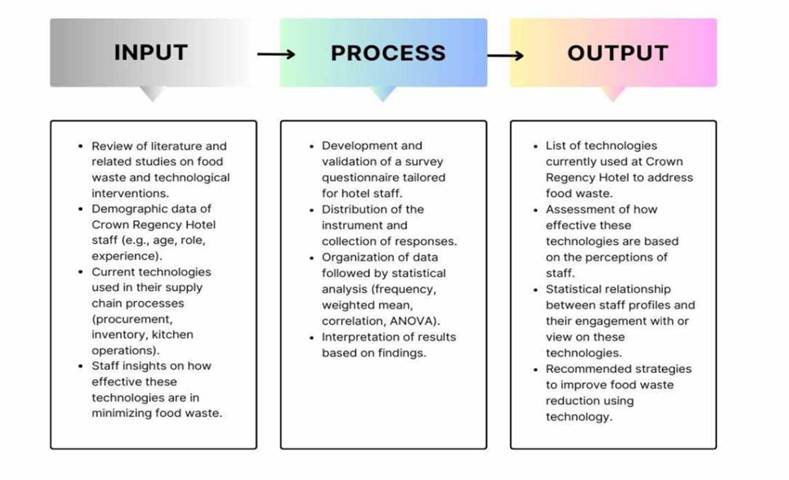


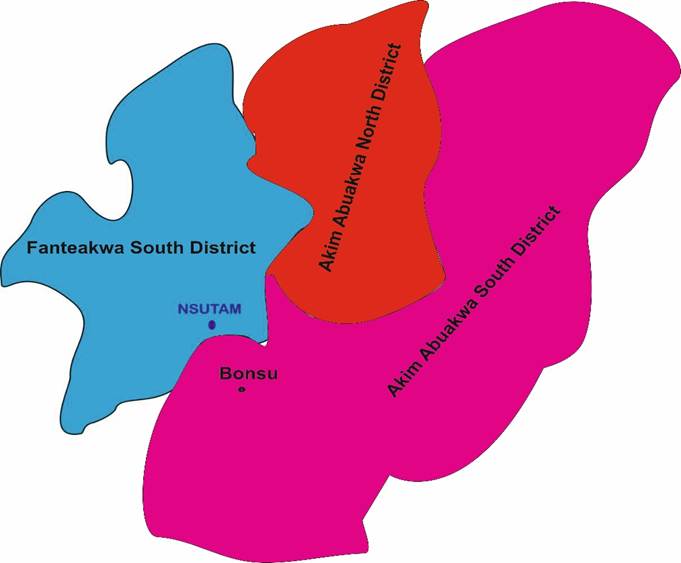
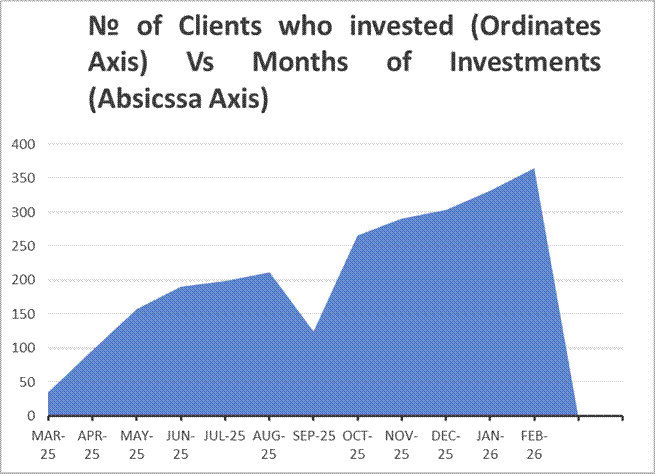
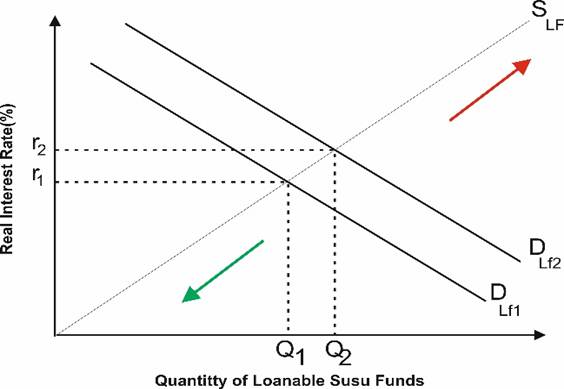


 ) achievement pretest score of mathematics students taught using peer-teaching (PT) and inquiry-based teaching (IBT) strategies in Delta Central Senatorial District
 ) achievement posttest score of mathematics students taught using peer-teaching (PT) and inquiry-based teaching (IBT) strategies in Delta Central Senatorial District
 ) mean achievement scores of male and female students taught mathematics using peer-teaching (PT) strategy in Delta Central Senatorial District.
 ) achievement scores of male and female students taught mathematics using inquiry-based teaching (IBT) strategy in Delta Central Senatorial District


 Eduindex
You must be logged in to post a comment.