

Guru Tegh Bahadur Jayanti is observed to commemorate the birth and supreme sacrifice of Guru Tegh Bahadur, the ninth Guru of the Sikh tradition. His life and teachings represent an extraordinary blend of spiritual depth, moral courage, and unwavering commitment to humanity. Known as Hind-di-Chadar, or the “Shield of India,” Guru Tegh Bahadur’s legacy stands as a timeless reminder of the protection of religious freedom, human dignity, and the right to conscience.
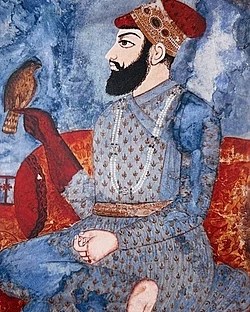
Born as Tyag Mal in 1621 in Amritsar, Guru Tegh Bahadur was the youngest son of Guru Hargobind, the sixth Sikh Guru. From an early age, he was immersed in Sikh values of selfless service, bravery, and spiritual discipline. His valor earned him the title “Tegh Bahadur,” meaning “Brave of the Sword,” after his courageous participation in the Battle of Kartarpur. Yet, alongside his martial training, he developed deep spiritual insight. His hymns—115 of which are included in the Guru Granth Sahib—reflect themes of detachment, compassion, truth, and the constant remembrance of the Divine.
After Guru Har Krishan’s passing, Tegh Bahadur was recognized as the ninth Guru in 1664. He lived an austere and humble life despite holding a revered spiritual position. During his extensive journeys across northern and eastern India, the Guru spread the message of equality, peace, and service. He established centers of faith, initiated community kitchens, dug wells for the poor, and provided support to people across caste, class, and regional boundaries. The founding of Anandpur Sahib, which later became an important center of Sikh philosophy and resistance, was among his major contributions.
The most defining moment in Guru Tegh Bahadur’s life—and the event that makes his Jayanti so significant—was his courageous defence of religious freedom. In 1675, a group of Kashmiri Pandits approached him in Anandpur seeking protection from forced conversions under Mughal emperor Aurangzeb. Guru Tegh Bahadur decided to stand as their protector, not to defend any single faith, but to uphold the universal right of every individual to practice their religion freely. For this principle, he presented himself before the Mughal court, where he was arrested, imprisoned, and tortured. When he refused to convert or perform miracles to prove his spiritual authority, he was publicly executed in Delhi’s Chandni Chowk.
Guru Tegh Bahadur’s martyrdom is unparalleled in world history: a saint-philosopher who gave his life not for his own community, but to safeguard the freedom of others. His sacrifice embodies the highest ideals of humanity—courage in the face of oppression, unwavering commitment to truth, and the defence of justice for all.
Guru Tegh Bahadur Jayanti is therefore not merely a remembrance of his birth; it is a celebration of his moral vision. The day inspires people of all communities to uphold values of harmony, tolerance, and compassion. Gurudwaras across India and the world hold kirtan, community service, and special prayers, reminding devotees of the Guru’s timeless message: that spiritual strength must always be matched by social responsibility.
In today’s world, where societies continue to grapple with intolerance, identity conflicts, and suppression of rights, Guru Tegh Bahadur’s teachings offer a powerful guide. His life shows that the greatest service to humanity lies in standing fearlessly for truth and protecting the dignity of all people, regardless of their faith or background.
Guru Tegh Bahadur Jayanti thus remains a day of profound significance—honoring a spiritual leader, a warrior for justice, and a martyr whose sacrifice continues to inspire generations. His legacy calls upon us to cultivate courage, uphold righteousness, and work toward a world grounded in freedom and compassion. It is celebrated on 24th November every year in India.

 Eduindex
You must be logged in to post a comment.