
Is it Good to Genetically Modify the Crops?

Credit: SeaChef

Introduction

Genetic modification is a special set of gene technology that alters the genetic machinery of such living organisms as animals, plants, or microorganisms. Combining genes from different organisms is known as recombinant DNA technology and the resulting organism is said to be ‘Genetically modified (GM)’, ‘Genetically engineered’, or ‘Transgenic’. The principal transgenic crops grown commercially in the field are herbicide and insecticide-resistant soybeans, corn, cotton, and canola. Like all new technologies, they also pose some risks, both known and unknown. Controversies and public concerns surrounding GM foods and crops commonly focus on human and environmental safety, labeling and consumer choice, intellectual property rights, ethics, food security, poverty reduction, and environmental conservation.

What is GM Foods?

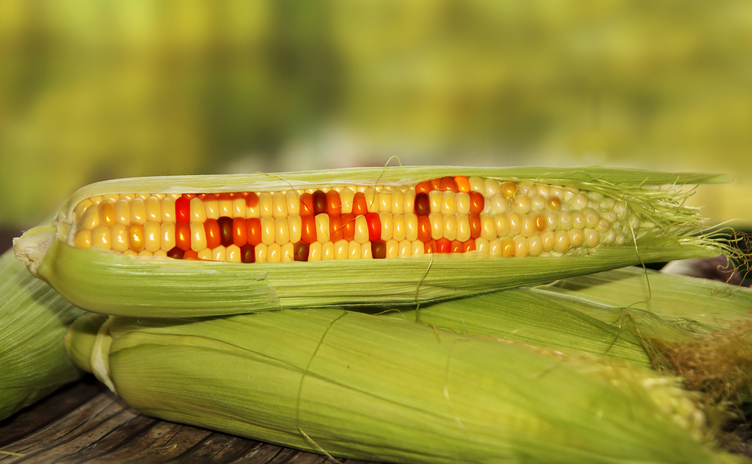
Genetically modified (GM) foods are foods derived from organisms whose genetic material (DNA) has been modified in a way that does not occur naturally, e.g. through the introduction of a gene from a different organism. The technology is often called “modern biotechnology” or “gene technology”, sometimes also “recombinant DNA technology” or “genetic engineering”. Currently, available GM foods stem mostly from plants, but in the future foods derived from GM microorganisms or GM, animals are likely to be introduced on the market. Most existing genetically modified crops have been developed to improve yield through the introduction of resistance to plant diseases or increased tolerance of herbicides. GM foods can also allow for reductions in food prices through improved yields and reliability.

How are GMOs made?

“GMO” (genetically modified organism) has become the common term consumers and popular media use to describe foods that have been created through genetic engineering. Genetic engineering is a process that involves:

  • Identifying the genetic information—or “gene”—that gives an organism (plant, animal, or microorganism) a desired trait
  • Copying that information from the organism that has the trait
  • Inserting that information into the DNA of another organism
  • Then growing the new organism.

Qualifications of GMO in Foods

Testing on GMOs in food and feed is routinely done using molecular techniques like DNA microarrays or qPCR. These tests are based on screening genetic elements like p35S, tNos, pat, or bar or event-specific markers for the official GMOs like Mon810, Bt11, or GT73. The array-based method combines multiplex PCR and array technology to screen samples for different potential GMOs combining different approaches viz. screening elements, plant-specific markers, and event-specific markers. The qPCR is used to detect specific GMO events by the usage of specific primers for screening elements or event-specific markers. Controls are necessary to avoid false positive or false-negative results. 

Consumer Attitude towards GM Foods

Consumer acceptance is conditioned by the risk that they perceive from introducing food into their consumption habits processed through technology that they hardly understand. In a study conducted in Spain, the main conclusion was that the introduction of GM food into agro-food markets should be accompanied by adequate policies to guarantee consumer safety. These actions would allow a decrease in consumer-perceived risk by taking special care of the information provided, concretely relating to health. For, the most influential factor in consumer-perceived risk from these foods is concern about health 

Conclusion

GM foods have the potential to solve many of the world’s hunger and malnutrition problems and to help protect and preserve the environment by increasing yield and reducing reliance upon synthetic pesticides and herbicides. Challenges ahead lie in many areas viz. safety testing, regulation, policies, and food labeling. Many people feel that genetic engineering is the inevitable wave of the future and that we cannot afford to ignore a technology that has such enormous potential benefits.

References

Manual Scavenging: A Dehumanizing Practice

Credit: pin interest

Introduction

The practice of manual scavenging has accursed Indian society since time immemorial. The efforts to abolish this custom have garnered momentum within the state machinery, advocacy groups and academia the last three decades, particularly since the constitution of the Safai Karamchari Andolan (SKA) in 1994. Safaimitra Suraksha Challenge, aims to completely mechanize all septic and sewage tank cleaning operations in 243 cities across India, by April 30, 2021. Officially, the number of manual scavengers dropped to 42,303 in 2018 from 770,338 in 2008. Notwithstanding the said developments, the drastic reduction in the official count in the recent past can be construed as indicative of gross underassessment rather than being reflective of their actual numbers in India.

What is Manual Scavenging?

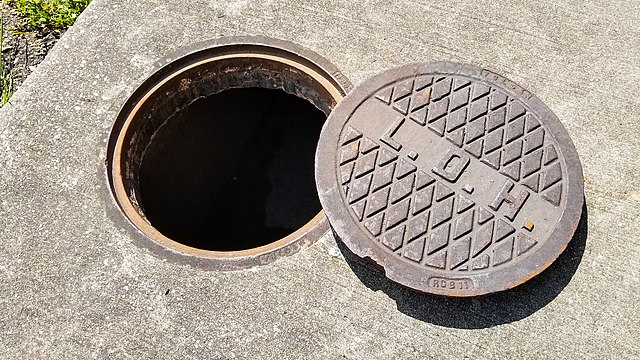
Manual scavenging is the practice of removing human excreta by hand from sewers or septic tanks. India banned the practice under the Prohibition of Employment as Manual Scavengers and their Rehabilitation Act, 2013 (PEMSR). The Act bans the use of any individual for manually cleaning, carrying, disposing of or otherwise handling in any manner, human excreta till its disposal. In 2013, the definition of manual scavengers was also broadened to include people employed to clean septic tanks, ditches, or railway tracks. The Act recognizes manual scavenging as a “dehumanizing practice,” and cites a need to “correct the historical injustice and indignity suffered by the manual scavengers.”

Why it is still prevalent in India?

The lack of enforcement of the Act and exploitation of unskilled laborers are the reasons why the practice is still prevalent in India. The Mumbai civic body charges anywhere between Rs 20,000 and Rs 30,000 to clean septic tanks. The unskilled laborers, meanwhile, are much cheaper to hire and contractors illegally employ them at a daily wage of Rs 300-500. In 1993, India banned the employment of people as manual scavengers. In 2013, landmark new legislation in the form of the Manual Scavengers Act was passed which seeks to reinforce this ban by prohibiting manual scavenging in all forms and ensures the rehabilitation of manual scavengers to be identified through a mandatory survey. Despite progress, manual scavenging persists in India. According to the India Census 2011, there are more than 2.6 million dry latrines in the country. There are 13,14,652 toilets where human excreta is flushed in open drains and 7,94,390 dry latrines where the human excreta is cleaned manually. Seventy-three percent of these are in rural areas and 27 percent are in urban areas.

Act and its Implementation

The Prohibition of Employment as Manual Scavengers and their Rehabilitation Act, 2013 aims to eliminate insanitary latrines (those not connected to pits/septic tanks/sewage lines) alongside tracking the rehabilitation of manual scavengers in other occupations and conducting periodic surveys. To eliminate this practice, the act has provisions for stringent penalties, for direct or indirect employment of any person in hazardous cleaning of sewers or septic tanks by any person, local authority, or agency. For example, even the first instance of its contravention is punishable with imprisonment up to two years or a fine up to Rs 2 lakh or both. If a worker dies while performing such work, even with safety gear and other precautions, the employer is required to pay compensation of Rs 10 lakh to the family.

Conclusion

The state and society need to take an active interest in the issue and look into all possible options to accurately assess and subsequently eradicate this practice. It also warrants an engagement of all stakeholders for the proper introduction of mechanization and ensuring that it is made available to all those who are forced to engage in this undignified practice.

References

The Crisis of Drug Addiction

Credit: DrugAbuse

Introduction

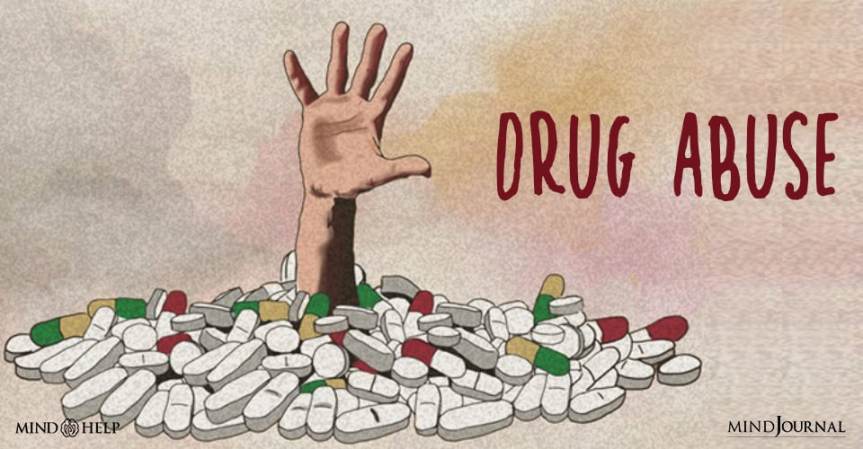
People from all walks of life can experience problems with their drug use, regardless of age, race, background, or the reason they started using drugs in the first place. Some people experiment with recreational drugs out of curiosity, to have a good time, because friends are doing it, or to ease problems such as stress, anxiety, or depression. However, it’s not just illegal drugs, such as cocaine or heroin, that can lead to abuse and addiction. Prescription medications such as painkillers, sleeping pills, and tranquilizers can cause similar problems. Addiction to opioid painkillers can be so powerful it has become the major risk factor for heroin abuse.

When Drug becomes an Addiction?

Drug abuse is when you use legal or illegal substances in ways you shouldn’t. You might take more than the regular dose of pills or use someone else’s prescription. You may abuse drugs to feel good, ease stress, or avoid reality. But usually, you’re able to change your unhealthy habits or stop using altogether. Addiction is when you can’t stop. Not when it puts your health in danger. Not when it causes financial, emotional, and other problems for you or your loved ones. That urge to get and use drugs can fill up every minute of the day, even if you want to quit. Addiction also is different from physical dependence or tolerance. In cases of physical dependence, withdrawal symptoms happen when you suddenly stop a substance. Tolerance happens when a dose of a substance becomes less effective over time. When you use opioids for pain for a long time, for example, you may develop tolerance and even physical dependence. This doesn’t mean you’re addicted.

Sign and Symptoms of Drug Addiction

Although different drugs have different physical effects, the symptoms of addiction are similar. If you recognize yourself in the following signs and symptoms, talk to someone about your drug use.

  • You’ve built up a drug tolerance: You need to use more of the drug to experience the same effects you used to attain with smaller amounts.
  • You use to avoid or relieve withdrawal symptoms: If you go too long without drugs, you experience symptoms such as nausea, restlessness, insomnia, depression, sweating, shaking, and anxiety.
  • Loss of control over your drug use: You often do drugs or use more than you planned, even though you told yourself you wouldn’t. You may want to stop using, but you feel powerless.
  • Your life revolves around drug use: You spend a lot of time using and thinking about drugs, figuring out how to get them, or recovering from the drug’s effects.
  • You’ve abandoned activities: You used to enjoy such as hobbies, sports, and socializing, because of your drug use.

Warning Signs of Drug Abuse

In recent years, prescription drug abuse has become an escalating problem, most commonly involving opioid painkillers, anti-anxiety medications, sedatives, and stimulants. Many people start taking these drugs to cope with a specific medical problem—taking painkillers following injury or surgery, for example. However, over time, increased doses are needed to achieve the same level of pain relief and some users can become physically dependent, experiencing withdrawal symptoms if they try to quit. One of the earliest warning signs of a developing problem is going through the medication at a faster-than-expected rate. In other cases, people start abusing medication not prescribed to them to experience a high, relieve tension, increase alertness, or improve concentration.

Conclusion

Addiction is a complex problem that affects every aspect of your life. Overcoming addiction requires reaching out for support and making changes to the way you live, deal with problems, and relate to others. Recovery is within your reach but doesn’t try to go it alone; it’s very easy to get discouraged and rationalize “just one more.” Whether you choose to go to rehab, rely on self-help programs, get therapy, or take a self-directed treatment approach, support is essential.

References

Euthanasia: Right to Die with Dignity

Credit: iPleaders

Introduction

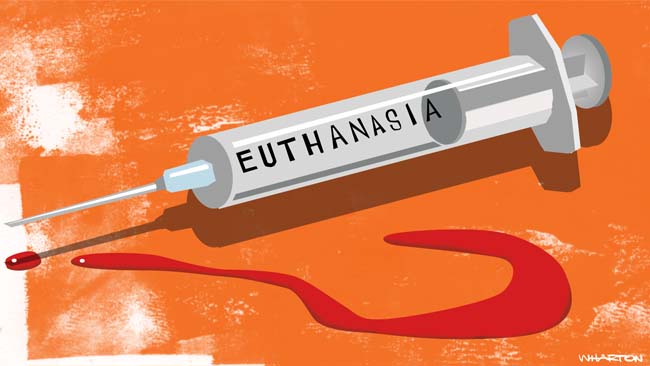
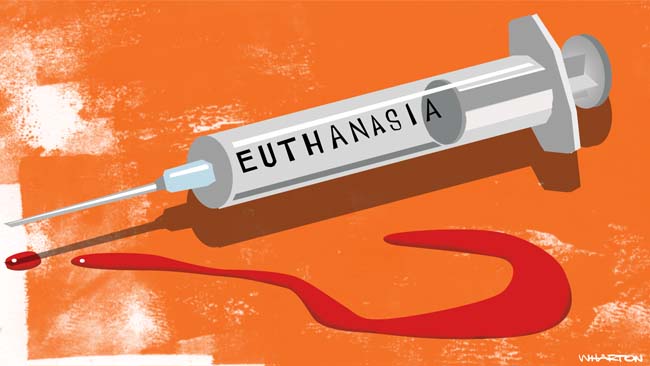
Euthanasia, also called mercy killing, acts or practice of painlessly putting to death persons suffering from a painful and incurable disease or incapacitating physical disorder or allowing them to die by withholding treatment or withdrawing artificial life-support measures. Because there is no specific provision for it in most legal systems, it is usually regarded as either suicide (if performed by the patient himself) or murder (if performed by another). Physicians may, however, lawfully decide not to prolong life in cases of extreme suffering, and they may administer drugs to relieve pain even if this shortens the patient’s life.

What is Euthanasia?

The term was derived from the Greek words ‘EU’ and ‘Thanatos’ which means ‘good or easy death’. Euthanasia can
be defined as the intentional killing by act or omission of a dependent human being for his or her alleged benefit. It is also known as ‘Mercy Killing’ which is an act where the individual who, is in an irremediable condition or has no chances of survival as he is suffering from painful life, painlessly ends his life. The Right to die is a concept that is based on the opinion that a human being is entitled to make any decisions about ending his or her life (this also includes undergoing voluntary euthanasia).

Types of Euthanasia

There are primarily two types of Euthanasia.

  • Active euthanasia refers to the physician’s deliberate act, usually, the administration of lethal drugs, to end an incurably or terminally ill patient’s life.
  • Passive euthanasia refers to withholding or withdrawing treatment that is necessary for maintaining life.


Both euthanasia and assisted suicide are considered illegal in many countries since they can amount to murder in disguise.

Classification of Euthanasia

Euthanasia can also be classed as voluntary or involuntary.

  • Voluntary: When euthanasia is conducted with consent. Voluntary euthanasia is currently legal in Belgium, Luxembourg, The Netherlands, Switzerland, and the states of Oregon and Washington in the U.S.
  • Non-voluntary: When euthanasia is conducted on a person who is unable to consent due to their current health condition. In this scenario, the decision is made by another appropriate person, on behalf of the patient, based on their quality of life and suffering.
  • Involuntary: When euthanasia is performed on a person who would be able to provide informed consent, but does not, either because they do not want to die, or because they were not asked. This is called murder, as it’s often against the patient’s will.

Conclusion

Euthanasia is indeed a contentious issue, with the heart of the debate lying at active voluntary euthanasia and physician-assisted suicide. There is an urgent need to invest in our health care system so that people suffering from
serious ill-health can access free health care. Investment in health care is under ‘Right to Health’ which is bestowed under ‘Right to Life’ of our Constitution. Thus, the complete expenses need to be borne by the State so that the ‘Right to life’ becomes a reality and succeeds before the ‘Right to die with dignity.

How International Yoga Day Ushered a Smile to Everyone Face?

Credit: Wikipedia

Introduction

I hope you all are fit and healthy during this covid situation many diseases are occurring so need to take good care of our health. To be healthy and fit we always need to do yoga and exercise in the early morning. The international community observes June 21 as International Yoga Day, recognizing the many benefits of the ancient Indian practice of yoga. The year 2021 marks the 7th annual International Yoga Day.

History of Yoga Day

The practice of yoga finds its origin in India. There is a special day to celebrate yoga is the International Yoga Day which is celebrated on 21st June 2016 every year. This day was internationally recognized by the United Nations General Assembly (UNGA) on December 11, 2014. The idea of an international yoga day was proposed by our Prime Minister, Mr. Narendra Modi on September 27, 2014. Mr. Modi proposed the date to be June 21 and mentioned that this is the longest day of the year in the northern hemisphere and has special significance in many parts of the world. And the first international yoga day was celebrated on June 21, 2015.

Theme of Yoga Day

The message of Yoga in promoting both the physical and mental well-being of humanity has never been more relevant. A growing trend of people around the world embracing Yoga to stay healthy and rejuvenated and to fight social isolation and depression has been witnessed during the pandemic. Recognizing this important role of Yoga, the previous year’s commemoration of the International Day of Yoga focuses on “Yoga for well-being” – how the practice of Yoga can promote the holistic health of every individual. 

What is Yoga?

Yoga is a process in which man tries to bring his mind, body, and soul together. Yoga is a Sanskrit word meaning to meet or be united. Yoga originates from Indian culture. People have been practicing Yoga since about 5000 years ago. Yoga does not have physical fitness primarily; in Yoga, people try to control their body and mind through mental focus and breathing methods. If men teach Yoga, then they are called yogis, and if women teach, they are called yoginis. Yoga Sutra is a 2000-year-old book. This is the only book in which written evidence of Yoga has been found. This book is the oldest book about Yoga. Yoga is divided into six branches, namely Hatha Yoga, Raja yoga, Karma yoga, Bhakti yoga, Jnana yoga, and Tantra yoga. There are also seven chakras of yoga styles namely Sahasram chakra, Ajna chakra, Vishuddha chakra, Anahata chakra, Manipura chakra, Svadhishthana chakra, Muladhara chakra.

Importance of Yoga

Practiced in India since the 5th century, Yoga has been beneficial in keeping the body and mind in sound health. A holistic approach, Yoga targets all the different systems of the body and mind. It is said that the asanas make the body strong and flexible, as health improves; the mind too is renewed with confidence. The practice of Pranayama regulates the purification of the internal system and the organs, acting as a superior and able supplement to asanas. The energy that is generated in the body through these physical practices is then channeled into meditation or Dhyan for stability, peace, and calm.

Objectives of Yoga Day

The main objective to adopt International Yoga Day is as mentioned below.

  • Promote enhanced mental and physical health advantages amongst the people
  • Aware the public of Yoga’s holistic advantages
  • Promote awareness among people about Yoga’s natural and amazing results
  • Assist people to connect with nature while practicing Yoga daily
  • Reduction in the rate of fatal diseases across nations
  • Unification of communities while devoting quality time for health from monotonous work routines.

Conclusion

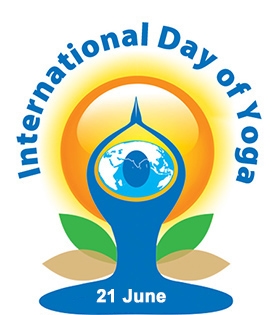
The AYUSH protocol describes the folding hands logo of Yoga Day as reflecting “the union of individual consciousness with that of universal consciousness, a perfect harmony between mind and body, man and nature, the holistic approach to health and well being. The brown leaves in the logo symbolize the earth element, the green leaves of nature, blue the fire element while the sun symbolizes the source of energy and inspiration.”

References

The Future of Solid-State Batteries

Credit: Forbes

Introduction

All-Solid-State Battery is a type of battery that uses no liquid electrolyte, instead, it uses a solid electrolyte (alternative to the lithium-ion battery). This type of battery still has not been commercially used, but will soon be used in electric vehicles. The demand for the production of solid-state batteries is due to the advantages that arise from the safety issue. Solid electrolytes are solid that exhibit ionic conductivities of about 10−3 S/cm, and it conducts ions between the cathode and anode in the lithium-ion battery.

What is Solid-State Battery?

A solid-state battery has a higher energy density than a Lithium-ion battery that uses a liquid electrolyte solution. It doesn’t have a risk of explosion or fire, so there is no need to have components for safety, thus saving more space. Then we have more space to put more active materials which increases battery capacity in the battery. A solid-state battery can increase energy density per unit area since only a small number of batteries are needed. For that reason, a solid-state battery is perfect to make an Electric Vehicle (EV) battery system of module and pack, which needs high
capacity. Despite improvements in technology over the last decade, issues such as long charging times and weak energy density persist.

What is Lithium-ion Battery?

Lithium Battery uses an intercalated (Intercalation is the reversible inclusion or insertion of a molecule into materials with layered structures) lithium compound as one electrode material, compared to the metallic lithium used in a non-rechargeable lithium battery. The battery consists of electrolyte, which allows for ionic movement, and the two electrodes are the constituent components of a lithium-ion battery cell. Lithium ions move from the negative electrode to the positive electrode during discharge and back when charging.

Advantages of Solid-State Battery

The advantages of the solid-state battery technology include higher cell energy density (by eliminating the carbon anode), lower charge time (by eliminating the need to have lithium diffuse into the carbon particles in conventional lithium-ion cells), ability to undertake more charging cycles, and thereby a longer life, and improved safety. Lower cost could be a game-changer, given that at 30% of the total cost, battery expenses are a key driver of vehicle costs.

R&D in Solid-State Battery

Most companies hope to commercialize their solid-state batteries by 2025, although small-scale production may happen earlier. However, to meet this goal, considerable R&D needs to happen to solve serious issues about material behavior, battery microstructure, charge longevity, and cracking upon thermal expansion and contraction. In another recent development, researchers from Brown University have developed a new material for use in solid-state batteries that is derived from trees. The solid ion conductor combines copper with cellulose nanofibrils—polymer tubes derived from wood. The paper-thin material has an ion conductivity that is up to 100 times better than other polymer ion conductors, making it a possible candidate for a solid battery electrolyte or as an ion-conducting binder for the cathode of an all-solid-state battery.
 

Conclusion

Today’s state-of-the-art batteries—those based on lithium-ion technology—have been honed to near perfection since they were introduced more than 25 years ago, but they are still heavy and occasionally explode and catch fire, as they did in Samsung’s Galaxy Note 7 phones so spectacularly last year. By getting flammable liquid electrolytes out of lithium-ion batteries and replacing them with solid electrolytes, solid-state battery makers hope to usher in an era of safer, more compact, higher-capacity energy storage devices.

References

The Power of Organ Transplantation to Save Life’s

Credit: Health Matters

Introduction

Organ transplantation (OT) is one of the most successful advances in modern medicine. For patients with end-stage disease, transplantation most often provides their only chance for survival. Even before the first transplant was performed, it was clear that OT could only be successful with a multidisciplinary approach. The history of OT has involved a series of breakthroughs in medicine that has influenced all aspects of health care. As you will see, for nearly a century, the contributions of specialists in anesthesiology and critical were largely underrepresented in the world’s literature.

What is Organ Donation?

Organ donation and transplantation is removing an organ from one person (the donor) and surgically placing it in another (the recipient) whose organ has failed. Organ transplantation is a medical procedure in which an organ is removed from one body and placed in the body of a recipient, to replace a damaged or missing organ. The donor and recipient may be at the same location, or organs may be transported from a donor site to another location. Organs must be removed as soon as possible after the determination of brain death, while circulation is being maintained artificially. Tissues may be removed within 12 to 24 hours.

Benefits

The benefits of an organ transplant depend on the organ a person receives. Some benefits may include


o Avoiding medical procedures such as dialysis
o Living a longer life
o Living a healthier or less painful life
o Gaining an improved quality of life, such as when a cornea
transplant restores a person’s sight
o Correcting congenital disabilities that endanger a
person’s life
o Spending less time in the hospital, needing fewer
surgeries, or taking fewer medications.

Challenges

The shortage of organs is a major problem worldwide. There are many more patients awaiting transplantation than there are organ donors. Low socioeconomic status is a big hurdle for organ transplantation. Superstitions such as being born with a missing organ (that has been donated); and that tampering with the body will not free their dead relatives from the cycle of life–death–rebirth are some of the prevalent superstitions. The lack of an adequate number of transplant centers with staff as well as transplant coordinators who are adequately educated and well versed with the procedures required to conduct an organ donation program is acting as a significant roadblock to the deceased organ donation program. Sometimes, organs are transported from the donor hospital to the transplant center where the recipient is located. There have been many instances where valuable organs have been wasted due to delays in the transportation process.

Organs that can be Transplanted

Organs and tissues that can be transplanted include:

  • Liver.
  • Kidney.
  • Pancreas.
  • Heart.
  • Lung.
  • Intestine.
  • Corneas.
  • Middle ear.
  • Skin.
  • Bone.
  • Bone marrow.
  • Heart valves.
  • Connective tissue.

Conclusion

Solid-organ transplantations save lives in patients affected by terminal organ failures and improve quality of life. Solid-organ transplant programs provide excellent results in children and young adults and are increasingly challenged by the expanding proportion of elderly transplant patients. Solid-organ transplant program activity has been growing in the last two decades and is essential for developed and mature health care systems.

References

An Analysis of International Women’s Day

Credit: iStock Photo

Introduction

International Women’s Day is a global day celebrating women’s social, economic, cultural, and political achievements. The day also marks a call to action for accelerating gender parity. Significant activity is witnessed worldwide as groups come together to celebrate women’s achievements or rally for women’s equality. Marked annually on March 8th, International Women’s Day (IWD) is one of the most important days of the year to celebrate women’s achievements, raise awareness about women’s equality, lobby for accelerated gender parity, and fundraise for female-focused charities.

Theme for 2022

The campaign theme for International Women’s Day 2022 is “Gender Equality Today for a sustainable tomorrow”. Whether deliberate or unconscious, the bias makes it difficult for women to move ahead. Knowing that bias exists isn’t enough. Action is needed to level the playing field.

History of Celebrating this day

The roots of International Women’s Day lie in the mobilization of women in the early decades of the 20th century for better pay and voting rights. In India, the republic’s founders placed trust in universal adult franchise, the Constitution made the promise of equality to all citizens, irrespective of gender or caste. But the journey of Indian women since Independence has been a struggle to grasp that equality, against the formidable weight of culture, patriarchy and economic deprivation ranged against them. To mark March 8 is to reckon with the present in the light of this history. In the here and now, there are reasons for both despair and hope.

Aim for Celebration

The purpose of the International Women’s Day website is to support the supporters, and in doing so it provides a platform to help forge positive change for women. 

Three central beliefs underpin and guide the purpose and provisions of the International Women’s Day include

  • identifying, celebrating, and increasing the visibility of women’s achievements can help forge equality.
  • strategic collaborations based on a foundation of shared purpose, trust, and appreciation can impact positive change for women.
  • worldwide awareness-raising via meaningful narratives, resources and activity can help combat gender bias and discrimination to accelerate gender parity.

Conclusion

All days must belong to women — not just one day in a calendar year. There is little in that aspiration to quarrel with. But it is not an argument against marking and celebrating International Women’s Day. True, like all remembrances, it is prone to be turned into an empty token or made palatable, pink, and powerless. But the day exists as a reminder that gender equality is a work in slow progress. And to recall that the vast majority of women in India, whose labor and skills keep institutions running, from the home.

References

What is Gaganyaan Mission Really?

Credit: Federal News

Introduction

Humans have always looked at the heavens and wondered about the nature of the objects seen in the night sky. With the development of rockets and the advances in electronics and other technologies in the 20th century, it became possible to send machines and animals and then people above Earth’s atmosphere into outer space. Space exploration, investigation, by means of crewed and uncrewed spacecraft, of the reaches of the universe beyond Earth’s atmosphere and the use of the information so gained to increase knowledge of the cosmos and benefit humanity.

What is this Mission?

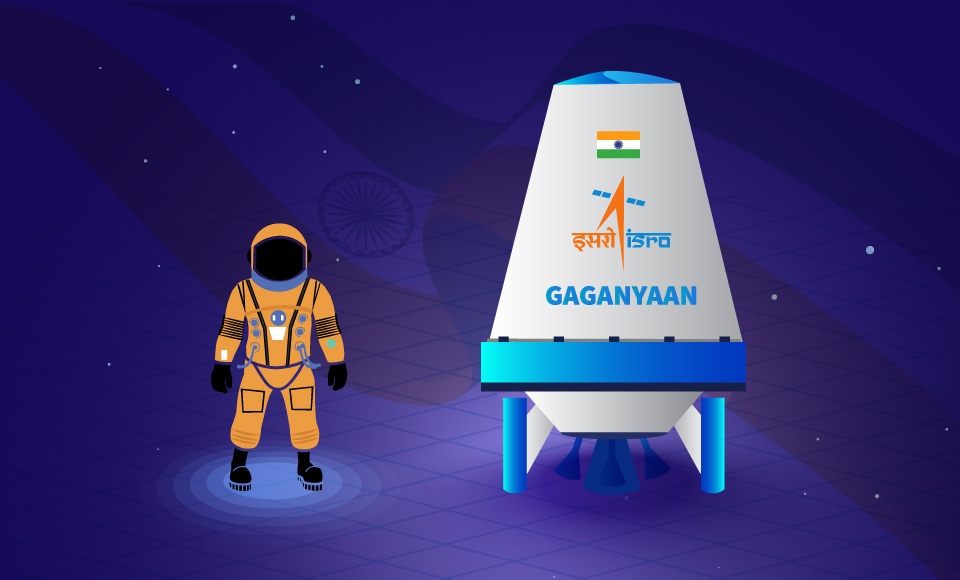
The word ‘Gaganyaan’ is derived from Sanskrit, meaning ‘sky-vehicle’. The Gaganyaan Programme envisages undertaking the demonstration of indigenous capability to undertake human spaceflight to Low Earth Orbit (LEO). As part of this program, two unmanned missions and one manned mission will be carried out. ISRO is planning to launch the first uncrewed mission under Gaganyaan in 2022, following which is the second unmanned mission. “Vyommitra” will carry a robot and this will then be followed by the manned mission. The uncrewed missions are for technology demonstration, and safety and reliability verification and will aim to study the performance of systems before the crewed flight. The robot will mimic the space crew activities set for the human flight mission to assess all the possible challenges before the final mission.

New Technologies required for this Mission

The major new technologies required for Gaganyaan programme are as follows:

  1. Human rated launch vehicle
  2. Crew escape systems
  3. Habitable orbital module
  4. Life support system
  5. Crew selection and training and associated crew management activities.

Execution of this Program

The Gaganyaan Programme is going to be a major National effort. The overall programme co-ordination, systems engineering and implementation will be carried out by ISRO. Further, the human rated launch vehicle, crew escape system, Orbital module and essential infrastructure will be realized by ISRO utilizing the in-house expertise and with participation of Industry, Academia and National agencies. The private players in the country have developed significant expertise in niche areas, and this will be effectively utilized in the programme.

Agencies Collaborating with ISRO for this Mission

Major collaborating partners for Gaganyaan include

  1. Indian Armed Forces
  2. Defence Research Development Organization
  3. Indian maritime agencies – Indian Navy, Indian Coast Guard, Shipping Corporation of India, National Institute of Oceanography, National Institute of Ocean Technology
  4. Indian Meteorological Department
  5. CSIR Labs
  6. Academic Institutes
  7. Industry Partners.

Benefits of this Mission

The Human spaceflight programme has both tangible and intangible benefits for the nation, which includes:

  1. Progress towards a sustained and affordable human and robotic program to explore the solar system and beyond.
  2. Advanced technology capability for undertaking human space exploration, sample return missions, and scientific exploration.
  3. Future capability to actively collaborate in global space station development & to carry out scientific experiments of interest to the nation.
  4. Create a broad framework for wider Academia-Industry partnership in taking up development activities for national development.

Conclusion

The Gaganyaan mission could propel India to the center of human space exploration. The manned missions will push
India is further in exploration beyond Earth’s orbit as countries are eager to control the next space race, which has the
potential to trigger major changes in the global order.

References

Understanding The Background of World Homeopathy Day

Credit: Ayush Next

Introduction

World Homeopathy Day is celebrated each year on April 10 to pay tribute to homeopathy and its contribution to the world of medicine.  The day is celebrated in the form of celebrating Dr. Christian Friedrich Samuel Hahnemann’s birth anniversary, a German physician and founding father of this branch of medicine. On this day, Dr. Christian Friedrich Samuel Hahnemann was born in Paris in the year 1755. This year is the 266th anniversary of his birthday. In the year of 2021 the theme of the day in India is, “Homeopathy- Roadmap for Integrative Medicine”

Aim of Celebration

The primary aim of World Homeopathy Day is to raise public knowledge about this alternative medical system to make it much more available to a wider range of individuals. The global homeopathic fraternity strives to unite to develop, improve and modernize the medical system to serve a greater number of people. Apart from honoring the man who founded this crucial branch of medicine, the day also gives people an opportunity to understand the glorious history of the branch of medicine and the countless miracles homeopathy has been able to pull off in the last few centuries.

What is Homeopathy?

Homeopathy or homeopathy is a pseudoscientific system of alternative medicine. Its practitioners, called homeopaths, believe that a substance that causes symptoms of a disease in healthy people can cure similar symptoms in sick people; this doctrine is called similia similibus curentur, or “like cures like”. Homeopathy is a medical system based on the belief that the body can cure itself. Those who practice it use tiny amounts of natural substances, like plants and minerals. They believe these stimulate the healing process. It was developed in the late 1700s in Germany. It’s common in many European countries, but it’s not quite as popular in the United States.

How Does it work?

Homeopathic doctors (who also are called “homeopaths”) weaken these ingredients by adding water or alcohol. Then they shake the mixture as part of a process called “potentization.” They believe this step transfers the healing essence. Homeopaths also believe that the lower the dose, the more powerful the medicine. In fact, many of these remedies no longer contain any molecules of the original substance. They come in a variety of forms, like sugar pellets, liquid drops, creams, gels, and tablets. During your appointment, a homeopath will ask several questions about your mental, emotional, and physical health. They’ll prescribe the remedy that best matches all of your symptoms. Then they’ll tailor the treatment for you.

Benefits of Homeopathy

Homeopathy is a holistic science, which renders cure and healing, rather than mere alleviation of disease, and takes into consideration the minutest details of the ailing person. The benefits which it includes are

  • Homeopathy is Safe
  • Homeopathy is Effective and Fast Acting
  • Homeopathy is a Scientific and Natural Medicine
  • Homeopathy Helps Build Resistance
  • Homeopathy for All Life’s Stages.

Conclusion

Celebrating this day will make more and more people aware of the benefits of homeopathic medicine which is universally known for curing the disease by dismantling its origin completely and leaving no chance for its revival in the human body. The day also allows the governments and policymakers to sit back and think about steps that can broadly promote the branch of medicine and help build its infrastructure.

References

Rice Fortification – A Competent way to combat Anemia

Image taken from NITI Aayog

Introduction

India has made impressive progress in reducing stunting and anemia among children over the last decade. However, anemia still impacts more than one in two children and women. The WHO has declared anemia among women and children as a “severe” public health problem, demanding immediate attention. Rice fortification is an effective, preventive and cost-efficient complementary strategy to address the nutrition problem within a short period. However, ensuring access to and affordability of healthy and diverse diets would be the key to a sustainable long-term strategy.

Current Situation

Recent statistics indicate rise in anemia levels amongst among women and children in 16 and 18 of 22 States/UTs respectively (NFHS-5). Iron deficiency-anemia is the biggest cause of disability for the past 10 years and contributed 20 per cent direct and 50 per cent associated maternal deaths in India. Its economic burden is equivalent to about 4 per cent of GDP. Apart from iron, deficiency in micronutrient like vitamin B12, vitamin A, folate and zinc also contribute to rising anemia levels. Evidence suggests vitamin B12 deficiency impacts one in six pre-school children and one in three adolescents; folate deficiency in one in three school-aged children and one in four adolescents.

What is Food Fortification?

Fortification is the practice of deliberately increasing the content of one or more micronutrients (i.e., vitamins and minerals) in a food or condiment to improve the nutritional quality of the food supply and provide a public health benefit with minimal risk to health. Fortification is the addition of key vitamins and minerals such as iron, iodine, zinc, Vitamin A & D to staple foods such as rice, milk and salt to improve their nutritional content. These nutrients may or may not have been originally present in the food before processing.

Fortification of Rice

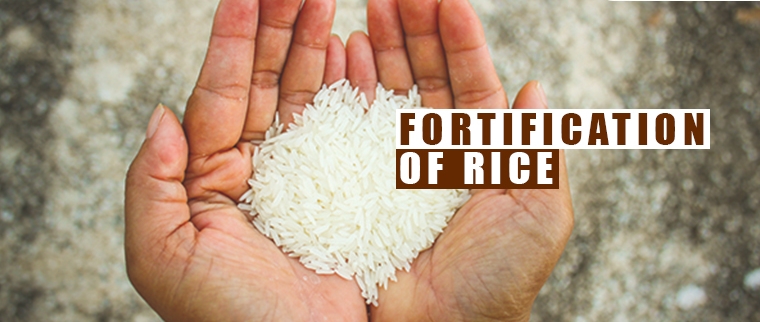
According to the Food Ministry, fortification of rice is a cost-effective and complementary strategy to increase vitamin and mineral content in diets. According to FSSAI norms, 1 kg fortified rice will contain iron (28 mg-42.5 mg), folic acid (75-125 microgram) and Vitamin B-12 (0.75-1.25 microgram). In addition, rice may also be fortified with micronutrients, singly or in combination, with zinc, Vitamin A, Vitamin B1, Vitamin B2, Vitamin B3 and Vitamin B6. Fortifying rice involves grinding broken rice into powder, mixing it with nutrients, and then shaping it into rice-like kernels using an extrusion process. These fortified kernels are then mixed with normal rice in a 1:100 ratio and distributed for consumption.

Need for Fortification

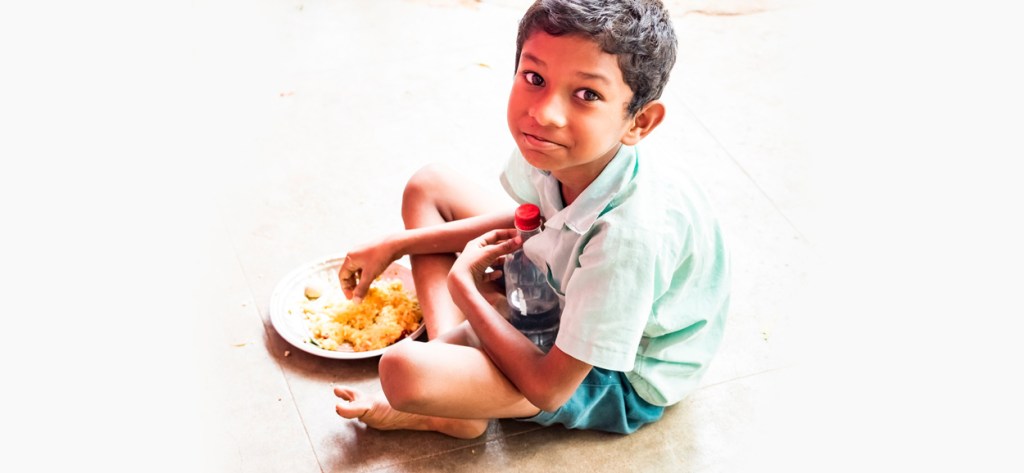
India has very high levels of malnutrition among women and children. According to the Food Ministry, every second woman in the country is anemic and every third child is stunted. India has slipped to 101st position in the Global Hunger Index (GHI) of 116 countries, from its 2020 position of 94th. The deficiency of micronutrients or micronutrient malnutrition, also known as “hidden hunger”, is a serious health risk. Rice is one of India’s staple foods, consumed by about two-thirds of the population. Per capita rice consumption in India is 6.8 kg per month. Therefore, fortifying rice with micronutrients is an option to supplement the diet of the poor.

Conclusion

Rice fortification is the most viable and welcome, preventive and complementary intervention to solve the problem of anemia in a short period of time. Historically, India has tested this idea of fortification by mandating iodized salt in 1962. Interestingly, CNNS Report 2016-18, subtly hinted the success of universal fortification of salt by revealing iodine to be the only exception to micronutrient deficiencies in the tested sample.

References

A Metamaterial that make use of Origami

Image by Drishti IAS

Introduction

A car that dashes against an obstacle suffer damage, first to its fenders. To be useful, materials need to maintain a constant Poisson ratio under pressure when they crumble under pressure. However, they are prone not to do so, and the Poisson ratio varies as they deform. There is a keen interest to develop materials that can be sandwiched in the fender system which will absorb the shock and prevent the interiors from being damaged. Origami metamaterials that crumple rather than tear, and take the impact, can play an important role in such situations.

What is Metamaterials?

Metamaterials are nano-engineered media with designed properties beyond those available in nature with applications in all aspects of materials science. A metamaterial is any material engineered to have a property that is not found in naturally occurring materials. They are made from assemblies of multiple elements fashioned from composite materials such as metals and plastics. Some examples of available metamaterials are negative-index metamaterials, chiral metamaterials, plasmonic metamaterials, photonic metamaterials, etc.

What is Origami Metamaterials?

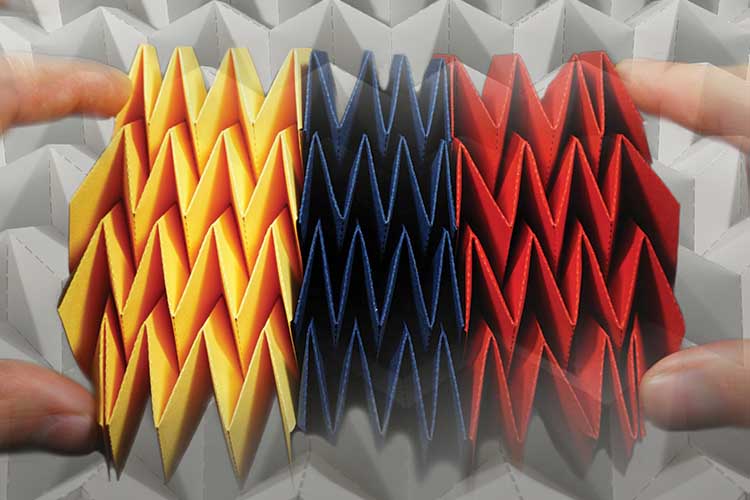
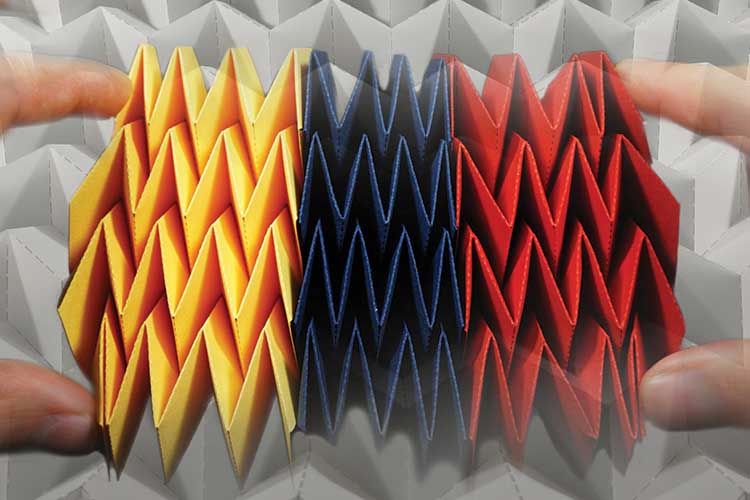
Origami Metamaterials combine the Japanese art of paper folding (origami) and the existing material of choice and fold it to obtain desired properties. Researchers of IIT Madras have developed a special class of origami metamaterials that show a constant value of Poisson Ratio when subjected to stress. These are manufactured by joining panels along their edges to form ‘creases’ about which the structure locally ‘folds’ or rotates about. The benefit is that the observed property does not depend on whether it is made from a sheet of paper, polymer, or metal.  The material the researchers have developed has a nearly constant Poisson function in the range –of 0.5 to 1.2 over a finite stretch of up to 3.0 with a minimum of 1.1.

Properties of Metamaterials

They are smart materials that have a wide range of properties and can be so different from each other that there isn’t a definition for them. Some of the properties it possess are

  • Unusual Electromagnetic Properties
  • Negative Refractive Index
  • Acoustic Control
  • Invisibility
  • Negative Electrical Permittivity
  • Magnetic Permeability
  • Artificial Origin.

Application of Metamaterials

Metamaterials hold attention due to various applications it can provide. Some of its application includes

  • Optical Filtering
  • Medical Devices
  • Remote Aerospace Operations
  • Sensor Detectors
  • Solar Power Management
  • Antenna Lenses

Conclusion

Origami metamaterials can provide a platform for the design of systems with a wide range of thermal expansion coefficients. Experiments and simulations are combined to demonstrate that by tuning the geometrical parameters of the origami structure and the arrangement of plates and creases, an extremely broad range of thermal expansion coefficients can be obtained that will provide a wide variety of applications.

References

An Ultimate Guide to Health Day

Image taken from VectorStock

Introduction

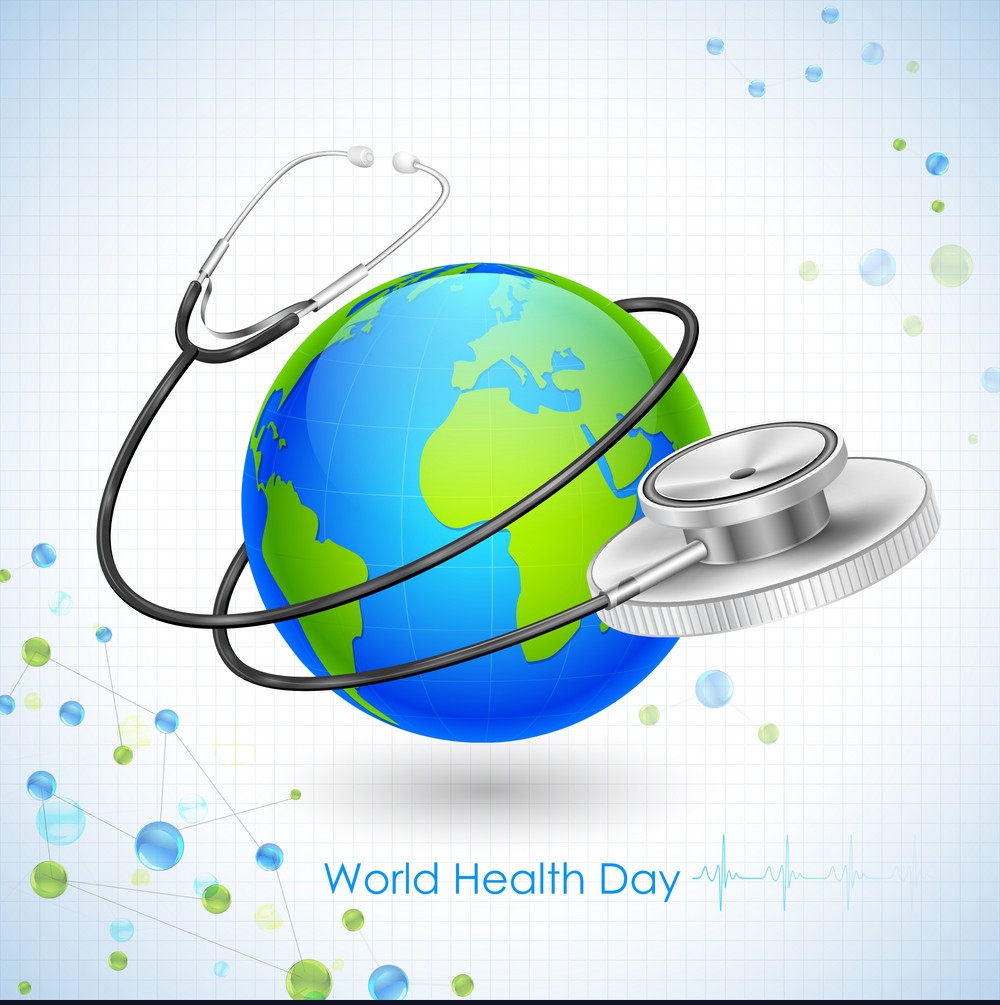
The World Health Organization (WHO) was established on 7 April 1948. Realizing the significance of health for victorious life all over the world, World Health Day is celebrated every year on 7 April to commemorate the anniversary of the founding of the World Health Organization (WHO). The Canadian Ice Hockey Player Maxime Lagace once rightly said, “A life without good health is like a river without water”. While we appreciate such words of wisdom, we rarely understand the true meaning of such words since we rarely try to follow them in our lives. Human health is being adversely affected due to a hectic lifestyle, work and stress. World Health Day is celebrated every year to create awareness of the importance of health.

Aim behind Celebration

The main aim behind the celebration is to improve the level of health of people around the whole world. The idea is that every human being must get superior and essential health facilities at an economical rate. Millions of people around the world are prey to many terrible diseases. Hence, discussions and awareness on the topics like prevention of diseases and proper arrangement of the medical facilities etc. are also included as the main objective of Health Day. Awareness campaigns are organized at the district and block levels on this day to prevent vector-borne diseases.

Theme

Each year for this date, a theme is chosen that accentuates an area of priority concern for WHO. In the face of the current pandemic, a polluted planet, and an increasing incidence of diseases, the theme for World Health Day 2022 is Our Planet, Our Health. This call from PAHO, the WHO, and partners, presents a unique opportunity for a green and healthy recovery from the COVID-19 pandemic, that puts the health of individuals and the planet at the center of the action and fosters a movement to create societies focused on well-being.

Why this Theme?

 An estimated one million premature deaths per year are attributable to known avoidable environmental risks. Air pollution, contaminated water, inadequate sanitation including solid waste management, risks related to certain hazardous chemicals, and negative impacts of climate change are the most pressing environmental public health threats in the Region. These threats to public health are compounded by weak governance practices and potential inequities in health as well as by limited leadership, expertise, and resources in the health sector. This theme of Our Planet, Our Health should be a herculean reminder to us that the resolution of many of these issues is beyond the exclusive purview of the health sector and, as a consequence, an effective response will demand the whole- of- government and whole- of- society approaches.  

Conclusion

Today everyone’s jobs are such that they need to sit in front of a laptop for hours. Even after returning home, they are stuck to television screens or mobile phones. Children are seen watching TV or phones for a long time. This is the root cause of various diseases. People these days are so engrossed in their work that they have taken their health as secondary and rarely give attention until become sick. Everyone should give equal concern to their health and environment. Every human being should maintain a proper balance between physical and mental health. Children should take part in outdoor sports like cricket, football, and badminton instead of sitting at home for physical health. They should also be involved in planting trees, keeping our surroundings clean, and properly disposing of the materials to avoid environmental risks to our health. As, until our Earth is not healthy we can’t be healthy. World Health Day is celebrated to highlight the importance and create awareness of making our health a priority.

Reference