ACID RAIN- THE STEADY DESTROYER

In 1963, Scientists studying Hubbard Brook Experimental Forest in New Hampshire made a shocking discovery. Their most recent rainfall samples were nearly 100 times more acidic than the usual rainfall samples. At these levels, additional downpours of acid rain would destroy the region’s marine and arboreal ecosystems in a matter of decades. Urgently haring their findings with the fellow researchers, they were determined to answer two questions: What was causing this deadly rainfall? and what could be done to stop it?
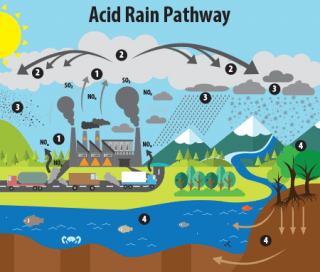
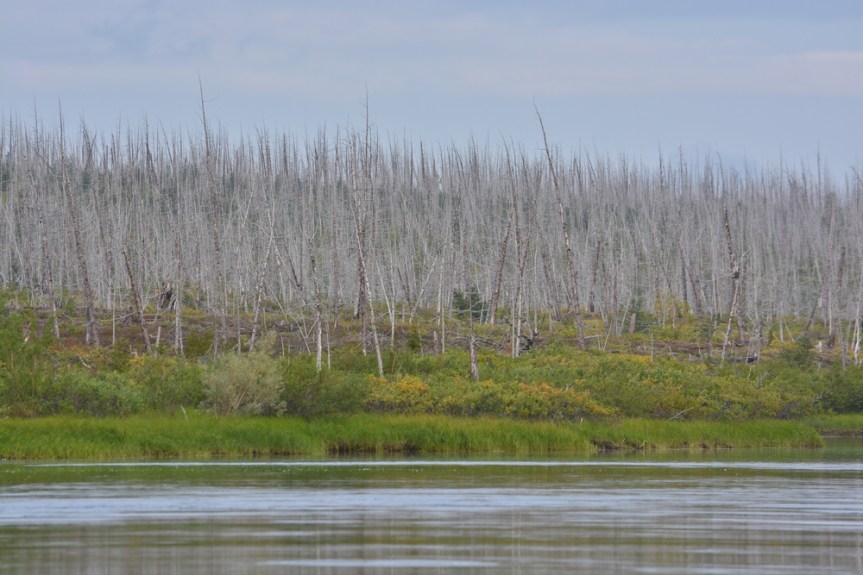
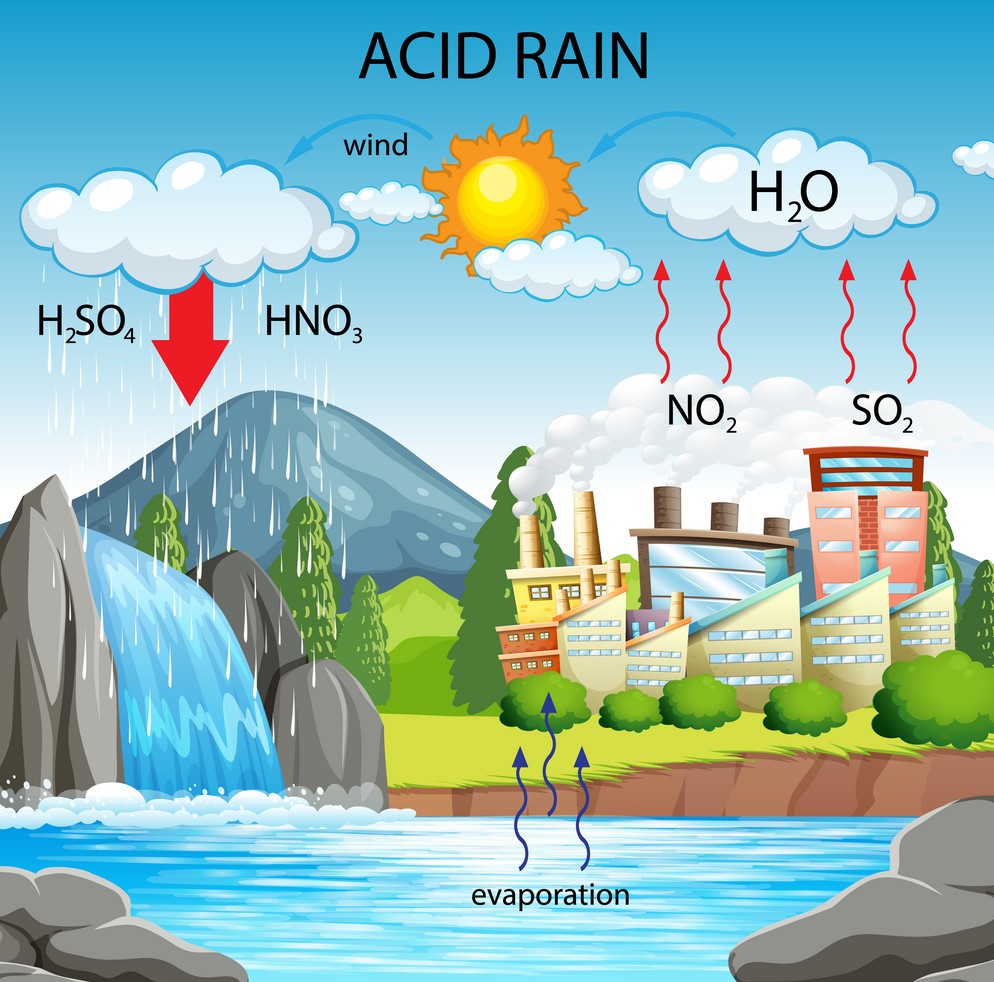
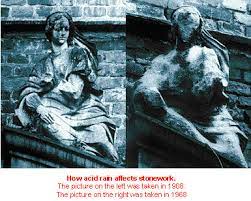
Rain is never just composed of water. Chemicals and particulates in the atmosphere can be found in every drop, and some compounds like carbon dioxide make even regular rainfall slightly acidic. But this pales in comparison to the powerful acids produced when water interacts with oxides of nitrogen or sulfur dioxide. On the pH scale which measures acidity, each whole number is ten times more acidic than the one above it. And where normal rain has a pH of roughly 5.4, rain that’s interacted with these gases(carbon dioxide, sulfur dioxide or oxides of nitrogen) can rank as low as 3.7. Oxides of nitrogen and sulfur dioxide can appear naturally as a short-lived byproduct of volcanic eruptions or lightening strikes. But power plants, refineries and vehicles that use fossil fuels consistently pump large quantities of these harmful gases into the air. These dangerous gases travel with the wind spreading hundreds of kilometers from the pollution’s source. Acting like roaming clouds of destruction, their presence dramatically increases the acidity of local precipitation, creating acid rain, acid snow and acid fog. These all acidify lakes and streams, kill crops and forests, and damage soil to inhibit future growth on it. Overtime, acid rain can even corrode human structures made up of stone or metal.
By the 1970s, Scientists in North America and Europe classified acid rain as a major environmental threat. But despite clear evidence tying the problem to air pollution, companies denied responsibility and cast doubt on the research. In the United States, corporations lobbied against regulating pollution, and convinced politicians that such policies would raise energy costs and threaten jobs. These obstacles led the government to delay changes, and mandate further research into the issue. But after a decade of mounting concern, Congress finally took action. Since the bulk of sulfur dioxide emissions came from power plants, the government set a limit on the total amount of it the electric power sector could emit each year. Then, they divided the permitted emissions into a fixed number of “allowances” distributed to each power plant. A plant could then choose to emit as much sulfur dioxide as they were allowed, or reduce their emissions and sell their unused allowances to the other power plants. This system is known as “Cap and Trade”, offered power plants the economic flexibility to keep costs low while strictly limiting pollution.
Many critics called these allowances licenses to pollute or said the government was selling clean air. But since the Cap was set to lower five years into the program, it forced every utility company to reduce emissions in the long term. Some plants added desulfurizing scrubbers to their smokestacks, or switched to low-sulfur coal and natural gas. Oxides of nitrogen emissions were also reduced with relatively low-cost technologies. These advances allowed the power sector to grow while the cap kept pollution under control.
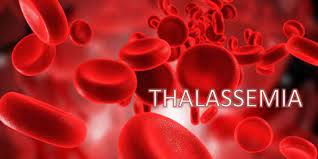
WHAT IS THALASSEMIA?

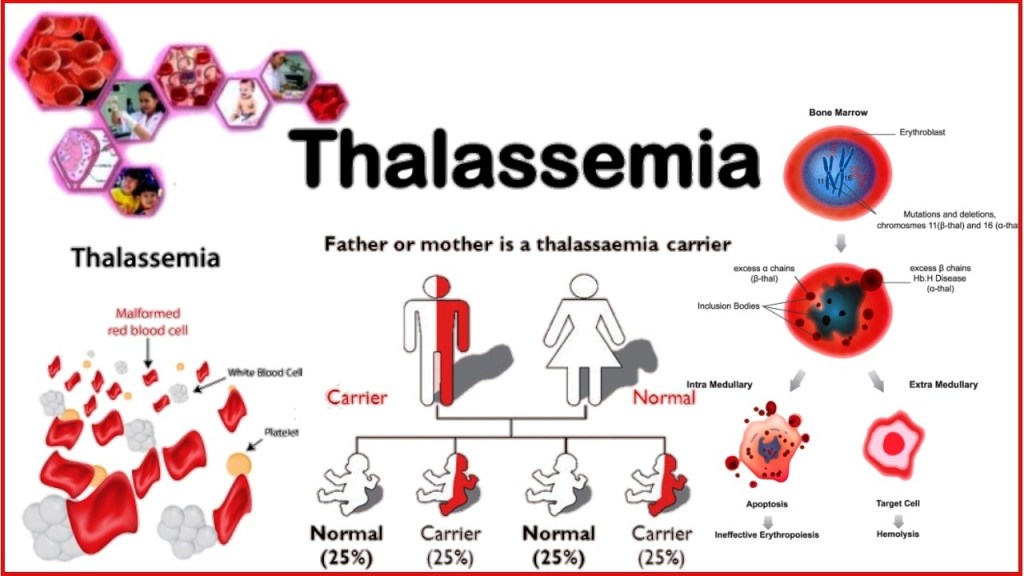
Thalassemia is an inherited blood disorder characterized by decreased hemoglobin production. Symptoms depend on the type and can vary from none to severe. Often there is mild to severe anemia(low red blood cells or hemoglobin). Anemia can result in feeling tired and having a pale skin. There may also be bone problems, an enlarged spleen, yellowish skin and dark urine. Slow growth may occur in children. Thalassemia is a genetic disorder inherited from a person’s parents. As of 2015, thalassemia occurs in about 280 million people, with about 439,000 having severe disease. It is most common among the people of Italian, Greek, Turkish, Middle Eastern, South Asian and African descent. Males and Females have similar rates of disease. It resulted in 16,800 deaths in 2015, down from 36,000 deaths in 1990. Those who have minor degrees of thalassemia similar to those with sickle-cell trait, have some protection against malaria, explaining why they are more common in regions of the world where malaria exists.

CAUSES:-

Thalassemia is caused by mutations in the DNA of the cells that make up the hemoglobin- the substance in red blood cells that carries oxygen throughout the body. The mutations associated with thalassemia are passed from parents to the offsprings. Hemoglobin molecules are made up of chains called alpha and beta chains that can be affected by mutations. In thalassemia, the production of either the alpha or beta chains are reduced, resulting in either alpha-thalassemia or beta-thalassemia.

In alpha-thalassemia, the severity of thalassemia depends on the number of gene mutation inherited from the parents. The more mutated genes, the more severe is the thalassemia. In beta-thalassemia, the severity of thalassemia depends on which part of the hemoglobin molecule is affected.

ALPHA-THALASSEMIA:-

Four genes are involved in making the alpha hemoglobin chain. We get one from each parent. If inherited:-

  • one mutated gene- no signs or symptoms of thalassemia but the person is a carrier of the disease and can pass it on to the children.
  • two mutated genes- signs and symptoms of thalassemia are mild. This condition might be called alpha thalassemia trait.
  • three mutated genes- signs and symptoms will be moderate to severe.

Inheriting four mutated genes is rare and usually results in stillbirths. Babies born with this condition often die shortly after birth or require lifelong transfusion therapy. In rare cases, a child born with this condition can be treated with transfusion and a stem cell transplant.

BETA-THALASSEMIA:-

Two genes are involved in making the beta hemoglobin chain. We get one from each parent. If inherited:-

  • one mutated gene- mild signs and symptoms. This condition is called thalassemia minor or beta-thalassemia.
  • two mutated genes- signs and symptoms will be moderate to severe. This condition is called thalassemia major or Cooley Anemia.

Babies born with two defective beta hemoglobin genes usually are healthy at birth but develop signs and symptoms within the first two years of life. A milder form, called thalassemia intermedia, also can result from two mutated genes.

RISK FACTORS:-

  • Family history of thalassemia- thalassemia is passed from parents to children through mutated hemoglobin genes.
  • certain ancestry.

WORLD MALARIA DAY

World Malaria Day(WMD) is an international observance commemorated every year on 25 April and recognizes global efforts to control malaria. Globally, 3.3 billion people in 106 countries are at a risk of malaria. In 2012, malaria caused an estimated 627,000 deaths, mostly among African children, Asia, Latin America, and to lesser extent the Middle East and parts of Europe are also affected. World Malaria Day sprang out of the efforts taking place across the African continent to commemorate Africa Malaria Day. World Malaria Day is one of the 11 official global public health campaigns currently marked by the World Health Organization(WHO).

According to the most recent World Malaria Report, the global tally of malaria reached 429,000 malaria deaths and 212 million new cases in 2015. The rate of new malaria cases fell by 21 percent globally between 2010 and 2015, and malaria death rates fell by 29 percent in the same period. World Malaria Day was established in May,2007 by the 60th session of the World Health Assembly, WHO’s decision-making body. The day was established to provide “education and understanding malaria”, and spread information on “year-long intensified implementation of national malaria-control strategies, including community-based activities for malaria prevention and treatment in endemic areas”. Prior to the establishment of World Malaria Day, Africa Malaria Day was held on April 25. Africa Malaria Day began in 2001, one year after the historic Abuja Declaration was signed by 44 malaria-endemic countries.

WHAT IS MALARIA?

Malaria is a disease caused by a parasite. The parasite is spread to humans through the bites of infected mosquitoes. People who have malaria usually feel very sick with a high fever and shaking chills. While the disease is uncommon in temperate climates, malaria is still common in tropical and subtropical countries. To reduce malaria infections, World Health programs distribute preventive drugs and insecticide-treated bed nets to protect people from mosquito bites.

CAUSES:-

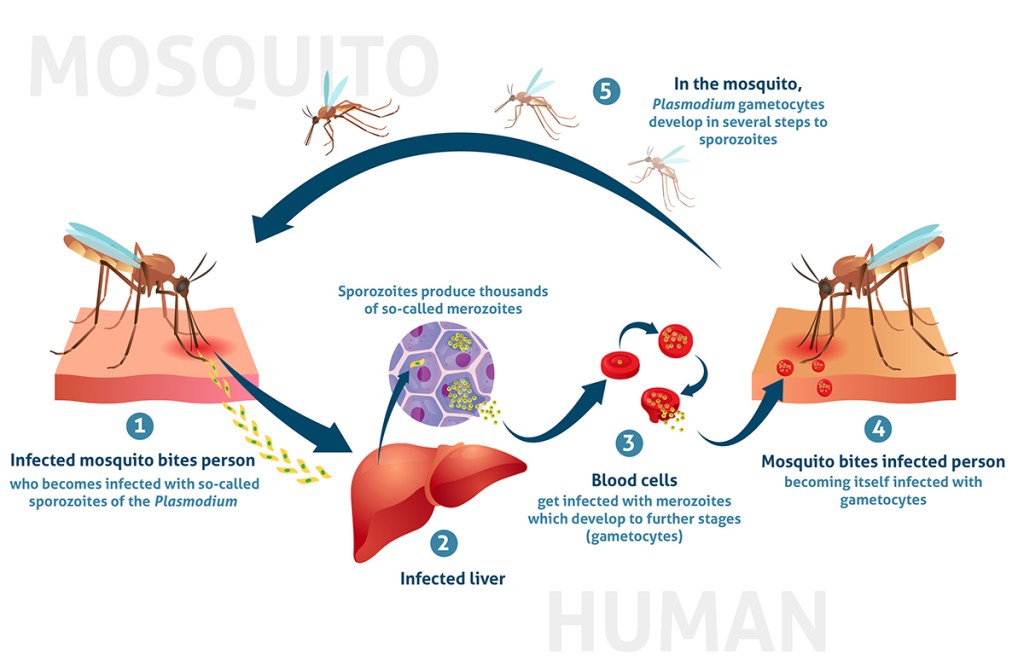
Malaria is caused by a single-celled parasite of the genus plasmodium. The parasite is transmitted to humans most commonly through mosquito bites. Mosquito transmission cycle:-

  1. Uninfected mosquito- a mosquito becomes infected by feeding on a person who has malaria.
  2. Transmission of parasite- if this mosquito bites in the future, it can transmit the malaria parasites to the person.
  3. In the liver- once the parasite enters the body, they travel to the liver where some types of them can lie dormant for as long as a year.
  4. Into the bloodstream- when the parasites mature, they leave the liver and infect the red blood cells. This is when people typically develop malaria symptoms.
  5. Onto the next person- if an uninfected mosquito bites someone at this point of time, it will become infected and pass on to the next person it bites.

COMPLICATIONS:-

Malaria can be fatal especially when caused by the plasmodium species common in Africa. Malaria deaths are usually related to one or more serious complications including:-

  • cerebral malaria– if parasite-filled blood cells block small blood vessels to brain, swelling of brain or brain damage may occur.
  • breathing problems– accumulated fluid in lungs (pulmonary edema) can make it difficult to breathe.
  • organ failure– malaria can damage the kidneys or liver or cause the spleen to rupture.
  • Anemia- malaria may result in not having enough red blood cells for an adequate supply of oxygen to body’s tissues.
  • low blood sugar.

WORLD HEMOPHILIA DAY

World Hemophilia Day is held annually on April 17 by the World Federation of Hemophilia(WFH). It is an awareness day for hemophilia and other bleeding disorders, which also serves to raise funds and attract volunteers for the World Federation of Hemophilia. It was started in 1989, April 17 was chosen in honor of Frank Schnabel’s birthday.

The World Federation of Hemophilia(WFH) was established in 1963 by Frank Schnabel, a Montreal Businessman born with severe hemophilia A. His vision, as he stated, was to improve treatment and care for the “hundreds of thousands of hemophiliacs” worldwide through a new international organization. It educates hemophiliacs and lobbies for improved medical treatment. 75% of people in the world with bleeding disorders do not know it and do not receive care.

WHAT IS HEMOPHILIA?

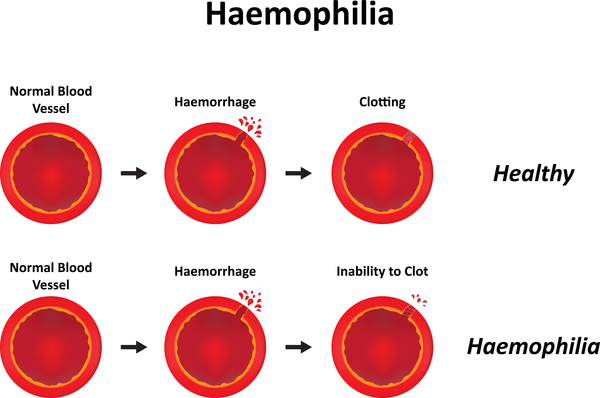
Hemophilia is usually an inherited bleeding disorder in which the blood does not clot properly. This can lead to spontaneous bleeding as well as bleeding following injuries or surgery. Blood contains many proteins called clotting factors that can help to stop bleeding. The severity of hemophilia that a person has is determined by the amount of factor in the blood. The lower the amount of the factor, the more likely it is that bleeding will occur which can lead to serious health problems. In rare cases, a person can develop hemophilia later in life. The majority of cases involve middle-aged or elderly people or young women who have recently given birth or are in the later stages of their pregnancy.

CAUSES OF HEMOPHILIA:-

Hemophilia is caused by a mutation or change, in one of the genes, that provides instructions for making the clotting factor proteins needed to form a blood clot. This change or mutation can prevent the clotting protein from working properly or to be missing altogether. These genes are located on the X chromosome. Males have one X and one Y chromosome(XY) and females have two X chromosomes(XX). Males inherit the X chromosome from their mothers and the Y chromosome from their fathers. Females inherit one X chromosome from each parent. The X chromosome contains many genes that are not present on the Y chromosome. Thus, males can have a disease like hemophilia if they inherit an affected X chromosome that has a mutation in either the factor VIII or factor IX gene.

TYPES OF HEMOPHILIA:-

There are several different types of hemophilia. The following two are the most common:-

  1. Hemophilia A(classic Hemophilia)- this type is caused by a lack or decrease of clotting factor VIII.
  2. Hemophilia B(Christmas disease)- this type is caused by a lack or decrease of clotting factor IX.

SIGNS AND SYMPTOMS:-

  • bleeding within joints that can lead to chronic joint disease and pain.
  • bleeding in the head and sometimes in the brain which can cause long term problems, such as seizures and paralysis.
  • death can occur if the bleeding cannot be stopped or if it occurs in a vital organ such as the brain.
  • bleeding into the skin(which is bruising) or muscle and soft tissue causing a build-up of blood in the area(called a hematoma).
  • bleeding of mouth and gums.
  • bleeding after having shots, such as vaccinations.
  • blood in urine or stool.
  • frequent and hard-to-stop nosebleeds.

THE JALLIANWALA BAGH MASSACRE

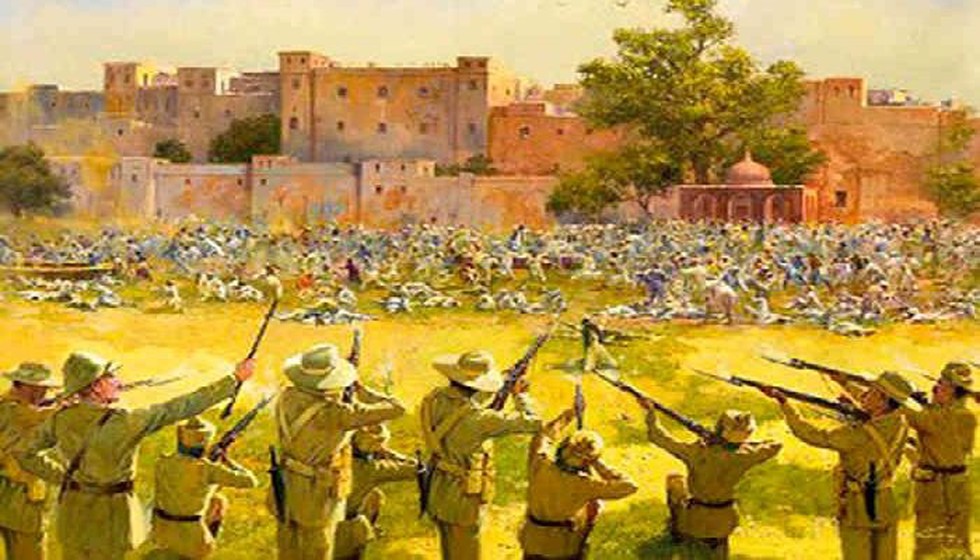
The Jallianwala Bagh Massacre took place on 13th April 1919. It was one of the most brutal and heart-wrenching chapters in India’s freedom struggle.

Baisakhi- The festival of harvests, the beginning of a new year, an auspicious day which Punjab celebrates wholeheartedly. About a hundred years ago, the Baisakhi celebrations were somewhat similar at the Jallianwala Bagh. Nearly a century ago, with the efforts of Mahatma Gandhi and other revolutionary leaders, India was starting to unite many regional movements into one national movement. The British government continued the repression of nationalists, but in March of 1919, they went one step ahead. Through the Anarchical and Revolutionary Crimes Act,1919, popularly known as the Rowlatt Act, the government gave themselves power to shut down all the political campaigns, meetings and rallies. Merely on suspicion, the police could detain anyone for a period of two years without a trial or appeal. Despite fierce opposition from every Indian member this gruesome act was passed.
Indians felt humiliated and angry at the same time. Against this backdrop, Mahatma Gandhi issued a clarion call for a nationwide civil disobedience hartal on 6th of April. In Punjab, people answered the call for hartal or strike, with unprecedented enthusiasm. It became a platform for voicing their anguish against the prevalent issues. Popular and beloved Gandhian leaders, Dr.Satyapal and Dr.Saifuddin Kitchlew led the Rowlatt Satyagraha here. At this time, the relation between the Hindu and Muslim communities was at it’s peak and the protest against the British government were a sight to behold which happened on 9th April, 1919 in Amritsar.

The British government foresaw the seeds of a large-scale organized movement in it’s unity and decided to end it at it’s nascent stage. On 10th April,1919 the authorities deceitfully arrested and deported Dr.Satyapal and Dr.Kitchlew. This outraged the people of Amritsar. They took to the streets to protest against this unlawful detention, during which the police fired upon a peaceful procession, provoking attacks on railway station, banks and government offices by the protesters. Both sides suffered the casualties and severe injuries.

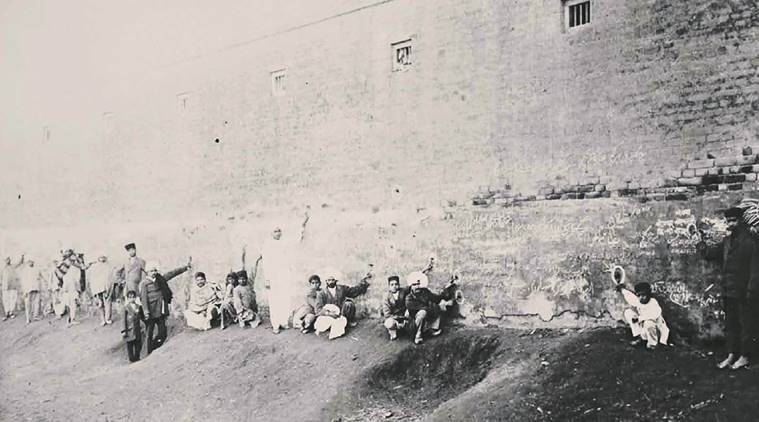
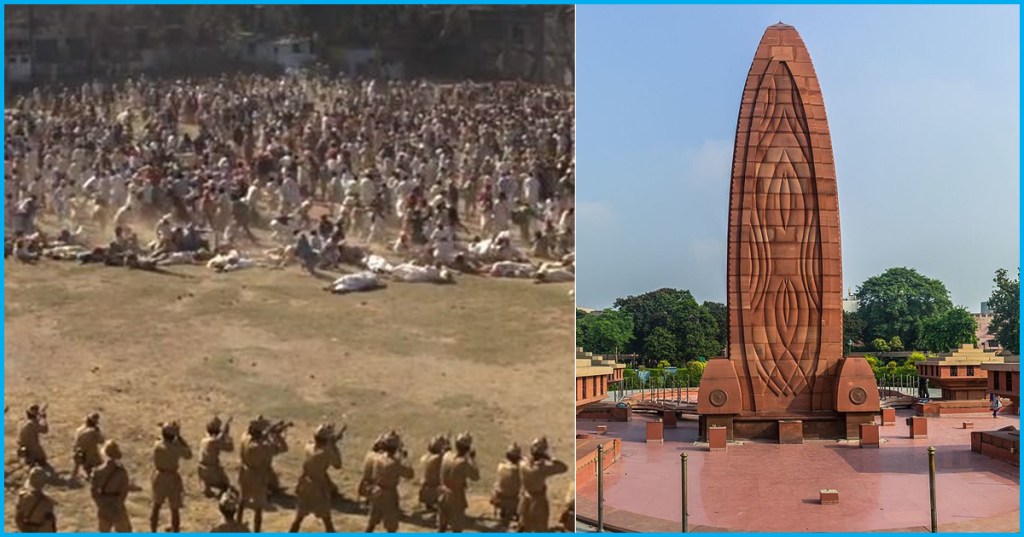
To crush the voices of revolution and terrorize people into submission, the British brought in Brigadier-General Reginald Dyer. He imposed Martial Law and deployed airplanes to survey gatherings across the city. Martial law restricted civil liberties such as freedom of meetings and associations. Gatherings of more than four people were prohibited. Nearly twenty thousand people gathered at the Jallianwala Bagh to celebrate Baisakhi, and to demand the release of Dr.Satyapal and Dr.Kitchlew. The shooting had started without any warning, under the order of Brigadier-General Reginald Dyer and continued till the troops ran out of ammunition. More than 1000 people had died and 1500 had been injured. Many people out of panic jumped into the well because the doors were locked so that no one was able to escape from there.

The news of the Massacre spread like wildfire across the country. It encouraged many more to participate in the struggle for India’s freedom. Rabindranath Tagore renounced his knighthood award by British, Mahatma Gandhi returned his Kaisar-i-Hind Medal in the wake of this incident.

SCHIZOPHRENIA- A CAGE

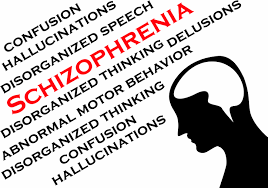
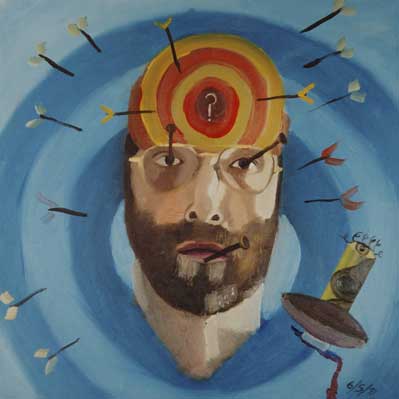
Schizophrenia is a mental disorder characterized by continuous or relapsing episodes of psychosis. Major symptoms include hallucinations(typically hearing voices), delusion and disorganized thinking. About 0.3 to 0.7% of people are diagnosed with schizophrenia during their lifetime. In 2017, there were estimated 1.1 million new cases and in 2019 a total of 20 million cases globally. Males are more often affected and on average have an earlier onset, although some large reviews have not found gender differences in the prevalence of the disorder. The likely causes of Schizophrenia include genetic and environmental factors. Genetic factors include a variety of common and rare genetic variants. Possible environmental factors include being raised in a city, cannabis use during adolescence, poor nutrition during pregnancy etc.

SYMPTOMS:-

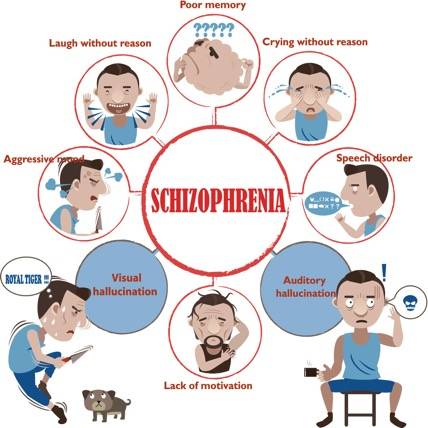
Schizophrenia involves a range of problems with thinking(cognition), behavior and emotions. Signs and symptoms may vary, but usually involve delusions, hallucinations or disorganized speech and reflect an impaired ability to function. Symptoms may include:-

  • Delusion- these are false believes that are not based in reality. For example, thinking that the person is harmed or harassed, certain gestures are towards them, have an exceptional ability or fame.
  • Hallucination- these usually involve seeing or hearing things that don’t exist. Yet for the person with Schizophrenia, they have the full force and impact of a normal experience.
  • Disorganized thinking(speech)- disorganized thinking is inferred from disorganized speech. Effective communication can be impaired, and answers to questions may be partially or completely unrelated.
  • Extremely disorganized or abnormal motor behavior- this may show in a number of ways from childlike silliness to unpredictable agitation. Behavior isn’t focused on a goal, so it’s hard to do tasks.
  • Negative symptoms- this refers to reduced or lack of ability to function normally. The person may neglect personal hygiene or appear to lack emotion. Also, the person may begin to lose interest in every day activities, socially withdraw themselves, don’t get the feeling of happiness and pleasure.

COMPLICATIONS:-

  • suicide, suicide attempts and thoughts of suicide.
  • anxiety disorders and obsessive-compulsive disorder(OCD).
  • depression.
  • abuse of alcohol or other drugs, including nicotine.
  • inability to work or attend school.
  • financial problems and feeling of homelessness.
  • social isolation.
  • health and medical problems.
  • being victimized.
  • aggressive behavior(uncommon).

CAUSES:-

Problems with certain naturally occurring brain chemicals, including neurotransmitters called Dopamine and Glutamate, may contribute to schizophrenia. Neuroimaging studies show differences in the brain structure and central nervous system of people with schizophrenia. While researchers aren’t certain about the significance of these changes, they indicate that schizophrenia is a brain disease.

TREATMENT:-

People with schizophrenia often lack awareness that their difficulties stem from a mental disorder that requires medical attention. So it often falls to the family or the friends to get them help by visiting a good doctor and giving proper medications on time.

THE HISTORY OF TEA

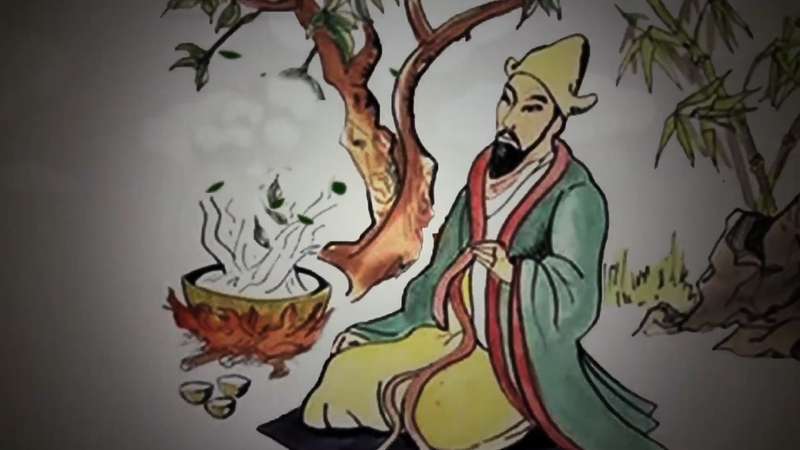
During a long day spent roaming the forest in search of edible grains and herbs, the weary(tired) divine farmer Shennong accidentally poisoned himself 72 times. But before the poisons could end his life, a leaf drifted into his mouth. He chewed on it for sometime and it started to revive him, and that is how we discovered tea. Tea doesn’t actually cure poisonings but the story of Shennong, the mythical Chinese inventor of Agriculture, highlighted Tea’s importance to ancient China.

Archaeological evidences suggests tea was first cultivated there as early as 6000 years ago, or 1500 years ago before the Pharaohs built the Great Pyramids of Giza. That original Chinese tea plant is the same type that’s grown around the world today, yet it was originally consumed very differently. It was earlier eaten as a vegetable or cooked with grain porridge. Tea only shifted from food to drink, 1500 years ago when people realized that a combination of heat and moisture could create a complex and varied taste out of the leafy green. After hundreds of years of variations to the preparation methods, the standard became into heat tea packaged into portable cakes, grinded into powder, mixed with hot water and created a beverage called “muo cha, or matcha”. Matcha became so popular that a distinct Chinese tea culture emerged. Tea became the subject of books and poetry, the favorite drink of emperors and medium for artists. They would draw extravagant pictures in the foam of the tea, very much like the “espresso art” seen in the different coffee shops today.

In the 9th century during the Tang Dynasty, a Japanese Monk brought the first tea plant to Japan. The Japanese eventually developed their own unique rituals around tea, leading to the creation of the Japanese tea ceremony. In the 14th century during the Ming Dynasty, the Chinese emperor shifted the standard from tea pressed into cakes to loose leaf tea. At that point, China still held a virtual monopoly on the world’s tea trees, making tea one of the three essential Chinese export goods, along with Porcelain and silk. This gave China a great deal of power and economic influence as tea drinking spread around the world.

That spread began in earnest around the early 1600s when Dutch Traders brought Tea to Europe in large quantities. Many credits Queen Catherine of Braganza, a Portuguese noble woman, for making tea popular with the English Aristocracy when she married King Charles II in 1661. At the time, Great Britain was in the midst of expanding it’s colonial influence and becoming the new dominant world power, and as the Great Britain grew, interest in tea spread around the world. By 1700, tea in Europe sold for ten times the price of coffee and the plant was still only grown in China. The tea trade was so lucrative that the World’s fastest sailboat, the Clipper ship, was born out of the intense competition between Western trading Companies. All were racing to bring their tea back to Europe first to maximize their profits. At first, Britain paid for all this Chinese tea with silver. When that proved too expensive, they suggested trading tea for another substance, opium. This triggered a public health problem within China as people became addicted to the drug. Then in 1839, a Chinese official ordered his men to destroy massive British Shipments of opium as a statement against Britain’s influence over China. This act triggered the first opium war between the two nations.

DOMESTIC VIOLENCE- AN OBSCENE CRIME

Domestic violence, also named as domestic abuse or family violence, is violence or other abuse in a domestic setting, such as in marriage or cohabitation. Domestic violence is often used as a synonym for intimate partner violence which is committed by one of the people in an intimate relationship against the other person, and can take place in heterosexual or same-sex relationships or between former spouses or partners. In it’s broadest sense, domestic violence also involves violence against children, teenagers, parents or the elderly. It takes multiple forms, including physical, verbal, emotional, economic, religious, reproductive and sexual abuse which can range from subtle, coercive forms to marital rape and to violent physical abuse such as choking, beating, female genital mutilation and acid throwing that results in disfigurement or death.

Globally, the victims of domestic violence are overwhelmingly women and women tend to experience more severe forms of violence. Research has established that there exists a direct and significant correlation between a country’s level of gender equality and rates of domestic violence, where countries with less gender equality experience higher rates of domestic violence. Domestic violence is among the most underreported crimes worldwide for both men and women. Due to certain social stigmas regarding the victims of domestic violence, they face an increased likelihood of being overlooked.

The first known use of the term domestic violence in a modern context, meaning violence in the home, was in an address to the Parliament of the United Kingdom by Jack Ashley in 1973. Traditionally, domestic violence was mostly associated with physical violence. But now domestic violence is defined broadly to include all acts of physical, sexual, psychological or economic violence that may be committed by a family member or intimate partner.

CAUSES OF DOMESTIC VIOLENCE:-

Often women and children are the soft targets of domestic violence. Domestic violence is a gruesome crime that also causes a number of deaths. Some of the most common causes of domestic violence are illiteracy and economical dependency on the men folk. The male-dominated society plays an important role in this problem. Further, Dowry is also one of the leading causes which have the consequence of violence against newly-wed brides. In many parts of the world, physically assaulting women and passing horrendous remarks is common.

Moreover, children also become victims of this inhuman behavior more than often. It is important to recognize the double standards and hypocrisy of the society. A lot of the times, the abuser is either psychotic or requires psychological counselling. However, in a more general term, domestic violence is the outcome of cumulative irresponsible behavior which a section of society demonstrates. It is also important to note that solely the abuser is not just responsible but also those who allow this to happen and act as mere mute spectators.

EFFECTS OF DOMESTIC VIOLENCE:-

EFFECTS ON THE VICTIM:-

  • death, illness, injury and disability- domestic and family violence is the leading cause of death, illness, disability for women aged under 45.
  • emotional and psychological trauma- the devastating impact on an individual’s physical, mental and emotional health including depression, shame, anger and suicide.
  • homelessness.
  • use of alcohol and drugs to heal the pain.
  • physical health injuries and problems which may not get medically treated.

EFFECTS ON THE FAMILY:-

  • Violence and the threat of violence at home creates fear and can destroy family environments and lead to the break-up of the families.
  • frequent moving to avoid the abuser.
  • regular household conflict.
  • child protection or police involvement.

ABHIMANYU- THE WARRIOR PRINCE

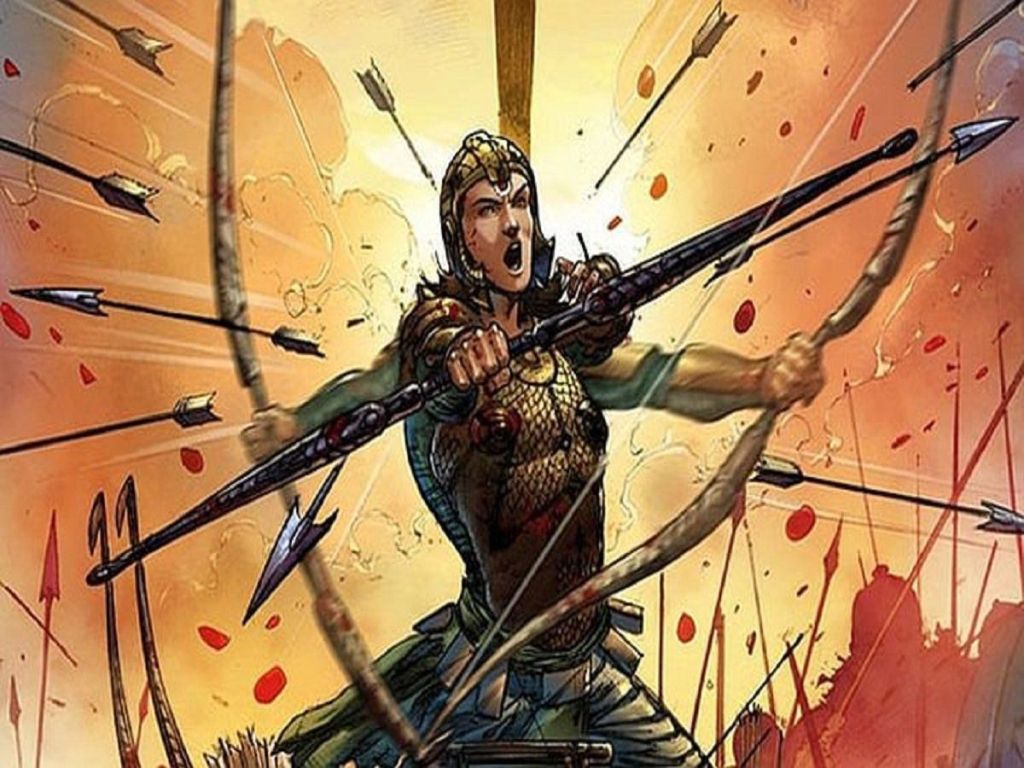
In a time before our known history, there was a class of powerful and valorous warriors called kshatriyas. The best among them would typically fight on chariots. These were the ancient equivalents of a tank, moving swiftly in the battlefield, shooting powerful arrows with remarkable accuracy. To put things in perspective, the modern armor- piercing rounds are basically high-velocity arrows. Among these powerful warriors some would achieve perfection in their military skills. They would become so expert in the usage of weapons, that they would be able to fight thousands of other warriors, even if surrounded. They were called “Maharatis” or “great rathis”. Arjuna, Bhisma, Karna, Drona, Bhima are examples of famous Maharatis that performed heroic deeds during the battle of Kurukshetra as described in Mahabharata. However, there is another Maharathi that is less known- Abhimanyu.

Abhimanyu was the son of Arjuna, the great hero of the Mahabharata, and Subhadra, Krishna’s sister. He was personally trained by Krishna and Balrama since a very early age in the military arts and proved to be extraordinarily talented. Even being just 16 years old, he already knew tricks that even his father could not master, like the art of wearing his armor in a loose fashion, so he could close the gaps between the plates in the event of incoming arrows just by subtle movements of his body, making thus his armor impenetrable. In the 13th day of the battle of Kurukshetra, the Kauravas organized their army in a Chakravyuha formation with the goal of capturing King Yudisthira and thus defeating the Pandavas. Part of the plot was to use Susharma to challenge Arjuna and thus lure him to a distant part of the battlefield, neutralizing thus the biggest threat to the plan. In the Chakravyuha, an army is organized as a gigantic moving circle that acts like a Chakra(a sharp circular weapon), penetrating the opposing force with the goal of capturing an specific individual. When properly organized, the movement of the Chakravyuha is considered unstoppable. Using this formation, the Kaurava army was gradually penetrating the Pandavas formation and was about to capture King Yudhisthira who didn’t have the knowledge of how to stop it. If the Kauravas could capture King Yudhisthira, it would mean the end of the war in their favor, just like in a game of chess that ends with the capture of the king.

Abhimanyu volunteered to attack the formation and break it open, opening a path so others could also enter and destroy it from inside. The plan was that Abhimanyu would be followed by Bhima and the other Pandava generals, who would exploit the gap created by him. How to enter the formation was a secret that very few knew. It involved using specific types of weapons at a very complicated timing to exploit the weaknesses of the formation. It was extremely dangerous mission, if the others could not exploit the gap the formation would close and Abhimanyu would be trapped inside.

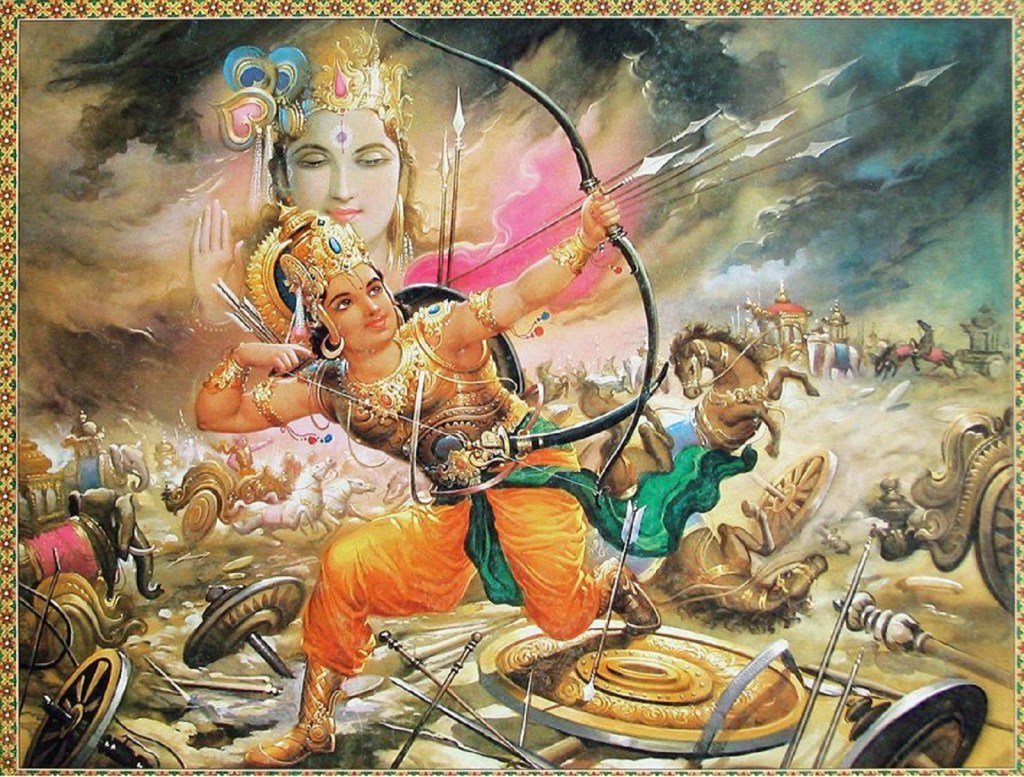
Abhimanyu advanced, firing different types of arrows, volley after volley. He was firing his arrows at such speed that the Kauravas had the impression of fighting hundreds of Abhimanyus. Using celestial weapons, he was slaying the Kauravas by the thousands, including many powerful generals. In fact, the attack of Abhimanyu was so fierce that he turned the tables, injuring Karna and threatening the life of Duryodhana, forcing the Kaurava warriors to go on the defensive and protect their king.

TULSIDAS- THE STORY OF A SAINT

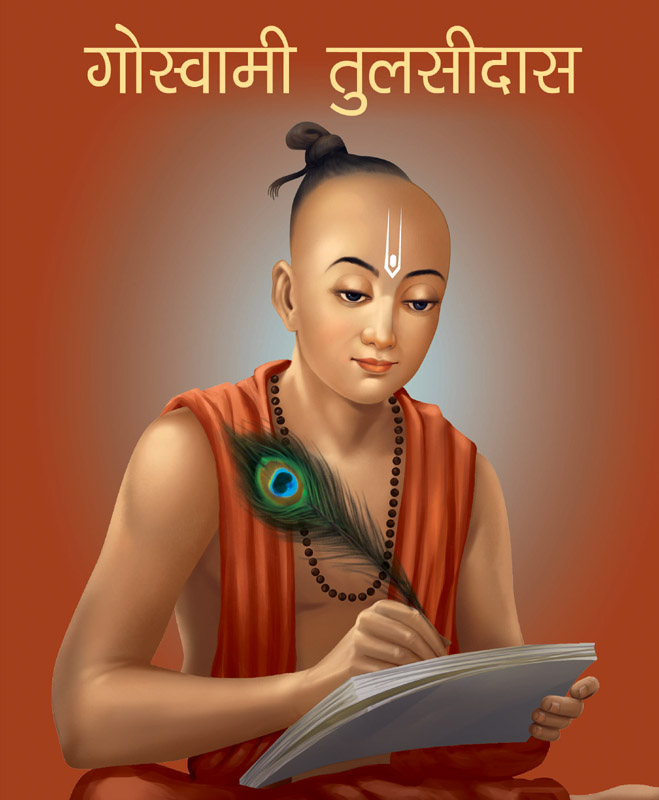
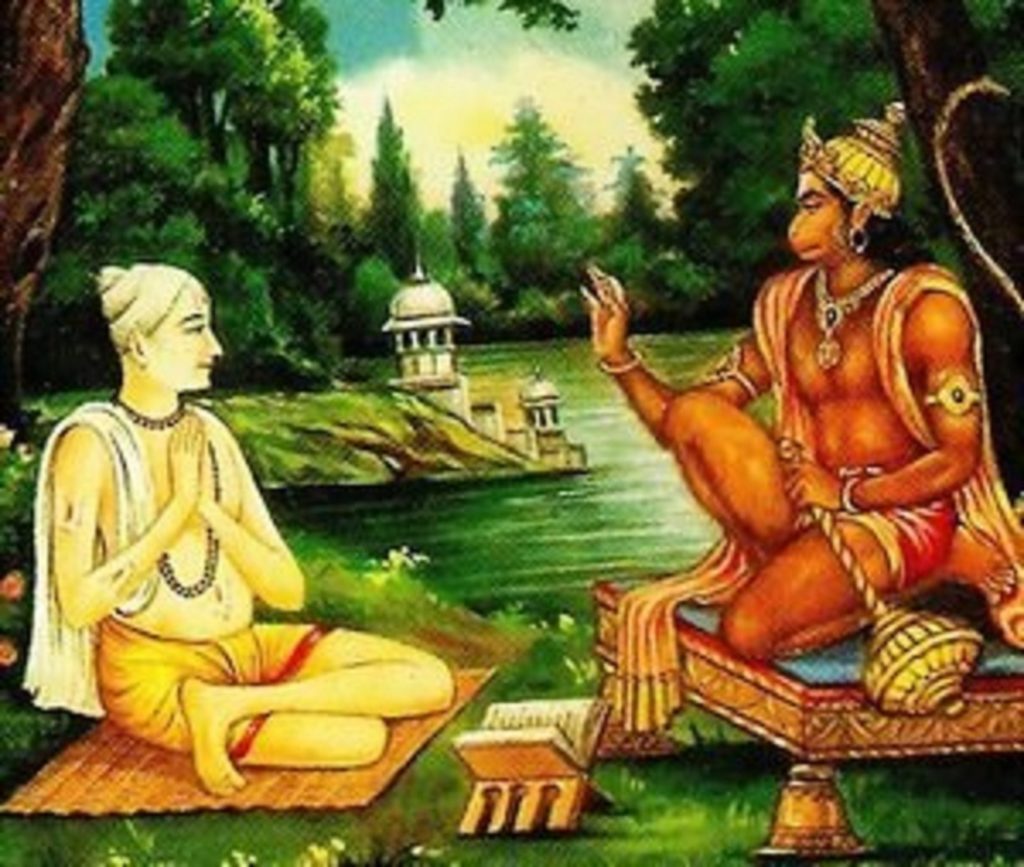
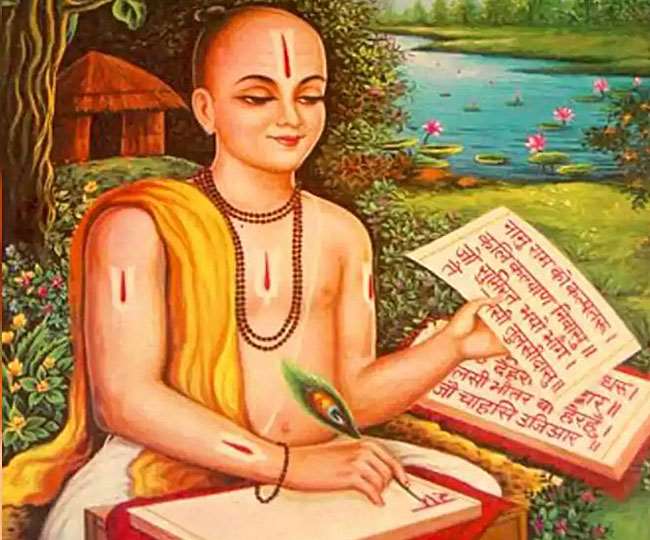
Tulsidas or Goswami Tulsidas was a 16th century great Hindu poet and saint, acclaimed as one of the Greatest Poet in Hindi, Indian and World literature. He is renowned for his dedication and devotion to the Lord Ram. He wrote several popular works in Sanskrit and Awadhi but is best known as the author of the epic Ramcharitmanas, a retelling of the Sanskrit Ramayana based on Rama’s life in the vernacular Awadhi. The word Ramcharitmanas literally means “lake of the deeds of Ram”. He is also considered to be the composer of Hanuman Chalisa, a popular devotional Hymn, dedicated to Hanuman- the divine devotee of lord Ram.

According to the sources, Tulsidas was born in the year 1497 at the banks of the river Ganga in Varanasi, Uttar Pradesh. After he was born, instead of crying he spoke the word “Ram” because of which he was named as “Rambola” meaning “one who utters Ram”. Tulsidas’s parents abandoned him after his birth because according to the Hindu Astrology he was born under the Abhuktamula constellation which was believed to cause immediate danger to the life of his father. He was sent away with Chuniya, a female servant who used to work at Tulsidas’s home. She took him to her village of Haripur and looked after him for five and a half years after which she died. Tulsidas was left to fend himself as an impoverished orphan and wandered from door to door begging for alms. It is believed that the goddess Parvati assumed the form of a Brahmin woman and fed Tulsidas every day.

At the age of five years, Tulsidas was adopted by Narharidas, a Vaishnava ascetic(worshiping the god Vishnu), of Ramananda’s monastic order who was believed to be the fourth disciple of Ramananda or alternately the disciple of Anantarcharya. Tulsidas was given the “Diksha” that is “initiation” and here he was given the name “Tulsidas”. His Guru repeatedly narrated the Ramayan to him which led him to understand it. Tulsidas later came to the sacred city of Varanasi and studied Sanskrit Grammar, scriptural reading of four Vedas, six Vedangas, Jyotisha and the six schools of Hindu Philosophy over a period of 15-16 years from Guru Shesha Santana who was based at a Ghat in Varanasi. After studying, by the permission of his Guru he started to live with his family and narrated the story of “Ramayan”.

Tulsidas got married to Ratnavali and they had a son named Tarak who died as a toddler. Once when Tulsidas had gone to a Hanuman Temple, Ratnavali went to her father’s home with her brother. When Tulsidas came to know about this, he Swam across the Yamuna river in the night to meet her. Ratnavali chided Tulsidas for this, and remarked that if Tulsidas was even half as devoted to God as he was to her body of flesh and blood, he would have been redeemed. Tulsidas left her instantly and left for the holy city of Prayag. Here, he renounced the Grihastha stage(householder’s life) and became a Sadhu(Hindu ascetic).

Tulsidas started composing poetry in Sanskrit in Varanasi on the Prahlada Ghat. Tradition holds that all the verses that he composed during the day, would get lost in the night. Tulsidas dreamt of composing a poetry in the vernacular instead of Sanskrit. Tulsidas woke up and saw both Shiva and Parvati who blessed him. He is also credited with having composed a number of wise saying and ‘Dohas’ on lessons for life.

WHAT CAUSES DANDRUFF?

Dandruff is a common condition that causes the skin on the scalp to flake. It isn’t contagious or serious. But it can be embarrassing at times and difficult to treat and get rid of permanently. Mild dandruff can be treated with a gentle daily shampoo.

Dandruff is considered to be a mild form of Seborrheic dermatitis. It is a common skin condition that mainly affects the scalp and causes scaly patches, red skin and stubborn dandruff. It can also affect oily areas of the body such as face, sides of the nose, eyebrows, ears, eyelids and chest. In babies, Seborrheic dermatitis is called Cradle Cap. This condition is more common in infants within the first three months after they are born. In adults, between 1% and 10% people are affected. Males are more often affected than female. The cause of Seborrheic dermatitis has not been fully clarified. The condition is thought to be due to a local inflammatory response to over-colonization by Malassezia fungi species in sebum-producing skin areas including the scalp, face, chest, back, underarms and groin.

CAUSES OF DANDRUFF:-

Dandruff may have several causes including:-

  • irritated, oily skin.
  • not using shampoo frequently.
  • an yeast-like fungus Malassezia that feeds on oils on the scalps of most adults.
  • dry skin.
  • sensitivity to hair care products.
  • other skin conditions such as psoriasis and eczema.

WHAT IS MALASSEZIA?

In about half of the human population, it’s activity causes dandruff. Our skin hosts billions of microbes. Malassezia yeasts make themselves at home on our skin shortly after we are born. Follicles, the tiny cavities that grow hairs all over our body, make for especially popular living quarters for these. Malassezia are found in these follicles because they contain glands that secrete an oil called sebum, that’s thought to lubricate and strengthen our hair. Malassezia evolved to consume our skin’s proteins and oils and because of it’s many sebum-secreting follicles our scalp is one of the oiliest places on our body and consequently one of the yeastiest.

As these fungi feast on our scalp’s oils, dandruff may form. This is because sebum is composed of both saturated and unsaturated fatty acids. Saturated fats perfectly pack together whereas unsaturated fats contain double bonds that create an irregular twist or curl in their structure. Malassezia eat sebum by secreting an enzyme that releases all of the oil’s fatty acids but they only consume the saturated fats, leaving the unsaturated ones behind. These unsaturated fats(irregularly shaped) soak into the skin and pry it’s barrier open allowing water to escape. The body detects these breaches and responds defensively causing the inflammation that gives dandruff it’s itch. It also makes the skin cells proliferate to repair the damaged barrier.

TREATMENT:-

Usually our skin’s outer surface, or epidermis completely renews itself every two to three weeks. Epidermal cells divide, move outwards, die and form the skin’s tough outer layer which gradually sheds off in single cells far too small to see. But with dandruff cells churn out quickly to correct the broken barrier, meaning they don’t mature and differentiate properly. Instead they form large, greasy clumps around the hair follicle that are shed as visible flakes. Currently the most effective way to get rid of dandruff is by using Antifungal shampoos or as recommended by the Dermatologist.

POLYCYSTIC OVARY SYNDROME(PCOS)

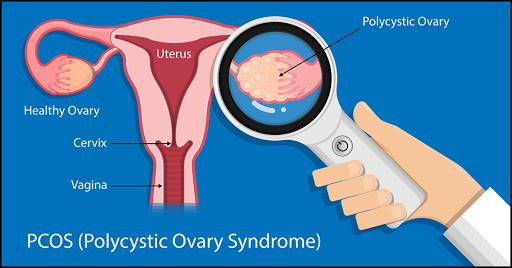
Polycystic ovary syndrome or PCOS, is the most common endocrine disorder in women of reproductive age. It is a condition that affects a woman’s hormone levels. The syndrome is named after the characteristic cysts which may form on the ovaries, though it is not the only symptom that is seen. Women with PCOS produce higher than normal amounts of male hormones. This hormone imbalance causes their body to skip menstrual periods and makes it harder for them to get pregnant in future. PCOS also causes hair growth on the face and body and baldness. It can also contribute to long term health problems like diabetes and heart disease.

The condition was first described in 1935 by American Gynecologists Irving F. Stein, Sr. and Michael L. Leventhal from whom it’s original name of “Stein- Leventhal Syndrome” is taken. The earliest published description of a person with what is now recognized as PCOS was in 1721 in Italy. Cyst- related changes to the ovaries were described in 1844. PCOS is a problem with hormones that affects women during their childbearing years(age between 15 to 44). Between 2.2 and 26.7 percent of women in this age group have PCOS. Many women have PCOS but don’t know it. In one study up to 70% of women with PCOS hadn’t been diagnosed. PCOS affects a woman’s ovaries, the reproductive organs that produce estrogen and progesterone– hormones that regulate the menstrual cycle. The ovaries also produce a small amount of male hormone called androgen. The ovaries release eggs to be fertilized by a man’s sperm. The release of an egg each month is called ovulation.

Follicle-stimulating hormone(FSH) and Luteinizing hormone(LH), which are produced in the pituitary gland, control ovulation. FSH stimulates the ovary to produce a follicle- a sac that contains an egg and then LH triggers the ovary to release a mature egg. PCOS is a syndrome or group of symptoms that affects the ovaries and ovulation It has three main features:-

  • cysts in the ovaries.
  • high levels of male hormones.
  • irregular or skipped periods.

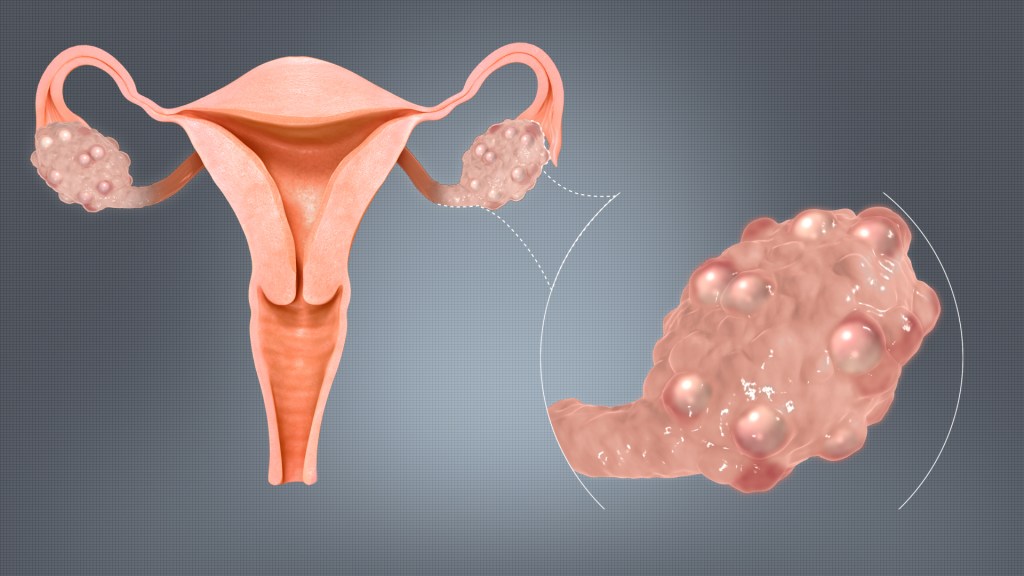
In PCOS, many small, fluid-filled sacs grow inside the ovaries. The word ‘polycystic’ means ‘many cysts’. These sacs are actually follicles, each one containing an immature egg that never mature enough to trigger ovulation. The lack of ovulation alters levels of estrogen, progesterone, FSH and LH. Progesterone levels lower than usual while androgen levels are higher than usual. Extra male hormones disrupt the menstrual cycle.

CAUSES OF PCOS:-

  1. High levels of male hormone prevents the ovaries from producing hormones and making eggs normally.
  2. genes may contribute to the condition.
  3. Insulin Resistance- when cells can’t use insulin properly, the body’s demand for insulin increases. The pancreas make more insulin to compensate. Extra insulin triggers the ovaries to produce more male hormone.
  4. Inflammation- women with PCOS often have increased levels of inflammation in their body.

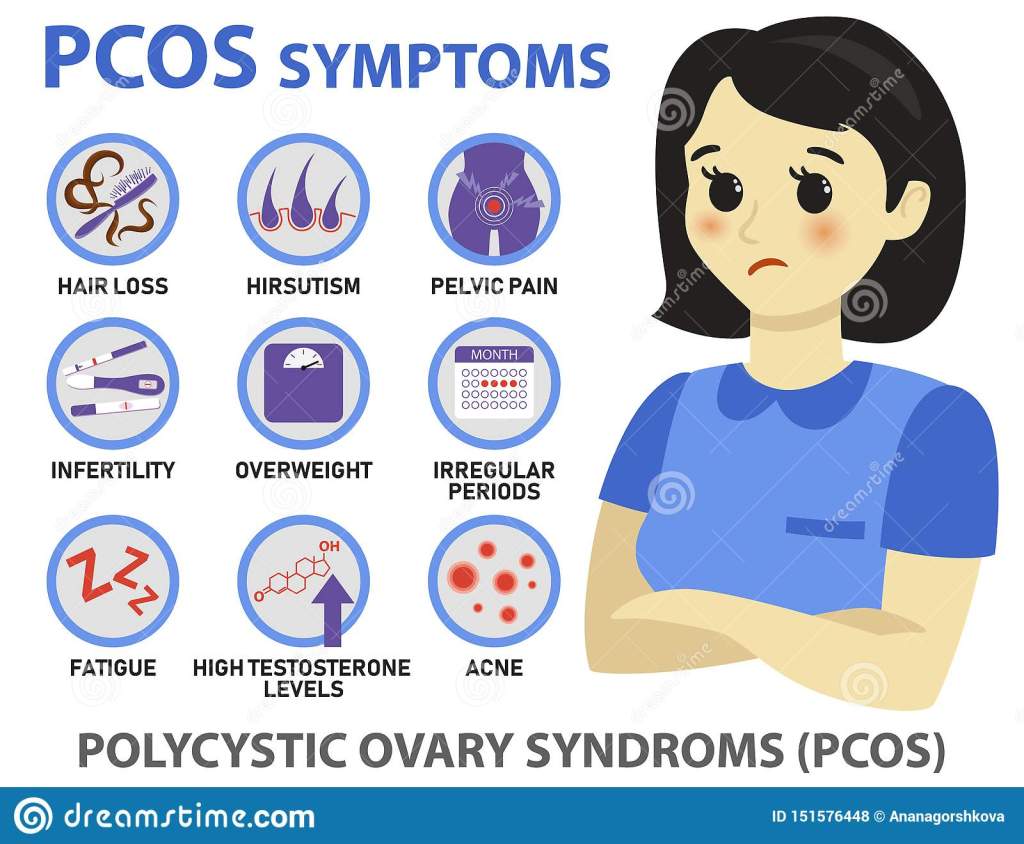
COMMON SYMPTOMS OF PCOS:-

  • Irregular periods- a lack of ovulation prevents the uterine lining from shedding every month.
  • heavy bleeding- the uterine lining builds up for a longer period of time, so when it sheds causes heavy flow of blood.
  • hair growth- hair growth on face and body including back, belly and chest. Excess hair growth is called Hirsutism.
  • acne- production of more male hormone makes the skin oilier.
  • weight gain
  • male pattern baldness

TREATMENT:-

  • Visit a good gynecologist for proper medications.
  • take control of the diet.
  • exercise regularly.

INSOMNIA

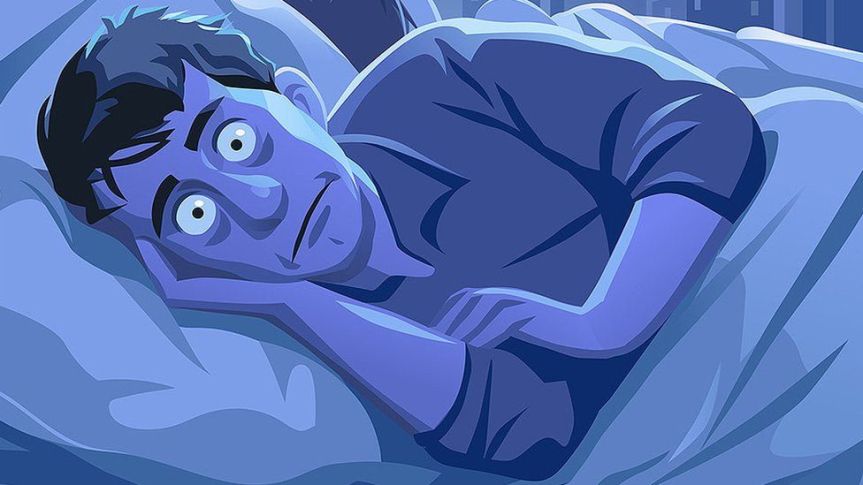
Insomnia, also known as sleeplessness, is a common sleep disorder that can make it hard for the person to fall asleep, hard to stay asleep or cause to wake up too early and not be able to get back to sleep. Insomnia is typically followed by daytime sleepiness, low energy, irritability and a depressed mood. It may result in an increased risk of motor vehicle collisions, as well as problems focusing and learning. How much sleep is enough varies from person to person, but most adults need seven to eight hours a night. Insomnia can occur independently or as a result of some another problem. Conditions that can result in insomnia include psychological stress, chronic pain, heart failure, hyperthyroidism, heart burn, menopause, certain medications and drugs such as caffeine, nicotine and alcohol. Other risk factors include working night shifts and sleep apnea.

SYMPTOMS:-

Insomnia symptoms may include:-

  • difficulty falling asleep at night.
  • waking up during the night.
  • waking up too early.
  • not feeling well-rested after a night’s sleep.
  • daytime tiredness or sleepiness.
  • irritability, depression or anxiety.
  • difficulty paying attention, focusing on tasks or remembering.
  • ongoing worries about sleep.

CAUSES:-

Insomnia may be the primary problem or it may be associated with other conditions. Chronic Insomnia is usually a result of stress, life events or habits that disrupt sleep. Treating the underlying cause can resolve the insomnia, but sometimes it can last for years. Chronic Insomnia may also be associated with medical conditions or the use of certain drugs. Common causes of chronic insomnia include:-

  1. Stress- concerns about work, school, health, finances, family can keep the mind active and occupied every time, making it difficult to sleep.
  2. Travel or work schedule- the circadian rhythms of our body act as an internal clock, guiding such things as the sleep-wake cycle, metabolism and body temperature. Disrupting the body’s circadian rhythms can lead to insomnia.
  3. poor sleep habits- include an irregular bedtime schedule, naps, stimulating activities before bed, an uncomfortable sleep environment, watching smart phones or other screens.
  4. eating too much late in the evening- may cause the person to feel physically uncomfortable while lying down. Many people also experience heartburn, a backflow of acid and food from the stomach into the esophagus after eating, which may keep them awake.

Additional causes of Insomnia include:-

  1. Mental health disorders- anxiety disorders, such as post-traumatic stress disorder may also be the reason for disruption during sleep. Awakening too early can be a sign of depression.
  2. Medications- many prescription drugs can interfere with sleep such as certain antidepressants.
  3. Medical conditions- such as chronic pain, cancer, diabetes, heart disease, gastroesophageal reflux disease(GERD) etc.
  4. sleep related disorders.
  5. caffeine, nicotine and alcohol.

PREVENTION:-

Good sleep habits can help prevent insomnia and promote sound sleep:-

  • keep the bedtime and wake time consistent from day to day.
  • staying active- regular activities help to promote a good sleep.
  • check the medications to see if they may contribute to insomnia.
  • avoid or limit naps.
  • avoid or limit caffeine and alcohols.
  • keep yourself calm and relaxed when going to sleep.

DOWN SYNDROME

Down Syndrome or Down’s Syndrome also known as Trisomy 21 is a genetic disorder caused by the presence of all or part of a third copy of chromosome 21. The presence of this extra genetic material causes the developmental changes and physical features of Down Syndrome. The parents of the affected individual are usually genetically normal. The probability increases from less than 0.1% in 20 year old mothers to 3% in those of age 45. The extra chromosome occurs due to the non-disjunction of chromosomes that is the failure of one or more pairs of homologous chromosomes or sister chromatids to separate normally during nuclear division. Down syndrome can be identified during pregnancy by prenatal screening followed by diagnostic testing or after birth by direct observation and genetic testing.

Down Syndrome is one of the most common chromosome abnormalities in human. It occurs in about 1 in 1000 babies born each year. In 2015, Down syndrome was present in 5.4 million individuals globally and resulted in 27000 deaths, down from 43000 deaths in 1990. It is named after British Doctor John Langdon Down who fully described this syndrome. Down syndrome varies in severity among individuals, causing lifelong intellectual disability and developmental delays. It’s the most common genetic chromosomal disorder and cause of learning disabilities in children. It also commonly causes other medical abnormalities, including heart and gastrointestinal disorders.

SYMPTOMS:-

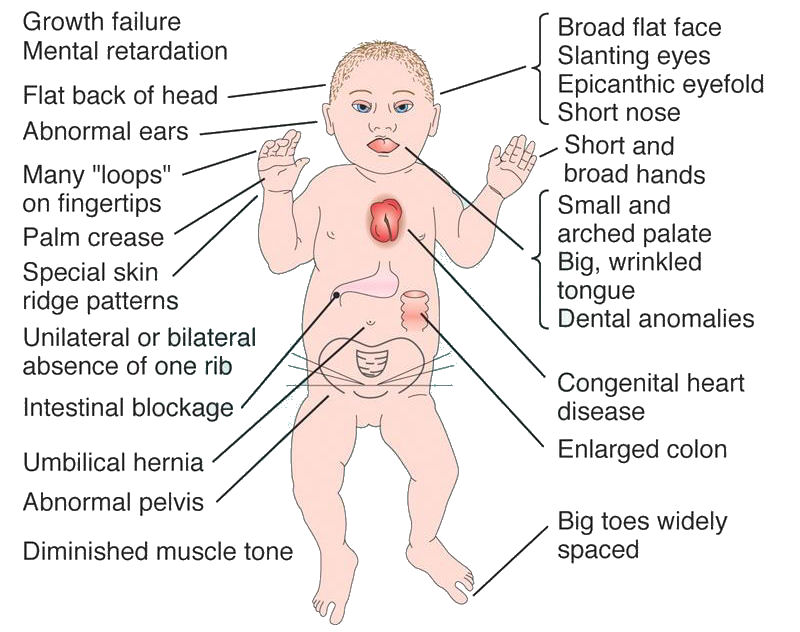
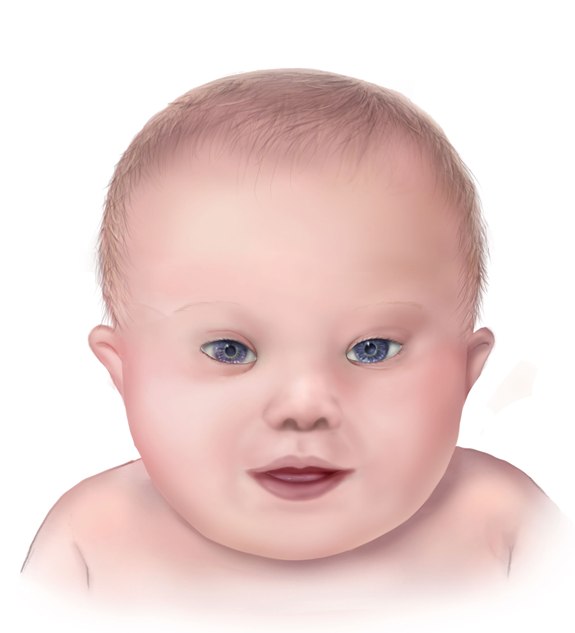
Each person with Down syndrome is an individual- intellectual and developmental problems may be mild, moderate or severe. Some people are healthy while others have significant health problems such as serious heart defects. Children and adults with Down syndrome have distinct facial features. Some of the common features include:-

  • flattened face.
  • small head.
  • short neck.
  • protruding tongue.
  • upward slanting eye lids(palpebral fissures).
  • unusually shaped or small ears.
  • poor muscle tone.
  • broad, short hands with a single crease in the palm.
  • short height.
  • relatively short fingers and small hands and feet.

CAUSES:-

Human cells normally contain 23 pairs of chromosomes. One chromosome in each pair comes from the father and the other from mother. Down syndrome results when abnormal cell division involving chromosome 21 occurs. Any one of the three genetic variations discussed below can cause Down syndrome:-

  1. Trisomy 21- about 95% of the time, Down syndrome is caused by trisomy 21. The person has three copies of chromosome 21, instead of the usual two copies, in all cells. This is caused by abnormal cell division during the development of the sperm cell or the egg cell.
  2. Mosaic Down syndrome- very rare. The person has only some cells with an extra copy of chromosome 21. This mosaic of normal and abnormal cells is caused by abnormal cell division after fertilization.
  3. Translocation Down syndrome- occurs when a portion of chromosome 21 becomes attached (translocated) onto another chromosome, before or at conception. These children have two copies of chromosome 21 as usual but they also have additional genetic material from chromosome 21 attached to another chromosome.

COMPLICATIONS FACED BY PEOPLE SUFFERING FROM DOWN SYNDROME:-

  • Heart defects- about half of the children with down syndrome are born with some type of congenital heart defect.
  • Gastrointestinal defects(GID)- includes abnormalities of the intestine, esophagus, trachea and anus.
  • Immune disorders- people with Down syndrome are at increased risk of developing autoimmune disorders.
  • Obesity
  • Dementia
  • Spinal disorders

MOTHER TERESA- THE INSPIRATIONAL WOMAN WE KNOW TODAY

Mother Teresa- the famous founder of order of the missionaries of charity devoted her life helping the poor and the needy people. It is quite inspirational to know how this little girl who lost her father at a very young age, grew to become such a powerful and influential woman known across the world.

‘Mary Teresa Bojaxhiu’ was born with the name ‘Agnes Gonxha Bojaxhiu’ on August 26,1910 in Skopje Yugoslavia to Nicola and Johanna Bojaxhiu. She was baptized(given a nickname) a day after her birth. Teresa later considered August 27, the she was baptized as her true birthday. She would later adopt the name Mother Teresa where she was honored as Saint Teresa of Calcutta in the Roman Catholic Church. Her father Nicola was a politician and also a successful construction business worker. He was able to cater for his family with all the necessities and hence Teresa did not lack anything as a child. However nothing much was known about her early childhood experience. Teresa was the youngest of her parents three children. Her family was rich enough and was able to conveniently afford to have two houses. When Teresa was about eight years old, she lost her father. Her father’s sudden death left the family in slight financial straits. However, Teresa’s mother started a textile business which helped her to properly take care of the family. All through her childhood Teresa was influenced by her family to get involved with the Church. It was reported that Teresa completed both her elementary and high school education in Church Schools, though some believed she went to a state-run secondary school. She was an active member of the choir, literacy session and the drama session.

Teresa generally loved reading, especially articles about missionary service and life in India. This later influenced her decision to become a missionary nun. Teresa was then encouraged by her mother to help those in need and care about her religion. Teresa’s mother offered clothes, food and other necessary items to the needy people at the church. Such were her contributions that eventually people would say this about Teresa’s family- “Bojaxhiu family had long been known in Skopje for their generosity towards the town’s poor and downtrodden”. When Teresa was 12 years old during one of the annual pilgrimages to the Church of the Black Madonna in Legnica she first experienced a call to the religious life. By 1928, when Teresa was 18 years old, she was moved by a desire to become a missionary and so she joined the Institute of the Blessed Virgin Mary(sisters of Loreto) in Ireland where the name sister Mary Teresa was given to her. Later that year Teresa departed for India and arrived in Calcutta in January 1929. In 1931 she made her first Profession of Vows(promise made to God) and used to teach at St. Mary’s School for girls. She made her final Profession of Vows in May 1937 which supposedly made her the ‘spouse of Jesus’ for ‘all eternity’. Since then her public name changed from Agnes Gonxha Bojaxhiu to Mother Teresa. Teresa continued as a teacher at St. Mary’s School for girls and soon became the Principal of the school in 1944. Teresa was a woman of profound prayer and showed immense love for her students and religious sisters. Teresa spent 20 years in Loreto which was filled with intense happiness. She was noted for her courage, unselfishness, charity, hard work and natural talent for organizing.