DR B R AMBEDKAR- FATHER OF THE INDIAN CONSTITUTION

Dr. Babasaheb Ambedkar was born on April 14, 1891 in Mhow, Madhya Pradesh. His childhood name was Bhimrao. His fathers’ name was Ramji Sakpal and his mothers’ name was Bhimabai Sakpal. His father was a Subhedar in the British Army. In those days the government ensured that all the Army Personel and their children were educated and they ran special schools for this purpose. Born in a Dalit family in those times, when the Dalits were considered to be the “untouchables” and were denied from almost everything, Dr. B R Ambedkar was lucky to get good education from the Army Personel Schools.

After his retirement, Bhimrao’s father settled in Satara, Maharashtra where Bhimrao was enrolled in a local school. He was an intelligent and hardworking student but there he had to face a lot of caste discrimination because he was born as “Shudras” meaning “untouchables”. In school he had to sit on the floor in one corner of the classroom. He was always made fun of by his classmates and even discriminated by his teachers who would not touch his notebooks. Upper caste students would not talk, study or even play with him. He was not even allowed to drink water from the vessel used by the upper caste students. Despite all the humiliations and difficulties he faced, young Bhimrao never lost his faith. By the quality of his hard work, determination and commitment he earned several scholarships to support his education. His teachers gave him the surname “Ambedkar” in school records.

In 1906, when he was just 15 years old got married to Ramabai who was just 9 years old at that time. Bhimrao continued his studies and passed his matriculation exam from Bombay University with flying colors in 1908. He joined the Elphistone College for further education. In 1912, he graduated in Political Science and Economics from Bombay University and got a job in Baroda. During a public ceremony, Dada Keluskar gifted him Biography of Buddha. In 1913, Bhimrao Ambedkar lost his father. In the same year Maharaja of Baroda awarded him a scholarship and sent him to America for his further studies. Bhimrao reached New York in July 1913. For the first time in his life, Bhimrao was not demeaned for being a Mahar. This kept him motivated to bring a change in the society for the way Dalits were being treated and so he immersed himself in studies and received a degree in Master of Arts and a Doctorate in Philosophy from Columbia University in 1916 for his thesis “National Dividend for India: A Historical and Analytical study”. On his returning back to India, The Maharaja of Baroda appointed Dr. Ambedkar as his political secretary. Unfortunately, no one took orders from him because he was a Mahar, saying that a lower caste person cannot give orders to the upper caste ones. Bhimrao Ambedkar returned to Bombay in November 1917. With the help of Shahu Maharaj of Kolhapur he started a fortnightly newspaper- The “MOOKNAYAK” on January 31,1920. The Maharaja also organized many meetings and conferences of the “untouchables” which was addressed by Bhimrao.
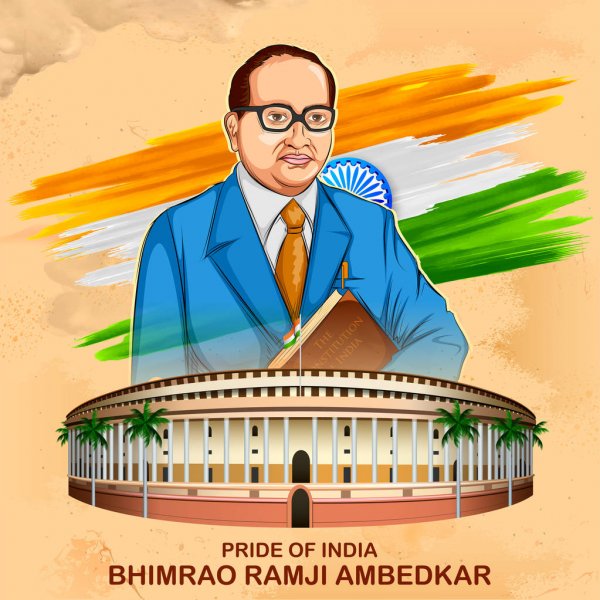
In September 1920, after accumulating sufficient funds Ambedkar went back to London to complete his studies. He became a Barrister and got a Doctorate in science while practicing law in the Bombay High court he tried to promote education to “untouchables” and uplift them. In 1927, Babasaheb Ambedkar decided to launch active movements against untouchability- to open up public drinking water resources, that led to a Satyagrah in Mahad. He attended all the three round table conferences in London and argued for the welfare of the “untouchables”. In 1937, Dr. Ambedkar introduced a bill to abolish the “KHOTI” system of land tenure in Konkan region and the Mahar “WATAN” system of working for the government as slaves. In 1947, when India became independent the first Prime Minister Pandit Jawaharlal Nehru invited him, as he had been elected as a member of the Constituent Assembly from Bengal to join his Cabinet as a Law Minister. He was appointed as the chairman of the constitution drafting committee.
THYROID

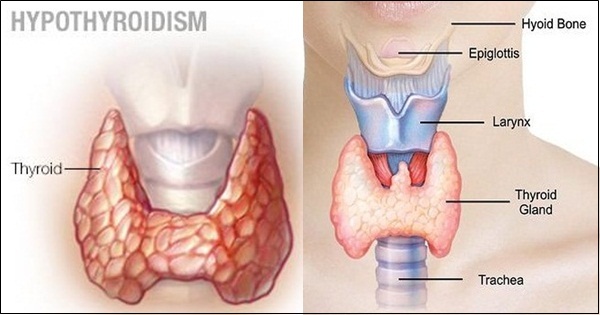
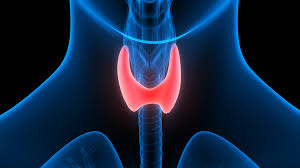
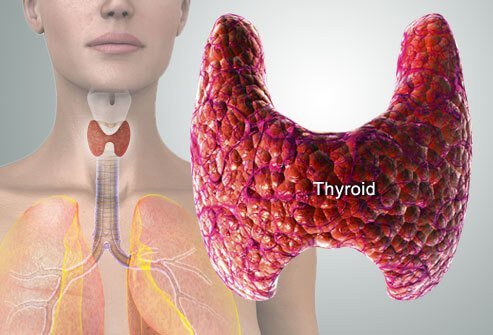
The Thyroid or Thyroid Gland is an endocrine gland in vertebrates. In humans it is in the neck and consists of two connected lobes. The lower two thirds of the lobes are connected by a thin band of tissue called the thyroid isthmus. The thyroid is located at the front of the neck, below the Adam’s apple. The functional unit of the thyroid gland is the spherical thyroid follicle, lined with follicular cells(thyrocytes), and occasional parafollicular cells that surrounds a lumen containing colloid. The thyroid gland secretes three hormones- triiodothyronine(T3) and thyroxine(T4), a peptide hormone- calcitonin.
The thyroid hormone influences the metabolic rate, protein synthesis and in children- growth and development. Calcitonin plays a role in calcium homeostasis. Secretion of the two thyroid hormones is regulated by thyroid-stimulating hormone(TSH) which is secreted from the anterior pituitary gland.

When the thyroid doesn’t work properly, it can impact our entire body. If our body makes too much thyroid hormone, this can develop a condition called Hyperthyroidism. If our body makes too little thyroid hormone, it is called Hypothyroidism. Both the conditions are serious and needs a proper treatment.

WHO CAN BE AFFECTED BY THYROID DISEASE?

This disease can affect anyone be it men, women, infants, teenagers and the elderly. It can be present at birth(typically hypothyroidism) and it can develop as the person age(often after menopause in women). Thyroid disease has become a very common disease. A woman is about five to eight times more likely to be diagnosed with a thyroid condition than a man.

A person may be at a higher risk of developing this disease if he/she:-

  • has a family history of thyroid disease.
  • has a medical condition, such as type 1 diabetes, Rheumatoid arthritis etc.
  • taking a medicine higher in iodine content.

SYMPTOMS OF THYROID DISEASE

Symptoms of an overactive thyroid(hyperthyroidism) include:-

  • experiencing anxiety, irritability and nervousness.
  • having trouble sleeping.
  • losing weight.
  • having an enlarged thyroid gland or goiter.
  • having muscle weakness and tremors.
  • experiencing irregular menstrual periods.
  • feelings sensitive to heat.
  • having vision problems.

Symptoms of an underactive thyroid(hypothyroidism) include:-

  • feeling tired.
  • gaining weight.
  • experiencing forgetfulness.
  • having frequent and heavy menstrual periods.
  • having dry and coarse hair.
  • having hoarse voice.
  • experiencing intolerance to cold temperatures.

CANCER- EATING PRECIOUS LIVES

Cancer has a major impact on society across the world. Cancer statistics describe what happens in large groups of people and provide a picture in time of the burden of cancer on society. Cancer has become one of the leading causes of death worldwide. Each year so many people die of cancer either because they could not survive the chemotherapy treatments given to them or due to lack of money they could not afford the treatment. The most common Cancers(listed according to estimated new cases in 2020) are Breast cancer, Non- Hodgkin Lymphoma, Kidney and Renal Pelvis cancer, Endometrial cancer, Leukemia, Pancreatic cancer, Thyroid cancer, Liver cancer.

Prostate, lung and colorectal cancers account for an estimated 43% of all cancers diagnosed in men. For Women, the three most common cancers are Breast, lung, colorectal and they account for an estimated 50%.

WHAT IS CANCER?

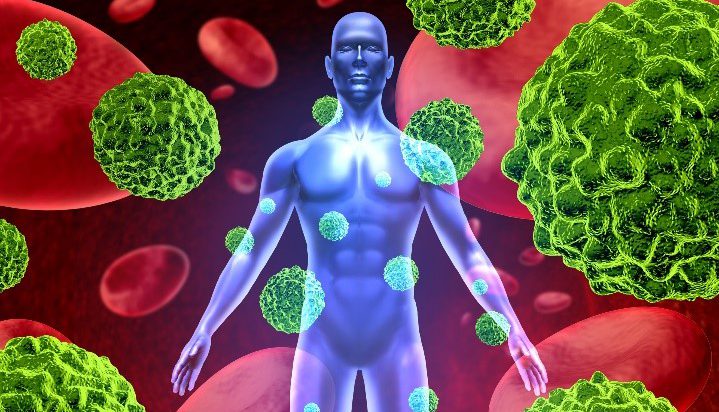
Cancer is a group of diseases involving abnormal cell growth with the potential to invade or spread to other parts of the body. Benign tumors do not spread to all parts of the body whereas Malignant tumors spread to the different parts and grow where ever they get accumulated. Cancerous cells have the ability to infiltrate and destroy normal body tissues.

SYMPTOMS

Signs and symptoms caused by cancer vary depending upon the part of body getting infected. Some of the general signs and symptoms associated with the same are:-

  • fatigue
  • lump or area of thickening that can be felt under the skin.
  • weight changes, including unintended loss or gain.
  • skin changes, such as yellowing, darkening or redness of skin, sores that won’t heal or changes to existing moles.
  • changes in bowel or bladder habits.
  • persistent cough or trouble breathing.
  • difficulty in swallowing.
  • hoarseness
  • persistent indigestion or discomfort after eating.
  • persistent muscle or joint pain.
  • persistent fever/night sweats/bleeding.

CAUSES OF CANCER

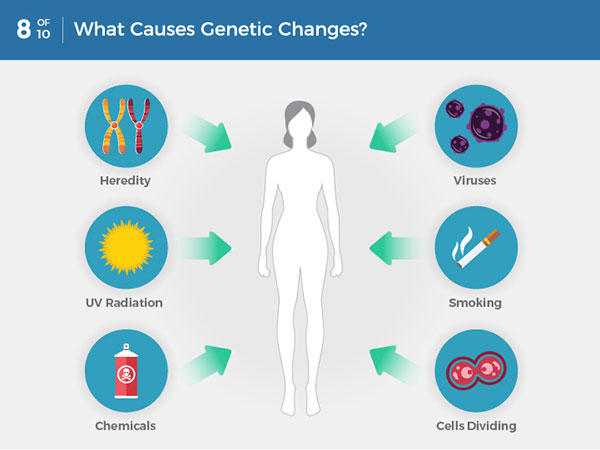
Factors causing cancer include certain infections, exposure to ionizing radiations, mutations in genes and environmental pollutants. Cancer is caused by changes(mutations) to the DNA within the cells(in majority of cases). The DNA inside a cell is packaged into a large number of individual genes, each of which contains a set of instructions telling the cell what functions to perform as well as how to grow and divide. A gene mutation can instruct a healthy cell to:-

  1. allow rapid growth– a gene mutation can tell a cell to grow and divide more rapidly. This creates many new cells that all have that same mutation.
  2. fail to stop uncontrolled cell growth– normal cells know when to stop growing but cancerous cells lose the control(tumor suppressor genes) that tell them when to stop growing. A mutation in tumor suppressor gene allows cancer cells to continue growing and accumulating.
  3. make mistakes when repairing DNA errors– DNA repair genes look for errors in a cell’s DNA and make corrections. A mutation in DNA repair gene means that other errors aren’t corrected.

PREVENTION

  • Stop smoking.
  • Avoid excessive sun exposure- harmful UV rays from the sun can increase the risk of skin cancer.
  • Eat a healthy diet.
  • Exercise most days of a week.
  • Maintain a healthy weight- being overweight or obese may increase the risk of cancer.

ANXIETY-DOMINATING BRILLIANT MINDS

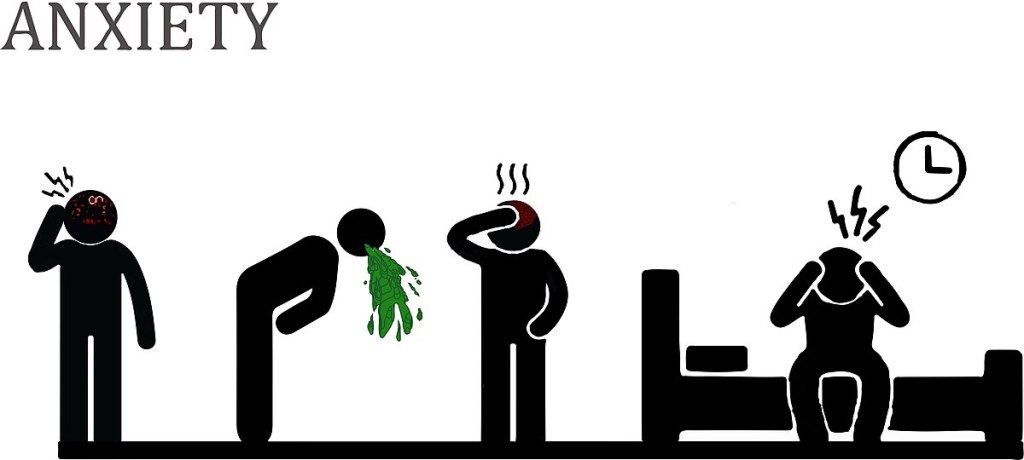
Anxiety is our body’s natural response to stress. It’s a feeling of fear or apprehension about what is going to come our way. Reason for the same can be many, such as first day of school, going for an interview, overthinking, personal life problems, career etc. Anxiety is an emotion characterized by an unpleasant state of inner turmoil, often accompanied by nervous behavior such as pacing back and forth, somatic complaints and rumination. It includes the feeling of uneasiness and worry, usually generalized and unfocused as an overreaction to a situation that is only subjectively seen as menacing. It is often accompanied by muscular tension, restlessness, fatigue, inability to catch one’s breath, tightness in abdominal region and problems in concentration. If longer than six months and are interfering with normal life, then this may be an Anxiety disorder.

WHAT ARE ANXIETY DISORDERS?

Ordinary Anxiety is a feeling that comes and goes but does not interfere with our everyday life. But incase of an anxiety disorder, the feeling of fear prevails all the time. It is intense and sometimes debilitating. This type of anxiety may cause the person to stop doing things he/she enjoys. They start losing interest in everything around them. In many cases, it may even prevent the person from entering the elevator, crossing the street and leaving home. If left untreated, it keeps getting worse. Anxiety disorders are the most common form of emotional disorder and can affect anyone at any age.

TYPES OF ANXIETY DISORDER

  1. Panic disorder– experiencing recurring panic attacks at unexpected times. A person with the same may live in fear.
  2. Phobia– excessive fear of specific object, situation or activity.
  3. Social Anxiety disorder– extreme fear of being judged by others in social situations.
  4. Obsessive- Compulsive disorder– recurring irrational thoughts that leads to perform specific, repeated behaviors.
  5. Separation Anxiety disorder– fear of being away from home or loved ones.
  6. Illness Anxiety disorder(formerly called Hypochondria)- anxiety about health.
  7. Post-Traumatic Stress disorder(PTSD)– anxiety following a traumatic event.

SYMPTOMS OF ANXIETY

Anxiety feels different depending upon the person experiencing the same. The person might feel out of control, like there’s a disconnection between mind and body. Other ways people experience anxiety includes nightmares, panic attacks, painful thoughts or memories that can’t be controlled. General anxiety symptoms include:-

  • increased heart rate
  • rapid breathing
  • restlessness
  • trouble concentrating
  • difficulty falling asleep

TREATMENT

Once the person has been diagnosed with anxiety, it is not necessary that they would need medical treatment. Lifestyle changes may be enough to cope with the symptoms. In moderate or severe cases, treatment can help us to overcome the symptoms and lead a more manageable life. Seeing a Psychiatrist helps with proper medication required and physical assistance as well.

Diabetes insipidus

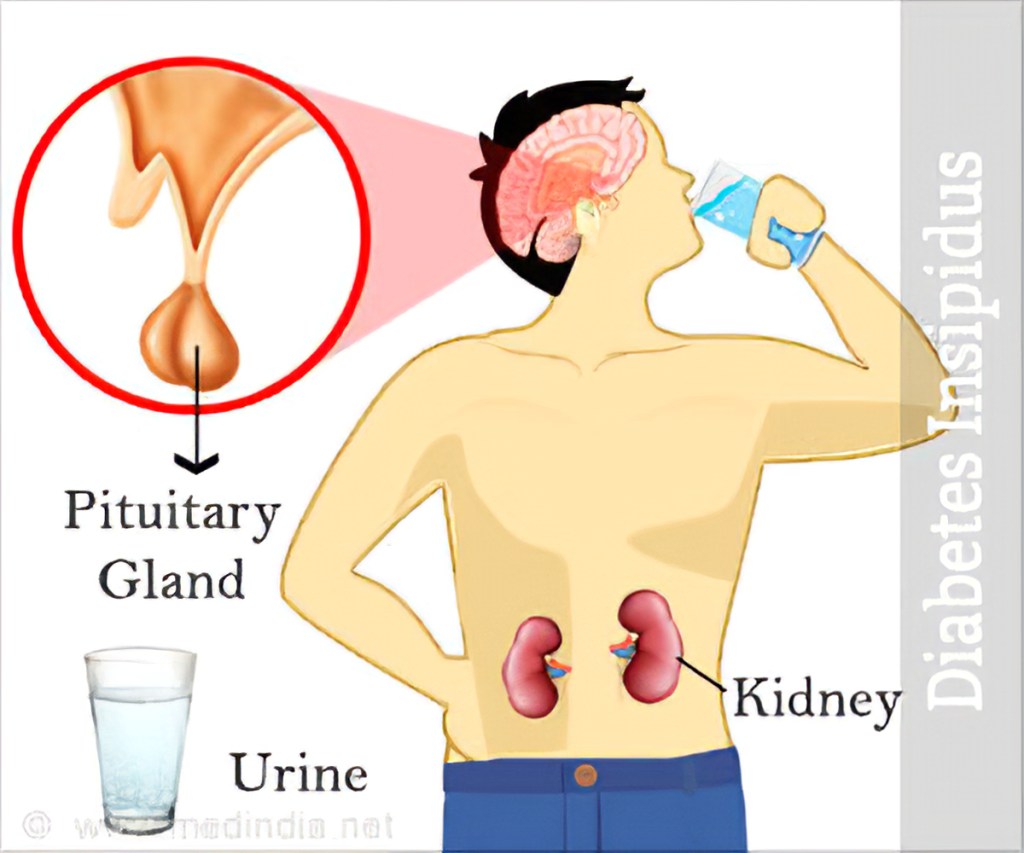
Diabetes insipidus is an uncommon disorder that causes an imbalance of fluids in the body. This imbalance leads to the production of large amount of urine. It also makes the person feel very thirsty even if they have something to drink. While the terms “Diabetes mellitus” and “Diabetes insipidus” sound similar but they are not. Diabetes mellitus- involves high blood sugar levels and can occur as type 1 or type 2 is very common whereas Diabetes insipidus involves excess of urination and is very rare.

WHAT ARE THE CAUSES OF DIABETES INSIPIDUS?

Diabetes insipidus occurs when the body can’t properly balance the body’s fluid levels. The kidneys filter the fluid portion of our blood to remove the waste products. The majority of the fluid is returned to the bloodstream while the waste and a smaller amount of fluid make up urine. Urine is excreted from the body after being temporarily stored in the bladder. A hormone called anti-diuretic hormone(ADH) or vasopressin, is needed for the fluid that’s filtered by the kidneys to go back into the bloodstream. ADH is made in a part of the brain called the hypothalamus and stored in the pituitary gland, a small gland found in the base of the brain. Conditions that cause a deficiency of ADH or block the effect of ADH result in production of excess urine.

TYPES OF DIABETES INSIPIDUS:-

  1. Central Diabetes insipidus– damage to the pituitary gland or hypothalamus from surgery, a tumor, head injury or illness can cause central diabetes insipidus by affecting the usual production, storage and release of ADH. An inherited genetic disease also can cause this condition.
  2. Nephrogenic Diabetes insipidus– occurs when there’s a defect in the structures of the kidneys that make them unable to properly respond to ADH. The defect may be due to an inherited(genetic) disorder or a chronic kidney disorder. Certain drugs such as lithium or antiviral medications such as foscarnet (Foscavir) also can cause nephrogenic diabetes insipidus.
  3. Gestational Diabetes insipidus– is a rare condition. It occurs only during pregnancy when an enzyme made by the placenta destroys ADH in the mother.
  4. Primary Polydipsia– also known as dipsogenic diabetes insipidus, this condition can cause production of large amounts of diluted urine from drinking excessive amounts of fluids.

SYMPTOMS:-

  • Being extremely thirsty.
  • producing large amounts of pale urine.
  • frequently needing to get up to urinate during the night.
  • trouble sleeping
  • fever
  • vomiting
  • delayed growth and weight loss.
  • electrolyte imbalance- can cause an imbalance in minerals in our body such as sodium, potassium that maintain the fluid balance in our body and can lead to weakness, nausea, loss of appetite, muscle cramps etc.

TREATMENT:-

  • For mild diabetes insipidus, we only need to increase our water intake.
  • if the condition is caused by an abnormality in the pituitary gland or hypothalamus(such as a tumor) then the doctor first treats the abnormality with a synthetic hormone called desmopressin that replaces the anti-diuretic hormone(ADH) and decreases urination.
  • available as a nasal spray, a tablet or by injection.

Diabetes mellitus- A Lifestyle Disease

With increasing comfort in our day to day life, we have given invitation to deadly diseases in us. Our busy life has made us so involved in it that we don’t have time to look after our physical well being. 2 out of every 5 person is suffering from this disease- Diabetes, but lesser they know about what causes this disease, it’s types, symptoms and treatment.

WHAT IS DIABETES?

Diabetes mellitus commonly known as just diabetes, is a disorder in which the body does not produce enough or respond normally to insulin, causing blood sugar(glucose) levels to be abnormally high. Doctors often use the full name Diabetes mellitus, rather than diabetes alone, to distinguish this disorder from Diabetes insipidus. Diabetes insipidus is a relatively rare disorder that does not affect blood glucose levels but just like Diabetes mellitus, also causes increased urination.

The three major nutrients that make up most food are carbohydrates, proteins, fat. Sugars are one of the three types of carbohydrates along with starch and fiber. There are many types of sugar such as simple and complex based on the number of carbon atoms they are made of. Table sugar(sucrose) is made of two simple sugars called glucose and fructose. Milk sugar(lactose) is made of glucose and a simple sugar called galactose. The carbohydrates in starches, such as bread, pasta, rice and similar foods are long chains of different simple sugar molecules. Once the body absorbs simple sugars, it usually converts them into glucose, which is an important source of fuel for the body. Glucose is the sugar that is transported through the bloodstream and taken up by the cells. The body can also make glucose from fats and proteins. Blood “sugar” really means blood glucose.

INSULIN

Insulin, a hormone released from the pancreas(an organ behind the stomach that also produces digestive enzymes) controls the amount of glucose in the blood. Glucose in the bloodstream stimulates the pancreas to produce insulin. Insulin helps glucose to move from blood into the cells. Once inside the cells, glucose is converted to energy, which is used immediately, or the glucose is stored as fat or the starch glycogen until it is needed. The level of glucose in the blood vary normally throughout the day. They rise after a meal and return to pre-meals levels within about 2 hours after eating. If the body does not produce enough insulin to move the glucose into the cells or if the cells stop responding normally to insulin(called insulin resistance), the resulting high levels of glucose in blood and inadequate amount of glucose in the cells causes diabetes.

TYPES OF DIABETES

  1. TYPE-1 DIABETES:- (formerly called insulin-dependent diabetes or juvenile-onset diabetes) the body’s immune system attacks the insulin producing cells of pancreas and more than 90% of them are permanently destroyed. The pancreas produces little or no insulin.
  2. TYPE-2 DIABETES:- (formerly called non-insulin-dependent diabetes or adult-onset diabetes) the pancreas often continues to produce insulin, sometimes even at higher than normal levels, especially early in the disease. The insulin producing ability of the pancreas decreases.

SYMPTOMS OF DIABETES MELLITUS

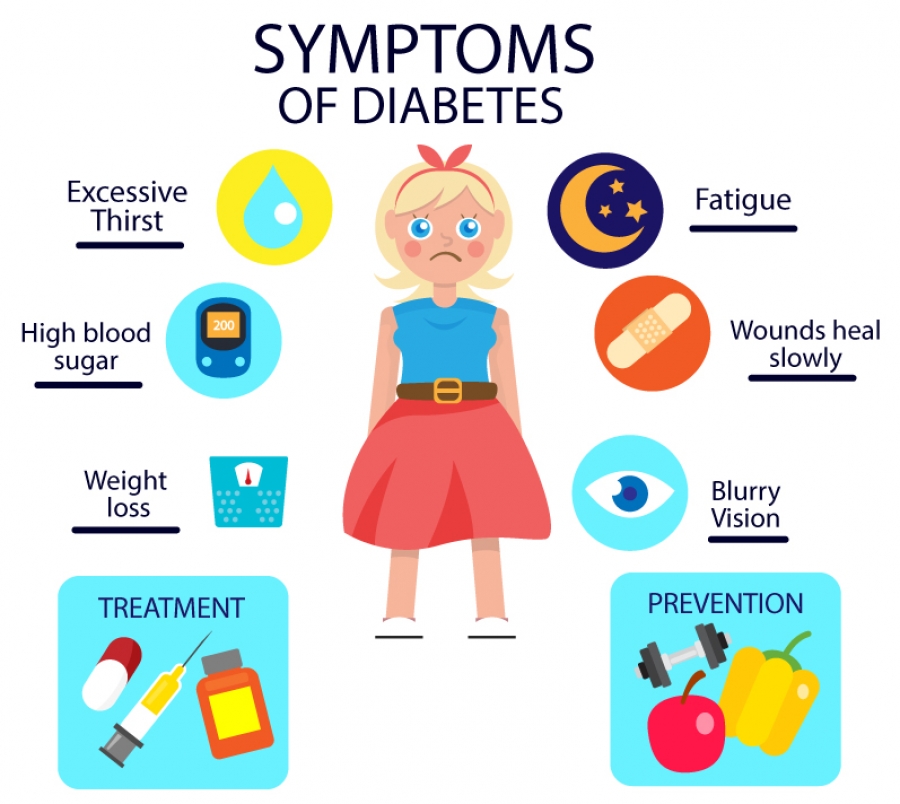
The symptoms of high blood glucose levels include:-

  • increased thirst
  • increased urination
  • increased hunger
  • when the blood glucose level rises above 160 to 180 mg/dL glucose spills into the urine. When the levels of glucose in the urine rises even higher, the kidneys excrete additional water to dilute the large amount of glucose. Because the kidneys produce excessive urine, people with diabetes urinate large volumes frequently(polyuria).

Other symptoms of diabetes include:-

  • blurred vision
  • drowsiness
  • nausea
  • decreased endurance during exercise.

Treatment:-

  • Diet
  • Exercise
  • Weight loss
  • Education/ awareness
  • In type-1 diabetes, insulin injections are given.
  • In type-2 diabetes, often drugs by mouth and sometimes insulin or other drugs by injection are given.

DARWINISM AND THE THEORY OF ORGANIC EVOLUTION

WHO WAS DARWIN?

Charles Robert Darwin was an English Naturalist, born on February 12,1809 in Shrewsbury, England whose Scientific theory of evolution by natural selection became the foundation of modern evolutionary studies. An affable Country gentleman, Darwin at first shocked religious Victorian Society by suggesting that animals and humans shared a common ancestry. However, his non-religious biology appealed to the rising class of professional scientists, and by the time of his death evolutionary imagery had spread through all of science, literature and politics.

DARWIN’S JOURNEY THROUGH EVOLUTIONARY THEORIES:-

The belief that God had created mankind in his own image and likeness were shed by most western scientists until the middle of the 19th century when they thought that all the creatures of the planet had been conceived by a divine force that is until Charles Darwin arrived. Some researchers were already talking about an evolution of the species but the British Naturalist was the first to explain with evidence how evolution might occur by natural selection.

Darwin’s theory radically changed biology offering a new explanation of the origin of Human Beings. It also made him one of the most influential scientists and intellectuals in history but to get there he had to make an extraordinary journey, fighting all the odds before hundreds of experiments and spend 20 years of his life refining all his ideas. In 1831, when Darwin was 22 years old and studying at the University of Cambridge was invited as a Naturalist to a great expedition. He boarded the HMS BEAGLE and spent almost five years travelling several continents starting in South America from which he brought back dozens of life specimens illustrations and fossils. These fossils gave him one of the first clues about evolution, for example observing the remains of a Milodon– a giant animal similar to the sloth. He thought that those similarities were probably not a coincidence, there had to be some kind of link.

When he stopped at the Galapagos Island, Darwin also observed some giant tortoises which lived in nearby islands but showed unique physical characteristics in each island. In the humid areas where vegetation was abundant the turtles had a short neck and a dome-shaped shell whereas in the islands with a drier environment they had a saddle like shell along neck but he couldn’t explain that difference. Upon his return Darwin spent time observing how animal breeders and guards crossbred animals of species to create new varieties. For that creation to be successful the artificial selection made by man was key. Darwin realized that the natural world probably made the same kind of selection but he couldn’t explain how it happened until he read the work of Thomas Robert Malthus, a British intellectual from the 18th century. In an essay on demography, Malthus said that as the population in Europe was growing at one point it would increase much more than the food supplies available and that would cause a fight for survival. This idea helped Darwin explain how evolution works in nature. There is a struggle for survival in which the strongest individual is not necessarily the survivor instead it’s the one which best adapts to the environment where it lives. If a living being has any trait that helps them to survive it will be more successful at the reproduction. Those which don’t adapt will die without descendants. The creatures with the most success in reproducing, past their traits- their lineage and so on until these variations end up becoming a new species. That’s why the differences between the Galapagos Tortoises were a product of evolution.

ALL YOU NEED TO KNOW ABOUT MENDEL

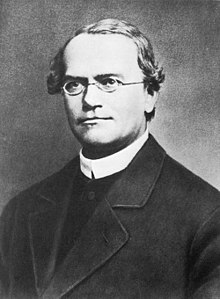
Once in a while we all have gone through the term ‘genes’. We know that genes are the basic physical and functional unit of heredity which determine the nature of protein formed and those expressing the characteristics passed on from one generation to another generation. Least do we know about who experimented and discovered the same. Gregor Johann Mendel, also known as the father of modern genetics, discovered the ‘factors’ that were responsible for the transfer of characters from parents to off springs, which were later known to be the genes.

WHO WAS GREGOR MENDEL?

Gregor Johann Mendel was an Austrian Monk, a meteorologist, mathematician, biologist born in 1822 near Brunn in Austria. Born to a family with limited means in German-speaking Silesia, Mendel was raised in a rural setting. His academic abilities were recognized by the local priest who urged his parents to send him away to school at the age of 11. His Gymnasium studies(grammar school) completed in 1840, Mendel entered a two-year program in philosophy at the Philosophical Institute of the University of Olemouc, Czech Republic, where he excelled in physics and mathematics completing his studies in 1843. His initial years away from home were hard, because his family could not sufficiently support him. He tutored other students to make ends meet and twice he suffered serious depression and had to return home to recover from the same. As his father’s only son, Mendel was expected to take over the small family farm, but he preferred a different solution to his predicament, choosing to enter monastery(local community or residence of a religious order) where he was given the name Gregor.

However, in 1850 Mendel failed an exam- introduced through new legislation for teacher certification and was sent to the University of Vienna for 2 years. There he devoted his time in physics and mathematics and also studied botany. In 1854, Abbot Cyril Napp permitted Mendel to plan a major experimental program in hybridization at Monastery. The aim of this program was to trace the transmission of hereditary characters in successive generations of hybrid progeny. Mendel chose to conduct his studies with the edible pea(Pisum sativum).

From 1854 to 1856 he tested 34 varieties for constancy of their traits. In order to trace the transmission of characters, he chose seven traits that were expressed in a distinctive manner, such as:-

  1. plant height(short or tall)
  2. seed color(green or yellow)
  3. seed shape(smooth or wrinkled)
  4. pod color(green or yellow)
  5. pod shape(inflated or pinched)
  6. flower color(purple/grey or white)
  7. flower position(axial or terminal)

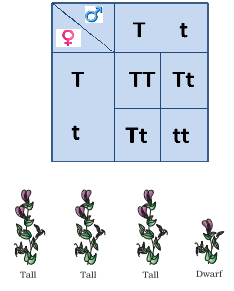
He crossed the varieties that differed in just one trait- tall plant with short plant(monohybrid cross). The first generation of hybrids(F1) displayed the character of one variety but not that of the other. In Mendel’s term, one character was dominant and the other was recessive. In the second generation(F2), however, the recessive character reappeared, and the proportion of off springs bearing the dominant and recessive trait was in the ratio 3:1.

WHY DID MENDEL CHOOSE PEA PLANT FOR HIS EXPERIMENTS?

  • Flower structure of pea plant ensured self-pollination and also had a well defined male and female reproductive structures.
  • pea plant is a single season crop.
  • they can be grown easily.
  • emasculation and pollination of flowers is quite easy
  • these plants reproduce sexually.
  • they have easily distinguishable pair of characters.

PROCRASTINATION- A CURSE

‘I will do it some other time’ is the biggest lie one can tell oneself. To start with this phrase, it is rightly said that this is the biggest lie we tell to ourselves because there is no tomorrow to do a work. If it’s not today, then it’s never, and if we elongate procrastinating a work it becomes our habit. It is possible that when we delay or postpone a work it would give us a sigh of relief for that very moment, thinking we don’t need to do this thing now and we will continue this later on but later on this is the thing which starts creating a mental pressure on our mind and we begin to panic around. In a way, it can also hamper our on going work because then we would have to stop that for a while and do the previous work first.

WHY DO WE PROCRASTINATE?

We have several reasons to why we procrastinate a work but the most dominating of all are the psychological reasons. When we need to get something done, we rely primarily on our self-control in order to bring our self to do it. Our self-control often receives support from our motivation which helps us get things done in a timely manner. In some cases, we experience certain demotivating factors such as anxiety or fear of failure, which have an opposite effect than our motivation. In addition, we sometimes experience certain hindering factors such as exhaustion or rewards that are far in the future, which interfere with our self-control and motivation.

People sometimes procrastinate as result of their perfectionism. Perfectionism can lead to procrastination in many ways, such as by making someone so afraid to commit a mistake that they end up not taking any action at all, or by making someone so worried of presenting something with any flaws that they end up reworking instead of moving forward.

Laziness is another factor that leads us to procrastinate from our work most of the times. This may come from unhealthy food habits and untimed sleep schedule. Thus, it is always said to lead a healthy lifestyle with healthy food habits and a good sleep schedule with some exercises included. Food habits affect in a way that if we have to work at sometime and we have a heavy meal before the same then we would probably end up taking a nap or resting instead of doing our assigned work for the time being. Similarly, if we don’t take adequate amount of sleep we would always feel tired and reluctant to work.

Fear of evaluation or negative feedback can lead to procrastination as well. This happens because people are afraid to be judged for a negative impact left back at them. In many cases, people’s fear in this regard are irrationally exaggerated or unjustified, either because the chances of receiving negative feedback are low or because the consequences of that feedback aren’t as significant as they feel.

HOW TO AVOID THIS?

As it is rightly said that it is much better to accept the truth than to believe in a lie that you already know is going to end one or the other day and you need to face the reality similarly, we should avoid compiling our work for some other day rather do the same on the spot, as and when required. We should set abstract goals and always keep ourselves motivated to work for the same with a positive energy. Do the work as and when required!

ONLINE EDUCATION, WORK FROM HOME- A WORLD OF VIRTUALITY

KNOW THE BOON AND BANE

In the recent years, distance teaching and learning has become a major part of our lives. Now a days, since the outbreak of COVID-19 we all are doing work from home not taking even a days’ leave thinking that it would not waste our time no matter whatever is going around us. We are all somehow bound to do the same be it for our schools, colleges or official works. But the question arising here is that are we seriously up to something doing this?, Are we mentally getting affected through all this in any way?, Do our mind feels saturated at times? Yes, It surely does. Maybe online teachings and online learning or be it work from home allows us to work at our own pace, learn the things according to us, be in a comfort zone but in many ways the machines are captivating our minds and transforming us into ‘Robots’.

What physical learning taught us is something which online teachings can never teach us. The way we used to interact with our teachers, with our friends, developing a different bond with people around us has now been restricted to just a screen and a room. Sitting in a room with a laptop for hours, working endlessly since morning till late night, having the whole routine ruined is something people now are getting used to. These all things have created a different environment around, which is making us to adapt more of the virtual things rather than seeing the real outcomes. We are living in a world where we have more of the assumptions than the factual information because we are now physically restricted to go out and explore them ourselves. We have a virtual thought flow in and around us.

Online education is usually more affordable. Online education further happens to be comparatively cheaper in comparison to the conventional learning. Under traditional education or training programs we are required to pay for the other facilities provided by the institution but for online training and learning we only need to pay the fees.

Although I agree to the point that online classes and work from home has increased our convenience and flexibility towards certain things, good for women who can now take out some time from their household works and learn different skills by just being at home, but in many ways have made us isolated from the social life where we physically interact to people and made us to live a stressful life. Not only mentally but it has also affected us physically. Sitting for hours and idly staring at the screen has affected our eye sight, no exercises in a day leading to obesity and much more. We are now much more reliant on technology where we are actually ignoring the practice based learning. Work from home has created new opportunities for many people across the globe who were earlier not being able to do any work due to personal reasons. It is helpful up to some extent but not reliable as it prevents us from learning basic skills otherwise possible physically.

TEACHERS’ DAY

Every year on September 5, we celebrate this thanks giving day to the one’s who become our second parents, holding our hands since the time we enter our school to the time we achieve laurels and become something in our life, they are there to show us the path- The Teachers. Teacher is not just a word but a whole story in itself. Apart from the celebrations we have on this day it is very important for us to know why this day is celebrated as Teachers’ day, who was the person to mark this day for the teachers and much more things.

WHY DO WE CELEBRATE TEACHERS’ DAY?

This day is truly dedicated for the appreciation of the hard work our teachers put in to build up our personalities. Globally, Teachers’ day is celebrated on October 5 but in India we celebrate it on September 5 to commemorate the birth anniversary of Dr. Sarvepalli RadhaKrishnan. He was a renowned Scholar, recipient of Bharat Ratna, first Vice-President and second President of our Independent India.

He was born on September 5,1888. As an educationist, he was an advocate of edification and an envoy, academician and above all a great teacher. His vision for marking this day was that the future of a country lies in the hands of its children and teachers, as mentors, who carve the students into the future role models.

The first Teachers’ day was celebrated in India in 1962. This is the year when Sarvepalli RadhaKrishnan began serving as the Second President of India. To celebrate his esteemed position and appreciate his efforts as a teacher in their lives, his students suggested that his birthday should be celebrated as ‘RadhaKrishnan Day’.

It is rightly said that “Guru is truly the representative of Brahma, Vishnu and Maheshwarah. He creates, sustains knowledge and destroy the weeds of ignorance”. A teacher teaches us to lead a disciplined life. He/she takes us to the first step of understanding what and when do we need to be patient in our life. He/she teaches us that learning is the only way to light up the dark paths and be at place from where we can help the needy people around us. A teacher teaches us what selfless giving is and what serving to people with knowledge and can give you in return.

Teachers never demarcate children based on class or caste. For them, every child is equal. There is no distinction between good or bad students, but rather the feeble kids are brought to the surface of confidence. They always help their students to identify their innate potentials, develop their interests in different fields apart from just the books. Everyone around would be judging you for your strengths and weakness but a teacher, after your parents, is never going to judge you for your external appearances or weakness rather they would push you in front for you to come out with the best in you, for you to build up the confidence and face the real world with the same.

LEAST KNOWN SOCIAL REFORMERS OF INDIA: PART-2

PANDITA RAMABAI SARASVATI

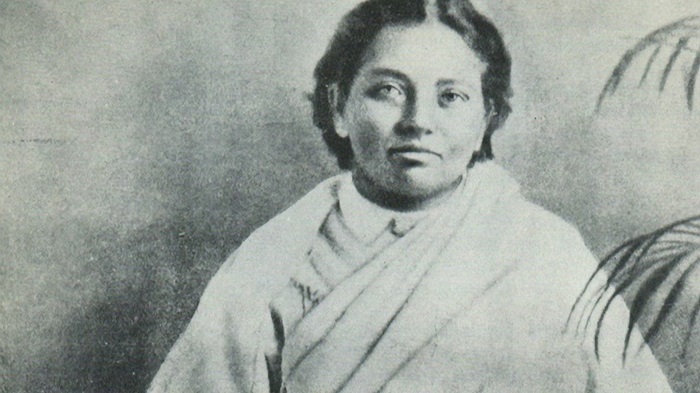
Remembering the times when girls were just meant to be at home, cook and take care of the rest of family and were taught to speak less, not go outside often, wear saree as soon as they reach the age of 8 and were denied education, there was this girl Pandita RamaBai born to a liberal Brahmin Pandit, Anant Shastri Dongre in 1858. Born in a liberal family meant that she was already saved from the twin curse other girls faced i.e the lack of education and child marriage. Her father, Anant Shastri Dongre, was a Sanskrit Scholar and used to teach his wife Sanskrit which was very unlikely in those times. However, due to some adverse material conditions of the family Pandita RamaBai lost her parents and her sister. She was orphaned at the young age of 16. Eventually, she had to move to Calcutta along with her brother in the year 1878. There she met many other Scholars with whom she shared her knowledge in Scripture and Sanskrit she had inherited from her father and it was quite impressive for the Scholars. This was the turning point of her life after all what she had gone through. She was conferred with the titles of “PANDITA” and “SARASVATI”.

In Calcutta she met Keshab Chandra Sen, who was the supporter of Brahmo Samaj (societal component of Brahmoism- reformist movement of the Hindu religion). He suggested RamaBai to read the Vedas and Upanishads more carefully, going deeper through the contents. Slowly, she started to gain a little confidence she had lost long ago due to bad incidents that happened to her. RamaBai gained exposure to public speaking by participating in the family’s public recitation of Puranas at pilgrimage sites across India, which is how they earned a meager living. Somehow they had started to lead a normal life by now when a sudden demise of her brother in 1880 completely shock her.

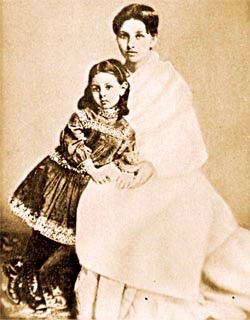
She was all alone now. To overcome the emptiness in her life she decided to marry Bipin Behari Medhvi, who was a Bengali lawyer. The groom was a Bengali Kayastha, and so the marriage was inter-caste and inter-regional and therefore considered inappropriate for that time. They were married in a civil ceremony on November 13,1880. The couple had a daughter, after a year of their marriage, whom they named Manorama. But her happiness of a complete family was very short-lived. She lost her husband in the year 1882, just after 2 years of their marriage. She was completely broken but had to hold upon her as she now had a daughter to raise and there were many more revolutions left to be brought by her. RamaBai moved to Pune where she found ARYA MAHILA SAMAJ(ARYA WOMEN’S SOCIETY), influenced by the ideas of Brahmo Samaj and Hindu reformers, the purpose of the society was to promote the cause of women’s education and deliverance from the oppression of child marriage.

When in 1882 the Hunter Commission was appointed by the Government of India to look into the education system, RamaBai gave evidence before it. In an address before the Hunter Commission, she declared, “In 99 cases out of a 100 the educated men of this country are opposed to female education and the proper position of women”. She also wrote her first Marathi book, Stri Dharma-Niti (Morals for Women) which was published in 1882. With no support coming towards a widows’ institution, RamaBai decided to go to England to seek British support for her Widows’ home- Sharda Sadan in Pune. During the time she travelled from Britain to United States to attend the graduation of her relative and the first female Indian doctor AnandiBai Joshi, she published one of her most important books- The High-Caste Hindu Woman. This was her first book written in English. When she returned back to India she founded the Widows’ shelter, promoted women education and their well-being and later got herself converted to Christianity and changed her name to Marry Rama.

LEAST KNOWN SOCIAL REFORMERS OF INDIA

AHILYABAI HOLKAR- QUEEN OF MALWA KINGDOM

Looking back into the ancient times of the Indian History, we get to see that not only the people fought against the British Rule to free our country but some of them, mostly women, fought within their own community for the rights they were denied and for the wrong customs that were imposed on them.

One of those least known social reformers is AhilyaBai Holkar who came from the village of Choundi in Jamkhed, Ahmednagar, Maharashtra. Her stories of struggle are very inspiring for every man and woman.

STORY OF AHILYABAI

In the year 1733, MalharRao Holkar was on his way back home from his tour. On his way he decided to stop at the village of Choundi where he came across this young girl offering a prayer at the temple. They did not pass a single word between them. MalharRao Holkar for few minutes just kept looking at the devotion of this young girl. He was impressed by her vity and soon came to a decision that this girl should become my daughter-in-law as he thought that only someone like her could fix his stubborn son.

He came to know that this young girl was AhilyaBai, the daughter of Mankoji Shinde, a scion of a respectable Dhangar Yadav family residing at Choundi of the Beed district, was the Patil of that village. MalharRao wasted no time in securing the consent of Mankoji Shinde and on May 14,1733 AhilyaBai got married to Prince KhandeRao. It was long before AhilyaBai realized that KhandeRao was not an ideal husband. Fortunately, the same could not be said about her in laws. Her father-in-law MalharRao Holkar and her mother-in-law GautamaBai Holkar loved her. MalharRao even offered AhilyaBai to train her in the arts of warfare and statecrafts. AhilyaBai, in spite of everything she learnt and grew, did not give up on Prince KhandeRao. Instead she always used to discuss the things she learnt each day with him. She remained patient through all these times when Prince KhandeRao showed his stubborn behavior but after a long wait her patience finally paid off and now she saw an overtime change in his personality. He started taking active interest in the matters of the kingdom and learnt to first evaluate the things on his own and then listen to the problems of the people. With time his father MalharRao started to feel that he was becoming fit to take over the throne as his responsibility now.

Few years later, AhilyaBai gave birth to her son MaleRao. 3 years later, the couple had a daughter named MuktaBai. Even though she was a mother now, AhilyaBai was solely concerned with the domestic issues of the kingdom. She was an abled ruler in the absence of MalharRao. Her way of approaching the problems brought to her was quite impressive. She used to be way more attentive and patient. She also accompanied her husband and her father-in-law in various military campaigns. During one such campaign in Kumher(1754), a bullet hit her husband from the fort and he passed away. This incident devastated AhilyaBai and according to the norms of the society she was prepared to commit Sati. But MalharRao couldn’t bear to lose both, his son first and now his daughter-in-law. He requested AhilyaBai to change her mind for the sake of her father-in-law and she indeed did the same. Now her only aim was to live for her family and her kingdom.

In the year 1766, MalharRao set on a battle along with Raghu, the uncle of the Maratha leader MadhavRao Peshwa. Away from home MalharRao felt ill and passed away after that. By this time, AhilyaBai was completely heartbroken with the realization that she had lost both the people who would be her backbone and now she is all alone. Bad news didn’t stop here. Soon, her son MaleRao also departed. Her world was totally shattered but she knew that she had no time to grieve now as it was the time for an immediate call. The kingdom was now her responsibility. To the outsiders, the kingdom seemed to be weak and smelling blood they started to plan and conquer the same. But AhilyaBai did not give up and fought against each of them who tried to enter her capital. She appointed TukojiRao Holkar, who was the second son of MalharRao’s nephew, as the chief of her militia. After her first victory in protecting her kingdom she moved her capital to Maheshwar where she build temples, set-up schools and revived the tradition of Maheshwar sarees.

MAJOR DEVELOPMENTS IN MEDICAL BIOTECHNOLOGY FIELD

STEM CELL RESEARCH

We all are in the era of major developments occurring around us in the field of scientific research. Research studies make it very convenient for us to understand and go through the minute details be it any disease or it’s treatment based on it; or if we want to know about certain causes of the disease such as a virus, bacteria, protozoa and many other microbes.

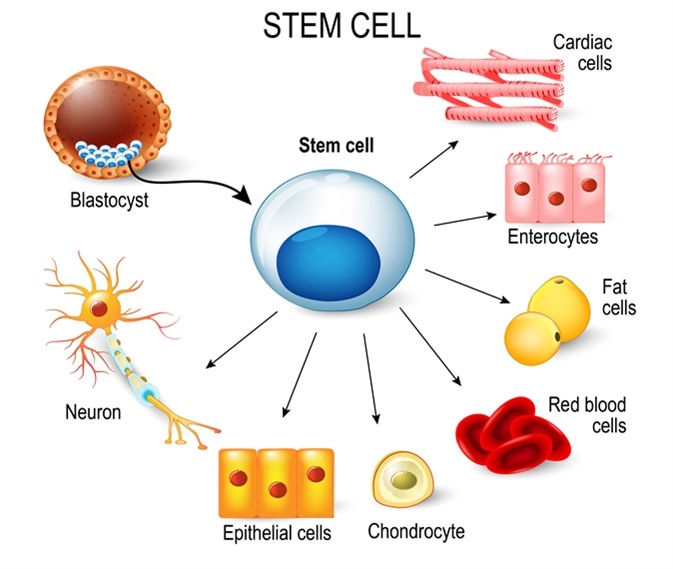
Now a days, many of us come across this word ‘stem cell’ either in science magazines or on internet in several journals. Stem cells are basically those special human cells that have the ability to develop into many different cell types. It is very surprising to know that it can range from muscle cells to brain cells. In some cases, they can also fix or heal the damaged tissues. Stem cells can also be considered as regenerative cells because of their ability to regenerate different tissues. The key properties of a stem cell were first defined by Ernest McCulloch and James Till at the University of Toronto in the early 1960s. They discovered the blood forming stem cell- the hematopoietic stem cell(HSC) through their pioneer work on a mice. Their research on mice paved different paths for other scientists to unleash this field. Scientists discovered ways to derive embryonic stem cells from early mouse embryos way back in 1981. The detailed study of the biology of mouse stem cells led to the discovery of the method to derive stem cells from human embryos and grow the cells in laboratory in the year 1998. Although it seems to be very recent but through all these discoveries on stem cells we have come a long way to know various techniques to store and preserve them for future purposes.

WHY ARE STEM CELLS IMPORTANT?

What sleep is to our brain, stem cells are to our body tissues. This maybe a little contradicting but the relation comes in a way that if we are stressed and tired, a good sleep can regenerate our energy similarly our torn and damaged tissues can be regenerated back by the stem cells.

Stem cells provide new cells for the body as it grows and replaces the specialized cells that are damaged or lost. They have two unique properties that enable them to do so: (i) they can divide over and over again to produce new cells. (ii) as they divide, they can change into other types of cells also that contribute to our body’s framework.

Stem cells are useful in both research as well as therapy. For research- they help us to understand the basic biology of how living things work and what happens in different types of cell during disease. For therapy- they replace the lost or damaged cells of our body.

STEM CELL RESEARCH

Apart from the things that stem cells do to our body they can also be useful to study how cells become specialized for specific functions in the body, and what all mistakes in this process can lead to a disease. We grow tissues and organ structures from stem cells which can then be studied to find out how they function and how they get affected by different drugs.

APPLICATIONS OF STEM CELLS

Adult stem cells are said to be multipotent which means that they have the capacity to self-renew by dividing and developing into multiple specialized cell types. These cells are currently being used to treat some conditions such as blood stem cells used to provide a source of healthy blood cells for people with some blood conditions like thalassemia, cancer who have lost their own blood stem cells during treatment; and skin stem cells can be used to generate new skin for people with serious burns.

Stem cells can also be used to generate new organs for their use in transplants. This can be done by replacing damaged organs with the healthy organs obtained from a donor. Although this process is quite a good alternative for people with organ failure but they may face a rejection from their body’s immune system considering the organ grafted to be a foreign substance.

IMPORTANT APPROACHING DATES OF INDIAN HISTORY

AUGUST 8- THE QUIT INDIA DAY

Indian history plays a very crucial role in several developments and changes that have laid the foundation to the current scenario we are in today. We have several important dates in our calendar devoted to the biggest struggles our people fought to free our nation from the intruders. We all know about the Independence day, the republic day and certain other days when our freedom fighters were born or when they died fighting but out of these there are dates when our struggle to independence was initiated and one of them is the QUIT INDIA DAY.

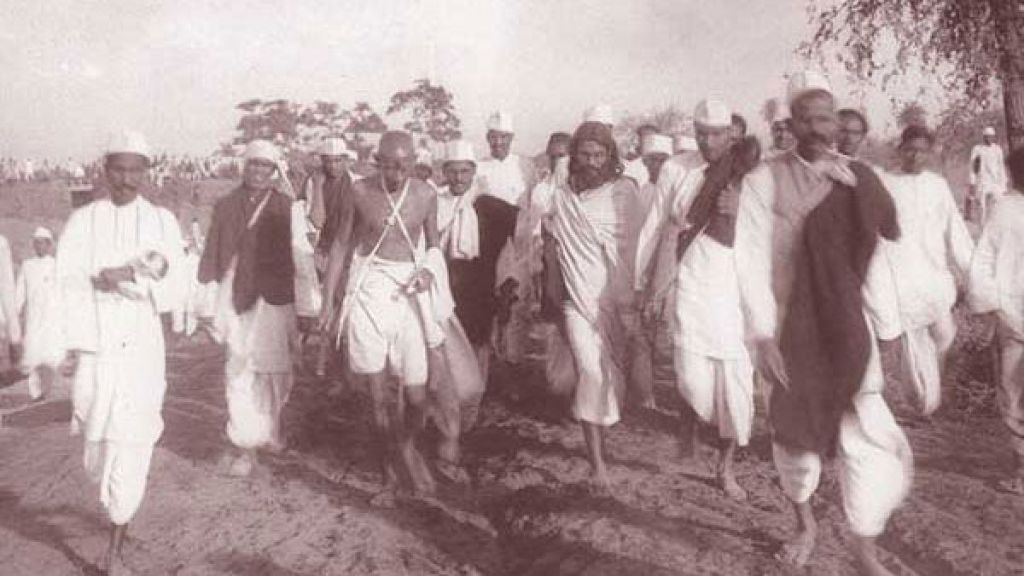
The Quit India Movement is also known as the “August Movement” and the “Leave India Movement”. This movement was launched at the Bombay session of All-India Congress Committee led by Mahatma Gandhi on August 8,1942, during the World War II, which was done to end the British rule in India and was supported by Jawaharlal Nehru and many other leaders.

Recently, last year we have completed 78 years of this Quit India Movement on August 8, 2020.

WHY IS QUIT INDIA MOVEMENT IMPORTANT?

Well, before answering this question I would like you to just imagine yourself being locked in a room in your own house by some strangers who want to occupy your house and want you to do slavery for them. Somewhat relatable to what happened in the past to our country and to the people. Mahatma Gandhi gave the call for the public to join hands and end the British rule and thus he initiated this movement with the slogan “DO OR DIE“(karo ya maro) at the Gowalia Tank Maidan, which is now popularly known as the “AUGUST KRANTI MAIDAN”. It makes us very proud to turn back the pages of History and see that even though women have always been suppressed in our society yet they somehow managed to make their contribution towards the Independence of our country wherever they could find an opportunity. Aruna Asaf Ali popularly known as the “Grand Old Lady” of the Independence movement hoisted the Indian Flag at the Gowalia Tank Maidan in Mumbai during this movement. The slogan “QUIT INDIA” was given by Yusuf Meherally who was a socialist, a trade unionist and also served as a Mayor of Mumbai. He also coined the slogan “SIMON GO BACK”.

WHAT WERE THE CAUSES FOR THIS MOVEMENT?

The immediate cause for this movement can be taken to be the British assumption of unconditional support from India to British in the World War II was not taken well by the Indian National Congress. Also the Anti- British sentiments and demand for full-Independence had gained popularity among the Indian masses.

WHAT WERE THE DEMANDS OF THE QUIT INDIA MOVEMENT?

The demand was very clear with the struggle every Indian faced back then. They wanted to end the British Rule in India and form a provisional government after the withdrawal of Britishers.

OUTCOMES OF THIS MOVEMENT

This movement was violently suppressed by the British Rulers- people were shot dead, lathi-charged, heavy fines were imposed on them and were forced to pay, villages were burnt around. While the Quit India Movement was crushed in 1944, with the British refusing to grant immediate Independence, they came to this important realization that India was ungovernable in the long run due to the cost of World War II. It changed the nature of political negotiations, paving way for Independence.