Laughter therapy-Everyday Laughter makes your life better

A type of therapy that uses humor to help relieve pain and stress and improve a person’s sense of well-being. It may be used to help people cope with a serious disease, such as cancer. Laughter therapy may include laughter exercises, clowns, and comedy movies, books, games, and puzzles.

Laughing is an excellent way to reduce stress in our lives,it can help you to cope with and survive a stressful life.Laughter provides full scale support for your muscles and unleashes a rush of stress busting endorphins.Since our body cannot distinguish between real and fake laughter, anything that makes you giggle will have a positive impact.

Laughter yoga(Hasya yoga)is a practice involving prolonged voluntary laughter It aims to get people laughing in groups.It is practised in the early mornings in open parks.It has been made popular as an exercise routine . Laughter yoga is based on the belief that voluntary laughter as psychological benefits as spontaneous laughter.

Laughter therapy aims to get people laughing,in groups and individual sessions and can help reduce stress,make people and more committed,as well as improve their interpersonal skills.This laughter comes from the body and not the mind.

Laughter yoga session may start with gentle warm up techniques which include stretching, chanting, clapping,eye contact and body movements to help break down inhibitions and encourage a sense of playfulness.Moreover, laughter is the best medicine.Breathing exercises are used to prepare the lungs for laughter followed by a series of laughter exercises that combine a method of acting and visualization techniques.Twenty minutes of laughter is sufficient to augment physiological development.

A handful of small scale scientific studies have indicated that laughter yoga has some medically beneficial effects, including cardiovascular health.This therapy has proved to be good for depressed patients.This laughter therapy also plays a crucial role in social bonding.

Poultry farming

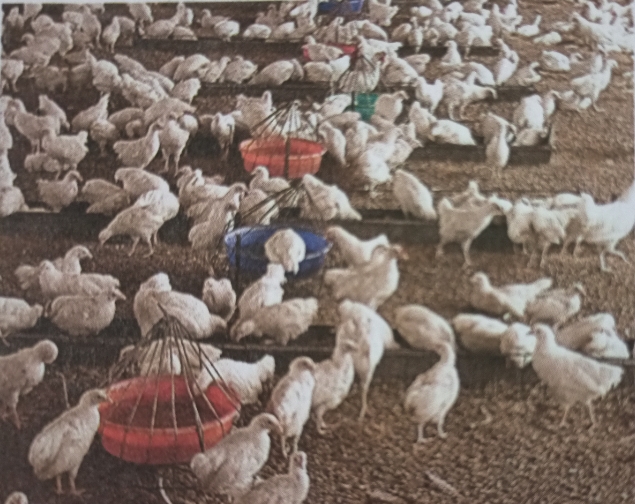
Poultry farming is defined as rearing and breeding of avian species for the purpose of egg and meat.Chicken occupy 90 percent of the total poultry.

The term poultry includes chicken,ducks,geese, turkeys, pigeons and Guinea fowls.The poultry industry with its production in the form of eggs and meat is of particular importance in providing a balanced diet for the human population.Proper management of poultry includes methods of hatching, rearing, housing, sanitation, prevention of diseases and a sound marketing system.

Silver resolution

The increase in egg production brought about the ‘Silver Resolution’ in the area of animal husbandry.There are more than hundred breeds of fowls.The fowls are classified on the basis of their utility to man.They are:

⭐meat type

⭐Egg type

⭐Dual type

Advantages of cross breeds

⚫Cross breeds lay more number of eggs

⚫The eggs produced are larger in size

⚫They yield more meat

Nutritional value

Eggs and meat are good sources of protein.Eggs also contain calcium, Phosphorus,sodium, vitamins B1,B12 and D.

Housing of birds

In free range farming,the poultry are allowed to roam around freely during the day.They are confined in a cage only in the nights.Intensive farming involves growing birds in small cages that are just large enough for them to feed and lay eggs.Animal welfare activists discourage this method as this does not provide sufficient space for the bird to move or spread its wings.

Birds that are reared for meat are also grown in large coops or houses that protect them from predators.Broilers are young chicken that are grown only for their meat.

Poultry feed

Poultry diets are composed of a mixture of cereal grains,soya bean meal,fish meal,bone meal, wheat bran, ground nut cake,barley,oats,maize,animal by product meal etc.,Trace minerals such as zinc,iron,copper iodine,Manganese and selenium must be included in the poultry feed.

Poultry disease

Poultry are often affected by diseases and attacked by predators like cats,dogs and foxes.Some of the common diseases are tick fever, tuberculosis,fowl cholera,fowl pox and flu.

Disease control

Poultry diseases can be controlled by vaccination, isolation of affected birds, improving the sanitary conditions, removing dampness through exposure to sunlight.Fewding poultry with a well balanced diet will prevent them from the developing deficiency diseases.

Greenhouse effect

The trapping of energy from the sun by greenhouse gases in the atmosphere leading to rise in Earth’s temperature is known as the green house effect.Greenhouse gases such as carbondioxide,methane, nitrous oxide and chloro fluoro carbon absorb and reflect infra red waves radiated by the earth causing increase in temperature.The effect is very similar to what happens inside a greenhouse.

Greenhouse

A greenhouse is a structure of glass or plastic in which temperature and humidity can be controlled for the cultivation or growth of plants.

Greenhouse gases

⭐ Carbondioxide:It is the most abundant green house gas released by burning of fossil fuels, deforestation, respiration of animals, decaying of organic matter.

⭐ Methane:It is produced by the incomplete decomposition of organic compounds by methanogenic bacteria under anaerobic condition.It is also produced by the enteric fermentation in the cow and from flooded rice fields.

Nitrous oxide:It is released by the burning of fossil fuels, industrial processes and agricultural practices like ploughing.

⭐ Chlorofluorocarbons:These are coolant gases used in refrigerators, aerosols and solvents.

Effect of global warming

⭐The level of sea rises due to the melting of glaciers and thermal expansion of water.It can submerge coastal areas of countries.

⭐Due to global warming the rise in temperature could create unexpected changes in weather conditions, making some regions hotter and other colder.

⭐The rainfall pattern could also change causing drought in some areas and flooding in others.

⭐ Crops and forests may be affected by insects pests and plant diseases resulting in severe damage.

⭐It can also result in the loss of biodiversity due to the extinction of coral reefs and other key species.

Control measures

Global warming can be controlled by reducing the use of fossil fuels,afforestation,carbon sequestration, shifting to renewable sources of energy such as solar power, wind power and hydel power.

Things you can do to reduce global warming

⭐Use less heat and air conditioning

⭐Car pool,use bicycles and walk when you can

⭐Buy energy efficient products

⭐Use CFL bulbs

⭐ Reduce,reuse and recycle resources

⭐Switch off equipment when they are not in use

⭐Plant trees

⭐ Encourage others to conserve energy

Obesity is the mother of all disease.So kill it before it kills you

A disorder involving excessive body fat that increases the risk of health problems.Obesity often results from taking in more calories than are burned by exercise and normal daily activities.

Addiction to rich food can lead to obesity.It is defined as an excessive accumulation of fat in the body.It will lead to increased health problems.Lethargy, sluggishness and difficulty in carrying out the activities of daily living are some of the adverse effects of obesity.The causes of obesity are unhealthy dietary habits,lack of physical activity,genetic susceptibility, endocrine disorders and some medicines.

Prevention of obesity

In order to avoid obesity,we can make dietary and lifestyle changes,some of which are listed below:

⭐ Eat plenty of food rich in fibre such as fruits and green leafy vegetables.Intake of steamed and oil free foods like idli,idiyappam and putti is recommended.

⭐Nuts, whole grains,seasonal fruits and vegetables can be consumed.

⭐ Eating fish twice a week helps to prevent formation of blood clots in arteries,as it contains omega-3 fatty acids.

⭐Eat less red meat(mutton, beef) and fried foods(chips, samosas) because they raise the blood cholesterol levels.

⭐Milk and milk products (ghee,butter,cheese) are a good source of calcium,but excessive amount of creamy,fatty milk leads to obesity.

⭐ Avoid high calorie fast foods like pizzas,burgers and french fries.

⭐ Reduce dietary sugars(sweets,sugary drinks, chocolates) and salt(pickles,pappads) in the diet.

⭐Cigarette smoking and alcohol consumption should be avoided.

Physical activities

⭐ Reduce or limit the time of watching television, using computer and playing video games.

⭐Increase physical activity to burn calories which in turn enhances optimal blood circulation.e.g.Walking an hour every day,playing outdoor games, jogging, running, cycling, swimming or dancing.

⭐Aim for ideal weight by following appropriate dietary habits and adequate physical activity.

Earthworm-Vermiculture

As organic matter acts as both the substrate and food in vermicomposting, and soil is not involved, only earthworms can be used in vermiculture.The growth of industries,urban cities and the ever increasing human population have led to an increased accumulation of waste materials.Waste materials introduced into the environment are of two types namely non-degradablr and degradable wastes.The disposal of these solid wastes remains serious challenge in most of the countries.

Vermiculture

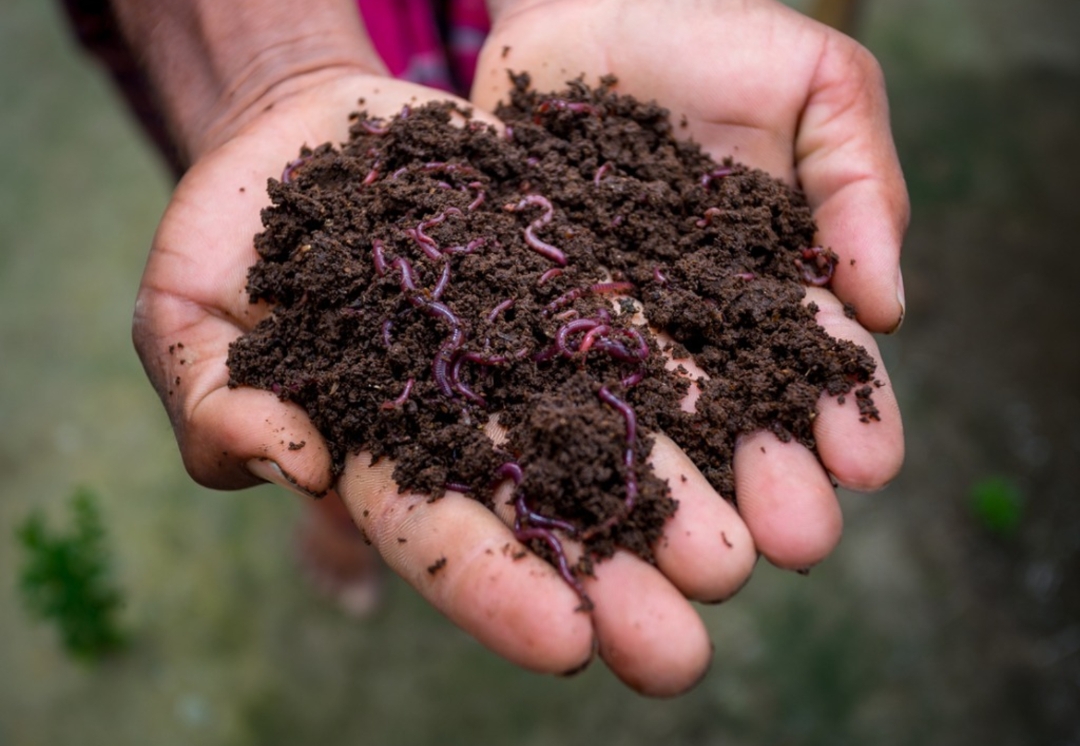
In recent years vermiculture has received much attention in many countries.The spiralling cost of fish meal and the low supply of soyabean meal are responsible for the utilization of earthworms as an alternative low cast protein meal in aquaculture and poultry industry.Further the worms also play an important role in waste disposal.They decompose natural organic wastes into rich compost fertilizer.A single earthworm can produce 1000-1500 offsprings in a year.2000 mature breeders can produce more than 1 million worms.

Culture of earthworms

The method of culturing earthworms can vary from place to place.A cultured worm must be able to adapt to substrates,grow fast and breed or multiply readily under controlled conditions.

A compost pile bed of 2.4 m long,1.2m wide and 0.6m deep appears to be very satisfactory for a population of more than 50,000 earthworms.The boxes can be made from wood to accommodate 5000 to 6000 worms.Soil, organic matter,manure,leaves,rice straw,dried water hyacinth,saw dust and any fermented substrate can be used as a culture medium to raise worms in boxes or containers.The worms in the worm beds can grow and reproduce faster if they are given sufficient food.Any decayed organic matter appears to be good food for worms but the feed should not be contaminated by detergents or insecticides.

Since the earthworms are rich in protein,fat, carbohydrate and Ash they are used as a feed component for fish,prawn and shrimp.They are also used as livestock feed in poultry industry.

Vermicompost

Many species of earthworms are easily adapted to agricultural wastes like after harvest strubble, sugarcane thrash,coir waste,dung of cow,horse,sheep and poultry droppings.The breakdown of these materials or the degrades of organic matter by worm activity is called ‘vermicompost’.It is a better source of organic manure.

Microscopy and types of microscope

The cells are very minute and complex organisations.The small dimensions and transparent nature of cell and its organelles pose problems to cell biologists trying to understand its organisation and functioning.Various instruments and techniques have been developed to study cell structure, molecular organization and function.

The diameters of majority of cells range from 5-500 micrometers,but most are between 10-150 micrometer.

While viewing objects,human eyes have limited distinguishing or resolving power.The ability to reveal minute details is expressed in terms of limit of resolution.

Types of microscope

Compound light microscope

This microscope uses visible light for illuminating the object.It contains glass lenses that magnify the image of the object and focus the light on the retina of the observer’s eye.It has two lenses one at each end of a hollow tube.The lens closer to the object being viewed is called objective lens.The lens closer to the eye is called ocular lens or eyepiece.The object is illuminated by light beneath it.A third lens called condenser lens is located between the object and the light source and it serve to focus the light on the object.

Dark field microscope

This type of microscope is useful for viewing suspensions of bacteria.It has a special condenser that allows only rays of light scattered by structures within specimen.The result is an image that appears bright against background,with a high degree of contrast.The process is similar to seeing dust particles floating in a Sunbeam.

Phase contrast microscope

The phase contrast microscope has special fitments to the objective lens and such condenser,the effect of which is to exaggerate the structural differences between the cell components As a consequence,the structures within living,unstained cells become visible in high contrast and with good resolution.Phase contrast microscopy avoids the need to kill cells or to add dye to a specimen before it is observed microscopically.

Oil immersion microscopy

In oil immersion microscopy the light gathering properties of the objective lens are enhanced by placing oil in the space between the slide and objective lens.Normally the technique is used to view permanently mounted specimens.The oil immersion lens gives higher magnification than the normal high power objective lens.

Electron microscopy

The electron microscopy uses the much shorter wavelengths of electrons to achieve resolutions as low as 3 angstrom.Electromagnetic coils are used to control and focus a beam of electrons accelerated from a heated metal wire by high voltages,in the range of 20,000 to 100000 volts.The degree of which electrons are scattered is determined by the thickness and atomic density of the object.Hence the specimens used in electron microscopy must be extremely thin.Living cells which are wet cannot be viewed in electron microscope.

Scanning electron microscopy

This microscope has less resolution power than the TEM.However it is a very effective tool to study the surface topography of a specimen.The whole specimen is scanned by a beam of electrons.An image is created by the electrons reflected from the surface of the specimen.Scanning electron micrographs show depth of focus and a three dimensional image of the object.


Extinct animals-mass extinction

Extinctions have been a natural part of the planet’s evolutionary history. 99% of the four billion species that have evolved on Earth are now gone. Most species have gone extinct.

Extinction may be defined as the termination of a lineage without issue or abrupt disappearance of specific groups of organisms without leaving descendents.Extinctions are of two types namely extinctions and pseudo extinction.In true extinctions a particular lineage totally disappears without any progeny or evolutionary descendents.

Pseudo extinction may also be called as phyletic extinction or phyletic transformation.In this type a group may disappear leaving descendents with evolutionary modifications.In horse evolution while the earliest ancestor Eohippus became extinct its descendent survived to produce the modern ‘Equus’.Extinctions can happen for the taxonomic groups such as a family or genus.Thus the extinction of dinosaurs as a group is a case of true extinction.Similar extinctions happened to tribolites.

The process of extinction is not always predetermined.It happens due to abrupt changes in environmental conditions or other biological factors.Through the use of computer models evolutionist can now examine the probability of extinction for large as well as small groups of organisms.From the fossil record it becomes that extinctions have occurred at regular intervals of time.

Pattern of extinction

Fossil record reveals a few patterns for extinction.Major groups of herbivorous vertebrates are more susceptible than the carnivorous vertebrates for extinction.Larger organisms easily became extinct.

Causes of extinction

Even though extinctions are regular events in the history of earth they are caused due to specific reasons

⭐A mass extinction may be due to drastic changes in the environmental conditions.

⭐Any adaptive advance in one species decreases the fitness of all other species.

⭐Over specialisation to a specific situation may cause extinction

⭐The spread of an epidemic disease without any control can cause extinction.

⭐An increase in the population strength of herbivorous animals can cause rapid food shortage and cause extinction for several inter related groups.

⭐A sudden cosmic radiation can cause the death of large organisms.

⭐A dust storm formed due to falling of a meteorite is commonly mentioned as a cause for the disappearance of dinosaurs.

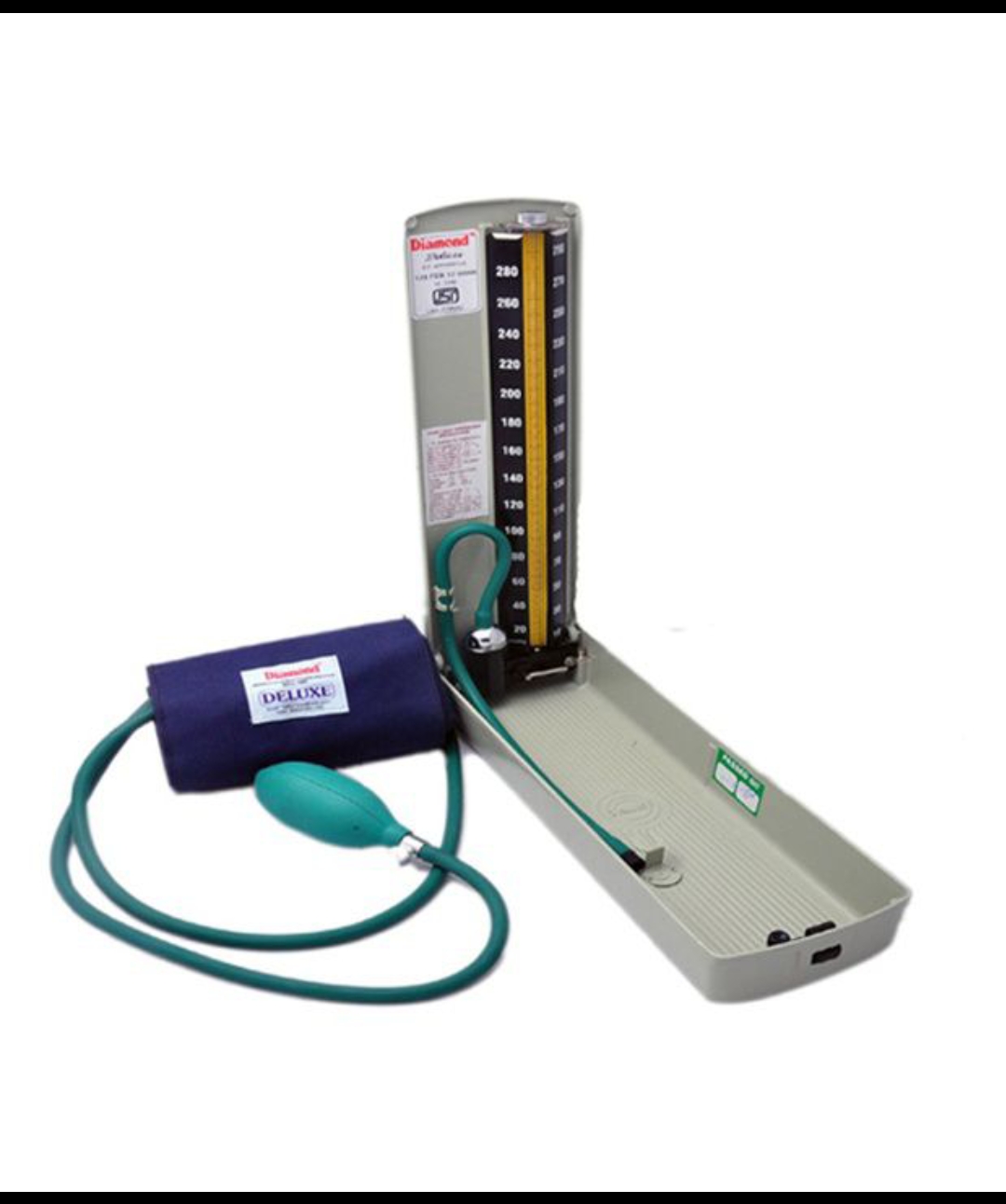
Sphygmomanometer

A sphygmomanometer is an instrument used to measure blood pressure.The word is derived from the Greek sphygmus which means pulse plus the scientific term manometer.

Arterial blood pressure is the force of pressure,which the blood is exerting on the walls of the blood vessels in which it flows.The blood pressure in the artery varies during the cardiac cycle.The cardiac cycle is defined as the cycle of events that take place during one systole and diastole of the heart.Systole refers to contraction and diastole the relaxation.During ventricular systole,when the left ventricle is forcing blood into the aorta the pressure rises to a peak which is referred to as systolic pressure.During diastole the pressure falls and the lowest value reached is referred to as diastolic pressure.

The blood pressure depends partly on the force and volume of blood pumped by the heart and partly on the contraction of the muscles in the walls of the arterioles.Blood pressure changes during physical exercise,during anxiety and emotion and in sleep etc., However a prolonged or constant elevation of blood pressure,a condition known as hypertension can increase a person’s risk for heart attack,stroke,heart and kidney failure and other health problems.It is always suitable to measure blood pressure when a person is in relaxed and in resting condition.

The normal blood pressure value is 120/80mm Hg,in which ‘120’denotes the systolic pressure and 80 the diastolic pressure.

There are two types of sphygmomanometer :Monometric type and Digital type

Uses

⭐ Sphygmomanometer helps to estimate the state of blood circulation and the working of heart.

⭐ Sphygmomanometer helps to diagnose pathological conditions such as hypertension and hypothesis.

Fresh water is the world’s first and foremost medicine

Fresh water management

On a human time scale,the amount of water on the earth is fixed,for all practical purposes.There is little we can do to make more water.However,there are several ways to increase local supplies.

⭐ Seeding clouds

Seeding clouds with dry ice or Potassium iodide particles sometimes can initiate rain,if water laden clouds and conditions that favour precipitation are present.

⭐ Desalination

Desalination of ocean water is a technology that have a great potential for increasing fresh water.The common methods of desalination are distillation or reverse osmosis.Although desalination is still three or four times more expensive than most other sources of fresh water,it provides a welcome water supply in such places like Dubai,Oman and Bahrain where there is no other access to fresh water.

⭐Dams, reservoirs,canals and aqueducts

It is common to trap run off with dams and storage reservoirs and transfer water from areas of excess to areas of deficit using canals,tunnels and underground pipes.

⭐Watershed management

A series of small dams or tributary streams can hold back water before it comes a great flood.Ponds formed by these dams provide useful wildlife habitat and stock watering facilities.Small dams can be built with simple equipment and local labour, eliminating the need for massive construction projects and huge dams.

⭐Rain water harvesting

The activity of collecting rainwater directly or recharging it into ground to improve ground water storage in the aquifer is called rain water harvesting.By rainwater harvesting the ground water can be conserved,water table depletion can be reduced and also sea water intrusion in coastal areas can be arrested.To recharge the groundwater, rainwater that falls in the terrace of the buildings and in the open space around the buildings may be harvested.Roof top rain water can be diverted to the existing open/bore well.Rainwater available in the open spaces around the building may be recharged into the ground.

⭐ Better agricultural practices

Sound farming and foresting practices can reduce runoff.Retaining crop residues on fields reduces flooding.Minimizing ploughing and forest cutting on steep slopes protects watersheds.Wetlands conservation preserves natural water storage capacity and aquifer recharge zones.

⭐ Domestic conservation

We could save as much as half of the water we now use for domestic purposes without great sacrifice or serious changes in our lifestyles.The use of washing machines,dish washers and low volume shower heads can reduce water loss.

⭐ Industrial conservation

Nearly half of all industrial water use is for cooking of electric power plants and other industrial facilities.By installing dry cooling systems,this could be avoided.Cooling water can be recharged,some industrial wastewater may be treated,recycled and reused.

Individuals role to save water

⚫ Take shorter showers

⚫Don’t wash car and two wheelers often

⚫Don’t allow tap run unnecessarily while washing hands,dishes,food or brushing your teeth

⚫In your lawn consider planting native plants,a rock garden or some xerophytic landscaping

⚫Use water conserving appliances:low-flow showers and low- flush toilets

⚫Use recycled water for lawns,house plants and car washing

⚫Check taps for leaks

Autoanalyser

To assist the diagnosis of diseases and disorders and to monitor therapy,a wide range of clinical tests had been developed.The need for investigations is increasing with the growth of population and increase of diseases.To get fast results on a large number of specimens,it is becoming inevitable to replace manual methods.This could be done by autoanalysers.With the help of autoanalysers an increased volume of samples can be processed rapidly and with reproducible results.To maintain the quality of results, samples of known values will be run along with every batch of test samples.

Advantages of an autoanalyser

⭐ Accuracy is more when compared with manual method.

⭐Large number of samples may be processed in minimal time.

⭐Two or more assays may be performed simultaneously.

⭐ Calculations are not required.

⭐Invaluable for accurate determination of red cell indices.

Disadvantages of an autoanalyser

⭐It is impractical for small number of specimens.

⭐ Instruments may fail occasionally.

⭐ Additional training of the staff regarding the working, maintenance and potential problems of the machine is needed.

⭐Erroneously increased or decreased results due to interfering factors.

⭐They are expensive.

Parameters to be analysed by an autoanalyser

Autoanalyser can be used to estimate parameters such as glucose, protein,albumin, creatinine,blood irea nitrogen, sodium, potassium, chlorine, transaminase,lactic dehydrogenase, bilirubin,inorganic phosphate, Calcium, cholesterol,uric acid,phosphatases and bicarbonate.

Gregor Johann Mendel

Gregor Johann Mendel was an Austrian monk,who was the first to explain the mechanism of transmission of characters from the parents to the offsprings.He maintained that there were particles called factors,which carried the traits to the subsequent generation.This holds good even today and since he is the pioneer of modern genetics,he is called The father of genetics.

Gregor Johann Mendel was born in 1822 to a family of poor farmers in Silisian,a village in Heizendorf which is now a part of Czechoslovakia.After finishing his high school,at the age of 18,he entered augustinian monastery at Brunn as a priest.From here he went to the University of Vienna for training in physics, mathematics and natural sciences.He himself became interested in hybridisation experiments.

Mendel returned to the monastery in 1854,and continued to work as a priest and teacher in the high school.In his spare time,he started his famous experiments on garden pea plant which assumes great historic importance.He conducted his experiments in the monastery garden for about nine years from 1856 to 1865.

The findings of Mendel and his laws were published in the journal annual proceedings of the natural history society of Brunn,in 1865.The paper was entitled experiments in plant hybridisation.Bit his work was not accepted or lauded by the scientific world at that time because

⭐The journal was obscure

⭐His concept was far ahead of his time

⭐The scientist were busy with the controversy over Darwin’s theory of origin of species and

⭐Mendel not being very sure of his findings lacked an aggressive approach.

Later in the year 1900,three scientists Carl Correns of Germany,Hugo de Vries of Holland and tshermak of Austria independently rediscovered Mendel’s findings and brought to light the ingenuity of father Mendel.To recognize his work,it was named as Mendel’s laws and Mendelism.

Physical role and deficiency symptoms of mineral elements taking place in plants

Macro Nutrients

⭐ Carbon, hydrogen and oxygen

These are not mineral elements in the true sense but have been included because these elements form the composition of all organic compounds present in plants.They are a part of carbohydrates, proteins,and days.Thus these elements have a role to play in the general metabolism of plants.

Deficiency symptoms

Deficiency of these elements is very rare because the plants have a steady supply of these through water and gaseous exchange.Deficiency affects the normal growth and development of plants.

⭐ Nitrogen

Nitrogen is an essential constituent of proteins, nucleic acids,vitamins and many other organic molecules such as chlorophyll.Nitrogen also forms a constituent of various hormones, coenzymes and ATP.

Deficiency symptoms

Stunted growth,chlorosis, reduction in flowering, excessive colouring in apple and peach and reduction in fruit size,decrease in protein contents,change in the pigmentation pattern.

Phosphorus

It is present in plasma membrane, nucleic acids,nucleotides,many co-enzymes and organic molecules.It plays an important role in energy metabolism.Phosphorus promotes healthy root growth and fruit ripening.

Deficiency symptoms

Loss of older leaves, reduction in growth,increase in phosphatase enzyme activity, causes accumulation of carbohydrates in soyabean.

⭐ Potassium

Potassium is required in the meristematic regions and regions of cell differentiation.It accumulates in older leaves.Though it does not have a structural role,it is involved in stomatal opening and closing.It is an activator of many enzymes and has a role in protein and carbohydrate metabolism.

Deficiency symptoms

Leaf tips curve downward,causes mottled chlorosis, development of chlorosis at tips and margins of leaves, shortening of internodes and stunted growth.

⭐ Sulphur

Sulphur is the constituent of certain vitamins such as thiamine and biotin.It is constituent of coenzyme-A playing an important role in respiration.It forms the sulphydryl group in many enzymes and is a constituent of sulphur containing aminoacids such as cystine,cysteine and methionine.

Deficiency symptoms

Causes inhibition of protein synthesis,younger leaves show chlorosis first,chloroplasts of mesophyll show a decrease in stroma lamellae but grana increase.

Magnesium

Magnesium is a constituent of chlorophyll molecule which cannot be formed without magnesium.It has a vital role in carbohydrate metabolism and the binding of ribosomal subunits.Magnesium is the activator of many enzymes involved in DNA and RNA synthesis.It acts as a Phosphorus carrier and activates enzymes such as PEP carboxylase and RuBP carboxylase.

Deficiency symptoms

Interveinal chlorosis takes place,anthocyanin pigment deposition takes place after chlorosis,necroctic spots appear in acute cases.

⭐ Calcium

Calcium forms an important constituent of the cell wall occuring in the middle lamella as calcium pectate.It has an important role in the formation of plasma membrane.Calcium plays a role in mitotic cell division and is a constituent of enzymes like phospholipase and adenyl kinase where it acts as an activator.

Deficiency symptoms

Affects the carbohydrate metabolism,the process of respiration is badly affected as number of mitochondria are decreased, meristematic tissues are affected and leaf and root tips die,cell wall may become brittle or rigid.

Micro Nutrients

⭐Iron

Soil is generally not deficient in iron.Iron is a constituent of various flavoproteins and forms a part of enzymes such as catalases,peroxidases and cytochromes.It plays an important role in the electron transport system of photosynthesis being part of cytochrome and derredoxin.

Deficiency symptoms

Causes interveinal chlorosis and the leaves become yellow or white,impairs aerobic respiration and related processes, fruit trees particularly show sensitivity to iron deficiency.

⭐Boron

Leaves and seeds require boron.It is necessary for uptake and utilisation of Ca++ions,pollen germination,cell differentiation and translocation of carbohydrates.It plays a role in nitrogen metabolism,hormone and fat metabolism.

Deficiency symptoms

It causes brown heart rot disease in beetroot,in apple internal tissues become corky,causes leaf to curl and become brittle, premature fall of fruits and flowers.

⭐ Manganese

Manganese is required by leaves and seeds,It is an activator of enzymes like carboxylases,oxidases,dehydrogenases and kinases.

Deficiency symptoms

Causes grey spot disease in oat,poor development of root system,interveinal chlorosis occurs.

⭐ Copper

This is required in all plant parts.Copper forms a component of enzymes such as phenolases and tyrosinase.Copper being a constituent of plastocyanin plays a role in photophosphorylation.Copper maintains the carbohydrate-nitrogen balance.

Deficiency symptoms

Causes die back of shoots especially in citrus,a disease called exanthema causes yield of gums on the bark.

⭐Zinc

Zinc is involved in the synthesis of indole acetic acid by activating the enzyme tryptophan synthetase.It plays a role in protein synthesis.

Deficiency symptoms

Causes distortion of growth,leaves become very small and resettled called as little leaf disease.

⭐ Molybdenum

Molybdenum has an important role to play in the metabolism of Nitrogen.It activates the enzymes involved in nitrogen metabolism.

Deficiency symptoms

It leads to mottling and witling of leaves at the margins causing “yellow spot”disease of citrus.


Without Natural resources life itself is impossible

Man lives in nature and depends on the resources of nature.The progress of mankind depends upon the exploitation of different resources.The utilization of soil,water,coal, electricity,oil,gas and nuclear energy is very important for the development of a Nation.These resources have changed the living standards of man.

The world is facing an ecological crisis and is degrading her natural resources day by day,due to over exploitation.Food, shelter and clothing are the primary requirements of man.Early human society has used natural resources, relatively in much less quantity to cover it’s wants.

Natural resources

The word ‘resource’ means a source of supply or support that is generally held in reserve.The natural resources are the components of lithosphere, hydrosphere and atmosphere.They include energy,air,water,soil,minerals,plant and animals.For man resources are those materials and sources of energy which are needed for survival and comforts.The nature of resources varies from society to society.

Types of natural resources

Natural resources are classified in different ways.i.e.,on the basis of chemical composition, availability and distribution.

⭐ Natural resources are of three types on the basis of their chemical composition

1) Inorganic resources.eg.air,water and minerals

2) Organic resources.eg.plants, animals, microorganisms and fossil fuels

3) Mixture of inorganic and organic resources.eg.soil

⭐ Natural resources are of two types depending upon their availability and abundance.

1) Inexhaustible resources

They are not likely to be exhausted by man’s use.They are air,clay,sand,tidal energy etc., Although the air is available in exhaustible quantity,it can be degraded,if it’s pollution is not checked.

2) Exhaustible resources

They are likely to be exhausted by human use.They are further of two types-renewable and non-renewable.

a) Renewable resources

They have inherent capacity to reappear or replenish themselves by quick recycling,reproduction and replacement within a reasonable time.Soil and living organisms are the main renewable resources.

b) Non-renewable resources

They lack the ability for recycling and replacement.The substances with a very long recycling time are also regarded as non renewable resources e.g.fossil fuels like coal, petroleum and Natural gas and minerals.

It is important to note that underground water,forests and wild life are regarded renewable resources but become non-renewable,if they are not properly.

Energy resources

Source: Ecologically man is only a part of energy flow in nature.Man requires energy for his daily needs.The major energy sources are fuel wood,fossils fuels such as coal, petroleum and natural gas.Apart from these,the other direct energy resources are sunlight, hydroelectric and wind power,tidal, geothermal and nuclear energy.

Energy requirement: During early stages of human civilization,the daily per capital need for energy was just 2000-4000 kilo calories.During the agricultural stage,the muscular energy of domestic animals was used for work.Today we need energy for agriculture,industry,transport, communication,comfort and defence.The per head energy consumption varies from country to country.

Depletion of fossil fuels

Today the world’s energy resources have reached critical stage.Most of the world’s human population uses fossil fuels(coal, petroleum and natural gas).The fossil fuel resources are being rapidly depleted.As a result these resources may last only another few centuries.Tge dwindling stocks of fuels has led to the search of alternate sources of energy.

Sources of energy

Some alternative sources of fuel are solar energy,hydro electric energy,Geo thermal energy,wind power,tidal energy, energy from garbage,dung energy and nuclear energy.They are generally called renewable or non-conventional sources of energy.

1)Solar energy

Sun is inexhaustible and pollution free source of energy.Solar equipments have been developed to harness sun rays to heat water,cook meals,light our houses and run certain machines.

2)Nuclear energy

It is generated by fusion of the atoms of certain elements such as Uranium-235.The processes results in the release of enormous amount of energy.Fission of 1 amu of Uranium-235 can generate energy equivalent to that obtainable from burning of 15 metric tons of coal or about 14 barrels of crude oil.

3)Wind power

It has been used for centuries to run the wind Mills for grinding grains and pump water in certain areas.But the wind does not blow with required intensity all the year round and in all areas.Therefore,wind power can be used only in certain areas and on certain days.

4)Dung energy

Cattle dung is widely used as fuel in rural areas of our country.This deprives our fields of valuable organic manure.Now cattle dung is used in biogas or gobar gas plant to produce an odourless,low pressure gas.This gas can be used for cooking and heating.The residue is used as manure.

5)Energy from garbage

The garbage of houses contains waste paper,plastics and several other materials.It can be used to produce organic manure.

6)Tidal energy

Tidal waves of the sea can be used to generate electricity.

7) Geothermal energy

In some places,the heated water comes to the earth’s surface as hot springs.It can be used for heating water and building and for generating electricity.

8)Hydro electric energy

It is produced from the kinetic energy of water falling from height.A number of power stations have been established on many rivers in our country.

Conservation of energy

The present critical energy position demands an organized effort at all levels from individual to international action.A considerable amount of energy can be saved by reducing wastage and using energy efficient devices.Following measures can help in this effort:

1) Development of technology for the use of solar energy in appliances and transport vehicles.

2) Development of efficient and smokeless chulhas or wood stoves.

3) Development of non conventional energy sources and less dependence on fossil fuels.

4)Planned programme for raising fuel wood,trees and shrubs under the control and maintenance of local communities especially in developing countries.

5) Effective use of agricultural and animal wastes to obtain biogas and manure.

6) Improvement of engine and pump designs to increase fuel efficiency.

7) Development of effective techniques to trap wind and tidal energy.

Forest resources

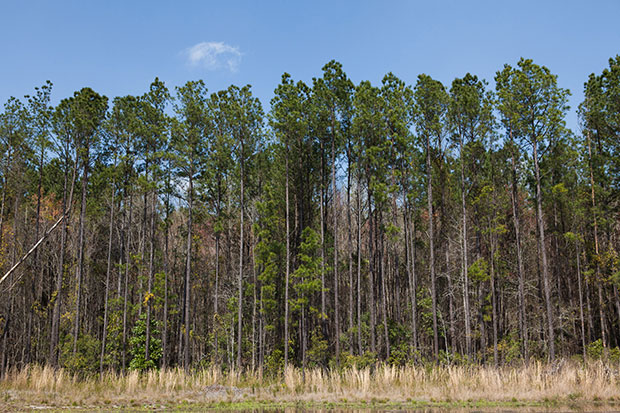
Forest is an important natural resource.It is most important natural habitat for wild life.It is also utilized by farmers for commercial and recreational purposes.Many herbivores find shelter and carnivores their prey in the forest.Besides this,forest plays most important role from commercial point of view.Forest based cottage industries,such as bee keeping,bamboo mat and basket making provides small scale industry to the tribal people.Sal is a most important source for timber industries.It also provides raw materials for pulp and plywood industry.

Green plants of the forests are food producing organisms and are primary producers of the “food chain”.These foods are stored in the form of fruits,nuts,seeds,nectar and wood.Therefore,forest serves as an energy reservoir, trapping energy from sunlight and storing it in the form of a biochemical product.

Forest plays a most important role in keeping the atmospheric balance by consuming CO2 and releasing O2,the latter which is essential for animal life.So removal of plants and trees would disturb the composition of natural air.An acre of forest absorbs four tonnes of carbonic acid gas and recycles eight tonnes of oxygen into environment.

If a forest is cut down,energy stored in the wood is lost and also most of the nutrients of the system are lost.Such deforestation leaves a poor soil which can support agriculture for only a short time, because the harvesting of the first few crops removes the remaining nutrients and renders it useless.Deforestation causes soil erosion.

The reduction of forests later affects rainfall and thereby restricts the availability of a most important natural resource,the rain water.In natural forests,the tree roots bind the soil and about 90 percent of the water falling on the forests is retained either in humus or in the plant tissue.The forest thus acts as a soaking device and plays a vital role in the hydrological cycle.

Conservation of forests

Following measures should be adopted to conserve forests:

⭐A tree removed from the forest for any purpose must be replaced by a new tree.Thus tree felling should be matched by tree planting programmes as early as possible.

⭐ Afforestation should be done in areas unfit for agriculture,along highways and river banks around play grounds and parks.

⭐ Maximum economy should be observed in the use of timber and fuel wood minimising by the wastage.

⭐The use of firewood should be discouraged and alternative source of energy for cooking such as biogas,natural gas,etc.,should be made available.

⭐Forest should be protected from fire.Modern fire fighting equipment should be used to extinguish accidental forest fire.

⭐Pests and disease of forest trees should be controlled by fumigation and aerial spray of fungicides and through biological method of pest control.