Communication Skills in Social Work: An In-Depth Exploration

Daily writing prompt
Do you spend more time thinking about the future or the past? Why?

by Kavita Dehalwar

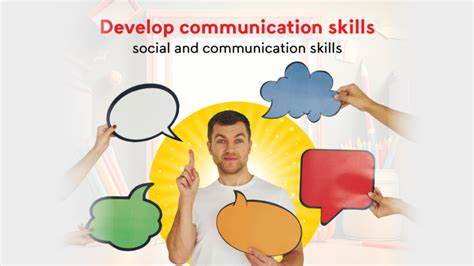
Communication skills are pivotal in the field of social work, as they enable practitioners to effectively engage with clients, collaborate with colleagues, and advocate for change. Social workers must navigate complex situations involving diverse individuals and communities, making the mastery of communication a cornerstone of professional competence.

1. Types of Communication Skills in Social Work

A. Verbal Communication

Verbal communication involves spoken words and is essential for interviewing clients, conducting assessments, and sharing information. Key aspects include:

  • Clarity and Simplicity: Using language that clients can easily understand.
  • Empathy: Showing understanding and compassion through tone and word choice.
  • Active Listening: Engaging with clients by giving verbal feedback, such as paraphrasing or summarizing their concerns.

B. Nonverbal Communication

Nonverbal cues, such as body language, facial expressions, and gestures, often convey more than words. Social workers should:

  • Maintain open and approachable body language.
  • Use eye contact appropriately, respecting cultural sensitivities.
  • Be mindful of physical proximity to create a comfortable environment.

C. Written Communication

Writing is critical for case notes, reports, and correspondence with agencies. Effective written communication requires:

  • Precision: Ensuring accuracy in documentation.
  • Professionalism: Adhering to formal standards and avoiding colloquial language.
  • Confidentiality: Protecting client information in all written records.

D. Digital Communication

With the increasing use of technology, social workers must be adept at digital communication. This includes:

  • Email and Messaging: Using professional etiquette in digital correspondence.
  • Virtual Meetings: Employing video conferencing tools effectively.
  • Social Media: Engaging responsibly and ethically online.

2. Key Communication Techniques

A. Active Listening

Active listening involves fully concentrating on the speaker, understanding their message, and responding thoughtfully. Techniques include:

  • Reflecting emotions to show empathy.
  • Avoiding interruptions or premature judgments.
  • Asking open-ended questions to encourage elaboration.

B. Empathy and Validation

Demonstrating empathy helps build trust and rapport. Validation involves acknowledging clients’ feelings and experiences, making them feel heard and understood.

C. Cultural Competence

Social workers often work with diverse populations, necessitating an awareness of cultural differences in communication styles. This includes:

  • Learning about clients’ cultural backgrounds.
  • Avoiding assumptions or stereotypes.
  • Being respectful of linguistic preferences and needs, such as using interpreters when necessary.

D. Conflict Resolution

Social workers frequently mediate disputes. Effective conflict resolution requires:

  • Clear articulation of the issues at hand.
  • Remaining neutral and unbiased.
  • Facilitating dialogue that promotes mutual understanding.

E. Advocacy Communication

Advocating for clients involves persuasive and impactful communication. Social workers must present arguments convincingly to policymakers, organizations, and other stakeholders.


3. Challenges in Communication

Social workers may encounter barriers that hinder effective communication:

  • Language Differences: Overcoming language barriers requires creativity, such as employing interpreters or translation tools.
  • Emotional Distress: Clients in crisis may struggle to articulate their feelings, necessitating a calm and patient approach.
  • Nonverbal Misinterpretation: Cultural variations in nonverbal communication can lead to misunderstandings.
  • Technology Access: Digital communication may be inaccessible to some clients, requiring alternative methods.

4. Improving Communication Skills

A. Training and Education

Regular training on communication techniques can enhance a social worker’s ability to engage with clients effectively.

B. Self-Reflection

Reflecting on personal biases and communication patterns can help identify areas for improvement.

C. Feedback and Supervision

Seeking feedback from supervisors and peers provides valuable insights into one’s communication strengths and weaknesses.

D. Adaptability

Tailoring communication styles to suit individual clients ensures messages are received and understood.


5. Ethical Considerations in Communication

Social workers must adhere to ethical standards in all communication, which include:

  • Confidentiality: Ensuring privacy and discretion in all interactions.
  • Informed Consent: Clearly explaining services and obtaining consent.
  • Professional Boundaries: Avoiding inappropriate or overly personal communication.

6. The Role of Communication in Social Work Practice

Effective communication is integral to various aspects of social work:

  • Building Trust: Open communication fosters trust between clients and social workers.
  • Problem-Solving: Clear articulation of problems and solutions helps clients navigate challenges.
  • Advocacy and Awareness: Social workers use communication to advocate for social justice and inform the public about pressing social issues.

Conclusion

Mastering communication skills is essential for social workers to fulfill their roles effectively. From empathetic listening to clear advocacy, the ability to communicate well impacts the outcomes of social work interventions significantly. Ongoing development in this area ensures that social workers can continue to empower individuals and communities in meaningful ways.

References

Dinham, A. (2006). A review of practice of teaching and learning of communication skills in social work education in England. Social work education25(8), 838-850.

Forrester, D., Kershaw, S., Moss, H., & Hughes, L. (2008). Communication skills in child protection: How do social workers talk to parents?. Child & Family Social Work13(1), 41-51.

Koprowska, J. (2007). Communication skills in social work. In Social work: A companion to learning (pp. 123-133). SAGE Publications Ltd.

Lefevre, M., Tanner, K., & Luckock, B. (2008). Developing social work students’ communication skills with children and young people: A model for the qualifying level curriculum. Child & Family Social Work13(2), 166-176.

Ogbanga, M. M. (2024). Communication Skills in Social Work. EduPedia Publications Pvt Ltd.

Ogbanga, M. M., & Bukie, B. F. (2024). Traditional Institutions and Conflict Resolution in Nigeria: A Social Work Analysis.

Ogbanga, M. M. (2024). Oil, Gender and Unemployment: Social Issues in the Niger. Eduindex.

Richards, S., Ruch, G., & Trevithick, P. (2005). Communication skills training for practice: the ethical dilemma for social work education. Social work education24(4), 409-422.

Trevithick, P. (2005). Social work skills. Berkshire: Open University Press.

Job Opportunities After CTET Exam

Daily writing prompt
Share what you know about the year you were born.

The Central Teacher Eligibility Test (CTET) is a national-level examination conducted by the Central Board of Secondary Education (CBSE) to assess candidates’ eligibility for teaching positions in schools. Qualifying CTET opens the door to various teaching opportunities in both government and private schools across India. This article provides a comprehensive overview of the career prospects available after clearing the CTET exam.


Why CTET is Important?

  1. Mandatory Qualification: CTET is a prerequisite for applying to teaching positions in central government schools like Kendriya Vidyalayas (KVs) and Navodaya Vidyalayas (NVs).
  2. Enhanced Credibility: CTET certification adds weight to a candidate’s profile, even in private and unaided schools.
  3. Nationwide Acceptance: The CTET score is recognized by schools across India, providing broader career opportunities.

Teaching Opportunities After CTET

1. Central Government Schools

  • Examples: Kendriya Vidyalayas (KVs), Navodaya Vidyalayas (NVs), Tibetan Schools, and other schools under the administrative control of the central government.
  • Roles:
    • Primary Teacher (PRT) for Classes I-V.
    • Trained Graduate Teacher (TGT) for Classes VI-VIII (requires additional qualifications).
  • Benefits:
    • Competitive salary.
    • Job security and pension benefits.
    • Opportunities for professional development.

2. State Government Schools

  • Many state governments consider CTET scores for recruitment in state-run and aided schools.
  • Candidates may need to meet specific state eligibility criteria, such as proficiency in the local language.

3. Private and Unaided Schools

  • Role: Teachers in reputed private schools often prioritize candidates with CTET certification.
  • Advantages:
    • Higher chances of selection due to CTET qualification.
    • Negotiable salary packages in high-ranking schools.

4. Education Departments

  • Role: Educational officers or trainers for teacher training programs.
  • Scope: Opportunities to work in curriculum development, teacher training, and educational policy implementation.

5. Special Category Schools

  • Examples: Schools run by the Ministry of Defence, such as Army Public Schools and Air Force Schools.
  • Role: Primary and secondary teachers for children of defense personnel.

6. E-Learning and EdTech Platforms

  • Role: Content developers, online tutors, or subject matter experts in educational technology companies.
  • Scope: Creating teaching material, video lessons, or conducting live classes.

7. International Schools

  • Some international schools in India and abroad recognize CTET and prioritize candidates with this qualification for teaching positions.

Non-Teaching Opportunities After CTET

  1. Educational Content Development
    • Designing teaching aids, lesson plans, and curriculum resources for publishers and educational organizations.
  2. Teacher Training
    • Assisting in the professional development of teachers by conducting workshops and training sessions.
  3. Education Consultant
    • Advising schools or educational bodies on curriculum design, teaching methodologies, and assessment practices.

Salary Prospects After CTET

  1. Government Schools:
    • Primary Teacher (PRT): ₹35,000 to ₹50,000 per month.
    • Trained Graduate Teacher (TGT): ₹40,000 to ₹60,000 per month.
    • Post Graduate Teacher (PGT): ₹50,000 to ₹70,000 per month.
  2. Private Schools:
    • Salaries vary based on the school’s reputation and location, ranging from ₹20,000 to ₹60,000 per month.
  3. EdTech Platforms:
    • Online tutors or content developers may earn ₹25,000 to ₹75,000 per month, depending on experience.

Career Advancement Opportunities

  1. Promotions:
    • With experience, teachers can advance to positions like Head of Department (HOD), Vice Principal, or Principal.
  2. Further Qualifications:
    • Pursue courses like Bachelor of Education (B.Ed.), Master of Education (M.Ed.), or specialized certifications to enhance career prospects.
  3. Research and Higher Studies:
    • Opportunities to work in educational research or pursue higher studies in pedagogy and child development.

Preparation for Further Exams

CTET qualification also makes candidates eligible to apply for other competitive exams, such as:

  1. State TET Exams: To qualify for state-level teaching positions.
  2. KVS/NVS Recruitment Exams: For higher-level positions in central government schools.
  3. NET (National Eligibility Test): For college and university-level teaching positions.

Conclusion

Qualifying CTET is a significant milestone for aspiring teachers. It not only opens the doors to rewarding teaching positions in government and private schools but also provides opportunities in diverse educational roles. With the growing emphasis on quality education, the demand for CTET-qualified teachers is set to rise. Those passionate about teaching can look forward to a fulfilling and impactful career.

Job Opportunities after Qualifying in SSC Exams

Daily writing prompt
Are you a good judge of character?

The Staff Selection Commission (SSC) is one of the most prestigious organizations in India, conducting various competitive exams for recruitment into government departments and organizations. Clearing SSC exams opens the door to secure, respectable, and well-paying jobs in the public sector. This article provides a detailed overview of the job opportunities available after qualifying in SSC exams.


Major SSC Exams and Their Scope

1. SSC Combined Graduate Level (CGL) Exam

The SSC CGL exam is conducted for graduate-level candidates and offers positions in Group B and Group C posts in various government departments.

Job Roles After SSC CGL:

  • Assistant Section Officer (ASO): In ministries, departments, and organizations.
  • Inspector (Income Tax, Customs, GST): Enforcement and compliance roles in financial departments.
  • Sub-Inspector (CBI, NIA): Investigative positions in security and intelligence agencies.
  • Auditor/Accountant: Roles in offices under the Comptroller and Auditor General (CAG) or other departments.
  • Statistical Investigator: For candidates with expertise in statistics and analysis.

Key Benefits:

  • Growth opportunities through departmental exams.
  • High prestige and societal respect.
  • Job stability and security.

2. SSC CHSL (Combined Higher Secondary Level) Exam

The SSC CHSL exam is conducted for candidates who have completed their higher secondary education (10+2).

Job Roles After SSC CHSL:

  • Lower Division Clerk (LDC): Administrative support roles in various departments.
  • Data Entry Operator (DEO): Handling data and maintaining records.
  • Postal Assistant/Sorting Assistant: Managing postal services and sorting operations.
  • Court Clerk: Assisting judicial officers in courts.

Key Benefits:

  • Entry into government service at an early age.
  • Opportunities for further education and promotions.

3. SSC JE (Junior Engineer) Exam

This exam is conducted for candidates with a background in engineering disciplines.

Job Roles After SSC JE:

  • Junior Engineer (Civil, Electrical, Mechanical): Technical roles in government construction and maintenance projects.
  • Engineering Assistant: Support in implementing technical solutions in departments like CPWD, MES, and BRO.

Key Benefits:

  • Lucrative salary and perks.
  • Involvement in national infrastructure projects.

4. SSC MTS (Multi-Tasking Staff) Exam

The SSC MTS exam recruits for Group C posts suitable for candidates who have passed the 10th standard.

Job Roles After SSC MTS:

  • Peon, Daftary, Chowkidar: Supporting administrative and operational functions.
  • Junior Gestetner Operator: Handling duplicating and copying equipment.
  • Gardener, Gatekeeper: Maintenance and security roles.

Key Benefits:

  • Easy entry-level jobs in government sectors.
  • Scope for career progression through departmental promotions.

5. SSC Stenographer Exam

This exam is for candidates proficient in stenography, providing opportunities in Group C and D posts.

Job Roles After SSC Stenographer Exam:

  • Stenographer in Ministries and Departments: Assisting in documentation and correspondence.
  • Personal Assistant: High-profile roles assisting senior officers.

Key Benefits:

  • Direct interaction with senior government officials.
  • Opportunities to work in prestigious government offices.

6. SSC GD Constable Exam

This exam is for recruitment into paramilitary forces and CAPFs.

Job Roles After SSC GD Constable Exam:

  • Constable in BSF, CRPF, ITBP, CISF, and SSB: Security and law enforcement roles.
  • Rifleman in Assam Rifles: Regional security roles.

Key Benefits:

  • Respectable job in national defense and security.
  • Adventure and opportunities to serve the nation.

7. SSC CPO (Central Police Organization) Exam

This exam recruits candidates for sub-inspector and assistant sub-inspector roles in police forces and paramilitary organizations.

Job Roles After SSC CPO Exam:

  • Sub-Inspector in Delhi Police, CAPFs: Crime investigation and law enforcement.
  • Assistant Sub-Inspector in CISF: Administrative support in industrial security.

Key Benefits:

  • Hands-on involvement in maintaining law and order.
  • Prospects for promotions to higher ranks like Inspector or Assistant Commissioner of Police (ACP).

Advantages of Jobs Through SSC Exams

  1. Job Security: Permanent roles in government sectors with stability.
  2. Attractive Salary: Competitive pay scales, allowances, and pension benefits.
  3. Work-Life Balance: Fixed working hours with ample leave provisions.
  4. Social Prestige: High regard for government employees in society.
  5. Career Growth: Opportunities for promotion through departmental exams and seniority.

Preparation Tips for SSC Exams

  1. Understand the Syllabus: Analyze the exam pattern and topics thoroughly.
  2. Practice Mock Tests: Regular practice improves speed and accuracy.
  3. Stay Updated: General awareness and current affairs are crucial for success.
  4. Time Management: Allocate time wisely during preparation and in exams.

Conclusion

Qualifying SSC exams opens doors to diverse career opportunities in the government sector, offering job security, financial stability, and societal respect. Whether you are a graduate, a 10+2 candidate, or have a technical background, there’s an SSC exam tailored for you. With diligent preparation and dedication, a rewarding career in the public sector awaits.

Street Space Index (SSI)

Daily writing prompt
Describe a man who has positively impacted your life.

The Street Space Index (SSI) is a concept used primarily in urban planning and transportation studies. It is a measure that assesses the efficiency, accessibility, and utilization of street spaces in cities. The index evaluates how well the street environment accommodates different functions like walking, cycling, driving, and public transport. The goal is to help cities improve the design and use of their streets for more sustainable and livable urban spaces.

Photo by Chris Larson on Pexels.com

Key Aspects of Street Space Index:

  1. Multimodal Transport Integration: The SSI often takes into account various transportation modes—cars, buses, bicycles, pedestrians, etc.—and measures how well these modes coexist and are prioritized in the street design.
  2. Space Allocation: It looks at how much space is dedicated to each mode of transportation and public space (e.g., sidewalks, bike lanes, lanes for cars, parking spots). A high-quality street space prioritizes pedestrians and cyclists over cars, enhancing safety and reducing congestion.
  3. Accessibility and Connectivity: It considers how easily people can access public transport, walkways, or bike paths, and how well-connected the street is to other key areas of the city.
  4. Public Space and Amenities: The SSI may also evaluate the presence of public amenities such as benches, trees, lighting, and street furniture that contribute to the street’s overall livability.
  5. Environmental Impact: The environmental sustainability of street space is also a consideration. This includes assessing factors like green spaces, water drainage, and the presence of nature, as well as the promotion of low-carbon transport options.

Purpose of the Street Space Index:

  • Urban Planning: The SSI helps city planners identify areas where streets are underutilized or poorly designed. This information can guide interventions to make streets more efficient and inclusive for all users.
  • Sustainability: It aids in designing streets that promote sustainable transport modes like cycling or public transport and reduce dependency on private cars.
  • Quality of Life: By improving the design and functionality of street spaces, cities can enhance residents’ overall quality of life, making neighborhoods more pedestrian-friendly and less car-dominated.

In essence, the Street Space Index provides a quantitative and qualitative evaluation of how streets function and how they could be improved to meet the needs of urban communities.

What is Street Index

Daily writing prompt
Is your life today what you pictured a year ago?

The term “street index” can refer to different concepts depending on the context in which it’s used. Below are some of the most common meanings:

Photo by Josh Sorenson on Pexels.com
  1. In Urban Planning or Mapping: A street index is a reference list or map that organizes the streets within a particular area. This index allows people to easily locate streets based on their names, numbers, or grid system. It might be included in city maps, directories, or GPS applications, providing a comprehensive list of streets and their locations.
  2. In Finance or Economics: A street index can sometimes refer to a benchmark or index that tracks the performance of a specific set of stocks or financial instruments, similar to the way the Dow Jones Industrial Average or S&P 500 tracks stock market performance. In this sense, “street” could be a shorthand reference to Wall Street or financial markets in general.
  3. In Real Estate: A street index might be used to track property values, trends, or transactions specific to various streets within a city or region. This could be used by real estate professionals or analysts to measure the relative value of properties in certain areas.
  4. In Postal Systems or Directories: A street index might be used in postal codes or address directories, helping individuals or delivery services quickly find specific streets based on postal codes or other identifiers.

If you meant a different concept by “street index,” please clarify, and I’d be happy to provide more specific information.

Gukesh Dommaraju – Youngest Chess Champion of the World

Daily writing prompt
Tell us about your first day at something — school, work, as a parent, etc.

Gukesh Dommaraju ; commonly known as Gukesh D, is an Indian chess grandmaster and the 18th World Chess Champion. He is the youngest world chess champion in history, third-youngest grandmaster in history, the third-youngest to reach a chess rating of 2700, the youngest to reach a rating of 2750, and is the eighteenth-highest rated player in history with a peak rating of 2794. He is also the youngest Candidates Tournament winner and the youngest World Chess Championship winner beating Ding Liren of China. He has won one team and two individual gold medals at the Olympiad as well as one bronze team medal. He is a silver medalist at the Asian Games.

Gukesh Dommaraju, an 18-year-old Indian chess prodigy, made history on December 12, 2024, by becoming the youngest-ever undisputed World Chess Champion. He achieved this remarkable feat by defeating reigning champion Ding Liren in a tense and closely fought match that ended with a score of 7.5–6.5 in Gukesh’s favor​

Hailing from Chennai, India, Gukesh began playing chess at the age of seven. Over the years, he trained under the mentorship of Indian chess legend Viswanathan Anand, who played a crucial role in nurturing his talent. Gukesh’s rise to prominence included several milestones, such as surpassing Anand in 2022 to become India’s top-ranked player—a position Anand had held for 36 years​

In 2024, Gukesh won the prestigious Candidates Tournament, becoming the youngest winner in its history. He carried this momentum into the World Chess Championship, where his skill, preparation, and psychological resilience were on full display. His journey to the title also saw him shine in the 2024 Chess Olympiad, where he led India to its first-ever team gold medal​

Gukesh’s victory marks a new era for chess, as he not only broke records set by legends like Garry Kasparov but also demonstrated the growing dominance of young talent on the global stage​

Vernacular Architecture: A Comprehensive Guide

Daily writing prompt
What are your favorite physical activities or exercises?

Vernacular architecture refers to a style of building that is rooted in local traditions, materials, and construction techniques. It evolves organically over time, reflecting the culture, climate, and lifestyle of the people in a specific region. Unlike modern or formal architecture, which often follows standardized designs, vernacular architecture is deeply connected to its surroundings, embodying sustainable and community-driven practices.

Photo by Rachel Claire on Pexels.com

Key Characteristics of Vernacular Architecture

  1. Use of Local Materials:
    • Builders use materials readily available in the environment, such as mud, timber, stone, bamboo, or thatch.
    • This not only reduces costs but also minimizes the environmental impact.
  2. Climatic Responsiveness:
    • Structures are designed to adapt to local weather conditions. For instance, thick mud walls provide insulation in hot climates, while sloped roofs are common in regions with heavy rainfall.
  3. Cultural Expression:
    • Reflects the customs, beliefs, and social practices of the local community.
    • Ornamentation and layout often have symbolic or ritualistic significance.
  4. Sustainability:
    • Low environmental footprint due to the use of natural and renewable materials.
    • Passive cooling and heating techniques reduce reliance on energy-intensive systems.
  5. Adaptability:
    • Structures are often modified over generations to suit changing needs and lifestyles.

Historical Context of Vernacular Architecture

Vernacular architecture has been practiced since ancient times and varies significantly across the globe. Each region developed its unique style based on:

  • Geography and Resources: Coastal areas often use shells or coral stones, while mountainous regions rely on stone and wood.
  • Climate: Hot arid zones feature courtyards and thick walls, while cold regions emphasize insulation and compact layouts.
  • Cultural Practices: Religious beliefs, rituals, and social structures shape the design and use of spaces.

Examples of Vernacular Architecture Around the World

  1. India:
    • Havelis of Rajasthan: Intricately carved mansions with courtyards to combat extreme heat.
    • Kerala Houses: Sloped roofs and verandas suited for heavy monsoons.
    • Bhunga Houses of Kutch: Circular structures with mud walls, resistant to earthquakes.
  2. Japan:
    • Minka Houses: Wooden structures with sliding panels and thatched roofs, designed for flexibility and climatic adaptation.
  3. Africa:
    • Zulu Huts: Beehive-shaped structures made of grass and wood, ideal for the subtropical climate.
    • Adobe Houses: Mud-brick constructions seen in North African deserts, offering excellent insulation.
  4. Europe:
    • English Cottages: Stone and thatch houses designed for cold weather.
    • Alpine Chalets: Wooden houses with steep roofs to shed snow.
  5. South America:
    • Chilean Rucas: Cone-shaped huts made from natural fibers, used by the indigenous Mapuche people.
    • Amazonian Malocas: Communal structures using palm leaves and bamboo.

Climatic Adaptations in Vernacular Architecture

Hot and Arid Climates:

  • Thick walls and small windows reduce heat gain.
  • Courtyards enhance air circulation and cooling.
  • Whitewashed exteriors reflect sunlight.

Tropical Climates:

  • Large overhangs and verandas provide shade.
  • Elevated structures prevent flooding and improve ventilation.

Cold Climates:

  • Compact layouts retain heat.
  • Use of insulating materials like wood or thick stone.
  • Fireplaces and central hearths provide warmth.

Rainy Climates:

  • Sloped roofs to drain rainwater quickly.
  • Raised plinths to protect from flooding.

Modern Relevance of Vernacular Architecture

  1. Sustainability:
    • With growing concerns over environmental degradation, vernacular practices offer insights into eco-friendly construction.
    • The use of local materials reduces transportation emissions and costs.
  2. Resilience:
    • Many vernacular techniques are inherently disaster-resistant, such as earthquake-proof Bhunga houses or flood-adaptive stilted homes.
  3. Cultural Preservation:
    • Reviving vernacular architecture helps preserve intangible heritage and traditional craftsmanship.
  4. Affordable Housing:
    • Cost-effective construction methods make it suitable for low-income housing projects.

Challenges in Practicing Vernacular Architecture Today

  1. Urbanization:
    • Rapid urban growth often sidelines traditional practices in favor of modern construction methods.
  2. Loss of Traditional Knowledge:
    • The decline in skilled artisans and transmission of traditional techniques poses a significant challenge.
  3. Perception Issues:
    • Vernacular architecture is sometimes viewed as outdated or unsuitable for contemporary lifestyles.
  4. Material Scarcity:
    • Depletion of local resources, like timber and clay, affects the viability of traditional practices.

Future of Vernacular Architecture

Vernacular architecture is seeing a resurgence, especially in sustainable design movements. Architects and planners are integrating traditional principles with modern technologies to create hybrid designs that meet contemporary needs while respecting the environment. Some notable examples include:

  • Earthship Biotecture: Combines vernacular earth-building techniques with renewable energy systems.
  • Green Roofs and Walls: Inspired by traditional vegetative insulation techniques.

Conclusion

Vernacular architecture is more than just a building style—it is a testament to humanity’s ability to harmonize with nature while meeting functional and cultural needs. As the world grapples with climate change and resource scarcity, revisiting these age-old practices can guide us toward sustainable and resilient built environments. Integrating vernacular principles with modern design approaches will not only preserve this invaluable heritage but also provide innovative solutions for a sustainable future.

Scope for Bachelor of Architecture (B.Arch) Course

Daily writing prompt
What is something others do that sparks your admiration?

The Bachelor of Architecture (B.Arch) is a professional undergraduate degree designed for individuals passionate about planning, designing, and constructing buildings and other physical structures. With the rapid pace of urbanization, technological advancements, and a growing focus on sustainable development, the demand for skilled architects has grown exponentially. This article explores the scope, opportunities, and career prospects for students pursuing a B.Arch course.


1. Overview of the B.Arch Course

The B.Arch program is a five-year degree course blending theoretical knowledge with practical skills in architecture. It covers diverse topics, including:

  • Architectural Design and Principles
  • Building Materials and Construction Techniques
  • Urban Planning and Landscape Architecture
  • Sustainable and Green Architecture
  • Computer-Aided Design (CAD) and Building Information Modeling (BIM)

This holistic approach equips students with the skills to design aesthetically pleasing, functional, and sustainable structures.


2. Career Opportunities After B.Arch

A degree in architecture opens up diverse career opportunities in various domains. Here are some of the prominent career paths:

a. Professional Practice

Graduates can become licensed architects by registering with professional bodies like the Council of Architecture (COA) in India. This allows them to design residential, commercial, or public buildings and work as independent consultants or join architectural firms.

b. Urban Planner

Urban planning involves designing and developing efficient, sustainable cities. Architects with a focus on urban design can work with government bodies, private organizations, or international agencies to address challenges in urbanization and infrastructure.

c. Landscape Architect

Specializing in landscape architecture enables graduates to design outdoor spaces such as parks, gardens, and recreational areas that harmonize with the natural environment.

d. Sustainable Design Specialist

With the growing emphasis on green buildings and energy-efficient designs, architects specializing in sustainability are in high demand to create eco-friendly structures.

e. Academics and Research

Those with a passion for teaching can pursue advanced studies (M.Arch or Ph.D.) and contribute to architectural education and research.

f. Interior Designer

Architects with a flair for interiors can transition into designing functional and aesthetic interior spaces for homes, offices, and public spaces.

g. Real Estate Development

Graduates can work as project managers or consultants in real estate firms, overseeing the design and execution of large-scale residential and commercial projects.


3. Emerging Trends in Architecture

a. Smart Cities and Infrastructure Development

The global push towards smart cities has created significant opportunities for architects to design intelligent, technology-driven urban spaces.

b. Sustainable Architecture

The need for energy-efficient and environmentally friendly designs has led to a surge in demand for architects skilled in sustainable practices and materials.

c. Digital Architecture

Architects are leveraging advanced tools like virtual reality (VR), augmented reality (AR), and AI-driven design software to revolutionize how buildings are conceptualized and built.

d. Heritage Conservation

Preserving cultural and historical sites is a growing field that requires architects to balance restoration with modern requirements.


4. Skills Required for Success

To excel in the field of architecture, students should develop the following skills:

  • Creative Thinking: Essential for innovative and aesthetic designs.
  • Technical Proficiency: Knowledge of CAD, BIM, and structural analysis tools.
  • Problem-Solving Abilities: Addressing client needs and environmental challenges.
  • Project Management: Overseeing budgets, timelines, and resources.
  • Communication Skills: Collaborating with clients, engineers, and contractors.

5. Job Market and Salary Prospects

The architecture field offers lucrative salary packages, which vary depending on experience, location, and specialization:

  • Entry-Level: ₹3–6 lakhs per annum in India or $40,000–$60,000 globally.
  • Mid-Level: ₹6–12 lakhs per annum or $60,000–$90,000 globally.
  • Senior-Level: ₹12–25 lakhs per annum or $90,000–$150,000 globally. Experienced architects and those working in niche fields like sustainable design or urban planning often command higher salaries.

6. Future Prospects

The B.Arch course offers a promising future due to:

  • Increasing urbanization and the demand for infrastructure development.
  • Growing awareness of climate change, driving the need for sustainable architecture.
  • Expanding real estate and construction industries worldwide.
  • Government initiatives like the Smart Cities Mission in India and global green building movements.

7. Higher Education and Specialization

After completing a B.Arch degree, graduates can pursue advanced studies to specialize in areas such as:

  • Master of Architecture (M.Arch) in Urban Design, Landscape Architecture, or Interior Design.
  • Certifications in sustainable design or advanced software like BIM.
  • Ph.D. programs for academic and research careers.

8. Challenges in the Field

While the scope of architecture is vast, it comes with challenges:

  • Meeting client expectations while adhering to budget constraints.
  • Keeping up with evolving technologies and building regulations.
  • Balancing aesthetics with functionality and sustainability.
  • Handling competition in a saturated market.

9. Conclusion

The B.Arch course is a gateway to a fulfilling career for those with a passion for creativity, design, and problem-solving. With growing urbanization and the focus on sustainable development, architects are increasingly playing a pivotal role in shaping the future of our built environment. The wide-ranging opportunities in professional practice, research, and academia make B.Arch a highly rewarding career choice.

Photo by Andrea Piacquadio on Pexels.com

Recycled & Secondary Materials in the Construction of Roads

Daily writing prompt
What is one thing you would change about yourself?

By Kavita Dehalwar

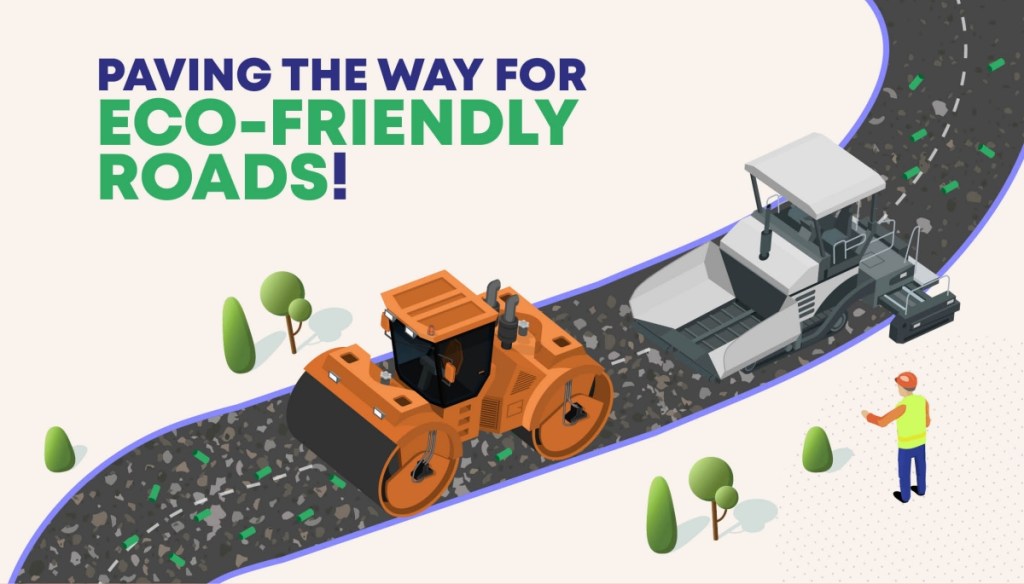
The use of recycled and secondary materials in road construction has emerged as an essential practice for achieving sustainability in the infrastructure sector. These materials not only reduce the demand for natural resources but also mitigate environmental impacts by repurposing waste products. Below is a detailed examination of the topic, highlighting types of materials, benefits, challenges, and future directions.


1. Types of Recycled and Secondary Materials

Several recycled and secondary materials can be used in road construction, including:

  • Recycled Asphalt Pavement (RAP): Milled material from existing roads, used as a cost-effective substitute for virgin asphalt.
  • Recycled Concrete Aggregate (RCA): Crushed concrete from demolished structures, utilized in sub-base layers or as aggregate in new concrete.
  • Steel Slag: A byproduct of steel production, known for its strength and skid resistance, suitable for aggregates in base layers.
  • Crushed Glass (Glassphalt): Recycled glass incorporated into asphalt mixtures.
  • Rubberized Asphalt: Ground rubber from waste tires mixed with asphalt binders to enhance durability and flexibility.
  • Fly Ash and Bottom Ash: Byproducts of coal combustion, often used as fillers or stabilizers in subgrade soils.
  • Plastic Waste: Melted or shredded plastics incorporated into asphalt mixes to improve durability and resistance to cracking.

2. Benefits

  • Environmental Sustainability:
    • Reduces the need for virgin materials, conserving natural resources like aggregates and bitumen.
    • Diverts waste from landfills and reduces pollution.
    • Lowers greenhouse gas emissions by minimizing the extraction and transportation of raw materials.
  • Economic Advantages:
    • Cost savings from using readily available waste materials.
    • Extended lifespan of roads due to enhanced properties of recycled materials (e.g., rubberized asphalt reduces cracking and maintenance needs).
  • Performance Improvements:
    • Some materials, such as steel slag and rubberized asphalt, improve road strength, flexibility, and resistance to wear.

3. Challenges

  • Material Quality and Consistency:
    Recycled materials can vary in composition and quality, leading to potential performance issues if not properly processed and tested.
  • Technical Limitations:
    • Compatibility of recycled materials with traditional road construction processes can be challenging.
    • Limited research on long-term durability for some innovative materials (e.g., recycled plastics).
  • Regulatory and Standardization Barriers:
    • Lack of universal standards and guidelines for incorporating recycled materials into road construction.
    • Hesitation among contractors and governments due to the perceived risks associated with new materials.
  • Economic Factors:
    • Initial costs of processing and testing recycled materials can be high.
    • In some regions, the availability of virgin materials at low cost reduces the economic incentive to use alternatives.

4. Case Studies

  • Rubberized Asphalt in the United States: States like California and Arizona have successfully used rubberized asphalt in highway projects, reducing waste tires and improving road durability.
  • Plastic Roads in India: Cities like Chennai have pioneered the use of shredded plastic in road asphalt, offering a sustainable solution to plastic waste while enhancing road performance.
  • Steel Slag Roads in Europe: Countries such as the Netherlands have utilized steel slag aggregates for base layers, demonstrating improved load-bearing capacity and lifespan.

5. Future Directions

  • Innovation in Material Processing:
    Advances in processing technologies can improve the quality and consistency of recycled materials, making them more viable for widespread use.
  • Lifecycle Analysis and Circular Economy:
    Conducting comprehensive lifecycle assessments to quantify the environmental and economic benefits of recycled materials will support their adoption.
  • Policy Support and Incentives:
    Governments can promote the use of recycled materials through subsidies, tax incentives, and mandatory quotas in public infrastructure projects.
  • Research and Development:
    Continued R&D into novel materials, such as bio-based binders and composite materials, can provide sustainable alternatives to traditional road construction inputs.

Conclusion

Incorporating recycled and secondary materials in road construction is a promising pathway to sustainable infrastructure development. While challenges exist, ongoing advancements in technology, coupled with supportive policies, can pave the way for broader adoption. This approach not only addresses environmental concerns but also contributes to economic efficiency and enhanced road performance, making it a win-win solution for modern societies.

References

Kassim, T. A., Simoneit, B. R., & Williamson, K. J. (2005). Recycling solid wastes as road construction materials: An environmentally sustainable approach. Water Pollution: Environmental Impact Assessment of Recycled Wastes on Surface and Ground Waters, 59-181.

Marinković, M., Zavadskas, E. K., Matić, B., Jovanović, S., Das, D. K., & Sremac, S. (2022). Application of wasted and recycled materials for production of stabilized layers of road structures. Buildings12(5), 552.

Nunes, M. C. M., Bridges, M. G., & Dawson, A. R. (1996). Assessment of secondary materials for pavement construction: Technical and environmental aspects. Waste Management16(1-3), 87-96.

Petkovic, G., Engelsen, C. J., Håøya, A. O., & Breedveld, G. (2004). Environmental impact from the use of recycled materials in road construction: method for decision-making in Norway. Resources, Conservation and Recycling42(3), 249-264.

Sharma, S. N., Prajapati, R., Jaiswal, A., & Dehalwar, K. (2024, June). A Comparative Study of the Applications and Prospects of Self-healing Concrete/Biocrete and Self-Sensing Concrete. In IOP Conference Series: Earth and Environmental Science (Vol. 1326, No. 1, p. 012090). IOP Publishing.

Sharma, S. N., Lodhi, A. S., Dehalwar, K., & Jaiswal, A. (2024, June). Life Cycle Assessment (LCA) of Recycled & Secondary Materials in the Construction of Roads. In IOP Conference Series: Earth and Environmental Science (Vol. 1326, No. 1, p. 012102). IOP Publishing.

National Mission for Clean Ganga (NMCG) -An Ambitious Project

Daily writing prompt
Share a lesson you wish you had learned earlier in life.

By Kavita Dehalwar

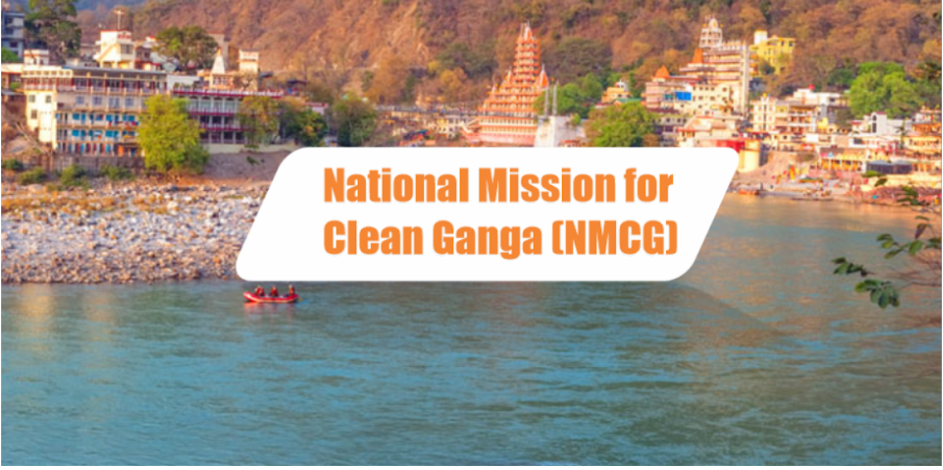
The National Mission for Clean Ganga (NMCG) is an ambitious project initiated by the Government of India with the objective of rejuvenating the Ganga River, one of India’s most important and revered rivers. Launched in 2014 under the Namami Gange Programme, NMCG serves as the implementation arm responsible for coordinating the multi-stakeholder efforts to clean and conserve the Ganga basin.

Background and Need for NMCG

The Ganga River holds immense cultural, spiritual, and economic significance in India, with millions of people depending on it for water, agriculture, and livelihoods. Despite its importance, the river has suffered from years of pollution due to rapid industrialization, urbanization, and population growth. Untreated sewage, industrial effluents, agricultural runoff, and religious activities have all contributed to the degradation of the Ganga, impacting its ecosystem and water quality.

To address this alarming situation, the Government of India has initiated several programs over the decades. However, these efforts were either fragmented or insufficient. The NMCG was formed as part of the Namami Gange Programme to provide a comprehensive and sustained approach to cleaning the river and ensuring its long-term sustainability.

Objectives of NMCG

The core mission of the NMCG is to restore and conserve the Ganga River by reducing pollution and maintaining ecological flow (Aviral Dhara). Its main objectives include:

  1. Pollution Abatement: Reducing pollution levels in the river by treating sewage, industrial effluents, and other pollutants that enter the Ganga.
  2. Riverfront Development: Developing and beautifying the ghats (riverbanks) to promote tourism, sanitation, and the cleanliness of the riverbanks.
  3. Biodiversity Conservation: Restoring and conserving the river’s biodiversity, which includes aquatic life like the endangered Gangetic dolphin and various fish species.
  4. Sustainable Agriculture: Promoting eco-friendly farming practices in the Ganga basin to reduce chemical runoff into the river.
  5. Public Participation: Encouraging active community involvement in Ganga rejuvenation through public awareness campaigns and local participation in river conservation efforts.
  6. Afforestation: Undertaking plantation and conservation activities along the riverbanks to improve the health of the river ecosystem and prevent soil erosion.
  7. Ecological Flow: Ensuring that a sufficient amount of water remains in the river at all times to support its ecological functions, even as demands for irrigation, drinking water, and industrial use grow.

Key Components of NMCG

The National Mission for Clean Ganga operates under a multi-pronged strategy that encompasses the following key components:

  1. Sewerage Infrastructure Development: One of the major contributors to Ganga pollution is untreated sewage. NMCG has focused on building and upgrading sewage treatment plants (STPs) across cities and towns situated along the river. These plants are designed to treat wastewater before it enters the river, reducing the harmful impact of domestic and industrial waste.
  2. River Surface Cleaning: Cleaning the surface of the river is another priority under NMCG. Special equipment like trash skimmers has been deployed to remove floating debris, garbage, and pollutants from the river’s surface.
  3. Industrial Pollution Control: The NMCG has initiated stringent measures to regulate industrial discharge into the Ganga. Industrial units located along the river are required to install effluent treatment plants (ETPs) and adhere to environmental guidelines to minimize pollution.
  4. Rural Sanitation: The mission aligns with the Swachh Bharat Mission (Clean India Campaign) to improve rural sanitation in villages along the Ganga. By promoting the construction of toilets and waste management systems, NMCG aims to prevent open defecation and other practices that contribute to water pollution.
  5. Riverfront Development: Riverfronts are being developed in several cities along the Ganga to create clean, accessible spaces that can be used by residents and tourists. This includes renovating old ghats, constructing new ghats, and providing better facilities for bathing, religious activities, and public use.
  6. Biodiversity and Wetland Conservation: NMCG has also focused on conserving and restoring wetlands and aquatic ecosystems around the Ganga. This effort includes projects to protect the endangered Gangetic dolphin, restore natural habitats, and conserve fish species. These biodiversity efforts aim to improve the ecological health of the river and its surroundings.
  7. Public Awareness and Participation: NMCG places a strong emphasis on public awareness, education, and community participation. Numerous awareness campaigns have been launched to educate the public about the importance of keeping the Ganga clean. Efforts include outreach programs in schools, universities, and communities, as well as engaging religious leaders to promote responsible practices.
  8. Monitoring and Real-Time Data: The NMCG has set up a real-time water quality monitoring system to assess the pollution levels in the Ganga and its tributaries. This system helps authorities monitor the effectiveness of pollution control measures and make necessary interventions.

Governance and Structure of NMCG

NMCG operates under the Ministry of Jal Shakti and functions as a registered society under the Societies Registration Act, 1860. It is part of the National Ganga Council, which is headed by the Prime Minister of India. The council oversees the planning and execution of Ganga rejuvenation projects and is supported by the State Ganga Committees in the five major states through which the river flows—Uttarakhand, Uttar Pradesh, Bihar, Jharkhand, and West Bengal.

NMCG also coordinates with various central and state government agencies, local bodies, non-governmental organizations (NGOs), and other stakeholders to ensure effective implementation of the mission’s objectives.

Achievements of NMCG

The National Mission for Clean Ganga has made significant progress since its inception. Some of its key achievements include:

  1. Sewage Treatment Capacity: As of recent reports, several sewage treatment plants have been constructed and made operational, significantly improving the capacity for treating wastewater in cities along the Ganga.
  2. Reduction in Pollution Levels: Various reports indicate a reduction in pollution levels in stretches of the Ganga, particularly around cities where new sewage treatment plants and industrial pollution control measures have been implemented.
  3. Public Engagement: Millions of people have been engaged in NMCG’s awareness programs and activities, resulting in a greater sense of ownership and responsibility towards the Ganga’s conservation.
  4. Improved Biodiversity: Efforts to protect the Gangetic dolphin and other species have shown positive results, with sightings of the dolphin increasing in several stretches of the river.
  5. Successful Riverfront Projects: Several riverfront development projects have been completed, providing cleaner, well-maintained public spaces for people to interact with the river while ensuring better waste management along the ghats.

Challenges Faced by NMCG

Despite its achievements, NMCG faces several challenges, including:

  1. Coordination Among Stakeholders: The Ganga runs through multiple states, each with its own governance structures, making coordination between different government agencies and local bodies complex.
  2. Sustaining Public Engagement: Keeping the public engaged in the long-term requires continuous awareness programs and education, as the behavior of communities directly affects the health of the river.
  3. Industrial Compliance: Ensuring consistent compliance with pollution norms by industries is an ongoing challenge, especially in regions where industries are a significant source of employment and revenue.
  4. Urbanization and Population Growth: Rapid urbanization and population growth along the Ganga basin contribute to increased pollution, which requires ongoing efforts to expand sewage treatment and waste management infrastructure.

Conclusion

The National Mission for Clean Ganga (NMCG) is one of the largest and most comprehensive river rejuvenation projects in the world. While it has made significant progress in addressing pollution, restoring ecosystems, and engaging the public, there is still a long way to go to achieve the mission’s goals of a clean, sustainable, and healthy Ganga. With continued political will, public participation, and a focus on holistic development, NMCG has the potential to make the Ganga a symbol of ecological restoration and sustainable development in India.

References

Alley, K. D., Barr, J., & Mehta, T. (2018). Infrastructure disarray in the clean Ganga and clean India campaigns. Wiley Interdisciplinary Reviews: Water5(6), e1310.

Chatterjee, T. (2018). Independent environmental regulation in India: Less an authority and more a process from below. Indian Journal of Public Administration64(4), 614-626.

Kedzior, S. B. (2024). Clean Water and Universal Sanitation in an Era of Sustainable Development: Understanding the Challenges and Prospects for SDG 6 in the Ganga River Basin. Sustainability: Science, Policy, and Practice in India: Challenges and Opportunities, 85-103.

Nagar, S. (2020). Report–Ganga Aamantran Abhiyan: The National Mission for Clean Ganga.

Vyas, J. N., Nath, S., Deogade, R. B., & Chandra, P. (2023). Rejuvenation of Rivers in India: A Case Study on Efforts for Rejuvenation of River Ganga. In Ecosystem Restoration: Towards Sustainability and Resilient Development (pp. 137-147). Singapore: Springer Nature Singapore.

Bus Rapid Transit System (BRTS): A Comprehensive Overview

By Kavita Dehalwar

The Bus Rapid Transit System (BRTS) is an innovative public transportation solution designed to provide fast, efficient, and cost-effective transit services in urban areas. By integrating features traditionally associated with rail systems, such as dedicated lanes, rapid boarding, and high service frequency, BRTS aims to deliver the benefits of rapid transit systems like metros or trams but at a significantly lower cost.

Photo by Martin Alargent on Pexels.com

This article will explore the concept, design, features, benefits, and challenges of BRTS, alongside examples of successful implementations worldwide.

1. What is BRTS?

Bus Rapid Transit System (BRTS) is a high-quality bus-based transit system that operates on dedicated lanes, known as busways, ensuring faster travel times by avoiding the usual traffic congestion that affects traditional bus services. BRTS combines the flexibility of buses with the speed and capacity of rail systems, thus providing an affordable alternative to more expensive infrastructure-heavy solutions like subways.

Key Elements of BRTS:

  • Dedicated Lanes: The hallmark feature of BRTS is its use of bus-exclusive lanes, allowing buses to avoid general traffic, thus ensuring faster transit times.
  • Priority at Intersections: BRTS often incorporates traffic signal priority, meaning buses receive green signals before other vehicles to further reduce delays.
  • Modern Stations: BRTS stations are well-designed, often resembling metro stations, with features like platform-level boarding, real-time information, and passenger amenities.
  • Articulated or Double-Decker Buses: Buses used in BRT systems are often larger than regular city buses, maximizing passenger capacity.
  • Frequent and Reliable Service: High service frequency reduces waiting times, and reliability is improved with dedicated infrastructure and scheduling.

2. Key Features of BRTS

a) Dedicated Bus Lanes

Dedicated lanes are one of the most important features of any BRTS. By removing buses from mixed traffic, these lanes enable fast and reliable service. These lanes are typically marked with distinct colors or signage and are off-limits to other vehicles.

  • Median Bus Lanes: Positioned in the center of the road, ensuring buses avoid the congestion often found in curbside traffic.
  • Curbside Bus Lanes: Positioned on the outer side of roads, providing an easier integration into the city but often more prone to obstruction from parked or turning vehicles.

b) Platform-Level Boarding

Similar to train or metro systems, BRTS stations are designed with platforms that align with the floor level of buses. This eliminates the need for passengers to climb steps, making boarding quicker and easier, especially for elderly, disabled, or wheelchair-bound passengers. It also reduces bus dwell times at stops, enhancing efficiency.

c) Fare Collection Before Boarding

To save time and minimize delays at stops, many BRT systems adopt an off-board fare collection system, where passengers pay their fare before boarding the bus, often via ticket machines or contactless systems at stations. This system reduces boarding times and eliminates the need for onboard fare transactions.

d) Real-Time Information Systems

Many BRTS networks are equipped with real-time tracking and passenger information systems, which provide updates about bus arrival times and service delays. These systems use GPS to monitor buses and relay accurate data to passengers via digital boards, apps, or announcements at stations.

e) High-Capacity Buses

BRT systems often use buses that are larger than typical urban buses. These may include articulated buses, which are longer and have two sections connected by a pivoting joint, or even double-decker buses. This allows BRT systems to carry more passengers per bus, reducing crowding and improving the overall experience.

f) Transit-Oriented Development (TOD)

BRT systems are often planned in coordination with Transit-Oriented Development (TOD), where residential, commercial, and recreational spaces are developed around BRT corridors. This fosters a higher density of population and activity around transit systems, encouraging the use of public transport.

g) BRT Stations

Unlike traditional bus stops, BRT stations are often enclosed, providing shelter and amenities like seating, real-time information displays, and sometimes even shops or kiosks. Stations are usually placed at major intersections or hubs, making them convenient for a large number of passengers.

3. Benefits of BRTS

a) Cost-Effective

One of the major advantages of BRTS is its cost-effectiveness compared to rail-based systems. Constructing a metro or light rail system involves significant infrastructure investments, whereas BRTS can be implemented using existing roadways with relatively minor modifications.

  • Lower Infrastructure Costs: BRTS avoids the expensive tunneling, tracks, and stations associated with rail systems.
  • Rapid Implementation: BRTS projects can be completed in a fraction of the time needed for rail systems, enabling cities to address transit needs quickly.

b) Flexibility and Scalability

BRTS systems are highly flexible. Buses can easily deviate from dedicated lanes when necessary, serving a broader range of areas. The system is also scalable, allowing for gradual expansion as demand grows or as funding becomes available.

c) Environmentally Friendly

By promoting the use of public transport, BRTS can help reduce the number of private vehicles on the road, leading to lower emissions and reduced traffic congestion. Many modern BRT systems also use eco-friendly buses powered by electricity or low-emission fuels, further enhancing their environmental benefits.

d) Improved Accessibility and Equity

BRTS provides affordable, fast, and reliable transport options to a large portion of the population, including underserved communities. By making transportation more accessible, BRTS promotes equity, especially for individuals who rely on public transit to access jobs, education, and healthcare.

e) Enhanced Urban Mobility

The speed and reliability of BRTS lead to enhanced mobility for urban residents. By reducing travel times and providing frequent service, BRTS helps make cities more accessible and livable.

f) Reducing Traffic Congestion

BRT systems have the potential to significantly reduce road traffic by providing a reliable and attractive alternative to private vehicle use. Dedicated lanes ensure that BRTS is not subject to the delays caused by traffic congestion, making it a more appealing option for daily commuters.

4. Challenges and Limitations of BRTS

a) Space Requirements

Implementing dedicated bus lanes in dense urban environments can be a challenge, as it may require reallocating road space or even acquiring additional land. In some cases, dedicated lanes can lead to resistance from drivers and businesses concerned about reduced car access or parking.

b) Maintenance and Management

Like all transit systems, BRTS requires proper maintenance and management. Poorly maintained infrastructure, including bus lanes and stations, can lead to system inefficiencies, delays, and reduced passenger satisfaction. Regular maintenance and robust operational management are critical for the long-term success of BRTS.

c) Overcrowding and Capacity

In rapidly growing cities, BRTS systems can sometimes become victims of their own success. As ridership increases, buses may become overcrowded, reducing comfort and efficiency. While articulated buses can accommodate more passengers, there is a limit to how much capacity BRTS can offer compared to heavier rail systems.
d) Public and Political Support

Successful implementation of BRTS often requires strong public and political support. In some cases, resistance from local businesses, car users, or residents may slow down or impede BRTS development. Effective communication about the long-term benefits of BRTS is essential to gaining the necessary support.

5. Global Examples of Successful BRTS

a) Curitiba, Brazil

Curitiba is often cited as one of the earliest and most successful examples of BRTS implementation. The system was introduced in the 1970s, featuring dedicated busways, high-capacity articulated buses, and integrated urban planning. Curitiba’s BRTS became a model for other cities around the world.

b) Bogotá, Colombia – TransMilenio

TransMilenio, Bogotá’s BRT system, is one of the largest and most well-known BRT networks globally. Launched in 2000, it features a network of dedicated lanes, modern stations, and large, articulated buses. TransMilenio has played a significant role in improving urban mobility in Bogotá, reducing congestion, and offering a reliable transit option for millions of people.

c) Ahmedabad, India – Janmarg BRTS

Ahmedabad’s Janmarg BRTS, launched in 2009, is considered a success story in India. It features dedicated bus corridors, a focus on high-quality service, and integration with other forms of public transit. Janmarg has improved mobility in Ahmedabad while reducing travel times and pollution.

d) Istanbul, Turkey – Metrobüs

Istanbul’s Metrobüs system is another excellent example of BRTS implementation. The Metrobüs operates in a densely populated and traffic-congested city, providing a vital alternative to private vehicles. With over 50 km of dedicated lanes and buses running frequently, the system serves millions of passengers daily.

e) Mexico City, Mexico – Metrobus

Mexico City launched its Metrobus system in 2005, and it now has over 100 kilometers of dedicated bus lanes. This BRTS has significantly reduced travel times for commuters and contributed to the city’s goal of reducing air pollution and improving urban mobility.

Conclusion

The Bus Rapid Transit System (BRTS) offers a practical, efficient, and cost-effective solution to urban transportation challenges. By combining the speed and reliability of rail systems with the flexibility and affordability of buses, BRTS is transforming public transportation in cities worldwide. Its implementation brings numerous.

References

Basso, L. J., Feres, F., & Silva, H. E. (2019). The efficiency of bus rapid transit (BRT) systems: A dynamic congestion approach. Transportation Research Part B: Methodological127, 47-71.

Hidalgo, D., & Muñoz, J. C. (2014). A review of technological improvements in bus rapid transit (BRT) and buses with high level of service (BHLS). Public Transport6, 185-213.

Jaiswal, A., Dhote, K., Krishnan, R., & Jain, D. (2012). Bus rapid transit system: a milestone for sustainable transport: a case study of Janmarg BRTs, Ahmedabad, India. OIDA International Journal of Sustainable Development4(11), 45-62.

Kathuria, A., Parida, M., Ravi Sekhar, C., & Sharma, A. (2016). A review of bus rapid transit implementation in India. Cogent Engineering3(1), 1241168.

Wirasinghe, S. C., Kattan, L., Rahman, M. M., Hubbell, J., Thilakaratne, R., & Anowar, S. (2013). Bus rapid transit–a review. International Journal of Urban Sciences17(1), 1-31.

Sharma, S. N. (2005). Evaluation of the JnNURM Programme of Government of India for Urban Renewal. Think India Journal8(2), 1-7.

Post Matric Scholarship for Scheduled Castes (SC) and Scheduled Tribes (ST) in Madhya Pradesh

Daily writing prompt
In what ways do you communicate online?

By Kavita Dehalwar

The scheme “Post-Matric Scholarship” started in 1945 by the Tribal Welfare and Scheduled Caste (SC) Department, Madhya Pradesh, provides scholarships to Scheduled Tribe students studying in classes 11th, 12th, Colleges, PhD, and Professional Courses.

The Post Matric Scholarship for Scheduled Castes (SC) and Scheduled Tribes (ST) in Madhya Pradesh is a government initiative aimed at promoting higher education among students belonging to SC and ST communities. The scheme provides financial assistance to help students meet the expenses of their education after matriculation (Class 10). Here’s a detailed overview of the scholarship:


Objective

The primary goal of the Post Matric Scholarship is to reduce the financial burden on students from economically weaker SC and ST communities and to encourage them to pursue education beyond the matriculation level.


Eligibility Criteria

To be eligible for the Post Matric Scholarship, students must meet the following criteria:

  1. Caste Requirements:
    • The applicant must belong to the Scheduled Caste (SC) or Scheduled Tribe (ST) category as recognized by the Government of Madhya Pradesh.
  2. Educational Qualification:
    • Students must have passed Class 10 (matriculation) from a recognized board or institution.
    • The scholarship is applicable for studies at the post-matric level, including higher secondary, undergraduate, postgraduate, diploma, professional, and technical courses.
  3. Income Criteria:
    • For SC students: The family income should not exceed ₹3,00,000 per annum.
    • For ST students: The family income should not exceed ₹6,00,000 per annum.
  4. Domicile:
    • The applicant must be a resident of Madhya Pradesh.
  5. Other Requirements:
    • The student should be enrolled in a government or recognized private educational institution.
    • Students receiving similar scholarships or financial aid from other sources are not eligible.

Benefits of the Scholarship

The benefits of the Post Matric Scholarship include:

  1. Tuition Fee Coverage:
    • The tuition fees for the course are reimbursed directly to the institution.
  2. Maintenance Allowance:
    • A monthly allowance is provided to cover living expenses, books, and other necessities. The amount varies based on the level of study and the type of institution (government or private).
  3. Other Expenses:
    • Examination fees, library fees, and laboratory charges are also covered under the scheme.

Application Process

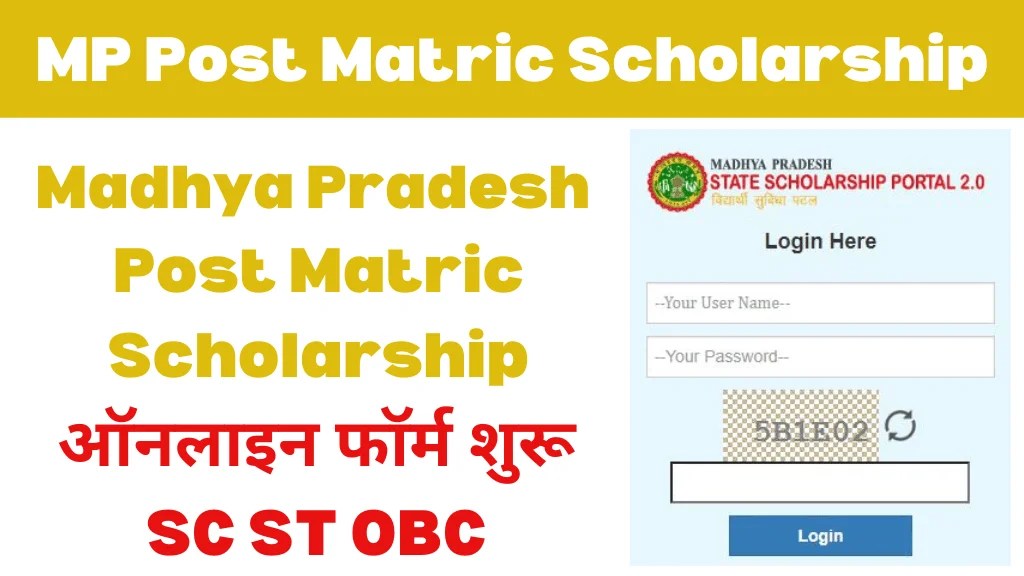
The application process for the scholarship is entirely online through the Madhya Pradesh Scholarship Portal. Here’s a step-by-step guide:

  1. Registration:
  2. Fill the Application Form:
    • Log in and complete the scholarship application form.
    • Provide details about your academic history, institution, caste certificate, and income certificate.
  3. Upload Documents:
    • Upload scanned copies of the required documents (see the list below).
  4. Verification:
    • Submit the application. The institute will verify the details provided.
  5. Approval:
    • After verification by the institution and authorities, the scholarship amount will be credited to the student’s or institution’s bank account.

Required Documents

Applicants need to upload the following documents during the application process:

  1. Recent passport-sized photograph.
  2. Caste certificate issued by a competent authority.
  3. Income certificate of the family (issued within the past year).
  4. Domicile certificate of Madhya Pradesh.
  5. Previous year’s mark sheet.
  6. Admission proof (fee receipt or admission letter).
  7. Bank account details of the student (linked with Aadhaar).

Important Dates

  • Application Start Date: Generally announced in July or August each year.
  • Application Deadline: Typically by November, with extensions announced as needed.
  • Renewal Applications: Renewal students must reapply before the deadline, providing updated documents.

Key Points to Note

  1. Renewal Process:
    • Students who continue their studies in subsequent years need to apply for scholarship renewal annually.
  2. Monitoring and Transparency:
    • The scheme is monitored through the online portal, ensuring transparency in fund disbursement.
  3. Grievance Redressal:
    • Any issues related to the scholarship can be resolved through the helpline available on the MP Scholarship Portal.

Contact Information

For further assistance, students can contact:

  • Helpline Number: Provided on the official portal.
  • District Education Office: For offline inquiries and document submission.

This scholarship program plays a crucial role in ensuring that financial barriers do not hinder the education of SC and ST students in Madhya Pradesh. By covering tuition fees and providing maintenance support, it encourages higher education and helps bridge the gap in educational opportunities.