Top Schools in Asia: An Overview of Academic Excellence

Asia, a continent known for its rich history, diverse cultures, and rapid economic growth, is also home to some of the world’s top-performing educational institutions. With an increasing emphasis on global competitiveness, the quality of education in many Asian countries has risen to new heights in recent decades. Schools in Asia are recognized for their academic rigor, innovative teaching methods, and focus on developing global citizens. This essay will explore some of the top schools in Asia, highlighting the factors that contribute to their success and influence.
1. The International School of Beijing, China

The International School of Beijing (ISB) is one of the premier international schools in China. Located in the capital city, ISB offers an education primarily based on the International Baccalaureate (IB) curriculum, with an emphasis on inquiry-based learning. It serves students from pre-kindergarten through grade 12, drawing families from over 50 countries. One of ISB’s key strengths is its commitment to fostering cultural diversity and international-mindedness. The school offers a wide range of extracurricular activities, including sports, music, drama, and Model United Nations (MUN), which help develop leadership and communication skills.

ISB’s strong academic results are also a testament to its high standards. The school’s high school students consistently perform well in the IB Diploma Programme, and its university placement record is excellent, with graduates attending prestigious universities across the globe.

2. Singapore American School (SAS), Singapore

The Singapore American School (SAS) is widely regarded as one of the best schools in Asia. Founded in 1956, SAS offers a rigorous American-style education from pre-kindergarten to grade 12. The school is renowned for its high academic standards, exceptional facilities, and outstanding faculty. SAS is particularly known for its focus on developing well-rounded individuals, with a strong emphasis on both academics and extracurricular activities.

The school offers Advanced Placement (AP) courses, and its students routinely perform well in these exams, with many going on to attend top universities in the United States, such as Ivy League schools. SAS is also known for its focus on STEM (science, technology, engineering, and mathematics) education, with state-of-the-art laboratories and robotics programs. Its commitment to character development and service learning makes it a leader in educating global citizens. You can view website to get an in-detailed idea of international schools in Singapore.  

3. The International School of Hong Kong (ISHK), Hong Kong

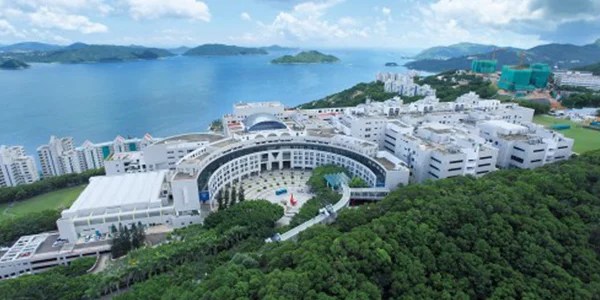
The International School of Hong Kong (ISHK) is one of the top international schools in the region. It offers the International Baccalaureate (IB) curriculum, catering to students from early childhood through to high school. ISHK is particularly known for its personalized approach to education, focusing on individualized learning paths that meet the needs of each student. The school emphasizes inquiry-based learning, which allows students to actively engage with the material and develop critical thinking skills.

ISHK’s strong emphasis on cultural diversity is also a standout feature. Hong Kong is a melting pot of cultures, and ISHK fosters a global perspective, encouraging students to understand and appreciate different cultures and backgrounds. Its high school students consistently achieve impressive results in the IB Diploma Programme, which enables them to gain entry to top universities around the world.

4. Nanjing International School (NIS), China

Nanjing International School (NIS) is another top international school in Asia, located in Nanjing, China. NIS offers a challenging and well-rounded education, focusing on both academic excellence and holistic development. The school follows the IB curriculum and places a strong emphasis on inquiry-based learning, which nurtures independent thinkers and problem solvers.

NIS has a reputation for offering a well-integrated approach to education, with a robust arts and sports program. The school also encourages service learning and social responsibility, helping students develop a sense of global citizenship. NIS graduates regularly gain acceptance into prestigious universities worldwide, making it one of the top choices for expatriate families in China.

5. Seoul Foreign School, South Korea

Seoul Foreign School (SFS) is one of the top international schools in South Korea, offering a curriculum that blends American and international standards. Established in 1912, SFS has a long history of providing an excellent education to expatriates in Seoul. The school serves students from preschool through to grade 12 and offers a diverse range of extracurricular activities in addition to its rigorous academic programs.

SFS offers both the Advanced Placement (AP) and IB Diploma Programmes, allowing students to choose the educational pathway that best suits their needs. The school has consistently high academic standards, and its graduates have gone on to attend prestigious universities, particularly in the United States. SFS’s commitment to developing well-rounded individuals is reflected in its strong focus on sports, arts, leadership, and community service.

6. The British International School, Phuket, Thailand

The British International School (BISP) in Phuket is a prominent institution in Thailand, known for its high academic standards and focus on developing global citizens. Following the British curriculum, BISP offers a strong academic program from early childhood through to the A-levels. The school is particularly well-regarded for its emphasis on extracurricular activities, including sports, music, drama, and outdoor education.

BISP’s commitment to holistic education is demonstrated by its focus on both academic achievement and personal development. The school boasts a strong university placement record, with graduates attending top institutions in the United Kingdom, United States, and other parts of the world. Its picturesque location in Phuket provides a conducive learning environment, and its international community ensures a diverse, inclusive atmosphere.

7. Jeddah International School, Saudi Arabia

Jeddah International School (JIS) is one of the top international schools in the Middle East and has earned a strong reputation for its academic excellence. Offering both the IB and American curriculums, JIS provides a rigorous academic environment for its students, alongside a diverse array of extracurricular activities. The school places a strong emphasis on moral values, social responsibility, and leadership.

JIS has a highly dedicated teaching staff and offers a range of extracurricular activities, such as sports, arts, and community service, that encourage students to grow in a well-rounded manner. Its university placement program is highly successful, with many students gaining entry to prestigious universities in the US, UK, and other countries.

8. Tata Institute of Social Sciences (TISS), India

While India is home to a multitude of prestigious schools, Tata Institute of Social Sciences (TISS) stands out due to its unique focus on social sciences and social work education. Based in Mumbai, TISS offers undergraduate, postgraduate, and doctoral programs in various fields, including social work, education, health systems, and public policy. TISS is known for its rigorous academic curriculum, combined with a strong emphasis on social responsibility and community engagement.

Although TISS is more of a university-level institution, its influence and reputation for academic excellence make it a leader in higher education in Asia. The university has consistently ranked among the top in India and offers a transformative educational experience.

Conclusion

The top schools in Asia exemplify excellence in education, each with its unique approach to developing students into successful, well-rounded global citizens. Whether following international curriculums like the IB or offering specific country-based systems, these schools are shaping the future of education in Asia and beyond. With their emphasis on academic rigor, cultural diversity, and holistic development, these institutions set the stage for the next generation of leaders, thinkers, and innovators. As Asia continues to play a central role in global development, the quality of education in its schools will undoubtedly remain a critical factor in shaping the future of the continent and the world. Visit the website to get more insights on international schools in Asia.

Flash Drought: An Overview

Daily writing prompt
What is something others do that sparks your admiration?

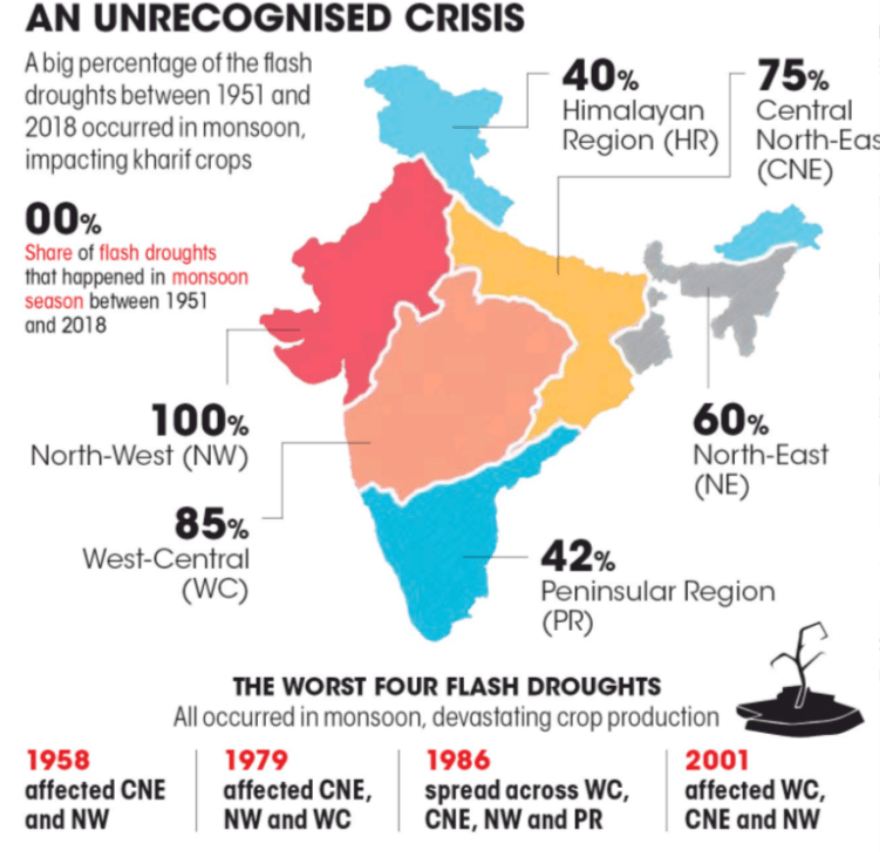
Flash drought is a rapidly developing drought phenomenon characterized by a sudden onset and rapid intensification of dry conditions over a short period, typically weeks to months. Unlike traditional droughts that develop slowly over years, flash droughts emerge quickly due to a combination of factors, including weather anomalies and land-atmosphere interactions. These events can cause significant agricultural, hydrological, and ecological damage due to their abrupt nature.


Key Characteristics of Flash Drought

  1. Rapid Onset: Flash droughts can develop within a few weeks, often catching farmers, water managers, and policymakers off guard.
  2. Meteorological Drivers:
    • High Temperatures: Heatwaves and above-average temperatures increase evapotranspiration rates.
    • Low Precipitation: Sudden declines in rainfall or prolonged dry spells exacerbate moisture deficits.
  3. Land-Atmosphere Interaction:
    • Soil Moisture Loss: Rapid depletion of soil moisture due to high temperatures and lack of precipitation.
    • Vegetation Stress: Plants face water stress, affecting growth and crop yields.
  4. Short Duration: Typically lasts a few weeks to several months but can have lasting impacts, particularly in agriculture.

Causes of Flash Drought

  1. Climate Variability: Changes in atmospheric circulation patterns can disrupt normal weather, leading to reduced rainfall.
  2. Human Activities: Land use changes, deforestation, and over-extraction of water resources exacerbate the risk of flash drought.
  3. Natural Cycles: Phenomena like El Niño-Southern Oscillation (ENSO) influence rainfall patterns and temperature anomalies.

Impacts of Flash Drought

  1. Agricultural:
    • Damage to crops due to sudden water stress.
    • Reduced yields, particularly in rain-fed agriculture.
    • Economic losses for farmers.
  2. Ecological:
    • Stress on aquatic and terrestrial ecosystems.
    • Increased vulnerability of wildlife to habitat degradation.
  3. Hydrological:
    • Rapid depletion of reservoirs and groundwater.
    • Reduced streamflow and water availability for human and industrial use.
  4. Socioeconomic:
    • Food insecurity due to crop failures.
    • Increased costs for irrigation and water management.

Monitoring and Prediction

  1. Satellite Technology: Remote sensing helps monitor soil moisture, vegetation health, and precipitation patterns.
  2. Climate Models: Advanced modeling techniques are employed to predict flash drought risks based on temperature and precipitation forecasts.
  3. Indices:
    • Standardized Precipitation Index (SPI)
    • Evaporative Stress Index (ESI)
    • Soil Moisture Deficit Index (SMDI)

Mitigation Strategies

  1. Improved Forecasting: Investing in meteorological services to provide early warnings.
  2. Water Management:
    • Promoting efficient irrigation techniques.
    • Storing water during wet periods for use during drought.
  3. Agricultural Practices:
    • Using drought-resistant crop varieties.
    • Adopting conservation agriculture practices to retain soil moisture.
  4. Policy Interventions:
    • Developing drought preparedness plans.
    • Subsidizing crop insurance for farmers.

Examples of Flash Drought Events

  1. 2012 United States: A flash drought severely impacted corn and soybean crops, causing billions in economic losses.
  2. 2019 Southeast Asia: A rapid drought affected rice production, leading to food shortages.
  3. 2022 Europe: Unseasonably high temperatures and low rainfall caused sudden agricultural stress in parts of Western Europe.

Conclusion

Flash droughts represent an increasing challenge in the context of climate change. Their rapid onset and severe impacts demand robust monitoring systems, adaptive strategies, and sustainable resource management. By understanding their drivers and effects, societies can better prepare for and mitigate the risks associated with these sudden drought phenomena.

Building Resilient Cities: Strategies for Addressing Disasters and Climate Change

Daily writing prompt
What is something others do that sparks your admiration?

By Shashikant Nishant Sharma

As urbanization accelerates worldwide, cities are increasingly vulnerable to disasters and the adverse effects of climate change. Rising sea levels, extreme weather events, and resource shortages threaten urban infrastructure, economies, and populations. Building resilience—the ability of a city to anticipate, prepare for, respond to, and recover from adverse events—is crucial for ensuring sustainable urban development. This article explores strategies to make cities resilient against disasters and climate change.


Understanding Urban Resilience

Urban resilience encompasses a city’s capacity to:

  • Minimize risks and vulnerabilities.
  • Absorb, recover, and adapt to adverse conditions.
  • Maintain functionality despite disruptions.

The concept of resilience is holistic, addressing physical infrastructure, social systems, governance, and environmental sustainability.


Strategies to Enhance Urban Resilience

1. Adopting Climate-Smart Urban Planning

Cities should incorporate climate change scenarios into their urban planning processes. This includes:

  • Zoning regulations to prevent development in high-risk areas such as floodplains and coastal zones.
  • Promoting mixed-use development to reduce travel demand and associated emissions.
  • Implementing green infrastructure like parks, wetlands, and green roofs to manage stormwater and reduce the urban heat island effect.

2. Investing in Resilient Infrastructure

Robust infrastructure systems can withstand disasters and adapt to changing climatic conditions. Key measures include:

  • Designing flood-resistant buildings and elevated roadways.
  • Strengthening existing infrastructure against earthquakes and other hazards.
  • Developing energy-efficient systems powered by renewable energy sources.

3. Strengthening Early Warning Systems

Timely information about impending disasters can save lives and reduce damage. Cities should:

  • Deploy advanced monitoring technologies for weather and environmental changes.
  • Develop community-based alert systems that ensure everyone, including marginalized groups, receives warnings.
  • Conduct regular emergency drills to improve preparedness.

4. Enhancing Community Participation

A resilient city relies on the active participation of its citizens. Strategies to empower communities include:

  • Community-based disaster risk management (CBDRM) programs.
  • Encouraging local stewardship of natural resources.
  • Conducting public awareness campaigns on disaster preparedness and climate adaptation.

5. Fostering Sustainable Mobility

Transportation systems should be designed to endure disruptions while minimizing emissions. Solutions include:

  • Investing in public transportation and non-motorized transport infrastructure.
  • Promoting electric vehicles and carpooling systems.
  • Developing adaptive transport networks with redundancies to ensure connectivity during crises.

6. Building Financial Resilience

Economic stability underpins urban resilience. Cities should:

  • Establish disaster insurance schemes for public infrastructure and private assets.
  • Create emergency funds to finance recovery efforts.
  • Support livelihood diversification for urban populations to reduce dependency on climate-sensitive sectors.

7. Promoting Nature-Based Solutions

Nature-based solutions harness the power of ecosystems to mitigate climate risks. These include:

  • Restoring mangroves and wetlands to act as natural buffers against storm surges.
  • Implementing urban forests to reduce air pollution and regulate temperatures.
  • Encouraging permeable pavements to enhance groundwater recharge and reduce urban flooding.

8. Strengthening Governance and Policy Frameworks

Resilient cities require strong institutional frameworks. Effective governance includes:

  • Creating integrated disaster management plans.
  • Establishing climate adaptation policies aligned with global frameworks like the Paris Agreement.
  • Encouraging multi-stakeholder collaborations between governments, businesses, and civil society.

Case Studies of Resilient Cities

1. Rotterdam, Netherlands

Rotterdam is a global leader in urban resilience. Its innovative water management system, including flood barriers, floating buildings, and water plazas, demonstrates the city’s commitment to combating sea-level rise.

2. Sendai, Japan

Sendai’s reconstruction after the 2011 earthquake and tsunami showcases a model for disaster resilience. The city emphasized community engagement, robust infrastructure, and sustainable energy systems.

3. Medellín, Colombia

Once plagued by violence and poor infrastructure, Medellín transformed into a resilient city through inclusive urban planning, such as its famous cable cars and green corridors.


Conclusion

Making cities resilient to disasters and climate change is no longer optional; it is a necessity. The integration of innovative planning, robust infrastructure, community involvement, and sustainable practices can enable cities to thrive in the face of adversity. Governments, urban planners, and citizens must collaborate to build cities that are not only safe and sustainable but also adaptable to an uncertain future.

Investing in urban resilience today will pay dividends in securing the wellbeing of future generations.

References

Acuti, D., & Bellucci, M. (2020). Resilient cities and regions: planning, initiatives, and perspectives. Climate Action, 763-774.

Greenwalt, J., Raasakka, N., & Alverson, K. (2018). Building urban resilience to address urbanization and climate change. In Resilience (pp. 151-164). Elsevier.

Jabareen, Y. (2013). Planning the resilient city: Concepts and strategies for coping with climate change and environmental risk. Cities31, 220-229.

Khan, A., Carlosena, L., Khorat, S., Khatun, R., Das, D., Doan, Q. V., … & Niyogi, D. (2023). Urban cooling potential and cost comparison of heat mitigation techniques for their impact on the lower atmosphere. Computational Urban Science3(1), 26.

Orsetti, E., Tollin, N., Lehmann, M., Valderrama, V. A., & Morató, J. (2022). Building resilient cities: climate change and health interlinkages in the planning of public spaces. International journal of environmental research and public health19(3), 1355.

Sharma, S. N. (2018). Review of National Urban Policy Framework 2018. Think India Journal21(3), 74-81.

Red Planet Day: A Celebration of Mars and Its Mysteries

Daily writing prompt
What are your two favorite things to wear?

Red Planet Day is an annual event celebrated on November 28 to honor the fascinating planet Mars, often referred to as the “Red Planet” due to its reddish appearance caused by iron oxide (rust) on its surface. The day is an opportunity to reflect on humanity’s interest in Mars, its exploration, and the ongoing research that helps us understand its potential to support life.

Why November 28?

Red Planet Day marks the anniversary of the launch of Mariner 4, NASA’s first successful mission to Mars. On November 28, 1964, Mariner 4 was launched, and it became the first spacecraft to send back close-up images of the Martian surface, providing humanity with its first glimpse of the planet beyond telescopic observations. These images revealed a barren, cratered landscape, shattering some of the earlier misconceptions about Mars, such as the idea that it harbored canals built by intelligent life.

Mars: The Red Planet

Mars has been a subject of fascination for astronomers and science fiction writers for centuries. It is the fourth planet from the Sun and, like Earth, it has seasons, polar ice caps, and weather patterns. However, Mars differs significantly from Earth in its environment and atmospheric conditions.

Mars has:

  • A thin atmosphere, mostly carbon dioxide, which offers little protection from the harsh solar radiation.
  • The largest volcano in the solar system, Olympus Mons, which stands nearly three times the height of Mount Everest.
  • The longest canyon, Valles Marineris, stretching over 4,000 km, which dwarfs the Grand Canyon.
  • Evidence of past water flows, with dried riverbeds and ancient lake basins suggesting that liquid water may have once existed on its surface.

Despite its inhospitable surface, Mars remains one of the most studied planets in our solar system because of its potential for past life and its suitability for future human exploration.

The History of Mars Exploration

Over the decades, various space missions have explored Mars, and each has revealed new secrets about the planet. Here are a few key milestones:

  1. Mariner 4 (1964) – As mentioned, it was the first spacecraft to send back images of Mars, proving that the planet was not as Earth-like as once believed.
  2. Viking Program (1976) – NASA’s Viking 1 and Viking 2 orbiters and landers provided crucial data about the Martian atmosphere, surface, and geology, as well as the first in-depth studies of its potential for supporting life.
  3. Mars Rovers – In the 21st century, rovers such as Spirit, Opportunity, Curiosity, and Perseverance have landed on Mars to explore its surface, conduct experiments, and search for signs of past life. Perseverance, which landed in February 2021, is tasked with collecting rock samples that could one day be returned to Earth.
  4. Mars Helicopter Ingenuity – As part of the Perseverance mission, the small helicopter Ingenuity made history in 2021 by becoming the first powered flight on another planet. It successfully flew on Mars, providing aerial reconnaissance for scientific studies.

Why Celebrate Red Planet Day?

Red Planet Day serves multiple purposes:

  • Education: It’s an opportunity to educate people of all ages about Mars, its exploration, and what we’ve learned from it. Schools, observatories, and museums often host special events or activities focused on Mars-related science and space exploration.
  • Inspiration: Mars continues to inspire the imagination of people around the world. Celebrating the day can ignite curiosity about space and foster a sense of wonder about our universe.
  • Scientific Advancement: As new missions to Mars are planned, including NASA’s Artemis Program aiming to return humans to the Moon and eventually send astronauts to Mars, Red Planet Day reminds us of the long-term goals of space exploration and the scientific advancements being made in the process.
  • Future Exploration: Red Planet Day is also an opportunity to look forward to the future of Mars exploration, especially as private companies like SpaceX and governmental agencies like NASA are working towards the goal of human missions to Mars, potentially establishing the first human colony on another planet.

How Is Red Planet Day Celebrated?

While it is not a widely recognized holiday in the same way as some other observances, space enthusiasts, astronomers, and scientists mark Red Planet Day in various ways:

  • Public Events: Some observatories and space museums host special exhibits, workshops, and presentations about Mars exploration.
  • Social Media Campaigns: On Red Planet Day, many space organizations, including NASA and SpaceX, share information, updates, and fun facts about Mars on their social media platforms.
  • Stargazing: Many amateur astronomers take the opportunity to observe Mars with telescopes, especially when the planet is in close proximity to Earth during opposition (when Earth is directly between Mars and the Sun).
  • Educational Outreach: Schools and universities might engage in special lessons or activities centered on Mars, its exploration, and space science.

The Future of Mars Exploration

The future of Mars exploration is incredibly exciting. Several planned missions aim to further unravel the mysteries of Mars and explore its potential for human settlement:

  • NASA’s Mars Sample Return Mission: In collaboration with the European Space Agency (ESA), NASA aims to bring Martian soil samples back to Earth by the late 2020s or early 2030s.
  • SpaceX’s Starship Missions: SpaceX is developing the Starship vehicle with the goal of sending humans to Mars. Elon Musk’s vision is to eventually establish a sustainable human presence on Mars, potentially as soon as the 2020s or 2030s.
  • Colonization: While still a long way off, there are ongoing discussions about establishing permanent human colonies on Mars. These would require advanced technologies for life support, food production, and protection from radiation.

Conclusion

Red Planet Day is not only a celebration of the Mariner 4 mission but also a reminder of our collective curiosity and ambition to explore Mars. As we continue to explore and learn about Mars, the planet holds promise as a stepping stone for humanity’s future in space. Whether through scientific discoveries, technological innovations, or inspiring the next generation of explorers, Red Planet Day is a chance to celebrate humanity’s ongoing journey to the stars.

Social Responsibility of Media

Daily writing prompt
What technology would you be better off without, why?

By Shashikant Nishant Sharma

Media plays a crucial role in shaping public perceptions and disseminating information, including scientific knowledge, to the general populace. However, while media has the potential to foster scientific thinking among newspaper readers, it also faces several challenges that can hinder its effectiveness in achieving this goal.

On the positive side, media can serve as a powerful tool for popularizing scientific concepts, discoveries, and advancements. Well-written articles and features in newspapers have the potential to simplify complex scientific subjects, making them accessible to a wider audience. Through engaging storytelling and relatable examples, media can bridge the gap between scientific jargon and public understanding, fostering a sense of curiosity and interest in science.

Furthermore, media coverage can help shed light on critical scientific issues such as climate change, public health concerns, and technological innovations. By presenting accurate and balanced information, media can elevate public awareness and prompt informed discussions, which are vital for making informed decisions at both individual and societal levels.

However, there are challenges that media encounters in effectively spreading scientific thinking. One significant concern is the oversimplification or sensationalization of scientific news for the sake of grabbing attention. This can lead to the distortion of scientific facts and misrepresentation of research findings, which in turn undermines the credibility of scientific information.

Additionally, the competition for readership and the need for high click-through rates in the digital age can encourage the prioritization of sensational stories over in-depth, accurate reporting. This can result in the neglect of more complex scientific issues that require nuanced understanding and analysis.

Furthermore, the lack of scientific literacy among journalists can contribute to inaccurate reporting. Misinterpretation of scientific studies or failure to critically evaluate the credibility of sources can perpetuate misinformation, leading to a misinformed public.

In conclusion, media has the potential to be a powerful agent for spreading scientific thinking among newspaper readers. However, responsible journalism, accurate reporting, and a commitment to presenting science comprehensibly and unbiasedly are crucial for media to effectively fulfil this role. Balancing the demands of generating attention-grabbing content with the responsibility of promoting accurate scientific knowledge is essential for fostering a scientifically informed society.

Role of Demography & Rahul Gandhi in Karnataka State Election Results

Daily writing prompt
What’s the hardest decision you’ve ever had to make? Why?

By Shashikant Nishant Sharma

xr:d:DAFiyYG1Y4w:2,j:47066149369,t:23051309

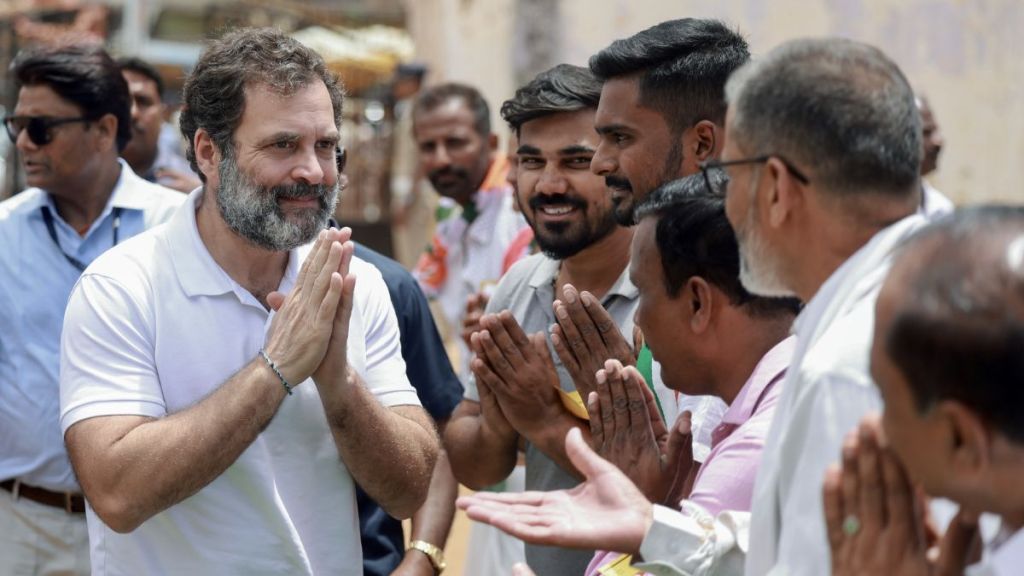
Demography, encompassing factors like age, caste, and religion, influences voting patterns in Karnataka state elections. Understanding the composition of the electorate helps analyze alliances and voting behavior. Rahul Gandhi, a prominent politician from the Indian National Congress, has campaigned in Karnataka and sought to mobilize support for his party. His effectiveness in connecting with voters and influencing the election outcome varies, as it depends on multiple factors beyond an individual’s influence. Other dynamics, such as party strategies, local issues, and the performance of rival parties, also play crucial roles in determining the results of Karnataka state elections.

Demography plays a significant role in elections as it involves the study of population characteristics and their influence on political outcomes. In the context of the Karnataka state election results, demography can provide insights into the composition of the electorate, such as age, gender, caste, and religion, which can shape voting patterns and alliances. Rahul Gandhi is a prominent Indian politician and a member of the Indian National Congress party. His role in the Karnataka state election results would depend on various factors, including his party’s performance, his campaign efforts, and his ability to connect with voters. While he may have campaigned in the state and tried to mobilize support for his party, the overall outcome of the election would depend on multiple factors beyond any individual’s influence.

Changing Demography of Karnataka

Karnataka has experienced significant demographic changes in recent years. The state’s population has been growing steadily, primarily due to natural increase and in-migration from other parts of India. According to the 2011 census, Karnataka had a population of approximately 61 million. Urbanization has been a prominent trend in the state, with cities like Bengaluru, Mysore, and Mangalore witnessing rapid growth. Bengaluru, in particular, has emerged as a major IT and technology hub, attracting professionals from different parts of the country. This influx of migrants has contributed to the cosmopolitan nature of the city. Karnataka is linguistically diverse, with Kannada being the primary language spoken by a majority of the population. However, there are also significant populations that speak other languages such as Tamil, Telugu, Urdu, and Konkani, among others. In terms of religious composition, Hinduism is the predominant religion in Karnataka, followed by Islam, Christianity, and Jainism. The state is also home to various religious sects and communities, contributing to its religious diversity. Caste continues to be a factor influencing Karnataka’s demography and politics. Historically influential communities, such as the Lingayats and Vokkaligas, have played significant roles in the state’s social and political landscape. However, other communities, including Scheduled Castes (Dalits) and Scheduled Tribes, have also gained political representation and influence.

It’s important to note that the demographic landscape of Karnataka may have evolved since my last update. For the most up-to-date and precise information, referring to recent studies and official data sources is recommended.

Emergence of Rahul Gandhi 

Rahul Gandhi is a prominent Indian politician and a member of the Indian National Congress party. He is the son of former Indian Prime Minister Rajiv Gandhi and the grandson of former Prime Minister Indira Gandhi. Rahul Gandhi’s emergence as a political figure in India began with his active involvement in the Indian National Congress party and his eventual entry into electoral politics. Rahul Gandhi initially served as a general secretary of the Indian National Congress, working behind the scenes to strengthen the party’s organization and support its electoral campaigns. Over time, he took on a more prominent role within the party, becoming the vice president in 2013 and eventually the president of the Indian National Congress in 2017. Rahul Gandhi’s emergence as a political leader has been characterized by efforts to connect with the youth, marginalized communities, and rural populations. He has advocated for issues such as social justice, inclusivity, and economic development. Rahul Gandhi has campaigned extensively in various state elections, including Karnataka, and has sought to rally support for his party’s candidates. While Rahul Gandhi has garnered a considerable following and support within the Indian National Congress party, his political journey has seen ups and downs. He has faced criticism and scrutiny from political opponents and has been actively involved in debates and discussions on various national and regional issues. It is worth noting that political dynamics and individual influence can vary over time, and the specific impact and future trajectory of Rahul Gandhi’s emergence in Indian politics will continue to evolve as political landscapes change.

History of Karnataka Elections

The history of Karnataka elections dates back to the formation of the state in 1956. Since then, Karnataka has witnessed numerous state assembly elections as well as Lok Sabha (parliamentary) elections. Here is a brief overview of the history of Karnataka elections: Early Years: The first general elections in Karnataka took place in 1957. The Indian National Congress (INC) dominated the political landscape in the early years, winning the majority of seats in the state assembly. Coalition Politics: In the 1980s and 1990s, Karnataka witnessed the rise of coalition politics. The Janata Party, a coalition of various anti-Congress parties, came to power in 1983, marking a shift from single-party dominance. This period saw multiple governments being formed by different alliances, including the Janata Dal and Bharatiya Janata Party (BJP). Rise of the BJP: The Bharatiya Janata Party (BJP) gained prominence in Karnataka during the late 1990s and early 2000s. In 2004, the BJP formed its first government in the state, led by Chief Minister B.S. Yeddyurappa. However, the government faced internal issues, leading to its collapse. Congress Revival: The Indian National Congress made a comeback in Karnataka politics, winning the state assembly elections in 2013. Siddaramaiah became the Chief Minister, leading a Congress government. However, in the 2018 elections, the Congress was unable to secure a majority, leading to a coalition government with the Janata Dal (Secular) party.

Recent Elections: In the most recent state assembly elections held in 2018, the BJP emerged as the single largest party. After a period of political uncertainty, the BJP formed the government with B.S. Yeddyurappa as the Chief Minister. However, in subsequent by-elections, the BJP lost a few seats, resulting in a change of Chief Minister with B.S. Yediyurappa resigning and Basavaraj Bommai taking office in 2021. It’s important to note that the political landscape in Karnataka has been dynamic, with various parties and alliances vying for power. State elections in Karnataka have seen the emergence of regional parties, coalition governments, and shifts in power between the Indian National Congress and the Bharatiya Janata Party. The outcome of elections in Karnataka has had implications for state governance as well as national politics.

New Challenges for Congress Party

The Congress Party in India has faced several challenges in recent years. Here are some of the key challenges it has encountered: 

Electoral Performance: The Congress Party has witnessed a decline in its electoral performance, especially in national elections. In the 2014 and 2019 Lok Sabha elections, the party faced significant setbacks, winning only a limited number of seats. This decline has impacted its overall political influence and ability to form a government at the national level.

Leadership Crisis: The party has grappled with a leadership crisis, with a lack of clear and dynamic leadership. This has resulted in a leadership vacuum and internal factionalism, which have weakened the party’s ability to present a united front and effectively communicate its message to the electorate.

Ideological Positioning: The Congress Party has faced challenges in clearly articulating its ideological positioning. In recent years, there has been a growing trend of political parties aligning themselves with specific ideologies or issues, while the Congress Party has struggled to define and communicate its distinct ideological stance.

Regional Strongholds: The Congress Party has lost ground in many states where it previously had strongholds. Regional parties have gained prominence and appeal, leading to a fragmentation of the political landscape. This has reduced the Congress Party’s ability to form alliances and consolidate its support base.

Youth Appeal: The Congress Party has faced difficulties in appealing to the aspirations and concerns of the younger generation. It has struggled to connect with the youth, who are increasingly looking for dynamic and transformative leadership and policies.

Communication Strategy: The Congress Party has faced challenges in effectively communicating its policies and achievements to the electorate. It has struggled to counter the narrative of its political opponents and has often been perceived as lacking a robust communication strategy.

Organizational Strength: The Congress Party has faced issues with its organizational strength and grassroots presence. It has struggled to rejuvenate its party structure and mobilize workers effectively, particularly at the local level.

To overcome these challenges, the Congress Party needs to undertake significant introspection, revitalize its leadership, redefine its ideological positioning, and strengthen its organizational structure. It must also focus on engaging with the aspirations of the youth and effectively communicate its policies and vision to regain public trust and support.

Concluding Remarks 

The Congress Party’s performance in Karnataka elections has been subject to critical appraisal due to a mix of successes and failures. While the party has experienced some notable achievements, it has also encountered significant setbacks. Here is a critical appraisal of the Congress Party’s performance in Karnataka elections:

Mixed Electoral Performance: The Congress Party has had mixed electoral performances in Karnataka. It won the state assembly elections in 2013, forming the government under the leadership of Siddaramaiah. However, in the subsequent 2018 elections, the party failed to secure a majority and had to form a coalition government with the Janata Dal (Secular) party. This highlighted a lack of sustained popularity and the inability to secure a clear mandate.

Leadership Challenges: The Congress Party has struggled with leadership challenges in Karnataka. While Siddaramaiah played a significant role in the party’s victory in 2013, his tenure as Chief Minister was marked by controversies and internal rifts. Additionally, the absence of a strong and decisive leader at the state level has affected the party’s ability to effectively mobilize support and present a cohesive image.

Intra-party Factionalism: The Congress Party in Karnataka has been plagued by factionalism and infighting. Internal divisions and power struggles have hindered the party’s unity and cohesion, leading to weakened electoral campaigns and suboptimal coordination among party members.

Failure to Capitalize on Governance: The Congress Party’s tenure in Karnataka witnessed a mixed record in governance. While some initiatives were undertaken, such as social welfare programs and measures to address agrarian issues, the party failed to effectively communicate and capitalize on these achievements. Inadequate implementation and a lack of clear messaging hindered their ability to connect with voters and secure their trust.

Inability to Counter BJP’s Rise: The Congress Party has struggled to counter the Bharatiya Janata Party’s (BJP) rise in Karnataka. The BJP’s strong organizational structure, effective campaign strategies, and appeal to Hindutva ideology have posed significant challenges for the Congress Party. The party has been unable to effectively counter the BJP’s messaging and address the concerns of a changing electorate.

Failure to Strengthen Party Organization: The Congress Party has faced challenges in strengthening its party organization at the grassroots level in Karnataka. The absence of a robust and well-connected organizational structure has hindered their ability to mobilize support and build a strong voter base.

To improve their performance in national elections, the Congress Party needs to address these critical issues. They should focus on nurturing strong and decisive leadership, resolving internal factionalism, communicating their achievements effectively, countering the BJP’s rise, and revitalizing the party organization at all levels. Additionally, connecting with voters on issues that resonate with them and presenting a clear vision for the state’s development will be crucial in rebuilding public trust and support.

References 

Antil, A., & Verma, H. V. (2021). Rahul Gandhi on Twitter: An analysis of brand building through Twitter by the leader of the main opposition party in India. Global Business Review, 22(5), 1258-1275.

Devi, B. U. (2013). Rahul Gandhi’s Immaturity. Economic and Political Weekly, 48(43), 5-5.

Gould, H. A. (1997). General Elections, 1996: Karnataka: Decline and Fall of the Congress Machine. Economic and Political Weekly, 2335-2349.

Manor, J. (2008). Letting a winnable election slip away: Congress in Karnataka. Economic and Political Weekly, 23-28.

Mahapatra, S., & Plagemann, J. (2019). Polarisation and politicisation: the social media strategies of Indian political parties.

Manor, J. (2013). Lucky in Its Adversaries: A Slipshod Congress Gains a Majority in the Karnataka Election. Economic and Political Weekly, 51-59.

Palshikar, S., & Suri, K. C. (2014). India’s 2014 Lok Sabha elections: Critical shifts in the long term, caution in the short term. Economic and Political Weekly, 39-49.

Pinto, A. (1994). Karnataka Assembly Elections: An Overview. Economic and Political Weekly, 3309-3311.

Shastri, S. (2009). Leadership at the state level mattered. Economic and Political Weekly, 88-91.

Shastri, S. (2013). The 2013 Karnataka Assembly Outcome: Government Performance and Party Organization Matters. Studies in Indian Politics, 1(2), 135-152.Simmons, C. (2019). Dynastic Continuity and Election in Contemporary Karnataka Politics. In South Asian Sovereignty (pp. 136-149). Routledge India.

Poetry Depicting the Plight of the Rural Migrants

Daily writing prompt
What technology would you be better off without, why?

By Shashikant Nishant Sharma

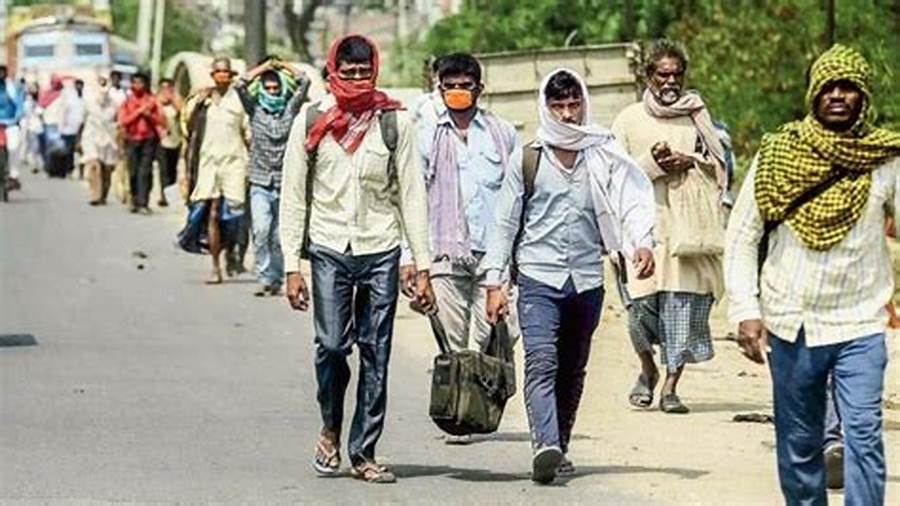
In the vast expanse of fields they toil,

The rural migrants, their hopes embroiled.

Leaving their homes, their villages behind,

Seeking better prospects, a new life to find.

Through dusty roads and uncertain trails,

They journey forth, their spirit never fails.

Dreams in their eyes, determination their guide,

They face the challenges with an unwavering stride.

From sunup to sundown, their hands never rest,

Working the soil, giving it their best.

Yet, their economic status remains a plight,

As they battle hardships, day and night.

Their labor fuels the cities’ bustling might,

Yet their own pockets struggle, a constant fight.

They build the skyscrapers, brick by brick,

But their own dreams seem just out of reach.

Their wages are meager, their earnings slim,

Struggling to provide, their chances seem grim.

But within their hearts, resilience resides,

A burning fire that no hardship can hide.

They yearn for a future where opportunities abound,

Where their efforts and sacrifices are truly renowned.

A world where their economic status can rise,

And their aspirations can touch the skies.

Let us not forget their struggles, their plight,

For they are the backbone, the true source of light.

Together, let’s work towards a better tomorrow,

Where rural migrants find solace from their sorrow.

For every field they sow, every harvest they reap,

Deserves a fair share, a promise we must keep.

So, let us join hands, bridge the divide,

And empower their dreams, side by side.

For in their hands lies the potential untold,

To transform their lives, to break the mold.

May their economic status find new heights,

As they journey towards prosperous sights.

Self-Healing Concrete (Biocrete) and Self-Sensing Concrete: Innovations in Smart Infrastructure

By Shashikant Nishant Sharma

Concrete is the backbone of modern infrastructure, used in roads, bridges, buildings, and various other structures. However, traditional concrete is prone to cracks and degradation over time due to environmental factors, load-bearing stress, and other wear and tear. This deterioration leads to costly repairs and maintenance, significantly impacting infrastructure longevity and sustainability.

Photo by Rodolfo Quiru00f3s on Pexels.com

In response to these challenges, two cutting-edge innovations—self-healing concrete (also known as biocrete) and self-sensing concrete—have emerged. These smart materials are designed to enhance the durability and resilience of concrete, thereby reducing maintenance costs, improving safety, and extending the lifespan of infrastructure. This article delves into these revolutionary technologies, their mechanisms, benefits, challenges, and real-world applications.

1. Self-Healing Concrete (Biocrete)

a) What is Self-Healing Concrete?

Self-healing concrete is a type of concrete designed to autonomously repair cracks and micro-cracks as they develop, without the need for external human intervention. Traditional concrete is prone to cracking due to mechanical stress, temperature fluctuations, and water ingress, which eventually weakens the structure. Self-healing concrete addresses this issue by incorporating materials or agents that react to crack formation and “heal” the structure by filling in gaps before they propagate into larger issues.

A prominent form of self-healing concrete, known as biocrete, leverages biological agents (specifically bacteria) to induce self-healing. Biocrete uses bacteria that precipitate calcium carbonate, which seals the cracks in the concrete.

b) Mechanisms of Self-Healing Concrete

Several mechanisms are used to enable concrete to heal itself, including biological, chemical, and encapsulation methods. i) Biological Healing (Bacteria-Based Self-Healing)

Biocrete uses specific strains of bacteria (typically from the genus Bacillus) that remain dormant in the concrete until cracks appear and moisture enters the material. The healing process works as follows:

  1. Embedding Bacteria and Nutrients: The concrete mix is embedded with bacterial spores and nutrients (usually calcium lactate). These bacteria are hardy and can remain dormant for years.
  2. Crack Formation: When cracks form in the concrete and water penetrates, the dormant bacteria are activated by the moisture.
  3. Calcium Carbonate Precipitation: Upon activation, the bacteria consume the calcium lactate and produce calcium carbonate (limestone) as a byproduct. This calcium carbonate fills in the cracks and seals the gap.
  4. Healing the Structure: As the calcium carbonate solidifies, it restores the structural integrity of the concrete.

This bio-based healing mechanism is environmentally friendly and helps reduce maintenance costs while extending the lifespan of concrete structures.

ii) Chemical Self-Healing (Polymer-Based)

Another approach to self-healing concrete involves the use of encapsulated healing agents, such as polymers or adhesives. Another approach to self-healing concrete involves the use of encapsulated healing agents, such as polymers or adhesives. These capsules are mixed into the concrete during production:

References

Amjad, H., Zeb, M. S., Khushnood, R. A., & Khan, N. (2023). Impacts of biomimetic self-healing of Lysinibacillus boronitolerans immobilized through recycled fine and coarse brick aggregates in concrete. Journal of Building Engineering76, 107327.

Hayakawa, M., Matsuoka, Y., & Shindoh, T. (1993). Development and application of superworkable concrete. In Special Concretes-Workability and Mixing (pp. 185-192). CRC Press.

Sharma, S. N., Prajapati, R., Jaiswal, A., & Dehalwar, K. (2024, June). A Comparative Study of the Applications and Prospects of Self-healing Concrete/Biocrete and Self-Sensing Concrete. In IOP Conference Series: Earth and Environmental Science (Vol. 1326, No. 1, p. 012090). IOP Publishing.

Raping the Tourism – Tarnishing the image of Incredible India

Daily writing prompt
What could you do differently?

By Shashikant Nishant Sharma

The occurrence of rape incidents involving tourists in India is a deeply concerning issue that has significant repercussions, not only for the victims and their families but also for the reputation and image of the country as a tourist destination. These incidents tarnish the perception of “Incredible India,” which is known for its rich cultural heritage, diverse landscapes, and warm hospitality. However, the prevalence of such crimes casts a shadow over these positive attributes and raises serious questions about safety and security for visitors.

Firstly, each incident of rape involving tourists erodes trust and confidence in India as a safe destination. Travelers, especially women, may become apprehensive about visiting the country due to fear for their personal safety. This fear can deter potential tourists from choosing India as their travel destination, resulting in a significant loss for the tourism industry. Moreover, repeated incidents contribute to negative media coverage, amplifying the perception of India as an unsafe place for tourists.

Secondly, the failure to effectively address and prevent these crimes reflects poorly on the authorities’ ability to ensure the safety of visitors. It highlights systemic issues such as gaps in law enforcement, inadequate infrastructure, and cultural attitudes towards gender-based violence. The lack of swift and decisive action to address these underlying issues undermines the credibility of India’s commitment to ensuring the well-being of tourists.

Additionally, the impact of rape incidents on the victims cannot be overstated. Beyond the physical and emotional trauma they endure, these incidents often result in long-lasting psychological effects, shattered confidence, and a reluctance to seek justice in a foreign legal system. The failure to provide adequate support and justice for victims further damages the perception of India as a compassionate and just society.

To mitigate the tarnishing of India’s image and restore trust in its tourism sector, comprehensive measures are required. This includes improving safety infrastructure, increasing police presence in tourist areas, enhancing awareness and sensitivity training for law enforcement officials, and implementing stringent legal measures to ensure swift and effective prosecution of perpetrators. Additionally, promoting a culture of respect and gender equality is essential to address the root causes of violence against women.

In conclusion, the occurrence of rape incidents with tourists in India not only inflicts harm on the victims but also undermines the country’s reputation as a welcoming and safe destination. Addressing these issues requires concerted efforts from the government, law enforcement agencies, tourism stakeholders, and society as a whole to ensure that India remains truly incredible in every aspect.

References

Dubey, P. (2018). No Nation for Women: Reportage on Rape from India, the World’s Largest Democracy. Simon and Schuster.

Kennedy, K. M., & Flaherty, G. T. (2015). The risk of sexual assault and rape during international travel: implications for the practice of travel medicine. Journal of travel medicine22(4), 282-284.

Thomas, T. K., & Mura, P. (2019). The ‘normality of unsafety’-foreign solo female travellers in India. Tourism Recreation Research44(1), 33-40.

Rao, N. (2012). The dark side of tourism and sexuality: trafficking of Nepali girls for Indian brothels. In Sex and tourism (pp. 155-165). Routledge.

Post Matric Scholarship Scheme for Scheduled Castes, Scheduled Tribes, and Other Backward Classes

Daily writing prompt
In what ways do you communicate online?

By Shashikant Nishant Sharma

The Post Matric Scholarship Scheme for Scheduled Castes, Scheduled Tribes, and Other Backward Classes is a significant initiative of the Government of India designed to provide financial assistance to students from economically weaker sections of society for pursuing post-matriculation education. Below are detailed aspects of this scheme:

1. Objective

The primary objective of the scheme is to remove financial barriers for students belonging to marginalized sections so that they can continue higher education after matriculation (Class 10). It aims to increase the literacy rate and reduce drop-out rates among these categories.


2. Target Beneficiaries

The scheme targets students belonging to:

  • Scheduled Castes (SC)
  • Scheduled Tribes (ST)
  • Other Backward Classes (OBC)
  • In some cases, students from Economically Backward Classes (EBC) may also be covered under certain states’ schemes.

3. Eligibility Criteria

  • Nationality: The applicant must be an Indian citizen.
  • Education Level: The student must have passed Class 10 and be pursuing studies in post-matriculation (Class 11 and above) up to postgraduate or professional courses.
  • Annual Family Income:
    • For SC/ST students: Family income should generally not exceed ₹2.5 lakhs per annum.
    • For OBC students: Family income limit is typically around ₹1 lakh to ₹1.5 lakhs per annum, depending on the state.

4. Scope of Assistance

The assistance covers:

  1. Maintenance Allowance: Monthly financial aid for lodging and boarding.
  2. Tuition Fees: Full reimbursement or payment of tuition and other compulsory fees charged by the educational institution.
  3. Book and Equipment Allowance: For students enrolled in professional courses.
  4. Special Allowance: For students with disabilities to support their educational needs.
  5. Study Tours and Thesis Preparation Allowance: Provided under certain conditions.

5. Key Features

  • Direct Benefit Transfer (DBT): The scholarship amount is transferred directly to the bank account of the eligible students.
  • Renewal of Scholarships: Students need to apply for renewal each year provided they fulfill the academic requirements.
  • Categorization of Courses: The amount disbursed depends on the level and category of the course. Courses are divided into groups such as Group I (engineering, medical), Group II (nursing, pharmacy), etc.

6. Application Process

  1. Online Registration: Most states and institutions require students to register online through national or state-level portals like the National Scholarship Portal (NSP).
  2. Submission of Documents:
    • Caste certificate
    • Income certificate
    • Academic certificates
    • Bank passbook details
    • Aadhaar card
  3. Verification Process: Applications are verified by the educational institution and state authorities before approval.

7. State and Central Responsibility

  • The Central Government bears 100% of the expenditure for SC and ST scholarships in Union Territories and a significant portion in other states.
  • State Governments share the expenditure for OBC scholarships.

8. Challenges and Reforms

Some challenges with the scheme include delays in fund disbursement, non-compliance by institutions, and lack of awareness. Efforts are being made to simplify the process and ensure timely payments through technology-enabled platforms like the NSP and integrating Aadhaar for verification.


The Post Matric Scholarship Scheme plays a crucial role in enabling students from disadvantaged backgrounds to access higher education, thereby promoting social equity and empowerment. It has a significant impact on reducing drop-out rates and improving the socio-economic conditions of marginalized communities.

References

Lama, M. (2019). An Evaluation of the Post Matric Scholarship Scheme provided to the tribal students of Darjeeling Municipality. International Journal of Advanced Scientific Research and Management4(4), 155-161.

Sikligar, P. C., & Madurai, N. V. (2006). Provision of Post Matric Scholarship for Development of Weaker Sections: A Study in Andhra Pradesh and Pondicherry. Indian Journal of Public Administration52(2), 190-201.

Sharma, S. N. Unveiling the Benefits of Turnitin Software in Academic Writing.

Sharma, S. N. (2018). Transformation of Aspirational Districts Programme: A Bold Endeavor Towards Progress. Think India Journal21(4), 197-206.

Umapathi, A., & Venkatramana, C. Higher Education Opportunities in Enhancing Capabilities–The Case of Reimbursement of Tuition Fee Scheme under Post-Matric Scholarships in Andhra Pradesh, India (2008–2012).