EduPub (Edupedia Publications Pvt Ltd) is a company dedicated to the development of the education, learning, research and innovation in the field of the research and books publication. We are pioneer in providing wide range of services to educational institutions, government agencies, individuals and corporates in the field of training and education, research and development, research and innovation. research and publication.
Stress-Eating or Emotional eating is a type of eating that involves people using food to cope with stressful events. Emotional eating affects many people at some point in their lives. It could manifest as boredom eating a bag of chips or a chocolate bar after a stressful day at work. When emotional eating occurs regularly or becomes the primary means of coping with emotions, a person’s life, health, happiness, and weight can all be significantly impacted.
Emotional eating is triggered by a variety of factors, including stress. Other common causes mentioned by people are:
1. Boredom: A typical emotional eating trigger is boredom or a lack of things to do. Many people have very active and stimulating lives, and when they are bored, they turn to eating to fill the void.
2. Habits: These are frequently fueled by nostalgia or events from a person’s youth. Having ice cream after a good report card or baking cookies with a grandma are two examples.
3. Fatigue: When you’re weary, it’s simpler to overeat or eat mindlessly, especially if you’re tired of doing something unpleasant. Food may appear to be the solution to a desire to no longer engage in a particular activity.
4. Social influences: Everyone has that one friend that encourages them to order pizza after a night out, go out for dinner or drinks after a stressful day, or treat themselves for a successful day. When dining with friends or family, it’s easy to overeat.
How to avoid the triggers
1. Recognise the triggers: The first step in overcoming emotional eating is to recognise the triggers and scenarios that occur in one’s life.
2. Journal or Food Diary: Keeping a food diary or notebook might help you spot circumstances where you’re more inclined to eat for emotional reasons rather than real hunger.
3. Track Your Eating Behaviour: Another technique to obtain insight into one’s eating habits is to track their behaviour. The following are examples of the kind of conduct they may observe:
– Patterns of hunger, perhaps on a scale of 1–10.
– what they’re doing, and whether or not it’s boring and unpleasant.
– what they’re thinking, whether they’re bored or upset.
4. Trying other activities to avoid triggers: – Someone who eats while bored might wish to start reading a new book that seems interesting or take up a new hobby that will provide a challenge.
– To cope with their emotions, someone who eats due to stress could try yoga, meditation, or going for a walk.
– To cope with their negative sentiments, someone who eats while unhappy can call a friend, go for a run with the dog, or arrange an outing.
5. Professional Help: – Talking to a therapist or psychologist about different strategies to disrupt the pattern of emotional eating can also be beneficial.
– A nutritionist or doctor may also be able to refer you to an expert or give you with extra information on how to develop healthy eating habits and improve your relationship with food.
Emotional eating isn’t just about a person’s lack of self-control or a desire to eat less. People who eat to cope with stress, on the other hand, don’t only lack self-control.
Transformational leaders are positive, empowering, and inspiring. They value followers and inspire them to perform better. So what can you do to embrace these valued leadership qualities and become a stronger and more effective leader?
Understand Your Leadership Style: Understanding your current leadership style is essential. What are your strengths? Which areas need some improvement? One way to start assessing your skills is to take this leadership style quiz to get a general idea of how you lead.
Once you have completed the quiz, read about the major characteristics of your dominant style. Are these qualities helping or hindering your leadership? Once you’ve determined which areas need some work, you can begin looking for ways to improve your leadership abilities.
Encourage Creativity: One way to foster creativity is to offer challenges to group members, making sure that the goals are within the grasp of their abilities. The purpose of this type of exercise is to get people to stretch their limits but not become discouraged by barriers to success.
Show Passion: You can develop this leadership quality by thinking of different ways that you can express your zeal. Let people know that you care about their progress. When one person shares something with the rest of the group, be sure to tell them how much you appreciate such contributions.
Communicate Effectively: Another important quality of transformational leadership involves a focus on providing one-on-one communication with group members. Transformational leadership is effective when leaders are able to communicate their vision to followers, who then feel inspired and motivated by this vision.
Part of the trust-building process is creating an environment where it’s safe to take risks and allows you and your employees to comfortably exchange candid, honest and direct feedback without the fear of being punished.
It’s important you provide ample channels for two-way communication between employees and managers, and also solicit and reward them for their ideas and contributions. This facilitates progress toward reaching organizational goals. As a leader, you should foster trust and cooperation. Leaders can paint a vision of the future that inspires the team to do whatever it takes to get there.
And as a coach, you have to inspire action that will help execute that goal. Reinforce an honest and candid environment without taking information personally. Equally treat everyone like you would want to be treated.
Give credit where credit is due. Say “thank you,” be encouraging, and try to put yourself in their shoes to better understand their everyday challenges.
You have to support and assist your team. Give them the confidence to take risks and speak up without being punished.
When the mistake is yours, take ownership. Don’t try to blame someone else, the situation or a circumstance.
Be credible – people want to follow an honest leader. Be candid about why things didn’t work out, learn from the mistake and move on. People will trust someone who actively displays honesty. As you work toward developing some of these leadership qualities, don’t forget to look to your followers for feedback and inspiration. Pay attention to the things that have been effective in the past and always be on the lookout for new ways to inspire, motivate, and reward group members.
If we get stressed often and quickly, it means that we are harboring many internal conflicts and are not conscious of them. This makes it impossible to get rid of stress quickly. First, we must learn what causes mental stress. The information we receive from the outside (which we dislike), creates a feeling that evolves into a negative emotion (negative mental energy). For example, the inability to understand or accept other people’s point of view can cause mental stress.
In my late twenties, I struggled consistently with mental stress. I was happy to work in a global corporation and also excited to be responsible for many projects at once. Despite the work load I had, I was a victim of mobbing because of my keen engagement towards my tasks. I was physically and mentally exhausted because of the many complex purchase orders I had to place for the projects assigned to me. On top of that, there were certain people in the organization giving me hard time because of my desire to strive to improve.
There was an immediate disharmony between me and these people that generated a feeling of intolerance and non-acceptance. This grew into feelings of disappointment and frustration, which ended up creating emotion of anger and anxiety over not performing well or losing my job.
Day in, and day out, I was stressed. I understood that the people and the circumstances causing my mental stress wouldn’t change, so I had to understand that, accept it, and find a way to approach my stress and conflicts efficiently. I saw it as a challenge and was grateful for it. I not only reduced my mental stress but found a way to never let it develop again.
A technique is applied successfully when its essence is really understood and absorbed. If a technique is to be applied quickly, there must be extensive knowledge of the situation in which the technique is required.
In the context of mental stress, for example, we get scared and anxious in (sometimes normal) situations because we don’t know what is happening or what is going to happen. The uncertainty of the result causes tension and mental stress. The longer we move in that uncertainty, the greater and heavier our mental stress becomes.
Meditation brings short-term stress relief as well as lasting stress management benefits. There are many different forms of meditation to try–each one is unique and brings its own appeal.2
You might develop a mantra that you repeat in your mind as you take slow deep breaths. Or, you might take a few minutes to practice mindfulness, which involves being in the moment. Simply pay attention to what you see, hear, taste, touch, and smell.
Yoga combines physical movement, meditation, light exercise, and controlled breathing—all of which provide excellent stress relief.13
And while you’re likely to reap immediate benefits from a single yoga session, you’re likely to receive long-term benefits if you incorporate it into your life in a consistent way.
eisure activities can be a wonderful way to relieve stress.12 Yet, many people feel as though their lives are too busy for hobbies, games, or extra fun.
But building time for leisure into your schedule could be key to helping you feel your best. And when you feel better, you’ll perform better, which means leisure time may make your work time more efficient.
Osteoarthritis can be mainly classified into two. They are primary and secondary. The criterion for this classification is based on the different types of risk factors. Primary OA is mainly due to age where the reason for cartilage breakdown is not known or maybe due to genetics. Secondary OA is due to direct injury through sports or trauma, stress, inflammation, or other metabolic diseases. In this case, the cause may localize.
OA grading
Grading is the process of classifying the disease based on its extent or severity. OA has been graded into 5 from grade 0 to grade 4
Stage number
Condition
0
Normal
1
Minor
2
Mild
3
Moderate
4
Severe
This was proposed by Kellgren and Lawrence and it is known as KL grading. The five grades have been proposed based on radiographic analysis of subjects. This was accepted as a standard measure by WHO in 1961. The grading has been done based on the narrowing of joint space and the formation of osteophytes.
grade 0 (normal): no changes in knee x-ray
grade 1 (minor): minimalistic joint space narrowing with possible osteophyte lipping
grade 2 (mild): definite osteophytes and joint space narrowing
grade 3 (moderate): multiple osteophytes, definite narrowing of joint space and some sclerosis and possible deformity of bone ends
grade 4 (severe): large osteophytes, marked narrowing of joint space, severe sclerosis and definite deformity of bone ends
Grade 0
Grade 0 is considered normal. The subject will not exhibit any features for OA. The x-ray image from this grade is taken as a standard and the other grades are compared with this grade.
Grade 1 is known as the minor. It can be considered as the initial grade. The joint space has just started to decrease. Osteophyte refers to excess bone growth. It is also known as bone spurs since spur refers to kind to sharp material. This bone growth can be observed as sharp spikes. Here there is very minimal growth of excess bone. Bone spurs occur only at the bones adjacent to the joint. There will be very minor loss of cartilage but this does not contribute to the narrowing of the joint space. Subject in this stage is not confirmed with osteoarthritis. However, subjects having any of the risk factors become more prone to the disease
Grade 2
Grade 2 is known as mild. In this grade, the narrowing of the joint space is more and is visible through the x-ray. There will be also more formation of osteophytes. This grade can be considered as the precursor to many complications like bone dislocation and rubbing. None of these complications are seen in this grade but these complications are soon to occur. The subject in this grade is confirmed with osteoarthritis. Special care has to be taken by those in this grade and through proper medications, they can prevent those further complications.
Grade 3
Grade 3 is known as moderate. Obvious damage occurs to the cartilage and the joint space narrows even at a faster rate. Swelling of the joints starts to occur in this stage. Erosion of cartilage becomes prominent in this stage. The joints become rougher due to spurs leading to stiffness. Inflammation occurs at regular intervals. Subjects can experience popping sounds from the knee.
Grade 4
Grade 4 is known as severe. It is the worst and highest grade of all. The changes become prominent and occur at larger scales. There will be no gap literally meaning the joint is absent. The bones start to rub over each other causing pain. The joint becomes stiff like a rock. The cartilage wears down and maximum growth of osteophyte is seen. Various cytokines are released at cartilage resulting in further death. Life would be dreadful for those in this grade. The arrow in the given X-ray indicates the bones are touching each other and there is no gap in between them.
Grade 4 osteoarthritis Courtesy: – James Heilman, MD Osteoarthritis of the left knee. Note the osteophytes, narrowing of the joint space (arrow), and increased subchondral bone density (arrow). the joint space (arrow), and increased subchondral bone density (arrow). Creative Commons Attribution-Share Alike 3.0
Osteoarthritis is the most well-known type of joint pain, influencing a huge number of individuals in the world. It occurs as a result of the wearing down of the cartilage that cushions the ends of your bone over time. It is a complex disease that integrates biomechanics and biochemistry associated with the knee. This is the standard way of defining OA which will be difficult to understand. Hence let us try to understand what OA is. The best way is by splitting the word and analyzing it part by part
Osteo- bone
Arth- joint
It is- inflammation
x-ray of the osteoarthritic knee joint
As mentioned earlier, the unit of bone is called osteon and any word ending with itis refers to inflammation. Also, arthro term refers to joints in general. Hence the combination of the terms corresponds to inflammation of bones in the joint. This rather sounds simplified. The previous definition had complex terms like biomechanics and biochemistry. Biomechanics refers to the study of movement in living beings. Biochemistry refers to the study of the reactions occurring in living things. So in short, osteoarthritis is such a disease that results in inflammation of joints that occur due to wearing down of the bones surrounding the joint hence affecting the movement and chemical reactions which used to occur properly during normal conditions.
Osteoarthritis can occur in any joint in the human body like elbows, hips, knees, etc. Since our primary focus is on the knee, we will take a deep dive into it. In view of its expectancy and the tolerance that goes with sickness in the knee osteoarthritis represents more prevalence with daily activities like climbing steps and walking when compared to other diseases. Osteoarthritis is the most standardized reason for total knee replacement. As a result of the frequency of this disease especially in middle-aged people, osteoarthritis can act as an extensive barrier towards work and can lead to early retirement.
Coining of OA
Many say that the term osteoarthritis was coined by the British physician John Kent Spender but it was Richard Von Volkmann who tried to separate it from rheumatoid arthritis. The other names which were offered to this disease were ‘chronical rheumatism’
‘senile arthritis’
‘hypertrophic arthritis’
‘arthritis deformans’.
Effect of age
Osteoarthritis can affect people of any age group but it majorly affects old age people. National Library of Medicine suggests that people with an age greater than 70 have more risk to get osteoarthritis. The reason lies in the definition of osteoarthritis. The definition says that disease occurs due to the wearing down of bones. So the bones don’t get worn down the next instant a baby is born. Every process requires time to occur. A mother has to wait for a minimum of 9 months to give birth to a healthy baby. A student must wait for 4 years to get a degree from college. Similarly, it takes time for the bones in the knee to get worn down.
This disease has always troubled old aged people in their lives. Living with osteoarthritis is dreadful. Even climbing the stairs will be a difficult task for them. Hence it is worth knowing about the disease.
Its success stems from the fact that it was able to deliver an experience that revolutionised the way the world views coffee shops and how many of us drink coffee outside of our homes. Starbucks has created a space in between home and work where people can unwind, enjoy a cup of coffee, and take in the appealing atmosphere. Starbucks competes not with other coffee companies, but with going to the movies.
The following are the primary components of the company’s success formula:
1. Core Competence and Visions: The Company’s primary job or responsibility is to ensuring that the organisational culture is consistent with the types of individuals they want to attract and retain. Starbucks strives to instil a sense of belonging among its staff and consumers, as well as trust and faith in the company’s values. The quality of the coffee and the quality of the experience are what keep their consumers coming back, and the experience comes to life thanks to the personnel. Starbucks believes in a successful, competitive business approach aided by a strong commitment to the product. The Company’s good leadership and management strategy has resulted in the brand’s outstanding success and a clear vision of core competence. The company’s desire to create the most recognisable brand was fueled by a well-thought-out planning and positioning approach.
2. Promotional Patience: Starbucks has decided to avoid what would be considered standard marketing techniques, which is a departure from the norm. By depending on cafés to advertise themselves, a major reliance on a strong brand and word-of-mouth to spread a good reputation is unavoidable. Sutter (2003) also claims that effective positioning of the Starbucks environment uses powerful marketing techniques to create a setting that encourages individuals to study, hang out, and read.
3. Employee’s Approach: The Starbucks brand’s main retail success is defined by people’s interactions with the company’s experience, as well as the culture and values of how they connect with consumers. By investing in and cultivating a unique relationship with employees, and ensuring that they understand that the primary goal is to surpass the expectations of both employees and consumers. Starbucks employees are never treated as commodities, but rather as business partners.
4. Command of a Premium Brand: According to Hayes (1999), customers are prepared to pay higher costs for Starbucks coffee because they are not only purchasing a beverage, but also making a social statement. Consumers are purchasing an experience, a way of life, and a mindset. While these intangibles are notoriously difficult to quantify, Starbucks consumers are making it easy by flocking in massive numbers.
5. Experimentation and Innovation: Starbucks is a disciplined innovator, and one of the key reasons for the Company’s constant high levels of same-store sales is its effective management of its innovation timetable. In the store, customers can sample a variety of coffee brands. The Company’s capacity to quickly launch new activities and products is a significant competitive advantage. Customers are also becoming more interested in Starbucks’ music compilations, which are produced by Hear Music exclusively for the company. Starbucks aims to launch hi-tech cafés by the end of 2005, with bespoke music CDs in addition to high-speed Internet access (Ruggless,1997; Vishwanath and Harding, 2000; Donation, 2003).
6. Measured Expansion: While McDonald’s is known for its lightning-fast location evaluation and company setup, Starbucks has taken a more careful approach, particularly in international markets. Outlets in China have continuously risen from 8 in 1999 to just under 70 in 2004. Because of rising opportunities and its well-known global brand, the company is expanding into new markets.
There are many keys to success, and patience is one of them. But people want everything to happen in an instant. If we walk in a building and the Wi-Fi isn’t super fast, we get annoyed. If our text message or Snapchat takes longer than two seconds to send, we become frustrated and impatient. The point is that our culture expects results right away. And our surrounding gadgets, systems, and services are only moving quicker to meet our expectations. For example, restaurants like Chipotle, McDonald’s and Taco Bell are testing a delivery system, so the customer can get their food as quick and convenient as possible. Amazon is testing delivery drones to expedite transportation time. If attainable, we wish our order would arrive the nanosecond after we click purchase. While I’m all for convenience and efficiency, I believe this habit of expecting instant results is dangerous for our future. In wanting everything to happen instantly, we lose patience to hold out for more-fulfilling opportunities and dreams.
Why impatience is dangerous?
When we get instant results and convenience in some parts of our life, then we expect other areas of our life to work just as quick and easy. But, this mindset causes problems when something doesn’t happen as we plan it. It also is dangerous when we don’t take a task on because it seems too difficult, or appears too long to complete. First, if something happens outside of our control, then we commonly create unnecessary stress for ourselves and lose mental focus. For example, take the scenario where we plan on getting to work at 8:00am, but traffic is slow and causes us to arrive late. An impatient person may allow the negativity of traffic to carry over as they act rude to their co-workers and disrupt their concentration all morning. One external disruption and they can’t act or think straight.
Also, if a task appears to be too difficult or long to finish, then we usually choose not to do it because of our desire for instant results. So we regularly settle for the shorter and more convenient path. For example, many people don’t consider careers that require grad school because they don’t want to go through the extra years of schooling. I’m confident that thousands of people who would be excellent doctors, lawyers, dentists, and other professions miss out on a fulfilling and satisfying career because of a short-term mindset against more education. It’s a shame. For another example, many people say they want to be rich. But, they’re unwilling to take the necessary steps to obtain wealth, because they aren’t patient. These same people say investing in the stock market “takes too long.” They would rather spend their money shopping to feel the immediate happiness of buying something new (which goes away pretty soon after the purchase). Or their impatience gives them over to the get-rich-quick schemes that never work.
There’s a better solution to success in life, and it’s called being patient.
Patience Is Key To Satisfaction
Why Talent Is Overrated, the super successful people (in any field) push through the difficult work, and do it for 10-plus years. Meaning these excellent performers have the patience to get better each day, week, year, and decade. They wouldn’t achieve their success if they were too impatient to practice their craft. Also, controlling your psychological state for patience gives you more opportunities. A patient person will have more time to consider different solutions to the assignment, contact people who can possibly help, and put in a better effort for a higher-quality result.
In contrast, if you’re impatient, you’re more likely to do the least amount of work just to be finished. Or you might complete a project how it’s always been done, not spending anytime to consider more creative and efficient operations. From my experiences using patience, the end result is almost always better and more personally satisfying.
How To Practice Patience
Since impatience comes from being upset things aren’t going how you want or how quick you want them to, it’s all ‘I’ focused. Change your perspective to practice patience by thinking about the subjects around you. Consider the other people involved, or the moving parts that require time to come together. Back to our traffic example, think about how everyone else needs to get to work on time and they’re probably frustrated, too. By thinking of other people, you get away from only thinking about yourself and your lack of control.
Or for our grad school example, look at more schooling as the required step to enjoy the rest of your professional career. And for our get-rich example, have the perspective that you’re investing in your future and it takes time for your compound interest to add up. If it was easy and quick, everyone would be wealthy. Another great way to practice patience is to travel. From trying to understand a different language, culture, and worldview, you’re bound to be more humble and patient after spending time abroad. Lastly, practice patience by making yourself wait.
This may look like delaying dinner until you work out. Waiting to buy new shoes until you have $1,000 in an emergency fund. Or passing on your dream car at age 30 so you have something to look forward to when you’re older. Get creative with this and you’ll soon develop more opportunities to be patient than you thought possible. I’m confident practicing patience will improve your personal and professional life. Give it a try.
Importance of patience:
The importance of patience should be realized by every individual. Patience in life can make them reach out for the stars. With patience you can avoid making hasty decisions. Life is not about living in the future or in the past. Life is about accepting the present moment.
Whenever you are in any sort of trouble, people often advise you to have patience. Why, instead of advising you about the solution, do they ask you to stay calm and composed and be patient?
In this modern age, most of us have forgotten to be patient and get irritated very quickly over minor things like a traffic jam, stock market ups and downs, a baby crying and such things. In fact, patience is a virtue that everybody must possess. Patience makes us better people.
Patience helps acquire positive attitude
If things are not going the way you want them to, instead of getting frustrated, you must learn to be patient. You need to see things and situations in a positive light to make your life happier. And to get that positivity, you need to be patient. If you find any life situation challenging, or find it difficult to bear, try to re-frame that situation and try to see its positive side.
Patience makes you healthier
Anger and stress are two things that are enough to ruin a person’s health. And patience is the antidote to both these illnesses. Being patient, you can overcome any challenging situation with more flexibility and in a better way. Being stress-free and happy helps you stay you healthier. You can be patient if you have clear knowledge about your goal and if you are putting the desired effort in the right direction. There are many ways to achieve anything. The trick is to stick to your own plan when others around you seem to be getting ahead much faster than you. Yes, they may be enjoying more success than you, but you know nothing about where they are ultimately headed. Patience is an important tool in overcoming frustration. Patience allows us to suspend judgment long enough to make informed decisions, thus paving the path to a happy and peaceful life
” One moment of patience may ward off great disaster. One moment of impatience may ruin a whole life”
The potential of large gains from share markets can entice you as an investor. To a novice, the stock market may appear to be a place where you may obtain quick returns on your investments or make millions in a flash. On the other hand, the reality is rather different. It’s difficult to make money in the stock market. You’ll need patience and a long-term investment horizon, as well as a deep understanding of the market. You should only employ share market advice from a professional financial advisor, and your investing ideas should correspond with your financial objectives and risk tolerance.
Different investors have different investment objectives when they enter the stock market. Some investors seek rapid and huge profits, while others seek long-term investments and a well-balanced portfolio. However, to prevent volatility, every investor should follow a few share market guidelines during their trading journey.
Best tips for Share Market
1. Prior to investing, set goals
Goal-based investing can assist you in accomplishing your financial objectives. Determine your financial needs and develop short- and long-term goals to meet them. This will assist you in determining the length of your investment, the amount you want to invest, and the best investment channel for your needs. Let’s say you have a short investing horizon. Then you might try to profit on short-term stock price swings. If you have a longer timeline, on the other hand, you may invest in blue-chip stocks, which are renowned to provide strong long-term returns.
2. Recognize Your Risk Tolerance
Given the volatility of the stock market, it’s a good idea to figure out your risk tolerance before investing. Risk tolerance is an important part of the investment process, and it varies from investor to investor. It primarily refers to the ability to withstand market fluctuations and their impact on the investment’s value. An investor’s low-risk tolerance is determined by his or her hunger for loss or ability to cope with worry in a highly volatile market. Low-risk investors are more likely to sell their stocks in a panic at the wrong time.
3. Choosing a Stock Broker
One of the most important decisions you’ll have to make early in your trading career is which stockbroker to use. In India, there are a plethora of stock brokers to choose from, making it tough for newcomers to make an informed decision. Consider factors such as the broker’s reputation, trading portal or software, and brokerage while making a decision. Keep an eye on the brokerage because you’ll have to pay it whether you make a profit or a loss on a deal. Brokerage fees can be levied as a flat fee or as a percentage of the trade value. This is especially significant for stock traders because the brokerage fees for repeated trades can soon add up.
4. Learn the fundamentals of the stock market
Learn the fundamentals of the stock market before investing your hard-earned money. Learn how the stock market works, what drives it, how stock prices are influenced, trading and investing tactics, and more. To make informed investments, you’ll also need to get familiar with a variety of technical terms. Those who invest without first learning the basics risk losing their money. Learn about the market before you begin your stock market trip if you desire strong and regular results.
5. Choose companies that are fundamentally sound
Consider investing in companies that have solid fundamentals. These businesses not only deliver better long-term returns to investors but also provide more liquidity. Companies with good fundamentals can also withstand share market volatility and changes. As a result, they are a generally safe investment option. Large-cap mutual funds are another option for mutual fund investors.
Conclusion
The potential of big profits tempts many to invest in the stock market. Keep in mind that markets are volatile, and stock prices can swing dramatically. Experienced investors, on the other hand, do not let these dangers affect their decision-making. Instead, they concentrate on research and analysis to determine whether or not to invest, where to invest, and whether or not to buy, hold, or sell a stock. If you’re just getting started, the above share trading advice can help you get started. Use them to create a successful stock market investment strategy that yields consistent profits.
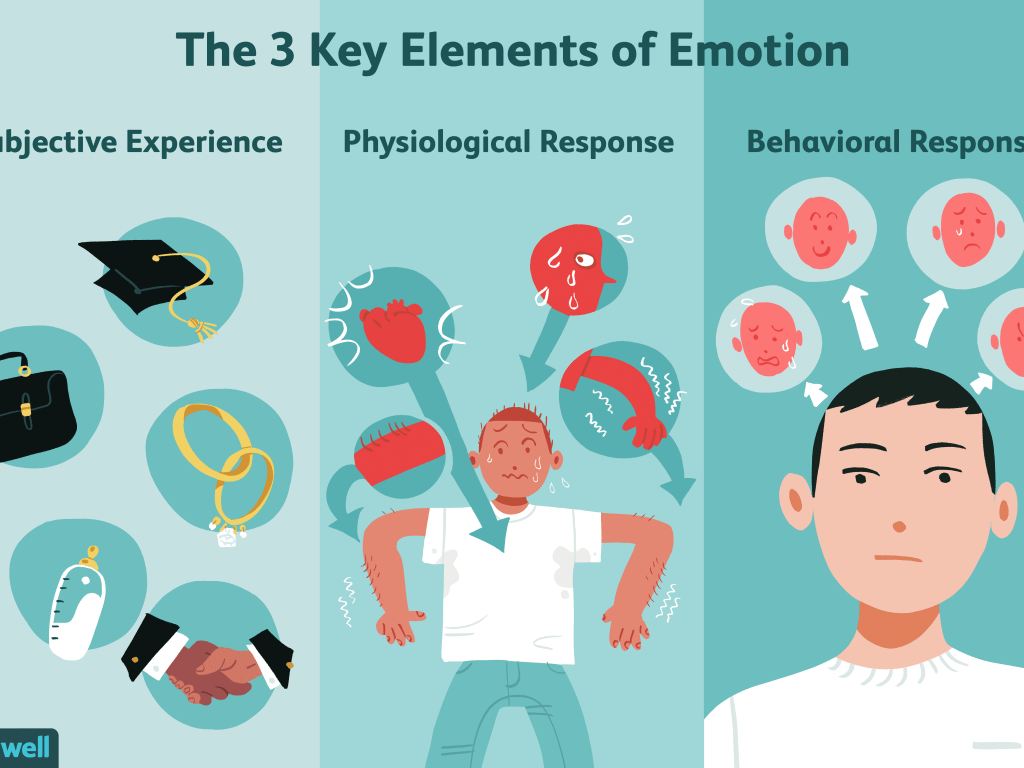
According to the book “Discovering Psychology” by Don Hockenbury and Sandra E. Hockenbury, an emotion is a complex psychological state that involves three distinct components: a subjective experience, a physiological response, and a behavioral or expressive response.
In addition to trying to define what emotions are, researchers have also tried to identify and classify the different types of emotions. The descriptions and insights have changed over time:
a. In 1972, psychologist Paul Eckman suggested that there are six basic emotions that are universal throughout human cultures: fear, disgust, anger, surprise, happiness, and sadness. b. In the 1980s, Robert Plutchik introduced another emotion classification system known as the “wheel of emotions.” This model demonstrated how different emotions can be combined or mixed together, much the way an artist mixes primary colors to create other colors. c. In 1999, Eckman expanded his list to include a number of other basic emotions, including embarrassment, excitement, contempt, shame, pride, satisfaction, and amusement. Plutchik proposed eight primary emotional dimensions: happiness vs. sadness, anger vs. fear, trust vs. disgust, and surprise vs. anticipation. These emotions can then be combined to create others (such as happiness + anticipation = excitement).
Key Elements of Emotions In order to better understand what emotions are, let’s focus on their three key elements, known as the subjective experience, the physiological response, and the behavioral response.
The Subjective Experience While experts believe that there are a number of basic universal emotions that are experienced by people all over the world regardless of background or culture, researchers also believe that experiencing emotion can be highly subjective. Consider anger, for example. Is all anger the same? Your own experience might range from mild annoyance to blinding rage. While we have broad labels for emotions such as “angry,” “sad,” or “happy,” your own experience of these emotions may be much more multi-dimensional, hence subjective. We also don’t always experience pure forms of each emotion. Mixed emotions over different events or situations in our lives are common. When faced with starting a new job, you might feel both excited and nervous. Getting married or having a child might be marked by a wide variety of emotions ranging from joy to anxiety. These emotions might occur simultaneously, or you might feel them one after another.
The Physiological Response If you’ve ever felt your stomach lurch from anxiety or your heart palpate with fear, then you realize that emotions also cause strong physiological reactions. (Or, as in the Cannon-Bard theory of emotion, we feel emotions and experience physiological reactions simultaneously.) Many of the physiological responses you experience during an emotion, such as sweaty palms or a racing heartbeat, are regulated by the sympathetic nervous system, a branch of the autonomic nervous system.
The autonomic nervous system controls involuntary body responses, such as blood flow and digestion. The sympathetic nervous system is charged with controlling the body’s fight-or-flight reactions. When facing a threat, these responses automatically prepare your body to flee from danger or face the threat head-on. While early studies of the physiology of emotion tended to focus on these autonomic responses, more recent research has targeted the brain’s role in emotions. Brain scans have shown that the amygdala, part of the limbic system, plays an important role in emotion and fear in particular.
The amygdala itself is a tiny, almond-shaped structure that has been linked to motivational states such as hunger and thirst as well as memory and emotion. Researchers have used brain imaging to show that when people are shown threatening images, the amygdala becomes activated. Damage to the amygdala has also been shown to impair the fear response.
The Behavioral Response The final component is perhaps one that you are most familiar with—the actual expression of emotion. We spend a significant amount of time interpreting the emotional expressions of the people around us. Our ability to accurately understand these expressions is tied to what psychologists call emotional intelligence, and these expressions play a major part in our overall body language.
Research suggests that many expressions are universal, such as a smile to indicate happiness or a frown to indicate sadness. Sociocultural norms also play a role in how we express and interpret emotions. In Japan, for example, people tend to mask displays of fear or disgust when an authority figure is present. Similarly, Western cultures like the United States are more likely to express negative emotions both alone and in the presence of others, while eastern cultures like Japan are more likely to do so while alone.
Emotions vs. Moods In everyday language, people often use the terms “emotions” and “moods” interchangeably, but psychologists actually make distinctions between the two. How do they differ? An emotion is normally quite short-lived, but intense. Emotions are also likely to have a definite and identifiable cause.
For example, after disagreeing with a friend over politics, you might feel angry for a short period of time. A mood, on the other hand, is usually much milder than an emotion, but longer-lasting. In many cases, it can be difficult to identify the specific cause of a mood. For example, you might find yourself feeling gloomy for several days without any clear, identifiable reason.
Education is provided everywhere in today’s world but the concept of value education is not provided. No one feels the need of providing value education to the students, no one teaches that. The institutions and schools only provide education to their students, how to learn and write, but no one gives the knowledge of values to them. There is no stress in the educational institutions to uplift the students morally, spiritually and physically. The need of the hour is to impart value based education. Morals, ethical values, performance of duty, regard and consideration for fellow human beings, sympathy and compassion seem to have gone with the wind in this modern, complex and fast competitive era. We should realise the real aim of education, which is to provide moral values, to follow the concept of value education in every small and large educational institution.
Modern education simply prepare students to acquire degrees or diplomas in general or specialized fields but value education helps for the all round development, inculcate moral values. It teaches a person to handle their responsibilities well, be compassionate and a decent human being. It makes a person sacrificing and empathetic in nature which can decrease the crime rate and all the social evils happening in our society. The students must be learned to keep values as top priority.
WHAT IS SOCIAL EVIL?
Social evil is any pain or suffering brought by the evil intentions or actions of many individuals. It harms a person and even toxics their life to death. Common social evils include- caste system, poverty, dowry system, domestic violence, no education for girls, illiteracy etc. These are happening from a very long time and if no value education is provided within a right time, these evils continue to happen.
ROLE OF EDUCATION IN PREVENTING SOCIAL EVILS-
Education enables people to distinguish good and bad and become a good person in the society. Value education provides the overall learning to the people. It makes them go through the various areas of knowledge, the individual becomes able to distinguish good from the evil and right from the wrong. It helps the students to become more sensible and responsible towards their work. It generates a feeling of compassion to other human beings and develop a sense of belongingness in them. It makes a person helping in nature and they try to help people and not to harm them in any way. It helps them to understand the perspective of life in a better way and lead a successful life. They become a responsible citizen of the country and make their country secure from any social evil. It also help students to develop a strong relationship with family and friends. Education also empowers women to fight for their rights and challenge inequality. It gives them learning about their various rights and duties and how should they exercise it. Value education can cure economic inequality and poverty, racism and sexism. It can make the life and future of a person better and act as backbone in society. It develops the character of a person and improves the inner personality. If it is rightly exercised in every institution, then the social evils will come to an end.
CONCLUSION-
Our education should lay stress on cultivating human values. A really educated person has the capacity of self-sacrifice. A dedicated individual is a boon to the society and the nation. In fact value education can help in removing all social and cultural evils. We need vigilant men and women to help India march forward. Thus, it is very important to include the concept of value education to remove all the social evils happening in our country.
” The aim of education is the knowledge not of facts but of values.”- William Ralph Inge
Travelling plays an important part in making us feel relaxed and rejuvenated. It also brings positive changes in our life and keeps us alive and active. Travelling gives us practical experience of things we have studied in the books and surfed on the internet. So a person who does not travel at all does not find any meaning in the name of India Gate or Ganga River. However, if he has travelled to these places, he can truly relate everything he has studied and will always remember each and every detail of that place.
Nowadays, many people like travelling as they want to explore the world and watch everything they have read about. And this seems to be quite justified as practical knowledge is way more essential and effective than the theoretical one. People like to visit historical places present in different parts of the world and gather information on the same to write books and stories.
Travelling has become easier due to advancement in technology and transportation. Earlier people use to travel by road or sea and it takes many days to reach from one place to another, however, now the scenario has changed and people travel to far off places within hours and minutes-thanks to well-built roads and aeroplanes. People travel for different purposes, some travel for the sake of education while others travel to relax and enjoy. Many people take a break from their hectic schedule and go for a vacation, this makes them feel delightful and also help them to invigorate.
<
p style=”border: 0px;font-size: 15.2015px;line-height: inherit;margin: 0.75em 0px;padding: 0px;vertical-align: baseline”>Many poets, writers, and painters travel to different places to capture some of the best things of nature and express them in the form of paintings or poems. People also travel for business purposes so as to expand and gain profit from their business. Students travel for educational purposes so everyone has a unique reason to travel. Therefore, travelling is an important part of human life and it instils knowledge and offers various benefits to mankind.
The word ‘charity’ means generosity in giving something to the needy out of loving kindness towards them; and a charitable organization is an institution with funds to help the needy.
There is a proverb: ‘Charity begins at home.’ A person, who is kind at heart and possesses compassion from his early days towards the weak and the needy in the society, is generally found to help and make gifts to the poor. He finds joy and satisfaction in giving alms to a beggar, or renders some financial relief to the needy persons who are near at hand.
Thus charity begins at home. In other words, it begins in the near neighborhoods of a person. One first comes forward to help his neighbors, relatives and friends in the very beginning. Afterwards, he extends his, same helping hand to the distant places, where thousands of the needy and the weak people await his help and sympathy.
There are instances in India, of great men, who gave their all to the cause of charity. One such man was Deshbandhu Chittaranjan Das, the great political leader and a renowned barrister. He donated his house, wealth and all that he had in his possession to his countrymen. In his name, hospitals and similar other charitable institutions are still functioning successfully.
The Birla’s, in India, have donated and built many charitable institutions in India for the benefit of the common people. The dharmasalas (a guest-house where pilgrims and travelers are accommodated temporarily free of cost), the hospitals, the educational institutions and numerous scholarships for the poor but meritorious students are their generous contributions towards their countrymen.
Charity, a noble quality in man, brings welfare in the society. It enlarges human hearts and spreads the message of brotherhood and innocent love among the people.
The practice of charity was adored in ancient days. The saints and the sages lived on alms offered by the affluent people. It was then an accepted practice to give whatever was possible in charity for the welfare of the people and the society.
In a family, the parents should teach their children to be compassionate towards the poor and the distressed. They themselves should practice the noble act, citing bright examples before their off springs, because charity makes one glorious and pure at heart. Selfishness and narrow-mindedness disappear from his character. And that can make him one day really great in his life.
Interview is a give and take of views between the interviewer and the interviewee. It consists of consultation, mutual interchange of opinions and deliberating together. It can be used to get information, to give information and to change behavior. Its purpose thus is three-fold—it involves gathering all available pertinent facts, making a diagnosis on the basis of all the evidence and formulating an appropriate plan of action.
All problems may not be settled in the interview but to be successful, it should lead to some plan of action.
Its aim should be to serve the individual even though the counsellor may do no more than present the facts in a more objective light, thus enabling the student to see himself, his assets, his liabilities and MS Opportunities more clearly than he could see them unaided.
The interview may be used for any of several purposes, but a purpose it must have. It may be introductory, fact finding, informative, evaluative, and therapeutic in nature and its use for any of these purposes should be clearly recognized by the counselling officer and his subject.
What are some of the specific practical questions which are likely to come up for consideration during an interview? There are a great many such questions, of course and they are as varied and as individually color as the interviewee who seeks answers to them.
The student who feels a need to be better informed about his scholastic and vocational prospects may want estimates of his aptitude for college work, his intellectual promise for special fields of training, his disposition to favors or avoid various spheres of activity (vocational interests), and his emotional adjustment tendencies (traits of personality and temperament).
He may wish to consider with his counsellor the questions as whether he should remain in college, how much additional training he should take, what course he should take and whether he should transfer to another institution.
He may decide to ask about the duties and services performed by workers in a particular occupation and about employment requirements and opportunities in that field of work.
There might be some difficulties at home or harassment by other students or he might find difficulty in his adjustment with room-mates in the hostel.
It is obvious there is no simple answer to the question ‘what problems should be discussed in an interview?’
Perhaps the best rule of thumb is that any personal problem that generally concerns the interviewee or any question that bears upon his personal planning and decision making activities is a legitimate matter for interview.
What is a proper counselling topic for one student may not be suitable for another. There are a number of problems of the students—academic, disciplinary, economic, educational, emotional, residential, social, etc. which necessitate the use of this tool. The fact that a student comes to a teacher occasions a meeting and may result into an interview.
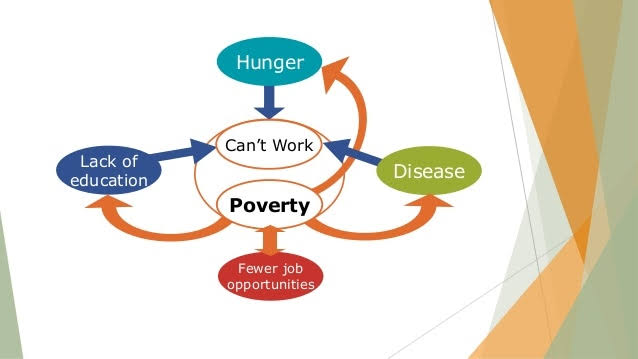
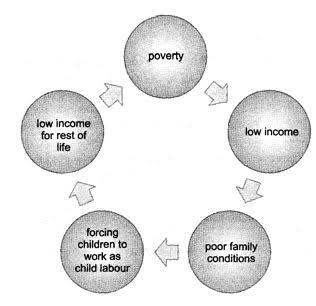
We can define poverty as the condition where the basic needs of a family, like food, shelter, clothing, and education are not fulfilled. It can lead to other problems like poor literacy, unemployment, malnutrition, etc. A poor person is not able to get education due to lack of money and therefore remains unemployed. An unemployed person is not able to buy enough & nutritious food for his family and their health decline. A weak person lacks the energy required for the job. A jobless person remains poor only. Thus we can say that poverty is the root cause of other problems.
How Poverty is Measured?
For measuring poverty United nations have devised two measures of poverty – Absolute & relative poverty. Absolute poverty is used to measure poverty in developing countries like India. Relative poverty is used to measure poverty in developed countries like the USA. In absolute poverty, a line based on the minimum level of income has been created & is called a poverty line. If per day income of a family is below this level, then it is poor or below the poverty line. If per day income of a family is above this level, then it is non-poor or above the poverty line. In India, the new poverty line is Rs 32 in rural areas and Rs 47 in urban areas.
Causes of Poverty
According to the Noble prize winner South African leader, Nelson Mandela – “Poverty is not natural, it is manmade”. The above statement is true as the causes of poverty are generally man-made. There are various causes of poverty but the most important is population. Rising population is putting the burden on the resources & budget of countries. Governments are finding difficult to provide food, shelter & employment to the rising population.
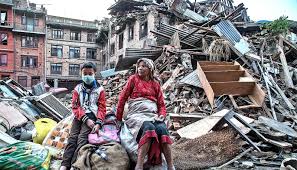
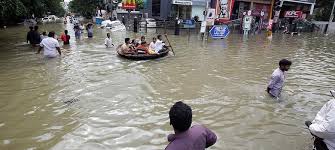
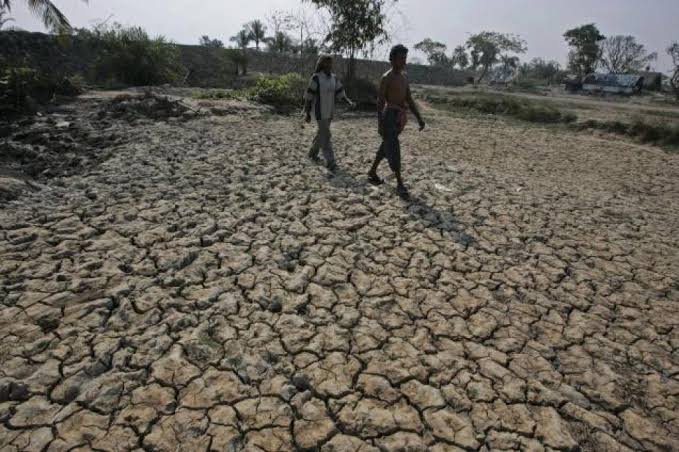
The other causes are- lack of education, war, natural disaster, lack of employment, lack of infrastructure, political instability, etc. For instance- lack of employment opportunities makes a person jobless & he is not able to earn enough to fulfill the basic necessities of his family & becomes poor. Lack of education compels a person for less paying jobs & it makes him poorer. Lack of infrastructure means there are no industries, banks, etc. in a country resulting in lack of employment opportunities. Natural disasters like flood, earthquake also contribute to poverty.
In some countries, especially African countries like Somalia, a long period of civil war has made poverty widespread. This is because all the resources & money is being spent in war instead of public welfare. Countries like India, Pakistan, Bangladesh, etc. are prone to natural disasters like cyclone, etc. These disasters occur every year causing poverty to rise.
Ill Effects of Poverty
Poverty affects the life of a poor family. A poor person is not able to take proper food & nutrition &his capacity to work reduces. Reduced capacity to work further reduces his income, making him poorer. Children from poor family never get proper schooling & proper nutrition. They have to work to support their family & this destroys their childhood. Some of them may also involve in crimes like theft, murder, robbery, etc. A poor person remains uneducated & is forced to live under unhygienic conditions in slums. There are no proper sanitation & drinking water facility in slums & he falls ill often & his health deteriorates. A poor person generally dies an early death. So, all social evils are related to poverty.
Government Schemes to Remove Poverty
The government of India also took several measures to eradicate poverty from India. Some of them are – creating employment opportunities, controlling population, etc. In India, about 60% of the population is still dependent on agriculture for its livelihood. Government has taken certain measures to promote agriculture in India. The government constructed certain dams & canals in our country to provide easy availability of water for irrigation. Government has also taken steps for the cheap availability of seeds & farming equipment to promote agriculture. Government is also promoting farming of cash crops like cotton, instead of food crops. In cities, the government is promoting industrialization to create more jobs. Government has also opened ‘Ration shops’. Other measures include providing free & compulsory education for children up to 14 years of age, scholarship to deserving students from a poor background, providing subsidized houses to poor people, etc.
Poverty is a social evil, we can also contribute to control it. For example- we can simply donate old clothes to poor people, we can also sponsor the education of a poor child or we can utilize our free time by teaching poor students. Remember before wasting food, somebody is still sleeping hungry.
Overcoming poverty is not a gesture of charity. It is an act of justice.
When we hear the term politics, we usually think of the government, politicians and political parties. For a country to have an organized government and work as per specific guidelines, we require a certain organization. This is where politics comes in, as it essentially forms the government. Every country, group and organization use politics to instrument various ways to organize their events, prospects and more.
Politics does not limit to those in power in the government. It is also about the ones who are in the run to achieve the same power. The candidates of the opposition party question the party on power during political debates. They intend to inform people and make them aware of their agenda and what the present government is doing. All this is done with the help of politics only.
Dirty Politics
Dirty politics refers to the kind of politics in which moves are made for the personal interest of a person or party. It ignores the overall development of a nation and hurts the essence of the country. If we look at it closely, there are various constituents of dirty politics.
The ministers of various political parties, in order to defame the opposition, spread fake news and give provocative speeches against them. This hampers with the harmony of the country and also degrades the essence of politics. They pass sexist remarks and instill hate in the hearts of people to watch their party win with a majority of seats.
Furthermore, the majority of politicians are corrupt. They abuse their power to advance their personal interests rather than that of the country. We see the news flooded with articles like ministers and their families involving in scams and illegal practices. The power they have makes them feel invincible which is why they get away with any crime.
Before coming into power, the government makes numerous promises to the public. They influence and manipulate them into thinking all their promises will be fulfilled. However, as soon as they gain power, they turn their back on the public. They work for their selfish motives and keep fooling people in every election. Out of all this, only the common suffers at the hands of lying and corrupt politicians.
Lack of Educated Ministers
If we look at the scenario of Indian elections, any random person with enough power and money can contest the elections. They just need to be a citizen of the country and be at least 25 years old. There are a few clauses too which are very easy.
The strangest thing is that contesting for elections does not require any minimum education qualification. Thus, we see how so many uneducated and non-deserving candidates get into power and then misuse it endlessly. A country with uneducated ministers cannot develop or even be on the right path.
We need educated ministers badly in the government. They are the ones who can make the country progress as they will handle things better than the illiterate ones. The candidates must be well-qualified in order to take on a big responsibility as running an entire nation. In short, we need to save our country from corrupt and uneducated politicians who are no less than parasites eating away the development growth of the country and its resources. All of us must unite to break the wheel and work for the prosperous future of our country.

































 Eduindex
You must be logged in to post a comment.