What is the importance of economic impact

The economic impact refers to the effects that a particular activity, policy, event, or industry has on the economy of a region, country, or community. Understanding and assessing economic impacts are crucial for several reasons:

  1. Gauging Contribution to GDP: Economic impacts help measure the contribution of various sectors or activities to the Gross Domestic Product (GDP), indicating their significance in driving economic growth.

  2. Job Creation: Assessing economic impact allows for understanding how industries or initiatives generate employment opportunities, contributing to reducing unemployment rates and improving livelihoods.

  3. Assessing Tax Revenues: Economic impact analysis helps estimate tax revenues generated by industries or events, providing insights into their financial contributions to government budgets.

  4. Identifying Growth Opportunities: Understanding the economic impact helps identify growth opportunities within specific sectors or activities, enabling policymakers and businesses to allocate resources more effectively.

  5. Informing Policy Decisions: Policymakers use economic impact assessments to make informed decisions about resource allocation, infrastructure development, regulatory changes, and other policies that affect economic growth.

  6. Attracting Investments: Assessing the economic impact of potential investments or projects is essential for attracting funding from investors or financial institutions.

  7. Understanding Regional Disparities: Economic impact analysis helps identify disparities in economic development among regions, allowing for targeted interventions and policies to address these disparities.

  8. Assessing Social Welfare: Economic impacts extend beyond monetary measures, allowing for the assessment of social benefits, improved living standards, and overall well-being resulting from economic activities.

  9. Forecasting Economic Trends: Analyzing economic impacts provides insights into potential future trends, helping businesses and policymakers prepare for changes and make strategic decisions.

  10. Measuring Costs and Benefits: It helps in evaluating the costs and benefits of various projects, policies, or events, assisting in decision-making and ensuring optimal resource allocation.

Understanding the economic impact is essential for creating sustainable and inclusive economic growth, improving living standards, and guiding policy decisions to achieve desired socio-economic outcomes. It provides valuable insights into the overall health and direction of an economy, enabling stakeholders to make informed choices to promote prosperity and development.
National Holistic Education

National Holistic Education refers to an educational approach that aims to develop individuals in a comprehensive manner, nurturing their intellectual, emotional, social, physical, artistic, and moral capacities. It focuses on the holistic development of students rather than solely emphasizing academic achievement. Here are some key aspects of a holistic education system:

  1. Academic Excellence and Beyond: While academic achievement is important, holistic education goes beyond traditional subjects. It emphasizes critical thinking, creativity, problem-solving, and lifelong learning skills.

  2. Social and Emotional Learning: It includes programs that promote emotional intelligence, empathy, teamwork, communication, and conflict resolution, fostering well-rounded individuals capable of healthy relationships and social contributions.

  3. Physical Development: Holistic education emphasizes the importance of physical health and well-being. It includes physical education, sports, and activities that promote a healthy lifestyle and overall physical development.

  4. Cultural and Artistic Development: Recognizing the importance of arts, culture, and creativity, holistic education incorporates programs in music, visual arts, literature, drama, and other creative expressions to foster imagination and cultural appreciation.

  5. Ethical and Moral Education: It includes teachings on ethics, values, character development, and moral reasoning, aiming to instill a sense of responsibility, integrity, and ethical behavior in students.

  6. Environmental Education: Holistic education often integrates environmental awareness, sustainability practices, and education on ecological systems to nurture environmental consciousness and responsible citizenship.

  7. Personalized Learning: Recognizing that each student is unique, holistic education often advocates for personalized learning approaches that cater to individual learning styles, interests, and strengths.

  8. Experiential and Hands-On Learning: Emphasizing practical, experiential learning experiences, including internships, field trips, projects, and real-world applications, to complement theoretical knowledge.

  9. Community Engagement: Encouraging students to actively engage with their communities through service-learning projects, volunteer work, and community service to develop a sense of social responsibility and empathy.

  10. Teacher Development: Holistic education also involves investing in teacher training and professional development to equip educators with the skills and mindset needed to implement holistic teaching approaches effectively.

Implementing a national holistic education framework requires collaboration among policymakers, educators, parents, and the community to design a curriculum that addresses various dimensions of learning, fosters a supportive learning environment, and prepares students to thrive in a diverse and rapidly changing world.

Indian Film Industry

The Indian film industry, often referred to as Bollywood (though Bollywood specifically denotes the Hindi-language segment of the industry), is one of the largest and most prolific film industries globally. However, it’s important to note that India has multiple regional film industries producing movies in various languages, including Hindi, Tamil, Telugu, Kannada, Malayalam, Bengali, and more.

Key aspects of the Indian film industry:

  1. Size and Output: India produces a vast number of films annually across different languages, making it one of the most prolific film industries globally. Bollywood, centered in Mumbai (formerly Bombay), is particularly renowned, producing a significant portion of India’s films.

  2. Diversity: The Indian film industry is diverse, not only linguistically but also in genres, themes, and storytelling styles. Each regional industry has its unique characteristics and audience preferences.

  3. Cinematic Influence: Indian cinema has a substantial impact on culture and society. Movies often reflect societal issues, traditions, and cultural nuances, contributing to shaping public opinions and trends.

  4. Global Reach: Indian films have a broad international audience, especially in countries with significant Indian diasporas. Bollywood films, in particular, have gained popularity globally for their colorful storytelling, music, dance, and drama.

  5. Music and Dance: Indian films are known for their elaborate song-and-dance sequences. Music plays a crucial role in Indian cinema, and many film soundtracks become popular hits.

  6. Evolution and Innovation: The industry has evolved significantly, embracing new technologies, storytelling techniques, and production values. There’s a blend of commercial cinema and independent or art-house films exploring diverse narratives.

  7. Stars and Stardom: Indian cinema has produced numerous iconic actors, actresses, directors, and technicians who enjoy immense popularity and influence.

  8. Challenges: While the industry has seen tremendous success, it also faces challenges such as piracy, distribution issues, funding, and sometimes controversial content.

  9. Impact on Fashion and Trends: Indian films heavily influence fashion trends, lifestyle choices, and consumer behavior, often setting the stage for popular culture.

  10. Awards and Recognition: Indian cinema receives recognition at various international film festivals and award ceremonies, showcasing the talent and creativity within the industry.

The Indian film industry is a vibrant and dynamic part of the country’s cultural and entertainment landscape, playing a significant role in shaping popular culture, influencing societal norms, and providing entertainment to diverse audiences worldwide.

Entrepreneurs among SC and ST promoted

Promoting entrepreneurship among Scheduled Castes (SC) and Scheduled Tribes (ST) is a significant focus area for many governments and organizations worldwide, including in India. Several initiatives aim to encourage and support SC and ST entrepreneurs:

  1. Financial Support: Various government schemes provide financial assistance, loans at concessional rates, and subsidies specifically tailored for SC and ST entrepreneurs to start or expand their businesses.

  2. Skill Development: Programs offering skill development, vocational training, and entrepreneurship development programs cater to the specific needs of SC and ST individuals, equipping them with the necessary skills and knowledge to run successful enterprises.

  3. Entrepreneurship Development Programs: Government bodies, NGOs, and educational institutions conduct entrepreneurship development programs and workshops focusing on SC and ST communities to nurture their entrepreneurial spirit and business acumen.

  4. Access to Markets and Networks: Initiatives are in place to facilitate market linkages, provide access to government procurement opportunities, and create networking platforms to connect SC and ST entrepreneurs with potential clients and markets.

  5. Incubation Centers and Support: Setting up business incubators and support centers exclusively for SC and ST entrepreneurs to provide mentorship, guidance, and resources for business development.

  6. Awareness and Capacity Building: Conducting awareness campaigns, conferences, and workshops to build confidence, educate, and empower SC and ST individuals about entrepreneurship opportunities and support available.

  7. Reserved Categories in Government Procurements: Reserving a certain percentage of government procurement contracts for SC and ST entrepreneurs to provide them with opportunities and a level playing field.

  8. Policy Support: Governments often introduce policies and reforms aimed at fostering an inclusive entrepreneurial ecosystem, ensuring representation and support for marginalized communities.

  9. Collaborations and Partnerships: Engaging with private sector companies, industry associations, and non-profit organizations to create collaborations that support SC and ST entrepreneurs through funding, mentorship, and market access.

Supporting entrepreneurship among SC and ST communities not only contributes to economic growth but also promotes social inclusion and empowerment. These initiatives aim to bridge the gap by providing resources and opportunities, enabling individuals from these communities to build sustainable businesses and contribute to the country’s economy.

Teacher's Day Celebration in India

Teacher’s Day in India is celebrated on September 5th every year to honor the birth anniversary of Dr. Sarvepalli Radhakrishnan, a renowned philosopher, scholar, and India’s second President. Dr. Radhakrishnan was an esteemed academician and an influential teacher, and his dedication to education prompted the tradition of commemorating this day as a tribute to all teachers across the nation.

Celebrations on Teacher’s Day in India typically involve various activities:

  1. Greeting and Honoring Teachers: Students express their gratitude and respect for their teachers by presenting them with cards, flowers, gifts, or writing heartfelt messages thanking them for their guidance and mentorship.

  2. Cultural Programs: Schools and colleges organize cultural events, performances, and competitions where students showcase their talents through music, dance, drama, poetry recitals, and other artistic presentations dedicated to their teachers.

  3. Teacher Felicitation: Some educational institutions honor exceptional teachers with awards, certificates, or ceremonies recognizing their contributions to education and their impact on students’ lives.

  4. Student-Teacher Interactions: There may be sessions where students share their experiences, memories, and anecdotes about their favorite teachers, fostering a sense of camaraderie and appreciation among students and teachers.

  5. Special Assemblies or Gatherings: Schools often organize special assemblies or gatherings where students and teachers come together to celebrate, share thoughts, and participate in various programs dedicated to teachers.

  6. Educational Workshops or Seminars: Some educational institutions conduct workshops, seminars, or discussions on teaching methodologies, education reforms, and the role of educators in shaping society.

  7. Reflection and Appreciation: Teacher’s Day serves as an opportunity for both teachers and students to reflect on the significance of education, the impact of teachers on students’ lives, and the importance of imparting knowledge and values.

Teacher’s Day celebrations in India aim to acknowledge and appreciate the dedication, hard work, and invaluable contributions of teachers in shaping the future of the nation by nurturing and guiding the younger generation. It’s a day to recognize the pivotal role that teachers play in shaping individuals and society as a whole.

College of Medicine & J N M Kalyani

The College of Medicine and Jawaharlal Nehru Medical College (JNMC) in Kalyani, West Bengal, India, is an esteemed medical institution affiliated with the West Bengal University of Health Sciences (WBUHS). It’s known for its quality medical education, research, and healthcare services.

Key features and aspects of the College of Medicine & JNMC, Kalyani:

  1. Academic Programs: The college offers undergraduate (MBBS) and postgraduate medical courses in various specialties, providing comprehensive training in medicine, surgery, and allied health sciences.

  2. Faculty and Staff: The institution boasts experienced faculty members, medical professionals, and researchers dedicated to imparting quality education and conducting medical research.

  3. Clinical Training: JNMC provides hands-on clinical training to students through affiliations with hospitals and healthcare centers, allowing practical exposure to diverse medical conditions and treatments.

  4. Research and Innovation: The college emphasizes research activities, encouraging students and faculty to engage in medical research, publish papers, and contribute to advancements in healthcare.

  5. Infrastructure: The institution is equipped with modern facilities, laboratories, lecture halls, libraries, and medical equipment to support teaching, learning, and research activities.

  6. Community Engagement: JNMC often engages in community health programs, health camps, and outreach initiatives, contributing to public health awareness and healthcare delivery in surrounding communities.

  7. Medical Services: The institution likely provides healthcare services to patients through its associated hospitals or clinics, offering medical care, diagnostic services, and treatments.

  8. Accreditations and Recognition: Colleges under WBUHS generally maintain high academic standards and often receive recognition and accreditation from medical councils and accrediting bodies.

Jawaharlal Nehru Medical College, Kalyani, plays a crucial role in producing skilled medical professionals, contributing to healthcare advancements, and addressing healthcare needs in the region. It aims to provide a comprehensive medical education that prepares students to excel in their medical careers and contribute positively to society’s health and well-being.

Assistant Secretary

he Assistant Secretary Programme is not a widely known or standardized program universally recognized. However, in certain contexts, an Assistant Secretary might refer to a position within government or organizational structures.

  1. Government Roles: In government organizations, an Assistant Secretary might hold a mid-level administrative or managerial position, supporting a Secretary or a Department Head. They often oversee specific departments or sections, manage administrative tasks, and aid in policy implementation.

  2. Corporate Context: In some corporations or businesses, an Assistant Secretary might be a managerial role within the administrative structure, supporting the Secretary or managing administrative functions within the organization.

“Ease of Living” of Pensioners through Use of Face Authentication Technology for submission of Digital Life Certificates


A Milestone development to enhance “Ease of Living” of Pensioners through Use of Face Authentication Technology for submission of Digital Life Certificates

Posted On: 20 OCT 2022 2:54PM by PIB Delhi

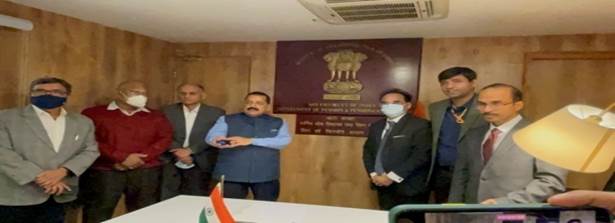
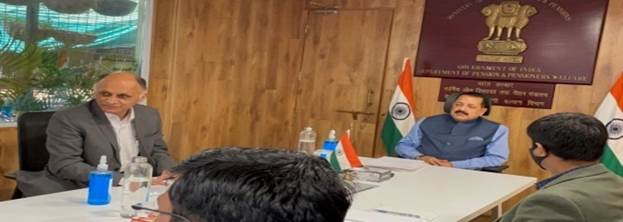
With a view to enhance Ease of Living of pensioners, Department of Pension and Pensioners’ Portal (DoPPW), engaged with NIC, Ministry of Electronics and Information Technology (Meity) and UIDAI to develop a Face Authentication technology-based system based on UIDAI Aadhaar software for submission of digital life certificate by the Pensioners/Family Pensioners. As per this facility, the identity of a person will be established through Face Authentication technique and it is possible to submit Life Certificate from any Android based smart phone. Dr. Union Minister of State (IC) Ministry of Science and Technology; Minister of State (IC) Ministry of Earth Science; MoS of Prime Minister’s Office and Ministry of Personnel, Public Grievances & Pensions Dr Jitendra Singh launched this facility on 29.11.2021.

Submission of Digital Life Certificates through face authentication technique is a breakthrough technology which has reduced Pensioners’ dependence on external bio-metric devices and has made the process more accessible and affordable, thus ensuring ease of living for all the Pensioners/Family Pensioners. In addition, by using this digital mode for Life Certificate submission, pensioners can now submit their Life Certificates from the comfort of their homes.

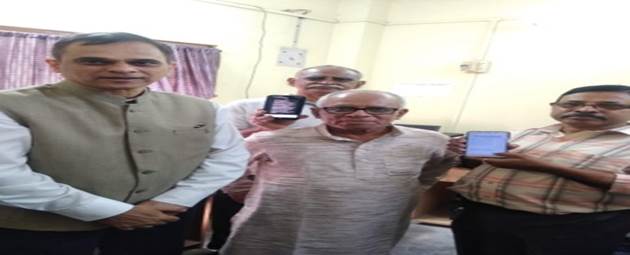
The Department has also started a major campaign under Special Campaign for Disposal of Pending Matters (SCDPM 2.0) in which pensioners aged 80 years and above may submit their Life Certificates from 1st October every year to avoid the rush at banks. All Pensioners’ Associations across the country have been educated in the use of the Face Authentication Technology through online as well as physical trainings imparted by the department from time to time, in a phased manner, so as reach out to all Associations. The Pensioners’ Associations assist pensioners by visiting their homes and holding camps for enabling submission of Life Certificates using the Face Authentication Technology. Recently, Shri V Srinivas, Secretary (DoPPW) visited the office of the NF Railway pensioners’ Association at Guwahati on 14th October, 2022 as part of SCDPM 2.0 where he interacted with pensioners and large number of Digital Life Certificates were generated using Face Authentication Technology.

The department of Pension & Pensioners’ Welfare is making endeavors to enhance adoption of Face Authentication as best practices in digital innovation under SCDPM 2.0 to enable pensioners to use this technology at a larger scale. 

*****

600 Pradhan Mantri Kisan Sammrudhi Kendras to provide more facilities to farmers

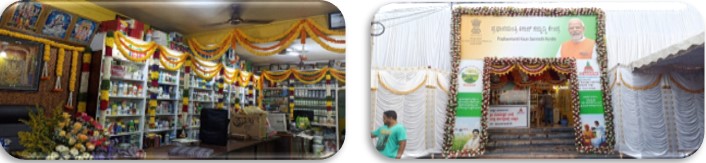
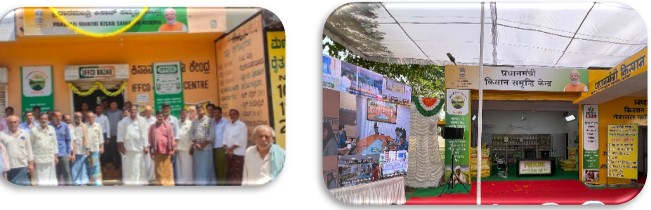
 Under Pradhan Mantri Kisan Sammrudhi Kendras (PMKSK), 600 existing district level retail shops are remodelled and provided more facilities to the farmers in terms of agri inputs and services. These kendras were inaugurated by Prime Minister on the occasion of PM Kisan Sammelan. All these centres have become excellent examples of swachhata Campaign 2 initiatives with clean premise and enhanced facilities for farmers. The launch of the 600 Pradan Mantri Kisan Samruddhi Kendras (PMKSK) across the country is one of the best practices adopted as part of the Special Campaign 2.0 initiatives by the Department of Fertilizers.


.


This is in addition to the other initiatives undertaken on Special Campaign 2.0  by the Department of Fertilizers that includes identification of 13 Sites from its Headquarter and its PSUs which are under the administrative control of the Department of Fertilizers to carry out weeding out of old files both physical and e files as per the Record Retention Schedule, digitization of records, reduce paper work, disposal of the e waste, scrap material etc so that they can improve efficiency and space. The updated information is also uploaded in the SCDPM portal on a regular basis.


*************

Department of Industrial Policy & Promotion DPIIT

he Department for Promotion of Industry and Internal Trade (DPIIT) in India is a government body responsible for formulating and implementing policies and initiatives to promote and facilitate industrial development, trade, and investment in the country. Formerly known as the Department of Industrial Policy and Promotion (DIPP), it was renamed DPIIT in 2019.

Key responsibilities and functions of DPIIT include:

  1. Industrial Policy Formulation: Formulating and implementing industrial policies that aim to promote industrial growth, enhance competitiveness, and foster innovation across various sectors of the economy.

  2. Promotion of Investment: Encouraging domestic and foreign investment in India by creating a conducive business environment, simplifying regulatory frameworks, and offering incentives to attract investments.

  3. Ease of Doing Business: Initiating reforms and measures to improve the ease of doing business in India, streamlining procedures, reducing regulatory hurdles, and enhancing the business environment for entrepreneurs and industries.

  4. Startup India Initiative: Overseeing and implementing the Startup India campaign, which aims to promote and support startups, foster innovation, and create a conducive ecosystem for new businesses in the country.

  5. Intellectual Property Rights (IPR): Facilitating the protection and enforcement of intellectual property rights by promoting awareness, policies, and mechanisms for safeguarding innovations and creative works.

  6. Trade Promotion: Encouraging trade and exports by formulating trade policies, participating in trade negotiations, and promoting India’s exports in global markets.

  7. Monitoring and Evaluation: Monitoring and evaluating the implementation of various policies, initiatives, and programs related to industry, trade, and investment.

  8. Stakeholder Engagement: Collaborating with industry associations, stakeholders, state governments, and other ministries to create synergies and partnerships for industrial and trade development.

  9. Data Collection and Analysis: Collecting, analyzing, and disseminating data and information related to industry, trade, and investment for informed policymaking and decision-making processes.

DPIIT plays a crucial role in fostering a conducive environment for economic growth, industrial development, and entrepreneurship in India. It works towards creating a vibrant and globally competitive business landscape, attracting investments, and supporting the growth of industries across various sectors.

Bureau of Indian Standards

The Bureau of Indian Standards (BIS) is the national standards body of India, established under the Bureau of Indian Standards Act, 1986. It operates under the aegis of the Ministry of Consumer Affairs, Food and Public Distribution, Government of India. BIS is responsible for the formulation, promotion, and implementation of standards across various sectors to ensure quality, safety, and reliability of products, services, and systems.

Key functions and responsibilities of the Bureau of Indian Standards:

  1. Standardization: BIS formulates and publishes Indian Standards (IS) across a wide range of products, processes, and services to ensure quality, safety, and efficiency. These standards cover various sectors, including agriculture, engineering, consumer goods, chemicals, and more.

  2. Certification and Marking: BIS provides product certification services through the ISI mark, a certification mark used to indicate conformity to Indian standards. The ISI mark signifies adherence to quality and safety standards set by BIS.

  3. Product Testing and Quality Assurance: BIS operates laboratories and testing facilities to evaluate products against established standards, ensuring compliance with quality, safety, and performance requirements.

  4. Consumer Protection: It plays a crucial role in safeguarding consumer interests by ensuring the quality and reliability of products and services available in the market.

  5. Promotion of Standards Adoption: BIS promotes the adoption of Indian Standards by industries, manufacturers, and service providers to enhance competitiveness, facilitate trade, and protect consumer interests.

  6. International Cooperation: BIS collaborates with international standards organizations, participating in standardization activities, mutual recognition agreements, and harmonization of standards to align with global best practices.

  7. Education and Awareness: BIS conducts training programs, workshops, seminars, and awareness campaigns to educate stakeholders about the importance of standards compliance and quality assurance.

BIS plays a vital role in setting benchmarks for quality and safety, ensuring consumer protection, and promoting trade and industry competitiveness by establishing and maintaining relevant standards across diverse sectors of the Indian economy.

Department of Land Resources

  With the vision to extend the heartfelt tribute to Mahatma Gandhi, the Prime Minister had launched Swachh Bharat Mission (SBM) in 2014. Subsequently the Special Campaign on Disposal of Pending References and Cleanliness was launched in 2021. Accordingly, the Government has decided to conduct Special Campaign 2.0 in Central Government Ministries/Departments, attached/subordinate offices of Government of India from 2nd October-31st October, 2022.

The Department of Land Resources (DoLR) under Ministry of Rural Development has undertaken the Special Campaign 2.0 at all three sites i.e. NBO Building, Shivaji Stadium & CGO Complex. Swachhta Pakhwada of DoLR was also observed during 1st Oct to 15th Oct, 2022The objective of this campaign is to minimize pendency, institutionalize swachhata, strengthen internal monitoring mechanisms, train officers in record management, digitization of physical records, setting up protocols and monitoring mechanisms for Swachhata.


The Special Campaign 2.0 has been taken in real spirit in the Department of Land Resources. Activities taken up by DoLR w.r.t. the Special Campaign 2.0 are as under;

  1. As directed by MoRD, in order to ensure cleanliness, Nodal Officers have already been nominated for all three buildings, beside an overall Nodal Officer in the Department. As per direction of Union Minister of Rural Development, weekly reports on Cleanliness activities undertaken in the Department are also being sent. Minister of Rural Development has also taken a review meeting on the progress of the Campaign on 18th October,2022.
  2. Review meetings are taken up by the Secretary (LR) level with Senior Officers on the progress of the Campaign. Secretary(LR) inspected the office premises and directed to take certain activities like white washing of walls & removal of seepage, renovation of pantry room and the other places/rooms, wherever it is required, painting of almirah in uniform color, ensuring half an hour switching off lights by Officers during lunch hour, motivate employees to bring potted plants. Nodal Officer has also taken review meetings and inspected all sites.
  3. Data including Pictures have been uploaded on the SCDPM Portal of DARPG. Pictures/Videos are being shared in the Social Media Platforms.   

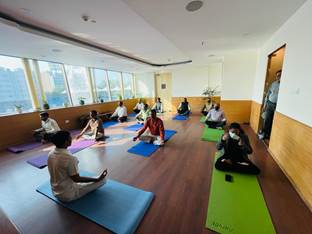
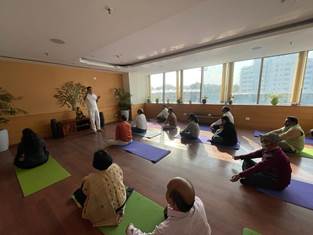
Swachhata manifests not just in physical space but also affects our mental state. Accordingly, the Department has created a Rejuve Wellness Centre at its Shivaji Stadium Annexe Office premise during the Special Campaign 1.0 and the same has been recognised in the Good Governance Week (GGW) as a special achievement. A film has also been shot on 16th September, 2022 covering the event by DD News team highlighting the REJUVE Wellness Centre set up by the Department. The Department has also organised two sessions on Stress Management through a renowned expert on 20th and 21st September, 2022 at REJUVE Wellness Centre for the officers and officials of the Department.


Stress Management Program at REJUVE Wellness Centre


Initiative of the Department taken by all the Officers to turn off their lights daily for half an hours during the lunch hours to save electricity has been noted by DARPG as the Best Practices under the category of “Environment Friendly Practices”.

Preparatory activities related to identification, review and disposal of pending references, Physical Files & e-Files, electronic items and equipments/ furniture in condemned conditions have been planned and initiated for Special Campaign 2.0 on Cleanliness & disposal of pending references. Standees of Special Campaign 2.0 and Swachhta Pakhwada-2022 have been prepared and placed at entry gates to create awareness about the event. Data have been uploaded on the SCDPM Portal of DARPG. CPWD has been requested to undertake white-washing and necessary repairs as and where required. Besides, NDMC has also been requested to take up necessary maintenance activities at Shivaji Stadium office premise hired by the Department.

*****

Youth Delegation from Bangladesh

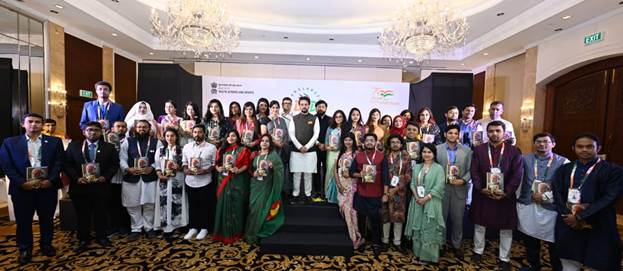
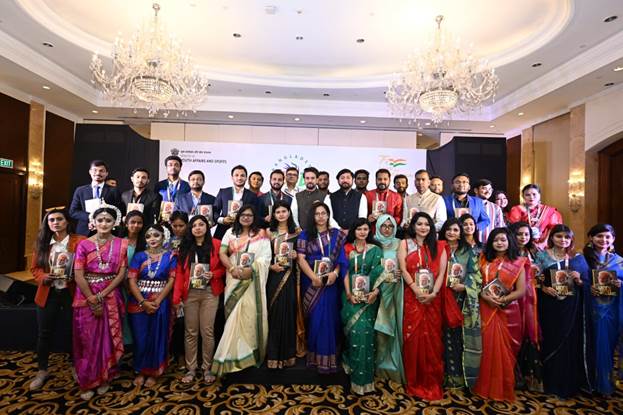
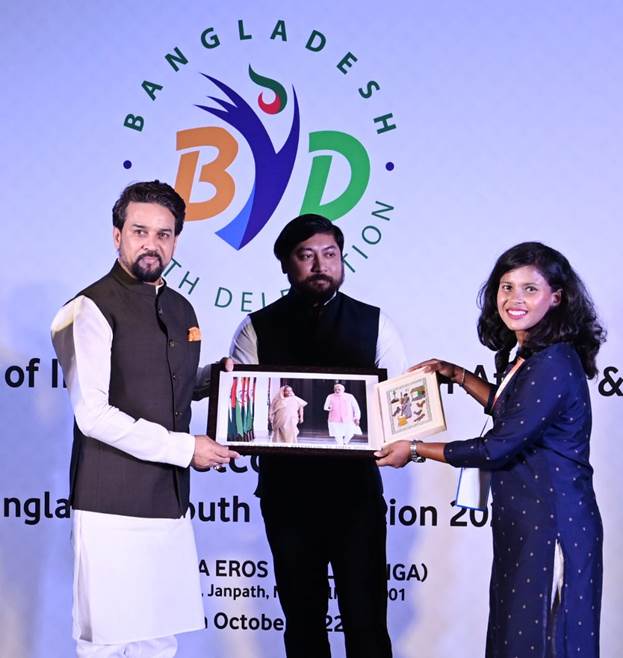
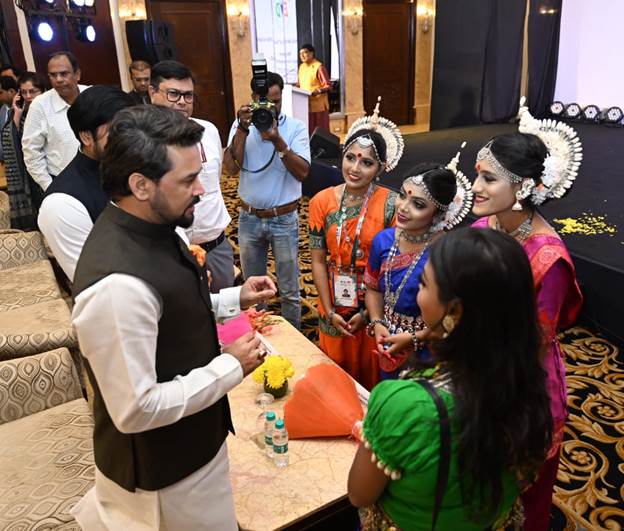
 The Department of Youth Affairs is hosting the 100-member Youth Delegation from Bangladesh in India from 12th to 19th October 2022. On the last day, Union Minister for Youth Affairs & Sports Shri Anurag Singh Thakur hosted a dinner in the honour of the Youth Delegation from Bangladesh today in New Delhi. Minister of State for Youth affairs & Sports Shri Nisith Pramanik also graced the occasion.

The Bangladesh delegation has been very appreciative of this programme during their interaction with Union Minster for Youth Affairs & Sports, Government of India. The delegation also showcased various cultural performances from Bangladesh. Indian artists also performed during the  gala evening.

Shri Anurag Singh Thakur while interacting with the delegates also listened to the experiences shared by the delegates regarding their stay for one week in India.The visit also facilitated exchange of ideas, cultural, political and economic relations between the two countries and contributed in enhancing regional co-operation and world peace. India and Bangladesh have a long common cultural, economic and political history.  A large population of India also speaks the same language, Bangla as spoken in Bangladesh.  Both the countries share a significant boundary with each other.  We also have old, deep, friendly relations with each other and share common interests. 

As part of the programme, the Bangladesh Youth Delegation had a call on, on the President of India, Smt. Droupadi Murmu at Rashtrapati Bhawan on 14th Oct 2022. The delegation visited various cultural, educational and industrial sites such as Taj Mahal at Agra, Indian Institute of Management, Bengaluru and Infosys at Mysore respectively where they interacted with academicians and Industry leaders. This group comprises youth from diverse background including students, young journalist, entrepreneurs, social workers, doctors, etc.  The program generates a lot of goodwill and positive vibes in fostering amicable relations with our neighbors. 

The Department of Youth Affairs, Ministry of Youth Affairs & Sports is mandated to create an international perspective among youth in collaboration with other countries and various international agencies/organizations on various youth issues.  In order involve youth in promoting peace and understanding, the Department has conceived the International Exchange of Youth Delegations as an effective instrument. The exchange of youth delegations with friendly countries is taken up on a reciprocal basis for promoting exchange of ideas, values and culture amongst the youth of different countries and also to develop international understanding.  This Department has been carrying out regular exchange of youth delegations with China and South Korea, from the year 2006 onwards.

In 2012, High Commission of India in Dhaka requested the Ministry of Youth Affairs & Sports, Govt. of India to invite a 100-member Bangladesh Youth Delegation to India and arrange a tour for them to showcase places of historical, educational, technological and industrial interests.  Accordingly, for the first time, a 100-member Bangladesh youth delegation visited India from 6-13 October, 2012.  The current delegation from Bangladesh is the 8th such cohort. 

*******

Film Industry news

film industry continually generates news on various fronts, including movie releases, casting updates, box office reports, industry trends, awards ceremonies, controversies, and technological advancements. Several reputable sources cover film industry news globally, offering insights into the entertainment world:

  1. Variety: A leading source for entertainment news, Variety covers the latest updates on film releases, industry trends, box office performance, and interviews with key industry figures.

  2. The Hollywood Reporter: Known for in-depth coverage of the entertainment industry, The Hollywood Reporter provides news, analysis, and interviews related to movies, television, and the broader entertainment landscape.

  3. Deadline: Focused on breaking news and exclusive content, Deadline covers film industry updates, casting announcements, box office predictions, and industry analysis.

  4. Entertainment Weekly: While covering a range of entertainment topics, Entertainment Weekly offers updates on upcoming films, reviews, interviews, and behind-the-scenes insights.

  5. IndieWire: Known for its coverage of independent cinema, IndieWire reports on film festivals, reviews, industry trends, and the intersection of film, TV, and digital media.

  6. BBC Culture: The BBC covers international cinema, providing film reviews, features, and analysis of global trends in the movie industry.

  7. The Guardian Film: The Guardian offers film reviews, interviews, and analysis of the film industry, focusing on global cinema and trends shaping the movie landscape.

  8. Collider: Covering a wide range of entertainment news, Collider provides updates on movie trailers, casting news, industry events, and film reviews.

These sources and many others offer comprehensive coverage of the film industry, providing readers with the latest news, analysis, and insights into the world of movies, both mainstream and independent, across various genres and regions. For the most current and up-to-date information on film industry news, checking these outlets’ websites or subscribing to their newsletters can be beneficial.

National Media Award for best campaign on voter’s education & awareness-2022

 Election Commission of India invites entries from Media Houses for the National Media Award for best campaign on Voter’s Education and Awareness during the year 2022. There shall be four awards, one each for Print media, Television (Electronic), Radio (Electronic) and Online (Internet)/Social media.       

The awards are to recognise the outstanding contribution by Media Houses to promote electoral participation by creating awareness about accessible elections, educating people about the electoral process and raising awareness among the general public about the relevance and importance of voting and registration.

The awards will be in the form of a citation, plaque and cash prize and will be presented on the National Voter’s Day (25th January, 2023).

Criteria

The Jury will base their assessment on the following criteria:

  • Quality of Voter awareness campaign

· Extent of coverage/quantity

· Evidence of impact on the public

· Coverage on awareness about Accessible Elections

· Any other relevant factor(s)

Conditions of entry

Entries must have been published or broadcast/telecast during the relevant period.

Print entries must include:

  1. Summary of the work carried out during the relevant period which should include
  1. number of news items/articles
  2. total print area in sqcms


  1. A PDF soft copy OR a link to a relevant web address OR a full size photocopy/print copy of the newspaper/articles;
  2. Detail of any other activity like direct public engagement etc.
  3. Any other information

Broadcast Television (Electronic) and Radio (Electronic) entries must include:

  1. A brief on the campaign/work carried out during the relevant period which should include
  1. Material (in a CD or DVD or Pen drive) with duration and frequency of broadcast/telecast and total time of such broadcast of each spot during the period
  2. Sum of the total broadcast time for all spots/news
  3. News features or programmes on Voter awareness in a CD or DVD or Pen drive or other digital media, along with duration, telecast/broadcast date and time and frequency
  1. Any other activity like direct public engagement etc.
  2. Any other information

Online (Internet)/Social media entries must include:

  1. Summary of the work carried out during the relevant period which should include number of posts/blogs/campaigns/articles etc.
  2. A PDF soft copy of concerned articles OR a link to a relevant web address:
  3. Detail of any other like direct public engagement etc.
  4. Impact of online activity (details)
  5. Any other information

Important

  1. Entries submitted in a language other than English/Hindi will require an accompany English translation, failing which subject to rejection.
  2. Entrants submitting broadcast material should be aware that Jury may use only the first ten minutes of features/programme.
  3. The Commission’s decision will be final and no correspondence will be entertained. The Commission reserves all the rights in this regard.
  4. Entries should carry the name, address, telephone and fax numbers and email of the Media House.
  5. Due date: Entries must reach before 30th November, 2022 at the following address:

Shri Love Kush Yadav, Under Secretary (Communication)

Election Commission of India, Nirvachan Sadan, Ashoka Road, New Delhi 110001.

Email: media-division@eci.in

Ph. No.: 011-23052033


The awards will be given in following four categories:

  1. Print Media
  2. Electronic (Television) Media
  3. Electronic (Radio) Media and
  4. Online (Internet)/Social Media


All such recommendations/submissions must reach to the Election Commission of India latest by 30th November, 2022 positively.