DIVERSITY OF INDIA


India is uniquely characterized by its unity and diversity. A grand synthesis of cultures, religions and languages of the people belonging to different castes and communities has upheld its unity and cohesiveness despite multiple foreign invasions. National unity and integrity have been maintained even through sharp economic and social inequalities have obstructed the emergence of egalitarian social relations. It is this synthesis which has made India a unique mosque of cultures. Thus, India present seemingly multicultural situation within in the framework of a single integrated cultural whole.
The term ‘diversity’ emphasizes differences rather than inequalities. It means collective differences, that is, differences which mark off one group of people from another. These differences may be of any sort: biological, religious, linguistic etc. Thus, diversity means variety of races, of religions, of languages, of castes and of cultures.
Unity means integration. It is a social psychological condition. It connotes a sense of one- ness, a sense of we-ness. It stands for the bonds, which hold the members of a society together.
Unity in diversity essentially means “unity without uniformity” and “diversity without fragmentation”. It is based on the notion that diversity enriches human interaction.
When we say that India is a nation of great cultural diversity, we mean that there are many different types of social groups and communities living here. These are communities defined by cultural markers such as language, religion, sect, race or caste.
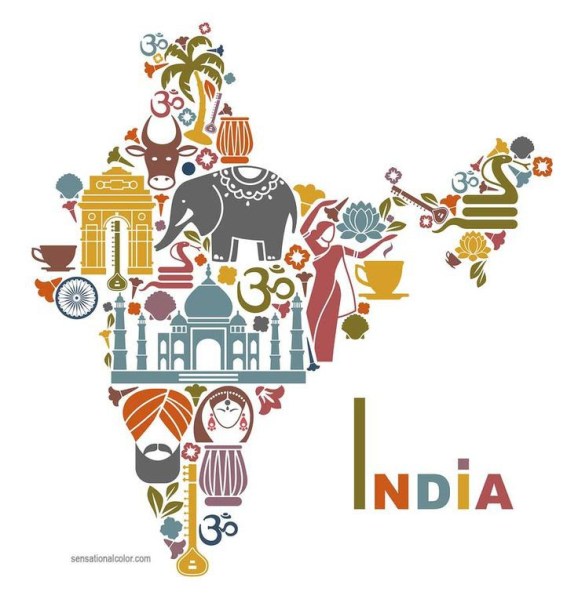
India is a land of diversity each state in the country is home to several communities who live in harmony with each other while preserving and upholding their own distinct culture and traditions. From Delhi, the capital of India, to Tamil Nadu, the southernmost state of India, the land, is blessed with amazing scenic beauty. The country is also home to several historical monuments which add to the varied heritage of India.
India is also classified by the Dravidian and the Nagara architectural styles as the focal focus of Hindu architecture. In the empires, in the South of India, the Dravidian style prospered, whilst in the North of India, the Nagara style predominately appeared.
India’s history, culture and religion are ingrained in its architecture.
India have cultural domains all over the nation.Few are listed below:

The inheritance of diversity of languages: The relationship between language and culture is perfectly embedded. In fact they are entangled. Peoples Linguistic Survey of India identified 780 languages of which 50 got extinct in past five decades. Officially there are 122 languages but 22 languages in the Eighth Schedule of the constitution give cultural pockets like Assamese, Gujarati, Konkani, Maithili, Manipuri, Oriya, Tamil, Telugu etc.
Religious diversity: According to the data on Population by Religious Communities of Census 2011, Hindu 96.63 crores (79.8%); Muslim 17.22 crores (14.2%); Christian 2.78 crores (2.3%); Sikh 2.08 crores (1.7%); Buddhist 0.84 crores (0.7%); Jain 0.45 crores (0.4%) are dispersed all over the nation forming cultural pockets.
Racial diversity: Most contemporary anthropologists categorize Indians as belonging to racial admixture. Mongoloids are largely confined to the North-eastern region whereas Negritos are found on the Andaman Islands.
Ethnic diversity: As per the 1901 census, the eight different ethnic groups found in India are: 1. Pre-Dravidian 2. Dravidian 3. Indo-Aryan 4.Turko-Iranian 5.Scytho-Dravidian 6. Arya- Dravidian 7. Mongoloid 8.Mongoloid-Dravidian. Because of this, India has been termed as an ethnological museum. A particular ethnic group shared a common culture, common language or dialect, a common religion, a common norm, practices, customs and history. Such multiple groups appeared as cultural pockets.

Advantages of diversity:
• It helps in strengthening love and tolerance promoting amity and unity and openness to other diverging views
• It is the identity that India had asserted for long in three international foras
• Diversity of culture translates into diversity of ideas and innovations
• The rich heritage and culture resultant of this diversity has enormous potential for tourism capable of creating large scale employment
• Geographical diversity creates rich reserve of flora and fauna benefiting the environment, tourism, pharmaceutical etc.
Disadvantages:
• The social tension and conflicts arising from this diversity leading to growth of divisive tendencies like communalism, regionalism, linguism etc. present a major that to the social fabric, economic development and survival of democracy

Threats:
Disputes are inevitable in any diverse society and when not managed properly they can turn into conflict, threatening the very survival of society as was the case in Balkan Peninsula. Similarly Indian society faces following challenges which endanger its ‘unity in diversity’.
• Communalism: the rising majoritarian tendencies such as call for a ‘Hindu rashtra’, cow vigilantism, love jihad claims against inter-religion marriages threaten the secular fabric of Indian society
• Regionalism: the demands of new states and even secession based on language (gorkhaland, Dravidnaad), religion (khalistan), ethnicity (nagalim) continue to mar the unity and integrity of nation
• Linguism: perceived threats to the local language and recent attempts the Fife Hindu on non-willing sections have in the past led to movements like Dravidian movement and can be seen in recent times as well such as Gokhaland and Bodoland movements
• Casteism: caste oppression had continued for long time with scant attempts to challenge it until recently. With the opportunities provided by increasing literacy rate and economic reforms and excessive politicisation, caste identities are becoming more pronounced than before. While some use it to challenge the oppression they have faced (Bhima-koregaon), others use it to claim benefits of reservation (Jat, Patidar, Maratha)
• Racism: discrimination against people of North-east, people of south in northern states and vice versa threatens a whole section of the society, dissipating discrimination into division
• Separatist movements: The ongoing separatist movements in J&K and North-East along with Naxalism have for long and continue to pose significant risks to India’s unity.

Ensure this unity:
A society based on justice, liberty, equality and fraternity only can stay united for long, especially society as diverse as India. As the Sachar committee report has pointed out, minorities continue to fare poorly in socio-economic indicators as compared to majority. Similar is the case with tribals and Dalits where high GDP growth has not translated into development and improvement in quality of life.

It is therefore necessary that principles espoused in directive principles are realised in spirit. Investments in the social sector including health and education, electoral reforms to keep out the divisive tendencies, providing for development needs of deprived sections such as tribals and Dalits, inclusive and equitable urbanization and curbing the majoritarian tendencies through appropriate legal measures is the only way forward to ensure a united and integrated India.
MICROBIOLOGY AND ITS BRANCHES

MICROBIOLOGY:
microbiology, study of microorganisms, or microbes, a diverse group of generally minute simple life-forms that include bacteria, archaea, algae, fungi, protozoa, and viruses. The field is concerned with the structure, function, and classification of such organisms and with ways of both exploiting and controlling their activities.

HISTORY OF MICROBIOLOGY:

The 17th-century discovery of living forms existing invisible to the naked eye was a significant milestone in the history of science, for from the 13th century onward it had been postulated that “invisible” entities were responsible for decay and disease. The word microbe was coined in the last quarter of the 19th century to describe these organisms, all of which were thought to be related. As microbiology eventually developed into a specialized science, it was found that microbes are a very large group of extremely diverse organisms.
Microorganisms have played a key role in the evolution of the planet earth.
Microorganisms affect animals, the environment, the food supply and also the healthcare industry. There are many different areas of microbiology including environmental, veterinary, food, pharmaceutical and medical microbiology, which is the most prominent.
Microorganisms are very important to the environment, human health and the economy. Few have immense beneficial effects without which we could not exist. Others are really harmful, and our effort to overcome their effects tests our understanding and skills. Certain microorganisms can be beneficial or harmful depending on what we require from them.
There are both useful and harmful microorganisms in the environment.

Microbiology Careers :
Most jobs in microbiology require at least a bachelor’s degree. An individual who is interested in microbiology may obtain a bachelor’s degree in biology or microbiology. The courseload is very similar for each of these majors; while a microbiology major may be more specific to the interests of someone who wants to study microbiology, it is also possible to achieve a similar level of specificity in the biology major by taking upper-level microbiology courses. The biology major may be preferred if one has interests in other subfields of biology, or if he or she is double majoring in biology and in another field. In both the microbiology and biology majors, students must take numerous biology courses and laboratories, and usually they must also take courses in chemistry (including organic), physics, mathematics, and statistics.
With a bachelor’s degree, one can become employed as a research technician in an academic or industry laboratory and provide technical support. One could also become a quality assurance technician in the food, environmental, pharmaceutical, or biotechnology industries, or with some additional training, become a medical technologist. However, many individuals with bachelor’s degrees in microbiology or biology go on to do further schooling. With a master’s degree in microbiology, an individual may go on to become a laboratory manager/coordinator or a biosafety officer. Further schooling leading to a PhD opens up opportunities in teaching and doing research at a university. Being a professor requires a PhD. Most heads of research laboratories in industry have PhDs as well. Other high-level careers involving microbiology include becoming a consultant/adviser, administrator, or lab director.

BRANCHES OF MICROBIOLOGY:
There are various different branches of microbiology and these include the following:
1. Bacteriology- The study of bacteria
2. Mycology –The study of fungi
3. Phycology- The study of photosynthetic eukaryotes. (Algae- Seaweed)
4. Protozoology – The study of protozoa (Single-celled eukaryotes)
5. Virology- The study of viruses, non-cellular particles which parasitize cells.
6. Parasitology- The study of parasites which include pathogenic protozoa certain insects and helminth worms.
7. Nematology- The study of nematodes.

Indo-US joint research projects to be implemented through TIHs

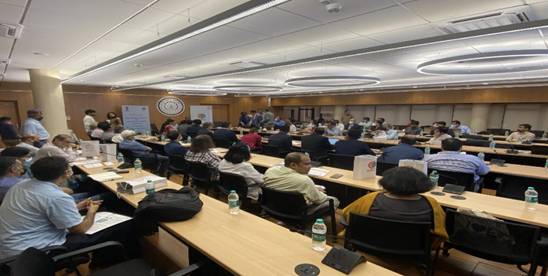
 Experts from the India and United States interacted to bring out the best plans for joint research projects that would be implemented through the Technology Innovation Hubs (TIH), at DST-NSF Joint Research and Development Projects Kick-off Workshop.

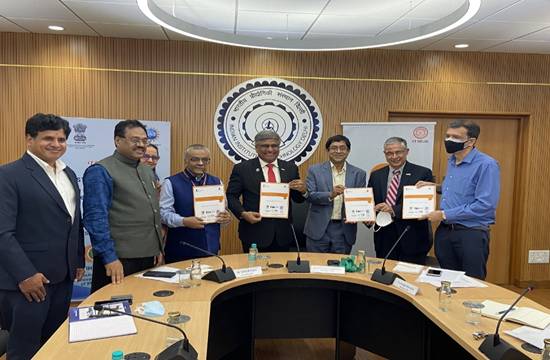
The workshop was organised by IIT Delhi in association with DST to discuss how the projects to be implemented by the six TIHs identified under NM-ICPS for collaborative research and development with NSF-supported institutions would leverage unique resources, such as testbeds and datasets available in India and in the US, expand collaborations on critical technologies like AI and advanced wireless, and encourage student and researcher exchange programs.

Dr Akhilesh Gupta, Senior Adviser, DST informed that a total of 35 joint projects have been identified which will be implemented by the Technology Innovation Hubs (TIHs) and research institutions from USA. “This endeavor will further help us to achieve collaborative research and development between the two countries in the area of CPS,” he added.


US is our natural partner. Especially in science we have traditionally partnered and through collaborative projects the engagement will more deeper at the institution level, government level and even people level,” Dr Gupta pointed out.

Six TIHs under NM-ICPS have been identified for collaborative research and development with NSF-supported institutions. These projects aim at adding the component of international collaboration to existing research projects in both countries. The Hubs are part of a five-year, nearly $430 million investment by DST under the National Mission on Interdisciplinary Cyber-Physical Systems and comprise academic researchers and industry partners.

“US is committed and proud to partner with India for prosperity and opportunity for all. These projects shall be aspirational and should be able to solve the societal problems,” NSF Director Dr. Sethuraman Panchanathan.

Prof. Rangan Banerjee, Director, Indian Institute of Delhi (IIT Delhi) said that this workshop will enable linkages and build up TIH to solve problems of society.


Department of Science and Technology (DST), Government of India, and National Science Foundation (NSF) joined hands for collaborative research and development in Sept 2021 in thematic areas of Agriculture, Autonomous systems technologies and applications, Health and Environment, Rehabilitation and assistive robotics, and Smart cities covering various cyber-physical systems.

DST is implementing National Mission-Interdisciplinary Cyber-Physical Systems (NMICPS) with an outlay of Rs. 3,660.00 crore for a period of five years to encourage innovation in new age technologies. As part of the Mission implementation, 25 Technology Innovation Hubs (TIHs) have been established in reputed institutes across the country in advanced technologies to create a strong foundation and a seamless ecosystem for Cyber-Physical Systems, leading a platform for policymakers, researchers/innovators, premier institutes, start-ups, entrepreneurs, investors, industries and global connect as well.

The workshop was attended by Shri Sanjeev K Varshney, Head, International Corporation, DST; Dr. Ekta Kapoor, Head FFT Division; Dr. JBV Reddy, Scientist F, DST; Dr. Kendra Sharp, Head, Office of International Science and Engineering; Dr. Bridget Turaga, Program Director, O/o International Science & Engineering; Dr. Gurdip Singh, Director of the Division of Computer and Network Systems along with the representatives from TIHs and institutes from US.

The cooperative model allows people with limited capital to come together and work on a large scale

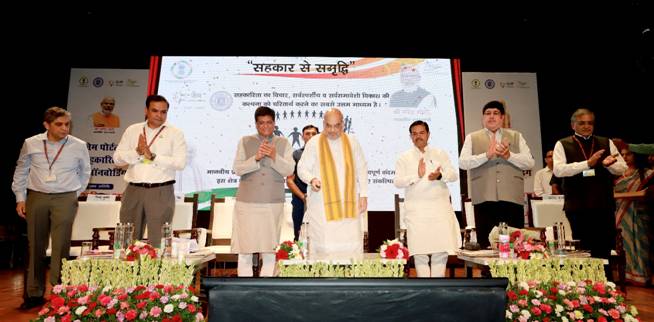
 The Union Home and Cooperation Minister, Shri Amit Shah launched the onboarding of cooperatives on the Government e-Marketplace (GeM) portal, today in New Delhi. The program organized by the Ministry of Cooperation, Government of India, the National Cooperative Union of India (NCUI) and GeMwas also attended by Union Minister of Commerce and Industry Shri PiyushGoyal, Union Minister of State for Cooperation and North East Region Development Shri B.L.Verma and the NCUI President Shri DilipSanghani and many other dignitaries.

https://static.pib.gov.in/WriteReadData/userfiles/image/image001QGDJ.jpg

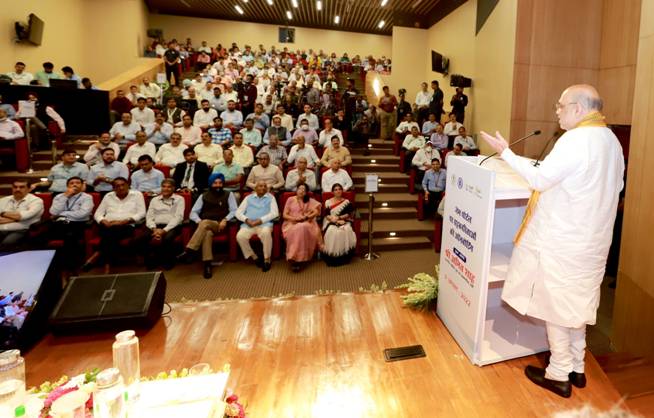
In his address, Shri Amit Shah said that today is a very important day in Indian history. In 1942, on August 9, Gandhijibegan the Quit India Movement against British Rule and today another important work is being done task is taking place on the occasion ofAzadikaAmritMahotsav on August 9, in which access to GeMhas been given to cooperative societies in the country.  He said there is immense potential in the cooperative sector and the GeM portal will be a very useful platform for the expansion of this sector. The Union Minister of Cooperation said most of units of the government buy through GeM, so cooperatives should also start preparing for registration for supply on GeM to increase their market. He also appealed to the National Cooperative Union of India (NCUI) to expand marketing of cooperatives and for this there can be no better way than the GeM.

The Cooperation Minister said this sector has been neglected since Independence, but Prime MinisterNarendraModi is accelerating its expansion with historic reforms and modernization. Under the leadership of Shri Modi, the Ministry of Cooperation has taken a number of measures for expansion and in the last year the Ministry has been continuously working on 25 to 30 initiatives.

The government has to expand cooperatives but there is no database, therefore the ministry is also creating a national level database of different categories of cooperatives. Arrangements for training will also be made available. Shri Shah said an export house is also being registered the work for which will be completed by December. It will provide a platform for export from cooperatives across the country. He said radical changes are also being made in the Multistate Cooperative Act and the government led by Shri NarendraModi has also decided to computerize all PACS.

 Amit Shah said population size is a great advantage in aneconomy, because ultimately the population is also the market. Till 2014, India’s population was 130 crore, but the market was only 60 crore,as 70 crore people did not have purchasing capacity. 60 crore people worried about their next meal andother basic needs and generations went through the same ordeal. Prime Minister Shri NarendraModiopened bank accounts, provided gas cylinders, toilets, electricity, pure drinking water and food grains free of cost to the poor and as a result awakened the aspirations of these 60 crore people by fulfilling their basic needsand cooperatives havethe potential to fulfil all these aspirations. Today after fulfilling their primary needs, these people have ambitions to move ahead in life by earning more money and through cooperatives they can fulfil these ambitions. Shri Amit Shah said if these 60 crore people have justRs. 5,000, they can run the biggest of cooperatives. Giving the example of Amul, Shri Shah said today this cooperative has crosseda turnover of Rs.60,000crore and20 lakh women members are not only running the cooperative,but havealso been  making profits for many years.

https://static.pib.gov.in/WriteReadData/userfiles/image/image003TTRY.jpg

The Union Cooperation Minister said the cooperative model is a model in which even with limited capital people can come together and undertake large tasks easily. He said earlier the cooperative model did not have much potential, but Shri NarendraModihas awakened the aspirations of 60 crore people. He said if a system does not change itself with the times, then it becomes out dated, and therefore it is necessary to improve the cooperative system for the expansion of the sector. India’s cooperative system is 115 years old, the laws are also very old, thoughsmall changes have takenplace from time to time, radical changes and modernization according to the times have not taken place.

Shri Shah said now the cooperative sector cannot be given second class treatment, however there is a need to bring about change and to move in the direction of bringing transparency and for cooperatives to prepare themselves for change. The GeM portal will be very useful in bringing in transparency in the cooperative sector and when there is transparency, the trust of farmers and milk producers will also increase on the committees and their members. He said that by bringing theGeM portal, Shri NarendraModihas brought in transparency in government procurement. This is a new system, and therefore there may be some initial administrative problems, but no one should doubt the intention of bringing in this new system. Shri Shah said it is also very important to bring transparency in three areas within cooperatives – elections, recruitment and purchase. There can be no better medium than theGeM to bring transparency in procurement. The Union Minister of Cooperation said he is confident that the world will recognize this successful model of transparent government procurement in the next five5 years.

The UnionMinister of Cooperation said he is very optimistic about the future of GeM’s journey under the leadership of Union Minister for Commerce and Industry, Shri PiyushGoyal. He said of the589 of the committees to be added have a turnover of about Rs.100croreare of the state government and till date 289 of them have joined, as well as 45 of the 54 multistate cooperativeshave also joined, which is a huge achievement. Also more than 10,000 products and more than 288 services have been listed. Till now business worthRs. 2.78 lakh thousand crore has also been completed which is a huge achievement of the GeM. Shri Shah said this day is important for the Nation as the Quit India movement began on August 9 and six years ago on August 9 the GeM wasalso launched and todayonboarding of cooperatives has been initiated on this day.Shri Amit Shah congratulatedthose associated with cooperatives, the entire team of the GeM and eight lakh cooperative societies and especially Shri PiyushGoyal.


*****

The world sees India as an engine of economic growth

 Union Minister for Commerce and Industry, Consumer Affairs, Food and Public Distribution and Textiles, Shri PiyushGoyal today said that the world now sees India as an engine of economic growth. He was addressing the gathering at the VyapariUdyamiSammelan in New Delhi today.

Stressing that India enjoyed the confidence of the world today, Shri Goyal said that developed countries very keen to sign trade deals with India now. He added that before 2014, Indian economy was considered to be fragile and investors had their doubts bout doing business with India.

Stressing upon the need for transparency and ease of doing business, the Minister assured traders and entrepreneurs that the Government will fully support traders who raise their voice against harassment by any authority.

He called upon traders to work with the Government to reduce compliance burden of people and businesses, but asked that they strictly follow ethical trade practices. Unnecessary, cumbersome and counter-productive laws and regulations must be uprooted to improve ease of doing business, he added.

He asked traders to give priority to the quality of goods and services that India offered. He also underscored the need to encourage youngsters to come forward and lend a youthful energy to India’s growth story with new ideas. The clarion call of ‘vocal for local’ given by the Prime Minister, Shri Narendra Modi must be taken up by the youth of the nation, the Minister said. He added that we must also encourage more and more women to become traders and entrepreneurs.

Applauding Prime Minister’s visionary welfare policies, Shri Goyal said that these policies have been helping the poor emerge as consumers and have successfully transformed India’s population into its greatest strength. He added that the Prime Minister’s tireless work had ensured that every household in the country gets access to basic amenities such as cooking gas, drinking water, electricity and toilet and every village gets access to the internet. Shri Goyal said that the policies of the government had also given every Indian the courage to be ambitious and the confidence to aspire to become entrepreneurs.

The Minister also emphasized that traders and Micro, Small and Medium Enterprises (MSMEs) should benefit from demand of goods by beneficiaries of the Prime Minister’s welfare schemes. He asked all traders, entrepreneurs, and businesses, both big and small, to take a collective resolve to work together to take forward the dream of a self-reliant India by promoting more and more Indian products.

***


Policymaking and implementation should be a two way process with people’s participation

 The Vice President, Shri M. Venkaiah Naidu today emphasised the need for constant dialogue between the people and the governments for citizen centric and responsive governance. He said that policymaking and implementation should be a two way process with people’s participation at every stage. 

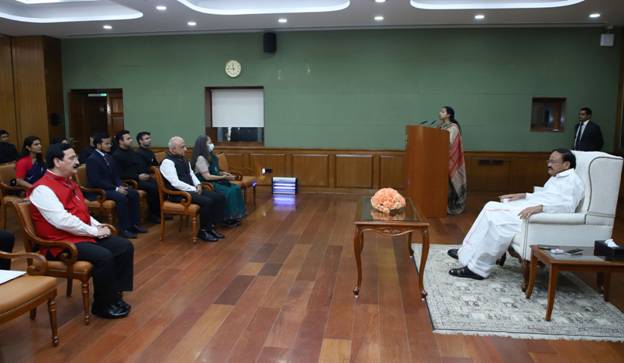
Addressing the Indian Information Service officers of 2018 and 2019 batches who came to call on him at Upa-Rashtrapati Nivas today, Shri Naidu highlighted the role of communication in bridging the divide between the governments and citizens. “In a democracy, people need to be empowered through timely information on government’s policies and initiatives in their mother tongues. On the other hand, governments also need to be apprised of people’s expectations and aspirations in an objective and timely manner,” he said.

Referring to the mass behavioral change campaign undertaken as part of the Swachh Bharat Mission, Shri Naidu said that the success of any reform depends on the cooperation from the people. He further said that people will understand and support an initiative better when they have been involved in its planning and implementation strategy from the beginning.

Describing India as the largest Parliamentary democracy in the world, he said that the purpose of any reform process should be to make people’s life happy and prosperous. “Therefore, the focus of all government policy measures should be on bringing lasting happiness to people’s lives,” he told the officers, and at the same time, underscored the need to bear with “temporary pain for long term gain”.

IIS officers of 2018 and 2019 batches in group photographs with the Vice President, Shri M. Venkaiah Naidu

Mentioning that the ICT revolution and spread of the internet have fundamentally changed the way we consume news, he cautioned that this ‘ease of information’ comes with its associated risks. “Misinformation, disinformation and fake news have emerged as new challenges which need to be promptly tackled by the government communicators round the clock,” he added. The Vice President also cautioned against the misuse of social media by certain anti-social elements, the Vice President called for curbing such tendencies at the earliest.

Drawing attention to the growing trend of ‘instant journalism’ triggered by the emergence of Internet and social media expansion, Shri Naidu expressed concerns about the erosion of journalistic norms and ethos due to this. He emphasized the importance of neutrality and objectivity in media reporting and said that news should not be mixed with views. “Media is the fourth pillar of democracy and its neutrality, objectivity and fairness is crucial for survival of India’s democratic ethos,” he stressed.

The Vice President asked the young officers to bring forth many developmental stories from across the nation. “You as government communicators should also make all efforts to ensure that the good work being done by various ministries and departments is covered adequately by the media,” he told them. Terming information & psychological warfare as an important dimension of modern day wars, Shri Naidu advised the IIS officers to develop expertise in these emerging and strategic areas.

Referring to the increasing frequency of extreme climatic events and erratic weather patterns across the globe, the Vice President asked the young officers to run a mass media campaign for nature conservation and environmental protection. “If you love nature, nature will protect you,” he told them.

Cautioning against the populist measures to garner votes by various political parties, Shri Naidu said that the freebie culture has led to deteriorating financial health of many states. “Government should definitely support the poor and needy, but at the same time should prioritize health, education and infrastructure development,” he said.

In his address, his last as the Vice President of India, Shri Naidu said that “the key to my rise from an ordinary farmer’s son to the second highest constitutional post in the country lies in sheer hard work, single minded devotion and constant travel and interaction with the people in every part of the country.”  I have learned a lot by meeting and talking to the people, he said.

Congratulating the officer trainees for joining the prestigious Civil Services, he exhorted them to work for transforming the lives of people in the country. It may be noted that the Indian Information Service (IIS) is a Central Group ‘A’ Service whose members work as the media managers of the Government of India. The IIS officers, in their various capacities, act as a vital communication link between the Government and the people by way of disseminating information and communicating various Government policies and schemes to the public at large.

Prof. (Dr.) Sanjay Dwivedi, Director General, IIMC, Shri Ashish Goel, ADG, IIMC, Dr Rinku Pegu, Associate Professor IIMC & Training Coordinator for IIS officers, officers of Indian Information Service batches of 2018 & 2019 were present during the interaction. Prof. Sanjay Dwivedi also presented his book titled, “Bharat Bodh ka Naya Samay” to the Vice President on this occasion.

******

HISTORY OF ZEUS

Zeus was the king of the Greek gods who lived on Mount Olympus.

Zeus is the child of Cronus and Rhea, the youngest of his siblings to be born. He is married to Hera, by whom he is usually said to have fathered Ares, Eileithyia, Hebe, and Hephaestus.

He was respected as an all father who was chief of the gods.

Brothers and Sisters:

Zeus had several brothers and sisters who were also powerful gods and goddesses. He was the youngest, but the most powerful of three brothers. His oldest brother was Hades who ruled the Underworld. His other brother was Poseidon, god of the sea. He had three sisters including Hestia, Demeter, and Hera (who he married).

Zeus had a number of children. Some of his children were Olympic gods such as Ares, Apollo, Artemis, Athena, Aphrodite, Hermes and Dionysus. He also had some children who were half human and were heroes such as Hercules and Perseus. Other famous children include the Muses, the Graces, and Helen of Troy.

STORY OF KING OF GODS:

Zeus was the sixth child of the Titan gods Cronus and Rhea.

Zeus’ father Cronus was worried that his children would become too powerful, so he ate his first five children. They didn’t die, but they couldn’t get out of his stomach either.

When Rhea had Zeus, she hid him from Cronus and Zeus was raised in the forest by Nymphs. When Zeus grew older he wanted to rescue his brothers and sisters. He got a special potion and disguised himself so that Cronus would not recognize him. When Cronus drank the potion, he coughed up his five children. They were Hades, Poseidon, Demeter, Hera, and Hestia.

Cronus and the Titans were angry. They battled Zeus and his brothers and sisters for years. Zeus set the giants and Cyclopes of Earth free to help him fight.

They gave the Olympians weapons to fight the Titans. Zeus got thunder and lightning, Poseidon got a powerful trident, and Hades a helm that made him invisible.

The Titans surrendered and Zeus had them locked deep underground. Mother Earth then became angry with Zeus for locking the Titans underground.

She sent the world’s most fearsome monster called the Typhon to fight the Olympians.

The other Olympians ran and hid, but not Zeus. Zeus fought the Typhon and trapped him under Mount Etna.

This is the legend of how Mount Etna became a volcano. Now Zeus was the most powerful of all the gods.

He and his fellow gods went to live on Mount Olympus. There Zeus married Hera and ruled over the gods and humans.

Zeus is king in heaven is a saying common to all men”. Zeus’ symbols are the thunderbolt, eagle, bull, and oak.

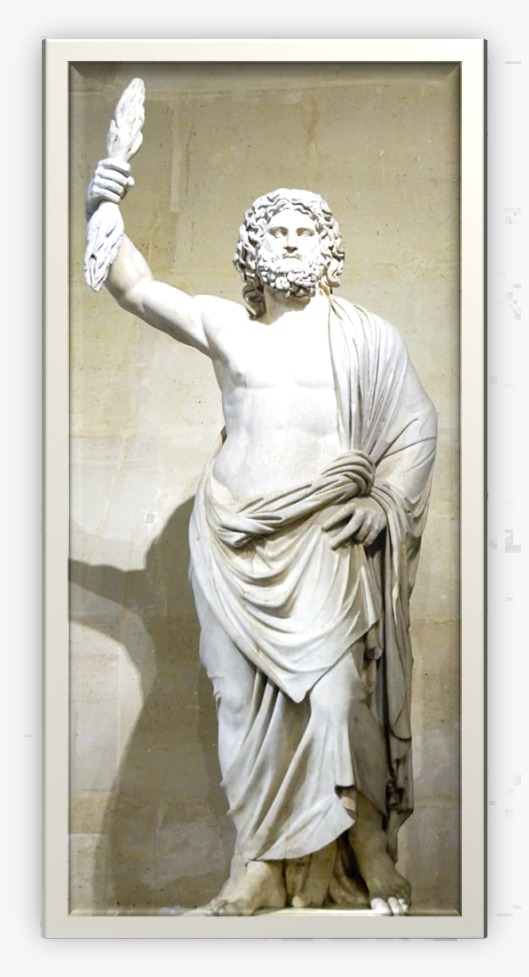
Zeus is frequently depicted by Greek artists in one of three poses: standing, striding forward with a thunderbolt leveled in his raised right hand, or seated in majesty.

THUNDERBOLTS:

The God of Thunder, had the power to wield thunderbolts.

He did this by concentrating vast amounts of energy in his hands, then aiming and hurling thunderbolts at his targets.

His bolts could shear mountains, vaporize islands, incinerate entire cities and even boil the seas.

His bolt were also capable of destroying the bodies of mortals, and even gods.

CONTROL OVER THE ELEMENTS:

Since Zeus was the God of the sky, he had absolute control over elements such as winds, thunderstorms, rain, moisture, clouds, lightning and weather.

He also had the ability to control the movement of stars, govern the functioning of day and night, controlling the effects of time and decide the lifespan of mortals.

ABILITY TO GRANT POWERS:

It is believed that Zeus controlled the abilities of all his children and sisters, and could take their powers and grant them new ones at will.

Apart from this, he was also extremely strong physically, enough to lift mountains.

His strength exceeded that of every Olympian, except that of Hercules, who was his son.

SHAPE-SHIFT:

Another great ability of Zeus was that he was able to shape-shift or transform himself into other forms at will.

Accounts of this ability are mainly witnessed in the tales of his sexual escapades.

His disguises included that of an eagle, a satyr, a flame of fire, a phoenix, a shower of gold, a bull, an ant, an eagle, a shower, a lapwing, a swan, a star, a bear, a shepherd, a goose, a serpent and a vulture.

Leda and the Swan-Zeus took the form of a swan to have intercourse with Leda.

Government budget

The government budget is an annual fiscal statement depicting the revenues and expenditures for a financial year that is often moved by the legislature, sanctioned by the Chief Executive or President, and given by the Finance Minister to the country. The budget is also known as the Annual Financial Statement of the nation.In terms of Article 112 (1) of the Constitution of India, a statement of estimated receipts and expenditure of the Government of India is presented to the Parliament every year. Article 112(2) provides that the estimate of expenditure embodied in this annual financial Budget, shall show separately. This Annual Financial Statement comprises the main budget document of the government.
Whilst the budget document relates to the receipts and expenditures of the government for a particular fiscal year, the effect of it will be there in the following years.

•There is an obligation to have two accounts that are associated with the current financial year and are incorporated in the revenue account which is also known as revenue budget.
• Those that concern the assets and liabilities of the government into the capital account are known as the capital budget.
• In order to comprehend the accounts, it is significant to understand the aims of the government budget.

The two basic elements of any budget are the revenues and expenses. In the case of the government, revenues are derived primarily from taxes. Government expenses include spending on current goods and services, which economists call government consumption; government investment expenditures such as infrastructure investment or research expenditure; and transfer payments like unemployment or retirement benefits.The government may need to correct fluctuations in income and employment.
The overall level of employment and prices in the economy depends upon the
level of aggregate demand which depends on the spending decisions of millions
of private economic agents apart from the government. These decisions, in turn,
depend on many factors such as income and credit availability. In any period,
the level of demand may not be sufficient for full utilisation of labour and other
resources of the economy. Since wages and prices do not fall below a level,
employment cannot be brought back to the earlier level automatically. The
government needs to intervene to raise the aggregate demand. On the other hand, there may be times when demand exceeds available output under conditions of high employment and thus may give rise to inflation. In such situations, restrictive conditions may be needed to reduce demand.

Reasons to consider Darjeeling as your next travel destination

If you
are someone who is an adrenaline junkie but also loves to relax in the perfect
weather with a nice cup of tea then Darjeeling is the tourist destination
you’re looking for. Darjeeling is a beautiful place located in the northern
region of west Bengal and surrounded by the serene views of mount Kanchenjunga.
It is located at an average height of 6709 ft. to reach here, the nearest
airport is in Bagdogra and if you want to enjoy a train journey the nearest
railway is in New Jalpaiguri. It further takes 3 hours from both these
locations by car.


5 reasons to visit Darjeeling:- 


Not only famous for its steaming hot cup of tea, here are
5 reasons to visit Darjeeling;-


1) The views of the Himalayas:- 


The rain, the cloudy skies, and the awesome weather during
the monsoon are a major attraction for photographers and people who just want
to get a good picture with nature for their Instagram page. The breathtaking
sunrise and the stunning view of the snow-capped tiger hills is a place you
must visit if you plan of visiting.


2) The Tea:- 


A trip to the Darjeeling without trying out its
world-famous tea will surely be incomplete. The tea is served black with no
sugar and milk so that you can get a truly authentic taste of the notes of
apricot and toasted nuts present in it. After enjoying the full aroma of the
tea you can even get a tour of the tea factory and its plantations and if you
reach there early in the morning you can get lucky enough to see the tea
pickers in action. Make sure to take a long walk through the tea terraces to
really enjoy the morning weather.


3) The food:- 


Being a border town has its own advantages for Darjeeling
as it has the cuisine of all the places it shares its borders with. You can
have samba-dosa with coconut chutney while enjoying the views of the mountains.
For people looking for something different, you can have Tibetan thukpa which
is a soup made with meat, broth, and some noodles. Another delicacy to try is
the plump momos which are dumplings filled with meat or vegetables and to end
it all the yak butter tea.


4) The Trek:- 


Now, for all the trek lovers out there, Darjeeling has
some of the most famous trekking routes in the world. If you are courageous
enough you can cover Kanchenjunga, Lhotse, and Makalu all in a single stretch. For
the people who want to get the experience but want to avoid going on a long
journey, Darjeeling still has a lot of trek routes to offer. On a walk through
the forest, you can see a large variety of trees like oaks, chestnuts, and
ferns. Darjeeling is also known to have over 400 species of birds which is
great news for people who want to bird watching. if you are lucky enough you
might be able to spot a red panda while on the trek.


5) The Zoo and Mountaineering Institute:-


The Darjeeling zoo is a center for a lot of endangered
Himalayan species and also has international awards for breeding rare species.
The endangered red panda and the snow leopards are the main attractions at this
zoo. The mountaineering institute and the zoo are right next to each other.


Purusharthas

The Purusharthas are the psycho moral bases of the Ashrama Theory. These are a kind of psychological training. They are concerned with the understanding, justification, management and conduct of affairs of the individual’s life in relation to the group in and through Ashramas. They are four Purusharthas that govern the human life, namely; Dharma, Artha, Kama and Moksha.

Dharma:

  • It is the central concept of all social institutions.
  • Derived from Sanskrit word ‘dhri’ meaning ‘to hold together/ to preserve/ to support/ to bear/ to nourish.
  • Dharma is created for the well being of all and is created to keep all beings free from any harm.
  • The comprehensive view of Dharma holds “Dharma Rakshati Rakshita” which means he who follows Dharma is protected in turn by Dharma.
  • Dharma regulates the acquisitive and emotional drives the enjoyment of life consistent with man’s spiritual progress.
  • Dharma signifies the totality/ entirety of privileges and obligations in different stages of life.
  • Dharma exists more essentially for community and most of all for that universal self which is in each of us and all beings.

Artha:

  • Artha refers to satisfaction of acquisitive instinct in man, i.e., wealth and material being.
  • Artha according to Zimmer includes “the whole range of objects that can be possessed, enjoined and lost and that are in daily life.”
  • The pursuit of wealth is a legitimate human desire.
  • The acceptance of sex drives, emotional urges and economic drives as necessary and even desirable, never undermines the supreme goal of life.
  • Artha is to be understood as referring to all the means necessary for acquiring worldly prosperity, such as wealth or power.
  • Artha is desirable because man has to maintain the Dharma as a householder and therefore temporal interests were allowed for the smooth running of day to day life.

Kama:

  • Kama implies the desires in man for the enjoyment and satisfaction of the life of the senses, including the sex drive.
  • The desire may also mean the desire for early possession.
  • According to Prabhu, “Kama refers to the native impulses, instincts and desires of man, his natural and mental tendencies and finds it equivalent, we may say, in the use of English words- desires, needs, primary motives, urges and drives.
  • Kama is recognized as one of the aims of marriage along with “dharma” and “praja”.
  • Kama is given lowest importance among the valuable ends of marriage, because sex finds its meaning I procreation (praja).
  • Kapadia holds the view that ” Kama doesn’t mean only instinctive life, it means emotional and aesthetic life as well.”
  • The aesthetic life in man expresses itself in both creation and appreciation of all that is fine and sublime.
  • The healthy development of personality calls for the expression of the emotions.

Moksha:

  • Moksha is seen as the ultimate end of the life of Hindu or can be said as the liberation of soul.
  • According to K. M. Kapadia, ” Moksha means that the true nature of man is to unfold it and derive thereby the meaning of joy of it.”
  • The aim of man is the purification and perfection of ‘Atman’ by pious acts and devotion to God.
  • Moksha can be attained possibly by inquiry into the true nature of the ‘Atman’ and by founding the whole life of power and truth of the “Atman”.
  • The trivarga becomes the means for the attainment of that end.
  • The Hindu thinkers do not consider ‘artha’ and ‘kama’ as barriers in the way of man’s striving for realization of ‘moksha’.
  • They have recommended the fulfilment of such urges for the healthy development of man’s personality.
  • The goal of Moksha does not possess the narrow individual outlook for the Hindu nod it is to be pursued exclusively and directly by an individual unless and until he has duly satisfied all his social debts and obligations.

Millets: Future Superfood

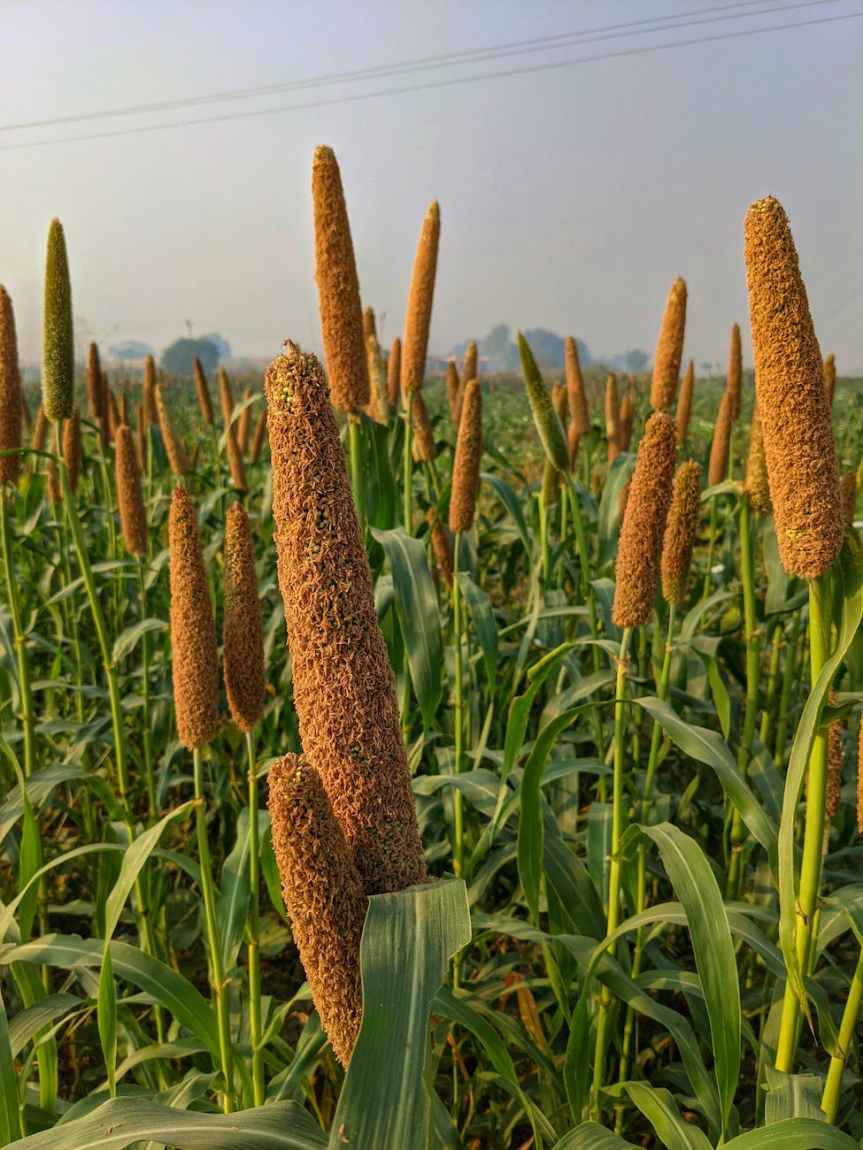
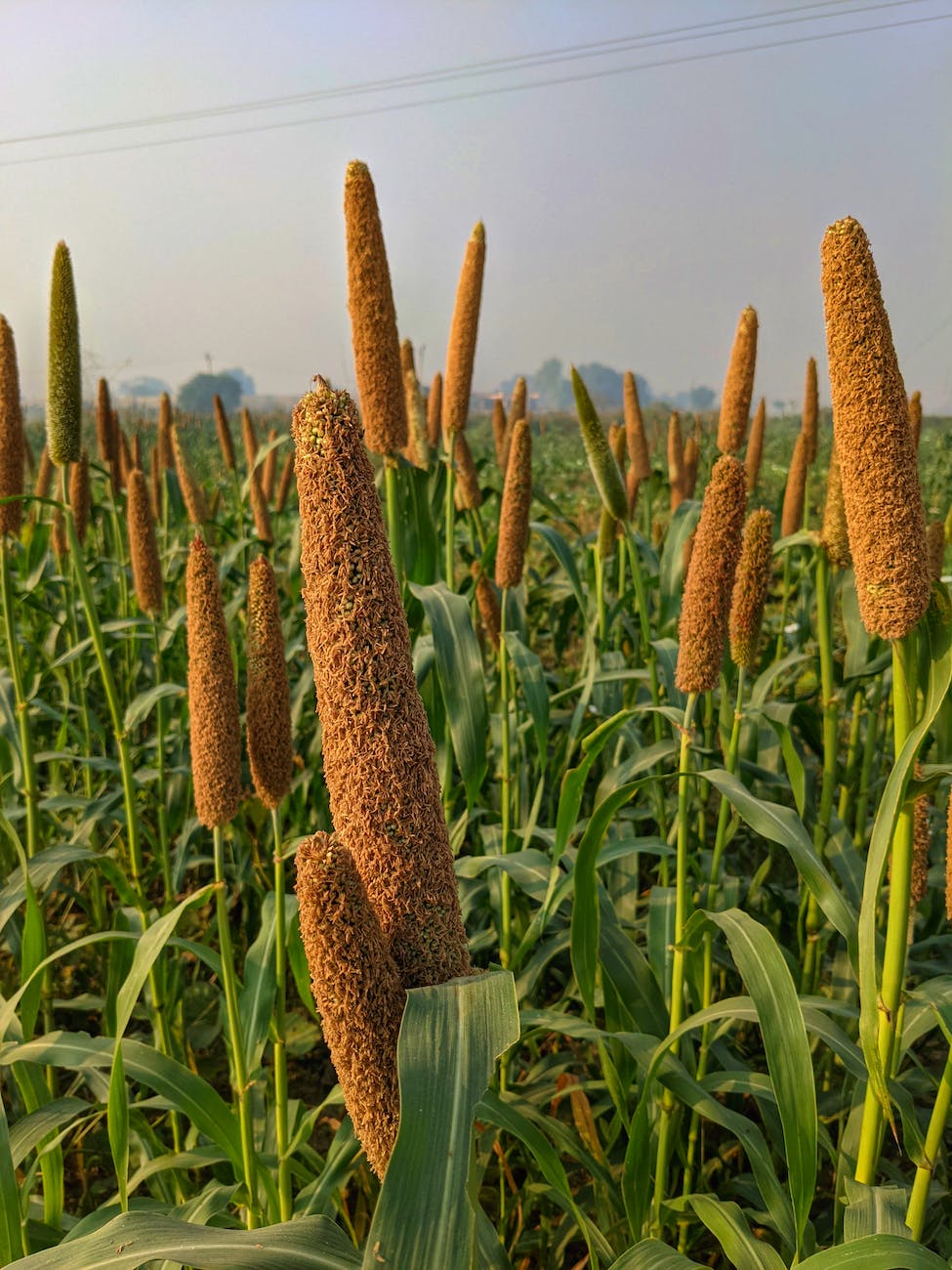
Millets are one of the oldest food known to mankind.These are group of highly variable small-seeded grasses, widely grown around the world as cereal crops or grains for fodder and human food.

Types of millet: Sorghum (jowar), Pearl millet (bajra), Foxtail millet (kangni), Finger millet (ragi), Barnyard millet, Kodo millet, Little Millet, Proso Millet are amongst the healthiest millet grains available.

Nutritional value: They are good sources of proteins, carbohydrates, dietary fibre and essential amino acids.

Millets have 65% carbohydrates, 9% proteins, 3% fat, and 2-7% crude fibre.

They are rich in various vitamins such as vitamin A, C and B-complex vitamins and minerals such as magnesium, manganese, phosphorus and also iron.

Major producers include Rajasthan, Andhra Pradesh, Telangana, Karnataka, Tamil Nadu, Maharashtra, Gujarat and Haryana.

Significance: Release of 13 High Yielding varieties including 4 bio-fortified varieties of millets. declaring 2023 as International Year of Millets (IYOM).

This proposal of India was supported by 72 countries and United Nation’s General Assembly (UNGA) declared 2023 as International Year of Millets on 5th March,2021.

Photo by Deep Malik on Pexels.com

Millets are climate resilient crop as they can be grown in rainfed area and are resistant to climatic stress, pest and disease as well. So it plays major role in sustainable agriculture.

People possess a perception of millet being poor man food but owing to it’s nutritional value it is rich in dietary fibres, amino acid, calcium, zinc, folate and various nutrients. It can even be easily consumed by diabetic people as it possess low glycemic index. Nowadays, being consumed by many more people it helps to provide food security.

They even provide economic security to farmers growing millet in dry, low fertile, rainfed area as it requires less investment and involves less cost of cultivation.

Initiatives are taken by government to promote millet production by farmers as they promote sustainable agriculture as well as generate employment opportunities by promoting value addition of millets.

HELEN OF TROY

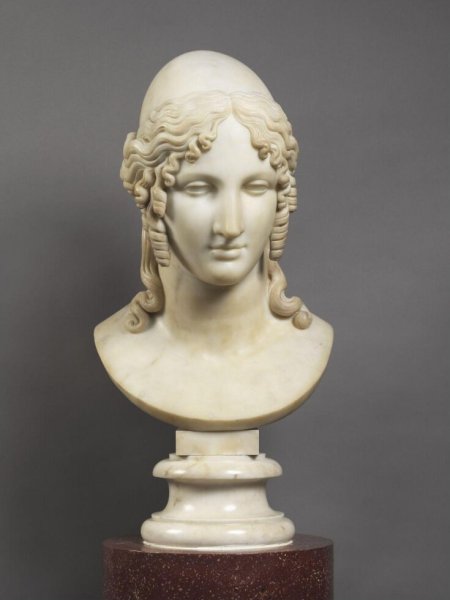
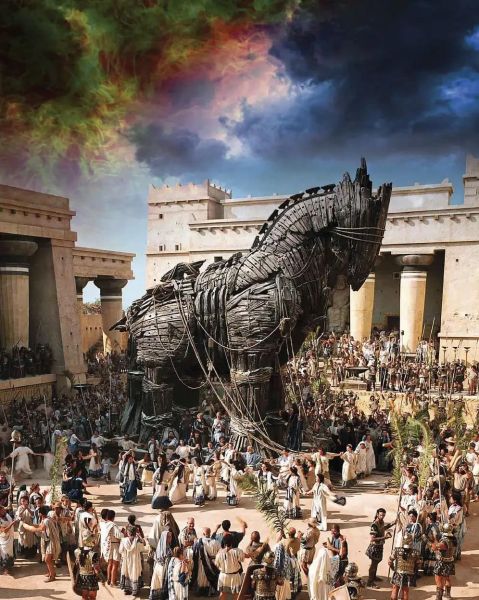
HELEN OF TROY is a character in Homer’s classic epic poem, the “Iliad”,written in the 8th century about the the Trojan War, imagined by the Greeks to have occurred about 500 years earlier.


She was the most beautiful woman in the ancient Greek world, the daughter of the king of the Greek gods,Zeus, and the cause of the 10-year Trojan War between Troy and Sparta.


Her story is one of the most dramatic love stories of all time and is said to be one of the main reasons for a 10-year war between the Greeks and Trojans, known as the Trojan War.
In the “Iliad,” Helen’s name is a battle cry, but her story is not told in detail: the “Iliad” is chiefly a man’s story of the conflicting passions and struggles of men on opposing sides of a great battle. The Trojan War was central to the early history of ancient Greece. Details of Helen’s story are provided in a group of poems known as the “epic cycle” or the “Trojan War Cycle,” written in the centuries after Homer.
The legendary beauty of Helen attracted men from afar and also those close to home who saw her as a means to the Spartan throne. The first likely mate of Helen was Theseus, the hero of Athens who kidnapped Helen when she was still young.
Later Menelaus, brother of the Mycenaean King Agamemnon, married Helen. Agamemnon and Menelaus were sons of King Atreus of Mycenae and were therefore referred to as Atrides. Agamemnon married the sister of Helen, Clytemnestra, and became king of Mycenae after expelling his uncle.
The most famous mate of Helen was Paris of Troy. Paris (also known as Alexander or Alexandros) was the son of King Priam of Troy and his queen, Hecuba, but he was rejected at birth and raised as a shepherd on Mount Ida.
While Paris was living the life of a shepherd,the three goddesses , Hera , Aphrodite , and Athena , appeared and asked him to award the “fairest” of them the golden apple that Discord had promised one of them. Each goddess offered Paris a bribe.
Aphrodite, the goddess of love and beauty had offered Paris the most beautiful woman on earth for his bride. That woman was Helen. Unfortunately, Helen was taken. She was the bride of the Spartan king Menelaus.
The love between Menelaus and Helen is unclear. In the end, they may have been reconciled, but meanwhile, when Paris came to the court of Menelaus as a guest, he may have aroused unaccustomed desire in Helen, since in the “Iliad,” Helen takes some responsibility for her abduction.
Menelaus received and extended hospitality to Paris. Then, when Menelaus discovered that Paris had taken off for Troy with Helen and other prized possessions Helen may have considered part of her dowry, he was enraged at this violation of the laws of hospitality. Paris offered to return the stolen possessions, even though he was unwilling to return Helen, but Menelaus wanted Helen, too.
But he wasn’t the last one. After Paris was killed , his brother Deiphobus married Helen. After Deiphobus , the son of Peleus, Achilles , married Helen.And perhaps Helen married five more other.
According to Laurie Macgurie , writing in “Helen of Troy From Homer to Hollywood”,Helen had 11 men as a husbands in the ancient literature.
But he wasn’t the last one. After Paris was killed , his brother Deiphobus married Helen. After Deiphobus , the son of Peleus, Achilles , married Helen.And perhaps Helen married five more other.
According to Laurie Macgurie , writing in “Helen of Troy From Homer to Hollywood”,Helen had 11 men as a husbands in the ancient literature.

AQUACULTURE


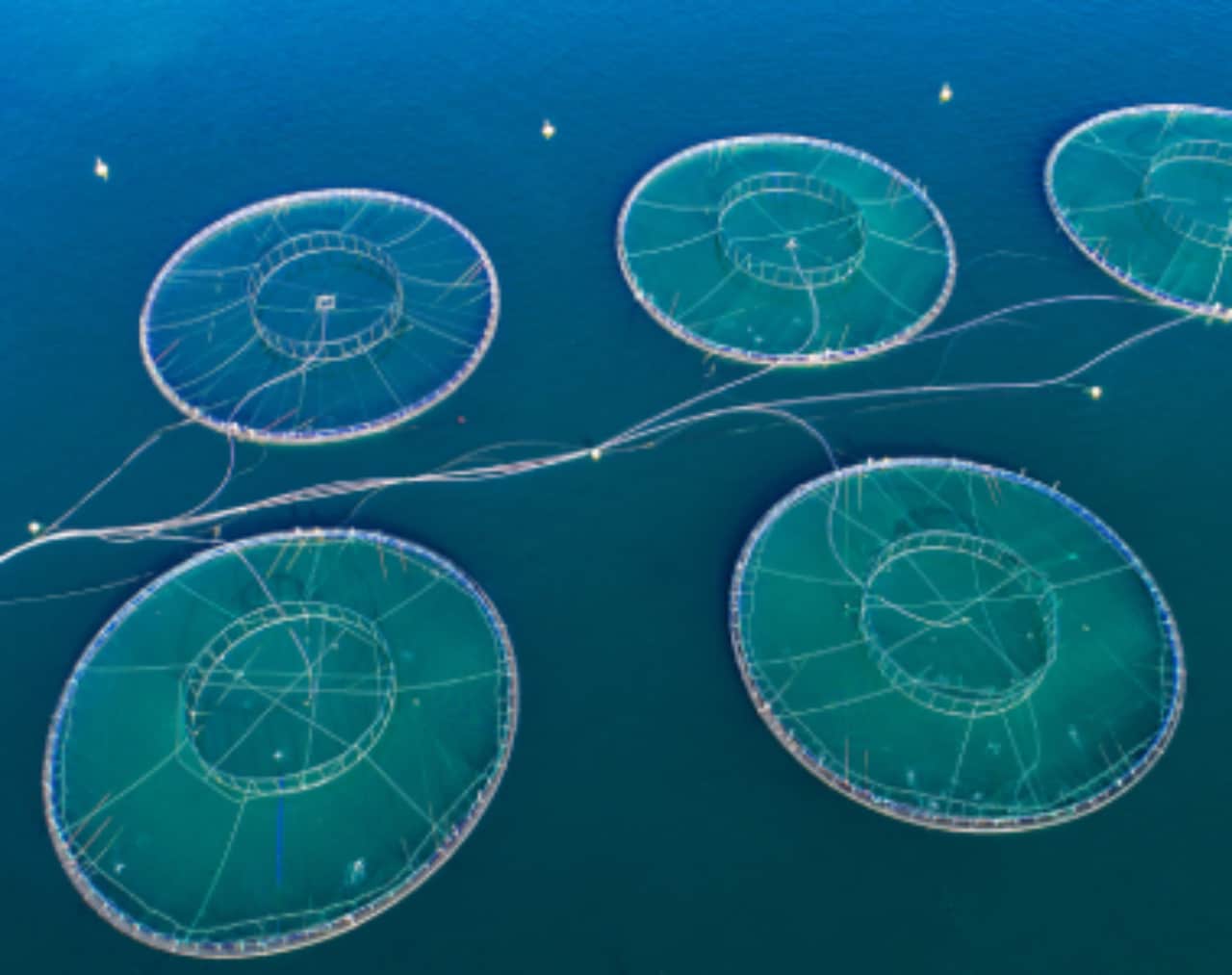
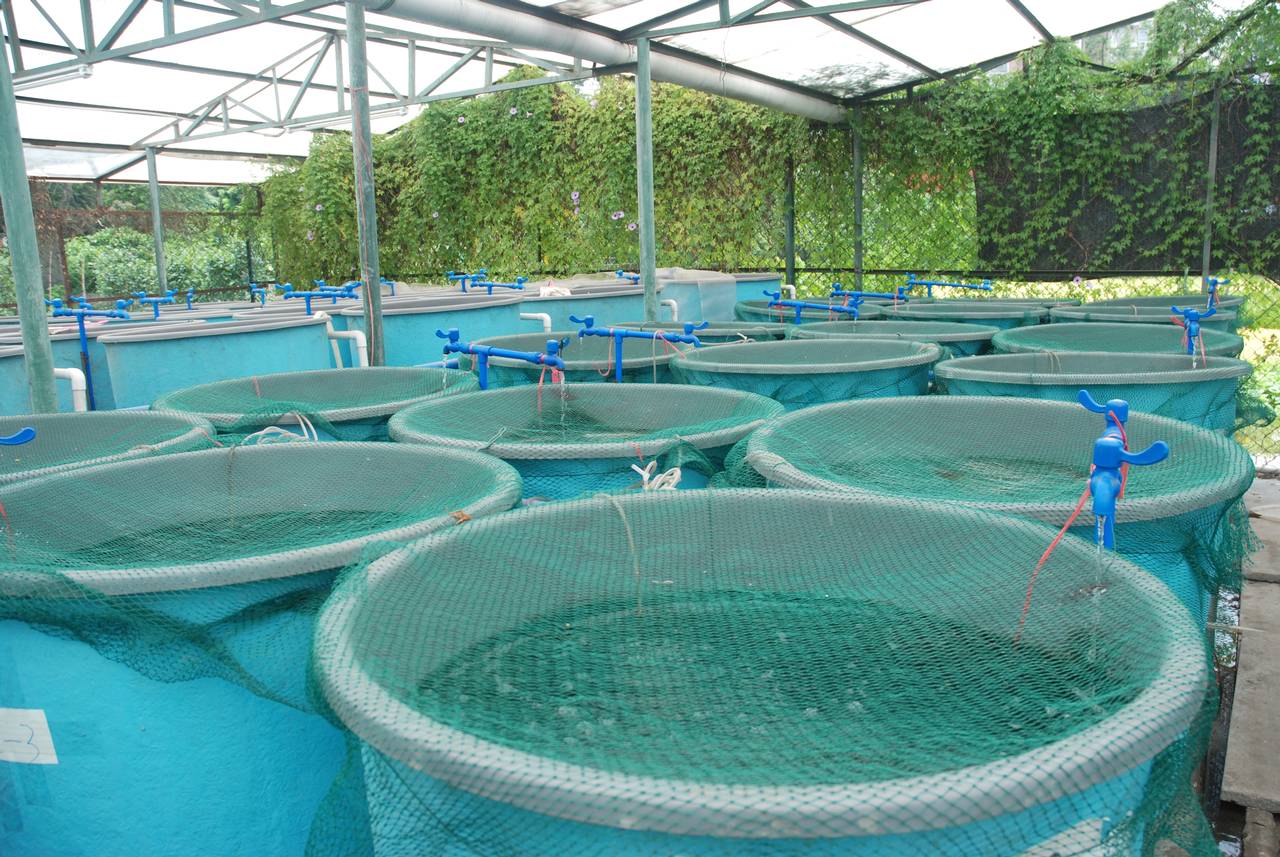
Aquaculture is breeding, raising and harvesting fish, and aquatic plants. Aquaculture involves cultivating freshwater, brackish water and saltwater populations under controlled or semi-natural conditions, and can be contrasted with commercial fishing, which is the harvesting of wild fish.

There are two main types of aquaculture marine and freshwater. NOAA efforts primarily focus on marine aquaculture, which refers to farming species that live in the ocean and estuaries.

MARICULTURE: Mariculture, commonly known as marine farming, refers specifically to aquaculture practiced in seawater habitats and lagoons, opposed to in freshwater aquaculture.
Aquaculture has been in existence since at least 500 BCE. However, only since the mid-20th century has it assumed commercial importance. The rapid expansion of aquaculture has been to a large extent in the production of relatively high-priced species frequently consumed as a fresh product. Examples are shrimp, crayfish, prawns, trout, salmon, and oysters. However, also increasing is the production of catfish, carp, and tilapia, which are reared in extensive low-energy systems. For example, catfish farming in the United States has more than quintupled its production since it began to grow in the 1960s. Some of these freshwater fish are also utilized in aquaponics, a hybrid system that combines aquaculture with the hydroponic cultivation of plants; the fish wastes are used to feed the plants.

According to the Food and Agriculture Organization (FAO), aquaculture “is understood to mean the farming of aquatic organisms including fish, molluscs, crustaceans and aquatic plants. Farming implies some form of intervention in the rearing process to enhance production, such as regular stocking, feeding, protection from predators. Farming also implies individual or corporate ownership of the stock being cultivated. in current aquaculture practice, products from several pounds of wild fish are used to produce one pound of a piscivorous fish like salmon.Plant and insect-based feeds are also being developed to help reduce wild fish been used for aquaculture feed. Particular kinds of aquaculture include fish farming, shrimp farming, oyster farming, mariculture, pisciculture, algaculture (such as seaweed farming), and the cultivation of ornamental fish. Particular methods include aquaponics and integrated multi-trophic aquaculture, both of which integrate fish farming and aquatic plant farming. The FAO describes aquaculture as one of the industries most directly affected by climate change and its impacts. Some forms of aquaculture have negative impacts on the environment, such as through nutrient pollution or disease transfer to wild populations.

Shillong The Natural Beauty

N kavya

Shillong the capital of Meghalaya is undoubtedly one of the most beautiful hill stations in India. Known as the ‘Scotland of the East, if one wants to see the natural charm of the North East then there are numerable places to visit in Shillong, the breathtaking greenery, swaying pine trees, cascading waterfalls, azure lakes, botanical gardens, and museums displaying the enriched culture of the Khasis, all make Shillong a perfect holiday destination. Although you can visit the place all through the year, the best time is considered between October to march.

5 Amazing reasons to consider Shillong you’re next holiday destination

1. Visit the mesmerizing waterfalls & lakes

  • umiam lake was initially established as a dam or a reservoir. It is quite popular among tourists and is a perfectly picturesque location to enjoy the stunning views. To the adventure activities that one can do here such as boating, kayaking, etc.
  • Meghalaya is the home to several beautiful cascading waterfalls. The Elephant waterfalls and the Bishop and Beadon waterfalls at Shillong are one of the most beautiful ones. On the outskirts of the city, is a gushing waterfall that looks like an eagle with its wings spread to Eagle Falls. You can even visit the nearby waterfalls such as The Seven Sister Falls, Dainthlein Falls, and Krang Suri.
  • Ward’s lake, locally known as pollock lake or Nan Polok, is an artificial lake in Shillong, Meghalaya, India.

2. Appetizing cafes and cuisines to warm you’re heart and enjoy the incredible Khasi folk tales and cultures

  • • Shillong has an array of appetizing cuisines starting from lip-smacking street food to mouth-watering Khasi dishes. Shillong also has some best and most wonderful cafes where you can have your coffee. Khasis was the worshipper of nature and almost anything related to nature has an interesting folk tale behind it. Both vegetarian and non-vegetarian restaurants here offer delicious food.
  • • Don Bosco Centre for Indigenous cultures provides a very comprehensive overview of the many tribes indigenous to North-East India.
  • • The police Bazar is the most colorful place in Shillong. It has modern shops as well as an array of traditional shops selling exquisite handicrafts from Meghalaya. You can also dress up in traditional Khasi costumes and click some pictures.

3. The Intriguing Living Root Bridges

  • • Once you are in the Shillong and are heading to places like Cherrapunjee or Mawlynnong, the scenic beauty of the roads is unmatched. Deep in the tropical forests of Meghalaya shrouded in rain and cloud, lies these root bridges. These are the roots of ancient rubber trees or Ficus Elastica that have been trained by the Khasi tribesmen to grow in a tangled mess, and then they were intertwined to form single and double-decker root bridges. Mawlynnong is considered to be Asia’s cleanest village.

4. Visit the laitlum canyons and The. Shillong peak

  • • The laitlum canyons are a delight to the eyes, at great heights, it is an edge of the hill surrounded by greenery all around. Our eyes will witness stretches of green all around and laters of rocky hills.
  • • Shillong peak is the highest point in Shillong at a height of 6449ft. you will get a panoramic view of the city from Shillong peak.

5.The ultimate experience of caving & visit the sacred groves

  • Meghalaya has the longest system of caves in the Jaintia Hills. The Mawsmai caves near Cherrapunjee consisting of amazing stalactites and stalagmites are quite a famous tourist spot. Arwah caves for a surreal experience.
  • The Mawphlang Sacred Forest lies around 25km from Shillong. This grove is nature’s museum with rare and amazing plants, orchids, flowering trees, and butterflies.

To reach Shillong the nearest airport and railway station is in Guwahati. Then you can hire a cab as it takes around 2-3 hours to reach there. Enjoy the mesmerizing art work created by mother nature itself.