When bots start creating content, how will the role of human writers evolve/become obsolete?

As the technology is upgrading and artificial intelligence is making things much easier, there’s a chance of bots creating content in the future too. Artificial intelligence nowadays only assists and makes small changes but it may be possible that in future it creates the full content and doesn’t require human intervention. So, there are two aspects of this predicted as the AI is evolving. First, those kinds of writing include fact and data-based writing and secondly writing with a creative angle.

IMPACT ON FACT AND DATA-BASED WRITING BY BOTS

Without any doubt, fact and data-based writing are being taken by the bots in upcoming years or at least maximum work is done by the artificial intelligence like the sports update based article or the smartphone comparing article. These only include a basic change in data and the bots can easily make it ready to read. Types of niches that can be affected in near future are

  1. Sports
  2. Email sequence
  3. Annual reports
  4. Product Comparison
  5. Review

As all of these are written with data-based articles and can be easily fed and written by the bots this doesn’t require an emotional quotient to write. Product comparison of some gadgets is only required to edit its specifications. While there are also contents that require human intervention and are unable by bots to write content with that emotion.

CREATIVE WRITING BY BOTS

Creative writing is the area that requires deep thinking and emotion which can be delivered while writing and it’s very hard for bots to deliver such emotionally engaging content. This area always needs human intervention to increase readability. If the content is dramatic and needs to be unique, it needs imagination and bots are not built according to it, they are just a set of instructions and can be performed efficiently.

How To Create A Static Home Page In Blogger

 When it comes to home pages, most websites can be divided into two: static and non-static. As their name implies, static home pages stay permanent no matter how many times the website is updated, while non-static home pages reflect the changes that are made to the site and show the latest posts first.

The latter has become well-known nowadays due to the rising popularity of personal and even corporate blogs. However, there are still many people who prefer static home pages because it makes their websites look more organized and professional. It also gives them more control over the readers’ experience on their site and helps them create stronger brand awareness through the uniform message that their home page presents.

Fortunately, if you own a Blogger site and want to make your home page static, you’ll find that creating one isn’t as difficult as it seems. You can create a static home page in Blogger by taking these steps:

1. Create your static home page

The first thing you should do is to create a new page for your blog. This will serve as your static home page but, for now, it will look and act like any other page in your site.

To make this page, you’ll need to go to the main menu of the Blogger dashboard and click on the “Pages” option on the left side on the screen. Doing this will lead you to the “All Pages” menu window. Here, click on the “New Page” button and you’ll enter an editor that looks similar to the Blogger Post editor that you use when publishing a new blog post.

static home page

At the top box, enter the title that you want for this page – in this case, let’s call it the “Welcome” page. In the larger text box, type the content that you want to appear on your home page; this can be a paragraph, or two about yourself or your business and what your site is all about.

Once you’re done, click “Publish”. The window will return to the main “All Pages” menu, and you’ll see the new “Welcome” page you’ve created. Copy the URL of the “Welcome” page since you’ll need it later on. To do this, right click on the ‘View’ link and select ‘Copy Link Location’ from the menu.

2. Redirect the default home page to the static one

Once your “Welcome” page is up, the next thing you should do is to change Blogger’s default homepage. This involves redirecting from your site’s original home page to the static homepage that you’ve created so it would be the first thing that people see when they visit your website.

Related: How to Set Custom Redirects in Blogger

To do this, you’ll need to go to main Blogger editor menu, click on “Settings” on the left side of the screen, and choose “Search Preferences”. Under the “Errors and redirections” section, you’ll see the “Custom Redirects” option with an “Edit” link beside it. Click on the “Edit” link to open another window, where you’ll see two boxes named “From” (with your blog’s URL beside it) and “To”.

In the “From” box, enter only a forward slash symbol “/”. In the “To” box, paste the URL that you copied earlier and add the latter part of the URL of the “Welcome” page. For instance, the page’s URL of our demo blog is static-home-page.blogspot.com/welcome.html, so we’ll remove the “http://static-home-page.blogspot.com” address and add only “/p/welcome.html” in the “To:” box. The “/p” signifies that it’s a static page.

Next, check the little box beside “Permanent”, click on the “Save” text link, and press the “Save changes” button. Doing these will redirect your site’s main URL to its new static home page. Access your blog on a separate browser to see if it works.

3. Make tabs for your site

If you’re not planning to make tabs visible in your blog, you can stop at Step #2. But, if you want your site to have tabs that indicate the home page, the main blog page, and other pages you may have (such as the FAQs and Contact Us pages), you’ll need to take another step.

Why is this important? Basically, when visible tabs are enabled in your site, they will show that you have two existing pages: the default home page and the new “Welcome” page you’ve created – both of which redirect to the same static page. This can be confusing for your readers and may even affect your search engine rankings.

To fix this, you first need to enable tabs by going to the “Layout” menu item and click on the “Add a Gadget” link. You can choose to add it below your blog header or sidebar. In many cases, it’s advisable to add it below blog’s header since they’re more visible and give your website a sleek, professional look.

Once the pop-up window opens, scroll down and click on the ‘Pages’ link:

This will open another window named “Configure Page List”. Here, under the “Pages to show” section, you’ll see the default home page and your new static homepage with small boxes beside them. Uncheck the box beside the default home page to hide it from view, check the pages that you want to display in the menu and then click on the “Save” button to save the changes.

You can stop at this point but, if you want, you can also create a specific tab that will lead to your main blog post page. To do this, edit the “Pages” gadget that you just saved and click “+ Add external link”.

On the new window that would open, enter the title you’d like for the page (such as “Blog”) along with /index.html web address, then hit “Save Link” and click the “Save” button on the “Configure Page List” window.

Now, view your site and you will see the pages menu containing the “Welcome” page and “Blog” tabs. To see how this works, you can also visit our demo blog. Enjoy!

Final Note

Having a static home page can be beneficial for your blog. Follow the steps above now to create a static home page in Blogger!

20 Best Sites With High Quality Free Stock Photos

 In today’s online business world, tons of people have a need for quality free stock photos for their blogs, company websites, and everything in between.

Unfortunately, there are still a lot of businesses who are settling for the corny stock photo of yesteryear, either because they don’t know their options or think they are too hard to find.

That’s where the good news comes in: good stock photos don’t have to be expensive or hidden deep in the crevices of the internet. In our digital age, there’s plenty of solid material out there – if you know where to look. Read for more good news? We have your back, and have taken the hassle out of finding these stellar stock images.

We’re confident that this collection of resources will help you find exactly what you’re looking for, whether it’s adorable animals, minimalist interior design, and anything in between.

20 of the Best Sites to Download Royalty Free Stock Photos

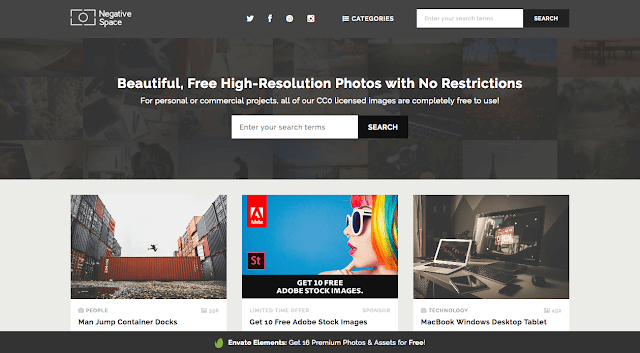
1. Negative Space

One of the best things about Negative Space is that they are constantly updating their free stock photos every week. With Negative Space, you never need to worry about copyright restrictions, so you can use them for your project without having to jump through hoops.

Negative Space has a large selection to choose from, and the interface is very user-friendly. It’s easy to sort through the photos in order to find exactly what you need.

2. Death to the Stock Photo

The founders of Death to Stock are dedicated to making beautiful photos more accessible. They knew how important it is for those running blogs and online businesses to not spend all of their profit on images for their websites.

The format is simple: just give them your email to get a new bundle of great stock pictures monthly, then just use the ones that apply to your current project. Easy!

For businesses with some extra funds to invest, Death to Stock has an affordable Premium membership which gives you access to their entire library of photos (instead of just the pre-selected ones they send), plus some of the profits from the membership are used to further the resource by financing photographers and their projects.

3. Picjumbo

Picjumbo is unique in that all of the photos come from a sole photographer, Viktor, who shares his photos from his home in the Czech Republic.

He updates the selection of photos really frequently, so there is always a fresh batch of high-quality graphics to download. To take it a step further, Viktor offers affordable paid packages for businesses that use stock images frequently. He also has a nifty plugin for the Photoshop and Sketch programs for just under 8 bucks.

4. Stokpic

Stokpic is another example of a photographer deciding to give away his photos for free. Ed Gregory decided to share 10 new photos bi-weekly that you can use in any way that suits you.

The easy user interface allows you to browse his categories like architecture, fashion, and nature.

5. Kaboompics

The site’s creator, Karolina, is a Polish web designer. She is the creative engine behind this extensive stockpile of high-quality pictures. The images address a wide variety of topics. As with the rest of the sites, users can use Karolina’s pictures for anything they need.

A quick visit to the About page of the site shows how big of a reach it has; during our visit to the page, the Image Downloads ticker stood at a whopping 5,051,906.

6. Startup Stock Photos

Startup Stock Photos is a company that operates on simplicity. They share pictures they’re taking anyway in order to help businesses find a cheaper way to gain traction online.

You don’t have to be a startup business to utilize their images, which is fine by them. The images are free, but they wouldn’t say no to a donation.

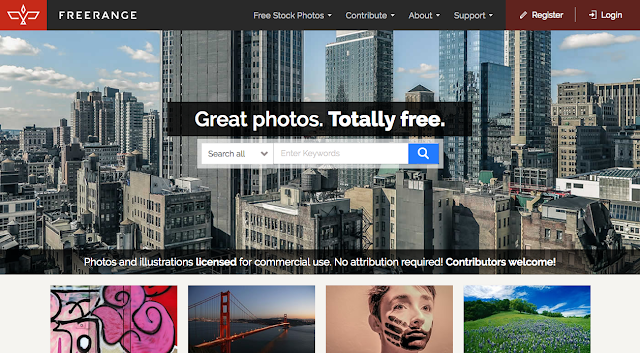
7. Freerange

Freerange photos derive from a community of in-house as well as external talent.

At Freerange, their principles and motivations are clear: “Freerange Stock was formed with the goal to provide quality stock photos for commercial and non-commercial use. For free. We feel that free stock photos can be good photos.” Can’t argue with that.

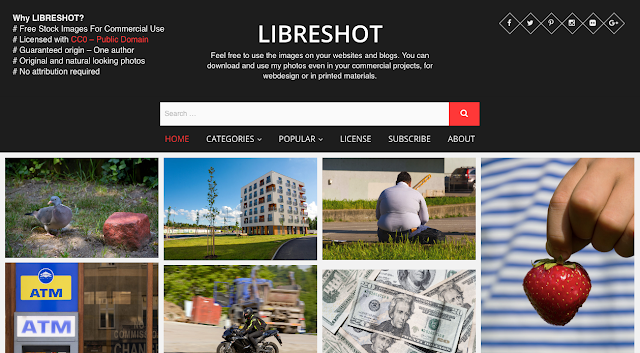
8. Libreshot

Every photographer brings his/her own unique style to this fun brand of art. At Libreshot lives a very unique collection of free stock photos.

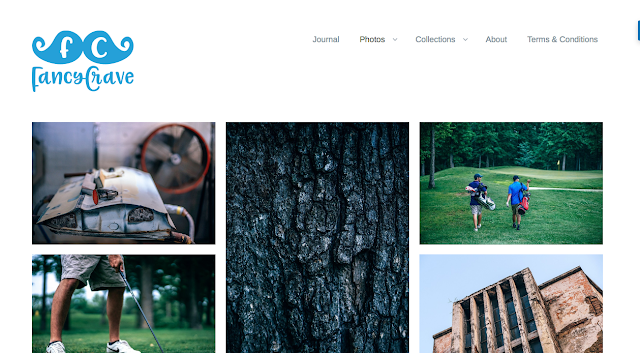
9. Fancy Crave

The images on Fancy Crave come without copyright restrictions, and they’re free of all the corniness of typical stock photos.

Attribution is not legally required, but they note that it is recommended if possible.

Fancy Craves selects two fresh photos to upload daily, keeping things current and providing beautiful photos to suit all needs.

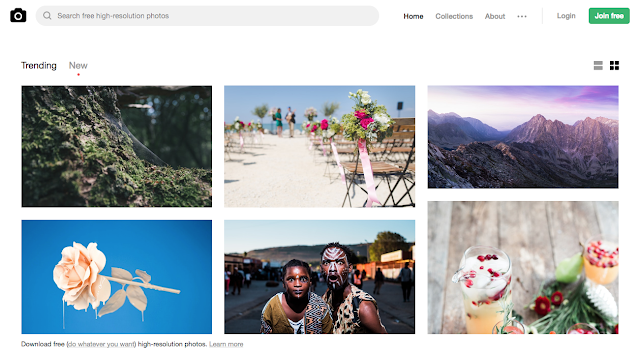
10. Unsplash

The creativity of the title matches the creativity of their photos. They have pages and pages of quirky, one-of-a-kind images for you to choose from.

As you’ve likely come to expect, these images are able to be used without any copyright restrictions.

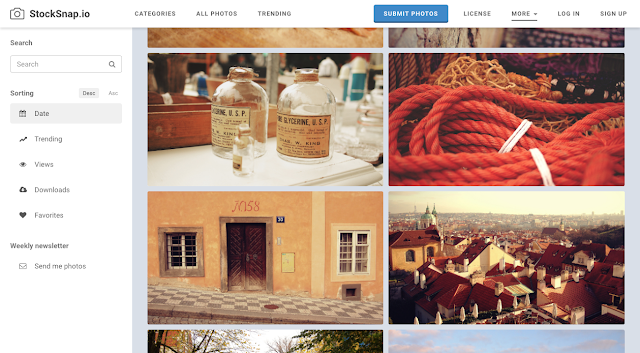
11. StockSnap

The photos on StockSnap are of superb quality and most of them are especially great for use as backgrounds.

The selection is so interesting and versatile that it’s easy to find yourself on page 50 of photos all of a sudden. And yes – they’re free.

12. SplitShire

SplitShire is an Italy-based organization that offers pages of incredible free photos for you to use at will. Their philanthropic mission is simply: “Helping you to be awesome out there with great content.”

13. Life of Pix

Life of Pix was created by Leeroy Advertising Agency (Montreal, Canada) and they have a real knack for supplying great pictures. Naturally, these cool graphics are fine for you to use – no strings attached.

If pictures aren’t enough for your unique project, they have a sister company called Life of Vids.

14. Pexels

Unlike most of the other listed sites, Pexels handpicks their favorite photos from a pool of free image sources to ensure that you’re seeing only top-tier work.

The images that survive their rigorous selection process are then able to be used in any way you see fit. The site also makes searching for your perfect stock photo as easy as possible.

15. HubSpot

HubSpot is a bit different from the rest; there’s somewhat of a shortage of high-quality free stock photos available to those who need solely business-themed graphics. Hubspot has a healthy selection of corporate-style images that are perfect for a professional project.

16. Gratisography

The images on Gratisography lie a little further on the wacky side. These creations come from photographer Ryan McGuire, who is known for seeing things a bit differently. His work is significantly quirkier than some other sites (i.e. fake moustaches, pineapples wearing glasses, gummy bears in cereal) but you never know when you project might just call for something out of the ordinary.

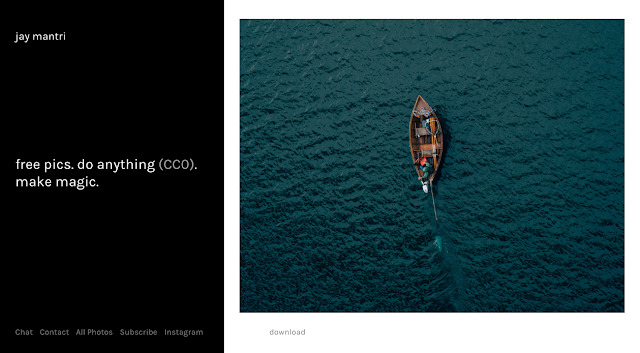
17. Jay Mantri

Jay Mantri is yet another good-guy photographer who chose to share his amazing photos with the world. His work is quite sophisticated, and a lot of shots leave you wondering how he did it.

This is one artist we’d say to go check out anyway, even if you don’t have a specific need for scenic, high-class images.

18. ISO Republic

ISO’s Republic’s mission is to supply only the best digital images for online businesses of all kinds.

One visit to their site will tell you immediately that they are serious about the quality of their content. The photos are top-notch quality, and while the subject matter varies, they all maintain a similar level of sophistication.

Similar to some previously listed sites, you have an option on ISO to register for their email list to get extra content not posted on the site.

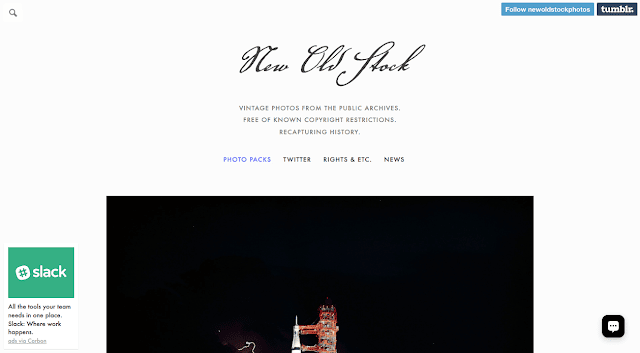
19. New Old Stock

This free stock photo site embodies classic elegance. They deal exclusively in old photos, usually in black and white. Web designers and history buffs alike will enjoy their large compilation of antique photos. Though there are some unique challenges to the redistribution of old pictures, the site only posts those that have no evidence of copyright issues.

Their rules are slightly more stringent than other sites, so just make sure to read up on it before using these photos for commercial purposes.

20. Pixabay

Pixabay is our final choice of free stock photo collection. It has a great archive of plenty of public domain photos (so you can use them without worrying about copyright issues). Thank goodness they have an intuitive search mechanism since they have just shy of a million awesome graphics.

Unlike some other sites, it offers a more advanced search that allows you to filter your query as much as you need so you can always find exactly what you want.


Story of a Old Man

In a small village nestled deep in the mountains, there lived an old man named Keshav. Keshav had lived in the village his entire life and had watched it grow and change over the years. He was now the oldest person in the village and had seen many things in his long life.

Despite his age, Keshav was still active and loved to take long walks in the mountains. He would often wander off into the hills, exploring new paths and enjoying the natural beauty that surrounded him.

The other villagers respected Keshav for his wisdom and experience, and many would seek his advice on various matters. Keshav was always happy to help, and his insights were highly valued by the community.

However, one day Keshav fell ill and was unable to leave his home. He was bedridden and unable to take his daily walks in the mountains. The villagers were saddened by this news and worried about their wise old friend.

But Keshav remained positive, despite his illness. He would often sit outside his home and watch the village life unfold. He loved watching the children play and the farmers tending to their fields.

As the days went by, Keshav’s health slowly improved. He was soon able to take short walks outside again, and the villagers rejoiced at his recovery.

In the years that followed, Keshav continued to live in the village, watching as it grew and changed around him. He was always there with a kind word or a bit of advice for those who needed it.

Though he was no longer able to explore the mountains like he used to, Keshav was content with the life he had lived. He knew that he had been a part of something special, and that his legacy would live on long after he was gone.

In the end, Keshav passed away peacefully, surrounded by his loved ones. The village mourned his loss, but also celebrated his life and the wisdom he had shared with them. Keshav may have been gone, but his memory would live on in the hearts and minds of the villagers for generations to come.

KNOW YOUR RIGHTS AS AN INSURENCE BUYER

We often find ourselves asking whether purchasing insurance policies is really that important? What do we stand to lose if we do not buy insurance policy of any kind? By purchasing an insurance cover, one can not only protect one’s family from unforeseen situations financially but can also ensure that the goal of the family is not compromised and life goes. Most insurances offer several sub-plans under different conditions. we should read the policy very carefully.

Sad Story of a River

Once upon a time, there was a beautiful river that flowed through a lush green valley. The river was home to a variety of fish and other aquatic life, and many animals came to its banks to drink and find food.

For many years, the river flowed freely and provided for the plants, animals, and humans who depended on it. But over time, humans began to use the river for their own purposes.

They built dams and diverted the flow of the river to generate electricity and irrigate their crops. They dumped waste and chemicals into the river, polluting its once crystal-clear waters.

The fish began to die off, and the once-thriving ecosystem along the riverbanks began to wither away. The animals that relied on the river for their survival were forced to find new sources of water and food, and the plants along the banks wilted and died.

The once-beautiful river had become a shadow of its former self, a polluted and lifeless body of water.

The people who lived near the river were devastated by what had happened. They remembered the days when the river was a source of life and wonder, and now it was a source of sadness and despair.

They came together to try and restore the river, to clean up the pollution and bring back the fish and other wildlife that had once called it home. But the damage had been done, and it was too late to undo all of the harm that had been inflicted on the river over the years.

Despite their efforts, the river remained a sad reminder of what happens when humans prioritize their own needs over the needs of the natural world. The people of the valley continued to mourn the loss of their once-beautiful river, hoping that someday it would be restored to its former glory.

Sericulture:Silk diversity

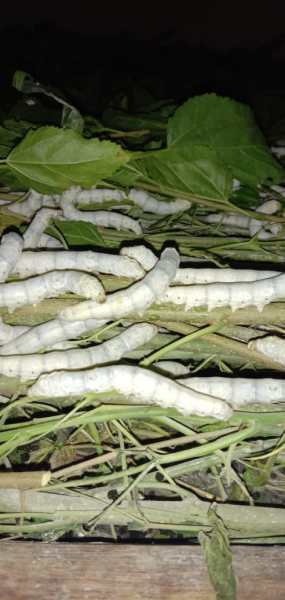
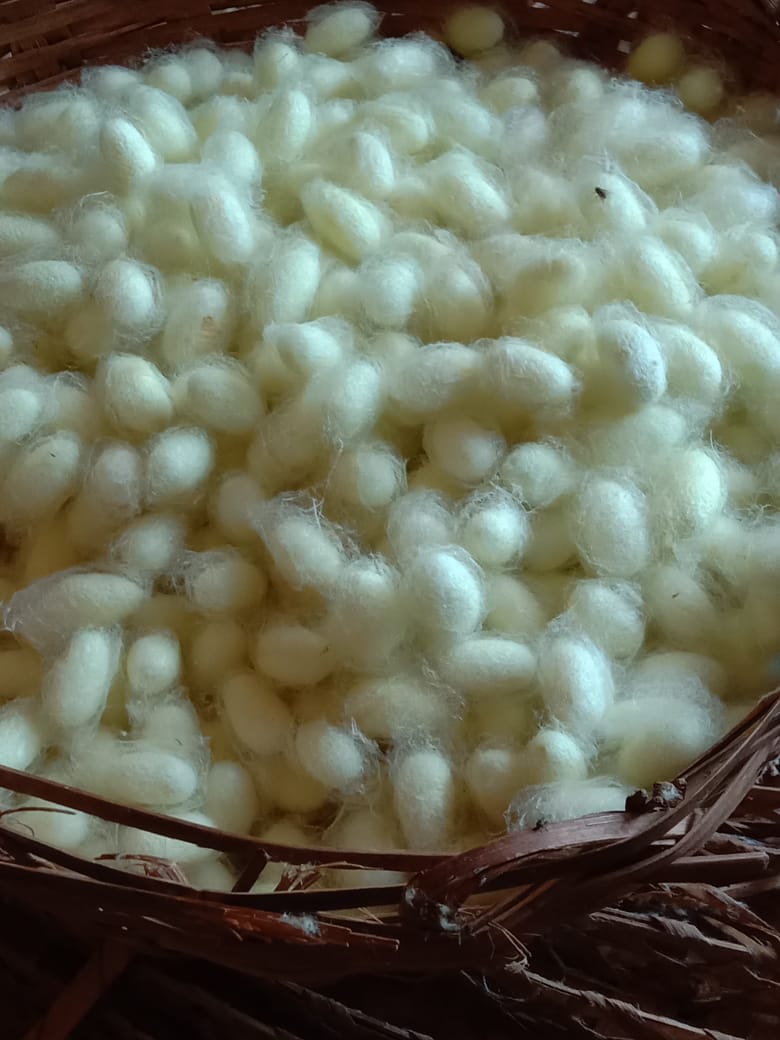
Sericulture is the branch which involves rearing of silkworm which produce silk. This involves three process i.e. cultivation of mulberry( Moriculture) or food plant for insect, rearing of silkworm and reeling and spinning of silk.

However origin for silk production roots from China. It is also said that Tipu Sultan was the first South Indian ruler to introduce this in India.

The Central silk board was started in 1948 and it’s headquarter is situated in Bengaluru (Karnataka). It is mainly involved in research and development of silk sector.

Silkworm undergoes complete metamorphosis and constitute of four stages in life cycle:Egg, larvae, pupa and adult.

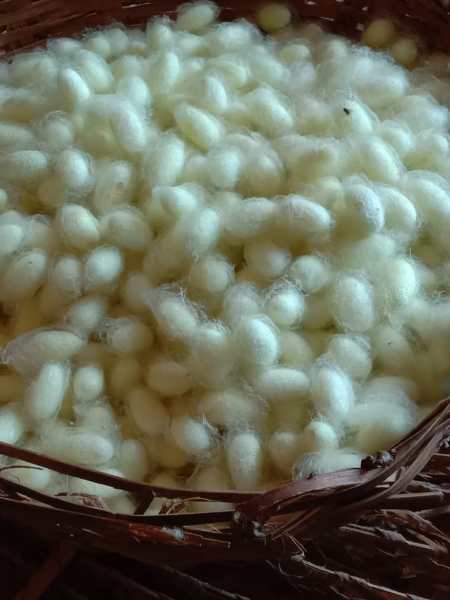
Pupa is the most important stage as through this stage only cocoon is obtained which is reeled to produce silk. Silk is the salivary secretion secreted by pair of silk gland located in head region.

Types of silkworm: There are four types of natural silk commercially produced .

1.Mulberry silk which constitutes 95 % of total production. These silkworm feed on mulberry leaves. This is mainly found in Southern states like Karnataka, Andhra Pradesh, Tamil Nadu.

2.Non- mulberry silk includes tasar silk, eri silk and muga silk.

Eri silkworm feeds on castor leaves and is also called Ahimsa silk as This does not involves killing of moth to obtain silk. This is mainly reared in Meghalaya, Assam and Northeast state.

Tasar silkworm feeds on ber, arjun plant .It is mainly found in Jharkhand,Bihar,West Bengal etc.

Muga silkworm feeds on som and sualu leaves. This silkworm is reared in Assam and also called Assam silk. It is known for it’s glossy, fine texture and durability.

Sericulture

4 WAYS TO FIX WHEN MICROSOFT EXCEL CAN NOT OPEN OR SAVE ANY DOCUMENTS

Microsoft Excel is being used worldwide as the most trusted and capable software to maintain data and input of the organisation. It is the best way to store data in one place and easy to access it back but sometimes, some excel file we receive doesn’t open and comes with a flash message.

“MS EXCEL CAN’T OPEN OR SAVE ANY MORE DOC CAUSE THERE IS ENOUGH MEMORY SPACE NOT AVAILABLE”

So, how to fix this issue??

Apparently, this issue does not mean that the file is corrupted or your ms-excel is not working properly. This is just a secure way to proceed and prevent unwanted malware that comes along with spreadsheets. but you can go and change it in settings to run the excel file.

Many excel files until 2007 are saved in a different format that is XLS and after 2007 files use extensions in XLSX format so, modifying the format can actually be made it possible for files to open easily.

FOUR WAYS TO OPEN MS EXCEL FILE.

1. TEMPORARY SOLUTION 

Sometimes files are not directly allowed to open and are in the restricted mode so just allowing them by unblocking can actually work. This is the most basic solution which is done with two clicks only and the most common solution to open an excel file.

STEPS TO FOLLOW

  • RIGHT-CLICK ON THE MS EXCEL FILE
  • GO TO PROPERTIES
  • CLICK ON UNBLOCK 

After clicking on unblocking the file that doesn’t open up earlier is now easily able to open if it is just blocked and not having any further issues.

2. PERMANENT SOLUTION 

This solution is required to go to the main settings of the excel file to allow the settings that are restricting it to open and this actually is done by deleting the existing hidden file that is actually blocking the file to open.

STEPS TO FOLLOW 

  • CLICK ON MY COMPUTER
  • OPEN C-DRIVE
  • GO TO USER
  • OPEN APP DATA
  • OPEN LOCAL
  • CLICK ON TEMPT
  • SELECT ALL THE FILES AND DELETE IT

After deleting all the files in there those files which are restricting the excel to open are now deleted and now your file will be open easily.

3. OPEN FILE IN VERSION MS EXCEL 2013 AND ABOVE

There is also a possibility that the settings of the TRUST CENTRE will be changed and allow the location of the file directly through the trust centre. This indicates the file is safe and easy to access after that.

STEPS TO FOLLOW

  • OPEN MS EXCEL
  • OPEN FILE
  • GO TO OPTIONS
  • CLICK ON TRUST CENTRE
  • CLICK ON TRUST CENTRE SETTINGS

AND choose the file that is having trouble while opening.

  • Also, don’t forget to click on the subfolder also

4. UNCHECKING BARS IN TRUST CENTRE

Sometimes just some unchecked bars can do a lot of things and lead to opening some rusted files that you think might be corrupted.

Steps to follow 

  • OPEN MS EXCEL 
  • OPEN FILES
  • CLICK ON OPTIONS
  • CLICK ON TRUST CENTRE 
  • CLICK ON TRUST CENTRE SETTINGS
  • OPEN PROTECTED VIEW
  • UNCHECKED ALL BARS ONE BY ONE

There are a total of three bars which can be checked one by one and then press ok. This actually disables the protected view for the files from the internet, unsafe location and outlook attachment. Boom, your spreadsheet is ready to open.
Origin and Development of Agriculture

Agriculture began in different parts of the globe in a diverse range.Agriculture started approximately 10,000 years ago,when human began to domesticate plants and animals. Agriculture is the important turning point of humankind. It brought several development and cultivation of processes for producing food,fibre and fuel and so on which are important for the human race to its next level.

The development of agricultural about 12,000 years ago changed the way humans lived. It was switched from nomadic hunter-gatherer lifestyles to permanent settlements and farming. Traditional hunter-gatherer lifestyles, followed by humans since their evolution, were swept aside in favor of permanent settlements and a reliable food supply.Domesticated plants and animals have been raised at scales ranging from the household to massive commercial operations. Agriculture developed independently in many regions of the world. It was the first profound change in the relationship between fully modern humans and the environment.Although global climate change played a role in the development of agriculture, it does not account for the complex and diverse cultural responses that ensued, the specific timing of the appearance of agricultural communities in different regions, or the specific regional impact of climate change on local environments. By studying populations that did not develop intensive agriculture or certain crops , such as wheat and rice.Many studies are made from agriculture like pathology , horticulture, agronomy,floriculture and so on.

Raw materials from agriculture make huge portion of trade internationally,in both imports and exports.The impact of high on export show the wealth of the country. Agriculutral industries is one of the biggest sources of employment,whether it’s a farmer, harvester, technician for farm equipment, scientist and so on,there are plenty of jobs available in this field. Agricultural jobs helps in reducing high rate of unemployment in the developing countries. Economic development of a country is tied to a country’s agriculture sector. Agriculture is important for the world’s food supply. Agriculture is important for the world’s food supply.

Agriculture is the backbone of a country.As agriculture plays an important role in the economic development of the country it is our responsibility to save and preserve the agricultural lands for our use and our future generations to live a healthy life.

‘ Agriculture is a fundamental source of national prosperity’. -by J.J.MAPES

Demography

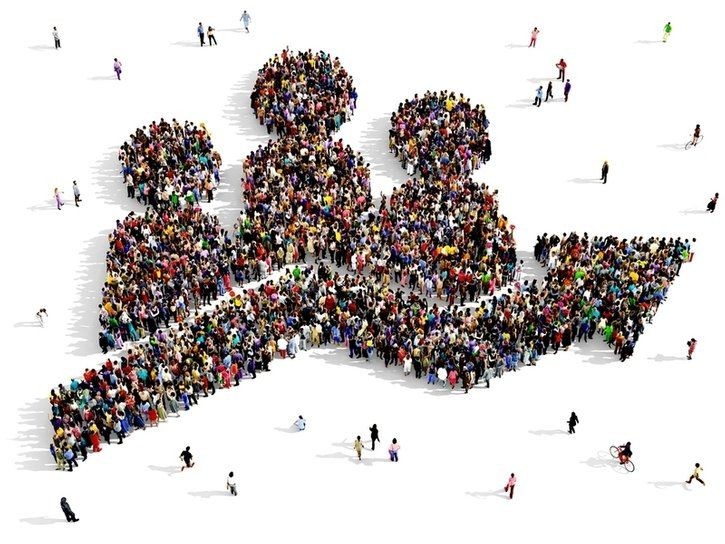
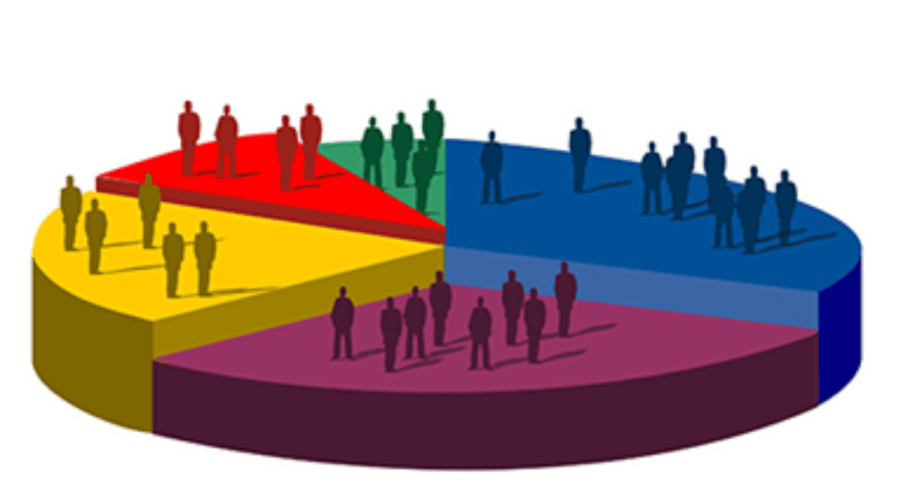
Demography is the study of human population dynamics. Population is shaped by a number of factors including fertility, mortality, migration and urbanization. Significant demographic changes have been shown in many parts of the world. The world population growth has been decelerating since 1970s. Fertility rates in more developed countries (MDCs) have been showing a declining trend, whereas an increasing one in the less developed countries (LDCs). Mortality rates have gone down in both MDCs and LDCs due to medical advancement. Consequently, the population of the countries with low fertility rates aged more quickly, and the world population growth will be concentrated in those developing countries where fertility rates remain high. Uneven population growth among nations accelerated the migration of people across nation borders and the growth of cities. The changes of these interrelated factors with their causes and problems of each of the factors will be discussed, followed by some possible plans and opportunities that may benefit from these changes.Human birth rate (natality) is the fertility expressed as the average number of live births per thousand populations per year. Since not all age groups in a population have equal fertility, demographers often use more specialized measures of birth rates that relate to age groups.Human mortality rate is the average number of individuals who die per thousand populations per year.

Again, demographers often use more sensitive measures, for different mortality rates. Both the very young and the very old segments of the population have higher mortality rates than are found in other age groups.Human population shows uneven or clumping pattern of distri­bution on earth. The density of human population in a village, district, city, province, country or any area can be obtained by di­viding the total number of persons living in the given region by the total land area of that region.The average number of people per square unit of land area tells us how dense or sparse is the popu­lation in a giver, area. The average population density of the world is calculated about 27 persons per square kilometre.insurance agents to determine life insurance rates.

These early demographic studies were mostly concerned with mortality. However, in the 19th century, studies showed that there was a decline in the number of births, and researchers began to study fertility as well as mortality. These studies led to the idea of “differential fertility.” Differential fertility suggests that different groups within a population have different numbers of children due to factors, such as religion, cultural attitudes, poverty, and employment. Migration of people is the last main factor in demographic studies. It is these three variables (mortality, fertility, and migration) that contribute to population change.Demographers gather data mainly through government censuses and government registries of births and deaths. However, these sources can be inaccurate depending on the precision of government records. Demographers also gather data indirectly through surveying smaller groups within a population. These samples are then examined using statistical models to draw conclusions about the whole population.


Demography is changing us as we are older societies, we’re living longer. How the generations balance each other out, how that affects education and health care.

Apiculture: Art of Bee rearing 🐝

Apiculture Or beekeeping refers to the rearing , caring, and management of honeybees to obtain honey ,wax ,pollen ,royal jelly etc. and other useful substance.

In apiculture, an area is selected for the commercial maintenance of bees in artificial beehives, and such areas are called apiaries. Nectar is collected by honey bees naturally from flowers and stored in their hives. Beehives are a source of wax, which is used in a variety of medicinal preparations in addition to honey.

Types of honeybee in hive include queen bee, drone and worker bee. Queen bee is the mother of colony . She lays eggs out of which drone emerge from unfertilized egg and worker bee and queen bee emerge from fertilized egg. Drones are young male to fertilize young queen. Worker bee are female but are sterile, they are involved in indoor activities, scavenger and nurse bees.

The various species used for honeybee rearing are as follows:1.Apis cerana indica (Indian bee) 2. Apis dorsata (Rock bee) 3. Apis florea (Little bee) 4. Apis mellifera ( Italian bee).

Among there Apis mellifera is mostly used because of gentle nature, good honey collection capacity, prolific queen etc.

The establishment of apiary depends on :Location of apiary, surrounding flora and nectar collecting flower, varities of honey bee used in rearing.

Importance :

Honey is found to be quite useful in the treatment of various disorders of humans related to digestion, dysentery, vomiting and stomach or liver ailments.

Honey is considered as a blood purifier, a cure against cough and cold, sore throat, ulcers of the tongue, stomach and intestine.

Bee wax is used in cosmetics, creams and ointments.

Royal jelly is taken as an invigorating tonic.

Propolis is a health supplement with antibiotic properties.

Bee venom is employed as a cure for rheumatism, arthritis and certain central nervous system diseases.

Pollination depends on honeybees leading to an increase in the yield .

Overall bee rearing helps in maintaining the ecological balance .

Disaster management

Disaster is a very common phenomenon to the human society. It has been experienced by them since time immemorial. Though its form may be varied, it has been a challenge for society across castes, creeds, communities and countries. The latest development which has been discovered in the World Disaster Reports recently is that the disasters have increased in frequency and intensity.People are becoming more and more vulnerable to disasters of all types, including earthquake, flood, cyclones, landslides, droughts, accidents, plane crash, forests fire, etc. With the technological advancements and progress, the force of disasters is also changing. When they occur they surpass all preparedness and eagerness of society and pose bigger challenge to them. This is quite true in case of both developed and developing countries. The floods in UK, France, and heat wave in Europe, particularly in France in 2003, claimed more than 35000 lives. In the year 2006, America had to face bigger disaster in the form of tornadoes and other cyclones. They caused great loss of lives and property. All these are sufficient to prove that technological mechanisms are inadequate.There is a direct correlation between higher human development and higher preparedness. The countries which have lesser human development are more vulnerable to risks of disasters and damage. Of all the disasters, floods are the most common followed by wind storms, droughts and earthquakes. But the drought is the deadliest disaster which accounts for 48 per cent of all deaths from natural disasters. The highest numbers of people die from disasters in Asia. India, China and Bangladesh are the worst affected countries by flood. Besides the natural disasters, transport accidents and technological disasters are also faced by the developing countries.

The UNDA with Government of India has jointly prepared an action plan for cities and towns vulnerable to earthquakes. The need in the vulnerable zones is that the existing buildings be technically assessed and evaluated and individual owners and group housing authorities should be informed about the weaknesses in their construction. Presently, in India, it is estimated that around 10 lakhs buildings which are constructed every year, an equal number of them get damaged as a result of disasters. It is required that a monitoring mechanism should be set up in disaster prone areas and it must act in proper coordination with the concerned to ensure fulfillment of building codes.
Disaster is a state subject in India; it is, therefore, the responsibility of the state to provide every kind of support and assistance to the victim. The Central Government has a facilitating role. It, with proper coordination with various ministries, extends all required support and helps to the states, namely defence services, air dropping, rescuing, searching, transport of relief goods, availability of rail and ferry services, health personnel and medical support, etc. In the State, the Relief Commissioner or Disaster Management Secretary is the specific authority responsible for handling and management of the disaster.

Rehabilitation is an integral part of disaster management. When disasters occur administrative measures are terribly inadequate and perhaps this is the most difficult period for a victim. The role of administration does not end with end of disasters. In fact its effort and commitment get more complex. It requires proper coordination among various agencies. In this context it is very important to note that disasters are non-routine events that require non-routine response. Government cannot rely on normal procedures to implement appropriate responses- the rescue teams require learning special skills, technologies and attitudes in dealing with disasters.


SUCCESSFUL EMERGENCY MANAGEMENT RELIES UPON EXPERIENCE AND EXPERTISE.

Disaster management

Disaster is a very common phenomenon to the human society. It has been experienced by them since time immemorial. Though its form may be varied, it has been a challenge for society across castes, creeds, communities and countries. The latest development which has been discovered in the World Disaster Reports recently is that the disasters have increased in frequency and intensity.People are becoming more and more vulnerable to disasters of all types, including earthquake, flood, cyclones, landslides, droughts, accidents, plane crash, forests fire, etc. With the technological advancements and progress, the force of disasters is also changing. When they occur they surpass all preparedness and eagerness of society and pose bigger challenge to them. This is quite true in case of both developed and developing countries. The floods in UK, France, and heat wave in Europe, particularly in France in 2003, claimed more than 35000 lives. In the year 2006, America had to face bigger disaster in the form of tornadoes and other cyclones. They caused great loss of lives and property. All these are sufficient to prove that technological mechanisms are inadequate.There is a direct correlation between higher human development and higher preparedness. The countries which have lesser human development are more vulnerable to risks of disasters and damage. Of all the disasters, floods are the most common followed by wind storms, droughts and earthquakes. But the drought is the deadliest disaster which accounts for 48 per cent of all deaths from natural disasters. The highest numbers of people die from disasters in Asia. India, China and Bangladesh are the worst affected countries by flood. Besides the natural disasters, transport accidents and technological disasters are also faced by the developing countries.

The UNDA with Government of India has jointly prepared an action plan for cities and towns vulnerable to earthquakes. The need in the vulnerable zones is that the existing buildings be technically assessed and evaluated and individual owners and group housing authorities should be informed about the weaknesses in their construction. Presently, in India, it is estimated that around 10 lakhs buildings which are constructed every year, an equal number of them get damaged as a result of disasters. It is required that a monitoring mechanism should be set up in disaster prone areas and it must act in proper coordination with the concerned to ensure fulfillment of building codes.
Disaster is a state subject in India; it is, therefore, the responsibility of the state to provide every kind of support and assistance to the victim. The Central Government has a facilitating role. It, with proper coordination with various ministries, extends all required support and helps to the states, namely defence services, air dropping, rescuing, searching, transport of relief goods, availability of rail and ferry services, health personnel and medical support, etc. In the State, the Relief Commissioner or Disaster Management Secretary is the specific authority responsible for handling and management of the disaster.

Rehabilitation is an integral part of disaster management. When disasters occur administrative measures are terribly inadequate and perhaps this is the most difficult period for a victim. The role of administration does not end with end of disasters. In fact its effort and commitment get more complex. It requires proper coordination among various agencies. In this context it is very important to note that disasters are non-routine events that require non-routine response. Government cannot rely on normal procedures to implement appropriate responses- the rescue teams require learning special skills, technologies and attitudes in dealing with disasters.


SUCCESSFUL EMERGENCY MANAGEMENT RELIES UPON EXPERIENCE AND EXPERTISE.

Poverty in India


Poverty is defined as the lack of sufficient money to meet basic needs such as food and shelter. Poverty is a situation in which a person is homeless and has very little money. Due to the growing population in urban areas, India’s poverty rate is rising. The most important fact is that huge numbers of people live in poverty, with the majority living on the edge of it. Poverty in India is mostly observed in rural regions due to a large number of uneducated and unemployed people within the growing population.Many people cannot afford proper food for their daily lives, and because they do not have their own homes, they sleep on streets or footpaths. As a result, more people require more food, money, and shelter, but poverty grows rapidly due to a lack of these resources. This is why the rich become richer and the poor become poorer, making it difficult to bridge the gap. Poverty has several consequences, including poor housing, illiteracy, increased child labor and unemployment, and poor hygiene. As a result, these poor individuals cannot afford a balanced diet, decent clothes, or a good education for the simple reason that they do not have enough money.

Poverty may be reduced by providing sufficient education and facilities to farmers, allowing them to become more profitable and not feel the need to migrate to cities in search of work. Also, uneducated individuals should receive a good education to improve their lives, and family planning is also necessary for getting out of poverty. Poverty in our country dates back to ancient times, when the poor were not given the same privileges as the wealthy, and they were even denied access to religious places. Unemployment, a lack of education, poor resource utilization, corruption, and poor government policy are all major causes of poverty.In India, poverty is high when compared to other nations due to the poor growth rate of per capita income per person. Due to a lack of career prospects, many individuals work as rickshaw pullers, construction laborers, domestic servants, and other low-wage jobs, which leads them to live in slum areas.In addition, lack of land resources has been one of the key reasons for poverty in India; even small farmers in our nation are poor since they cultivate but do not receive fair pay in terms of profit, resulting in poverty.

India’s population has been rapidly increasing. In 1991, India’s population was around 84.3 crores, with a high rate of poverty; now, our country’s population is around 130 crores, with the population nearly doubling in the last three decades, but not enough has been done to control poverty in our country. As the population grows, so does unemployment, and poverty is just a reflection of unemployment. More capital is necessary for developing industry, providing adequate transportation, and other projects, as a result of which the country’s deficiency is underdeveloped and more people live in poverty. Lack of skilled labor also contributes to poverty since less-skilled workers lack industrial training and education and miss out on opportunities that more skilled workers can avail. Lack of infrastructure means that transportation and communication have not been properly developed, resulting in farmers receiving fertilisers for cultivation late and industries receiving power and raw materials not on time and thus, end products not being properly marketed and reaching customers on time. Hence, to escape poverty, our government must be more serious, and citizens must share equal responsibility.Remarkably, as a result of rural-to-urban migration, the incidence of rural poverty has fallen steadily. First and foremost, population growth should be strictly controlled to tackle the serious problem of poverty. Other approaches to fight this problem include expanding work possibilities, educating people, eliminating black money, decentralized planning, and assisting women and youth in becoming


“Poverty is not created by poor people”

Poverty in India


Poverty is defined as the lack of sufficient money to meet basic needs such as food and shelter. Poverty is a situation in which a person is homeless and has very little money. Due to the growing population in urban areas, India’s poverty rate is rising. The most important fact is that huge numbers of people live in poverty, with the majority living on the edge of it. Poverty in India is mostly observed in rural regions due to a large number of uneducated and unemployed people within the growing population.Many people cannot afford proper food for their daily lives, and because they do not have their own homes, they sleep on streets or footpaths. As a result, more people require more food, money, and shelter, but poverty grows rapidly due to a lack of these resources. This is why the rich become richer and the poor become poorer, making it difficult to bridge the gap. Poverty has several consequences, including poor housing, illiteracy, increased child labor and unemployment, and poor hygiene. As a result, these poor individuals cannot afford a balanced diet, decent clothes, or a good education for the simple reason that they do not have enough money.

Poverty may be reduced by providing sufficient education and facilities to farmers, allowing them to become more profitable and not feel the need to migrate to cities in search of work. Also, uneducated individuals should receive a good education to improve their lives, and family planning is also necessary for getting out of poverty. Poverty in our country dates back to ancient times, when the poor were not given the same privileges as the wealthy, and they were even denied access to religious places. Unemployment, a lack of education, poor resource utilization, corruption, and poor government policy are all major causes of poverty.In India, poverty is high when compared to other nations due to the poor growth rate of per capita income per person. Due to a lack of career prospects, many individuals work as rickshaw pullers, construction laborers, domestic servants, and other low-wage jobs, which leads them to live in slum areas.In addition, lack of land resources has been one of the key reasons for poverty in India; even small farmers in our nation are poor since they cultivate but do not receive fair pay in terms of profit, resulting in poverty.

India’s population has been rapidly increasing. In 1991, India’s population was around 84.3 crores, with a high rate of poverty; now, our country’s population is around 130 crores, with the population nearly doubling in the last three decades, but not enough has been done to control poverty in our country. As the population grows, so does unemployment, and poverty is just a reflection of unemployment. More capital is necessary for developing industry, providing adequate transportation, and other projects, as a result of which the country’s deficiency is underdeveloped and more people live in poverty. Lack of skilled labor also contributes to poverty since less-skilled workers lack industrial training and education and miss out on opportunities that more skilled workers can avail. Lack of infrastructure means that transportation and communication have not been properly developed, resulting in farmers receiving fertilisers for cultivation late and industries receiving power and raw materials not on time and thus, end products not being properly marketed and reaching customers on time. Hence, to escape poverty, our government must be more serious, and citizens must share equal responsibility.Remarkably, as a result of rural-to-urban migration, the incidence of rural poverty has fallen steadily. First and foremost, population growth should be strictly controlled to tackle the serious problem of poverty. Other approaches to fight this problem include expanding work possibilities, educating people, eliminating black money, decentralized planning, and assisting women and youth in becoming self-sufficient.


“Paverty” is not created by “poor people”