Queer Representation in 21st Century Hindi Cinema

Cinema is not only a means of entertainment, but it is a form of art, like any other. Cinema has the ability to showcase the experience of witnessing human emotions on the screen, contrary to reading a book. It provides a better mode of expression as it is an amalgamation of sound, images, dialogues, music, people and their emotions.

The world of cinema has always been an important medium of communication among the masses. It is also a means of expressing new ideas and thoughts in an impactful manner. Cinema helps the makers and the viewers to express agreement, dissent and concern regarding social issues and norms. And one such topic of discussion can be the representation of queers in the realm of Indian cinema, mainly Hindi cinema.

Queer Stereotyping

Needless to say there has always been stereotyping of homosexual characters in Hindi movies, at least in the early 2000s. The representation of homosexuals has only been in a very light matter, usually in the form of mockery. A gay man would be typically casted as the comical sidekick who would not really have much to offer to the movie’s plot.

The misguided portrayal of the LGBTQ+ community was also limited to casting only gay characters. Hindi movies such as Dostana (2008), Straight (2008), Mastizaade (2016) deals with queer representation, mainly gay portrayal as comic prop to generate laughter among the masses, at the stake of jeopardising queer identities.

Sincere Queer representation

With the passage of time and the growing awareness among the masses it can be noticed that there has been few attempts at a non-comical queer presentation in Hindi cinema. Before mainstream commercial cinema began their queer representation journey, Hindi art cinema portrayed queer characters with much conviction and depth.

Movies like My brother…Nikhil (2005), Margarita with a Straw (2015),  Aligarh (2016) and a few more, have dealt with queer representation with utmost sincerity and sensitivity. And not just limiting their portrayal of queer characters to gay men only.

It can also be noticed that there has been a shift in queer representation from art to commercial cinema as well. With the growing awareness on LGBTQ+, commercial movies began highlighting queer representation as central characters. Such portrayal further helped in queer sensitization and acceptance by the mass public.

Movies such as, Ek Ladki toh Dekha toh Aisa Laga (2019), Subh Mangal Zyada Saavdhan (2020), Chandigarh kare Aashiqi (2021), Badhaai Do (2022) to name a few, has helped the masses through infotainment to understand the daily struggles a queer person has to endure.

OTT and Queer representation

The OTT platform has further broadened the reach to the audience on a day to day basis. Especially in the times of a pandemic when multiplexes were shut, OTT bridged the gap and filled the void. Over the few years the OTT platform has grow immense in term of providing quality content with reference to true representation of the community.

Web projects such as Made in Heaven, (2019), Dolly Kitty Aur Woh Chamakte Sitare (2019), Bombay Begums (2021), Ajeeb Daastaans (2021), explored the queer aspect with utmost maturity and sincerity.

                      The decriminalisation of Section 377 of the IPC in 2018 has further lead  to the opening up of new scope and liberty in displaying queer characters. This really widened the space for new convincing projects to establish and delivery themselves with the truest essence of realism. Hopefully in the coming times Hindi cinema portraits queers stories at a much more sensitive and engaging way.

Promoting Agroforestry and Horticulture

 Sub-Mission on Agroforestry (HarMedh Par Ped) Scheme was launched in 2016-17 to encourage tree plantation on farm land along with crops/ cropping system to help the farmers get additional income and make their farming systems more climate resilient and adaptive. Presently, the scheme is being implemented in 23 States/UTs including Maharashtra. Under the scheme, assistance to farmers is given through State Govt. for nursery development, boundary plantation and block plantation of prominent tree species to promote, inter-alia, fruit bearing trees, tree borne oilseeds, medicinal & aromatic plants, silk & lac rearing host plants in addition to timber species, so that farmers get early returns.

 In case of promotion of horticulture, the Mission for Integrated Development of Horticulture
(MIDH), a Centrally Sponsored Scheme is being implemented w.e.f. 2014-15, for holistic growth  of  the horticulture sector covering fruits, vegetables, root and tuber crops, mushrooms, spices, flowers, aromatic plants, coconut, cashew, cocoa and bamboo. All States and UTs are covered under MIDH.

FAQ Regarding Draft2Digital Acquisition of Smashwords

 General questions:

Q:  Who is Draft2Digital?

Draft2Digital is known for being “self-publishing with support,” and since 2012, the company has established a positive, glowing reputation in the author community. D2D is known for building tools and resources that answer indie author and publisher needs, with beautiful and functional design and responsive customer service.

Draft2Digital and Smashwords are so similar, it’s almost as if we sprouted from the same seed. And in many ways, we did.

Both companies, from the start, have been dedicated to building tools and services that make publishing fast, easy, and best of all, free. We only make money when our authors make money—a business model that puts authors first. The best business model we know.

Like Smashwords, Draft2Digital is one of the world’s largest distributors serving self-published authors and independent presses, with a global reach for ebook distribution. But D2D is about more than just ebooks. 

Draft2Digital has an exciting Print on Demand solution for indie authors that Smashwords founder Mark Coker thinks will prove to be just as disruptive to print publishing over the next few years as Smashwords was to ebook publishing 14 years ago. 

By combining the two companies into one, the new Draft2Digital can invest more into research and development (R&D), aimed at innovating and inventing more next-generation tools services and offerings, and to meet more author needs. 

The combination of Smashwords and Draft2Digital is a historic step toward our shared mission to drive greater success for self-published authors, independent publishers, and our distribution partners.

QWhat’s the name of the merged company?

AThe two companies will operate under the name of Draft2Digital. In the near term, Smashwords will continue to operate under its current name. Over time, Draft2Digital will become the name of the publishing platform, and Smashwords will remain as the brand for the Smashwords Store.

Q: When will the acquisition complete?

The close of the acquisition is expected to happen on March 1, 2022, after which the work of integrating the two companies begins.

Q: What will the combined company look like?

Following the acquisition, Draft2Digital will represent a combined 250,000 authors and publishers that use the company’s tools to publish, distribute, and manage over 880,000 ebooks and 11,000 print books (and growing). The combined company will employ over thirty people across the United States and Canada, and will maintain its corporate headquarters in Oklahoma City, Oklahoma.

Q: Why are the companies merging?

A: The decision to merge came down to a simple question: Can we drive greater success for our authors, publishers and sales channels by working together, or by working apart as competitors? 

To answer this question, we considered: 

  • Both companies share common roots, missions, and values
  • Both companies were founded by writers to empower writers to become professional publishers
  • Both companies are expert at building free and powerful self-serve tools for authors
  • We’ve both built sophisticated distribution systems that help booksellers and libraries efficiently stock, merchandise and sell indie books
  • Both companies have built profitable businesses
  • We each built our successful businesses not by selling services to authors, but by helping authors and publishers publish, distribute, and market with greater efficiency and success 

All of this led to our decision to merge both companies. The resources we once invested in building duplicative systems can now be redeployed to do more for all authors. 

Q: What happens next for the authors and publishers of both companies?

A: As of March 1, 2022, if you’re an author or publisher with either Draft2Digital or Smashwords, there’s nothing you need to do; it will be business as usual. Over time, publishing and distribution systems for both Smashwords and Draft2Digital will be integrated onto the Draft2Digital website.

As a result, authors with both services will gain big benefits:

  • New sales partners will become available to authors
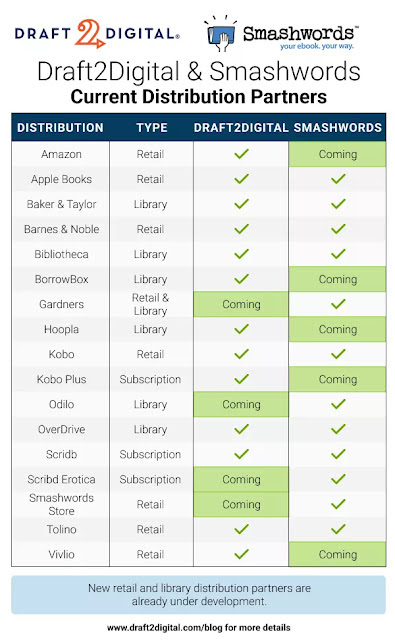
  • D2D authors and publishers will be able to list and sell their books in the Smashwords Store.
  • D2D authors will also gain access to exclusive book marketing tools from Smashwords, including Smashwords Coupons, the patent-pending Smashwords Presales tool, Author Interviews, and self-serve merchandising in the Smashwords Store.
  • The Smashwords publishing platform operations and publisher Dashboard will be merged into Draft2Digital’s, with the goal of preserving the best capabilities of each.

At each stage of the integration, we’ll aim to make the transition as smooth and effortless as possible for our combined authors, publishers, store and library partners, and readers.

Q: What happens to the staff at both companies?

A: This is an acquisition of opportunity, not necessity. Because we are two successful companies coming together, all Smashwords employees, including founder Mark Coker, are joining the D2D team, and the D2D team will remain intact. 

Kris Austin, co-founder of Draft2Digital, will serve as CEO of the combined company, and Mark Coker will join the senior management team as Chief Strategy Officer and board member.

Q: Is the new Draft2Digital Hiring?

A.  Yes! New growth means new opportunities!

Know any great software developers or customer support professionals who want to join our growing company? Visit https://draft2digital.com/careersto learn more. 


Authors & Publishers

Q: How will the acquisition affect my books in distribution?

A: We will work with our sales partners to minimize any impact on book listings, listing web addresses, and reviews.

Q: Each company distributes to sales outlets not reached by the other. Will I have access to all sales channels?


A: 
Yes! Once our distribution systems are merged, authors will be able to opt-in to any and all sales and library partners currently offered by either Draft2Digital or Smashwords.

Q: Each company’s ebook publishing process is slightly different. How will the process change for me if I prefer one or the other?

A: We’re combining approaches to give you more options and flexibility!

Both companies allow authors and publishers to upload a professionally designed .epub file. However, the way each company handles conversion from Word or RTF files is a bit different. 

We will be preserving both the granular flexibility of custom manuscript styling from Smashwords and the streamlined, automated professional layout and templates from Draft2Digital. This means that authors and publishers get the best of both worlds, with options to use either method.

Q: Can you summarize the unique tool sets of each company that you anticipate making available to all authors?

A: Yes! Both companies offer robust tools for: 

  • Distribution
  • Marketing
  • Sales reporting
  • Tax reporting
  • Metadata management

When these tools are integrated, Draft2Digital will seek to combine the best elements of each. 

Both companies also offer unique tools not offered by the other: 

  • Simpler publishing tools; tools for automated end-matter
  • Books2Read Universal Book Links (UBLs), Author Pages, Book Tabs, and Reading Lists
  • D2D Print for POD paperbacks (Visit https://draft2digital.com/printbeta/ to be included in the beta)
  • D2D Payment Splitting for co-authors and collaborations
  • New payment options, including direct bank deposits

D2D authors and publishers can expect to gain access to: 

  • The Smashwords Store
  • Smashwords Coupons
  • Smashwords Presales
  • Self-serve merchandising
  • Author Interviews

D2D erotic romance and erotica authors will also gain access to the Smashwords erotica certification system (see next item).

Q:What are the erotic fiction policies of the new company?

A:  Each retailer, subscription service, or library platform has its own content policies. Draft2Digital will adopt the existing Smashwords erotic fiction policies for these platforms.

A few years ago, Smashwords introduced a certification system that allows erotic fiction publishers to self-certify the presence (or lack thereof) of various facets of erotica that are generally recognized as “taboo.” This accurate, more granular categorization provides retailers and libraries with the confidence they need to know that the erotic literature they’re selling doesn’t violate their policies. 

The Smashwords Erotic Fiction Certification System will be made available to all Draft2Digital authors.

Q: Will the erotica policies change in the Smashwords Store?

A: Smashwords has a long history of supporting the erotic fiction community. No changes are anticipated to the policies documented at https://www.smashwords.com/about/tos, nor have there been any changes in the last four years.

The policies on permitted, discouraged, and forbidden erotica categories remain in effect. The Smashwords Store has a more permissive approach to taboo erotica than most ebook stores. The store gives customers unprecedented control over the types of erotica, if any, that appear in their search results.

Q: What does the acquisition mean for existing store and library partners?

As the leading distributors of independently published ebooks, both companies have always worked in close partnership with major ebook retailers and library platforms to help them list, promote, and profit from the amazing diversity of indie ebooks.. We help our authors succeed by helping our sales partners succeed!

Q: Is the new Draft2Digital looking to expand its distribution network to new sales partners?

Absolutely! As a distributor, we’re always looking to support promising new booksellers and bookselling models. Given the size of our catalog, we can give new sales channels the critical mass they need to build businesses around our authors’ books. Draft2Digital and Smashwords have rigorous qualification procedures to ensure that new sales partners meet our high standards and requirements. 

Potential sales channels can ask to be connected to the Draft2Digital Operations team at support@draft2digital.com.

###

<

p align=”center” class=”MsoNormal” style=”font-family: Georgia, Helvetica, Arial, sans-serif;font-size: 13px;margin: 0px;text-align: center”> 

Draft2Digital to Acquire Smashwords, Creating Self-Publishing Juggernaut

 Combined Company will Publish and Distribute 800,000+ Titles from 250,000 Authors and Publishers


February 8, 2022—OKLAHOMA CITY, Okla. and PACIFIC GROVE, Calif.—Draft2Digital, LLC and Smashwords, Inc., two pioneers in ebook self-publishing, today announced that Draft2Digital will acquire Smashwords. The acquisition unites the industry’s two most innovative and author-friendly publishing platforms into one, enabling the new Draft2Digital to drive even greater success for authors, publishers, and sales partners. 

Draft2Digital and Smashwords are key catalysts behind the dramatic rise of self-publishing over the last fourteen years. Their publishing platforms enable 250,000 authors and publishers around the world to publish, distribute, market, and manage over 800,000 ebooks and 11,000 print on demand paperback books. 

The combined company will operate under the Draft2Digital name and will be headquartered in Oklahoma City. All Smashwords and Draft2Digital employees are expected to join the combination. 

Kris Austin, co-founder and CEO of Draft2Digital, will lead the combined company as CEO. Mark Coker, founder and former CEO of Smashwords, will join the Draft2Digital management team as Chief Strategy Officer and board member. 

Both companies are entering the acquisition profitable and debt-free. 

“I’m pleased to welcome Smashwords authors, publishers, employees and partners to the D2D family,” said Kris Austin. “Early in our discussions with Smashwords, we each immediately realized we can accomplish so much more for the indie author community by working together than working as competitors. The resources we once expended creating duplicative systems can now be redeployed to ramp up our R&D investments in next generation tools to empower authors and publishers.”

“I’m thrilled to join forces with Draft2Digital,” said Mark Coker. “Over the last decade, I’ve come to deeply admire Draft2Digital’s team, technology, and commitment to authors. Our shared business model is a key to our two companies’ success. We put authors first. By design, we only make money when our authors make money. This aligns our interests with the interests of our authors. Together we will lead the next chapter of the indie author revolution.”

The combination is expected to yield significant benefits for authors, publishers, retail and library partners, and readers. 

·         Draft2Digital authors will gain access to the Smashwords Store and its myriad exclusive book marketing tools, including Smashwords Coupons, self-serve merchandising, Author Interviews, and the patent pending Smashwords Presales tool for book launches. Sales at the Smashwords Store have grown consecutively each of the last five years, with December 2021 sales up 20% over December 2020. Draft2Digital’s erotica authors can look forward to expanded distribution enabled by Smashwords’ proprietary erotica certification system, which allows retailers to carry erotic romance and mainstream erotica with greater confidence. 

·         Smashwords authors will gain access to new tools that simplify print and digital publishing and drive greater success. Among these tools are D2D Print, the company’s Print on Demand service for paperbacks (currently in beta, which authors can join at https://draft2digital.com/printbeta/); improved metadata management tools for better book discoverability at retailers; automated end-matter for series books; payment splitting for co-authors and collaborations; and more payment options, including direct bank deposits. 

·         Retailers and libraries served by the companies can expect greater title selection and unmatched merchandising recommendations. The new, merged company will offer retailers, subscription services, and libraries unprecedented data-driven insights into the world’s largest dedicated catalog of independently published books. This represents a unique and first-of-its-kind offering that Draft2Digital believes will improve the publishing industry.

·         Customers of the Smashwords Store can look forward to an improved store experience and an increased selection of books from the many great authors and publishers distributed by Draft2Digital.

“This acquisition is great news for indie authors,” said Joanna Penn, host of the Creative Penn podcast and bestselling author who has followed each company since its founding. “Two of the industry’s strongest advocates for indie authors are combining their unique toolsets, technologies, and energy to do more for the indie community. There are exciting years ahead!”

What’s Coming Next

The acquisition is expected to close on March 1, 2022. 

To minimize workflow disruption for authors, publishers, and sales partners, the two platforms will combine their systems in gradual and incremental steps.

Authors and publishers of both companies can continue utilizing their current platform of choice with the understanding that over time the authors and publishers of both companies will gain access to a common dashboard, common distribution outlets (including distribution to the Smashwords Store for current D2D authors), and an expanded suite of new and improved tools for book publishing, distribution, and marketing. 

Draft2Digital will broadcast a live Q&A session for authors and publishers on Wednesday, February 9th, at Noon Central, with Kris Austin and Mark Coker, moderated by Kevin Tumlinson, Draft2Digital’s VP of Marketing & PR. Kris and Mark will share additional insight about their plans to support the indie publishing community and welcome questions from the audience. 

Visit https://D2DLive.com for links and launch time, and to attend live on either Facebook or YouTube. The live broadcast will be recorded for future inclusion in the Draft2Digital podcast, Self Publishing Insiders, and will be available as a blog post at Draft2Digital.com/blog.

Additional FAQs about the acquisition can be found at:

https://smashwords.com/united

https://draft2digital.com/united

About Draft2Digital

Founded in 2012 and headquartered in Oklahoma City, Draft2Digital is the world’s leading publishing platform for self-published authors and independent presses. The company offers a broad suite of free and powerful automated and self-serve tools that authors and publishers can use to build and grow their publishing businesses. This includes tools to simplify ebook and print publishing, distribution, metadata management, and marketing. Following its acquisition of Smashwords, Draft2Digital will serve more than 250,000 authors and publishers that collectively publish over 800,000 books worldwide. Visit Draft2Digital at https://draft2digital.com or follow on Twitter @Draft2Digital.

About Smashwords, Inc.

Founded in 2008 by Mark Coker, Smashwords was an early pioneer in ebook self-publishing. The company’s platform made it possible for writers to professionally produce, publish, and distribute ebooks at no cost. As a distributor, Smashwords was the first to open multiple major retailers and library ebook services to self-published authors, and worked in partnership with sales partners and payment processors to establish systems, standards, and professional best practices to foster a thriving ecosystem of indie-friendly booksellers and libraries. As of December 31, 2021, Smashwords was publishing 590,000 ebooks supplied by 150,000 authors, publishers and literary agents. The company was originally headquartered in Los Gatos, Calif, and most recently based in Pacific Grove, Calif. Visit Smashwords at https://smashwords.com, or follow the store at @Smashwords.

<

p align=”center” class=”MsoNormal” style=”font-family: Georgia, Helvetica, Arial, sans-serif;font-size: 13px;margin: 0px;text-align: center”>###

GLOBAL WARMING

Global Warming is a term almost everyone is familiar with. But, its meaning is still not clear to most of us. So, Global warming refers to the gradual rise in the overall temperature of the atmosphere of the Earth. There are various activities taking place which have been increasing the temperature gradually. Global warming is melting our ice glaciers rapidly. This is extremely harmful to the earth as well as humans. It is quite challenging to control global warming; however, it is not unmanageable. The first step in solving any problem is identifying the cause of the problem. Therefore, we need to first understand the causes of global warming that will help us proceed further in solving it. In this essay on Global Warming, we will see the causes and solutions of Global Warming.

essay on global warming

Causes of Global Warming

Global warming has become a grave problem which needs undivided attention. It is not happening because of a single cause but several causes. These causes are both natural as well as manmade. The natural causes include the release of greenhouses gases which are not able to escape from earth, causing the temperature to increase.

Further, volcanic eruptions are also responsible for global warming. That is to say, these eruptions release tons of carbon dioxide which contributes to global warming. Similarly, methane is also one big issue responsible for global warming.


After that, the excessive use of automobiles and fossil fuels results in increased levels of carbon dioxide. In addition, activities like mining and cattle rearing are very harmful to the environment. One of the most common issues that are taking place rapidly is deforestation.

So, when one of the biggest sources of absorption of carbon dioxide will only disappear, there will be nothing left to regulate the gas. Thus, it will result in global warming. Steps must be taken immediately to stop global warming and make the earth better again.

Global Warming Solutions

As stated earlier, it might be challenging but it is not entirely impossible. Global warming can be stopped when combined efforts are put in. For that, individuals and governments, both have to take steps towards achieving it. We must begin with the reduction of greenhouse gas.

Furthermore, they need to monitor the consumption of gasoline. Switch to a hybrid car and reduce the release of carbon dioxide. Moreover, citizens can choose public transport or carpool together. Subsequently, recycling must also be encouraged.

For instance, when you go shopping, carry your own cloth bag. Another step you can take is to limit the use of electricity which will prevent the release of carbon dioxide. On the government’s part, they must regulate industrial waste and ban them from emitting harmful gases in the air. Deforestation must be stopped immediately and planting of trees must be encouraged.

In short, all of us must realize the fact that our earth is not well. It needs to treatment and we can help it heal. The present generation must take up the responsibility of stopping global warming in order to prevent the suffering of future generations. Therefore, every little step, no matter how small carries a lot of weight and is quite significant in stopping global warming.

Mud Therapy

Mud corresponds to prithvi (earth), one of the element among panchamahabhutas. It is considered as one of the ancient wisdom of universe in curing sickness and also for rejuvenation of health. Mud therapy in Naturopathy involves scientific use of moistened earth in a proper manner, so as to benefit the body from within.

It is a treatment in naturopathy. Clay holds the quality to get inside the system and treat all the imbalances. In naturopathy, Mud Therapy involves the scientific use of moistened earth in a proper manner to benefit the body from within. Mud possesses the quality of absorbing toxins from the body which eventually helps in the prevention of many diseases. There are many advantages of mud therapy such as:

  • The application of mud over the body causes cooling and helps to retain the moisture. 
  • The shape and consistency can be changed easily by adding water.
  • Mud therapy is easily available and is an affordable procedure. 
  • It has the property of absorbing all the colours from the sun and radiate them to the body. 

The quality of Mud used

Mud used for therapeutic purpose should be clean and free from contamination. It should be taken at a 60cm depth from the surface of ground. Before using, the mud should be dried in sun rays, powdered and sieved to separate impurities.

Mud Pack-Local Application 

It is a pack that is made by keeping soaked mud in a thin, wet muslin cloth and making it into a thin flat brick according to the size of the patient’s abdomen. The duration of the pack would be 20 to 30 minutes. It is advised to place a blanket over the mud pack and cover the body as well when it is applied in cold weather.

Benefits:

  • The mud pack is applied to the abdomen to relieve all the forms of indigestion. It is also effective in stimulating and decreasing intestinal heat. 
  • A thick application of mudpack over the head proved to be effective in congestive headaches as it heals the pain quickly. 
  • The application of mud over the eyes is recommended in case of conjunctivitis, haemorrhages in eyeball, itching, errors of refraction like short sighted and long sight especially efficient in glaucoma as it helps to reduce eyeball tension. 

Mud Pack for Face 

Mud therapy exerts positive effects on various organs of body but most of all it does wonders to the face. It creates cooling effect on skin and also improves the complexion of the skin. To reap the benefits of mud therapy, you must apply a thick application on the face and allow it to dry for 30 minutes. From helping in controlling the effects of pitta to treating dark circles, Mud Therapy is regarded as one of the best ways of detoxification since ancient times. 

Mud Bath

In the Mud Bath therapy, mud is applied to the patient in a sitting or lying position. It involves the application of minerals rich mud and natural salts over the body. It successfully treats diseases like Psoriasis, Leprosy, Urticaria, leukoderma, and other skin allergy conditions. In this therapy, thorough care must be taken to ensure that the patient is safe from catching a cold during bath. Then, thorough washing of the patient with cold water jet spray is followed after the bath. In case a patient is feeling cold, warm water can be used. Afterward, the patient must be taken to a warm bed to avoid sickness. It should be noted that the duration of a mud bath should be 45 to 60 minutes. 

Benefits:

  • The effects of mud are refreshing, invigorating, and vitalizing.
  • Gives a cooling effect to the body.
  • It dilutes and absorbs the toxic substances of body and ultimately eliminates them from body.
  • It relaxes the muscles, improves blood circulation and helps to regulate the metabolism.
  • Useful in conditions of inflammation/swelling and relieves pain.
  • Anti-inflammatory and anti-aging effects.

Panchakarma Therapy

What is Panchakarma Therapy?

In Ayurveda there are several ways to keep the body and mind fit. That is why, Panchakarma is important. To reduce the problems of body and mind with Panchakarma is helpful. Ayurveda says that the human body is made up of 5 elements (earth, water, fire, sky and air), the universe is also made of those same elements. When there is a disturbance in the ratio of these 5 elements in the body, then dosha i.e. problems occured. Ayurveda brings these elements back to normalize and thus cures diseases. Panchakarma is a special medical method of Ayurveda. is believed. It is used for purification and rejuvenation of the body. Through this method, all the 3 physical doshas: Vata, Pitta and Kapha are brought back to normal and they are removed from the body. Different types of procedures are used to remove different chemical and toxic substances from the body that contaminate the different organs and blood. 

WHO CAN AVAIL PANCHKARMA?

It has 3 categories

First category

In this category a person who want to relax and detox their body are come under this.

The body is purified during detoxification by eliminating toxins (harmful chemicals) from the body. Disease can also be healed in this manner. It is the process of purification of the body which is also beneficial for a healthy human lifestyle. 

Some of common problems in which one can take panchakarma:

  • Body relaxation
  • Headache
  • Stiffness in body
  • Tiredness due to hectic routine
  • For beauty purpose
  • For skin brightness and smoothness
  • to improve blood circulation

Therapies included:

  • Abhyanga (body massage)
  • Lepas
  • Sirodhara
  • Akshi tarpan
  • Fruit Mukha Lepam (Traditional Ayurvedic Fruit Facial)

Second category

Ayurveda is based on the principle of curing a patient’s condition and maintaining one’s health. As a result, Panchakarma is believed to be the ideal therapy for the treatment of both physical and mental disorders.

In second category severe patients with lifestyle disorders can have panchkarma.

Some of common problems in which one can take panchakarma:

  • Hypertension
  • Diabetes
  • Knee pain
  • Back pain 
  • Thyroid
  • Migraine
  • Obesity
  • Stomach ailments
  • insomnia 

Therapies include:

Herbs used according to doshas and diseases

  • Abhayanga
  • Patra Pinda Sweda (Leaf Bundle massage)
  • Shastik Shali Pinda Sweda (Medicated Rice massage)
  • Parishek (Medicated herbal water therapy)
  • Utsadan (Powder massage/ obesity massage)
  • Nabhi Vasti ( Umblical oil reservoir therapy)
  • Whole Body Lepam (Full Body Lapping)
  • Kati basti
  • Nasyam
  • Shirodhara
  • Janu basti
  • Dhoompan

Third category

This is primarily for chronic diseases. With the use of panchakarma, several major disorders that are persistent and untreatable in conventional ways can be treated.

Few common problems in which one can take panchakarma:

  • Arthritis,
  • Paralysis, 
  • Stomach related diseases,
  • Sinus
  • Cervical spondylitis, 
  • Sciatica, 
  • Sever Joint pain,
  • Eye and intestinal diseases 
  • Knee replacement
  • Depression
  • Neurological disorders
  • Varicose vein
  • Osteoporosis
  • Conjunctivitis
  • Psoriasis others..

Therapies includes:

Herbs are used according to doshas and diseases

  • Sarvangya Abhayanga (Traditional Ayurvedic massage)
  • Patra Pinda Sweda (Leaf Bundle massage)
  • Shastik Shali Pinda Sweda (Medicated Rice massage)
  • Parishek (Medicated herbal water therapy)
  • Utsadan (Powder massage/ obesity massage)
  • Nabhi Vasti ( Umblical oil reservoir therapy)
  • Whole Body Lepam (Full Body Lapping) 
  • Churna Pinda Sweda (Herbal powder massage
  • Udvartana (Dry powder massage
  • Anuvasna Vasti (Oil enema therapy)
  • Niruha Vasti (Herbal enema therapy)
  • Jaluka & Leech Therapy (Blood purifier therapy)
  • Kati basti
  • Nasyam

SEO-it?

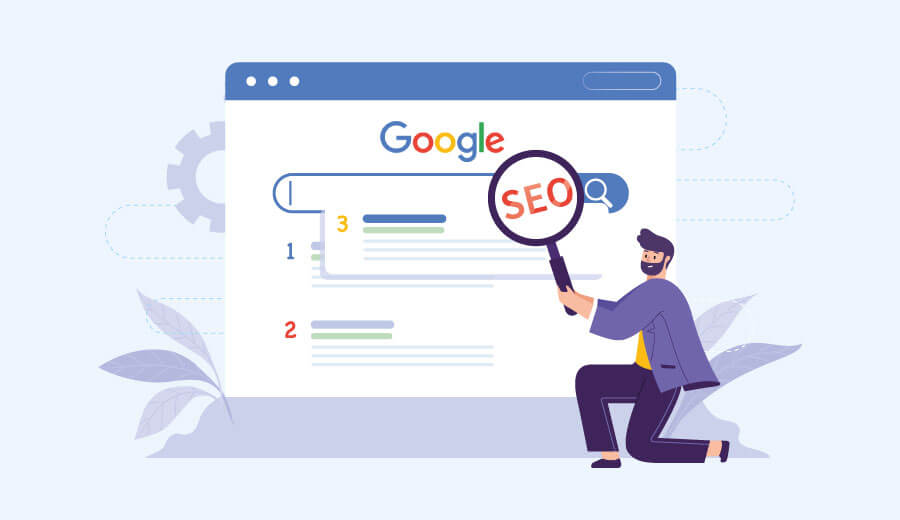
Search Engine Optimisation or SEO is the process of improving the quality and quantity of website traffic for a website or web page, through the use of search engines. SEO can be quite helpful in the realm of organic marketing, that is, it helps to generate unpaid traffic for a website or webpage. Ranking higher on search engine’s result page indicates a good SEO.

In order for small scale business owners to make a substantial online presence, developing SEO is of paramount importance. Learning to optimise search engine to the most of  their advantage is a big advantage when it comes to selling of products and services. However, SEO is not just limited to benefitting businesses, but it is useful to rank any and every thing that we look for in search engines result pages. Having good SEO will help your website rank higher in searches, thus increasing your website traffic.

How does SEO work?

Search engines such as Google or Bing have bots that crawl or go through different websites and web pages, and collect information. These information are then indexed, that is, categorised to give the searcher exactly what they are looking for, when they are searching. After indexing the information, it is analysed to check for accountability and accuracy related to the given search query, and are then ranked accordingly in the search result pages.

Having a good SEO equals to higher rank in search engine result pages. SEO solely depends on organic search rankings and cannot be negotiated like paid search ads.

How to build a good SEO?

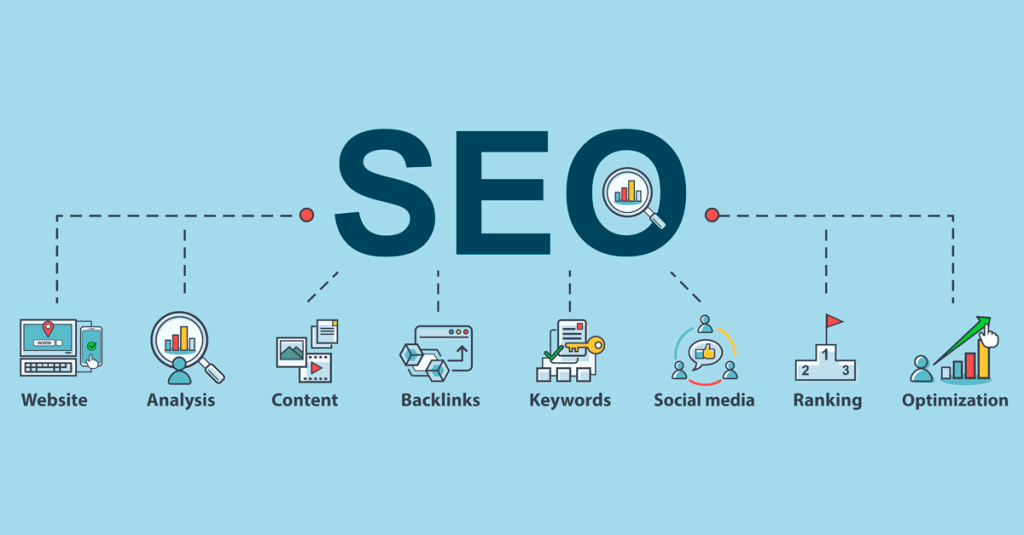
There are certain factors that affect SEO. Some of the factors are:

  • Keywords- It is immensely important to have relevant keywords in the website or webpage, that matches the searcher’s query.
  • Link- Having organic links in other websites can immensely boast with SEO.
  • User-friendly URL- Having a website or webpage that is user-friendly and compatible on both desktops and mobile phones are highly recommended for higher rankings.
  • Sitemaps- It is important to have a well-structured layout of the website.
  • Social Media- Having a good social media presence also helps with SEO.
  • Content- Content is king. A good content can automatically produce good SEO.
  • Tracking- it is important to track if the SEO efforts are working or not.

There are more such factors that help with SEO. There are SEO score trackers, that check the SEO of the website and give a score, along with the errors they found. Such as Ubersuggest by Neil Patel, and google itself and more.

SEO as a marketing strategy

As it has been mentioned above, a good SEO boasts the sites’ presence and ranking on search engine result pages, which in turn helps with marketing, without having to spend much on it. It is important to know what the consumers want and optimise their experience to exactly what they are searching for.

SEO is fundamental to digital marketing. A higher ranking can imply that the website is doing better than their competitors and thus increasing the website traffic. In short, SEO is the foundation of having holistic marketing, and can come in as pivotal element in both organic and paid marketing.

                   For any venture to make a place for itself, SEO is the way to go, especially in these times when online business has peaked and will continue to do so. However, not just businesses but SEO helps consumers in identifying the query and presenting them with what they searched for. Nonetheless, learning to optimise search engines can also be a skill too!  If you’re looking for a digital marketing agency to boost your website’s SEO, check out Leading Solution.

MAINTAINING INTERPERSONAL RELATIONSHIPS:

WHAT IS AN INTERPERSONAL RELATIONSHIP?

An interpersonal relationship is a social connection or affiliation between two or more people. Interpersonal relationships can include your partner, loved ones, close friends, acquaintances, co-workers, and many others who make up the social connections in your life.

Human beings are social by nature. The connections we build with others are critical to social, emotional, and physical health. Knowing how to maintain interpersonal relationships can help you build a support system that provides strength as you cope with life’s challenges.

BE OPEN 

In order to form and maintain strong bonds with others, there needs to be a mutual give-and-take when it comes to sharing information with one another.People need to open up to you, but you also have to be willing to let others in and share details about your experiences, emotions, and opinions.

After all, it is through this mutual sharing that you get to know each other. This process, known as self disclosure, forges bonds and deepens intimacy between people.

Consider how you might feel if someone you care about did not share important information with you about things that are happening in their life. You might be left feeling that they don’t trust you or that they don’t consider you a close friend. 

Letting others in isn’t always easy. By sharing, you are showing them that you trust and care for them—and giving them the opportunity to show the same care in return.

In order to maintain interpersonal relationships, work on learning to be open with the people in your life. Allow yourself to be vulnerable. Look for opportunities where you can let people get to know the “real” you.

MAINTAIN BOUNDARIES :

Being open doesn’t mean you should give others unlimited access to your thoughts, feelings, or time. Health boundaries are also a vital foundation of any strong relationship. It is important not only to establish these boundaries but to enforce them as well.

A boundary can be defined as what you are willing to accept in a relationship. These boundaries represent your values, expectations, and limitations.

A boundary in your interpersonal relationships might look like having limits on when you spend time together or expectations for when you will be there for one another. It can also involve how much you are willing to share about yourself emotionally, physically, and even digitally.

These boundaries are important in your relationships with other people, but they’re also important for your relationship with yourself.3

It’s important that others respect your boundaries, but it is just as important for you to respect theirs. Respecting these boundaries shows that you care about each other’s values, goals, emotions, and needs.

LISTEN: 

Good communication is essential in any relationship, but it’s important to remember that communicating well involves being able to listen.

 You’re not just being quiet and letting them say their piece—you’re reflecting on their words, paraphrasing what they have said to show you are listening, and asking questions you may have. 

Listening shows that you care. It shows that you are involved in the other person’s life and interested in what they have to say.

Listening is a great way to learn more about the other person. It also allows you to offer support and emotional validation, which can go a long way toward making the other person value you as a friend and confidant.

TIPS FOR ACTIVE LISTENING:

  • Don’t interrupt
  • Avoid voicing opinions or judgments
  • Maintain good eye contact
  • Ask open-ended questions
  • Paraphrase what the other person has said

SHOW RESPECT :

To maintain interpersonal relationships, you should also show respect for others. This doesn’t mean you have to agree with everything they say or do what they want to do. However, It does mean you should show that you value their feelings, opinions, time, and interests.

When showing respect in interpersonal relationships, you should:

  • Avoid disparaging the things they enjoy
  • Keep the commitments you’ve made to them
  • Show up on time
  • Be mindful of their feelings
  • Listen to them, even when you disagree


BE EMPATHETIC: 

It involves being able to put yourself in another person’s shoes and feel what they feel. It means you see things from their perspective and feel their pain as if it was your own.

Interpersonal relationships benefit from empathy in many ways. When you show that you feel what someone else is feeling, it helps the other person gain a sense of belonging. It helps others feel understood, and that understanding serves as a foundation for trust and closeness in a relationship.

Research also suggests that in addition to strengthening relationships, empathy also fosters kindness, cooperation, and helping behaviours and improves mental health.

OTHER TIPS:

  • Earn and be worthy of trust
  • Make an effort to show you care
  • Improve your listening skills
  • Share things about yourself
  • Accept feedback
  • Be honest
  • Validate their feelings

WHY RELATIONSHIPS MATTER: 

Research has found that interpersonal relationships can have a number of important benefits for physical and psychological health. Some of these include:

  • Combating loneliness
  • Decreasing the risk of depression and suicide
  • Lowering the risk of cardiovascular disease
  • Improving longevity

When you have strong interpersonal relationships, you may feel more motivated to engage in behaviors that are good for your health. Research has found that people who participate more in social relationships are also more likely to eat a healthy diet, exercise regularly, and avoid smoking.

CONCLUSION:

Being able to maintain strong interpersonal relationships plays a critical role in both your physical and emotional well-being. Think about the qualities that you value the most in your relationships— such as trust, respect, friendship, kindness, and honestly—and work on showing others those same virtues.

While it can be easy to get caught up in the busyness of everyday life, make it a habit to spend time cultivating and protecting your relationships with the people who matter the most. A little time, attention, and effort can ensure that you are giving people the support they need and that you get the same support in return.

LOVE LANGUAGE:

The love languages describe five ways that people receive and express love in a relationship. Knowing your partner’s love language and letting them know yours can help you both feel loved and appreciated.

Nearly everyone wants to show their partner that they care about them. Yet many people struggle to do it in a way that speaks to their loved one’s heart. If you find that this describes your situation, you may want to learn more about the five love languages, which were developed by author, pastor, and counsellor Gary Chapman, PhD.

TYPES OF LOVE LANGUAGES:

After going through his notes, he came up with five love languages that people may respond to:

  • Word of Affirmation
  • Quality Time
  • Physical Touch
  • Acts of services
  • Receiving gifts

WORDS OF AFFIRMATION: 

Words of affirmation is about expressing affection through spoken words, praise, or appreciation. When this is someone’s primary love language, they enjoy kind words and encouragement as well as uplifting quotes, love notes, and cute text messages. You can make this person’s day by complimenting them or pointing out what they do well.

QUALITY TIME: 

Love and affection are expressed for someone with this love language through undivided attention. The person feels loved if you are present and focused on them. This means putting down the cell phone, turning off the tablet, making eye contact, and actively listening. Affirm what the other person is saying and refrain from offering advice.

PHYSICAL TOUCH:

A person with physical touch as their primary love language feels loved through physical affection. Aside from sex, they feel loved when their partner holds their hand, touches their arm, or gives them a massage at the end of the day, for example. This person’s idea of a perfect date might include cuddling on the couch with a glass of wine and a good movie. They simply want to be close to their partner physically.

ACTS OF SERVICE: 

For acts of service, a person feels loved and appreciated when someone does nice things for them, such as:

  • Helping with the dishes
  • Running errands
  • Vacuuming
  • Putting gas in the car 

They love when people do little things for them and often can be found doing these acts of service for others.

RECEIVING GIFTS: 

Gift-giving is symbolic of love and affection for someone with this love language. They treasure not only the gift itself but also the time and effort the gift-giver put into it.

In other words, when you take the time to pick out a gift specifically for them, it tells them you really know them. People with this love language can often remember every little gift they have received from their loved ones because it makes such an impact on them.

HOW LOVE LANGUAGES BENEFIT RELATIONSHIPS: 

We all express and receive love differently. Consequently, understanding those differences can make a serious impact on your relationship. In fact, according to Dr. Chapman, this exercise is one of the simplest ways to improve your relationships. Here are some other ways it could be beneficial.

PROMOTES SELFLESSNESS:

When you are committed to learning someone else’s love language, you are focused on their needs rather than yours.Couples should work to learn their partner’s love language rather than trying to convince their partner to learn theirs. Ideally, both people will want to express love in a way that is meaningful to the other.

The entire purpose of exploring your love languages together is to learn how to love your partner in a way that is meaningful to them.

CREATES EMPATHY:

As someone learns more about how their partner experiences love, they learn to empathise with that person. It helps them step outside of themselves for a moment and take a look at what makes another person feel significant and loved.

Consequently, when couples are committed to learning and utilising the love languages, they increase their emotional intelligence and learn how to put someone else’s needs above their own. Instead of speaking their own love language to their partner, they learn how to speak in a language that their partner understands.

MAINTAINS INTIMACY: 

If couples regularly talk about what keeps their love tanks full, this creates more understanding—and ultimately intimacy—in their relationship. They not only learn more about one another, but they also connect in deeper and more meaningful ways. When this happens, their relationship begins to feel more intimate.

AIDS PERSONAL GROWTH: 

When someone is focused on something or someone outside of themselves, it can lead to personal growth. Too often people are encouraged and incentivized to be self-absorbed and unaware of anyone or anything outside of themselves. But because Dr. Chapman’s five love languages require people to love others in ways that may be outside their comfort zone, they are forced to grow and change.

SHARES LOVE IN MEANINGFUL WAYS: 

When couples start speaking one another’s love language, the things they do for each other not only become more intentional but also more meaningful. Part of this has to do with the fact that they are saying,”I love you” in ways that make sense to their partner. When they do that, their partners feel content and happy.

CONCLUSION:

Once you and your partner know each other’s love language, you both can benefit. Speaking your partner’s love language may take a little bit of effort and intention, especially if it is different from yours. Remember, healthy relationships aren’t born, they’re developed through attention and effort.

The good news is that you can enhance your relationship by learning your partner’s love language and putting it into practice. And, if you both are committed to loving one another in the ways that speaks to the other, you will find yourself not only deeper in love, but also in a happy and fulfilling relationship.

COMPASSION

MEANING:

Compassion involves feeling another person’s pain and wanting to take steps to help relieve their suffering. The word compassion itself derives from Latin and means “to suffer together.”

It is related to other emotions such as empathy, sympathy and altruism, although the concepts have some key differences. Empathy refers more to the general ability to take another person’s perspective and feel the emotions of others. Compassion, on the other hand, is what happens when those feelings of empathy are accompanied by the desire to help.

SIGNS OF COMPASSION:

Some signs that you have compassion for others include:

  • Feeling like you have a great deal in common with other people, even if you are very different in many ways.
  • Being able to understand what other people are going through and feeling their pain.
  • Being mindful of other people’s emotions, thoughts, and experiences.
  • Taking action when you see that someone else is suffering.
  • Having a high level of emotional intelligence so that you are able to understand, manage, and act on your own emotions as well as the emotions of others.
  • Feeling gratitude when other people express compassion for your own hardships.

Subscribe to get access

Read more of this content when you subscribe today.

Sorry! This product is not available for purchase at this time.

TYPES OF COMPASSION:

Compassion often comes in one of two forms, which vary depending on where these feelings are directed. Your experience of compassion may be either directed toward other people, or it may be directed inwardly toward yourself:

  • Compassion for others: When you experience compassion for other people, you feel their pain and want to find a way to relieve their suffering. These feelings compel you to take action to do what you can to make the situation better.
  • Self Compassion: This involves treating yourself with the same compassion and kindness that you would show to others. Rather than beating yourself up over mistakes you may have made in the past, you feel understanding, mindful, and accepting of yourself and your imperfections.

HOW TO PRACTICE COMPASSION: 

There are a number of different steps you can take to show compassion to others. 

  • Speak with kindness
  • Apologize when you’ve made a mistake
  • Listen carefully and without judgment
  • Encourage other people
  • Offer to help someone with a task
  • Be happy for someone else’s success
  • Accept people for who they are
  • Forgive people for making mistakes
  • Show respect
  • Express gratitude and appreciation
  • Be patient

When you practice compassion, you start by empathising with another person’s situation. You look at what they are going through without judgment and imagine how you might feel in their situation.

Compassion and empathy share common elements, but compassion goes a step beyond. Rather than just imagining yourself in their shoes, compassion drives you to take action to help that person. Because you are able to feel those emotions so keenly—almost as if it is happening to you—there is a strong motivation to find a way to change the situation or ease the other person’s pain.

IMPACT OF COMPASSION:

Compassion can have a positive impact on your life, ranging from improving your relationships to boosting your overall happiness. Some of the positive effects of compassion:

  • Giving feels good: One of the reasons why compassion can be so effective is that both giving and receiving can improve your psychological well-being. Being the recipient of compassion can help you get the support you need to carry you through a difficult time. But giving compassion to others can be just as rewarding. For example, researchers have found that giving money to others who need it actually produces greater happiness rewards than spending it on ourselves.
  • Compassionate people live longer: Engaging in activities such as volunteering to help those you feel compassion for can improve your longevity. One study found that people who volunteer out of concern for others tend to live longer than people who do not volunteer.
  • Compassion contributes to a life of purpose: One study found that the happiness that comes from living a life of purpose and meaning—one that is fueled by kindness and compassion—can play a role in better health. In the study, participants who experience what is known as eudaimonic happiness—or the kind of happiness that comes from living a meaningful life that involves helping others—experienced lower levels of depression, stronger immunity, and less inflammation.
  • Compassion improves relationships: Compassion can also help you build the social support and connections that are important for mental well-being. Research suggests that compassion is a key predictor of the success and satisfaction of relationships.

HOW TO BE MORE COMPASSIONATE: 

While some people tend to be more compassionate by nature, experts also suggest that there are steps you can take to cultivate a greater sense of compassion for both yourself and others:

  • Bring your attention to the situation: The first component of compassion is to become more aware of what other people are experiencing. Imagine yourself in their shoes. Being able to see things from another person’s perspective can help you gain a sense of compassion for their situation. Practice putting yourself in someone else’s place and imagine how you might feel. Focus on feeling how they might be feeling.
  • Let go of judgment: Accepting people as they are and avoiding judgment is important. Focus on accepting people for who they are without criticising or blaming the victim.
  • Practice mindfulness:Mindfulness is a practice of focusing on the present, becoming more aware of your own thoughts, and observing these thoughts without judging them. Research suggests that mindfulness-based interventions can be effective for improving self-compassion.
  • Try loving kindness meditation: This form of meditation, also known as compassion meditation, involves meditating while directing kind, compassionate thoughts toward yourself or others. Research suggests that this form of meditation can help people improve their connection to others and boost well-being.

CONCLUSION:

Compassion allows you to feel what others are feeling and motivates prosocial behaviour that can improve the well-being of others as well as improve your own physical and mental wellness. While some people experience compassion more often by nature, there are things that you can do to help improve your own ability to feel compassion for others.

Learning this ability takes some time and practice, but it’s worth it to keep working on flexing your compassion skills. Being open to feeling what others are feeling can help you create deeper, more meaningful connections. Acting on these feelings of compassion can benefit others, but as the research suggests, sometimes compassion is its own reward.

HOW TO LIVE IN THE PRESENT?

Most of us have a tendency to live in the past or the future. How often do you find yourself thinking about what happened yesterday, or what might happen tomorrow? How does this affect your life and well-being?

In this article, we will discuss how to live in the present moment more frequently, and some ways that can help you get back into living mindfully.

NOTICE YOUR SURROUNDINGS: 

One way to be in the present moment is by noticing your surroundings. How often do you take time out of your day to actually look around and see what’s going on? When was the last time you sat down, closed your eyes, took a deep breath, and just looked at everything around you?

Take this opportunity right now: close both of your eyes and take a deep breath, then open them and really take in where you are.

  • How do the walls look? 
  • What about the floor or ceiling—what patterns can you see there? 
  • How many windows are there to your left and right? 
  • How many lights can you count from here? 

When you stop to look at your surroundings and take in everything around you, it’s easier to live in the present moment.

FOCUS ON ONE THING AT A TIME:

While it may feel more productive to multitask and work on more than one thing at a time, constantly juggling multiple tasks makes it hard to live in the present moment. While doing something that requires your full attention can seem overwhelming at first, be aware of how much more productive you are when fully engaged in a task. Compare this with trying to squeeze multiple things into one period of time or spending half of your energy on three different projects.

If you’re working on something, give it all of your attention. When you find yourself thinking about other things or checking your phone because you don’t feel like doing the task at hand, stop and turn that focus back to what’s in front of you. Research shows that when you are fully focused on what’s happening at that moment, you can better remember details in the long term anyway.

ACCEPT THINGS AS THEY ARE (NOT HOW YOU WANT THEM TO BE): 

If you want to start living in the present moment, you need to let go of how you think things should be and accept them for what they are. You cannot control everything that happens around you; sometimes life is going to be different than how you want it to be.  

SPEND TIME WITH PEOPLE WHO MAKE YOU FEEL HAPPY AND FULFILLED:

Spending time with people who make you feel happy and fulfilled can be a great way to help yourself live in the present moment. Surrounding yourself with positive, supportive people will increase your own positivity and happiness levels. In turn, this will allow you to focus on what is going well right now instead of dwelling on past or future events.

GET REGULAR EXERCISE OR DO SOME YOGA: 

Regular exercise or even just taking a stroll through the park can help you to stay more focused on your present activities. Including yoga as part of your daily routine is another great way to live in the present, especially if it’s coupled with meditation and mindfulness exercises.

If you can’t make time for all full yoga class, just stopping what you are doing to take a couple of minutes for some basic poses can help you to get back into the moment.

TAKE A BREAK FROM SOCIAL MEDIA AND TECHNOLOGY:

While you might think that constantly checking your social media accounts is helping you stay connected to the world, it is actually having a negative effect on your ability to be present.

How many times have you been doing something else and found yourself checking social media? It’s important that you learn how to avoid letting technology take over your life as this can really prevent you from being mindful of what is going on around you.

PRACTICE MINDFULNESS MEDITATION: 

One way to live more in the present moment is by practicing mindfulness meditation. This type of meditation helps people become aware and increase their concentration on what they are doing at any given time. Starting a daily meditation practice can help you become more aware of your thoughts and feelings, which can in turn increase the amount of time that you spend in the present moment.

CONCLUSION:

In conclusion, living in the present moment requires that you take the time to appreciate where you are, what you’re doing, and who is with you. Instead of becoming caught up in the past or worrying about what will happen in the future, try to savor each moment as it passes. If you need help with this process, talking to a therapist can be very helpful. They can give you tools and techniques that may make living in the present easier for you.

DREAMS

WHY DO WE DREAM?

The question of why we dream has fascinated philosophers and scientists for thousands of years. Despite scientific inquiry into the function of dreams, we still don’t have a solid answer for why we do it. While much remains uncertain about dreaming, many experts have developed theories about the purpose of dreams, with new empirical research providing greater clarity.

dreams

DREAMS PROCESS INFORMATION 

According to the activation synthesis model of dreaming, circuits in the brain become activated during REM sleep, which triggers the amygdala and hippocampus to create an array of electrical impulses.This results in a compilation of random thoughts, images, and memories that appear while dreaming.

When we wake, our active minds pull together the various images and memory fragments of the dream to create a cohesive narrative.

In the activation-synthesis hypothesis, dreams are a compilation of randomness that appear to the sleeping mind and are brought together in a meaningful way when we wake. In this sense, dreams may provoke the dreamer to make new connections, inspire useful ideas, or have creative epiphanies in their waking lives.

DREAMS AID IN MEMORY:

According to the information-processing theory, sleep allows us to consolidate and process all of the information and memories that we have collected during the previous day. Some dream experts suggest that dreaming is a byproduct, or even an active part, of this experience processing.

This model, known as the self-organisation theory of dreaming, explains that dreaming is a side effect of brain neural activity as memories are consolidated during sleep.During this process of unconscious information redistribution, it is suggested that memories are either strengthened or weakened. According to the self-organization theory of dreaming, while we dream, helpful memories are made stronger, while less useful ones fade away.

Research supports this theory, finding improvement in complex tasks when a person dreams about doing them. Studies also show that during REM sleep, low-frequency theta waves were more active in the frontal lobe, just like they are when people are learning, storing, and remembering information when awake.

Dreams Reflect Your Life 

Under the continuity hypothesis, dreams function as a reflection of a person’s real life, incorporating conscious experiences into their dreams.

 Rather than a straightforward replay of waking life, dreams show up as a patchwork of memory fragments.

Still, studies show that non-REM sleep may be more involved with declarative memory (the more routine stuff), while REM dreams include more emotional and instructive memories.In general, REM dreams tend to be easier to recall compared to non-REM dreams.

Under the continuity hypothesis, memories may be fragmented purposefully in our dreams as part of incorporating new learning and experiences into long term memory.Still, there are many unanswered questions as to why some aspects of memories are featured more or less prominently in our dreams.

OTHER THEORIES ABOUT WHY WE DREAM: 

Many other theories have been suggested to account for why we dream.

  • One theory contends that dreams are the result of our brains trying to interpret external stimuli (such as a dog’s bark, music, or a baby’s cry) during sleep.
  • Another theory uses a computer metaphor to account for dreams, noting that dreams serve to “clean up” clutter from the mind, refreshing the brain for the next day.
  • The reverse-learning theory suggests that we dream to forget. Our brains have thousands of neural connections between memories—too many to remember them all—and that dreaming is part of “pruning” those connections.
  • In the continual-activation theory, we dream to keep the brain active while we sleep, in order to keep it functioning properly.

TYPES OF DREAMS:

LUCID DREAMING: 

Relatively rare dreams where the dreamer has awareness of being in their dream and often has some control over the dream content. Research indicates that around 50% of people recall having had at least one lucid dream in their lifetime and just over 10% report having them two or more times per month.

It is unknown why certain people experience lucid dreams more frequently than others. While experts are unclear as to why or how lucid dreaming occurs, preliminary research signals that the prefrontal and parietal regions of the brain play a significant role.

STRESS DREAMS:

Experiences which are stressful show great frequency in our brain. Stress dreams may be described as sad, scary.

Experts do not fully understand how or why specific stressful content ends up in our dreams, but many point to a variety of theories, including the continuity hypothesis, adaptive strategy, and emotional regulation dream theories to explain these occurrences. Stress dreams and mental health seem to go hand-in-hand.

  • Daily stress shows up in dreams: Research has shown that those who experience greater levels of worry in their waking lives and PTSD report higher frequency and intensity of nightmares.
  • Mental health disorders may contribute to stress dreams: Those with mental health disorders such as anxiety, bipolar disorder and depression tend to have more distressing dreams, as well as more difficulty sleeping in general.
  • Anxiety is linked to stress dreams: Research indicates a strong connection between anxiety and stressful dream content.These dreams may be the brain’s attempt to help us cope with and make sense of these stressful experiences.

CONCLUSION:

While there are many theories for why we dream, more research is needed to fully understand their purpose. Rather than assuming only one hypothesis is correct, dreams likely serve a variety of purposes.

Knowing that so much is left uncertain about why we dream, we can feel free to view our own dreams in the light that resonates best with us.

If you are concerned about your dreams and/or are having frequent nightmares, consider speaking to your doctor or consulting a sleep specialist.

Women Entrepreneurship in India

Confucius once said ‘Choose a job you like , and you will never have to work a single day in your life’, and this stands true for all the entrepreneurs out there, who are following their passion, and dedicating their time, sweat and blood for the creation of their product or service. Entrepreneurship is a field which requires the individual to accept ambiguity and challenge despite being exposed to uncertainties and criticisms.

We all have heard and know of male entrepreneurs who envision their dreams into reality. However, this is not the case for the female counterpart. Female entrepreneurs have to break through centuries old conventions and take a stand for themselves to venture into the business world.

According to Forbes India, Women make up to 13.76 percent of entrepreneurs in India, this is fairly less than its male counterpart. However, it can be seen that the numbers are accelerating at an impressive rate.

Need of the Hour

According to an article by Times of India, Women owned business in India are likely to rise 90 percent in the next five years, as compared to the US (50%) and UK (24%). Such statistics are clearly impressive as it not only established the potential Indian women entrepreneur possess, but also encourages the younger generation to propagate venture on their own and not just depend on employers.  

The urge to have women entrepreneurs onboard will not only benefit to boast the economy of the country but also help to manifest the socio-political and economic development of women.

Government schemes for women entrepreneurs

The Government of India has launched substantial number of programs and schemes, that would benefit women entrepreneurs in India. According to an article by Indifi, GOI launches 9 such schemes that empowers women entrepreneurs. Few of the schemes are:

  1. Annapurna Scheme- this scheme provides loans to women in food catering industries who are still establishing their small scale business.  
  2. Dena Sakti Scheme- this scheme is for women entrepreneurs in the field of agriculture, retail, manufacturing or micro-credit business.
  3. Mudra Yojana Scheme- this scheme tries to improve the status of women by providing them loans to make them self-reliant and financially independent.

There are more such schemes that are especially catered to help empower women entrepreneurs coming from all walk of lives.

Pandemic and women entrepreneurs

The pandemic has affected employment all over the world, and women employees are no exception to it. With the on-going lockdowns many lot their jobs, and thus in order to make their living we could see a number of small women entrepreneurs trying to make their living by selling handmade masks, jewellery, embroidery, selling home cooked food on the streets and much more. This provided them the opportunity to be financially independent and make a living for themselves in their own terms. Although the sales and profit are not guaranteed, it at least helps them feed themselves, which is a better alternative to unemployment.

The pandemic also saw the rise of small urban-women owned businesses such as selling handmade crochets, macramé, resin products and much more, whose primary medium of marketing are through social networking sites. These are mainly owned by the young women who are treating it as a side hustle, along with focusing on their respective careers and educations. Thus, being self-reliant along with having a career alternative.

                   Being an entrepreneur requires a vision and dedication to achieve this goal. Falguni Nayyar started her entrepreneurship journey with Nykaa at the age of 50 and now she is one of the first two women self-made billionaires in India. Its never too late to start a venture of your own.

People Still Optimistic Despite Big Swings In The Market

Even though the stock market continues to engage in wild swings, people are still predicting a better year financially.

That sense of optimism was one of the most striking findings in Fidelity Investments’ tenth annual “New Year Financial Resolutions Study,” and could be an encouraging sign that – despite December’s rockiest performance in decades by all the major U.S. indexes – Americans still have confidence when it comes to the strength of the economy.

In fact, 75 percent of the adults age 18 and older who were surveyed envisioned a rosier financial future for 2019, and 42 percent say they were presently better off than the year before. What’s more the fact that far more people were even making financial resolutions compared to last year – saving more money topped the list – was telling, says Ken Hevert, Fidelity’s senior vice president of retirement and income solutions.

“This suggests people are no longer willing to remain complacent about their finances simply because the stock market has performed well in the last decade,” he says. “On the heels of what is the longest bull market in history, Americans are re-examining their past financial mistakes and revisiting areas that could stand improvement. They want to maintain momentum in the new year, no matter what the market brings.”

Fattening retirement nest eggs was among the long-term goals deemed especially important, so much so that 48 percent of respondents say they intended to boost their 401(k) and/or IRA contributions by at least 1 percent of their salary. How fortuitous: The limit on annual contributions was recently raised from $18,500 to $19,000 for the former, and from $5,500 to $6,000 for the latter.

As for “re-examining their past mistakes,” as Hevert puts it, 58 percent of respondents confessed to committing at least one of the following financial missteps last year: 
• Dining out too much (28 percent);
• Splurging on something they couldn’t really afford (19 percent);
• Neglecting to return or exchange unwanted purchases (18 percent);
• Continuing to pay for subscriptions like apps and streaming media services they no longer use (18 percent);
• Paying too much in fees for ATM machines and late payments (18 percent).

Many online tools exist to help people keep their resolutions. Fidelity, for example, has an entire webpage dedicated to the subject that anyone can access, and also 
offers a free “Retirement Score” tool that lets you see where you currently stand just by answering six simple questions.

So what were the top three financial resolutions for 2019? And who was the most optimistic?

The answer to the first question: Aside from saving more (a median of $200 per month), there was paying down debt and spending less. As for the second, Millennials – with 85 percent of them predicting better times ahead.