Placing of the Budget by a third term government is being seen as a glorious event by the nation

 The Prime Minister Shri Narendra Modi gave a statement to the media before the start of the Budget Session.

Speaking on the occasion, the Prime Minister reiterated the pride in the fact that after a gap of 60 years a government has come for the third consecutive year. Placing of the Budget by a third term government is being seen by the nation as a glorious event, said the Prime Minister. The Prime Minister said that the Budget is a milestone budget of the Amrit Kaal and the government is working to realize the guarantees given over a period on the ground. “This Budget will set the direction of the next five years of the current government and will lay a strong foundation for the dream of Viksit Bharat by 2047”, he added. 

He highlighted that India is the fastest growing country among the major economies with about 8 percent growth in the last three consecutive years. Today, opportunities are at the peak due to positive outlook, investment and performance, he said. 

Noting that all the battles have now been fought among political parties and that the citizens have elected the government after the conclusion of the Lok Sabha elections, the Prime Minister urged all Members of Parliament to come together and fight for the country for the next 5 years. He also urged all political parties to rise up above their organizations and commit to the nation by making use of  the dignified platform of the Parliament for the next four and a half years. “Go to the battlefields of election in January 2029. Till then, the only priority should be the country, its poor, farmers, women and the youth”, he exhorted. He added that no stone will be left unturned to realize the dreams and resolutions of a Viksit Bharat in 2047.  

The Prime Minister lamented that due to the negative approach of some political parties, many Parliamentarians could not get any opportunity to put forward their views and the issues pertaining to their constituencies. He appealed to all the parties to give opportunities to all members, especially the first time members, to present their views. Shri Modi reminded the people about the efforts to muzzle the elected government and the Prime Minister’s speech in the Parliament. “This has no place in democratic traditions’, PM Modi asserted.  

The Prime Minister reminded the Parliamentarians that the people of the country have given their mandate to serve the county and not the agendas of political parties.“This House is not meant for political parties, this House is meant for the country. It is not meant to serve the Parliamentarians but 140 crore citizens of India”, he emphasized. Concluding the address, the Prime Minister expressed the belief that all Members of Parliament will contribute towards fruitful discussions. He added that the country requires positive views that take it forward. “Views that oppose are not bad, instead it is negative views that hamper development”, he added, concluding with confidence that this temple of democracy will be used to fulfil the dreams and aspirations of the common citizens. 


***

DS/TS

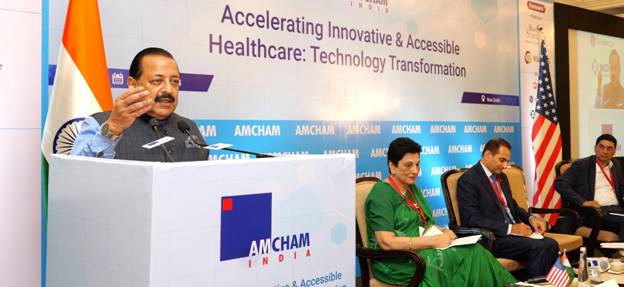
‘Healthcare Summit’; emphasises use of latest technology for accessible, affordable healthcare

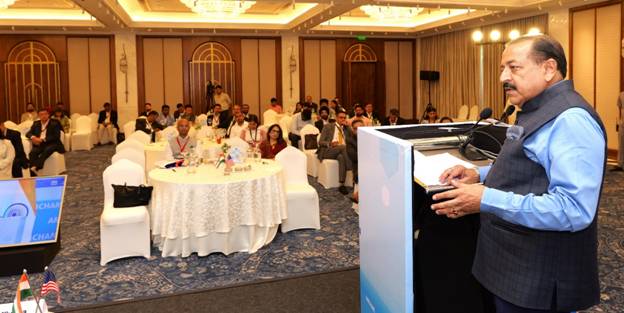
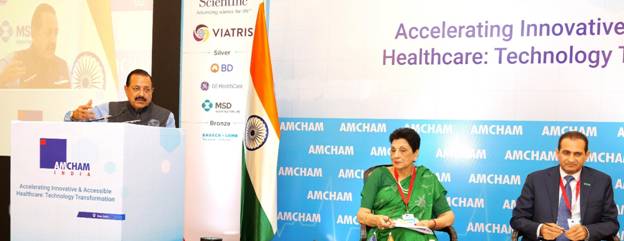
Addressing the 2nd “Healthcare Summit” of “American Chamber of India” (AMCHAM) at Hotel Taj here, Union Minister Dr. Jitendra Singh emphasised the use of latest technology  for accessible, affordable healthcare. 

The Minister also described  India among the top 6 Bio-manufacturers of the world with one of the most cost-effective and efficacy-based Bio-manufacturing as well as cost-effective healthcare destination.

Union Minister of State (Independent Charge) for Science and Technology, Minister of State (Independent Charge) for Earth Sciences, MoS PMO, Department of Atomic Energy and Department of Space, MoS Personnel, Public Grievances and Pensions, Dr. Jitendra Singh, said in his opening remarks, “I would like to extend my gratitude to AMCHAM for organizing this pivotal healthcare summit and inviting me to articulate the Government’s vision for healthcare in India.” He expressed his happiness at being a part of the fraternity gathering and discussing the subject of health, which is his area of interest.

Incidentally, the Minister is  himself a renowned endocrinologist with a three-decade long career in medicine. He pressed on the new burden of metabolic disorders and the challenges it posed with a wide spectrum of diseases and an increased life span bringing novel diseases.

The Minister appreciated the theme of the summit, i.e., ‘Accelerating Innovative and Accessible Healthcare: Technology Transformation.’ He said the theme is quite relevant to India’s contemporary health issues and government efforts to ensure affordable healthcare f toor all.

Dr. Jitendra Singh underscored that summits of this nature are instrumental in convening key stakeholders-healthcare professionals, technology experts, policymakers, and industry leaders to deliberate on fortifying the U.S.-India partnership in healthcare.

Speaking on the transformation in healthcare brought about in recent times, Dr. Jitendra Singh said, “Prime Minister Narendra Modi has a vision for a healthy India with the elimination of communicable diseases and reduction in non-communicable diseases, developing health indices and making steady progress.” He said, “India carried out the world’s largest vaccination drive in COVID pandemic; this reaffirms that Modi Govt. 3.0 firmly believes that accessible healthcare is a right for every citizen.

“Gone are the days when people used to visit other developed nations to access medical facilities; now India has become a hub and is the most sought-after destination for medical tourism and among the frontline nations in preventive healthcare.” According to the Science and Technology Minister, in the last decade, healthcare has been a priority sector for the government. He recalled the achievements such as the Ayushman Card which ensured cashless medical treatment to the citizens. The Digital healthcare mission, PM Jan Aaushadi and its integration with other medical streams such as Ayush.

Dr. Jitendra Singh stated that technology plays a crucial role in ensuring equitable access to healthcare. Technology is revolutionizing the healthcare sector, and the integration of Artificial Intelligence (AI) and Machine Learning (ML) tools can significantly enhance our capabilities by leveraging technology, we can enhance efficiency, reduce wait times, and improve overall healthcare delivery. Sharing his experience with Telemedicine, the minister shared how it has transformed healthcare and made services accessible even to the remotest villages in Jammu and Kashmir.

Dr. Jitendra Singh emphasized the increased cooperation in the public and private sectors. It is important to understand that public health is not just the responsibility of the government; private participation is equally important and we as a society as a whole have to take steps in the right direction. The Minister said opening up of the Space sector had ushered a private investment of more than Rs 1,000 crore within a few months and boosted the Startup numbers from one startup in 2022 to 200 plus startups currently and having global capacity.

The Minister also recalled the efforts of the Department of Biotechnology and their achievements for fostering research and development in translational health sciences. He said the Bio- manufacturing and bio-foundry has grown 10 times from $13 billion in 2014 to $130 billion in 2024.

Highlighting the vitality of the pharmaceutical sector the minister said, “India supplies four out of every ten prescriptions filled in the U.S, highlighting our pharmaceutical manufacturing capabilities.” Going further he highlighted that partnership between India and the United States is critical.

Ms. Ranjana Khanna Director General, CEO AMCHAM; Mr Som Satsangi, Chairman, AMCHAM & Sr Vice President and MD, India Hewlett Packard Enterprise; Dr Rajeev Singh Raghuvanshi, Drug Controller General of India; Mr. Madan Krishnan, Vice President and Managing Director India Subcontinent, Boston Scientific and Mr Chaitanya Sarawate, Managing Director Wipro GE Healthcare also participated in the Summit.

*****

Regulation of Drugs, Cosmetics and Medical Devices

 “For India to become the global leader in drugs regulation to match our global reputation of ‘Pharmacy of the World’, we need to have world class regulatory framework matching our scale of operations and international expectations”. This was stated by Union Health Minister Shri J P Nadda, as he reviewed the regulation of drugs, cosmetics and medical devices, here today. Union Health Secretary Shri Apurva Chandra, Drugs Controller General of India (DCGI) Dr Rajeev Singh Raghuvanshi and senior officers of Central Drugs Standard Control Organization (CDSCO) and Union Health Ministry were present at the high level review meeting.
Highlighting the global position of India as the leading producer and exporter of drugs, Shri J P Nadda stressed on CDSCO to draw a roadmap with timelines of achieving global standards in its mandated activities. He stated that the upscaling needs to be systems-based focusing on highest standards of uniformity, technical upgradation and futuristic approach. For export of drugs and pharmaceuticals, the system should be designed for proper intervention to maintain the quality of drugs being exported, he emphasized.

Shri Nadda underscored the importance of transparency in the working of CDSCO. He stated that “In order to achieve global standards, our focus needs to be on transparency of procedures at CDCSO and within the drugs and medical devices industry”. Both the Drugs Regulatory body and the industry should work on highest principles of transparency to ensure that the products manufactured and sold by India meet the highest indices of global quality standards, he said.

The Union Health Minister stated that it is important for CDSCO to be in continuous dialogue with the drugs and medical devices industry to understand their issues and support them to fulfill the quality expectations and standards of CDSCO. “Our focus should be on developing mechanisms that ensure easy of doing business for the drugs industry within the regulatory requirements. For this, CDSCO needs to be a user-friendly organization with state-of-the-art facilities matching global standards”, he stated.    

On the topic of Micro, Small & Medium Enterprises (MSME) sector in drugs manufacturing and the issues faced by the small scale industries to meet quality standards, the Union Health Minister “Let us understand the issues faced by MSME sector and support them to strengthen their capacity and quality of products on the one hand, and encourage them to meet the regulatory requirements on the other.”

Shri Nadda was briefed about the mandated activities of CDSCO, its achievements, future plans and various issues and challenges faced by CDSCO. The Minister was also updated on the progress of the Scheme for strengthening state drug regulatory system with a budget of Rs.850 crores which was launched in 2016 during his earlier tenure.

The Union Minister was briefed on the roles and responsibilities of the central and state drugs regulatory bodies, and some of the challenges faced in alignment between them. Noting that the States are integral part of our regulatory value chain, Shri Nadda underscored the importance of working in tandem with the States so as to enhance their skills and capacities, and also encourage them to align with quality standards of the Central Government. “This is especially important in view of upgradation of Good Manufacturing Practices to global level embarked upon by CDSCO”, he added.

****

A High-Level Brainstorming Session on Avian Influenza Under One Health Approach

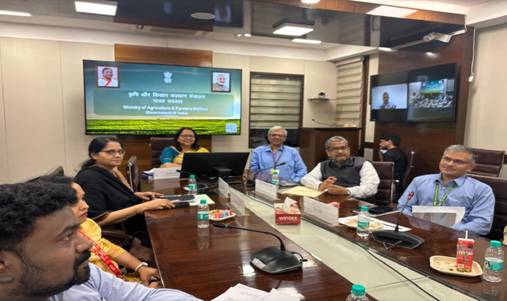
 The Department of Animal Husbandry & Dairying convened a high-level brainstorming session on Avian Influenza, focusing on surveillance and vaccination under the One Health approach. The session took place at Krishi Bhawan on yesterday and was chaired by Secretary of the Department of Animal Husbandry & Dairying Ms. Alka Upadhyaya. The event was attended by a diverse group of officers and experts.

Dr. Rajiv Bahl, Secretary of the Department of Health Research and Director General of the Indian Council of Medical Research (ICMR), set the context of the One Health Mission. Participants included senior experts from ICMR Headquarters, ICMR-NIV Pune, CSIR-Centre for Cell and Molecular Biology (CCMB), the National Centre for Disease Control, ICAR-NIHSAD Bhopal, ICAR-NIVEDI Bangalore, and representatives from the Ministry of Environment, Forest and Climate Change, Department of Biotechnology, DM Cell, Ministry of Health & Family Welfare and the Department of Animal Husbandry & Dairying (DAHD).

The poultry sector in India plays a crucial role in food security by providing a reliable source of high-quality protein. It significantly contributes to nutritional security and supports livelihoods, particularly in rural areas. The sector, which has grown steadily at a rate of 7-10% over the past decade, also boosts trade and exports, contributing to the country’s economic growth. However, recurrent Highly Pathogenic Avian Influenza (HPAI) outbreaks hinder its potential and impact exports.

Highly pathogenic avian influenza (HPAI) H5 subtype virus is evolving biologically and expanding geographically, with the emergence of well-established genetic lineages. The recent HPAI outbreak in dairy cattle in the USA, with spill over to other mammals, underscores the pandemic potential of HPAI. Addressing this threat requires the One Health approach, integrating human, animal, and environmental health with enhanced coordination and comprehensive strategies. The session featured comprehensive presentations from the Human Health, Animal Husbandry, and Wildlife sectors, highlighting current surveillance protocols and response mechanisms for Avian Influenza outbreaks. The need for enhanced environmental surveillance and updating existing protocols was emphasized.

Experts concurred on the necessity of proactive One Health Coordination to prepare for exotic and emergent zoonotic diseases like Avian Influenza. Discussions focused on strengthening surveillance at the interface areas between humans, animals, and wildlife, augmenting active surveillance, and deploying cross-sectoral Joint Response Teams (RRTs).

The Influenza A/H5 virus is spreading through poultry and wild birds along well-defined migratory routes. Given India’s position along the migratory bird flyway, developing an effective strategy for migratory bird surveillance at water bodies during the winter season is emphasized for early warnings and disease control. Special emphasis is placed on developing SOPs for environmental surveillance using low-cost methods at sites like wet markets, water bodies, wastewater, slaughterhouses, and poultry farms. Following the lead from wastewater screening for COVID and polio virus, CCMB, ICMR, and NIV have initiated research in this area, yielding significant and promising results.

The globally available HPAI vaccines typically neither provide sterile immunity nor are 100% effective against all strains. vaccines offer partial immunity, reducing disease severity and viral shedding but not entirely preventing infection. Vaccinated birds can still carry and transmit the virus without exhibiting symptoms, complicating surveillance and outbreak detection. This partial immunity can lead to the emergence of vaccine-resistant strains. Considering these scenarios and the difficulties in ensuring stringent biosecurity and movement restrictions, particularly in the backyard poultry sectors, experts advocate continuing the present strategy of surveillance and culling with no vaccination. However, the need for advanced research for vaccines for both humans and poultry birds is emphasized. ICAR-NIHSAD, Bhopal, which has already commercialized the vaccine technology against Low-Pathogenic Avian Influenza (LPAI-H9N2), has taken a significant lead in developing an indigenous vaccine against HPAI. ICMR is also planning to initiate cell-culture-based vaccines against Avian flu for human use.

This brainstorming session marked a significant step towards a coordinated and comprehensive approach to managing Avian Influenza. By leveraging the One Health approach, the Department of Animal Husbandry & Dairying aims to enhance surveillance, response mechanisms, and vaccine development, thereby mitigating the impact of Avian Influenza and similar zoonotic diseases.

*****

Lakshadweep, Daman Diu, Dadra and Nagar Haveli

 Administrator of Lakshadweep, Daman Diu, Dadra and Nagar Haveli Sh Praful Patel called on Union Minister Dr. Jitendra Singh here today to express gratification for initiatives such as installing world’s first of its kind “Desalination Plant” for drinking water by National Institute of Ocean Technology, Chennai under the aegis of Union Ministry of Earth Sciences.

Sh Patel thanked Minister Earth Sciences Dr. Jitendra Singh for the World’s first Low Temperature Thermal Desalination (LTTD) plant which has brought huge relief by providing clean drinking water to people of the Union Territory. Total 9 Desalination plants are approved of which are 7 operational and one more will be operationalized in the coming weeks. The capacity of each of these LTTD units is around 1 Lakh litre of potable water per day which will be increased to 1.5 lakh litres per day in the coming time.

 The LTTD technology uses the naturally available temperature difference in oceans, evaporating the surface water at low pressure and condensing the resultant vapour with deep sea cold water at 12oC, obtained from about 400 m depth. The technology is indigenous, environmentally friendly and easy to operate. He also thanked Prime Minister Narendra Modi and the union government for approving Two Airports.

Dr. Jitendra Singh said “Two airports will prove to be a boon for Eco-tourism and development in Lakshadweep.” He highlighted the development journey since 2014 of the Union Territory and reforms brought in schools, colleges and other social sectors such as Hospitals and Local self Governing bodies.

Union Minister of State (Independent Charge) for Science and Technology, Minister of State (Independent Charge) for Earth Sciences, MoS PMO, Department of Atomic Energy and Department of Space, MoS Personnel, Public Grievances and Pensions, Dr. Jitendra Singh informed Sh Praful Patel that two re-mineralization plants are being made operational which will add the essential salts evaporated during the desalination process. Other desalination units/plants will also be provided with similar re-mineralization facility in course of time, he added.

Dr. Jitendra Singh shared that a team of doctors from SRM Institute, based on local health records 6 months before and after installation of Kavaratti plant observed that the incidence of water borne diseases reduced by 90% (200 to 8) highlighting the health benefits and impact of provision of potable water. He also assured that these indigenous technological developments will prove to be a landmark and increased the pace of development and promote tourism in the Union Territory.

Dr. Jitendra Singh highlighted Prime Minister’s vision for the development of Lakshadweep and said “In the coming years It will become a major hub for Domestic as well as international tourists generating employment and boosting economy. He also informed Sh Patel that almost all the Ministries under Dr. Jitendra Singh are working in tandem to bring more projects and development to the region. On the sidelines both discussed various developmental activities and projects in the UT. 

*****

Review India’s Preparation for Paris Olympics 2024

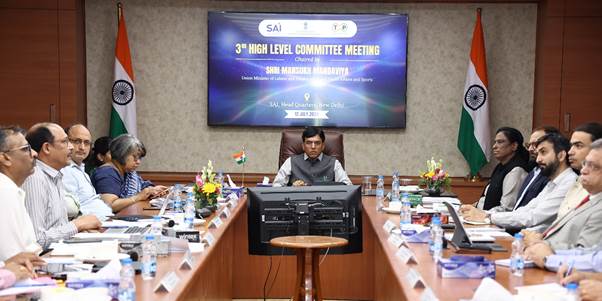
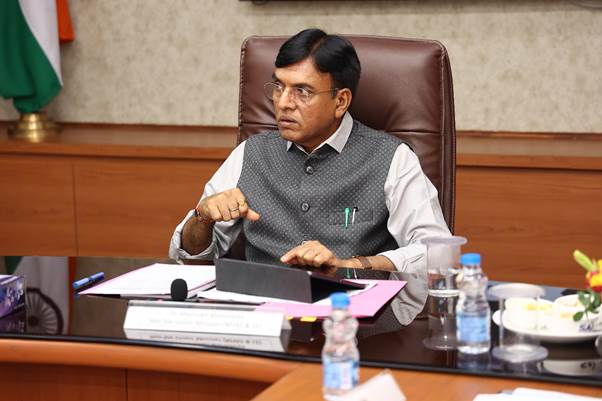
 Union Minister for Youth Affairs & Sports and Labour & Employment, Dr. Mansukh Mandaviya chaired the high-level meeting to review India’s preparations for Paris 2024 Olympic Games today.

A total of 118 athletes, including 48 women athletes, across 16 sports disciplines will participate in the Paris Olympics. Out of the total 118 Paris-bound athletes, 26 are Khelo India athletes and 72 athletes have qualified for Olympic games for the first time.

Dr. Mandaviya also established a coordination group to ensure holistic support for athletes and to address any issues that arise during the lead-up to and throughout the competition.

Dr. Mandaviya emphasized the importance of all stakeholders working together to provide athletes with the support they need. “As our athletes enter this critical phase of preparation and competition, it’s essential that we ensure they are in the best physical and mental condition to excel,” he said, echoing Prime Minister Narendra Modi’s message to the athletes.


During the meeting, Dr. Mandaviya expressed satisfaction that over 80 per cent of the qualified athletes were already training at various locations in Europe, ensuring they would not encounter acclimatisation issues.

The Government is committed to providing comprehensive support to Indian athletes through the Target Olympic Podium Scheme (TOPS), ensuring they have the best possible preparation for the Paris 2024 Olympics. This includes the engagement of world-class coaches and experts to enhance training programs, organising competitive exposures to give athletes vital experience, and taking initiatives focused on rehabilitation and injury management.

For the first time, a recovery centre with sports science equipment will be available for Indian athletes at the Games Village. Additionally, India House has been set up at the Park of Nations in Paris, joining 14 other countries, including France, with similar houses. Importantly, all decisions are made with a focus on the athletes’ needs and perspectives.

These efforts underscore the dedication to optimizing athletes’ performance and well-being, demonstrating a strong commitment to their success and achievement.

*****

First Mother Ship at Vizhinjam- India’s first deep water Container Transhipment Port

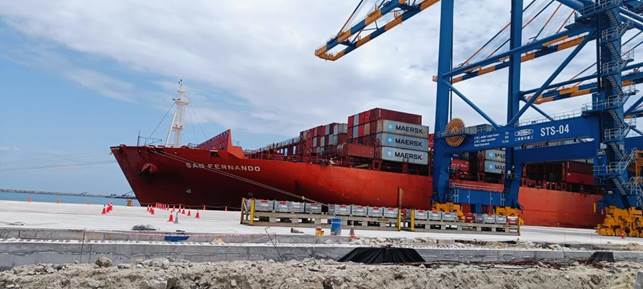
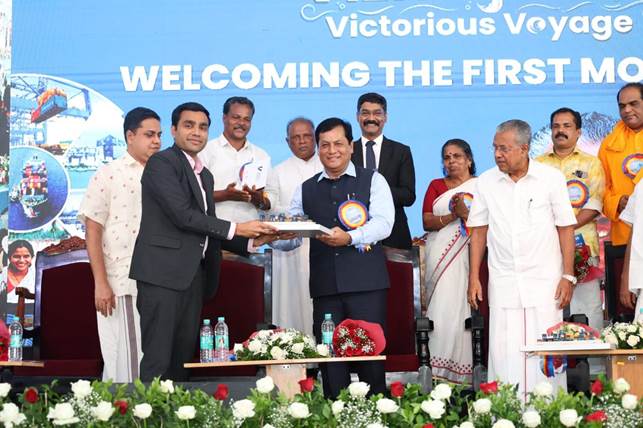
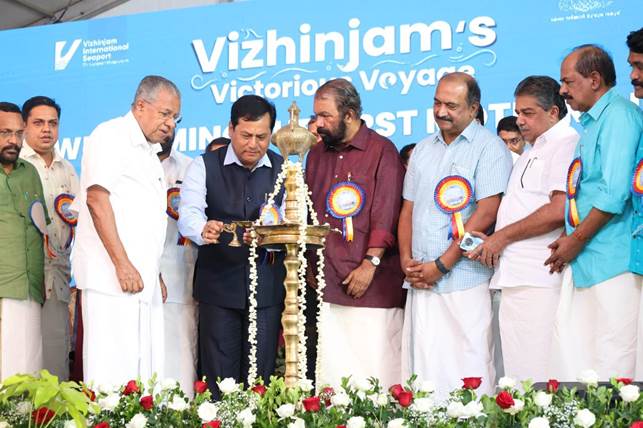
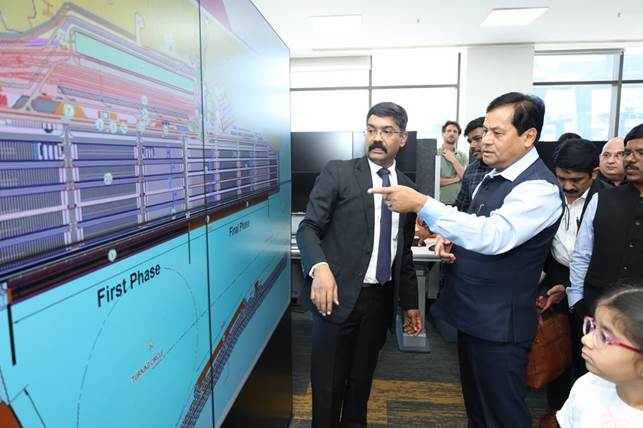
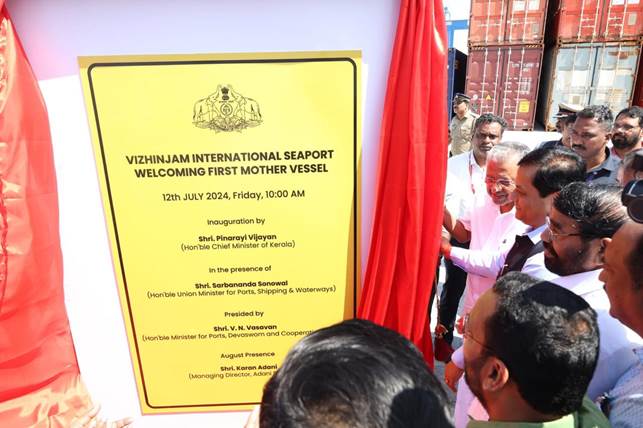
 The Union Minister of Ports, Shipping & Waterways, Shri Sarbananda Sonowal received the first Mother Ship  ‘MV San Fernando’ marking the beginning of operation at India’s First deep water container transhipment port in Vizhinjam, Kerala today. The ship, with a capacity upto 9000 TEUs, docks at India’s first automated port which is equipped with state of the art that offers large scale automation for quick turnaround of vessels including capacity to handle megamax containerships. The Chief Minister of Kerala, Shri Pinari Vijayan was also present on the occasion.


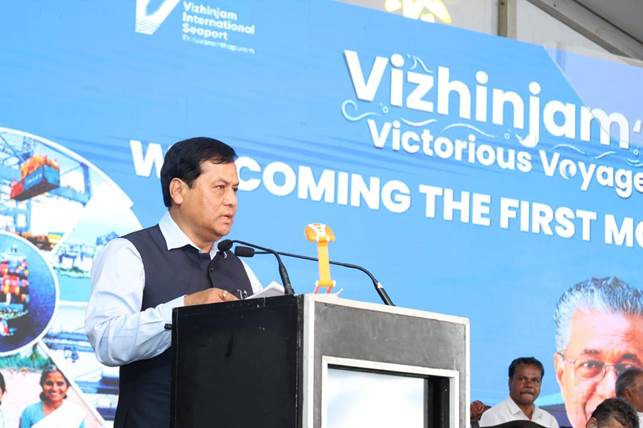
Speaking on the occasion, Shri Sonowal said, “Today is a historic day for the maritime sector of India as the maiden mothership docks at Vizhinjam, India’s first truly deep water International Container Transhipment terminal. This is the testament of the vision of ‘Make in India’ where a PPP collaboration among Govt. of Kerala, Govt. of India as well as the Adani Port SEZ has created a wonderful asset for growth of India’s maritime sector. Under the visionary leadership of Prime Minister Shri Narendra Modi ji, India is equipping and enabling entrepreneurial ventures and collaborating as and when required to build capacity for the cause of nation building. This wonderful achievement marks the beginning of a new era in the ports sector of the country. This is a big step towards realisation of the vision of PM Narendra Modi ji of creating world class port infrastructure in the country. In the same spirit of nation building, our ministry, under the visionary guidance of PM Narendra Modi ji, is working towards execution of Mega Port Projects including All Weather Deep Draft Port at Vadhavan in Maharashtra and International Container Transhipment Terminal (ICTT) at Galathea Bay in a mission mode.”


Vizhinjam Port is a strategic maritime project near Thiruvananthapuram in Kerala. This is the first Greenfield port project in India, initiated by a state Government with an investment exceeding ₹18,000 crores. Developed under the Public Private Partnership (PPP) mode, it stands as one of the largest initiatives in the country’s port sector. Vizhinjam’s strategic location near international shipping routes significantly reduces transit times for vessels, making it a pivotal point for maritime trade. As one of India’s few natural deep-water ports, it can efficiently accommodate large cargo and container ships. The development of the Vizhinjam International Seaport is poised to boost Kerala’s economic growth by creating jobs, enhancing trade, and attracting investments. Ongoing infrastructure projects aim to equip the port with state-of-the-art facilities, including modern container terminals, warehouses, and logistics parks. Vizhinjam is set to become a key player in regional trade, potentially serving as a gateway for commerce between Southeast Asia, the Middle East, and Africa.


Speaking further, Shri Sonowal added, “Under the dynamic leadership of Prime Minister Shri Narendra Modiji, India has fast tracked development of ports sector in the country, as we aim to become top maritime global power in the years to come. Today, with the operationalisation of Vizhinjam port, India is poised to reap opportunity it creates in the region, and bringing healthy competition with Colombo and Singapore transhipment hubs. The government remains committed to enable and equip India’s maritime sector as projects worth more than ₹24,000 crores are being implemented in Kerala under the Sagarmala project – the flagship programme of the Ministry of Ports, Shipping & Waterways. With dynamic global scenario impacting the maritime sector, this port offers a viable alternative and an option to major shipping lines to mitigate the disruptions in the global supply chain.”

******

Journalists offering their inputs on various policy matters and current affairs

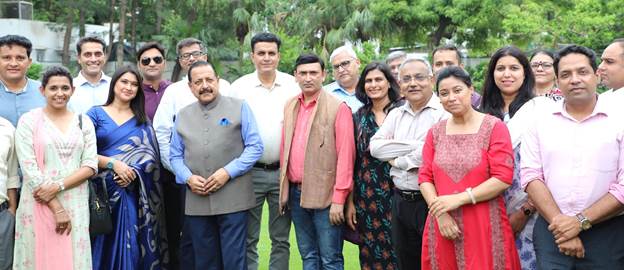
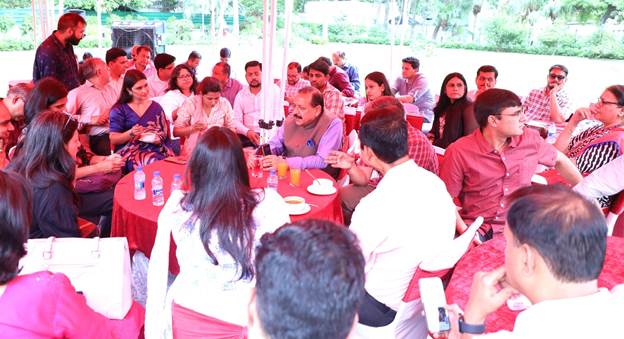
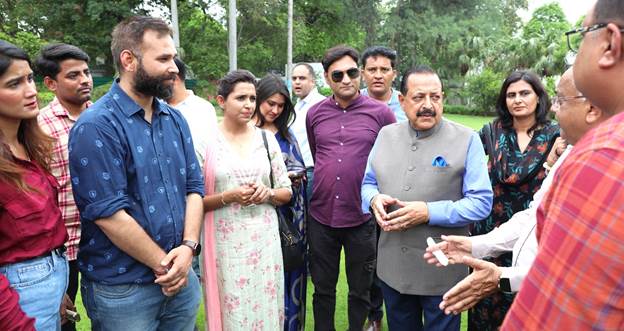
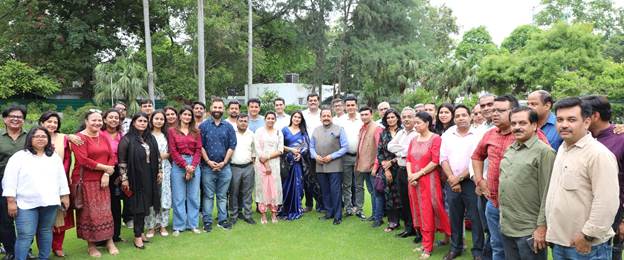
 Union Minister Dr. Jitendra Singh hosted at his residence an informal Media lunch for print and electronic journalists from various known publications and channels. The event provided an opportunity for exchange of views on a wide range of varied subjects and sharing of ideas on several current topics.

The luncheon meeting saw a vibrant exchange of views, with journalists offering their inputs on various policy matters and current affairs. The Minister sought feedback on areas where collaborative efforts could enhance governance and public service delivery.

The gathering was marked by an atmosphere of constructive dialogue, where the Minister engaged directly with journalists on a range of topics concerning his Ministries. The interactive session allowed for insightful conversations that delved into the government’s initiatives, upcoming legislative priorities, J&K and the broader vision for the nation’s development.

Welcoming the guests, Union Minister of State (Independent Charge) for Science and Technology, Minister of State (Independent Charge) for Earth Sciences, MoS PMO, Department of Atomic Energy and Department of Space, MoS Personnel, Public Grievances and Pensions Dr. Jitendra Singh said “I am delighted to have this opportunity to engage with all of you today. Your role as journalists is vital in a democracy and informal conversations like these are essential to understand each other better and work towards our common national goals.”

Dr. Jitendra Singh appreciated the crucial role played by the media in informing the public and shaping public opinion. When asked about the new reforms of Modi Govt. 3.0, Dr. Jitendra Singh highlighted The Public Examinations (Prevention of Unfair Means) act 2024 enacted to tackle unfair practices in central recruitment and educational institution entrance exams and assured the zero tolerance by the government in such cases and its aspiration for Meritocracy. The DoPT Minister also emphasized on the rule to role shift in governance by upgrading the skills and capacity building of Civil Servants. He also underscored the government’s commitment to transparency and accountability, highlighting the importance of constructive criticism in the democratic process.

Beat journalists covering Science and Technology, Space and Earth Sciences wanted to know about India’s Space Missions, Deep Sea Mission and next generation Technologies. The Minister Made them aware of the current developments and highlighted that progress happened in S&T will continue even at a faster rate as Anusandhan NRF has been Brought in p-lace to collaborate and converge the efforts of both Public and Private sector. He recalled the success in the Space Sector after private participation was encouraged. He said in just two years 200 Space startups have started many with global capacity. The India’s bio-economy has grown 13-fold in the last 10 years from $10 billion in 2014 to over $130 billion in 2024.

In terms of energy security Dr. Jitendra Singh said “India’s Nuclear Power generation capacity to increase by around 70 percent in the next 5 years”.

On the Pensions and pensioners welfare, Dr. Jitendra Singh Said that Prime Minister Modi is quite sensitive to the concerns of the senior citizens and following his visions we have started Pension Adalats and empowered women. The unmarried and divorced daughters and widows are sought to be empowered through pensions. He also underlined the need for a humane approach in governance and shared the human feedback model adopted by the ministry after redressal of grievances.


***

Central Public Works Department (CPWD) commemorates 170 years of dedicated service to the Nation

 Central Public Works Department (CPWD) organized its 170th Annual Day today at Vigyan Bhawan, New Delhi to commemorate 170 years of dedicated service to the Nation.’

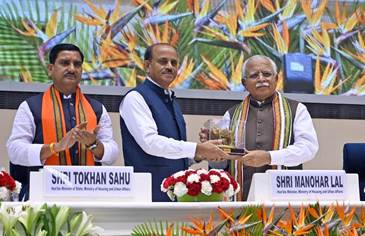
The occasion was graced by Shri Manohar Lal, Minister of Housing and Urban Affairs (MoHUA) as the Chief Guest. Shri Tokhan Sahu, Minister of State, MoHUA as the ‘Guest of Honour’ in the august presence of Shri Anurag Jain, Secretary, MoHUA. Shri Rajesh Kumar Kaushal, Director General, CPWD and Shri S.P. Chaudhary, Special Director General (HQ), CPWD along with other dignitaries, officers and staff of CPWD from across the country.


Shri Manohar Lal, Minister for Housing and Urban Affairs, in his address at the function congratulated the entire CPWD fraternity on their 170th Annual Day and complimented DG, CPWD for steering CPWD in the direction of swift progress and growth aimed at leading India towards the status of fully develop nation. He lauded the remarkable journey of the nation’s premier construction agency from its inception to the present day. Adding to his words, he said how effortlessly the department has evolved and adapted to the changes & needs of time to maintain its continued relevance in present times in the form of large projects all over the country.

Shri Tokhan Sahu, Minister of State for Housing and Urban Affairs congratulated entire CPWD fraternity on 170th Annual Day and complimented the department for its glorious history spanning 170 years. He stated that the transformation by the CPWD in last decade is remarkable. Highlighting its success & achievements, he gave the example of the New Parliament constructed by CPWD.

Shri Anurag Jain, Secretary, MoHUA congratulated CPWD on 170th Annual Day. He desired CPWD to participate actively and contribute in building a New India to fulfil the vision of the Prime Minister. CPWD as a technical department must focus on areas where innovation and modernization in the infrastructure sector are required for accelerated economic development. He also stated that we must study the successful models of development all over the world and tropicalized for our use.

Shri Rajesh Kumar Kaushal, Director General, CPWD in his address affirmed the rock- solid support and guidance of MoHUA. He said that the department has proactively moved on the path of transformation, innovation, delivery and image building in the last decade. He stated that achievements and activities of CPWD have been significant in terms of human resource management, speedier and quality construction, adoption of new technologies, completion of projects on time with quality and economy, adding new clients, signing new MoUs, implementing new policy initiatives for the growth of Department.

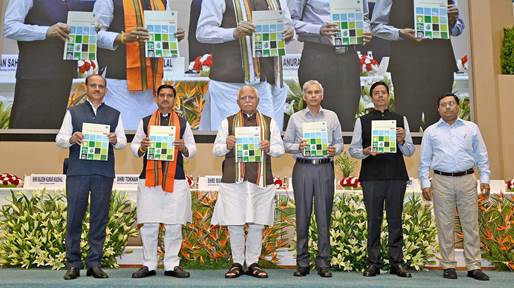
A short film depicting the glorious history and achievements of CPWD over a span of 170 years was shown during the function. Eight technical publications of CPWD namely Reducing Carbon Footprint in Buildings, Introducing BIM in CPWD, Nirman Bharati, CPWD Works Manual 2024, SOPs for CPWD Works Manual 2024, General Condition of Contracts 2024 for EPC Projects, Enlistment Rules 2024 and HVAC Specification 2024, three e-NIRMIT ERP Modules namely ‘Contractor Workman Management’, ‘Online collection Refund and forfeiture of Earnest Money Deposit for e-Tendering Pan India’, ‘Online Verification of Ban Guarantee in e-Tendering’ were also launched by the dignitaries. As part of the Annual Day function CPWD Director General Medals, Commendation Certificate and Certificate of Merit were conferred by the ‘Chief Guest’ and ‘Guest of Honour’ to the awardees for performers and best works.


On the eve of CPWD Day, a Technical Session was also held at Vigyan Bhawan, New Delhi on July 11, 2024. Prof. V. K. Paul, Director, School of Planning and Architecture, New Delhi graced the function as the Chief Guest in the august presence of Shri Deepak Agarwal, Joint Secretary (Works), MoHUA. During the Technical Session various Technical Presentations were made by CPWD officers as well as experts from the Construction Industry.

A Cultural programme ‘Jhankar’ was organized by the CPWD Officers Wives Association as a part of CPWD Annual Day celebration was organized at Manekshaw Auditorium, Delhi Cantonment on 11.07.2024. Ms. Bansuri Swaraj, Member of Parliament (LS) graced the function as the ‘Chief Guest’.

***

Ayushman Bharat PMJAY and Ayushman Bharat Digital Mission (ABDM)

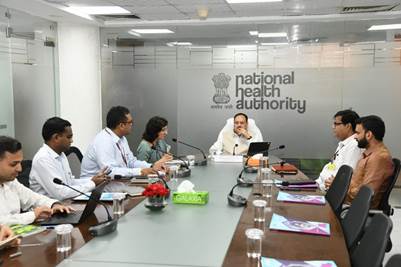
 Union Minister of Health and Family Welfare Shri Jagat Prakash Nadda reviewed the Ayushman Bharat Pradhan Mantri Jan Arogya Yojana (PMJAY) and Ayushman Bharat Digital Mission (ABDM) with senior officials of National Health Authority (NHA), here today.

A detailed presentation was made to the Union Health & Family Welfare minister on their salient features, the present status of the schemes and different aspects of their operationalisation by Ms. Deepti Gaur Mukherjee, CEO, NHA. Scheme has achieved significant milestones in terms of 34.7 crore Ayushman Cards, 7.35 crore hospital admissions amounting to more than ₹1 lakh crore. NHA presented the plan to strengthen the network of empanelled hospitals and effectively engage with them.

Underlining the vision of Hon. Prime Minister of universal health coverage and benefiting the most needy and vulnerable sections of the society through AB PM-JAY, the Union Health Minister directed the officials to ensure that benefits of these visionary schemes reach the most needy and vulnerable sections of the society. He stated that We need to ensure that challenges and any issues that are hampering the effective implementation of PM-JAY are resolved early in coordination with States”. He has directed NHA to engage and coordinate with the States on a regular basis to understand in-depth the issues at hand and resolve them in unison.

Shri Nadda stated that to strengthen and expand Ayushman card creation of eligible beneficiaries, especially in the urban areas and metropolitan cities, a bottom-up approach needs to be adopted, where we create pathways and mechanisms whereby, they can be easily verified for creation of Ayushman card. “Let us keep our systems flexible and agile to ensure the enrolment process”, he advised.   

Noting that it is important to learn from the experiences of the beneficiaries, Shri Nadda stated that smart technology tools can be employed to connect directly with the beneficiaries and collect their hospitalisation and treatment experiences.  This will help us to improve delivery of our healthcare services, he highlighted.

The union Health minister was also briefed about the fraud detection and prevention measures being taken by NHA, which has helped to enhance the efficiency of the scheme.

Shri. J P Nadda also reviewed the National Health Claims Exchange (NHCX). NHXC has been developed by NHA in collaboration with Insurance Regulatory Development Authority of India (IRDAI). NHCX will enable paperless settlement of claims submitted by hospitals to insurance company. This will also enable IRDAI to have a dashboard view of claims settlement status in real time. 33 insurance companies covering 99% insurance market have been integrated on NHCX platform. Citizens will also be able to see the status of their insurance claim through the mobile.

India and Bhutan on Air quality, Climate change, Forests, Natural resources, renewable energy sources and wildlife

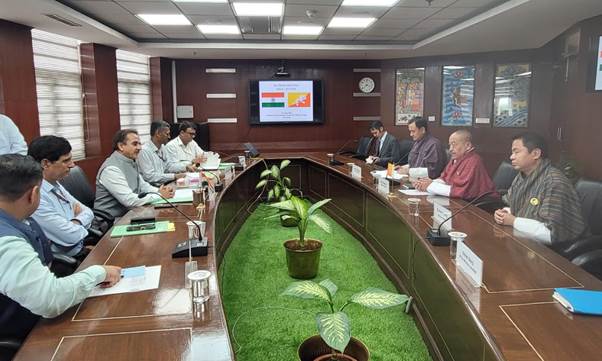
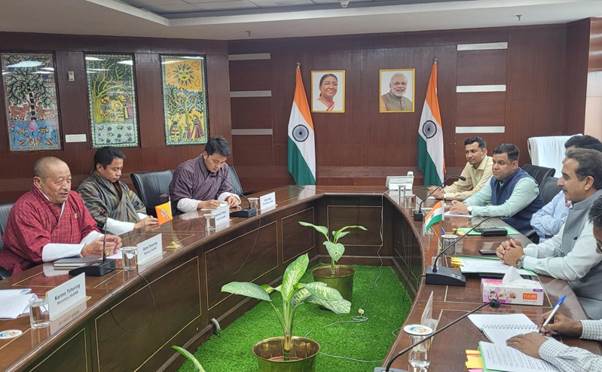
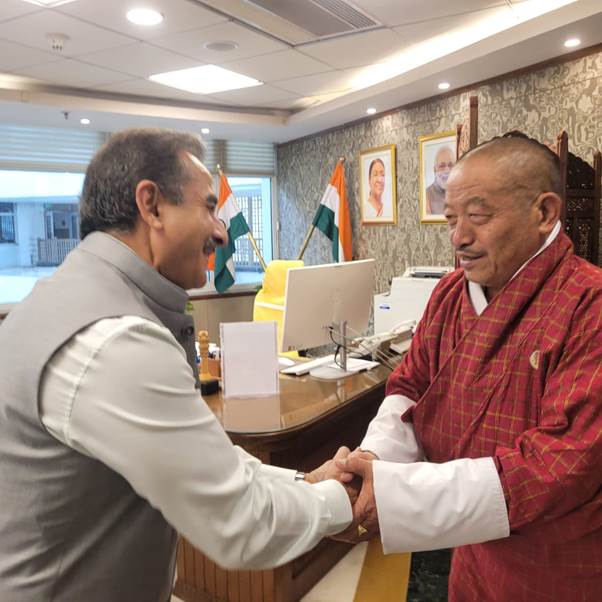
 A delegation from the Royal Government of Bhutan, headed by Mr Gem Tshering, Minister of Energy and Natural Resources, Government of Bhutan met Shri Kirti Vardhan Singh, Union Minister of State for Environment, Forest and Climate Change and discussed issues related to air quality, climate change, forests, natural resources, wildlife and renewable energy.

Shri Kirti Vardhan Singh thanked the Bhutanese Minister on joining the International Big Cat Alliance, a global initiative of India. He stated that both countries share same geography, ecosystem, as well as common values of democracy. He further stated that climate change is a common concern for both the countries.

Mr. Tshering informed about successfully hosting the Sustainable Finance for Tiger Landscape Conference in April 2024 in Paro. He stated that Bhutan is already a carbon negative country and obtains its major share of energy from hydropower.

Both sides agreed to work together in the areas of climate change, air quality, forest, wildlife management, and capacity building in the field of environment and climate change. India suggested to hold the Joint Working Group Meeting.

****

Indo-Norway collaboration on Blue-Economy

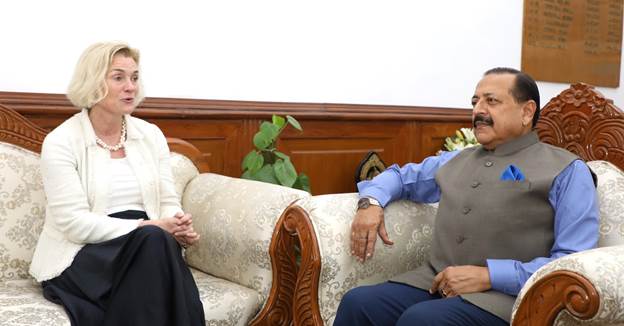
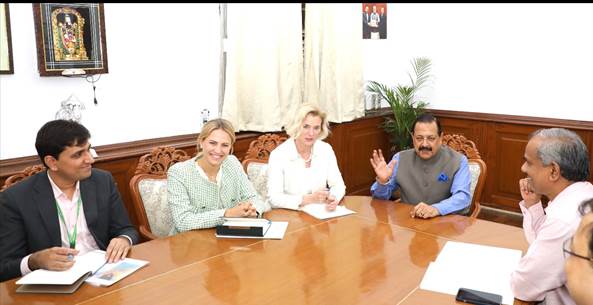
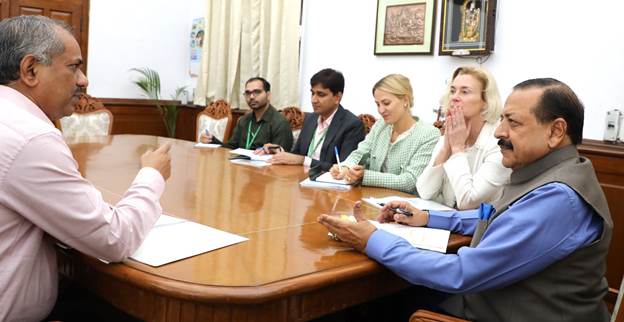
 Union Minister Dr. Jitendra Singh holds a meeting to review the Indo-Norway collaboration on Blue-Economy with Norwegian Ambassador to India Ms. May-Elin Stener in the North Block today.

Union Minister of State (Independent Charge) for Science and Technology, Minister of State (Independent Charge) for Earth Sciences, MoS PMO, Department of Atomic Energy and Department of Space, Personnel, Public Grievances and Pensions Dr. Jitendra Singh said, “The Joint Task Force (JTF) on Blue Economy (BE) to be strengthened by reinforcing our cooperation.” The task force is co-chaired by the Secretary, Ministry of Earth Sciences, Government of India.

The Minister also recalled the ‘India-Norway Integrated Ocean Management and Research Initiative’ and stated that we need to further deepen our collaboration. He also shared with the ambassador that India is carrying out a deep-sea mission by sending three Indians to deep sea which will open a horizon of opportunities in mineral exploration and seabed mining.

“Prime Minister Narendra Modi’s leadership enabled India’s Journey to Marine and Ocean exploration” is the reason for the gathering pace in this sector as described by the Earth sciences Minister. He also Said “Blue economy will foster India’s growth story in the coming years.” He highlighted the deployment of IndARC in the Arctic- India’s first sub-surface moored observatory in the polar waters, roughly halfway between Norway and the North Pole as India’s major scientific accomplishments.

Norwegian Ambassador to India Ms. May-Elin Stener said “Norway has Technology and India has Scalability”. She appreciated the efforts of the Minister for his increased co-operation, and able guidance to the projects under the Earth Sciences Ministry.

May-Elin Stener proposed to enhance the ties in fields of Science and technology along with ongoing Marine and Polar studies. The Ambassador recalled their Prime Minister’s Remarks on India and Norway being neighbors in Antarctica as far as the scientific research and establishing research facilities are concerned.

Dr. Jitendra Singh highlighted that his Earth Sciences Ministry has supported the Indo-Norwegian Fellowship Program which enabled three students to work on Arctic and Antarctic Glaciology funded by the Government.

The Earth Sciences Minister mentioned that an MoU was signed between the National Centre for Polar and Ocean Research (NCPOR) and Norwegian Polar Institute (NPI) for close collaboration in various fields of polar sciences at the 46th Antarctic Treaty Consultative Meeting held in Kochi.

Dr. Jitendra Singh recalled the draft framework jointly developed by India and Norway for Marine Spatial Planning (MSP). Going further he categorically stated both India and Norway look forward to the upcoming UN Conference on Oceans (UNOC-3) in Nice, France 2025.

****

DoT successfully concludes networking events under Sangam-Digital Twin Initiative

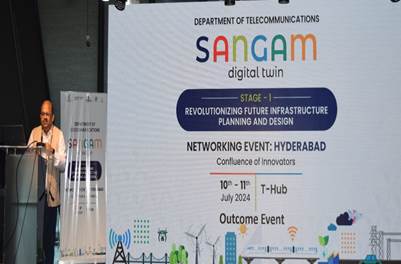
 The series of networking events under the Sangam-Digital Twin initiative by the Department of Telecommunications (DoT) has successfully concluded. The final event, held at T-Hub, Hyderabad on July 10-11, 2024, marked the culmination of a series of engaging and productive sessions aimed at revolutionizing infrastructure planning through advanced digital solutions.

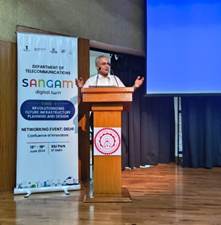
The Sangam Networking Events, hosted across four prestigious institutions—IIT Delhi, IIT Bombay, PES University Bangalore, and T-Hub Hyderabad—brought together over 400 participants from leading companies, academia, and government sectors. The events focused on developing comprehensive blueprints for Digital Twin-enabled solutions that address various challenges by leveraging diverse data sources.


Each event featured insightful keynote addresses by esteemed speakers, who highlighted the significance of harnessing data to solve real-world problems.

Addressing the participants at first networking event at Delhi, Dr Neeraj Mittal, Secretary, Telecommunications, said “Our goal is to develop viable projects, secure funding, and present them to the government to demonstrate the feasibility of creating a infrastructure planning tool for national-level.”

Shri Jayesh Ranjan Special Chief SecretaryITE&C, Telangana Govt, in his address at the final event at Hyderabad, emphasized the importance of industry collaboration to build digital twins.

Shri Niraj Verma, Additional Secretary, Telecom, stated, “These initiatives have set in motion significant collaboration among participants, fostering new ideas, knowledge, and capabilities. Our goal is to develop viable projects, secure funding, and demonstrate the feasibility of creating a national-level infrastructure planning tool.”

Breakout Sessions

Breakout sessions covered key verticals such as Intelligent Traffic Management, Multimodal Public Transport Optimization, Comprehensive Mobility Planning, Traffic Emission Management, Water Distribution Networks, Disaster Management, and Aspirational Blocks focusing on Health and Nutrition, and Education.

Cross-Sectoral Collaboration: Participants engaged in collaborative discussions to integrate data from diverse sources while ensuring privacy preservation through advanced technologies. Horizontal topics such as Privacy Enhancing Technologies (PETs), Data Provider and AI Governance Framework, Virtual World Creation and Interaction Capabilities, and Mathematical Modelling and Physics-Based Simulations were also explored.

Innovative Solutions and Future Roadmaps: The events produced viable project blueprints and strategic roadmaps for implementation. These outputs will guide the design and architecture of future solutions, define roles for various stakeholders, identify potential customers, and establish funding and governance mechanisms.

Special emphasis was  laid on Aspirational Blocks in all the events. The focus was on finding solutions and build models for enhancing Key Performance Indicators (KPIs) across Health and Nutrition, Education, and other themes for the aspirational blocks.

Other Key Outcomes and Focus Areas

1.         Transportation: Solutions to reduce traffic congestion in cities through Digital Twins focusing on Intelligent Traffic Management, Multi Modal Public Transport Optimization, and Comprehensive Mobility Planning.

2.         Assessment of Environment Quality and Its Impact: Initiatives for Traffic Emission Management and optimizing Water Distribution networks.

3.         Healthcare: Development of the Sangam Health Twin platform for orchestrating various Health Digital Twins, including:

  – Discrete Health Digital Twins for modelling specific organs.

  – Training Twins for healthcare providers.

  – Medical Equipment Twins for infrastructure and predictive maintenance.

  – Community Twins for managing communicable diseases.

4.         Disaster Management: Comprehensive rescue planning through advanced digital simulations and data integration.

At the final event at Hyderabad, Shri Niraj Verma launched the Outcome Document. This document, developed by diverse participants across all four networking events, focuses on the way forward for the Stage 2 of the initiative. It is open for comments from relevant stakeholders.

Way Forward:

The Sangam initiative will continue to build on the momentum generated by these networking events. Moving forward, the focus will be on implementing the developed blueprints and roadmaps, securing necessary funding, and establishing governance mechanisms to ensure successful project execution. Collaborative efforts will be intensified to integrate cutting-edge technologies and data-driven insights into national infrastructure planning, ultimately aiming to create sustainable and efficient solutions that address economic, social, and environmental challenges.

The DoT extends its gratitude to all participants and companies for their active engagement and contributions, which have set the stage for transformative advancements in digital solutions.

For further information, please visit https://sangam.sancharsaathi.gov.in/


About Sangam:

The Sangam initiative aims to revolutionize infrastructure planning and design through the utilization of cutting-edge technologies and collective intelligence. It represents a collaborative effort to harness the power of technology for sustainable and efficient infrastructure solutions.

‘Agri Fund for Start-Ups & Rural Enterprises’ (AgriSURE) to provide support to Startup and Agripreneurs

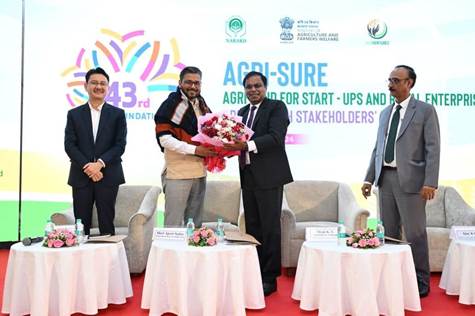
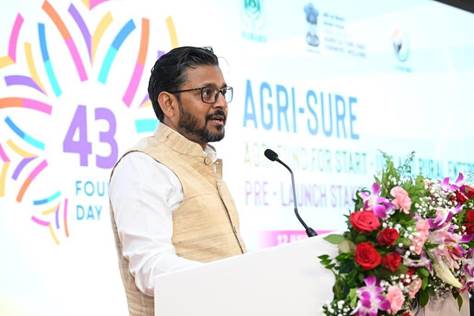
 The Government is poised to launch the ‘Agri Fund for Start-Ups & Rural Enterprises’ (AgriSURE) to support start-ups and agripreneurs through investments in sector-specific, sector-agnostic, and debt Alternative Investment Funds (AIFs), as well as direct equity support to start-ups working in Agriculture and allied sectors This initiative aims to foster innovation and sustainability in India’s agricultural sector through the establishment of a Rs 750 crore Category-II Alternative Investment Fund (AIF). The fund will offer both equity and debt support, specifically targeting high-risk, high- impact activities in the agriculture value chain.

The announcement was made at the Pre-Launch Stakeholder meet held at NABARD Headquarters in Mumbai. The event was attended by key stakeholders, including financial institutions, investors, AIF managers, and agri-startups. Distinguished guests included Shri Ajeet Kumar Sahu, Joint Secretary, DA&FW; Shri Shaji K.V., Chairman, NABARD; Shri Govardhan Singh Rawat, DMD, NABARD; and Dr. Ajay Kumar Sood, DMD, NABARD.


In his address, Shri Ajeet Kumar Sahu highlighted the fund’s potential to create an ecosystem that enhances financing for the agriculture sector through innovative approaches, benefiting small and marginal farmers. Shri Shaji K.V. emphasized the need for public and private sector collaboration to drive the next level of growth in agriculture through technological innovations.

While explaining the features of the fund CEO NABVENTURES briefed that the fund will be set up with an initial corpus of ₹750 Crore with 250 crores each from NABARD and the Ministry of Agriculture, and 250 crores from other institutions. The fund will focus on innovation in agriculture, enhancing the farm produce value chain, creating rural infrastructure, generating employment, and supporting Farmers Producer Organizations (FPOs). The fund will also encourage IT-based solutions and machinery rental services for farmers. NABVENTURES, a wholly-owned subsidiary of NABARD, will be the Fund manager of AgriSURE. The fund is designed to operate for 10 years, extendable by two or more years.

Underscoring its commitment to fostering innovation, NABARD also launched the AgriSURE Greenathon 2024. The hackathon aims to address three key problem statements: “Smart Agriculture on a Budget,” which tackles the high cost of advanced agriculture technologies that hinder small and marginal farmers; “Turning Agri-Waste into Profitable Business Opportunities,” focusing on transforming agricultural waste into profitable ventures; and “Tech Solutions Making Regenerative Agriculture Remunerative,” which aims to overcome economic hurdles in adopting regenerative agriculture practices.

NABARD called upon participation from young innovative minds to contribute in the journey of our country towards ‘Viksit Bharat’ with their innovative solutions to alleviate the flailing issues of the agriculture.

***

Narsee Monjee Institute of Management Studies (NMIMS), Mumbai

 Distinguished members of the faculty, members of the staff, and dear students, Amrish Bhai ji does not need any test for his spine, he comes from a very distinguished lineage, Sardar Patel Ji stands in this country as the tallest leader with a great spine, and made India what it is. For the benefit of young boys and girls, let me tell you, Sardar Patel ji was entrusted with the task of putting various states into Bharat, India. He did it remarkably well, efficiently, but one state was kept out of his purview, the state of Jammu and Kashmir, that became a problem, which means Dr. Sardar Patel Ji provides solution, quick solution, lasting solution, difficult situations he tackled seamlessly.

Another instance, Dr. Ambedkar was chairman of the drafting committee, father of our Indian Constitution, did a remarkably good job. He drafted all the articles of the Constitution except Article 370. So these two very distinguished people, if Dr. Ambedkar had drafted Article 370, or Sardar Patelji had been given also the job of integration of the state of Jammu and Kashmir, things would have been very different.

Let me take you to a historical perspective, then I’ll come to the subject. In 1963, in Parliament, the then Prime Minister, the first Prime Minister of the country, a question came up: how long will Article 370 last? Because it is the only article in the Indian Constitution which is labeled as temporary. Many, for various reasons, believe it is permanent.

Now no longer in our Constitution, thankfully, thanks to parliamentarians like him. I salute all the parliamentarians who, in one voice, took note of it. But Pandit Ji then said, “घिसते घिसते घिस जायेगा.” I’m quoting him about Article 370. We have seen it. Article 370 ने हमको बहुत घिसाया, घिसाते गए till we had a dispensation that dispensed with Article 370. I am deeply honored to be amongst you all.

And the subject is of contemporaneous relevance. It is pivotal to the future of our great nation, empowering India. The role of higher education in Viksit Bharat by 2047.

This institute has been nurturing the leaders of tomorrow, as was indicated by the Vice-Chancellor. The alumni are spread over the entire globe, setting benchmarks in management studies. This institute, I have no doubt, is a crucible of change.

It catalyzes big change. And a big change that goes to the benefit of empowering our Bharat, home to one-sixth of humanity. Your commitment to academic rigor and innovation is commendable, as indicated by the Vice-Chancellor. And I am thrilled, therefore, to be amongst you all. Since the times of Vedic civilization, India has been home to some of the finest, world-renowned institutions and universities: Nalanda, Takshila, Vikramshila, Vallabhi, to name just a few.

Because of these institutions, India was a knowledge powerhouse. Because of these institutions, India then had great soft power in diplomacy. Our trade went in a different direction because of these institutions.

And therefore, higher education bears critical relevance to the development of a nation and empowering it. These universities, Nalanda, Takshila, were repositories of our age-old values and wisdom and provided direction for the wholesome evolution of society. Where you have institutions of this calibre, the flavour of the society, the flavour of the entire ecosystem is soothing, wholesome, and full of positivity.

You get to feel hope and possibility. These resource centres were linked between exalted ideals and pragmatic exigencies of life, a neat balance. Now, with the introduction of the new education policy, and that came after three decades, several hundred thousand stakeholders were taken into consideration. And it was emphasised that it should not be degree-oriented. It must reflect something more that makes a person really in a satisfaction mode to contribute as per his attitude. Friends, I firmly believe, and I experienced it, because my education was propelled by a scholarship.

From a small village, I could go to any school only on account of a scholarship. I believe education is the most impactful transformational mechanism of securing, first, equality, and second, containing decimating inequities. Education does wonders, and quality education makes things geometric, not arithmetic.

Power to empower emanates from education and that power is of the nation also, apart from society and the individual. Education facilitates the unleashing of your potential, exploitation of your talent, and it becomes a conveyance, a vehicle to realise your dreams and aspirations.

Education is the driving force that empowers individuals, fosters innovation, and propels economic growth by contributing to productivity and innovation that enables the nation and society to grow incrementally. In a sense, education is both personal empowerment and a cornerstone of community development, fostering a brighter future and social harmony. You may have several positions, wealth, house, car. That is individual in nature. Education is not. It empowers you simultaneously. It helps everyone else. You are educated, the benefit accrues to the entire people around you and the society. Now, if education is quality education, things are very different.

Then the human resource is sharpened to face any challenges and convert challenges into opportunities for larger welfare. And higher education, according to me, is fundamental to sustain our economic upsurge, to register social progress of the kind we aspire, something to attain like utopian society. Quality education helps fire all cylinders of the engine, and there is good productivity.

We have potential. India was taken to be a sleeping giant. Not any longer.  We are on the move. Our rise is incremental, unstoppable, and getting accolades from global institutions. But what do our youth need? Your quality education.

But you suffer certain drawbacks, and drawbacks are, you are really meritorious, but you find the system promotes patronage, favouritism, nepotism, and corruption becomes a password for securing a job, an appointment, or an opportunity. When you move out with your credentials that are illustrious, you find privileged pedigree marching ahead. Being made to march ahead, and you look, this generates despondency.

This shuts down the nation. That system was there not long ago. Our power corridors were infested with lies and agents, corrupt elements.

They extra-legally leveraged decision-making. An opportunity, a job, a contract, would come through a passage. That was corrupt.

Liaison and agents were there. Another thing, promising, talented boys and girls what they want?, they want equality before law. They are in deep pain that we live in a democracy when some are so privileged to be above law, not amenable to law.

The strong arm of law does not reach them. So these things were holding us back. But now, in the last decade or so, as a result of affirmative government policies, initiatives and innovative steps, an ecosystem is in place where our youth can have full play in their joints.

They can fully expand their potential. And this is because now our power corridors are sanitised of corrupt elements. I am sure youngsters will have no occasion to see what we have seen.

The institution of liaison and agents, which was indispensable, is now extinct, beyond revival. Equality before law, that eluded us for long, that was the bane of our system, is a ground reality. We see day in and day out people who entertain the idea they are beyond the reach of law, they are immune from legal process, are suffering the heat of law, suffering the heat of system.

Then, with this ecosystem, you will be marching into the world. You will be taking a big leap. Imagine, with this quality of education, with these credentials, the reputation of an institution and a system outside, nothing can be more soothing for you.

The entire world is before you. A number of vistas of opportunities, I therefore appeal to all of you, get out of silos. We are not fully exposed to the kind of opportunities that are available to our youth. We still are in a groove of competitive examinations. And what was conventional? Things are changing as much as energy has changed. Now the non-conventional sources of energy match the non-conventional sources of opportunities for our youth.

I would urge you to look beyond what is visible, and you will find, you will have opportunities in space, in every walk of life. Disruptive technologies, I’ll come to that later, afford you opportunities of development of a dimension which is unbelievable. 

My young friends, respect for law is a respect for nationalism. Respect for law is respect for democracy, and respect for law is respect for meritocracy. And therefore, we must always believe in being on the right side of law.

A shortcut is the shortest distance physically between two points. But on the Day of Awakening, if the shortcut is not lawful, it turns out to be painful and the longest distance. So never take shortcuts in life.

Let me tell you, those on the dais know it. In 1989, I started my political career, and around the same time, in the same Lok Sabha, the Hon’ble Governor was there. In 1990, Amrish Ji started.  In 1991, Mr. Parful Patel started. what a difficult situation I face in the house. But that apart, now look at the scene in 1990. I was a union minister.

The size of our economy was less than that of the cities of Paris and London. Where are we now? In the last decade, we have travelled from 11 positions to be the fifth largest global economy, ahead of the UK and France, because then we were behind Paris and London. That’s a big change.

During that time, our gold, gold of Bharat, gold of that nation, which was known earlier as Sone Ki Chidiya, was taken in an aircraft, physically, to be placed to two banks in Switzerland, because our foreign exchange was around one billion US dollars. Now, it is more than 650 to 660 billion dollars. I had the occasion then as a minister to go to Jammu and Kashmir.

There was a deathly silence. Just imagine, after removing Article 370, a temporary article from our constitution, we had tourists in lakhs. Now, here comes a catch. Media will report an incident.

I don’t know why people do not appreciate that India, globally at the moment, is a favourite destination of investment and opportunity, according to the IMF. According to the World Bank, our digitisation is worth emulating by others, it’s a role model. We have, we are breathing in an atmosphere which is not despondent, not dragging us, is one of hope and possibility.

We must look at the grandiose achievements we have, the exponential, phenomenal rise in every sector. Could we ever imagine that in our Bharat, every house will have a toilet? Could we imagine that cooking gas will be available in that measure? As members of Parliament, we had 50 gas connections a year and we thought we were a big power. We could distribute those 50 connections. And 25 phone connections. Where have we come now? By millions, gas connections have been given free to needy households. And telephone? Well, they persuade you to have a landline. They don’t charge these days. We all had telephones in the OIT category. Then, in the late 80s, it was 5000 rupees. A big change.

So we have really come to a level where global institutions that were earlier trying to advise us now are seeking our advice. All this has taken place recently in a decade. When you have a political journey, that journey may have sometimes Air pocket here and there. That air pocket doesn’t disturb the destination or the flight trajectory. In the next five years, India’s rise will be like that which a rocket has beyond gravitational force. The rocket took off. And you know, when a rocket takes off, huge power is required. That was there a decade ago.

Five years later, the rocket left gravitational force. And now the rocket is in space. And that is why the entire world says, look up to India. My young friends, just look at what has happened in G20. G20 functions were held in every state and every union territory. The main function was in Bharat Mandapam. 

Bharat Mandapam, a convention centre of world repute. We had P20, Parliament, world parliaments meet at Yashobombi. Meaning thereby, we are really going in big ticket achievements, infrastructure and otherwise.

Friends, in the face of all these, you will find nefarious forces with pernicious design trying to set afloat a narrative to demean, taint, tarnish our institutions, run down our growth trajectory. Now you youngsters know it. Your silence may not be appropriate because it gives wings to these false narratives.

We must neutralise these narratives because the ground reality is so very different. Sometimes I’m amazed that people are caught and it picks up fast. Some agency in the globe has said about India’s hunger status. I was governor of the state of West Bengal. The way we faced COVID, we helped 100 nations. There were some in the country who sounded alarming bells wrongly.

The leadership of the country took initiatives, innovative steps. We became the only country that gave digital certificates. Similarly, we have to be on guard that from 1st April 2020, to be precise, 850 million people of this country are getting free food, ration and dal.

Imagine, it will continue for 5 years. How can there be a challenge in this country? Now some people who always look for negativity say, Oh, 850 million people are being fed, so the country must be poor. No. This is hand-holding. This is hand-holding so that they march to the upper slot.

But that speaks of the strength our nation has. Friends, our progress at the moment is galloping. Cutting-edge can be given only by higher education. Power of a nation is decided by the progress of its technological innovations.

And that takes place in institutions of eminence like you. I would appeal from this platform. Our corporates should come forward. They should hand-hold these institutions. They must nurture them so that innovation and research take place. These institutions must be laboratories for innovation and research. And thereby they will become crucibles of change. 

2047 is our target. But I have no doubt we will accomplish it. Everyone in this room, particularly the youngsters, you are a great part of the marathon march for 2047. You are vital stakeholders in democratic governance of the nation. By 2047, you would be in the driver’s seat. And therefore, I have no doubt Bharat will regain what it had ages ago. 

Our concept of Vikshit Bharat is not just a goal. It’s a sacred mission. It calls on every citizen to be vigilant and commit. यह एक ऐसा हवन है इस हवन में हर किसी को आहुति देनी है| हर किसी का सहयोग होना है| पूर्ण आहुति होगी उसमें सब की भागीदारी होगी| यह हमने कर कर भी दिखाया है|

Can you imagine in our country? What was the stage of banking situation? I started my career by going to a bank and took a loan of 6000 rupees.  Opening a bank account was difficult. In 10 years, 500 million bank accounts. What a testament to inclusivity in society.

And that is why I come from a farmer’s family. More than 100 million farmers, three times a year, get amount in their account directly. I’m not on the amount. I’m not on the government capacity. I’m on the capacity of the farmer. That a farmer has a bank account, the farmer can receive direct payments. And that is where our Bharat is going. That is the change people have to notice. Presently, there are many who are in opposite atmosphere.

And I’m not aware where our Bharat is going. Go to any village, as indicated by Prabhupadaji, you’ll find digital connectivity, road connectivity, tap water, electricity. These are big changes.  If you have to work from home, you can work from your home in a village also. Because we are technologically enabled. Friends, a great beginning has been made. We have a resilient financial ecosystem. It is fueled by schemes. Mudra scheme.

Just imagine, our women and girls have enormously benefited. 60% out of this. Huge amounts are available to them. Women empowerment is so fundamental to growth of society on the planet. But Bharat has taken a great step. In 2023, there will be vertical and horizontal reservation for women in Parliament, Lok Sabha, and state legislatures, to the extent of one third. You must have witnessed Republic Day parade in 2024 on Kartavya Path. Our women empowerment was blossoming. Bharat is defining women empowerment and women-led empowerment to the entire world. We have, as a first citizen, a tribal lady. Imagine where we have come. Extremely talented, has seen great experience, ground reality. She is there. This is the big change that is coming.

Each one of you, let me tell you, can unsettle the list of top corporates because now we have in place new situations. If we go for, let’s say, quantum computing, you will have much better idea.

Our green hydrogen mission, something very different. Even 6G, the commercial part of it will start from 2025. And in all these things, my young friends, we are part of countries that are in single digit. All of you will be going to corporates or having your start-ups. But you will be helping the nation greatly. If you please take into consideration some of my suggestions.

I have urged parliamentarians on a number of occasions. Economic nationalism is fundamental to us. What a pain it is for us.  For fiscal gain, we import kites, furniture, dia, toys, curtains. Should our country be importing items that are available? We must have a policy to be vocal for local. We will be saving more than 100 billion US dollars in foreign exchange if we rigorously practise it.

You will find at the root of it that those in business, industry, trade and commerce engage into imports only to see their profit goes up. In the process they forget that the profit they are making is at the cost of indigenous labour, indigenous entrepreneurship and draining out our precious foreign exchange. To the leader here, I especially appeal.

Please catalyse the whirlwind of opinion. Why should our raw materials leave our shores without value addition? It is not a good reflection that iron ore is being so exported. We must add value to our produce. We must add value to our produce significantly if we have to empower our nation. And from that perspective, I will appeal to all of you. You can also in your life contribute because when it comes to economic nationalism, it is twofold. One, the importer. Second, the consumer.

We can be extremely right and I am sure that will bring about a big change. Friends, we like it or not, disruptive technologies are with us. They wanted our home, they wanted our workplace.

It is nothing short of a fourth industrial revolution. Because of these technologies, we are at the cusp of a big change. A change that will startle us.

There are challenges and opportunities. Impressionable minds like you can convert these challenges into opportunities. Artificial intelligence, Internet of Things, machine learning, blockchain are not defined by lexical words.

You have to go deep into it. I was myself startled at the enormous potential that is there. When I got a presentation from the experts. You can handle it. Because in whatever walk of life you go, you will be contributing massively. Therefore, your learning doesn’t stop once you walk out of this institution.

Your learning is lifelong. And as a human resource of the largest mother of democracy, you have to be ahead of the others in the world. I have no doubt our genius is defined by our history and civilization of 5,000 years.

I can say this century belongs to Bharat. Look at what we did in G20. I’ll take you to three decisions, fundamentally.

One, the European Union was already part of G20. And the countries of the European Union had colonised other countries by and large. It was in Bharat, at the initiative of the Prime Minister Narendra Modi, that African Union was made a part of G20.  A big thing. Another landmark decision. Global South constitutes a huge chunk of population and GDP of the world. It was unknown to the world. Prime Minister Modi took the initiative. And Bharat became the voice of Global South. And third, ages back, centuries back, we had trade with other countries through land and sea. That route has been formalised. It is a matter of time it will be functional. Enormous opportunities for all of you. 

Friends, you are not part of the privileged pedigree. You are the privileged. You are the privileged defined by your merit, by your attainment of skill. And therefore it lies that you not only work for yourself, but you handhold others also.

In your own life, if you make it a mission, you can certainly create a wave, that yes, I undertake to inspire, motivate, energise at least two persons. That will go a long way. Dear friends, when I look at young people, particularly institutions of your category, here I am interacting with you one way.

But when I have the occasion to interact both sides, I am enriched. I am enlightened. And I have no doubt our Bharat is on the rise.

I would be happy and delighted to ensure a visit of the students and faculty to new building of Parliament. I am the President of Indian Council of World Affairs. We will have an MOU with your institute in next one month.

We don’t have to define our progress in economic terms. But India’s rise, let me tell you friends, is like a plateau. That plateau is defined because of road connectivity to the villages, toilets, digitalization of the village, all the electricity.

And now a new concept has come. You power yourself because government has come out with a scheme of solar power for everyone. So I call upon industry, trade, business and commerce, their leadership, their associations, to nurture the spirit of educational institutions, innovation, research, economic nationalism.

These institutions must think beyond their normal working. When it comes to alumni, I have changed an idea. And we have people here who can rectify it.

We must have confederations of alumni associations. If we have alumni associations of prestigious institutions, like yours, IITs, IIMs, we will have a think tank, unmatched in the world, which can help us formulate policies. I’m sure it will take a lot of. 

Friends, don’t fear failure don’t have stress. Don’t have tension. Chandrayaan 3 would not have been a success but for Chandrayaan 2 effort. For some people Chandrayaan 2 was a failure. I was governor of the state of West Bengal. Chandrayaan 2 was to land around 2 a.m. Along with my wife, we went to Sai city in Kolkata. 500 boys and girls were before us. It reached quite close to the lunar surface. Landing was not soft. Some thought it was failure. No. It was largely successful.

Success of Chandrayaan 3 is firmed up on Chandrayaan 2. Therefore, if an idea occurs to you, don’t allow your mind to be a parking place for that idea. If you have a brilliant idea, it is parked in your mind, you don’t act on it, you are doing a disfavour to yourself and also not favouring the society at large. So never fear failure.

Friends, dream big, think out of the box, because you are living in times when you can achieve anything.

Let me end by saying one thing to you. Startups attract the attention of corporate giants. Startup is the brain wave of boys and girls like you.

So you will be looked upon immediately. Think about it. I would end by quoting Chanakya, because we are speaking of education and empowerment of the nation.

Chanakya said, “Education is the best friend. An educated person is respected everywhere”  Couple it with what Swami Vivekananda said “Arise, I’m quoting you, Arise, awake, and stop not until the goal is reached”.