Psychological Disorders Part 10

Introduction

The Psychological Disorders Part 9 discussed Schizophrenia. It is a lifelong disorder but the intensity and the effect of it can be controlled with the help of planned treatment and various medicines prescribed by the psychologists. This article will discuss Personality Disorders.

Personality Disorders

Personality disorders involve a pattern of maladaptive thoughts, feelings and behaviours that cause serious detriment to various areas of life.

Antisocial Personality Disorder is also known as sociopathy. It is a mental disorder wherein a person continuously shows zero regard for what is right and wrong, in doing so the person also ignores the rights and feelings of other people. People with this disorder have a tendency of antagonizing, manipulating and treating others in a harsh manner. They also tend to show no guilt. The people with this disorder often end up violating the law and hence become criminals. Some of the symptoms are persistent lying, exploiting others, disregard for right and wrong, using wit to manipulate others for personal gain, being cynical, disrespecting others, arrogance, repeatedly violating the rights of others through dishonesty, criminal behaviour, being impulsive, lack of empathy, lack of remorse, aggression, violence, abusive relationships, dangerous behaviour, persistent irresponsibility, not considering negative consequences of their behaviour. Adults with this disorder usually start showing signs by the age of 15. This is a lifelong disorder.

Avoidant Personality Disorder (APD) is a mental disorder in which the person has a pattern of extreme shyness, they feel inadequate and are excessively sensitive to rejection. Symptoms of this personality disorder include fear of rejection, criticism, embarrassment, disapproval, intimate relationships, getting to know new people and fear of being ridiculed. People with this disorder might also have trouble believing someone likes them.

Borderline Personality Disorder is a mental disorder that impacts the way a person thinks and feels about themselves and others. It includes self-image issues and difficulty managing emotions. A person with this disorder will have an intense fear of abandonment or instability, which would make being alone difficult for them. This disorder usually begins by early adulthood. Some of the symptoms are intense fear of abandonment, pattern of unstable intense relationships, periods of stress-related paranoia, rapid changes in self-image, suicidal threats in response to fear of rejection, extreme mood swings, intense anger and an ongoing feeling of emptiness.

Dependent Personality Disorder involves being anxious about being left alone, that is, the inability to be alone. Some of the symptoms are behaving submissively, needing repeated reassurance, relying on others for making decisions, easily being hurt by disapproval, feeling nervous when alone, tendency to be naïve, fear of abandonment and fearing rejection.

Histrionic Personality Disorder involves people having a distorted image of themselves. They base their self-esteem on other’s approval. Some of the symptoms are uncomfortable in situations where they are not the center of attention, display of rapidly shifting emotions, interaction with others involving inappropriate seductive behaviour, consistently using physical attention to get others focus and showcasing exaggerated expression of emotions.

Narcissistic Personality Disorder is a mental disorder in which people have an inflated sense of importance, they need a lot of attention and admiration. They also have a lack of empathy. Some of the symptoms are having a sense of entitlement, expecting to be recognized as superior, exaggerating achievements and talents, belittling others, expecting special favours, arrogance, boastful and insisting on having the best of everything.

Obsessive-Compulsive Personality Disorder involves a person wanting extreme perfectionism, neatness and order. People with this disorder feel the need to impose their standards on others. Some of the symptoms are perfectionism to a point that it is difficult to finish tasks, rigid mannerisms, extreme attention to detail, overwhelming need to be punctual, fixation with lists, hoarding useless items, sense of righteousness and rigid adherence to ethical codes.

Paranoid Personality Disorder involves people being extremely suspicious of other people. Some of the symptoms are believing that people have hidden motives, trouble working with others, quickly becoming hostile, having trouble relaxing, socially isolated, defensive and doubting loyalty of others.

Schizoid Personality Disorder is when people avoid social activities and continuously shy away from interacting with others. They tend to have a limited range of emotional expression. Some of the symptoms are preferring being alone, not enjoying close relationships, feeling like can’t experience pleasure, appearing to lack motivation, feeling no desire for sexual relationships and may seem emotionally cold.

Schizotypal Personality Disorder is a disorder in which people are often described as odd and have very few close relationships. Some of the symptoms are being a loner, flat emotions, excessive social anxiety, belief in special powers, peculiar style of speech and dressing.

Conclusion

There are many kinds of personalities which brings many kinds of personality disorders as well. Personality is known to be fluid but the reason of these disorders includes brain chemistry and genetics because of which they remain permanent. These disorders are very harmful for the people themselves and their loved ones, which makes it important to consult a psychologist to get treatment and reduce the symptoms.

References

Note: this is the last part of the Psychological Disorders series.

WHY TIME IS IMPORTANT?HERE ARE 10 REASONS 👇👇

Even though it’s something that’s all around us and most of us take it for granted, time is one of the most mysterious forces in the universe. Why does it matter so much? What are some things everyone should remember when thinking about time? Here are ten reasons why time is important:

1. Everything is bound to time

Every single thing in the universe is affected by time. Whether it’s a tulip, human, or a star, all things gradually age and eventually decay as time progresses. The speed of that decay can vary, but material things aren’t eternal and will eventually end.

2. Time is the most precious resource because you can’t get it back

What are you going to do with the time you’ve been given? The answer to this question really matters because you can’t get wasted time back. People often think of money as their most valuable resource, and while it is important because it allows you to buy the things you need and want, you can get money back. Time, however, is intangible and once it’s gone, it’s gone.

3. Because of privileges, not everyone truly has the same amount of time in a day

There’s an inspirational saying that basically states that everyone has the same 24 hours in a day, so no one can complain about not having time for the things they want to do. However, the reality is that while everyone does technically have 24 hours in a day, the amount of free time they have varies dramatically. While someone with a good job that has normal working hours can spend a fair amount of time practicing a skill, someone who needs to work many more hours to earn the same amount can’t. In that sense, even though they both have 24 hours in a day, time is relative for them.

4. No one knows how much time they have

Another reason why time matters so much is that no one knows how much they’ve got. People can die at any age and from any reason, and no one can predict the future. Being aware of this uncertainty can have a dramatic effect on how you live your life.

5. The only time we actually have is the present

As humans, we are aware of the three stages of time – the past, the present, and the future. We can use the past to learn and we can prepare for the future, but the present is the only space we have to work in. Research shows that being more mindful of what’s going on right now and living in the present benefits both mental and physical health.

6. How we see time impacts happiness

Speaking of the past and the future, a person’s perspective of these two times has a big impact on their happiness and peace of mind. Many of us spend a lot of time ruminating on the past or worrying about the future. If we are able to let go of the past and what can’t be changed, and look ahead in the unknown with hope instead of fear, we would feel a lot happier and calmer.

7. Managing it poorly or well has a huge impact on life

In his play “Macbeth,” Shakespeare wrote, “Let every man be master of his time.” Because we only have so many hours in a day and we don’t know how many days we’re going to get, mastering or managing the time we do have is essential. Good time management can help you in every area of life, whether it’s work or at home, and ensures you make the most out of every moment. Whether you fail or succeed at something often breaks down to time management, not skill.

8.Relationship are made or broken by how much time you invest

Community is very important for a person’s health and wellbeing. Maintaining relationships takes a commitment and whether it’s a friendship or romantic partnership, time is a key element. Healthy relationships don’t just develop overnight. How much time people invest is often the main difference between a relationship that’s deep and fulfilling, and one that’s shallow.

9. Skills are impacted by how much time you invest

In the recent past, there was a popular belief that it takes about 10,000 hours to master a skill, and while the real number is up in the air right now, it remains true that developing skills takes time. The specific amount of time depends on the person and their time management, but overall, just being willing to put in the hours and practice a skill pays off.

10. Time is a teacher and a healer

The old phrase says that “Time heals everything,” and while that often feels hollow to people in the middle of a painful experience, they often find that it eventually becomes true. Sometimes the only way to get a new, healthier perspective on a situation is to give it time. Within that time, a person is given the opportunities to think about what’s happened and experience other things. Time serves as both a teacher and a healer, and while a person may not go back to who they were before, time has allowed them to grow.

Good food, Good mood

Food is the basic material that the body needs for its survival and well being. Food, when eaten in proper intervals and the right amount, can make children fitter.

Eating food that is healthy and rich in nutrients is vital for proper body functioning. Healthy foods give us a healthy life and longevity.

Food is what people and animals eat to live. Food usually comes from animals and plants. It is eaten by living things to provide energy and nutrition. Food contains the nutrition that people and animals need to be healthy.

The consumption of food is normally enjoyable to humans. It contains protein, fat, carbohydrates, vitamins, water and minerals. Liquids used for energy and nutrition are often called “drinks”. If someone cannot afford food they go hungry.

Food for human is mostly made through farming or gardening. It includes animal and vegetables sources. Some people refuse to eat food from animal origin, like meet, eggs, and products with milk in them.

Not eating meat is called vegetarianism. Not eating or using any animal products is called veganism. Basic foods consumed by humans

Plant source

• Fruit

• Vegetables

• Grains

• Seeds

• Legumes

( Beans, peas, lentils, etc.)

• Herbs

• Spices

Animal source

• Meat

• Seafood

• Eggs

• Dairy products

Food produced by farmers or gardeners can be changed by industrial processes (the food industry). Processed food usually contains several natural ingredients and food additives (such as preservatives, antioxidants, emulsifiers, flavor enhancers). For example, bread is processed food.

Food processing at home is done in the kitchen, by the cook. The cook sometimes uses a cookbook. Examples of cooking utensils are pressure cookers, pots, and frying pans.

BHARATHANATYAM- CLASSICAL DANCE

Bharatanatyam is an Indian classical dance that originated in the Hindu temples of Tamil Nadu and neighbouring areas. Let’s take a look at its history, costumes, and exponents.

Bharatanatyam, a pre-eminent Indian classical dance form presumably the oldest classical dance heritage of India is regarded as mother of many other Indian classical dance forms. Conventionally a solo dance performed only by women, it initiated in the Hindu temples of Tamil Nadu and eventually flourished in South India. Theoretical base of this form traces back to ‘Natya Shastra’, the ancient Sanskrit Hindu text on the performing arts. A form of illustrative anecdote of Hindu religious themes and spiritual ideas emoted by dancer with excellent footwork and impressive gestures its performance repertoire includes nrita, nritya and natya. Accompanists include a singer, music and particularly the guru who directs and conducts the performance. It also continues to inspire several art forms including paintings and sculptures starting from the spectacular 6th to 9th century CE temple sculptures. 

History & Evolution

According to the Hindu tradition the name of the dance form was derived by joining two words, ‘Bharata’ and Natyam’ where ‘Natyam in Sanskrit means dance and ‘Bharata’ is a mnemonic comprising ‘bha’, ‘ra’ and ‘ta’ which respectively means ‘bhava’ that is emotion and feelings; ‘raga’ that is melody; and ‘tala’ that is rhythm. Thus, traditionally the word refers to a dance form where bhava, raga and tala are expressed. The theoretical base of this dance form, which is also referred as Sadir, trace back to ancient Indian theatrologist and musicologist, Bharata Muni’s Sanskrit Hindu text on the performing arts called ‘Natya Shastra’. The text’s first complete version was presumably completed between 200 BCE to 200 CE, however such timeframe also varies between 500 BCE and 500 CE. According to legends Lord Brahma revealed Bharatanatyam to the sage Bharata who then encoded this holy dance form in Natya Shastra. The text that consists of thousands of verses structured in different chapters divides dance in two specific forms,namely ‘nrita’ that is pure dance comprising of finesse of hand movements and gestures, and ‘nritya’ that is solo expressive dance that comprises of expressions. According to Russian scholar Natalia Lidova, ‘Natya Shastra’ elucidates several theories of Indian classical dances including that of Tandava dance, standing postures, basic steps, bhava, rasa, methods of acting and gestures.

 One of the five great epics of Tamil Literature, ‘Silappatikaram’ (~2nd century CE) has a direct reference to this dance form. The Shiva temple of Kanchipuram that is decorated with carvings dating back to a period between 6th to 9th centuries CE manifests the development of this dance form by around the mid first millennium CE. Many ancient Hindu temples are embellished with sculptures of Lord Shiva in Bharatanatyam dance poses. The eastern gopuram of the 12th century Thillai Natarajar Temple, Chidambaram, of Tamil Nadu dedicated to Lord Shiva bears sculptures depicting 108 poses of Bharatanatyam, referred as karanas in ‘Natya Shastra’, that are intricately carved in small rectangular panels. Another notable sculpture can be seen in the Cave 1 of Karnataka’s Badami cave temples dating back to the 7th century where a 5 feet tall sculpture of Lord Shiva is depicted as Nataraja doing Tandava dance. The 18 arms of the Shiva sculpture expresses mudras or hand gestures that are part of Bharatanatyam.

Association with Devadasi Culture

Originating in Hindu temples of Tamil Nadu and nearby regions, Bharatanatyam soon prospered in other South Indian temples. According to some sources the Devadasi culture dating back to 300 BCE to 300 CE evolved under the auspices of the royals that saw the temple dancers called Devadasis, who were dedicated to serve the Lord as dasis or servants, performing the dance form. Eventually the Devadasi culture became an integral part of rituals in South Indian temples. Although ancient texts and sculptures indicate existence of such culture and presence of dancing girls as also exclusive quarters for women in temple compound, there is no concrete evidence either archaeological or text-based that can manifest  the Devadasis as prostitutes or courtesans as accused by some colonial Indologists. After analysing evidences, Davesh Soneji, a historian on performance arts and an expert on Bharatanatyam, concluded that courtesan dancing phenomenon commenced during the Nayaka period of Tamil Nadu sometime around late 16th or 17th century.

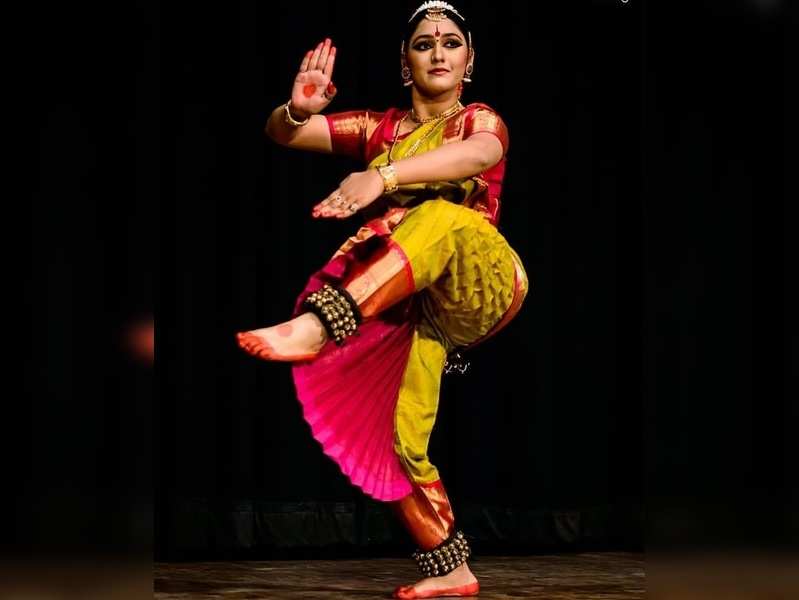
Shruti Iyer: Bharatanatyam performance mermerised audience at Venkat  Sabhagruha | Events Movie News - Times of India

Opposition & Ban During Colonial Rule

The 18th century saw emergence of rule of the East India Company followed by setting up of British colonial rule in the 19th century. Such developments saw decline of various classical dance forms which were subjected to contemptuous fun and discouragement including Bharatanatyam that through the 19th century remained exclusive to Hindu temples. Eventually social and economic conditions associated with Devadasi culture added with contempt and despicable attitude from the Christian missionaries and British officials, who held the Devadasis of South India and nautch girls of North India as harlots, disgraced such systems. Furthermore the Christian missionaries launched anti-dance movement in 1892 to stop such practice. The Madras Presidency under the British colonial government banned the custom of dancing in Hindu temples in 1910 and with this the age-old tradition of performing Bharatanatyam in Hindu temples also came to an end.

Revival 

The Indian community disapproved such ban. The Tamilians were worried that such a rich and ancient custom of Hindu temple dancing was getting persecuted on the pretext of social reform. Many classical art revivalists like Indian lawyer, freedom-fighter, activist and classical artist E. Krishna Iyer questioned such discrimination. Iyer who became involved with the Bharatanatyam revival movement was incarcerated on charges of nationalism and imprisoned. During his prison term he convinced the political prisoners to advocate for this age-old classical dance form.  Iyer founded the ‘Madras Music Academy’ and along with Indian theosophist, dancer and Bharatanatyam choreographer Rukmini Devi Arundale, he strived to save Bharatanatyam from dying out. Despite the fact that Hindu temple dances were being suppressed due to laws enforced by the colonial British government, many artists like American dancer Esther Sherman came from the West to learn Indian classical dance forms. She came to India in 1930 and not only learnt classical dances but also adopted the name Ragini Devi and became a part of the ancient dance arts revival movement. As the Indian freedom movement progressed steadily during the early 20th century, an effort to revive Indian culture and  tradition seethed with excitement among Indians. Eminent Bharatanatyam dancers like Arundale and Balasaraswati expanded the dance form out of Hindu temples and established it as a mainstream dance form. Later the Tamil Hindu migrants revived this Hindu temple dancing custom in British Tamil temples during the late 20th century. Today this ancient classical dance form also includes technical performances as also non-religious and fusion based themes.

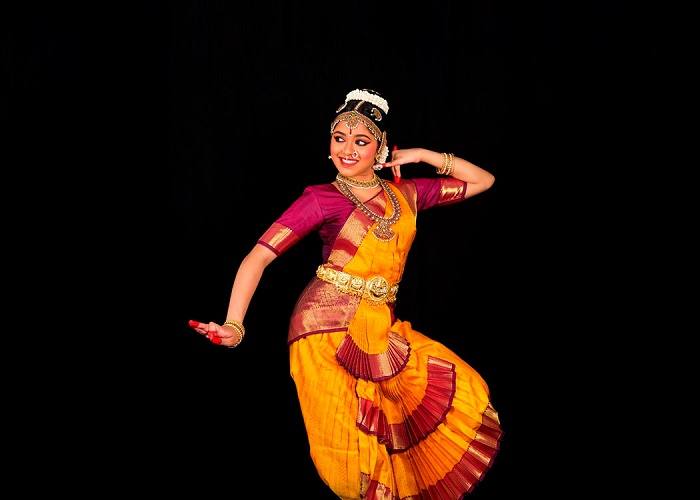
Classical Dance Photography | Bharatanatyam poses, Dance photography poses,  Indian classical dancer

Repertoire

The repertoire of this performance art are categorized into three brackets namely ‘Nritta’, ‘Nritya’ and ‘Natya’ mentioned in ‘Natya Shastra’ and followed by all major Indian classical dance forms. ‘Nritta’ is a technical performance where the dancer presents pure Bharata Natyam movements emphasising on speed, form, pattern, range and rhythmic aspects without any form of enactment or interpretive aspect. In ‘Nritya’ the dancer communicates a story, spiritual themes, message or feelings through expressive gestures and slower body movements harmonised with musical notes. ‘Natyam’ is usually performed by a group or in some cases by a solo dancer who maintains certain body movements for certain characters of the play which is communicated through dance-acting. The dance form typically comprises of certain sections performed in sequence namely Alarippu, Jatiswaram, Shabdam, Varnam, Padam and Thillana.

Costumes

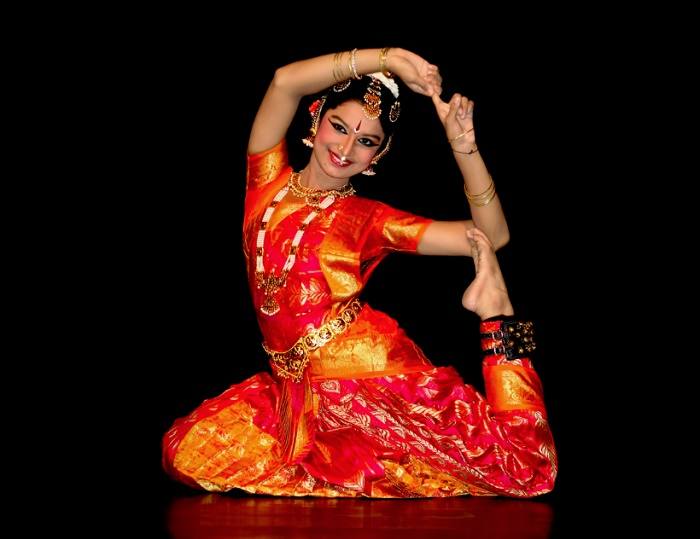
The style of dressing of a Bharatanatyam dancer is more or less similar to that of a Tamil Hindu bride. She wears a gorgeous tailor-made sari that consists of a cloth specially stitched in pleats that falls in the front from the waist and when the dancer performs spectacular footwork that include stretching or bending her knees, the cloth widens up like a hand fan. The sari worn in a special manner is well complimented with traditional jewellery that include the ones that adorn her head, nose, ear and neck and vivid face make-up specially highlighting her eyes so that audience can view her expressions properly. Her hair neatly plaited in conventional way is often beautified with flowers. A jewellery belt adorns her waist while musical anklets called ghunghru made of leather straps with small metallic bells attached to it are wrapped in her ankles. Her feet and fingers are often brightened with henna colour so as to highlight gestures of her hands.

Instruments & Music 

The Bharatnatyam dancer is accompanied by a nattuvanar (or taladhari) that is a vocalist who generally conducts the whole performance, a part often executed by the guru. The person can also play the cymbals or any other instrument. The music associated with Bharatanatyam is in South India’s Carnatic style and instruments played comprise of cymbals, the flute, a long pipe horn called nagaswaram, a drum called mridangam and veena. The verses recited during performance are in Sanskrit, Tamil, Kannada and Telugu.

Famous Exponents

The four Nattuvanars namely Ponaiyah, Vadivelu, Sivanandam and Chinnaiya who are renowned as Tanjaore Bandhu and who thrived in the Durbar of Maratha ruler, Sarfoji-II from 1798 to 1832 shaped up the modern day Bharatanatyam. Meenakshi Sundaram Pillai, a dance guru from the village of Pandanallur was a noted exponent of Bharatanatyam who is predominantly known for his style referred as the Pandanallur school of Bharatanatyam. One of his students Rukmini Devi championed and performed the Pandanallur (Kalakshetra) style and also remained one of the leading proponents of the classical dance revival movement. Balasarswati who was regarded as child prodigy by Vidhwans and Pandits also joined hands in reviving the dance form. She was a virtuoso of the Thanjavur style of Bharatanatyam. Other imminent Bharatanatyam artists include Mrinalini Sarabhai, her daughter Mallika Sarabhai, Padma Subramanyam, Alarmel Valli, Yamini Krishnamurthy and Anita Ratnam among others.

The need to save the ocean

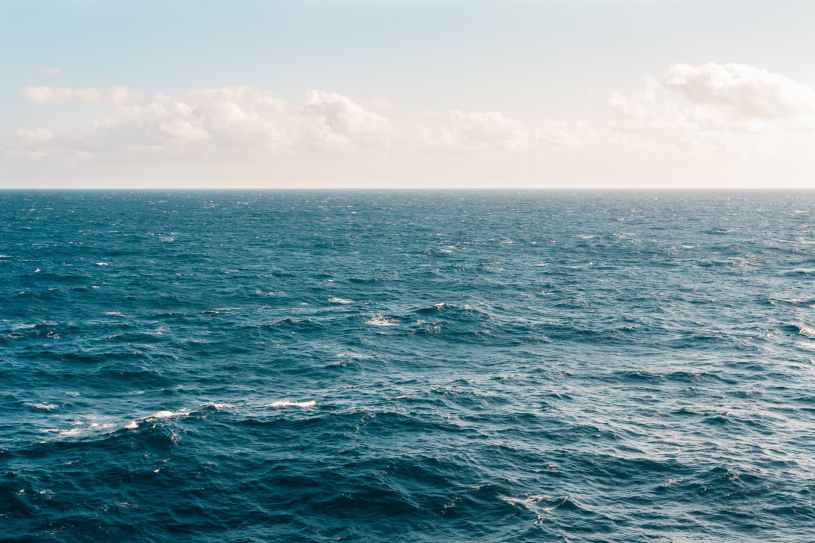
To paraphrase a line from Ron Burgundy, the ocean is a big thing. Big enough for scientists to point out that the term “Earth” is a misnomer. Water may be a more accurate name for a world that is nearly 3/4 covered in water, with marine plants contributing a whopping 50 percent or more of the oxygen we breathe. With all of that stated, it’s past time (high tide?) for us to band together to save the resource that has been depleted.

Photo by Kellie Churchman on Pexels.com

The state of the ocean is not good

The bad news is that human activity is wreaking havoc on the environment. The good news is that there are several things we can do to help stop (and even reverse!) those detrimental behaviors, which is why this is a message about hope and empowerment rather than doom and gloom.

Plastic pollution is destroying the ocean

A non-profit that works to protect the ocean Every year, 17.6 billion pounds of plastic is estimated to escape into the ocean from land-based sources, according to Oceana. Every 60 seconds, a garbage truck full of plastic is dumped into our waterways. The world’s most renowned (and largest) rubbish dump is located in the ocean.

The Great Pacific Garbage Patch covers 1.6 million square kilometres and contains 1.8 trillion bits of plastic in an estimated 80,000 metric tonne landfill. Plastic garbage in the ocean is believed to kill over one million sea animals each year, including sea turtles, sharks, and coral reef (yes, coral reef is an animal!).

Plastics in the ocean will surpass fish in the ocean (!?) by 2050, according to research, and 99 percent of seabirds will have plastics in their GI tract. Plastic pollution is not only destructive to the ocean; there is also evidence that it is harmful to humans.

Acidification in the ocean

Carbon dioxide emissions absorbed by the oceans over decades have changed the underlying chemistry of our ocean, resulting in an increase in acidity. Acidification causes small decreases in shell density in small creatures, which support entire ecosystems despite their small size.

As the world’s seas warm, species are moving in large numbers to new locations, posing new challenges or simply failing to develop as they should, while millions of people rely on fish as their primary source of nutrition. It’s also causing the Great Barrier Reef to perish. Coral reefs require all of the protection we can provide, given the disastrous effects of climate change.

Because it has the potential to cause the most apparent and immediate human misery, sea-level rise may be the most well-known of these concerns. Low-lying areas such as Miami and the South Pacific islands are growing increasingly vulnerable; 10% of the world’s population lives on the low-lying coast.

Meanwhile, deoxygenation, which is most typically caused by algal blooms fed by nutrient-rich fertilizer run-off, is causing enormous dead zones and suffocating marine life.

Overfishing

Fishing techniques that are illegal, uncontrolled, and unreported are common. Humans have already brought the giant grouper, several skates and rays, and a dozen or more other sturgeon species to the brink of extinction through fishing.

Bluefin tuna is one of the fish species whose populations may never recover as a result of unsustainable fishing techniques. Other apex predators, such as sharks, are among the most endangered.

Places like Monterey Bay National Marine Sanctuary have shown how impactful policy changes can be in helping species rebound.

Ocean conservation isn’t just a hobby for those who enjoy the water. You might not be a scuba diver, a fisherman, or a seaside dweller. Perhaps you have a seafood allergy and despise surfers! Even so, chances are you still breathe air and enjoy life when there is less human suffering.

Plants and trees are oxygen-producing powerhouses. But wait till you see what oceanic greens can accomplish! (Hint: it’s not just trees.)  More than half of the oxygen on the earth is produced by marine plants. 

Thoughts famous people have about ocean

Jacques Cousteau: “The sea, once it casts its spell, holds one in its net of wonder forever.”

Beyoncé Knowles: “I’m always happy when I’m surrounded by water, I think I’m a mermaid or I was a mermaid. The ocean makes me feel really small and it makes me put my whole life into perspective… it humbles you and makes you feel almost like you’ve been baptized. I feel born again when I get out of the ocean.”

William Wordsworth: “The ocean is a mighty harmonist.”

John F. Kennedy: “We are tied to the ocean. And when we go back to the sea, whether it is to sail or to watch, we are going back from whence we came.”

Photo by Emiliano Arano on Pexels.com

Ways in which you can help save the ocean

  1. EDUCATE YOURSELF

Step 1: Land and sea are far more intertwined than most people think, and activities taken on land have substantial consequences in the ocean. The good news is that there are a plethora of tools available—Pinterest offers a plethora of ocean-saving categorieS.

2. Opt for Ocean and Earth-Friendly Products

Oceana’s is to demand plastic-free alternatives to items such as plastic water bottles, straws, plastic cutlery, coffee cups, bags, balloons, plastic-wrapped produce, and take-out food containers.

References

http://www.growensemble.com

http://www.wikipedia.com

How to choose a book to read for growth

In today’s time, everyone has free and easy access to social media. On some days we keep scrolling all through the day without even realising what are we doing. We say, “I’m bored”. So, what are we doing to get rid of the boredom?

Those in their teens, especially late teens and early 20s are about to go to college. Some are serious about their future. Some are still thinking. Some know what to do. Some are worried about what do to. Some know they want to do something, just don’t know what. Some probably, don’t even think much. For everyone, books are the solution. How?

Well, agreed, there are many courses that one can do. Many podcasts one can listen to. What’s the need for books?! Dead weights! Well, these ‘dead weights’ are what great minds write once they’ve achieved what they wanted to achieve. These weights helped them on their path. Some write to explain their journey and what they learnt so the younger gen can learn and grow. Some help those who know what they want to do, some help the others, who don’t know what they want to do. Some books help you make a path while some help you find your path. Some even help you during your path. But, we can just listen to podcasts of those books!

Well, not every book has been made into a podcast. Also, we listen to podcasts on our phones. And, let’s be honest. One ping is all it takes for our entire focus and concentration to go, poof! So, I guess I’ve made my point.

Moving on, what books should we read to help us grow? And how to develop an interest in boring non-fiction? How do we find out what books to read?

For starters, some people enjoy reading non-fiction. So, let’s rule out the thought that they are all boring and try to keep an open mind.

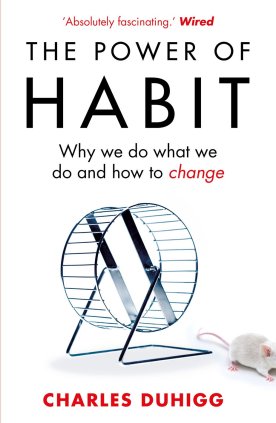
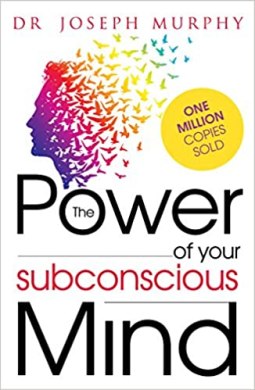
To know what book to read, try finding out what your goal is. If, for example, you wish to know your superpowers, read books on the subconscious mind, like The Power of your Subconscious Mind by Dr Joseph Murphy. Our subconscious mind is supreme, once you know how to utilise its strengths. If you are lazy and wish to break it and make a healthy habit, you can read The Power of Habit by Charles Duhigg.

Similarly, if you know what you want to do, look up books on Google, find out what you like best, which book suits your needs the best and read it. 

Every book is a gem and there are many gems for each person out there. All one has to do is know what do they wish to learn/know and look for a book which suits their needs. 

Here’s a list of books that I would recommend.

  1. The Power of Habit
  2. The Power of your Subconscious Mind
  3. How to Talk to Anyone
  4. Think and Grow Rich
  5. The 80/20 principle
  6. The Power of Now
  7. Don’t Overthink it
  8. The Subtle Art of Not Giving a F*ck
  9. Everything is F*cked
  10. The Rudest Book Ever

"ELON MUSK" Biography

“Elon Musk” is an Entrepreneur, Engineer and Inventor. He was born in Pretoria South Africa on June 28 1971. His father’s name of Errol musk and mother’s name was Maye Haldeman. His father was a British electrical engineer and mother was a British Canadian model. When they divorced in 1980, Elon stated with his father in South Africa.

A few years later she began teaching himself computer programming and sold his first video game at the age of 12. For his undergraduate education he attended the Queen’s University in Kingston Ontario, in 1990. He eventually transferred to the University of Pennsylvania, earning dual degree in physics and economics. In addition to the bachelor’s degrees, he earned in physics and economics, he also holds an honorary doctorate in Design from the “Art Center College of Design” and an honorary doctorate in Aerospace engineering from the “University of Surrey”. He moved to California to attend Stanford for a PhD in applied physics in 1995, but quit within a few of days to pursue his own interest in avenues of technology and entrepreneurship. Later that year, he worked with his brother, Kimbal Musk, to develop the software company”Zip2″, which provided services to high end newspaper clients like “The Newyork Times” and the “Chicago Tribune”. After the successful sale of Zip2 to Compag in 1999, Musk went straight into his next venture an online financial service called “X.com”. Shortly after the company acquired a money transfer service called “PayPal”, through a merger, they began to focus their efforts exclusively on building this Internet payment service.

The Successful off PayPal ID mask to sell his stock in company to eBay for 165 million dollar. Elon Musk has married thirce twice the same woman. His first marriage was to Canadian other Justin Wilson in 2000 they had its children together in 2002. He invested his millions in her third company with in 7 years the company had designed the “Falcon” line of space launch vehicles and the “Dragon line” of multipurpose spacecraft and was making history with their privately funded innovation “SpaveX” received contracts from NASA to create a launch craft to deliver cargo to the International Space Station Tesla Motors was founded with the mission of designing and building electric car musk invested in the company and became its chairman in 2004, a after it Inception taking on an active role in the design of the “Roadster” which won the “Global Green” product award. During the recession when the company was adversely affected he went on to become the CEO and product architect of the company. A role he holds till today. After Designing the initial Concept for “Solar City” Musk remains its biggest shareholder. Today it is the second largest provider of solar energy in the United States with a focus on combating global warming Elon Musk and Justin Wilson divorced in 2008 in 2008 she began dating English actress Tallulah Riley and the two of them got married in 2010. The couple separated in 2012. In 2013 Elon Musk remarried Tallulah Riley really but the couple filed for divorce in 2014 and it was finalized in 2016. On August 12 2013, Musk announced Revolutionary plans for a high-speed travel technology that in theory could replace airplane travel as a faster and cheaper option. His company “SpaveX” is currently working on putting his plants into practice with the design intended to run entirely on solar energy he has envisioned high speed Transportation system known as the Hyperloop it incorporates reduced pressure tube in which pressurized capsules ride on air bearing driven by Linear induction motors and air compressors. Elon Musk for briefly in a relationship with American actress Amber Heard in 2016. But the couples split owing to their conflicting schedules. In July 2017, he announced that first successful test run of Hyperloop has been done in Nevada. He also said that he has got verbal approval to build a Hyperloop from New York city to Washington DC. Elon Musk was heavily involved in the design of Tesla Motors first electric sports car, the “Tesla Roadster” Musk received the 2006 ” Global Green” product design award for this vehicle, presented by Mikhail Gorbachev. “PATIENCE IS A VIRTUE AND I’M LEARNING PATIENCE. IT’S A TOUGH LESSON” Said by “ELON MUSK”.

MOSQUITO BAT OR LIQUID VAPOURIZER???

Rainy season is on. Many mosquitos gonna form and attack so, it’s better for us to get prepared to fight against mosquitos. Here, I’m going to explain the benefits and drawbacks of each. It will be useful for us to the make right decision in purchasing products.

electric MOSQUITO BAT:

ADVANTAGES:

  1. It does not give off vapors of toxic chemicals like other repellents.
  2. It is cheap, highly effective, handy and reusable.
  3. Some of them have a torch light also. It is not only used for mosquitoes, but also for small insects like bees, house flies, etc. 
  4. It is convenient to use.
  5. The mosquito dies instantly before our eyes.
  6. Not much weight to hold on . It usually feels like you are playing tennis .
  7. No pollution to the environment .
  8. Humans will not get affected by harsh chemicals.

DISADVANTAGES:

  1. All mosquitoes can’t die at a time . Some Mosquitoes can escape from our sight.
  2. Takes time to search and kill.
  3. When a mosquito contacted in the bat. The mosquito bat sounds like a diwali cracker.
  4. Should not be used when gas is leaked in your house. It may explode.
  5. It should also be kept away from the children as it is not a toy.

MOSQUITO LIQUID VAPOURIZER:

ADVANTAGES:

  1. Time consumption less.
  2. All mosquitoes dies at a time.

DISADVANTAGES:

1. Mosquito sprays and liquid vaporizers contain chemicals like pyrethin and diethyl toluimide (DEET) which cause breathing difficulty, respiratory problems, dizziness, stomach irritation, nausea, vomiting, skin infections and so on.

2. An one time usage of mosquito-repellent vaporizer and the amount of 100 cigarettes smoked is roughly same. The release of ultrafine grain by the Vaporizer can be retained in the lungs and triggers asthma in the short term and in long term it could cause cancer.

3. It pollutes the environment on a high level.

4. It is costly hence, it has to buy once the liquid gets over.

5. Causes health issues on children , adults and aged people.

6. In rare cases , Prolonged usage and intake can cause even death .

7. Can be used only for mosquitoes .multi usage of it is not possible.


-: 10 advice how to be a millionaire in their 20s :-


              -: 10 advice how to be a millionaire in their 20s :-


1. Don’t waste your time.


2. Practice makes us perfect.


3. Keep moving forward.


4. Adopt to change quickly.


5. Be happy in all situation. 


6. Honesty is the key to success.


7. Attitude is everything.


8. Focus on your strength.


9. believe in yourself.


10. Never give up.


PLEASE SUBSCRIBE FOR MORE:-  


THANK YOU 
HAVE A NICE DAY 
HimAGee


All about Intermittent Fasting

Intermittent fasting is a type of eating regimen in which you alternate between fasting and eating on a regular basis. Intermittent fasting has been shown in studies to help people lose weight and prevent — or even reverse — disease.

Photo by Trang Doan on Pexels.com

What is Intermittent Fasting?

Many diets emphasise what to eat, but intermittent fasting emphasises when to eat.

Intermittent fasting is when you only eat at certain times of the day. Fasting for a set number of hours each day or eating only one meal a couple of times a week can aid fat loss. Scientific data also suggests that there are certain health benefits.

Mark Mattson, Ph.D., a neuroscientist at Johns Hopkins University, has studied intermittent fasting for 25 years. He claims that our bodies have evolved to be able to survive without food for several hours, days, or even weeks.

Before humans learned to farm, they were hunters and gatherers who evolved to survive — and thrive — without eating for lengthy periods of time. They needed to: It required a lot of time and effort.

It was easy to maintain a healthy weight even 50 years ago. “There were no computers, and TV shows switched off at 11 p.m.; people stopped eating because they went to bed,” says Christie Williams, M.S., R.D.N., a nutritionist at Johns Hopkins. The portions were significantly smaller. More people worked and played outside, getting more exercise in general.”

Television, the internet, and other forms of entertainment are now available 24 hours a day, seven days a week. We stay up later to watch our favourite shows, play games, and communicate on the internet. We spend the entire day — and most of the night — sitting and snacking.”
Obesity, type 2 diabetes, heart disease, and other ailments can all be exacerbated by eating too many calories and exercising too little. Intermittent fasting has been shown in scientific studies to have health benefits.

How does this work?

Intermittent fasting can be done in a variety of methods, but they all revolve around choosing regular eating and fasting times. For example, you could try eating only for eight hours a day and fasting for the rest of the day. Alternatively, you could choose to eat only one meal each day two days per week. There are a variety of intermittent fasting schedules to choose from.

According to Mattson, after a period of time without meals, the body’s sugar stores are depleted and it begins to burn fat. This is referred to as metabolic switching by him.
“Most Americans eat throughout their waking hours, so intermittent fasting is in contrast to their regular eating pattern,” Mattson explains. “If someone eats three meals a day plus snacks and doesn’t exercise, they’re rumination every time they eat.”

Intermittent fasting works by extending the time between when your body burns off the calories from your last meal and starts burning fat.

Approaches of Intermittent fasting

Before beginning intermittent fasting, make sure to see your doctor. The actual technique is straightforward once you have his or her permission. You can choose a daily strategy, which limits daily meals to one six- to eight-hour period. For example, you could try 16/8 fasting, which involves eating for eight hours and fasting for sixteen. Williams is a proponent of the daily routine, claiming that “the majority of people” follow it.

Another method, known as the 5:2 technique, is eating five times a week. You only eat one 500–600 calorie meal on the remaining two days. For instance, suppose you decided to eat normally every day of the week except Mondays and Thursdays, which are your one-meal days.

Fasting for longer lengths of time, such as 24, 36, 48, and 72 hours, is not always beneficial and can be dangerous. Going too long without eating may cause your body to begin storing fat as a response to the lack of food.

According to Mattson’s studies, it takes two to four weeks for the body to adjust to intermittent fasting. While you’re getting adjusted to the new pattern, you can feel hungry or irritable. However, he notes that research subjects who make it through the adjustment stage are more likely to continue to the diet because they feel better.

Photo by Nathan Cowley on Pexels.com

What to eat when one is Intermittent Fasting?

Water and zero-calorie liquids like black coffee and tea are allowed at periods when you aren’t eating.

And “eating normally” during your periods does not imply “going insane.” If you fill your meals with high-calorie junk food, super-sized fried foods, and desserts, you’re not going to lose weight or get healthier.

But what Williams enjoys about intermittent fasting is that it allows him to eat — and enjoy — a wide variety of things. She explains, “We want people to be conscious and enjoy eating delicious, nutritious food.” Eating with others and sharing the mealtime experience, she continues, enhances satisfaction and promotes excellent health.

Whether you’re trying intermittent fasting or not, Williams, like other nutrition experts, considers the Mediterranean diet to be a solid pattern for what to consume. When you choose complex, unprocessed carbohydrates like whole grains, leafy greens, healthy fats, and lean protein, you can’t go wrong.

Benefits of Intermittent Fasting

Intermittent fasting does more than burn fat, according to research. “Changes in this metabolic switch affect the body and the brain,” Mattson explains. Mattson’s research was published in the New England Journal of Medicine, and it offered information on a variety of health benefits linked to the practice. Longer life, a slimmer body, and a sharper mind are among them.

“During intermittent fasting, numerous things happen that protect organs from chronic diseases including type 2 diabetes, heart disease, age-related neurological disorders, even inflammatory bowel disease and many cancers,” he explains.

Thinking and memory : Intermittent fasting improves working memory in animals and verbal memory in adults, according to research.

Heart health : Fasting for a short period of time improved blood pressure, resting heart rates, and other heart-related parameters.

Physical performance : Fasting for 16 hours resulted in fat loss while retaining muscular mass in young males. Mice that were fed on different days had superior running endurance.

Diabetes and obesity : Intermittent fasting has been shown to prevent obesity in animals. In six small studies, obese adult individuals lost weight by fasting intermittently.

Tissue health : Intermittent fasting in mice minimized tissue damage during surgery and improved outcomes.

Is Intermittent Fasting safe for everyone?

Some people use intermittent fasting to lose weight, while others use it to treat chronic illnesses including irritable bowel syndrome, high cholesterol, or arthritis. Intermittent fasting, on the other hand, isn’t for everyone.

Before attempting intermittent fasting (or any diet), Williams recommends consulting with your primary care physician. Some persons should avoid experimenting with intermittent fasting:

Children and teenagers under the age of 18 are considered minors.

Women who are expecting a child or who are breastfeeding.

People who have diabetes or other blood sugar issues.

Those who have had an eating disorder in the past.

People who aren’t in these groups, but who can safely undertake intermittent fasting, can continue the routine indefinitely, according to Williams. “It can be a lifestyle shift with advantages,” she explains.

Keep in mind that intermittent fasting can have a variety of impacts depending on the individual. If you start to experience unusual anxiety, headaches, nausea, or other symptoms after starting it, talk to your doctor.

Do Not Miss It!

People tend to skip breakfast quite often, which is considered the most important meal of the day. Lack of time, fasting, inability to cook are some common reasons for skipping breakfast.
Having a perfect breakfast every morning will benefit your body in various ways.

 • Maintains blood sugar levels
 • Gives you the energy you need to perform daily tasks.
 • Helps you control your weight
 •  Boosts your brainpower
 • Improves immune system

Skipping breakfast is like punishing your own body. Skipping it may create alot of problems such as
 • Chances of gaining weight
 • Risk of heart disease
 • High blood pressure
 • Obesity
 • Immunity goes down

Everybody is busy in today’s world, but, it is important to follow a proper a schedule and make time for your breakfast. Having a cup of coffee and two biscuits won’t work, you should be very careful before selecting your breakfast.

Here are some suggestions to make your breakfast more healthy:-

 • Oatmeal

Cereal lovers should always start their day with oatmeal.
Oatmeal has various benefits such as lowering cholesterol and is filled with fiber which will make you feel full. Eat it with milk rather than water.

 • Eggs

Eggs are undoubtedly very healthy and a perfect breakfast to start your day with.
Eggs are healthy as well as very delicious. Eggs have various benefits. Eggs reduce heart risks, and helps to keep your brain and liver healthy. It is a proper choice if you want to consume proteins.

 • Fruits

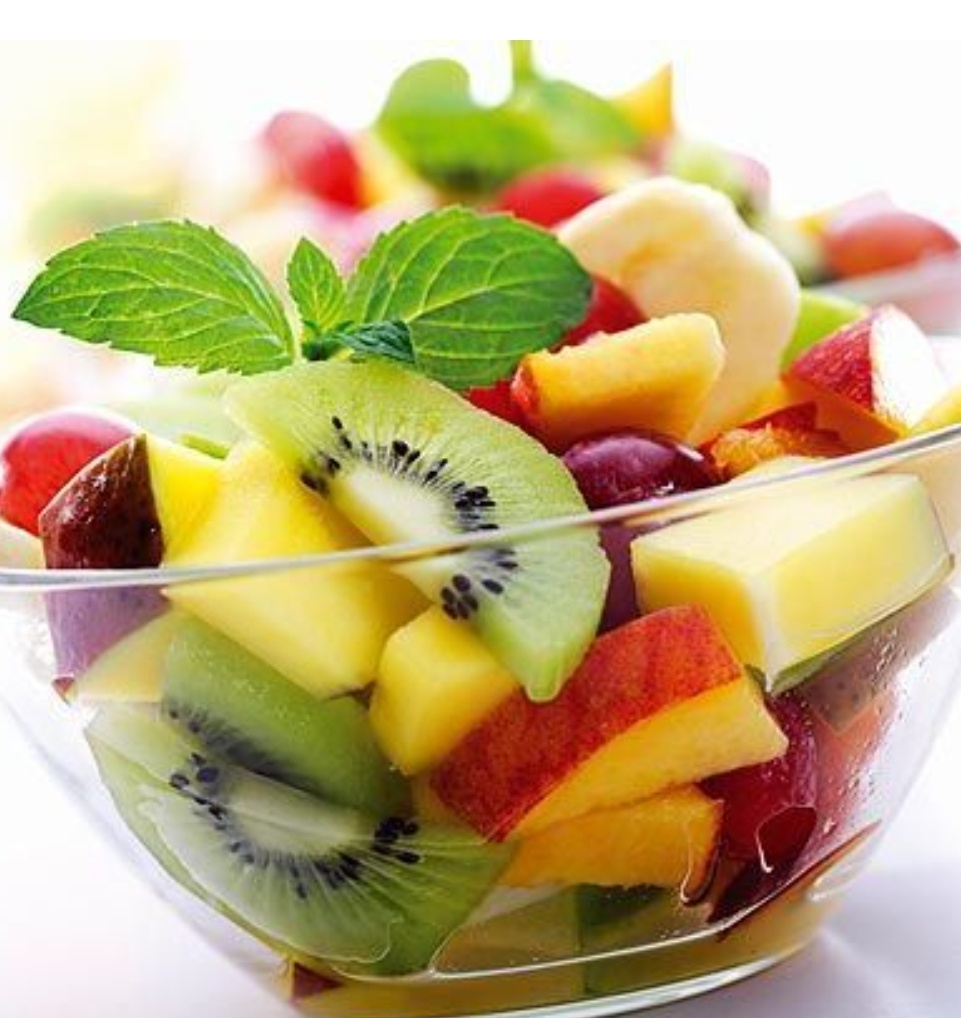
All types of fruit contain proteins, vitamins, minerals, potassium, and fiber. They are a very delicious, healthy and will fill you due to it’s fiber. Citrus fruits are a good source of vitamin C.

 • Shakes or Smoothies

Shakes and Smoothies are very easy to prepare and extremely healthy for your body. One can also use protein powders to make it more healthy. Add nuts, fruits, seeds, etc to make it tasty and healthy.

 • Greek Yogurt

Greek yogurt is full of calcium, proteins, and Vitamin D. It should be unsweetened and you can add fruits to it for flavour.

Apart from these items, green or black tea or a cup of coffee is also very essential to prepare you for your day.
These little things will help you and body to survive various ups and down, only if, you remember to add them in your breakfast.

Muna Madan

Almost no one hasn’t heard of Devkota’s most well-known creation, the Muna Madan. This short epic about Muna and Madan is well-known in Nepali, but its English translation is equally well-known. Madan, a hopeless rancher, decides to go to Tibet as a vendor in order to get money, leaving behind his elderly mother and lovebird wife, Muna. Muna begs her husband to stay, but Madan withdraws in the hopes of accumulating wealth for the family. The hardships Muna and Madan have while trying to reunite with one another are depicted in a horrible way in sonnet. Muna Madan, while being a short epic, has become a commercial success and is regarded as a model of Nepali writing.

Plot

Muna Madan is a Nepalese epic that tells the heartbreaking story of Muna and Madan. It was written in a melodious version in 1935 by Nepalese writer Laxmi Prasad Devkota. It is one of the most well-known works of Nepali literature. Not long before his death in 1959, Devkota observed, “It would be fine if every one of my works were singed, except for Muna Madan.” In terms of deals, it is the best Nepali book ever written. It’s not a Jhaurey song in the traditional sense. The plot revolves around a man (Madan) who abandons his significant other (Muna) and travels to Lhasa in order to bring in money. Madan represents all Nepalese young people who migrate abroad to make ends meet.

Muna, Madan’s wife, is the queen of sacrifice and love. She adores her Madan and is devastated that she must send him to Lahsa, a dangerous and difficult region. However, she accepts the challenge and decides to remain in the country with her elderly and weak mother-in-law. On his way back to his residence, Madan becomes unwell. His friends abandon him on the road and come home to tell him he has died. Finally, a Nepalese man from a lower caste comes to his aid. That is why a guy is said to be magnificent because of his heart, which is full of love and humanity, rather than his caste or ethnicity.

Madan returns to Kathmandu after regaining his health only to discover that both his mother and beloved wife had died. Madan ultimately comes to the realization that money has no meaning at the time. The story also recounts the life of a poor widow who suffered greatly without her husband and died in sorrow. In this poem, Devkota addresses the most important challenges plaguing Nepalese society at the moment. Through the story of Muna and Madan, Laxmi Prasad Devkota hopes to stabilize the truths of archaic societies, unscientific notions, and the negative impacts of unemployment and poverty in Nepalese society. The poet has brilliantly characterized love by writing about Muna and Madan’s connection.

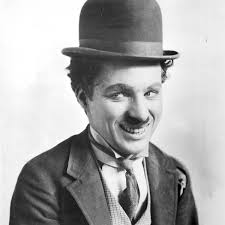
"CHARLIE CHAPLIN" Biography

“Charlie Chaplin” was a legendary comic actor filmmaker and composer. He was born at East Street Walworth, in South London on 16th April, 1889. His father’s name was Charles Chaplin Sr. and mother’s name of Hannah Chaplin. His father was a singer and mother was an actress. His childhood was marked by poverty and struggle. His parents did not earn much and hence he started to work.

At a work house at the age of 7 in 1898 his mother was admitted to mental Asylum and his father became a severe alcoholic and he was left to fend for himself. He became a member of the Mel dance troupe,” The Eight Lancashire lads” and toured across the music halls in Great Britain, all through 1899 and 1900. In 1903 he was cast in her first show titled Jim a romance of Cockayne, in which he played the role of a newsboy. From October 1903 to June 1904, he traveled with Saintsbury, and his play where immensely successful. In 1906 he become part of the amateur comedy troupe “Casey Circus”. He performed comedy act with them and soon Rose to prominence when the troupe finished touring in July 1907. Chali was left without a job for a few months and lived with a family in kennington. In 1910 he played the lead role in the sketch Jimmy the fearless which was an immediate success. In 1913 is signed a contract for a period of one year with the New York Motion Picture company which promised him a pay of 150 dollar a week. He acted directed many films. In 1925 his academy award winning film “The Gold Rush” which he directed starred in and produced was released. “The gold Rush” was rated as second greatest playing in history by the critics of the The Brussels World’s Fair, a world world organisation of filmmakers. In 1928 his film “The Circus” was released in this 70 minute silence film he played the role of the Clown it was owner First highest grossing silent flims. Released in 1930 one of his most remembered films “Modern Times” is considered one of his most popular silent film it was selected to be preserved at The Library of Congress U.S and it was ranked 33rd on the American film Institute list of “100 Years… 100 Laughs, as one of the 100 funniest movie in America. He married four times and three of his marriages with Mildred Harris, Lita Grey, and Paulette Goddard ended in divorce. In 1943, he was married his fourth wife Oona O’Neill and the couple had 8 children together they remained together until his death. His last film was “A Countless from Hong Kong” released in the year 1967. He died in Corsier-sur-Vevy, Vaid Switzerland on 25 December 1977, at the age of 88. ” FAILURE IS UNIMPORTANT. IT TAKES COURAGE TO MAKE A FOOL OF YOURSELF” Said by “CHARLIE CHAPLIN”.

Spine Breaker by BTS

Bangtan Soneyondan, popularly known as BTS, released their third and final album of the ‘School Trilogy’, Skool Luv Affair, in the year 2014. As hinted by the title, ‘Skool Luv Affair’, the albums main theme is the love that blossoms during the school days. In this project, they worked on the most interesting topics to teens of their own age, dreams, love and happiness.

Such penetrating insight into the hearts and minds of the youngsters led to the huge support that BTS are receiving from the fans of their age. The members directly participated into making of the songs, vowing to ensure that their songs reflect the reality of their generation. Spine Breaker is the 8th song in that album which is co-written by some of the members of the band along with a few others from their label.

“Spine Breaker” is all about those trendy but expensive clothes that so many teenagers around the world want and that so many teenagers around the world would “die” for. Parents are persuaded to empty their wallets for these items and why shouldn’t they? After all their children desperately think that they need to own them. A children’s wish is a parent’s command. The song is all about those expensive and trendy ‘padded jackets’ which are worn by teenagers and children while going to school in winters.

Back in 2009, North Face Inc., an American company which manufactures outerwear, coats, jackets, shirts, footwear and equipment like backpacks, tents and sleeping bags. Their main target audience were teenagers, hikers, mountaineers and endurance athletes. The North Face jackets rose into popularity and became no1 due to the fact that they provide never ending warmth and excellent quality during winters.

Eventually, these puffy outdoor jackets not only became a fashion statement but also a symbol of class division thus supporting peer pressure, bullying and violence in Korean schools. The problem was that all the North Face jackets had a slightly different appearance for different prices. This made the teenagers start competing among themselves that who would buy the more expensive jackets.

And so, jackets that were meant to be a product for obtaining warmth pitifully became on the one hand a status symbol but also one the other hand a so-called “uniform” for the students as well. BTS reacted to it by saying in their lyrics that ” You’re not going to freeze, just because you’re not wearing that padded jacket. Before you fill the jacket with goose down. Fill your head with some common decency, before it’s too late.”

They also added that ” You’re the spine breaker. Your parents’ spine breaker. Someday you’ll regret it. The damned spine breaker”. Which means that instead of breaking your parents spines and becoming a burden to them, make your own money and buy those expensive clothes. They termed all the children who torture their parents for making them buy expensive clothes and jackets as ‘Spine Breakers’, thus the title of this song.

Yoga: A way to transform life

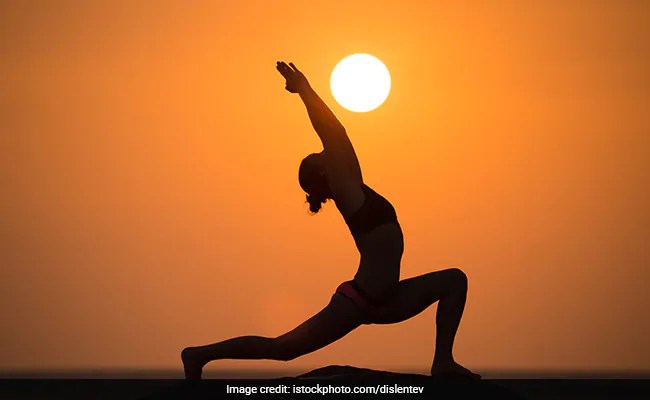
We all are familiar with the term yoga. it is possible that we could’ve have done yoga or not, must must have listened about its benefit and advantages to our body. Yoga is a path towards total harmony of body ,mind and spirit. the term yoga comes from a Sanskrit word yuj which means to join our unite.it is not only a simple exercise it has spiritual discipline in it. yoga is an art of living.

The yoga was originated in Northern India over 5000 years ago. The word yoga was mentioned in the oldest sacred texts, Rig Veda. later yoga was gradually developed by Brahmans and Rishis. after many years In modern period, in late 1800s and 1900s yoga masters began travelling to other countries. to attract attention and followers. And today yoga has a huge amount of followers.(source:https://www.yogabasics.com/learn/history-of-yoga/#:~:text=The%20beginnings%20of%20Yoga%20were,by%20Brahmans%2C%20the%20Vedic%20priests)

The beauty of yoga is that you do not have to be a specialist yogi or something else to take benefits from yoga. whether you are young or old, overweight or underweight ,fit or not, yoga helps everyone in their respective conditions. it has a unique power to calm the mind and strengthen the body. yoga is not a complicated or a complex thing. its just a basic practice for a healthy lifestyle. Yoga not only take care of our physical health but also strengthen our mental health which we cannot strengthen with the help of gym or any other way. it can be of any type of stress family related, job related, future or any other stress. yoga helps us to calm our mind and give strength to overcome that stress.

We should start doing yoga as soon as possible and we will see a difference in ourselves. we will feel better than the past. We will feel a different energy in us. A duration of 30 min of yoga every morning is more than enough. Some important yoga asanas that can change our life are as follows:-

  1. Virasana :- It strengthens thighs, knees and ankles. , improves digestion and many other things.

2.Bhujangasana:- it resembles the rising head of cobra.it stretches chest, lungs and shoulders. it also helps in reliving stress and tiredness.

3.Tadasana:- Also called mountain pose, it helps in dealing with spinal pain, improves our flexibility and maintains a good balance in body.

4.Shavasana:- Also called mrtasana, it is done at the end of yoga. it helps in calming the body, strengthens nervous system and immune system.

5.Vrikshasana:-It is also called tree pose.it is popular in modern yoga also as an exercise.it improves stability of legs and ligaments of the feet.

There are many other asanas in yoga which can help us to maintain a healthy life style. Though yoga is very popular in other countries also, however many people in India always raise questions against yoga and its existence. They do not realize the importance of yoga in each and everyone’s life.

If we are not comfortable with these different – different asanas, we can do a very simple breathing practice which is called Anulom vilom in yoga. it is a very popular and effective breathing exercise which helps us in dealing with several respiratory and other problem it calms our mind and we feel much energetic after doing it.Thus, Yoga is a very powerful practice that we should do daily and through which we can transform our life to a better one.