mantra to “reform, perform and transform” the education landscape of country

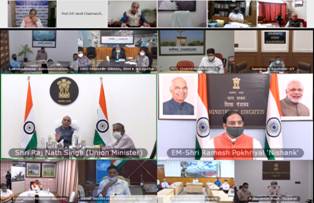
 Union Education Minister Shri Ramesh Pokhriyal ‘Nishank’ held a virtual meeting Director General UNESCO, Ms Audrey Azoulay in New Delhi today. They discussed key issues of mutual importance including National Education Policy, India’s response to COVID Pandemic especially in the education sector, among others concerning India UNESCO cooperation. Shri Amit Khare, Secretary, Higher Education, delegation from UNESCO and senior officials of the Ministry were also present in the meeting.

Shri Pokhriyal said that under the visionary leadership of our Prime Minister Shri Narendra Modi, Ministry of Education Government of India has ensured that education reaches even the last child in the remotest part of the country. In this context he mentioned about initiatives undertaken to ensure continuity of education for children across the country. Such as under Prime Minister E –Vidya scheme, DIKSHA (Digital Infrastructure for Knowledge Sharing) platform was started to continue education for students (with internet access). While One Class – One Channel programme ‘SWAYAM PRABHA’ was initiated for providing education to children without internet access.

Stressing that concerted efforts were taken to ensure no lose of valuable academic year, he mentioned about Digitally Accessible Information System (DAISY), an initiative for differently-able children. He also spoke about MANODARPAN, the government’s initiative to provide online psychosocial support to students, teachers and families for their mental health and emotional wellbeing. This has helped over 12,500 Students, he said.

The Minister also mentioned that competitive entrance exams for almost 2.3 million students, the largest entrance examinations in the world were conducted successfully and safely during the covid pandemic.  Highlighting the crucial role played by Indian educational institutions during the trying times of pandemic, Shri Pokhriyal said these institutions transformed the challenges posed by COVID into opportunities. They came up with innovations like the low-cost portable ventilators, affordable and AI-powered COVID-19 test kits, affordable and effective PPE kits and masks. These innovations proved instrumental in providing healthcare facilities to not only India but also to over 62 countries, he added. He said that two vaccines by India has helped not only India in fighting the covid but has also helped the entire world.  

Minister emphasized that Year 2020 will be remembered for National Education Policy 2020 of Government of India. It aims to transform the educational ecosystem for over 340 million students of the country. It is based on the foundations of Equality, Equity, Access, Affordability and Accountability. It seeks to fulfill our Prime Minister’s vision of making India a ‘global superpower of knowledge’ and his ‘mission’ to create a ‘global citizen’. He emphasized that Indian Government is working on the mantra to “reform, perform and transform” the education landscape of India.

He mentioned that NEP’s aim to achieve 100% GER in school education by 2030, and 50% in Higher Education by the year 2035 will bring additional 35 million students into the fold of higher education.  He also shared that Gender Parity Index in Higher education in India has crossed 1.

He noted that NEP-2020 recommendations are in accordance with the SDG Goal 4, “Education for All’. He said that as recommended in NEP, Government will soon bring out school textbooks with more emphasis on environmental education.

To mark the important occasion of ‘commemoration of 75th year of India’s independence ( “Azadi ka Amrit Mahotsav”), Minister proposed holding an event at the UNESCO Headquarters highlighting India’s journey through these 75 years.

Director General of UNESCO Ms. Audrey Azoulay appreciated the response of the Indian Government in mitigating the challenges of covid and ensuring continuity of education during covid pandemic by providing education to the students through different mediums of TV, Radio, online etc. to the last student of the country. She remarked that India’s response to covid was remarkable in terms of scale and diversity. She requested the Union Minister to share the experiences and best practices relating to education sector of India with member states of UNESCO. She congratulated the Minister for bringing out the New Education policy which is visionary and capable of transforming the education sector. She remarked that important concepts under NEP like strengthening administrative capacities, Socio- Emotional learning, Environmental awareness, etc are very crucial for development of students. On behalf of UNSECO, she extended full support in implementation of National Education Policy.

*****

100+ Curriculum based Comic books launched

 Union Minister of Education Shri Ramesh Pokhriyal ‘Nishank’ launched 100+ comic books created by teachers and students of CBSE schools and curated by NCERT on 24th March 2021. These comics can be accessed online on DIKSHA web portal (diksha.gov.in) or via the DIKSHA app on any android Smartphone. The comics can also be accessed through a new WhatsApp powered Chatbot. The chatbot presents a unique opportunity to expand the scope of digital learning. During the occasion, Minister also launched CBSE Assessment Framework for Science, Maths and English classes as part of CBSE Competency Based Education Project.

Speaking on the occasion the Minister said that Department of School Education and Literacy, in its endeavour to provide holistic learning to students and to usher in vision envisaged in New Education Policy 2020 has launched comic books aligned to chapters of NCERT textbooks across grades 3-12. He further said that this innovative initiative will help in increasing the cultural and social sensitivity in our children while imparting knowledge. The Minister congratulated the creative and innovative teachers from various school and for this creative piece of work.

The National Education Policy 2020 envisions a shift from textbook learning to understanding concepts and making connections with real world/day-to-day activities. It also gives further impetus to all creative and out of the box thinking than rote learning. Hence, in this context, comic books aligned to chapters of NCERT textbooks across grades 3-12 have been developed as innovative pedagogical resources. The comic books have been developed by the faculties of Scholastic (language), Fine Art, Performing Arts and Information Technology across 12 States/UTs – Delhi, Gujarat, Maharashtra, Chhattisgarh, Madhya Pradesh, West Bengal, Jammu, Haryana, Uttar Pradesh, Rajasthan, Telangana and Uttarakhand.

The comics are aligned with topics of NCERT textbooks and have specific story line and characters which students and teachers can relate to. Some of the key features of these comics are: 

  • Each comic has been divided into smaller topics supported by worksheets and it dovetails with the learning objectives and outcomes.
  • It has been created in a linear progression which will help to understand basic concepts and decrease the learning gaps.
  • While deconstructing the academic content; care has been taken to address issues of gender sensitivity, women empowerment, value education among other life skills.

Secretary, Department of School Education and Literary, Ministry of Education, Government of India Mrs. Anita Karwal; Sh. Manoj Ahuja Chairman CBSE graced the occasion along with senior officials from Ministry of Education, Autonomous Bodies, school teachers, Principal’s and students attended the function.

*****

27th National Annual Conference of Sahodaya School Complexes

 The 27th National Annual Conference of Sahodaya School Complexes organised by CBSE and hosted by the Sahodaya Samiti Gwalior commenced on 17th January 2022 in a virtual mode. Chief Minister of Madhya Pradesh, Shri Shivraj Singh Chouhan was the Chief Guest on the occasion. Minister of State for Education Shri Subhas Sarkar also graced the occasion.

Shri Shivraj Singh Chouhan applauded the efforts of the Sahodaya Samiti Gwalior to host the Conference in a virtual mode. In his speech, he informed about the contribution of the education sector in Madhya Pradesh and inspired the audience with teachings of Swami Vivekananda illustrating how education is what makes us human. In his exemplary speech, he inspired the students to be on a journey towards truth, knowledge and holistic development. He informed that the government’s endeavours have brought about development that allow state-wide access to education institutions in the past, and he is looking forward to working on the outcomes of this conference to lead the state towards future development.

Shri Sarkar commenced his speech with ‘Aao kal ke Bharat ki tasveer banaye’. He asserted the supreme power of knowledge, unity, collective thinking and cultural sharing. Shri Sarkar highlighted the vision of NEP-2020 to shift from rote learning to holistic, integrated, enjoyable & engaging learning through arts & sports-integrated education.

He also highlighted the micro-learning programme launched by Prime Minister which concentrates on a competency-based education system. The Minister lauded the efforts of CBSE in delivering effectively to all its affiliated schools a variety of programmes to enable students to be in sync with all the latest trends in education. He also stated that the Azadi Ka Amrit Mahotsav is being celebrated across the country and what better way to mark the celebration by hosting the 27th CBSE Annual Conference of Sahodaya School Complexes with the theme on celebrating 75 years of independence.

Shri Subhas Sarkar inaugurated the digital art gallery, Nav-Kala Vithika, showcasing extraordinary artistic skills of young students of CBSE schools from across the country. He also released an e–souvenir titled Amiyotsav – Celebrating 75 years of Independence under the theme Ek Bharat Shreshtha Bharat consisting of case studies on preservation of heritage of the country.

The gathering was also addressed by Chairman CBSE, Mr. Manoj Ahuja. He provided a brief overview of the conference, highlighting the growth of CBSE and progression of Sahodaya School Complexes, acknowledging the evolution of education systems with current times and addressing future objectives. Mr. Ahuja pointed out that CBSE endorses innovative and children-friendly education by concocting combinations of experimental, scientific and social skills, competency-based education and meaningful and joyful pedagogies. He implored the teachers to facilitate students to partake in ‘Ek Bharat Shreshth Bharat’ campaigns.

The inaugural session of the conference saw the presence of around 15,000 Principals from the school community from India and abroad.

*****

What are Differences Between Eastern and Western Cultures

Eastern world refers to countries in the Asia and Middle East whereas Western world refers to North and South America, Europe, Australia and New Zeeland. East and West may have numerous differences based on culture. These differences can be noted mainly in people’s behavior and attitudes. However, since east and west refers to various countries and cultures scattered across the globe, only a broad generalization can be made to compare the two cultures. The main difference between eastern and western culture is that people in the east are more traditional and conservative than the people in the west.
Eastern culture includes Asia and the Middle East, while the western world includes South and North America, European countries, New Zealand and Australia. The East and West have many differences based on their culture which is reflected in people’s attitude and behaviour.
When a comparison between eastern and western culture is made, one of the key differences between western and eastern culture is that countries in the West are more liberal than countries in the East. Western culture allows people to be more open and critical. They discuss subjects that are considered taboo in eastern cultures and they are allowed to show their emotions and vent anger if they think they should. This sort of behaviour wouldn’t take place in eastern cultures. People prefer to approach difficult situations by using good manners and tact, not aggression.
A second eastern and western culture comparison is a person from the West is more free and flexible to reach decisions on his/her own, unlike what happens in the East where families make more decisions collectively. Thirdly, arranged marriages are not a key feature of western cultures, as love is considered to be the way that people tie the marital knot.
Can there ever be similarities between eastern and western culture?
Many schools of thought believe that there is not enough common ground between eastern and western cultures for them to ever share similar characteristics. There are some features that are so different, like the types of religions in eastern cultures, such as Islam, Hinduism, Shenism, Buddhism, Jainism and Taoism. Clothing and rituals are so different in eastern cultures, like Indians paying respect to parents or elders by touching his/her feet. East Asians bow down as a gesture used when welcoming guests, saying thank you and apologizing. When it comes to ideologies and beliefs, eastern cultures find it difficult to question them despite what they might really feel. In contrast, most people can forsake religion and no one will think anything of it.
Elders are the decision-makers in eastern cultures
The difference between western and eastern culture can be seen by looking at the role of elders. In eastern cultures, elders are the leaders in the home, so children do what the elders say without questioning them. Any important decisions to do with a child are generally made by an elder. When parents grow old, children are often the ones who take on the responsibility for caring for them. Often in western cultures, an elderly person’s welfare becomes the responsibility of the state in collaboration with children or other close relatives.
Arranged marriages commonly take place in eastern cultures. They are usually arranged by a couple’s parents or another elder. They believe that love follows marriage, not the other way round.
Education has few similarities between eastern and western cultures
The comparison between eastern and western culture shows that western education focuses on creativity and allows individuals to develop as much as they can. In Eastern education, achievement is linked to struggle and hard work. This means you can achieve anything if you work hard enough. Students from eastern cultures often excel academically when in a western educational environment because they work harder than western children.
Students in western culture are encouraged to actively participate in debates and ask questions. This is not so much the case in eastern cultures where what the teacher says is always right. Added to this is the extra effort in western cultures to integrate children who are classified as special needs. They sit in classrooms alongside other students. This doesn’t often happen in eastern cultures where special needs children are taught separately.
Eastern Culture
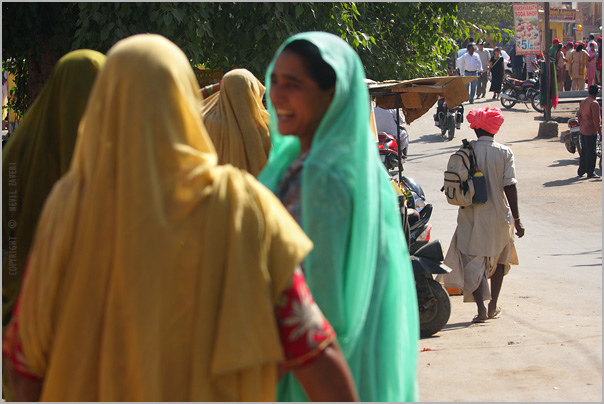
Eastern world refers to countries in Asia and Middle East. The people in eastern countries are more traditional than people in the West when we consider their rituals, customs, clothing, etc. For example, Indians pay respect to their elders by touching their feet; East Asians use bows as greetings, apologizing and thanking. People in the East are rigid in their ideologies and beliefs; they are often reluctant to challenge and question the long practiced traditions and customs.
In eastern countries, elders are considered as the head of the home and children respect and obey them in all decisions. The important decisions regarding children’s future are usually taken by elders. When parents grow old, the children are expected to look after them.
Arranged marriages are a common phenomenon in eastern countries. They are usually arranged by parents or elders. Factors like education, social status, and family background are considered in these marriages. The concept that love comes after marriage is also promoted by these marriages. Moreover, public displays of affection are often frowned upon in Eastern countries.
Islam, Hinduism, Buddhism, Jainism, Shenism, and Taoism are some common religions in these countries. Rituals and customs of different communities may also differ according to these religions.
Western Culture
Western World mainly refers to Europe and North America. Judaism, Christianity, and Islam are some of the most common religions practiced in the Western world.
People in the west are more open-minded than those in the east. The westerns are more open and forthright. For example, topics such as the birth of a child and sex are still taboo in some eastern countries.
People in the west are also more open about their feelings. If they are angry, they might express. But people in the east might cover it for the sake of diplomacy and politeness. Westerns may also display their feelings and emotions in public.
Moreover, the individual is given preference over family, so a person has more freedom and power to take decisions on his own, unlike those in the east. Therefore, concepts like arranged marriages are not common in the west; they marry for love.
In western culture, relationships are not hierarchical and everyone is considered to be equally important and respected irrespective of their age or professional qualification, whereas, in eastern culture, people who are older or have higher professional qualifications are considered to be more respectful and important.
Moreover, in the west, people are more task-focused when it comes to spending time, that is, they see time as money and want to get their tasks done without wasting any time, whereas, in the east, people are more event focused and love to spend their time on building relationships.
When it comes to speech, people in the west are honest, whereas people in the east value harmony over honesty, that is, they would rather speak the lie and maintain harmony in the relationship than speak the truth.
Also, the westerners are independent and do things themselves, on the other hand, the eastern culture has different levels of society, and people in a higher level of society hire people from a lower level of society and help them monetarily.
Considering food, eastern culture is famous for its hospitality, whereas westerners view the same hospitality as ostentatious and prefer to be efficient which easterners view as inconsiderate.
Then there is a difference in ethics, how something is considered to be right or wrong. In eastern culture, ethics are based on honor and shame. If something brings honor to your society then it is considered to be right and if something brings shame to your society then it is considered to be wrong. Such is not the case in western culture. In western culture, ethics are strictly based on law. If something follows the law it is considered to be right and if something breaks the law it is considered to be wrong.
Another good cultural model that will help you paint a clear picture of the cultural differences is the Hofstede’s Cultural Dimensions Theory

Nanosniffer is world’s first Explosive Trace Detector using microsensor technology

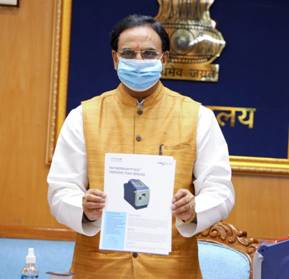
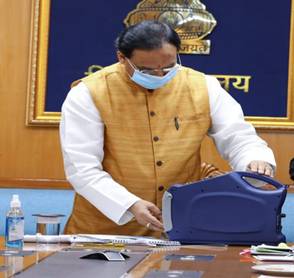
 Union Education Minister, Shri Ramesh Pokhriyal ‘Nishank’ today launched NanoSniffer, the world’s first Microsensor based Explosive Trace Detector (ETD) developed by NanoSniff Technologies, an IIT Bombay incubated startup. Director, IIT Delhi, Shri V. Ramgopal Rao, and senior officials of the Ministry were present on the occasion.

NanoSniffer has been marketed by Vehant Technologies, a spin-off from a former IIT Delhi incubated startup Kritikal Solutions. 


2.jpg1.jpg


Speaking on the occasion, Shri Pokhriyal said that NanoSniffer, developed by NanoSniff Technologies, is a step towards Prime Minister Shri Narendra Modi’s vision of a self-reliant India. NanoSniffer is a 100% Made in India product in terms of research, development & manufacturing. The core technology of NanoSniffer is protected by patents in the U.S. & Europe. The Minister further said that this affordable device will reduce our dependency on imported explosive trace detector devices. It will also encourage other institutions, startups and medium-scale industries to research & develop products indigenously. It’s a perfect example of lab to market product, he added.

The Minister appreciated that this home-grown Explosive trace detector device (ETD) – NanoSniffer can detect explosives in less than 10 seconds and it also identifies and categorizes explosives into different classes. It detects all classes of military, conventional and homemade explosives. NanoSniffer gives visible & audible alerts with sunlight-readable color display, he added.

Union Education Minister said that with the development of this product, IIT Bombay and IIT Delhi along with their offshoot companies are making a sincere effort to boost the nation’s security with advanced and affordable indigenous products. It’s a perfect example of academia and industry collaboration, which will set an example for other startups in India. Our nation is full of talented, knowledgeable and hard-working entrepreneurs, hence why should we import foreign products. It is amazing that now our country is developing & manufacturing products like NanoSniffer, Explosive Trace Detectors, he added

Given the constant threats, which our nation faces due to geo-political realities, explosives & contraband detection has become a norm at high security locations like airports, railways & Metro stations, hotels, malls, and other public places. Check points at such locations are incorporating advanced detection equipment for rapid scanning of people and baggage. Almost all these products for explosive detection are imported at a high cost leading to the loss of valuable foreign exchange by the country. NanoSniffer is a perfect substitute for such products.

NanoSniff Technologies has partnered with Vehant Technologies, a pioneer in Artificial Intelligence/Machine Learning- based Physical Security, Surveillance and Traffic Monitoring & Junction Enforcement Solutions.

NanoSniffer provides trace detection of nano-gram quantity of explosives & delivers result in seconds. It can accurately detect a wide range of military, commercial and homemade explosives threats. Further analysis of the algorithms also helps in categorization of explosives into the appropriate class. With local manufacturing, including its MEMS sensor, it will save a lot of import cost for the country.

NanoSniffer has successfully passed Pune based DRDO’s High Energy Materials Research Laboratory (HEMRL) testing and has also been tested by the country’s elite counter-terror force National Security Guard (NSG).


*****


Conduct of Class XIIth exams and professional courses entrance exams

 A national consultation was arranged today by the Ministry of Education, Government of India with the Education Ministers and Administrators of all States and UTs. The consultation was chaired by the Union Defence Minister ShriRajnath Singh, and was attended by Union Education Minister ShriRameshPokhriyal‘Nishank’, Union Minister for Women and Child Development and Textiles, Smt. SmritiZubin Irani, Union Minister for Forest, environment and Climate change and Information and Broadcasting, ShriPrakashJavadekar and Minister of State for Education Shri Sanjay Dhotre. Secretary,  Higher Education Shri Amit Khare; Secretary, School Education Smt Anita Karwal  and senior officials of the Ministry also attended the meeting.

While opening the forum for discussions, the Minister for Education, Shri Ramesh Pokhriyal“Nishank’ expressed his gratitude to the cabinet ministers from Government of India who attended the meeting today for their extensive support in the preliminary discussions leading to this consultation and for remaining present in the meeting. It may be mentioned that a  high level meeting was held on 21st May 2021 under the chairmanship of the Prime Minister with nine Union Cabinet Ministers and senior officials to discuss about the conduct of Board exams for Class XII and All India Entrance  exams. The Minister expressed his gratitude to Defence Minister ShriRajnath Singh for giving his time and valuable suggestions relating to the exams. He thanked the Union Minister for Women and Child Development, Union Minister for Information and Broadcasting, Minister of State for Education for attending the meeting. The Minister of Education also expressed commitment towards the safety and security of children as the first priority of the Government of India.The Minister said the entire country has come together to ensure the safety and academic welfare of the students and smooth functioning of the education system.He said that despite challenges posed by Covid-19, the Government has left no stone unturned to successfully bring education to online mode. He said that the homes were converted into schools.

The Minister discussed the importance of the Class XII Board exams and the All India Entrance exams in shaping the future and defining the careers of students. The Minister said keeping in view the present circumstances we decided to cancel the CBSE Board examinations of Class X and evaluate through internal assessment but Class-XII examinations are very important to decide the future of a student.

He said that this meeting was called to enable Central and State Boards and other examination agencies to be able to examine various options available in the present challenging circumstances through a consultation process.ShriPokhriyal assured that the deliberations with all stakeholders in the meeting today will help in reaching a suitable decision on exams in the interest of all the students and ensuring a bright future for our children.

The discussions were held around two themes, i.e, board exams to be conducted for Class XII by the Central Board of Secondary Education and other State Boards and the All-India Entrance examinations for various higher education institutions and professional courses. Various options regarding the methodology, process, duration and timings of the exams were discussed. While a broad consensus was there, however, it was decided that States and UTs may like to further examine the matter and send their feedback in writing by the 25th of May,2021.

The meeting was attended by Chief Minister of Jharkhand and Goa, Deputy Chief Minister of Uttar Pradesh and Delhi  and State Education Ministers, State Education Secretaries, Chairpersons of Examination Boards , Administrators of Union territories, Secretaries of Higher Education Department and School Education Department of Government of India, Chairman CBSE, UGC and AICTE, DG NTA and several other  officials.

While summing up, Union Defence Minister, Shri Rajnath Singh thanked all the participants for putting forth their positive suggestions on the proposals for conducting examinations. He requested States and UTs to submit other suggestions, if any, to the Ministry of Education by this Tuesday i.e. 25th May. The Ministry will consider all those suggestions and take a final decision soon, he added. He reiterated that the priority of the Government is to conduct all the examinations in a safe and secure environment.

Earlier on 14th April, the Central Board of Secondary Education had notified that Class XII exams have been postponed and that further information with regard to Class XII board exams would be given to students by the 1st of June. In this context, following the consultative meeting with the States and UTs today, the Government of India will examine the suggestions received from the various State Governments this week and convey further information in this regard to the students by or before the 1st of June 2021.

******

All India Survey on Higher Education (AISHE) 2019-20

 Union Education Minister Shri Ramesh Pokhriyal ‘Nishank’ today announced the release of the report of All India Survey on Higher Education 2019-20. This Report provides key performance indicators on the current status of Higher education in the country.

Shri Pokhriyal noted that in the last five years from 2015-16 to 2019-20, there has been a growth of 11.4% in the student enrolment. The rise in female enrolment in higher education during the period is 18.2%. He emphasized that the continuous focus given by the government under the leadership of Prime Minister Shri Narendra Modi on education of girls, women empowerment and empowerment of socially backward classes are well reflected by the increased participation of women, SCs and STs population in Higher Education as shown by the Report.

Minister of State Shri Sanjay Dhotre said, “The results published in this report are indicators of the success of the policies adopted by Prime Minister Shri Narendra Modi in the higher education sector of the Country. I hope this report will help our policy makers to further improve the higher education scenario of the country.”

Secretary, Higher Education Shri Amit Khare said that this report is the 10th in the series of All India Survey on Higher Education (AISHE) annually released by D/o Higher Education. The continuous rise in the enrolment, number of institutions, gender parity is a part of our country’s major move towards improving access, equity and quality in light of National Education Policy 2020, he added.

 Key features of All India Survey on Higher Education Report 2019-20

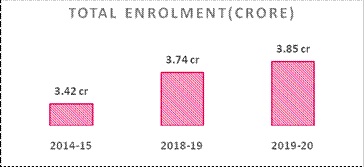
1. Total Enrolment in Higher Education stands at 3.85 crorein 2019-20 as compared to 3.74 crore in 2018-19, registering a growth of 11.36 lakh (3.04 %). Total enrolment was 3.42 crore in 2014-15.


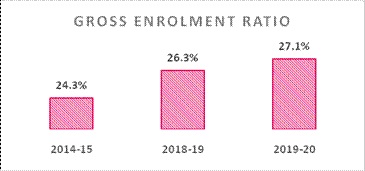
2. Gross Enrolment Ratio (GER), the percentage of students belonging to the eligible age group enrolled in Higher Education, in 2019-20 is 27.1% against 26.3% in 2018-19 and 24.3% in 2014-2015.

3. Gender Parity Index (GPI) in Higher Education in 2019-20 is 1.01 against 1.00 in 2018-19 indicating an improvement in the relative access to higher education for females of eligible age group compared to males.

4. Pupil Teacher Ratio in Higher Education in 2019-20 is 26.

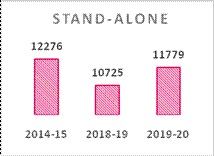
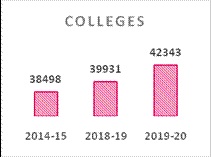
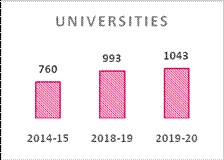
In 2019-20: Universities: 1,043(2%); Colleges: 42,343(77%) and stand-alone institutions: 11,779(21%).


6. 3.38 crore Students enrolled in programmes at under-graduate and post-graduate level.  Out of these, nearly 85% of the students (2.85 crore) were enrolled in the six major disciplines such as Humanities, Science, Commerce, Engineering & Technology, Medical Science and IT & Computer.

7. The number of students pursuing PhD in 2019-20 is 2.03 lakh against 1.17 lakh in 2014-15.

8. The Total Number of Teachers stands at 15,03,156 comprising of 57.5% male and 42.5% female.

Click below to see the report:

*****


Realize the dream of activating India 2.0, fueled with the spirit of Atmanirbhar Bharat

 National Innovation week will inspire us to work collaboratively to realize the dream of activating India 2.0, fueled with the spirit of Atmanirbhar Bharat, said Shri Subhas Sarkar, Minister of State for Education while addressing the valedictory session of  E- Symposium on ‘Building Innovation Ecosystem in Educational Institutes’ here today.

In his concluding remarks Shri Sarkar said that our goal is to promote innovation, entrepreneurship, critical thinking, and out-of-the-box thinking in our educational system, which is also reflected in the New Education Policy 2020. He further said that Government is committed to enhance the Indian economy and working tirelessly to achieve India’s goal of becoming a 5 trillion-dollar economy by 2024-25. Facilitating investment, fostering innovation, building best-in-class infrastructure, and making India a hub for manufacturing, design, and innovation will help us achieve the Atmanirbhar Bharat in the true sense. 

Click here to see Closing Ceremony of e-Symposium on Building Innovation & Entrepreneurial Ecosystem

Shri Sarkar stressed that the time has come when every Ministry, Government Department, Industry leaders, and all key stakeholders work collaboratively and support our higher education institutions so that they work on creating a holistic culture of innovation, research, and help in nurturing young talent to pursue their dreams as an Innovators and solve the problems faced by society and address upcoming challenges. 

At the occasion, Professor K. Vijay Raghavan, Principal Scientific Advisor (PSA) to the Government of India, emphasized on need of innovation for economic change and sustainability. He said that we need to expand the funding of research and innovation eco-system to position India as a favoured destination for Research and Development. He highlighted on adoption of best global practices for establishing closer linkages with national R&D institutions and academia, talent development and sourcing, strategic partnerships to bolster R&D in India and integrating with the domestic start-up ecosystem. He further added that, innovation must be linked with economic change and market and in synchronization with ongoing policy measures including Swachh Bharat, Made in India etc. etc. He urged Indian youth to come forward in sharing the ideas for country and economic development.

The opening session was followed by two panel discussion titled, “Grey Hairs not mandatory to build greater enterprises” and “Attracting Big Investment for Innovative ideas from Educational Institution” which was well attended by eminent personalities. All the panelists were enthused with such platforms which are much needed for building up the R&D and innovation eco-systems in India.

Prof. M. P. Poonia, Vice Chairman of AICTE had delivered welcome address and appreciated for the overwhelming responses and participation from student and faculty fraternity from educational institutions. The sessions were viewed by more than1.2 lakh attendees online across the globe. All panelists were enthused with e-symposium platforms which is the need of hour for building the R&D and innovation eco-systems in India.

Prof. Rajive Kumar, Member Secretary, AICTE highlighted the role of AICTE in supporting the technical institutions to excel in the field of innovation and entrepreneurship. The event concluded with vote of thanks delivered by him.

******

World Universities Summit

 Vice President of India Shri M. Venkaiah Naidu addressed the World Universities Summit organized by O.P. Jindal Global University as a Chief Guest. Union Education and Skill Development Minister Shri Dharmendra Pradhan also addressed the summit. The theme of the summit was “Universities of the Future: Building Institutional Resilience, Social Responsibility and Community Impact”.

Vice President asked universities to become thought leaders in finding solutions to global challenges such as climate change, poverty and pollution. He also wanted the universities to discuss various socio-economic and political issues facing the world and come up with ideas that can be implemented by the governments as per their needs and suitability.

Referring to the benefits of learning in the mother tongue, the Vice President said it enhances one’s grasping and comprehension levels. “To understand a subject in another language, one has to first learn and master that language, which needs a lot of effort. However, this is not the case while learning in one’s mother tongue,” he added.

Highlighting our country’s rich linguistic and cultural heritage, the Vice President said that India is home to hundreds of languages and thousands of dialects. He said, “Our linguistic diversity is one of the cornerstones of our rich cultural heritage.” Emphasizing on the significance of mother language, Shri Naidu said, “Our mother language or our native language is very special to us, as we share an umbilical cord relationship with it.”

Addressing the participants, Union Education and Skill Development Minister Shri Dharmendra Pradhan emphasized on the Government’s commitment to transform India’s education sector bringing it at par with global standards, encouraging research and innovation and on developing well-rounded responsible citizens, who are also global citizens- Vishwa Manav.

Shri Pradhan said that the New National Education Policy -2020 has heralded a new imagination for the Indian higher education system. It outlines the vision of the Prime Minister Shri Narendra Modi to make an Aatmanirbhar Bharat. Quality, equity, accessibility and affordability are the four pillars of the new education policy on which a new India will emerge, he added.

Minister Pradhan stated that with the vision of Study In India—Stay In India’, India will move towards becoming a global destination in education. Shri Pradhan highlighted the efforts made by the Government to make education holistic, innovative, linguistically diverse, and multi-disciplinary. No student should suffer due to language limitations or regional linguistic constraints, he added.

He said that the multidisciplinary education and research university (MERU) will open up new opportunities for India’s youth. MERU will promote inter-disciplinary research and make India a global hub of Research and Development, he further added.

Minister Pradhan stressed that synergizing education with skill development will open new avenues of socio-economic empowerment. The NEP will facilitate integration of education with skills and enable India to reap the demographic dividend.

Education and Skill Development Minister Shri Pradhan said that Covid-19 pandemic necessitated the adoption of online learning and use of digital technologies to ensure that learning continues. This mode is going to stay giving way to hybrid methods of learning and knowledge dissemination. Our future planning, therefore, needs to fill a digital divide, he said.

He also congratulated the organizers for event and wished them success in all their endeavors.

Professor (Dr.) D.P. Singh, Chairman, University Grants Commission, Mr. Naveen Jindal, Chancellor, O.P. Jindal Global University, Professor (Dr.) C. Raj Kumar, Founding Vice-Chancellor; Professor Dabiru Sridhar Patnaik, Registrar and other distinguished university leaders from India and overseas, faculty also attended the event.

*****

National Webinar on ‘Indian Knowledge System, Languages, Art & Culture’

 As part of the celebration of one year of transformative reforms under National Education Policy, 2020, Government of India is organising a series of theme-based webinars on different aspects of National Education Policy, 2020. Indian Knowledge System, Language, Arts & Culture being one of the innovative thrust area of NEP, Indian Knowledge System at AICTE under Ministry of Education organised a National Webinar on Transforming Education in the Light of Indian Knowledge System, Language, Arts & Culture today.  Union Minister of Education and Skill Development and Employment Shri Dharmendra Pradhan was the Chief Guest on the occasion. Member of Parliament Shri Tejasvi Surya; Secretary, Higher Education Shri Amit Khare Senior officials from Ministry of Education and AICTE were also present.

Speaking on the occasion Shri Dharmendra Pradhan discussed the relevance of traditional knowledge systems & ancient wisdom in contemporary times and their role in the making of an Aatmanirbhar Bharat. He stated that there is a need to synergise knowledge with art, culture, language with a spirit of Bharatiyata.

The Minister said that no society can thrive without connecting to its roots. Our past is filled with examples of architectural grandeur, engineering marvel and artistic excellence, he further added. He called for conservation, promotion and dissemination of this cultural wealth of India should be the top priority of the country because it is crucial for the country’s identity. 

Shri Pradhan highlighted that the National Education Policy has laid down a roadmap for 21st century India and lays emphasis on our traditional knowledge systems. By taking Indian knowledge traditions forward, we can sow seeds for starting a new era. We must recreate our traditional knowledge with contemporary, contextual relevance to connect with the youth, he added. Shri Pradhan stated that solutions to many of contemporary challenges lie in our traditional knowledge systems

Shri Amit Khare, Secretary, Higher Education in his address shed light on the formulation and fundamentals of National Education Policy, 2020. Shri Khare said that NEP is the medium to fulfil the aspirations of New India and it will play an important role in realising the Prime Minister’s vision of attaining self-relaince. 

Shri Tejasvi Surya expressed his views on the need of new NEP 2020 with respect to Traditional Indian Knowledge in 21st century. He said that Science, Culture, Civilization, Art, various ancient learnings, History etc. are an important part of our glorious tradition and our young generation should we be aware and respect these traditions. He stressed upon value-based education to learners.

Shri Surya also highlighted different aspects of traditional Indian wisdom with respect to NEP 2020 which is being reintroduced in Indian Education. He added that through this NEP 2020, a strong effort is being made to strengthen the departments and institutions of various languages ​​across the country.

The theme wise sessions were conducted followed by the Inaugural Session where the first session of the Webinar was on the theme “Indian Knowledge System” and was addressed by Dr.Shailendra Raj Mehta,President and Director, MICA, Ahmedabad; Dr. A. S. Nene,Board Member, Civil Engg. Dept., Jagatguru Shri Devnath Institute of Vedic Science and Research, Nagpur;Prof. M. D Srinivas,Chairman, Centre for Policy Studies, Chennai.

The second session of the Webinar was on the theme “Languages” and was addressed byShri. Chamu Krishna Shastri, Secretary, Sanskrit Promotion Foundation; Prof. Santosh Kumar Shukla, Dean, School of Sanskrit and Indic Studies, JNU, New Delhi;Dr.Sudha Seshayyan,Vice- Chancellor, The Tamil Nadu Dr. M.G.R Medical University, Chennai.

The third session of the Webinar was on the theme “Arts & Culture” and was addressed by Dr.Sonal Mansingh, Member of Parliament, Rajya SabhaIndian classical dancer and Guru Bharatanatyam and Odissi dancing style; Dr. Anil Joshi, Environmentalist, Green Activist, and the Founder of Himalayan Environmental Studies and Conservation Organization, Dehradun; Dr.Shashibala,Dean, Centre of Indology, Bhartiya Vidya Bhavan, New Delhi.

The Valedictory session was conducted by the concluding remarks of Prof. Anil D. Sahasrabudhe, Chairman, AICTE. He motivated with the thought that the upcoming NEP 2020 by the Ministry of Education is the golden opportunity to awaken the self-respect and self-reliance for all the students.

National webinar on Quality Teacher Education, Accreditation, and Teacher Development

 Ministry of Education, AICTE and National Council for Teacher Education organized a national webinar on “Quality Teacher Education, Accreditation, and Teacher Development.”  Dr. Jitendra Singh, MoS (Independent Charge) for Science and Technology, PMO and DOPT was the chief guest for the webinar.

Addressing the participants, Dr. Jitendra Singh  said that in line with the vision of Prime Minister, the National Education Policy 2020 will help in realising the goal of New India. The Minister stressed that there is a strong need of aligning professional degree and career choices. He also spoke of integrity in the selection process of teachers and incentivizing best students to take up teaching as a profession.

The Minister said that since ancient times, teachers have been at the centre of education and contributing to the country’s progress. High quality teaching will improve educational outcomes and will lead to holistic development of students.

Prof. Narendra Kumar Taneja, VC, CCS University; Prof. C.K. Saluja, Rtd., CIE, Delhi University; Prof. M. Jagadesh Kumar, VC, JNU; Prof. Padma Sarangpani, Tata Institute of Social Sciences; Dr. Maitreyee Dutta (Head), Dept of Computer Science & Engg., NITTTR, Chandigarh; Ma. Ramya Venkataraman, CENTA also participated in the webinar.

The webinar featured two  sessions on (i) Quality Education and Teacher Development (ii) Accreditation. Prof. HCS Rathore, Former VC, South Bihar Central University, and Prof. Mahendra P. Lama, School of International Studies, JNU facilitated the questions/answers/interactions and summarized both the sessions.

The webinar focused on Digital Integration in Quality Education, Impact of Language on Quality Education , Maintaining Quality of Education, Holistic Teacher Development, Teachers of the Future, Teacher’s Role in Developing 21st Century Skills, Quality Technical Education and Accreditation and Teacher Accreditation.

*****

A good teacher is a personality-builder, a society-builder, and a nation-builder

 The primary responsibility of combining the inherent talents of the students lies with the teachers; a good teacher is a personality-builder, a society-builder, and a nation-builder, said the President of India, Shri Ram Nath Kovind.  He was speaking at a virtual award ceremony today (September 5, 2021) on the occasion of Teachers’ Day wherein 44 teachers from across the country were honoured with the National Awards.


Union Minister for Education, Shri Dharmendra Pradhan and Minister of State for Education, Shri Subhas Sarkar;  MoS, Shri RajKumar Ranjan Singh and Smt Annapurna Devi also graced the occasion. Smt. Anita Karwal, Secretary, Department of School Education and Literacy and Shri Amit Khare, Secretary, Department of Higher Education and other senior officials were present on the occasion.


The President congratulated all the teachers who received the award for their distinguished contributions. He said that such teachers strengthen his belief that the future generation is safe in the hands of our well-qualified teachers. He said that teachers have a very important place in everyone’s life. People remember their teachers life-long. Teachers who nurture their students with affection and devotion always get respect from their students.


The President urged teachers to inspire and enable their students to envision a golden future and acquire aptitude to fulfill their aspirations. He said that it is the duty of teachers to inculcate interest in studies in their students. Sensitive teachers can shape the future of students by their behaviour, conduct and teaching. He said that they should pay special attention to the fact that each student has different abilities, talents, psychology, social background and environment. Therefore, emphasis should be laid on all-round development of each child according to their special needs, interests and abilities.


The President said that the National Education Policy, implemented last year, has set an ambitious objective of establishing India as a global knowledge super-power. We have to provide such education to the students which would be helpful in building a just society based on knowledge. Our education system should be such that students develop commitment to the constitutional values ​​and fundamental duties, strengthen patriotic feeling, and make them aware of their role in the changing global scenario.


The President noted that the Union Ministry of Education has taken some important steps to enable teachers. The Ministry has started integrated teachers’ training programme called ‘Nishtha’ under which efforts are being made for ‘Online Capacity Building’ for teachers. Apart from this, ‘Pragyata’ i.e. guidelines on digital education which were issued last year, is also a commendable step with a view to maintain the pace of education even during the crisis of Covid pandemic. He commended the entire team of Union Ministry of Education for finding new avenues even in difficult circumstances.


Speaking on the occasion, Shri Pradhan said that the role that a teacher plays is crucial for the robust development of a nation. They are instrumental in shaping the minds of our new generation, he added. Shri Pradhan thanked all the teachers who are working tirelessly to shape the destiny of a 21st-century India. 


The Minister congratuled all the 44 teachers from 28 states/UTs who have done exemplary work and been conferred with the National Awards. He also remembered Padma Shri Late Shri Prakash Rao of Odisha and countless others like him who have empowered children through education. 


Shri Pradhan said that he feels privileged to join the ceremony to recognise the, efforts of the best teachers in India. They have played a key role in ensuring continuity of education during Covid – 19, he added.


MoS, Education, Smt Annpurna Devi gave the Vote of Thanks.

*****

National Webinar on Empowering Women, Building Gender Parity

 Ministry of Education and University Grants Commission today organised National Webinar on Empowering Women, Building Gender Parity as part of Webinar Series on Good Governance being held from 17th September, 2021 to 7th October, 2021. Hon’ble Minister of State for Commerce Smt. Anupriya Patel delivered the inaugural address. Secretary (HE), Shri Amit Khare, Chairman, UGC Prof. D.P. Singh, senior officials from Ministry of Education and University Grants Commission were present on the occasion.

Delivering the inaugural address, Minister of State for Commerce Smt. Anupriya Patel said Gender Parity is not just good for women, it is good for the society and for the nation. The Minister stressed upon the need for having equal rights, equal roles and equal opportunity for men and women so that they contribute equally in all dimensions of life. The Minister added, focus must be on increasing women’s access to resources, her control over life and her decision-making rights.

Smt. Patel reiterated that Prime Minister envisions an India with larger role for women. The Minister highlighted various initiatives of government like Pradhan Mantri Jan Dhan Yojana, Ujjwala Yojana, Beti Bachao Beti Padhao, Sukanya Samridhi Yojana and Fellowship/Scholarships for women from deprived section intended to improve the life of the women.

The Minister stressed that, barrier for gender parity is deeply entrenched in the mindset. She said, there must be a collective effort in the society to change that mindset. She called upon all those present in the webinar to play individual role in the family, in the society and resultantly in the nation, and supplement the efforts of the government. She said, an empowered woman is powerful beyond measure and beautiful beyond description.

Shri Khare, Secretary, Higher Education in addressing the webinar focused on remarkable achievements on the gender parity index in spite of the discrimination and lack of opportunity existing in the society. Shri Khare, also raised the issue of very a smaller number of women faculty, particularly at leadership positions in higher education institutions, and called for proactive efforts regarding this.

Prof. D.P. Singh, Chairman, UGC in his opening address reaffirmed that women of the 21st century is fully capable of taking decision for themselves and social development. Prof. Singh said, sensitivity towards women empowerment and equality in the society is possible only through education.

The National Webinar on Empowering Women, Building Gender Parity provided an opportunity to brainstorm with academicians, educationalists, administrators and students about the possible ways ahead to implement NEP in terms of empowering women in education.

Dr. Vasudha Kamat, Former Vice-Chancellor, SNDT Women’s University, Mumbai and Member of NEP Draft Committee in her keynote address discussed the measures of multiple pathways to education, governance through political participation, gender sensitivity and targeted policies towards girls for bridging the gender gap.

The technical session of National Webinar was chaired by Prof. Sunaina Singh, Vice Chancellor, Nalanda University. Dr. Annapurna Nautiyal, VC, HNB Garhwal University; Dr. Shaji Thomas, Director, NIT, Trichy; and Prof. V.K. Malhotra, Member Secretary, ICSSR addressed the session as experts.

*****


Restoring normalcy and vibrancy in educational institutions post-COVID

 Union Education Minister Shri Dharmendra Pradhan today reviewed the vaccination status of teachers across the country and reopening of schools. He also reviewed the vaccination status in the skilling ecosystem. Shri Rajeev Chandrasekhar, Minister of State for Skill Development and Entrepreneurship and Shri Rajkumar Ranjan Singh, Minister of State for Education were also present in the meeting.

Shri Pradhan has been regularly monitoring the vaccination of teaching staff and non teaching staff to ensure enabling environment for schools to move towards reopening. He stressed upon the need to restore normalcy and vibrancy in the educational institutions in wake of rapid vaccination at scale happening in the country.

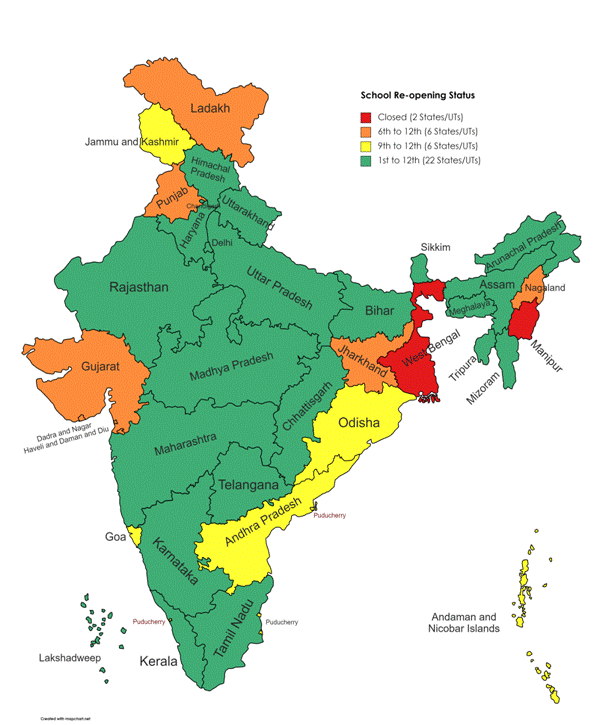
As on date, a majority of states have already opened the schools for all the classes. Over 92% of teaching staff have been vaccinated. In the institutions under Central Government, over 96 % of teaching staff have been vaccinated.


School_Re_opening_Status (2).png


  MJPS/AK

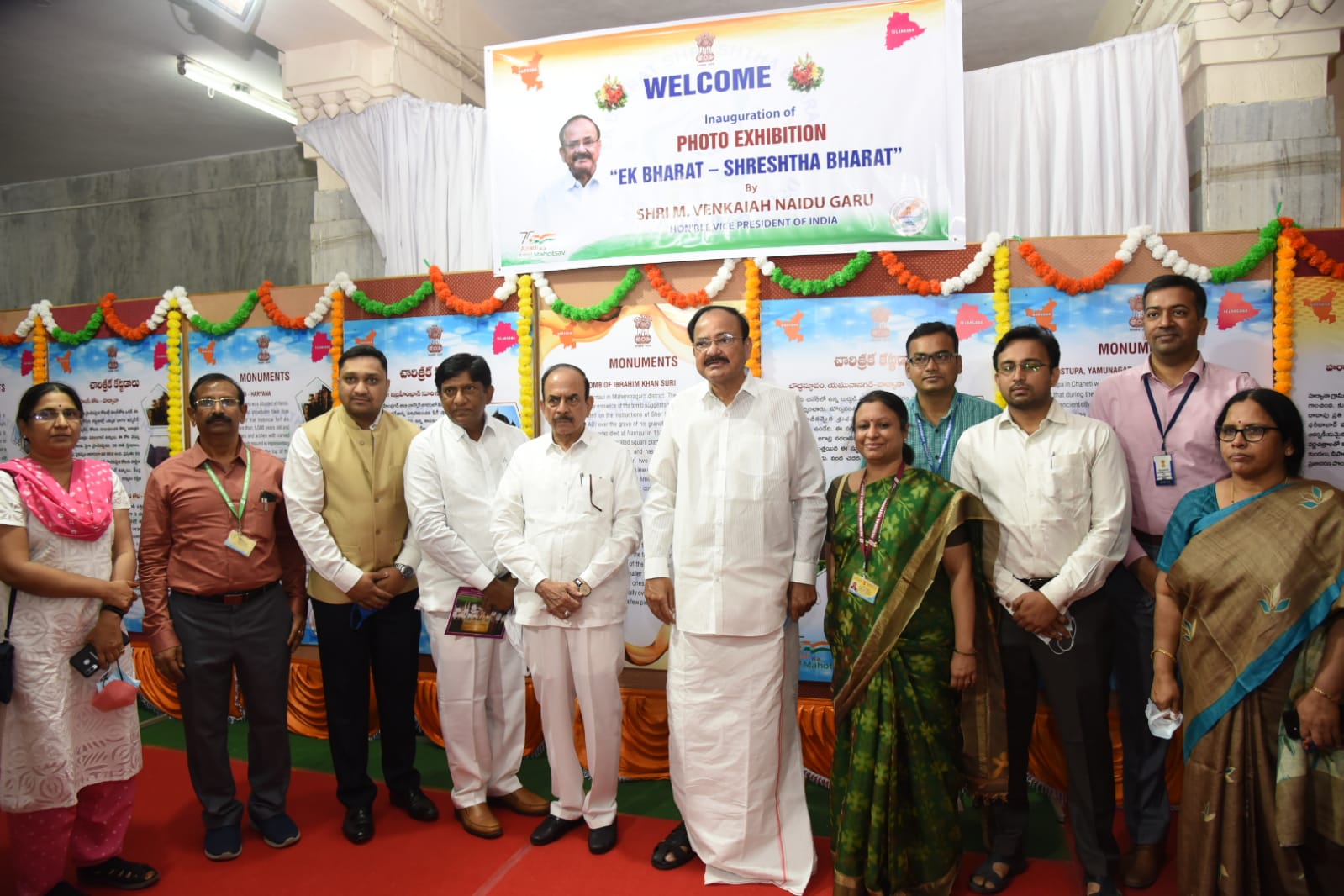
‘EK BHARAT SHRESHTHA BHARAT’ EXHIBITION; EXHORTS PEOPLE TO LEARN ABOUT ART AND CULTURE OF THE PAIRED STATES

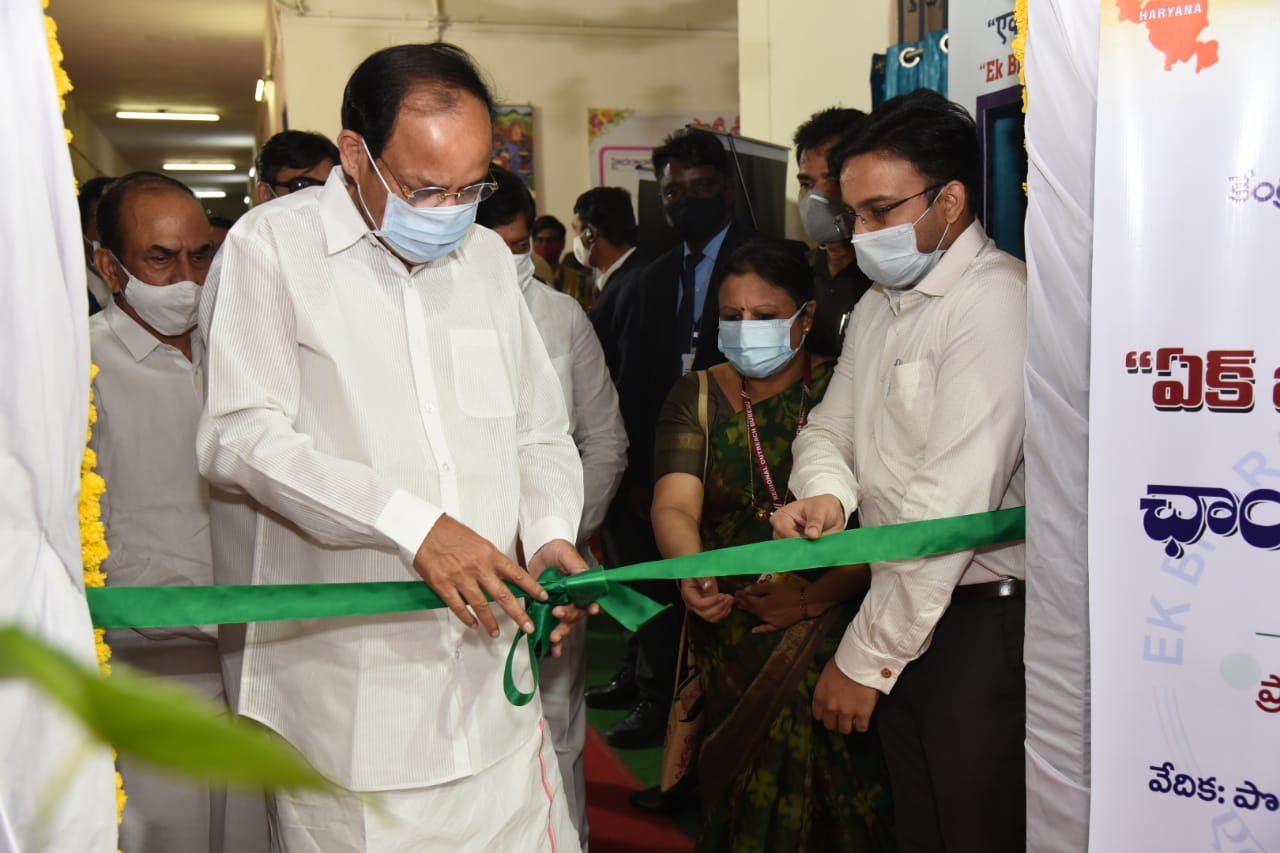
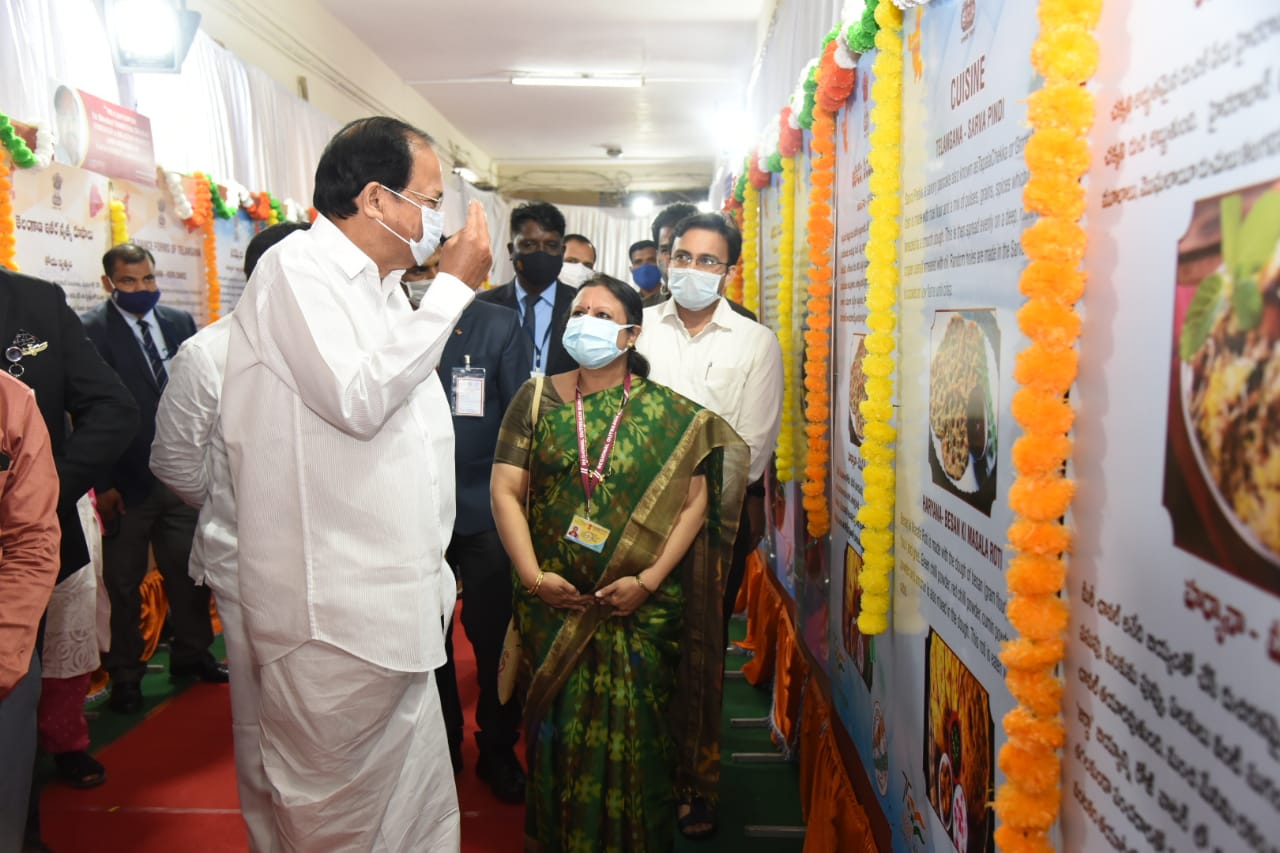
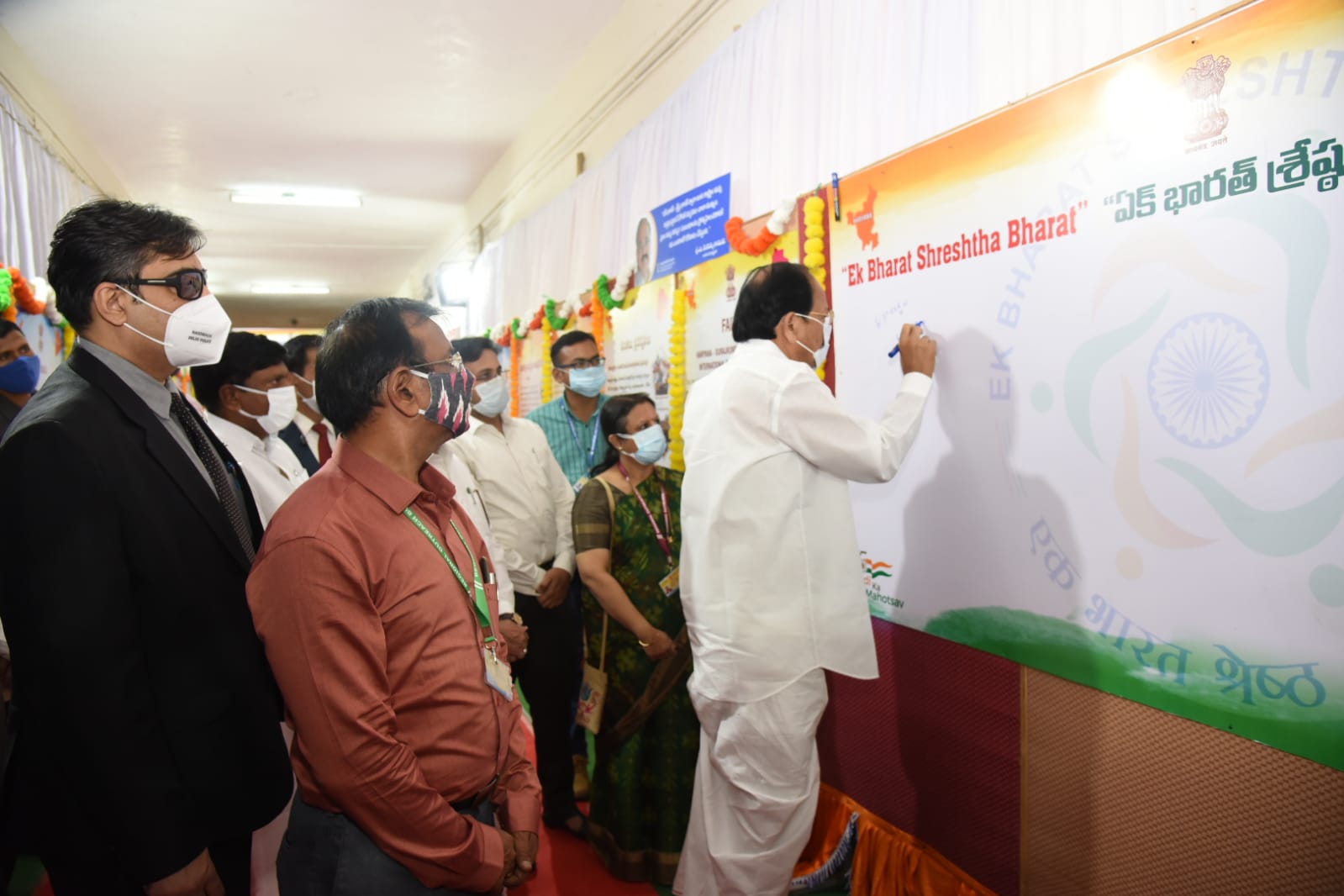
 The Hon’ble Vice President Shri M. Venkaiah Naidu inaugurated an exhibition on ‘Ek Bharat Shreshtha Bharat’ (EBSB) at Potti Sreeramulu Telugu University in the city today. Organised by the Regional Outreach Bureau, Ministry of Information and Broadcasting, this exhibition highlights the various interesting aspects of the paired states of Haryana and Telangana like art forms, cuisine, festivals, monuments, tourism spots etc, The exhibition will be open for viewing from 12th to 14th December, 2021 at Potti Sreeramulu Telugu University Campus, Nampally, Hyderabad. Noteworthy books brought out on the themes of art and culture have been  put up on display by the Publications Division at the exhibition.

Sharing his thoughts on the occasion, Shri Naidu said that such initiatives will go a long way in propagating the rich cultural heritage of the paired states and promoting people-to-people contacts. He complimented the Ministry of Information & Broadcasting for this initiative that brings people from the both States together and creates awareness about our rich & diverse cultural heritage.

Telangana State Home Minister, Shri Mohammed Mahmood Ali, Vice Chairman, Telangana State Planning Board, Shri B. Vinod Kumar, attended the event. The senior officers of Ministry of I&B from ROB, PIB, DPD and AIR were present on the occasion.

The Ek Bharat Shreshtha Bharat programme is a unique initiative by the Government to promote the spirit of national integration and to strengthen the fabric of emotional bonds between the people of our country. The Ek Bharat Shreshtha Bharat (EBSB) programme was launched by the Hon’ble Prime Minister on 31st October, 2015 on the occasion of the 140th birth anniversary of Sardar Vallabhbhai Patel, who played a significant part in the unification of the country post-independence.

*****