Love looks through a telescope; envy, through a microscope

• The invention of the microscope has opened up a whole new dimension in science. By using microscopes scientists were able to discover the existence of microorganisms, study the structure of cells, and see the smallest parts of plants, animals, and fungi.

Today, the microscope is still a commonly used tool to diagnosis illness in hospitals and clinics all over the world.

• Since their original invention, microscopes have moved beyond the simple visible light refracting lenses.

Electrons, x-rays, and infrared rays are used by far more sophisticated and expensive microscopes to detect even smaller and smaller structures. Scanning electron microscopes are able to resolve viruses, which are far smaller than any cell.

The most familiar type of microscope is the optical, or light, microscope, in which glass lenses are used to form the image. …… Other types of microscopes use the wave nature of various physical processes.
The most important is the electron microscope, which uses a beam of electrons in its image formation. A microscope is an instrument that makes an enlarged image of a small object, thus revealing details too small to be seen by the unaided eye.

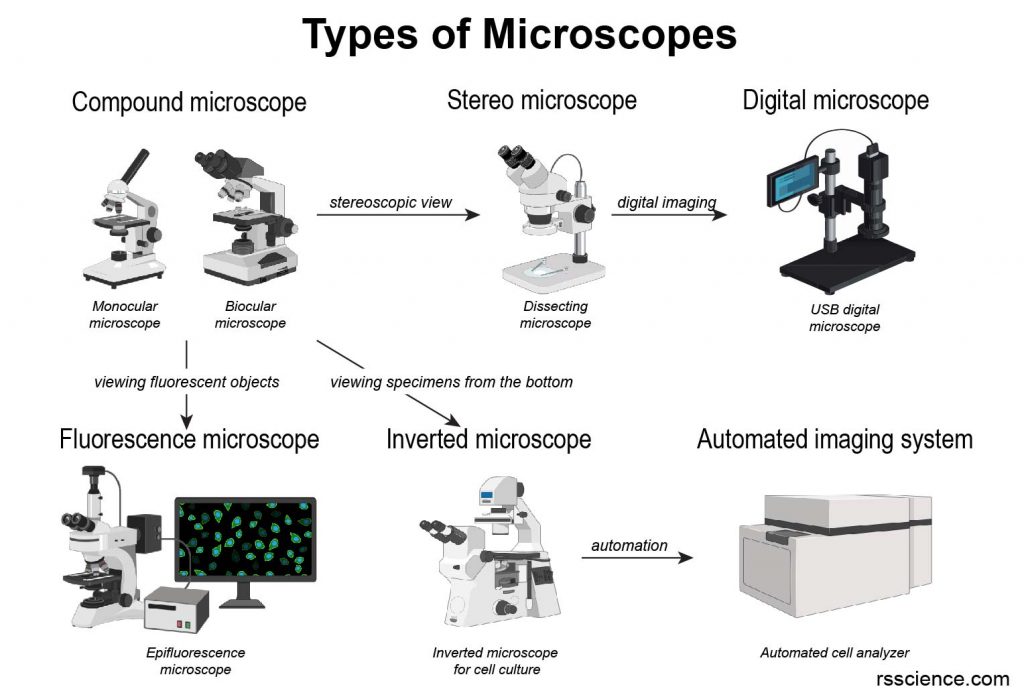
Simple Microscope – contains only one lens.

Ex. Magnifying glass.

Compound light microscope – a system of two lens that work together.

Electron microscopes – uses electrons to provide detailed views of specimens.

Ex. TEM and SEM

Dissecting microscope – allows for the viewing of specimens without the use of slide.

Good food, Good mood

Food is the basic material that the body needs for its survival and well being. Food, when eaten in proper intervals and the right amount, can make children fitter.

Eating food that is healthy and rich in nutrients is vital for proper body functioning. Healthy foods give us a healthy life and longevity.

Food is what people and animals eat to live. Food usually comes from animals and plants. It is eaten by living things to provide energy and nutrition. Food contains the nutrition that people and animals need to be healthy.

The consumption of food is normally enjoyable to humans. It contains protein, fat, carbohydrates, vitamins, water and minerals. Liquids used for energy and nutrition are often called “drinks”. If someone cannot afford food they go hungry.

Food for human is mostly made through farming or gardening. It includes animal and vegetables sources. Some people refuse to eat food from animal origin, like meet, eggs, and products with milk in them.

Not eating meat is called vegetarianism. Not eating or using any animal products is called veganism. Basic foods consumed by humans

Plant source

• Fruit

• Vegetables

• Grains

• Seeds

• Legumes

( Beans, peas, lentils, etc.)

• Herbs

• Spices

Animal source

• Meat

• Seafood

• Eggs

• Dairy products

Food produced by farmers or gardeners can be changed by industrial processes (the food industry). Processed food usually contains several natural ingredients and food additives (such as preservatives, antioxidants, emulsifiers, flavor enhancers). For example, bread is processed food.

Food processing at home is done in the kitchen, by the cook. The cook sometimes uses a cookbook. Examples of cooking utensils are pressure cookers, pots, and frying pans.

Appreciation for cultural diversity is essential for our co-existence

Cultural diversity is the exsistance of a variety of cultural groups within a society. Cultural groups can share many different characteristics. …… Culture, religion, ethnicity, language, nationality, sexual orientation, class, gender, age, disability , health differences, geographic location and lots of other things.

It is about appreciating that society is made up of many different groups with different interests, skills, talents and needs. It also means that you recognise that people in society can have differing religious beliefs and sexual orientations to you.

Cultural diversity is the quality of diverse or different cultures, as oppesed to monoculture, the global monoculture, or a homogenization of cultures, akin to culture evolution.

The term cultural diversity can also refer to having different cultures respect each other’s differences. Moreover, it is often used to mention the variety of human societies or cultures in a specific region, or in the world as a whole.

Cultural diversity

• Cultural diversity supports the idea that every individual has a unique and positive contribution to make in society.

• Valuing cultural diversity comes from learning and understanding others who are not the same.

• Discrimination between people hinders the bloom of cultural diversity.

• Contributions from different cultures make society rich.

CULTURAL DIVERSITY AND IT’S BENEFITS

* Rise people interpersonal skills.

* Increases team work.

* Expand innovative and creativity.

* Different attitudes and behaviors.

* Skills and variety of language spoken.

* Growth company credibility.

* Increases productivity on complex tasks.

“Life of little ones are destroyed, When child lab our is employed.”

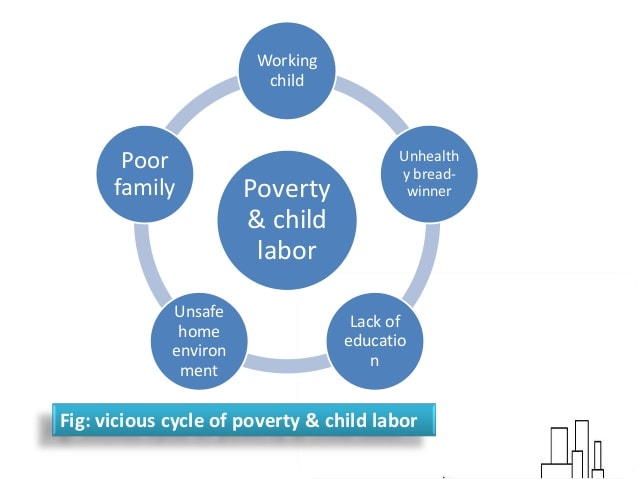
Poverty is consider to be the most important cause of child labour and it deprives children of schooling and acqurining human skill. The poor children grow as unskilled workers and earn low wages in adulthood. So, poverty persists and the parents are forced to send their children to work and a child labour trap is formed.

The econometric analysis using state level panel data in the Indian context demonstrates that poverty, illiteracy and child labour are significantly correlated. The results show that poverty adversely affects children’s schooling and education and results in persistence of poverty thereby creating a child labour trap.

Child labour deprives children of their childhood, their potential and dignity. It is believed to be harmful to their physical and mental development. It hinders in their human capital accumulation.

Less human capital accumulation results in lower productivity. Thus, they earn less and remain poor. When these uneducated, unskilled and poor people become parents they are not able to invest in human capital of their children.

Their income remains very low so they look towards these little hand to do child labour and supplement the household budget. This study investigates the relationship between poverty and child labour.

It also measures the impact of poverty alleviation on child labour. It finds that poverty breeds child labour and child labour perpetuates poverty. At the end it makes some policy recommendations to break this vicious cycle and reduce poverty and labour.

5 Lines on child labour

1. Child labour is a practice of involving children in business activities either by force or by consent.

2. This practice deprives children of their childhood and hampers their physical and mental development.

3. The 2011 census of India reports shows that there were 10.1 million child labours in the age group of 5-14 years.

4. Children agree to work in cheap wages, and it increases the profit of the business which fuels the issue of child labour.

5. The constitution of India does not support child labour.

Dr.A.P.J.Abdul Kalam

A.P.J.Abdul Kalam, in full Avul Pakir Jainulabdeen Abdul Kalam, (born October 15, 1931, Rameshwaram, India-died July 27, 2015, Shillong), Indian scientist and politician who played a leading role in the development of India’s missile and nuclear weapons programs. He was president of India from 2002 to 2007.

Kalam earned a degree in aeronautical engineering from the Madras Institute of Technology and in 1958 joined the Defence Research and Development Organisation (DRDO).

In 1958 he moved to the Indian Space Research Organisation, where he was project director of the SLV-III, the first satellite launch vehicle that was both designed and produced in India.

Rejoining DRDO in 1982, Kalam planned the program that produced a number of successful missiles, which helped earn him the nickname “Missile Man”.

Among those successes was Agni, India’s first intermediate range ballistic missile, which incorporated aspects of the SLV-III and was launched in 1989.

10 LINES ON A.P.J.ABDUL KALAM

1. The complete name of sir A.P.J.Abdul Kalam is Avul pakir jainulabdeen Abdul kalam.

2. He had born in Rameswaram, TamilNadu.

3. He was a very hard working student since his childhood.

4. He had done outstanding work on the ballistic missile technology and launch vehicle systems.

5. He played a pivotal role in pokhran-II, India’s nuclear test at pokhran in 1998.

6. He also played a key role in the development of the Agni missile system for Indian Defense.

7. He penned down his autobiography named ‘Wings of Fire’ in the year 1999.

8. He become the president of India by the unanimous support of ruling as well as of opposition party.

9. He was the prestigious Bharat Ratna awardee in the year 1997.

10. A.P.J.Abdul Kalam was famous as the people’s president.

Music is the shorthand of emotion

Music can raise someone’s mood, get them excited, or make them calm and relaxed. Music also – and this is important – allows us to feel nearly or possibly all emotions that we experience in our lives. …

It is an important part of their lives and fills a need or an urge to create music.

Music is a form of art that uses sound organized in time. Music is also a form of entertainment that puts sounds together in a way that people like, find interesting or dance to.

Most music includes people singing with their voices or playing musical instruments, such as the piano, guitar, drums or violin.

The word music comes from the Greek word (mousike), which means “(art) of the Muses”. In Ancient Greece the Muses included the goddesses of music is known as a musician.

Though more studies are needed to confirm the potential health benefits of music, some studies suggest that listening to music can have the following positive effects on health.

1. Improve mood

2. Reduce stress

3. Lessens anxiety

4. Improves exercise

5. Improves memory

6. Eases pain

7. Provides comfort

8. Improve cognition

9. Helps children with autism spectrum disorder

10. Soothes premature babies.

Climate change is the greatest threat of our time.

Climate change is happening now and it affects our everyday lives. We are seeing increased frequency and strength of coastal storms. Rainfall events are becoming more severe. Heat waves are affecting human health and our valuable agriculture sector. And, as a coastal state, we must pay attention to changes in sea levels.

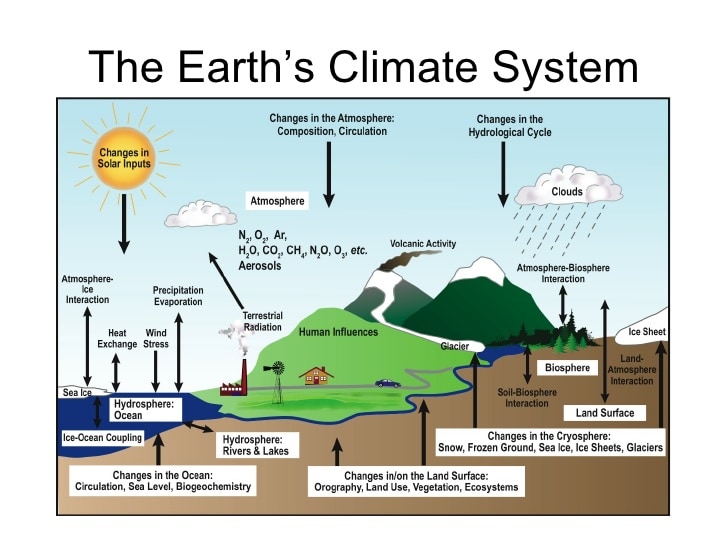
The term “climate change” refers to a rise in the average global temperature due to an increase in the concentration of atmospheric green house gases, resulting in numerous climatic shifts and impacts around the globe.

The term “global warming” is also used, although it is important to recognize that the increase in temperature is a global average AMD individual locations will experience varied temperature and precipitation changes.

Several gases, such as carbon dioxide(CO2) and methene (CH4), exist naturally in the atmosphere and contribute to the warming of the earth’s surface by trapping heat from the sun, in what is known as the greenhouse effect. When the proportion of such greenhouse gases in the atmosphere is stable, the effect is beneficial, making surface temperatures warmer and alleviating temperature swings.

However, human activity is increasing the concentration of greenhouse gases in the atmosphere, which is already causing average temperatures to rise.

Effects of climate change

• UV Exposure

– Skin cancer (an abnormal growth of skin tissues)

– Premature aging (make the skin thick, wrinkled and leathery)

– Eye damages (cataracts, degenration of yellow spot, skin cancer around eyes etc)

– Suppression if immunity (over exposure of UV-B radiation suppresses and weakens body immunity system)

If conservation of natural resources goes wrong, nothing else will go right

Natural resources are materials that help humans to meet their needs. Any natural material that humans use can be called natural resources. There are different kinds of natural resources on earth. We use them daily basis directly or indirectly. Depending on the recovery rate, natural resources are divided into two categories.

A natural resources is what people can use which comes from the natural environment. Examples of natural resources are air ,water ,wood ,oil , wind energy, natural gas, iron, and coal. ….. Petroleum and iron ores are natural,but need work to make them into usable refined oil and steel.

Natural resources are resources that exist without any actions of humankind. This includes the sources of valued characteristics such as commercial and industrial use, aesthetic value, scientific interest and cultural value.

Oil, coal, natural gas, metals, stone and sand are natural resources. Other natural resources are air, sunlight, soil and water. Animals, birds, fish and plants are natural resources as well. Natural resources are used to make food, fuel and raw materials for the production of goods.

NATURAL RESOURCES

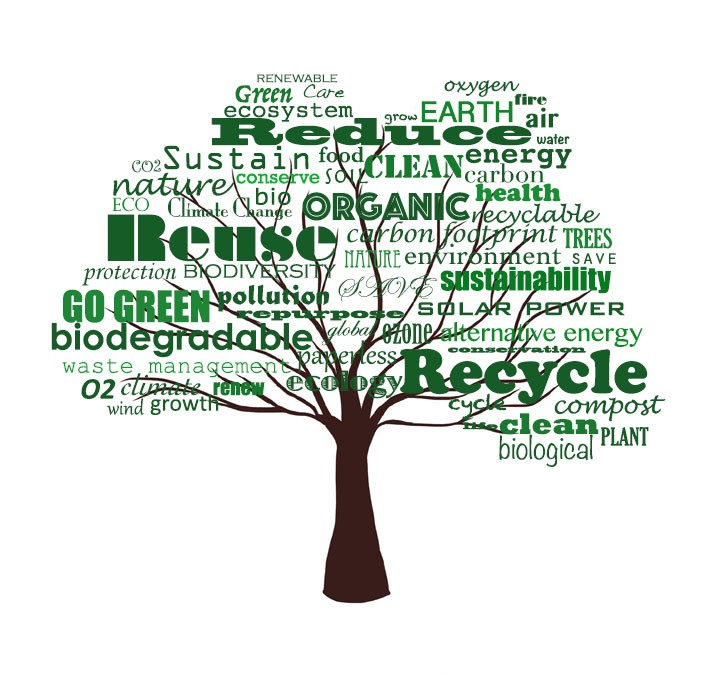
* The three Rs that help save natural resources are Reduce, Reuse, and Recycle.

* Using renewable resources responsibility can reduce the emission of several greenhouse gases that are typically released from fissile fuel.

* Despite being covered by 70% of water , the Earth is less than 1% of the water that is consumable and available for human use.

“Life is what happens when your cell phone is charging.”

A mobile phone ( also known as a wireless phone,cell phone, or cellular telephone) is a small portable radio telephone.

The mobile phone can be used to communicate over long distances without wires. It works by communicating with a nearby base station (“also called a cell site”) which connects it to the main phone network. When moving, if the mobile phone gets too far away from the cell it is connected to, that cell sends a message to another cell to tell the new cell to take over the call. This is called a “hand off,” and the call continues with the new cell the phone is connected to.

The hand off is done so well and carefully that the user will usually never even know that the call was transferred to another cell.

USE OF MOBILE PHONE

Mobile phones are used for a variety of purposes, such as keeping in touch with family members, for conducting business, and in order to have access to a telephone in the event of an emergency. Some people carry more than one mobile phone for different purposes, such as business and personal use.

Multiple SIM cards may be used to take advantage of the benefits of different calling plans. For example, a particular plan might provide for cheaper local calls, long distance calls, international calls, or roaming.

The mobile phone has been used in a variety of diverse contexts in society. For example:

* A study by Motorola found that one in ten mobile phone subscribes have a second phone that is often kept secret from other family members.

* Some organization assist victims of domestic violence by providing mobile phones for use I’m emergencies. These are often refurbished phones.

* Mobile telephony also facilities activism and citizen journalism.

* The advent of widespread text messaging has resulted in the cell phone novel, the first literary genre to emerge from the cellular age, via text messaging to a website that collects the novels as a whole.

* The TV industry has recently started using mobile phones to drive live TV viewing through mobile apps, advertising, social TV and mobile TV. It is estimated that 86% of Americans use their mobile phone while watching TV.

Hate pollution, love humanity

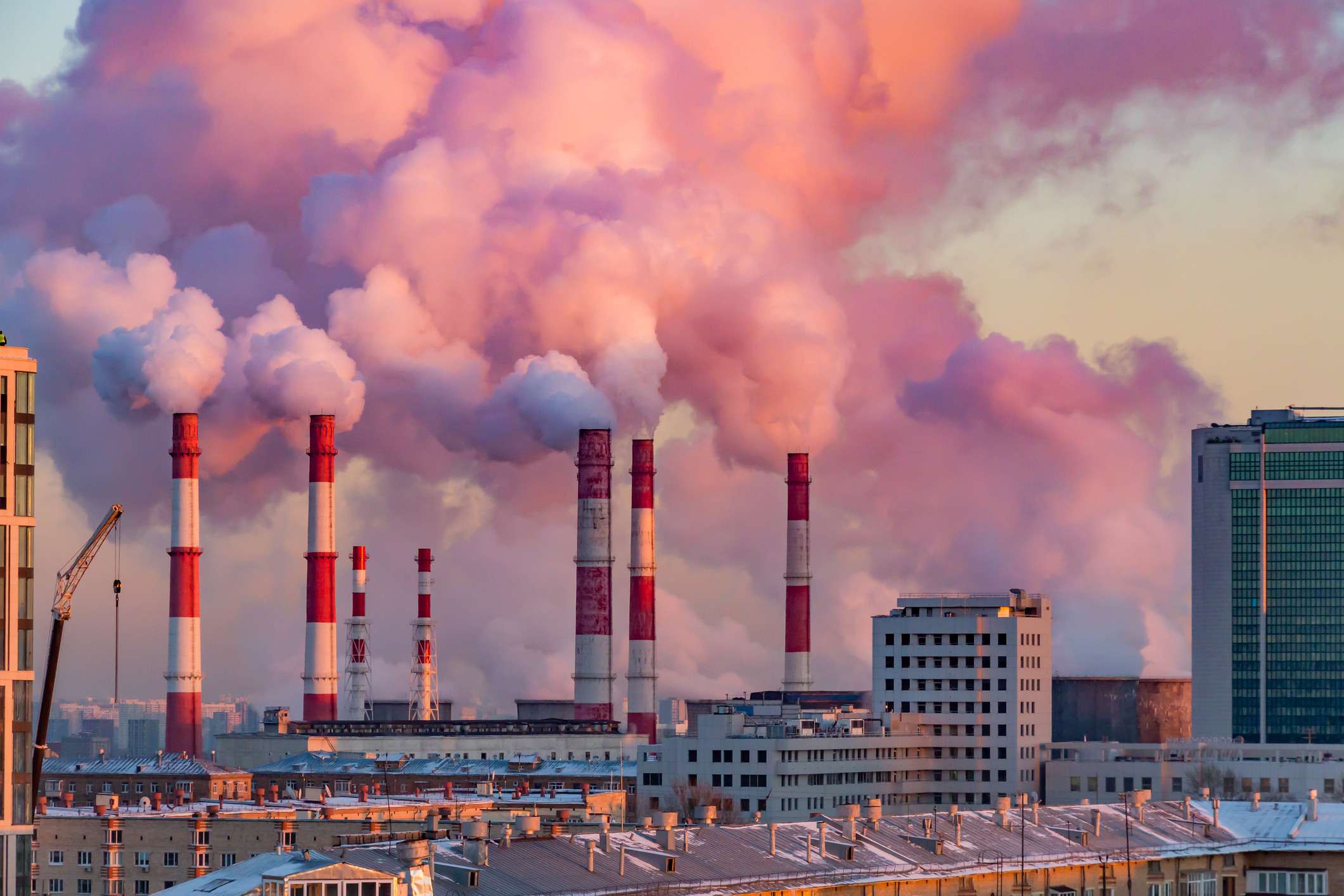
Pollution is the introduction of harmful materials into the environment. These harmful materials are called pollutants.

Pollutants can be natural, such as volcanic ash. They can also be created by human activity, such as trash or runoff produced by factories. Pollutants damage the quality of air, water and land.

Pollution is when harmful substances are added to the environment and then change it in a bad way.

There are five kinds of pollution of the environment: water pollution, air pollution , noise pollution, soil pollution and thermal pollution. As pollution grows, ways to combat it have grown.

ENVIRONMENTAL POLLUTION:

• A healthy ecosystem for the protection of all living things is utterly necessary.

• Government and public action to reduce environmental pollution should be taken promptly and on time.

• National strategies will be drawn up to mitigate the environmental consequences of industrialization, manufacturing and other operations.

• Digital media are a reliable source of knowledge about environmental risks.

• We should use and encourage others to use products of recyclable materials.

• For any living being, we must consider the use of flora.

• The use of renewable energy sources such as solar and wind energy should be sponsored.

• Instead of personal vehicles, we should depend as much as possible on public transport.

• Organic pesticides and fertilizers, other than synthetic pesticides and fertilizers, are helpful to environment protection.

Pollution may muddy landscape, poison soils and waterways, or kill plants and animals. Humans are also regularly harmed by pollution. Long- term exposure to air pollution, for example, can lead to chronic respiratory disease, lung cancer and other diseases.

Television is chewing gum for the eyes

Television is invented by the scientist J.L.Baird. It is the first electronic appliance that can be used to watch movies, videos, TV shows, and much more. Children prefer to view the TV all the time because of the many entertainment cartoons they show us. The earlier models of the TV were bulky and needed to be placed on a strong and sturdy table.

Telegram television (also known as a TV) is a machine with a screen. Television receive broadcasting signals and change them into pictures and sound. The word “television” comes from the words tele (Greek for far away) and vision (sight). ….A TV can show pictures from many television networks.

Television is a fantastic educational tool. It broadens knowledge of different cultures, promotes tolerance and global understanding of international issues. Through current affairs, discovery, lifestyle, cooking shows and children’s programmes, television encourages scientific and cultural curiosity.

10 LINES ON TELEVISION

1. Television is an audio-visual component by which we can watch our favorite shows, movies and various other programs.

2. Television is a huge industry in India with thousands of programs in more than 800 channels in different languages.

3. Till 2016, there were 857 channels, and out of them, 184 were paid channels.

4. In India, Doordarshan was a part of all India Radio, which separated in 1976.

5. After the 1980’s, ‘Ramayan’ and ‘Mahabarat’ were the two epic shows which entartained people.

6. During economic and social reforms in 1991, the government allowed foreign and private broadcasters to start their TV channels in India.

7. Traditionally, programs used to telecast via antennas, but in 1992, cable Television Network started with better viewing and multiple channels.

8. Now India television has shifted towards DTH (Direct to Home) platform which receives signals via satellite and provides better picture and sound clarity.

9. With the advent of smart phones, programs can also telecast on our phones via the Internet.

10. Nowadays live streaming of new programs on the internet is in high demand.

Waste is a Terrible Thing To Mind-Recycle

Waste management, like all environmental endeavors, involves stressors and receptors. Waste management is a conduit at the cross roads of inputs from producers, users and outputs to environmental compartments, with the overall goal to clear the residues and reutilize cleared materials and natural resources.

Importance of waste management:

Waste management reduces the effect of waste on the environment, health, and so on. It can also help reuse resources, such as; paper, cans, glass, and so on. There is Various type of waste management that include the disposal of solid, liquid, gaseous, or hazardous substances.

Waste management are all the processes invoved with managing waste-both solid and liquid-from its inception to its final disposal. The problem of efficiently managing waste is a global one which means it is up to every individual to discuss the need for efficiency In a bid to raise awareness on its effect on earth’s ecosystem. To simplify the tasks of handling a project on waste management, 20 environment projects will be outlined below which you can chose from if any difficulties arise in coming up with your own.

WASTE MANAGEMENT

* Waste cause pollution on land water and air. Proper management of waste is important to reduce pollution.

* Waste are of three types, solid waste, liquid wastes and gaseous wastes. These three types of wastes should be managed separately and carefully so that it does not harm our environment.

* The amount of wastes increase due to the high population. More the people, more waste.

* Waste management refers to the activities connected with the collection and disposal of wastes. Waste management comprises the following activities:

– Waste collection

– Waste transportation

– Waste segregation

– Waste recycling

– Waste disposal

– Waste minimisation and control

If you eat today, Thank a farmer

A farmer is one of the most important members of society. He is the giver of food to the people, to all practical purposes. He gets up early in the morning and goes to his fields. The term usually to applies to people who do some combination of raising fields crops,orchards,vineyards,poultry, or other livestock.

ORGANIC FARMING

• Organic farming is the best and the most viable alternative for traditional farming techniques.

• The producer of organic farming has high nutritional value in comparison to conventional food.

• Organic farming helps in reducing soil pollution and air pollution.

• Use of harmful chemical fertilizers and pesticides will poison our food cycle.

• India has the most organic farmers in the whole world.

• The only disadvantage of organic farming is it is costlier in comparison to conventional farming methods.

Farmers have great important in our society. They are the ones who provide us food. Since every person needs proper food for their living, so they are a necessity for the society. There are different types of farmers, and they all have equal significance.

* Farmers are the backbone of our country.

* All the economic development in the country is possible only if the farming community is taken care of on a priority basis.

* Agriculture industry contributes more than 15% to India’s GDP.

* Unpredictable climate conditions, no proper pricing in place and lack of help from the government is what is leading to farmer distress in the country.

* India has one of the highest farmer suicide rates in the country.

* Food corporation of India buys produce directly from farmers and store it in their cold storage units for use during emergencies.

Harvest the rain, reap the gains

Rainwater is a life-giving resource, and without it, there’d be no life on earth. Its primary purpose is to give us water to drink. During a downpour, rain seeps into the ground to become part of rivers and lakes, or what is called ground water.

Rainwater harvesting is a technique of collection and storage of rainwater into natural reservoirs or tanks, or the infiltration of surface water into subsurface aquifers (before it is lost as surface runoff). One method of rainwater harvesting is rooftop harvesting. With rooftop harvesting, almost any surface – tiles,metal sheets,plastics – can be used to intercept the flow of rainwater and provide a household with water, conveniently accessible and available year – round.

General publications

There is a large and growing body of research and documentation on domestic Rainwater Harvesting (DRWH). Here we provide an overview of some introductory readings:

– Rainwater Harvesting Handbook (African Development Bank)

-Rainwater Harvesting in the Homestead (Peter Morgan)

Importance of Rainwater Harvesting

The importance of rainwater harvesting lies in fact that it can be stored for future use. Just as it can be used directly so also the stored water can be utilized to revitalize the ground level water and improve its quality. This also helps to raise the level of ground water which then can be easily accessible.

7 Different types of rainwater harvesting system

1. Water Butt

2. Direct – pumped

3. Indirect Gravity

4. Indirect pumped

5. Gravity only

6. Retention ponds

7. In – Ground Storage

Join hands to save environment

An environment is everything that is around us, which includes both living and nonliving things such as soil,water,animals and plants, which adapt themselves to their surroundings. It is nature’s gift that helps in nourishing life on the earth.

Environment includes physical,chemical and other natural forces. Living elements that an organism interacts with are known as biotic elements: animals,plants,etc., abiotic elements are non living things which include air,water,sunlight etc.

Since everything is part of the environment of something else, the world environment is used to talk about many things. People in different fields of knowledge use the word environment differently. Electromagnetic environment is radio waves and other electromagnetic radiation and magnetic fields. The environment of galaxy refers to conditions of interstellar medium.

In psychology and medicine, a person’s environment is the people, physical things and places that the person lives with. The environment affects the growth and development of the person. It affects the person’s behavior,body,mind and heart.

The living conditions of living organisms in an environment are affected by the weather or climate changes in the environment.