YOGAASANAS


I’ve seen many people say ‘fitness is my passion’ but have never tried doing yoga. Why? Did you know that yoga is one of the most relaxing and fun way to be fit? Every Asana, every movement builds up the strength in your muscles and relaxes your mind and body. Yoga helps build flexibility and strength. When you hold a pose for a long time, you realize that your balance has also improved which surely gives you the confidence to continue practicing yoga for a healthier life.
It is said that yoga is derived from the Sanskrit word “yuji” which means union. In simple terms, it’s the union of your body, mind and soul. Oh also, an Asana is a body posture which starts with simple poses but with time and experience, it can get more complex and interesting. In this article, I’ll mainly be talking about Surya Namaskar/ Sun Salutation.
Surya Namaskar is a powerful force in practicing yoga. It consists of 12 yoga poses. It has a very positive impact on the mind and body, it’s also a great cardiovascular workout. There are many benefits of practicing this workout, it mainly helps with stimulating the nervous system, helps in flexibility, is an amazing solution to weight loss and improves cognitive functioning.

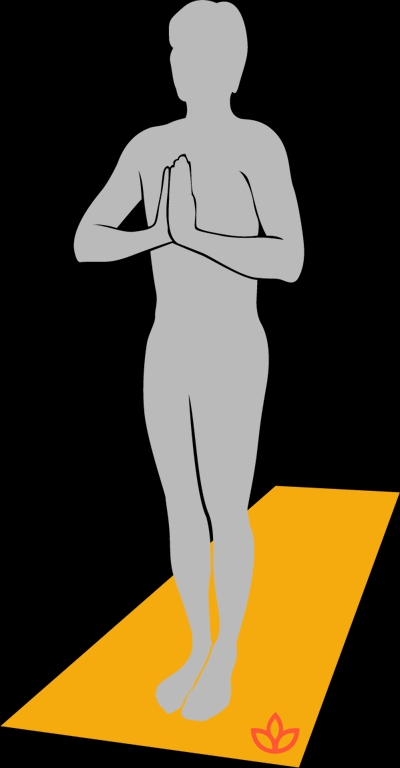
1) Pranamasana / Prayer pose :
Stand at the edge of your mat while keeping your foot together. As you inhale, lift both of your arms from the sides and while exhaling, bring your palms together and form a praying position.
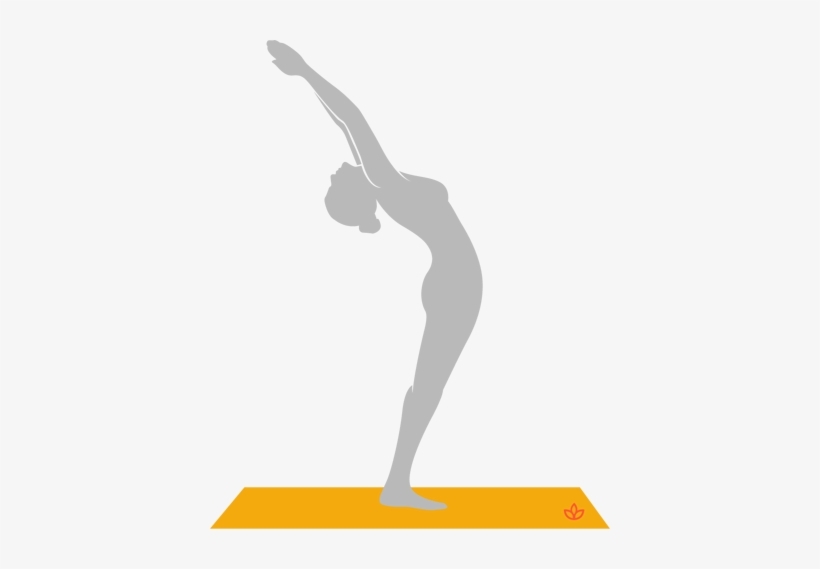
2) Hastauttanasana / Raised arms pose :
The main purpose of this pose is to stretch your entire body so to do that you must breathe in, lift your arms up and then take it back while keeping your biceps close to the ears.
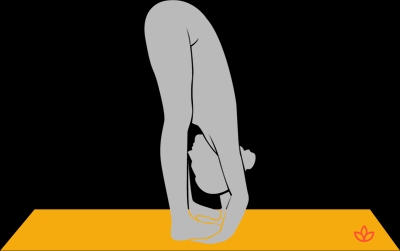
3) Hastapadasana / Standing forward bend :
While breathing out, bend forward from gbe waist but remember to keep the spine intact. After exhaling completely, bring your hands down and place them next to your feet.
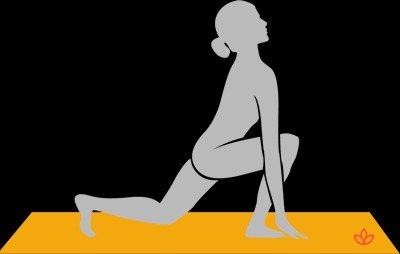
4) Ashwa Sanchalanasana / Equestrian pose :
Push your right leg back but make sure to push it as far as you can and bring the right knee to the floor and look up but also keep in mind that the left foot is in between your palms.
5) Chaturanga Dandasana / Stick pose :
in and take the left leg back and bring the whole body to make a straight line.
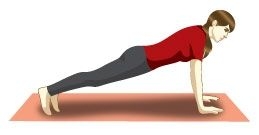
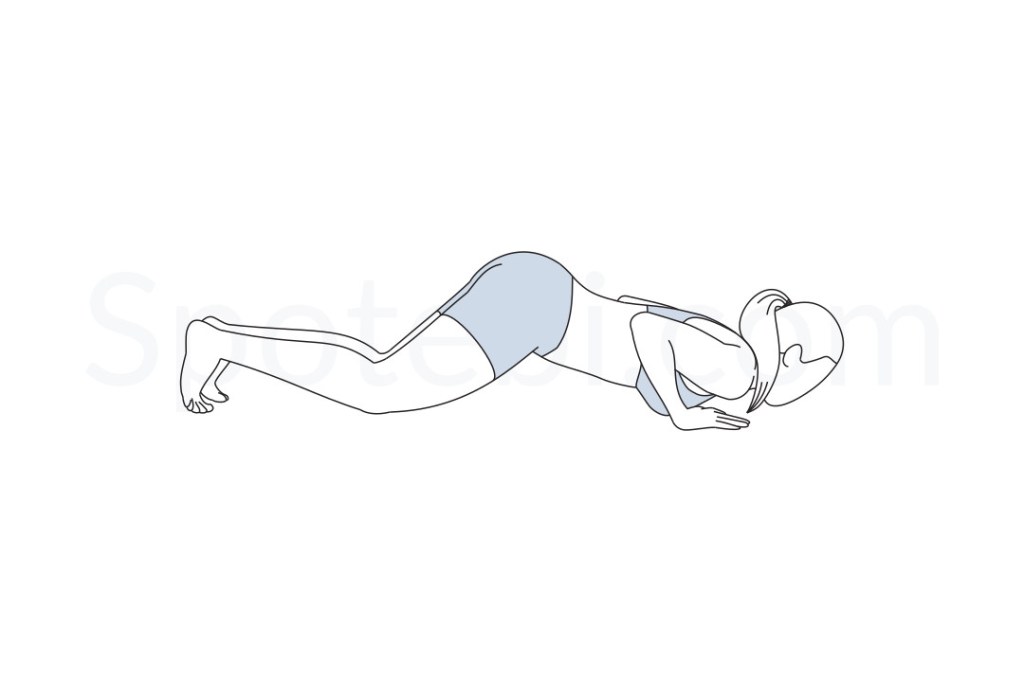
6) Ashtanga Namaskara / Salute with eight joints :
Exhale while bringing your knees down to the floor, take your hips slightly back and slide forward. Make sure your two hands, two feet, two knees, chest and chin are on the floor.
7) Bhujangasana / Cobra pose :
For this pose, slide forward and raise your chest up to form a cobra pose. It’s advisable to keep your elbows bent and keep your shoulders away from your ears and look up the ceiling.

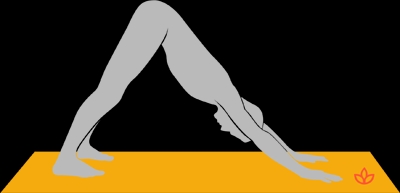
8) Adho Mukha Svanasana / Downward facing dog pose :
The inverted ‘V’ pose. Breathe out and lift your hips and the tailbone to make an inverted ‘V’. If it’s possible, try keeping your heels on the ground.
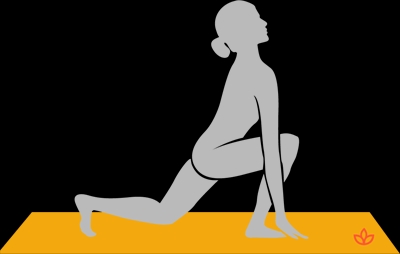
9) Ashwa Sanchalanasana / Equestrian pose :
Push your right leg back but make sure to push it as far as you can and bring the right knee to the floor and look up but also keep in mind that the left foot is in between your palms.
10) Hastapadasana / Standing forward bend :
While breathing out, bend forward from the waist but remember to keep the spine intact. After exhaling completely, bring your hands down and place them next to your feet.
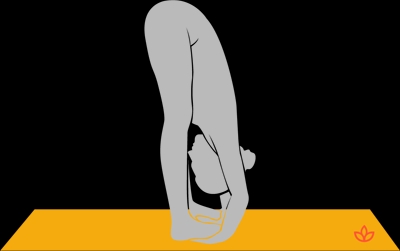
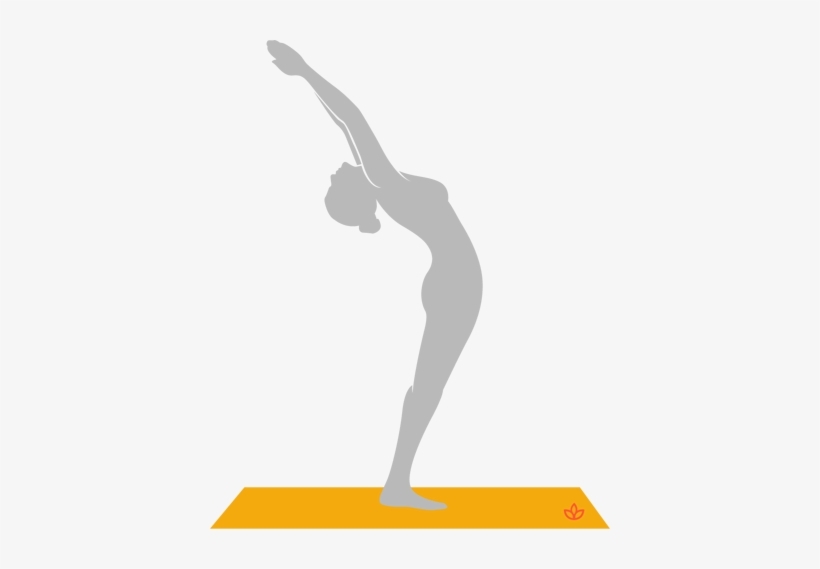
11) Hastauttanasana / Raised arms pose :
The main purpose of this pose is to stretch your entire body so to do that you must breathe in, lift your arms up and then take it back while keeping your biceps close to the ears.
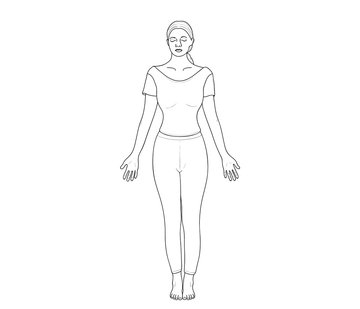
12) Tadasana / Mountain pose :
While exhaling, straighten your body and bring your arms down. Observing the sensations taking place in your body is the key point to master this pose.
Therefore, this completes Set 1. While doing Surya Namaskar, make sure to do 2 sets. For the second set, start with the left leg and bring the right foot forward in step 10.
The main purpose of doing yoga is to make sure you relax and enjoy this form of exercise. Always give yourself and your body enough time to adapt to this method and never rush into anything.

Looking for self improvement? Here it is.

SELF HELP

Are you aware of the phrase “change starts with you”? Here are some ways which can help you better your day to day activities and broaden your horizon. Don’t wait any further and let that positive change start from you.

1) CONCENTRATION.
• To do:
~ Meditate.
~ try playing games which requires a lot of concentration e.g. chess, puzzles and memory games.
~ get enough sleep
~ Exercise.
~ listen to music
• To avoid:
~ Loud background noise
~ avoid being around anything that can distract you
~ try not to multitask
~ avoid heavy foods
~ avoid zoning out

2) THINKING ANALYSIS.
• To do:
~ observe
~ think practically
~ ask questions
~ reasoning plays an important part in analytical thinking.
~ make sure to consider every aspect of the topic.
• To avoid:
~ don’t let emotions play a role.
~ don’t let personal conflicts cloud your judgement
~ don’t overthink it
~ don’t rush to make a decision
~ don’t stick to a single method

3) REASONING POWER:
• To do:
~ keep an open mind
~ to consider all options
~ learn more about the topic
~ frequent questioning
~ make notes
• To avoid:
~ try not to avoid others Point of view
~ don’t be quiet
~ don’t just focus on one topic but cover every topic possible
~ don’t neglect options
~ avoid being idle

4) MENTAL MATURITY.
• To do:
~ learn from experiences
~ be positive
~ accept criticism
~ be responsible
~ learn from the past
• To avoid:
~ blaming others for ones own failure.
~ don’t avoid something just because it’s difficult
~ avoid childish behavioural patterns
~ Don’t always expect positive results
~ don’t try to complete every task in a single day

5) ADJUSTMENT THINKING.
• To do:
~ empathize
~ an open mind is the key
~ consider others opinions
~ choose the best option
~ take your time
• To avoid:
~ Don’t be obsessed with just one solution
~ don’t be too headstrong
~ don’t be overconfident
~ avoid being too stressed about a situation
~ don’t be too anxious about change

6) INSIGHT
• To do:
~ ask questions like ‘why’ and ‘how’
~ take notes
~ think rationally
~ pay attention to details
~ take your time to analyze a topic.
• To avoid:
~ avoid being satisfied with the first solution
~ avoid drifting from the topic
~ Don’t be in a hurry to form a conclusion or form an analysis
~ try to avoid being a know-it-all
~ avoid being ignorant

7) MENTAL RESPONSIBILITIES.
• To do:
~ imagination
~ be creative
~ expand your horizons
~ get enough sleep
~ do something outside your comfort zone
• To avoid:
~ Don’t try to pressurize yourself.
~ don’t try to block out your thoughts
~ try not to be too invested in just one thing
~ avoid procrastination
~ avoid a negative mentality

8) ORIGINAL THINKING.
• To do:
~ find inspiration
~ read articles
~ research
~ be insightful
~ try to focus on quality rather than quality
• To avoid:
~ plagiarism
~ don’t be predicable
~ Don’t be dependent
~ don’t rely on others
~ don’t always think from your perspective

9) THOUGHT EXCHANGE.
• To do:
~ be open to opinions
~ try to listen
~ give and receive feedback
~ learn more about the topic
~ try to work with like minded people
• To avoid:
~ don’t be ignorant
~ don’t dismiss trust
~ don’t be unwilling to involve the other person
~ avoid thought stopping
~ Don’t always think from your thinking style

10) THE UNCONSCIOUS.
• To do:
~ try to remember your dreams
~ try to make sense of your dreams
~ try to understand what they’re trying to convey
~ be organised
~ be realistic
• To avoid:
~ avoid unpleasant thoughts
~ day dreaming
~ avoid not being a keen listener
~ avoid not being attentive
~ have compulsive behaviour

11) CLEAR THINKING.
• To do:
~ Go take a look at nature.
~ breathing exercise
~ get good sleep
~ listen to music
~ one thing at a time
• To avoid:
~ avoid noisy environment
~ try not to have a lot on your mind
~ avoid overlapping thoughts
~ avoid staying up for too long
~ don’t be too invested in a single problem

12) EMOTIONAL MATURITY.
• To do:
~ accept criticism
~ positive thoughts
~ always aim to reach a goal
~ take a pause and reflect
~ make wise decisions
• To avoid:
~ avoid not being straightforward
~ Don’t avoid difficult situations
~ try not to be too selfish
~ avoid thinking others have it easy
~ avoid negativity

13) LEARNING ABILITIES.
• To do:
~ read books
~ visit places
~ try to imagine yourself in a different situation
~ research
~ experience something new
• To avoid:
~ don’t try to stop learning just because you’re not immediately good at it
~ don’t move forward without a plan
~ don’t always stick to one kind of thought process
~ avoid doing all the tasks at once
~ Don’t always expect something in return

14) MIND ANIMATION.
• To do:
~ be original
~ create new things
~ have a clear mind
~ work towards a goal
~ find inspiration
• To avoid:
~ having a closed mind
~ being unprepared
~ stuck with one perspective
~ minimum understanding of the subject
~ being content with minimal information

Looking for tips about self improvement? Here it is.

SELF HELP

Are you aware of the phrase “change starts with you”? Here are some ways which can help you better your day to day activities and broaden your horizon. Don’t wait any further and let that positive change start from you.

https://edunewsnetwork.wordpress.com/2021/07/10/looking-for-tips-ab

1) CONCENTRATION.
• To do:
~ Meditate.
~ try playing games which requires a lot of concentration e.g. chess, puzzles and memory games.
~ get enough sleep
~ Exercise.
~ listen to music
• To avoid:
~ Loud background noise
~ avoid being around anything that can distract you
~ try not to multitask
~ avoid heavy foods
~ avoid zoning out

2) THINKING ANALYSIS.
• To do:
~ observe
~ think practically
~ ask questions
~ reasoning plays an important part in analytical thinking.
~ make sure to consider every aspect of the topic.
• To avoid:
~ don’t let emotions play a role.
~ don’t let personal conflicts cloud your judgement
~ don’t overthink it
~ don’t rush to make a decision
~ don’t stick to a single method

3) REASONING POWER:
• To do:
~ keep an open mind
~ to consider all options
~ learn more about the topic
~ frequent questioning
~ make notes
• To avoid:
~ try not to avoid others Point of view
~ don’t be quiet
~ don’t just focus on one topic but cover every topic possible
~ don’t neglect options
~ avoid being idle

4) MENTAL MATURITY.
• To do:
~ learn from experiences
~ be positive
~ accept criticism
~ be responsible
~ learn from the past
• To avoid:
~ blaming others for ones own failure.
~ don’t avoid something just because it’s difficult
~ avoid childish behavioural patterns
~ Don’t always expect positive results
~ don’t try to complete every task in a single day

5) ADJUSTMENT THINKING.
• To do:
~ empathize
~ an open mind is the key
~ consider others opinions
~ choose the best option
~ take your time
• To avoid:
~ Don’t be obsessed with just one solution
~ don’t be too headstrong
~ don’t be overconfident
~ avoid being too stressed about a situation
~ don’t be too anxious about change

6) INSIGHT
• To do:
~ ask questions like ‘why’ and ‘how’
~ take notes
~ think rationally
~ pay attention to details
~ take your time to analyze a topic.
• To avoid:
~ avoid being satisfied with the first solution
~ avoid drifting from the topic
~ Don’t be in a hurry to form a conclusion or form an analysis
~ try to avoid being a know-it-all
~ avoid being ignorant

7) MENTAL RESPONSIBILITIES.
• To do:
~ imagination
~ be creative
~ expand your horizons
~ get enough sleep
~ do something outside your comfort zone
• To avoid:
~ Don’t try to pressurize yourself.
~ don’t try to block out your thoughts
~ try not to be too invested in just one thing
~ avoid procrastination
~ avoid a negative mentality

8) ORIGINAL THINKING.
• To do:
~ find inspiration
~ read articles
~ research
~ be insightful
~ try to focus on quality rather than quality
• To avoid:
~ plagiarism
~ don’t be predicable
~ Don’t be dependent
~ don’t rely on others
~ don’t always think from your perspective

9) THOUGHT EXCHANGE.
• To do:
~ be open to opinions
~ try to listen
~ give and receive feedback
~ learn more about the topic
~ try to work with like minded people
• To avoid:
~ don’t be ignorant
~ don’t dismiss trust
~ don’t be unwilling to involve the other person
~ avoid thought stopping
~ Don’t always think from your thinking style

10) THE UNCONSCIOUS.
• To do:
~ try to remember your dreams
~ try to make sense of your dreams
~ try to understand what they’re trying to convey
~ be organised
~ be realistic
• To avoid:
~ avoid unpleasant thoughts
~ day dreaming
~ avoid not being a keen listener
~ avoid not being attentive
~ have compulsive behaviour

11) CLEAR THINKING.
• To do:
~ Go take a look at nature.
~ breathing exercise
~ get good sleep
~ listen to music
~ one thing at a time
• To avoid:
~ avoid noisy environment
~ try not to have a lot on your mind
~ avoid overlapping thoughts
~ avoid staying up for too long
~ don’t be too invested in a single problem

12) EMOTIONAL MATURITY.
• To do:
~ accept criticism
~ positive thoughts
~ always aim to reach a goal
~ take a pause and reflect
~ make wise decisions
• To avoid:
~ avoid not being straightforward
~ Don’t avoid difficult situations
~ try not to be too selfish
~ avoid thinking others have it easy
~ avoid negativity

13) LEARNING ABILITIES.
• To do:
~ read books
~ visit places
~ try to imagine yourself in a different situation
~ research
~ experience something new
• To avoid:
~ don’t try to stop learning just because you’re not immediately good at it
~ don’t move forward without a plan
~ don’t always stick to one kind of thought process
~ avoid doing all the tasks at once
~ Don’t always expect something in return

14) MIND ANIMATION.
• To do:
~ be original
~ create new things
~ have a clear mind
~ work towards a goal
~ find inspiration
• To avoid:
~ having a closed mind
~ being unprepared
~ stuck with one perspective
~ minimum understanding of the subject
~ being content with minimal information