Sonawane, D. V., & Ahire, R. R. (2026). Synthesizing copper tartrate crystals through controlled nucleation and growth in silica gel. International Journal of Research, 13(13), 63–67. https://doi.org/10.26643/ijr/2026/s13/6
D. V. Sonawanea , R. R. Ahire
Dept. of Dept. of Physics, Jijamata Arts, Science Commerce College, Nandurbar.
Dept. of Physics, S.G.Patil College, Sakri Dist- Dhule, Maharashtra 424304
Abstract –Copper tartrate crystals were synthesized at room temperature using the single diffusion method within a sodium metasilicate gel matrix. Optimal growth conditions were determined by systematically varying parameters, including gel pH, density (concentration), and setting time, as well as the concentration of the reactants. The resulting crystals exhibited a characteristic bluish, opaque appearance.
Keywords-Silica gel, grown Copper tartrate crystals, bluish and opaque.
1 INTRODUCTION
Recent scientific advancements have shifted crystal analysis from traditional laboratory methods to sophisticated instrumental techniques that offer superior accuracy. While crystal growth was historically a subset of crystallography, it has evolved into an independent field driven by the need for high-purity materials unavailable in nature. Silica gel has emerged as an ideal, chemically inert medium for growing high-quality single crystals, providing a controlled environment for research and commercial applications.
2 EXPERIMENTAL
2.1 MATERIALS AND METHODS
Copper tartrate shows poor solubility in water hence it was thought worthwhile to grow such a kind of material by chemical reaction at controlled rate using gel method.Gel was prepared by using tartaric acid & sodium meta silicate . The chemicals use for the growth of copper tartrate crystals; all chemicals were of AR grade. Take 7ml of tartaric acid (1M) in a small beaker. To tartaric acid add sodium metasilicate solution. (1M) drop by drop with constant stirring. Then the pH of solution maintains to 4 to 4.5, then pH is measured with digital pH meter.
Transfer the mixture in theborosilicate glasstest tube in diameter is 2.5 cm & in length is 25 cm. Then cover its mouth with cotton plug .Its is transparent initially, after 2/3 days, it turns onto milky & gel converted into semisolid with little amount of water on the top of the surface which is called water of syneresis. Such gel cannot be used for reaction as it has not set. It vibrates with the small mechanical jerks allows the water of syneresis to evaporate completely. It may take one week & it does not vibrate with the small mechanical jerks i.e. called “Setting of gel”.
After setting of gel, allow the aging of the gel. Aging makes gel the harder and reduces the diameter of the capillaries present in the gel. Take the copper chloride (CuCl2) required concentration was then poured slowly along the sides of the test tube to avoid breaking of the gel. Copper chloride solution acted as upper reactants ions through the narrow pores of the silica gel leads to reaction between these ions and the ions present in the gel as lower reactant.[5-8].
The following reaction was expected inside the gel.
Crystals of copper tartrate are bluish opaque, diamond shaped. Maximum sizes of the grown crystals are 3mm x 4mm and thicknesses about 2 to 3mm are obtained.
1.Effect of gel density – It is observed that the nucleation density decreases with increases in gel density . Gels with high density sets more rapidly than the gels with low density. Sodium meta silicate gel density 1.05gm/cm3. bluish ,dimond shaped crystals of copper tartrate.
2 Effect of conc of reaction –The volume of metasilicate gel required to adjust the pH value around 4.2 varies with conc.of tartaric acid . The good quality crystals were grown at 1M conc of tartaric acid.
3 Effet of conc of supernatant –copper chloride is used as supernatant with different conc. From 0.4to 1M is added around 70% of gel volume It is observed that 0.8M conc gives well defined crystals.
4 Effect of pH of gel – It is observed that As pH of gel incrases the no. of crystals decreases due to contamination of crystal with gel In present work good quality crystals of copper tartarete were obtained at pH 4.2
5 Temperature – At normal temp
Different parameters such as concentration of reactants, pH of gel, impurities in the solvent, gel setting time, gel aging time, etc. have considerable effect on growth rate. Near gel interface dendrites growth is observed due to fast growth rate. However as the reactants percolates through the gel, the controlled reaction occurs below interface the depth of 3 to 4 cm. Hence good quality, bluish opaque crystals having well developed faces are observed.Optical micrograph of the grown crystal it shown fig. it shows bluish coloured & opaque crystal of copper tartrate Table 1 gives the various conditions for copper tartrate crystals grown in silica gel.Optimum condition of copper tartrate crystal Gel setting time
Table 1 Various optimum conditions for growing crystals were found
Various process parameter
Optimum conditions
Density of sodium meta silicate solution
1.05 g/cm3
Concentration of tartaric acid
1 M
Volume of Tartaric acid
7 ml
Concentration Copper chloride
1 M
Volume of sodium meta silicate solution
18 ml
6 Effect of gel aging time – It was observed that as aging time of gel increased the number of crystals decreased gels were allowed to age for different period before about one week gives good quality crystals
Table no. 2-Effect of conc .of supernatant
Test Tube No.
SMS(1.05 g/cm3)
Tartaric Acid(1M)
Conc.of Supernatant
Observation
1
18.3 ml
7ml
0.4M
Very few nucleation crystals; size is very small.
2
18.3ml
7ml
0.6M
Slight increase in crystal size compared to Tube 1.
Large number of crystals; multiple nucleation sites; not isolated.
In present work Figure 1 illustrates different morphologies of pure copper tartrate crystals different conditions of growth. Some bluish opaque crystals were observed.Figure1 shows single bluish opaque crystal.
Fig. 1 shows insides the test tube copper crystal
4 CONCLUSIONS
The present investigation confirms that the gel growth technique is an effective and suitable method for the synthesis of high-quality copper tartrate crystals. It was observed that the crystal habit and morphology are highly sensitive to experimental parameters, specifically gel density, pH levels, and the concentration of the supernatant. Furthermore, preliminary characterization indicates that these copper tartrate crystals exhibit significant Non-Linear Optical (NLO) properties, suggesting potential applications in optoelectronic devices.
ACKNOWLEDGEMENT
The authors are grate full to Prof.V.R Borane,Principal,Jijamata Arts, Science Commerce College, Nandurbar for encouragement.The author are also grateful to Prof. R.R AhireDept. of Physics, S.G.Patil College, Sakri for the valuables suggestions and helpful discussion regarding research topic.
REFERENCES
1. H.K. Henisch., “Crystal Growth in Gels”,Dover Publication inc p –17,1996.
2. N. Srinivasan ands. Natarajan.,“Indian J. Phys”70 A563, 1996.
3. A. Elizabeth, C.Joseph. and M.A. Ittyachan.,“Bull. Material Sci.”24, 4,431. 2001
4. K.C. Joseph and M.J. Joshi.,“Indian J.Phys”76A 159, 2002
Wagh, B. S., & Tambe, S. S. (2026). Traditional Uses and Conservation Status of Ceropegia Species in Satana Tehsil of the Northern Western Ghats. International Journal of Research, 13(13), 56–62. https://doi.org/10.26643/ijr/2026/s13/5
Bhushan S. Wagh1, Satish S. Tambe2
Department of Botany, L.V.H. Arts, Science & Commerce College, Panchavati, Nashik.
India has a diverse basin of flowering and medicinal plants with four biodiversity hotspots. The use of plants as medicine was traced to the Vedic period. From ancient times,the value of Plants shows an enormous ability to tackle diseases. Humans are dependent on medicinal plants for various purposes, such as medicines,cosmetics,and other resources. In modern days, tribal communities like Kokana, Bhilla, Koli, and others are completely reliant on medicinal plants to fulfill theirdaily needs.
Ceropegia L. belongs to the family Asclepiadaceae, native to Africa, Southern Asia, and Australia. It is a botanically curious genus, mainly distributed in the Western Ghats. The genus comprises 200 species found throughout the world, mainly distributed in subtropical and tropical Asia. In India, 55 species are reported, of which 28 are endemic to Peninsular India.A total of 6 species and 2 varieties of this genus have been recorded in the Nashik district.The pharmacological importance of the genus is mainly due to the presence of ‘cerpegin’, a pyridine alkaloid, apart from the different potential phytoconstituents such as steroids, terpenoids, anthocyanins, anthracene glycosides, coumarins, flavonoids, fatty acids, phenolic compounds, alkaloids, and carotenoids.The given study explores the important ethnobotanical uses of the genus Ceropegia.
Keywords– Ceropegia L., Asclepiadaceae,Ethnobotany, Medicinal plants, Western Ghats
Introduction–
The occurrence of Ceropegia is very restricted to a narrow range of habitats. As they prefer to grow in moist, shady, and isolated regions.Ceropegia L., with more than 200 species, is distributed in tropical and subtropical regions of the world. Maximum diversity of Ceropegia occurs in southeastern Asia, India, Madagascar, tropical Arabia, South Africa, and Kenya (Meve 2002). The genus is represented by 53 species, two subspecies, and six varieties in India, of which 41 taxa are endemic to India. A majority of the species are under threat as per Kambale & Yadav (2019).The hilly region of Satana tehsil is one of the natural hubs for threatened plant species.Villages likeSalher, Mulher, Bhilwada, Antapur, etc has great diversity of medicinally important plants. Most species of Ceropegia were categorized as endangered in the Red Data Book of Indian plants.(The Indian Plant Red Data Book-I, 1984.)As per(Wagh, Tambe, 2025.)the ceropegias like to grow at high altitude, about 926m.
Despite the rich ethnobotanical knowledge in the Satana tehsil, Ceropegia species are still very poorly studied, especially regarding their local uses and indigenous knowledge. These plants are known to have pharmacological importance due to the presence of alkaloid compounds such as cerpegin and other ingredients, including flavonoids, terpenoids, and anthocyanins (Nikam et al., 2018). So, studying how local communities in Satana tehsil identify, collect, and use Ceropegia plants in traditional medicine is both important and timely. Many Ceropegia species found in the Western Ghats and Nashik district are reported to be threatened or endangered due to habitat loss, grazing, and human activities, which highlights the need to document traditional plant knowledge for conservation and sustainable use (Sangale et al., 2024).
This study will be helpful to documenting the uses of Ceropegia and local medicinal knowledge to understand its importance and need for conservation.
Methodology–
In the present ethnobotanical study on the genus Ceropegia, carried out in Satana tehsil, Nashik district, Maharashtra. The study area includes hilly regions, forests, and tribal villages where Ceropegia species are naturally distributed. Fieldwork was conducted during the monsoon season of 2025 to record maximum plant diversity and traditional ethnobotanical knowledge.
Ethnobotanical information was collected through regular field visits and interaction with local tribal communities. Informants included elderly villagersknown for their knowledge of medicinal plants. Interviews questionary was used to collect information simply. Details such as the local name of the plant, plant parts used, method of preparation, mode of administration, and traditional uses were carefully noted.
Regular field visits were conducted with knowledgeable informants to locate Ceropegia plants in their natural habitats. During these explorations, plants were observed and photographed. The collected ethnobotanical data were organized and analyzed to understand the importance of different Ceropegia species in local healthcare practices. The methodology followed standard ethnobotanical guidelines to ensure authenticity and reliability of the recorded information (Jain, 1995; Martin, 2004).
Resultand Discussion –
Plant Name
Local Name
Plant Part Used
Traditional Use
Medicinal Properties
Ceropegia bulbosa Roxb.
Kadu khardi
Tuber, leaves
Consumed for diarrhea, dysentery, and kidney stones; used as a tonic
Digestive, anti-urolithic, antioxidant
Ceropegia lushii Graham
Kadu khardi
Tuber
Eaten raw/cooked to relieve stomach pain and weakness
Nutritive, cooling, digestive
Ceropegia vincaefolia Hook.
Dudhi khardi
Tuber
Used as food during scarcity; treatment of gastric troubles
Energy-giving, stomachic
Ceropegia mahabalei Hemadri
Madhu khardi
Tuber
Consumed for general health and vitality, increases fertility in women.
Tonic, nutritive
Ceropegia hirsuta Wight &Arn.
Madhu khardi
Tuber
Used for indigestion and body weakness
Digestive, restorative
The present ethnobotanical study carried out in Satana tehsil of the northern Western Ghats of Maharashtra highlights the rich traditional knowledge associated with selected species of the genus Ceropegia. Interactions with tribal and rural communities revealed that Ceropegia bulbosa, C. lushii, C. vincaefolia, C. mahabalei, and C. hirsuta are mainly valued for their underground tubers, which are used both as food and medicine. Among these, Ceropegia bulbosa was found to be the most frequently used species. Its tubers are commonly consumed to treat digestive problems, diarrhea, dysentery, and urinary ailments such as kidney stones, and are also considered a general health tonic. Other species, particularly C. lushii and C. vincaefolia, are eaten raw or cooked to relieve stomach pain, weakness, and dehydration, especially during times of food scarcity. The tubers of C. mahabalei and C. hirsuta are known for their nutritive, cooling, and restorative properties and are therefore used as energy-giving foods by local people (Jagtap & Singh, 1999; Yadav & Sardesai, 2002; Patil, 2013).
The widespread use of tubers across all recorded species shows their importance as survival foods and traditional remedies in the semi-arid and hilly regions of Satana tehsil. However, information shared by local informants also pointed to a noticeable decline in natural populations of these plants. This decline is mainly due to habitat destruction, grazing pressure, forest clearance, and excessive collection of tubers before the plants can produce seeds. Many of the documented species are narrow endemics of the Western Ghats and fall under threatened categories of the IUCN Red List. Ceropegia mahabalei and C. hirsuta are classified as Endangered, while C. lushii and C. vincaefolia are considered Vulnerable because of their limited distribution and decreasing populations. Although C. bulbosa has a comparatively wider distribution, local overexploitation has raised concerns about its future survival (IUCN, 2023).
Ceropegia species play an important role in the traditional healthcare system and food security of tribal communities in Satana tehsil. At the same time, unsustainable use poses a serious threat to their conservation. There is an urgent need to create awareness among local communities, promote in situ conservation, encourage cultivation trials, and adopt community-based management practices. Combining traditional ethnobotanical knowledge with conservation planning can help protect these valuable and endemic plant species of the Western Ghats.
The findings emphasize that while Ceropegia species play a crucial role in traditional healthcare and food security of tribal communities in Satana tehsil, unsustainable use poses a serious threat to their conservation. There is an urgent need for awareness programs, in situ conservation, cultivation trials, and community-based management strategies to ensure sustainable utilization. Integrating ethnobotanical knowledge with conservation planning can help protect these ecologically and medicinally important endemic plants of the Western Ghats.
The author wishes to express sincere gratitude to the Principal, L.V.H. Arts, Science & Commerce College, Panchvati, Nashik, for providing the necessary facilities, encouragement, and institutional support to carry out the present ethnobotanical research. Special thanks are extended to the tribal and rural communities of Satana tehsil, Nashik district, for generously sharing their valuable traditional knowledge and cooperation during fieldwork. The support and guidance received from all those who directly or indirectly contributed to this work are gratefully acknowledged.
References –
IUCN. (2023). The IUCN Red List of Threatened Species. International Union for Conservation of Nature.
Jagtap, A. P., & Singh, N. P. (1999). Folk medicinal plants of India. Scientific Publishers, Jodhpur.
Jain, S. K. (1995). A manual of ethnobotany. Scientific Publishers, Jodhpur.
Kambale, S. S., & Yadav, S. R. (2019). Taxonomic revision of Ceropegia (Apocynaceae: Ceropegieae) in India. Rheedea, 29(1), 1–115.
Martin, G. J. (2004). Ethnobotany: A methods manual. Earthscan Publications, London.
Meve, U. (2002). Ceropegia, pp. 63–106. In: Albers, F. & U. Meve (eds.), Illustrated handbook of succulent plants: Asclepiadaceae. Springer, Berlin, 274 pp.
Nikam, T. D., Ebrahimi, M., & Patil, V. A. (2018). Phytochemistry and pharmacological potential of the genus Ceropegia: A review. Journal of Pharmacognosy and Phytochemistry, 7(3), 1234–1242.
Patil, D. A. (2013). Ethnobotany of Maharashtra. Daya Publishing House, New Delhi.
Sangale, et al. (2024). Several Ceropegia species from the Western Ghats are reported to be threatened, highlighting the need for conservation.
The Indian Plant Red Data Book–I. (1984).
Wagh, B. S. (2025). A short note on new distributional record of Ceropegia mahabalei from Dhule District of Maharashtra. https://doi.org/10.11609/ijar.3103
Yadav, S. R., & Sardesai, M. M. (2002). Flora of Kolhapur District. Shivaji University, Kolhapur.
Wagh, B. S., & Tambe, S. S. (2026). Ecological Importance and Conservation Challenges of Wild Edible Vegetables in the Biodiverse landscape of Sakri Tehsil. International Journal of Research, 13(13). https://doi.org/10.26643/ijr/2026/s13/4
Bhushan Shivaji Wagh Satish Sampatrao Tambe
bhushan49wagh@gmail.com sst.sph@gmail.com
Research centre in Botany, Mahatma Gandhi Vidyamandir’s, LokneteVyankatraoHirey Art’s, Science and Commerce College, Panchavati, Nashik- 422003 (Affiliated to Savitribai Phule Pune University, Pune)
Abstract
The western region of Sakri tehsil boasts remarkable biodiversity, offering a rich tapestry of flora and fauna. Among its inhabitants are tribal peoples residing in the pockets of Pimpalner village, who have long depended on the natural resources of their surroundings for sustenance and livelihood. These tribal communities, often economically marginalized, have traditionally turned to the abundant wild plants in their environment, utilizing them as a source of nourishment due to their high nutritional value.
In recent years, there has been a growing recognition of the nutritional benefits offered by wild plants, many of which are rich in essential vitamins, minerals, and phytonutrients. For the tribal peoples of Pimpalner village, these wild plants represent more than just sustenance; they are an integral part of their cultural heritage and traditional knowledge systems. However, as modernization and urbanization encroach upon their ancestral lands, the preservation of these wild plant resources faces numerous challenges.
One of the primary concerns is the unsustainable harvesting of wild plants, driven by increasing population pressure and changing land use patterns. As demand for these resources continues to rise, there is a risk of overexploitation and depletion of plant populations, threatening not only the biodiversity of the region but also the food security and livelihoods of the tribal communities reliant on them.
In light of these challenges, there is an urgent need for concerted efforts to conserve and sustainably manage the wild plant resources of the western region of Sakri tehsil. Conservation strategies should aim to strike a balance between the utilization of these resources for human needs and the preservation of their ecological integrity. This requires the involvement of multiple stakeholders, including local communities, government agencies, non-governmental organizations, and researchers.
Community-based conservation initiatives can play a crucial role in empowering tribal communities to become stewards of their natural heritage. By promoting traditional knowledge systems and sustainable harvesting practices, these initiatives can help ensure the long-term viability of wild plant resources while also enhancing the resilience of local livelihoods. Furthermore, there is a need for scientific research to identify priority species for conservation and to assess their nutritional composition and potential culinary uses.
Education and awareness-raising efforts are also essential to instill a sense of pride and ownership among local communities regarding their natural heritage. By highlighting the nutritional benefits and cultural significance of wild plants, these initiatives can foster a greater appreciation for the value of biodiversity conservation.
In the heart of Dhule, Maharashtra, lies a vibrant tapestry of tribal life, intricately woven with a deep connection to the rich biodiversity that surrounds them. The tribal communities of Dhule have nurtured a profound relationship with the land, relying on an array of wild edible plants that form the backbone of their traditional sustenance. These communities, dispersed across the district’s diverse landscapes, have developed a unique knowledge of local flora, turning to nature’s bounty for both nourishment and cultural significance.
In the lush forests and verdant hills of Dhule, the knowledge of identifying and utilizing wild edible plants has been passed down through generations. From the elders to the youth, each member of the community learns the secrets of the land, honing their skills in recognizing the subtle nuances of nature’s offerings. Plants like Mahua flowers, Tendu leaves, and Bamboo shoots aren’t just culinary ingredients; they are threads woven into the fabric of tribal life, symbolizing a harmonious coexistence with nature.
The Mahua tree, with its sweet-scented flowers, holds a special place in the hearts of the tribal people. Beyond its culinary uses, Mahua embodies cultural significance, often featuring in rituals and ceremonies, marking moments of celebration and unity. Similarly, Tendu leaves, commonly used for rolling indigenous cigarettes, carry a multifaceted importance. While serving as a livelihood source for some, these leaves also hold medicinal properties, offering remedies for various ailments.
Bamboo, revered for its versatility, provides not only sustenance but also materials for crafting tools, utensils, and even shelter. The tribal communities of Dhule understand the value of every part of the Bamboo plant, utilizing its shoots as a delicacy and its sturdy stems for construction purposes. Such holistic utilization of resources reflects a deep-rooted respect for nature’s abundance and a sustainable approach to living in harmony with the environment.
This intimate connection with wild edible plants transcends mere sustenance; it reflects a profound understanding of ecosystems and the delicate balance between human communities and their natural surroundings. As modernity advances, preserving and acknowledging the wisdom encapsulated in the traditional knowledge of these tribal communities becomes crucial. Their age-old practices offer valuable insights into sustainable living and resource management, serving as a blueprint for navigating the challenges of a rapidly changing world.
Moreover, the significance of wild edible plants extends beyond their nutritional and cultural value. They play a vital role in biodiversity conservation, contributing to the preservation of native species and habitats. By fostering a symbiotic relationship with the land, the tribal communities of Dhule act as stewards of their ecosystems, safeguarding them for future generations.
However, this delicate balance is increasingly threatened by external pressures, including deforestation, urbanization, and climate change. As the traditional territories of the tribal communities shrink and natural habitats degrade, the survival of both people and plants hangs in the balance. Efforts to conserve these ecosystems must prioritize the inclusion of indigenous voices and the protection of their rights to land and resources.
In Maharashtra’s wild embrace, the intricate web of life intertwines human and botanical diversity in a timeless dance of mutual dependence. The resilience and ingenuity of the tribal communities of Dhule offer hope for a sustainable future, where the wisdom of the past guides us towards harmony with nature. By embracing and celebrating the traditional knowledge embodied in wild edible plants, we can cultivate a deeper appreciation for the intricate tapestry of life that sustains us all.
Methodology and Study area
This study is carried out in the western region of Sakri, specially in Pimpalner. This region is situated on the western side Dhule District of the Indian state of Maharashtra. Region contains largest tribal population of the total tribal population of Dhule. Aborigines are inhabited in this region such as Bhil, Bhil Garsia, Kokna, Kokni, Kukna, Dongar Koli, Gavit, Pardi, Warli, Tadvi, etc.
A short questionary was prepared by authors and simple interviews were conducted.
The individual plant specimen is identified by using following keys.
Botanical name
Family.
Local name.
Habit.
Plant part used.
Ethnobotanical use.
The questionnaire is given by S. K. Jain (1987) is as follows.
Collection no. Date:
Place
Recorded by
Informer Name
Sex: Age:
Local Name Plant
Plant Part Use
Preparation and Uses
Wild / Cultivated
Signature of Informer
Result and Discussion
Sr.No
Name
Common Name
Family
Methods ofconsumption
1
Wrightia tinctoria
Kala Kuda
Apocynaceae
Young Pods As vegetable
2
Oroxylum indicum
Tetu
Bignoniaceae
Pod As vegetable
3
Cucurbita maxima
Bhopla
Cucurbitaceae
Fruits As vegetable
4
Sesbania grandiflora
Hadga
Fabaceae
Young pods and flowers As vegetable
5
Abelmoschus ficulneus
Ranbhendi
Malvaceae
Fruits As vegetable
6
Phyllanthus amarus
Bhuiavali
Phyllanthaceae
Fruits As vegetable
7
Moringa oleferia
Shevga
Moringaceae
Pods and flowers Eaten boiled or vegetables
8
Ficus racemose
Umbar
Moraceae
Unrip and ripe fruits Unripe fruits as vegetable
9
Bombax ceiba
Kate Savar
Bombacaceae
Flower is used as vegetable
10
Amaranthus polygonoides
Tandulja
Amaranthaceae
Entire plant is used as a vegetable
11
Cordia dichotoma
Bhokar
Ehretiaceae
The inflorescence is used as vegetable
12
Diplocyclos palmatus
Mahadevpind
Cucurbitaceae
Leaves are used as vegetable
Nutritional Values:
Rich in Micronutrients: Wild vegetables are typically high in essential vitamins (like A, C, E, and K) and minerals (such as iron, calcium, potassium, and magnesium), which are vital for maintaining health.
Diverse Phytochemicals: They are abundant in phytochemicals like flavonoids and carotenoids, offering antioxidant properties that help in combating oxidative stress and reducing the risk of chronic diseases.
High Dietary Fiber: Wild vegetables usually have higher fiber content compared to cultivated varieties, which is beneficial for digestive health.
Low Caloric Content: Many wild vegetables are low in calories yet nutrient-dense, making them excellent for balanced diets.
Need for Conservation:
Genetic Diversity: Wild vegetables represent a reservoir of genetic diversity which is crucial for crop improvement and resilience to pests and environmental changes.
Cultural Heritage: They are an integral part of traditional diets and local cultures, with indigenous knowledge systems surrounding their use.
Food Security: Wild vegetables can be vital in times of food scarcity. They are often more resilient to climatic changes and can grow in harsh conditions where cultivated crops might fail.
Medicinal Value: Many wild vegetables have medicinal properties, used in traditional medicine, and can be a source for developing new pharmaceuticals.
Ecosystem Services: They play a role in the ecosystem, contributing to soil health, water regulation, and providing habitat for wildlife.
Conservation strategies include sustainable harvesting practices, habitat protection, cultivation in home gardens, and incorporating them into agricultural systems (agroforestry). Additionally, documenting traditional knowledge and supporting policies that protect both the plants and the indigenous rights to use these plants are essential. Public awareness and education on the value of these plants can also encourage conservation efforts.
Acknowledgement
The author expresses gratitude to the Head of the Research Center in Botany, L.V.H College Panchvati, Nashik, and Dr. Atul Wagh for their invaluable support and guidance throughout this research endeavor. Additionally, heartfelt thanks are extended to the local tribes for generously sharing their knowledge and providing essential information about the plants from the specified area. Their collaboration and assistance have been instrumental in enriching this study and advancing our understanding of traditional plant uses and biodiversity.
References
Kiran U. Gaikwad (2019) Studies on wild plant Species used by tribal people of Shirpur Tehsil Dist. Dhule in their traditional food items- International Journal of Research and Analytical Reviews.
Kshirsagar PP, Bhogaonkar PY, & Marathe VR(2012). Underutilized wild fruits of North Maharashtra. J. of Research in Plant Sci. 1: 071-076.
Sachin D. Kuvar, Rajendra D. Shinde, 2019, WILD EDIBLE PLANTS USED BY KOKNI TRIBE OF NASIK DISTRICT, MAHARASHTRA, Journal of Global Biosciences, Vol. 8(2), 2019 pp. 5936-5945
Singh, N. P. , Krathikeyan, S. (2000). Flora Of Maharashtra state -Dicotyledons, Vol. I, Botanical Survey Of India (BSI), Culcutta. India
Raut, B. J. (2026). Manupatra Legal Database and Current Era of an Artificial Intelligence. International Journal of Research, 13(13), 32–49. https://doi.org/10.26643/ijr/2026/s13/3
Bhupendra J. Raut
Ph.D. Scholar, KBCNMU, Jalgaon
Abstract
AI is being incorporated into legal research databases which will change how legal information is accessed, organised and interpreted significantly. Manupatra (one of the largest legal research databases in India) lies at an important intersection of traditional forms of accessing legal information and the new generation of advanced AI-enabled legal research tools. This study has been developed in response to the significant increase in the number of judgements, statute material and regulations in India which has made traditional keyword-based systems of legal research increasingly ineffective. This study will evaluate how AI-enabled features within legal databases are changing legal research practices and may raise important ethical and governance issues as well.
This study will be based on a doctrinal and analytical research methodology based purely on secondary data sources which include scholarly literature about legal technology, artificial intelligence and digital legal research systems. The article provides a comprehensive overview of the progression of legal research from traditional methods to electronic formats and finally to AI-assisted legal research tools such as Manupatra. Furthermore, the article critically appraises the ethical issues associated with using AI for legal research, including algorithmic bias, transparency and data concentration to name just a few. While AI improves the efficiency, contextual understanding and depth of legal research it will potentially standardise legal thinking / reasoning and exacerbate existing inequalities in society if no regulation is implemented.
The author highlights some of the ways that Manupatra’s AI enhanced legal research improves precision and connectivity by using AI, but also recognises that better standards for transparency, ethics and inclusive access are needed to optimise its use in legal research. The author makes a recommendation that AI should only be an assisting tool in legal research not the key determinant in legal reasoning. Lastly, the author states that effective regulation of AI legal databases through governance, oversight and capacity building will assist in ensuring AI legal databases move towards improving fairness, pluralism and access to justice in India.
Keywords: Artificial Intelligence, Legal Research Databases, Manupatra, Access to Justice, Legal Technology
1. INTRODUCTION
In the Indian legal ecosystem, Manupatra has become one of the most well-known digital research platforms that has been created with an objective to alleviate the aspects of scale, complexity, and fragmentation of the vast amount of legal information on India’s courts, statutes, tribunals, regulatory materials, etc. To create a research environment that can support researching large numbers of case laws and legal texts, Manupatra has to create a collection of actionable items that are searchable, can link to other case laws, and are fully supported with structured finding tools such as subject classification and citation links; a critical requirement to a legal system where precedent and cross-references play a significant role in the legal reasoning process. Manupatra’s own available training and product documentation describes it as an online legal research solution that facilitates search and retrieval by providing structured search and retrieval interfaces and back-end mechanisms that help to reduce the time spent searching through large volumes of legal material (Manupatra, n.d.-a; Manupatra, n.d.-b).
In direct contrast, the advent of Artificial Intelligence (AI) has opened a new chapter in the history of legal research. With the use of machine learning and natural language processing systems that allow for the automated interpretation of vast quantities of text, as well as the ability to identify patterns that are not quickly identifiable through traditional keyword searches, AI has changed the way legal scholars approach the task of researching legal issues. Although AI’s application in the field of law has been understood to include a variety of computational techniques aimed at performing legal tasks such as information retrieval, classification, summarization, and prediction, the adoption of these technologies also introduces new concerns about lack of transparency and accountability, and the potential for erroneous results to be introduced into the legal process. A broader understanding of the impact of these technologies is important because it highlights that the purpose of conducting legal research is no longer simply to find relevant documents but rather, to manage the overwhelming amount of information available while still providing the necessary level of interpretative accuracy, procedural fairness and professional integrity (Surden, 2019).
As the quantity of legal resources dramatically outdistances the limit of human ability to read, analyze and compare them, so too does the urgency of the need to study Manupatra in today’s age of AI. Traditional keyword searches are frequently unable to capture critical nuances in the law because many concepts may be articulated in differing ways in separate cases, and the relevance of a legal concept often relies heavily on the context within which it is found (i.e., facts, issues, outcome, and how future courts have interpreted similar decisions). An additional aspect of this issue is that AI can facilitate access to and retrieval of case law through the use of semantic search capabilities, citation analytics, and automated recommendations to direct the user from one useful piece of authority to another in a more efficient manner. An indication of the current evolution of Manupatra includes a specifically created narrative for an AI-centric legal technology suite, which places the overall process of legal research within a broader context of a workflow that is supported by the use of AI in legal operations (Manupatra, n.d.-c; Surden, 2019).
This research is motivated by both practical and normative considerations regarding the accuracy, transparency, accessibility, and ethics of AI-supported legal research – especially when these tools are provided as part of proprietary platforms. If recommendation systems do not have an explainable rationale for why certain cases were ranked higher, there may be no way for users to assess how that ranking may affect their argument and potentially influence the outcome in a courtroom. The risks inherent with using AI-generated outputs become increasingly apparent when used without an adequate validation process – as exemplified by various incidents reported recently whereby legal documents contained non-existent citations that have been incorrectly attributed to an artificial intelligence tool. These examples highlight that while AI tools may enhance overall efficiency, they do not relieve the user from his or her obligation to verify and confirm the accuracy of any work produced (The Guardian, 2025).
This paper explores the research question of how the proprietary legal database Manupatra has been adapting to meet AI expectations while also meeting the requirements of speed and convenience (i.e., to practitioners) and reliability, interpretive neutrality, and access to justice (i.e., to the public). The purpose of this study is to critically evaluate Manupatra’s current role, capabilities, limitations, and direction in the AI-enabled legal research ecosystem. This evaluation considers how AI will change the way lawyers conduct legal research, how professionals will become dependent on technology, and how AI will affect fairness in information access.
In conducting this study, the researchers utilized a doctrinal and analytical approach to research methodology and relied solely on secondary source materials. Sources included, but were not limited to, peer-reviewed open access academic literature on artificial intelligence and law; publicly available legal informatics research studies; policy and institutional documentation about legal technology; and platform documentation that may be freely available. In synthesizing these sources of information across the fields of legal technology, artificial intelligence governance, and digital legal research, the researchers used comparative and thematic analysis to produce structured insights regarding the benefits, risks, and governance requirements that apply to AI-based legal databases.
2. ARTIFICIAL INTELLIGENCE AND THE EVOLUTION OF LEGAL RESEARCH SYSTEMS
Phases of evolution in legal research illustrate how legal information is stored, classified and organised. The earlier manual way of performing legal research involved using printed sources of law: case law reports, digests, citators and treatises. The ability to find and use legal authority was dependent upon the expertise of the researcher in making the application. Although providing an analytic basis for reading with care and doctrinal precision, the earlier manual method for conducting legal research was also fundamentally constrained in three ways: (1) research relied heavily on physical access to libraries; (2) the availability of reports; (3) the ability of lawyers to follow a taxonomy determined by the editorial structure of the relevant publication in order to identify which authority was “relevant” to their research problem. The way legal information is compiled has never been “neutral”. It is through the classification of legal material and the editorial decisions that determine how professionals attend to legal material, and thereby effectively standardise legal understanding, over time (Berring, 1987).
The introduction of full-text databases and computer-aided legal research was a significant technological advancement around legal research. Instead of having to use indexes for finding cases or legal articles, attorneys are able to rapidly perform searches with Boolean and free-text queries across an entire body or corpus of cases. While this change increased access to legal resources and reduced the amount of time required to find those resources, it also impacted research habits. Lawyers increasingly began their research by formulating search strings rather than thinking about the concept before searching and using printed resources like digest using the 3rd edition of Digest of Decisions of the United States Supreme Court to identify the areas they plan to research then, using those digests when researching to identify those cases you are going to use. The early digital tools did not automatically fix the larger question of how to determine meaning in law. Because the determination of meaning or legal reasoning requires contextual, factual, procedural, and subsequent court treatment of each case, keyword searches are often, too broad or too narrow. Thus, while they are able to execute their research at a much faster pace, there is still a significant amount of interpretation required, on the part of the researcher, to convert the results from the digital research into usable authority (Berring, 1986).
AI fundamentally changed legal research from retrieving documents to extracting meaning and discovering relationships. To achieve this, AI-based systems depend largely on natural language processing to interpret text beyond literal keywords and find documents conceptually similar to one another. A semantic search enables systems to identify relevant cases that use different word combinations or phrases to express the same legal idea. Also, citation networks expand the ability of systems to identify relevant cases by graphically representing the precedential relationships between cases (instead of treating cases as discrete documents, systems treat cases as nodes in a graph of influence and treatment of one another), showing clusters of cases, lines of authority and trends in judicial emphasis over time. Recommendation algorithms provide another means of identifying relevant authorities or cases by learning the patterns of usage of various legal materials, then recommending authorities, quotes of a particular passage or doctrinal paths regarding the question or document (Ashley, 2019).
Global advancements of AI-enabled legal research technologies have demonstrated increased efficiency gains and enhanced contextual assistance. The most recognizable benefit has been the reduction of time: AI-enabled systems are able to identify which cases will most likely be relevant for review, identify important passages within a case, and highlight connections between multiple cases that would have otherwise required users to perform multiple searches to verify. This has a particular value in environments that are experiencing rapid growth in litigation activity and expanding decision making capabilities. A second benefit is that AI systems will assist users in thinking about a judgment not only as a single authority, but as part of a larger system of doctrine, where future citations, negative treatments, and “side” reasoning will affect the practical impact of a particular authority. Many users have time limitations; therefore, AI systems can serve as decision-support tools that will limit the amount of time users will spend searching for information and assist them to focus their attention more effectively (Hellyer, 2005).
The features of AI tools that make them useful also introduce new risks. The primary issue of risk is over-reliance on AI systems because ranked results and recommendations can lead to a false sense of completeness, especially if users treat top-ranked outputs as fully valid authorities. In the law, relevance is subjective and dependent on context, arguments, and issue type (e.g., fact pattern) for any given case in any given court. If the logic of the recommendation system is not transparent to the user, they may not know why some authorities are given more prominence than others. It is this lack of transparency in how a case has been analyzed that is most problematic for users because the law requires that lawyers provide justification for their authority choices and reasoning processes, while judges should base their decision on arguments that can be traced back to valid source(s) and/or verify logical basis(es) used by each party. Consequently, ethical discussions around AI tools for use in the practice of law increasingly define them as supports that remain secondary to the verification and accountability established through the professional ethic of practice by lawyers and judges, rather than as alternatives to professional practice (Walters, 2019).
A serious challenge is presented by the possibility that algorithmic systems will reinforce existing paths of judicial authority through their use of citation ranking systems. A citation ranking system may work well for common or accepted doctrines; however, the same system may inadvertently do extensive harm to dissenting voices, to less commonly used doctrines or to newly established doctrines that are not widely cited. Over enough time, this situation creates a scenario such that a researcher seeking out an opinion has his or her results influenced by where the system directs him/her to look, rather than by where the most analytically appropriate source may be found for the specific issue being addressed by the researcher. In practical terms, the researcher will be limited by what the prevailing system directs him or her to consider and as such will develop procedural patterns consistent with “recommendation” based systems rather than those consistent with an exploratory thought process. This issue is not merely a technical one; this also presents a methodology problem in terms of the way legal reasoning will be conducted and the way in which the ability to think outside the box will develop (Ashley, 2019).
AI is not just about speedy searching; it also denotes an alteration in how we conduct our research as it changes the first thing that Legal Professionals do when engaging with a Legal Text, the primary focus of their search, and what constitutes ‘authoritative’ sources. Also, AI will change how we interact with Legal Texts in that we now will have an added layer of Computational Interpretation that translates from User to Source Material. Therefore, while AI can decrease workloads and enhance accuracies, it will also create a greater need for Critical Oversight, Transparency Norms, and Professional Discipline in order to evaluate the credibility of the source, challenge the validity of Ranking Systems, and ensure you consider as many different Research Fields as possible when conducting Research (Walters, 2019; Hellyer, 2005).
Table 1: Evolution of Legal Research Systems
Phase
Research Method
Core Characteristics
Key Limitations
Manual Era
Printed law reports, digests, citators
Deep doctrinal reading; human interpretation; editorial classification
Opacity; interpretative dependence; potential reinforcement of dominant trends
The AI systems significantly improved time and the contextual relevance of information and increased transparency and reliance on interpretations by providing clear evidence of the methods and rankings used to generate algorithm-generated output; therefore, requiring critical evaluation and monitoring (oversight) because the manner in which these algorithm-generated recommendations influence legal reasoning and the selection of authority is often unclear. Through the transformation of legal research from one of gathering information to one of assisting in interpretation, AI has changed and is continuing to change how lawyers engage professionally with the legal profession, as well as the manner in which lawyers access and use legal research in doing their daily work. AI’s effect on the way lawyers access legal materials is not limited to where they search, but the manner in which relationships between materials and relevance, authority and doctrinal pathways are developed.
3. MANUPATRA AS AN AI-ENABLED LEGAL RESEARCH PLATFORM
Manupatra has gradually transitioned from a traditional digital legal database to a new AI-powered legal research platform created specifically for the complex structure and principles of the Indian legal system. The design of its architecture has taken into consideration the way that precedents, statutory interpretation, and tribunal adjudication coexist in many jurisdictions that also use different languages. Rather than being like other generic legal search engines, Manupatra combines its structured databases of decisions from the Supreme Court, High Court and tribunals with statutory material, rules, circulars and commentaries, creating an overall legal authority that is not just made up of individual documents (Manupatra, n.d.-a).
One of the important aspects of the development of Manupatra is its ability to conduct searches based on both context and concepts. With traditional keyword searches, the results will often be fragmented as a result of differences in the way that legal concepts are stated in decisions. The Manupatra search interface allows users to search for cases based on the relevant legal issues, subject matter classifications and their relationship to doctrine, thus providing searches based on principles of natural language processing (NLP) and semantic searches. This enables users to search through cases for conceptually similar authorities rather than relying strictly on a word-for-word match, which is especially beneficial in India because of the different ways that similar cases are decided in multiple High Courts, but still, discuss similar concepts (Manupatra, n.d.-b).
Manupatra has another fundamental feature – Case Linking and Citation Tracking. This feature is based on the network analysis principles of AI. All of the judgments in Manupatra are linked via way of positive, negative or neutral citations, which can assist the user in determining the weight of precedential authority and how subsequent courts have treated that particular case. This function is similar to citation intelligence from an AI perspective, where you visually and structurally map the development of legal authority over time. Several recent Indian legal research studies have highlighted that citation tracking is important in systems where the precedential value of a case depends not only on its hierarchy but also on whether the case continues to be regularly adhered to or distinguished from (Sengupta, 2019).
Manupatra’s subject classification and taxonomy organization support AI-based information retrieval by limiting information noise for AI. Legal subjects and sub-subjects are curated according to Indian statutory and doctrinal categories. As a result, users can quickly find relevant materials, without needing to build elaborate query strings, by relying on the subject classification. This structured subject classification is useful for students conducting legal research, as it helps them approach their research thematically, as opposed to looking at particular cases (Tripathi, 2017).
Judicial trend mapping is one of the latest AI-aligned functionalities of Manupatra, enabling users to observe patterns of judicial decisions over time, by different courts, and for different topics. The tool gives researchers an aggregated view of similar types of decisions through theme and citation-based organization, as well as insight into how legal points of view have changed or remained steady. Indian research in judicial analytics suggests that trend-based tools can aid with strategic litigation planning and doctrinal analysis, especially within areas such as constitutional law and commercial law, where interpretive trends are important (Chandra, 2020).
Manupatra’s strategy: globally identifiable trend towards the use of AI in the preparation of legal documents. However, the majority of international companies using these technologies often focus on predictive analysis and predicting the outcome of litigation, whereas Manupatra’s focus has been more on the use of contextual authority mapping and doctrinal navigation, which align more closely with the Indian judicial culture/reality. Manupatra’s proprietary design includes substantial concerns due to the fact that the algorithms used to determine ranking and relevance of materials have not been disclosed to users; if users do not know how a particular authority is ranked as relevant or created an authority list, then it may significantly impact the individual’s research &/or arguments constructed from it. Consequently, legal scholars using Indian legal information technology have expressed concern over the effect that this type of absence may have on research outcomes and the types of authorities that are most visible to the user, as these will dictate argument construction and akademisch or academically interpreted (Sengupta, 2019).
Another major issue related to limited public access is the fact that Manupatra uses a subscription-based model and therefore, its advanced research capacity is limited to paying institutions and practitioners. This raises questions about equitable access for students at small institutions, independent researchers and self-represented litigants. Research on digital justice in India has found that while proprietary legal databases provide greater efficiency, they also risk creating even larger divisions in access to legal information unless other initiatives provide accessible and free public legal information (Chandra, 2020).
Although there are some concerns about its impact, Manupatra plays an important role in the way legal education, preparation of documents for use in court, how judges use the law, and research is done in the country. All of India’s law schools use it in their teaching of case analysis and statutory interpretation. Also, attorneys use it to provide a brief in connection with a case and identify relevant authority in an expeditious manner and judges and law clerks frequently reference it for ease of access to the appropriate authorative source. Additionally, researchers in academia benefit from having integrated access to the decisions of the court and the corresponding commentary, and in turn, this integration influences the way that legal knowledge is developed, cited, and issued in relation to the research conducted in the area of law in India (Tripathi, 2017).
Table 2: AI Features Integrated within Manupatra
Feature
Functional Description
Research Impact
Contextual Search
Concept-based retrieval aligned with legal issues
Improved relevance and precision
Case Linking
Citation-based interconnection of judgments
Better assessment of precedential value
Citation Tracking
Positive/negative treatment analysis
Informed authority evaluation
Subject Classification
Taxonomy-driven organization
Structured thematic research
Judicial Trend Mapping
Pattern identification across cases
Strategic and doctrinal insights
Manupatra’s use of Artificial Intelligence technology has improved the accuracy of legal research results and made access to relevant case law more contextually related. However, reliance on proprietary algorithms can create concerns about the neutrality of how lawyers and judges interpret legal information or use the information found in legal documents. Manupatra is a good example of how Artificial Intelligence can enhance efficiency and coherence in legal research inside of the Indian legal system while highlighting the need for transparency, accountability and ethical oversight in Artificial Intelligence assisted legal research tools.
4. ETHICAL, ACCESS, AND GOVERNANCE CHALLENGES IN AI-BASED LEGAL DATABASES
AI’s increasing presence in legal research databases is changing how legal knowledge is created, organized, and consumed. AI-enabled systems offer the ability to retrieve information faster, understand legal text in context, and analyze data more intelligently, but there are also severe ethical challenges posed by AI-based legal databases, particularly related to access and governance, which are crucial in jurisdictions like India where access to justice, judicial pluralism, and equality under the Constitution are the basis of the legal system.
AI powered legal databases raise ethical issues such as algorithmic bias. Algorithmic systems are trained on historical legal datasets such as case law, citation practices, and patterns of legal practice. These datasets are not neutral and instead reflect social hierarchies, institutional power, and dominant legal histories. Barocas & Selbst (2016) provide examples of how algorithmic systems developed using biased training datasets can perpetuate and exaggerate existing inequalities, even without any intentional bias by an algorithmic designer. This applies to legal research databases as AI relevance ranking has the potential to favor frequently cited cases or judgments that come from institutions and status, and leave behind lower/infrequently cited cases, led to references for marginalized groups; as well as cases that refer to jurisdictional-specific types of law contrary to the claim made by the relevant party to the decision made by the legal system, or cases associated with unique situations associated to their geographic area. In determining this in an Indian context (where High Courts issue significantly different decisions with respect to the same legal issues) will ultimately materially impact the outcome of legal research.
An additional consideration in algorithmic bias relates to the exclusion/marginalization of dissenting judgment opinions. These legal opinions are significant in the legal system’s development, especially in constitutional democracies. In India particularly, many of the significant doctrines that have changed the legal framework were influenced by older dissenting opinions; but, when using AI-based citation and recommendation systems to compile legal research information, the majority opinions are often ranked the highest (because they are cited more frequently) and viewed as authoritative. As described by Ashley (2019), many of the characteristics needed to build a machine-learning model that identify relevance often rely on citation frequency and acceptance by other judges as relevance measures which, in turn, results in creative disagreement among judges legally, meaning that over time, these data-driven methods may continue to narrow the diversity of style through restricted interpretations and continue to suffice the creative use of law by judges. An additional difficulty has to do with how subscription-type services for AI lawyer databases divide up access (Some lawyers depend on being able to pay for AI databases in order to use them). Although these databases improve efficiency and accuracy, they are typically located in proprietary systems which are available only to people who have paid for access (Pasquale, 2015). This concentration of power has been stated by Pasquale as an example of how the concentration of the information on AI lawyer databases creates asymmetry, leading to less democratic accountability. In India, many lawyers are independent of each other (i.e. solo practitioners) and many people rely on lawyers for help getting legal representation. Many people depend on legal aid; therefore, if AI databases are not readily available to many people because of subscription services, this could lead to a disparity in the level of legal representation received by those seeking legal aid. The result is an inherent tension between improving technological advances and ensuring equal protection under the constitution of access to justice.
The issues around access to data were compounded by the monopolization of data. All legal judgments and statutes are public documents created by constitutional institutions, but when AI (Artificial Intelligence)- based legal databases aggregate, arrange and monetize public legal documents, they do so using proprietary analyses. This phenomenon, as described by Pasquale (2015), contributes to a wider “black box” society where only private entities may have access to algorithmic systems; this limits transparency, public oversight and adds to the problem of monopoly power of these technology companies. It also means that AI-enabled legal databases create extensive dependence on only a few sources of information (i.e. an AI-enabled legal database) thereby concentrating epistemic power (or authority), which in turn influences (or delivers) what the relevant law is within a community through opaque computational processes.
To fully appreciate the lack of governance attached to these AI-based legal databases is to understand their risks. One consistent critical issue around these AI systems is algorithmic opacity. Legal reasoning relies on being able to determine the explainability and justifiability of the authority relied upon; however, AI systems typically do not disclose the way relevance scores, recommendation algorithms and trend analyses are generated. Barocas and Selbst (2016) explain that because they lack transparency with respect to the data upon which AI systems make decisions, accountability cannot exist, as it would require identifying and challenging or correcting output from an AI system that has been developed and maintained by private entities for their financial return. Legal professionals in India are guided by their ethical duties to independently verify the sources of data they rely upon, and thus if they are unable to identify the underlying data used by AI systems to develop ‘algorithmically curated’ results, there is a significant and valid concern that lawyers will inappropriately rely on the AI-generated result as an independent source of verifying the law.
Concerns regarding standardization of legal reasoning arise with the use of AI-driven legal databases. When lawyers and judges utilize an AI-based legal database, they receive repeated exposure to the authorities that have been prioritized algorithmically; thus, these authorities may in turn influence the framing of arguments. According to Ashley (2019), AI-driven legal databases may direct users along the dominant doctrinal path and discourage exploration into authorities that are rarely cited but are nonetheless relevant to the context. In a plural legal system, such as India, where constitutional, statutory, and socio-customary norms overlap, this standardization effect will inhibit doctrinal innovation and limit the maintenance of alternative interpretative methods.
From the perspective of governance, the issues of ownership and regulatory oversight of legal AI database tools remain unresolved. There are no public governance arrangements for most AI-based legal research platforms; therefore there is a lack of transparency and little or no external auditing function for AI-based legal research platforms. Pasquale (2015) suggests that there should be stronger regulations for sectors that affect fundamental rights to maintain accountability and enhance public trust. Because there is no sectoral regulation for legal AI tools in India, the ethical responsibility for their use is relegated to the platform providers and end-user, compromising systemic safeguards.
Ethical challenges, access issues, and governance issues have a significant impact on the Indian legal system when using AI-based legal databases to support legal education, litigating practice, and judicial research through the development of these databases. The design choices made about these databases impact how legal knowledge is created and will therefore influence whether AI-based legal databases will create more equitable access to legal information rather than creating greater structural inequities due to the lack of ethical protection against bad faith, poor access policies, and lack of governance.
Table 3: Key Challenges of AI-Based Legal Databases
Dimension
Key Challenge
Implications
Ethical
Algorithmic bias
Reinforcement of historical inequalities
Interpretative
Marginalization of dissents
Reduced legal pluralism
Access
Subscription barriers
Unequal access to justice
Governance
Algorithmic opacity
Weak accountability
Structural
Data concentration
Dependence on private platforms
The above table shows that although AI increases the speed and ability to analyze legal research, there are still unresolved ethical and governance concerns that may result in decreased fairness, inclusivity, and diversity of interpretation in India’s legal system. Therefore, without ethical oversight or regulatory clarity, AI-based legal research databases could perpetuate the existing structural inequalities found in the justice system instead of creating equal access to legal information.
5. CONCLUSION
The research found that Manupatra has developed a notable junction between artificial intelligence (AI) and legal information systems within the backdrop of Indian legal research. The research also found that by incorporating AI-enhanced tools into its legal databases, Manupatra had vastly improved research speed, accuracy, and depth through the ability to perform contextual searching, intelligent case-linking, and structured navigation of large volumes of judicial and statutory material, which address many of the issues created by the rapid growth of legal information and limitations of traditional keyword-based research techniques.
The research also showed that the application of AI technology within legal research tools raises important issues that cannot be ignored. Among the central issues includes transparency of algorithms, disparity in access to proprietary information, and ethical governance; thus, it is clear that while AI-enhanced research tools can lead to more informed reasoning about the law, the opaque nature of their operations and concentration on subscription-based platforms has the potential to reinforce information inequality within the legal profession. In addition, relying on algorithmic rankings and recommendations has raised concerns regarding the neutrality of legal interpretation, marginalizing alternative judicial opinions, and the homogenisation of legal reasoning.
The findings of the research show how Manupatra has grown to indicate both the potential of artificial intelligence in legal research as well as the existing friction to using AI for legal research. AI has not only changed the way that legal research has been done from simply finding information to also interpreting and analyzing information, bei ng both a retrieval process as well as an interpretive and analytical process. However, the current lack of strong ethical safeguards and governance mechanisms around the use of AI may potentially undermine fundamental concepts of constitutional rights such as fairness, equality of access to justice, and pluralism. Therefore, the conclusion is that technological advancements alone are not enough; AI must also be developed in an ethical manner, maintained with accountability, and offer equal access to all users within the technology to accomplish their similar respective roles in providing justice.
Recommendations
Through the completion of the study on possible ethical and institutional foundations of Artificial Intelligence (AI) utilization within Legal Research Platforms, the following recommendations were made to enhance the establishment of ethical and institutional foundations for all types of legal research platforms enabled by AI technology.
The creation of “transparent” AI explanation mechanisms in all legal database systems will provide the user with an understanding of how their relevance rankings, recommendations, and trend analyses were developed so that they can utilize those results more effectively, while holding themselves accountable as professionals.
The establishment of regulatory frameworks governing ethical access to use of AI technology in legal databases was identified as a necessity. Clear and standard regulations defining what constitutes an appropriate method to mitigate bias, explain capabilities, & provide accountability will create a collective standard by which all companies supplying legal research platforms can operate, thereby limiting each company’s reliance upon self-regulatory discretion to provide those solutions.
The establishment of hybrid access models (i.e.: providing both fee-based and limited-fee access for public and academic users of AI technology through legal research platforms) would provide greater access for the general public and the academic community to legal information thereby removing some types of informational inequality.
The stakeholders recommended that efforts be made to educate legal professionals about how to use AI appropriately through both training programs and by integrating AI into the law school curricula. This will provide lawyers, judges, and law students the ability to evaluate AI tools in a critical way instead of uncritically relying upon those tools.
Lastly, periodic audits of AI algorithms were recommended to ensure that they are neutral, inclusive, and consistently aligned with constitutional values. Periodic evaluations will allow for bias to be identified and corrected, and will help maintain public confidence in AI-enabled legal research systems.
References
Ashley, K. D. (2019). Automatically extracting meaning from legal texts: Opportunities and challenges. Georgia State University Law Review, 35(4), 903–941.
Barocas, S., & Selbst, A. D. (2016). Big data’s disparate impact. California Law Review, 104(3), 671–732.
Berring, R. C. (1986). Full-text databases and legal research: Backing into the future. Berkeley Technology Law Journal, 1(1), 27–60.
Berring, R. C. (1987). Legal research and legal concepts: Where form molds substance. California Law Review, 75(1), 15–49.
Chandra, A. (2020). Legal analytics and access to justice in India: Promise and perils of technology. Indian Journal of Law and Technology, 16(1), 1–26.
Hellyer, P. (2005). Assessing the influence of computer-assisted legal research: A study of Westlaw and Lexis. Law Library Journal, 97(2), 185–204.
Tripathi, A. (2017). Digital legal research and legal education in India. Journal of Indian Law Institute, 59(3), 375–392.
Walters, E. (2019). The model rules of autonomous conduct: Ethical responsibilities of lawyers and artificial intelligence. Georgia State University Law Review, 35(4), 1073–1124.
Sayyed, A. Z., Patil, A. M., Patil, S. P., Sonawane, J. P., & Quazi, M. A. (2026). Physicochemical, Biological and Antibacterial Evaluation of Metal Oxide and Calcium Silicate Materials: A Comprehensive Review. International Journal of Research, 13(13), 11–31. https://doi.org/10.26643/ijr/2026/s13/2
Aarzoo Z. Sayyed1, Arun M. Patil1*, Sandip P. Patil2, Jaywant P. Sonawane3, Mahewash A. Quazi1
1Department of Physics, R. C. Patel Arts, Commerce and Science College, Shirpur-425405, India
2Department of Microbiology and Biotechnology, R. C. Patel Arts, Commerce and Science College, Shirpur-425405, India
3Department of Chemistry, R. C. Patel Arts, Commerce and Science College, Shirpur-425405, India
Metal oxide and calcium silicate materials are largely utilized in the field of medicine and dentistry.
Some of the metals that are stable, bio-compatible, and antibacterial include zinc oxide (ZnO), titanium dioxide (TiO2) and magnesium oxide (MgO). These are utilized in bone skeleton, tooth drugs, and self-cleaning surfaces. Calcium silicate materials, tricalcium silicate, dicalcium silicate are bioactive materials are used in regenerating bone tissue, repairing tissue and in dental procedures.This review will integrate and comment on research available regarding physicochemical, biological, and antibacterial properties of these materials. Physicochemical properties including the structure, thermal stability, funniness, and surface area relevant to the physical behavior of materials. Unlike the case of biological tests, which focus on the cytotoxicity, proliferation and bioactivity of cells, antibacterial tests can demonstrate the activity of such materials in relation to destructive bacteria.It is also proved in the available literature that both, metal oxides, and calcium silicates have quite promising biological and antibacterial activities, the particularities of their mechanism may vary depending on the particles size, new synthesis methods, and chemical formulations. Despite this, missing links in the in vivo studies, long term, standard testing and multifunctional optimization, are not covered. Bioactivity and antibacterial efficacy have to be improved and considered in clinical terms in the future.
Metal oxides and calcium silicate materials have been granted extensive consideration over the recent years because of its uniqueness and number of usabilities. Metal oxides include zinc oxide (ZnO), titanium dioxide (TiO2) and magnesium oxide (MgO) and are chemically stable, biocompatible and antibacterial. The noted behaviors qualify it as usable in biomedical applications, environmental remediation and engineering materials. In biomedical applications, bioactive ceramics (calcium silicate compounds) such as tricalcium silicate (3CaOSiO2) and dicalcium silicate (2CaOSiO2) can be integrated (El Nahrawy et al., 2021). They are capable of offering bone and tissue repair as well as bone regeneration and are extensively applied in the US in oral applications as well as orthopedic applications.
These are multi-purpose materials since they have favorable physicochemical properties, including particle size, surface area, crystallinity, and heat stability. Apart from their biological and antibacterial property compatibility, it is very key to medical and dental efficacy and safety. This research may allow the research scholar and engineers to build materials that are robust and stable and promote healing and eliminate infection.
Applications
Bonescafs, orthopaedic devices, closure of wounds, transdermal devices,
Dentistry: tooth filling materials, restoration materials for teeth, tooth resin, sealants for teeth, tooth restoration systems.
Engineering Catalysts, sensors, coats of arms, environmental clean-up material.
Importance of Evaluation
The assessment of physicochemical and biological and antibacterial properties is an integral part of determining the yield of such materials.
Physicochemical analysis applies in the assessment of structure, composition, surface and stability (Fosca et al., 2023).
Biologic testing of materials provides protection for cells and tissue in that it aids in facilitating attachment of cells, proliferating, and differentiating.
An antibacterial test is run in order to determine if materials have infection prevention capabilities and is of great relevance to implants and dental applications.
Aim and Objectives of the Review
This literature review report endeavours to compile as much as possible of the work that is available on metal oxides and calcium silicate materials and their application pertaining to physicochemical, biological, and antibacterial characteristics. It will critically survey existing literature, spurred either by trends or defining major conclusions.
Objectives
To discuss the physicochemical characteristics of the material metals oxide such as the structural, surfaces, chemical, thermal and mechanical properties.
To analyze the biological performance of this type of materials, it will be necessary to concentrate on the biological performance playing such materials i.e., the biocompatibility and bioactivity and also interactions of the cell of tissues.
To study dynamic action and efficacy of metal oxides and calcium silicates as the antibacterials on the basis of available publications of laboratory and clinical studies.
To formulate the said gaps in the research and the direction to follow in creating the multi-functional properties as well as to determine the potential application in the medical field, field of dentistry with the aid of the field of tissue engineering.
Scope of the Review
Properties and classifications of metal oxides materials and calcium silicate.
Biological activity, such as cytotoxicity, cell adhesion and bioactivity. Antibacterial motions and actions against different types of bacteria.
Synthesis processes and their impact on materials.
Applications in clinical and industry, gaps in research and future perspective.
Figure 1:Schematic overview of metal oxide and calcium silicate applications in biomedical fields(Source:Al-Naymi et al., 2024)
2. Classification of Materials
Metal Oxides
Metal oxides are compounds of metal elements and oxygen. They are very stable, bioactive, and antibacterial compounds. The following are some of the major ones among them.
Zinc Oxide (ZnO):
It possesses excellent antibacterial activity, high stability, and is popularly applied in medical coatings, wound care, and dental materials (Jang et al., 2023). Due to the nanosized nature, it is capable of forming reactive oxygen species (ROS) that destroy bacteria.
Titanium Dioxide (TiO₂):
It is biocompatible and is often used in medical devices and dental applications. It is also photocatalytic, that is, it is light-reactive and leads to antibacterial activity.
Magnesium Oxide (MgO):
MgO is stable at temperatures and is safe for biological usage. It encourages bone growth and is studied as an alternative bone graft and scaffold enhancer.
Copper Oxide (CuO):
CuO is highly antibacterial. It is used as a coating as well as sensor material, but cytotoxicity at higher doses prevents direct medical application.
Calcium Silicate Materials
Calcium silicate compounds are bioactive ceramics with positive interactions with body tissue. They encourage attachment and restoration of bone and tooth (Janini et al., 2021).
Tricalcium Silicate (3CaO·SiO₂):
It is widely applied in root canal sealers and dental cements. It promotes bioactivity and hydroxyapatite formation when it comes into contact with body fluids and aids bone regeneration.
Dicalcium Silicate (2CaO·SiO₂):
Typical for a slower working setting reaction, it is bioactive as well and helps establish strong bonds with tissue.
Wollastonite
It is a natural calcium silicate and is very much biocompatible. The compound is normally introduced into bone tissue engineering as it supports growth and mineralization of cells.
Table 1:Comparison of Metal Oxides and Calcium Silicate Materials
Material
Chemical Formula
Crystal Structure
Key Property
Application
ZnO
ZnO
Hexagonal
Antibacterial, UV absorption
Bone scaffold, coatings
TiO₂
TiO₂
Rutile/Anatase
Photocatalytic, Biocompatible
Dental cement, coatings
MgO
MgO
Cubic
High thermal stability
Bone graft
Tricalcium Silicate
3CaO·SiO₂
Monoclinic
Bioactive, osteogenic
Cement, scaffolds
3. Physicochemical Properties
Structural Analysis (XRD, SEM, TEM)
Composition of materials is very important as it dictates the type of material as it is in application. The researchers are conversant with the application of the X-ray diffraction (XRD), scanning electron microscopy (SEM), and transaction electron microscopy (TEM) in its study.
The phase and crystal structure is also acquired by use of X-ray diffraction (XRD). For example, hexagonal wurtzite XRD pattern can generally be ZnO; and TiO2 rutile or anatase. The presence of either the monoclinic or the orthorhombic crystalline phase will be established in the presence of tricalcium silicate compounds such as tricalcium silicate. This will help determine level of material stability, and whether the material would retain the properties of the biological temperature.
When analyzing the surface morphology of the particles, one applies scan electron microscopy. It gives the data regarding the nature and the sizes of the crystals/grains (Jin and Jin, 2021). The calcium silicate would be porous and irregular when the zinc oxide nano -particles are spherical or rod shaped. The morphology is a factor that weighs a lot to check the reactivity of the surface or biological connection.
Next in line to electron microscopy is Repastephanou (1998) Transmission electron microscopy (TEM) that gives us the images of the internal structure of such thing as patterns of lattices in very high resolution. It can now be tested together with TEM in order to discover the dimension of the a particles at the nano scale and rediscoveries which can now be made on the defects, crystallinity and grains. This is good as the enhanced activities and functions with regards to the antibacterial and biological portions are observed with tiny and shrunken measurement and size of the particles.
The likelihood of coming up with a complete set of description of what materials accumulate at the nano level and at the micro level also exists when all the three methods are employed.
Recovery.
Definitive definition of the nature interaction of the material to the exterior environment is made on the surface of the material e.g., the biological cells and fluids of the bacteria. Surface parameters best comprehended are the surface area, porosity, and hydrophilicity.
Surface area is crucial as increased surface area allows for increased exposure for cell, protein, and bacterial interactions. These ZnO and TiO₂ nanoparticles also possess very extensive surface areas and are hence superior in antibacterial activity and bioactivity. In a similar vein, porous calcium silicate materials possess an extensive surface on which apatite formation induces attachment with bone.
Porosity is defined as the existence of pores or tiny holes throughout the material. High porosity materials are capable of fluid penetration and ion exchange (Khan et al., 2023). In biomedical applications, porosity aids in cell migration and nutrient transport, a concern in tissue engineering. Interconnected porosity is specifically sought after in calcium silicates with future bone tissue development in mind.
The hydrophilicity is the ability of the material to attract water. Cell spreading as well as cell adhesion is increased with the hydrophilic surfaces because hydrophilic surfaces are closer to the natural biological environment. There are a variety of metal oxides that are hydrophilic, e.g., TiO₂, and surface treatments are applied in calcium silicate-based materials with the objective of increasing hydrophilicity.
Overall, the surface nature primarily decides the adhesiveness of such materials with tissue as well as the efficiency of such materials in antibacterial application.
Chemical Properties (Elemental Composition, Stability under pH and Temperature)
Chemical properties establish the constitution and the stability of materials. Scientists can employ energy dispersive spectroscopy (EDS) or inductively coupled plasma (ICP) techniques in order to establish the elemental composition.
Composition of elements ensures that the materials are chemically pure and are without harmful impurities. For example, ZnO needs to contain zinc and oxygen in definite proportions without other elements capable of causing toxicity.Similarly, calcium silicates need to contain calcium and silicon in definite proportions so as to maintain their bioactive potential. Stability against pH conditions is equally important. The body itself is weakly alkaline with pH near 7.4 but localized sites, e.g., infection sites or sites of wound, are acidic (Majeed et al., 2023). A stable material will not degrade too rapidly in acidic and alkaline conditions. Metal oxides, e.g., TiO₂, are highly stable against a very wide pH range, while calcium silicates degrade very slowly and give out calcium and silicate ions. This slow ion release is actually beneficial for bone and tissue regeneration.
Thermal stability of chemical nature is the degree it resists breakdown with increase of temperature. In biomedical application, the materials need to maintain their constitution while undergoing sterilization, usually a method of using high temperatures. The thermal stability of ZnO is up about 800°C and that of tricalcium silicate even higher.
In general, chemical stability and composition ensure materials are functional and safe in application usage.
Thermal and Mechanical Properties (Thermal Stability, Compressive Strength, Hardness)
Mechanical and thermal are quite basic physical characteristics needed for materials used in engineering, orthopedics, as well as in dentistry. They determine the toughness and strength of materials resisting pressure and changing temperatures.Thermal stability is defined as the capacity of the material not to experience breakdown upon increased temperatures. Both MgO and TiO₂, for instance, are attributed with very good thermal stability and hence are applied in operations such as processing and sterilization at increased temperatures. Calcium silicates are also attributed with very good thermal stability and hence applied in bone cements and bioactive coatings that require heat application while being prepared.
Compressive strength is a measure of the pressure it will withstand until it will fail. It is a desirable specification for orthopedic and dental materials required to bear body weight or chewing forces. Compressive strength is normally adequate for silicate cements, and it is maximized while the cement is setting up and maturing (Negrescu et al., 2022). Metal oxides used as fillers may provide added strength and durability. Hardness is one of the specifications undoubtedly indispensable and is quantified as the degree of resistance against scratch or indentation on the material. To enhance wear resistance, some of the natural hard minerals, e.g., TiO2 and ZnO are added to the composites. The components of the calcium silicate render the substance less tough and strong.They are developed to be stubborn to leave the body and to perform their work without being easily defamed.
It is due to the effect of physicochemical factors that the reaction of calcium silicate material and metal oxide materials to change in the environmental conditions occurs. Material physicochemical qualities depend on surface property, chemical stability, thermal and mechanical strength. Analytical methods including XRD, SEM, and TEM may investigate particle morphology inside and out. They respond to cells and bacteria based on surface area, porosity, and hydrophilicity. Safety and dependability depend on stability and chemical composition, whereas power and durability depend on mechanical and thermal factors.
With a study of all of these properties, researchers are capable of designing materials that are not merely hard and stable but are safe for biological usage and antibacterial performance. These are then highly sought after for medical, dental, and engineering purposes.
Figure 2:SEM/TEM images of ZnO nanoparticles and calcium silicate particles (Source: Algadi et al., 2025)
Table 2:Physicochemical properties of selected metal oxides and calcium silicate materials
Material
Particle Size (nm)
Surface Area (m²/g)
Porosity (%)
Thermal Stability (oC)
ZnO
50–100
25
15
800
TiO₂
20–50
50
10
900
MgO
30–60
40
12
1100
3CaO·SiO₂
100–200
30
20
1300
4. Biological Evaluation
Biocompatibility:
Biocompatibility is one of the conditions essential for every and all materials that are placed inside the human body. It simply means that the material is not required to be poisonous to the living cells or tissue with which it is in contact. For metal oxides such as zinc oxide (ZnO), titanium dioxide (TiO₂), and magnesium oxide (MgO) materials, a number of research have found that, in controlled concentrations, the materials are non-cytotoxic for the majority of mammalian cells. However, if the dose is excessive, some of them are capable of inducing cytotoxicity, e.g., retardation of cell growth or disruption of cell membranes. Researchers therefore extensively study the dose-dependent action of such materials.
Materials that contain calcium silicate, such as tricalcium silicate and dicalcium silicate, are normally very biocompatible (Mokhtar et al., 2023). This is because the materials have the capability of releasing calcium ions, which are endogenous in the human body and are needed in many biological functions. The ions improve cell survival and encourage healing. Hemocompatibility is also an integral part of biocompatibility. It is the property where the material should not kill the cells in the blood nor develop problems in clotting after exposing it to the blood. It is clear that calcium silicate cement and properly prepared metal oxides are normally very hemocompatible and are thus safe for usage in medicine and dental fields.
Bioactivity: Capacity for Apatite Formation
Bioactivity is the ability of a material to interact favorably with biological systems. The development of a hydroxyapatite layer on the surface after immersion in body-like fluids is one of the better indicators of bioactivity. Hydroxyapatite is the mineral that constitutes most of human bone and tooth. Tricalcium silicate and wollastonite are materials that form apatite crystals after contact with body fluids. It is an indication that the material is capable of binding strongly with tissue near it after implantation inside the body.Metal oxides are also bioactive, although with a somewhat different mechanism (Salem et al., 2022). For example, ZnO nanoparticles can stimulate the formation of mineralized tissue through the release of zinc ions, and zinc ions have very crucial roles in bone metabolism. Titanium dioxide is also very bioactive as it readily produces a bioactive surface layer and stimulates bone growth.
Osteogenic potential is the ability of a material to induce bone-forming cells (osteoblasts) and enable them to grow and divide and also deposit bone tissue. Osteogenic potential is highly established in calcium silicate cements. They are capable of releasing calcium ions, and the calcium ions induce osteoblastic activity and stimulate new bone formation. Titanium-bearing metal oxides are also widely used in orthopedic and dental applications as they are capable of bone regeneration.
Cell-Material Interaction: Adhesion, Prol
In order to work effectively within the body, the biomaterial must allow cells to adhere on the surface and respond positively to it. This is cell adhesion. After cells adhere, they must proliferate, i.e., divide and spread out across the surface of the material. Finally, cells must differentiate, i.e., develop their specialty functions like bone-forming cells, connective tissue cells, and so on, based on the application.
Metal oxides like TiO₂ are very good substrates for cell attachment. The rough and hydrophilic nature of TiO₂ promotes fast attachment of cells.In addition, calcium silicate materials promote secure attachment as a result of forming calcium and silicon ions with cell-signaling potential (Sharifi et al., 2024).Cells multiply well on calcium silicate cement, according to studies. Magnesium is essential for cell metabolism, and MgO and other metal oxides accelerate cell growth. In addition, differentiation is important for tissue rejuvenation. Stem cells exposed to calcium silicate materials become osteoblasts. This illustrates that method. Bone tissue engineering benefits greatly from this.
Animal Studies: Preclinical Implantation Results
Any new biomaterial intended for human implant is initially tested on animals to assure a positive response. Preclinical testing is crucial because it uses biological circumstances that are hard to replicate in a tissue culture dish.The use of metal oxides and final test in calcium silicates has been quite promising. Assuming that of much of the animals, such as dogs, rabbits, Titanium dioxide-covered material or substance can implant on that bone in a highly wonderful way and influence the tissue even without the undesirable reaction. In the same case, ZnO nanoparticles incorporated into dressing materials for wounds have been seen in animals as having rapid closure of wounds and reduced infection rates (Simila & Boccaccini, 2023). It is therefore suggested that metal oxides can serve as structural as well as antibacterial materials that promote healing.
Calcium silicate materials, after implantation inside bone defects of animals such as sheep, rabbits, and rats, have demonstrated strong bone regeneration. They not only filled and repaired the defects but also integrated adhesively with host bone tissue. Various research showcased that calcium silicate cements encouraged new blood vessels (angiogenesis) as much as required for long-term repair. Results of the in vivo studies confirm that metal oxides and calcium silicate materials are safe, effective, and promising materials for potential application in the field of medicine, dentistry, and tissue engineering. These materials demonstrate very good biological compatibility, promote healing, and suppress infection. However, there is a need for extended studies on their long-term performance and potential toxicity before scale-up application in human subjects.
Figure 3:Illustration of cell adhesion and proliferation on metal oxide and calcium silicate surfaces(Source: Chang et al., 2022)
Table 3:Biological evaluation summary
Material
Cytotoxicity (IC50)
Bioactivity Score
Cell Adhesion
In Vivo Results
ZnO
80 μg/mL
High
Good
Positive bone integration
TiO₂
>100 μg/mL
Moderate
Excellent
Minimal inflammation
MgO
60 μg/mL
Moderate
Moderate
Partial osteogenesis
3CaO·SiO₂
50 μg/mL
High
Excellent
Strong bone regeneration
5. Antibacterial Evaluation
Mechanisms: ROS Generation, Membrane Disruption, Ion Release
Antibacterial action of biomedical materials is very important as it avoids infection upon placement of materials in the body. Metal oxides and calcium silicate materials kill or slow down the development of bacteria through certain primary mechanisms. Among the most common ones is the formation of reactive oxygen molecules (ROS). ROS are very reactive molecules, including hydroxyl and superoxide ions that are able to kill the protein, lipids, and DNA of bacteria (Al-Naymi et al., 2024). For example, ZnO and TiO₂ are highly described in the literature as forming ROS upon irradiation with light, killing the cells of bacteria.
Disruption of the membrane is another mechanism. Most metal oxide nanoparticles have charged surfaces and are able to adhere to the negatively charged bacterial cell walls. It disrupts the functioning of the bacterial membrane, forms holes, and leads to cell material leakage and subsequent cell death.
The third action is the liberation of ions. When metal oxides like ZnO or calcium silicates are brought into a moist atmosphere, they are liberated as ions in the forms of Zn²⁺, Ca²⁺, and Si⁴⁺. These ions disrupt the normal metabolism of the bacteria, prevent their enzyme activity, and do not allow them to divide. The calcium ions also increase the pH of the medium around the material and create an unfavorable environment for the survival of the bacteria. These combined roles make metal oxides and calcium silicate materials perfect antibacterial materials.
Tests: Agar Diffusion, MIC, Biofilm
To determine antibacterial activity, researchers utilize a variety of common lab assays. Perhaps the oldest and simplest is the agar diffusion test. The test is carried out by culturing the bacteria on an agar plate and placing the test compound on top. The compound will grow a clear zone around it if it is capable of antibacterial activity and there will be an absence of bacterial growth. The size of the zone is a measure of the effectiveness of the compound.
The other notable test is the Minimum Inhibitory Concentration (MIC) test. It measures the lowest amount of substance (or ions released) that is able to prevent growth in bacteria. It is a better indicator than agar diffusion and is valuable in comparing materials with differing strength. Inhibition testing of biofilm is no less important (Algadi et al., 2025). Biofilms are aggregates of bacteria that stick to each other and form a protective film over the surface, enhancing resistance against antibiotics. The majority of medical and dental infections are caused by biofilms. They have also been proven very capable of preventing the formation of biofilms or breaking down formed biofilms, a significant plus factor in clinical usage.
Comparative Analysis Between Metal Oxides and Calcium Silicate
Both metal oxides and calcium silicate materials are very antibacterial, but both mechanisms and advantages are somewhat different. Metal oxides such as ZnO, TiO₂, and CuO are very capable of forming ROS and killing the bacteria directly. They are very powerful against a wide range of bacteria, even resistant ones. However, at very concentrated levels, some metal oxides might be cytotoxic against human cells, so careful control of dose is necessitated.
In contrast, calcium silicate materials are antibacterial as well as highly bioactive and biocompatible. Ion release and vigorous alkalinity are their major antibacterial activity. An undesirable growth condition for the bacteria is established as an outcome (Chang et al., 2022). Compared with metal oxides, the materials are less poisonous to human cells while improving tissue healing as an added benefit.
In layman’s terms, metal oxides are highly lethal materials with very strict control requirements, whereas calcium silicates are weak but very effective long-term materials as they trigger antibacterial activity and encourage bone and tissue growth. For the majority of biomedical applications, researchers are now looking at combinations of metal oxides with calcium silicate cements in an attempt to achieve the best of both worlds: strong antibacterial activity with very good tissue compatibility.
Figure 4:Antibacterial mechanism schematic (ROS generation and bacterial membrane damage)Source: (Chaudhari et al., 2022)
Table 4:Antibacterial activity against common bacteria
Material
Gram-Positive Bacteria
Gram-Negative Bacteria
MIC (μg/mL)
Biofilm Inhibition (%)
ZnO
S. aureus– High
E. coli– Moderate
50
75
TiO₂
S. aureus– Moderate
E. coli– Low
100
50
MgO
S. aureus– Low
E. coli– Low
80
40
3CaO·SiO₂
S. aureus– Moderate
E. coli– Low
60
60
6. Synthesis Methods and Influence
The fabrication method of metal oxides and calcium silicate materials vastly contributes final properties, and there are quite popular techniques of synthesis such as sol-gel, hydrothermal, co-precipitation, and solid-state reaction. Sol-gel is a popular technique due to very accurate control over particle size along with very uniform and nano-scale powders with greater surface area, improving bioactivity and antibacterial activity. Hydrothermal technique utilizes higher pressure and temperature with closed conditions in order to grow crystals with greater purity and controlled morphologies and frequently ends up with needle-shaped or rod-shaped particles improving cell attachment and reactivity across the surface. The co-precipitation technique is a facile and cost-effective one, where differing ions are co-precipitated at the same time from a medium, and it is advantageous in the scenario of large-scale fabrication of the material, but sometimes the final product might be less uniform unless very much controlled. In the case of the solid-state technique, the powders are blended and sintered at higher temperatures in an attempt to achieve the desired material and while one of the most stable and uncomplicated compound-producing methods, product particle size is relatively large with less surface area compared to the sol-gel and hydrothermal technique.
Each of these methods affects particle size, shape, and crystallinity, which are crucial for biological applications. Smaller particles with increased surface area spread ions better, making them more powerful against germs. Controlling crystallinity stabilizes biological environments. Morphological differences like rods and spheres affect the cell’s shape and interaction with the bacterium. Adjusting temperature, pH, reaction time, and adding magnesium, zinc, and silver ions optimizes results. These ensure the best mechanical strength, bioactivity, and antibacterial qualities in manufactured materials. Silver ions can be added to calcium silicate to make it more antibacterial without affecting its biomaterial characteristics. Altering pH during sol-gel synthesis produces stable nanoparticles that form apatite better. Selecting the best material synthesis process and carefully controlling reaction conditions are the best ways to create stable, durable, bioactive, and microorganism-resistant materials. This makes them ideal for advanced medical, dental, and tissue engineering applications.
Figure 5:Flow diagram of different synthesis methods and their influence on material properties (Source: Ebenezer et al., 2025)
7. Applications
Metal oxides and calcium silicate materials have been subject to extensive research due to the potential number of applications, specifically biomedical application. They are regularly integrated in bone scaffolds as they encourage bone growth, strengthen, and adhere with host tissue. In dental cements, calcium silicate is highly desirable as it unleashes calcium ions that encourage tooth restoration, sealing, and long-term stability. These materials are also being studied for medicinal delivery systems. Because of their porosity, they can store and release drugs gradually at treatment sites, improving efficacy. Tissue engineering experts believe that metal oxides and calcium silicates heal wounded tissues best. These materials allow cells to proliferate, attach, and differentiate due to their surfaces (Ebenezer et al., 2020). Antibacterial coatings for implanted medical devices and wound dressings are also made from them. They produce reactive oxygen species and release ions to kill harmful germs and prevent infections. They are used in catalysis to speed chemical reactions and sensors since their surface is more reactive to their surroundings outside of medicine. Their chemical stability, germ-killing capabilities, and bioactivity make them valuable materials for pharmaceuticals, dental care, and technology.
8. Research gaps and problems
Calcium silicate and metal oxide research has been promising. However, numerous major issues must be addressed before this may be fully implemented in clinical settings. Many studies currently show intriguing antibacterial, bioactive, and cell compatibility. Short-term lab trials showed all of these. A much smaller number show long-term consequences in live organisms. Long-term research is valuable because it can show whether a substance can maintain stability, retain its antibacterial properties, and benefit tissue without side effects. Testing methods are also inconsistent. It is difficult to draw conclusions because different study groups may utilize different methods to test for bioactivity, cytotoxicity, or antibacterial potential. Ebenezer et al. (2025) found that standards would improve findings and allow them to be used in real medicine. Increasing materials’ multifunctionality is also important to preserve bioactivity and antibacterial efficacy. You must remember that increasing antibacterial characteristics can decrease biocompatibility while choosing the optimum blend. To better therapeutic use, more work is needed to develop secure, sturdy, multifunctional materials.
9. Future Research
Future study on metal oxides and calcium silicates may focus on mixed or doped materials. Doping with small amounts of silver, zinc, magnesium, or copper boosts antibacterial activity while retaining biocompatibility. Doped or hybrid materials allow you to regulate particle size, surface charge, and ion release, as well as their internal effects. Physicochemical and biological improvement is the second method (El Nahrawy et al., 2021). This boosts the surface material’s strength, stability, and performance while promoting cell growth, bone mending, and infection prevention. Balance is maintained through synthesis chemistry and mix fine-tuning.Third, clinical translation of the materials is being executed. Preclinical work completed in the lab and animals is very promising but additions of clinical trials and safety determinations must be performed before it is used extensively throughout patients. In case such challenges are overcome, hybrid and multifunctional versions of the materials may have a very large application base in dentistry, orthopedics, wound care, and other clinical applications.
10. Conclusion
Metal oxides and calcium silicate materials have certain properties that are biologically active and antimicrobial in nature. They are thus used in biomedical applications.
Particle sizes are controlled. They are of huge surface area, with favorable crystallinity, and thermal and mechanical stability ensure resistivity. They are biocompatible, support attachment and harbor cell growth, differentiation and induce bone and tissue regeneration. In consideration of study, there exist some agents that kill or prevent breeding of bacteria through the formation of reactive oxygen molecules, pinching of cell membrane and ion releasing. Metal oxides of ZnO, TiO₂ and CuO are more efficacious antimicrobial. However, efficacy is reserved with appropriate dosing as elevated level of concentration leads to cytotoxicity. Conversely, bioactive and biocompatible silicates such as tricalcium silicate or wollastonite are better. Additionally, they exhibit an antibacterial activity via ion releasing and alkalinity. Furthermore, the other two appear to rebuild tissue. In spite of exemplary profiles, study gaps remain. They are long-term studies carried out in vivo and protocols capable of being classified as standardized. We also should develop metamaterials and such should possess best-possible bioactivity and ultimate antibacterial activity. We need future research work including next-generation hybrid or doped materials that harbor physicochemical and biological optimisation amenable for safe and efficacious clinical translation into medicine, dentistry and tissue engineering applications.
References
Al-Naymi, H.A.S., Al-Musawi, M.H., Mirhaj, M., Valizadeh, H., Momeni, A., Pajooh, A.M.D., Shahriari-Khalaji, M., Sharifianjazi, F., Tavamaishvili, K., Kazemi, N. and Salehi, S., 2024. Exploring nanobioceramics in wound healing as effective and economical alternatives. Heliyon, 10(19).https://www.cell.com/heliyon/fulltext/S2405-8440(24)14528-8.
Algadi, H., Alhoot, M.A. and Yaaqoob, L.A., 2025. Systematic review of antibacterial potential in calcium oxide and silicon oxide nanoparticles for clinical and environmental infection control. Journal of Applied Biomedicine, 23(1).http://jab.zsf.jcu.cz/pdfs/jab/2025/01/01.pdf.
Chang, S.W., Gaudin, A., Tolar, M., Oh, S., Moon, S.Y. and Peters, O.A., 2022. Physicochemical and biological properties of four calcium silicate-based endodontic cements. Journal of Dental Sciences, 17(4), pp.1586-1594.https://www.sciencedirect.com/science/article/pii/S1991790222000630.
Fosca, M., Streza, A., Antoniac, I.V., Vadalà, G. and Rau, J.V., 2023. Ion-doped calcium phosphate-based coatings with antibacterial properties. Journal of functional biomaterials, 14(5), p.250.https://www.mdpi.com/2079-4983/14/5/250.
Jang, Y.J., Kim, Y.J., Vu, H.T., Park, J.H., Shin, S.J., Dashnyam, K., Knowles, J.C., Lee, H.H., Jun, S.K., Han, M.R. and Lee, J.H., 2023. Physicochemical, biological, and antibacterial properties of four bioactive calcium silicate-based cements. Pharmaceutics, 15(6), p.1701.https://www.mdpi.com/1999-4923/15/6/1701.
Janini, A.C.P., Bombarda, G.F., Pelepenko, L.E. and Marciano, M.A., 2021. Antimicrobial activity of calcium silicate-based dental materials: A literature review. Antibiotics, 10(7), p.865.https://www.mdpi.com/2079-6382/10/7/865.
Jin, S.E. and Jin, H.E., 2021. Antimicrobial activity of zinc oxide nano/microparticles and their combinations against pathogenic microorganisms for biomedical applications: From physicochemical characteristics to pharmacological aspects. nanomaterials, 11(2), p.263.https://www.mdpi.com/2079-4991/11/2/263.
Khan, A.U., Hussain, T., Abdullah, Khan, M.A., Almostafa, M.M., Younis, N.S. and Yahya, G., 2023. Antibacterial and antibiofilm activity of Ficus carica-mediated calcium oxide (CaONPs) phyto-nanoparticles. Molecules, 28(14), p.5553.https://www.mdpi.com/1420-3049/28/14/5553.
Negrescu, A.M., Killian, M.S., Raghu, S.N., Schmuki, P., Mazare, A. and Cimpean, A., 2022. Metal oxide nanoparticles: review of synthesis, characterization and biological effects. Journal of Functional Biomaterials, 13(4), p.274.https://www.mdpi.com/2079-4983/13/4/274.
Simila, H.O. and Boccaccini, A.R., 2023. Sol-gel synthesis of lithium doped mesoporous bioactive glass nanoparticles and tricalcium silicate for restorative dentistry: comparative investigation of physico-chemical structure, antibacterial susceptibility and biocompatibility. Frontiers in Bioengineering and Biotechnology, 11, p.1065597.https://www.frontiersin.org/articles/10.3389/fbioe.2023.1065597/full.
Amol R. Naikda1,2, Bharat G. Thakare1 , Navnath M. Yajgar1 , Bhushan B. Chaudhari1,3, Niranjan S. Samudre1, Kishor M. More1 , Anup J. More1 , Sachin J. Nandre4 , R. R. Ahire1 , Sudam D. Chavhan1 *
1. Department of Physics, S. G. Patil Art’s, Science and Commerce College, Sakri, Maharashtra, India.
2. Department of Physics, S.S.V.P. S’s L.K.Dr. P.R.Ghogrey Science College Dhule, Maharashtra, India.
3. Department of Physics, Nandurbar Taluka VidhayakSamiti’s G. T. Patil Arts, Commerce and Science College, Nandurbar, Maharashtra, India.
4. Department of Physics, U. P. College, Dahivel, Maharashtra, India.
Cupric oxide (CuO) thin films were deposited using a simple and cost-effective hydrothermal technique and examined for their optoelectronic suitability. The optical properties were studied using UV–Visible spectroscopy, which revealed significant absorption in the visible and near-infrared regions. The optical band gap, evaluated using the Tauc approach, was estimated to be 3.58 eV. The observed widening of the band gap compared to bulk CuO is attributed to nanoscale effects, defect-related localized states, and growth conditions associated with the hydrothermal process. Electrical characterization showed a linear current–voltage response, indicating ohmic conduction and good electrical contact. These findings demonstrate that hydrothermally synthesized CuO thin films possess favorable optical transparency and stable electrical transport, making them promising candidates for optoelectronic device applications.
Copper oxide (CuO) is a widely investigated p-type metal oxide semiconductor owing to its narrow direct bandgap in the range of 1.3–2.1 eV, high optical absorption coefficient, good chemical and thermal stability, and environmentally friendly nature [1–3]. These properties make CuO an attractive material for various optoelectronic applications, including photodetectors, solar cells, gas sensors, memory devices, and photocatalytic systems [4,5]. Compared to conventional semiconductor materials, metal oxide semiconductors such as CuO offer advantages such as low cost, ease of fabrication, non-toxicity, and compatibility with existing semiconductor technologies [6].
The optoelectronic performance of CuO thin films is strongly influenced by their structural, morphological, optical, and electrical properties, which depend largely on the synthesis technique and processing parameters [7]. Several fabrication methods, including sol–gel processing [8], spray pyrolysis [9], magnetron sputtering [10], thermal oxidation [11], and co-precipitation [12], have been reported for the preparation of CuO thin films. However, many of these methods require high processing temperatures, sophisticated equipment, or offer limited control over film uniformity and microstructure.
Among the various synthesis routes, the hydrothermal method has emerged as a simple, low-cost, and scalable technique for the growth of high-quality CuO thin films with controlled morphology and crystallinity [13, 14]. Hydrothermal growth allows precise control over reaction parameters such as temperature, pressure, reaction time, and solution pH, which play a key role in determining nucleation, crystal growth, and defect formation [15]. Moreover, hydrothermal synthesis can be carried out at relatively low temperatures, making it suitable for large-area deposition and substrate-sensitive applications [16].
The optical properties of CuO thin films, particularly light absorption behavior and bandgap energy, are critical factors governing their optoelectronic performance [17]. Similarly, electrical properties such as conductivity, carrier transport, and photo response are significantly affected by intrinsic defects, crystallinity, particle size, and post-deposition treatments [18, 19]. A comprehensive understanding of the relationship between synthesis conditions, optical behavior, and electrical characteristics is therefore essential for optimizing CuO-based optoelectronic devices.
In the present work, CuO thin films were synthesized using a hydrothermal growth method and systematically characterized to investigate their optical and electrical properties. The influence of growth conditions on bandgap energy, light absorption, and electrical behavior was analyzed in detail to evaluate the potential of hydrothermally grown CuO thin films for optoelectronic applications [20, 21].
2. Materials and Methods.
Copper nitrate trihydrate (Cu (NO₃)₂·3H₂O, analytical grade, ≥99%) was used as the copper precursor, and sodium hydroxide (NaOH, ≥98%) was used as the pH-adjusting agent. Deionized (DI) water (18.2 MΩ·cm) was used as the solvent throughout the experiment. Microscope glass substrateswere used as substrates for thin-film deposition.
Prior to deposition, the glass substrates were cleaned to ensure uniform film growth and good adhesion. The substrates were ultrasonically cleaned successively in acetone, ethanol, and deionized water for 10 min each. After cleaning, the substrates were dried using hot air and stored in a dust-free environment.
CuO thin films were synthesized by a hydrothermal method. A 0.1 M aqueous solution of copper nitrate trihydrate was prepared by dissolving the required amount of Cu (NO₃)₂·3H₂O in 100 mL of deionized water under continuous magnetic stirring at room temperature. Separately, a 1.0 M NaOH solution was prepared and added dropwise to the copper precursor solution under constant stirring until the pH reached 10–11, resulting in the formation of a homogeneous blue precipitate.
The resulting reaction mixture was transferred into a Teflon-lined stainless-steel autoclave (100 mL capacity). The cleaned substrates were placed vertically inside the autoclave. The autoclave was sealed and maintained at 150 °C for 5 hour to facilitate the hydrothermal growth of CuO thin films.
After completion of the hydrothermal reaction, the autoclave was allowed to cool naturally to room temperature. The deposited films were removed, rinsed thoroughly with deionized water to remove residual ions, and dried at 60 °C for 1 hour. To convert the intermediate hydroxide phase into crystalline CuO and to enhance the optical and electrical properties, the films were annealed in a hot-air oven at 450 °C for 2 hour under ambient atmospheric conditions.
3. Results and Discussion
The optical absorption properties of the CuO thin films synthesized by the hydrothermal method were investigated using UV–Visible spectroscopy in the wavelength range of 400–1100 nm. The absorbance spectrum of the CuO thin film is shown in Fig. 2. The film exhibits moderate absorption in the visible region, followed by a gradual increase toward the near-infrared region. A minimum absorbance is observed around 500–550 nm, after which the absorbance increases continuously with wavelength.
The observed absorption behavior is attributed to electronic transitions between the valence and conduction bands of CuO. The gradual increase in absorbance at higher wavelengths may be associated with defect-related localized states, such as oxygen vacancies and grain boundary defects, which are commonly introduced during hydrothermal synthesis. These defects contribute to sub-band-gap absorption and influence the optical response of the film. The absorption characteristics confirm that the hydrothermally synthesized CuO thin film exhibits suitable optical properties for optoelectronic applications.
Fig. 2.UV–Visible absorbance spectrum of hydrothermally synthesized CuO
thin film recorded in the wavelength range of 400–1100 nm.
The optical band gap energy of the CuO thin film was estimated using the Tauc relation, assuming a direct allowed transition:(αhν)2=A(hν−Eg). The plot of (αhν) 2versus photon energy (hν) is shown in Fig. 3. A clear linear region is observed in the higher photon energy range (3.6–3.8 eV), indicating the onset of strong interband optical absorption
Fig. 3. The graph of (αhν) 2versus photon energy for hydrothermally
Synthesized CuO thin film showing a direct optical band gap of 3.58 eV.
By extrapolating the linear portion of the curve to the energy axis at (αhν) 2= 0, the optical band gap energy of the CuO thin film is determined to be 3.58 eV. The deviation from linearity at lower photon energies can be attributed to band tailing effects caused by localized defect states and structural disorder in the film. The relatively wide band gap suggests high optical transparency in the visible region and strong absorption in the ultraviolet region. Such characteristics are desirable for applications in UV photodetectors, transparent optoelectronic devices, and window layers in photovoltaic systems.
The electrical transport properties of the hydrothermally synthesized CuO thin film were examined through current–voltage (I–V) measurements at room temperature. The I–V characteristics of the film are presented in Fig. 4, with the applied voltage varied from 0 to 14 V.The I–V curve exhibits a nearly linear relationship between current and applied voltage, indicating ohmic conduction behavior. This linearity suggests good electrical contact between the electrodes and the CuO thin film, as well as uniform film thickness and improved grain connectivity. The absence of current saturation or rectifying behavior implies minimal barrier formation at the electrode–film interface.
Fig. 4. Current–voltage (I–V) characteristics of hydrothermally synthesized
CuO thin film measured at room temperature.
The observed electrical behavior confirms the semiconducting nature of the CuO thin film and demonstrates efficient charge carrier transport. The hydrothermal synthesis method contributes to improved crystallinity and reduced interfacial resistance, resulting in stable electrical performance suitable for device applications.
The optical and electrical studies reveal a strong correlation between the structural quality and functional performance of the CuO thin film. The wide optical band gap of 3.58 eV ensures high transparency in the visible region, while the linear I–V characteristics confirm efficient charge transport across the film. Although defect states introduced during hydrothermal synthesis influence the optical absorption behavior, they do not significantly deteriorate the electrical conductivity, indicating an optimal balance between optical and electrical properties.
The hydrothermal method plays a crucial role in controlling the growth and properties of CuO thin films. The controlled temperature and pressure conditions promote uniform nucleation, enhanced crystallinity, and strong adhesion to the substrate. These factors collectively contribute to the observed optical transparency, well-defined band gap, and ohmic electrical behavior. The results demonstrate that hydrothermal synthesis is an effective and reliable technique for producing high-quality CuO thin films for optoelectronic applications.
4. Conclusion
In the present study, CuO thin films were successfully synthesized using a simple and cost-effective hydrothermal method and systematically investigated for their optical and electrical properties. The hydrothermal growth process enabled the formation of uniform, well-adhered CuO thin films with favorable optoelectronic characteristics.
UV–Visible spectroscopic analysis revealed moderate absorption in the visible region with enhanced absorption toward the near-infrared region. The optical band gap, determined using the Tauc method, was found to be 3.58 eV, which is higher than that of bulk CuO. This widening of the band gap is attributed to nanoscale effects, defect-induced band tailing, and structural disorder introduced during hydrothermal synthesis and post-annealing treatment. The wide band gap indicates high transparency in the visible region, making the films suitable for ultraviolet-based optoelectronic applications.
Electrical characterization demonstrated a nearly linear current–voltage relationship, confirming ohmic conduction behavior and efficient charge transport across the film. The absence of rectifying behavior suggests good electrical contact and uniform film morphology, which are essential for reliable device performance.
Overall, the combined optical and electrical analyses confirm that the hydrothermal synthesis route is an effective and scalable technique for producing high-quality CuO thin films. The wide optical band gap, stable electrical response, and low-cost fabrication process highlight the potential of hydrothermally grown CuO thin films for applications in UV photodetectors, transparent electronics, optoelectronic devices, and photovoltaic window layers.
5.Acknowledgements
The authors are grateful to the Principal of S. G. Patil Arts, Science and Commerce College, Sakri, Dist-Dhule for providing laboratory facilities and experimental support to carry out this research work. The authors also acknowledge the support extended by S.S.V.P. S’s L.K. Dr. P. R. Ghogrey Science College, Dhule,for their cooperation and academic encouragement.
The authors sincerely thank the technical staff of the participating institutions for their assistance during thin-film synthesis and electrical and optical characterization. The authors declare that no external funding was received for this work.
References.
Ü. Özgür, Y. I. Alivov, C. Liu, et al., “A comprehensive review of ZnO materials and devices,” J. Appl. Phys., vol. 98, no. 4, p. 041301, 2005.
S. J. Pearton, D. P. Norton, K. Ip, Y. W. Heo, and T. Steiner, “Recent advances in processing of ZnO,” Prog. Mater. Sci., vol. 50, pp. 293–340, 2005.
J. B. Goodenough, “Electronic and ionic transport properties and other physical aspects of perovskites,” Rep. Prog. Phys., vol. 67, pp. 1915–1960, 2004.
A. Rogalski, “Infrared detectors: status and trends,” Prog. Quantum Electron., vol. 27, pp. 59–210, 2003.
M. H. Fulekar, Nanotechnology: Importance and Applications, I. K. International Publishing House, New Delhi, 2010.
S. B. Ogale, Thin Films and Heterostructures for Oxide Electronics, Springer, Berlin, 2005.
R. Chandrasekaran, S. Jayakumar, and M. G. Krishna, “Structural, optical and electrical properties of CuO thin films,” J. Mater. Sci.: Mater. Electron., vol. 25, pp. 152–158, 2014.
C. J. Brinker and G. W. Scherer, Sol–Gel Science: The Physics and Chemistry of Sol–Gel Processing, Academic Press, New York, 1990.
S. Major, S. Kumar, M. Bhatnagar, and K. L. Chopra, “Effect of hydrogen plasma treatment on transparent conducting oxides,” Thin Solid Films, vol. 122, pp. 31–36, 1985.
P. K. Ghosh, S. K. De, and S. Chaudhuri, “CuO thin films deposited by magnetron sputtering,” Surf. Coat. Technol., vol. 206, pp. 123–129, 2011.
J. Morales, L. Sánchez, F. Martín, J. R. Ramos-Barrado, and M. Sánchez, “Thermal oxidation synthesis of CuO nanostructures,” Electrochim. Acta, vol. 50, pp. 2039–2044, 2005.
A. Phuruangrat, T. Thongtem, and S. Thongtem, “Synthesis of CuO nanostructures by precipitation method,” Mater. Lett., vol. 63, pp. 1537–1539, 2009.
K. Byrappa and M. Yoshimura, Handbook of Hydrothermal Technology, William Andrew Publishing, New York, 2001.
K. Byrappa and T. Adschiri, “Hydrothermal technology for nanotechnology,” Prog. Cryst. Growth Charact. Mater., vol. 53, pp. 117–166, 2007.
M. Yoshimura and K. Byrappa, “Hydrothermal processing of materials: past, present and future,” J. Mater. Sci., vol. 43, pp. 2085–2103, 2008.
R. E. Riman, W. L. Suchanek, and K. Byrappa, “Solution synthesis of ceramics,” Annu. Rev. Mater. Sci., vol. 32, pp. 377–407, 2002.
S. Jana, A. K. Srivastava, and S. P. Singh, “Size dependent optical properties of CuO nanoparticles,” J. Alloys Compd., vol. 509, pp. 9809–9815, 2011.
H. Raebiger, S. Lany, and A. Zunger, “Origins of p-type conductivity in Cu₂O,” Phys. Rev. B, vol. 76, p. 045209, 2007.
A. Al-Amri, A. S. Al-Tuwirqi, A. A. Al-Ghamdi, and F. Yakuphanoglu, “Optical properties of Ni-doped CuO nanoparticles,” Physica B, vol. 407, pp. 2497–2501, 2012.
A. M. Abd-Elnaiem, M. M. Rashad, and H. H. Afify, “CuO nanowires for photocatalytic applications,” Appl. Surf. Sci., vol. 258, pp. 8171–8176, 2012.
D. Giziński, A. Lisowska-Oleksiak, and M. Gazda, “CuO as electrode material for electrochemical applications,” Electrochim. Acta, vol. 104, pp. 94–101, 2013.
Salim, S. binti . (2026). Pluralism And Public Order in Malaysia: A Jurisprudential Study of the Rukun Negara, the Federal Constitution, and the Ṣaḥīfat al-Madīnah. International Journal of Research, 13(2), 101–117. https://doi.org/10.26643/ijr/2026/35
Suriyati binti Salim
Department of Civil Law, Ahmad Ibrahim Kulliyyah of Laws, International Islamic University Malaysia
This study conducts a critical analysis of the constitutional discourse concerning non-theistic citizens in Malaysia, a state defined by Article 3 of the Federal Constitution of Malaysia and the Rukun Negara, whose first pillar affirms belief in God. Prevailing legal scholarship often treats constitutional supremacy and Islamic identity as a dichotomy, lacking a coherent integrative analysis. This study addresses that analytical gap. It aims to elucidate how national unity (perpaduan) is conceptualised by undertaking a comparative legal-jurisprudential examination of three primary sources: the Federal Constitution (supreme law), the Rukun Negara (national philosophy), and the Ṣaḥīfat al-Madīnah (the Charter of Medina, 622 CE). Employing a tripartite methodology of constitutional-textual, historical-jurisprudential, and comparative discourse analysis, the study maps the normative logic of these primary sources. The analysis reveals that both the Ṣaḥīfat al-Madīnah and the Rukun Negara articulate a political community (Ummah Siyāsah) founded on allegiance to a supreme constitutional covenant, not theological uniformity. The study concludes that the discourse of perpaduan can be coherently interpreted through the Rukun Negara as a modern political covenant: Pillars III (Supremacy of the Constitution) and IV (Rule of Law) establish the terms for pluralistic citizenship, while Pillar I (Belief in God) sustains the substantive identity derived from Article 3 without mandating universal creedal conformity. The study’s novel contribution lies in its demonstration of a covenantal constitutional logic: it shows how the Rukun Negara, interpreted through this tripartite lens, provides a viable framework where a substantive state identity (derived from Article 3) and a pluralistic political community to coexist under a supreme legal order, thereby offering a new perspective on managing religious diversity while maintaining public order.
Keywords:Federal Constitution, Rukun Negara, Ṣaḥīfat al-Madīnah, Pluralism, National Unity (Perpaduan), Malaysia.
1. INTRODUCTION: THE THEISTIC ‘SOUL’, PLURALISM, AND THE PRESERVATION OF PUBLIC ORDER
The Federal Constitution (the Constitution) operates within a unique constitutional framework, where Article 3(1) declares that “Islam is the religion of the Federation, but other religions may be practised in peace and harmony in any part of the Federation” (Mahmod et al., 2022). Constitutional analysis supports the view that this provision carries substantive weight, with scholars arguing it establishes Islam as a foundational element of the nation’s legal identity. This position is reinforced by related constitutional provisions, such as Article 11(4), which empowers State Legislatures to regulate proselytisation among Muslims or any expansion of the doctrine or religion other than Islam among Muslims (Ishak & Aziz, 2022). Furthermore, this constitutional framework enables the operationalisation of Islamic law through specific legal architecture: state legislatures and the federal parliament are empowered to enact Islamic laws governing personal, family, and religious matters for Muslims, and to establish a separate Syariah court system with jurisdiction exclusively over persons professing Islam (Mohamed & Ahmad, 2021).
This foundational philosophy is enshrined in the Rukun Negara, promulgated in 1970 as the national philosophy following a period of profound social fracture. Its first principle, Belief in God, reflects the moral foundation of the state, while its remaining principles emphasise constitutional supremacy, the Rule of Law, and loyalty as the basis of collective life. A public document articulates this vision: to build a progressive society advancing with science and technology while upholding ‘theistic values’ (nilai-nilai ketuhanan) (Malaysia, 2023). While Article 3(4) ensures this article does not derogate from other provisions, the Rukun Negara simultaneously champions a liberal society where members are free to practise their customs in line with the interests of national unity (kepentingan perpaduan negara) (Malaysia, 2023).
Nevertheless, this constitutional configuration raises persistent jurisprudential challenges, particularly in relation to citizens who fall outside traditional religious categories, including non-theistic individuals. Hence, central to this analysis is the concept of pluralism, understood as the recognition of religious diversity and the condition of harmonious coexistence (Yaacob, 2011). Scholars argue the Rukun Negara was designed to form a ‘Bangsa Malaysia’ that respects this diversity under unified national loyalty (Meerangani et al., 2021). However, a precise legal distinction must be made regarding supremacy. As argued by Mohamed Azam, Mohamed Adil and Nisar Mohammad Ahmad (2014), despite Islam’s special position, the Constitution under Article 4 is the supreme law. Islamic law is subordinate, with jurisdiction limited to the State List. Consequently, while acknowledging this legal hierarchy, the study examines the normative orientation of the state as expressed through its foundational texts. Furthermore, increasing administrative and legal tensions surrounding non-traditional religious identities, as illustrated by cases such as Nora Koh Abdullah, who sought legal recognition as a non-Muslim (Report on The State of Religious Liberty In Malaysia for the Year 2007, 2008).
Therefore, this study examines the Ṣaḥīfat al-Madīnah, alongside the Rukun Negara and the Constitution, to illustrate how these governance frameworks manage pluralism and public order through structured political authority and collective security, while preserving perpaduan (unity) among all citizens, including non-theists.
2. SCOPE OF THE STUDY
In view of its scholarly objectives, this theoretical legal and jurisprudential study examines three primary sources, namely the Constitution, the Rukun Negara, and the Ṣaḥīfat al-Madīnah, to develop a coherent framework for national unity within a constitutional order that acknowledges the special position of Islam. Moreover, the scope of this inquiry is explicitly defined as doctrinal, analytical, and citizenship-centred.
As a doctrinal study, the research focuses on the rigorous examination of constitutional and historical-documentary texts rather than engaging in theological debate. Additionally, as an analytical inquiry, it is concerned with interpreting the existing constitutional logic and the normative architecture it produces instead of prescribing legislative reform. Finally, as a citizenship-centred analysis, it utilises constitutional citizenship as the primary lens through which to examine the challenges of pluralism and public order.
3. METHODOLOGY
3.1. Methodological Justification and Focus
The focus of this study on non-theistic citizens is a deliberate methodological choice because this demographic represents the liminal case that most rigorously tests the boundaries of the constitutional covenant. Furthermore, demonstrating the principled inclusion of citizens who explicitly reject theistic premises serves a dual purpose by validating the capacity of the framework for universal pluralism and shifting the discourse from creedal identity to civic belonging under a supreme constitutional pact.
Moreover, the acknowledged absence of quantitative data on this group is not a methodological limitation but is instead a critical datum that underscores the core theoretical problem, which is the lack of a formal constitutional paradigm for such a category. Consequently, this justifies the employment of a qualitative, text-based, and comparative methodology.
3.2. Methodological Design: A Tripartite Comparative Analysis
The study employs a comparative legal and conceptual methodology, which is executed in three integrated and sequential phases:
Constitutional-Textual Analysis
This phase involves a doctrinal examination of the Constitution, with specific focus on Article 3, Article 4, and the fundamental liberties enshrined in Articles 5 to 13, alongside the Rukun Negara. Therefore, this phase establishes the formal legal structure and the normative architecture of the Malaysian constitutional order.
Historical-Jurisprudential Analysis
This phase provides a critical interpretation of the Ṣaḥīfat al-Madīnah as a historical-constitutional document. Furthermore, it extracts core principles for governing a plural political community, including the concept of the political covenant or Mīthāq and the analytical distinction between the creedal community, or Ummah ʿAqīdiyyah (creedal community), and the political community, or Ummah Siyāsah.
Comparative Synthesis and Interpretive Framework Development
The final phase consists of a systematic comparison of the principles derived from the first two stages of the research. Consequently, this phase develops an interpretive framework that maps the conceptual relationships between the texts and elucidates how pluralism is discursively managed within a system that maintains a substantive theistic and Islamic orientation.
Ultimately, this tripartite methodology theorises the structural conditions for inclusion by analysing the foundational logic of the system and thereby directly addresses the constitutional position of non-theists.
4. Literature Review
4.1. Balancing Public Order and Individual Liberties
The tension between maintaining the state’s religious sanctity and respecting individual liberties is a recurring theme. Ismail Mustapha Adua, Abdul Ghafur Hamid, and Mohammed Iqbal Abdul Wahab (2015) examine this through the Islamic legal principles of darūrah (Necessity) and al-maṣāliḥ al-mursalah (public interest), finding that protecting the maqāṣid al-sharīʿah (objectives of Islamic law), such as religion and life, can legitimise otherwise restricted actions in extreme circumstances. Applying this logic analogously to constitutional governance, this paper submits that the state has a legitimate maṣlaḥah in protecting the Islamic identity embedded in Article 3 to preserve public order. However, this paper contends that this interest is not unbounded. It must be operationalised and balanced through the supreme constitutional framework itself. The ultimate safeguard for the dignity of the non-hostile individual, and the mechanism for this balance, is the universal application of the ‘Rule of Law’, a principle that forms the foundational covenant of both the Rukun Negara and the Ṣaḥīfat al-Madīnah.
4.2. The Administration of Justice: Limits of Jurisdiction
The historical mechanism for managing the balance between religious governance and constitutional supremacy is embedded within the administrative structure of the legal system. Ramizah Wan Muhammad (2009) details the evolution of the Syariah Courts, charting their development as institutions serving the Muslim community while operating under the supreme authority of the Constitution. This relationship introduces inherent complexity, a point underscored by the significant constraints on their institutional reform.
For instance, regarding structural proposals to elevate their national standing, Farid Sufian Shuaib et al. (2017) advocate the professionalisation of the Syariah judiciary but emphasise its constitutional limitations. They note that amending the Constitution to establish a national apex Syariah court “would be contrary to the concept of federalism… and, realistically, it would be very difficult to obtain the required consent of the Conference of Rulers.” This underscores that the Syariah courts function as a distinct subsystem, with jurisdiction deliberately confined and constitutionally circumscribed.
Building on this, the same scholars advocate for the structural reinforcement and professionalisation of these courts within their defined sphere, consistently affirming their separation from the civil hierarchy (Shuaib et al., 2017). The tangible progress in this professionalisation is documented by Najibah Mohd Zin (2012), who catalogues significant advancements in the Syariah judiciary’s infrastructure and judicial training. Ultimately, this doctrinal and administrative separation is analytically cemented by Adil and Ahmad (2014), who clarify the critical constitutional reality: although Islam is the religion of the Federation, the primary enforcement of fundamental liberties and human rights protections resides within the jurisdiction of the civil courts.
The strictly personal nature of Syariah Court jurisdiction is further illustrated in its procedural rules. As examined by Abdul Rani Kamarudin, Arinen Ahadin, and Nuarrual Hilal Md. Dahlan (2009), a foundational question within this subsystem is the compellability of witnesses, specifically whether its rules can extend to non-Muslims. The very existence of this jurisprudential question underscores that these courts are constituted for the Muslim community, their authority derived from and constrained by Islamic personal law.
Together, this body of literature establishes the definitive operational context of Malaysia’s dual legal system. It is a framework where Islamic law functions within a constitutionally defined and limited sphere, thereby creating a distinct domain in which societal pluralism is ultimately governed by a supreme civil legal order.
4.3. The Sunnah of Unity and Religious Freedom
Historical models provide instructive guidance for managing pluralism and public order. For instance, Helimy bin Aris, Amran Abdul Halim, and Nazri Muslim (2021) demonstrate that the Ṣaḥīfat al-Madīnah successfully created a harmonious civil society by embedding principles of unity, justice, and social protection. Within the contemporary Malaysian context, the administration of religious exit remains challenging. Nor Ashikin Md Nasir and Siti Zubaidah Ismail (2016) note that apostasy is treated as a doctrinal offence under Islamic law, with legal provisions varying across states. Complementing this, Siti Zubaidah Ismail and Mohd Zahiri Awang Mat (2016) advocate for clearer, more uniform legal procedures and a rehabilitative approach.
Therefore, based on these findings, this paper posits that the administrative challenge of religious exit highlights the tension between Ummah ʿAqīdiyyah and Ummah Siyāsah. The literature suggests that a covenant-based model, which prioritises public order and civic loyalty as found in the Rukun Negara, could inform more coherent and just administrative processes that uphold both constitutional supremacy and social harmony.
Moreover, this pursuit of equilibrium is reinforced by the Islamic legal principle of wasatiyyah (moderation and balance), which serves as a key jurisprudential methodology for harmonising divergent legal principles and interests within an Islamic framework (Ibrahim et al., 2021).
4.4. The Sanctity of Blood (Ḥurmat al-Dam) and Lessons from Conflict
In contrast to the tragedies of contemporary conflicts, the Prophetic model was designed to prevent the spilling of blood, establishing the paramount doctrine of the ‘sanctity of blood’. The catastrophic consequences of a failed social covenant are illustrated by the crisis in Gaza. Jannis Julien Grimm and Lilian Mauthofer (2025) analyse how semantic disputes can hinder meaningful scholarly analysis during violence, highlighting the responsibility for ethical representation. Their analysis echoes concerns about the collapse of legal frameworks leading to systemic injustice, a critical consensus reached at the International Symposium on Gaza in Crisis: Rethinking International Law and the Path to Justice (2026).
Drawing from these external analyses, this paper submits that the Gaza crisis illustrates the consequences of a failed social order, highlighting the necessity of a respected and authoritative framework. For Malaysia, this underscores the pivotal role of the Rukun Negara, which must function not merely as policy but as the supreme national framework that unites the polity. It provides a non-negotiable foundation for coexistence, safeguarding against internal conflict and ensuring the preservation of public order.
4.5. Sovereignty, Perpaduan (Unity), and the Political Covenant of the Ṣaḥīfat al-Madīnah
The Ṣaḥīfat al-Madīnah (622 CE) stands as a foundational constitutional document that established political sovereignty and unity (perpaduan) within a deeply fractured Medinan society. It successfully transformed warring Arab and Jewish tribes into a single, confederated political community (ummah), not through forced religious conversion, but by instituting a binding civic covenant, a ‘pact of non-aggression and mutual defence’ (Anjum, 2021).
This covenant explicitly recognised and incorporated religious diversity under a shared political structure. A central provision states: “The Jews of Banū ‘Awf are one community alongside the believers… To the Jews their religion, and to the Muslims their religion” (Anjum, 2021). The Charter’s very definition of the political community is articulated in Article 1, which identifies the parties, including the Prophet Muhammad Peace Be Upon Him (PBUH), the emigrants (muhājirūn), the eight Arab tribes of Madīnah, and later, nine Jewish groups, as forming “one ummah to the exclusion of (all other) people”. This definition was inherently expansionist, as the phrase “and those who followed them, then joined them and strived with them” allowed for the accession of other groups to the constitutional covenant (Kamal, 2025).
The Charter thus established a suite of constitutional principles, including ummah, territorial integrity, consultation (shūrā), justice (‘adl), equality, and freedom of religion, which were derived from Qur’ānic verses revealed prior to its drafting (Kamal, 2025). This jurisprudential derivation highlights the application of the Islamic principle of wasatiyyah, serving as a methodology to translate divine injunctions into a balanced framework for pluralistic governance (Ibrahim et al., 2021).
The Charter’s genius lies in its simultaneous embodiment and operational distinction between the conceptual categories of the Ummah ʿAqīdiyyah (the transnational creedal community of Muslims) and the Ummah Siyāsah (a territorially defined political community based on allegiance to a governing covenant) (Hasan, 2023).
Nonetheless, Anjum (2021) argues that the Ṣaḥīfat al-Madīnah is not a constitution in the modern sense but a foundational, context-bound covenant. He notes that classical scholars, including al-Shāfiʿī, viewed it as a transitional agreement whose principles were later integrated into Islamic law, not as a standalone constitutional model. Framing it as a modern constitution, he contends, misrepresents its historical role and overlooks the broader Islamic legal tradition it informed.
The core precedent of the Ṣaḥīfat al-Madīnah is a political community based on allegiance to a supreme covenant, unifying diverse groups through civic guarantees in exchange for political loyalty. This provides the analytical model for Malaysia’s challenge of balancing its substantive Islamic identity (Article 3) with pluralistic protections, a constitutional equilibrium also seen in managing tensions between equality and affirmative action in employment (2023). The Medinan model thus affirms that such a balance is a foundational Islamic political tradition.
4.6. Comparative Analysis: Mapping the Constitutional Framework to the Rukun Negara Pillars
The analysis reveals that the Prophetic Mīthāq established a political community founded on collective loyalty and civic security, rather than religious conformity. Analogously, the Rukun Negara functions as a modern normative covenant for national governance. To elucidate how this covenant manages pluralism, a comparative framework is constructed by mapping the principles of the Ṣaḥīfat al-Madīnah onto the pillars of the Rukun Negara and their grounding in the Constitution. The resulting matrix (Table 1) illustrates a structured approach for constitutional pluralism, drawing from the foundational texts of the Constitution (Articles 3 and 4), the Rukun Negara, and the Ṣaḥīfat al-Madīnah (Articles 1, 13, 42, and 47).
Table 1: A Comparative Framework for Managing Pluralism: Mapping the Rukun Negara to the Constitution and the Ṣaḥīfat al-Madīnah
Sources: Federal Constitution of Malaysia (1957); Ṣaḥīfat al-Madīnah (c. 622 CE) (Anjum, 2021); Rukun Negara (1970) (Malaysia, 2023)
Rukun Negara Pillar
Federal Constitution Context
Corresponding Ṣaḥīfa Principle
I. Belief in God (Kepercayaan Kepada Tuhan)
Establishes the state’s theistic moral compass under Articles 3(1) and 11(4).
Article 42: Ultimate referral to God and His Messenger (Sovereignty).
II. Loyalty to King and Country (Kesetiaan Kepada Raja dan Negara)
The Yang di-Pertuan Agong is the Head of Islam (Article 3(2)) and the symbol of national unity.
Article 1: Establishment of “one ummah to the exclusion of (all other) people.”
III. Supremacy of the Constitution (Keluhuran Perlembagaan)
Article 4(1) declares the Constitution to be the supreme law of the Federation.
Article 47: Prohibition of treachery against the Charter.
IV. Rule of Law (Kedaulatan Undang-Undang)
Law governs all conduct under Federal and State jurisdictions.
Article 13: Justice applies universally, even against one’s own kin.
4.7. Analytical Application
Accordingly, Pillar I establishes a theistic public ethic but is not a tool for persecution. Mirroring how the Ṣaḥīfat al-Madīnah granted covenantal protection without requiring conversion (Anjum, 2021), the Malaysian Constitution allows non-theists to be citizens of the Ummah Siyāsah if they adhere to the constitutional order and do not act with hostility towards the religion of the Federation. This balance between a substantive state identity and individual rights is operationalised through Pillars III (Supremacy) and IV (Rule of Law).
This constitutional equilibrium is not merely theoretical. It mirrors the pragmatic balance actively sought in other domains, such as employment policy, where the tension between equality (Article 8) and affirmative action (Article 153) is managed to sustain public order and cohesion (Amin & Afandi, 2023).
5. Discussion: Synthesising the Medinan Framework for Malaysia
The Rukun Negara, interpreted through this comparative lens, provides a coherent framework for navigating Malaysia’s constitutional configuration. A significant precedent was set in (The Ritz Hotel Casino Ltd & Anor v. Datuk Seri Osu Haji Sukam [2005] 6 MLJ 760, where the court recognised gambling as contrary to religious teachings and contrary to public policy, holding that the Rukun Negara’s first pillar, ‘Belief in God’, reinforces the state’s theistic public ethic. The ruling emphasised that while gambling might be licensed for regulatory purposes, it cannot be considered “good” and that policies conflicting with the Rukun Negara are against public policy.
This judicial interpretation aligns with analyses of Malaysia’s holistic governance approaches, which are characterised by a measured balancing of competing interests. For instance, the nation’s counter-terrorism strategy integrates ‘hard’ security measures with ‘soft’ de-radicalisation approaches, requiring proportionate responses that focus on dismantling networks and countering ideologies without unduly impeding lawful rights (Mokhtar, 2022). It also resonates with Islamic principles on religious diversity, which advocate tolerance and coexistence within a framework that does not equate all religions theologically (Mahmod et al., 2022). Furthermore, this balance is underpinned by the jurisprudential principle of wasatiyyah, which provides an Islamic mandate for seeking justice and equilibrium in governance, thereby legitimising the constitutional balancing act between Article 3’s substantive identity and the pluralistic protections of the supreme charter (Ibrahim et al., 2021).
This synthesis reveals the precise constitutional tension at the heart of Malaysia’s framework. While the Rukun Negara’s pillars operationalise a Medinan-style covenant, prioritising political allegiance (Pillars II and III) and the Rule of Law (Pillar IV), their application remains contingent on a substantive state ethic derived from Islam (Pillar I). Judicial rulings like Ritz Hotel Casino demonstrate how this theistic public policy can override other interests, and the state’s holistic strategies in areas like counter-terrorism show a constant balancing act. This balancing methodology reflects a broader Islamic ethic of systemic equilibrium, akin to the principles of information security, which are confidentiality, integrity, and availability, which are derived from and practised within the Islamic tradition to protect communal welfare and ensure justice (Zulhuda, 2010). Thus, while the wasatiyyah-inspired framework theoretically accommodates pluralism, its stability hinges on a critical, potentially precarious condition: the state’s definition of ‘non-aggression’ and ‘respect for the constitutional order’ must not functionally equate to requiring citizens to endorse the religious premises of Pillar I. This creates the ongoing jurisprudential challenge of ensuring that the ‘supreme constitutional pact’ protects all citizens equally, even those who exist outside its declared theological foundation.
6. Conclusion
Accordingly, this study has undertaken a comparative legal and jurisprudential analysis of the Rukun Negara, Article 3 of the Constitution, and the Ṣaḥīfat al-Madīnah to address the constitutional question of accommodating non-theistic citizens within Malaysia’s distinctive constitutional order. Moreover, the analysis demonstrates that a sustainable model of perpaduan is not externally imposed but is embedded within the internal logic of the constitutional framework itself when read holistically and systematically. In particular, the findings show that the Rukun Negara operates as an organising normative framework that mediates between Malaysia’s substantive Islamic identity and its plural civic structure. While Pillar III, namely the Supremacy of the Constitution, establishes the ultimate legal authority, and Pillars II and IV, namely Loyalty to King and Country and the Rule of Law, delineate the conditions of political membership and equal justice, Pillar I, namely Belief in God, supplies the foundational theistic ethic that gives normative meaning to Article 3 without compelling uniformity of belief.
Furthermore, this integrated framework, informed by the Islamic jurisprudential principle of wasatiyyah, regulates pluralism through constitutional allegiance and lawful civic conduct rather than through theological conformity. Consequently, non-Muslims and non-theistic citizens are situated within the political community as rights-bearing members whose legal protection flows from the Rule of Law, provided that they observe constitutional loyalty and refrain from conduct that threatens public order. Nevertheless, the study also identifies a continuing jurisprudential tension, namely the risk that the notion of non-aggression may be interpreted too expansively and thereby operate, in effect, as an indirect requirement to endorse the state’s theistic premises. Therefore, careful judicial and administrative calibration remains essential to ensure that constitutional unity does not erode the pluralism it seeks to sustain.
Ultimately, the significance of this study lies in its analytical contribution to Malaysian constitutional discourse. Specifically, it moves beyond the conventional dichotomy between constitutional supremacy and Islamic identity by demonstrating their functional integration within a single, coherent legal structure. In doing so, it clarifies that the Constitution’s theistic orientation and its pluralistic guarantees are not inherently contradictory but are mutually reinforcing when applied through the Supremacy of the Constitution and the Rule of Law. Thus, this study offers a robust and textually grounded framework for understanding and strengthening perpaduan within Malaysia’s complex socio-legal landscape.
7. Acknowledgements
This study did not receive any specific grant or financial support from funding agencies in the public, commercial, or non-profit sectors. The author expresses appreciation for the library and academic database resources provided by her institution, which were vital for completing this research. Additionally, the author sincerely acknowledges the foundational contributions of the scholars referenced herein, whose work serves as the basis for this article.
8. Author’s Contributions
The author was solely responsible for the conception of the study, the formulation of its theoretical framework, the doctrinal and comparative analysis, interpretation, and manuscript preparation.
9. Disclosure
The author declares no conflict of interest.
10. REFERENCES
Adil, M. A. M., & Ahmad, N. M. (2014). Islamic Law and Human Rights in Malaysia. Islam and Civilisational Renewal (ICR), 5(1), 43–67. https://doi.org/10.1007/978-981-33-6187-4_3
Adua, I. M., Sein, A. G. H. @ K. M., & Wahab, M. I. A. (2015). Airline Passengers’ Screening: An Appraisal From the Islamic Law Perspective. IIUM Law Journal, 23, 133–148. https://doi.org/https://doi.org/10.31436/iiumlj.v23i1.157
Aris, H. bin, Halim, A. A., & Muslim, N. (2021). Keharmonian Kaum Berasaskan Sunnah: Kajian Terhadap Piagam Madinah. Malaysian Journal of Social Sciences and Humanities (MJSSH), 6(7), 139–148. https://doi.org/https://doi.org/10.47405/mjssh.v6i7.836
Grimm, J. J., & Mauthofer, L. (2025). Multi-Perspectivity & Ethical Representation in the Context of Gaza & October 7: Addressing the Semantic Void. Daedalus, 154(2), 169–188. https://doi.org/https://doi.org/10.1162/daed_a_02146
Ibrahim, B. H., Mohd, A., Husin, N., Zawawi, M., Kamal, M. H. M., Jusoh, H., Arifin, M., Napiah, M. D. M., Omar, M. N., & Aziz, S. A. (2021). The Concept of Wasatiyyah under Islamic law Perspective: A Manifestation of Just and Balanced Rule. Harmonisation of Shari‘ah and Law: Issues and Challenges, September. http://irep.iium.edu.my/92164/4/The Concept of Wasatiyyah Under ISlamic Law edited.pdf
International Symposium on Gaza in Crisis: Rethinking International Law and the Path to Justice. (2026). Ahmad Ibrahim Kulliyyah of Laws (AIKOL).
Ismail, S. Z., & Mat, M. Z. A. (2016). Faith and Freedom: The Qur’anic Notion of Freedom of Religion vs. the Act of Changing Religion and Thoughts on the Implications for Malaysia. Religions, 7(7), 88. https://doi.org/https://doi.org/10.3390/rel7070088
Kamarudin, A. R., Ahadin, A., & Md. Dahlan, N. H. (2009). Compellability of Muslim Witnesses in the Syariah Courts in Malaysia: Is Non-Muslim Also Included? Proceedings of the Seminar on Research Findings 2008., 45–51.
Mahmod, N. A. K. N., Yusoff, R. M., Mohd, A., Harun, A., Salleh, M. C. M., Noor, N. A. M., & Islam, M. A. (2022). An Analysis of Islamic Principles on Religious Diversity and Religious Freedom at Workplaces. International Journal of Academic Research in Business and Social Sciences, 12(1), 1181–1191. https://doi.org/10.6007/IJARBSS/v12-i1/11612
Md Nasir, N. A., & Ismail, S. Z. (2016). Conversion out of Islam in Malaysia: Problems from the Legal Perspective. Journal of Shariah Law Research, 1(1), 141–154. https://doi.org/10.22452/jslr.vol1no1.8
Meerangani, K. A., Razak, A. Q. A., & Noor, M. M. (2021). Peranan Prinsip Rukun Negara dalam Pembentukan Bangsa Malaysia. In Islam dan Dinamika Masyarakat Sivil di Malaysia (pp. 47–53). Penerbit UM. https://doi.org/10.14425/9789674881962
Mokhtar, K. A. (2022). Unmasking the Devil: The Role of the Civil Court and Islamic Religious Authorities in the Battle Against Religious Extremism and Terrorism in Malaysia. Constitutional Review, 8(1), 87–112. https://doi.org/https://doi.org/10.31078/consrev814
Shuaib, F. S., Kamal, M. H., Bustami, T. A., Othman, N., & Sulaiman, M. S. (2017). Towards an Apex Sharia Court in Malaysia. Pertanika Journal of Social Sciences and Humanities, 25(Special Issue), 309–322. http://www.pertanika.upm.edu.my/resources/files/Pertanika PAPERS/JSSH Vol. 25 (S) Mar. 2017/28 JSSH(S)-0418-2016-1stProof.pdf
Ambo, I. A., Baba, N. M., & Idongesit, N. A. (2026). Mineralogical and Chemical Assessment of Cassiterite Ore from Du, Jos South, Plateau State, Nigeria as Potential Raw Materials for Tin Metal Extraction. https://doi.org/10.26643/ijr/2026/34
1Ambo, I. Amos and 2Baba, N. Mohammed and 3Idongesit, Nnammoso Akpan*
1&2Department of Chemistry, Federal University of Lafia, Nasarawa State, Nigeria
3Department of Chemistry, Federal University of Health Sciences, Otukpo, Benue State, Nigeria
In the early 1970s, Nigeria held the 7th position on the world record for tin metal production and exportation, and that seems to be history now, as the nation’s economic focus is now highly concentrated on petroleum and natural gas exploration and exportation. In Plateau State, tin mining activities date back to the early 1960s. Currently, in the Du community in Jos South of the State, huge tin ore deposits are found and locally mined by indigenes with poor derivation of economic value. Thus, the objectives of this study were to investigate the elemental, chemical/mineralogical contents and tin content of the cassiterite ore of Du in Plateau State. The study retained focus on X-ray fluorescence, Flame Atomic Absorption with inductively coupled plasma-Graphite Furnace Atomizer to examine the chemical compositions of the sample and SEM for crystal structural analysis of the ore. Results of elemental analysis showed in percentage that the ore contains: 7.168%, 6.146%, 3.471%, 2.027% of tin, zirconium, iron, and titanium, respectively and 449.29, 602.5 of Na2O and K2O in parts per million. The main minerals of the ore were: 60.98% SnO2 > 8.70% SiO2 > 5.70% ZrO2 > 5.56% of Fe2O3 > 4.81% NbO > 4.07% TiO2 > 3.26% Bi2O3 > 2.99 of WO3 > 2.33% CuS2. The results reveal that the cassiterite ores contain low silica content and a significant percentage of tin and other valuable metals and are therefore suitable raw materials for utilization for the production of cassiterite concentrates and extraction of tin metal.
Over the years, in Nigeria, attention was given earlier to the agriculture and solid mineral sectors. However, with the discovery of oil minerals, the exploration of minerals such as coal, cassiterite, tantalite, etc. was abandoned due to the discovery of petroleum and natural gas. As a result of that, the development and processing of metallic ores for the extraction of valuable metals have not received adequate attention. Meanwhile, there is no doubt that, of all the naturally occurring minerals, metallic mineral ores seem to be the most abundant in the Earth’s crust compared to other mineral resources such as natural gas and petroleum, which are non-renewable sources of energy (Ebbing and Gammon, 2009). In recent times, not much has been done in terms of the mineralogy of some of the metal ores, like cassiterite, which are naturally abundant in Nigeria. This makes the processing of the ores for metal extraction difficult. For cassiterite in particular, information has revealed that there are about seventy tin-bearing minerals, of which most of the minerals occur as sulfides, and the rest as oxides, hydroxides, silicates, and stannides. Nevertheless, the most important tin mineral ore is cassiterite (SnO2), otherwise known as tin stone (Grant, 2001). Over the years, according to Idongesit et al. (2025), it has been recognized that cassiterite, as a tin oxide mineral, is typically found in high-temperature hydrothermal veins and granite pegmatites and greisen associated with other rock minerals such as granites, microgranites and quartz porphyries together with other oxides such as wolframite, columbite, tantalite, scheelite and hematite (Bowles, 2021). The minerals are formed through the geological movement of fluids and the slow, water-driven deposition of organic minerals over a long period of time, and the specific mineralogy and composition of tin ore deposits can vary widely depending on the geological and environmental conditions in which they are formed (Nesse, 2011).
Additionally, some of the key properties of tin ore (cassiterite), which contribute to its unique characteristics and uses for various industrial applications, particularly as a source of tin metal for various industrial applications, include: chemical composition, hardness, magnetic property, melting point, and refractive index, among others (Haldar, 2018). According to Bowles (2021), tin ore is primarily composed of tin dioxide (SnO2), which is an oxide mineral containing tin as the main element. However, there is increasing evidence that the ore usually contains other impurities and trace elements, such as iron, manganese, tungsten, and tantalum, which can vary depending on the specific tin ore deposit (Tapster and Bright, 2020). More so, Tapster and Bright (2020), have asserted that cassiterite (SnO2) is the most common ore phase of tin (Sn) metal and that it typically contains 1–100 µg g-1 of uranium and relatively low concentrations of lead metal in addition to other traces of elements such as lithium, tungsten, niobium, and titanium. In addition, the literature has documented that cassiterite, as an important economic ore of tin metal, is a type of polymetallic resource mineral ore that contains metals which may include: tin, tantalum, niobium, copper, and iron (Tapster and Bright, 2020). In a recent report, Bowles (2021), it has been further established that cassiterite ore usually contains other valuable metal components to include iron, manganese, titanium, and niobium, and any of the metals can substitute for Sn with a combination of divalent and pentavalent elements replacing the tetravalent Sn, following the relationship given as shown in equation (1):
Expectedly, this substitution, according to the author, is in part responsible for the darker colored cassiterite, although it is a rather unlikely but feasible possibility.
Interestingly, the structural information about cassiterite ore has been established by Bowles (2021). The natural mineralogical form, as published by the crystal data of the structural information, suggests that the elemental atoms in cassiterite are tetragonally arranged with (space group P42/mnm), and this structure has tin atoms at the corners and center of the unit cell (Figures 1.0, 2.0, and 3.0). Again, the cell dimensions have been equally identified as a = 4.73 and c = 3.18 Å, with the oxygen atoms lying in the same basal plane as the tin atoms; thus making each tin atom surrounded by six oxygen atoms at the corners of an almost regular octahedron. Additionally, Bowles’ report revealed certain properties of the ore with variations in terms of colour and shape as shown in Figure 2.0.
(1.0) (2.0)(3.0)
Figures 1.0, 2.0 & 3.0: Structure of Cassiterite Crystal Showing Tin and Oxygen Atoms (Adapted from Bowles (2021) and (WFI, 2023; Warr, 2021).
Furthermore, evidence for the existence of different forms of cassiterite has been reported by different researchers including Haldar (2018) and Bowles (2021). More commonly, cassiterites are often classed as gemstones, and Placer-mined tin, which is also called “stream tin” and it is important to note that these are silt-to-sand-size particles of cassiterite (Bowles, 2021). There is still considerable other evidence that cassiterite has been recognized to occur in various secondary forms in which it occurs as fine-grained or fibrous varieties with local names that describe the appearance, and where wood-tin is a common fibrous variety with concentric colloform bands resembling the growth rings of wood (Haldar, 2018), as shown in Figures (4.0-9.0).
(4.0) (5.0)
(6.0) (7.0)
(8.0) (9.0)
Figures 4.0, 5.0, 6.0, 7.0, 8.0, & 9.0: 4.0 & 5.0 are Faceted Crystal of Cassiterite Ore: Adapted from (Adam, 1998); 6.0 & 7.0 Are Crystal of Cassiterite Adapted from (King, 2022); 8.0 & 9.0 are Wood tin cassiterite, from Durango Mexico and is Cassiterite Crystals, Blue Tier Tin-Field, from Tasmania, Australia Respectively Adapted from (WFI, 2023).
With the rising cost of living, building and construction, educational materials, electricity, and health care facilities, it is noteworthy that many nations of the world have diversified their economy with a focus now on metallic ore (Idongesit et al., 2025). Furthermore, Henckens (2021) reported that cassiterite mining and tin production tripled in the 20th century, but in contrast to many other raw materials, tin production growth was linear rather than exponential; the world tin production in 2019 was 310,000 tons and a little above that value in 2020 (Figure 10.0).
Figure 10.0: Main Tin Producing Countries of the World: US Geological Survey (USGS,2020)
In Nigeria, tin ore is mined in Plateau State, with large deposits of the ore being found in Du community in Jos South Local Government Area of the state. The metal was produced in large quantities in the early seventies, before about 1957, when Nigeria provided 4 % of the world’s tin and was the 7th largest producer of tin in the world (Ogwuegbu et al., 2011; Idongesit et al., 2025). However, the nation’s economic attention has shifted, with focus now on crude oil and natural gas, presumably because it has proven to be more successful in terms of revenue accrued to the Nigerian government. Unfortunately, there have been a number of attempts in the past to develop other mineral sectors in Nigeria, particularly the solid mineral sector, but such efforts have not yielded the expected growth of the sector. At the moment, it has become increasingly worrisome that Nigeria which reported of becoming a rapidly growing source of tin-in-concentrate in 2017, with tin ore exported in the first four months of the year at totals of importing country’s data at 2,967 tons (gross weight) or an estimated 2,000 tons of tin contained based on a 67 % average tin content with the reported growth as shown in Figure 11.0 (NGSA, 2017), is now grabbling with unclear shipments quantity.
Figure 11.0: Chart of Nigerian Tin Metal Exports Between 2014 and 2017: (NGSA, 2017)
Therefore, the current status of Nigeria in tin production is lamentable, and the situation has continued to necessitate ongoing research and innovation, which are expected to be supported by the government’s political will. To navigate the complex mineral processing situations through the application of emerging modern scientific and technological approaches requires several steps, and thus, there is an urgent need for government at all levels to rise to the occasion by utilizing available scientific research information for adequate and effective utilization of Nigeria’s solid minerals sector to explore minerals like tin for national economic benefits. Meanwhile, globally, considerable interest in tin ore has continued to grow, with the focus being on the application of modern techniques for tin ore deposits assessment, mining, and tin metal extraction. Nevertheless, it is necessary to understand that humans have extracted tin from cassiterite ores for thousands of years, since it is relatively simple to refine, as tin was one of the first metals that humans learned to use during the Bronze Age (Hong, 2015; Fosu et al., 2024).
Tin metal and tin-related processed products like tin cans (Cumhur, 2012), have found several applications, with many examples of tin products such as solder, tin plating alloy wire, tin chemicals, brass and bronze, specialized alloys, PVC stabilizers, and Li-ion batteries being used in our everyday life. Additionally, Süli (2019) and Warr ((2021)indicated that tin is essential for producing solder on PCBs and in packaging applications, and many other uses, such as in the manufacture of biocides and fungicides. With the extensive applications of tin metal, cassiterite ore is essential and beneficial to human life and a reliable source of minerals for industrial advancement (Idongesit et al., 2025). Furthermore, it is not probable to assert that cassiterite ore mining and processing have been conducted for thousands of years, with tin metal continuing to play a very significant role in human history, particularly in the production of bronze and in copper alloys (Fosu et al., 2024; Idongesit et al., 2025). In addition to these, it was widely used in ancient civilizations for tools, weapons, and in artwork (Klein and Philpotts, 2013; Hong, 2015; Fosu et al., 2024). It is important to note that the tin market is undoubtedly driven by global demand, supply and production trends, and various applications across industries (Idongesit et al., 2025).
However, despite its usefulness, cassiterite ore has continued to receive little attention regardless of its common occurrence and economic importance and surprisingly, the mineralogical information on cassiterite ores is generally scarce and in Nigeria in particular where tin mining activities have been known to have existed in Plateau state for over two decades, there is almost no available substantial information on cassiterite ores mined in the state (Idongesit et al., 2025). Except, it is striking that most of the studies conducted in that area are on tailings for the extraction of other metals like iron and copper. Again, although commercially important quantities of cassiterite occur in placer deposits in tailings, however, there is also considerable other evidence that cassiterite also occurs in granite and pegmatite-associated deposits (Idongesit et al., 2025). Meanwhile, Abubakre and co-workers have reported on exploring the potential of tailings of Bukuru Jos South cassiterite Deposit in Plateau State, Nigeria for the Production of Iron ore Pellets (Abubakre et al., 2009). Furthermore, in another classic study, Ogwuegbu and co-workers have reported on the mineralogical characterization of Kuru cassiterite ore in Plateau State by SEM-EDS, XRD, and ICP Techniques (Ogwuegbu et al., 2011). Other available reports on tin mining activities in Jos, Plateau include that of Cooper (2021), and that of Nigerian Geological Survey Agency (NGSA) records volume 14, under the Ministry of Mines and Steel Development (NGSA, 2017). Very recently, Idongesit et al. (2025) have reported the study of the eco-friendly chemical leaching of cassiterite ore obtained from Du, Jos South, Plateau State, Nigeria, in acidic media for tin extraction.
Essentially, as the global demand for tin metal has received attention quite out of proportion to its general importance, there is considerable interest in other sources of tin metal for the possible extraction of tin. In that regard, Bunnakkha and Jarupisitthorn (2012), reported the extraction of tin from Hardhead by oxidation and fusion with sodium hydroxide, and equally recently, Yuma et al. (2020), have reported hydrometallurgical extraction of tin from cassiterite ore in Kalima (DR Congo) by alkaline fusion with a eutectic mixture of alkali hydroxides (sodium and potassium). More recently, it has been recognized that it might become a serious issue for original equipment manufacturers (OEMs) to meet up the annual high rising demand for tin for production of wires, in the coating of electronic enclosures and housings (Süli, 2019; Idongesit et al., 2025), and the idea still persists in some quarters, perhaps because little efforts have been directed to cassiterite ores analysis and provision of mineralogical information for reasonable extraction of tin metal. Interestingly too, as this view is still persisting for some time, it has caused many other researchers to spring up in an attempt, like this very particular study, to provide useful information that would guide, in general, the extraction of tin metal from cassiterite ores.
Meanwhile, it should however, be mentioned that the desirability of human to effectively exploit mineral resources like cassiterite ores and maximize their full economic benefits could be accomplished through the use of modern technologies based on available information about such minerals. Therefore, it is pertinent to note that the identification and characterization of mineral compositions of mineral ores is of fundamental importance in the development of technologies and operations of mining and mineral processing systems (Khairulnizan, 2022), and it is equally very important in choosing suitable technologies and flowsheet that are less cost, eco-friendly and minimize greenhouse gases emission for the recovering of the constituent metals (Idongesit et al., 2025). Additionally, and more importantly, it is also critical in optimizing the actual technological conditions of either pyrometallurgical plant or hydrometallurgical methodologies for improving both operational performance and expected outputs (Khairulnizan, 2022; Idongesit et al., 2025). According to Khairulnizan (2022) and Idongesit et al. (2025), the growing need for detailed information about the mineralogical composition of a mineral deposit therefore determines that mineral characterization studies form an integral and often critical part of investigations of mineral ore deposits.
Interestingly, it is imperative to further establish that it has been well recognized that the knowledge of mineralogical or chemical composition, ores’ particle sizes, morphology and elemental association with other minerals in mineral ores like cassiterite is therefore expected to provide insights and information on the characteristics, type, nature and amount of minerals and elements present within the ore at different locations that would permit an assessment and determination of the optimal processing route for its constituent minerals/metals extraction (Khairulnizan, 2022; Idongesit et al., 2025). In addition, various researchers have evaluated different mineral ores and have provided evidence that a rather unlikely but feasible possibility of mineral ore deposits located even in a particular geographical location do not have the same mineralogical and elemental compositions due to different processes of formation, soil mineral compositions and conditions, and different geological locations and disposition (Anthony et al., 2005; Idongesit et al., 2025). Based on the foregoing, although it is true that all mineral ore deposits at a particular location in a community or state or country or continent may have different mineralogical compositions, it is also true that the different mineralogical compositions can be ascertained through proper experimental mineralogical assessment like this kind of ours. It can be argued that more commonly, the preceding observations are often used as the rationale to assess mineral ores so as to decide and establish the gainfulness of such ores using modern technologies for a specific deposit to ascertain the various applications and value chain addition.
Clearly, it is somewhat ironic that despite the abundant deposits of cassiterite ores in Du, Jos South, Plateau State, Nigeria, and increased global interest in the cassiterite ores and with the global high demand for tin metal in the telecommunication industry for soldering work (Idongesit et al., 2025), cassiterite mineralogical assessment has received very little attention. In fact, at the moment, there is a drought of information on the mineralogical/chemical and elemental composition of cassiterite ore deposits in the Du community in Jos South, Plateau State, Nigeria. Therefore, with the global increasingly scarce supplies of cassiterite concentrates and tin metal, there is an urgent and growing need for cassiterite ore deposits to be adequately assessed in terms of their mineralogical and chemical compositions in order to ascertain their suitability for the preparation of cassiterite concentrates and the extraction of tin metal.
Given the above, this study is aimed at not only assessing the mineralogy of the cassiterite ore but also its elemental composition for possible processing into concentrates and tin and other metals for value chain addition that would enhance economic, industrial, and technological advancement of Nigerian society in particular and the African continent in general. In general, the purpose of this study is to gain some understanding of the mineralogical composition of the cassiterite ore for the extraction of tin metal, and it is reasonable to expect that this study, as vital as it is, has obtained accurate mineralogical, physico-chemical properties, elemental compositions, and the percentage tin content of the cassiterite ore mined from Du. The mineralogical composition and elemental characteristics of Du Cassiterite ore deposit were performed by a combination of different instrumental methodologies, including X-ray fluorescence (XRF), Inductively Coupled Plasma-Graphite Furnace Atomizer and flame Atomic Absorption Spectroscopy (AAS) to examine the chemical compositions of the samples and SEM for crystal structural analysis. The rationale and the general impression are that it would be of great value if the results of this study would be carefully used over the coming years and we equally believe that these results will become increasingly widespread for a variety of mineralogical studies to add a further tool to the arsenal of parameters and information available for mineralogical study of cassiterite ores in particular and other mineral ores in general.
MATERIALS AND METHODS
Study Area
The study area is located at Du, a local village in Jos South Local Government Area of Plateau State of Nigeria. There are ongoing mining activities for tin in the area, with active mining sites where cassiterite ore (SnO2), used for this work, was collected. Geographically, Du in Jos South of Plateau State (9.8965o N, 8.8583o E) is in the North central zone of Nigeria, and the occupations of the local community are predominantly subsistence farming, hunting, and local mining. The tribal dwellers of Du community in Jos South Local Government Area of Plateau State are typical the Berom tribe who are mainly peasant farmers and while Figure 12.0 is the map of Jos South Local Government Area of Plateau State showing Du, Figures 13a 13b, 13c, 13d, 13e and 13f show the plates of snapped images of mining sites in the area and Figure 14.0 shows the plates of snapped images the cassiterite ores.
Figure 12.0: Map of Jos South Local Government Area of Plateau State, Showing Du (adapted from Research Gate).
(13a) (13b)
(13c) (13d)
(13e) (13f)
Figures 13a, 13b, 13c, 13d, 13e & 13f: Plates of Snapped Images of Cassiterite Ore Mining Sites at Du, Jos South, Plateau State, Nigeria, Showing Miners on Mining Activities.
Figure 14.0: Plates of Images of Cassiterite Ores Mined from Du, Jos South, Plateau State
Sample Collection
Up to 5.0 kg of the crude cassiterite ore was purchased from the local miners who are also the indigen of the community at five different active mining sites located at a distance apart. The samples were collected in sterilized polyethylene bags and were transported to the laboratory prior to analysis.
Sample Preparation
Crushing and Grinding
1.0 kg cassiterite tin ore (SnO2) was crushed into 1-inch size using a laboratory jaw crusher (10- 300TPH concrete crusher, China), and then followed by homogenization and sieving, and then divided into two equal portions. One portion was further crushed to less than (-2 mm) particles using jaw and roller crushers (2PG series, 350 x 350Jpeq, Japan). The samples were then riffled to obtain a representative sample by using a Jones Riffler according to the descriptions in Idongesit et al. (2025) and Soltaniet al. (2021). The representative sample was, in addition, milled into a powder form by using a laboratory ball mill, and the well-prepared powder form of the sample was ready for mineralogical analysis and leaching experiments.
Analysis
SEM and XRF Analysis
A portion of the powdered ore samples (20.0 g) was analyzed for structural arrangement of particles in the ore using Scanning Electron Microscope (SEM) and for optical mineralogical properties. For the XRF analysis, fine powder ore samples were mixed with a binding aid and pressed to produce homogeneous sample pellets, and thereafter the samples were subjected to XRF analysis (Soltaniet al., 2021).
Thermochemical Tests
Thermal tests were performed by heating 25.0 g of the cassiterite ore powder mixed with fine crystals of K2SO4 in the ratio of 2:3 to high temperatures (2000 °C) using a muffle electric furnace (SX-5-12; PC:22070222/2000 °C), and the melting behavior of the ore was carefully observed within four hours.
Density Measurement
This measurement was performed using a density balance and also with a relative density glass bottle (50 ml/20 °C) in order to determine the density of the ore, and this has provided additional information for the characterization of the ore. Additionally, Archimedes’ principal method was further utilized to confirm the density of the ore using this relationship.
Density = =
Magnetism Test
Magnetism property tests of the cassiterite ore were performed using a bar magnet and were further confirmed using a magnetic separator.
RESULTS AND DISCUSSION
Table 1.0: Result of Physico-Chemical Properties of Cassiterite Ore
Property
Result
Colour
Greyish black
Hardness
6.72
Thermal property (Melting Point) Density
1698 oC/3,088 oF/1971 K 6.52
Specific GravityLoss of Ignition (LOI) Magnetic Property Lustre
6.52 2200 Non-magnetic High metallic lustre
The results of the physico-chemical properties of the ore (Table 1.0) show that the ore is heavily dense which is in agreement with the reports of many other researchers in the literature who have reported that cassiterite ore has a density within the range of 6.4 to 7.1 g/cm3. Additionally, the tin ore has a high thermal property (melting temperature) of 1698 oC/3,088 oF/1971 K which is in agreement with the report by Henckens (2021), (1720 °C). The result of the magnetic property suggests that the ore possesses non-magnetic behavior with dense and black-grayish in appearance in colour.
The result of the thermogravimetric analysis (TGA) of the ore and the weight loss observed under the temperature range between 210 °C and 250 °C. It is believed that it may be due to the loss of physically absorbed water or the evaporation of adsorbed water from the surface of the ore particles. The weight loss was also observed between 1175 ◦C and 1250 ◦C is believed to be mainly due to the decomposition of the K2SO4 as the salt decomposes at temperatures above 1150 oC (Wang et al., 2019). The weight loss observed under the temperature range between 1600 ◦C and 1650 ◦C may be due to the decomposition of the ore and the steady weight loss under the temperature ranges between 1650 ◦C and 1698 ◦C with an endothermic curve noticed within the temperatures as shown in (Figure 15.0)
Figure 15.0: Thermochemical Behaviour of Cassiterite Ore
Table 2.0: Result of Crystal Properties of Cassiterite Ore
Property
Result
Unit Cell Space group Refractive Index Dispersion Crystal System Crystal Class
a = 4.7384(4)Å, c = 3.1872(1) Å; Z = 2.0 P42/mnm nω = 2.00; nε = 2.095 0.069 Tetragonal Tetragonal dipyramidal (4/mmm); (4/m 2/m 2/m)
The crystallographic information of the ore shown in Table 2.0 indicates the general impression that the ore crystal system is tetragonal with cubic crystal sides (a(Å)/c(Å) (in Armstrong unit) as a = 4.7384(4)Å, c = 3.1872(1) Å. Interestingly, also, a noteworthy feature of the data in (Table 2.0) is the space group (P42/mnm) and the contribution number to one cell (Z = 2), which further confirms the crystal information.
The result of the mineralogical composition of the ore presented in Table 3.0 shows that the ore is rich in tin oxide content amounting to 60.98 % of the oxide. As shown in (Table 3.0), the ore is low in silica content of about 8.70 %. The low silica content will lead to low consumption of processing chemicals and will enhance the availability of the metals for processing. From the mineralogical standpoint, the total percentage of minerals detected is 100 %, including loss of ignition (LOI) at (> 1000 °C), and the total percentage of minerals identified with a significant amount in the ore is 99.05 %. The traditional explanation for this is that those are the principal minerals of the ore. The ore is made up of two major types of minerals, oxides and sulphides. The oxide minerals are more abundant due to the mineralization process and the available Earth’s minerals, and the geological location. The minerals identified in their order of abundance are: SiO2 > ZrO2 > Fe2O3 > NbO > TiO2 > Bi2O3 > WO3 > CuS2. From the result, the ore has a significant percentage of tin metal oxide which can be economically exploited for the extraction of an appreciable percentage of tin metal. Contrary to the unequivocal assertion that only stanniferous pegmatites cassiterite ore formed in the areas where mineralization is associated with deep-seated intrusions of acid granites are the type of cassiterite ores mined in the Republic of Congo, and Nigeria (Khairulnizan, 2022), it is equally worthwhile to become aware of the occurrence of Placer-mined tin which is also called “stream tin” in Du, Plateau State, Nigeria and it is important also to note that these are silt-to-sand-size particles of cassiterite ores (Bowles, 2021) as shown in Figures 14.0.
Table 4.0: Result of Elemental Composition of the Cassiterite Ore
Element
Percentage Composition
Sb
0.00
Sn
7.168
Cd
0.00
Pd
0.00
Ag
0.022
Bal
75.194
Mo
0.00
Nb
2.976
Zr
6.146
Sr
0.003
Rb
0.00
Bi
0.542
As
0.053
Se
0.187
Au
0.00
Pt
0.00
Pb
0.00
W
1.176
Zn
0.00
Cu
0.665
Ni
0.00
Co
0.032
Fe
3.471
Mn
0.257
Cr
0.015
V
0.010
Ti
2.027
Ca
0.00
K
0.055
The result in Table 4.0 shows the XRF elemental composition of the ore. The ore contains 7.168 % of free tin metal, 6.146 % of zirconium metal, 3.471 % of iron and 2.976 % of niobium. Other metals with significant percentage abundance include titanium (2.027 %), tungsten (1.176 %). Fundamentally, the ore has a high abundance of boron aluminide (Bal) mineral (75.194 %). The elements identified in their order of concentrations are Bal > Sn > Zr > Fe > Nb > Ti > W > Cu >Bi > Mn > Se (Table 5). The ore contained some other elements that include: K (0.055), As (0.053), Co (0.032), Ag (0.022), Cr (0.015), V (0.010), Sr (0.003). From the results obtained, however, boron aluminide (Bal) is found naturally in the ore and the alloyed substance is of interest because of its usefulness and application in aerospace. As shown in Table 4.0, the cassiterite ore has tin, zirconium and iron in significant concentrations for consideration in terms of processing for application. The presence of a high percentage of boron aluminide (Bal) in the ores, as shown in Figure 16.0, suggests that the cassiterite ore from Du in Plateau State, Nigeria, is strategic for exploitation for prospective applications in both energy and aerospace industries, in addition to the solid mineral industry. Meanwhile, although it is unclear what forms the alloy in association with the ores and with our meager information in that regard, we will suggest that further studies be carried out on the cassiterite ores.
Figure 16.0: A Chart of Percentage Elemental Composition of the Cassiterite Ore
Result of Scanning Electron Microscopy (SEM)
The result of the scanning electron microscope is presented in Figure 17.0. The image shows the distribution of the minerals in the ore which are finely distributed in the ore as shown in the image. This will be used to evaluate the extent of leaching of the ore. Additionally, the SEM result in (Figure 17.0) shows the image of cassiterite ore as the arrangement of fine particles within the ore crystallographic structure. The cassiterite mineral is irregularly spread through the pegmatite body as large black or dark brown dipyramidal crystals, which agrees with the assertion made in Khairulnizan (2022).
Figure 17.0: Scanning Electron Microscope (SEM) of Cassiterite Ore Obtained by Thermo Fisher Scientific Machine, 2 Radcliff Road, Tewksbury, Ma 01876, USA; XL3-98293.
CONCLUSION
The cardinal focus of this study was to use various instrumental methodologies to analyze cassiterite ore mined from Du in Jos South, Plateau, Nigeria to characterize the ore in terms of its mineralogical and elemental compositions and to ascertain whether the ores are rich in tin and other metals for possible commercial industrial extraction. Certainly, the recognition of the existence of Placer cassiterite ores in Du deposits is not surprising as such has been mentioned in the literature as being in Jos, Plateau State. Meanwhile, the general impression of the results of the mineralogical composition of the cassiterite ore is that the ore is rich in tin oxide (SnO2) to the tone of 60.98 %, followed by silica (8.70 %), zircon dioxide (5.70 % of ZrO2), hematite (5.56 % of Fe2O3), niobium oxide (4.81 % of NbO) and titania (4.07 % of TiO2). A noteworthy feature of cassiterite ore, as indicated by mineralogical data, is that the ore is approximately 97.61% rich in oxide minerals, while the remaining 2.39% is comprised of sulphide minerals. Another exciting conclusion drawn about the ore is that its tin metal content of 7.168 % is moderately good and adequate for large-scale or commercial extraction. Again, it is also crystal clear and reasonable to agree that the ore is moderately good in content of other metals, such as 6.146 % of Zr, 3.471 % of Fe, 2.976 % of Nb and 2.027 % of Ti. Additionally, we the investigators, have argued that the discovery of the existence of naturally occurring boron aluminide (Bal) in the ore which has not been reported elsewhere in the literature, has made this work novel.
At this point, it is worthwhile, after all, to believe that the above detailed explanations suggest that the assessment of the inherent mineralogical composition of the cassiterite ores mined from Du community in Jos South of Plateau State, Nigeria, reveals that the ores contain low silica content and significant percentage of tin metal and other valuable metals and are therefore suitable raw materials for utilization for production of cassiterite concentrates and extraction of tin metal. We therefore call on the governments of Nigeria at all levels (Idongesit et al., 2025b) (Local government, Plateau State government and the Federal Ministry of Solid Minerals), private industries, foreign investors and individual manufacturers to avail themselves with this information to explore the possible maximum exploitation of the natural abundance mineral resources of the area for economic benefit of Plateau State and Nigeria in particular and African continent in general.
SUGGESTION
We would like to suggest that further studies be carried out on the cassiterite ore deposits at Du in Jos, South Plateau State, Nigeria, particularly for the extraction of boron aluminide (Bal) that is found to be naturally occurring in a large percentage of 75.194 % of the ores.
AUTHORS’ CONTRIBUTIONS
Professor Ambo, I. Amos, conceptualized and composed the topic, supervised the research work, and read-proof the paper’s manuscript. Professor Baba, N. Mohammed, co-supervised the work and the drafting of the paper’s manuscript, while Idongesit Nnammonso Akpan performed the tasks of carrying out the research work, drafting the manuscript, typesetting, editing, and proper referencing, as well as the production of the final draft of the paper’s manuscript.
FUNDING
This research work was not sponsored by any internal or external institutional-based sponsors or National or International organizations.
DATA AVAILABILITY
The data backing up the findings of this investigation will be made readily accessible by the corresponding author upon reasonable request.
CONSENT AND ETHICAL APPROVAL
Since all the sources of information used in this investigation, which are in the public domain, have been duly acknowledged, and additional ethical approval and consent were obtained while taking the snapped shots pictures of the local miners, therefore, there was no ethical violation in this work.
DECLARATIONS OF CONFLICT OF INTERESTS
The authors of this paper declare that they have no known existed competing interest during and after the production of the paper.
REFERENCES
Abubakre, O.K., Sule, Y.O. and Muriana, R.A. (2009). Exploring the Potentials of tailings of Bukuru cassiterite Deposit for the Production of Iron ore Pellets. JMMCE, Vol. 8, No. 5, pp. 359-366.
Adam, A. (1998). Mineralogy. Encyclopaedia Britannica, (15th Ed.) the University of Michigan, Encyclopaedia Britannica, inc.; Vol. 1; ISBN: 0852296630, 9780852296639; https://www.britannica.com/science/mineralogy.
Anthony, J.W., Bideaux, R.A., Bladh, K.W., Nichols, M.C. (2005). “Cassiterite, SnO2“(PDF). Handbook of Mineralogy. Mineral Data Publishing version 1 Report (2005); http:llwww.handbookofmineralogy.org/pdfs/cassiterite.pdf.
Bunnakkha, C. and Jarupisitthorn, C. (2012). Extraction of Tin from Hardhead by Oxidation and Fusion with Sodium Hydroxide. Journal of Metals, Materials and Minerals, Vol.22 (1), pp. 1-6.
Ebbing, D. and Gammon, S.D. (2009). General Chemistry: (9th ed), Houghton Mifflin Company, 222 Berkeley Street, Boston, MA 02116-3764; ISBN-10: 0-618-93469-3; ISBN-13:978-0-618-85748-7; https://books.google.com.ngs/books?id=BnccCgAAQBAJ.
Fosu, A.Y., Bartier, D., Diot, F. & Kanari, N. (2024). Insight into the Extractive Metallurgy of Tin from Cassiterite. Materials, 17, 3312. https://doi.org/10.3390/ ma17133312; HAL Id: hal-04644428 https://hal.science/hal-04644428v1.
Hong, T. (2015). Fundamental Study on Tin Recovery in Acidic Aqueous Systems. Master Thesis, University of British Columbia, Vancouver, BC, Canada.
Idongesit, N. A., Ashishie, C.A., Muhammed, A. D. and Ambo, I. A. (2025a). Study of the Eco-Friendly Chemical Leaching of Cassiterite Ore Obtained from Du, Jos South, Plateau State, Nigeria in Acidic Media for Tin Extraction. ChemClass Journal Vol. 9 Issue 1; 425-441; e-ISSN:0198-2734 p-ISSN:0198-5680 doi.org/10.33003/chemclas_2025_0901/034; https://chemclassjournal.com/.
Idongesit, N. A., Ashishie, C.A., Muhammed, A.D. and Ambo, I. A. (2025). Assessment of the Mineralogical and Elemental Compositions of the Clays of Otukpo, Benue State, Nigeria as Potential Raw Materials for Manufacturing of Bricks, Refractories and Geopolymers. ChemClass Journal, Vol. 9, Issue 1; 190-204 e-ISSN:0198-2734 p- ISSN:0198- 5680; doi.org/10.33003/chemclas_2025_0901/016; https://chemclassjournal.com/.
Khairulnizan, H.A.B. (2022). Mineral Characterization of Cassiterite Ore from Selected Area in Malaysia. Dissertation for the degree of Bachelor of Engineering (Mineral Resources Engineering) Universiti Sains Malaysia.
Ministry of Mines and Steel Development- Nigerian Geological Survey Agency (NGSA) Records (2017), Volume 14. Tin in Nigeria-Exploration and Investment Opportunities in Nigeria.
Nesse, W. D. (2011). Introduction to Mineralogy; (2nd Ed); Oxford University Press, New York, U.S.A.; pp. 97-113; amazon.com; https://www.amazon.com/Introduction- Mineralogy-William- Nesse/dp/0199827389; ISBN-10: 0199827389; ISBN-13: 978- 0199827381.
Ogwuegbu, M., Onyedika, G., Hwang, J., Ayuk, A., Peng, Z., Li, B., Ejike, E.N.O. and Andriese, M. (2011). “Mineralogical Characterization of Kuru Cassiterite Ore by SEM-EDS, XRD and ICP Techniques,” Journal of Minerals and Materials Characterization and Engineering, Vol. 10, No. 9, pp. 855-863. doi: 10.4236/jmmce.2011.109066; https://www.scirp.org/journal/articles.aspx?.
Soltani, F., Darabi, H., Aram, R. and Ghadiri, M. (2021). Leaching and solvent extraction purification of zinc from Mehdiabad complex oxide ore; Scientific Reports, Natureresearch, PMCID; PMC7810752; PMID: 33452391; doi: 10.1038/s41598-021- 81141-7.
Wang, Z., Yang, W., Liu, H., Jin, H., Chen, H., Su, K., Tu, Y. and Wang, W. (2019). Thermochemical behaviour of three Sulfates (CaSO4, K2SO4 and Na2SO4) blended with Cement raw materials (CaO-SiO2-Al2O3-Fe2O3) at high temperature. Journal of Analytical and Applied Pyrolysis, Vol.142, 104617; ScienceDirect; https://doi.org/10.1016/j.jaap.2019.05.006; www.sciencedirect.com/.
Yuma, M. P., Bertinkitungwa, K., Kateule, M. C., Crépinkyona, W., and Idorewakenge, B. (2020). Hydrometallurgical extraction of tin from cassiterite ore in Kalima (DR Congo) by alkaline fusion with eutectic mixture of alkali hydroxides (sodium and potassium). OSR Journal of Applied Chemistry (IOSR-JAC) ,13(5); Ser. II, pp. 60-67; e-ISSN: 2278- 5736; www.iosrjournals.org.
Tiranga Game has emerged as a captivating platform that blends excitement with strategic thinking. Inspired by vibrant colors and simple predictions, it offers users an engaging way to test their intuition and enjoy interactive challenges. Named after the iconic tricolor, it resonates with a sense of national pride while providing a modern digital experience. This game stands out for its accessibility, making it suitable for beginners and seasoned players alike. Whether you’re looking for a quick session or a deeper dive into prediction strategies, Tiranga Game delivers a seamless blend of fun and mental stimulation.
In today’s fast-paced world, digital games like this one provide a refreshing break, allowing users to immerse themselves in colorful scenarios. The platform’s design emphasizes ease of use, with intuitive interfaces that guide players through every step. From the moment you log in, the vibrant visuals and straightforward mechanics draw you in, creating an environment where creativity and quick decision-making thrive. As we delve deeper, we’ll explore what makes Tiranga Game a standout choice for entertainment seekers.
Understanding the Core Concept
At its heart, Tiranga Game revolves around color prediction, where players anticipate outcomes based on patterns and probabilities. The primary colors involved are red, green, and violet, each representing different possibilities in the game’s rounds. This mechanic draws from basic observational skills, encouraging users to analyze trends and make informed choices. Unlike complex simulations, the simplicity here is key—predict the next color, and see how your choice aligns with the result.
The game also incorporates elements like number predictions and size comparisons, such as big or small, adding layers of variety. These features ensure that no two sessions feel the same, keeping the experience fresh and dynamic. Players can engage in solo modes or explore community-driven challenges, fostering a sense of progression. The underlying algorithm ensures fairness, with random generations that mimic real-world unpredictability, making each prediction a thrilling test of foresight.
What sets Tiranga Game apart is its educational undertone. By participating, users inadvertently sharpen their analytical abilities, learning about sequences and likelihoods in a playful manner. It’s not just about the immediate outcome but building a mindset for better decision-making in everyday life. This conceptual foundation makes it more than a pastime—it’s a tool for cognitive enhancement wrapped in entertainment.
How to Get Started
Getting involved with Tiranga Game is straightforward and user-friendly. First, users need to access the platform through its dedicated app or website. Registration requires a mobile number for verification, ensuring a secure and personalized entry point. Once registered, a simple login process grants access to the dashboard, where all features are neatly organized.
Newcomers are greeted with tutorials that explain the basics, from selecting colors to understanding round durations. These guides are concise yet comprehensive, helping users build confidence quickly. The app is available for both Android and iOS devices, with smooth performance across various screen sizes. Regular updates keep the interface modern, incorporating user feedback to enhance navigation.
For those new to prediction games, starting with practice modes is recommended. These allow experimentation without pressure, perfect for honing skills. As comfort grows, transitioning to standard rounds becomes natural. The platform’s 24/7 customer support is a boon, offering assistance via chat or guides for any queries. This supportive setup ensures that everyone, regardless of tech-savviness, can enjoy the game fully.
Key Features and Gameplay Mechanics
Tiranga Game boasts a rich array of features that elevate the player experience. The color prediction core is complemented by additional modes like Win Go, which involves timed challenges, and Aviator, a dynamic progression-based activity. Rummy enthusiasts will find familiar card elements integrated, while color trading adds a strategic twist to predictions.
One standout feature is the referral system, where inviting friends unlocks shared experiences and collaborative play. This social aspect transforms solitary sessions into group adventures, enhancing enjoyment through interaction. The platform also includes expert-guided sessions via integrated channels, providing tips from seasoned players to improve prediction accuracy.
Advanced tools, such as AI-assisted predictions, offer insights into potential patterns without spoiling the fun. These are optional, allowing users to rely on their instincts or leverage technology for an edge. Visual elements are stunning, with high-quality graphics that make colors pop and animations that celebrate successful predictions. Audio cues add immersion, creating a multisensory environment.
Customization options let players tailor themes and difficulty levels, ensuring the game adapts to individual preferences. Whether you prefer fast-paced rounds or thoughtful deliberations, the mechanics support diverse playstyles. This flexibility is a major draw, keeping engagement high over extended periods.
Benefits of Playing Tiranga Game
Engaging with Tiranga Game offers numerous advantages beyond mere entertainment. Cognitively, it boosts pattern recognition and probability assessment, skills transferable to professional and personal scenarios. Regular play can improve focus and quick thinking, as decisions must often be made under time constraints.
Socially, the platform fosters connections. Through referrals and community features, users build networks, sharing strategies and celebrating achievements together. This communal vibe adds a layer of motivation, turning individual pursuits into collective triumphs.
On a personal level, it’s a stress reliever. The colorful interface and satisfying prediction successes provide a positive distraction from daily routines. Many users report feeling more relaxed after sessions, attributing it to the game’s rhythmic flow. Additionally, the educational components subtly teach about randomness and strategy, making it a subtle learning tool.
Accessibility is another benefit—play anytime, anywhere, with minimal requirements. This convenience fits modern lifestyles, allowing short bursts of fun during commutes or breaks. Overall, Tiranga Game enriches users’ lives by combining thrill with skill-building in an approachable format.
Building a Community Around Predictions
The community aspect of Tiranga Game is vibrant and inclusive. Players from across regions connect through shared interests in color dynamics and strategic forecasting. Forums and integrated chats allow discussions on techniques, creating a knowledge-sharing ecosystem.
Events and challenges periodically unite the community, offering themed predictions that encourage participation. These foster camaraderie, with leaderboards highlighting top performers and inspiring others. New users often find mentors in experienced players, accelerating their learning curve.
The platform’s emphasis on positive interactions ensures a welcoming environment. Moderation tools maintain respect, while features like group predictions promote teamwork. This sense of belonging enhances loyalty, with many users returning for the social bonds as much as the gameplay.
Beyond the app, enthusiasts form external groups to discuss trends, further expanding the community’s reach. This organic growth underscores Tiranga Game’s appeal as a hub for like-minded individuals passionate about prediction arts.
Tips and Strategies for Success
To excel in the Tiranga Game, adopting effective strategies is essential. Start by observing patterns over multiple rounds—note recurring colors and adjust predictions accordingly. Avoid impulsive choices; instead, base decisions on observed trends.
Diversify your approaches: mix color predictions with number or size elements to spread risks and explore varieties. Utilize practice modes to test theories without consequences, refining techniques before main sessions.
Stay updated with platform guides and AI tools for advanced insights. These can highlight subtle probabilities, giving an analytical boost. Time management is crucial—allocate sessions to avoid fatigue, ensuring sharp focus.
Engage with the community for shared wisdom. Veteran tips often reveal overlooked strategies, like timing predictions during peak patterns. Patience is key; success builds gradually through consistent play and learning from outcomes.
Remember, enjoyment is paramount. Approach each round with curiosity, turning predictions into a joyful exploration rather than a rigid task. With these strategies, users can maximize their experience and achieve satisfying results.
The Future of Tiranga Game
Looking ahead, Tiranga Game is poised for exciting evolutions. Planned updates include new prediction modes, enhanced graphics, and deeper social integrations. These will expand the platform’s scope, attracting even more users.
Innovation in AI will offer smarter assistance, while maintaining the core fun. Cross-platform play could enable seamless experiences across devices, broadening accessibility. Community-driven content, like user-created challenges, may further personalize the game.
As technology advances, virtual reality elements could immerse players in colorful worlds, elevating predictions to new heights. The focus remains on user satisfaction, with feedback shaping developments.
In essence, Tiranga Game’s future promises continued growth, blending tradition with modernity for enduring appeal.
Conclusion
Tiranga Game encapsulates the essence of engaging digital entertainment through its color prediction framework. With intuitive features, community spirit, and cognitive benefits, it offers a multifaceted experience. Whether for casual fun or strategic depth, it delivers value in every session. As players continue to explore its vibrant world, the game stands as a testament to innovative play in the digital age. Dive in and discover the thrill of accurate predictions today.
Earning extra money no longer requires special skills, upfront investment, or long working hours. For many people, one of the easiest ways to add a little extra income is by participating in online surveys. While surveys won’t make you rich, they can help cover everyday expenses, build savings slowly, or fund small personal goals—if approached the right way.
The key is understanding how survey platforms operate and how to use them efficiently without wasting time.
Why Companies Pay for Opinions
Businesses spend billions each year trying to understand consumer behavior. Before launching a product, changing pricing, or redesigning a service, they want real feedback from real people. Online survey platforms exist to make this process easier by sourcing opinions from everyday consumers.
As a participant, you’re essentially trading your perspective and time for compensation. The work is simple, requires no technical background, and can be done from almost anywhere.
What Online Surveys Are Really Good For
Online surveys work best for:
Filling idle time productively
Earning small but consistent side income
Low-effort work alongside a primary job or studies
They are not suitable if you’re looking for fast money or full-time income. Understanding this upfront prevents frustration and unrealistic expectations.
How Much Can You Expect to Earn?
Most surveys pay modestly. Short surveys may pay under a dollar, while longer or niche-based surveys may pay a few dollars more. Occasionally, you’ll find higher-paying opportunities such as research panels or testing studies, but those are less frequent.
Your earnings depend on:
How often you check for surveys
Your location, age, profession, and interests
How many platforms you’re registered on
Some user profiles are in higher demand, which increases invitations—but this is something you can’t control.
Picking Legitimate Survey Sites
Choosing the right platforms makes a huge difference. Reliable survey websites share a few common traits:
Clear payout rules
Transparent payment methods
No upfront fees
Positive user feedback
Avoid sites that promise unrealistic daily income or ask for sensitive personal data unrelated to payments.
One platform that is often mentioned positively by experienced users is pinecone research, mainly due to consistent payouts and fewer disqualifications. That said, relying on just one platform limits your earning potential—diversification is essential.
How to Increase Your Chances of Qualifying
Many surveys start with screening questions. If your answers don’t match what the company is looking for, you’ll be disqualified. While this is normal, you can reduce wasted time by:
Keeping your profile updated
Answering demographic questions honestly
Avoiding contradictory responses across platforms
Accuracy improves matching and leads to fewer disqualifications over time.
Developing a Smarter Survey Routine
Instead of randomly checking sites, treat surveys like a system:
Dedicate short, specific time blocks
Use one email address exclusively for survey invites
Prioritize surveys with better pay-to-time ratios
This approach keeps surveys from feeling intrusive or overwhelming.
Payments: What You Should Know
Survey earnings are usually paid via PayPal, digital wallets, or gift cards. Some platforms process payments instantly once you reach a minimum amount, while others operate on fixed payout cycles.
Gift cards may sometimes offer slightly higher value, but cash payouts provide more flexibility. Understanding each platform’s payout policy helps avoid unnecessary delays or confusion.
Mistakes That Reduce Earnings
Many people unknowingly sabotage their accounts. Common mistakes include:
Speeding through surveys
Creating multiple accounts on one platform
Providing inconsistent profile details
Survey companies monitor response quality closely. Poor-quality responses can result in permanent bans, even if you’ve already accumulated earnings.
Higher-Paying Alternatives Within Survey Platforms
Once you gain experience, you may unlock better opportunities such as:
Focus groups
Product testing
Mobile app usability studies
Long-term research diaries
These pay significantly more than standard surveys and often require fewer participants.
Tracking What’s Worth Your Time
Not all survey platforms are equal. Tracking your time and earnings helps you:
Identify high-performing sites
Drop low-paying or unreliable platforms
Improve your effective hourly rate
This data-driven approach ensures you spend time where it actually pays.
Taiwo, N. B., Bert-Okonkwor, C. B. N., Mbadugha, L. C., & Fadumo, O. D. (2026). An Examination of the strategies for Effective Material Management in Building Construction Sites in Auchi, Estako Local Government, Edo State. International Journal of Research, 13(2), 22–38. https://doi.org/10.26643/ijr/2026/31
Nkechi Benedicta Taiwo1, Chiagozie Bertrand Nonso Bert-Okonkwor1, Lynda Chinwendu Mbadugha2 and Oluwatayomi Daniel Fadumo1
Affliation
1.Department of Building, Faculty of Environmental Sciences, Nnamdi Azikiwe University, Awka-Anambra State.
2.Department of Architecture , Faculty of Environmental Sciences, Nnamdi Azikiwe University, Awka- Anambra State.
A lot of problems have been known to confront material management in building construction sites in Auchi, Estako local government, Edo state; one of the key issues is adoption of improper material management practices that don’t take care of material requirements, vendor evaluation, purchasing, handling, storage and site distribution. This study therefore examines strategies for effective material management in the study area with a view to enhancing successful project delivery. This study adopted a mixed survey design approach (quantitative survey) in accordance with the research objectives. The sampling techniques adopted for the study were multi-stage sampling for non-probabilistic samples, whereas purposive sampling was used to select the area (Auchi). Overall, the findings indicate moderate adoption of project-decided material management practices, with greater emphasis on conventional methods rather than modern-technology-driven approaches; Stock and Waste Control (3.91), Just-in-Time Method (JIT) (3.80), Warehousing Management (3.54) etc.are some of the existing practices. The study identifies the need for a formal material management system (3.39) as the most effective measure for improving material management on construction sites. This underscores the importance of structured and possibly digital systems for tracking, monitoring, and controlling materials. Other highly ranked measures include material scheduling for contractors (3.36), training of management and staff (3.34), and effective site supervision and administration (3.30). Overall, the study concludes that the right selection of appropriate material management practice is a fundamental aspect of successful building construction project execution. Poor management of materials leads to cost overruns, time delays, and reduced quality, while proper choice of management practices ensures smooth project flow, reduced wastage, and improved profitability. Based on these findings , the study recommends that the selection of a material management practice should be based on the merits of the selection, not just on familiarity. The findings emphasize systemic, managerial, and capacity-building solutions over isolated site-level controls.
Keywords: Material management, building construction sites, material management strategies, construction professionals, construction industry
1.0 Introduction
Building is a form of shelter, and its construction is an ancient human activity which evolved as the need for shelter became an important means of survival. (Ashiwini, 2023). Constructed shelters were the means by which human beings were able to adopt themselves to a wide variety of climates and other global species. However, Akadiri(2015), emphasizes that building construction is costly and requires huge resources to erect them. This factor has made building construction a Herculean task which has attracted the interest of professionals (e.g. builders, architects, civil engineers etc.) as the most effective means of managing building construction. Consequently, Tunji-Olayemi, Emetere and Afolabi (2017) state that to successfully erect a project, a number of issues arise as regards the material usage. The study further emphasizes the critical role that efficient material management plays in enhancing project performance and sustainability. Material management is a process that coordinates planning, assessing the requirements, sourcing, purchasing, transportation, storing and controlling materials, minimizing the wastage and optimizing the profitability by reducing the cost of materials (Chetna, 2011). The result of improper handling and managing material on site during a construction process will influence the total project cost, time and quality (Ashwini, 2013). The problem of material management is one of the key issues facing construction sites in developing countries, as discovered by many researchers. Okolie, Ngwu, and Ezeokonkwo (2015) explain that the activities identified in the supply channel (the sourcing and transmission of purchase orders to control of material wastage) are considered key to material management because they primarily affect the economy, effectiveness of material movement, productivity, optimization of profit and reduction of material cost. Presently, building materials are poorly managed in the study area, thereby resulting in a lot of abandoned building projects. The use of the traditional material management practice often takes care of material requirements, vendor evaluation and purchasing, while details of handling, storage and site distribution are left to be decided on site. There are other forms of material management systems that enable that material to be planned, ordered, delivered and handled while recognizing the cost associated with late ordering, wastage and poor handling facilities on construction sites in Auchi. Building professionals losses in productivity from the wrong choice of material management practice, which will eventually affect profit margins.
A lot of problems have been identified confronting effective material management; Okolie, Ngwu, and Ezeokonkwo (2015) explain that certain activities in the supply channel (the sourcing and transmission of purchase orders up to control of material wastage) often affect material management in terms of economy, material movement, productivity, profit and material cost. The study therefore recommends proper execution and control of standard materials delivered within time, budget and doesn’t compromise quality. The increasing cost of erecting a building as a result of poor material management practices during the construction process is worrisome. There is concern among building construction practitioners and professionals that the inherent dangers of poor management of materials in building construction affect the quality of building. (Kadiri, 2025). Most of the time, the contractor finds himself not meeting up with the budget because of lack of materials. The human cost is usually associated with a poorly delivered building and the cost of reconstruction and managing it is usually un_quantifiable. The challenges both have implications in building delivery and building management practices, which has prompted continuous research into their causes. Also, Akadiri (2015) study on understanding the barriers affecting the selection of sustainable materials in building projects only emphasized barriers that affect the selection of sustainable materials in building projects without highlighting the consequences of the use of such materials in both the project delivery and the safety of the project. This study therefore examines strategies to minimize these challenges and enhance effective material management practices on construction sites in Auchi. The research work is of immense benefit to future researchers and professionals in the field of building construction as a reference material for material management, and provides a cost-effective solution that ensures timely completion of projects and eliminates project abandonment.
2.0 LITERATURE REVIEW
2 1 Discussing Existing Material Management Practices in Building Construction
Effective management of materials contributes significantly to the success of the project. There are major issues which affect materials management activities, such as constraints on storage areas, site logistics with regard to materials handling and distribution, and also ordering and delivery of materials to the construction site. According to Canter (2009), material management practices are categorized into five processes, which are planning, procurement, logistics, handling and stock and waste control. Ocheoha (2013), also identify practices such as the just-in-time (JIT) method, Economies Order Quantity (EOQ), warehousing management, and recovery and recycling method as part of materials management practices that should be taken seriously, and these practices are detailed below:
1. Planning practices: The process of planning construction methods has been defined as “understanding what has to be built, then establishing the right method, in the most economical way to meet the client’s requirements” (Barrie and Paulson,2010). This is a detailed scheme for achieving an objective for certain work tasks. In the case of materials, there is a need for appropriate planning, which must be done concurrently with engineering, construction, and other project plans. He also mentions that material planning will provide guides for all the subsequent activities and could have a great impact on the project plan. The materials planning process covers setting up and maintaining the records of each part used in each plant to determine target inventory levels, and delivery frequency. As a result, excellent management of the materials record will help the flow of materials at the site in order to avoid several problems such as materials out of stock and materials that have not been delivered. Material planning would provide subsequent activities and could have a great impact on the project plan. The materials planning process covers setting up and maintaining the records of each part used in each plant to determine target inventory levels, and delivery frequency. As a result, excellent management of the materials record will help the flow of materials at the site in order to avoid several problems such as materials out of stock and materials that have not been delivered. Material planning would provide guides for all the subsequent activities and this could have a great impact on the project plan. The materials planning process covers the set-up and maintenance of records and determines the target inventory levels, and delivery frequency. Planning of access and routing of materials within a construction site has an important implication for the development of an effective materials management strategy (Waziri,2016), particularly in terms of increasing productivity and profit and facilitating the timely completion of construction projects. Planning and programming of work should include strategies, tactics, and tools for managing the design and construction delivery processes and for controlling key factors to ensure the client receives a facility that matches their expectations and function as it is intended to function. The requirement for efficient materials planning is to increase the productivity and profit of the company, and facilitate the completion of construction projects. Thus, better planning of raw materials on site can help to eliminate project delays and reduce activities.
2.Procurement processes: The term procurement encompasses a wide range of activities that includes purchasing of equipment, materials, labour and services required for construction and implementation of a project (Barrie and Paulson,2007). The objective of procurement in materials management is to provide quality materials at the right time and place, and at an agreed budget. Akbar Rasouli Kamran Behdinan and Salmon Farsi, (2016) state that procurement is about organizing the purchasing of materials and issuing delivery schedules to suppliers and following-up, to make sure that suppliers deliver on time. Canter (2009) states that failure in the purchasing process or in organizing buying functions results in:(a) over-ordering of materials (wastage problems);(b)Over-payments for materials (inadequate administration procedure);(c)Loss of benefits (lack of skilled negotiating procedures); and (d)Lack of knowledge (when and where the best service/source might be available at any particular time).
Purchasing in building construction involves obtaining all materials, equipment, and services needed to execute a project efficiently, on time, and within budget. It ensures that the right materials are delivered at the right quantity, quality, time, and cost, aligning with project specifications and construction schedules. The process involves (i)Identification of Material Needs from a work schedule or bill of quantities (BOQ) using a material requisition form. (ii)Approval of Material Requisition (iii) Supplier or Vendor Selection (iv)Request for Quotation (RFQ) (v)Quotation Evaluation and Negotiations(vi.) Issuance of Purchase Order (PO) (vii.) Delivery and Inspection of Materials (viii)Storage and Record Keeping(ix) Invoice Verification and Payment(x)Supplier Performance Evaluation
┌────────────────────────┐
│ Material Need │
│ Identified by Site │
│ Engineer │
└──────────┬──────────────┘
┌──────────▼──────────────┐
│ Requisition Approval │
│ by Project Manager │
└──────────┬──────────────┘
┌──────────▼──────────────┐
│ Supplier Selection & │
│ Request for Quotation │
└──────────┬──────────────┘
┌──────────▼──────────────┐
│ Evaluate & Negotiate │
│ Quotations │
└──────────┬──────────────┘
┌──────────▼──────────────┐
│ Issue Purchase Order │
│ (PO) to Supplier │
└──────────┬──────────────┘
┌──────────▼──────────────┐
│ Material Delivery & │
│ Inspection at Site │
└──────────┬──────────────┘
┌──────────▼──────────────┐
│ Storage & Record │
│ Keeping │
└──────────┬──────────────┘
┌──────────▼──────────────┐
│ Invoice Verification │
│ Payment Processing │
└──────────┬──────────────┘
┌──────────▼──────────────┐
│ Supplier Evaluation │
│ for Future Projects │
└─────────────────────────┘
Figure 2.1: Typical Purchasing Procedure in Building Construction
Source: Hohns (2017)
3. Logistics: Logistics is a concept that emphasizes movement, and it encompasses planning, implementing, and controlling the flow and storage of all goods from raw materials to the finished product to meet customer requirements. Raw materials for construction are usually varied, bulky and heavy and require proper handling in the supply process. Consequently, the construction industry requires active movement of materials from the suppliers to the production area in both the factory and the work site. Experienced traffic personnel can have a positive impact on the execution of the project while minimizing transportation costs (Ahuja and Dozzi 2021). The primary focus of the logistics concept in construction projects is to improve coordination and communication between project participations during the design and construction phases, particularly in the materials flow control process (Agapiou etal., 2021). He also mentions that problems arise in the materials flow control process, which includes delays in material supply, due to some materials purchased just before they are required and waste of materials during storage, handling and transporting when procured in large quantities without complying with the production needs on site. Previous research suggested that the routing of materials is one of the main causes which affect cost and time during construction projects. Hence, the factors that should be taken into consideration during the logistics process for effective materials’ management include: optimum forecasting of materials movement (Mahdjoubi and Yang, 2001).
4. Handling: Materials handling provides movement to ensure that materials are located and that a systematic approach is required in designing the system. Handling of materials is the flow component that provides for their movement and placement. The importance of appropriate handling of materials is highlighted by the fact that they are expensive and engage critical decisions. Due to the frequency of handling materials, there are quality considerations when designing a material handling system. The selection of the material handling equipment is an important function as it can enhance the production process, provide effective utilization of the workforce, increase production and improve system flexibility (Chan, 2002). The importance of appropriate handling of materials is highlighted by the fact that they are expensive and involve critical decisions. The material handling equipment selection is an important function in the design of a material handling system in order to enhance the production process, provide effective utilization of human power, increase production, and improve system flexibility. In addition, materials scheduling is also an essential part of handling materials on site, which has several benefits (Ezeh and Etodike, 2017), such as: showing the quantities involved in each particular operation; providing a key to the distribution of materials on site; and demonstrating useful way of checking quantities required by subcontractors, etc. Materials must be delivered to site undamaged and without any wastage. The most common problem associated with materials supply is inadequate unloading and handling facilities, which relates to a high proportion of wastage (Canter,2009). Therefore, handling with safety during movement of materials on site, which reduces the percentage of material wastage and finally fosters significant improvement, can often increase the total system productivity.
5. Stock and Waste Control: Delivery of the bulk of the construction materials requires proper management of the stock control. Stock control is a technique to ensure all items such as raw materials, processed materials, components for assembly, consumable stores, general stores, maintenance materials and spares, work in progress and finished products are available when required. Construction activity can generate an enormous amount of waste (Teo and Loosemore, 2001) and materials waste has been recognized as a major problem in the construction industry. They also mentioned that construction materials waste, in the USA contributes approximately 29%In the UK it contributes more than 50% and in Australia it contributes 20–30%. This is evidence to control construction materials in a good way during the construction process. The cause of waste in construction projects indicates that waste can arise at any stage of the construction process from inception, right through the design, construction and operation of the built facility. Therefore, waste can be reduced through the careful consideration of the need for minimization and better reuse of materials in both the design and construction phases (Dainty and Brooke, 2004). Material storage on site requires close attention in order to avoid waste, loss and any damage to materials which would affect the operations on the construction project. Problems often arise during materials supply because of improper storage and protection facilities. Previous studies have identified that building materials often require a large storage capacity which is rarely available on site (Agapiou et al., 2021). There are a few considerations to be taken into account in the planning of the storage space, such as timing of the initial buy, and historical information and experience. Materials management on site should seek to reduce loss of profit due to theft, damage and wastage, as well as running out of stock. Therefore, the requirements for storage space should be taken into consideration from the initial stage of the construction process.
6. Just-In-Time Method (JIT): The acronym JIT has been highly visible since late 1980, as manufacturing attempted to meet competitive challenges by adopting newly emerging management theories and techniques, referred to as Lean production. Again, Just in Time (JIT) manufacturing is described as a system that helps in making an appropriate order of materials available to each operating unit at the right time in the right quantity. JIT is a systematic concept consisting of JIT purchasing, JIT transportation and JIT production. These three elements combine to create a material handling system that avoids waste and minimizes inventory investment. The technique has changed employees’ beliefs, attitudes, work habits and awareness of quality assurance. It is an operating management philosophy of continuous improvement in which non-value-adding activities (or waste) are identified and removed for the purposes of reducing cost. The objectives of JIT are to reduce processing time, eliminate waste, have respect for people and cost minimization and these can be achieved if this hold zero inventory; a system known as keen supply chain. The summary of the objectives of the supply chain-oriented organizations is to improve productivity by minimizing the cost of shady products. The following factors can be considered for the required improvements from Procom and product design, thing slate-of -the-art equipment and technology, holding zero inventories, reducing lead-time of supply of material, reducing batch size, using a pull production system, simplifying factory layout.
7. Economic Order Quantity (EOQ): This determines the amount of order that minimizes total variable costs required to order and hold inventory. The economic order quantity (BOQ) refers to the order size that will result in the lowest total of ordering and carrying costs for an item of inventory. If a firm places unnecessary orders, it will incur unneeded order costs. If a firm places too few orders, it must maintain large stocks of goods and will have excessive carrying costs. It is recommended that the assumptions of economic order quantity are to: deal with only one material whose demand is assumed to be completely predetermined and demand remains constant over a period of time; holding and ordering rented costs per unit remain constant during the period of one year, irrespective of the order quantity. No stock out is allowed and ordered materials arrive instantaneously and the lead time, which is the time between ordering and receiving goods, is instantaneous and is equal to 0, and all materials ordered are delivered.
8. Recovering and Recycling: Recycling is the process of collecting materials that are often considered trash and remanufactured tin for new products that can be resold or used again. Recovering simply refers to the process of retrieving the disposed or about to be disposed of and making it ready for recycling. That is, removal of materials from the solid waste stream for sale, use, or reuse as raw materials (Monczka, 2002).
9. Warehousing Management: Chee-Chen, 2009 opines that warehousing can be defined as a storage facility used for storing construction material and supplies. He continued by saying that it serves as a central location for receiving, storing and distributing materials needed for construction projects. All organizations have a minimum level of inventory they keep for future operation. Whether they operate JIT or a traditional delivery system where inventory is kept, it is typically referred to as a warehouse. Although, in many logistical arrangements, the role of a warehouse is more properly viewed as a switching facility as contrasted to a storage facility, i.e. effective distribution systems should be designed not to hold inventory for an excessive length of time, there are times when inventory storage is economical. In the same vein, warehouse management means effective and efficient storage and provision of required materials to ensure smooth operations. Decentralized warehousing permits materials to be stored in the right places to facilitate production operations and provide quality customer service. Decentralization of warehouses is a common practice of large organizations that have different plants and product lines scattered over the country. The importance of warehousing include: a reduction in transportation costs; warehousing and the associated inventory are added expenses, but they may be traded off at a lower cost realized if JIT transportation is adopted; achieving smooth production—warehousing to some levels of inventories make materials available at all time for production process, hence, it helps to avoid stock-out of materials; coordination of supply and demand-firms that experience highly seasonal production and sales most times have problem in coordinating supply with demand of materials, warehouse helps them to even out supply and demand of materials over a given period; enjoy quantity purchase discounts- availability of warehouse encourages bulk purchases at discounted prices and maintaining a reliable source of supply-companies that have where to store materials always purchase materials and have regular supplier(s).
2.2 Strategies for Effective Material Management in Building Construction Sites
Material management has been an issue of concern in the construction industry.40% of the time lost on site can be attributed to bad management, lack of materials when needed, poor identification of materials and inadequate storage. The need for an ineffective material planning system has become mandatory. Some companies have increased the efficiency of their activities in order to remain competitive and secure future work. Many other firms have reduced overheads and undertaken productivity improvement strategies. According to Okorocha (2013), Effective Material Management should focus on the system adopted for pricing materials issues which largely depend upon the nature of the material, the undertaking concerned and the circumstances which require to be taken into consideration. These areas might be taken care of: the Materials Schedule for the Contract on Hand, the Bill of Materials, Purchase Requisition, Purchasing of Materials, Issuing of Materials for Use, and Use of Material on Site. In order to achieve good materials’ management on building projects, Calistus (2013) opines that the following areas have to be taken very seriously, i.e. Training of management and other staff, inventory control of materials on site, ensuring proper planning, monitoring, control. Management, supervision and administration of sites, provision of adequate storage of materials, proper usage of materials, materials schedule for the contract on hand, provision and accessibility of site layout and attention to weather conditions. To achieve good materials’ management on a building project, Calistus (2013) opines that the following areas have to be taken very seriously: i.e. Training of management and other staff, inventory control of materials on site, ensuring proper planning, monitoring and control. Alwi, Hampson, and Mohammed (2009), recommend the following effective materials’ management of building projects, which includes: management, supervision and administration of sites, provision of adequate storage of materials, proper usage of materials, material schedule for the contract on hand, materials delivery, provision and accessible site layout, Attention to weather conditions.
1. Training of Both Management and Other Staff: It is necessary to provide education and training to encourage and promote the benefit of reuse, recycling and reducing material consumption. However, cost savings for reuse to reduce material consumption are difficult to measure, in which the material can be used and reduce consumption several times. It is more effective to provide training and education among staff, and involve employees’ participation in implementing waste management. They pointed out that employees’ participation could only be effective with genuine support from management.
2. Inventory Control of Materials on Site: It involves taking note of the use and inventory of materials on site and recordings, i.e. the loading and off-loading, transit and handling of materials. It is recommended that arrangements be made for materials to arrive on time. When a construction material is delivered to a site, it should be checked for damage, quantity, quality and specification. It involves physical control of materials, preservation of stores, minimization of obsolescence and damage through timely disposal and efficient handling, maintenance of store records, proper location and stocking. Stores are also responsible for the physical verification of stocks and reconciling them with book figures. The inventory control covers aspects such as setting inventory levels, ABC analysis, fixing economical ordering quantities, setting safety stock levels, lead time analysis and reporting.
3. Ensuring Proper Planning, Monitoring and Control: Construction site management practice is the process of determining, analyzing, devising and organizing all resources necessary to undertake a construction project. It also includes monitoring and controlling the planned actions towards successful project delivery. Some of the specific activities include the production of a Gantt chart, network analysis, method statements, resource leveling, progress reports and exception reports. The core element of planning is the establishment of a program which reflects the planning process in relation to real-time. Construction planning is the total process of determining the method, sequence, labor, plant, and equipment required to undertake a building project. All but the simplest tasks require planning in order to be accomplished with the best utilization of time and resources.
4. Management, Supervision and Administration of Sites: Supervision is the direction of people at work and management is the planning and control of the work process on a construction site. Supervisory, management and administration of site are gradually spread throughout the earth because it is a more efficient way of accomplishing work. All work requires the coordination of effort; this is accomplished by giving workers assigned tasks and assigned time in which they are to accomplish these tasks, but instruction is not enough. A clear, specific instruction on what is to be done, monitor the worker in the course of their efforts, Jimoh, (2012). This is the arrangement on construction sites that lends to effective information dissemination and exchange. Information such as correspondence, minutes, labor allocations, payroll, progress reporting, notices or claims, instructions, drawing register and technical information flows among stakeholders, for processing and further actions during and after project construction.
5. Provision of Adequate Storage of Materials: Kasim (2005), opines that material storage on site requires close attention in order to avoid waste, loss and any damage to materials which would affect the operation of the construction project. There must be a proper storage facility provided for materials on site. Some materials are usually not stored in sheds or locked-up buildings, and double handling of materials because of improper or indecision about the proper storage facility constitutes waste. Old stock must be available for use after fresh delivery is made, and these materials must be placed in such a way that damage will not be done to them by human activities or traffic on site. Bagged materials such as cement should be stored in a place that is free from moisture.
6 Proper Usage of Materials: The use of materials is the flow component that provides for their movement and placement. Material usage can be defined as the provision of proper handling techniques either manually or mechanically for the components held on site during the construction process. Adequate care must be taken to prevent wastage when working with materials on a construction project. The assembly or the installation process involves the practical incorporated into the project of materials, depending on the skills of the workers involved. Materials on the job site at times may have had a little defect due to poor storage or poor quality on the part of the manufacturer.
7 Materials Schedule for the Contractor Hand: It has been established that the preparation of a good materials schedule helps a long way in solving the problem of material handling on site. This is prepared at the contract stage of the building contract by an estimator and also by the contactor in order to know accurately how much material to mobilize the site. This entails accurately detailing the type, the size of materials and all other possible information regarding the required materials and the quantities and date on which they should be delivered. Materials schedules are valuable to the buyer for ordering and also to the site supervisor to ensure that materials, when delivered, are allocated or unloaded at or for the projects or building elements for which they are specified for ordered productivity. Project schedules should establish guidelines as to when and how the project should be executed, schedule requirements need to be communicated and properly managed throughout the entire project. The purpose of scheduling is to organize and allocate the resources, equipment and labour with the construction projects tasks over a set period of time.
8 Provision and Accessibility Site Layout: Construction site layout involves identifying, sizing, and placing temporary facilities within the boundaries of the construction site (Heap, 2007). These temporary facilities range from simple lay down areas to warehouses, fabrication shops, maintenance shops, batch plants, and residence facilities. Required temporary facilities and their areas are dependent on many factors including the project type, scale, design, location, and organization of construction work. A detailed planning of the site layout and location of temporary facilities can enable the management to make considerable improvement by minimizing travel time, waiting time, and increasing worker morale by showing a better and safer work environment.
9 Attention to Weather Conditions: According to Muhwezl (2012), severe weather conditions were ranked in the first positions at asthmas. Significant was teat tribute on projects in the respective categories, exposing materials to inclement weather such as steel bars which rust and may get damaged. Using research results conducted by (Wahab and Lawal, 2011). Adverse weather is considered one of the main factors causing delays and cost overruns on construction projects (Osama and Khaled,2002).
Literature Gap: There are still gaps in literature on existing material management practices specific to the study area and measures to manage the observed effects of poor material management practices in the study area and this is what this study filled.
3.0 Methodology
This work adopts a mixed survey design approach (quantitative and qualitative survey) in accordance with the research question and hypotheses. A combination of qualitative and quantitative survey was used to collect data related to the objectives of this research. These are data which were generated through questionnaire and direct observation. The population of this study is 401, which constitutes all site-based professionals like Quantity Surveyors, Builders and Architects in the study area, duly registered in Edo state with the relevant professional bodies.
Table 3:1 Total Population of the Study
No of Practicing Builders in Auchi
148
Source: NIOB Auchi Branch
No of Practicing Quantity surveyors In Auchi
128
Source: NIQS Auchi Branch
No of Practicing Architects in Auchi
125
Source NIA Auchi Branch
TOTAL
401
Source: NIOB, NIQS, NIA Auchi Branch(2024)
The sample size of the study was 200 respondents using the Taro yamane formula was adopted out of the entire population of 401 practicing builders, practicing quantity surveyors, and practicing Architects all in Auchi (Table 3.1). The sampling techniques for the study were multi-stage sampling for non-probabilistic sample whereby purposive sampling was used to select the area (Auchi).
4.0 FINDINGS
4.1 Response Rate
The sample size of the study was 200 respondents out of the entire population of 401 made up of practicing builders, practicing quantity surveyors, and practicing Architects all in Auchi (Table 3.1). The sampling techniques for the study were multi-stage sampling for a non-probabilistic sample whereby purposive sampling was used to select the area (Auchi). A total of 401 questionnaires were administered, 250 (62%) were retrieved while 200 (80%) were validly and returned. The high response rate recorded by the researcher could be attributed to the data collection procedures. For instance, the researcher pre-notified the potential participants for the survey, the researcher administered the questionnaire with the help of research assistants and follow-up calls were also made to clarify queries as well as to prompt the respondents to fill in the questionnaires.
4.2 Testing/Ranks of Variables
Question 1: What are the existing material management practices adopted by building construction companies in the study area?
Table: 4:1 Existing material management practices adopted by building construction companies in the study area
A. Planning (Rank 1, Mean Score: 3.98, Std Dev: 1.07): Planning emerged as the most highly ranked practice among the respondents. With a mean score of 3.98, it indicates that most construction companies prioritize careful preparation and scheduling of materials before and during project execution. The relatively low standard deviation (1.07) suggests that respondents had a fairly consistent view regarding the importance of planning. Effective planning ensures that materials are available when needed, reducing delays and inefficiencies on construction sites.
B. Stock and Waste Control (Rank 2, Mean Score: 3.91, Std Dev: 1.41): The second-highest ranked practice is stock and waste control, highlighting that construction companies are conscious of minimizing wastage and maintaining optimal inventory levels. A mean score of 3.91 demonstrates that the companies recognize the financial and operational benefits of controlling stock and reducing material losses. The standard deviation of 1.41 indicates some variability in perception, possibly due to differences in company sizes or management systems.
C. Just-in-Time Method (JIT) (Rank 3, Mean Score: 3.80, Std Dev: 1.12): The Just-in-Time method, ranked third, reflects the adoption of modern material management techniques. By receiving materials only as they are needed, companies can reduce storage costs and the risk of overstocking. The mean score of 3.80 is high, suggesting moderate to strong implementation, while the relatively low standard deviation (1.12) indicates general agreement among respondents about its effectiveness.
D. Warehousing Management (Rank 4, Mean Score: 3.54, Std Dev: 1.16): Warehousing management ranks fourth, emphasizing the importance of organized storage systems for materials. Companies with proper warehousing practices ensure materials are safe, accessible, and well-documented. A mean of 3.54 indicates that while important, it is not as prioritized as planning or stock control. The standard deviation of 1.16 shows relatively consistent opinions across the sample.
E. Procurement (Rank 5, Mean Score: 3.44, Std Dev: 1.29): Procurement ranks sixth, showing that while acquiring materials is essential, it is slightly less emphasized compared to other practices. A mean score of 3.44 demonstrates that respondents acknowledge its importance but may face challenges such as supplier reliability or cost issues. The standard deviation (1.29) suggests a reasonable spread of opinions among respondents.
F. Economic Order Quantity (EOQ) (Rank 6, Mean Score: 3.39, Std Dev: 1.38): Economic Order Quantity, a quantitative approach to determine the optimal order size, is ranked fifth. This reflects moderate adoption among building companies. With a mean score of 3.39, EOQ is recognized as a useful tool for reducing costs and avoiding excess stock, but it may not be widely implemented due to technical or operational constraints. The standard deviation of 1.38 indicates moderate variability in understanding or application.
G. Logistics (Rank 7, Mean Score: 3.35, Std Dev: 1.60): Logistics is ranked seventh, which points to moderate implementation in material transportation and handling. The mean score of 3.35 indicates that construction companies recognize its role in timely delivery of materials, but the high standard deviation (1.60) suggests significant variation among companies, possibly reflecting differing levels of expertise or resource availability.
H Recovering and Recycling (Rank 8, Mean Score: 3.21, Std Dev: 1.43): Recovering and recycling practices are less emphasized, ranking eighth. A mean score of 3.21 shows that although some companies adopt sustainable practices, it is not yet mainstream. The standard deviation of 1.43 indicates a moderate level of disagreement among respondents, perhaps due to differing priorities or awareness levels about sustainability.
I. Handling (Rank 9, Mean Score: 3.11, Std Dev: 1.44): Handling of materials is ranked tenth, indicating that it is given relatively lower priority. While proper handling is crucial for preventing damage and loss, it appears that companies may rely on other practices like planning and stock control to indirectly manage handling. The higher standard deviation (1.44) suggests differing views on its significance.
Research Question 2: Suggest and recommend effective measures for managing materials in building construction sites in the study area
Table: 4.2: Effective measures for managing materials in building construction sites in the study area
S/N
Statements
5
4
3
2
1
SUM
MEANSCORE
STD
RANK
1
Training of both management and staff
44
49
54
38
15
699
3.34
15.18
3rd
2
Inventory control of material on site
58
34
31
43
34
639
3.19
11.02
5th
3
Ensuring proper planning, monitoring and control
42
23
24
70
41
555
2.77
19.04
7th
4
Management, supervision and administration of sites
44
46
54
38
18
660
3.30
13.56
4th
5
Provision of adequate storage of materials
38
56
17
85
4
639
3.19
32.06
5th
6
Proper usage of materials
29
17
56
39
59
518
2.59
17.8
11th
7
Material schedule for the contractor hand
63
45
35
15
42
672
3.36
17.38
2nd
8
Provision and accessibility site layout
42
20
24
70
44
546
2.73
19.85
8th
9
Attention to weather conditions
23
60
39
67
11
617
3.08
23.78
6th
10
Importance of material for a project
33
20
65
50
32
522
2.61
17.59
9th
11
Need for a material management system
66
45
32
15
42
678
3.39
18.67
1st
Source: Field Survey, (2025)
Need for a Material Management System (Rank 1st, Mean = 3.39, STD = 18.67): This measure received the highest rank, indicating that respondents perceive having a formal material management system as the most critical strategy for effective material management. A structured system ensures tracking of materials, reduces wastage, improves procurement efficiency, and helps in accountability. The relatively high standard deviation suggests some variability in responses, indicating that while most agree, there may be differences in how effectively such systems are implemented on site. Construction companies should adopt digital inventory and tracking systems to standardize material management.
B. Material Schedule for the Contractor Hand (Rank 2nd, Mean = 3.36, STD = 17.38): This measure scored highly, making it the second most important factor in effective material management. A material schedule ensures that contractors know precisely what materials are needed, when, and in what quantity, reducing wastage and delays. Its high mean score indicates strong consensus among respondents, while a moderate standard deviation shows some variability in opinions but overall agreement on its importance. Prioritizing proper material scheduling improves site efficiency and cost management.
C. D. Training of Both Management and Staff (Rank 3rd, Mean = 3.34, STD = 15.18): Training staff and management is critical for improving material handling, reducing errors, and enhancing project efficiency. The relatively high rank and mean score suggest that respondents see capacity building as a vital tool for effective material management. A lower STD reflects moderate agreement on its importance. Continuous training programs should be instituted to improve knowledge and skills related to materials handling.
D. Management, Supervision, and Administration of Sites (Rank 4th, Mean = 3.30, STD = 13.56): Effective supervision and administrative control on construction sites play a crucial role in ensuring that materials are used efficiently and according to plan. It ranked fourth, indicating its substantial but slightly lower perceived importance compared to scheduling and training. Adequate supervision ensures adherence to project schedules and material usage protocols, minimizing losses.
E. Inventory Control of Material on Site & Provision of Adequate Storage of Materials (Rank 5th, Mean = 3.19, STD = 11.02 & 32.06 respectively): Inventory control involves tracking materials from delivery to consumption, while storage provision ensures that materials are protected from damage and theft. Both measures scored equally in mean score but differed in standard deviation; storage showed high variability (STD = 32.06), indicating differing perceptions about its effectiveness. Maintaining proper inventory systems and storage facilities is important but may require site-specific adaptation.
F. Attention to Weather Conditions (Rank 6th, Mean = 3.08, STD = 23.78): Weather can significantly affect materials on-site, causing deterioration or damage if not managed properly. It was ranked moderately high, reflecting recognition of its role in protecting materials. The high STD indicates some disagreement among respondents, possibly due to variations in site locations or climate considerations. Construction sites should implement protective measures against adverse weather for sensitive materials.
F. Ensuring Proper Planning, Monitoring, and Control (Rank 7th, Mean = 2.77, STD = 19.04): Although planning, monitoring, and control are fundamental management practices, respondents ranked this relatively lower. This may suggest that while these practices are essential, their effectiveness in directly managing materials might be perceived as secondary to specific interventions like training or material scheduling. Strengthening site planning and control mechanisms will still benefit overall material management, but more tangible measures may take precedence.
G. Provision and Accessibility of Site Layout (Rank 8th, Mean = 2.73, STD = 19.85): An organized site layout facilitates smooth material flow and reduces handling losses. Its lower rank indicates that respondents may view layout accessibility as less critical compared to scheduling or training. Site layout optimization should complement other key material management strategies.
5.0 CONCLUSION
The descriptive statistics reveal that building construction companies in the study area predominantly rely on traditional material management practices, with planning emerging as the most widely adopted practice, contractors place strong emphasis on advanced preparation and scheduling of materials, as well as growing awareness of waste reduction and efficient inventory management. However, there is limited adoption of sustainable practices and weak institutional mechanisms for continuous improvement. Since poor management of materials leads to cost overruns, time delays, and reduced quality, there is a need for efficient management that ensures smooth project flow, reduced wastage, and improved profitability through “Waste Reduction and Recycling” as well as “Monitoring and Control Systems” recorded the lowest mean value
6.0 RECOMMENDATIONS
Based on the findings and conclusions of this research, the following recommendations are made:
1. Adopt Digital Material Management Systems: Construction firms should integrate modern digital tools and software such as ERP systems, bar-coding, and inventory tracking technologies to improve accuracy, transparency, and accountability in material handling.
2. Strengthen Planning and Scheduling: Proper planning and scheduling of material procurement and usage should be implemented before project commencement to prevent shortages, waste, and delays.
7.0 CONTRIBUTION TO KNOWLEDGE
This research has contributed to the body of knowledge by providing empirical evidence on the state of material management practices in Auchi, Etsako West Local Government Area, a region with limited prior academic documentation on this topic. It bridges the knowledge gap between theoretical material management frameworks and their practical application in rural and semi-urban Nigerian construction environments.
i) Acknowledgments
Special acknowledgment to everyone who made this study a success and to the Departments of Building, Nnamdi Azikiwe University, Awka Anambra State, for the support of data collection.
(II)Disclosure of Conflict of Interest
Authors declare that there is no conflict of interest regarding the publication of this manuscript.
(iii) Statement of Ethical Approval
All relevant ethical approval for this study has been obtained and maintained.
(iv) Statement of informed Consent
All necessary informed consent were obtained.
(v)Funding
This research received no external funding.
(Vi)Data Availability Statement
The original contributions presented in the study are included in the article, further inquiries can be directed to the corresponding author/s.
REFERENCES
Agapiou, A., et al. (2021). Materials flow control in construction: recent perspectives.
[Publisher/journal unknown].
Ahuja, H., & Dozzi, S. (2021). Traffic personnel and transportation management in
construction projects. International Journal of Production Economics, 56(2),
N121–133.
Akadiri, P. O. (2015). Understanding the barriers affecting the selection of
sustainable materials in building projects. Journal of Building Research and
Information, 43(1), 1–15.
Akbar Rasouli, A., Behdinan, K., & Farsi, S. (2016). Procurement organisation and
delivery schedules in construction projects. Journal of Building Technology 7(3)
567-671
Alwi, H., Hampson, K., & Mohammed, S. (1999). Effective materials management in
building projects.
Ashwini,K. (2023). Construction project materials and cost management.
International Journal of Construction Management, 8(2), 22–30
Barrie, D. S., & Paulson, B. L. (2007). Professional construction management (edition).
Nigerian Journal of Construction Technology and Management, 10(1), 14–23.
Calistus, C. (2013). Measures for good materials management on building projects. [.
International Journal of Project Management, 29(4), 403–408.
Canter, D. (2009). Materials management in construction: planning, procurement,
logistics, handling, stock and waste control. Journal of Construction
Engineering and Management, 135(7), 708–718.
Chan, E. (2002). Selection of material handling equipment and system design
considerations. International Journal of Construction Engineering and
Management, 1(1), 40–46
Chee Chen, C. (2009). Warehouse management and distribution in construction
logistics. [. International Journal of Built Environment and Sustainability, 1(1),
45–53.
Chetna, M. (2011). Material management in construction. International Journal of
Engineering and Advanced Technology, 1(2), 25–32.
Dainty, A. R. J., & Brooke, R. (2004). Waste minimisation in construction: design and
operational approaches. International Journal of Project Management, 14(1),
37–45
Ezeh, S., & Etodike, F. (2017). Materials scheduling and distribution on construction
sites. International Journal of Construction Research, 4(2), 71–84
Ghosh, A., & Jintanapakanont, J. (2024). Impact of materials management on.
construction productivity and cost control. International Journal of
Environmental Management, 17(3), 141–150.
Heap, [Initials]. (2007). Construction site layout and temporary facilities. [African
Journal of Environmental Science and Technology, 5(3), 246–254.
Hohns, H. M. (2017). Typical purchasing procedure in building construction [Figure].
[Source/publisher unknown].
Husnain-Arshad, M., & Jamaluddin, Z. (2017). Functions and practices of material
management in the construction industry. International Journal of Civil
..Engineering and Technology, 8(9), 560–572.
Jimoh, A. (2012). Site administration and information flow on construction projects.
Management science and management 6(4) 78-57
Kadiri, O. (2025). Impact of material shortage on building construction performance
in Nigeria. Journal of Construction Management Studies, 10(2), 99–112.
Kasim, A., Anumba, C., & Dainty, A. (2005). Improper materials management and
project performance. [Publisher/journal unknown].
Mahdjoubi, L., & Yang, Q. (2001). Forecasting material movement for construction
logistics.
Monczka, R. (2002). Purchasing and supply chain management: recovering and
…recycling materials.
Muhwezl, M. (2012). Weather impact on construction waste and schedule.
Ocheoha, T. (2013). Objectives and application of JIT in construction projects.
[Publisher/journal unknown].
Okorocha, O. (2013). Materials pricing and issues control in construction.
Okolie, K. C., Ngwu, C., & Ezeokonkwo, J. (2015). Material management practices in
the Nigerian construction industry: Challenges and prospects. Journal of
Construction Engineering and Project Management, 5(3), 23–34.
Osama, S., & Khaled, T. (2002). Impact of weather on construction schedules. JOURNAL OF
Tunji-Olayemi, P., Emetere, M., & Afolabi, A. (2017). Effective material management
for building construction projects. Journal of Sustainable Development in
Africa, 19(4), 35–49.
Waziri, B. S. (2016). The role of material management in construction project delivery.
Journal of Environmental Design and Construction, 12(3), 55–64.
Jesus never recruited spectators. He called people out of boats, tax booths, and back alleys and put dust on their feet. Discipleship in the Bible begins with proximity: walking close enough to hear breath and see scars. Growth was not measured by information retained but by obedience practiced. Nets were dropped. Tables abandoned. Lives re-ordered around a voice that refused to stay theoretical. This was not a classroom. It was pavement and friction.
Formation Happens Under Pressure
Jesus shaped leaders by placing them where weakness surfaced. Hunger in the wilderness. Fear of open water. Failure in public. Scripture shows spiritual growth emerging under strain, not comfort. The call to follow carried cost, and that cost exposed what ruled the heart. Disciples learned prayer by watching Jesus withdraw exhausted. They learned courage by watching Him advance toward Jerusalem anyway. Leadership was formed where trust was tested. Growth hurt. That was the point.
A Different Kind of Authority
Jesus redefined leadership by emptying it of ego. Authority flowed downward through service, not upward through control. Feet were washed. Children were welcomed. The overlooked were centered. In this framework, the concept of discipleship refuses celebrity and embraces stewardship. Leaders were not trained to build platforms but to carry burdens. Influence came from faithfulness in small places. Power bent low. Strength looked like a sacrifice.
From Belief to Obedience
Biblical discipleship never stopped at confession. It moved toward action that cost something real. Teachings were meant to be practiced before they were explained. The understanding of what a disciple iscannot be separated from daily choices, how money is handled, words are spoken, anger restrained, and forgiveness extended. Faith showed up in kitchens, workplaces, and strained relationships. Truth lived there. Right in the mess.
The Work Continues
The Mentoring Project exists for this exact terrain. It’s free Life Skills guides address more than 100 everyday struggles: conflict, fear, leadership fatigue, decision-making, stewardship, and endurance. These guides are built for lived faith, not shelf display. They are written to be read, listened to, and carried into ordinary pressure-filled moments. Discipleship still walks. Visit The Mentoring Project website to read or listen to the free Life Skills guides and take the next faithful step forward.
Akorede, S. N., & Obenda, M. I. (2026). Factors Influencing Insufficient Facility and Management of Public Stadiums in Nigeria: An Overview. International Journal of Research, 13(2), 1–10. https://doi.org/10.26643/ijr/2026/29
Seun N. Akorede, Moses I. Obenda
Department of Human Kinetics & Health Education, Faculty of Education, Ahmadu Bello University Zaria, Nigeria
Stadiums serve as venues capable of uniting thousands of individuals, and fostering a remarkable architectural experience. Sadly, many of Nigeria’s public infrastructures including stadiums have significantly declined, highlighting the extent of neglect they have faced over time. The slow or irreversible decline of nearly all public facilities illustrates the degree of neglect they have experienced throughout the years. This research provides a review of the factors affecting inadequate management and maintenance of public stadiums in Nigeria. The secondary data utilized in this study comes from various published sources. The relevant material includes research articles sourced from credible electronic platforms. In addition to research articles, grey literatures were similarly referenced. The findings pinpoint political, economic, social, and technical issues that lead to substandard facilities and inadequate management in Nigeria’s public stadiums. Consequently, the review advocates for a thorough strategy that entails professionalizing management, reinforcing policy and accountability, diversifying funding sources and operations, along with implementing an organized, proactive maintenance plan (both preventive and scheduled).
Public sports facilities primarily provide open areas for regular fitness activities. They highlight distinct public welfare traits [1] and currently serve as the foundation for healthy living in our nation. They also play critical role in government initiatives aimed at constructing a “sports superpower” [2]. Specifically, stadiums occupy a unique position within the cultural, economic, and social frameworks of nations, thus holding substantial significance [3]. Beyond hosting sporting events, stadiums function as places for shared experiences, economic catalysts, and identity centers. These sites not only accommodate football matches but also host major events like concerts, religious gatherings, and political rallies.
Investing in sports infrastructure involves substantial financial commitments and represents valuable national resources that convey an investment narrative. Nigeria’s increasing prominence in global football has largely been fueled by investments in football infrastructure alongside the achievements of its athletes in major European leagues. The country has heavily invested in the construction of stadiums [4]. Such expenditures aimed at showcasing modernization and attracting elite competitions have, at times, been influenced by political factors. Unfortunately, the rate of construction has outstripped effective management practices. Consequently, this situation calls for heightened managerial focus, which is vital for ensuring development. Investors, whether public or private, generally anticipate significant returns on their sports-related investments. So, effective management serves as a crucial element for maximizing returns on investment in sports infrastructure, highlighting the increasing importance of stadium management in many nations [5]. One of the key goals in facility management is to lower maintenance expenses while sustaining the quality of the services offered [6]. Management in the realm of sports infrastructure pertains to overseeing sports facilities.
Throughout various periods, Nigeria has hosted some of Africa’s premier sports stadiums. Currently, however, the nation lacks adequate operational stadium facility, a situation exacerbated by a severe absence of maintenance culture resulting from governmental negligence. Public infrastructure in Nigeria frequently suffers from inadequate upkeep [7], leading to their deterioration and resulting flaws at different levels. Although the upkeep of stadium amenities can be both expensive and complex, it is essential if any investment is to be justified. The decline of stadium infrastructure in Nigeria reflects deeper systemic issues that need to be identified and addressed. Among the country’s more than 40 stadiums, only around a dozen are deemed suitable for rehabilitation for international events. These include the National Stadium in Lagos, MKO Abiola Stadium in Abuja, Nnamdi Azikiwe Stadium in Enugu, U.J. Esuene Stadium in Calabar, Ahmadu Bello Stadium in Kaduna, and Liberation Stadium in Port Harcourt. Additionally, Abubakar Tafawa Balewa Stadium in Bauchi, Sam Ogbemudia Stadium in Benin, Liberty Stadium in Ibadan, Adamasingba Stadium in Ibadan, Teslim Balogun Stadium in Lagos, and Adokie Aimiesiamaka Stadium in Port Harcourt complete the list. Once a stunning venue when inaugurated in 1972, the Lagos National Stadium now represents a national embarrassment. The Godswill Akpabio Stadium in Uyo is regarded by Africa’s football governing body, CAF, and the world football governing body FIFA, as Nigeria’s sole international-standard facility, despite the existence of multiple multi-billion-naira venues built for international events. This underscores the country’s inadequate commitment to sports development. As a result, all the recent international football match involving Nigeria takes place at the stadium in Uyo. Thus, despite the numerous facilities distributed across the nation, Nigeria operates effectively as a one-stadium country, facing the risk of being prohibited from hosting international events if the Godswill Akpabio Stadium developed any issue.
It is noteworthy that modern tools have significant influence on facility management. For instance, the adoption of advanced technologies such as Geographic Information Systems (GIS) [8] is essential for resource management. GIS is commonly used for the collection, storage, alteration, analysis, visualization, and presentation of georeferenced data [9,10]. It enables the handling of spatially referenced data through manipulation, analysis, statistical applications, and modeling of spatial information [11, 12]. Recently, advancements in GIS, bolstered by big data technology, have found extensive application in geographic information mapping, as well as in the collection and analysis of spatial data. These technologies offer strong support for both theoretical and practical research concerning public sports facilities [13]. By leveraging the importance of GIS, integrating multi-source geographic data, and utilizing data integration techniques [14], it has become feasible to achieve an accurate spatial understanding of the supply and demand dynamics for public sports facilities through the development of an accessibility model that articulates the correlation between spatial supply and public sports facilities demand.
Materials and Methods
This paper presents an overview of factors influencing insufficient facility and management of public stadiums in Nigeria. The secondary data derived from various published document were used. Relevant materials used consisted of research articles availed from reputable electronic databases including Web of Science and Scopus. Apart from research articles, grey literatures were equally cited.
Results and Discussion
Political and Policy Influence on Public Stadiums in Nigeria
Public sports facilities are essential for ensuring that citizens can participate in sports [15]. They serve as a vital element of the public service framework aimed at promoting national fitness, acting as a crucial assurance for developing a robust sporting nation, and providing a fundamental platform and impetus for encouraging extensive fitness initiatives. In Nigeria, the construction of stadiums is often driven more by political motives, such as enhancing political reputation or the ambition to host significant mega-events, rather than by sustainable community needs or market demands [16]. This focus leads to a lack of consistency in management policies for these facilities and results in project neglect due to frequent governmental transitions.
By and large, effective execution of policies typically yields favorable outcomes. However, the implementation of such policies in Nigeria is notably poor. This adversely affects both the facilities and the management of public stadiums. Furthermore, policies may restrict potential income sources by forbidding commercial ventures (like restaurants or diverse retail options) on stadium grounds to focus exclusively on sports. Unfortunately, government involvement often introduces non-commercial objectives that compromise the long-term sustainability of these facilities. Another factor impairing the management and infrastructure of public stadiums in Nigeria is the prevalence of corruption. There is economic implications of corruption in construction [17] of stadium, often resulting in increased costs, inferior quality infrastructure, and enduring economic challenges. Moreover, the inventory management system in Nigeria is notably inadequate, which typically contributes to insufficient facility management of public stadiums. It is worthy of note that effective inventory management practices are crucial for maintaining lean inventories, creating robust policies for governance, and ensuring organizational efficiency [18]. However, ineffective inventory management can detrimentally affect an institution’s credibility and financial health. Lastly, there is a notable deficiency in a maintenance culture, which contributes to the inadequate management and upkeep of public stadiums in Nigeria. The lack of a proper maintenance culture and substandard facilities poses a serious challenge to football management. A maintenance culture implies the consistent and regular upkeep of buildings, machinery, facilities, and infrastructure to ensure they remain functional and in good condition.
Financial and Economic Factors on Public Stadiums in Nigeria.
The role of sports infrastructure is crucial to the economy, especially in industrialized nations where sports have evolved into a significant economic sector, contributing roughly two percent to the gross domestic product (GDP) [19]. Funding greatly influences the strategies employed in the design and construction of stadiums. According to some experts, financial constraints have resulted in new sports grounds resembling industrial structures on the outskirts rather than grand football arenas. Furthermore, insufficient funding is a significant hurdle [20] for sports advancement in Nigeria. It’s essential that football venues are tailored to meet the needs of the sport, ensuring that vital elements such as the playing field, spectator stands, press areas, scoreboards, restrooms, ticket booths, dressing rooms, and accessibility are appropriately addressed.
In Nigeria, public infrastructure initiatives often falter due to insufficient funding [21] from government agencies or contractors. The policy requiring government Ministries, Departments, and Agencies (MDA) to return any unused allocated funds to the national treasury at the end of each fiscal year compounds this issue [22]. The Federal Government continually stresses that MDAs must remit any unspent amounts at the close of the financial year. As a result, MDAs tend to rush to return residual funds, striving to appear accountable, which inadvertently leads to project failures and stoppages. Furthermore, facility management receives low priority in Nigeria, with most resources allocated to initial construction rather than ongoing maintenance [23]. This is exacerbated by many public entities relying heavily on volatile government funding. Additionally, numerous investigations have indicated that corruption is a significant factor contributing to the dismal state of facilities, as maintenance budgets are often mismanaged or redirected [24]. Also, inflation impacts maintenance costs. Such macroeconomic fluctuations create serious obstacles for capital upkeep among businesses operating in the nation [25]. The influence of inflation on capital maintenance has grown increasingly important for financial reporting, investment choices, and regulatory supervision. [26]
Management and Human Resource Deficiencies on Public Stadiums in Nigeria.
Facility management entails the strategic planning, administration, coordination, and assessment of daily operations within a facility. It focuses on harmonizing processes inside an organization to sustain and enhance services that back its core functions. Responsibilities within this scope are diverse, covering aspects such as marketing the facility, advertising events, overseeing maintenance, and managing staffing decisions. Typically, a personal manager or personnel director, along with other staff members, oversees the operation of most sports facilities. Often, a significant portion of the management team lacks formal training in facility management or any specialized technical skills. Of course, appointments are sometimes made based on personal connections rather than qualifications, leading to ineffective management practices [27]. Inadequate training often results in improper handling and neglect of equipment, leading to rapid deterioration [28]. Many employees do not have the requisite knowledge to perform basic maintenance tasks or to identify issues at an early stage [29]. Furthermore, Oyewole et al. [30] stress the necessity of continuous professional development for staff to remain updated on the latest maintenance techniques and technological advances. Research conducted by Ojo et al. [31] indicates that the lack of consistent maintenance strategies not only affects the operational efficiency of institutions but also leads to equipment issues. Promoting a more proactive approach to maintenance can be achieved by setting clear maintenance standards that enhance employee awareness and accountability.
Design and Construction on Public Stadiums in Nigeria
Inadequate initial planning often neglects projected usage, anticipated population growth, and the total costs associated with maintenance over the lifespan of facilities. Many public stadiums in Nigeria exhibit flaws in design and construction. The gap between infrastructure delivery and its management is increasingly being highlighted in academic and policy conversations in Nigeria [32]. Furthermore, the use of substandard materials or design, coupled with non-durable construction materials and shortcuts taken due to insufficient supervision, can lead to degradation and a necessity for frequent repairs. Additionally, maintenance strategies are seldom integrated into the original design, as there exists a disconnect between the construction phase and facility management.
Conclusion and Future Scope
This paper examines the elements that contribute to the inadequate facilities and management of public stadiums in Nigeria. The research revealed that the primary factors behind the poor conditions and governance of public stadiums in Nigeria stem from a multifaceted mix of systemic political interference, financial constraints, insufficient professional management skills, initial construction flaws, among other factors. A cycle of decline emerges when immediate political gains are prioritized over sustainable long-term operations (maintenance), ultimately imposing a burden on the public and hindering effective infrastructure utilization.
A holistic approach is essential to tackle Nigeria’s challenges regarding stadium management and facilities. It is crucial to implement strong policies and systems of accountability, which necessitates the introduction of rigorous assessment and oversight processes along with clear, standardized maintenance guidelines. Moreover, diversifying operational strategies by integrating professional management expertise and exploring varied funding options is vital. Encouraging private investment through public-private partnerships serves as another significant tactic. Additionally, a shift from a reactive approach—limited to “corrective repairs only”—to a well-organized, proactive maintenance strategy (encompassing preventive and planned measures) is imperative. Importantly, recruiting skilled and trained individuals, along with providing continuous training in facilities management departments, is paramount. Hiring should be based on expertise rather than favoritism.
References
Z. MeiY, & W. ZhengL, “Research on National Economic Evaluation of Large Public Sports Facility- Conceptual Framework and Evaluation Method,” J. Sports Res., Vol.5, p.6, 2008.
T. XueL, & Z. XiuH, “Investigation and Study of Residents’ Spatial Satisfaction of Public Sports Facilities in Urban Communities: Case Study of Guangzhou City (in Chinese),” J. Guangzhou Sport Univ., Vol.38, Issue 4, p.5 2018.
Della Spina, L. (2025). “Urban regeneration: Economic and social impacts of a multifunctional sports park in Reggio Calabria,” Buildings, Vol.15, Issue 3, p.466, 2025. https://doi.org/10.3390/buildings15030466
Ezeani, C. (2021). “Infrastructure Delivery and Facility Management Gaps in Nigerian Sports Facilities,” International Review for Policy and Development, Vol.6, Issue 2, pp.119–134
M. Megheirkouni, “Leadership Styles and Organizational Learning in UK For-Profit and Non-Profit Sports Organizations.” International Journal of Organizational Analysis, Vol.25 Issue 4, pp.596–612, 2017. doi: https://doi.org/10.1108/IJOA-07-2016-1042
A. Opoku, & J.Y. Lee, “The Future of Facilities Management: Managing Facilities for Sustainable Development.” Sustainability, 14, 1706, 2022.
S.S. Abdullah, A.H. Mohammad, & S. Misnah, “Analysis of the Determinant Factors, Development of Maintenance Culture in Malaysian Local Authorities,” MATEC Web of Conference. EDP Sciences, 1–8, 2014.
F.I. Okeke, & T.U. Omali, “Spatio-temporal Evaluation of Forest Reserves in the Eastern Region of Kogi State using Geospatial Technology,” Tropical Environment, Vol.13, Issue 1, pp.75–88, 2016.
T.U. Omali, “Review of Geospatial Information Technology for the Implementation of Financial Inclusion to Farmers. World Academics Journal of Management, Vol.9, Issue 4, pp.44–50, 2021.
T.U. Omali, “Correlation of Geographic Information System with the Evolutionary Theory of Spatial Analysis,” International Journal of Scientific Research in Computer Science and Engineering, Vol.10, Issue 4, pp.18–22, 2022.
T.U. Omali, “Time-series Analysis of Vegetation Cover in the Southwest Nigeria using Remote Sensing and GIS,” International Journal of Scientific Research in Multidisciplinary Studies, Vol.8, Issue 7, pp.36–42, 2023.
T.U. Omali, & K. Umoru, “A Survey of Remote Sensing and GIS Integration Method,” International Journal of Latest Technology in Engineering, Management & Applied Science, VII,pp.27–35, 2019.
S. Li, S. Dragicevic, F.A. Castro, M. Sester, S. Winter, A. Coltekin, et al. “Geospatial Big Data Handling Theory and Methods: A Review and Research Challenges,” ISPRS J. Photogramm Remote Sens., Vol.115, pp.119–133, 2016. https://doi.org/10.1016/j.isprsjprs.2015.10.012
X. Chen, W. Chen, B. Wu, H. Wu, & J. Xian, “Ship Visual Trajectory Exploitation via an Ensemble Instance Segmentation Framework,” Ocean Eng., Vol.313, 119368, 2024. https://doi.org/10.1016/j.oceaneng.2024.119368
W. Gao, W. Feng, Q. Xu, S. Lu, & K. Cao, “Barriers Associated with the Public use of Sports Facilities in China: A Qualitative Study,” BMC Public Health, Vol. 22. 2022. 10.1186/s12889-022-14441-w.
P.J. Inipami, & A.A. Nwala, “Facilities Management of Football Stadiums: It’s Implications and Customer Satisfaction,” International Journal of Business & Law Research, Vol.13, Issue 3, pp.266–274, 2025.
V.T. Nguyen, Q.T. Nguyen, T.T.D. Pham, & T.H.Q. To, “The Socio-Economic Impacts of Construction Corruption in Emerging Economies: A Case Study of Vietnam”. Proceedings of the Institution of Civil Engineers – Management, Procurement and Law, Vol. ahead-of-print No. ahead-of-print. 2025. https://doi.org/10.1680/jmapl.25.00021
I.O. Mbugi, & D. Lutego, “Effects of Inventory Control Management Systems on Organization Performance in Tanzania Manufacturing Industry—A Case Study of Food and Beverage Manufacturing Company in Mwanza City,” International Journal of Engineering, Business and Management, Vol.6, Issue 2), pp.56–69., 2022.
S.A. Tijani, A.O. Adeyemi, & O.J. Omotehinshe, “Lack of Maintenance Culture in Nigeria: The Bane of National Development,” Civil and Environmental Research, Vol.8, Issue 8, pp.23–30, 2016.
F. Kermani, & S.T.A. Reandi, “Exploring the Funding Challenges Faced by Small NGOs: Perspectives from an Organization with Practical Experience of Working in Rural Malawi,” Res Rep Trop Med., Vol.1, Issue 14, pp.99–110, 2023. doi: 10.2147/RRTM.S424075. PMID: 37674662; PMCID: PMC10479561.
G.O. Nwankwo, & R.O. Ekechukwu, “Inadequate Funding and Substandard Facilities as Determinants of Risks Associated with Football Leagues in South-South Geo-Political Zone of Nigeria: Implications for Sports Counselling,” European Journal of Research and Reflection in Educational Sciences, Vol.5, Issue 1, 2017.
N. Nweze, “Failure of Public Infrastructure Projects in Nigeria: Causes, Effects and Solutions,” Texila International Journal of Management, Vol.2, Issue 2, 2016. DOI: 10.21522/TIJMG.2015.02.02.Art004
F.I. Emoh, C.C. Okechukwu, & E.I. Oladejo, “Facilities Management Impact on Public Organisations in Portharcourt, Rivers State, Nigeria,” British Journal of Environmental Sciences, Vol.9, Issue 6, pp.19–36, 2021.
Y. Manjo, “Maintenance Culture and the Challenges of Infrastructural Development in Nigeria: Implications for the Welfare of the Citizenry in the Fourth Republic,” Vol.1, Issue 2, pp.304–317, 2024.
O.S, Odutor, & V. Ehiedu, “Effect of Inflation on Capital Maintenance,” International Journal of Academic Information Systems Research Vol.9, Issue 6, pp.200–209, 2025.
C. Şeker, & D. Karadayi, “The Relationship Between Nepotism and Employee Performance,” Vol.9, pp.107–115, 2024. 10.5281/zenodo.14552806.
H. Musa, A. Umar, & I. Abdullahi, “Factors Affecting Maintenance of Office Equipment in Nigerian Universities,” International Journal of Engineering Research and Technology, Vol.14, Issue 8, pp.1123–1130, 2021.
A. Abubakar, S. Mohammed, & S. Gana, “Factors Influencing Maintenance Practices in Nigerian Universities,” Journal of Facilities Management, Vol.21, Issue 1, pp.34–46, 2023.
H.S. Oyewole, S.W. Kim, & J.K. Rhee, “An empirical study on Information Security Management,” Information Management & Computer Security, Vol.17, Issue 1, pp.15–28, 2020.
O. Ojo, A.I. Adeniran, & O. Adeyemi, “Strategies for Improving Maintenance Culture in Higher Education Institutions,” Higher Education Studies, Vol.12, Issue 2, pp.1–10, 2022.
A. Olotuah, & A. Taiwo, “Infrastructure Sustainability in Nigeria: The Missing Link Between Delivery and Management,” Journal of Sustainable Development in Africa, Vol.20, Issue 4, pp.112–126, 2018.
Heating, ventilation, and air conditioning systems play a crucial role in maintaining comfort, health, and energy efficiency in residential, commercial, and industrial buildings. Hvac Installation is not simply about placing equipment and turning it on; it is a carefully planned process that directly affects indoor air quality, temperature control, energy consumption, and long-term operating costs. When installed correctly, an HVAC system provides consistent comfort throughout the year, regardless of external weather conditions.
One of the most important aspects of HVAC installation is system design. Every building is different, and factors such as size, layout, insulation levels, occupancy, and usage patterns must be considered before selecting equipment. Oversized systems may cool or heat spaces too quickly, leading to frequent cycling, uneven temperatures, and higher energy bills. Undersized systems, on the other hand, struggle to meet demand, resulting in discomfort and excessive wear. A professional assessment ensures the system is properly sized and suited to the specific needs of the property.
Energy efficiency is another key reason why proper HVAC installation matters. Modern HVAC systems are designed with advanced technology to reduce energy consumption while maximizing performance. However, even the most efficient unit can underperform if installed incorrectly. Poor duct connections, improper refrigerant levels, or incorrect airflow balancing can all reduce efficiency and increase operating costs. A well-executed installation ensures that the system runs at optimal efficiency, helping homeowners and businesses save on utility expenses over time.
Indoor air quality is closely tied to HVAC performance. During installation, attention must be given to ventilation, filtration, and humidity control. A properly installed HVAC system helps remove pollutants, allergens, and excess moisture from indoor air, creating a healthier living and working environment. This is particularly important for individuals with allergies, asthma, or other respiratory conditions. Good ventilation also helps prevent issues such as mold growth and stale air, which can negatively impact comfort and health.
The installation process itself involves several critical steps, including equipment placement, ductwork configuration, electrical connections, and system calibration. Ductwork must be sealed and insulated correctly to prevent air leaks that waste energy and reduce system effectiveness. Electrical components must meet safety standards, and controls such as thermostats need to be accurately programmed. After installation, thorough testing is essential to confirm that the system operates smoothly, delivers even airflow, and maintains desired temperatures.
Another important consideration is long-term reliability. Proper HVAC installation reduces the likelihood of frequent breakdowns and costly repairs. When components are installed according to manufacturer specifications, they experience less strain and wear, which extends the lifespan of the system. This not only protects the initial investment but also ensures consistent comfort for years to come. Routine maintenance becomes more effective when the system is installed correctly from the start.
HVAC installation is also closely linked to sustainability goals. Energy-efficient systems help reduce carbon emissions and support environmentally responsible building practices. Many modern installations incorporate smart controls, zoning systems, and high-efficiency heat pumps or air conditioners that adapt to usage patterns. These features allow users to fine-tune comfort levels while minimizing energy waste, making HVAC systems both eco-friendly and cost-effective.
For those seeking detailed guidance and professional insight into Hvac Installation, reliable resources can help explain the process, benefits, and best practices involved. Understanding installation standards and system options empowers property owners to make informed decisions and work effectively with professionals to achieve the best results.
Whether installing HVAC systems in new construction or replacing outdated equipment, professional installation is essential. It ensures compliance with regulations, optimizes performance, and enhances overall comfort. Attempting shortcuts or relying on improper installation can lead to inefficiencies, safety concerns, and unnecessary expenses.
In conclusion, HVAC installation is a foundational step in creating comfortable, healthy, and energy-efficient indoor environments. From system design and efficiency to air quality and long-term reliability, every aspect of installation matters. By prioritizing proper planning and expert execution, property owners can enjoy consistent comfort, lower energy costs, and peace of mind knowing their HVAC system is built to perform efficiently in all seasons.
Hospitals and medical facilities are saturated with information, and yet the patient leaves the appointment unbelievably confused. The chart contains too much technical jargon; the pamphlet resembles an ancient text; and the artwork never matches the explanation the physician offers in the examination room.
This explains why medical professionals are increasingly turning to AI generators like Dreamina to generate posters to illustrate medical information in a way that the patient can truly see and understand.
Medical information stays noticeable as posters
With AI-based design, even very detailed information like treatment procedures, medication timetables, and/or healing periods can be turned into nice, readable graphics. Rather than flooding them with words, you are providing them with something that only takes one quick look at, recall, and reference later. Dreamina simplifies the entire task of creating such graphics even for non-designers.
If patient education is visually appealing and easy to comprehend, patient trust will develop. And the result of patient trust is a willingness to comply, inquire, and self-manage.
Why medical visuals now mean so much
Patients are accustomed to being shown information in visual ways. They scroll, click, and zone in on things on a daily basis, so to step into an office where they are presented with a mass of words feels almost foreign to them. These posters blend icons, graphics, and simple design to meet the already existing needs of the patients.
Good visuals can also work as a means to combat anxiety. A poster that describes what happens during a procedure can calm nerves much better than a verbal explanation that goes on for a long time. Knowing what is going to happen can be less frightening than not knowing what’s going to happen.
Thus, many health care facilities have begun to move beyond general stock art to customized graphics made by artificial intelligence that serve their needs.
Benefit one: Clearer understanding in seconds
Good patient education poster communication occurs in a split second. Instead of reading three paragraphs about a disease, patients see it.
For example, one graphic might depict:
Where an organ is located
What part is affected
How the treatment works
In creating such a layout using Dreamina, you are, in fact, installing clarity within the layout. A person lacking health literacy can still go away with a newfound understanding of their condition from just this layout alone.
Benefit two: Content that matches real care
Stock photos tend to be too generic. They rarely correspond exactly to the procedure, device, or part of the body your patient has. Also, you can represent your practice in images that reflect your work on Dreamina.
This is where its AI image editor would prove to be very useful to you. Imagine you want a particular situation, and you can create an image of it, and then work on improving it until it suits your needs. This would ensure that there are no gaps between the language your doctors know and the pictures you hang on the wall.
Benefit three: Quicker updates regarding changing information
Medical standards evolve, treatment continues to advance, and clinics introduce new services. By the time posters are mass-produced, an upgraded version would be costly to produce.
“AI design reverses this process. When a protocol changes, you just have to alter the prompt and re-render the picture, and then you’re ready with a new poster to be distributed or printed,” he added. This ensures updated patient education without the need for frequent redesign.
Benefit four: Visually welcoming, not clinical
There is still a great deal of biomedical design that feels cold and frightening. Warm colors, pleasant characters, and clean design can make a big difference in how information is received.
Additionally, many of these come equipped with a design featuring a photo enhancer to brighten, sharpen, and soften the photo’s details, producing a warm, friendly poster rather than a cold one.
Benefit five: Easier sharing across spaces
The poster created by Dreamina does not necessarily have to be posted at one place only. The same image can be used on:
Waiting room screens
Clinic websites
Patient portals
Social media posts
This ensures consistency, making it easier to reinforce messages and bringing patient education as part of the total care experience rather than something dispensed at the reception desk.
Dreamina’s health lab: Main medical facts made friendlier with visuals
Dreamina helps to integrate all of the above by allowing health professionals to easily create graphics online. There’s no need to have a design team when you can create professional-looking posters in no time. All you need are instructions and a few minutes of creativity spent with Dreamina.
Step 1: Create the text message
Open Dreamina and log in, and go to the central creative area and concentrate on creating your patient education poster prompt. Consider writing about the subject matter and the design aesthetics.
A good example of what the prompt can be is: A straightforward patient education poster depicting the human heart and pointing out the blocked arteries and how the stent helps increase blood flow.
This kind of specificity enables Dreamina to generate an accurate and soothing visual presentation.
Step 2: Adjust parameters & generate
Select the model with good, precise, and clear illustrations, then set the aspect ratio based on where you intend to display the poster, whether it’s to be printed, displayed on a screen, or online. Select either 1k, which you can use for fast drafts, or 2k, which you can use for high-resolution printing. After everything is set, click on the icon of Dreamina to create your medical graphic.
Step 3: Customize and save
In Dreamina, you can use the inpaint tool to work on areas of the poster and make them clearer. Other features include expand, to give the design more space, remove, to get rid of elements that are unnecessary, and retouch, to give it a smooth look. Once you are satisfied with your poster and think it looks clear and professional, you can click on the Download icon to save and share with your patients.
Making patient education more human
When medical information is communicated visually, it turns from intimidating to empowering. Patients can point to a poster, ask questions about what they see, and remember the explanation later at home. It is that connection between image and understanding that will make AI-powered design so valuable in healthcare.
Dreamina empowers clinics and educators with a means to transform raw data into information that people can understand. It is not meant to replace medical expertise but rather supplement it by making one’s communication much clearer and even kinder.
Conclusion by feeling healthy with Dreamina
Turning medical data into patient-friendly posters isn’t just design; it’s care. When people understand their health, they make better choices and feel more confident about treatment options. In Dreamina, with just a few touches, you can create visuals that educate, reassure, and guide someone without needing a full creative team.
As healthcare continues to move toward clearer communication and patient-centered experiences, tools like Dreamina make bringing knowledge to life easier. You can help patients see their health in a whole new way with one thoughtful poster at a time.













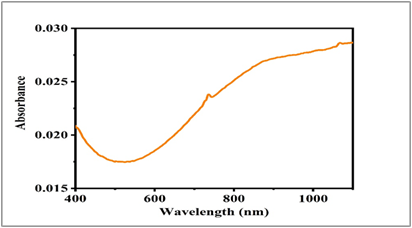
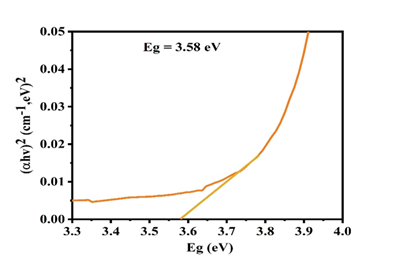
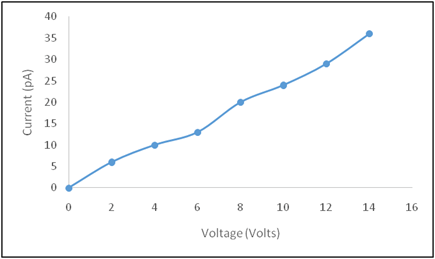








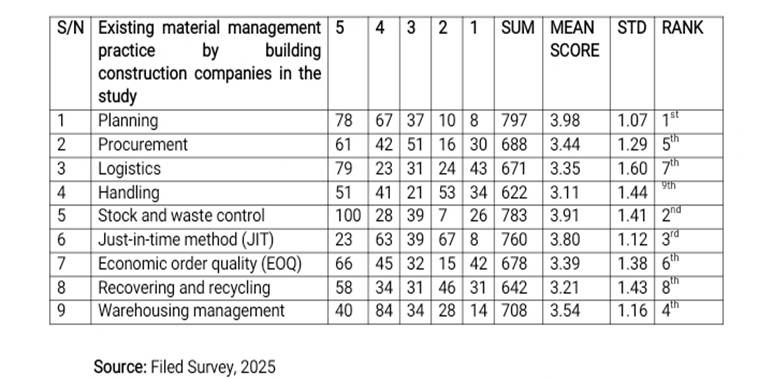









 Eduindex News




You must be logged in to post a comment.