“Stay ahead of the curve in the world of education!
Follow us on Twitter at (link unavailable) for:
Breaking news and updates on education Valuable resources and tips for students and educators Insights from industry experts and thought leaders Real-time engagement and discussion on education-related topics
Join our community of education enthusiasts and stay informed! Follow us now and let’s shape the future of education together! #EduIndexNews #EducationMatters #FollowUs”
The National Defence Academy (NDA) exam is a national-level entrance examination conducted by the Union Public Service Commission (UPSC) in India. The exam is held twice a year, typically in April and September, to select candidates for admission to the NDA, which is a premier training institution for the Indian Armed Forces.
Here are the details about the NDA exam:
Eligibility Criteria:
Age: 16.5 to 19.5 years (as of the first day of the month in which the course is commencing)
Nationality: Indian citizen
Education: 12th class pass or equivalent
Physical Standards: Meet the physical standards set by the UPSC
Exam Pattern:
Written Exam: 900 marks
Mathematics: 300 marks (2.5 hours)
General Ability Test (GAT): 600 marks (2.5 hours)
SSB Interview: 900 marks (5-day process)
Syllabus:
Mathematics: Algebra, Trigonometry, Geometry, Calculus, Statistics, and Probability
GAT: English, General Knowledge, Physics, Chemistry, Biology, History, Geography, and Current Events
Selection Process:
Written Exam
SSB Interview (for candidates who clear the written exam)
Medical Examination
Merit List preparation
Training:
3-year training at NDA, followed by
1-year training at Indian Military Academy (IMA) for Army cadets
1-year training at Naval Academy for Naval cadets
1.5-year training at Air Force Academy for Air Force cadets
Career Prospects:
Commissioned Officer in the Indian Army, Navy, or Air Force
Opportunities for specialization and higher education
Leadership roles and promotions
Tips and Preparation:
Start preparation early (at least 1 year prior to the exam)
Focus on building a strong foundation in Mathematics and GAT subjects
Practice with sample papers and mock tests
Develop physical fitness and mental toughness
Stay updated on current events and general knowledge
Remember, the NDA exam is highly competitive, and preparation requires dedication and hard work.
A survey and schedule are essential tools in various fields, including research, construction, and project management. In this article, we will delve into the world of surveys and schedules, exploring their definitions, types, benefits, and best practices.
*What is a Survey?*
A survey is a systematic process of collecting data and information from a sample of individuals, groups, or organizations. It involves asking questions, observing behaviors, or gathering data through various methods to gain insights, understand trends, and make informed decisions.
*Types of Surveys*
1. *Questionnaire Survey*: Uses a set of questions to collect data through online or offline forms.
2. *Interview Survey*: Involves face-to-face or phone interviews to gather data.
3. *Observational Survey*: Observes behavior, actions, or phenomena without direct interaction.
4. *Experimental Survey*: Manipulates variables to study cause-and-effect relationships.
*What is a Schedule?*
A schedule is a timeline or calendar that outlines tasks, activities, or events in a logical and sequential manner. It helps plan, coordinate, and manage time-sensitive projects, ensuring timely completion and meeting deadlines.
*Types of Schedules*
1. *Project Schedule*: Outlines tasks, milestones, and deadlines for a specific project.
2. *Production Schedule*: Manages production workflows, timelines, and resources.
3. *Maintenance Schedule*: Plans routine maintenance, repairs, and upkeep.
4. *Training Schedule*: Organizes training sessions, courses, and workshops.
*Benefits of Surveys and Schedules*
1. *Informed Decision-Making*: Surveys provide valuable insights, while schedules ensure timely execution.
2. *Improved Planning*: Schedules help plan resources, tasks, and timelines.
3. *Enhanced Productivity*: Surveys identify areas for improvement, while schedules optimize workflows.
4. *Better Time Management*: Schedules ensure timely completion, reducing delays and costs.
*Best Practices*
1. *Clear Objectives*: Define survey goals and schedule purposes.
2. *Well-Designed Instruments*: Craft effective survey questions and schedule templates.
3. *Pilot Testing*: Test surveys and schedules before implementation.
4. *Flexibility*: Allow for adjustments and changes as needed.
5. *Communication*: Share survey findings and schedule updates with stakeholders.
In conclusion, surveys and schedules are powerful tools that, when used effectively, can drive informed decision-making, improve planning, enhance productivity, and ensure timely completion of projects. By understanding their types, benefits, and best practices, individuals and organizations can harness their potential to achieve success.
Early Life and Education: Arvind Kejriwal was born on August 16, 1968, in Siwani, Haryana, India. He grew up in a middle-class family and displayed an early interest in academics and social issues. Kejriwal pursued his schooling in Haryana and later moved to Delhi for higher education. He attended the Indian Institute of Technology (IIT) Kharagpur, where he earned a degree in Mechanical Engineering. His academic excellence and analytical skills were notable during his time at IIT.
Career Before Politics: Before venturing into politics, Kejriwal had a successful career in the Indian Administrative Service (IAS). He joined the Indian Revenue Service (IRS) in 1995, serving as a Joint Commissioner in the Income Tax Department. During his tenure, he was involved in several high-profile cases and earned a reputation for his dedication and integrity.
Social Activism: Kejriwal’s transition from a bureaucrat to an activist was marked by his involvement in various social and anti-corruption movements. In the early 2000s, he became actively involved in the anti-corruption movement led by social activist Anna Hazare. The movement aimed to fight against corruption and promote transparency in governance through the Jan Lokpal Bill. Kejriwal’s leadership and efforts in this movement gained him significant public recognition and laid the groundwork for his entry into politics.
Political Career:
Founding of the Aam Aadmi Party (AAP): In 2012, Arvind Kejriwal and other like-minded activists, including Kumar Vishwas, Manish Sisodia, and others, founded the Aam Aadmi Party (AAP). The party was established with the mission to address issues of corruption, transparency, and governance, aiming to provide an alternative to the traditional political system in India.
2013 Delhi Assembly Elections: AAP made a remarkable debut in the 2013 Delhi Assembly elections, winning 28 out of 70 seats and emerging as the second-largest party. Kejriwal, as the Chief Ministerial candidate, formed a minority government with the support of the Indian National Congress (INC). His tenure as Chief Minister was marked by a focus on issues such as electricity tariffs, water supply, and anti-corruption measures.
Resignation and Return: In February 2014, Kejriwal resigned from his position as Chief Minister after 49 days in office, citing the lack of support from the Congress Party for the passage of the Jan Lokpal Bill. His resignation led to fresh elections.
2015 Delhi Assembly Elections: In the 2015 Delhi Assembly elections, AAP secured a landslide victory, winning 67 out of 70 seats. Kejriwal was re-elected as Chief Minister, and his government focused on several key areas, including education reform, healthcare, and improving public services. The party’s performance was seen as a significant political achievement, showcasing the appeal of its anti-corruption and governance-centric agenda.
2020 Delhi Assembly Elections: AAP continued its success in the 2020 Delhi Assembly elections, winning 62 out of 70 seats. Kejriwal’s second term was characterized by further efforts in urban development, health care, and educational reforms. His government implemented several initiatives aimed at improving the quality of life for Delhi’s residents, including enhanced public health services and infrastructure projects.
Key Policies and Achievements:
Education: Kejriwal’s government has been recognized for its focus on improving Delhi’s public education system. This includes the construction of new classrooms, hiring of more teachers, and the implementation of various schemes to improve school infrastructure and quality of education.
Healthcare: The AAP government has invested in expanding and upgrading healthcare facilities. Initiatives such as Mohalla Clinics provide free primary health care services to Delhi residents, making healthcare more accessible.
Anti-Corruption: Kejriwal has been a strong advocate of anti-corruption measures. His tenure saw the introduction of various transparency initiatives, including the implementation of the Delhi Jan Lokpal Act to address corruption.
Public Services: The government has worked on improving public services, including providing subsidized electricity and water. Efforts have also been made to enhance the efficiency and transparency of public service delivery.
Challenges and Criticisms:
Administrative Hurdles: Kejriwal’s tenure has faced challenges related to the administrative and legislative powers of the Delhi government, often resulting in conflicts with the central government and the Lieutenant Governor of Delhi.
Political Criticisms: Critics have accused Kejriwal of focusing too much on political theatrics and not delivering on some of his promises. There have been allegations of confrontational politics and strained relationships with other political entities.
Governance Issues: Despite significant achievements, Kejriwal’s administration has faced criticisms related to governance, including delays in implementing certain policies and handling of public protests.
Personal Life: Arvind Kejriwal is married to Sunita Kejriwal, an IRS officer. The couple has two children. Kejriwal is known for his simple lifestyle and commitment to public service, often engaging in grassroots activities and direct interactions with the public.
Conclusion: Arvind Kejriwal has emerged as a significant political figure in India, known for his focus on anti-corruption, transparency, and governance reforms. His journey from a social activist to the Chief Minister of Delhi reflects a unique approach to Indian politics, emphasizing grassroots involvement and accountability. Despite facing various challenges and criticisms, Kejriwal’s contributions to Delhi’s political landscape and governance are noteworthy.
Viraj Ghelani is an emerging talent in the Indian entertainment industry, recognized for his versatility as an actor, writer, and content creator. His work spans various mediums, including digital content, theater, and television. Ghelani has gained prominence for his innovative approach to storytelling and his engaging performances that resonate with a diverse audience.
Early Life and Education
Viraj Ghelani was born and raised in India. Growing up, he exhibited an interest in performing arts and storytelling. He pursued his education. His academic background provided him with a solid foundation in both theoretical and practical aspects of the arts, which later influenced his career choices.
Career Beginnings
Ghelani began his career in the entertainment industry through theater, where he honed his acting skills and gained valuable experience. His stage performances were noted for their emotional depth and versatility, which set the stage for his transition into other forms of media.
Digital Content and Social Media
Viraj Ghelani gained significant attention through his work as a digital content creator. He is known for his engaging and relatable content on social media platforms, particularly YouTube and Instagram. His digital content often includes:
Comedy Sketches: Ghelani’s comedic sketches are a staple of his content. His humor often reflects contemporary issues and everyday experiences, making his work relatable to a broad audience.
Short Films and Web Series: He has produced and starred in several short films and web series. These projects showcase his versatility as an actor and storyteller, often addressing diverse themes and genres.
Collaborations: Ghelani has collaborated with various content creators and influencers, further expanding his reach and influence in the digital space.
Television and Film
In addition to his digital presence, Viraj Ghelani has ventured into television and film. His roles in these mediums reflect his range as an actor, from dramatic performances to comedic roles. While he is still building his portfolio in mainstream cinema and television, his contributions have been well-received by audiences and critics alike.
Theater
Ghelani’s theater background continues to influence his work in other media. His experience on stage has contributed to his ability to perform with authenticity and depth. Theater has also provided him with a platform to experiment with different styles and genres, enriching his overall acting skills.
Achievements and Recognition
While Viraj Ghelani is relatively new to the mainstream entertainment industry, he has already made a notable impact. Some of his achievements include:
Popular Digital Content: His content on platforms like YouTube has garnered a substantial following, contributing to his growing popularity.
Awards and Nominations: Ghelani has received recognition for his work in digital content and theater. Specific awards or nominations can be detailed here if applicable.
Critical Acclaim: His performances and content have been praised for their originality and relatability. Critics and audiences have commended his ability to connect with viewers through humor and storytelling.
Personal Life and Interests
Viraj Ghelani is known for his down-to-earth personality and passion for the arts. Outside of his professional work, which often influence his creative projects. His personal experiences and interests contribute to the authenticity and relatability of his work.
Conclusion
Viraj Ghelani is an emerging figure in the Indian entertainment landscape, known for his innovative approach to acting and content creation. From his roots in theater to his success in digital media and television, Ghelani’s career is marked by a commitment to authenticity and creativity. As he continues to expand his repertoire and engage with audiences, he remains a promising talent with a bright future in the industry.
Israel is a small but geopolitically significant country located in the Middle East, at the eastern end of the Mediterranean Sea. Despite its size, Israel plays a major role in global politics, economics, and culture, largely due to its historical, religious, and strategic importance. It is bordered by Lebanon to the north, Syria to the northeast, Jordan to the east, Egypt to the southwest, and the Palestinian territories of the West Bank and Gaza Strip.
Historical Background
Israel’s history stretches back thousands of years, making it one of the most historically rich regions in the world. The land has deep significance for three of the world’s major monotheistic religions: Judaism, Christianity, and Islam.
Ancient Israel: The ancient history of Israel dates back to the Biblical period, where the region was home to the ancient Hebrews. The formation of the Kingdom of Israel is recorded in the Old Testament, with Jerusalem as its capital. After a period of conquest and exile, particularly by the Babylonians, and later occupation by the Romans, the Jewish presence in Israel diminished.
Diaspora and Return: Over centuries, Jews were dispersed across the world in what is called the Jewish Diaspora. The longing for a return to their ancient homeland became central to Jewish identity. This aspiration eventually led to the Zionist movement in the late 19th and early 20th centuries, aimed at establishing a modern Jewish state in the historical land of Israel.
Creation of Modern Israel (1948): The creation of the modern state of Israel occurred on May 14, 1948, after the United Nations voted in 1947 to partition Palestine into separate Jewish and Arab states. This decision led to the 1948 Arab-Israeli War, as neighboring Arab nations opposed the establishment of Israel. Despite this, Israel survived and expanded its territory during the war.
Geography and Demographics
Israel is a small country, roughly 20,770 square kilometers in size, making it comparable to the U.S. state of New Jersey. Despite its small area, the country’s geography is diverse:
Mediterranean Coast: Israel’s western border is defined by the Mediterranean Sea, home to major cities like Tel Aviv, a global hub for technology, finance, and culture.
Negev Desert: The Negev, a vast arid desert in the south, makes up about 60% of Israel’s landmass.
Jordan Rift Valley: To the east, the Jordan River and the Dead Sea mark the lowest point on Earth’s surface.
Mountain Ranges: In the north, the Golan Heights and Mount Carmel form part of Israel’s highlands.
Israel’s population is approximately 9.5 million (as of 2024). It is a highly diverse society:
Jews: About 74% of the population identifies as Jewish. Jews in Israel come from a wide range of ethnic backgrounds, including Ashkenazi Jews (from Europe), Sephardic Jews (from Spain, North Africa, and the Middle East), and Mizrahi Jews (from Arab countries).
Arabs: Around 21% of Israel’s citizens are Arab, including both Muslims and Christians.
Other Groups: There are also smaller communities of Druze, Bedouins, and other minorities.
Government and Politics
Israel is a parliamentary democracy, often referred to as the only democracy in the Middle East. It operates under a system of proportional representation, where the Knesset (Israel’s parliament) is the legislative body with 120 members. The Prime Minister serves as the head of government, while the President of Israel is a largely ceremonial head of state.
Prime Minister: The Prime Minister holds executive power and is responsible for running the government. Israel has had a number of notable leaders, including David Ben-Gurion (Israel’s first Prime Minister) and Benjamin Netanyahu, one of the longest-serving Prime Ministers.
Political Landscape: Israel’s political scene is characterized by numerous parties representing a broad spectrum of ideologies—from right-wing nationalist to left-wing liberal, as well as religious and secular groups. Major parties include Likud (a right-wing party), Yesh Atid, and Labor.
Economy
Israel has a highly developed and technologically advanced economy, often referred to as the “Start-Up Nation” due to its thriving tech sector. It is one of the world’s leaders in technology innovation, with major achievements in sectors such as cybersecurity, biotechnology, medical equipment, and agriculture. Some key aspects of Israel’s economy include:
High-Tech Industry: Israel is home to a booming high-tech industry, with many tech giants such as Google, Intel, and Microsoft establishing significant operations in the country. Israel has also produced numerous successful startups, particularly in the areas of software, cybersecurity, and artificial intelligence.
Agriculture: Despite its arid climate, Israel is renowned for its agricultural innovations, such as drip irrigation, which has enabled efficient farming in desert conditions.
Natural Resources: In recent years, the discovery of large natural gas reserves in the Mediterranean has bolstered Israel’s economy, making it a key player in the regional energy market.
Tourism: Tourism is a major industry, with millions of visitors each year attracted by Israel’s religious and historical sites, such as Jerusalem, Nazareth, and the Dead Sea.
Religious and Cultural Significance
Jerusalem: Jerusalem is the most significant city for Israel and holds profound religious importance for Jews, Christians, and Muslims alike. The Western Wall (also known as the Wailing Wall) is one of Judaism’s holiest sites. The Temple Mount is a focal point of both Jewish and Muslim reverence, housing the Al-Aqsa Mosque and the Dome of the Rock.
Christianity: For Christians, Israel is home to many sacred sites, including Nazareth (where Jesus grew up) and the Church of the Holy Sepulchre in Jerusalem, traditionally believed to be the site of Jesus’ crucifixion and resurrection.
Islam: Israel is also significant to Muslims, with the Al-Aqsa Mosque in Jerusalem being one of the holiest places in Islam.
Security and Conflict
Since its establishment in 1948, Israel has faced ongoing security challenges, including wars, conflicts with neighboring Arab states, and internal tensions with the Palestinian population.
Arab-Israeli Wars: Israel has fought several wars with neighboring Arab countries, including the 1948 Arab-Israeli War, the Six-Day War of 1967, and the Yom Kippur War of 1973. These conflicts resulted in significant territorial changes and enduring regional tensions.
Israeli-Palestinian Conflict: The conflict between Israelis and Palestinians is one of the world’s most enduring and complex political disputes. The roots of the conflict lie in competing claims to the land of Israel/Palestine, particularly over Jerusalem and the territories of the West Bank and Gaza Strip. Numerous peace initiatives have been attempted, but a lasting resolution remains elusive.
Gaza Conflict: Israel and the militant group Hamas, which controls the Gaza Strip, have engaged in multiple rounds of violence, including rocket attacks, airstrikes, and ground invasions. This ongoing conflict has led to significant humanitarian challenges for both Israelis and Palestinians.
Diplomatic Relations
Israel maintains diplomatic relationships with many countries, particularly in the West. Its closest ally is the United States, which provides significant military and economic aid. In recent years, Israel has also normalized relations with several Arab nations, such as the United Arab Emirates, Bahrain, Morocco, and Sudan through the Abraham Accords.
However, Israel still faces tensions with some neighboring countries and factions, particularly in relation to the Palestinian issue and its regional politics with Iran and Hezbollah in Lebanon.
Conclusion
Israel is a country of contrasts: ancient history meets cutting-edge technology, a diverse society with deep cultural and religious significance, and a place of both conflict and innovation. Despite its challenges, Israel remains a key player in global affairs, with its dynamic economy, strong military, and unique position in world history and religion.
References
Bright, J. (2000). A history of Israel. Westminster John Knox Press.
Ben-Israel, M. (1987). The hope of Israel. Liverpool University Press.
Friedlander, D., & Goldscheider, C. (1979). The population of Israel. Columbia University Press.
Sykes, C. (2022). Crossroads to Israel. Plunkett Lake Press.
ORCID (Open Researcher and Contributor ID) is a unique identifier that helps researchers and scholars distinguish their academic contributions and establish a permanent, unambiguous connection between their identity and their work. It is widely used in academic publishing, grant applications, and collaborative research.
This guide provides step-by-step instructions for creating an ORCID ID and explains how scholars can use it effectively.
Click on the “Register” button, usually located at the top right corner of the homepage.
Fill in the Registration Form
First Name and Last Name: Enter your full name as it appears in your academic publications.
Email Address: Provide an active email address. You will need this to confirm your account and receive notifications.
Password: Create a strong password (at least 8 characters with a mix of letters, numbers, and special characters).
Select Notification Preferences
You will be asked to choose how frequently you want to receive updates from ORCID. Options range from monthly updates to no emails at all.
Agree to Terms and Conditions
Review and agree to the ORCID Terms of Use and Privacy Policy. This outlines how your data will be used and protected.
Click on “Register”
Once the form is completed, click on “Register” to submit your details.
Email Confirmation
Check your inbox for a confirmation email from ORCID. Follow the instructions to verify your email address.
Complete Your Profile
After email verification, log in to ORCID and start completing your profile by adding biographical information, education, employment history, funding, and publications.
Part 2: Key Features of an ORCID Profile
Once your ORCID ID is created, you should complete your profile to maximize its usefulness:
Biography: Include a brief description of your academic background, current position, and research interests. Keep it concise yet informative.
Education: Add details of your educational qualifications, including the institution name, degree, and years attended.
Employment: Provide details of your academic and professional affiliations. This can include both current and past employment at universities, research institutes, or companies.
Publications: Use ORCID’s “Search and Link” wizard to automatically add your published works from databases like Scopus, CrossRef, or PubMed. You can also manually add publications, including journal articles, conference papers, and books.
Funding: Record any grants or funding you have received for your research. Many funding bodies now require an ORCID ID when applying for grants.
Other Identifiers: You can link your ORCID ID with other researcher IDs such as Scopus Author ID, ResearcherID, or Google Scholar Profile.
Part 3: Uses and Benefits of ORCID for Scholars
An ORCID ID offers multiple benefits for scholars, enhancing visibility, improving discoverability, and ensuring proper attribution of research outputs.
1. Unique Identification
Distinguish Yourself: ORCID provides a unique identifier that distinguishes you from other researchers with similar names, ensuring your work is always correctly attributed to you.
Persistent Record: ORCID maintains a persistent and lifelong record of your scholarly activities, even if you change institutions or fields.
2. Integration with Research Platforms
Academic Journals: Many journals and publishers require authors to provide an ORCID ID when submitting manuscripts, ensuring that the research is correctly attributed to the right author.
Grant Applications: Funding agencies like the NIH, NSF, and the European Commission require ORCID IDs for grant applications, making it easier for scholars to track and claim funding.
Universities and Institutions: ORCID is integrated with many institutional repositories, helping to automatically update your profile with institutional affiliations, publications, and other academic activities.
3. Enhance Research Visibility
Discoverability: ORCID links your profile with major databases such as PubMed, Scopus, and CrossRef, making it easier for other researchers, institutions, and collaborators to find your work.
ORCID iD in Emails and CVs: You can include your ORCID iD in your email signature, on your CV, or on personal and professional websites to further promote your academic identity.
4. Connect Your Research Outputs
Centralized Profile: ORCID acts as a central hub for managing and displaying all of your academic outputs, including journal articles, books, datasets, peer reviews, and more.
Automatic Updates: Many publishers and research databases can automatically push new research outputs to your ORCID profile, saving you time and ensuring accuracy.
5. Collaborate and Network
Global Networking: ORCID helps connect you with collaborators worldwide. Institutions and other researchers can search for your ORCID ID to learn about your expertise and research output.
Co-Authorship Tracking: ORCID makes it easy to identify co-authors and collaborators on joint projects, enhancing your academic network.
6. Maintain Ownership of Your Data
Privacy Control: You control the visibility of your information. You can set specific sections of your ORCID profile (e.g., personal data, publications) to be publicly visible, private, or shared only with trusted organizations.
Data Portability: Your ORCID ID and associated data stay with you, regardless of your institutional affiliation or geographic location.
7. Compliance with Institutional Requirements
Many universities and research institutions now require researchers to have an ORCID ID. Having one makes it easier to comply with these requirements, particularly for research assessment exercises and reporting purposes.
Part 4: Best Practices for ORCID ID Use
Keep Your Profile Updated: Regularly update your profile with new publications, grants, or employment changes.
Use Your ORCID ID Consistently: Include your ORCID ID in all your academic activities, such as manuscript submissions, conference presentations, and grant applications.
Share Your ORCID ID: Add your ORCID ID to your CV, personal website, social media profiles, and email signature.
Sync with Other Profiles: Link your ORCID ID to other academic profiles like Google Scholar, ResearchGate, or institutional databases to keep them in sync.
Final words
Creating and using an ORCID ID is an essential step for scholars in today’s academic environment. It enhances your professional visibility, ensures proper attribution of your work, and simplifies the management of your scholarly output. By following this guide, you can make the most of ORCID’s features and strengthen your academic identity in the global research community.
References
Cress, P. E. (2019). Why do academic authors need an ORCID ID?. Aesthetic Surgery Journal, 39(6), 696-697.
Haak, L. L., Fenner, M., Paglione, L., Pentz, E., & Ratner, H. (2012). ORCID: a system to uniquely identify researchers. Learned publishing, 25(4), 259-264.
Sprague, E. R. (2017). Orcid. Journal of the Medical Library Association: JMLA, 105(2), 207.
Sharma, S. N. Unveiling the Top Secret Skills to Thrive in the Modern Age.
5. Fallingwater (Pennsylvania) – Frank Lloyd Wright
6. Eiffel Tower (Paris) – Gustave Eiffel
7. Colosseum (Rome) – Vespasian and Titus
8. Louvre Pyramid (Paris) – I.M. Pei
9. Empire State Building (New York) – Shreve, Lamb & Harmon
10. Casa Batlló (Barcelona) – Antoni Gaudí
11. Chrysler Building (New York) – William Van Alen
12. Golden Gate Bridge (San Francisco) – Joseph Strauss and Irving Morrow
13. St. Peter’s Basilica (Vatican City) – Donato Bramante, Michelangelo, and Carlo Maderno
14. The White House (Washington D.C.) – James Hoban
15. The Gherkin (London) – Norman Foster
Please note that some buildings have multiple architects involved, but I’ve only listed the most prominent one. Let me know if you’d like me to expand the list!
The Department of Architecture and Planning at Maulana Azad National Institute of Technology (MANIT) Bhopal celebrated Teachers’ Day with great fervor and enthusiasm. Around 200 students participated in the event, which was organized to express gratitude and appreciation for the dedicated teachers who shape their minds and careers.
The celebration began with a welcome address by the Head of the Department, followed by a series of cultural events. The highlight of the event was a heartfelt tribute to the teachers, where students shared their experiences and thanked their mentors for their guidance and support.
The teachers were felicitated with gifts and bouquets, and a photo booth was set up to capture the memorable moments. A cake-cutting ceremony marked the culmination of the event.
“It’s a wonderful feeling to see our students express their gratitude in such a creative and enthusiastic manner,” said Dr. Nakul Dhagat, a faculty member of the department and HOD. “We are proud to be a part of their educational journey and look forward to continuing to inspire and mentor them” said Prof. Anugrah Nagaich. “Our professors are a great source of inspiration for us to lead a successful and fulfilling academic life” Gautam Sachan, B Plan student of the department.
The event was a huge success, with students and teachers alike enjoying the celebration. It reinforced the strong bond between the students and faculty, and reiterated the importance of teachers in shaping the minds of future generations.
Eduindex News is an influential online platform dedicated to providing the latest news, insights, and analysis in the fields of education, research, and academic innovations. As the education sector evolves rapidly with technological advancements, global connectivity, and changing pedagogical paradigms, Eduindex News serves as a valuable resource for educators, researchers, students, and policy-makers alike. This portal is designed to be a hub of information that supports the dissemination of educational knowledge and encourages dialogue on key issues affecting the academic community worldwide.
Mission and Vision
The mission of Eduindex News is to empower educators, students, and researchers by delivering high-quality, relevant, and timely information that supports academic growth and development. The portal strives to be a leading voice in the education sector, championing the dissemination of innovative ideas, best practices, and research findings. The vision of Eduindex News is to bridge the gap between education policy and practice, making scholarly information accessible to a broader audience.
Content and Coverage
Eduindex News covers a wide range of topics related to education, including:
Educational Policies and Reforms: The portal provides in-depth coverage of the latest developments in educational policies, government initiatives, and reforms at national and international levels. This includes analysis of how these changes impact schools, universities, and other educational institutions.
Research and Innovations: Eduindex News highlights the latest research in various academic fields, emphasizing innovative approaches to teaching, learning, and curriculum development. It serves as a platform for scholars to publish their findings and for institutions to showcase their research outputs.
Technology in Education: As technology continues to transform education, Eduindex News keeps its audience updated on the latest trends in EdTech, including online learning platforms, digital classrooms, AI in education, and other technological advancements that are shaping the future of learning.
Higher Education: The portal provides comprehensive coverage of issues pertinent to higher education, including university rankings, admissions, faculty recruitment, academic conferences, and more. It also focuses on challenges and opportunities within the global higher education landscape.
Student and Educator Resources: Eduindex News offers a variety of resources for students and educators, including study tips, career advice, scholarship opportunities, and professional development tools. These resources are designed to support academic success and career progression.
Interviews and Opinion Pieces: The portal features interviews with thought leaders, educators, researchers, and policymakers who share their insights on current trends and future directions in education. Opinion pieces provide diverse perspectives on pressing issues, encouraging debate and critical thinking.
Audience
Eduindex News caters to a diverse audience that includes:
Educators and Academics: The portal serves as a valuable resource for teachers, professors, and academic administrators looking for the latest trends, research, and educational strategies.
Students and Researchers: With its rich repository of articles, research papers, and news updates, Eduindex News is an essential tool for students and researchers seeking reliable information for their academic work.
Policy Makers and Education Leaders: The platform provides data-driven insights and expert analysis that can inform decision-making and policy development in the education sector.
General Public: Anyone interested in staying informed about the education landscape can benefit from the broad range of topics covered by Eduindex News.
Contributions and Partnerships
Eduindex News encourages contributions from educators, researchers, and institutions. By providing a platform for guest articles, research publications, and opinion pieces, the portal fosters a collaborative environment where knowledge sharing is prioritized. Partnerships with universities, research organizations, and educational bodies further enhance the quality and reach of the content provided.
Navigating the Portal
Eduindex News is designed with user experience in mind, offering a clean and intuitive interface that makes it easy to find relevant information. The portal is organized into categories and tags, allowing users to quickly navigate to their areas of interest. A robust search feature further facilitates access to specific articles or topics.
Impact and Community Engagement
Eduindex News has established itself as a credible source of information in the education sector, with a growing readership that values its commitment to accuracy, relevance, and quality. The portal’s active presence on social media platforms helps to engage with its community, sharing content and sparking discussions on key educational issues.
Future Directions
Looking ahead, Eduindex News aims to expand its coverage to include more global perspectives, reflecting the increasingly interconnected nature of education. Plans are also in place to introduce multimedia content such as podcasts, webinars, and video interviews, providing more dynamic ways to engage with its audience.
Eduindex News stands out as a pivotal platform in the education sector, committed to informing, inspiring, and connecting the academic community. By delivering comprehensive and insightful content, Eduindex News not only supports the continuous improvement of education but also fosters a global dialogue on the future of learning. Whether you are an educator, student, researcher, or simply an education enthusiast, Eduindex News offers a wealth of information to keep you informed and engaged.
For more information or to contribute to Eduindex News, visit Eduindex News and join the conversation on shaping the future of education.
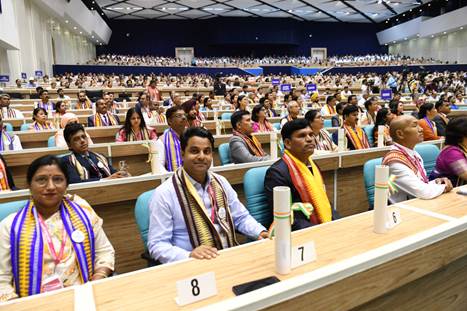
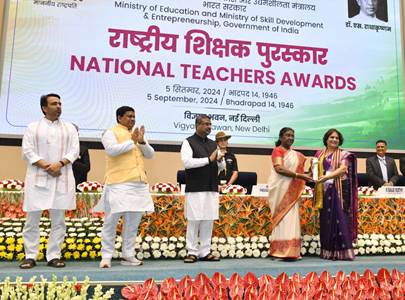
Every year, September 5th is celebrated as Teachers’ Day in India, a day dedicated to honoring the individuals who shape young minds and play a crucial role in the development of society. This date was chosen to commemorate the birth anniversary of Dr. Sarvepalli Radhakrishnan, a revered philosopher, scholar, and the second President of India. When his students and friends wished to celebrate his birthday, Dr. Radhakrishnan humbly requested that the day be observed as Teachers’ Day to honor all educators. Since then, the day has been marked by students paying tribute to their teachers in a variety of ways.
Why Teachers’ Day Matters
Teachers’ Day is a reminder of the profound impact educators have on society. It is more than just a day of celebration—it is an acknowledgment of their role as nation-builders. Teachers do more than impart knowledge; they cultivate the values, ethics, and character that shape the future citizens of the world.
Education is not just the transfer of information from teacher to student. It is a transformative experience that shapes the way individuals think, act, and contribute to the world. Behind every great scientist, artist, engineer, or writer, there is a teacher who ignited their passion, nurtured their talent, and guided them toward success. Thus, Teachers’ Day is a moment to express gratitude for their tireless dedication to this cause.
The Role of a Teacher: More Than Just a Job
The role of a teacher extends far beyond the classroom. Teachers are mentors, role models, and often, second parents. They guide students through their academic journey, yes, but also through the personal trials that come with growing up. From instilling discipline to fostering creativity, teachers help shape not just academic minds but well-rounded individuals.
In today’s world, teachers are also tasked with preparing students for a rapidly changing future. The digital age has transformed education, and the role of a teacher has evolved with it. Today’s educators must equip students not just with facts and figures, but with the critical thinking, problem-solving, and digital literacy skills needed to navigate the modern world.
The Challenges Faced by Educators
While Teachers’ Day is a celebration, it is also a time to reflect on the challenges faced by educators. Many teachers, particularly in under-resourced areas, work in difficult conditions. They are expected to educate students with limited supplies, outdated materials, and overcrowded classrooms. Despite these hardships, teachers continue to show up every day, driven by their commitment to their students’ futures.
Moreover, the profession is often underappreciated and undervalued. Teachers are expected to wear many hats—educator, mentor, counselor, and sometimes, social worker—often without adequate pay or professional support. These challenges were further exacerbated by the COVID-19 pandemic, which forced teachers to adapt to online learning almost overnight, showing incredible resilience in the face of adversity.
How Teachers’ Day is Celebrated
On Teachers’ Day, students across the country express their gratitude in creative ways. School assemblies are filled with cultural performances, speeches, and special events where students pay tribute to their teachers. Some institutions organize award ceremonies to recognize outstanding educators, while others have students take on the role of teachers for a day, allowing them to experience the challenges and responsibilities of the profession.
For teachers, the joy of Teachers’ Day lies not in the festivities, but in the acknowledgment of their hard work. It is a day when students reflect on the lessons they have learned, not just academically but also in life, and express their appreciation.
Teachers’ Day Around the World
Teachers’ Day is celebrated on various dates worldwide, reflecting the universal respect for the teaching profession. Internationally, World Teachers’ Day is observed on October 5th, as designated by UNESCO in 1994. This global celebration highlights the importance of teachers in society and underscores the need to support their professional development and well-being.
Countries like China, the United States, and Australia also honor their teachers with their own dedicated days, each celebrating the unique role that educators play in the development of their respective societies.
The Future of Teaching
As the world continues to evolve, so too must the teaching profession. The role of teachers will be even more critical in the coming decades as the challenges facing humanity grow more complex. Teachers will need to equip students not only with knowledge but with the skills to think critically, adapt to new situations, and approach problems creatively.
In a world driven by technological advances, teachers must also prepare students to thrive in a digital landscape. This will require new teaching methods, tools, and resources, as well as a commitment to continuous learning on the part of educators.
Despite the challenges that lie ahead, the fundamental role of the teacher remains unchanged. They are the architects of the future, building a foundation of knowledge and values that will guide the next generation.
Conclusion
Teachers’ Day is more than just a yearly celebration. It is a recognition of the vital role educators play in shaping individuals, communities, and entire nations. Teachers not only impart knowledge but also mold the character, discipline, and values that define future generations.
As we celebrate Teachers’ Day, let us not only honor their contribution but also acknowledge the need to support them in their work. By ensuring that teachers are valued, well-supported, and adequately equipped, we are investing in a brighter, more educated future for all. Teachers are the unsung heroes of society, and their impact will be felt for generations to come.
Teachers are the unsung heroes of our society, working tirelessly behind the scenes to shape the minds of future generations. They are the pillars of education, supporting the weight of knowledge, and guiding students through the journey of learning. On Teachers’ Day, we take a moment to acknowledge the selfless dedication, unwavering commitment, and profound impact of these unseen heroes.
Teachers wear many hats – they are mentors, coaches, counselors, and friends. They create a safe and nurturing environment, where students feel encouraged to explore, experiment, and learn. With patience, empathy, and understanding, teachers help students overcome obstacles, build confidence, and develop essential life skills.
The impact of teachers extends far beyond the classroom. They inspire students to become active citizens, contributing to the betterment of society. They foster a love for learning, encouraging students to pursue their passions, and make a difference in the world. Teachers are the role models, shaping the values, principles, and character traits of future generations.
Despite the challenges they face, teachers remain committed to their craft. They work long hours, often without recognition, to ensure their students receive the best possible education. They adapt to new technologies, methodologies, and curriculum requirements, always striving to improve their practice.
On Teachers’ Day, we honor the unseen heroes of education. We recognize their tireless efforts, their unwavering dedication, and their profound impact on the lives of students. We celebrate the teachers who have made a difference in our lives, and we express our gratitude for all that they do.
In conclusion, Teachers’ Day is a tribute to the selfless dedication of educators who shape the minds of future generations. Let us take a moment to appreciate the unseen heroes of our society, and acknowledge the vital role they play in building a better world.
“Berlin” Movie Review: A Stylish Thriller with a Modern Edge
Title: Berlin Director: [Director’s Name] Starring: [Lead Actors’ Names] Genre: Thriller, Drama Release Date: [Release Date]
Introduction
“Berlin” emerges as a high-octane thriller set against the backdrop of the vibrant and historically rich city of Berlin. This film combines intricate plotting, stylish cinematography, and a pulsating soundtrack to deliver a gripping cinematic experience. With strong performances from its cast and a narrative that twists and turns, “Berlin” establishes itself as a standout entry in the thriller genre.
Plot Synopsis
The plot of “Berlin” revolves around lead chathe racter, a complex and enigmatic character who finds themselves entangled in a web of intrigue and deception. Set in the pulsating heart of Berlin, the story follows as they navigate through a labyrinth of crime, politics, and personal betrayal. The hero uncovers dark secrets and faces off against formidable adversaries, the lines between ally and enemy blur, leading to a suspenseful and unpredictable journey.
Themes and Impact
“Berlin” delves into themes of trust, betrayal, and the quest for truth. The film’s exploration of these themes is both thought-provoking and entertaining, providing a nuanced look at human motivations and the complexities of personal and political relationships. The narrative challenges viewers to question their assumptions and stay engaged with the evolving storyline.
Critique
While “Berlin” excels in many areas, it is not without its flaws. Some critics might argue that the plot, at times, leans heavily on genre conventions, leading to moments that feel predictable. Additionally, the fast-paced narrative might be overwhelming for viewers who prefer a more measured approach to storytelling. However, these criticisms do little to detract from the film’s overall impact and entertainment value.
Conclusion
“Berlin” is a stylish and engaging thriller that combines strong performances, a gripping storyline, and impressive technical elements. Directed by [Director’s Name], the film stands out for its ability to deliver suspense and drama while showcasing the dynamic setting of Berlin. Whether you are a fan of the thriller genre or simply appreciate well-crafted cinema, “Berlin” is a movie that offers both excitement and substance.
You must be logged in to post a comment.