Eduindex News is excited to announce its Campus Ambassador Program, an initiative designed to empower students to become education leaders and change-makers on their campuses. As a Campus Ambassador, you will represent Eduindex News and play a vital role in shaping the education conversation among your peers.
Program Objectives:
Promote Eduindex News and its mission to provide reliable and timely education news and resources
Foster a community of education enthusiasts and thought leaders on campus
Organize events, webinars, and discussions on topics relevant to students and educators
Provide feedback and insights to Eduindex News to improve its content and services
Responsibilities:
Represent Eduindex News on campus and promote its brand and mission
Develop and implement a campus outreach plan to engage students and educators
Organize at least two events or activities per semester
Contribute articles, blog posts, or social media content to Eduindex News
Participate in regular meetings and training sessions with the Eduindex News team
Benefits:
Leadership and professional development opportunities
Networking with education professionals and like-minded students
Access to exclusive Eduindex News content and resources
Recognition on the Eduindex News website and social media channels
Certificate of completion and recommendation letter
Eligibility:
Currently enrolled student (undergraduate or graduate) at a recognized university
Strong passion for education and leadership
Excellent communication and organizational skills
Ability to commit to a minimum of 6 months
How to Apply:
If you are a motivated and education-driven student, apply now to become a Campus Ambassador for Eduindex News! Send your resume, cover letter, and a brief statement (max. 250 words) explaining why you are the ideal candidate for this program to [insert contact email or link].
Don’t miss this opportunity to make a difference in the education landscape! Apply now and join our community of Campus Ambassadors!
Port Blair, the largest city and the administrative capital of the Andaman and Nicobar Islands, is a unique destination in India. Situated on the southeastern coast of the Andaman Islands, Port Blair serves as a gateway to the scenic and historically significant archipelago that stretches between the Bay of Bengal and the Andaman Sea. This article provides a detailed exploration of Port Blair, covering its history, geography, attractions, and cultural significance.
Port Blair is located on the southern part of South Andaman Island, which is one of the principal islands in the Andaman and Nicobar Islands group. The city is positioned approximately 1,200 kilometers southeast of the Indian mainland. Its geographical location provides it with a tropical maritime climate, characterized by high humidity and relatively consistent temperatures throughout the year.
Historical Significance
Port Blair has a rich and complex history. The city is known for its colonial past, primarily under British rule, and its role in the Indian freedom struggle.
British Colonial Era: During British rule, Port Blair was established as the administrative center for the Andaman and Nicobar Islands. The British constructed a significant part of the city’s infrastructure, including roads and government buildings.
Cellular Jail: One of the most notable historical landmarks in Port Blair is the Cellular Jail, also known as Kala Pani. This prison was used by the British to detain political prisoners and revolutionaries. The jail is infamous for its brutal conditions and is now a National Memorial dedicated to the sacrifices made by Indian freedom fighters.
Post-Independence: After India gained independence in 1947, Port Blair continued to serve as the administrative and economic hub of the Andaman and Nicobar Islands. The city has since evolved into a key location for tourism and regional governance.
Attractions and Landmarks
Port Blair offers a variety of attractions that cater to history enthusiasts, nature lovers, and adventure seekers alike. Some of the key highlights include:
Cellular Jail National Memorial: This historical prison is a must-visit for anyone interested in India’s freedom struggle. The complex includes a museum that exhibits the lives and struggles of the prisoners. The evening light and sound show, which narrates the history of the jail, is particularly evocative.
Ross Island: Located a short boat ride from Port Blair, Ross Island was once the administrative headquarters of the British in the Andamans. Today, it is known for its ruins, which have been overtaken by nature, and its beautiful surroundings.
North Bay Island: Famous for its water sports and vibrant coral reefs, North Bay Island offers excellent opportunities for snorkeling and scuba diving. The island is known for its clear waters and diverse marine life.
Wandoor Beach: Located about 25 kilometers from Port Blair, Wandoor Beach is part of the Mahatma Gandhi Marine National Park. The beach is known for its serene environment and coral reefs, making it a great spot for swimming and snorkeling.
Chidiya Tapu: Situated about 25 kilometers from Port Blair, Chidiya Tapu is known for its bird-watching opportunities and stunning sunsets. The area is home to various species of birds and is a popular destination for nature enthusiasts.
Anthropological Museum: This museum provides insights into the lives and cultures of the indigenous tribes of the Andaman and Nicobar Islands. It offers exhibits on the history, culture, and lifestyle of the tribal communities.
Samudrika Marine Museum: Managed by the Indian Navy, this museum showcases the marine biodiversity of the Andaman and Nicobar Islands. It includes exhibits on coral reefs, marine species, and the history of the islands.
Climate and Best Time to Visit
Port Blair has a tropical rainforest climate, with high humidity and temperatures that range from 23°C to 31°C throughout the year. The region experiences two main seasons:
Monsoon (May to October): This period is characterized by heavy rainfall and high humidity. While the lush greenery is beautiful, travel during the monsoon can be challenging due to frequent showers and rough sea conditions.
Dry Season (November to April): This is considered the best time to visit Port Blair. The weather is pleasant, with lower humidity and minimal rainfall. The dry season is ideal for outdoor activities, sightseeing, and enjoying the beaches.
Cultural and Economic Aspects
Culture: Port Blair is a melting pot of cultures due to its diverse population, which includes people from various parts of India as well as indigenous communities. The city celebrates various festivals, such as Durga Puja, Diwali, and Pongal, with enthusiasm. The presence of different communities adds to the cultural richness of the city.
Economy: The economy of Port Blair is primarily driven by tourism, government administration, and local trade. The city serves as a commercial hub for the Andaman and Nicobar Islands, with various markets and businesses catering to both residents and tourists. Fishing and agriculture also play a role in the local economy.
Connectivity and Transportation
Port Blair is well-connected to the Indian mainland through air and sea routes. The Veer Savarkar International Airport in Port Blair offers regular flights to major cities like Delhi, Kolkata, and Chennai. The city also has a seaport that handles passenger and cargo ships.
Within Port Blair, transportation options include taxis, auto-rickshaws, and public buses. The city is also accessible by ferry services to nearby islands, making it easy for tourists to explore the surrounding regions.
Conclusion
Port Blair is a fascinating destination that offers a blend of historical significance, natural beauty, and vibrant local culture. From its poignant historical landmarks to its stunning beaches and marine life, the city has much to offer both history enthusiasts and nature lovers. As the gateway to the Andaman and Nicobar Islands, Port Blair provides a unique glimpse into the region’s past and present, making it a must-visit for anyone exploring this beautiful part of India.
The Initial Public Offering (IPO) process is a significant event for both companies and investors. It marks the moment when a company goes public by offering its shares to the general public for the first time. Among the various IPOs that capture investor attention, PNG (a representative name for illustrative purposes) has recently been in the spotlight. This article delves into the IPO allotment status of PNG, exploring what it means for investors, the key phases of the allotment process, and what one should consider when checking the allotment status.
IPO allotment refers to the distribution of shares to investors who have applied for them during the public offering. The process determines how many shares each applicant receives. This is crucial because the demand for shares often exceeds the supply, especially in high-profile IPOs.
Key Phases of the IPO Allotment Process
Subscription Period: Once the IPO is open, investors can apply for shares through various channels, such as through brokerage firms or online platforms. The subscription period is typically a few days long.
Application and Bidding: Investors submit their bids specifying the number of shares they wish to purchase and the price they are willing to pay. This can be done through either a fixed price or a book-building process.
Allocation of Shares: After the subscription period ends, the company, in conjunction with its underwriters, allocates shares to investors. The process involves several steps:
Basis of Allotment: This is determined based on the demand for shares and the number of shares available.
Proportional Allocation: For oversubscribed IPOs, shares are allocated proportionally. This means that if the demand exceeds the available shares, applicants receive a portion of the shares they applied for.
Lottery System: Some IPOs use a lottery system to allocate shares, especially when the demand is extremely high.
Final Allotment and Refunds: Once the allotment is finalized, successful applicants receive their shares, while those who were not allocated shares receive a refund of their application money.
Listing: After allotment, the shares are listed on stock exchanges, where they begin trading.
How to Check PNG IPO Allotment Status
To determine whether you’ve been allotted shares in the PNG IPO, follow these steps:
Visit the Official Registrar’s Website: IPOs are managed by a registrar who handles the allotment and other related processes. For PNG’s IPO, you would need to visit the registrar’s website (for example, Link Intime or Karvy) where you can find the IPO allotment status section.
Enter Application Details: You’ll need to provide details such as your Application Number, PAN Number, and sometimes the IPO issue name. Ensure that all details are accurate to avoid errors.
Check Allotment Status: After entering the required information, you can check the status to see if you have been allotted shares. This status will typically show whether you have received a full, partial, or no allotment.
Receive Communication: Besides checking online, investors will also receive communication from their brokers or the registrar regarding the allotment status. This includes the number of shares allotted and any refunds due.
Brokerage Firms: Many investors also use their brokerage accounts to check the allotment status. Brokers usually provide a section where you can track the status of your IPO application.
Factors Influencing Allotment
Several factors influence the allotment of shares during an IPO:
Oversubscription: If the IPO is oversubscribed, the demand exceeds the number of shares available, leading to a proportional allotment or a lottery system.
Application Size: Large applications or institutional investors may have a higher chance of receiving shares, although this varies based on the allotment policy.
Investor Category: IPOs often have different allotment criteria for retail investors, qualified institutional buyers (QIBs), and non-institutional investors (NIIs). The allotment ratio may differ for each category.
Company Performance and Market Conditions: The success of the IPO and market conditions can also affect the allotment process. Strong demand or market enthusiasm may lead to adjustments in allotment ratios.
Conclusion
The IPO allotment status for PNG, like any other IPO, is a critical piece of information for investors. It determines whether they will be part of the newly listed company’s shareholder base and can impact their investment strategies. By understanding the allotment process and how to check the status, investors can stay informed and manage their investments effectively. Keep in mind that each IPO may have unique aspects to its allotment process, so it’s essential to stay updated with official communications and guidelines related to the specific IPO you are interested in.
Employees who work in a company are expected to know well the core values, culture and goals of the organization, so that employees can get to know the company where they work well. However, outsourcing employees who basically come from service providers outside the company do not know about this. Therefore it is difficult for outsourcing employees to grow their work loyalty to the company where they work. Meanwhile, loyal employees are related to the goals, objectives, culture and values of the organization. Employee loyalty can go up and down, one of which is due to job satisfaction factors. Job satisfaction felt by employees can increase employee work loyalty. Therefore, we need a motivator in the form of meeting physical and non-physical needs. This need is an encouragement or motivation for employees to work in a company. This study aims to determine the effect of job satisfaction and work motivation on work loyalty of outsourcing employees. This study uses a quantitative approach with research participants totaling 100 outsourcing employees obtained through sampling techniques. The analysis method used is simple and multiple regression. Based on the data analysis that has been done, it is known that there is an effect of job satisfaction on work loyalty of outsourcing employees by 54.3%, there is an effect of work motivation on work loyalty of outsourcing employees by 47.1% and there is an effect of job satisfaction and work motivation which together affect work loyalty of outsourcing employees by 25.7%, the remaining is influenced by other factors outside the research.
Keywords: Job Satisfaction, Work Motivation, Work Loyalty, Outsourcing
Products and services that have quality will certainly be able to compete globally to improve their competitive position in the increasingly global market. Companies can save costs and maintain quality by relying more on external service providers for activities that are seen as complementary to their core business. This is related to outsourcing which functions as a partnership to improve the company’s business (Elmuti., Grunewald., & Abebe, 2010).
One of the complementary activities to improve the company’s business is recruitment. Every prospective employee who is accepted feels unclear about their employment status, namely outsourcing employees or permanent employees. Employee status is a condition that distinguishes one employee from another in the company. Employment status is a person’s position in doing work, namely whether the person’s position is as a laborer or employee. The status of outsourcing employees is included in non-permanent employees and their employment status is included in outsourcing employees (Barthos, 2001).
Outsourcing is the delegation of daily operations and management of a business process to an external party (an outsourcing service provider). Through delegation, management is no longer carried out by the company, but is delegated to the outsourcing service company (Soewondo, 2004). In addition, according to Wahyuningtyas & Utami (2018) Outsourcing is an effort to obtain skilled workers and reduce the burden and costs of the company in improving the company’s performance so that it can continue to be competitive in facing global economic and technological developments by handing over the company’s activities to other parties.
The handover of HR activities to outsourcing services is widely used by organizations around the world, because it is considered profitable. As is the case in the telecommunications industry of Pakistan. In the telecommunications sector of Pakistan, external recruitment companies or so-called outsourcing are known to have high work loyalty. Although they do not know the core values, culture, and goals of the organization well, employees are still able to grow their work loyalty. Employees can quickly adapt to their work environment because a comfortable work environment is created so that employees feel at home and are willing to stay in the company as long as they are still needed by the company. Work loyalty is related to the goals, objectives, culture, and values of the organization. Employees are able to know and adapt to this after they have been in an organization for a long time (Jamil & Naeem, 2013).
According to Flippo (2013) Work loyalty itself is the determination and ability to obey, carry out and practice something that is obeyed with full awareness and responsibility. Robbins (2006) defines loyalty as the willingness to protect and save oneself. While Hasibuan (2002) describes loyalty as loyalty reflected by the willingness of employees to maintain and defend the organization inside and outside of work.
Work loyalty is fundamental to the industry because loyal employees will provide high work results along with work efficiency (Elmuti, Grunewald, & Abebe, 2010). Companies that fail to create strategic HR practices can lose valuable employees due to lack of employee loyalty to the company (Meyer & Allen, 1997). Through outsourcing, companies generate profits through HR which is the company’s most valuable asset. While HR itself will feel disadvantaged, so that employees are unable to grow their loyalty in working in the company where they work (Jamil & Naeem, 2013).
Employee loyalty in an organization is absolutely necessary for the success of the organization itself, one of the factors that causes employee work loyalty to increase or decrease is job satisfaction (Citra. L.M., & Fahmi. M, 2019). According to Colquitt, LePine, & Wesson (2012) Job satisfaction is a level of pleasant feeling obtained from the assessment of one’s work or work experience. In addition, according to Mathis and Jackson (2000) job satisfaction is a positive emotional state resulting from the evaluation of work experiences carried out by an individual.
Achieving employee job satisfaction will increase employee work loyalty. Job satisfaction expresses a number of conformities between a person’s expectations about his/her work, which can be in the form of work performance given by the company and the rewards given for his/her work. In essence, a person is encouraged to be active because he/she hopes that it will bring a better and more satisfying situation than the current situation. So working is a form of activity that aims to obtain job satisfaction (Mathis and Jackson, 2000).
Job satisfaction can be seen from employees who feel happy with their work. They will give more attention, imagination and skills in their work. Therefore, a motivator is needed for employees, namely providing physical and non-physical needs. These needs are an encouragement for employees in carrying out activities in a company. This encouragement is called work motivation (Arianty, Bahagia, Lubis, & Siswadi, 2016).
According to Vroom (in Setiawan, 2015) work motivation is how much effort is made to achieve certain results or rewards. Meanwhile, according to Purnama (2008), work motivation is the entire process of providing work motivation to subordinates in such a way that they are willing to work sincerely in order to achieve organizational goals efficiently and economically.
Based on the results of research conducted by Jamil & Naeem (2013) showed that work loyalty has an impact on outsourcing employees. This means that work loyalty that grows in each individual does not depend on the status of the employee, whether permanent or outsourcing. Employee loyalty that grows in the outsourcing company has a positive impact on employee engagement, employees have a sense of attachment to the organization or company where the employee works. In addition, research conducted by Wibowo & Sutanto (2013) also stated that the results of the study showed that there was an influence of job satisfaction and work motivation on employee loyalty in the sales department where if the work motivation of employees in the sales department increased, then the loyalty of employees in the sales department would increase. The regression results also showed that employee loyalty CV. Pratama Jaya was influenced by job satisfaction and work motivation, which was 66.7%. Another study conducted by Thanos, Pangemanan, and Rumokoy (2015) also stated that work motivation and job satisfaction had a significant partial effect on employee loyalty at PT Kimia Farma Apotek.
Based on the explanation that has been presented previously, the hypothesis that can be developed in this study are:
H1: job satisfaction and work motivation affect work loyalty in outsourcing employees;
H2: job satisfaction affects work loyalty in outsourcing employees;
H3: work motivation affects work loyalty in outsourcing employees.
RESEARCH METHODS
The population in this study were outsourcing employees and had the following characteristics: outsourcing employees, had worked for 6 months to 3 or more, because it is expected that during this period of work, real behavior can be seen which is reflected as an action of their loyalty in working for the company where the outsourcing employee works.
The sample (subject) of the study consisted of 100 outsourcing employees who had the same characteristics as the population. Sampling was carried out using non-probability sampling techniques and with purposive sampling types. The answer choices on each scale range from 1 – 6 ranging from strongly disagree to strongly agree.
Job satisfaction in this study can be seen through the scores obtained in the job satisfaction scale according to Spector, (1994) namely aspects of salary, promotion, superiors, benefits, non-material rewards, working conditions, coworkers, nature of work, and communication. This measuring instrument contains 36 items divided into 17 favorable items and 19 unfavorable items. One example of an item in the job satisfaction scale is “I feel paid a fair amount for the work I do”. Based on the results of the analysis of the reliability test of the job satisfaction scale, a Cronbach alpha of 0.870 was found, which means that the scale is reliable in measuring job satisfaction.
Work motivation in this study can be seen through the scores adapted by researchers from Tremblay, MA, Blanchard, CM, Taylor, S., Villeneuve, M., and Pelletier, LG (2009) which are arranged based on the form of work motivation according to Deci & Ryan (2000) namely amotivation, intrinsic motivation, external regulation, projected, identified, integrated, extrinsic motivation. This measuring instrument contains 18 favorable items. One example of an item in the work motivation scale is “The awards given by the company are appropriate”. Based on the results of the analysis of the reliability test of the work motivation scale, a Cronbach’s alpha of 0.840 was found, which means that the scale is reliable in measuring work motivation.
Work loyalty in this study is known based on the score obtained through the work loyalty measurement scale adapted by Asih (2018) which is compiled based on aspects of work loyalty, namely obeying regulations, being responsible, dedicated and honest in working. This measuring instrument contains 32 items divided into 30 favorable items and 2 unfavorable items. One example of an item in the work loyalty scale is “I like to work hard, am agile and always want to do my best for the company”. Based on the results of the analysis of the reliability test of the work loyalty scale, a Cronbach’s alpha of 0.967 was found, which means that the scale is reliable in measuring work loyalty.
The data processing technique in this study used simple and multiple regression tests.
RESULTS AND DISCUSSION
Based on the results of the reliability test in this study to determine the consistency of the measuring instrument based on items that have been declared to have good discrimination power and proven by the Alpha Cronbach technique with the help of the IBM SPSS Statistic version 23 program. According to Azwar (2012) the reliability coefficient on the scale that shows high consistency and stability of values, namely 0.70 to 1. Based on the results of the reliability test that has been carried out, the scale of job satisfaction, work motivation and work loyalty is known to have good alpha Cronbach reliability test values, this means that the reliability coefficient on the scale as a whole shows high consistency and stability of values. The results of the reliability test on the three variables can be seen in the following table:
Table 1. Reliability Test
Variable
Alpha Cronbach
Result
Job Satisfaction (X1)
0,870
Reliable
Work Motivation (X2)
0,840
Reliable
Work Loyalty (Y)
0.967
Reliable
Based on the results of the study, it is known that the variables of job satisfaction and work motivation have an effect on work loyalty in outsourcing employees. The results of the regression test on the three variables can be seen in the following table:
Table 2. Regression Test
Variable
F
R
R Square
Sig
Job Satisfaction (X1)
117,576
0,739
0,543
0,000
Work Motivation (X2)
87,160
0,686
0,471
0,000
Job Satisfaction (X1) and Work Motivation (X2)
16,773
0,507
0,257
0,000
on Work Loyalty (Y)
Effect of Job Satisfaction on Work Loyalty
Based on the results of data analysis on the job satisfaction variable, the F value is 117.576 and the significance coefficient is 0.000 (p <0.01), meaning that the job satisfaction variable has a very significant effect on work loyalty. The R value on job satisfaction of 0.739 indicates a positive relationship direction and a strong relationship. The R Square value of 0.543 means that job satisfaction affects work loyalty by 54.3%, the remaining 45.7% is influenced by other factors.
These results indicate that the hypothesis that states that there is an effect of job satisfaction on work loyalty in outsourcing employees is accepted. This means that the satisfaction felt by employees in working can increase or decrease their work loyalty to the company. The results of this study are in line with research conducted by Susilowati and Supriyadi (2018) which states that job satisfaction affects work loyalty by 34.3%. The higher the job satisfaction felt by employees, the higher the employee’s work loyalty to the company.
Employees who are satisfied will achieve work loyalty within the company. Job satisfaction is basically something that is individual, while each individual has a different level of satisfaction. In a company, leaders must pay serious attention to the job satisfaction of the employees they lead, because job satisfaction has a chain with the organization’s human resources, organizational performance, and the sustainability of the organization itself (Husni., Musnadi., and Faisal, 2018).
Effect of Work Motivation on Work Loyalty
Based on the results of data analysis on the work motivation variable, the F value is 87.160 and the significance coefficient is 0.000 (p <0.01), meaning that the work motivation variable has a very significant influence on work loyalty. The R value on work motivation of 0.686 indicates a positive relationship direction and a strong relationship. The R Square value of 0.471 means that work motivation affects work loyalty by 47.1%, the remaining 52.9% is influenced by other factors. These results indicate that the hypothesis that there is an influence of work motivation on work loyalty in outsourcing employees is accepted. This means that work loyalty can grow and increase if the motivation felt by employees in working also increases.
The results of this study are in line with research conducted by Swadarma and Netra (2020) which states that there is a positive and significant influence between work motivation and employee loyalty at Rame Cafe Jimbaran of 41.6%. If motivation increases, employee loyalty will increase. High work motivation in employees will make employees work harder in carrying out their work. On the other hand, with low work motivation, employees do not have work enthusiasm, give up easily and have difficulty completing work (Husni., Musnadi., and Faisal, 2018).
The growing employee work motivation can come from themselves or from outside themselves. According to Herzberg (in Robbins & Judge, 2006) stated that basically motivation is divided into two main types, namely, intrinsic motivation and extrinsic motivation. Intrinsic motivation is motivation related to themselves to feel satisfied such as achievement, appreciation, responsibility, opportunities to advance, and the work itself. While extrinsic motivation is motivation from outside themselves such as physical working conditions, interpersonal relationships, company policies and administration, supervision, salary, and job security.
Effect of Job Satisfaction and Work Motivation on Work Loyalty
Based on the results of data analysis on the variables of job satisfaction and work motivation, the F value is 16.773 and the significance coefficient is 0.000 (p <0.01), meaning that the variables of job satisfaction and work motivation have a significant influence on work loyalty. The R value on job satisfaction and work motivation of 0.507 indicates a positive relationship direction and a strong relationship. The R square value of job satisfaction and work motivation of 0.257 means that job satisfaction and work motivation together affect work loyalty by 25.7%, the remaining 74.3% is influenced by other factors.
These results indicate that the hypothesis that states that there is an influence of job satisfaction and work motivation on work loyalty in outsourcing employees is accepted. This means that the satisfaction and motivation in working felt by outsourcing employees can foster their work loyalty in their workplace. The results of this study are in line with research conducted by Husni., Musnadi., And Faisal (2018) which states that job satisfaction and work motivation owned by prison employees in Aceh Province have an effect on the emergence of employee work loyalty. In addition, another study conducted by Citra and Fahmi (2019) also stated that job satisfaction and work motivation together have an influence of 73.9%, while the remaining 26.1% of work loyalty is influenced by other variables.
Employee loyalty is a positive employee attitude towards the company where they work. Employees with a high level of loyalty can work not only for themselves but also for the benefit of the company. Therefore, the role and duties of a leader in acting and making decisions are very influential, so that they can be a benchmark for actions and motivation for employees in all forms and positive activities that will later build enthusiasm and job satisfaction and even employee work loyalty itself (Citra and Fahmi, 2019).
Based on the results of the study, it can be concluded that job satisfaction influences work loyalty in outsourcing employees by 54.3%, the rest, 45.7% is influenced by other factors outside the study. Furthermore, work motivation influences work loyalty in outsourcing employees by 47.1%, the rest, 52.9% is influenced by other factors outside the study. Thus, job satisfaction and work motivation influence work loyalty in outsourcing employees by 25.7%, the rest, 74.3% is influenced by other factors outside the study.
Based on the results of the study, the following suggestions can be submitted so that employees are expected to continue to reflect work loyalty in their workplaces such as in terms of obeying regulations, being responsible, dedicated and honest in working.
REFERENCES
Arianty, N., Bahagia, R., Lubis, AA, & Siswadi, Y. (2016). Human Resource Management. Medan: Perdana Penerbitan.
Asih, DB. (2018). Contribution of extrinsic work motivation and intrinsic work motivation to work loyalty. Thesis. Gunadarma University: Jakarta.
Basir Barthos. (2001). Human resource management: a macro approach. Jakarta: Bumi Aksara.
Citra. LM, & Fahmi. M. (2019). The influence of leadership, job satisfaction and work motivation on employee loyalty. Scientific journal of master of management. 2(2). 214-225.
Colquitt, J., LePine, J., & Wesson, M. (2012). Organizational Behavior: Improving Workplace Performance and Commitment (3rd Edition). New York: McGraw-Hill Education.
Elmuti. D., Grunewald. J., & Abebe. D.(2010). Consequences of outsourcing strategy on employee quality of work life, attitudes, and performance. Journal of business strategy. 27(2). 178-203.
Hasibuan, M.S.P. (2002). Human resource management. Jakarta: Bumi Aksara.
Husni., Musnadi. S., & Faisal. (2018). The influence of work environment, comfort and motivation on job satisfaction and its impact on employee loyalty in Aceh Province. Journal of Master of Management. 2(1). 88-98.
Jamil. R., & Naeem. H. (2013). The impact of external outsourcing recruitment process on employee commitment and loyalty: empirical evidence from Pakistan’s telecommunications sector. Journal of business and management. 8(2). 69-75.
Jamil. R., & Naeem. H. (2013). The impact of outsourcing external recruitment process on the employee commitment and loyalty: empirical evidence from the telecommunication sector of Pakistan. Journal of business and management. 8(2). 69-75.
Mathis, R. L., & Jackson, J. H. (2000). Human resource management 9th ed. Cincinnati: South -Western College Publishing.
Mathis, R.L., & Jackson, J.H. (2000). Human resource management 9th edition. Cincinnati: Southwest College Publishing.
Ni’mah. I., & Nasif. K. (2016). Analysis of outsourcing employee welfare from the perspective of PT Spirit Krida Indonesia employees. Journal of Islamic economics. 4 (2). 300-317.
Ni’mah. I., & Nasif. K. (2016). Analysis of outsourcing employee welfare from the perspective of PT Spirit Krida Indonesia employees. Journal of Islamic Economics. 4 (2). 300-317.
Pelletier, L.G., Rocchi, M.A., Vallerand, R.J., Deci, E.L., Ryan, R.M. (2013). Validation of the revised sport motivation scale (SMS-II). Journal Psychology of Sport and Exercise. 14 (1). 329-341
Pelletier, LG, Rocchi, MA, Vallerand, RJ, Deci, EL, Ryan, RM (2013). Validation of the revised sports motivation scale (SMS-II). Journal of Sport and Exercise Psychology. 14 (1). 329-341 Robbins, S. (2006). Organizational Behavior. Jakarta: PT. Indeks Grup Gramedia.
Robbins, S. (2006). Organizational behavior. Jakarta: PT. Indeks Grup Gramedia.
Smith, P. C., Kendall, L. M., & Hulin, C. L. (1969). Measurement of satisfaction in workandretirement. Chicago: Rand McNally.
Spector, P.E. (1985). Measurement of human service staff satisfaction: development of the Job satisfaction survey. American journal of community psychology. 13 (6). 693-713.
Spector, PE. (1985). Measuring human service staff satisfaction: development of a job satisfaction survey. American journal of community psychology. 13 (6). 693-713.
Susilowati, F., & Supriyadi, I. (2018). Work loyalty caused by job satisfaction in construction company employees. Orbith Journal. 14 (2). 97-103.
Susilowati, F., & Supriyadi, I. (2018). Work loyalty caused by job satisfaction in construction company employees. Orbit Journal. 14 (2). 97-103.
Suwondo, Candra. (2004). Outsourcing; Implementation in Indonesia. Jakarta: Gramedia.
Swadarma, I. P. S., & Netra, I. G. S. K. (2020). Compensation, work motivation, and work environment influence employee loyalty at Rame Café Jimbaran seafood. Management Journal. 9 (5). 1738-1757.
Thanos, C.A., Pangemanan, S.S., & Rumokoy, F.S. (2015) The effect of job satisfaction and employee motivation on employee loyalty (case study of PT Kimia Farma Apotek in Sam ratulangi, Manado). Jurnal ilmiah berkala. 15 (4), 313-321.
Umar, H. (2005). Research methods for business theses and dissertations. Jakarta: PT. Raja Grafindo Persada.
Wahyuningtyas, Safira., Utami, H.N. (2018). Analysis of differences in performance between outsourcing employees and permanent employees. Journal of business administration. 60 (3). 96-103.
Wibowo, J., & Sutanto, E.M. (2013). The influence of leader member exchange (LMX), work motivation and job satisfaction on employee loyalty in the sales department of CV. Pratama Jaya in Madiun. Agora Journal. 1 (3), 1-9.
The current research paper explores the phenomenon of internet addiction among College going students of district Anantnag. The study which was descriptive in nature was conducted on 100 College going students belonging to five different colleges of district Anantnag. The students were sampled by using simple random technique (Lottery Method) whereas, colleges were purposively selected. Data were collected by using a standardized tool developed by Daman Deep Kaur Gulati, Dr. Jose J. Kurisunkal and Dr. Mamta Bakliwal 2021. The data were analyzed by using t-test. The major finding of the study revealed that Internet Addiction is more in Arts Stream Students belonging to different Colleges of district Anantnag as compared to Science stream students belonging to different Colleges of district Anantnag.
Key Words: Internet Addiction, Lottery Method, t-test.
INTRODUCTION
In the modern digital age, the internet has become an integral and indispensable component of daily life for billions of people around the world. What was once considered a novel technological innovation has rapidly evolved into an essential tool for communication, information-gathering, entertainment, and a multitude of other functions.The Internet’s pervasive presence and increasingly ubiquitous accessibility through smartphones, laptops, tablets, and other digital devices have transformed the way individuals interact with the world and each other.
The ubiquity of the internet in the 21st century has ushered in a technological revolution, profoundly shaping the way we work, learn, socialize, and entertain ourselves. The internet has become an essential resource for a vast array of daily activities, from professional tasks and academic research to personal communication and leisure pursuits. It has enabled instantaneous access to a wealth of information, fostered global connectivity, and revolutionized the way we consume and share content.
However, as the internet has become more deeply embedded in the fabric of modern society, a concerning trend has emerged – the growing problem of problematic internet use and internet addiction. Internet addiction, characterized by an inability to control one’s use of the internet despite the presence of negative consequences, has emerged as a significant public health concern in recent decades. As individuals, particularly young people, find themselves spending more and more time online, the detrimental effects of this excessive and compulsive internet use on mental health, physical well-being, social relationships, academic or occupational performance, and overall quality of life have become increasingly apparent.
Nature and Scope of Internet Addiction
In order to fully understand the issue of internet addiction, it is essential to first explore the definition and conceptualization of this behavioural disorder. Internet addiction, also referred to as problematic internet use or compulsive internet use, has been the subject of extensive research and debate among scholars and clinicians in recent decades.
The term “internet addiction” was first introduced in the 1990s by Dr. Ivan Goldberg, a psychiatrist who observed patterns of excessive and uncontrolled internet use among his patients. Goldberg proposed that individuals could become addicted to the internet, experiencing symptoms similar to those associated with substance addictions, such as tolerance, withdrawal, and impaired function in daily life. Since then, a growing body of research has sought to further define and characterize this emerging behavioural addiction.
One of the key challenges in defining internet addiction lies in the fact that the internet is not a single, discrete activity, but rather a platform that enables a wide range of activities, from social media and online gaming to e-commerce and information-seeking. As such, internet addiction is often conceptualized as a multidimensional construct, with various sub-types or “addictions” related to specific internet-enabled behaviours, such as social media addiction, online gaming addiction, or cybersex addiction.
Despite this complexity, researchers have proposed various frameworks and diagnostic criteria for internet addiction. One of the most widely recognized models is the Generalized Problematic Internet Use Scale (GPIUS), developed by Caplan and colleagues. This model posits that internet addiction is characterized by a cognitive-behavioural syndrome, including symptoms such as mood regulation, compulsive use, cognitive preoccupation, and negative outcomes.
Another influential framework is the Internet Addiction Test (IAT), developed by Dr. Kimberly Young. The IAT assesses the degree of preoccupation, compulsive use, withdrawal symptoms, and negative consequences associated with problematic internet use. This assessment tool has been widely used in both clinical and research settings to identify and measure the severity of internet addiction.
It is important to note that the classification and diagnosis of internet addiction remain subject to on-going debate and refinement. While the American Psychological Association (APA) has recognized “Internet Gaming Disorder” as a condition warranting further study in the Diagnostic and Statistical Manual of Mental Disorders (DSM-5), the broader concept of internet addiction has not yet been formally included as a distinct diagnostic category. However, many researchers and clinicians advocate for the recognition of internet addiction as a legitimate behavioural addiction, akin to substance use disorders or gambling addiction.
Risk Factors and Etiological Mechanisms of Internet Addiction
The development of internet addiction is a complex and multifaceted process, influenced by a variety of individual, social, and environmental factors. Understanding the underlying risk factors and etiological mechanisms that contribute to the emergence and maintenance of this behavioural disorder is essential for designing effective prevention and intervention strategies.
Individual Factors :
A growing body of research has identified several individual-level factors that may predispose individuals to the development of internet addiction. Personality traits, such as high levels of impulsivity, sensation-seeking, and neuroticism, have been consistently linked to an increased risk of problematic internet use. Individuals with these characteristics may be more likely to engage in compulsive and excessive online behaviours as a means of mood regulation or stimulation-seeking.
Additionally, the presence of co-occurring mental health conditions, such as depression, anxiety, and attention-deficit/hyperactivity disorder (ADHD), has been associated with a higher likelihood of internet addiction. These underlying psychological and neurological factors may contribute to a heightened vulnerability to the development of addictive behaviours, including problematic internet use.
Demographic factors, such as age and gender, have also been identified as risk factors for internet addiction. Adolescents and young adults, particularly males, have consistently been found to be more susceptible to developing internet addiction. This may be partially attributed to the developmental changes and social pressures experienced during these life stages, as well as the increased accessibility and pervasiveness of digital technologies among younger generations.
Social and Environmental Factors
Beyond individual-level characteristics, social and environmental factors also play a significant role in the etiology of internet addiction. The quality and nature of an individual’s interpersonal relationships and social support systems can influence the risk of developing problematic internet use. For instance, individuals with poor social skills, limited social connections, or dysfunctional family environments may be more likely to turn to the internet as a means of socialization, emotional regulation, or escape from real-world problems.
The availability and accessibility of the internet, as well as the design and features of digital platforms and applications, can also contribute to the development of internet addiction. The ubiquity of smartphones and the constant connectivity they provide, combined with the reinforcing and addictive design elements of social media, online gaming, and other internet-based activities, can foster compulsive and excessive use.
Moreover, cultural and societal factors, such as the normalization of technology use, the perceived importance of online presence and participation, and the lack of digital literacy and self-regulation skills, can also shape an individual’s relationship with the internet and increase the risk of problematic use.
Neuro–biological and Psychological Processes
In addition to the individual, social, and environmental factors, researchers have also explored the potential Neuro-biological and psychological mechanisms underlying internet addiction. Emerging evidence suggests that the neurological and Neuro-chemical processes involved in the development of substance addictions may also play a role in the etiology of internet addiction.
Studies have found that excessive internet use and engagement in certain online activities, such as gaming or social media use, can trigger the release of dopamine and other reward-related neurotransmitters in the brain’s reward system. This can lead to a heightened sense of pleasure and reinforcement, potentially fuelling compulsive and addictive behaviours.
Furthermore, the cognitive and behavioural patterns associated with internet addiction, such as attentional biases, cognitive preoccupation, and impaired self-regulation, may be underpinned by specific psychological processes. These include the development of maladaptive coping strategies, distorted cognitions related to the internet and its use, and impaired executive functioning and impulse control.
By understanding the multifaceted risk factors and etiological mechanisms involved in the development of internet addiction, researchers and clinicians can better inform the design and implementation of targeted prevention and intervention strategies. This comprehensive approach is crucial for addressing the growing public health concern of problematic internet use in the digital age.
REVIEW OF RELATED LITERATURE
Various research studies have been conducted by various research scholars across the globe on internet addiction. Few of them have been presented below in chronological order;
In the study by Menon, Shanker & Narayanan, Lakshmi & Kahwaji, Ahmad (2018), the researchers investigated the internet addiction among college students. The study was conducted on 300 students in a management institute in India, were 300 students (first, second and third years’ students) were sampled and the result shows that the older students were more internet addicted than the younger students. It also showed that men were more addicted than women.
A cross sectional study was conducted by Prashant Bagdey, Hemant Adikane, Uday Narlawar, Dadasaheb Dhage, Kishor Surwase, Alka Kaware (2018) for investigating the association between mental health and internet addiction among college students in Nagpur city. The result showed that the students aged from 17-25 years were high on internet addition. They suggested that excessive use of the Internet effects on physical, mental health and social well-being of students.
A cross sectional study on internet addiction and their relationship with depression among professional college students was carried out by Subhashini KJ, Praveen G (2018). The study was conducted on 300 students from Hassan Institute of Medical Sciences (Government Medical College) and Government Engineering College, Karnataka. They found that out of 300 students 173 (57.7%) were found to be internet addicted and 67 (38.7%) among them were found to be depressed and a there was positive relation between internet and depression. A male student shows more internet addiction than female students.
Azher, Musarrat (2018) has explored the relationship between Internet Addiction and Anxiety among 300 PG students form University of Sargodha. The data was collected by Internet Addiction Scale (I.A.S) and Beck Anxiety Scale. The result finding showed that internet addition was more in male students as compare to female students and also suggested that there was positive relationship between internet addiction and anxiety level among University students.
A cross sectional study on 1304 undergraduate college students (716 were females and 588 were males) was conducted in Udupi taluka Karnataka by Sharma B,Ashok L,Chandrasekaran V, Monteiro A (2018) to examine the correlates of internet addiction. They found the prevalence of internet addiction was 44% and this was associated gender, father’s occupation, mother’s education, availability of personal gadgets, use of smartphone, exposure to internet at young age and there was positive relationship between internet addiction and level of depression, anxiety, and stress.
A study conducted by Teena Sarao & Dr. Poonam Sharma (2017) on the relationship between the Internet use and locus of control among college students. The result indicated that internet addicted students’ feel symptoms of tolerance, withdrawal and escape, frequent interpersonal and academic conflicts, and physical health-threatening risks related to problem. The result also showed that men facing more problems then women and they found positive correlation between external locus of control and problem Internet use.
RATIONALE OF THE STUDY
1. Prevalence and Growing Concern
Increasing Usage: College students are among the most frequent users of the internet, and their usage often extends beyond academic purposes to social media, gaming, and other online activities. With the rise in digital technology, understanding the extent and impact of internet addiction in this demographic is critical.
Rising Trends: Recent studies and reports suggest that internet addiction is becoming more prevalent among young adults. Research can provide updated data and insights on how widespread the problem is among college students.
2. Impact on Academic Performance
Academic Challenges: Internet addiction can significantly impact students’ academic performance by leading to procrastination, reduced concentration, and lower grades. Investigating this relationship can help identify the extent of these effects and inform strategies to mitigate them.
Educational Outcomes: Understanding how internet addiction affects learning outcomes can help educators develop targeted interventions to support students in maintaining academic performance while managing their internet use.
3. Mental Health Concerns
Psychological Effects: Internet addiction is associated with various mental health issues, including anxiety, depression, and stress. Research can provide insights into how these issues specifically affect college students and identify potential mental health support needs.
Support Systems: By highlighting the mental health impacts, your research can contribute to developing better support systems and resources within college environments.
4. Social and Behavioral Implications
Social Interactions: Internet addiction can affect students’ social relationships and communication skills. Research can explore how excessive internet use impacts students’ interactions with peers, family, and faculty.
Behavioral Patterns: Studying behavioral patterns associated with internet addiction can help in understanding the broader social consequences and developing interventions to promote healthy social interactions.
5. Identification of Risk Factors
Understanding Triggers: Research can identify specific risk factors contributing to internet addiction among college students, such as academic stress, social pressures, or personal traits. This information can be used to develop preventive measures.
Targeted Interventions: Identifying risk factors allows for the design of targeted interventions and support programs that address the root causes of internet addiction rather than just its symptoms.
6. Development of Effective Interventions
Evaluating Existing Programs: Your research can assess the effectiveness of current interventions and support programs aimed at reducing internet addiction. This evaluation can help refine and improve these programs.
Innovative Solutions: By identifying gaps in existing research, you can propose new strategies or solutions to help students manage their internet use more effectively.
7. Contributing to Policy and Practice
Institutional Policies: Findings from your research can inform college policies related to internet use and mental health support, promoting a healthier academic environment.
Educational Practices: Research outcomes can help educators and counselors develop best practices for integrating technology use in a way that supports rather than hinders student success.
8. Future Research Directions
Foundation for Further Study: Your research can lay the groundwork for future studies on related topics, such as the long-term effects of internet addiction or the impact of emerging technologies on student behavior.
STATEMENT OF THE PROBLEM
The problem under study was worded as, “Internet Addiction: A Study on College going Students of District Anantnag”.
OBJECTIVE
To compare internet Addiction scores among College going Students of District Anantnag with respect to Stream.
H0= There is no significant difference in Internet Addiction scores among College going Students of District Anantnag based upon their stream.
DELIMITATIONS OF THE STUDY
The study was conducted on 100 college going students only,
Study was conducted on 05 colleges only.
SAMPLE AND SAMPLING TECHNIQUE
The current study was descriptive in nature. The sample of the study consisted of 100 college going students from 05 going students belonging to district Anantnag. Out of the 100 sampled students 50 were Male and 50 were Female. The students were sampled by using simple random sampling technique (Lottery Method) and the colleges were sampled by using purposive sampling technique. Gender equality was maintained wherever possible. Respondents were selected from diverse socioeconomic status.
TABLE 1.0 depicts the brief sample of the study
S.No.
Name of the College
GenderMale Female
01
GDC Boys Anantnag
15
10
02
GDC Women Anantnag
00
20
03
GDC Mattan
10
05
04
GDC Kokernag
15
05
05
GDC Bijbehara
10
10
Total
50
50
Grand Total
100
TOOLS
For data collection Internat Addiction Scale (IAS) developed by Daman Deep Kaur Gulati, Dr. Jose J. Kurisunkal and Dr. Mamta Bakliwal 2021
DATA COLLECTION PROCEDURE
Data were collected from 05 different colleges of district Anantnag. After taking the prior permission from the principals of the selected colleges, the respondents selected for the current study were made aware about the objective of the research and were assured that their responses are being used for research purpose only and will be kept confidential.
STATISTICAL TECHNIQUE
The data were analyzed with help of T-Test.
ANALYSIS AND FINDINGS
The data related to the objective was collected and analysed by using t-test. But before applying t-test, the investigator checked the assumptions of t-test which are normality and Homogeneity as has been discussed below;
ASSUMPTION OF NORMALITY
H0= the distribution of Internet Addiction Scores of Arts and Science students belonging to different Colleges of district Anantnag do not deviate significantly from normality.
Tests of Normality
Stream
Kolmogorov-Smirnova
Shapiro-Wilk
Statistic
df
Sig.
Statistic
df
Sig.
Internet addiction scores
Arts
.086
50
.200*
.966
50
.165
Science
.109
50
.194
.956
50
.059
*. This is a lower bound of the true significance.
a. Lilliefors Significance Correction
From above table it is clear that Kolmogorov-Smirnov Statistics for Internet Addiction scores of Arts students belonging to different Colleges of district Anantnag is 0.086 with df 50, whose significance value is 0.200 which is greater than 0.05, thus the value is not significant at 0.05 level of significance. In view of this the null hypothesis that the “distribution of Internet Addiction Scores of Arts students belonging to different Colleges of district Anantnag do not deviate significantly from normality” is accepted.
Similarly, the Kolmogorov-Smirnov Statistics for Internet Addiction scores of Science students belonging to different Colleges of district Anantnag is 0.109 with df 50, whose significance value is 0.194 which is greater than 0.05, thus the value is not significant at 0.05 level of significance. In view of this the null hypothesis that the “distribution of Internet Addiction Scores of Science students belonging to different Colleges of district Anantnag do not deviate significantly from normality” is accepted.
From above table and discussion it is quite clear that Assumption of Normality gets fulfilled. The investigator further proceeded to check the second assumption which is;
Assumption of Homogeneity:
H0= “there is no significant difference in the variance of Internet addiction scores of Arts and Science Students belonging to different Colleges of district Anantnag”.
Levene’s Test for Equality of Variances
Internet Addiction Scores
F
Sig.
t
df
Sig (2-tailed)
Equal variances assumed
.109
.742
3.837
98
.000
Equal variances not assumed
3.837
97.082
.000
From table it is clear that Levene’s F value is 0.109, its significant value is 0.742, which is greater than 0.05. Hence, the value is not significant at LOS 0.05. Thus, the Null Hypothesis that “There is no significant difference in the variance of scores of Internet Addiction of Arts and Science Students belonging to different Colleges of district Anantnag” is accepted. Hence the assumption of Homogeneity of variance holds good.
Further from the above table it is clear that t-value is 3.837 with df= 98, whose two tailed significance value is 0.000 which is less than 0.01 level of significance. Hence the value is significant at 0.01 level of significance. In view of this the null hypothesis that’ “there is no significant difference in Internet Addiction Scores of Arts and Science Stream Students belonging to different Colleges” is rejected which means that Internet Addiction is not Independent of Stream.
Therefore, it can be concluded that Internet Addiction Scores of Arts and Science Stream Students belonging to different Colleges of district Anantnag differ significantly.
Also, from the Table below it is observed that mean of Internet Addiction Scores of Students belonging to Science Stream is 67.3600 which is significantly less than the mean of Internet Addiction Scores of Students belonging to Arts Stream which is 75.3600. Therefore, it can be concluded that Internet Addiction is more in Arts Stream Students belonging to different Colleges of district Anantnag as compared to Science stream students belonging to different Colleges of district Anantnag.
Group Statistics
Stream
N
Mean
Std. Deviation
Std. Error Mean
Internet addiction scores
Arts
50
75.3600
10.92042
1.54438
Science
50
67.3600
9.90518
1.40080
Similar to our research findings, here are some research studies that suggest internet addiction varies with academic stream or field of study:
1. “Internet Usage Patterns and Addiction Among Students of Different Streams” (2019) by Sharma, A., et al. published in Journal of Educational Technology, 15(3), 1-12. This study found that students from the commerce stream were more likely to experience internet addiction than students from the arts and science streams.
2. “Internet Addiction and Academic Performance: A Study of Students from Different Disciplines” (2020) by Gupta, A., et al. published in Journal of Educational Computing Research, 58(4), 866-881.This study found that students from the engineering and management disciplines were more likely to experience internet addiction than students from the arts and science disciplines.
3. “Internet Addiction and Its Relationship with Academic Performance Among Students of Different Streams” (2018) Singh, S., et al. published in International Journal of Advanced Research in Computer Science, 9(1), 240-246.This study found that students from the arts stream were more likely to experience internet addiction-related problems than students from the science and commerce streams.
In contrast to our results here are some studies whose findings suggest that internet addiction is same irrespective of the academic stream of students
1. “Internet Addiction Among University Students: A Study of Engineering and Humanities Students” (2017) by, Kumar, A., et al. (2017) in International Journal of Advanced Research in Computer Science, 8(3), 355-361.- This study found no significant differences in internet addiction between engineering and humanities students.
2. “Internet Addiction Among University Students: A Cross-Sectional Study” (2019) Al-Dhahir, M., et al. in Journal of Taibah University Medical Sciences, 14(1), 34-41. – This study found no significant differences in internet addiction among students from different faculties (arts, science, engineering, and medicine).
REFERENCES
Ahmet A. (2011). Internet Addiction, depression, Anxiety and stress. International Online Journal of Educational Sciences, 2011, 3(1):138-148.
Akin, A., & Iskender, M. (2011). Internet Addiction and Depression, Anxiety and Stress. International Online Journal of Educational Sciences, 3(1), 138-148.
Akin, A. (2012). The relationships between internet addiction, subjective vitality, and subjective happiness. Cyber psychology, Behavior and Social Networking, 15, 404–410.
Alderman, H., Behrman, J. R., Lavy, V., & Menon, R. (2001). Child Health and School Enrolment: A Longitudinal Analysis. Journal of Human Resources, 36, pp. 185-205.
Alexa. C. Curtis (2015). Defining Adolescence. Journal of adolescent and family health, Volume.7, Issue.2.
Aneshensel, Carol S. (1992). ―Social Stress: Theory and Research. American Review of Sociology 18:15–38.
Anderson, K. J. (2001). Internet use among college students: An exploratory study. Journal of American College Health, 50(1), 21-26.
Anderson CA, Horowitz LM, French R. (1983) Attributional style of lonely and depressed people. Journal of Personality and Social Psychology, 45:127–136. doi: 10.1037//0022-3514.45.1.127.
Angela Leite, Ana Ramires, Susana Amorim (2020). Psychopathological Symptoms and Loneliness in Adult Internet Users: A Contemporary Public Health Concern. International Journal of Environmental Research and Public Health — Open Access Journal, page no. 1-17.
Arnett, J. J. (1995). Adolescents’ uses of media for self-socialization. Journal of Youth and Adolescence, 24 (5), p- 519-533.
Aslam, M., & Kingdon, G. (2010). Parental Education and Child Health – Understanding the Pathways of Impact in Pakistan.
Atindra Nath Dutta (2016), A comparative study of mental health of addicted and non-addicted adolescent students, The International Journal of Indian Psychology, Volume 4, Issue 1, No. 76, ISSN 2348-5396 (e) DIP:
18.01.017/20160476
Azher, M. (2014). The Relationship between Internet Addiction and Anxiety among students of University of Sargodha. International Journal of Humanities and Social Science, 4 (1), 288.
Behrman, J., & Deolalikar, A. (1988). Health and Nutrition. In H. Chenery, & T. Srinivasan, Handbook of Development Economics (Vol. 1, pp. 631-711). Amsterdam, North Holland.
Berte, D.Z., Mahamid, F.A. & Affouneh, S. (2019) Internet Addiction and Perceived Self-Efficacy Among University Students. Int J Ment Health Addiction. https://doi.org/10.1007/s11469–019–00160–8
Bernaras E, Jaureguizar J. & Garaigordobil M (2019). Child and Adolescent Depression: A Review of Theories, Evaluation Instruments, Prevention Programs, and Treatments. Front. Psychology. 10:543. doi: 10.3389/fpsyg.2019.00543
Betul Keles, Niall McCrae & Annmarie Grealish (2020). A systematic review: the influence of social media on depression, anxiety and psychological distress in adolescents, International Journal of Adolescence and Youth, 25:1, 79-93, DOI: 10.1080/02673843.2019.1590851
Bélanger, F., & Crossler, R. (2011). Privacy in the Digital Age: A Review of Information Privacy Research in Information Systems. MIS Quarterly,35(4), 1017-1041. doi:10.2307/41409971
Mir Firdose Ahmad , Shah Bilal Ahmad, Rather Ilyas Ahmad , Bhat Mohd Arif Hussain (2021). A Comparative Study Of Internet Addiction Among Higher Secondary School Students Of District Anantnag, published in Elementary Education Online, 2021; Vol 20 (Issue 2): pp. 3960-3970, doi: 10.17051/ilkonline.2021.02.412
[1] Student Indira Gandhi National Open University, New Delhi, J&K, INDIA
[2] Former Student, University of Kashmir, Department of Economics, J&K, INDIA
[3] Assistant Professor (Environmental Science), GDC Women Anantnag, J&K, INDIA
[4] Principal, Islamia Faridiya College of Education Kishtwar, J&K, INDIA
[5] Assistant Professor (Education), GDC Women Anantnag, J&K, INDIA
[6] Assistant Professor (Kashmiri), GDC Mattan Anantnag, J&K, INDIA
[7] Teacher at Department of School Education, J&K, INDIA
“Stay ahead of the curve in the world of education!
Follow us on Twitter at (link unavailable) for:
Breaking news and updates on education Valuable resources and tips for students and educators Insights from industry experts and thought leaders Real-time engagement and discussion on education-related topics
Join our community of education enthusiasts and stay informed! Follow us now and let’s shape the future of education together! #EduIndexNews #EducationMatters #FollowUs”
The National Defence Academy (NDA) exam is a national-level entrance examination conducted by the Union Public Service Commission (UPSC) in India. The exam is held twice a year, typically in April and September, to select candidates for admission to the NDA, which is a premier training institution for the Indian Armed Forces.
Here are the details about the NDA exam:
Eligibility Criteria:
Age: 16.5 to 19.5 years (as of the first day of the month in which the course is commencing)
Nationality: Indian citizen
Education: 12th class pass or equivalent
Physical Standards: Meet the physical standards set by the UPSC
Exam Pattern:
Written Exam: 900 marks
Mathematics: 300 marks (2.5 hours)
General Ability Test (GAT): 600 marks (2.5 hours)
SSB Interview: 900 marks (5-day process)
Syllabus:
Mathematics: Algebra, Trigonometry, Geometry, Calculus, Statistics, and Probability
GAT: English, General Knowledge, Physics, Chemistry, Biology, History, Geography, and Current Events
Selection Process:
Written Exam
SSB Interview (for candidates who clear the written exam)
Medical Examination
Merit List preparation
Training:
3-year training at NDA, followed by
1-year training at Indian Military Academy (IMA) for Army cadets
1-year training at Naval Academy for Naval cadets
1.5-year training at Air Force Academy for Air Force cadets
Career Prospects:
Commissioned Officer in the Indian Army, Navy, or Air Force
Opportunities for specialization and higher education
Leadership roles and promotions
Tips and Preparation:
Start preparation early (at least 1 year prior to the exam)
Focus on building a strong foundation in Mathematics and GAT subjects
Practice with sample papers and mock tests
Develop physical fitness and mental toughness
Stay updated on current events and general knowledge
Remember, the NDA exam is highly competitive, and preparation requires dedication and hard work.
A survey and schedule are essential tools in various fields, including research, construction, and project management. In this article, we will delve into the world of surveys and schedules, exploring their definitions, types, benefits, and best practices.
*What is a Survey?*
A survey is a systematic process of collecting data and information from a sample of individuals, groups, or organizations. It involves asking questions, observing behaviors, or gathering data through various methods to gain insights, understand trends, and make informed decisions.
*Types of Surveys*
1. *Questionnaire Survey*: Uses a set of questions to collect data through online or offline forms.
2. *Interview Survey*: Involves face-to-face or phone interviews to gather data.
3. *Observational Survey*: Observes behavior, actions, or phenomena without direct interaction.
4. *Experimental Survey*: Manipulates variables to study cause-and-effect relationships.
*What is a Schedule?*
A schedule is a timeline or calendar that outlines tasks, activities, or events in a logical and sequential manner. It helps plan, coordinate, and manage time-sensitive projects, ensuring timely completion and meeting deadlines.
*Types of Schedules*
1. *Project Schedule*: Outlines tasks, milestones, and deadlines for a specific project.
2. *Production Schedule*: Manages production workflows, timelines, and resources.
3. *Maintenance Schedule*: Plans routine maintenance, repairs, and upkeep.
4. *Training Schedule*: Organizes training sessions, courses, and workshops.
*Benefits of Surveys and Schedules*
1. *Informed Decision-Making*: Surveys provide valuable insights, while schedules ensure timely execution.
2. *Improved Planning*: Schedules help plan resources, tasks, and timelines.
3. *Enhanced Productivity*: Surveys identify areas for improvement, while schedules optimize workflows.
4. *Better Time Management*: Schedules ensure timely completion, reducing delays and costs.
*Best Practices*
1. *Clear Objectives*: Define survey goals and schedule purposes.
2. *Well-Designed Instruments*: Craft effective survey questions and schedule templates.
3. *Pilot Testing*: Test surveys and schedules before implementation.
4. *Flexibility*: Allow for adjustments and changes as needed.
5. *Communication*: Share survey findings and schedule updates with stakeholders.
In conclusion, surveys and schedules are powerful tools that, when used effectively, can drive informed decision-making, improve planning, enhance productivity, and ensure timely completion of projects. By understanding their types, benefits, and best practices, individuals and organizations can harness their potential to achieve success.
Early Life and Education: Arvind Kejriwal was born on August 16, 1968, in Siwani, Haryana, India. He grew up in a middle-class family and displayed an early interest in academics and social issues. Kejriwal pursued his schooling in Haryana and later moved to Delhi for higher education. He attended the Indian Institute of Technology (IIT) Kharagpur, where he earned a degree in Mechanical Engineering. His academic excellence and analytical skills were notable during his time at IIT.
Career Before Politics: Before venturing into politics, Kejriwal had a successful career in the Indian Administrative Service (IAS). He joined the Indian Revenue Service (IRS) in 1995, serving as a Joint Commissioner in the Income Tax Department. During his tenure, he was involved in several high-profile cases and earned a reputation for his dedication and integrity.
Social Activism: Kejriwal’s transition from a bureaucrat to an activist was marked by his involvement in various social and anti-corruption movements. In the early 2000s, he became actively involved in the anti-corruption movement led by social activist Anna Hazare. The movement aimed to fight against corruption and promote transparency in governance through the Jan Lokpal Bill. Kejriwal’s leadership and efforts in this movement gained him significant public recognition and laid the groundwork for his entry into politics.
Political Career:
Founding of the Aam Aadmi Party (AAP): In 2012, Arvind Kejriwal and other like-minded activists, including Kumar Vishwas, Manish Sisodia, and others, founded the Aam Aadmi Party (AAP). The party was established with the mission to address issues of corruption, transparency, and governance, aiming to provide an alternative to the traditional political system in India.
2013 Delhi Assembly Elections: AAP made a remarkable debut in the 2013 Delhi Assembly elections, winning 28 out of 70 seats and emerging as the second-largest party. Kejriwal, as the Chief Ministerial candidate, formed a minority government with the support of the Indian National Congress (INC). His tenure as Chief Minister was marked by a focus on issues such as electricity tariffs, water supply, and anti-corruption measures.
Resignation and Return: In February 2014, Kejriwal resigned from his position as Chief Minister after 49 days in office, citing the lack of support from the Congress Party for the passage of the Jan Lokpal Bill. His resignation led to fresh elections.
2015 Delhi Assembly Elections: In the 2015 Delhi Assembly elections, AAP secured a landslide victory, winning 67 out of 70 seats. Kejriwal was re-elected as Chief Minister, and his government focused on several key areas, including education reform, healthcare, and improving public services. The party’s performance was seen as a significant political achievement, showcasing the appeal of its anti-corruption and governance-centric agenda.
2020 Delhi Assembly Elections: AAP continued its success in the 2020 Delhi Assembly elections, winning 62 out of 70 seats. Kejriwal’s second term was characterized by further efforts in urban development, health care, and educational reforms. His government implemented several initiatives aimed at improving the quality of life for Delhi’s residents, including enhanced public health services and infrastructure projects.
Key Policies and Achievements:
Education: Kejriwal’s government has been recognized for its focus on improving Delhi’s public education system. This includes the construction of new classrooms, hiring of more teachers, and the implementation of various schemes to improve school infrastructure and quality of education.
Healthcare: The AAP government has invested in expanding and upgrading healthcare facilities. Initiatives such as Mohalla Clinics provide free primary health care services to Delhi residents, making healthcare more accessible.
Anti-Corruption: Kejriwal has been a strong advocate of anti-corruption measures. His tenure saw the introduction of various transparency initiatives, including the implementation of the Delhi Jan Lokpal Act to address corruption.
Public Services: The government has worked on improving public services, including providing subsidized electricity and water. Efforts have also been made to enhance the efficiency and transparency of public service delivery.
Challenges and Criticisms:
Administrative Hurdles: Kejriwal’s tenure has faced challenges related to the administrative and legislative powers of the Delhi government, often resulting in conflicts with the central government and the Lieutenant Governor of Delhi.
Political Criticisms: Critics have accused Kejriwal of focusing too much on political theatrics and not delivering on some of his promises. There have been allegations of confrontational politics and strained relationships with other political entities.
Governance Issues: Despite significant achievements, Kejriwal’s administration has faced criticisms related to governance, including delays in implementing certain policies and handling of public protests.
Personal Life: Arvind Kejriwal is married to Sunita Kejriwal, an IRS officer. The couple has two children. Kejriwal is known for his simple lifestyle and commitment to public service, often engaging in grassroots activities and direct interactions with the public.
Conclusion: Arvind Kejriwal has emerged as a significant political figure in India, known for his focus on anti-corruption, transparency, and governance reforms. His journey from a social activist to the Chief Minister of Delhi reflects a unique approach to Indian politics, emphasizing grassroots involvement and accountability. Despite facing various challenges and criticisms, Kejriwal’s contributions to Delhi’s political landscape and governance are noteworthy.
Viraj Ghelani is an emerging talent in the Indian entertainment industry, recognized for his versatility as an actor, writer, and content creator. His work spans various mediums, including digital content, theater, and television. Ghelani has gained prominence for his innovative approach to storytelling and his engaging performances that resonate with a diverse audience.
Early Life and Education
Viraj Ghelani was born and raised in India. Growing up, he exhibited an interest in performing arts and storytelling. He pursued his education. His academic background provided him with a solid foundation in both theoretical and practical aspects of the arts, which later influenced his career choices.
Career Beginnings
Ghelani began his career in the entertainment industry through theater, where he honed his acting skills and gained valuable experience. His stage performances were noted for their emotional depth and versatility, which set the stage for his transition into other forms of media.
Digital Content and Social Media
Viraj Ghelani gained significant attention through his work as a digital content creator. He is known for his engaging and relatable content on social media platforms, particularly YouTube and Instagram. His digital content often includes:
Comedy Sketches: Ghelani’s comedic sketches are a staple of his content. His humor often reflects contemporary issues and everyday experiences, making his work relatable to a broad audience.
Short Films and Web Series: He has produced and starred in several short films and web series. These projects showcase his versatility as an actor and storyteller, often addressing diverse themes and genres.
Collaborations: Ghelani has collaborated with various content creators and influencers, further expanding his reach and influence in the digital space.
Television and Film
In addition to his digital presence, Viraj Ghelani has ventured into television and film. His roles in these mediums reflect his range as an actor, from dramatic performances to comedic roles. While he is still building his portfolio in mainstream cinema and television, his contributions have been well-received by audiences and critics alike.
Theater
Ghelani’s theater background continues to influence his work in other media. His experience on stage has contributed to his ability to perform with authenticity and depth. Theater has also provided him with a platform to experiment with different styles and genres, enriching his overall acting skills.
Achievements and Recognition
While Viraj Ghelani is relatively new to the mainstream entertainment industry, he has already made a notable impact. Some of his achievements include:
Popular Digital Content: His content on platforms like YouTube has garnered a substantial following, contributing to his growing popularity.
Awards and Nominations: Ghelani has received recognition for his work in digital content and theater. Specific awards or nominations can be detailed here if applicable.
Critical Acclaim: His performances and content have been praised for their originality and relatability. Critics and audiences have commended his ability to connect with viewers through humor and storytelling.
Personal Life and Interests
Viraj Ghelani is known for his down-to-earth personality and passion for the arts. Outside of his professional work, which often influence his creative projects. His personal experiences and interests contribute to the authenticity and relatability of his work.
Conclusion
Viraj Ghelani is an emerging figure in the Indian entertainment landscape, known for his innovative approach to acting and content creation. From his roots in theater to his success in digital media and television, Ghelani’s career is marked by a commitment to authenticity and creativity. As he continues to expand his repertoire and engage with audiences, he remains a promising talent with a bright future in the industry.
Israel is a small but geopolitically significant country located in the Middle East, at the eastern end of the Mediterranean Sea. Despite its size, Israel plays a major role in global politics, economics, and culture, largely due to its historical, religious, and strategic importance. It is bordered by Lebanon to the north, Syria to the northeast, Jordan to the east, Egypt to the southwest, and the Palestinian territories of the West Bank and Gaza Strip.
Historical Background
Israel’s history stretches back thousands of years, making it one of the most historically rich regions in the world. The land has deep significance for three of the world’s major monotheistic religions: Judaism, Christianity, and Islam.
Ancient Israel: The ancient history of Israel dates back to the Biblical period, where the region was home to the ancient Hebrews. The formation of the Kingdom of Israel is recorded in the Old Testament, with Jerusalem as its capital. After a period of conquest and exile, particularly by the Babylonians, and later occupation by the Romans, the Jewish presence in Israel diminished.
Diaspora and Return: Over centuries, Jews were dispersed across the world in what is called the Jewish Diaspora. The longing for a return to their ancient homeland became central to Jewish identity. This aspiration eventually led to the Zionist movement in the late 19th and early 20th centuries, aimed at establishing a modern Jewish state in the historical land of Israel.
Creation of Modern Israel (1948): The creation of the modern state of Israel occurred on May 14, 1948, after the United Nations voted in 1947 to partition Palestine into separate Jewish and Arab states. This decision led to the 1948 Arab-Israeli War, as neighboring Arab nations opposed the establishment of Israel. Despite this, Israel survived and expanded its territory during the war.
Geography and Demographics
Israel is a small country, roughly 20,770 square kilometers in size, making it comparable to the U.S. state of New Jersey. Despite its small area, the country’s geography is diverse:
Mediterranean Coast: Israel’s western border is defined by the Mediterranean Sea, home to major cities like Tel Aviv, a global hub for technology, finance, and culture.
Negev Desert: The Negev, a vast arid desert in the south, makes up about 60% of Israel’s landmass.
Jordan Rift Valley: To the east, the Jordan River and the Dead Sea mark the lowest point on Earth’s surface.
Mountain Ranges: In the north, the Golan Heights and Mount Carmel form part of Israel’s highlands.
Israel’s population is approximately 9.5 million (as of 2024). It is a highly diverse society:
Jews: About 74% of the population identifies as Jewish. Jews in Israel come from a wide range of ethnic backgrounds, including Ashkenazi Jews (from Europe), Sephardic Jews (from Spain, North Africa, and the Middle East), and Mizrahi Jews (from Arab countries).
Arabs: Around 21% of Israel’s citizens are Arab, including both Muslims and Christians.
Other Groups: There are also smaller communities of Druze, Bedouins, and other minorities.
Government and Politics
Israel is a parliamentary democracy, often referred to as the only democracy in the Middle East. It operates under a system of proportional representation, where the Knesset (Israel’s parliament) is the legislative body with 120 members. The Prime Minister serves as the head of government, while the President of Israel is a largely ceremonial head of state.
Prime Minister: The Prime Minister holds executive power and is responsible for running the government. Israel has had a number of notable leaders, including David Ben-Gurion (Israel’s first Prime Minister) and Benjamin Netanyahu, one of the longest-serving Prime Ministers.
Political Landscape: Israel’s political scene is characterized by numerous parties representing a broad spectrum of ideologies—from right-wing nationalist to left-wing liberal, as well as religious and secular groups. Major parties include Likud (a right-wing party), Yesh Atid, and Labor.
Economy
Israel has a highly developed and technologically advanced economy, often referred to as the “Start-Up Nation” due to its thriving tech sector. It is one of the world’s leaders in technology innovation, with major achievements in sectors such as cybersecurity, biotechnology, medical equipment, and agriculture. Some key aspects of Israel’s economy include:
High-Tech Industry: Israel is home to a booming high-tech industry, with many tech giants such as Google, Intel, and Microsoft establishing significant operations in the country. Israel has also produced numerous successful startups, particularly in the areas of software, cybersecurity, and artificial intelligence.
Agriculture: Despite its arid climate, Israel is renowned for its agricultural innovations, such as drip irrigation, which has enabled efficient farming in desert conditions.
Natural Resources: In recent years, the discovery of large natural gas reserves in the Mediterranean has bolstered Israel’s economy, making it a key player in the regional energy market.
Tourism: Tourism is a major industry, with millions of visitors each year attracted by Israel’s religious and historical sites, such as Jerusalem, Nazareth, and the Dead Sea.
Religious and Cultural Significance
Jerusalem: Jerusalem is the most significant city for Israel and holds profound religious importance for Jews, Christians, and Muslims alike. The Western Wall (also known as the Wailing Wall) is one of Judaism’s holiest sites. The Temple Mount is a focal point of both Jewish and Muslim reverence, housing the Al-Aqsa Mosque and the Dome of the Rock.
Christianity: For Christians, Israel is home to many sacred sites, including Nazareth (where Jesus grew up) and the Church of the Holy Sepulchre in Jerusalem, traditionally believed to be the site of Jesus’ crucifixion and resurrection.
Islam: Israel is also significant to Muslims, with the Al-Aqsa Mosque in Jerusalem being one of the holiest places in Islam.
Security and Conflict
Since its establishment in 1948, Israel has faced ongoing security challenges, including wars, conflicts with neighboring Arab states, and internal tensions with the Palestinian population.
Arab-Israeli Wars: Israel has fought several wars with neighboring Arab countries, including the 1948 Arab-Israeli War, the Six-Day War of 1967, and the Yom Kippur War of 1973. These conflicts resulted in significant territorial changes and enduring regional tensions.
Israeli-Palestinian Conflict: The conflict between Israelis and Palestinians is one of the world’s most enduring and complex political disputes. The roots of the conflict lie in competing claims to the land of Israel/Palestine, particularly over Jerusalem and the territories of the West Bank and Gaza Strip. Numerous peace initiatives have been attempted, but a lasting resolution remains elusive.
Gaza Conflict: Israel and the militant group Hamas, which controls the Gaza Strip, have engaged in multiple rounds of violence, including rocket attacks, airstrikes, and ground invasions. This ongoing conflict has led to significant humanitarian challenges for both Israelis and Palestinians.
Diplomatic Relations
Israel maintains diplomatic relationships with many countries, particularly in the West. Its closest ally is the United States, which provides significant military and economic aid. In recent years, Israel has also normalized relations with several Arab nations, such as the United Arab Emirates, Bahrain, Morocco, and Sudan through the Abraham Accords.
However, Israel still faces tensions with some neighboring countries and factions, particularly in relation to the Palestinian issue and its regional politics with Iran and Hezbollah in Lebanon.
Conclusion
Israel is a country of contrasts: ancient history meets cutting-edge technology, a diverse society with deep cultural and religious significance, and a place of both conflict and innovation. Despite its challenges, Israel remains a key player in global affairs, with its dynamic economy, strong military, and unique position in world history and religion.
References
Bright, J. (2000). A history of Israel. Westminster John Knox Press.
Ben-Israel, M. (1987). The hope of Israel. Liverpool University Press.
Friedlander, D., & Goldscheider, C. (1979). The population of Israel. Columbia University Press.
Sykes, C. (2022). Crossroads to Israel. Plunkett Lake Press.
ORCID (Open Researcher and Contributor ID) is a unique identifier that helps researchers and scholars distinguish their academic contributions and establish a permanent, unambiguous connection between their identity and their work. It is widely used in academic publishing, grant applications, and collaborative research.
This guide provides step-by-step instructions for creating an ORCID ID and explains how scholars can use it effectively.
Click on the “Register” button, usually located at the top right corner of the homepage.
Fill in the Registration Form
First Name and Last Name: Enter your full name as it appears in your academic publications.
Email Address: Provide an active email address. You will need this to confirm your account and receive notifications.
Password: Create a strong password (at least 8 characters with a mix of letters, numbers, and special characters).
Select Notification Preferences
You will be asked to choose how frequently you want to receive updates from ORCID. Options range from monthly updates to no emails at all.
Agree to Terms and Conditions
Review and agree to the ORCID Terms of Use and Privacy Policy. This outlines how your data will be used and protected.
Click on “Register”
Once the form is completed, click on “Register” to submit your details.
Email Confirmation
Check your inbox for a confirmation email from ORCID. Follow the instructions to verify your email address.
Complete Your Profile
After email verification, log in to ORCID and start completing your profile by adding biographical information, education, employment history, funding, and publications.
Part 2: Key Features of an ORCID Profile
Once your ORCID ID is created, you should complete your profile to maximize its usefulness:
Biography: Include a brief description of your academic background, current position, and research interests. Keep it concise yet informative.
Education: Add details of your educational qualifications, including the institution name, degree, and years attended.
Employment: Provide details of your academic and professional affiliations. This can include both current and past employment at universities, research institutes, or companies.
Publications: Use ORCID’s “Search and Link” wizard to automatically add your published works from databases like Scopus, CrossRef, or PubMed. You can also manually add publications, including journal articles, conference papers, and books.
Funding: Record any grants or funding you have received for your research. Many funding bodies now require an ORCID ID when applying for grants.
Other Identifiers: You can link your ORCID ID with other researcher IDs such as Scopus Author ID, ResearcherID, or Google Scholar Profile.
Part 3: Uses and Benefits of ORCID for Scholars
An ORCID ID offers multiple benefits for scholars, enhancing visibility, improving discoverability, and ensuring proper attribution of research outputs.
1. Unique Identification
Distinguish Yourself: ORCID provides a unique identifier that distinguishes you from other researchers with similar names, ensuring your work is always correctly attributed to you.
Persistent Record: ORCID maintains a persistent and lifelong record of your scholarly activities, even if you change institutions or fields.
2. Integration with Research Platforms
Academic Journals: Many journals and publishers require authors to provide an ORCID ID when submitting manuscripts, ensuring that the research is correctly attributed to the right author.
Grant Applications: Funding agencies like the NIH, NSF, and the European Commission require ORCID IDs for grant applications, making it easier for scholars to track and claim funding.
Universities and Institutions: ORCID is integrated with many institutional repositories, helping to automatically update your profile with institutional affiliations, publications, and other academic activities.
3. Enhance Research Visibility
Discoverability: ORCID links your profile with major databases such as PubMed, Scopus, and CrossRef, making it easier for other researchers, institutions, and collaborators to find your work.
ORCID iD in Emails and CVs: You can include your ORCID iD in your email signature, on your CV, or on personal and professional websites to further promote your academic identity.
4. Connect Your Research Outputs
Centralized Profile: ORCID acts as a central hub for managing and displaying all of your academic outputs, including journal articles, books, datasets, peer reviews, and more.
Automatic Updates: Many publishers and research databases can automatically push new research outputs to your ORCID profile, saving you time and ensuring accuracy.
5. Collaborate and Network
Global Networking: ORCID helps connect you with collaborators worldwide. Institutions and other researchers can search for your ORCID ID to learn about your expertise and research output.
Co-Authorship Tracking: ORCID makes it easy to identify co-authors and collaborators on joint projects, enhancing your academic network.
6. Maintain Ownership of Your Data
Privacy Control: You control the visibility of your information. You can set specific sections of your ORCID profile (e.g., personal data, publications) to be publicly visible, private, or shared only with trusted organizations.
Data Portability: Your ORCID ID and associated data stay with you, regardless of your institutional affiliation or geographic location.
7. Compliance with Institutional Requirements
Many universities and research institutions now require researchers to have an ORCID ID. Having one makes it easier to comply with these requirements, particularly for research assessment exercises and reporting purposes.
Part 4: Best Practices for ORCID ID Use
Keep Your Profile Updated: Regularly update your profile with new publications, grants, or employment changes.
Use Your ORCID ID Consistently: Include your ORCID ID in all your academic activities, such as manuscript submissions, conference presentations, and grant applications.
Share Your ORCID ID: Add your ORCID ID to your CV, personal website, social media profiles, and email signature.
Sync with Other Profiles: Link your ORCID ID to other academic profiles like Google Scholar, ResearchGate, or institutional databases to keep them in sync.
Final words
Creating and using an ORCID ID is an essential step for scholars in today’s academic environment. It enhances your professional visibility, ensures proper attribution of your work, and simplifies the management of your scholarly output. By following this guide, you can make the most of ORCID’s features and strengthen your academic identity in the global research community.
References
Cress, P. E. (2019). Why do academic authors need an ORCID ID?. Aesthetic Surgery Journal, 39(6), 696-697.
Haak, L. L., Fenner, M., Paglione, L., Pentz, E., & Ratner, H. (2012). ORCID: a system to uniquely identify researchers. Learned publishing, 25(4), 259-264.
Sprague, E. R. (2017). Orcid. Journal of the Medical Library Association: JMLA, 105(2), 207.
Sharma, S. N. Unveiling the Top Secret Skills to Thrive in the Modern Age.
5. Fallingwater (Pennsylvania) – Frank Lloyd Wright
6. Eiffel Tower (Paris) – Gustave Eiffel
7. Colosseum (Rome) – Vespasian and Titus
8. Louvre Pyramid (Paris) – I.M. Pei
9. Empire State Building (New York) – Shreve, Lamb & Harmon
10. Casa Batlló (Barcelona) – Antoni Gaudí
11. Chrysler Building (New York) – William Van Alen
12. Golden Gate Bridge (San Francisco) – Joseph Strauss and Irving Morrow
13. St. Peter’s Basilica (Vatican City) – Donato Bramante, Michelangelo, and Carlo Maderno
14. The White House (Washington D.C.) – James Hoban
15. The Gherkin (London) – Norman Foster
Please note that some buildings have multiple architects involved, but I’ve only listed the most prominent one. Let me know if you’d like me to expand the list!














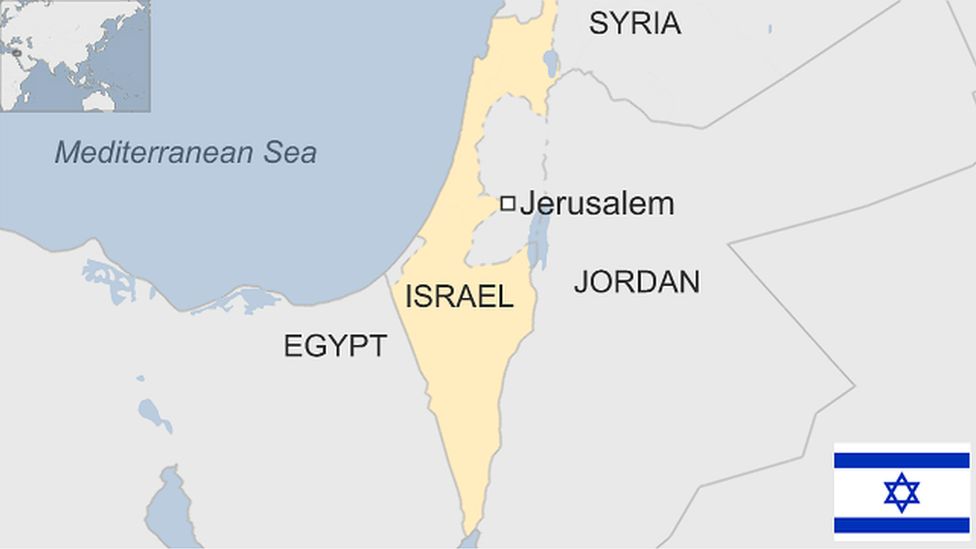





 Eduindex
You must be logged in to post a comment.