Edupedia Publications Pvt Ltd – International Book Publisher

Daily writing prompt
What are you most excited about for the future?

Edupedia Publications Pvt Ltd is a renowned international book publishing company, recognized for its commitment to making scholarly and academic content accessible to a global audience. Established with a vision to support educational advancement and intellectual growth, the company has built a reputation for high-quality publications across various disciplines.

Mission and Vision

The primary mission of Edupedia Publications Pvt Ltd is to foster education and knowledge dissemination by providing a platform for researchers, scholars, and educators to share their work. The company’s vision is to be a leading academic publisher, contributing to the global exchange of ideas and fostering academic excellence.

Publishing Scope

Edupedia Publications covers a broad spectrum of subjects, including but not limited to:

  • Science and Technology: Cutting-edge research in engineering, computer science, biotechnology, and other scientific fields.
  • Humanities and Social Sciences: In-depth studies in sociology, psychology, education, and more.
  • Business and Economics: Insights into management practices, economic theories, and business strategies.
  • Arts and Literature: Contributions from literary critics, artists, and cultural theorists.

Key Features

  1. Wide Range of Publications: The company publishes books, research papers, and journals, catering to the diverse needs of the academic community.
  2. Peer-Reviewed Journals: Ensuring the highest standards of academic integrity, Edupedia Publications offers peer-reviewed journals that provide a platform for high-quality, validated research.
  3. Global Reach: With an extensive distribution network, Edupedia Publications ensures that its content reaches readers worldwide, making knowledge accessible to a broader audience.
  4. Open Access: In line with the global trend towards open access, many of Edupedia’s publications are available for free online, supporting the democratization of knowledge.
  5. Author Support: The company provides robust support to authors, from the submission process to marketing and distribution, ensuring that their work gains the recognition it deserves.

Technological Integration

Edupedia Publications leverages the latest technology to enhance the publishing experience. This includes digital publishing platforms, online submission systems, and electronic distribution channels, which streamline the process for authors and make content readily available to readers.

Community Engagement

The company actively engages with the academic community through conferences, workshops, and collaborative projects. These initiatives provide opportunities for networking, professional development, and the exchange of ideas among scholars and researchers.

Sustainability and Ethics

Edupedia Publications is committed to sustainable and ethical publishing practices. This includes environmentally friendly printing processes, fair treatment of authors, and adherence to the highest standards of academic integrity.

Conclusion

Edupedia Publications Pvt Ltd stands as a pillar in the academic publishing world, dedicated to advancing knowledge and education. Through its comprehensive range of high-quality publications, commitment to open access, and support for the academic community, Edupedia Publications continues to make a significant impact on global scholarship and intellectual growth.

Basics of Research Methodology- Writing and Publication by Dr. Kavita Dehalwar

Daily writing prompt
What is your favorite genre of music?

The journey of research is both challenging and exhilarating, marked by the pursuit of knowledge and the quest to uncover new truths. For young researchers and newly enrolled PhD scholars, embarking on this journey can be an overwhelming experience, replete with complex methodologies, rigorous writing standards, and the daunting task of publication. This book, Basics of Research Methodology: Writing and Publication, is crafted with the intent of serving as a comprehensive guide and companion for those at the nascent stage of their academic careers. Research is a dynamic and evolving process, requiring a solid foundation in methodological principles and an ability to communicate findings effectively. This book aims to demystify the intricacies of research methodology, offering a structured approach to planning and executing research projects. From formulating research questions to selecting appropriate methods, we cover the essential steps required to build a robust research framework. The emphasis is on clarity and simplicity, ensuring that even complex concepts are accessible to readers without extensive prior experience. Writing is an integral part of the research process, serving as the medium through which discoveries are shared with the broader academic community. This book provides practical advice on developing a clear and concise academic writing style, tailored to meet the expectations of various scholarly audiences. Whether you are drafting your first research paper, preparing a thesis, or writing a dissertation, the principles outlined in these pages will equip you with the skills necessary to produce high-quality academic work. We delve into the nuances of writing different sections of a research paper, from the introduction to the conclusion, highlighting the purpose and structure of each component.


The publication process, while rewarding, can often seem like a labyrinth to those unfamiliar with its intricacies. This book offers a step-by-step guide to navigating the world of academic publishing, from selecting the right journal to understanding the peer review process. We provide tips on how to respond to reviewers’ comments, handle rejections, and ultimately succeed in getting your work published. The aim is to empower you with the knowledge and confidence needed to disseminate your research effectively, contributing to the advancement of your field and establishing your presence as a scholar. Throughout this book, we draw upon the experiences of seasoned researchers and successful academics, providing insights and practical examples that illustrate the real-world application of the concepts discussed. We recognize the diversity of research disciplines and strive to present information that is broadly applicable while acknowledging the unique requirements of different fields. Our goal is to create a resource that not only educates but also inspires, encouraging you to approach your research with curiosity, diligence, and a passion for discovery. As you embark on your research journey, we hope this book will serve as a valuable resource, guiding you through the challenges and helping you to achieve your academic and professional aspirations. Remember, research is a continuous learning process, and each step you take brings you closer to making a meaningful impact in your field. We wish you success and fulfillment in your endeavors, and look forward to the contributions you will make to the world of knowledge.

Link to Buy Print Copy

Link to Download Free eBook 

Book Details

Publisher: Edupedia Publications Pvt Ltd
ISBN: 9789392585937
DOI:

https://doi.org/10.5281/zenodo.12654218
Binding: Paperback (Perfect Binding)
Year: 2024
Genre: Reference (Research Methodology)
Pages: 346
Dimensions: 6.00″x9.00”

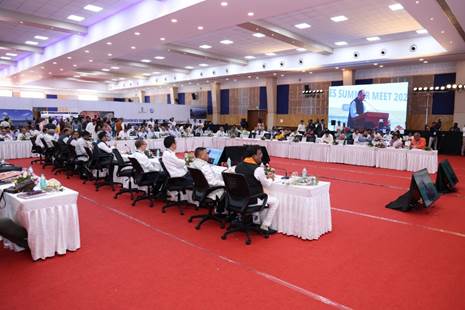
Global IndiaAI Summit 2024

 Global IndiaAI Summit 2024 is scheduled to be held on July 3rd and 4th, 2024 as the Ministry of Electronics and Information Technology (MeitY) is all set to host an esteemed gathering of international delegates, AI experts, and policymakers at the summit. This summit marks a pivotal moment for India as it underscores its commitment to fostering responsible artificial intelligence (AI) development on a global scale.

The Global IndiaAI Summit will be inaugurated by Shri Ashwini Vaishnaw, Union Minister for Ministry of Electronics and Information Technology , Railways, and Information & Broadcasting and Shri Jitin Prasad, Minister of State for Electronics and IT, Commerce and Industry will also be speaking at the inauguration.

A commitment to responsible AI development

Organized against the backdrop of India’s leadership role in the Global Partnership on Artificial Intelligence (GPAI), the summit aims to set new benchmarks in addressing the multifaceted challenges and opportunities presented by AI. With a thematic focus on Compute Capacity, Foundational Models, Datasets, Application Development, Future Skills, Startup Financing, and Safe and Trusted AI, the event promises comprehensive discussions that span the entire AI spectrum.

Day 1: Setting the Stage

The Day 1 of the summit will feature a diverse array of sessions designed to delve deep into critical aspects of AI application and governance. Notable sessions include “IndiaAI: Large Language Models” exploring how advanced AI models can navigate India’s linguistic diversity while upholding ethical standards. Concurrently, the GPAI Convening on Global Health and AI will gather insights into leveraging AI for healthcare in underserved regions, positioning India as a catalyst for inclusive healthcare innovation.

Real World AI Solutions” and “India’s Infrastructure Readiness for AI” will spotlight practical AI implementations and the foundational infrastructure needed to support AI-driven initiatives across sectors. Meanwhile, discussions on “Ensuring Safety, Trust, and Governance in the AI Age” will underscore India’s commitment to ethical AI deployment, emphasizing global cooperation and regulatory frameworks.

Day 2: Empowering the Future

The second day will pivot towards nurturing talent and scaling AI innovations. “Empowering Talent through AI Education & Skilling” aims to bridge the AI skills gap by spotlighting educational strategies and career pathways. Simultaneously, “AI for Global Good: Empowering the Global South” will facilitate dialogues on inclusive AI development, echoing India’s advocacy for equitable global AI access.

From Seed to Scale—Empowering India’s Startup Ecosystem” will highlight initiatives that foster AI entrepreneurship, crucial for propelling India’s startup ecosystem onto the global stage. Discussions on “Data Ecosystem” and “AI Competency Framework for Public Sector” will explore robust data governance and AI readiness in public administration, which are essential for effective policy formulation and implementation.

Detailed agenda for Global IndiaAI Summit 2024 can be accessed here.

Charting the course for responsible AI

The Global IndiaAI Summit 2024 serves as a pivotal platform for global stakeholders to collaborate, innovate, and shape the future of AI. India reiterates its commitment to harnessing AI’s transformative potential by prioritizing responsible AI development while safeguarding ethical standards and inclusivity. As the summit unfolds, it is poised to reinforce India’s leadership in the global AI landscape, paving the way for a future where AI benefits are accessible to all and contribute significantly to socio-economic advancement worldwide.

*****

Self-nominations open for National Teachers’ Award 2024 till 15th July 2024

 Online self-nominations from eligible teachers for National Teachers’ Awards 2024 are being invited with effect from 27 June 2024 on the Ministry of Education’s portal http://nationalawardstoteachers.education.gov.in. The last date for receiving online nominations is 15 July 2024. This year, 50 teachers will be selected through the three-stage selection process, i.e., at the District, State and National level. The award will be conferred by the President of India on 5th September 2024 at a ceremony held at Vigyan Bhawan, New Delhi.

The Department of School Education & Literacy, Ministry of Education, organizes a national level function on Teachers Day, i.e., 5th September every year to confer the National Awards to the best teachers of the country selected through a rigorous, transparent, and online selection process. The purpose of the National Teachers’ Award is to celebrate the unique contribution of some of the finest teachers in the country and to honour those teachers who, through their commitment and industry, have not only improved the quality of school education but also enriched the lives of their students.

Eligibility conditions:

School teachers and Heads of Schools working in recognized primary/middle/high/higher secondary schools run by State Govt./UT Administrations, local bodies, and Private schools affiliated with the State/UTs Board are eligible for the Award.

  • Central Govt. Schools, i.e., Kendriya Vidyalayas (KVs), Jawahar Navodaya Vidyalayas (JNVs), Sainik Schools run by Ministry of Defence (MoD), schools run by Atomic Energy Education Society (AEES), and Eklavya Model Residential Schools (EMRS) run by Ministry of Tribal Affairs; and
  • Schools affiliated with the Central Board of Secondary Education (CBSE) and Council for Indian Schools Certificate Examination (CISCE).

******

Opening of National Scholarship Portal (NSP) to submit applications (Fresh/Renewal) under NMMSS for AY 2024-25 (w.e.f. 30th June 2024 onwards)

 The One-Time Registration (OTR) application, featuring a redesigned home page, a new mobile app, and an updated web version has been launched and is now live and accessible to the public, allowing students to conveniently register online for OTR on the National Scholarship Portal (NSP). The NSP application, including OTR, leverages cutting-edge technologies and boasts of an enhanced user interface. The NSP portal is now open for one-time registration as well as application for fresh and renewal scholarships.

OTR is required on NSP for submission of fresh and renewal applications. The OTR Module will be available to students across the year. OTR is a unique 14-digit number issued based on the Aadhaar/Aadhaar Enrolment ID (EID). OTR is required to apply for the scholarship on NSP. On successful completion of OTR, an OTR_ID will be issued which will remain valid for the entire academic lifecycle of the student. On submission of an application, the System will generate an Application ID against the OTR_ID. The system will ensure that not more than one Application_ID remains active against an OTR_ID at any point in time. The last date for submission of fresh/renewal applications for NMMSS by students for 2024-25 on NSP is 31st August 2024.

The students, who have applied on the NSP in AY 2023-24 have been allotted the OTR/Reference number through the portal and intimated through SMS. OTR-related instruction to the students who have applied on the NSP in AY 2023-24 is as follows:

A.        Instructions to the students who have received the OTR No.

I.          NSP earlier launched the face-authentication service in AY 2023-24 and it was optional for the students to perform their face authentication.

II.         NSP has generated the OTR No. for the students who have performed the face-authentication in AY 2023-24 and the same has been sent to the applicant through SMS on their registered Mobile No.

III.       Students who have received the OTR No. can directly apply for the scholarship on the NSP portal.

IV.        In case, the student has not received the OTR No. through SMS, it can be retrieved using “Know your OTR” available on the NSP.


B.        Instructions to the students who have received Reference No.


I.          The NSP has allotted reference No. to the students who have completed the OTP-based eKYC and have not completed their face-authentication in AY 2023-24.

II.         The OTR No. can now be obtained by completing face-authentication on the NSP.

III.       Following steps are required to generate the OTR No.:

a.         Download and install Aadhaar Face RD services on the Android device. (link: https://play.google.com/store/apps/details?id=in.gov.uidai.facerd)


b.         Download and install the NSP OTR App from the Google Play Store. (link: https://play.google.com/store/apps/details?id=in.gov.scholarships.nspotr&pli=1)


c.         After opening the mobile app. Select the option “eKYC with FaceAuth” highlighted in red.


There are two levels of verification for NMMSS on the NSP portal: Level-1 verification is by the Institute Nodal Officer (INO) and Level-2 verification is by the District level Nodal Officer (DNO). The last date for INO level (L1) verification is 15th September 2024 and for the DNO level (L2) verification is 30th September 2024.

The Central Sector ‘National Means-cum-Merit Scholarship Scheme’ (NMMSS) was launched, with the objective to award scholarships to meritorious students of economically weaker sections to arrest their dropout at class VIII and encourage them to continue their education at the secondary stage. One lakh fresh scholarships are awarded to selected students of class IX every year and their continuation/renewal in classes X to XII for study in State Government, Government-aided, and Local body schools under the scheme. The NMMSS scheme is onboarded on the National Scholarship Portal.

*****

5th Capacity Building program on Public Policy and Governance for Civil Servants of the Kingdom of Cambodia commences at National Centre for Good Governance, Mussoorie

 The National Centre for Good Governance (NCGG) in Mussoorie commenced 5th Capacity Building Program on Public Policy and Governance for Cambodian Civil Servants today. The 2-week program is being organized from June 24 to July 5, 2024 in collaboration with the Ministry of External Affairs (MEA). The program is being attended by 40 civil servants from Kingdom of Cambodia, such as Joint Secretary, Director, Deputy Secretary and Under Secretary from the Ministry of Civil Services and Ministry of Senate. The program offers a platform for policy dialogue and sharing best practices, helping participants gain valuable insights into institutional transformation and citizen engagement.


The inaugural session was chaired by Shri V. Srinivas, Director General (DG) National Centre for Good Governance (NCGG) & Secretary Department of Administrative Reform and Public Grievances (DARPG), Government of India who highlighted the role of technology in bringing citizens closer to government, while optimizing transparency and accountability. India’s policy maxim of “Minimum Government and Maximum Governance” seeks to bring citizens and government closer using technology, and creating digitally empowered citizens and digitally transformed institutions. The example of CPGRAMS, the AI-driven public grievance redressal portal of India, was presented.

Mr. Mam Phoeuk, Deputy Director General, Ministry of Civil Services and head of delegation from Cambodia expressed gratitude to the Indian Government for this opportunity. He emphasized that the training programme would not only enhance capacity building but also foster bilateral dialogue and lead to  strengthening of ties between India and Cambodia.

Dr. BS Bisht, Associate Professor, NCGG and Course Coordinator of the programme gave detailed information about National Centre for Good Governance and the milestones achieved by the NCGG over the years. In the elaborate presentation he discussed about objectives, activities, achievements, and future plans of NCGG and how it has evolved as a Centre for excellence. In the first week, the training will focus on a variety of topics, including Public Policy and Management, GeM: Bringing Transparency in Government Procurement, the Indian Constitutional Scheme, India-Cambodia Relations, Public-Private Partnerships in Infrastructure, Aadhaar as a Tool for Good Governance, Health Governance, the impact of Parliamentary Devices on governance, Best Practices from various development schemes, approaches to achieving SDG by 2023, Viksit Bharat: Policies and Developments in Industry and Infrastructure, Financial Inclusion, the Changing Paradigm of Governance, Leadership and Communication, Urban Governance and Sustainable Cities, Civil Services in India, Doorstep Delivery of Services, E-Governance and Digital Public Service Delivery, Gender Development, and Ethics in Administration, among others. The second phase of the program will include field visits to Smart City project and ITDA in Dehradun, District Administration in Gautam Buddha Nagar, Uttar Pradesh, the Union Public Service Commission and Indian Parliament. The programme also gives exposure to history and culture of the country during visits to the PM Sangrahalaya, Buddha Temple and the Taj Mahal.

It is noteworthy that NCGG has imparted training to civil servants of 17 countries viz. Bangladesh, Kenya, Tanzania, Tunisia, Seychelles, Gambia, Maldives, Sri Lanka, Afghanistan, Laos, Vietnam, Nepal, Bhutan, Myanmar, Ethiopia, Eretria and Cambodia.

Dr. Himanshi Rastogi, Associate Professor at NCGG, delivered the vote of thanks. The programme will be supervised and coordinated by Dr. B. S. Bisht, course coordinator, along with Dr. Sanjeev Sharma, co-course coordinator, Shri. Brijesh Bisht, Training Assistant, Ms. Monisha Bahuguna, Young Professional and the capacity building team of the NCGG.

****

CSIR-CIMFR Launches Two-Day Workshop on Gasification Challenges and Opportunities- “CARING-2024”

 Central Institute of Mining and Fuel Research (CSIR-CIMFR) has commenced its two-day workshop, CARING-2024, focusing on the challenges and opportunities in coal gasification. This event, being held on June 26-27, 2024, at the CSIR-CIMFR Digwadih Campus, brings together industry leaders, researchers, policymakers, and stakeholders to explore the complexities and potential of gasification technology.

With over 75 participants from various organizations such as Coal India Limited (CIL), Steel Authority of India Limited (SAIL), Jindal Steel and Power Limited (JSPL) Angul, Hindalco Industries, Thermax, and others from across India, the workshop is set to be a significant event in the field of gasification.

The workshop began with a formal opening ceremony featuring a welcome address by Dr. Arvind Kumar Mishra, Director of CSIR-CIMFR. In his speech, Dr. Mishra emphasized the importance of coal in the global energy mix and highlighted the potential of gasification for producing various value-added products such as methanol, chemicals, fertilizers (including ammonium nitrate), and liquid fuels.

Dr. Prakash D. Chavan, Head of Gasification at CSIR-CIMFR, outlined the objectives of the workshop and its relevance to the industry. He stressed the critical role of gasification in advancing sustainable energy solutions and fostering industrial growth.

The chief guest, Shri Anandji Prasad, Project Advisor from the Ministry of Coal, delivered an insightful inaugural address. He discussed the significant potential of gasification in India’s energy landscape and highlighted the government’s allocation of ₹8500 crore for incentivising the implementation of gasification projects. Shri Prasad underscored the importance of gasification technology in achieving India’s energy goals and enhancing energy security. He further emphasised on the focus of the Ministry of Coal on gasification and creating the ecosystem for realising the target of 100 MT coal gasification by 2030.

This workshop, under the CSIR One Week One Theme-Energy and Energy Devices Program, aims to foster collaboration, innovation, and knowledge sharing among participants. It provides a platform for stakeholders to discuss advancements, address challenges, and explore opportunities in gasification technology, ultimately contributing to India’s energy security and sustainability.

***

National Workshop on Unleashing India’s Agribusiness Potential through Innovative Agri Value Chain Financing in New Delhi

 Department of Agriculture and Farmer’s Welfare (DA&FW) organized a workshop titled “Unleashing India’s Agribusiness potential through Innovative Agri Value Chain Financing” on 27th June 2024 in New Delhi. The event brought together senior officials of the Government of India and the State Government, experts, and stakeholders to discuss the dynamics of agricultural financing.

Reflecting on the importance of Agriculture Finance in the value chain, Manoj Ahuja, Secretary DA&FW, underscored the pressing need to transition from a production-centric approach to a demand-driven one. “To develop Agricultural Value Chains (AVCs) more holistically and integrate them with global markets, we must shift our focus from merely addressing supply shortages to meeting market demands,” he stated. Shri Ahuja emphasized the importance of implementing accountable and digital systems for effective AVC development and highlighted the need for a comprehensive policy framework to ensure financial inclusivity for all stakeholders.

Shri Ahuja further advocated introducing financial instruments like bill discounting, bridge financing, and risk-hedging to improve liquidity and economic stability. “Creating an enabling environment with simplified application processes and reduced bureaucratic hurdles is crucial for effectively implementing these instruments,” he added.

Dr. Vivek Joshi, Secretary Department of Financial Sservices, emphasized the critical role of Digital Financial Services in providing timely credit within the Agricultural Value Chain Financing (AVCF) framework, noting a significant increase in agricultural credit availability. “Our focus is on ensuring seamless and affordable access to credit to support farmers throughout the value chain,” he stated. He highlighted the significant role of NBFCs, fintech, and startups in providing last-mile credit access and specialized financial products, particularly in high-value agricultural markets.

The workshop focused on creating awareness, facilitating collaboration, exploring solutions, and empowering participants with innovative agricultural finance solutions. The workshop saw robust participation from academia, industry, financing agencies, facilitating agencies, and various government departments. It served as a crucial platform for collaboration and partnership-building, paving the way for transformative initiatives in India’s agricultural sector. It included high-level strategic discussions featuring notable speakers such as Prof. Ashok Gulati, a Distinguished Professor at ICRIER, who highlighted the importance of transitioning to a demand-driven approach in agriculture to improve farmer incomes, the need to focus on the nutrition aspect in the food chain and develop climate resilience in agriculture.

While welcoming the participants, Shri Ajeet Kumar Sahu, Joint Secretary (Credit), DA&FW, set the context at the beginning by highlighting the need for a holistic approach to Agricultural Value Chain Financing (AVCF), noting that projections indicate agricultural Gross Value Added (GVA) will reach Rs 105 lakh crore by 2030, making value chain financing increasingly vital.

Chairman NABARD, Shri K.V. Shaji, emphasized the urgent need to improve farmers’ finance access and ensure reliable data availability for SHGs and FPOs, as the data is critical for the banks to make informed decisions and offer effective value chain financing. He advocated for the development of public infrastructure in rural areas, including facilities for processing, branding, and marketing agricultural products. He also emphasized the need to strengthen the governance structure of cooperatives in rural areas. He said these will lead to integrated value chain financings.

Insurance and CEO of PMFBY, Shri Ritesh Chauhan, gave a presentation on fostering financial resilience in agriculture through the Pradhan Mantri Fasal Bima Yojana (PMFBY) scheme. Shri Chauhan highlighted the government’s holistic approach to Agri-Value Chain Financing, emphasizing the need for comprehensive risk protection and financial support throughout the agricultural value chain. He underscored the importance of leveraging technology through platforms like SARTHI, AIDE, Kisan Rin Portal, and AGRISTACK to streamline credit availability and enhance agricultural resilience.

Panel discussions covered various aspects of agri value chain financing, including cluster-based approaches, innovative financing mechanisms, and integrating Farmer Producer Organizations (FPOs) into value chains. Experts from diverse backgrounds shared insights and experiences, enriching the discourse.

*******

SK/SS

Jai Prakash Narayan: A Poetic Tribute

In the heart of Sitab Diara, where rivers intertwine,
A child of destiny was born, a star set to shine.
Jai Prakash, the village echoed, with dreams in his eyes,
Destined to tread a path, under freedom’s skies.

From fields of green and rustic charms, to Berkeley’s distant shore,
He journeyed across oceans, a quest for wisdom at his core.
With books in hand and humble toil, he gleaned the world’s expanse,
A mind alight with justice’s spark, and a heart that longed to dance.

Grapes he picked and dishes he cleaned, in a land of liberty’s song,
Learning the ways of socialism, where every voice belongs.
Marx’s whispers and Dewey’s dreams, fed his hungry soul,
In America’s academic halls, he found his guiding scroll.

Back to his motherland he came, where chains of bondage clung,
To join the call of freedom’s fight, with courage on his tongue.
A comrade to Gandhi, a brother to Nehru’s cause,
He rallied hearts and fired souls, breaking unjust laws.

Imprisoned in the British chains, his spirit never bowed,
In darkness, he lit freedom’s flame, his voice a rallying crowd.
The Quit India cry rang through the air, a nation’s urgent plea,
And Jai Prakash, the people’s torch, led the march to be free.

But post the dawn of independence, disillusionment did creep,
In Congress’s corridors of power, where ideals fell asleep.
So from its grasp, he did depart, to forge a new path wide,
The Praja Socialist banner raised, with justice as his guide.

His call for land and liberty, for power to the base,
Echoed through the valleys, and in every humble place.
He dreamed of villages empowered, a democracy pure,
A land where every citizen’s heart, would beat in justice sure.

Then came the days of darkness, the Emergency’s dread night,
When voices fell to silence, and tyranny took flight.
But Jai Prakash, undeterred, stood firm against the tide,
A beacon in the blackness, with truth as his guide.

From prison’s depths, his spirit soared, calling for the light,
For India to reclaim her soul, for wrongs to be made right.
His “Total Revolution” cry, a call for systemic change,
Resounded through the heartland, in a chorus bold and strange.

His words became the anthem, of a people’s silent fight,
To topple down oppression, and restore the nation’s might.
In ’77, the tide did turn, the Congress power fell,
And in its place, a new dawn broke, under JP’s spell.

He lived a life of simple means, his heart with Prabha bound,
A partnership of purpose, on justice’s sacred ground.
Their home, a hub of dreams and plans, a forge of future’s fire,
Where every word and every deed, aimed to lift India higher.

Jai Prakash, a name enshrined, in Bharat’s heart and lore,
A beacon of unwavering light, on justice’s sacred shore.
His legacy, a testament, to courage’s enduring song,
A reminder that one soul’s fight, can right a nation’s wrong.

So let us remember JP’s tale, a poem of our land,
A life of bold integrity, a leader who took a stand.
In every heart that beats for truth, in every dream anew,
The spirit of Jai Prakash lives, in all we strive to do.


In this poetic tribute, Jai Prakash Narayan’s life is not just a series of events, but a flowing river of courage, justice, and undying hope, inspiring us to strive for a better, fairer world.

By Shashikant Nishant Sharma 

The Crucial Role of Proofreading and Editing in Book Manuscripts

Daily writing prompt
What makes a teacher great?

Introduction

Writing a book is a monumental task that requires creativity, discipline, and an immense amount of effort. However, the journey does not end with the final word of the manuscript. The next critical phase involves proofreading and editing, which are essential to transforming a rough draft into a polished, professional piece of literature. These stages are crucial for ensuring the quality, coherence, and overall impact of the book.

The Essence of Proofreading

Proofreading is the process of meticulously checking a manuscript for grammatical, typographical, and punctuation errors. It is the final step before publication, aiming to catch any overlooked mistakes.

Key Benefits of Proofreading:

  1. Eliminates Errors: Proofreading ensures that minor errors in spelling, punctuation, and grammar, which can distract readers and undermine the author’s credibility, are identified and corrected.
  2. Enhances Readability: Correcting errors improves the flow and readability of the text, making it easier and more enjoyable for readers to follow the narrative.
  3. Preserves Professionalism: A manuscript filled with errors can appear unprofessional and may lead readers to question the quality of the content and the credibility of the author.
  4. Protects Reputation: Errors in a published book can lead to negative reviews and tarnish an author’s reputation. Proofreading helps safeguard against such potential damage.

The Role of Editing

Editing goes beyond merely correcting errors; it involves refining the manuscript to enhance its clarity, coherence, and overall quality. There are various levels of editing, each serving a different purpose:

  • Developmental Editing: Focuses on the structure and content of the manuscript, addressing plot development, character arcs, pacing, and overall narrative flow.
  • Line Editing: Involves a detailed review of each sentence to improve clarity, flow, and style, ensuring that the writing is consistent and compelling.
  • Copy Editing: Concentrates on grammar, punctuation, and spelling, while also checking for consistency in terminology, formatting, and factual accuracy.

Key Benefits of Editing:

  1. Improves Coherence and Structure: Editing helps ensure that the manuscript is logically structured, with a clear and coherent narrative that keeps readers engaged from start to finish.
  2. Enhances Style and Voice: Through editing, the author’s unique voice and style are refined, making the manuscript more engaging and appealing to the target audience.
  3. Ensures Consistency: Editors check for consistency in character names, locations, and other details, as well as adherence to a consistent style and tone throughout the manuscript.
  4. Strengthens Impact: A well-edited manuscript effectively conveys the intended message and emotions, leaving a lasting impression on readers.

Common Challenges and Solutions

Overlooking Details: Authors, deeply familiar with their work, may overlook errors due to cognitive biases. Solution: Fresh eyes, such as professional proofreaders or editors, can provide an objective review.

Time Constraints: Rushed proofreading and editing can lead to missed errors. Solution: Allocate sufficient time for multiple rounds of review, including breaks between each round to maintain focus and perspective.

Budget Concerns: Hiring professional editors may seem costly. Solution: Consider the long-term benefits of a polished manuscript and explore various options, such as freelance editors or editing services with flexible pricing.

Conclusion

Proofreading and editing are indispensable components of the book writing process. They ensure that the manuscript is free from errors, coherent, and polished, ultimately enhancing the reader’s experience and preserving the author’s reputation. Investing time and resources in thorough proofreading and editing is a crucial step toward achieving literary success and leaving a lasting impact on readers.


By prioritizing these essential stages, authors can confidently present their work to the world, knowing that their manuscript is a true reflection of their best efforts and creative vision.


Note: To ensure your manuscript is in its best form, consider seeking professional proofreading and editing services or collaborating with skilled peers for comprehensive reviews.

Council of Scientific and Industrial Research (CSIR) -National Physical Laboratory celebrates One Week One Theme Program on Energy & Energy Devices

 Council of Scientific and Industrial Research (CSIR) is organizing weeklong activities on One Week One Theme (OWOT) in eight different themes across its 37 laboratories to showcase translatable research leads to marketable/value-added technologies/products, enhancing interactions and connecting to stakeholders to enable ease of technology licensing. The targeted theme “Energy and Energy Devices (EED)” is focused on conventional, non-conventional, sustainable, and innovative approaches for energy generation and storage solutions during 24-28 June, 2024 in New Delhi.

Council of Scientific and Industrial Research (CSIR) -National Physical Laboratory (CSIR-NPL) is also organizing two days event on 26th and 27th June, 2024, under the OWOT:EED program by displaying technical strengths and achievements in the areas of Photovoltaic Metrology, Flexible solar cells (Silicon & Perovskite), Energy gas (Hydrogen & Alternative Fuels) Metrology and Agricultural waste to Biocoal, through a series of events including expert presentations, industry meet, laboratory visits, demonstration of working facilities etc. 

Dr. Sushil Kumar, Convener of the event gave an overview of CSIR-NPL energy based technology driven research. He also spoke  about OWOT:EED program of  CSIR-NPL on Energy & Energy Devices. Dr. S.R. Dhakate, officiating director CSIR-NPL, emphasized on the importance of renewable energy and technology on solar, bio mass, hydrogen, and its potential to prevent global warming. Throwing some light on the contribution of CSIR-NPL on solar energy and converting bio-mass into bio-coal technology., he added  that CSIR-NPL is going to provide primary reference solar cells calibration service in next 2-3 months and asked solar industry to get benefit of it.   About 40 participants from PV industry and 80 students from various institute participated in the event. A session on green  energy, gas and biomass to biocoal on 27 June 2024.

****

Bumper sale of Khadi yoga clothes and mats on International Yoga Day

 This International Yoga Day brought special happiness to lakhs of Khadi artisans in rural areas of India. On International Yoga Day celebrated on 21st June, Khadi and Village Industries Commission, Ministry of Micro, Small and Medium Enterprises (KVIC) sold 1,09,022 yoga mats and 63,700 yoga dress worth Rs 8,67,87,380 to various government departments through 55 Khadi institutions across the country. Releasing the figures, KVIC Chairman Shri Manoj Kumar said that the ‘brand power’ of Prime Minister Shri Narendra Modi has made the Indian heritage of yoga as well as Khadi popular. It is a matter of joy for the Khadi family that this time there has been a record-breaking sale of special yoga clothes and mats made by our Khadi artisans. He further said that this time on Yoga Day, Prime Minister Shri Narendra Modi performed yoga in Srinagar and Union Home and Cooperation Minister Shri Amit Shah practiced yoga in Ahmedabad wearing Khadi yoga clothes. This is a matter of pride for Khadi artisans.

KVIC Chairman Shri Manoj Kumar further said that yoga dress and mats made of Khadi are very advantageous for health as well as environment protection, as they are made without chemicals and with the use of minimum water. He further said that the sale of Khadi yoga clothes and mats on the special occasion of International Yoga Day is a symbol of the fact that the Government of India under the leadership of Prime Minister Shri Narendra Modi is determined to conserve its heritage Khadi as well as determined to protect environmental. This also gives new strength to the Vocal for Local and Atmanirbhar Bharat Abhiyan.   

According to the released data, this time KVIC prepared special Khadi yoga kurtas (in T-shirt style) on demand of the Ministry of AYUSH. These were specially designed keeping the youth in mind. On the occasion of Yoga Day, KVIC’s Khadi Bhawan located at Connaught Place, Delhi supplied 50,000 yoga mats and 50,000 yoga dress to the Ministry of AYUSH alone. This also included 300 premium quality yoga mats. Along with this, as per the demand of the Ministry, 25,000 Khadi yoga mats and clothes were supplied in Srinagar and 10,000 mats and yoga clothes were supplied in Srinagar. In Srinagar, thousands of people participated in yoga practice wearing Khadi clothes under the leadership of Prime Minister Shri Narendra Modi.

In addition to Ministry of AYUSH, KVIC also supplied yoga clothes and yoga mats made of Khadi for yoga practice mainly to Morarji Desai National Yoga Institute, National Ayurveda Institute Jaipur and Panchkula, Defence Research and Development Organization, ONGC and NALCO. In the total supply of Rs 8,67,87,380, the sale of Khadi yoga clothes was Rs 3,86,65,900 and the sale of mats was Rs 4,81,21,480. As per the demand, KVIC had already informed Khadi institutions across the country, which included 55 institutions in Gujarat, Haryana, Uttar Pradesh, Rajasthan, Uttarakhand and Delhi, for supply. Through this, spinners, weavers and Khadi workers working in Khadi institutions got additional wages as well as additional employment opportunities.

****

GNSS technology enhances navigation and positioning, playing a crucial role in modernizing toll collection systems, ensuring seamless travel, and reducing congestion on our roads

 To provide seamless and barrier-free tolling experience on National Highways, Indian Highways Management Company Limited (IHMCL), a company promoted by NHAI organised a day-long international workshop in New Delhi on ‘Global Navigation Satellite System (GNSS) based Electronic Toll Collection in India’. The international workshop provided a unique platform to both industry and global experts to deliberate various aspects related to smooth implementation of the free-flow tolling system based on GNSS technology in India.

 
Union Minister for Road Transport and Highways Shri Nitin Gadkari was the Chief Guest on the occasion. Shri Ajay Tamta, Union Minister of State, MoRTH; Shri Harsh Malhotra,Union Minister of State, MoRTH & Corporate Affairs; Shri Anurag Jain, Secretary, MoRTH; Shri Santosh Kumar Yadav, Chairman NHAI; Shri Vishal Chauhan, Member (Administration) NHAI & CMD IHMCL; Shri S.P. Singh, Joint Secretary (Logistics) MoRTH and senior officials from Ministry of Road Transport & Highways, NHAI, IHMCL along with international industry experts from the US and Europe and representatives from IITs, NIC, NPCI, C-DAC, HOA(I), NHBF, IRF, SIAM, Financial institutions and leading global technology companies were present on the occasion.

Multiple panel discussions were held at the daylong workshop, where varied industrial and technical professionals along with global GNSS experts deliberated upon different aspects that included On-Board Units (OBU), Commercial vehicles and NH fee rules, Toll Charger Software, Role of issuer entity and Essentials of road infrastructure for successful implementation of multi-lane free flow Global Navigation Satellite System (GNSS) based Electronic Toll Collection in India.

Speaking on the occasion, Union Minister for Road Transport and Highways, Shri Nitin Gadkari said, “GNSS technology enhances navigation and positioning, playing a crucial role in modernizing toll collection systems, ensuring seamless travel, and reducing congestion on our roads. We are continuously working towards easing citizens’ lives, making governance more transparent, and providing faster services.“

Shri Anurag Jain, Secretary, MoRTH said, “Participation from many global experts on GNSS in today’s workshop which is a testimony of the belief that the world has in India’s growth story. We are working to realize the vison of a developed India by 2047 and implementation of GNSS will be one of the important steps towards that goal.”
 
Shri Santosh Kumar Yadav, Chairman NHAI “Over the past decade, road network has expanded manifolds and National Highways carries over 70% of country’s freight along with the passenger traffic. Implementing GNSS will immensely contribute not only towards growth of our economy but will also make barrierless tolling a reality for our citizens.”
 
Shri Vishal Chauhan, Member (Admin), NHAI & CMD, IMHCL summarized the key takeaways and outlined the way forward from the panel discussions held during the daylong International Workshop on GNSS-based Electronic Toll Collection in India.
 
Global Navigation Satellite System (GNSS) based Tolling is a barrier free method of Electronic Toll Collection wherein the road users are charged on the distance they have travelled on the tolled Highway stretch.
 
NHAI plans to implement the GNSS-based Electronic Toll Collection (ETC) system within the existing FASTag ecosystem, initially using a hybrid model where both RFID-based ETC and GNSS-based ETC will operate simultaneously. Dedicated GNSS lanes will be available at toll plazas, allowing vehicles using the GNSS-based ETC to pass through freely. As GNSS based ETC becomes more widespread, all lanes will eventually be converted to GNSS lanes
 
Implementation of GNSS based Electronic Toll Collection in India will facilitate smooth movement of vehicles along the National Highways and is envisaged to provide many benefits to highway users such as barrier less free-flow tolling leading to hassle-free riding experience and distance-based tolling. The GNSS based Electronic Toll Collection will also help to plug leakages and check toll evaders resulting in more efficient toll collection system across the country.

MoHUA celebrates Transformative Milestones in Urban Development on the 9th Anniversary of AMRUT, Smart Cities Mission, and PMAY-U

 The Ministry of Housing and Urban Affairs commemorated today the 9th anniversary of three landmark initiatives: the Atal Mission for Rejuvenation and Urban Transformation (AMRUT), the Smart Cities Mission, and the Pradhan Mantri Awas Yojana – Urban (PMAY-U). These initiatives, launched on June 25, 2015, by Prime Minister Shri Narendra Modi, have collectively transformed urban infrastructure and improved the quality of life for millions of residents across India.

Senior Officials of Ministry of Housing & Urban Affairs briefing media on progress of AMRUT, PMAY-U and Smart Cities Mission


While briefing the media on the occasion, Additional Secretary, AMRUT, Smt D Thara, and Joint Secretary, PMAY- Urban Shri Kuldeep Narayan, outlined the progress of the respective missions since their inception. Smt Thara emphasised on capacity building and involvement of women and youth in the implementation of AMRUT projects at the grassroots.

AMRUT: Pioneering Sustainable Urban Infrastructure

Since its inception, AMRUT has aimed to create infrastructure that directly improves service provision to citizens. AMRUT 2.0, an extension of the original mission, has made significant strides in water supply, sewerage management, and water body rejuvenation.

Key Achievements under AMRUT 2.0:

1. Extensive Project Implementation:

  • Total Projects: 8200
  • Total Project Cost: ₹182,583.07 Crores

2. Sector-wise Breakdown:

  • Water Supply: 3530 projects, ₹112,530.1 Crores
  • Sewerage and Septage Management: 562 projects, ₹63,790.57 Crores
  • Water Body Rejuvenation: 2709 projects, ₹5420.5 Crores
  • Parks Development: 1399 projects, ₹841.91 Crores

3. Initiatives and Programs:

  • AMRUT Mitra: Engagement of over 350 Women SHGs in water sector activities.
  • Shallow Aquifer Management Project: Enhanced green cover and urban flooding mitigation.
  • Youth Connect Programme: Significant student and faculty participation in studying water bodies.


PMAY-U: Realizing the Vision of ‘Housing for All

Pradhan Mantri Awas Yojana – Urban (PMAY-U) was launched by Hon’ble Prime Minister Shri Narendra Modi on 25th June 2015 with a vision of ‘Housing for All’. Under PMAY-U, all-weather pucca houses with all basic amenities are provided to eligible beneficiaries of urban India. In the nine years of its journey, PMAY-U has transformed the lives of millions of families for whom a pucca house was no less than a distant dream.

Key highlights of PMAY-U:

  1. As on date, 114 Lakh have been grounded for construction while more than 84 Lakh houses have already been completed and delivered to beneficiaries. As on date out of committed Central Assistance of ₹2 lakh crore, ₹1.64 lakh core has been released.  
  2. To empower young professionals and Middle- Income Group (MIG) to own a house, MIG was also added in a government housing scheme for the first time ever through the Credit Linked Subsidy Scheme (CLSS) vertical from 2017-2021. Under CLSS for EWS/LIG/MIG, an Interest subsidy of ₹ 58,868 crore has been approved for 25.04 lakh beneficiaries.  
  3. The Mission adopts an inclusive approach, providing equal opportunity to all, irrespective of gender, caste, creed or religion and women empowerment forms the core of  PMAY-U. PMAY-U promotes women empowerment by providing the ownership of houses in the name of female member or in joint name. Over 94 lakh houses have been provided under the name of women, thus giving them an identity of their own.   
  4. Under PMAY-U, new construction technologies are being promoted at large scale. Light House Projects (LHPs) at six locations of the country, are the perfect example of promotion of affordable housing projects constructed using innovative technologies in less time and that can be further replicated in Indian context. The LHPs located in Chennai, Rajkot, Indore, Lucknow and Ranchi have already been inaugurated by Hon’ble Prime Minister while in Agartala, the construction is in advanced stage. 
  5. Apart from LHPs, Demonstration Housing Projects (DHPs) are also being promoted under the Mission. DHPs are model housing project built with new/alternate technologies and to promote use of such technologies, on-site orientation to practitioners in housing sector is also being provided.
  6. Aligning with the Prime Minister’s vision of AatmaNirbhar Bharat, the sub-scheme of Affordable Rental Housing Complexes (ARHCs) was launched in July 2020 under PMAY-U. Under two different models, ARHCs provide ease of living through access to dignified affordable rental housing for urban migrants/poor close to their workplace. 
  7. The magnitude of investment in the Mission has propelled cascading effect on the economy due to its backward and forward linkages. It is estimated that investment under PMAY-U would has created more than 323 Lakh jobs in total, where 100 Lakh are direct and 223 Lakh are indirect. It is estimated that so far, construction activity under the Mission would have consumed approximately 55.7 million MT of cement and 12.6 million MT of Steel, providing a much-needed impetus for the economy. 
  8. Further, on 10.06.2024 Government has resolved to provide assistance to 3 crore additional rural and urban households for the construction of houses, to meet the housing requirements arising out of the increase in the number of eligible families. Accordingly, PMAY-Urban is being revamped to provide Assistance to 1 crore eligible urban families. 

Smart Cities Mission: Advancing Urban Innovation and Technology

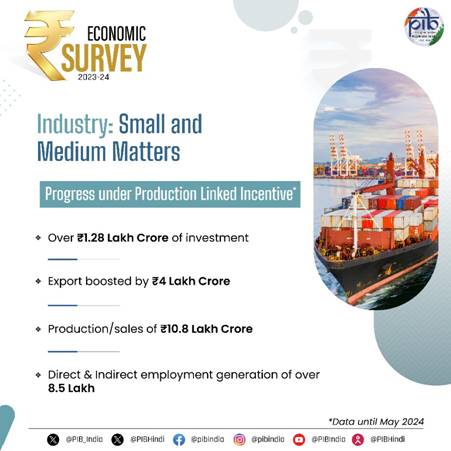
The Smart Cities Mission has been a beacon of urban transformation, enhancing the quality of life in 100 cities through over 8,000 innovative projects worth approximately ₹1.6 lakh crore.

The mission has attempted innovative ideas, since its inception, which include competition for selection amongst cities, use of city Special Purpose Vehicles as implementation agencies, sector-neutral, inclusive, stakeholder driven & bottom-up approach to project development/selection, large-scale use of technology/ digital solutions, tremendous community involvement etc. Each of the 100 cities have developed a diverse set of projects, many of which are very unique and being implemented for the first time, thus improving the city’s capabilities and experience and achieving larger transformation goals at the city level.

As on 25 June 2024, 7,160 projects worth ₹ 1,43,778 Crore had been completed and another 854 projects worth ₹ 20,392 crore are in advanced stages of completion. GOI has released ₹46,387 crore to 100 cities. 93% of released GOI funds have been utilized.

Key Achievements under Smart Cities Mission:

  1. Integrated Command and Control Centres (ICCC):
    • All 100 smart cities have operationalized ICCC, leveraging AI, IoT, and data analytics to enhance city operations such as transport management, water supply, and solid waste management.
  2. Public Safety and Security:
    • Over 76,000 CCTV surveillance cameras have been installed across 100 cities, bolstering city-wide crime monitoring efforts.
    • Installation of 1,884 emergency call boxes, 3,000 public address systems, and traffic enforcement systems have significantly improved public safety.
  3. Water Supply:
    • More than 6,800 kms of water supply system being monitored through SCADA, reducing the non-revenue water and leakages.
  4. Solid Waste Management:
    • Around 4,800 vehicles across 50+ smart cities have been RFID enabled for Automatic Vehicle Location (AVL) to improve solid waste management in addition to innovative technologies deployed to improve Route Management, Collection and Daily Management, etc.
  5. Streetlights:
    • More than 50 Lakhs Solar/LED Streetlights have been installed and over 89,000 kms of underground electricity cabling constructed.
  6. Mobility Solutions:
    • Development of 12,300 kms of smart roads and 2500+ kms of cycle tracks, alongside the Intelligent Transport Management System (ITMS), has streamlined traffic operations and journey times.
  7. Affordable Housing and Community Development:
    • 44,054 Dwelling Units constructed, and 6,312 number of rooms built in community housing projects like Rain Basera, Hostel (non-educational), night shelters etc.
  8. Vibrant Public Spaces:
  • More than 1,300 parks, green spaces and lakefront/riverfront promenade developed/ being developed.
  1. Smart Solutions:
  • 9,754 number of WiFi hotspot locations created, and more than 76,000 CCTV cameras installed.
  1. Education:
  • 6,855 numbers of smart classrooms have been developed and 40 numbers of Digital Library developed.
  1. Health:
  • 308 e-health centers and clinics have been developed (without dedicated beds) and 255 numbers of health ATMs installed.
  1. Economic Hubs:
  • 37 incubation centers/skill development centers developed and over 50 market redevelopment projects completed.
  1. PPP:
  • 51 cities have successfully developed 200 projects with Public Private Partnership (PPP) worth around ₹ 10,000 crores. 
  1. Climate Resilience:
  • 153 numbers of environmental sensors installed, and more than 5,300 personnel and volunteers trained for disaster response.

******

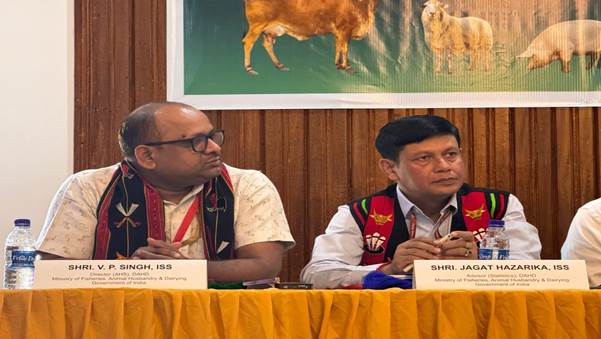
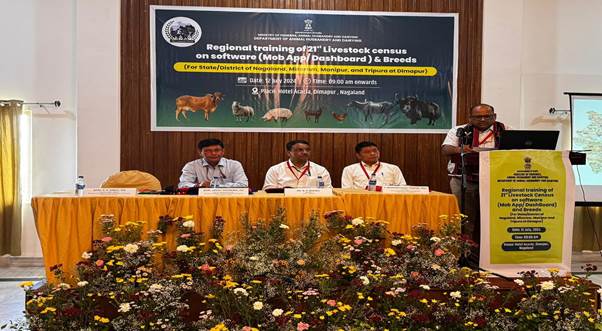
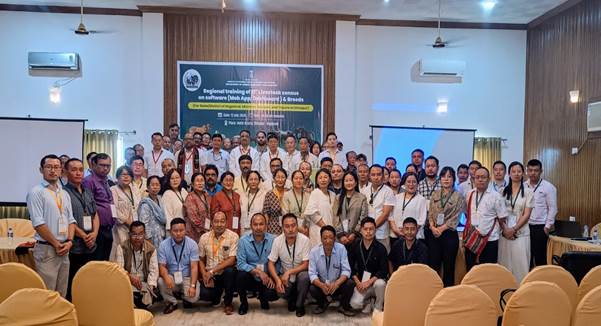
Comprehensive workshop to strategize and empower the States and Union Territories for preparation of 21st Livestock Census


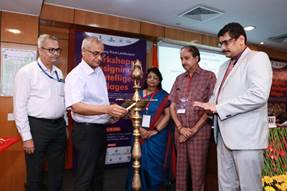
Union Minister of Fisheries, Animal Husbandry and Dairying, Shri Rajiv Ranjan Singh alias Lalan Singh inaugurated workshop today to strategize and empower the States and Union Territories (UTs) for preparation of 21st Livestock Census at Vigyan Bhawan, New Delhi. Ministers of State for Fisheries, Animal Husbandry and Dairying, Prof. S. P. Singh Baghel and Shri George Kurian were also present. The mobile application developed for 21st Livestock Data collection also launched by the Union Minister in the workshop.

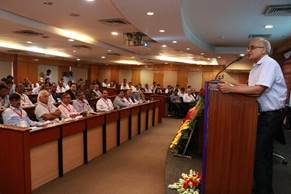
Union Minister Shri Rajiv Ranjan Singh underscored the importance of the livestock sector to India’s economy and food security. He called for meticulous planning and execution of the census, stressing that the data gathered would play a crucial role in shaping future initiatives and addressing challenges in the sector. Union Minister informed that the workshop aimed at ensuring a coordinated and efficient approach to the upcoming census scheduled during September-December 2024.


Prof. S.P. Singh Baghel addressed the workshop and highlighted the need for comprehensive training and capacity building at the grassroots level. He acknowledged the efforts of the department in organizing such a strategic workshop and encouraged the participants to actively engage in the training sessions to enhance their understanding and capabilities.


Shri George Kurian emphasized the integration of sustainable practices within the livestock sector. He pointed out that the census data would contribute to the National Indicator Framework of Sustainable Development Goals, thereby aligning with broader national and global sustainability targets.

Ms. Alka Upadhyaya, Secretary, Department of Animal Husbandry & Dairying highlighted the importance of this workshop in her address, underscoring the department’s commitment to leveraging technology for accurate and efficient data collection. She emphasized the collective responsibility of all stakeholders to ensure the success of the 21st Livestock Census, which will play a critical role in shaping the future policies and programs of the Animal Husbandry sector and urged them to leverage the latest technologies to ensure the success of the census.

The workshop included detailed sessions on the methodologies and guidelines for the 21st Livestock Census, training on the mobile application and dashboard software, and an open house discussion for addressing queries and concerns.

The Department of Animal Husbandry & Dairying, Ministry of Fisheries, Animal Husbandry & Dairying conducted a comprehensive workshop to strategize and empower the States and Union Territories (UTs) for preparation of 21st Livestock Census. The workshop featured a series of sessions beginning with a brief description of the 21st Livestock Census by the Animal Husbandry Statistics Division, followed by a detailed presentation from ICAR-National Bureau of Animal Genetic Resources (NBAGR) on the breed details of species to be covered in the census. The importance of accurate breed identification was emphasized, which is crucial for producing precise statistics used in various livestock sector programs and for the National Indicator Framework (NIF) of Sustainable Development Goals (SDG).

*****