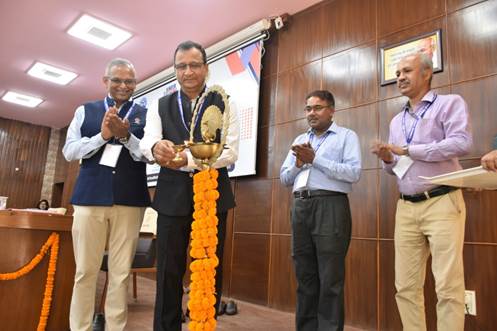
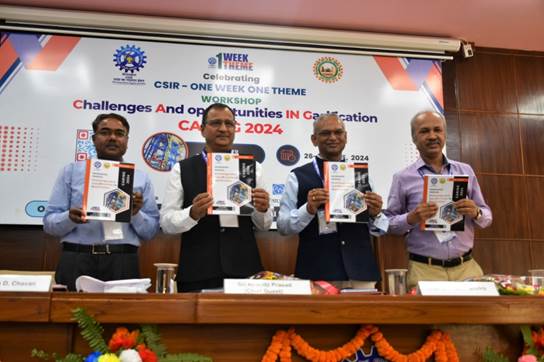
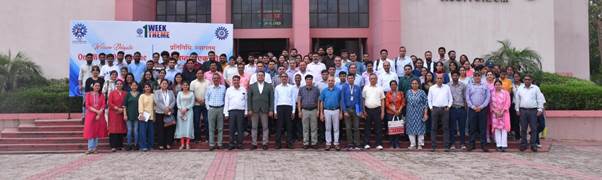
Central Institute of Mining and Fuel Research (CSIR-CIMFR) has commenced its two-day workshop, CARING-2024, focusing on the challenges and opportunities in coal gasification. This event, being held on June 26-27, 2024, at the CSIR-CIMFR Digwadih Campus, brings together industry leaders, researchers, policymakers, and stakeholders to explore the complexities and potential of gasification technology.
With over 75 participants from various organizations such as Coal India Limited (CIL), Steel Authority of India Limited (SAIL), Jindal Steel and Power Limited (JSPL) Angul, Hindalco Industries, Thermax, and others from across India, the workshop is set to be a significant event in the field of gasification.
The workshop began with a formal opening ceremony featuring a welcome address by Dr. Arvind Kumar Mishra, Director of CSIR-CIMFR. In his speech, Dr. Mishra emphasized the importance of coal in the global energy mix and highlighted the potential of gasification for producing various value-added products such as methanol, chemicals, fertilizers (including ammonium nitrate), and liquid fuels.
Dr. Prakash D. Chavan, Head of Gasification at CSIR-CIMFR, outlined the objectives of the workshop and its relevance to the industry. He stressed the critical role of gasification in advancing sustainable energy solutions and fostering industrial growth.
The chief guest, Shri Anandji Prasad, Project Advisor from the Ministry of Coal, delivered an insightful inaugural address. He discussed the significant potential of gasification in India’s energy landscape and highlighted the government’s allocation of ₹8500 crore for incentivising the implementation of gasification projects. Shri Prasad underscored the importance of gasification technology in achieving India’s energy goals and enhancing energy security. He further emphasised on the focus of the Ministry of Coal on gasification and creating the ecosystem for realising the target of 100 MT coal gasification by 2030.
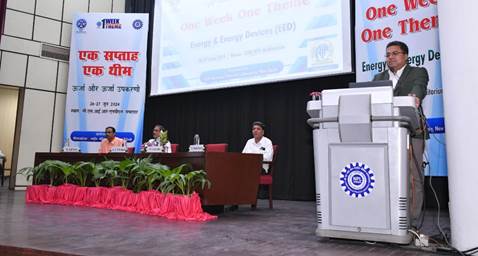
This workshop, under the CSIR One Week One Theme-Energy and Energy Devices Program, aims to foster collaboration, innovation, and knowledge sharing among participants. It provides a platform for stakeholders to discuss advancements, address challenges, and explore opportunities in gasification technology, ultimately contributing to India’s energy security and sustainability.
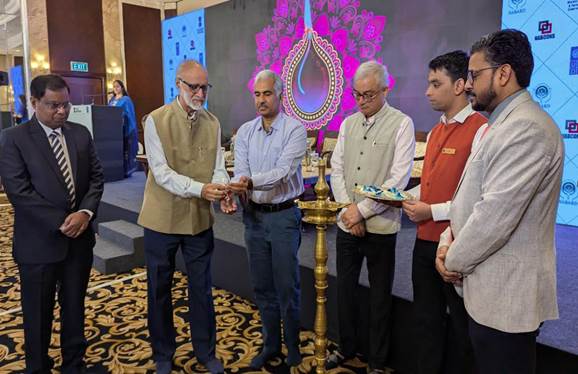
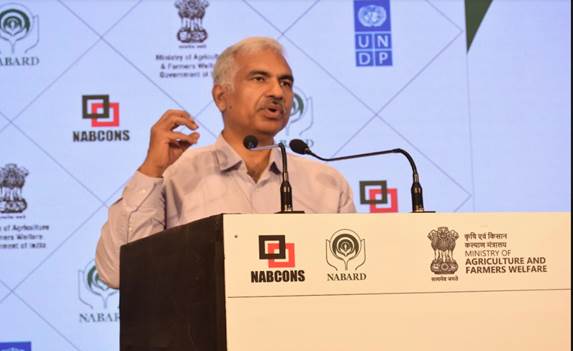
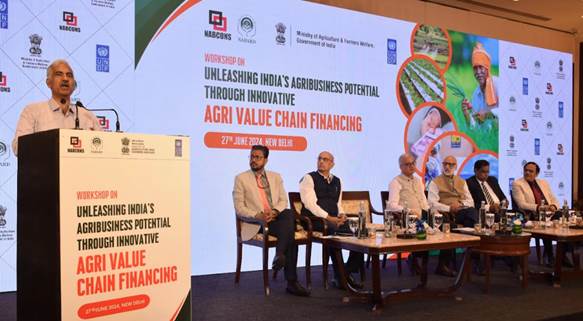
Department of Agriculture and Farmer’s Welfare (DA&FW) organized a workshop titled “Unleashing India’s Agribusiness potential through Innovative Agri Value Chain Financing” on 27th June 2024 in New Delhi. The event brought together senior officials of the Government of India and the State Government, experts, and stakeholders to discuss the dynamics of agricultural financing.
Reflecting on the importance of Agriculture Finance in the value chain, Manoj Ahuja, Secretary DA&FW, underscored the pressing need to transition from a production-centric approach to a demand-driven one. “To develop Agricultural Value Chains (AVCs) more holistically and integrate them with global markets, we must shift our focus from merely addressing supply shortages to meeting market demands,” he stated. Shri Ahuja emphasized the importance of implementing accountable and digital systems for effective AVC development and highlighted the need for a comprehensive policy framework to ensure financial inclusivity for all stakeholders.
Shri Ahuja further advocated introducing financial instruments like bill discounting, bridge financing, and risk-hedging to improve liquidity and economic stability. “Creating an enabling environment with simplified application processes and reduced bureaucratic hurdles is crucial for effectively implementing these instruments,” he added.
Dr. Vivek Joshi, Secretary Department of Financial Sservices, emphasized the critical role of Digital Financial Services in providing timely credit within the Agricultural Value Chain Financing (AVCF) framework, noting a significant increase in agricultural credit availability. “Our focus is on ensuring seamless and affordable access to credit to support farmers throughout the value chain,” he stated. He highlighted the significant role of NBFCs, fintech, and startups in providing last-mile credit access and specialized financial products, particularly in high-value agricultural markets.
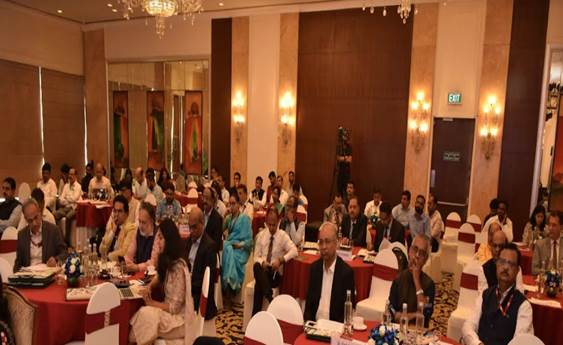
The workshop focused on creating awareness, facilitating collaboration, exploring solutions, and empowering participants with innovative agricultural finance solutions. The workshop saw robust participation from academia, industry, financing agencies, facilitating agencies, and various government departments. It served as a crucial platform for collaboration and partnership-building, paving the way for transformative initiatives in India’s agricultural sector. It included high-level strategic discussions featuring notable speakers such as Prof. Ashok Gulati, a Distinguished Professor at ICRIER, who highlighted the importance of transitioning to a demand-driven approach in agriculture to improve farmer incomes, the need to focus on the nutrition aspect in the food chain and develop climate resilience in agriculture.
While welcoming the participants, Shri Ajeet Kumar Sahu, Joint Secretary (Credit), DA&FW, set the context at the beginning by highlighting the need for a holistic approach to Agricultural Value Chain Financing (AVCF), noting that projections indicate agricultural Gross Value Added (GVA) will reach Rs 105 lakh crore by 2030, making value chain financing increasingly vital.
Chairman NABARD, Shri K.V. Shaji, emphasized the urgent need to improve farmers’ finance access and ensure reliable data availability for SHGs and FPOs, as the data is critical for the banks to make informed decisions and offer effective value chain financing. He advocated for the development of public infrastructure in rural areas, including facilities for processing, branding, and marketing agricultural products. He also emphasized the need to strengthen the governance structure of cooperatives in rural areas. He said these will lead to integrated value chain financings.
Insurance and CEO of PMFBY, Shri Ritesh Chauhan, gave a presentation on fostering financial resilience in agriculture through the Pradhan Mantri Fasal Bima Yojana (PMFBY) scheme. Shri Chauhan highlighted the government’s holistic approach to Agri-Value Chain Financing, emphasizing the need for comprehensive risk protection and financial support throughout the agricultural value chain. He underscored the importance of leveraging technology through platforms like SARTHI, AIDE, Kisan Rin Portal, and AGRISTACK to streamline credit availability and enhance agricultural resilience.
Panel discussions covered various aspects of agri value chain financing, including cluster-based approaches, innovative financing mechanisms, and integrating Farmer Producer Organizations (FPOs) into value chains. Experts from diverse backgrounds shared insights and experiences, enriching the discourse.
In the heart of Sitab Diara, where rivers intertwine, A child of destiny was born, a star set to shine. Jai Prakash, the village echoed, with dreams in his eyes, Destined to tread a path, under freedom’s skies.
From fields of green and rustic charms, to Berkeley’s distant shore, He journeyed across oceans, a quest for wisdom at his core. With books in hand and humble toil, he gleaned the world’s expanse, A mind alight with justice’s spark, and a heart that longed to dance.
Grapes he picked and dishes he cleaned, in a land of liberty’s song, Learning the ways of socialism, where every voice belongs. Marx’s whispers and Dewey’s dreams, fed his hungry soul, In America’s academic halls, he found his guiding scroll.
Back to his motherland he came, where chains of bondage clung, To join the call of freedom’s fight, with courage on his tongue. A comrade to Gandhi, a brother to Nehru’s cause, He rallied hearts and fired souls, breaking unjust laws.
Imprisoned in the British chains, his spirit never bowed, In darkness, he lit freedom’s flame, his voice a rallying crowd. The Quit India cry rang through the air, a nation’s urgent plea, And Jai Prakash, the people’s torch, led the march to be free.
But post the dawn of independence, disillusionment did creep, In Congress’s corridors of power, where ideals fell asleep. So from its grasp, he did depart, to forge a new path wide, The Praja Socialist banner raised, with justice as his guide.
His call for land and liberty, for power to the base, Echoed through the valleys, and in every humble place. He dreamed of villages empowered, a democracy pure, A land where every citizen’s heart, would beat in justice sure.
Then came the days of darkness, the Emergency’s dread night, When voices fell to silence, and tyranny took flight. But Jai Prakash, undeterred, stood firm against the tide, A beacon in the blackness, with truth as his guide.
From prison’s depths, his spirit soared, calling for the light, For India to reclaim her soul, for wrongs to be made right. His “Total Revolution” cry, a call for systemic change, Resounded through the heartland, in a chorus bold and strange.
His words became the anthem, of a people’s silent fight, To topple down oppression, and restore the nation’s might. In ’77, the tide did turn, the Congress power fell, And in its place, a new dawn broke, under JP’s spell.
He lived a life of simple means, his heart with Prabha bound, A partnership of purpose, on justice’s sacred ground. Their home, a hub of dreams and plans, a forge of future’s fire, Where every word and every deed, aimed to lift India higher.
Jai Prakash, a name enshrined, in Bharat’s heart and lore, A beacon of unwavering light, on justice’s sacred shore. His legacy, a testament, to courage’s enduring song, A reminder that one soul’s fight, can right a nation’s wrong.
So let us remember JP’s tale, a poem of our land, A life of bold integrity, a leader who took a stand. In every heart that beats for truth, in every dream anew, The spirit of Jai Prakash lives, in all we strive to do.
In this poetic tribute, Jai Prakash Narayan’s life is not just a series of events, but a flowing river of courage, justice, and undying hope, inspiring us to strive for a better, fairer world.
Writing a book is a monumental task that requires creativity, discipline, and an immense amount of effort. However, the journey does not end with the final word of the manuscript. The next critical phase involves proofreading and editing, which are essential to transforming a rough draft into a polished, professional piece of literature. These stages are crucial for ensuring the quality, coherence, and overall impact of the book.
The Essence of Proofreading
Proofreading is the process of meticulously checking a manuscript for grammatical, typographical, and punctuation errors. It is the final step before publication, aiming to catch any overlooked mistakes.
Key Benefits of Proofreading:
Eliminates Errors: Proofreading ensures that minor errors in spelling, punctuation, and grammar, which can distract readers and undermine the author’s credibility, are identified and corrected.
Enhances Readability: Correcting errors improves the flow and readability of the text, making it easier and more enjoyable for readers to follow the narrative.
Preserves Professionalism: A manuscript filled with errors can appear unprofessional and may lead readers to question the quality of the content and the credibility of the author.
Protects Reputation: Errors in a published book can lead to negative reviews and tarnish an author’s reputation. Proofreading helps safeguard against such potential damage.
The Role of Editing
Editing goes beyond merely correcting errors; it involves refining the manuscript to enhance its clarity, coherence, and overall quality. There are various levels of editing, each serving a different purpose:
Developmental Editing: Focuses on the structure and content of the manuscript, addressing plot development, character arcs, pacing, and overall narrative flow.
Line Editing: Involves a detailed review of each sentence to improve clarity, flow, and style, ensuring that the writing is consistent and compelling.
Copy Editing: Concentrates on grammar, punctuation, and spelling, while also checking for consistency in terminology, formatting, and factual accuracy.
Key Benefits of Editing:
Improves Coherence and Structure: Editing helps ensure that the manuscript is logically structured, with a clear and coherent narrative that keeps readers engaged from start to finish.
Enhances Style and Voice: Through editing, the author’s unique voice and style are refined, making the manuscript more engaging and appealing to the target audience.
Ensures Consistency: Editors check for consistency in character names, locations, and other details, as well as adherence to a consistent style and tone throughout the manuscript.
Strengthens Impact: A well-edited manuscript effectively conveys the intended message and emotions, leaving a lasting impression on readers.
Common Challenges and Solutions
Overlooking Details: Authors, deeply familiar with their work, may overlook errors due to cognitive biases. Solution: Fresh eyes, such as professional proofreaders or editors, can provide an objective review.
Time Constraints: Rushed proofreading and editing can lead to missed errors. Solution: Allocate sufficient time for multiple rounds of review, including breaks between each round to maintain focus and perspective.
Budget Concerns: Hiring professional editors may seem costly. Solution: Consider the long-term benefits of a polished manuscript and explore various options, such as freelance editors or editing services with flexible pricing.
Conclusion
Proofreading and editing are indispensable components of the book writing process. They ensure that the manuscript is free from errors, coherent, and polished, ultimately enhancing the reader’s experience and preserving the author’s reputation. Investing time and resources in thorough proofreading and editing is a crucial step toward achieving literary success and leaving a lasting impact on readers.
By prioritizing these essential stages, authors can confidently present their work to the world, knowing that their manuscript is a true reflection of their best efforts and creative vision.
Note: To ensure your manuscript is in its best form, consider seeking professional proofreading and editing services or collaborating with skilled peers for comprehensive reviews.
Council of Scientific and Industrial Research (CSIR) is organizing weeklong activities on One Week One Theme (OWOT) in eight different themes across its 37 laboratories to showcase translatable research leads to marketable/value-added technologies/products, enhancing interactions and connecting to stakeholders to enable ease of technology licensing. The targeted theme “Energy and Energy Devices (EED)” is focused on conventional, non-conventional, sustainable, and innovative approaches for energy generation and storage solutions during 24-28 June, 2024 in New Delhi.
Council of Scientific and Industrial Research (CSIR) -National Physical Laboratory (CSIR-NPL) is also organizing two days event on 26th and 27th June, 2024, under the OWOT:EED program by displaying technical strengths and achievements in the areas of Photovoltaic Metrology, Flexible solar cells (Silicon & Perovskite), Energy gas (Hydrogen & Alternative Fuels) Metrology and Agricultural waste to Biocoal, through a series of events including expert presentations, industry meet, laboratory visits, demonstration of working facilities etc.
Dr. Sushil Kumar, Convener of the event gave an overview of CSIR-NPL energy based technology driven research. He also spoke about OWOT:EED program of CSIR-NPL on Energy & Energy Devices. Dr. S.R. Dhakate, officiating director CSIR-NPL, emphasized on the importance of renewable energy and technology on solar, bio mass, hydrogen, and its potential to prevent global warming. Throwing some light on the contribution of CSIR-NPL on solar energy and converting bio-mass into bio-coal technology., he added that CSIR-NPL is going to provide primary reference solar cells calibration service in next 2-3 months and asked solar industry to get benefit of it. About 40 participants from PV industry and 80 students from various institute participated in the event. A session on green energy, gas and biomass to biocoal on 27 June 2024.
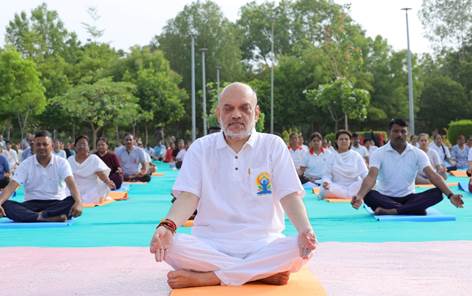
This International Yoga Day brought special happiness to lakhs of Khadi artisans in rural areas of India. On International Yoga Day celebrated on 21st June, Khadi and Village Industries Commission, Ministry of Micro, Small and Medium Enterprises (KVIC) sold 1,09,022 yoga mats and 63,700 yoga dress worth Rs 8,67,87,380 to various government departments through 55 Khadi institutions across the country. Releasing the figures, KVIC Chairman Shri Manoj Kumar said that the ‘brand power’ of Prime Minister Shri Narendra Modi has made the Indian heritage of yoga as well as Khadi popular. It is a matter of joy for the Khadi family that this time there has been a record-breaking sale of special yoga clothes and mats made by our Khadi artisans. He further said that this time on Yoga Day, Prime Minister Shri Narendra Modi performed yoga in Srinagar and Union Home and Cooperation Minister Shri Amit Shah practiced yoga in Ahmedabad wearing Khadi yoga clothes. This is a matter of pride for Khadi artisans.
KVIC Chairman Shri Manoj Kumar further said that yoga dress and mats made of Khadi are very advantageous for health as well as environment protection, as they are made without chemicals and with the use of minimum water. He further said that the sale of Khadi yoga clothes and mats on the special occasion of International Yoga Day is a symbol of the fact that the Government of India under the leadership of Prime Minister Shri Narendra Modi is determined to conserve its heritage Khadi as well as determined to protect environmental. This also gives new strength to the Vocal for Local and Atmanirbhar Bharat Abhiyan.
According to the released data, this time KVIC prepared special Khadi yoga kurtas (in T-shirt style) on demand of the Ministry of AYUSH. These were specially designed keeping the youth in mind. On the occasion of Yoga Day, KVIC’s Khadi Bhawan located at Connaught Place, Delhi supplied 50,000 yoga mats and 50,000 yoga dress to the Ministry of AYUSH alone. This also included 300 premium quality yoga mats. Along with this, as per the demand of the Ministry, 25,000 Khadi yoga mats and clothes were supplied in Srinagar and 10,000 mats and yoga clothes were supplied in Srinagar. In Srinagar, thousands of people participated in yoga practice wearing Khadi clothes under the leadership of Prime Minister Shri Narendra Modi.
In addition to Ministry of AYUSH, KVIC also supplied yoga clothes and yoga mats made of Khadi for yoga practice mainly to Morarji Desai National Yoga Institute, National Ayurveda Institute Jaipur and Panchkula, Defence Research and Development Organization, ONGC and NALCO. In the total supply of Rs 8,67,87,380, the sale of Khadi yoga clothes was Rs 3,86,65,900 and the sale of mats was Rs 4,81,21,480. As per the demand, KVIC had already informed Khadi institutions across the country, which included 55 institutions in Gujarat, Haryana, Uttar Pradesh, Rajasthan, Uttarakhand and Delhi, for supply. Through this, spinners, weavers and Khadi workers working in Khadi institutions got additional wages as well as additional employment opportunities.
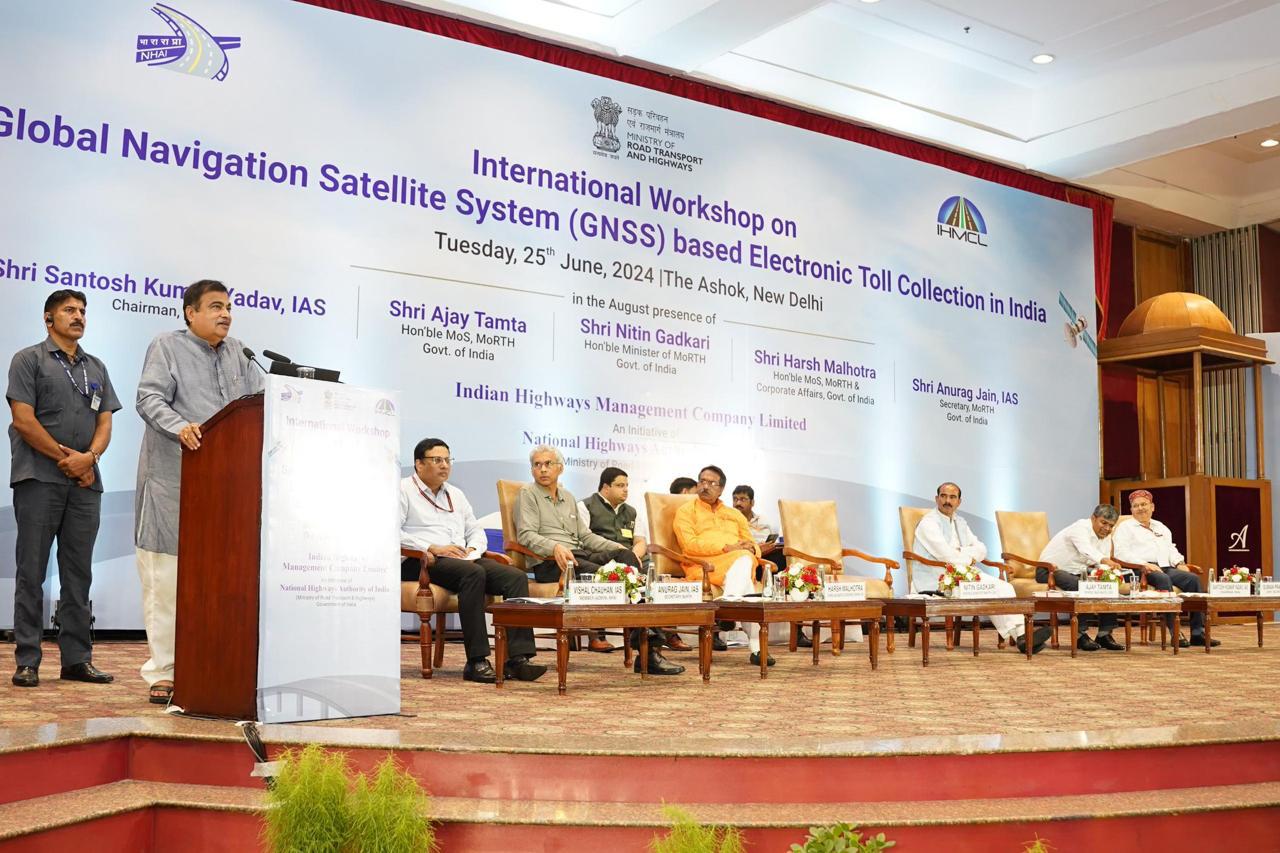
To provide seamless and barrier-free tolling experience on National Highways, Indian Highways Management Company Limited (IHMCL), a company promoted by NHAI organised a day-long international workshop in New Delhi on ‘Global Navigation Satellite System (GNSS) based Electronic Toll Collection in India’. The international workshop provided a unique platform to both industry and global experts to deliberate various aspects related to smooth implementation of the free-flow tolling system based on GNSS technology in India.
Union Minister for Road Transport and Highways Shri Nitin Gadkari was the Chief Guest on the occasion. Shri Ajay Tamta, Union Minister of State, MoRTH; Shri Harsh Malhotra,Union Minister of State, MoRTH & Corporate Affairs; Shri Anurag Jain, Secretary, MoRTH; Shri Santosh Kumar Yadav, Chairman NHAI; Shri Vishal Chauhan, Member (Administration) NHAI & CMD IHMCL; Shri S.P. Singh, Joint Secretary (Logistics) MoRTH and senior officials from Ministry of Road Transport & Highways, NHAI, IHMCL along with international industry experts from the US and Europe and representatives from IITs, NIC, NPCI, C-DAC, HOA(I), NHBF, IRF, SIAM, Financial institutions and leading global technology companies were present on the occasion.
Multiple panel discussions were held at the daylong workshop, where varied industrial and technical professionals along with global GNSS experts deliberated upon different aspects that included On-Board Units (OBU), Commercial vehicles and NH fee rules, Toll Charger Software, Role of issuer entity and Essentials of road infrastructure for successful implementation of multi-lane free flow Global Navigation Satellite System (GNSS) based Electronic Toll Collection in India.
Speaking on the occasion, Union Minister for Road Transport and Highways, Shri Nitin Gadkari said, “GNSS technology enhances navigation and positioning, playing a crucial role in modernizing toll collection systems, ensuring seamless travel, and reducing congestion on our roads. We are continuously working towards easing citizens’ lives, making governance more transparent, and providing faster services.“
Shri Anurag Jain, Secretary, MoRTH said, “Participation from many global experts on GNSS in today’s workshop which is a testimony of the belief that the world has in India’s growth story. We are working to realize the vison of a developed India by 2047 and implementation of GNSS will be one of the important steps towards that goal.”
Shri Santosh Kumar Yadav, Chairman NHAI “Over the past decade, road network has expanded manifolds and National Highways carries over 70% of country’s freight along with the passenger traffic. Implementing GNSS will immensely contribute not only towards growth of our economy but will also make barrierless tolling a reality for our citizens.”
Shri Vishal Chauhan, Member (Admin), NHAI & CMD, IMHCL summarized the key takeaways and outlined the way forward from the panel discussions held during the daylong International Workshop on GNSS-based Electronic Toll Collection in India.
Global Navigation Satellite System (GNSS) based Tolling is a barrier free method of Electronic Toll Collection wherein the road users are charged on the distance they have travelled on the tolled Highway stretch.
NHAI plans to implement the GNSS-based Electronic Toll Collection (ETC) system within the existing FASTag ecosystem, initially using a hybrid model where both RFID-based ETC and GNSS-based ETC will operate simultaneously. Dedicated GNSS lanes will be available at toll plazas, allowing vehicles using the GNSS-based ETC to pass through freely. As GNSS based ETC becomes more widespread, all lanes will eventually be converted to GNSS lanes
Implementation of GNSS based Electronic Toll Collection in India will facilitate smooth movement of vehicles along the National Highways and is envisaged to provide many benefits to highway users such as barrier less free-flow tolling leading to hassle-free riding experience and distance-based tolling. The GNSS based Electronic Toll Collection will also help to plug leakages and check toll evaders resulting in more efficient toll collection system across the country.
The Ministry of Housing and Urban Affairs commemorated today the 9thanniversary of three landmark initiatives: the Atal Mission for Rejuvenation and Urban Transformation (AMRUT), the Smart Cities Mission, and the Pradhan Mantri Awas Yojana – Urban (PMAY-U). These initiatives, launched on June 25, 2015, by Prime Minister Shri Narendra Modi, have collectively transformed urban infrastructure and improved the quality of life for millions of residents across India.
Senior Officials of Ministry of Housing & Urban Affairs briefing media on progress of AMRUT, PMAY-U and Smart Cities Mission
While briefing the media on the occasion, Additional Secretary, AMRUT, Smt D Thara, and Joint Secretary, PMAY- Urban Shri Kuldeep Narayan, outlined the progress of the respective missions since their inception. Smt Thara emphasised on capacity building and involvement of women and youth in the implementation of AMRUT projects at the grassroots.
Since its inception, AMRUT has aimed to create infrastructure that directly improves service provision to citizens. AMRUT 2.0, an extension of the original mission, has made significant strides in water supply, sewerage management, and water body rejuvenation.
Key Achievements under AMRUT 2.0:
1. Extensive Project Implementation:
Total Projects: 8200
Total Project Cost: ₹182,583.07 Crores
2. Sector-wise Breakdown:
Water Supply: 3530 projects, ₹112,530.1 Crores
Sewerage and Septage Management: 562 projects, ₹63,790.57 Crores
Water Body Rejuvenation: 2709 projects, ₹5420.5 Crores
Parks Development: 1399 projects, ₹841.91 Crores
3. Initiatives and Programs:
AMRUT Mitra: Engagement of over 350 Women SHGs in water sector activities.
Shallow Aquifer Management Project: Enhanced green cover and urban flooding mitigation.
Youth Connect Programme: Significant student and faculty participation in studying water bodies.
PMAY-U: Realizing the Vision of ‘Housing for All
Pradhan Mantri Awas Yojana – Urban (PMAY-U) was launched by Hon’ble Prime Minister Shri Narendra Modi on 25th June 2015 with a vision of ‘Housing for All’. Under PMAY-U, all-weather pucca houses with all basic amenities are provided to eligible beneficiaries of urban India. In the nine years of its journey, PMAY-U has transformed the lives of millions of families for whom a pucca house was no less than a distant dream.
Key highlights of PMAY-U:
As on date, 114 Lakh have been grounded for construction while more than 84 Lakh houses have already been completed and delivered to beneficiaries. As on date out of committed Central Assistance of ₹2 lakh crore, ₹1.64 lakh core has been released.
To empower young professionals and Middle- Income Group (MIG) to own a house, MIG was also added in a government housing scheme for the first time ever through the Credit Linked Subsidy Scheme (CLSS) vertical from 2017-2021. Under CLSS for EWS/LIG/MIG, an Interest subsidy of ₹ 58,868 crore has been approved for 25.04 lakh beneficiaries.
The Mission adopts an inclusive approach, providing equal opportunity to all, irrespective of gender, caste, creed or religion and women empowerment forms the core of PMAY-U. PMAY-U promotes women empowerment by providing the ownership of houses in the name of female member or in joint name. Over 94 lakh houses have been provided under the name of women, thus giving them an identity of their own.
Under PMAY-U, new construction technologies are being promoted at large scale. Light House Projects (LHPs)at six locations of the country, are the perfect example of promotion of affordable housing projects constructed using innovative technologies in less time and that can be further replicated in Indian context. The LHPs located in Chennai, Rajkot, Indore, Lucknow and Ranchi have already been inaugurated by Hon’ble Prime Minister while in Agartala, the construction is in advanced stage.
Apart from LHPs, Demonstration Housing Projects (DHPs) are also being promoted under the Mission. DHPs are model housing project built with new/alternate technologies and to promote use of such technologies, on-site orientation to practitioners in housing sector is also being provided.
Aligning with the Prime Minister’s vision of AatmaNirbhar Bharat, the sub-scheme of Affordable Rental Housing Complexes (ARHCs) was launched in July 2020 under PMAY-U. Under two different models, ARHCs provide ease of living through access to dignified affordable rental housing for urban migrants/poor close to their workplace.
The magnitude of investment in the Mission has propelled cascading effect on the economy due to its backward and forward linkages. It is estimated that investment under PMAY-U would has created more than 323 Lakh jobs in total, where 100 Lakh are direct and 223 Lakh are indirect. It is estimated that so far, construction activity under the Mission would have consumed approximately 55.7 million MT of cement and 12.6 million MT of Steel, providing a much-needed impetus for the economy.
Further, on 10.06.2024 Government has resolved to provide assistance to 3 crore additional rural and urban households for the construction of houses, to meet the housing requirements arising out of the increase in the number of eligible families. Accordingly, PMAY-Urban is being revamped to provide Assistance to 1 crore eligible urban families.
Smart Cities Mission: Advancing Urban Innovation and Technology
The Smart Cities Mission has been a beacon of urban transformation, enhancing the quality of life in 100 cities through over 8,000 innovative projects worth approximately ₹1.6 lakh crore.
The mission has attempted innovative ideas, since its inception, which include competition for selection amongst cities, use of city Special Purpose Vehicles as implementation agencies, sector-neutral, inclusive, stakeholder driven & bottom-up approach to project development/selection, large-scale use of technology/ digital solutions, tremendous community involvement etc. Each of the 100 cities have developed a diverse set of projects, many of which are very unique and being implemented for the first time, thus improving the city’s capabilities and experience and achieving larger transformation goals at the city level.
As on 25 June 2024, 7,160 projects worth ₹ 1,43,778 Crore had been completed and another 854 projects worth ₹ 20,392 crore are in advanced stages of completion. GOI has released ₹46,387 crore to 100 cities. 93% of released GOI funds have been utilized.
Key Achievements under Smart Cities Mission:
Integrated Command and Control Centres (ICCC):
All 100 smart cities have operationalized ICCC, leveraging AI, IoT, and data analytics to enhance city operations such as transport management, water supply, and solid waste management.
Public Safety and Security:
Over 76,000 CCTV surveillance cameras have been installed across 100 cities, bolstering city-wide crime monitoring efforts.
Installation of 1,884 emergency call boxes, 3,000 public address systems, and traffic enforcement systems have significantly improved public safety.
Water Supply:
More than 6,800 kms of water supply system being monitored through SCADA, reducing the non-revenue water and leakages.
Solid Waste Management:
Around 4,800 vehicles across 50+ smart cities have been RFID enabled for Automatic Vehicle Location (AVL) to improve solid waste management in addition to innovative technologies deployed to improve Route Management, Collection and Daily Management, etc.
Streetlights:
More than 50 Lakhs Solar/LED Streetlights have been installed and over 89,000 kms of underground electricity cabling constructed.
Mobility Solutions:
Development of 12,300 kms of smart roads and 2500+ kms of cycle tracks, alongside the Intelligent Transport Management System (ITMS), has streamlined traffic operations and journey times.
Affordable Housing and Community Development:
44,054 Dwelling Units constructed, and 6,312 number of rooms built in community housing projects like Rain Basera, Hostel (non-educational), night shelters etc.
Vibrant Public Spaces:
More than 1,300 parks, green spaces and lakefront/riverfront promenade developed/ being developed.
Smart Solutions:
9,754 number of WiFi hotspot locations created, and more than 76,000 CCTV cameras installed.
Education:
6,855 numbers of smart classrooms have been developed and 40 numbers of Digital Library developed.
Health:
308 e-health centers and clinics have been developed (without dedicated beds) and 255 numbers of health ATMs installed.
Economic Hubs:
37 incubation centers/skill development centers developed and over 50 market redevelopment projects completed.
PPP:
51 cities have successfully developed 200 projects with Public Private Partnership (PPP) worth around ₹ 10,000 crores.
Climate Resilience:
153 numbers of environmental sensors installed, and more than 5,300 personnel and volunteers trained for disaster response.
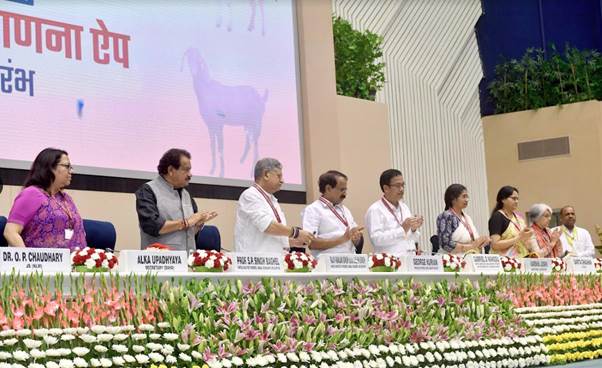
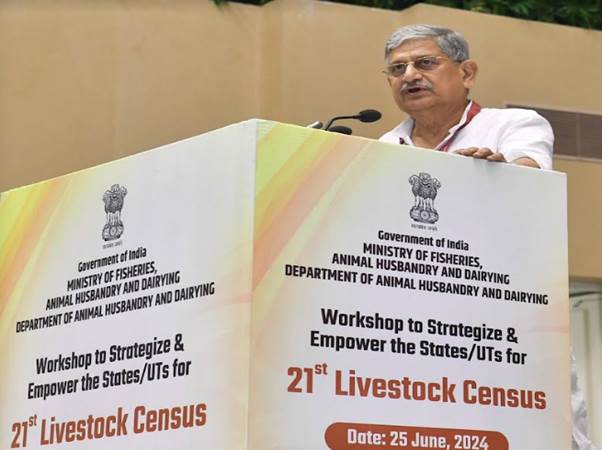
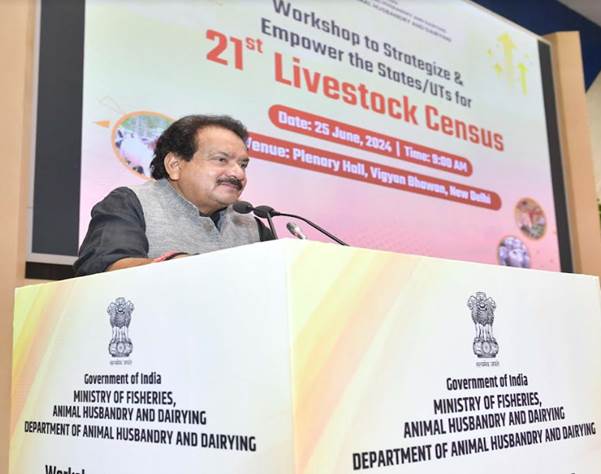
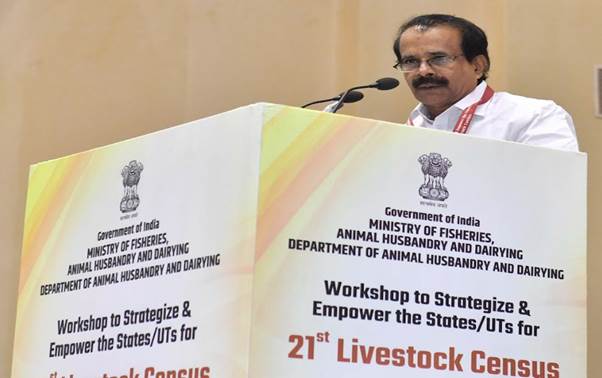
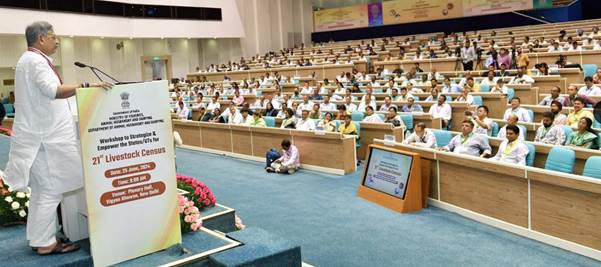
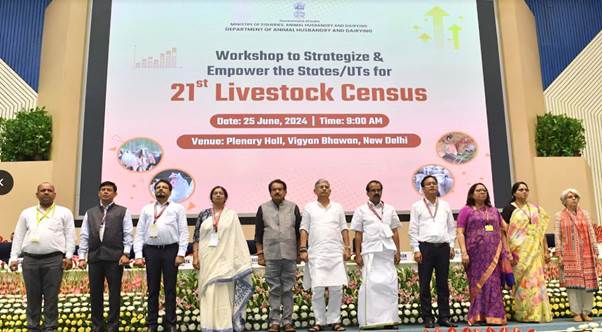
Union Minister of Fisheries, Animal Husbandry and Dairying, Shri Rajiv Ranjan Singh alias Lalan Singh inaugurated workshop today to strategize and empower the States and Union Territories (UTs) for preparation of 21st Livestock Census at Vigyan Bhawan, New Delhi. Ministers of State for Fisheries, Animal Husbandry and Dairying, Prof. S. P. Singh Baghel and Shri George Kurian were also present. The mobile application developed for 21st Livestock Data collection also launched by the Union Minister in the workshop.
Union Minister Shri Rajiv Ranjan Singh underscored the importance of the livestock sector to India’s economy and food security. He called for meticulous planning and execution of the census, stressing that the data gathered would play a crucial role in shaping future initiatives and addressing challenges in the sector. Union Minister informed that the workshop aimed at ensuring a coordinated and efficient approach to the upcoming census scheduled during September-December 2024.
Prof. S.P. Singh Baghel addressed the workshop and highlighted the need for comprehensive training and capacity building at the grassroots level. He acknowledged the efforts of the department in organizing such a strategic workshop and encouraged the participants to actively engage in the training sessions to enhance their understanding and capabilities.
Shri George Kurian emphasized the integration of sustainable practices within the livestock sector. He pointed out that the census data would contribute to the National Indicator Framework of Sustainable Development Goals, thereby aligning with broader national and global sustainability targets.
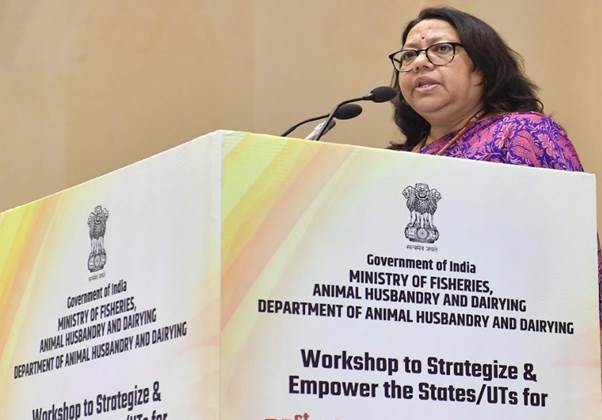
Ms. Alka Upadhyaya, Secretary, Department of Animal Husbandry & Dairying highlighted the importance of this workshop in her address, underscoring the department’s commitment to leveraging technology for accurate and efficient data collection. She emphasized the collective responsibility of all stakeholders to ensure the success of the 21st Livestock Census, which will play a critical role in shaping the future policies and programs of the Animal Husbandry sector and urged them to leverage the latest technologies to ensure the success of the census.
The workshop included detailed sessions on the methodologies and guidelines for the 21st Livestock Census, training on the mobile application and dashboard software, and an open house discussion for addressing queries and concerns.
The Department of Animal Husbandry & Dairying, Ministry of Fisheries, Animal Husbandry & Dairying conducted a comprehensive workshop to strategize and empower the States and Union Territories (UTs) for preparation of 21st Livestock Census. The workshop featured a series of sessions beginning with a brief description of the 21st Livestock Census by the Animal Husbandry Statistics Division, followed by a detailed presentation from ICAR-National Bureau of Animal Genetic Resources (NBAGR) on the breed details of species to be covered in the census. The importance of accurate breed identification was emphasized, which is crucial for producing precise statistics used in various livestock sector programs and for the National Indicator Framework (NIF) of Sustainable Development Goals (SDG).
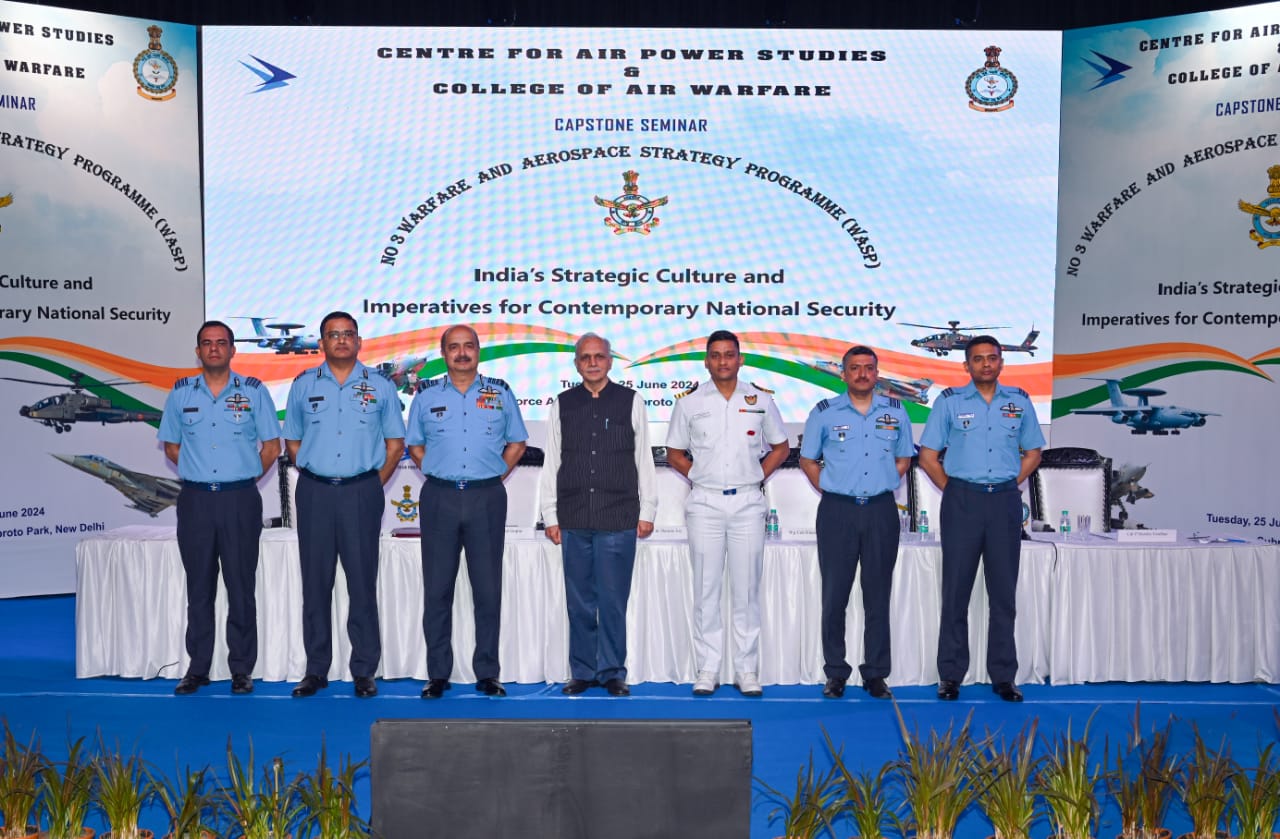
Indian Air Force today conducted a capstone seminar marking the culmination of the No. 3 Warfare & Aerospace Strategy Program (WASP) at the Air Force Auditorium, New Delhi. The seminar with the theme “India’s Strategic Culture and Imperative for Contemporary National Security’ was conducted under the aegis of the College of Air Warfare and Centre for Air Power Studies.
WASP is a strategic education programme of 15 weeks duration which was started in 2022 to provide the participants with a deep understanding of geo-politics, grand strategy and Comprehensive National Power. The broader aim is to nurture critical thinkers who can blend cross-domain knowledge to generate policy-driving ideas at the strategic level.
This edition of WASP saw tri-services participation for the first time. The participants comprised fourteen officers from Indian Air Force, two officers from the Indian Navy, one officer from the Indian Army and a research scholar. The participants underwent intensive training in the fields of Strategy, Military History, Civil-Military relations, Higher Defence Organisation, Aerospace Power, Information Warfare, Technology and Hybrid Warfare. The program was guided by an external faculty consisting of accomplished practitioner-scholars with extensive teaching and research experience. The graduates of the program were awarded a PG diploma in Strategic Studies by Rashtriya Raksha University.
Air Chief Marshal VR Chaudhari, Chief of the Air Staff (CAS), delivered the keynote address of the seminar which was attended by Gen Anil Chauhan, Chief of the Defence Staff, Gen Manoj Pande, Chief of the Army Staff, senior officers from all three services, aerospace power scholars, academia and established defence correspondents. He highlighted that the dynamic environment of modern warfare demanded that military leaders not only be adept at combat, but also possess strategic thinking ability and grasp of the evolving geo-political landscape. The CAS congratulated the course participants for successfully completing the rigorous program. While concluding, the CAS complimented the mentors who guided the participants through the programme and urged them to continue with the same zeal in the forthcoming editions of the WASP.
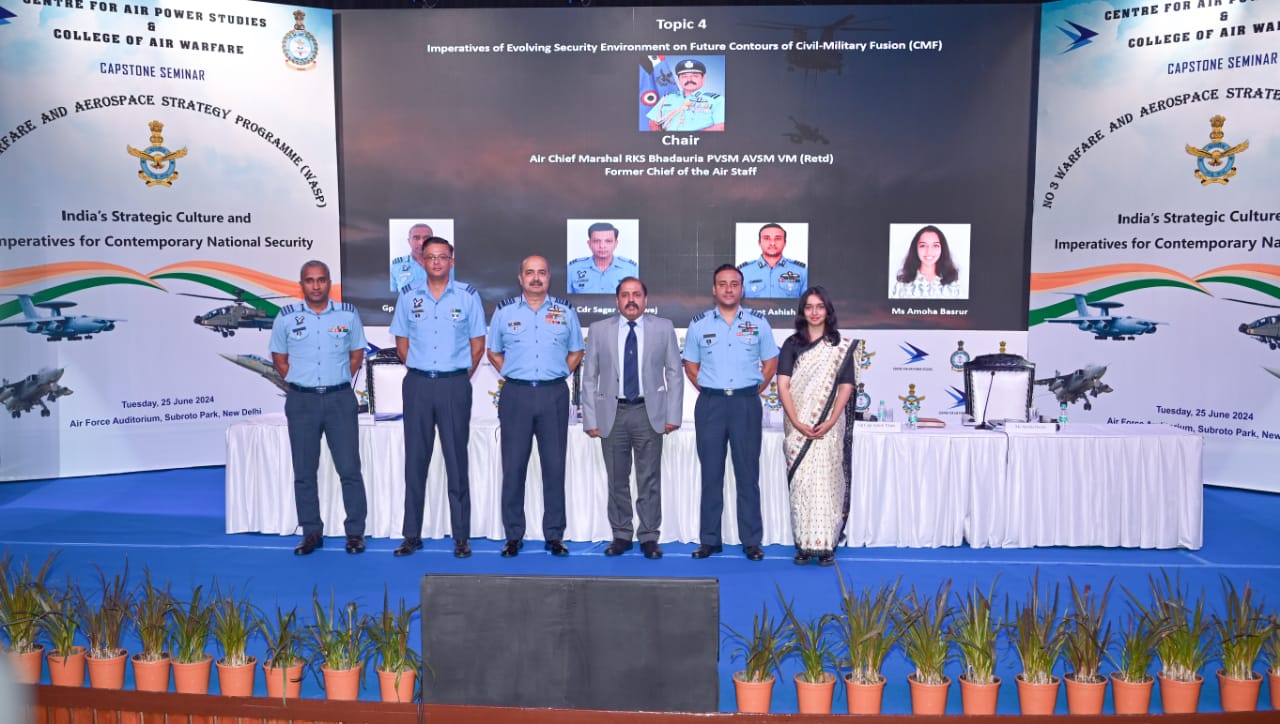
In the first session of the Seminar, the participants presented their papers on the topics of ‘Examining International Relations through India’s Strategic Culture’ and ‘Military Outlook through Strategic Partnerships’. This was followed by the second session, which saw them discussing ‘Evolution of Civil-Military Relations in India’ and ‘Imperatives of Evolving Security Environment on Future Contours of Civil-Military Fusion (CMF).
Digital marketing has revolutionized the way businesses engage with their audience, driving sales and building brand awareness in an increasingly digital world. This article explores the fundamentals of digital marketing, its various components, strategies for success, and the future trends shaping the industry.
What is Digital Marketing?
Digital marketing encompasses all marketing efforts that use electronic devices or the internet. It leverages online channels such as search engines, social media, email, websites, and mobile apps to connect with current and prospective customers. The goal is to reach consumers through the platforms they frequent and engage them with targeted content and personalized experiences.
Key Components of Digital Marketing
1. Search Engine Optimization (SEO)
SEO involves optimizing a website to rank higher in search engine results pages (SERPs), thereby increasing organic (non-paid) traffic. It includes on-page SEO (content and HTML source code optimization) and off-page SEO (backlinks and social signals). Key elements include keyword research, content creation, technical SEO, and link building.
2. Content Marketing
Content marketing focuses on creating, publishing, and distributing valuable and relevant content to attract and retain a target audience. This content can take various forms, including blog posts, videos, infographics, eBooks, and podcasts. The goal is to provide useful information that meets the needs of the audience, establishing the brand as an authority in its field.
3. Social Media Marketing
Social media marketing involves using platforms like Facebook, Instagram, Twitter, LinkedIn, and TikTok to promote products or services. It includes both organic activities (posting content, engaging with followers) and paid activities (advertising and sponsored posts). Social media marketing helps increase brand awareness, foster community engagement, and drive traffic to websites.
4. Pay-Per-Click (PPC) Advertising
PPC advertising is a model where advertisers pay a fee each time their ad is clicked. Google Ads is one of the most popular PPC platforms, allowing businesses to bid on keywords and display ads in search results. Other PPC platforms include social media channels (Facebook Ads, Instagram Ads) and display networks. PPC provides immediate visibility and is highly measurable.
5. Email Marketing
Email marketing involves sending targeted messages to a list of subscribers. It is used to nurture leads, promote products or services, and build relationships with customers. Effective email marketing strategies include segmenting the audience, personalizing messages, and creating compelling calls to action. Automation tools can streamline email campaigns, making them more efficient and effective.
6. Affiliate Marketing
Affiliate marketing is a performance-based strategy where businesses reward affiliates (partners) for driving traffic or sales to their website. Affiliates promote products or services through their own marketing channels, such as blogs, social media, or email lists. This approach expands the reach of a business and leverages the influence of affiliates to attract new customers.
7. Influencer Marketing
Influencer marketing involves partnering with influencers—individuals with a large following and high engagement on social media or other platforms—to promote products or services. Influencers can create authentic content that resonates with their audience, enhancing the brand’s credibility and visibility. This strategy relies on the influencer’s relationship with their followers to drive engagement and conversions.
8. Analytics and Data Insights
Data analytics is crucial for measuring the effectiveness of digital marketing efforts. Tools like Google Analytics, social media insights, and marketing automation platforms provide valuable data on website traffic, user behavior, conversion rates, and campaign performance. Analyzing this data helps marketers understand what works, optimize strategies, and make data-driven decisions.
Knowing your target audience is the foundation of any successful digital marketing strategy. Conduct market research to gather insights into their demographics, preferences, behaviors, and pain points. Creating buyer personas—detailed representations of your ideal customers—can help tailor your marketing efforts to meet their specific needs and interests.
2. Create High-Quality Content
Content is at the heart of digital marketing. Develop a content strategy that aligns with your business goals and addresses the interests of your audience. Focus on producing high-quality, engaging, and informative content that provides value. Regularly update your content to keep it relevant and leverage various formats to reach a broader audience.
3. Optimize for Search Engines
Implementing SEO best practices ensures that your content is discoverable by search engines. Conduct keyword research to identify terms your audience is searching for and integrate these keywords naturally into your content. Optimize your website’s technical aspects, such as page speed, mobile-friendliness, and URL structure, to improve your search rankings.
4. Utilize Social Media Effectively
Develop a social media strategy that includes posting regular, relevant content, engaging with your audience, and monitoring performance. Use social media analytics to track metrics such as reach, engagement, and conversion rates. Experiment with different types of content and formats to see what resonates most with your audience.
5. Invest in Paid Advertising
While organic reach is valuable, paid advertising can accelerate your results. Use PPC campaigns to target specific keywords and demographics, and retargeting ads to re-engage visitors who have shown interest in your site. Continuously monitor and adjust your ad campaigns to maximize ROI.
6. Focus on Mobile Optimization
With the increasing use of mobile devices, ensure that your digital marketing efforts are mobile-friendly. This includes having a responsive website design, optimizing email templates for mobile, and considering mobile-specific advertising. Mobile optimization improves user experience and boosts engagement and conversions.
7. Leverage Email Marketing
Build and maintain a robust email list by offering valuable content and incentives for sign-ups. Segment your email list to send personalized and relevant messages to different audience segments. Use email marketing automation to send timely and targeted emails, such as welcome series, abandoned cart reminders, and post-purchase follow-ups.
8. Measure and Analyze Results
Regularly track and analyze your digital marketing performance using analytics tools. Monitor key performance indicators (KPIs) such as website traffic, conversion rates, click-through rates, and ROI. Use these insights to refine your strategies, optimize campaigns, and make informed decisions to improve your marketing efforts.
Future Trends in Digital Marketing
1. Artificial Intelligence and Machine Learning
AI and machine learning are transforming digital marketing by enabling more personalized and efficient campaigns. AI can analyze vast amounts of data to predict consumer behavior, optimize ad targeting, and automate customer interactions through chatbots and virtual assistants.
2. Voice Search Optimization
With the rise of voice-activated devices like Amazon Echo and Google Home, optimizing for voice search is becoming increasingly important. This involves using natural language keywords, providing concise answers to common questions, and ensuring your website is mobile-friendly and fast-loading.
3. Video Marketing
Video content continues to grow in popularity, with platforms like YouTube, TikTok, and Instagram Reels offering opportunities for engaging storytelling. Live streaming and video ads are also becoming integral parts of digital marketing strategies, providing dynamic ways to connect with audiences.
4. Augmented Reality (AR) and Virtual Reality (VR)
AR and VR technologies are enhancing the customer experience by offering immersive and interactive content. Brands can use AR for virtual try-ons, product demonstrations, and interactive ads, while VR can create immersive brand experiences and virtual events.
5. Privacy and Data Security
With increasing concerns over data privacy, marketers must prioritize transparent data practices and compliance with regulations like GDPR and CCPA. Building trust with consumers through secure data handling and privacy-focused marketing will be crucial.
Conclusion
Digital marketing is a dynamic and multifaceted field that requires a strategic approach to effectively reach and engage with audiences. By understanding its key components, implementing effective strategies, and staying abreast of future trends, businesses can harness the power of digital marketing to drive growth and achieve their objectives. Embracing the digital landscape and continuously adapting to its changes will ensure long-term success in an ever-evolving market.
Human Capital Management (HCM) is essential for improving employee productivity and organizational efficiency.
Effective HCM strategies include talent acquisition, performance management, and employee development.
Data-driven decisions and technology integrations such as ERP systems are crucial in HCM.
Introduction
Human Capital Management (HCM) is a comprehensive approach to optimizing your workforce’s talents and skills. In today’s fast-paced business environment, effectively managing human resources is critical for staying competitive. Human capital management (HCM) is more than just a buzzword; it is a strategy that includes processes like talent acquisition, performance management, and employee development to ensure that an organization can meet its goals efficiently. By emphasizing HCM, companies can create a more adaptive and resilient workforce capable of navigating the complexities of modern business landscapes.
Why Human Capital Management Matters
At its core, HCM is all about managing employees as valuable assets. It includes everything from hiring the right people to ensuring they have the tools and skills to succeed. Companies that invest in HCM see significant improvements in employee engagement and productivity. Committed employees are more inclined to feel driven, leading to improved quality of work and innovation. Furthermore, companies prioritizing HCM enjoy lower turnover rates, translating into cost savings on recruitment and training. By focusing on HCM, organizations can create a more motivated, efficient, and productive workforce, ultimately leading to better financial performance and market position.
Core Components of HCM
Talent Acquisition: Attracting and recruiting top talent is the first step in effective HCM. Companies need to create robust hiring strategies that target highly qualified candidates. It involves using traditional recruitment methods and modern technologies like AI to identify and engage potential employees. Effective talent acquisition strategies include finding the right people and ensuring a good cultural fit to reduce turnover. Additionally, leveraging social media and professional networks can expand the talent pool and bring diverse candidates.
Performance Management: Regular performance reviews and feedback help employees stay on track and improve continuously. Companies can use performance management software to set goals, track progress, and provide timely feedback. It boosts employee morale and aligns individual performance with the organization’s strategic objectives. Effective performance management programs often incorporate quantitative metrics and qualitative assessments, ensuring a comprehensive employee performance evaluation. Continuous feedback loops and developmental plans help employees learn and grow, increasing organizational effectiveness.
Employee Development: Ongoing training and development programs ensure staff skills remain relevant and current. Providing employees with opportunities for professional growth leads to higher job satisfaction and retention rates. It’s essential to have a structured learning and development program in place to address both current and future skill gaps within the organization. Development programs can include internal training sessions, external courses, online modules, and mentorship opportunities. Investing in the development of employees enhances individual performance and promotes a culture of ongoing improvement and learning in the organization.
Integrating Technology in HCM
As technology evolves, so too does the approach to HCM. Many organizations now integrate advanced software solutions like ERP systems to streamline their HR processes. The growing importance of AI and ML in enhancing HCM approaches. These technologies can automate routine tasks, provide data-driven insights, and predict future workforce trends, making HCM more efficient and effective. For instance, AI can help screen resumes, reduce bias in hiring, and identify employee burnout before it leads to turnover.
Data-Driven Decision Making
Another critical aspect of modern HCM is the use of data analytics. By utilizing data, companies can make better-informed decisions regarding their employees. From identifying skill gaps to predicting turnover rates, data-driven insights are invaluable. Analytics can also help craft personalized employee experiences, which is crucial for retaining top talent. Companies that use data analytics in their HCM strategies often find they can respond more swiftly to changing market conditions and workforce needs. Moreover, data analytics can help organizations measure the ROI of their HCM initiatives, providing clear evidence of the value these programs bring to the company. Predictive analytics can also forecast hiring needs and talent shortages, allowing for proactive workforce planning.
Challenges in Human Capital Management
Although HCM offers numerous benefits, it also comes with its challenges. For instance, implementing an effective HCM strategy requires buy-in from all levels of the organization. With support from top management, it’s easier to achieve the organizational change necessary for HCM to be successful. Additionally, there can be significant upfront costs associated with technology integration and training programs. Companies must be willing to invest time and resources into their HCM initiatives to see meaningful results. Resistance to change is another common challenge, as employees and managers may hesitate to adopt new systems and processes. Overcoming these challenges requires clear communication, effective change management, and a commitment to continuous improvement.
Future Trends in HCM
The future of HCM looks promising, with numerous trends and innovations on the horizon. Companies increasingly focus on creating diverse and inclusive workplaces, enhancing employee well-being, and adopting flexible work arrangements. By staying proactive with these trends, organizations can improve their HCM strategies even more. For example, the shift towards remote work has led to new approaches in employee engagement and performance management, making it crucial for HCM strategies to adapt accordingly. Virtual reality (VR) and augmented reality (AR) in training and development are also emerging as powerful tools for providing immersive learning experiences. Furthermore, the increasing focus on mental health and well-being transforms HCM strategies as businesses introduce holistic wellness initiatives to aid their staff’s physical and psychological wellness.
Conclusion
In summary, human capital management is essential for any thriving organization. Businesses can enhance their staff’s capabilities by recruiting talent, managing performance, and nurturing employee growth. Embracing technology and data-driven decision-making further enhances these strategies. While challenges exist, the numerous benefits make HCM an indispensable practice for modern businesses. Organizations that successfully implement HCM stand to gain a competitive edge through a more engaged, skilled, and productive workforce. As the business landscape evolves, staying agile and adaptive through effective HCM practices will be critical to sustained success.
Welcome to the world of magic and enchantment! If you’ve ever dreamt of casting spells and shooting fireballs like your favorite wizards, you’re in the right place. The fireball throwing wand is not just a magical prop; it’s a gateway to experiencing the thrill of spellcasting. Let’s dive into how you can master this magical tool.
Understanding the Basics of Your Wand Shoots Fire
Before you start casting spells, it’s crucial to understand the fundamentals. This section covers the essential components and functions of the Wand Shoots Fire.
Components of the Wand Shoots Fire
Get to know the various parts of your wand, from the grip to the nozzle. Understanding each component will help you handle the wand with confidence. The grip ensures you have a firm hold, while the nozzle directs the fireball accurately.
How the Wand Shoots Fire Works
Learn the mechanics behind this magical device. Knowing how it operates will make your spellcasting experience smoother and safer. The wand uses a combination of compressed air and ignition to create a realistic fireball effect.
Preparing for Your First Spellcast
Preparation is key to successful spellcasting. This section will guide you through the steps to get ready for your first fireball.
Safety Precautions
Magic can be dangerous if not handled correctly. Here’s how to ensure your safety and the safety of those around you when using your Wand Shoots Fire. Always wear protective gear and keep a fire extinguisher nearby.
Setting Up Your Space
Creating a safe and controlled environment is crucial. Learn how to set up your spellcasting area to avoid accidents. Clear the area of any flammable materials and ensure you have plenty of space to move around.
Mastering Basic Fireball Casting
Now that you’re prepared, it’s time to cast your first fireball. Follow these steps to master the basic fireball spell.
Step-by-Step Guide to Casting a Fireball
A detailed guide to help you cast your first fireball successfully. From stance to incantation, we cover it all. Stand with your feet shoulder-width apart, hold the wand firmly, and speak the incantation clearly while focusing your energy.
Common Mistakes and How to Avoid Them
Avoid the pitfalls that many beginners face. Learn about common mistakes and how to correct them. Common errors include not holding the wand properly, mispronouncing the incantation, and losing focus.
Advanced Techniques for Spellcasting
Once you’ve mastered the basics, it’s time to take your spellcasting to the next level.
Enhancing Your Fireball
Learn how to make your fireballs bigger, brighter, and more impressive. Techniques include increasing the air pressure and fine-tuning your incantation for maximum effect.
Combining Spells
Combine your fireball with other spells to create unique magical effects. Experiment with adding wind or water elements to create spectacular displays.
Maintenance and Care of Your Wand Shoots Fire
Your wand requires proper care to function correctly. This section covers everything you need to know about maintaining your wand.
Cleaning Your Wand
Step-by-step instructions for cleaning your wand to ensure it remains in top condition. Regular cleaning prevents buildup that can affect performance.
Troubleshooting Common Issues
Solutions to common problems you might encounter with your wand. Issues like misfires or weak fireballs can often be fixed with simple adjustments.
The Cultural Impact of the Wand Shoots Fire
The Wand Shoots Fire has made a significant impact on modern culture. This section explores its influence and popularity.
Influence in Pop Culture
From movies to fan conventions, discover how the Wand Shoots Fire has become a cultural phenomenon. It’s a favorite at cosplay events and magic shows, bringing a touch of realism to fantasy.
Real-Life Stories of Magic and Enchantment
Read about real-life experiences and stories from people who have used the Wand Shoots Fire. These anecdotes highlight the joy and excitement it brings to users.
Customizing Your Wand Shoots Fire
Make your wand uniquely yours with these customization tips.
Personalizing Your Wand
Ideas for personalizing your wand to reflect your style and personality. Add decorations, paint, or engravings to make it stand out.
Adding Magical Enhancements
Learn about magical enhancements that can be added to your wand for more powerful spells. Enhance your wand with runes or crystals to boost its magical properties.
Conclusion
The Wand Shoots Fire is a magical tool that brings the world of spellcasting to life. With proper knowledge and practice, you can master the art of fireball casting and create magical moments that will amaze and enchant. Whether you’re a beginner or an experienced wizard, this guide will help you unleash your inner magic. You can buy your fire shooting magic wand at wandshootsfire.com.
In the evolving landscape of academic and professional publishing, contributing a book chapter has become an esteemed avenue for sharing knowledge, research findings, and innovative ideas. One platform that offers opportunities for such contributions is Edupedia Publications Pvt Ltd, a prominent name in the field of academic publishing.
Edupedia Publications Pvt Ltd, often referred to as Pen2Print, is an established publisher specializing in academic and scholarly content. The company provides a variety of publishing services, including books, research papers, journals, and conference proceedings. Known for its commitment to quality and accessibility, Edupedia aims to disseminate knowledge to a broad audience, including students, researchers, and professionals worldwide.
Why Publish a Book Chapter?
Publishing a book chapter can significantly bolster your academic credentials and professional reputation. It allows you to:
Reach a Broader Audience: Your work can reach readers globally, extending beyond the confines of journal publications.
Contribute to a Specific Field: Book chapters often focus on niche topics, providing a platform to delve deeply into specific areas of interest or research.
Collaborate with Peers: It opens opportunities for collaboration with other experts in your field.
Enhance Your CV: Adding a book chapter to your list of publications is a notable academic achievement.
How to Publish a Book Chapter with Edupedia
1. Identify Your Niche and Proposal
Before starting the publication process, identify a niche or topic you are passionate about and knowledgeable in. Draft a proposal outlining your chapter’s objectives, relevance, and how it fits within the broader theme of the book.
2. Submission Process
Contact Edupedia: Visit Edupedia’s website and reach out to their editorial team. You can inquire about ongoing projects or propose a new book idea.
Submit Your Proposal: You may need to submit a detailed chapter proposal or a complete draft. Ensure your proposal is well-structured and clearly communicates the value of your contribution.
3. Editorial Review
Once submitted, your proposal or chapter draft will undergo an editorial review process. The review aims to assess the content’s relevance, originality, and quality. Feedback may be provided, and revisions could be necessary.
4. Final Submission
After incorporating feedback and making necessary revisions, you will submit the final version of your chapter. This submission should adhere to Edupedia’s formatting guidelines, which typically include specific requirements for text layout, references, and figures.
5. Publication and Distribution
Upon acceptance, your chapter will be included in the book, which will then be published and made available through various channels. Edupedia ensures wide distribution across libraries, academic institutions, and online platforms, increasing the visibility and impact of your work.
Benefits of Publishing with Edupedia
1. Wide Reach and Impact
Edupedia Publications Pvt Ltd has a robust distribution network that includes major academic databases and libraries. This ensures that your work reaches a diverse and extensive audience, enhancing the potential impact of your research.
2. Professional Support
The editorial and publishing teams at Edupedia provide comprehensive support throughout the publishing process, from manuscript preparation to final publication. This includes editing, formatting, and marketing services, ensuring your work meets high standards of quality and accessibility.
3. Accessibility and Open Access Options
Edupedia supports open access publishing, which allows your work to be freely accessible to readers worldwide. This can significantly increase the visibility and citation of your work.
4. Author Recognition
Publishing with Edupedia comes with the benefit of author recognition in the academic community. Contributors are often invited to participate in future projects and conferences, providing ongoing opportunities for academic and professional development.
Tips for a Successful Chapter Submission
Focus on Originality: Ensure your chapter presents original research or a novel perspective on the topic.
Adhere to Guidelines: Follow the publisher’s submission and formatting guidelines meticulously to avoid delays.
Engage with the Theme: Make sure your chapter contributes meaningfully to the book’s overarching theme.
Be Open to Feedback: Constructive criticism is part of the process. Use it to enhance the quality of your work.
Conclusion
Publishing a book chapter with Edupedia Publications Pvt Ltd is a valuable opportunity for academics and professionals seeking to share their knowledge and contribute to their fields. By following the outlined steps and leveraging Edupedia’s comprehensive support, you can ensure your work reaches a wide audience and makes a lasting impact.






1UVK.jpeg)
LGQL.jpeg)
C8BW.jpeg)


 Eduindex
You must be logged in to post a comment.