Proofreading Services: An In-Depth Exploration

Proofreading is the final stage of the editing process, focusing on correcting surface errors in writing such as grammatical, spelling, punctuation, and other language mistakes. It’s a critical step before a document is published or submitted, ensuring that the text is polished and professional. Here, we delve into the details of proofreading services, their importance, what they entail, and how to effectively use them.

1. Purpose of Proofreading

The primary goal of proofreading is to ensure that a text is free of any errors that could detract from its readability and professionalism. It involves:

  • Correcting spelling, grammar, and punctuation mistakes.
  • Checking for typographical errors.
  • Ensuring consistency in formatting and layout.
  • Verifying correct usage of technical terminology and data.
  • Adjusting improper line and page breaks.

2. Types of Documents That Require Proofreading

Virtually any written content can benefit from proofreading, including:

  • Academic papers, theses, and dissertations.
  • Business documents like reports, proposals, and presentations.
  • Books, novels, and other literary works.
  • Marketing materials such as brochures, websites, and emails.
  • Legal documents and contracts.

3. Proofreading vs. Copy Editing

While both services are part of the editing process, they differ significantly:

  • Copy Editing: Focuses on improving style, formatting, accuracy, and consistency in the text. It may involve substantial changes to the content.
  • Proofreading: Comes after all other editing stages and focuses solely on correcting surface errors. It does not involve substantial content revision.

4. How Proofreading Services Work

Proofreading services can be provided by freelancers, specialized proofreading companies, or in-house editors at publishing firms. The process typically follows these steps:

  • Submission: The client submits a document with specific instructions or expectations.
  • Review: The proofreader reads the document, correcting any errors using markup tools or software like Microsoft Word’s Track Changes.
  • Feedback: Some proofreaders provide feedback or suggestions, especially if they notice repetitive errors or unclear passages.
  • Revisions: The client reviews the corrections and makes the final changes.
  • Final Check: Often, a second proofreading by another professional is recommended to ensure complete accuracy.

5. Tools Used in Proofreading

Professional proofreaders often utilize various tools to enhance their accuracy and efficiency:

  • Grammar and Spell Checkers: Software like Grammarly or the Hemingway Editor helps identify common errors.
  • PDF Annotators: Tools such as Adobe Acrobat allow proofreaders to mark errors directly on PDF documents.
  • Style Guides: Proofreaders reference style guides like the Chicago Manual of Style or APA guide to ensure consistency.
  • Dictionaries and Thesauruses: Essential for verifying the proper use of words and their meanings.

6. Choosing a Proofreading Service

When selecting a proofreading service, consider the following:

  • Expertise: Look for proofreaders with experience and qualifications relevant to the document’s subject or industry.
  • Reputation: Check reviews or testimonials from previous clients.
  • Price: Costs can vary widely, so compare rates from different services. Remember, extremely low prices might compromise quality.
  • Turnaround Time: Ensure the service can meet your deadlines.

7. The Importance of Professional Proofreading

Investing in professional proofreading can significantly impact the success of a document. It enhances readability, ensures error-free writing, and maintains the credibility of the content. Especially in professional, academic, or literary fields, proofreading is indispensable as it guarantees that the final product is of the highest possible quality.

Conclusion

Proofreading is an essential, albeit often underestimated, component of the writing and publishing process. Whether it’s a book, business document, or academic paper, thorough proofreading ensures that the text communicates its message in the clearest, most effective manner possible. Utilizing professional proofreading services can be a wise investment in ensuring the success of your written communications.

How online notary business is changing the game for conventional practices

Daily writing prompt
Share a story about someone who had a positive impact on your life.

Conventional ideas of notarial service delivery are being challenged by the proliferation ofonline notary business, which is changing the face of traditional notarial operations. Notaries may better serve their customers’ changing demands by embracing new technology and adjusting to the digital era. This will increase efficiency, accessibility, and security. Traditional notaries may find development possibilities and continue to make valuable contributions to the legal profession in the digital age by proactively managing the digital shift and embracing cooperation and innovation.  Notaries may thrive in the ever-evolving notarial landscape by being open to digital change, maintaining high professional standards, and building trust with clients. This will allow them to keep serving both individuals and businesses.

Progression of digital notarial functions

A new age of efficiency, accessibility, and convenience has dawned with the advent of online notary business, which has caused a revolutionary change in conventional notary operations. Notarial acts were traditionally executed when a notary public met in person with the signer, who was typically required to be present at a certain place and time during normal business hours. Online notary platforms, on the other hand, have made it possible for people and companies to get notarial services remotely, using digital technology to finish the notarization process whenever and wherever they choose. Because of this shift in notarial procedures, more people are able to afford notarial services, which gives them more freedom and control over how they meet their legal duties.

The process of integrating and adjusting digital solutions

Beyond the obvious convenience factor, the incorporation of digital solutions and cutting-edge technology into online notary company has a profound effect on conventional processes, improving the notarial experience as a whole:

  • In order to simplify the notarization of documents, do away with paperwork, and lessen administrative responsibilities, traditional notaries are more and more turning to digital platforms and electronic signature solutions.
  • Biometric identification and encrypted communication channels are two of the sophisticated security elements offered by online notary platforms that guarantee the authenticity and secrecy of notarial activities.

Traditional notaries may better serve their customers in today’s digitally linked world by embracing digital transformation, which allows them to increase efficiency, expand their service offerings, and respond to client demands.

Challenges and opportunities for traditional notaries

Traditional notaries face new obstacles as they adapt to the digital age, despite the many possibilities presented by the proliferation of online notary services. Competition from online platforms offering easy and affordable notarial services might affect the client base and income streams of traditional notaries.  Traditional notaries may succeed in the digital era by accepting digital solutions and delivering more services, such as online notarization. To stand out from the competition and attract customers looking for trustworthy and dependable notarial services, conventional notaries rely on their experience, reputation, and personal touch. The continuous relevance and importance of notarial services in the digital age may be assured by partnerships between conventional notaries and online platforms, which can lead to mutual development and innovation.

Typesetting: An In-Depth Look

Typesetting is the process of arranging and formatting text for publication. It involves the selection of font types, sizes, line lengths, line spacing, and the adjustment of space between groups of letters or individual letters. This process is critical in making printed and digital documents both legible and visually appealing. Typesetting has evolved from manual to digital processes, allowing for greater precision and flexibility.

1. Historical Background

  • Manual Typesetting: Originally, typesetting was performed by arranging physical blocks of type in a frame to prepare pages for printing. This was a meticulous and labor-intensive process.
  • Move to Digital: With the advent of computers and digital publishing software, typesetting has largely moved to a digital environment where text can be manipulated easily and printed or displayed electronically.

2. Components of Typesetting

  • Font Selection: Choosing an appropriate typeface that suits the content and purpose of the document.
  • Font Size: Determining the optimal font size for readability and fit.
  • Leading (Line Spacing): Adjusting the vertical space between lines of text to improve legibility and aesthetic appeal.
  • Kerning and Tracking: Adjusting the spacing between characters (kerning) and between larger blocks of text (tracking) to prevent awkward spaces and improve text flow.
  • Alignment and Justification: Aligning text to the left, right, center, or justifying it across the width of the page to meet design criteria.
  • Hyphenation and Line Breaking: Setting rules for dividing words at line ends to maintain a clean margin and enhance readability.

3. Digital Typesetting Tools

Modern typesetting is done using a variety of digital tools, each suited to different aspects of the typesetting process:

  • Adobe InDesign: Widely used in the publishing industry for its extensive features that facilitate layout and typesetting of complex documents.
  • QuarkXPress: Another powerful layout and typesetting software used by professionals to produce a wide range of publications.
  • LaTeX: A document preparation system that excels in typesetting documents that contain a lot of mathematical expressions but is also used for other academic and scientific publications due to its precision and quality.

4. The Typesetting Process

  • Layout Design: The first step involves creating a layout that defines the overall structure of the document, including margins, columns, and placement of figures and tables.
  • Text Flow: The main body text is flowed into the layout, ensuring that it adheres to the defined styles and formatting rules.
  • Refinement: This involves going through the document to adjust kerning, tracking, and leading where necessary, and to handle special cases like headings, captions, and footnotes.
  • Proofreading and Corrections: The typeset document is proofread to catch any errors in spelling, grammar, or layout before finalization.

5. Challenges in Typesetting

  • Balancing Aesthetics and Functionality: Ensuring the document is both attractive and easy to read.
  • Handling Complex Documents: Books with multiple sections, figures, and tables can be particularly challenging.
  • Cross-Media Publication: Typesetting for both print and digital platforms requires adjustments to accommodate different reading experiences.

6. Importance of Good Typesetting

  • Readability and Legibility: Good typesetting enhances the ease with which a reader can understand written text.
  • Professional Appearance: Well-typeset documents reflect professionalism and care in presentation.
  • Enhanced User Experience: In the digital realm, typesetting affects how readers interact with content across different devices and platforms.

Conclusion

Typesetting is a blend of art and technology, where aesthetic decisions meet the functionality of text presentation. As digital tools and publishing platforms evolve, the field of typesetting continues to expand, offering new opportunities for creativity and efficiency in how we communicate through text. Whether for print or digital media, effective typesetting is crucial for delivering information in a way that is both accessible and engaging to the audience.

Capacity Building on Design and Entrepreneurship (CBDE) program

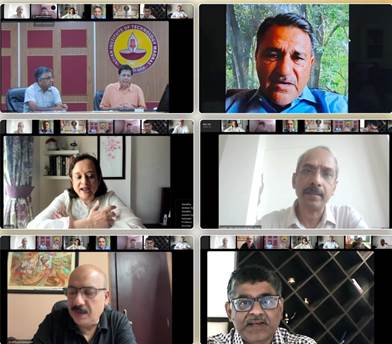
 Secretary, Department of Higher Education, Ministry of Education, Shri K. Sanjay Murthy today virtually launched the ‘Capacity Building on Design and Entrepreneurship (CBDE)’ program in presence of officials of the Department; members of the Program Advisory Council, CBDE; mentors from the industry; representatives of the shortlisted Higher Education Institutions (HEIs); Prof. Sudhir Varadarajan, Program Director, CBDE, and Principal Investigators and Co-Principal Investigators. More than 130 participants virtually attended the meeting.

Shri K. Sanjay Murthy in his address highlighted that the program will be led by industry and academia collaboration. He mentioned that industry experts are also providing the necessary guidance and support to HEIs through various initiatives under the banner of industry-academic linkage. He recognized the rigorous selection process instituted through which 30 HEIs have been identified to implement this program in their institution..

The Capacity Building Program is designed to equip identified HEIs and faculty members to focus on Design and Entrepreneurship development in their institution with the support of mentors from industry. At this stage, 30 HEIs have been selected through a process anchored by the IIITDM, Kancheepuram, a Malaviya Mission Teacher Training Center (MMTTC) as Nodal Centre for the program. This program will focus on instilling in students a problem-solving approach that encourages creative and innovative solutions to complex challenges and ultimately takes concrete steps in scaling up their ideas through stage-wise hand-holding support provided by mentors from the industry. The program includes one-to-one mentoring of faculty and promoting generative dialogue among faculty, student teams and HEI partners by a pool of expert mentors. The program is designed to provide mentor support to the identified HEIs to learn from the expertise gained through years of engagement in the industry setup.

During the meeting, industry experts including Shri Manoj Kohli, Chairperson, Program Advisory Council, CBDE, and Smt. Debjani Ghosh, President, NASSCOM expressed hope in the outcomes of this program. Shri Kohli suggested that during the execution of the initiatives, efforts will be made to ensure linkages and support to the startups from global investors and industry. In her remarks, Smt. Ghosh mentioned entrepreneurial mindset needs to be nourished in the young minds present in educational institutions. Problem-solving skills as demanded by the industry are required to complement the technical skills provided in the traditional pedagogical approach, she said.

In his address, Prof. V. Kamakoti, Director, IIT Madras envisioned that prioritization of locally relevant challenges to produce effective and sustainable solutions by young entrepreneurs/innovators would garner global recognition.

Mentors from the industry also shared their views about the program. Dr Miftahul Barbaruah, Member, Confederation of Indian Industry, Assam Chapter, and Shri Chandrasekaran Balakrishnan, former Chief Digital Data and Innovation Officer, Marsh McLennan Asia, highlighted that the program will build capacities of the HEIs to transform students into entrepreneurs and enable them to develop solutions to pressing challenges of the society.

Prof. Sudhir Varadarajan, Program Director, IIITDM Kancheepuram, shared the way forwardand guided the participating HEIs to follow the subsequent plan of action about implementation of the program.

***

One-Day Workshop on State Mining Index in collaboration with IIT-ISM, Dhanbad

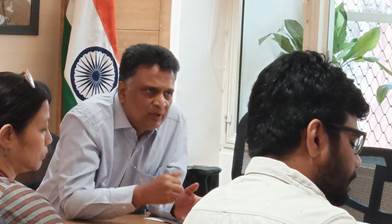
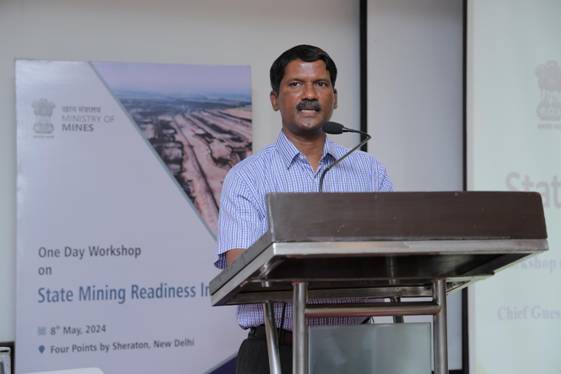
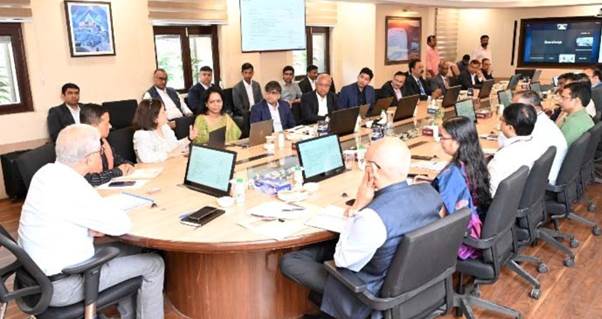
 Ministry of Mines, in collaboration with the Indian Institute of Technology – Indian School of Mines (IIT-ISM), Dhanbad will organize a one-day workshop tomorrow i.e., on 8th May, 2024 in Delhi to discuss the draft framework of the State Mining Index, envisaged to capture mining sector performance of States. The Secretary, Ministry of Mines, Shri V. L. Kantha Rao, will  chair the workshop, to be participated by the senior officials from States.

The mining sector is at the forefront of numerous value chains, supplying raw materials to key industrial domains such as steel, non-ferrous metals, cement, fertilizers, chemicals, and electronics. The States have a crucial role to play in the development of the country’s mining sector. For a mining sector vision that prioritizes resource use efficiency with equity, sustainability and responsibility, focussed attention is required on the exploration of India’s geography; taking actions for facilitating future mineral production and working for the interest and benefit of persons and areas affected by mining related operations. In such a national effort, a State’s relative contribution is important and needs to be reflected. As such, a State Mining Index has been envisaged to capture the mining sector performance as well as States’ future readiness in mining activity. The ambit of the index will be non-fuel major minerals and minor minerals. Ministry of Mines has commissioned IIT-ISM, Dhanbad to conduct a study for designing the framework, collecting data and formulating the index.

In order to make the process transparent and objective, States are being consulted at every stage of index development. The One-Day Workshop in Delhi is a part of this endeavour. Feedback from States at the workshop will help in finalizing the framework.

****

Two-Week Capacity Building Programme on Project and Risk Management for Public Works for officials of Tanzania at Mussoorie

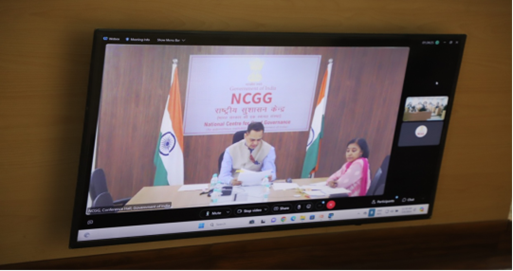
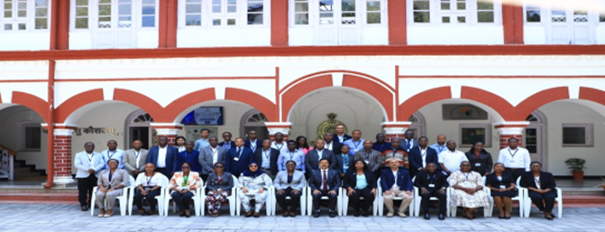
 The two weeks program on Capacity Building Programme on Project and Risk Management for Public Works for the officers from Republic of Tanzania commenced today at the National Centre for Good Governance (NCGG), Mussoorie. The program is being organized from 6th May, 2024 to 17th May, 2024 in partnership with the Ministry of External Affairs (MEA) Government of India. A total of 39 officers representing various organisations and ministries in Tanzania such as National Roads Agency, Ministry of Energy, Planning Commission, Tanzania Building Agency, Tanzania Railway Corporation, Housing investments, Rapid Transit Agency, E-government authority, Energy and Water Regulatory Authority, President’s Office Public Service Management and Good Governance, Regional Administration and Local Government, Livestock and Fisheries among others are attending the programme.

The NCGG, an autonomous institution under the Department of Administrative Reforms and Public Grievances, Ministry of Personnel, Public Grievances and Pensions, Government of India, is committed to action research, studies, and capacity building at both the national and international levels. NCGG’s efforts align with the Indian philosophy of ‘Vasudhaiva Kutumbakam’ i.e. “The world is one Family” and emphasizes strengthening bilateral ties and fostering cooperation with other countries. The capacity building program focuses on providing a rich cross country experience and a platform for policy dialogue, while sharing best practices focusing on project and risk management in various sectors. This will result in the officers gaining valuable insights into the manner in which projects are planned and executed and institutions are being transformed and people are getting closer to the government.

Shri V. Srinivas, Director General, National Centre for Good Governance (NCGG) and Secretary, Department of Administration Reform and Public Grievances (DARPG) in his inaugural address extended a warm welcome to the participating officers. During his address, he talked about the relations between the two nations and the outline of future collaborations in the area of capacity building programmes. He focused on the evolving landscape of governance and gave an elaborate presentation on the New Paradigms of Governance and emphasized on the transformative role of technology in maximizing governance efficiency and development thereby bringing citizens closer to government. He elaborated on National E- Service Delivery Assessment, India’s vision for 2047 and showcased exemplary governance models such as Aadhaar Card, Advancements in Fintech, Public Grievance Redressal Mechanisms like CPGRAMS, and the integration of Artificial Intelligence in administration.

Shri V. Srinivas, Director General, National Centre for Good Governance (NCGG) and Secretary, Department of Administration Reform and Public Grievances (DARPG)

Speaking on the occasion Mr. George Nsavike Ndatta, Head of the Delegation expressed gratitude to the Indian Government for extending such a warm hospitality and providing this immensely useful opportunity to facilitate knowledge exchange. He was of view that this will ultimately empower officers to implement and design effective projects thereby aiding development in the country.


Dr. B.S Bisht, Associate Professor and Course Coordinator gave a comprehensive presentation on the background and ongoing initiatives of the National Centre for Good Governance. He also highlighted the core objectives of the two-week training program, which is meticulously structured to equip officers with essential skills in Project and Risk Management for Public Works, while showcasing several projects and works in several important sectors relevant to the participants. He elaborated how the programme is designed for officers who are at decision making level and is aimed at equipping them with the cutting-edge knowledge, skills and tools to deliver and design effective public works projects, which will lead to achievement of good governance and ultimately sustainable development apart from providing a rich cross-country experience so that there is no need to reinvent the wheel.

He discussed how the programme covers a diverse range of topics such as Project Selection and Formulation, Project Management Framework and Processes, Project Risk Management, PPP in Infrastructure Projects, Smart and Resilient Cities, Innovation in Awarding Public Projects, and Managing Rural and Urban Housing Projects. Additionally, the program incorporates immersive field visits, with officers slated to visit key project sites such as Dakpathar Hydropower and Irrigation Dam, NHAI in Uttarakhand, Dwarka Expressway in New Delhi, Indira Paryavaran Bhawan, World Trade Centre NBCC in New Delhi, and the Delhi Metro Rail Corporation, culminating with a visit to the iconic Taj Mahal.  He also informed that in partnership with MEA, NCGG has imparted training to civil servants of 17 countries.

The entire capacity building programme will be supervised by Dr. B.S Bisht, Associate Professor and Course Coordinator, Dr. Sanjeev Sharma, Associate Course Coordinator and Shri Brijesh Bisht, Training Assistant, NCGG.

***

Ministry of Tourism participates in Arabian Travel Mart 2024 in Dubai

 Ministry of Tourism, Government of India is participating in Arabian Travel Mart 2024, being held in Dubai from May 6th to 9th May, 2024. The event marks a significant step in strengthening India’s presence in the Middle East tourism market.

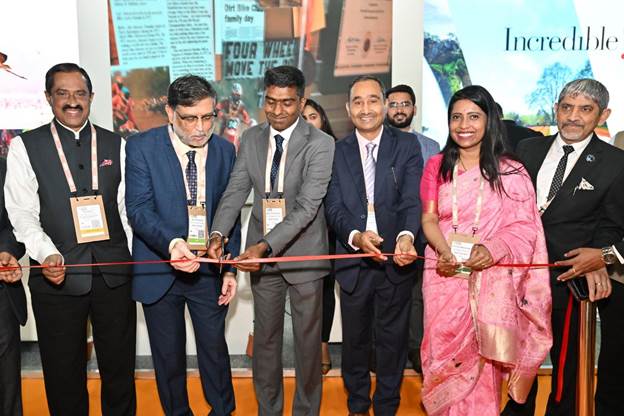
Incredible India pavilion was Inaugurated today by Mr. Satish Kumar Sivan, Counsul General of India to Dubai.  The pavilion has made a resounding entry, aiming to capture the entirety of the UAE market. Leading a delegation comprising tour operators, luxury hotels, wellness resorts, and the Indian Railway Catering and Tourism Corporation, India is poised to showcase itself as a 365-day destination.

Highlighting lesser-known yet refreshing destinations, the Ministry of Tourism has launched the ‘Cool Summers of India’ campaign at Arabian Travel Mart. This digital campaign challenges the notion of India being too hot for summer travel, emphasizing its offerings in hill resorts, including the Himalayas. The campaign seeks to promote India as a holistic destination throughout the year.

India’s participation in the Arabian Travel Mart 2024 holds immense potential for the tourism industry and the economy at large. The event provides a platform for Indian tourism players to exhibit their offerings, forge alliances within the industry, and attract visitors from the MENA region. This, in turn, is expected to bolster revenue generation and foster job creation within the tourism sector.

***

26 States Participate in the Workshop on State Mining Index Organized by Mines Ministry to Discuss and Finalize the Indicators of Performance

 Ministry of Mines, in collaboration with the Indian Institute of Technology-Indian School of Mines (IIT-ISM), Dhanbad successfully organized a one-day workshop on State Mining Index, here today. The Index would serve as a tool for stakeholders of the mining sector to understand various aspects related to the Ease of Doing Mining Business within a State.

The workshop was chaired by Secretary, Ministry of Mines, Shri V. L. Kantha Rao. In his keynote address, Shri Rao emphasized the importance of States’ efforts in the development of mining sector getting properly reflected in the policy narrative. He emphasized the importance of having a State Mining Index, which will promote cooperative federalism as well as competition among States. Emphasizing the active participation of States being important in making the exercise successful, he requested the States to help in data collection efforts by properly submitting the statistical returns in time.

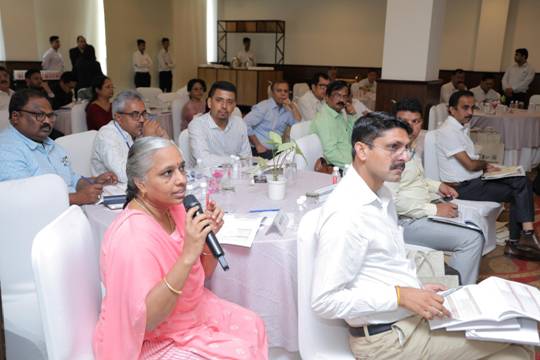
The workshop brought together policymakers, administrators and practitioners from the Central and State governments. Principal Secretaries, Directors and other officials from 26 States actively participated in the workshop to discuss and finalize the indicators and sub-indicators of performance which form part of the Index framework and methodology. Post consultations and feedback from the States, the Framework of the State Mining Index will be finalized and released in July 2024 for actual ranking to take place in April 2025.

****

International Thalassemia Day

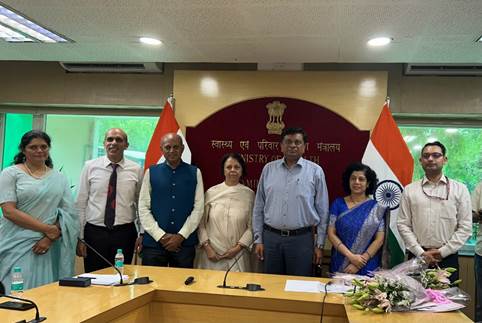
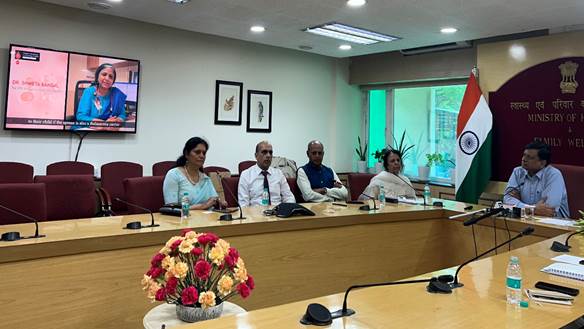
 Shri Apurva Chandra, Secretary, Ministry of Health and Family Welfare stressed on the importance of timely detection and prevention of Thalassemia to tackle the disease. He stated that only by preventing it at the right time, can the burden of this disease be curtailed. The Union Health Secretary was speaking at an event to mark the International Thalassemia Day, here today.

Speaking on the occasion, the Union Health Secretary stated, “Timely detection and prevention are the most effective strategies to tackle Thalassemia.” He added that there are almost 1 lakh Thalassemia patients in the country, with approximately 10,000 new cases reported each year. He emphasized on the urgency for proactive intervention aided by timely detection through screening.

Shri Apurva Chandra also highlighted the critical need for wide awareness around the subject. He stated that “Still many people are unaware of this disease and how this can be prevented. It is imperative that all stakeholders in this arena collaborate for a nationwide campaign to enhance awareness on Thalaseemia”. As a significant step in this direction, he launched a video made in collaboration with the Indian Association of Pediatrics and Thalassemics India to promote effective prevention methods and optimal treatment for Thalassemia
(https://youtu.be/H__bidXcanE?si=-_87PEPxAdsPNaw1).

Union Health Secretary also advocated for inclusion of compulsory Thalassemia testing in the existing reproductive and child health (RCH) programs under NHM as a means to curtail the prevalence of the disease. He added that some states have included this in their public health programs and activities; other states will be urged to include and expand screening and testing for Thalassemia.


Thalassemia is an inherited blood disorder that causes a body to have less hemoglobin than normal. Celebrated every year, International Thalassemia Day serves as a crucial platform to emphasize the importance of disease prevention, raise awareness, sensitize stakeholders, promote early detection, and ensure quality care for those affected by thalassemia. This year’s theme, “Empowering Lives, Embracing Progress: Equitable and Accessible Thalassemia Treatment for All,” encapsulates the collective mission toward universal access to comprehensive Thalassemia care.

Ms. Aradhana Patnaik, AS&MD (NHM); Dr. G. V. Basavaraja, President, Indian Academy of Pediatrics; Ms. Shobha Tuli, Secretary, Thalassemics India; Dr. Manas Kalra, Honorary Secretary, PHO Chapter of IAP and other senior officials from Union Health Ministry were present on the occasion.

*****

AWPO SUMMIT 2024 – CONVERGING REQUIREMENTS OF BUSINESSES & INDUSTRY WITH VETERANS

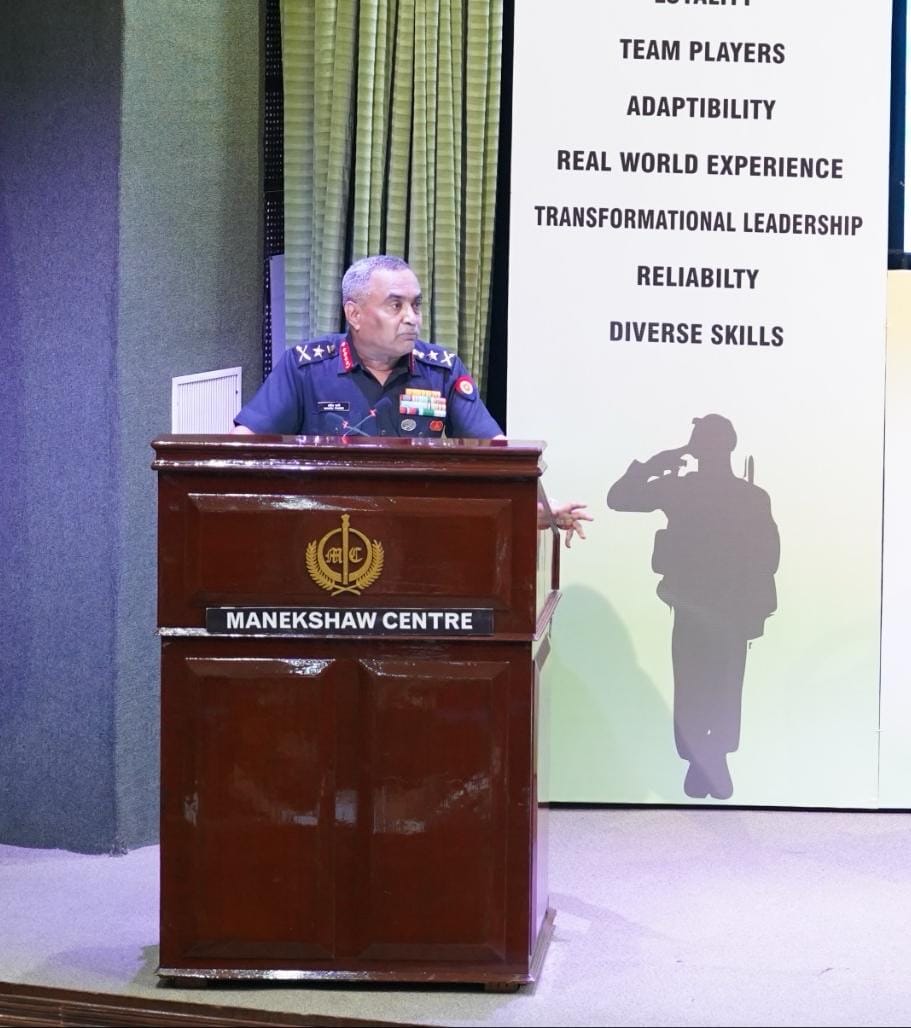
 The Army Welfare Placement Organisation (AWPO) today, organised the AWPO Summit 2024 in Manekshaw Centre, New Delhi. The Summit witnessed convergence of notable personalities from various sectors to include veteran entrepreneurs, veterans leading in the field of businesses and industry, corporate entities, representatives from government and social sector. 

The aim of the Summit was to bring together different stakeholders on a common platform, to bridge the gap between requirements of enterprise and core competencies possessed by the veterans. While the demand for a skilled and experienced workforce exists at the industry end, a disciplined human resource pool of veterans with adequate experience and unique skill sets exit from active service each year. Such a resource pool provides an opportunity to the industry to absorb this workforce. The Summit was an endeavour to synergise the two converging requirements. The AWPO Summit assisted in strengthening the linkages of the veteran community with the industry, PSUs and Quasi Government organisations. The presence of Corporate Heads, representatives of Industry, Start Ups, Ministry and Government Officials in the Summit, underscored this facet.

General Manoj Pande, Chief of the Army Staff (COAS), in his remarks, emphasised the invaluable contributions of veterans to the nation’s prosperity and reiterated the commitment of the Indian Army to facilitate their integration into various sectors. He said that veterans bring with them, a unique set of qualities and experiences that can be harnessed by the industry. He acknowledged the opportunities provided by several corporate houses and enterprises to veterans and added that veterans bring with them a unique set of qualities and experiences. The COAS mentioned that services to the nation by the veterans do not end when they bid farewell to military life, instead it transitions into a new chapter or second innings of dedication and commitment to the society and nation building. He urged all to recognize the potential of the words – ‘भूतपूर्व सैनिक, अभूतपूर्व योगदान’.

The COAS underscored that Indian Army has undertaken the process of holistic skill certification, as per the core competency of each individual, in collaborative efforts with the Ministry of Education and Ministry of Skill Development and Entrepreneurship. He also mentioned that initiatives such as Project KAUSHALVEER help serving personnel in acquiring certification for skill sets as per established industry standards thereby meeting the requirements of both stakeholders. He mentioned that the veterans, with diverse knowledge, experience, managerial acumen and adaptability can contribute in fields such as entrepreneurship, HR consultancy, mentorship, education, crisis management, infrastructure development, healthcare etc.

The COAS further highlighted that Veer Naris also bring with them unparalleled determination and resilience and urged the entrepreneurs to integrate them as part of their initiatives on human capital intake, from the ‘uniformed community’. He emphasised that the Veer Naris also possess vocational skills, entrepreneurship acumen and aptitudes in many professional domains.

This Summit was an endeavour in Indian Army’s pursuit to evolve an institutionalised support eco-system for the veterans. Insightful perspectives were put forth by panelists from different fields on the entire landscape of avenues, potential, challenges and initiatives with respect to absorption of veterans into new roles. Veterans who have established themselves into a successful second career, also shared their experiences and success stories. The subjects were discussed across three main themes, aimed at fostering synergy between veterans and various sectors with an important role in nation building.

Theme 1: Harnessing Veterans’ Potential & Experience.  The panel for Theme 1 included distinguished Veteran Entrepreneurs such as Major V P Sharma (Retired) from Gratitude Farms, Colonel Subhash Deswal (Retired), the Carrot King of India, Naik Shivaji Dole (Retired), who took initiative to revive Venkateshwara Co-operative which practices agro farming, organic farming and water conservation, and Naik Daljinder Singh (Retired), an entrepreneur and established businessman. The discussion was moderated by Major General Ajay Singh Chauhan, Managing Director, AWPO and Brigadier Vikas Bhardwaj from the Directorate of Indian Army Veterans. The session focussed on veterans’ potential as entrepreneurs, success stories of achievers and the way ahead. The panelists delved into their inspiring journeys, challenges faced, and the roadmap ahead. Key points discussed were the unexplored potential of veterans in innovative sectors and strategic entrepreneurship that align with national growth imperatives.

Theme 2: Skills Required to Meet Public and Private Sector Needs.   Addressing the need for skilled workforce integration, the session highlighted the significance of the Skilling & Training Ecosystem. The panel for the theme included Colonel Sunil Prem (Retired) from Brisk Olive, Lieutenant Colonel Iqbal Singh (Retired) from Google India and Major Md Ali Shah (Retired). The discussion was moderated by Major General Deepak Sapra (Retired). The session focussed on skills needed in corporate/ industry and strengthening capabilities for veterans in the emerging industrial landscape. The panelists explored avenues, challenges, and strategies to effectively harness the unique skills and experiences veterans bring to the table. They underscored the essential role veterans play in bridging the skills gap in both public and private sectors and deliberated on the road map to explore the veterans’ potential.

Theme 3: Unveiling Opportunities for Veterans in India’s Growth Story.  This session explored the diverse skill sets of veterans, widows, and dependents, showcasing their potential in emerging sectors of both the public and private sectors. The panel for the theme included Major General Rajesh Jha (Retired), Director NEEPCO, Colonel RS Bhatia (Retired), Chairman & MD Bharat Forge Ltd, Mr Gurdeep Singh, CMD of NTPC and Ms Anuradha Prasad, Founder & CEO of India Leaders for Social Sector (ILSS). The session was moderated by Major General Ajay Singh Chauhan (Retired), MD, AWPO. The discussions centred around strategies to enhance veterans’ potential and opportunities in the social sector. This comprehensive dialogue addressed the multifaceted contributions and tremendous capacities of veterans in furthering India’s social and economic frameworks.

The Summit has been a catalyst for dialogue, collaboration and inspiration, spotlighting vital role of veterans in India’s progress. It is crucial for all industries to recognise and utilise unique strengths and skill sets of the veterans by having matching policies for their smooth transition into civilian roles. The nation’s growth hinges on nurturing the veterans, whose ongoing contributions are essential for sustained progress and collective wellbeing. Assimilation of skilled and disciplined resource pool of veterans into industry and services sectors will be a win- win situation for both and a game changing venture.

***

Two-day conference on jointness & integration of Armed Forces on 9-10 May

 In light of the imminent Theaterization, the Indian Armed Forces are intent on giving momentum to the ongoing Jointness and Integration initiatives amongst the three services.

“Parivartan Chintan”, a pioneering conference for the heads of all Tri-services Institutes, aimed at generating novel reformative ideas & initiatives, was conducted on 08 Apr 2024. Parivartan Chintan – Il, chaired by Chief of Defence Staff General Anil Chauhan, is planned over a period of two days on 09-10 May 2024 in New Delhi.

Members from all the sub-committees of the apex Chiefs of Staff Committee; the CDS as its permanent Chairman and the three Service Chiefs, shall review the progress made in multiple domains, and ideate on the necessary reforms to achieve the desired end state towards transformation through jointness and integration.

****

Two-day National Symposium & Industry Meet on ‘Emerging Technologies in Infrastructure Development’ in New Delhi

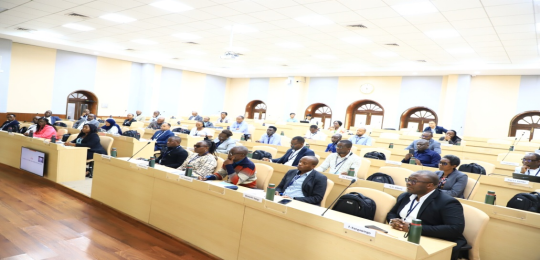
 A National Symposium and Industry Meet on ‘Emerging Technologies in Infrastructure Development’, organised by Defence Research and Development Organisation (DRDO), was inaugurated by Defence Secretary Shri Giridhar Aramane in New Delhi on May 09, 2024. The two-day event, with the participation from the Armed Forces, academia, industry and DRDO, aims to foster dialogue, exchange knowledge and explore innovative approaches to address the challenges and opportunities presented by emerging technologies in infrastructure development in line with the vision of ‘Aatmanirbhar Bharat’.

In his address, the Defence Secretary emphasised on the need to achieve self-reliance in every field to deal with future challenges. He stated that India is a country with a significant percentage of young population, and self-reliance will ensure gainful employment to them.

Underlining the importance of achieving ‘Aatmanirbharta’ in defence, Shri Giridhar Aramane asserted that there is no trusted trend in geopolitics, and India cannot depend on other countries for its security & safeguarding national interests. He stressed that self-reliance will help the country take giant strides on the path of becoming a developed nation by 2047.

Highlighting the emphasis being laid by the Government on infrastructure development along the borders, the Defence Secretary exhorted the infrastructure firms to contribute in further strengthening the apparatus. He added that while the Armed Forces personnel are being provided with latest weapons/equipment, the private sector should contribute in bolstering the infrastructure set-up in the border areas. He referred to the Vibrant Villages Programme which aims to motivate people to stay in their native locations in border areas, and urged the firms to set up a separate section, within their respective organisations, which focuses on development in far-flung areas.

Shri Giridhar Aramane stated that the DRDO is extending support to the private sector in Research & Development, and together they can come up with new innovations to build faster & better in the times to come. He called upon the industry to walk hand-in-hand with the government, and focus more on the mass production of quality products in a time-bound manner. He also urged the industry to collaborate with the academia to enhance the skills of the workforce, which can help realise a technology into a product.

Speaking on the occasion, Secretary, Department of Defence R&D and Chairman DRDO Dr Samir V Kamat emphasised on the importance of infrastructure in the development of a nation. He stated that India is witnessing a phenomenal growth in the field of technical infrastructure, which is required to maintain the country’s strategic deterrence.

The DRDO Chairman added that technology is evolving rapidly, and the necessity of sustainable infrastructure and green infrastructure is now becoming a part of technical domain. “It’s time to explore ways to incorporate the latest technologies in our technical infrastructure. We have made a good start, but work needs to be done to catch up with the best practices,” he said.

Director General, Resource & Management Shri Purushottam Bej said the symposium, being attended by over 500 delegates with five technical sessions, will deliberate upon varying topics on emerging technologies in infrastructure development being expounded by experts from the users, industry, academia and scientists from DRDO. This will go a long way in igniting the minds of users, planners, designers, architects and ultimately the executives in realising the vision of the government and proving to be the stepping stone for a glorious future for the infrastructure development in the country at large.

The Defence Secretary also inaugurated the industry-partner exhibition, organised on the sidelines of the event, showcasing latest technologies and products developed by the various industry partners. The event also includes student competition from IITs, NITs and other Engineering colleges. A symposium souvenir and Research & Development Construction Establishment Work Procedure 2024 were also released during the event.

****

International Day of Yoga -2024 at Vigyan Bhawan Annexe, New Delhi

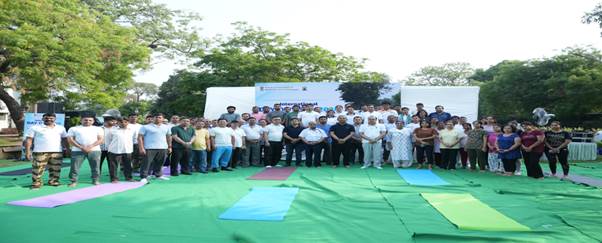
 In anticipation of the upcoming International Day of Yoga, the Ministry of Development of North Eastern Region (MDoNER) organized a countdown event at VigyanBhawan Annexe in New Delhi. Secretary and officers/officials of MDoNER and CISF officers and staff posted in VigyanBhawan Annexe, activelyparticipated under the guidance of Yoga Instructor and Demonstrators from MDNIY highlighting the timeless benefits of yoga deeply ingrained in Indian heritage.


The event featured dynamic yoga practices aimed at nurturing holistic well-being. Secretary DoNER emphasized yoga’s role in promoting physical, mental, and spiritual health

As MDoNER hosts the countdown to this transformative day, it reaffirms India’s commitment to nurturing a culture of health and wellness through yoga. The event at Vigyan Bhawan serves as a reminder of yoga’s universal appeal and its enduring relevance in addressing contemporary challenges.

A group of people doing yogaDescription automatically generated

Yoga, with its roots in ancient Indian tradition, has been widely recognized for its positive impact on physical, mental, and spiritual health. MDoNER’s event highlights the importance of incorporating yoga into daily life for a healthier and more balanced lifestyle.

A group of people standing in front of a bannerDescription automatically generated

****

Workshop on ‘State of Artificial Intelligence in Banks’ with representatives from 12 Public Sector Banks and other financial institutions under DFS

 Dr. Vivek Joshi, Secretary, Department of Financial Services (DFS), chaired a workshop on the ‘State of Artificial Intelligence in Banks’ as part of its lecture series, in New Delhi, today. The NASSCOM made a presentation during the workshop to provide banks and financial institutions with insights into best practices for AI adoption and risk mitigation. 

The event featured several industry experts who shared their experiences and insights on the AI. Besides, DFS Secretary, attendees included senior officials from the DFS, CEOs, MDs, CTOs, and CDOs from 12 Public Sector Banks (PSBs), as well as MDs and CEOs from various financial institutions under administrative control of DFS and delegates from NASSCOM.

The workshop served as a platform for participants to learn about various case studies and strategies for implementing AI in the banking sector. By leveraging the expertise of industry leaders, the workshop aimed to enhance the understanding of AI technologies and their potential impact on the financial services industry. The industry experts discussed how AI can be used to enhance customer service, make better decisions regarding credit, detect fraud and defaults, manage risks early, and boost employee productivity and efficiency.

The workshop also addressed the emerging challenges of AI in terms of data governance, cybersecurity, transparency and compliance.

****

Copy Editing: A Comprehensive Overview

Daily writing prompt
What public figure do you disagree with the most?

Copy editing is a crucial stage in the preparation of manuscripts, encompassing a detailed review and correction process to ensure clarity, coherence, accuracy, and consistency in texts. This editing phase bridges the gap between writing and publishing, focusing on the mechanics of language, factual correctness, and the fine details that enhance the readability and professionalism of a document.

1. Purpose and Importance of Copy Editing

Copy editing serves several key purposes:

  • Enhances Clarity and Readability: Refines language to ensure clear communication.
  • Ensures Accuracy: Checks for factual errors, logical inconsistencies, and typographical mistakes.
  • Maintains Style Consistency: Aligns the document with specific style guides or internal consistency.
  • Improves Grammar and Syntax: Corrects grammatical mistakes and enhances sentence structure.
  • Legal and Ethical Assurance: Helps prevent plagiarism and ensures that sensitive content is handled appropriately.

2. Elements of Copy Editing

Copy editing involves meticulous attention to various elements of the text:

  • Grammar and Punctuation: Ensures correct use of language mechanics.
  • Spelling and Typographical Errors: Identifies and corrects misspellings and inadvertent keystroke errors.
  • Style and Tone: Adapts the voice of the text to suit the intended audience and purpose, often adhering to specific style guides like APA, MLA, or Chicago.
  • Structure and Flow: Modifies awkward phrasing and ensures sentences flow smoothly into one another, improving the overall readability of the text.
  • Fact-Checking: Verifies the accuracy of dates, names, citations, and other factual information.
  • Consistency: Checks for uniformity in terminology, numerals, fonts, and layout.

3. The Copy Editing Process

The typical copy editing process includes several steps:

  • Initial Assessment: The copy editor reviews the text to understand its content, structure, and the amount of editing required.
  • Detailed Editing: The editor goes through the text line by line, correcting grammatical errors, improving syntax, and ensuring style consistency.
  • Interaction with Authors: Copy editors may query authors to clarify ambiguous points or suggest significant changes.
  • Final Review: After initial edits, the text is reviewed again to catch any remaining issues and ensure all changes improve the text.
  • Formatting: Final adjustments are made to align the document with required formatting standards.

4. Tools and Resources for Copy Editors

Copy editors use a variety of tools to aid their work:

  • Digital Tools: Software like Microsoft Word (Track Changes), Google Docs, and Adobe Acrobat are common for making and tracking edits.
  • Style Guides: Resources such as The Chicago Manual of Style, AP Stylebook, or specific academic style guides provide standards for consistent formatting.
  • Grammar Checkers: Tools like Grammarly or ProWritingAid offer preliminary checks for grammar and style but do not replace human judgment.
  • Dictionaries and Encyclopedias: Essential for verifying spelling and factual information.

5. Skills Required for Effective Copy Editing

  • Strong Command of Language: Expertise in the language of the text is crucial.
  • Attention to Detail: Ability to spot minor errors and inconsistencies that others might overlook.
  • Good Judgment: Knowing when to make changes and when to consult the author.
  • Technical Knowledge: Understanding of typesetting, formatting, and publishing processes.
  • Communication Skills: Effective interaction with authors to make necessary changes without altering the intended meaning.

6. Challenges in Copy Editing

  • Maintaining Voice: Keeping the author’s original voice while making necessary edits.
  • Handling Complex Content: Working with texts that require specialized knowledge.
  • Time Constraints: Meeting publishing deadlines while ensuring thorough editing.

Conclusion

Copy editing is an indispensable part of the publishing process that significantly enhances the quality of written work. Whether it’s a book, academic paper, or online content, effective copy editing ensures that the final product is polished, accurate, and ready for publication. By focusing on the finer details of language and consistency, copy editors play a pivotal role in the success of any written material.